

When building a stereo system, few decisions matter more than choosing your integrated amplifier. This single component handles everything from accepting inputs from your turntable or streaming device to amplifying the signal that drives your speakers. It's the heart of your system, and getting it right makes the difference between music that sounds good and music that makes you stop what you're doing just to listen.
Today we're comparing two fundamentally different approaches to integrated amplification: the Dayton Audio HTA200, a hybrid tube design released in recent years that combines vintage warmth with modern convenience, and the Arcam Radia A5, a pure solid-state amplifier launched in 2024 that represents decades of British hi-fi engineering refinement.
An integrated amplifier combines two essential functions: preamplification and power amplification. The preamp section takes weak signals from your sources—whether that's a turntable, CD player, or streaming device—and brings them up to line level while providing volume control and input switching. The power amplifier section then boosts this signal to the level needed to drive your speakers.
This integration offers several advantages over separate components. You get better value since you're buying one chassis instead of two, simplified setup with fewer cables, and often better performance since the preamp and power amp are designed to work together from the start. For most listeners, a quality integrated amplifier provides everything needed for exceptional sound reproduction.
When evaluating any integrated amplifier, several key factors determine its suitability for your system. Power output determines how loud you can play music and which speakers you can drive effectively. Sound character—whether warm and musical or neutral and analytical—shapes your listening experience. Input variety affects which sources you can connect, while build quality influences both longevity and resale value.
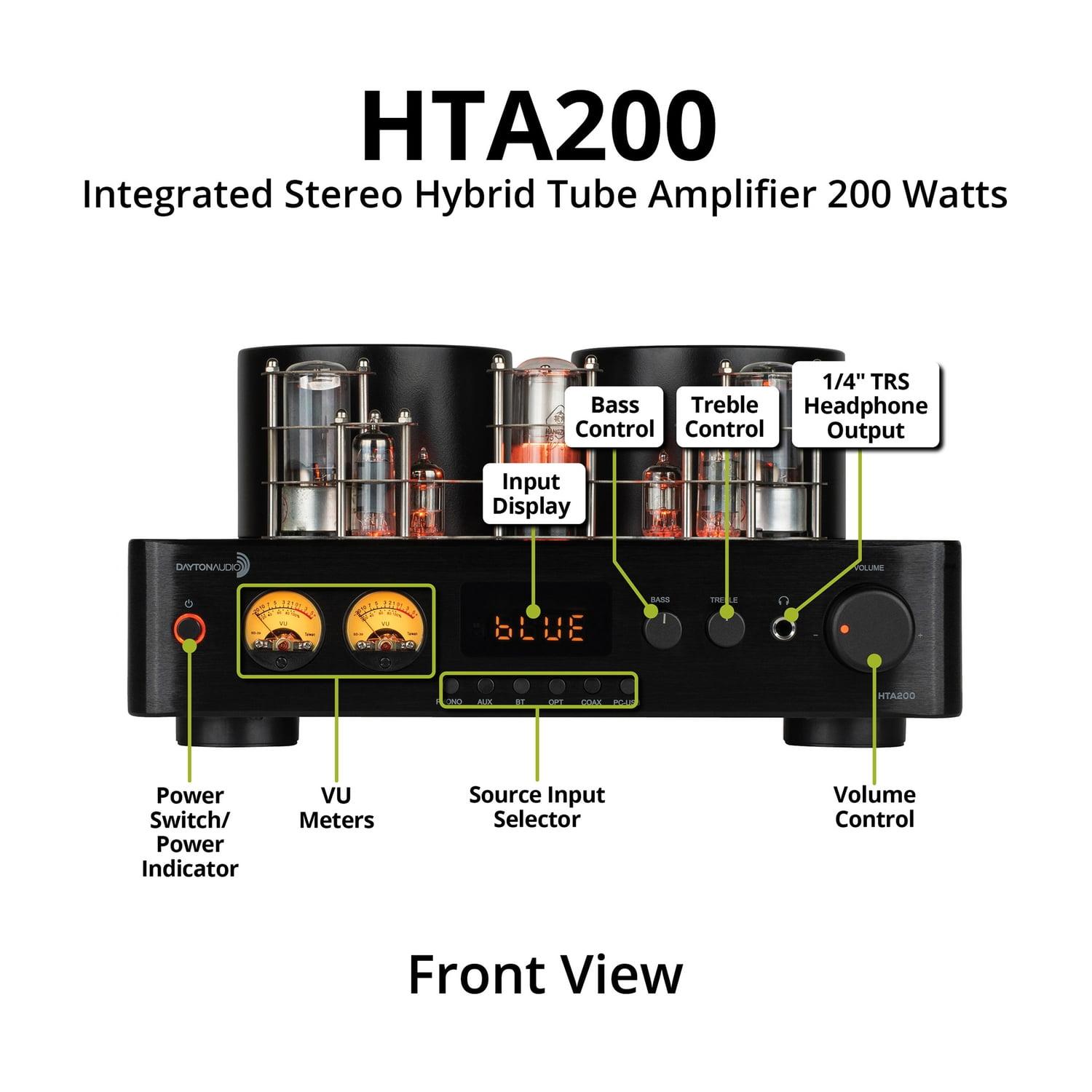
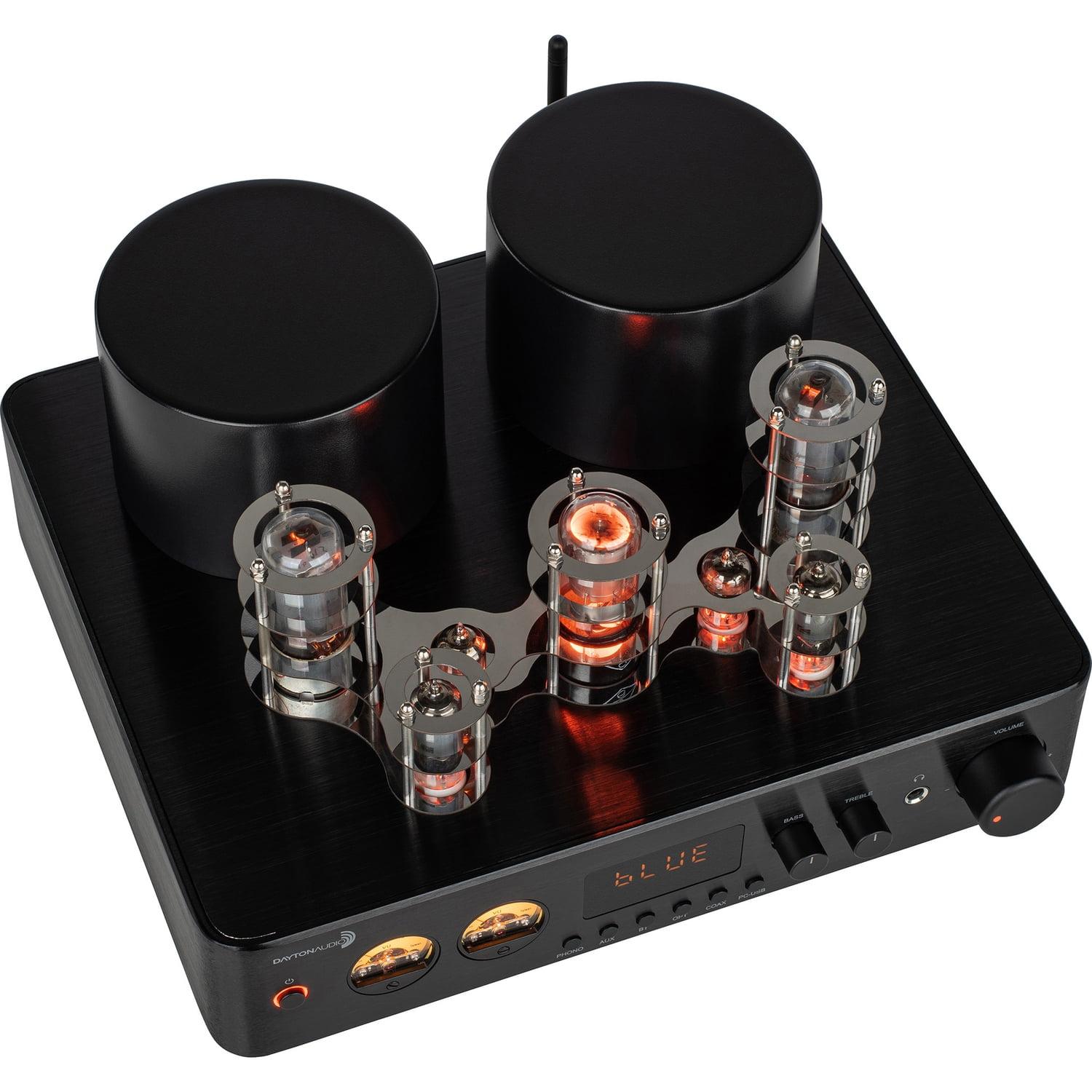
The Dayton Audio HTA200 represents what's called a "hybrid" design, combining vacuum tubes in its preamp section with solid-state power amplification. At the time of writing, it's positioned as an exceptional value in the mid-range amplifier market, offering features typically found in much more expensive units. This approach aims to capture the musical warmth that tube enthusiasts love while maintaining the reliability and power efficiency of modern solid-state technology.
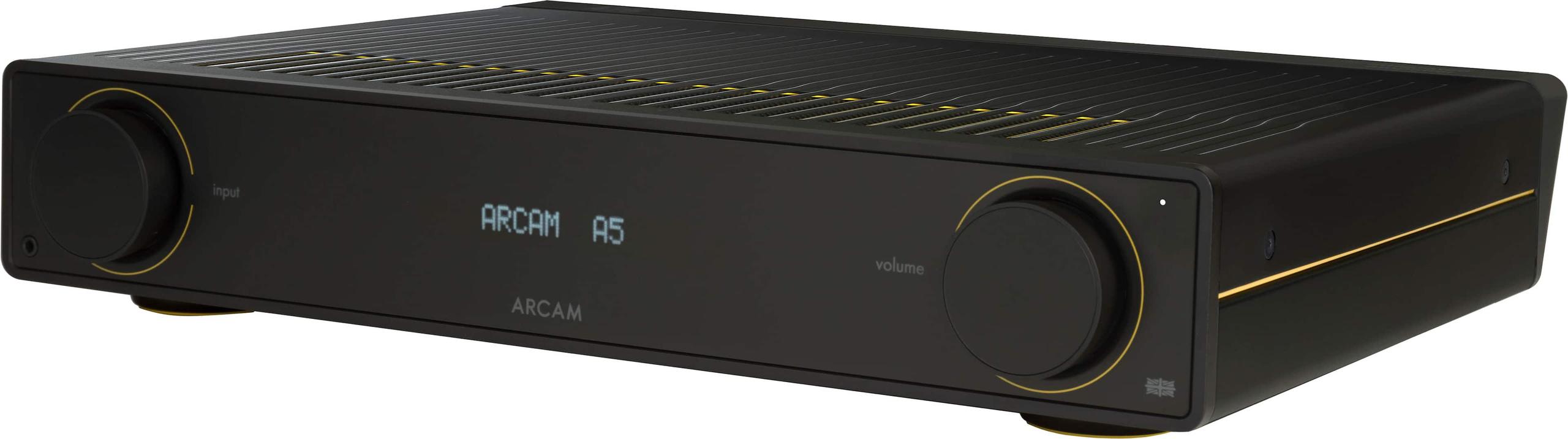
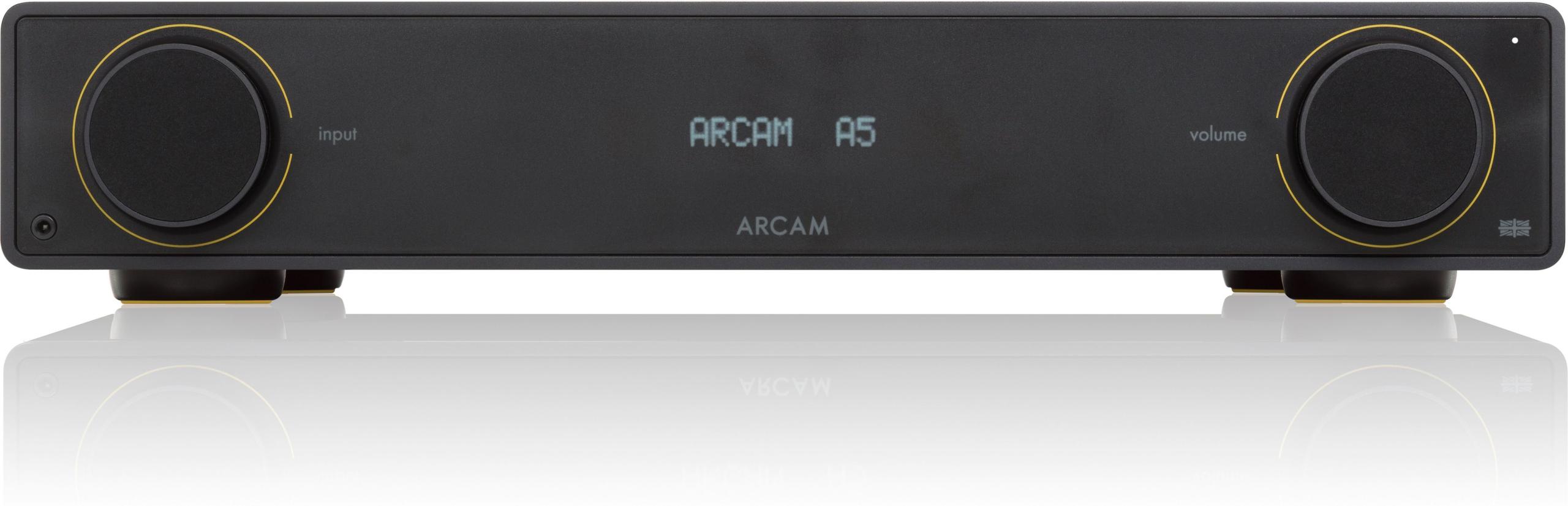
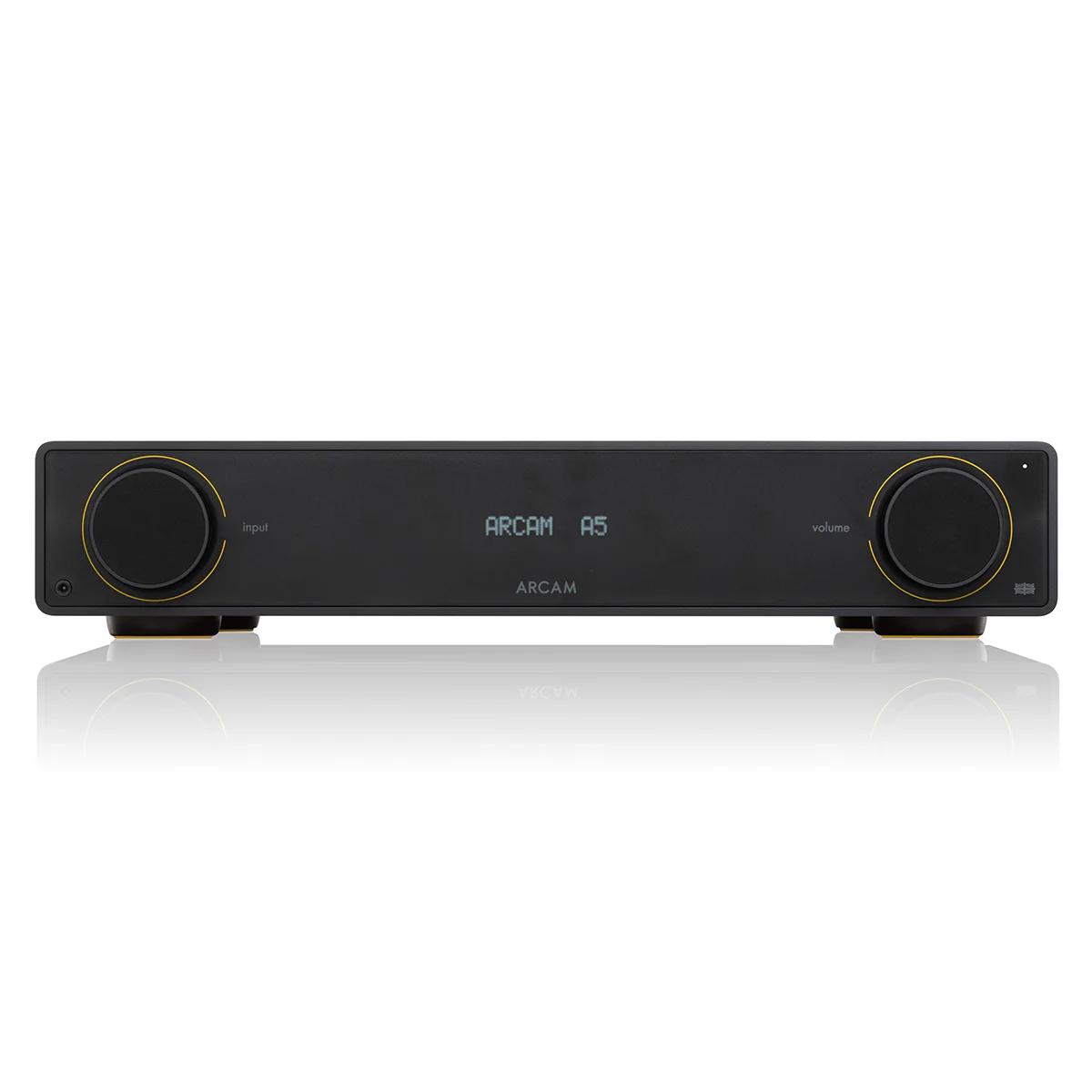
In contrast, the Arcam Radia A5 takes a purist solid-state approach. Released in 2024, it embodies Arcam's "less is more" design philosophy, focusing on exceptional audio performance rather than visual flair. While commanding a premium price compared to the Dayton Audio HTA200, it delivers what many consider reference-level performance at its price point.
The most obvious difference between these amplifiers lies in their power specifications. The Dayton Audio HTA200 delivers 100 watts per channel into 4-ohm speakers and 50 watts into 8-ohm loads. These are substantial figures that put it in the same league as amplifiers costing significantly more at the time of writing.
The Arcam Radia A5 takes a different approach, offering 50 watts into 8 ohms and 75 watts into 4 ohms. While these numbers appear lower, they don't tell the complete story. The A5's power supply design emphasizes current delivery—the amplifier's ability to provide the instantaneous power bursts that music demands. This means it can drive demanding speakers more effectively than its modest power rating might suggest.
Power ratings matter most when matching an amplifier to speakers and room size. The HTA200's higher output makes it better suited for larger rooms or less efficient speakers—those that need more power to reach satisfying volume levels. If you're planning to fill a living room with sound or drive floor-standing speakers, that extra power provides valuable headroom.
However, power alone doesn't determine sound quality. The Arcam A5's superior power supply design and lower distortion specifications (0.003% versus less than 1% for the HTA200) mean it often sounds more controlled and dynamic, even at moderate volume levels. In smaller rooms with efficient bookshelf speakers, the A5's refined approach often proves more satisfying than raw power.
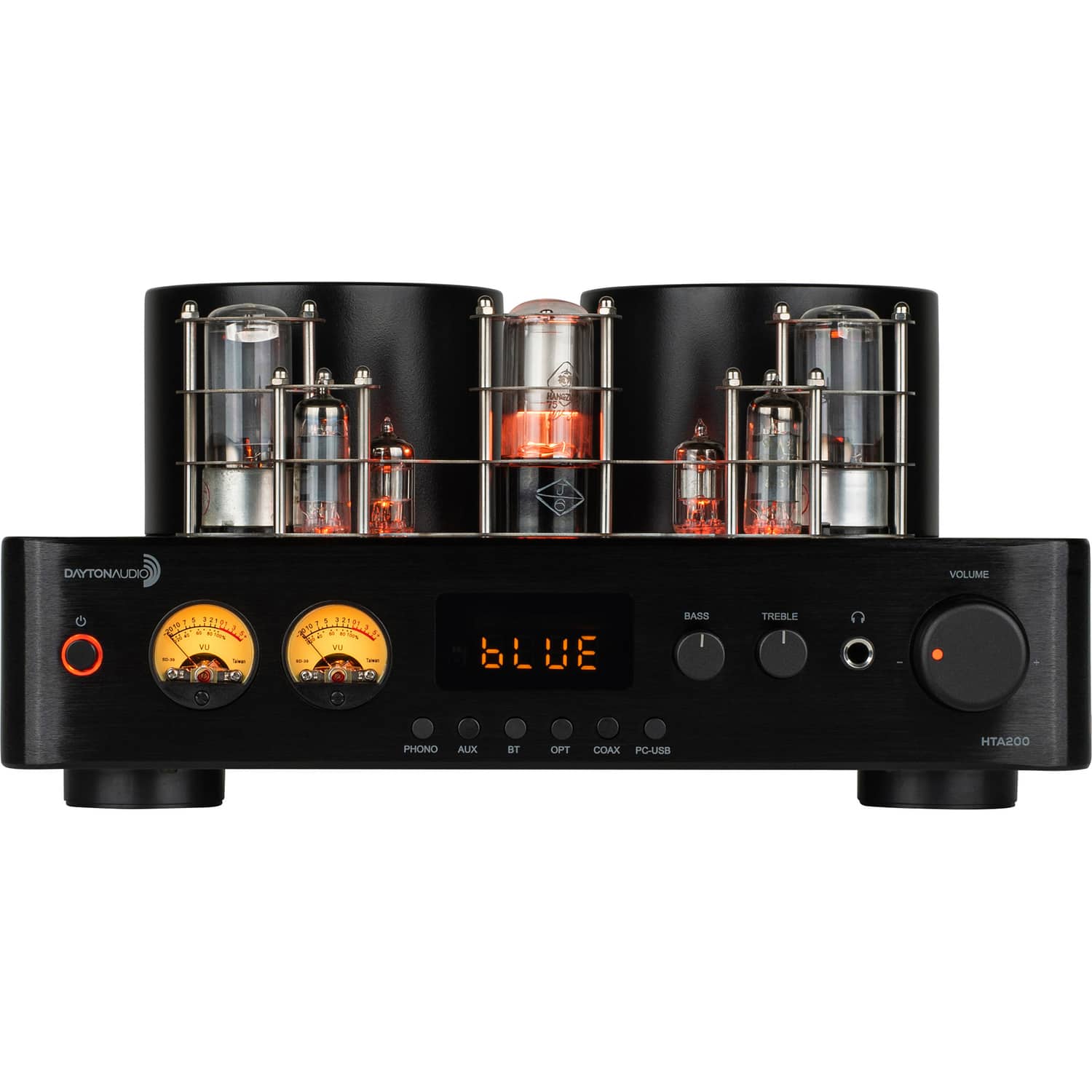
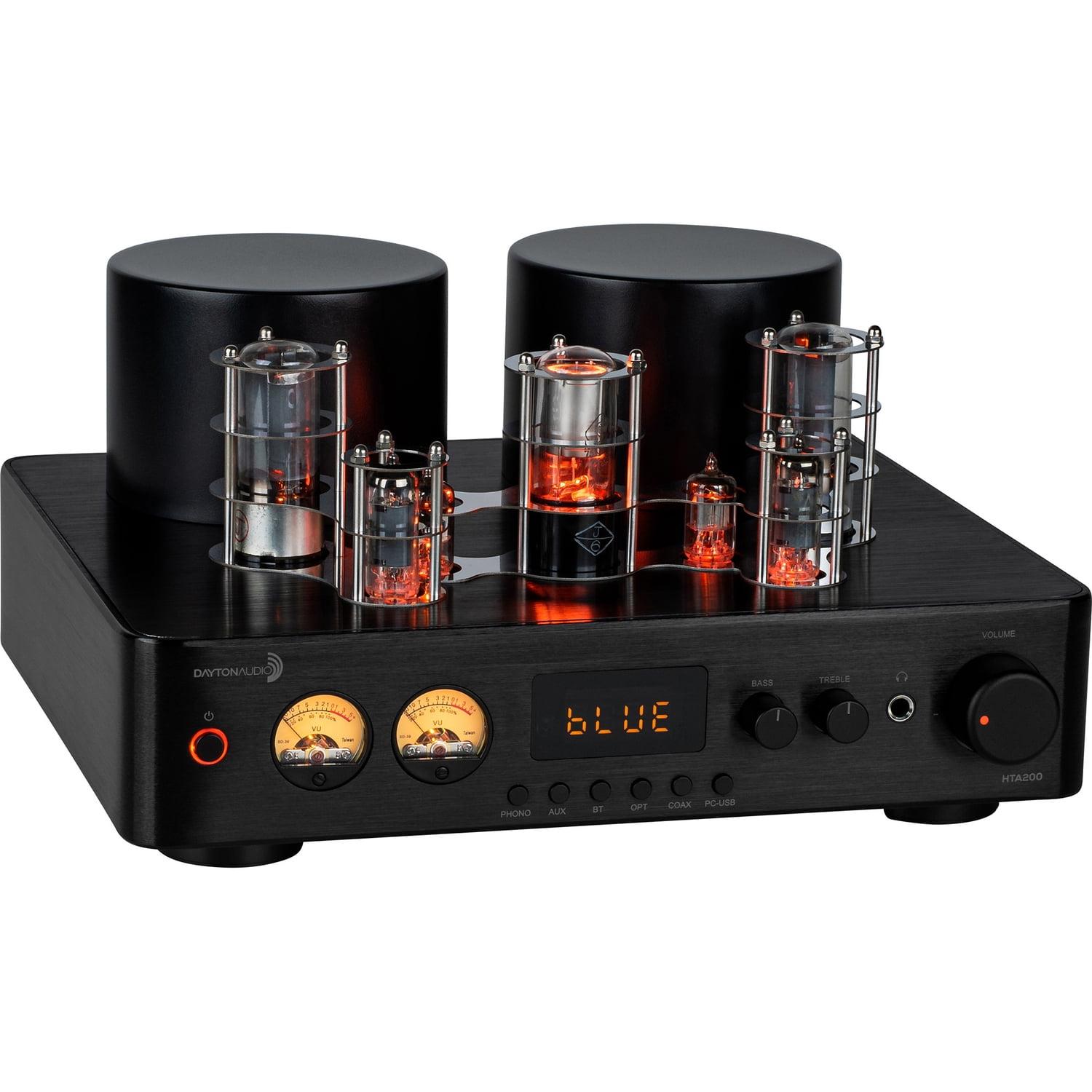
Perhaps the most significant difference between these amplifiers lies in their sonic personalities. The Dayton Audio HTA200 uses six vacuum tubes (13P1P, 6H2, and 6A2 types, plus a stabilizing tube) in its preamp section. These tubes add what enthusiasts call "harmonic coloration"—subtle distortions that many find musically pleasing. The result is a warmer, more romantic sound that can make vocals seem more intimate and guitars sound richer.
This tube coloration isn't a flaw—it's a feature. Many listeners prefer this slightly sweetened sound, particularly with jazz, rock, and acoustic music. The HTA200's hybrid design means you get this tube character without the maintenance headaches and power consumption of full tube amplifiers. The solid-state power section provides the muscle while the tubes provide the magic.
The Arcam Radia A5 takes the opposite approach. Its pure solid-state design aims for what engineers call "straight wire with gain"—amplifying the input signal without adding any character of its own. This neutral approach reveals exactly what's on your recordings, whether that's the studio acoustics on a well-engineered album or the compression artifacts on a streaming track.
For critical listening and discovering new details in familiar recordings, this transparency proves invaluable. The A5's exceptional signal-to-noise ratio (109dB for digital sources) means you hear music emerging from a perfectly black background, revealing subtle ambient details and spatial information that colored amplifiers might mask.
Both amplifiers recognize that digital sources dominate modern listening, but they implement digital-to-analog conversion very differently. The Dayton Audio HTA200 includes basic digital inputs—USB, coaxial, and optical—with conversion handled by an adequate but unremarkable DAC chip. Its USB input tops out at 16-bit/48kHz resolution, which covers CD quality but not high-resolution downloads or streaming.
The Arcam Radia A5 elevates digital playback significantly with its ESS Sabre ES9018 DAC. This professional-grade chip supports up to 24-bit/192kHz resolution and delivers exceptional dynamic range and low noise. Based on our evaluation of expert reviews and user feedback, the difference is immediately audible when playing high-quality digital files. Streaming services like Qobuz or Tidal's high-resolution tiers sound noticeably more detailed and spacious through the A5.
Bluetooth implementation also differs substantially. The HTA200 offers Bluetooth 5.0 with standard SBC and AAC codecs, adequate for casual listening from phones and tablets. The A5 steps up to Bluetooth 5.2 with aptX Adaptive support, enabling near-CD-quality wireless streaming. More uniquely, the A5 offers two-way Bluetooth, allowing you to stream music wirelessly to Bluetooth headphones or speakers—a feature rarely found in integrated amplifiers.
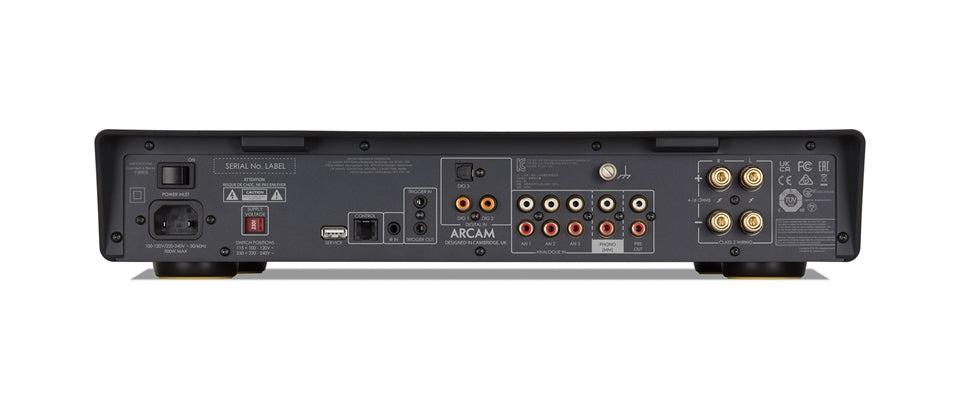
Both amplifiers acknowledge that modern systems need to accommodate various sources. The Dayton Audio HTA200 provides comprehensive connectivity including a built-in moving magnet phono preamp for turntables, multiple digital inputs, and a dedicated subwoofer output. This makes it particularly appealing for building complete systems around a single component.
The Arcam Radia A5 offers similar input variety but with higher-quality implementation. Its phono stage, optimized for the 47kΩ input impedance that most moving magnet cartridges expect, receives particular praise from vinyl enthusiasts. The preamp outputs allow integration with external power amplifiers or powered subwoofers, though without the dedicated bass management of the HTA200.
Both include headphone outputs, but with different philosophies. The HTA200 provides a front-panel quarter-inch jack convenient for larger headphones, while the A5 offers a more discreet 3.5mm output with higher voltage capability for demanding headphones.
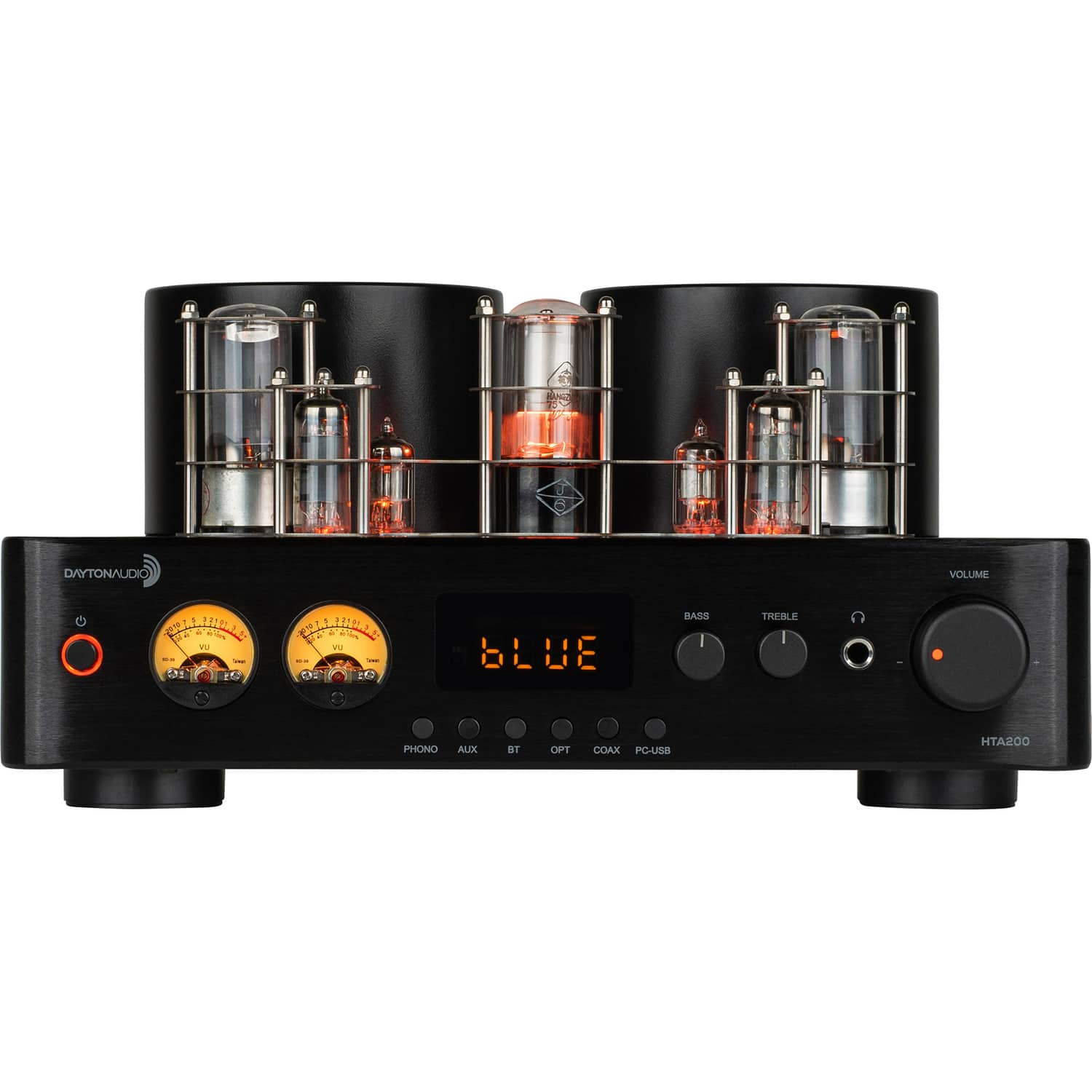
Physical construction reveals each manufacturer's priorities. The Dayton Audio HTA200 embraces its hybrid nature with exposed glowing tubes and classic analog VU meters. These elements aren't just aesthetic—the VU meters provide real-time feedback about your music's dynamics, and the tube glow creates an inviting ambiance that solid-state amplifiers can't match.
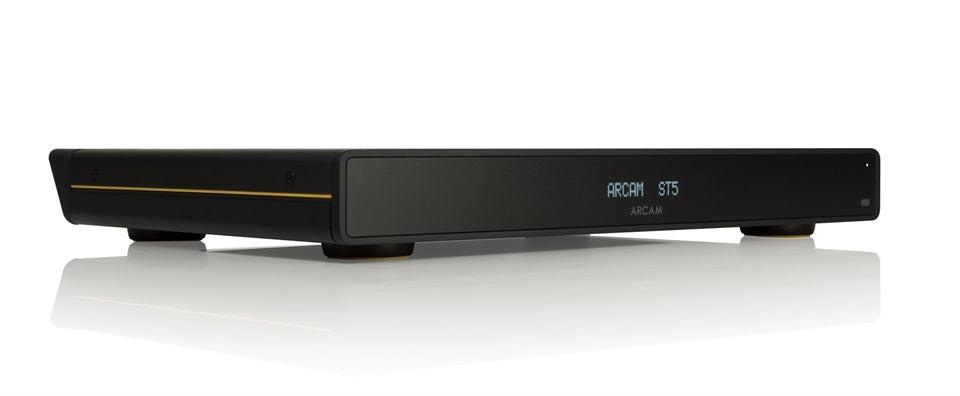
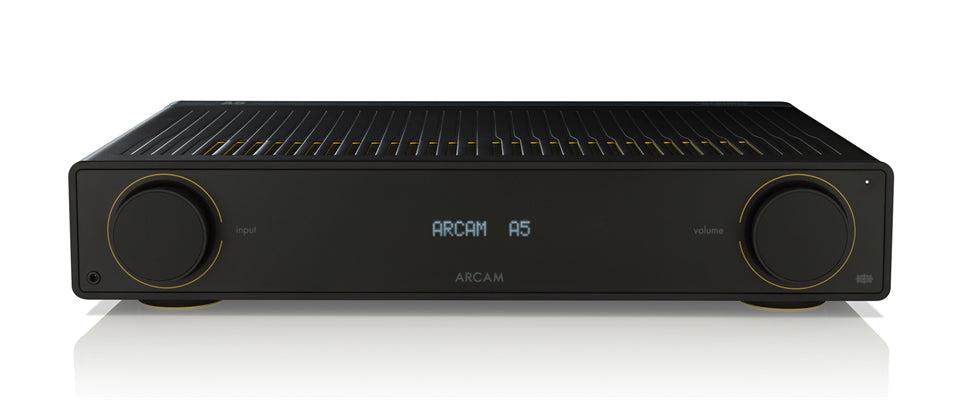
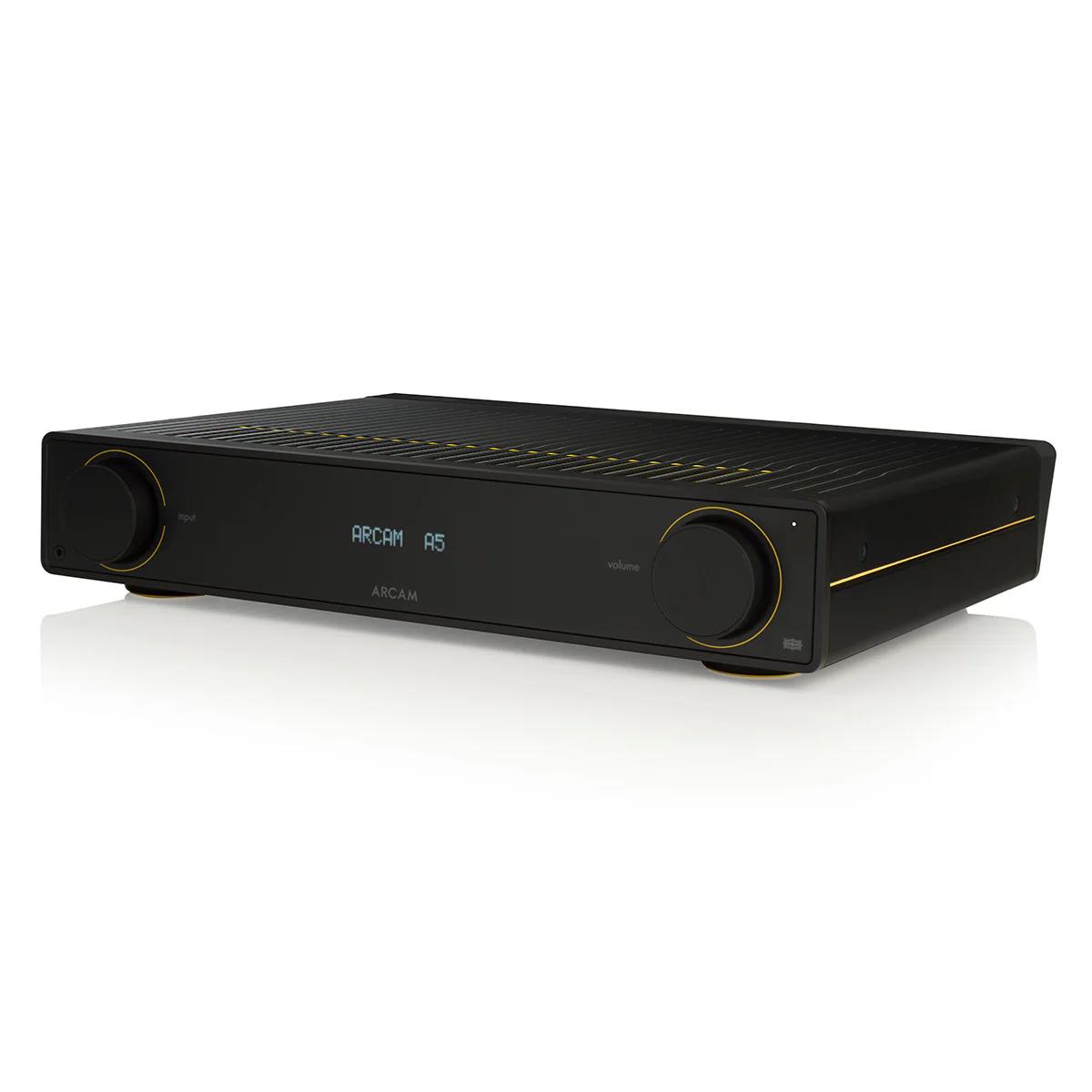
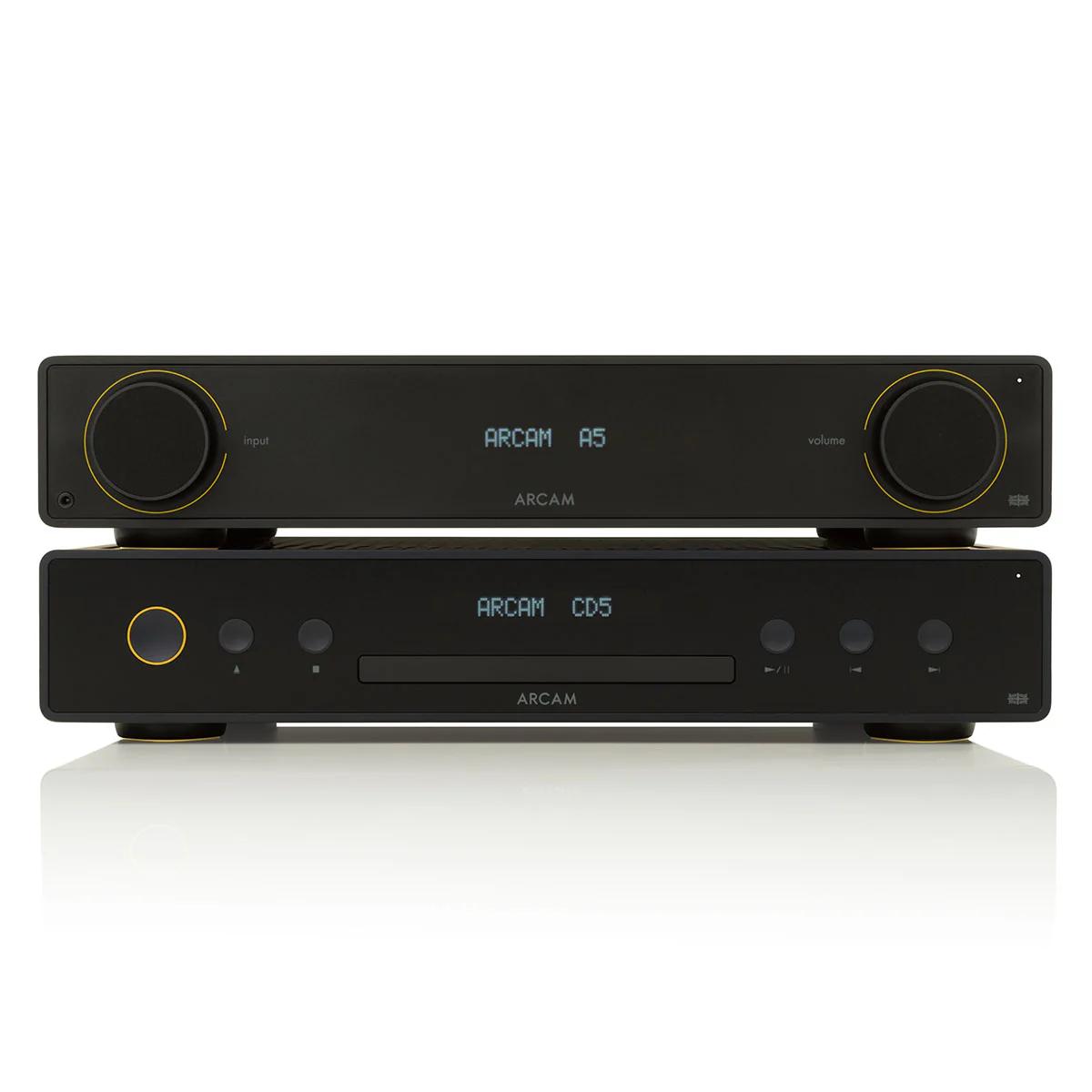
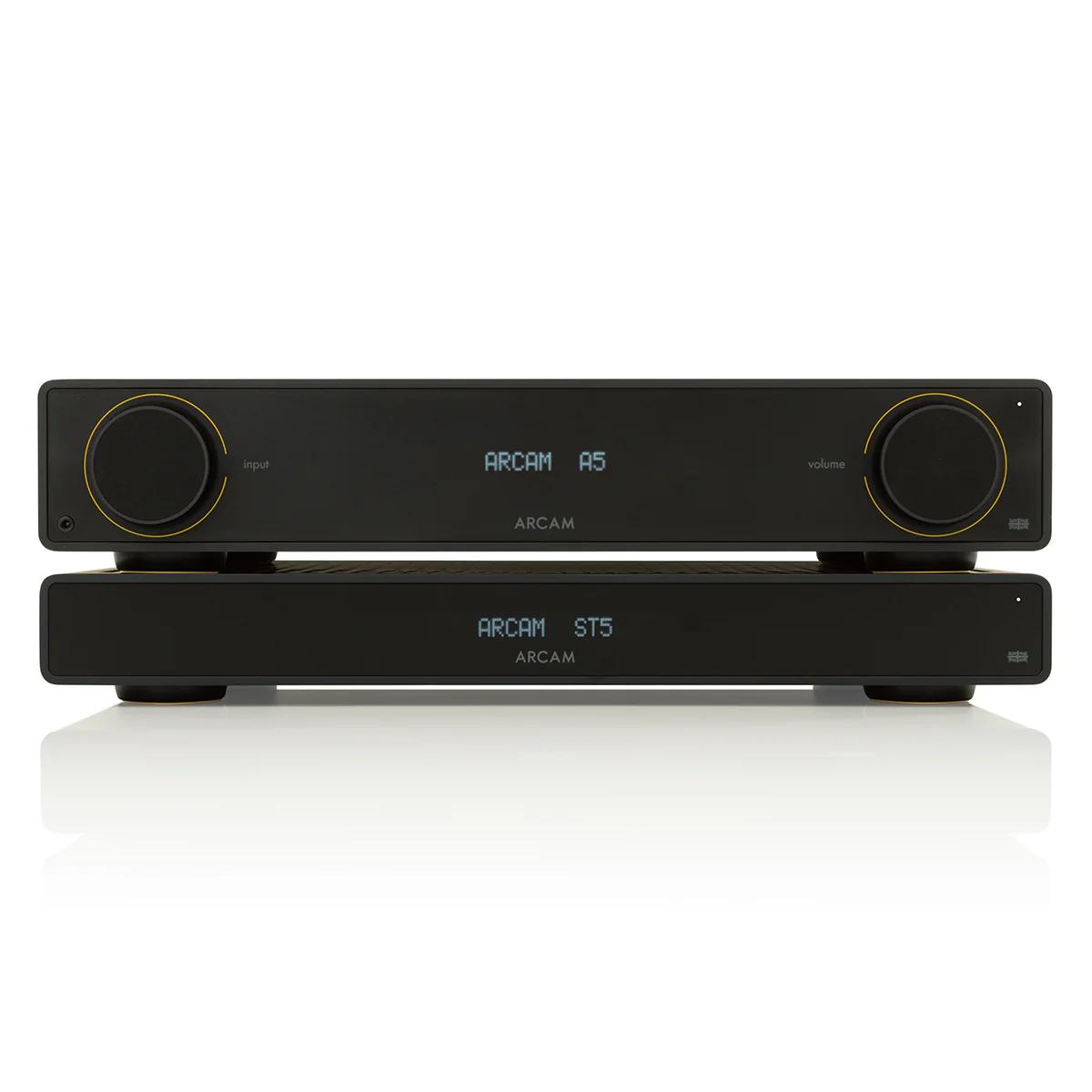
The Arcam Radia A5 takes a minimalist approach, focusing on internal component quality over visual drama. Its substantial 17.6-pound weight reflects serious internal construction, including a robust power supply and high-quality output transistors. The vibration-resistant chassis and premium components suggest this amplifier will deliver consistent performance for decades.
User interface design reflects these different philosophies. The HTA200 provides hands-on control with physical bass and treble knobs, motorized volume control, and an informative display. Everything you need is accessible from the front panel, though the included remote adds convenience.
The A5 relies more heavily on remote control operation, reflecting its focus on sonic purity over interface complexity. Some users initially find this approach less intuitive, but the clean, uncluttered design appeals to those who prioritize performance over tactile controls.
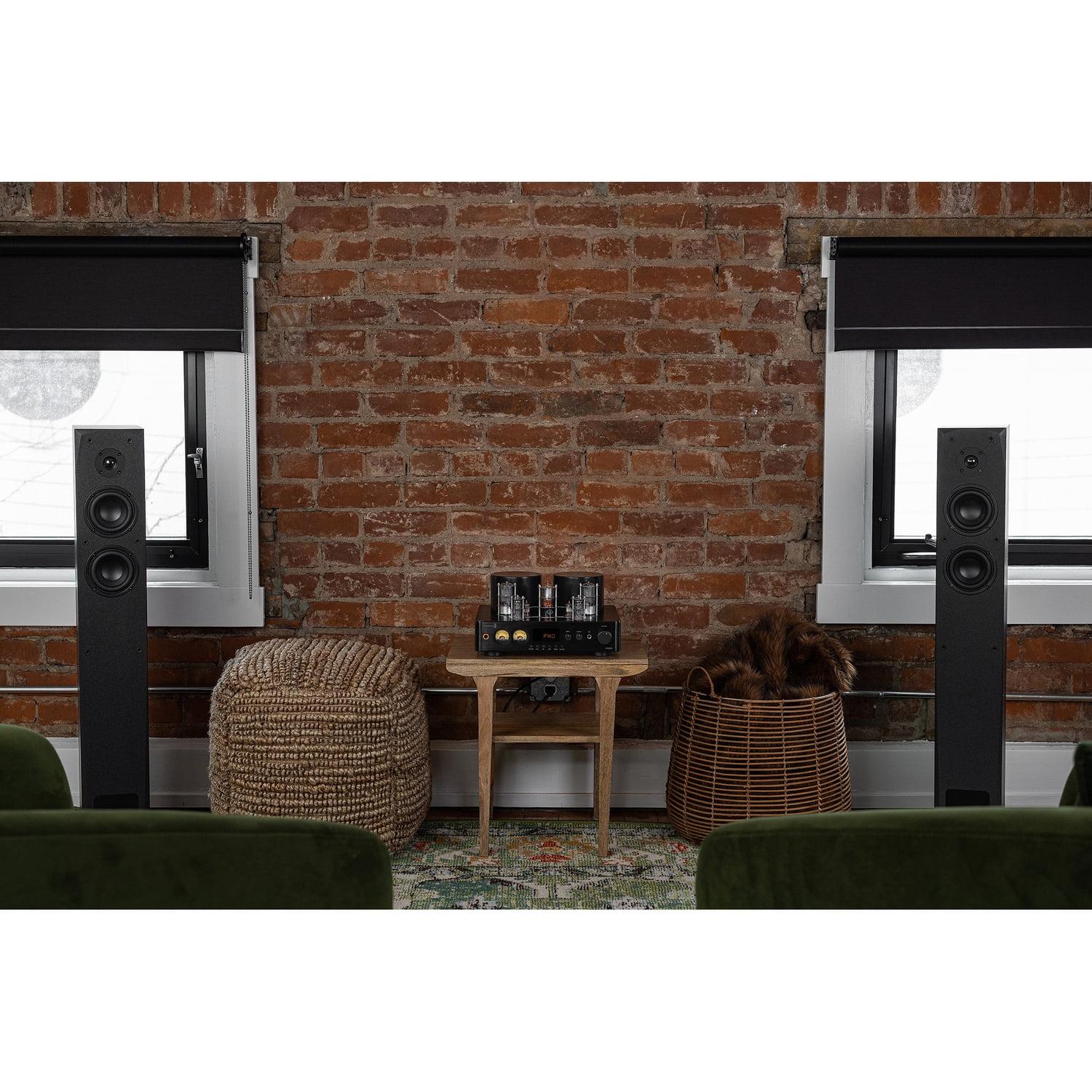
While both amplifiers excel for stereo music listening, their home theater potential differs. The Dayton Audio HTA200's dedicated subwoofer output and robust power output make it suitable for smaller home theater systems, particularly when paired with efficient bookshelf speakers and an active subwoofer.
The Arcam Radia A5's superior digital processing and preamp outputs offer better integration possibilities for serious home theater systems. Its exceptional DAC can serve as the audio processing center for digital sources, while the preamp outputs allow connection to separate multi-channel power amplifiers.
However, both remain fundamentally stereo components. For dedicated home theater use, a proper AV receiver provides the surround sound processing and multiple amplifier channels that movie watching demands.
At the time of writing, the Dayton Audio HTA200 represents exceptional value in its price range. Few amplifiers offer comparable power output, tube character, and comprehensive connectivity for the money. The five-year warranty provides additional confidence, though tube replacement costs (typically $50-100 every few years) should be factored into long-term ownership costs.
The Arcam Radia A5 commands a significant premium but delivers performance that typically requires much higher expenditure. Its solid-state design eliminates consumable parts, and the low standby power consumption (under 0.5 watts) reflects modern energy efficiency standards. For serious listeners planning long-term ownership, the A5's superior build quality and performance often justify the higher initial cost.
Your decision between these amplifiers ultimately depends on your priorities, budget, and listening preferences. Choose the Dayton Audio HTA200 if you're drawn to the visual appeal and sonic character of tubes, need maximum power output for large rooms or inefficient speakers, or want comprehensive features at an accessible price point. Its warm, engaging sound signature makes it particularly appealing for rock, jazz, and acoustic music.
The Arcam Radia A5 better serves critical listeners who prioritize accuracy and detail retrieval, frequently stream high-resolution digital files, or value premium construction and long-term reliability. Its neutral presentation excels with all music genres and reveals the true character of your recordings and other system components.
Both amplifiers represent excellent value in their respective price ranges, but they serve different audiophile philosophies. The HTA200 adds its own musical character while the A5 faithfully reproduces your source material. Understanding which approach aligns with your listening preferences will guide you to the right choice for your system.
In my experience evaluating amplifiers across various price ranges, both represent standout values that punch well above their weight classes. The key is honestly assessing whether you prefer the romantic warmth of tubes or the analytical precision of solid-state design—a choice that ultimately comes down to personal taste and musical priorities.
| Dayton Audio HTA200 | Arcam Radia A5 |
|---|---|
| Power Output - Determines speaker compatibility and room filling ability | |
| 100W @ 4Ω, 50W @ 8Ω (excellent for large rooms) | 50W @ 8Ω, 75W @ 4Ω (optimized for current delivery) |
| Amplifier Design - Core sound character and maintenance requirements | |
| Hybrid tube preamp + solid-state power (warm, musical sound) | Pure Class AB solid-state (neutral, accurate reproduction) |
| Total Harmonic Distortion - Audio clarity and precision | |
| <1% (good for the price range) | 0.003% (exceptional precision and control) |
| Digital-to-Analog Converter - Critical for streaming and digital sources | |
| Basic DAC, 16-bit/48kHz max (adequate for casual listening) | ESS Sabre ES9018, 24-bit/192kHz (professional-grade performance) |
| Bluetooth Quality - Wireless streaming capability | |
| v5.0 with SBC/AAC (standard quality) | v5.2 with aptX Adaptive + two-way streaming (near-CD quality) |
| Phono Input - Built-in turntable compatibility | |
| Moving magnet preamp with ground (excellent for vinyl setup) | Moving magnet stage, 47kΩ + 100pF (optimized impedance matching) |
| Signal-to-Noise Ratio - Background noise levels | |
| >80 dB (clean background for most listening) | 106-109 dB (exceptionally quiet, reveals subtle details) |
| Visual Design - Aesthetic appeal and user interface | |
| Exposed tubes + VU meters (vintage appeal with modern features) | Minimalist solid construction (focus on performance over appearance) |
| Connectivity Options - Input variety and system integration | |
| Multiple digital inputs + subwoofer output (comprehensive setup) | 3 analog + digital inputs + preamp outputs (quality over quantity) |
| Maintenance Requirements - Long-term ownership considerations | |
| Tube replacement every 2-5 years (~$50-100 cost) | Maintenance-free solid-state design (no consumable parts) |
The Dayton Audio HTA200 uses a hybrid design combining vacuum tubes in the preamp with solid-state power amplification, creating a warm, musical sound with visual appeal from glowing tubes. The Arcam Radia A5 is a pure solid-state amplifier focused on accurate, neutral sound reproduction without any added coloration.
The Dayton Audio HTA200 delivers higher power at 100 watts per channel into 4 ohms and 50 watts into 8 ohms. The Arcam Radia A5 provides 50 watts into 8 ohms and 75 watts into 4 ohms, but its superior current delivery often makes it sound more dynamic despite lower power ratings.
The Arcam Radia A5 significantly outperforms the Dayton Audio HTA200 for digital sources. The A5 features a professional-grade ESS Sabre DAC supporting up to 24-bit/192kHz resolution and Bluetooth 5.2 with aptX Adaptive, while the HTA200 has a basic DAC limited to 16-bit/48kHz.
Yes, both the Dayton Audio HTA200 and Arcam Radia A5 include built-in moving magnet phono preamps for connecting turntables directly. Both receive praise for their vinyl playback quality, though the A5's phono stage is optimized with proper 47kΩ impedance matching.
The Dayton Audio HTA200 requires periodic tube replacement every 2-5 years, costing approximately $50-100. The Arcam Radia A5 is maintenance-free with its solid-state design and has no consumable parts that need replacement.
Both are primarily stereo amplifiers, but the Dayton Audio HTA200 includes a dedicated subwoofer output making it more suitable for basic 2.1 home theater setups. The Arcam Radia A5 can integrate into home theater systems through its preamp outputs but lacks dedicated bass management.
The Arcam Radia A5 offers superior build quality with its 17.6-pound solid construction, premium components, and vibration-resistant chassis. The Dayton Audio HTA200 provides good build quality for its price range but focuses more on visual appeal than premium construction.
The Dayton Audio HTA200 produces a warm, musical sound with the harmonic coloration that tube enthusiasts love, making it excellent for jazz, rock, and acoustic music. The Arcam Radia A5 delivers neutral, accurate reproduction that reveals exactly what's in your recordings without adding any character.
The Dayton Audio HTA200 is better suited for large rooms due to its higher 100-watt power output, providing more volume and better control of inefficient speakers. The Arcam Radia A5 works best in small to medium rooms with efficient speakers.
Yes, the Dayton Audio HTA200 features a front-panel quarter-inch headphone jack, while the Arcam Radia A5 includes a 3.5mm headphone output with higher voltage capability for demanding headphones.
The Dayton Audio HTA200 provides exceptional value with its combination of tube character, high power output, and comprehensive connectivity at its price point. The Arcam Radia A5 commands a premium but delivers performance typically found in much more expensive amplifiers.
Choose the Dayton Audio HTA200 if you want an engaging, musical sound with visual appeal and need maximum power for larger rooms. Select the Arcam Radia A5 if you prioritize accurate sound reproduction, plan to stream high-resolution music frequently, and value long-term reliability over visual flair.
We've done our best to create useful and informative comparisons to help you decide what product to buy. Our research uses advanced automated methods to create this comparison and perfection is not possible - please contact us for corrections or questions. These are the sites we've researched in the creation of this article: daytonaudio.com - audiosciencereview.com - daytonaudio.com - audioholics.com - soundstageaccess.com - youtube.com - avsforum.com - solen.ca - daytonaudio.com - soundstagenetwork.com - parts-express.com - homedepot.com - device.report - soundstagenetwork.com - petra.com - manualslib.com - audiophonics.fr - manualshelf.com - whathifi.com - upscaleaudio.com - hifiverse.io - theaudiotailor.com.au - crutchfield.com - musicdirect.com - crutchfield.com - listenup.com - audioadvice.com - houseofstereo.com - skybygramophone.com - arcam.co.uk - fidelity-magazine.com - arcam.co.uk - sweetwater.com - skybygramophone.com

Privacy Policy
Terms and Conditions - Affiliate Policy
Home Security
© Copyright 2008-2026.
11816 Inwood Rd #1211, Dallas, TX 75244