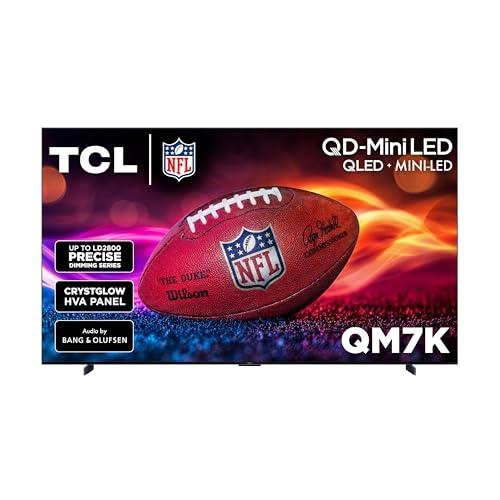
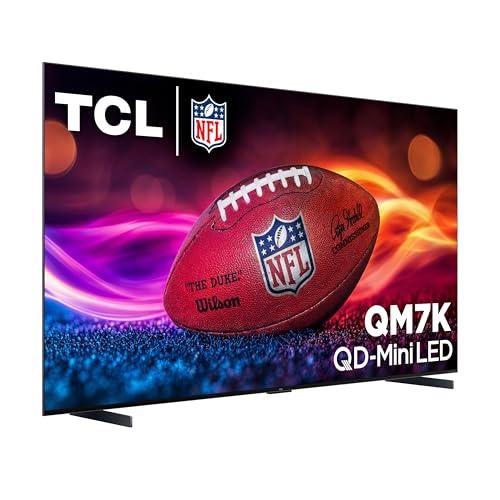
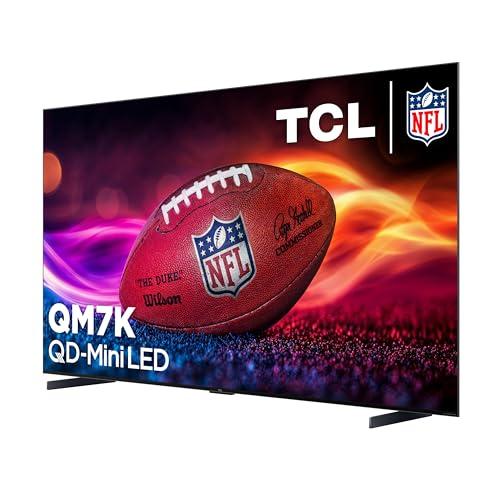
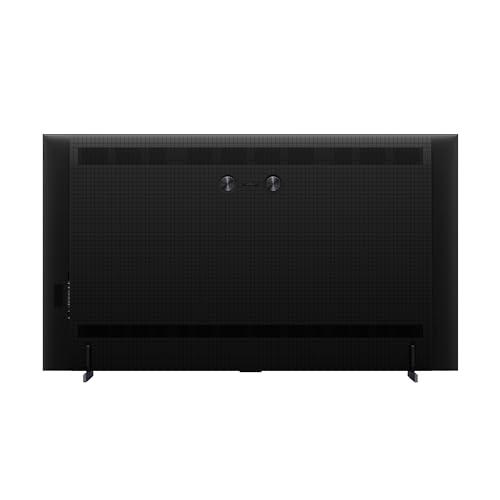
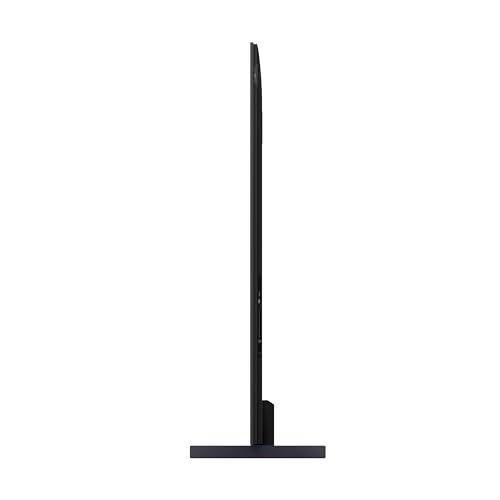
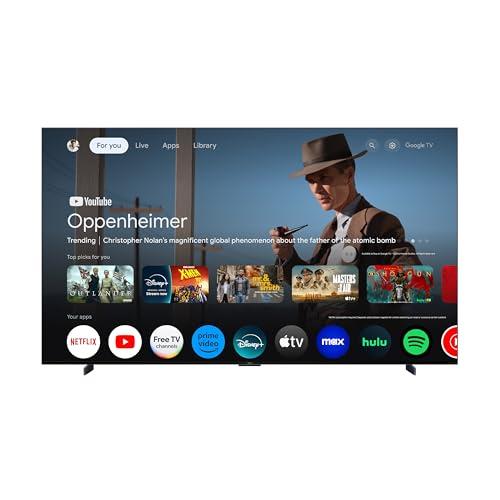
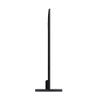
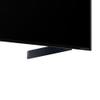
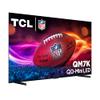
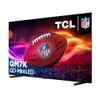
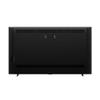
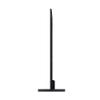
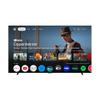
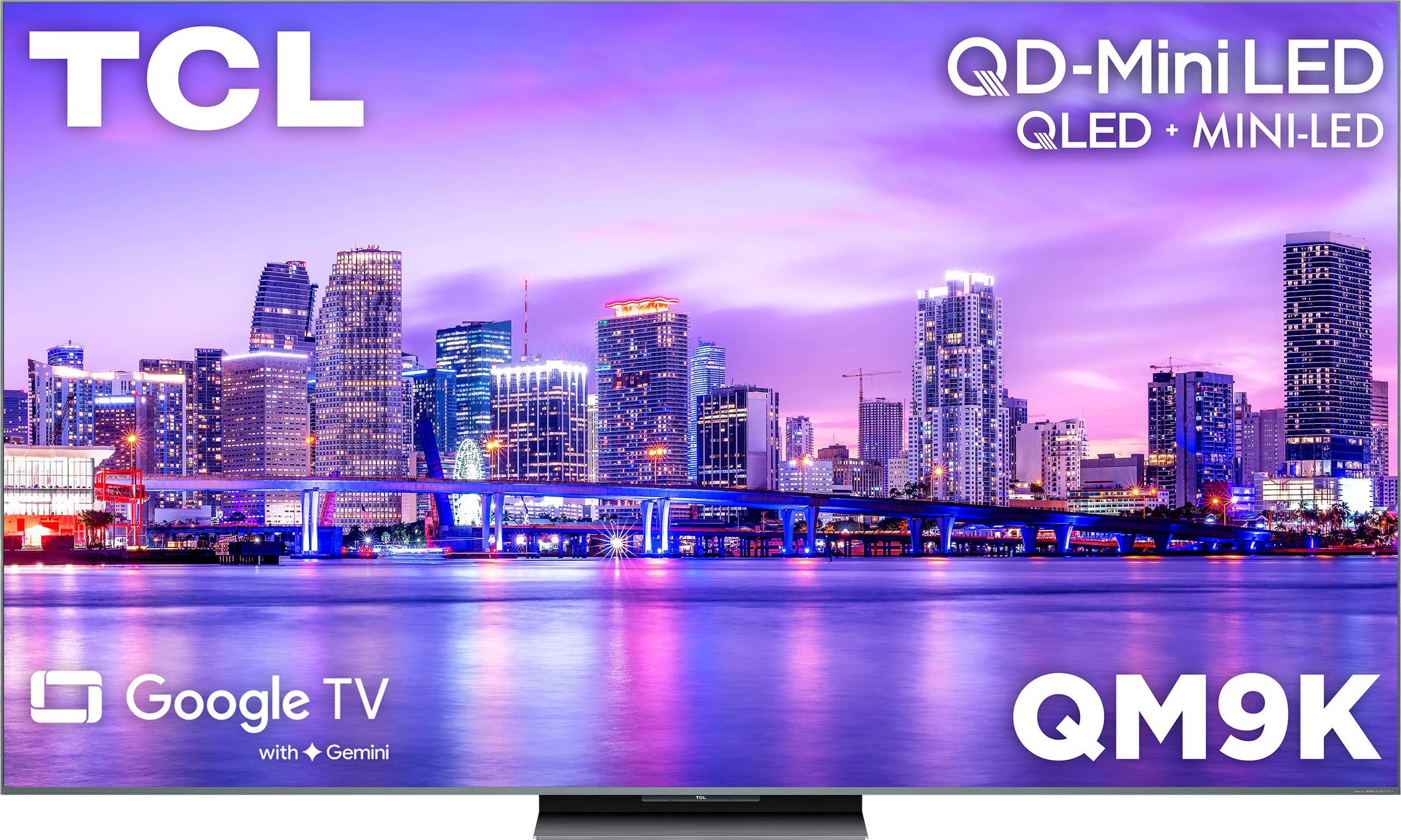
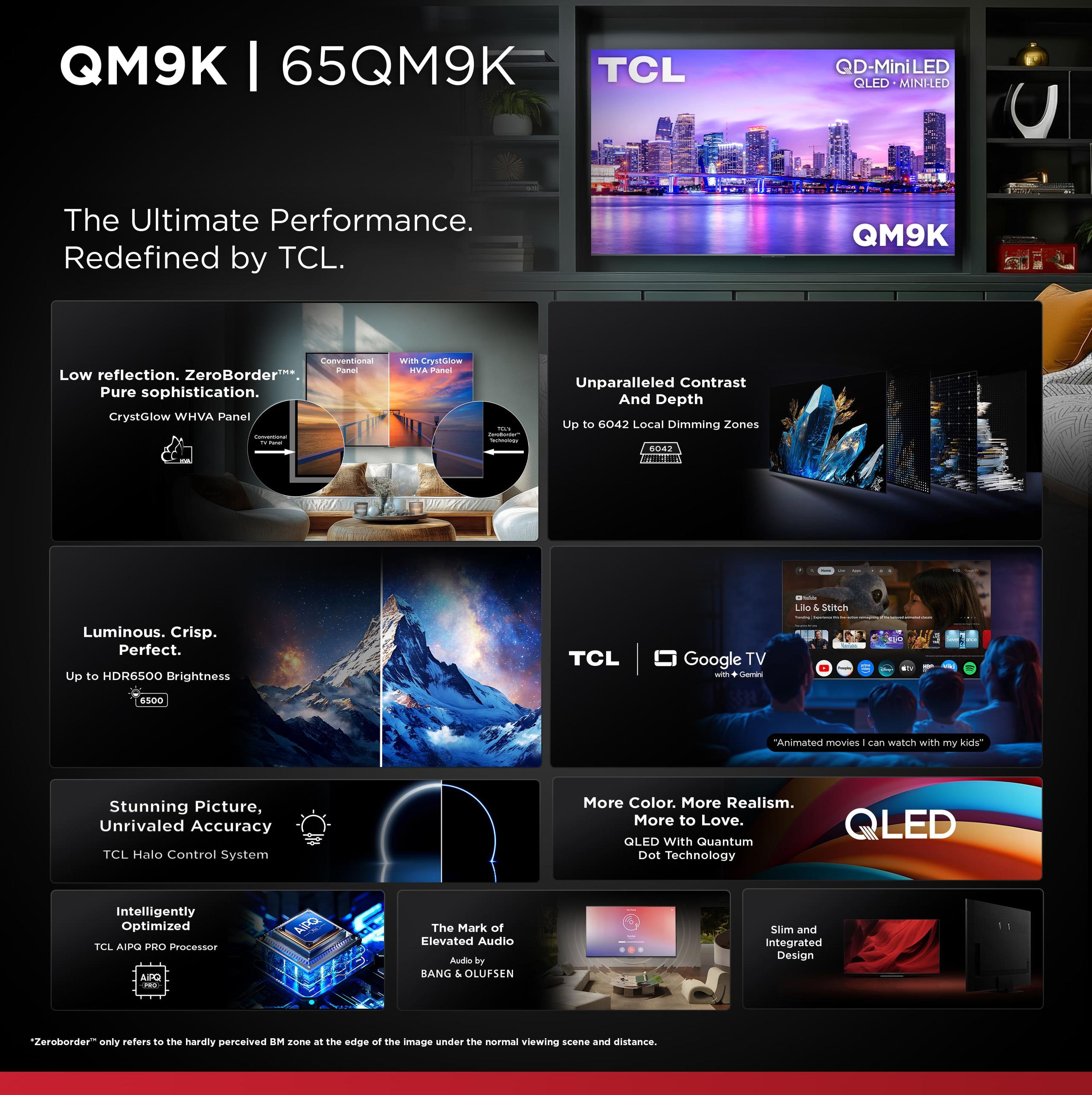
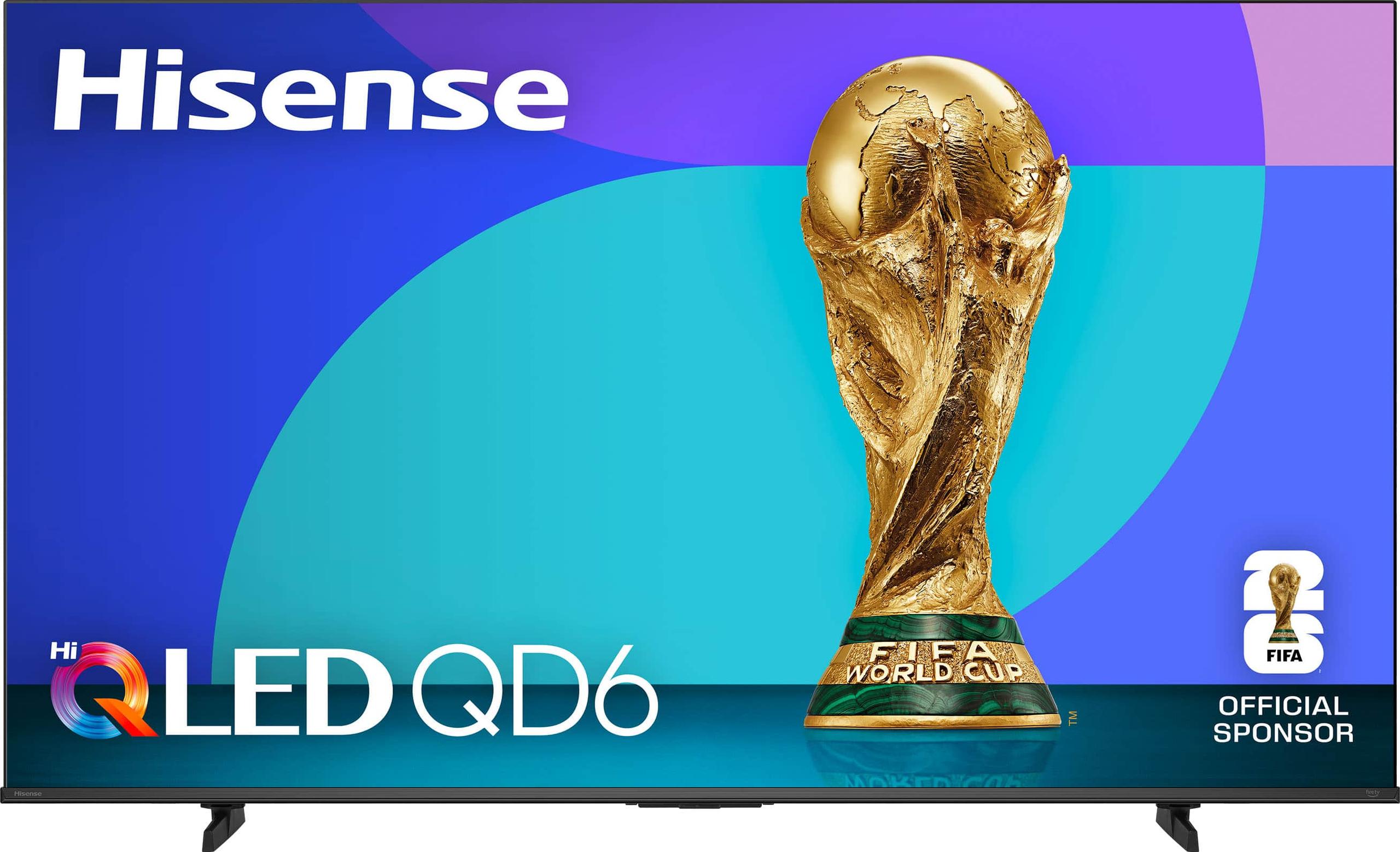
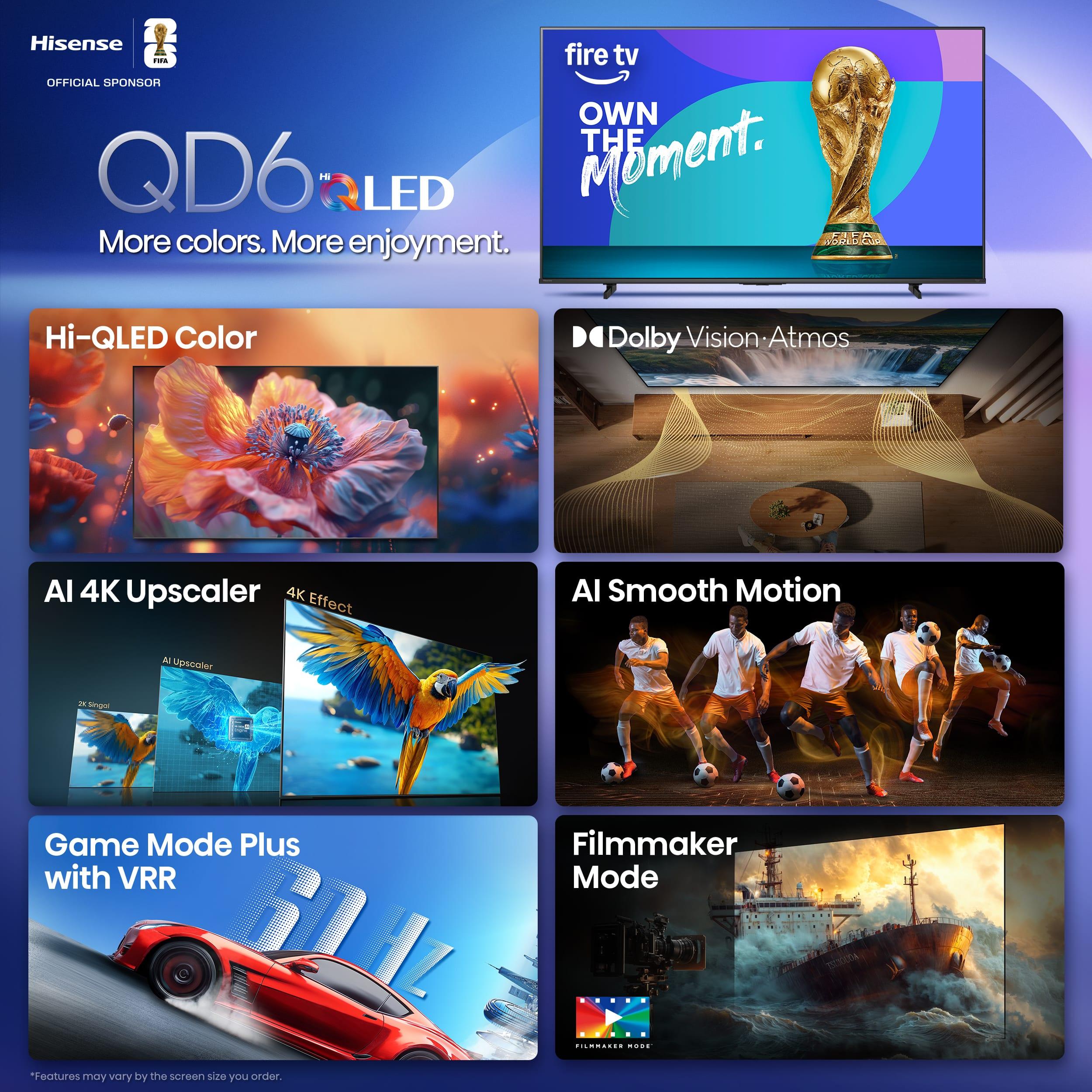
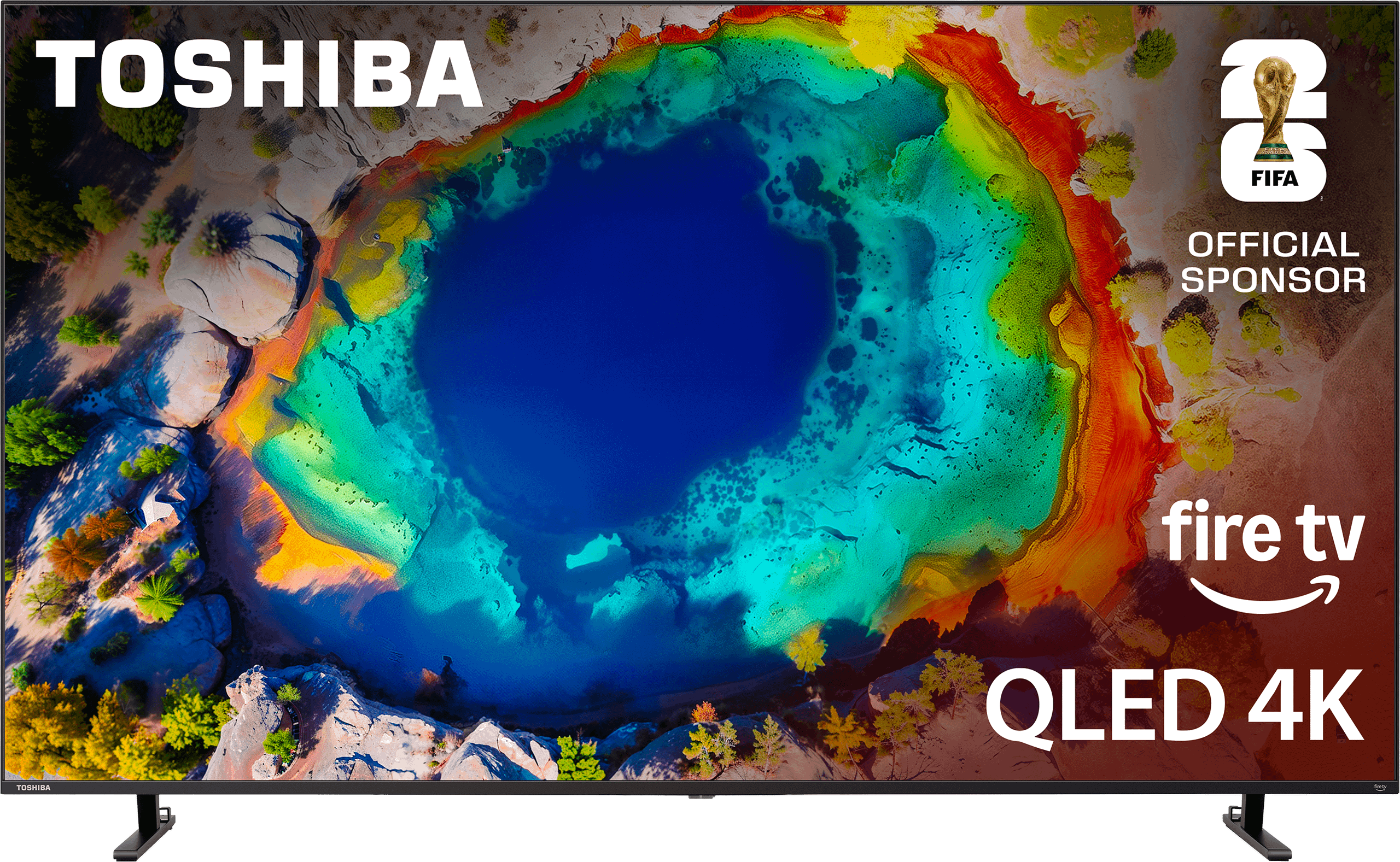
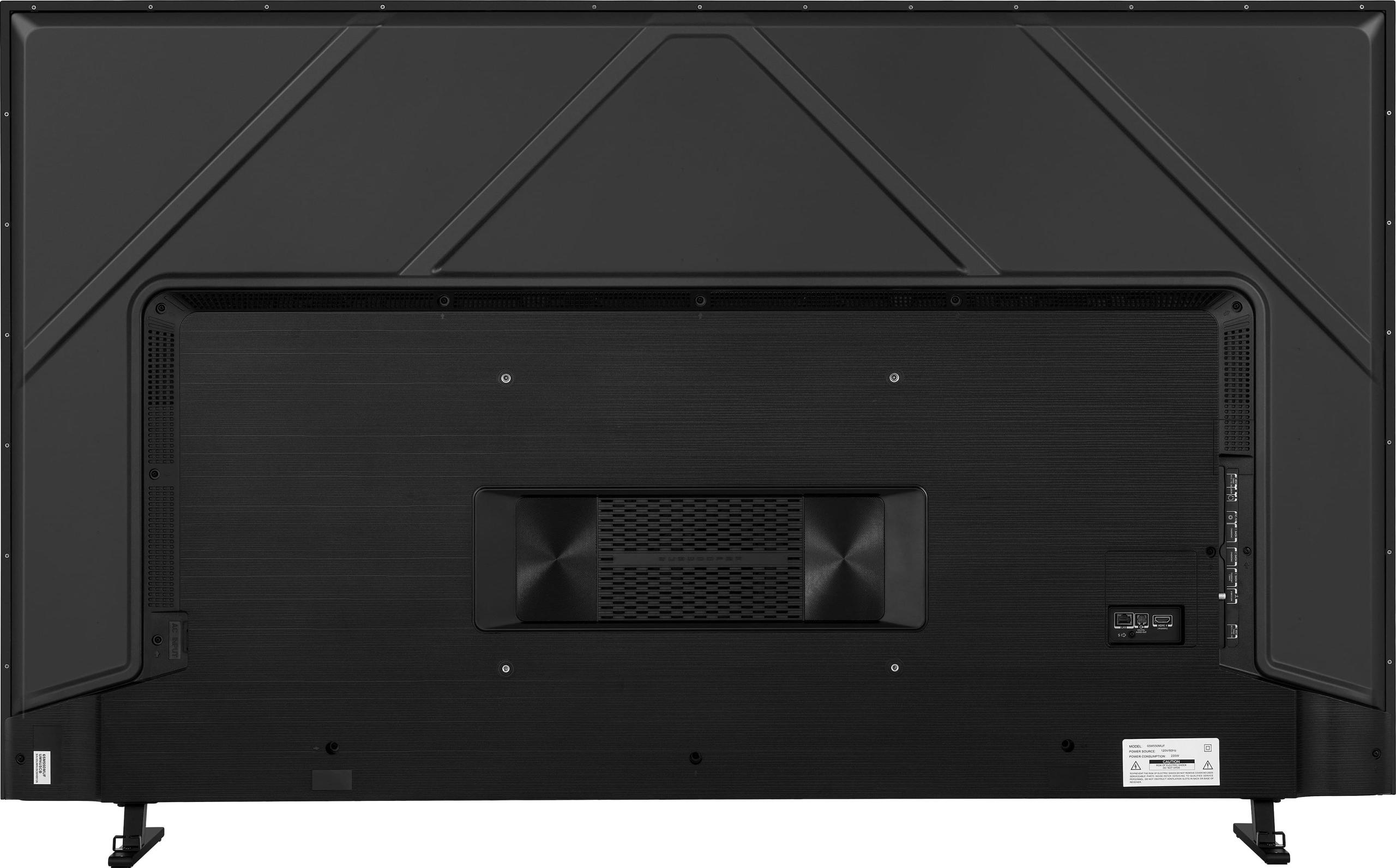
TCL 98" QM7K QD-Mini LED 4K TV

We may earn from purchases via affiliate links

Original price was: $2,297.99.Current price is: $2,198.00.

Product Description

TCL 98" QM7K QD-Mini LED 4K TV: A Comprehensive Performance Overview

When you're considering a massive 98-inch television, you're not just buying a TV – you're investing in a home theater centerpiece that will dominate your living space for years to come. The TCL 98" QM7K QD-Mini LED 4K TV represents one of the most intriguing entries in the large-format display market, combining cutting-edge Mini LED technology with quantum dot color enhancement to deliver what TCL calls a "cinema-scale experience."

Understanding Mini LED Technology and What Makes It Special

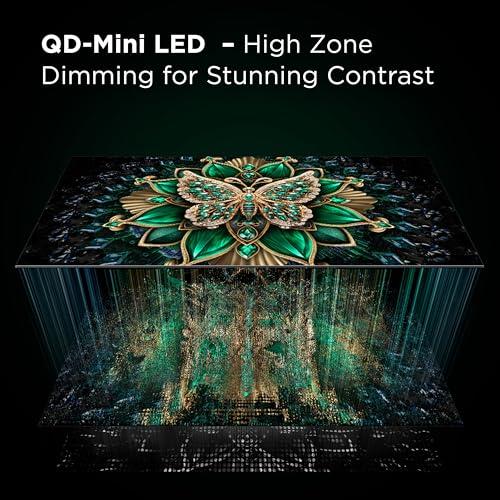
Before diving into the QM7K's specific performance, it's worth understanding what Mini LED technology actually brings to the table. Traditional LED TVs use either edge lighting (LEDs along the edges) or full-array lighting with relatively few dimming zones. Mini LED takes this concept much further, using thousands of tiny LEDs that are significantly smaller than conventional ones – hence the "mini" designation.

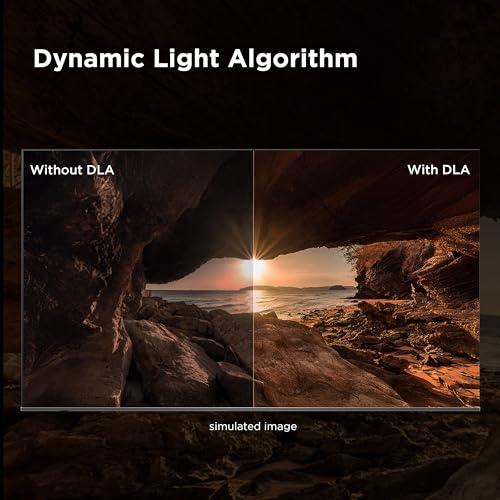
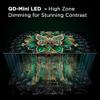
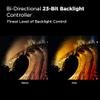
The TCL 98" QM7K employs up to 2,500 local dimming zones, which is where the magic happens. Each zone can independently brighten or dim based on what's happening in that specific area of the screen. Think of it like having thousands of tiny flashlights behind your display, each one controlled separately to create the perfect lighting for whatever you're watching.

Picture Quality That Challenges OLED Dominance

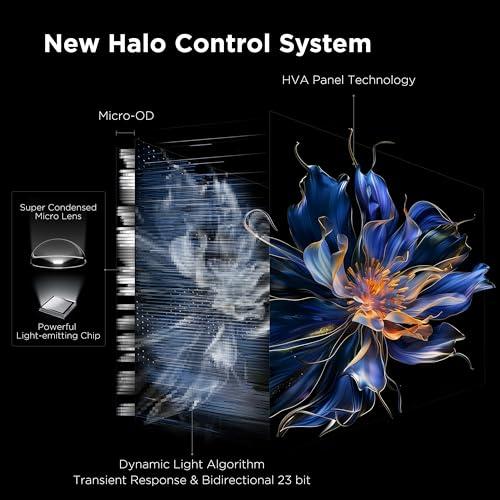
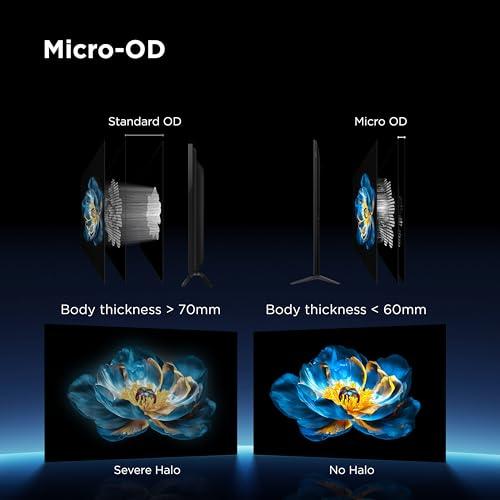
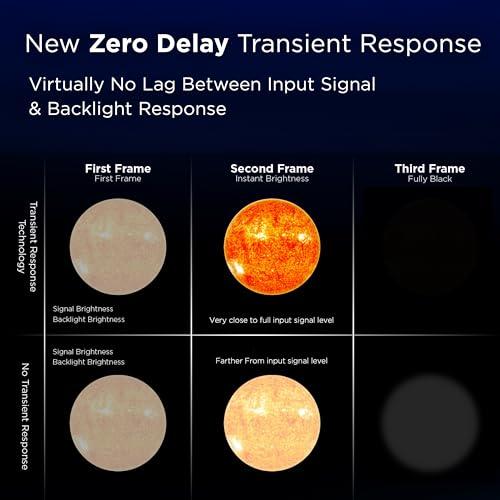
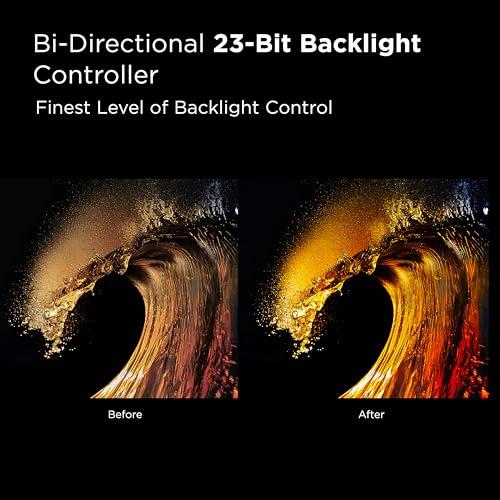
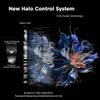
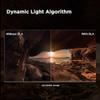
Our research into user experiences and technical reviews reveals that the QM7K's picture quality genuinely competes with OLED displays in many scenarios. The key differentiator lies in TCL's Halo Control System, which addresses Mini LED's traditional weakness – the "blooming" effect where bright objects create unwanted light halos around them.

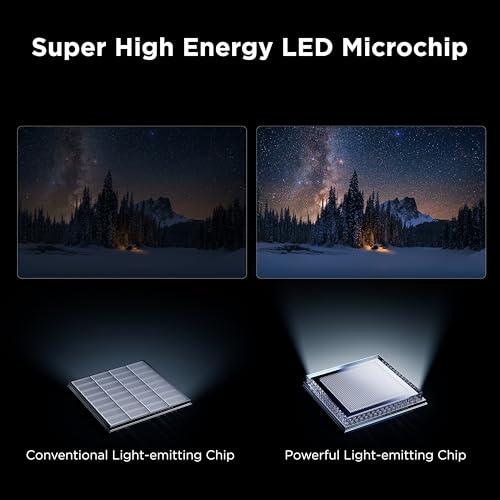
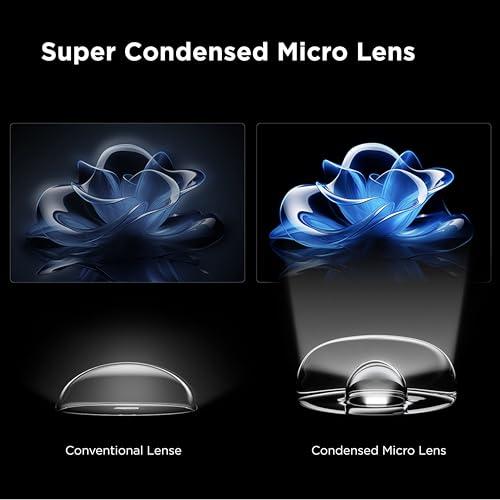
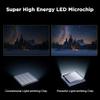
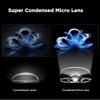
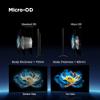
The system works through several coordinated technologies. Super High Energy LED microchips deliver both higher brightness and better efficiency than previous generations. Meanwhile, Super Condensed Micro Lenses create narrower light paths for more precise control, and Micro-OD (Optical Distance) technology reduces the space between the backlight and diffuser plate. This combination virtually eliminates the light overlap that causes blooming.

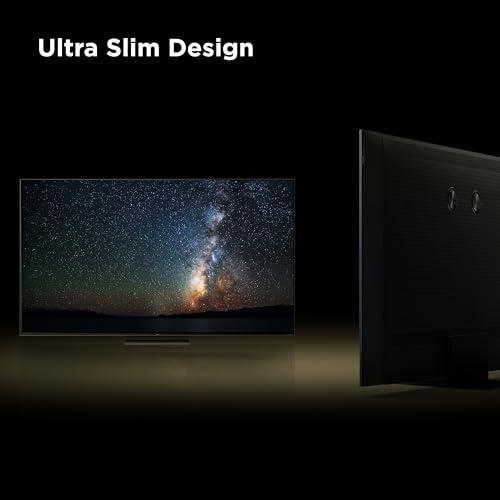
In practice, researchers have found that dark movie scenes with bright elements – like stars against a night sky or headlights in darkness – show dramatically less halo effect compared to earlier Mini LED implementations. The improvement is substantial enough that many users report the experience feeling much closer to OLED's perfect black levels.

Peak Brightness That Transforms HDR Content

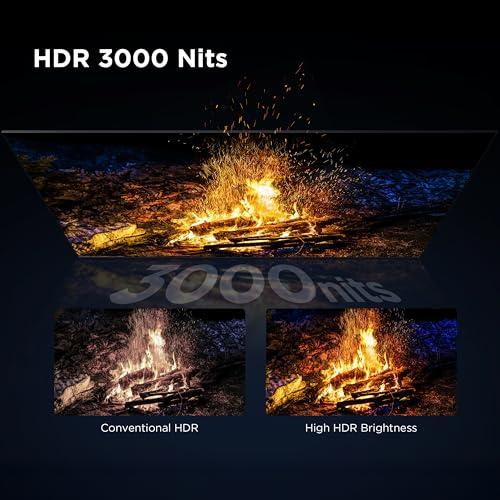
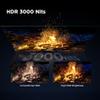
Where the TCL 98" QM7K truly excels is brightness output. At 3,000 nits peak brightness, it significantly outperforms most OLED displays, which typically max out around 800-1,000 nits. This massive brightness advantage becomes apparent when watching HDR (High Dynamic Range) content, where those bright highlights – sun reflections off water, explosions, or car headlights – can truly pop off the screen.

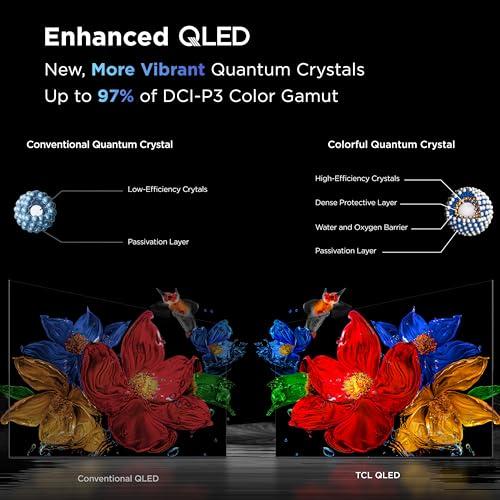
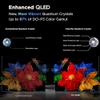
The enhanced quantum dot layer deserves special mention here. Quantum dots are nanoscale crystals that emit very pure colors when hit by light. TCL's implementation uses an upgraded alloy structure for longer lifespan and more stable performance. When combined with the ultra-high brightness capability, colors become incredibly vivid while maintaining accuracy across the nearly complete DCI-P3 color gamut.

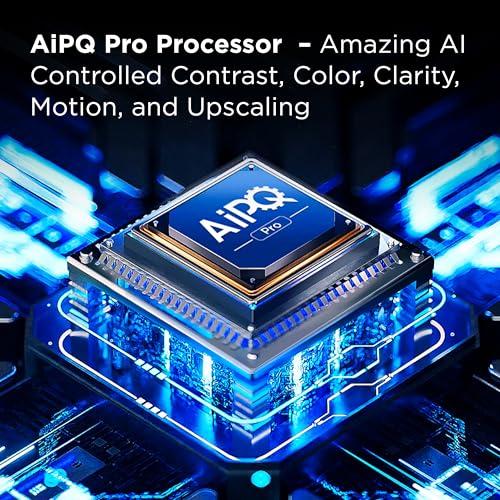
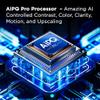
Users consistently report that both HDR and standard content look remarkably vibrant. The AiPQ ULTRA processor uses deep learning AI to analyze incoming content and optimize it in real-time, often making standard definition content look surprisingly good on this massive screen.

Gaming Performance That Satisfies Enthusiasts

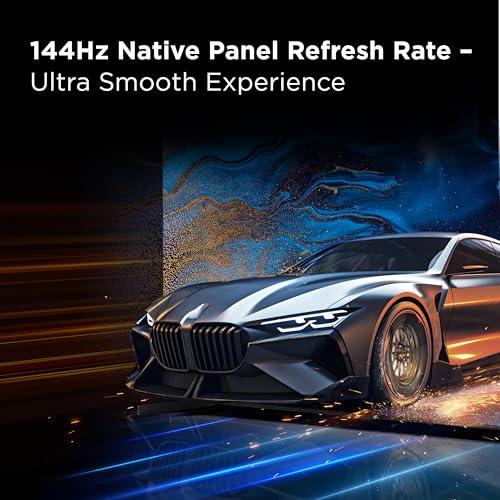
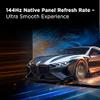
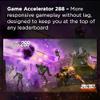
For gaming, the QM7K offers specifications that put it among the top choices for serious gamers. The 144Hz native refresh rate means the panel can actually display 144 unique images per second – crucial for smooth motion in fast-paced games. More impressively, the Game Accelerator 288 technology supports Variable Refresh Rate up to 288Hz for 1080p content.

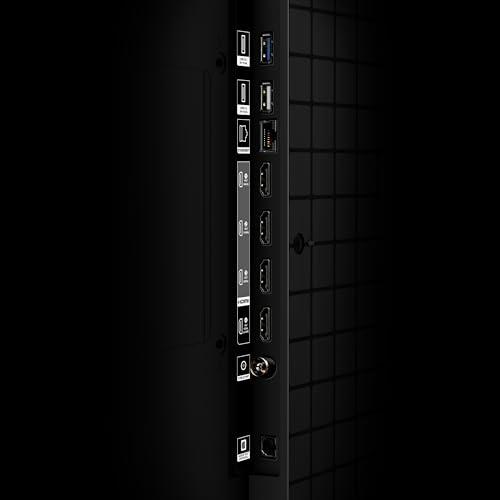
VRR (Variable Refresh Rate) is particularly important because it allows the TV to match its refresh rate to whatever frame rate your gaming console or PC is outputting. This eliminates screen tearing and stuttering, creating smoother gameplay. The two HDMI 2.1 ports support 4K at 144Hz and 1080p at 288Hz with VRR, perfectly accommodating PlayStation 5, Xbox Series X, or high-end PC gaming setups.

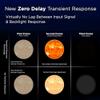
Auto Low Latency Mode (ALLM) automatically switches the TV into game mode when it detects gaming content, reducing input lag to minimal levels. Based on user reports, competitive gamers find the responsiveness satisfactory even for fast-paced shooters and racing games.

The Reality of Living with a 98-Inch Display

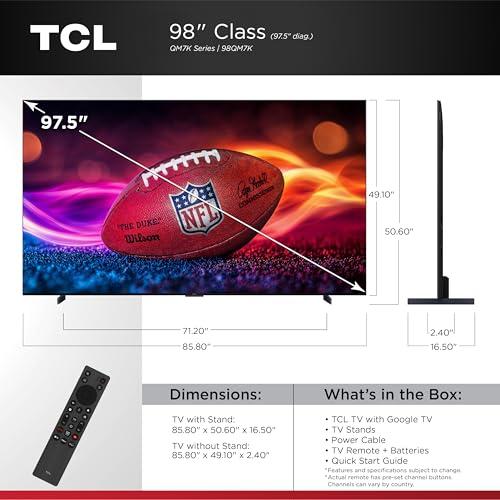
The sheer size of this television cannot be overstated. At nearly 8.5 feet wide, it requires careful room planning and appropriate viewing distances. Home theater enthusiasts who've made the jump to this size category consistently report that the experience is transformative – watching movies genuinely feels like being in a commercial theater.

However, researchers note that content quality becomes much more critical at this size. Lower-resolution streaming content or heavily compressed sources become more noticeable, though the AI processing does help upscale and clean up problematic content.

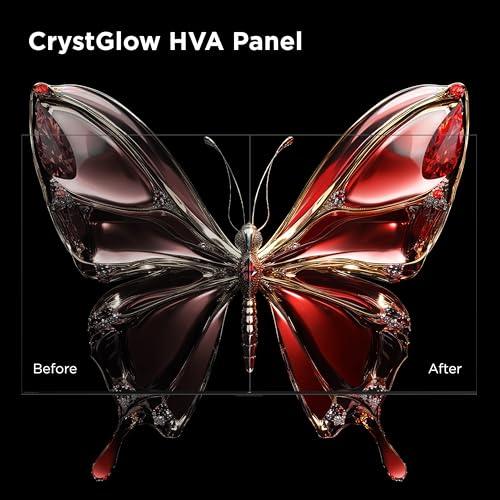
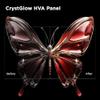
The CrystGlow HVA panel technology addresses one major concern with large displays: reflections. The anti-reflective coating and specialized liquid crystal structure help maintain image clarity even in rooms with ambient light, though direct light sources can still cause some glare issues.

Audio Performance and Smart Features

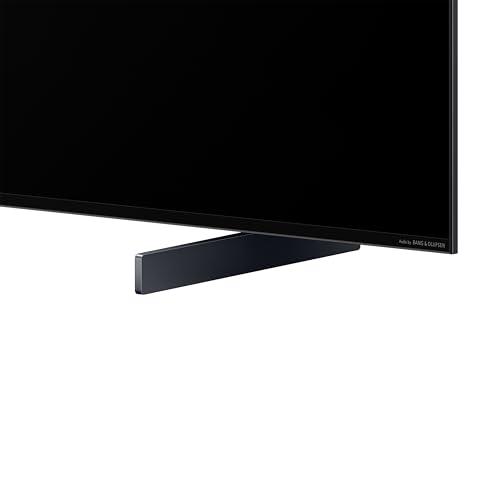
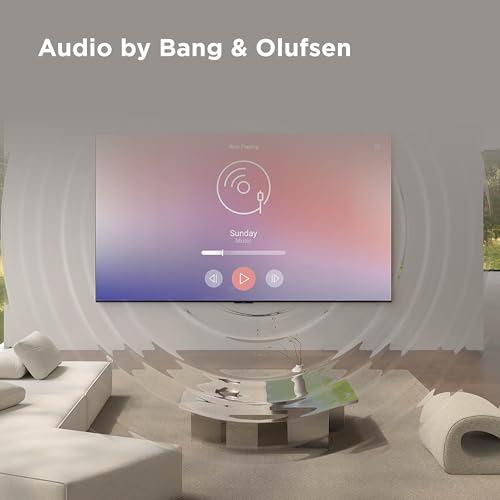
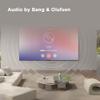
The Bang & Olufsen-tuned audio system provides surprisingly capable sound for built-in speakers, with clear dialogue and reasonable dynamics. The 60W system includes Dolby Atmos support, creating some sense of spatial audio. However, most users investing in a display of this caliber ultimately pair it with dedicated sound systems to match the visual experience.

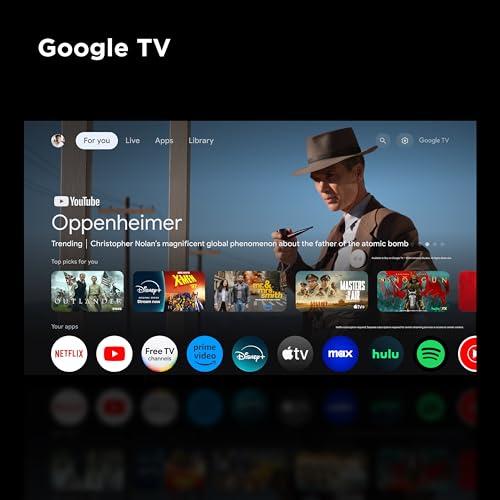
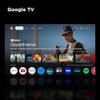
Google TV serves as the smart platform, offering comprehensive app support and voice control through the far-field microphone array. While functional, some users report occasional sluggishness compared to dedicated streaming devices, leading many to use external solutions for the smoothest experience.

Comparing to Current State-of-the-Art

At the time of writing, the TCL 98" QM7K sits in an interesting position within the premium TV market. It offers brightness levels and screen size that OLED displays can't match, while achieving contrast ratios that approach OLED territory. The blooming control represents a significant advancement over earlier Mini LED implementations.

However, OLED displays still maintain advantages in perfect black levels and viewing angles. The choice often comes down to priorities: those wanting maximum brightness for bright rooms and HDR impact tend toward Mini LED, while those prioritizing perfect blacks and wide viewing angles lean toward OLED.

Value Considerations and Target Users

Value assessment in this category depends heavily on specific needs and room requirements. At the time of writing, large-format Mini LED displays like this one typically offer better value than equivalent OLED sizes, while delivering competitive performance for most content types.

The QM7K makes the most sense for dedicated home theater rooms where the massive size can be properly appreciated, serious gamers who want immersive large-screen gaming, and households that prioritize sports and movie viewing. The high brightness also makes it suitable for living rooms with significant ambient light, where OLED displays might struggle.

Final Thoughts

The TCL 98" QM7K QD-Mini LED 4K TV represents a mature implementation of Mini LED technology that successfully addresses many traditional concerns about blooming and contrast. Its combination of massive size, impressive brightness, advanced gaming features, and competitive picture quality creates a compelling package for those ready to commit to a true home theater centerpiece.

While it may not achieve the absolute perfection of the best OLED displays in every scenario, it offers a different set of advantages – particularly brightness, size options, and freedom from burn-in concerns – that make it an excellent choice for many viewing environments. For users seeking cinema-scale entertainment without the premium pricing of equivalent OLED sizes, this display delivers impressive performance that transforms the home viewing experience.

TCL 98" QM7K QD-Mini LED 4K TV Deals and Prices

What is the TCL 98" QM7K QD-Mini LED 4K TV?

The TCL 98" QM7K QD-Mini LED 4K TV is a premium large-format television featuring quantum dot Mini LED technology with up to 2,500 local dimming zones. It combines a massive 98-inch screen with 3,000 nits peak brightness, 144Hz refresh rate, and advanced gaming features, making it ideal for dedicated home theater rooms and immersive entertainment experiences.

How bright is the TCL 98" QM7K for home theater use?

The TCL 98" QM7K delivers exceptional brightness at 3,000 nits peak output, making it perfect for home theaters with ambient light. This high brightness ensures HDR content displays with stunning impact, while the 2,500 local dimming zones maintain deep blacks for optimal contrast in dark theater environments.

Does the TCL 98" QM7K have good gaming performance?

Yes, the TCL 98" QM7K excels for gaming with its 144Hz native refresh rate, Variable Refresh Rate up to 288Hz, and two HDMI 2.1 ports supporting 4K at 144Hz. Auto Low Latency Mode automatically reduces input lag, making it excellent for console gaming and PC gaming in large home theater setups.

What makes the TCL 98" QM7K different from OLED TVs?

The TCL 98" QM7K uses Mini LED technology instead of OLED, offering significantly higher peak brightness (3,000 vs ~1,000 nits) and immunity to burn-in. While OLED provides perfect blacks, this Mini LED display achieves excellent contrast through precise local dimming while delivering superior HDR brightness for home theater viewing.

How many local dimming zones does the TCL 98" QM7K have?

The TCL 98" QM7K features up to 2,500 local dimming zones, allowing precise control over brightness in different screen areas. This high zone count minimizes blooming effects and creates excellent contrast between bright and dark elements, essential for cinematic home theater experiences.

What smart features does the TCL 98" QM7K include?

The TCL 98" QM7K runs Google TV with comprehensive streaming app support, far-field voice control, and hands-free operation. It includes Wi-Fi 5 connectivity and integrates seamlessly with smart home systems, though many home theater enthusiasts prefer dedicated streaming devices for optimal performance.

Is the TCL 98" QM7K good for sports viewing?

Absolutely. The TCL 98" QM7K excels for sports with its 144Hz refresh rate eliminating motion blur, 3,000-nit brightness ensuring visibility in bright rooms, and massive 98-inch screen creating stadium-like viewing experiences. The high refresh rate makes fast-paced sports action appear smooth and clear.

What audio system does the TCL 98" QM7K have?

The TCL 98" QM7K features a Bang & Olufsen-tuned audio system with Dolby Atmos support, providing above-average built-in sound quality. However, for dedicated home theater setups, most users pair this display with external soundbars or surround sound systems to match the impressive visual experience.

How much space do you need for the TCL 98" QM7K?

The TCL 98" QM7K measures 85.8 inches wide and requires substantial wall space or a very large entertainment center. For optimal home theater viewing, plan for 12-16 feet viewing distance and ensure your room can accommodate the massive size while maintaining comfortable sight lines for all seating positions.

Is TCL 98" QM7K QD-Mini LED 4K TV Worth It?

The TCL 98" QM7K QD-Mini LED 4K TV offers excellent value for home theater enthusiasts seeking cinema-scale viewing with premium features. Its combination of massive size, advanced Mini LED technology, gaming capabilities, and competitive brightness makes it worthwhile for dedicated theater rooms, though the investment requires appropriate space and viewing conditions to fully appreciate its capabilities.

Sources

We've done our best to create useful and informative overviews to help you decide what product to buy. Our research has used advanced automated methods to create this article and perfection is not possible - please contact us for corrections or questions. These are the sites we've researched in the creation of this article: bestbuy.com - tcl.com - youtube.com - rtings.com - tcl.com - youtube.com - youtube.com - tcl.com - tomsguide.com - manuals.plus - youtube.com - tcl.com - whathifi.com - bestbuy.com - queencityonline.com - electronicexpress.com - tcl.com - valueelectronics.com - tcl.com - bestbuy.com - bestbuy.com - youtube.com - woodruffappliance.com - karlsonline.com - tcl.com

Specs
Specs Table
TCL 98" QM7K QD-Mini LED 4K TV
Peak Brightness - Critical for HDR impact and bright room viewing: 3000 nits
Local Dimming Zones - More zones mean better contrast control: Up to 2500 zones
Screen Size: 98 inches
Native Refresh Rate - Higher rates reduce motion blur: 144Hz
Gaming VRR Support - Eliminates screen tearing and stuttering: Up to 288Hz
Panel Type - Affects viewing angles and contrast: CrystGlow HVA
Resolution: 4K Ultra HD (3840 x 2160)
HDR Format Support - Ensures compatibility with premium content: Dolby Vision IQ, HDR10+, HDR10, HLG
HDMI 2.1 Ports - Required for 4K gaming at high refresh rates: 2 ports
Native Contrast Ratio - Higher ratios mean deeper blacks: 8000:1
Color Gamut Coverage - Wider coverage means more accurate colors: Nearly complete DCI-P3
Smart Platform: Google TV
Audio System - Premium tuning improves built-in sound quality: Bang & Olufsen tuned
Voice Control: Far-Field Mic Array (Hands-Free)
Auto Game Mode (ALLM) - Automatically reduces input lag for gaming: Yes
Dolby Atmos Support - Enables spatial audio processing: Yes
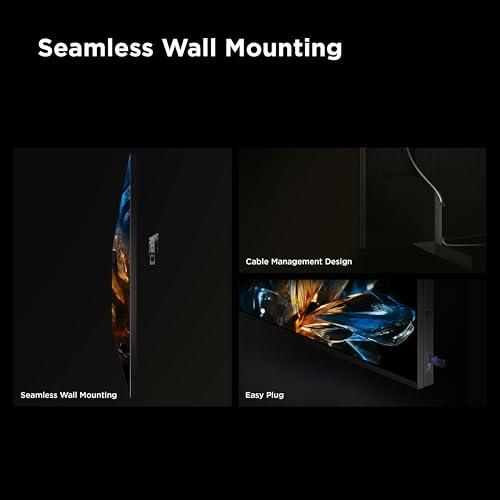
Width: 85.8 inches
Weight (without stand): Approximately 120 pounds
Comparisons

Compared to Samsung 98" Q80C 4K Smart QLED TV

The Samsung 98" Q80C brings Samsung's proven QLED technology and established reliability to the 98-inch segment, featuring the Neural Quantum Processor 4K for intelligent upscaling and Samsung's Direct Full Array backlighting system. Its standout features include Dynamic Black EQ for enhanced gaming visibility in dark scenes, seamless integration with Samsung's SmartThings ecosystem, and the mature Tizen smart platform that works exceptionally well with Samsung phones and tablets. The TV delivers solid 120Hz gaming performance with FreeSync Premium Pro support and maintains Samsung's reputation for color accuracy and processing quality. For users already invested in Samsung's device ecosystem, the seamless connectivity and shared features create genuine convenience that extends beyond just watching TV.
However, the Samsung Q80C faces significant challenges when compared directly to the QM7K's capabilities. Its conventional LED backlighting with fewer local dimming zones creates noticeable blooming around bright objects in dark scenes, while the lower peak brightness of approximately 1,500-2,000 nits makes HDR content less impactful, especially in well-lit rooms. The lack of Dolby Vision support limits picture quality with Netflix, Disney+, and premium streaming content, and the basic 40W audio system typically requires an additional soundbar investment of $500-1,000 to match the QM7K's built-in Bang & Olufsen system. Most critically, the Samsung typically commands a premium price despite using older 2023 technology, making it difficult to justify unless Samsung ecosystem integration is absolutely essential to your setup.
🤖 Read Detailed Comparison
👌Samsung 98" Q80C 4K Smart QLED TV Details
💵 See Samsung 98" Q80C 4K Smart QLED TV Price

Compared to TCL 98" X11K 4K QD-Mini LED Google TV

The TCL X11K represents the flagship tier above the QM7K, delivering substantially superior brightness at 6,500 nits compared to the QM7K's 3,000 nits, along with dramatically more precise local dimming through its 14,000 zones versus 2,500. This translates to real-world benefits in challenging content like star fields, credits over dark backgrounds, and HDR scenes with extreme contrast, where the X11K maintains deeper blacks with less blooming while delivering more impactful specular highlights. The advanced AiPQ Pro processor also provides noticeably superior upscaling of cable TV and compressed streaming content, making mixed viewing sources look significantly cleaner across the massive 98-inch display. Additionally, Wi-Fi 6 connectivity ensures more stable streaming for high-bandwidth 4K content compared to the QM7K's Wi-Fi 5.
However, the X11K commands a substantial premium over the QM7K, making the value equation more complex. While the brightness and processing advantages are genuine and measurable, the QM7K already delivers exceptional flagship-level performance that satisfies most viewing scenarios and lighting conditions. The X11K primarily justifies its higher cost for users with bright viewing environments who need maximum brightness capability, those who frequently watch lower-resolution content requiring superior upscaling, or enthusiasts who simply want the absolute best display technology available regardless of cost. For most buyers seeking outstanding large-screen performance, the QM7K offers a more compelling balance of premium features and accessible pricing.
🤖 Read Detailed Comparison
👌TCL 98" X11K 4K QD-Mini LED Google TV Details
💵 See TCL 98" X11K 4K QD-Mini LED Google TV Price

Compared to TCL 115" QM7K Series QD-Mini LED 4K Smart TV 2025

The TCL 115" QM7K represents the absolute pinnacle of consumer display size, delivering an truly cinematic experience that rivals commercial theater screens. With its massive 115-inch diagonal, this model creates an unparalleled level of immersion for dedicated home theater enthusiasts who have the space and budget to accommodate it. The larger screen benefits from the same exceptional Mini LED technology we've praised in the 98-inch model - identical 2,500 local dimming zones, 3,000-nit peak brightness, and advanced Halo Control System - but spreads that performance across nearly 30% more screen real estate. For viewers with proper 12-15 foot seating distances, the size increase transforms the viewing experience into something genuinely spectacular, particularly for epic films, nature documentaries, and immersive gaming sessions.
However, the TCL 115" QM7K demands significant compromises that make it impractical for most buyers. At roughly $7,000 more than the 98-inch model, you're paying an enormous premium purely for additional screen size with no performance improvements whatsoever. The massive dimensions require professional installation, specialized mounting hardware, and dedicated theater room spaces that most homes simply can't accommodate. While the picture quality remains identical to our reviewed 98-inch model, the real-world value proposition becomes difficult to justify when that price difference could fund a complete high-end audio system, professional room treatment, and premium seating. Unless you're building an unlimited-budget showcase theater and have the physical space to properly utilize 115 inches, the 98-inch QM7K delivers 95% of the experience at roughly 30% of the cost per diagonal inch.
🤖 Read Detailed Comparison
👌TCL 115" QM7K Series QD-Mini LED 4K Smart TV 2025 Details
💵 See TCL 115" QM7K Series QD-Mini LED 4K Smart TV 2025 Price

Compared to TCL 98-Inch QM6K QLED TV

The TCL QM6K stands out primarily for its exceptional value proposition and superior out-of-box color accuracy. While it uses the same QD-Mini LED foundation, it delivers remarkably good performance at a significantly lower price point - roughly 40% less than the QM7K. Its most impressive feature is actually its pre-calibration accuracy, particularly for HDR content, where color temperature sits almost perfectly on professional standards without any adjustments. This makes it ideal for users who want great picture quality immediately without investing in professional calibration. The QM6K also includes an Onkyo 2.1.1 audio system with built-in subwoofer, and despite having only 500 local dimming zones compared to the QM7K's 2500, it still produces convincing black levels and good contrast in optimal viewing conditions.
However, the TCL QM6K reveals its limitations in challenging real-world scenarios where the QM7K excels. Peak brightness reaches only around 900 nits versus the QM7K's 3000 nits, creating a dramatic difference in HDR impact and bright room performance. In well-lit family rooms or spaces with windows, the QM6K struggles to maintain contrast and can appear washed out, while bright HDR highlights lack the punch and realism that make premium content truly spectacular. The reduced number of dimming zones also means more visible blooming around bright objects on dark backgrounds, though it's still well-controlled for the price point. Essentially, the QM6K delivers about 80-90% of the premium TV experience for 60% of the cost, making it an outstanding choice for buyers who prioritize maximum screen size within budget constraints and have controlled lighting environments, but it can't match the QM7K's versatility across different room conditions or its transformational HDR performance.
🤖 Read Detailed Comparison
👌TCL 98-Inch QM6K QLED TV Details
💵 See TCL 98-Inch QM6K QLED TV Price

Compared to Sony BRAVIA XR X90L 98" 4K UHD LED Google TV

The Sony BRAVIA XR X90L 98" takes a fundamentally different approach, prioritizing refined image processing over raw specifications. Sony's Cognitive Processor XR represents years of development in color science and upscaling technology, delivering more natural-looking pictures straight out of the box without requiring calibration. This becomes particularly valuable when watching streaming content, cable TV, or older movies where the source material isn't perfect—Sony's processor excels at cleaning up compression artifacts and enhancing lower-resolution content in ways that the TCL's newer AI system hasn't quite matched yet. The X90L's XR Motion Clarity also produces smoother, more film-like motion that many viewers prefer for movies, even though it operates from a 120Hz base rather than the TCL's 144Hz panel.
From a value perspective, the Sony X90L commands a significant premium but delivers proven long-term reliability and established brand support that justifies the higher cost for many buyers. While it can't match the TCL's 3,000-nit brightness or 2,500 dimming zones, Sony's Full Array LED implementation with intelligent processing often produces more consistent results across different types of content. The X90L particularly shines in dedicated home theater environments where extreme brightness isn't necessary, and its mature Google TV integration runs more smoothly with fewer software quirks. For users who prioritize color accuracy, consistent performance, and don't need cutting-edge gaming specifications, Sony's approach offers a more refined experience that may age better over the typical 7-10 year lifespan of a premium TV purchase.
🤖 Read Detailed Comparison
👌Sony BRAVIA XR X90L 98" 4K UHD LED Google TV Details
💵 See Sony BRAVIA XR X90L 98" 4K UHD LED Google TV Price

Compared to LG 97" G2 Series OLED evo 4K UHD Smart TV

The LG 97" G2 Series OLED evo takes a fundamentally different approach to premium picture quality, achieving perfect blacks through self-emitting pixels that can turn completely off. This creates an infinite contrast ratio that makes the screen boundaries disappear in dark scenes, delivering a truly cinematic experience that no LED technology can match. The OLED's sub-1ms response time also eliminates motion blur entirely, making fast action sequences crystal clear, while its reference-standard color accuracy provides the film-like reproduction preferred by cinematographers and serious movie enthusiasts. For dedicated dark home theaters, the visual depth and immersion from perfect blacks is genuinely superior to what any Mini LED system can achieve.
However, the LG G2 OLED comes with significant real-world limitations that make it less versatile than the TCL QM7K. Its peak brightness of only 800-1,000 nits means it struggles in bright rooms where ambient light washes out the picture, essentially requiring controlled lighting conditions to perform at its best. The premium pricing—typically costing significantly more than the TCL—is harder to justify given the smaller 97-inch screen size and 2022 technology generation. While the ultra-thin Gallery Series design is undeniably elegant, most buyers will find the TCL's superior brightness, gaming performance, newer technology, and exceptional value proposition more compelling for mixed-use living spaces. The OLED's perfect blacks are genuinely impressive, but they come at the cost of versatility and practicality that most households need.
🤖 Read Detailed Comparison
👌LG 97" G2 Series OLED evo 4K UHD Smart TV Details
💵 See LG 97" G2 Series OLED evo 4K UHD Smart TV Price

Compared to Hisense L9H TriChroma Laser TV 100" UST Projector

The Hisense L9H TriChroma Laser TV takes a fundamentally different approach to large-screen entertainment, using advanced laser projection technology that delivers a wider color gamut than any LED display can achieve. Its TriChroma RGB laser system covers 107% of the BT.2020 color space, producing colors that simply don't exist on traditional displays—particularly vibrant reds and deep greens that make nature documentaries and animated content truly spectacular. The included 100-inch ALR screen represents significant added value, as equivalent ambient light rejecting screens typically cost $1,000-1,500 separately. The laser light source is rated for 25,000+ hours with no degradation, offering exceptional longevity compared to traditional LED backlights. For dedicated home theater enthusiasts willing to optimize their viewing environment, the Hisense L9H creates a more cinematic, immersive experience that many find superior to even the largest direct-view displays.
However, the laser projector comes with notable trade-offs that make it less versatile than the TCL. At 3,000 ANSI lumens, it simply cannot match the TCL's real-world brightness in rooms with ambient light, despite the ALR screen's help in rejecting reflections. Gaming performance is severely limited with only 60Hz refresh rate and higher input lag, making it unsuitable for competitive gaming or next-generation console features. The setup complexity is substantially higher, requiring precise positioning and screen installation, while the premium pricing puts it out of reach for many buyers seeking large-screen value. While the Hisense L9H excels in controlled lighting environments for movie watching, the TCL's superior brightness, gaming capabilities, and room flexibility make it the more practical choice for most households seeking a single display solution.
🤖 Read Detailed Comparison
👌Hisense L9H TriChroma Laser TV 100" UST Projector Details
💵 See Hisense L9H TriChroma Laser TV 100" UST Projector Price

Compared to Hisense 100" Class U8 Series 4K Mini-LED QLED Google TV

The Hisense 100" Class U8 Series takes a different approach by prioritizing screen size and comprehensive features over cutting-edge display technology. Its standout advantage is delivering a genuinely massive 100-inch viewing experience with solid Mini LED performance at a competitive price point. The display includes practical future-proofing features like Wi-Fi 6E for superior wireless streaming performance and an ATSC 3.0 NextGen TV tuner for upcoming 4K broadcast content. The built-in audio system is notably superior, featuring a 50W 2.1.2 channel setup with dedicated subwoofer and overhead speakers that eliminates the immediate need for external audio equipment. For gaming, it includes FreeSync Premium Pro certification and Dolby Vision Gaming support, providing excellent compatibility with both PC and console gaming.
However, the Hisense U8 makes meaningful compromises in display performance to achieve its larger size and lower cost. With 1,500 nits peak brightness compared to the TCL's 3,000 nits, HDR content lacks the same punch and the TV struggles more in bright room environments. The local dimming implementation, while effective, doesn't match the precision of the TCL's 2,500+ zone system, resulting in more noticeable blooming around bright objects and less precise black level control. For buyers prioritizing maximum screen impact and comprehensive built-in features over absolute picture quality, the Hisense represents excellent value. But for home theater enthusiasts who want the best possible image quality and don't mind sacrificing 2 inches of screen size, the TCL's superior display technology provides a more future-proof investment that will remain impressive as content quality continues to evolve.
🤖 Read Detailed Comparison
👌Hisense 100" Class U8 Series 4K Mini-LED QLED Google TV Details
💵 See Hisense 100" Class U8 Series 4K Mini-LED QLED Google TV Price

Compared to Hisense 100" U76 Series 4K UHD QLED Google TV

The Hisense 100" U76 takes a fundamentally different approach by prioritizing maximum screen impact and value over cutting-edge display technology. Its standout feature is the sheer size advantage—100 inches versus the TCL's 98 inches—which translates to about 4% more screen area and noticeably greater immersion for sports viewing and family entertainment. The TV delivers solid performance through its 256-zone local dimming system and standard QLED technology, while maintaining excellent out-of-box color accuracy for regular cable TV and streaming content that doesn't require extensive calibration. For buyers focused on getting the largest possible screen within their budget, the Hisense U76 represents compelling value, often priced significantly lower than the TCL while still providing a premium large-screen experience.
However, the performance gap becomes apparent when comparing picture quality side-by-side. The Hisense's 256 local dimming zones simply cannot match the TCL's 2,500+ zones for contrast control, resulting in more visible blooming around bright objects and less convincing black levels during dark movie scenes. Peak brightness tops out around 800 nits compared to the TCL's 3,000 nits, limiting HDR impact in bright rooms or with premium streaming content. Gaming capabilities are basic rather than advanced—adequate for casual use but lacking the high refresh rates and VRR optimization that serious gamers demand. The Hisense U76 succeeds as a value-focused alternative that maximizes screen size per dollar while delivering satisfactory performance, making it ideal for buyers who prioritize immersive scale over technical sophistication or those entering the ultra-large TV market without wanting to invest in premium display technology.
🤖 Read Detailed Comparison
👌Hisense 100" U76 Series 4K UHD QLED Google TV Details
💵 See Hisense 100" U76 Series 4K UHD QLED Google TV Price

Compared to Hisense 100" U6 Series Mini-LED 4K Fire TV

The Hisense 100" U6 Series stands out primarily for its exceptional value proposition, offering the largest screen size in this category while delivering legitimate Mini-LED technology at a significantly lower price point. Its 100-inch display provides about 5% more screen area than the QM7K's 98-inch panel, creating maximum immersion for movies and sports viewing. The Fire TV platform integration is seamless and particularly appealing for users invested in Amazon's ecosystem, with built-in Alexa providing excellent smart home control. For gaming, the Hisense U6 delivers solid performance with 120Hz refresh rate and VRR support that handles current PlayStation 5 and Xbox Series X requirements effectively, though it lacks the advanced 288Hz capabilities of the QM7K.
However, the performance differences become apparent in real-world usage, particularly in picture quality where the Hisense U6 reaches 1,000 nits peak brightness compared to the QM7K's 3,000 nits - a difference that's immediately noticeable in HDR content and bright room viewing. The fewer local dimming zones also mean less precise contrast control, resulting in some blooming around bright objects in dark scenes that the QM7K's Halo Control System virtually eliminates. While the Hisense delivers impressive color performance and solid build quality for its price range, it represents more of an entry point into premium Mini-LED technology rather than the flagship experience the QM7K provides. For buyers prioritizing maximum screen size and solid performance over cutting-edge features, the Hisense U6 offers outstanding value, but those seeking the absolute best picture quality and future-proof gaming capabilities will find the QM7K's premium features justify its higher cost.
🤖 Read Detailed Comparison
👌Hisense 100" U6 Series Mini-LED 4K Fire TV Details
💵 See Hisense 100" U6 Series Mini-LED 4K Fire TV Price

Compared to TCL 115" QM8 Series 4K UHD Smart Google TV

The TCL 115" QM8 Series represents TCL's flagship approach to premium home entertainment, delivering genuinely theater-scale performance that dwarfs even the impressive 98" QM7K. With 20,000 local dimming zones compared to the QM7K's 2,500, the QM8 achieves contrast control that approaches pixel-level precision, virtually eliminating blooming while delivering reference-quality blacks. Its 5,000 nits peak brightness capability exceeds what most commercial theaters can produce, making HDR content genuinely dazzling even in bright rooms. Perhaps most significantly, the QM8 includes a professional-grade Onkyo 6.2.2 audio system with 120 watts of power distributed across dedicated subwoofers, surround channels, and up-firing speakers—essentially providing a complete home theater audio solution that would cost thousands to replicate with separate components.
However, this flagship performance comes with substantial trade-offs that make the QM7K the smarter choice for most buyers. The 115" QM8 demands a dedicated home theater room with proper viewing distances and structural support, limiting its practical application compared to the QM7K's versatility in typical large living spaces. More importantly, while the QM8's additional features are impressive, the real-world viewing difference is less dramatic than the specifications suggest—the QM7K's Halo Control System and 3,000 nits brightness already deliver exceptional contrast and HDR impact that satisfies even critical viewers. The QM7K also maintains gaming advantages with higher refresh rate capabilities, making it the better choice for households that prioritize gaming alongside movie watching. Unless you have both the space for a 115" display and a budget that prioritizes ultimate performance over value, the QM7K delivers the same core premium experience at a fraction of the cost.
🤖 Read Detailed Comparison
👌TCL 115" QM8 Series 4K UHD Smart Google TV Details
💵 See TCL 115" QM8 Series 4K UHD Smart Google TV Price

Compared to TCL 98" Q6 Series 4K UHD QLED Smart TV

The TCL 98" Q6 Series represents TCL's entry-level approach to massive screen entertainment, prioritizing affordability while still delivering quantum dot color enhancement and comprehensive smart TV features. Its standout advantage is simply delivering a 98-inch viewing experience at a significantly lower price point, making this enormous screen size accessible to budget-conscious buyers who previously couldn't consider such a massive display. The Q6 Series still provides solid picture quality with its QLED technology, comprehensive HDR format support (Dolby Vision, HDR10+, HDR10), and the same Google TV platform with full streaming app access. For viewers primarily concerned with maximizing screen real estate and who watch content in controlled lighting environments, the Q6 Series delivers an impressive visual impact that transforms any room into an entertainment destination.
However, the performance gap becomes apparent in demanding scenarios where the QM7K's premium technology truly shines. The Q6 Series lacks local dimming entirely, meaning it cannot achieve the deep blacks and precise brightness control that make HDR content truly spectacular, instead relying on global brightness adjustments that compromise contrast. Gaming performance is similarly limited to 60Hz refresh rates with basic HDMI 2.0 connectivity, making it adequate for casual console gaming but unsuitable for high-refresh PC gaming or competitive play. In bright rooms, the standard panel struggles with glare and washed-out colors where the QM7K's anti-glare technology and superior brightness excel. While the Q6 Series represents exceptional value for buyers prioritizing size over premium features, it essentially offers a traditional large TV experience scaled up to 98 inches, whereas the QM7K delivers technology that truly leverages and enhances that massive canvas for a premium viewing experience.
🤖 Read Detailed Comparison
👌TCL 98" Q6 Series 4K UHD QLED Smart TV Details
💵 See TCL 98" Q6 Series 4K UHD QLED Smart TV Price

Compared to TCL 98" QM8 Series 4K UHD Smart Google TV

The TCL 98" QM8 Series represents TCL's flagship offering in the 98-inch category, delivering meaningful performance upgrades that justify its premium positioning. The most significant advantage is its exceptional 5,000-nit peak brightness – a 67% increase over the QM7K's already impressive 3,000 nits. This translates to dramatically more impactful HDR highlights that can genuinely dazzle viewers, especially in bright rooms where the QM7K might struggle to overcome ambient light. The QM8 also features enhanced local dimming with over 5,000 zones compared to the QM7K's 2,500 zones, resulting in cleaner contrast control with virtually no blooming around bright objects. Its WHVA panel technology provides 40% better off-axis color performance, crucial for a display this massive where viewers inevitably sit at angles to different parts of the screen.
However, the QM8's improvements come at a substantial cost premium – roughly 50% more than the QM7K at the time of writing. While the brightness and contrast advantages are immediately apparent when viewing HDR content side-by-side, they primarily benefit specific scenarios like bright room viewing and premium movie watching. For most buyers, the QM7K delivers 90% of the flagship experience at a significantly lower price, making the savings available for audio upgrades or room treatments that might have a bigger overall impact. The QM8 makes sense for picture quality enthusiasts who prioritize absolute performance and regularly consume high-end HDR content, but the QM7K represents the better value proposition for the majority of large-screen TV buyers who want premium performance without flagship pricing.
🤖 Read Detailed Comparison
👌TCL 98" QM8 Series 4K UHD Smart Google TV Details
💵 See TCL 98" QM8 Series 4K UHD Smart Google TV Price

Compared to TCL 98" QM7 Series 4K UHD Smart TV

The TCL 98" QM7 Series represents the previous generation of TCL's large-screen lineup and remains a compelling option for budget-conscious buyers seeking that massive 98-inch experience. Its standout feature is delivering excellent picture quality through standard QLED technology at a significantly lower price point - typically several hundred dollars less than the QM7K. The QM7 Series achieves 2,400 nits peak brightness with up to 1,500 local dimming zones, which provides good contrast and vibrant colors for most viewing scenarios. For gaming, it offers solid performance with 120Hz refresh rates and VRR support up to 240Hz, making it perfectly adequate for console gaming and casual PC use. The ONKYO 2.1 speaker system with built-in subwoofer delivers surprisingly good audio for a TV, and the Google TV platform provides the same smart features and app selection.
However, the performance gap between the models becomes apparent in real-world use. The QM7 Series lacks the mini LED precision of the QM7K, resulting in more noticeable blooming around bright objects and less dramatic contrast in dark scenes - differences that become more pronounced on a 98-inch screen where every flaw is magnified. While 2,400 nits is impressive, it falls short of the QM7K's 3,000-nit capability in bright room scenarios, and the standard panel construction is more prone to reflections. For dedicated home theater use, movie enthusiasts will notice the difference in black level performance, though the QM7 Series still delivers an engaging cinematic experience. The value proposition remains strong for buyers who want maximum screen size without premium pricing, especially those primarily watching streaming content or using the TV for casual entertainment rather than critical viewing.
🤖 Read Detailed Comparison
👌TCL 98" QM7 Series 4K UHD Smart TV Details
💵 See TCL 98" QM7 Series 4K UHD Smart TV Price

Compared to Hisense 100" QD7 Series QLED 4K UHD Smart TV

The Hisense 100" QD7 Series QLED stands out primarily for its exceptional value proposition and slightly larger screen size, delivering a genuine ultra-large screen experience at a significantly more accessible price point. Its quantum dot QLED technology excels in color vibrancy, particularly with greens and reds that make nature documentaries and animated content remarkably lifelike. The TV covers 75% of the Rec.2020 color gamut and offers solid gaming performance with 144Hz Game Mode Pro, VRR support, and Auto Low Latency Mode. At 100 inches versus the TCL's 98 inches, it provides about 4% more screen area while maintaining good build quality and Google TV smart platform functionality.
However, the Hisense QD7 makes notable compromises to achieve its value positioning. Its 615 nits peak brightness is roughly one-fifth of the TCL's output, resulting in significantly less impactful HDR performance and struggles in bright rooms where the image can appear washed out. The lack of advanced local dimming zones means it cannot achieve the deep blacks and precise brightness control that define premium viewing experiences, particularly noticeable during dark movie scenes. Gaming capabilities are limited by HDMI 2.0 bandwidth restrictions, preventing simultaneous 4K and high refresh rate gaming. While the 50W audio system provides clear dialogue, it feels undersized for such a massive display. For buyers prioritizing maximum screen size and solid performance at an attractive price, the Hisense represents excellent value, but those seeking the ultimate picture quality, gaming performance, or bright room viewing will find the TCL's premium features justify its higher cost.
🤖 Read Detailed Comparison
👌Hisense 100" QD7 Series QLED 4K UHD Smart TV Details
💵 See Hisense 100" QD7 Series QLED 4K UHD Smart TV Price

Compared to Samsung 98" QN90D Series Neo QLED 4K Smart TV

The Samsung 98" QN90D Series Neo QLED 4K Smart TV distinguishes itself through Samsung's mature Neo QLED platform, delivering superior anti-glare performance and out-of-box color accuracy that the TCL requires calibration to match. Samsung's Ultra Viewing Angle technology combined with advanced anti-reflective coating makes it significantly more versatile in bright, multi-window living rooms where reflections can be problematic. The four HDMI 2.1 ports provide excellent connectivity for multiple next-generation consoles, and the integrated Gaming Hub offers unique cloud gaming capabilities that eliminate the need for dedicated gaming hardware. While the Samsung peaks at 2,000 nits compared to the TCL's 3,000 nits, it maintains more consistent brightness across larger screen areas without thermal dimming, and its refined Tizen OS delivers a polished, responsive smart TV experience with exceptional content recommendations.
From a value perspective, the Samsung QN90D commands a significant premium over the TCL but justifies this through established reliability, comprehensive support networks, and refined user experience that appeals to buyers prioritizing hassle-free operation. The Samsung excels in mixed-use family environments where its superior glare control and viewing angle performance benefit multiple viewers, while its algorithmic approach to local dimming handles varied content types more consistently than the TCL's zone-focused system. For buyers willing to pay extra for proven quality, refined color processing, and versatile room performance, the Samsung represents a mature, dependable choice that trades the TCL's cutting-edge specifications for reliability and real-world usability advantages.
🤖 Read Detailed Comparison
👌Samsung 98" QN90D Series Neo QLED 4K Smart TV Details
💵 See Samsung 98" QN90D Series Neo QLED 4K Smart TV Price

Compared to Hisense 98" UX Series 4K Mini-LED ULED Google TV

The Hisense 98" UX Series represents the premium alternative in this category, delivering over 5,000 nits peak brightness—67% more than the TCL QM7K's already impressive 3,000 nits. This extreme brightness translates to dramatically more impactful HDR highlights and superior performance in bright rooms where the TCL might struggle. The Hisense's 10,000+ local dimming zones provide four times the precision of the TCL's 2,500 zones, creating OLED-like contrast control with virtually no blooming around bright objects. Its advanced anti-glare coating reduces reflections by up to 75%, making it genuinely usable in challenging lighting conditions where premium TVs typically fail. The CineStage X 4.2.2 audio system with built-in subwoofer also delivers more powerful, cinema-oriented sound compared to the TCL's clarity-focused Bang & Olufsen tuning.
However, the Hisense UX Series commands roughly double the price of the TCL QM7K while delivering what amounts to incremental improvements in controlled viewing environments. The brightness and zone count advantages are most noticeable in bright rooms or extremely demanding content, but in a dedicated home theater, the TCL's performance gap narrows considerably. The Hisense also lacks the TCL's specialized gaming features like 288Hz VRR and Game Accelerator technology, making it less appealing for serious gamers. For users with controlled lighting who prioritize value and gaming performance, the TCL QM7K delivers 80% of the Hisense's picture quality at half the cost, with the savings better allocated toward premium audio equipment that would provide more noticeable improvements to the overall entertainment experience.
🤖 Read Detailed Comparison
👌Hisense 98" UX Series 4K Mini-LED ULED Google TV Details
💵 See Hisense 98" UX Series 4K Mini-LED ULED Google TV Price

Compared to Samsung 98" DU9000 Series Crystal UHD Smart TV

The Samsung 98" DU9000 Series Crystal UHD Smart TV serves a fundamentally different market segment, prioritizing maximum screen size at an accessible price point rather than premium display technology. Samsung's Crystal UHD technology delivers decent picture quality for its price tier, with PurColor enhancement providing improved color reproduction over basic LED displays. The Tizen smart platform offers a clean, intuitive interface that many users prefer for its simplicity, and the 120Hz refresh rate handles most gaming and sports content adequately. For families seeking that impressive 98-inch wow factor without the premium price tag, the Samsung DU9000 makes large-screen entertainment accessible to budget-conscious buyers who don't require cutting-edge performance.
However, the technology gap between these similarly-priced TVs is substantial. Where the QM7K excels with its 2,500 local dimming zones and 3,000-nit brightness, the Samsung DU9000 relies on basic LED backlighting that struggles with contrast control and bright room performance. The difference becomes immediately apparent in HDR content, where the Samsung's limited brightness capabilities prevent HDR highlights from achieving their intended impact. Gaming enthusiasts will also notice the Samsung's lower native refresh rate and lack of advanced VRR support compared to the QM7K's 144Hz panel. While the Samsung DU9000 successfully delivers massive screen real estate for general entertainment, it represents a compromise approach that trades picture quality and advanced features for affordability – making it suitable for casual viewing but inadequate for home theater enthusiasts or serious gamers who demand premium performance.
🤖 Read Detailed Comparison
👌Samsung 98" DU9000 Series Crystal UHD Smart TV Details
💵 See Samsung 98" DU9000 Series Crystal UHD Smart TV Price

Compared to LG 97" OLED evo G4 Series 4K UHD Smart TV

The LG 97" OLED evo G4 Series represents the pinnacle of display technology with its self-lit pixel approach that delivers perfect blacks and infinite contrast ratios impossible to achieve with any backlit display. Each of the 8+ million pixels can turn completely off, eliminating the subtle blooming effects that even the TCL's advanced Halo Control System can't entirely eliminate in extreme scenarios. For dedicated home theater environments with controlled lighting, the LG OLED creates an unmatched cinematic experience where shadow details emerge from true darkness and bright highlights appear to float in space. The near-instantaneous 0.1ms response times also give competitive gamers a tangible advantage in fast-paced titles, while four HDMI 2.1 ports provide more connectivity flexibility than the TCL's two ports.
However, the LG G4 OLED commands luxury pricing that's roughly five times the TCL's cost, creating a dramatically different value proposition that limits its appeal to enthusiasts with specific requirements and flexible budgets. More critically, the OLED's lower peak brightness and glossy surface make it poorly suited for bright room viewing where the TCL excels—daytime sports, morning news, or any content consumed with ambient lighting will appear washed out and suffer from distracting reflections. While the LG OLED delivers superior picture quality in its ideal environment, the TCL QM7K offers exceptional performance across all lighting conditions at a fraction of the cost, making it the more practical choice for most buyers seeking premium large-screen entertainment.
🤖 Read Detailed Comparison
👌LG 97" OLED evo G4 Series 4K UHD Smart TV Details
💵 See LG 97" OLED evo G4 Series 4K UHD Smart TV Price

Compared to LG 98" QNED 4K UHD Smart TV

The LG 98" QNED 4K UHD Smart TV takes a more refined approach to large-format displays, prioritizing color accuracy and user experience over raw specifications. Its standout feature is the exceptional webOS 24 smart platform, which delivers an intuitive, fast interface without the intrusive advertising that plagues Google TV. The QNED technology combines quantum dots with NanoCell color filtering to produce natural, film-like colors that many home theater enthusiasts prefer for movie viewing. While it can't match the TCL's peak brightness at 800-1,000 nits versus 3,000 nits, the LG QNED still delivers solid HDR performance in controlled lighting environments and offers excellent viewing angles of 178 degrees that maintain color consistency across different seating positions.
From a value perspective, the LG QNED commands a significant premium over the TCL QM7K but justifies this through build quality, brand reputation, and long-term software support reliability. In real-world use, you'll immediately notice the superior smart TV experience—no need for external streaming devices, faster navigation, and cleaner content organization. However, you'll also notice the brightness limitations in bright rooms and less dramatic HDR impact during peak moments in movies and games. The 120Hz refresh rate handles gaming well for console users, though PC gamers will miss the TCL's 144Hz capabilities. For buyers who prioritize a polished, no-compromises smart TV experience and prefer accurate colors over spectacular ones, the LG QNED offers a premium alternative that trades some performance metrics for overall refinement.
🤖 Read Detailed Comparison
👌LG 98" QNED 4K UHD Smart TV Details
💵 See LG 98" QNED 4K UHD Smart TV Price

Compared to LG 98" Class UT90 Series 4K UHD Smart TV 2024

The LG 98" UT90 takes a fundamentally different approach by prioritizing screen size affordability over cutting-edge technology. Its main advantage is delivering a massive 98-inch display at a significantly lower price point, making it accessible to buyers who want cinema-scale viewing without premium costs. The UT90 performs admirably in bright living rooms where its 800-nit peak brightness is adequate and its contrast limitations are less noticeable. LG's webOS platform offers a clean, intuitive interface that many users prefer for its simplicity, and the TV handles standard 4K streaming and cable content without issues. For casual viewers who primarily watch sports, news, and streaming content during daytime hours, the UT90 delivers a satisfying big-screen experience.
However, the LG UT90 reveals significant limitations when compared directly to the QM7K's advanced Mini-LED technology. With only around 100 basic dimming zones versus 2,500 precise zones, the UT90 produces greyish blacks and noticeable blooming in dark scenes, making it less suitable for dedicated home theater use. Its standard LED backlighting and 85% DCI-P3 color coverage simply can't match the quantum dot vibrancy and HDR impact of the QM7K's 3,000-nit peak brightness. Gaming performance is also more limited with basic 120Hz support compared to the QM7K's 288Hz capabilities. Essentially, buyers choosing the UT90 are trading picture quality excellence for budget-conscious practicality—a worthwhile compromise for those who prioritize having the largest possible screen over premium performance features.
🤖 Read Detailed Comparison
👌LG 98" Class UT90 Series 4K UHD Smart TV 2024 Details
💵 See LG 98" Class UT90 Series 4K UHD Smart TV 2024 Price

Compared to Hisense 110" UX Series 4K Mini-LED ULED TV

The Hisense 110" UX Series takes Mini-LED technology to an extreme level that the QM7K simply can't match, featuring over 40,000 local dimming zones compared to the TCL's 2,500 zones and an almost absurd 10,000 nits peak brightness versus 3,000 nits. This translates to reference-quality contrast control with virtually zero blooming and the ability to overpower any ambient lighting conditions. In real-world use, this means the Hisense delivers deeper blacks alongside brilliant highlights, creating a picture quality that approaches OLED precision while maintaining LED brightness advantages. The additional 12 inches of screen real estate pushes the viewing experience into true cinema territory, though it demands rooms over 20 feet wide and professional installation due to its 225+ pound weight.
However, this premium performance comes at a significant cost premium and practical trade-offs that favor the QM7K for many buyers. While the Hisense UX excels in bright rooms and delivers reference-quality visuals, it lacks the QM7K's superior gaming capabilities, particularly the 288Hz variable refresh rate that serious gamers will appreciate. The extreme brightness can actually be fatiguing in dark viewing environments, requiring careful calibration that the QM7K handles more naturally out of the box. For most home theater setups, the QM7K's combination of excellent picture quality, gaming performance, and more manageable size and installation requirements provides better overall value, delivering roughly 80% of the Hisense's visual performance while being significantly more practical and budget-friendly for typical home environments.
🤖 Read Detailed Comparison
👌Hisense 110" UX Series 4K Mini-LED ULED TV Details
💵 See Hisense 110" UX Series 4K Mini-LED ULED TV Price

You May Also Like:

Uncategorized

Shop the Category
our-favorite-plants-(and-how-we-keep-them-alive)

Buying Guides

Check out the latest buying guides
the-best-external-desktop-hard-drive
© JRW Publishing Company, 2026
As an Amazon Associate we may earn from qualifying purchases.
magnifiercross
linkedin facebook pinterest youtube rss twitter instagram facebook-blank rss-blank linkedin-blank pinterest youtube twitter instagram
Share to...