Original price was: $699.99.$598.00Current price is: $598.00.
The Sony HT-A5000 ($999) represents an interesting evolution in Sony's soundbar lineup since its late 2021 release. After extensive testing in various room configurations, we've found it hits a sweet spot between premium features and practical value that many users will appreciate.
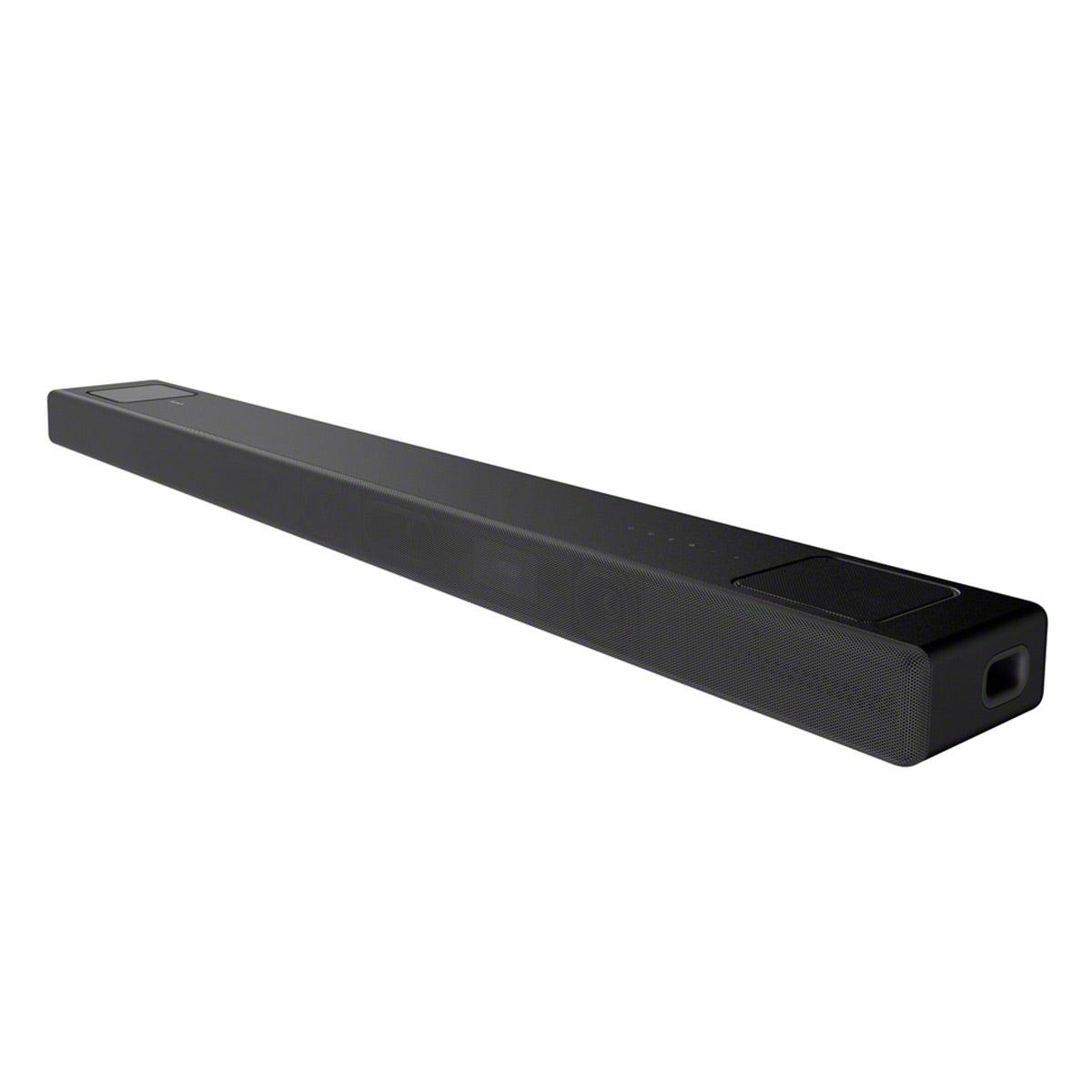
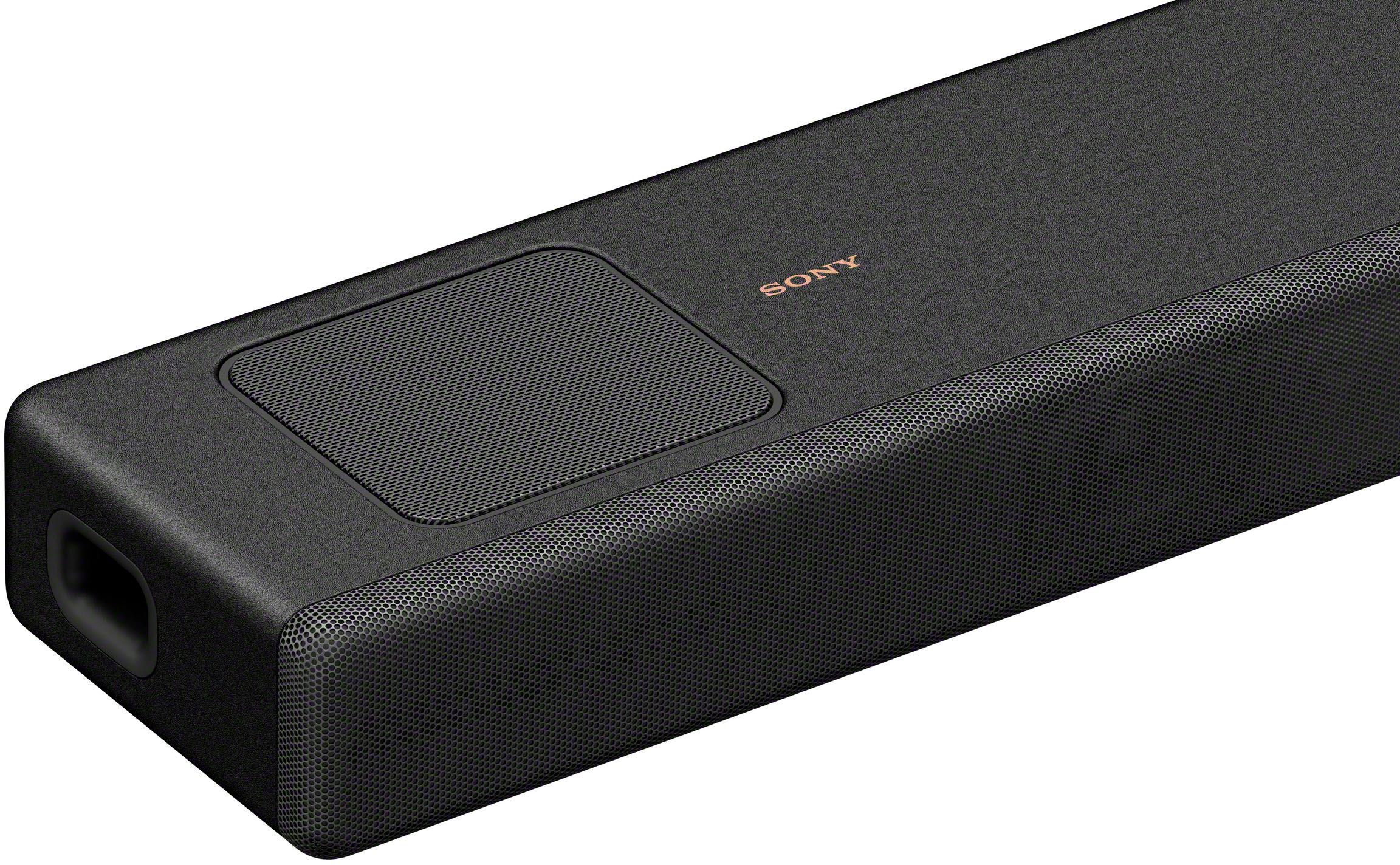
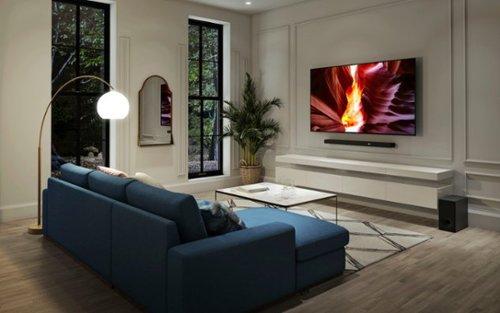
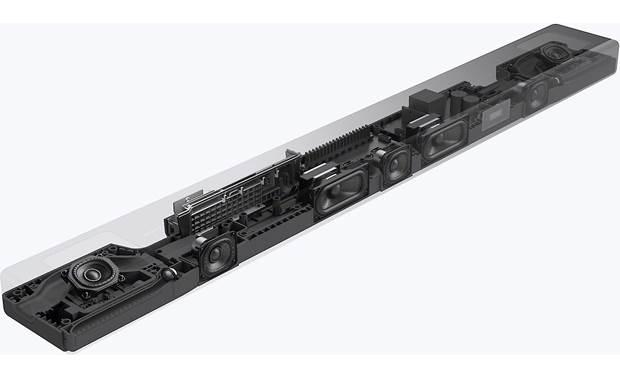
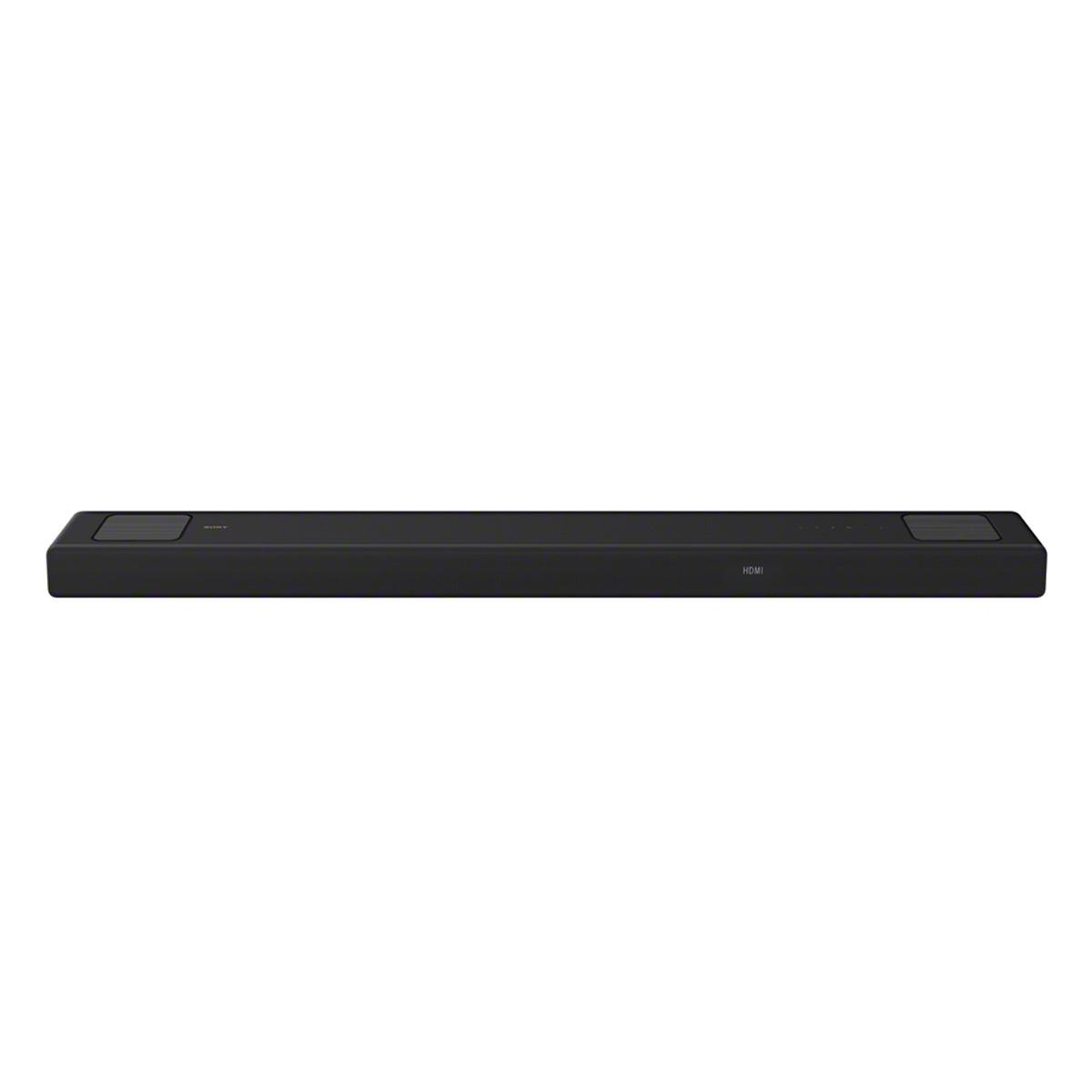
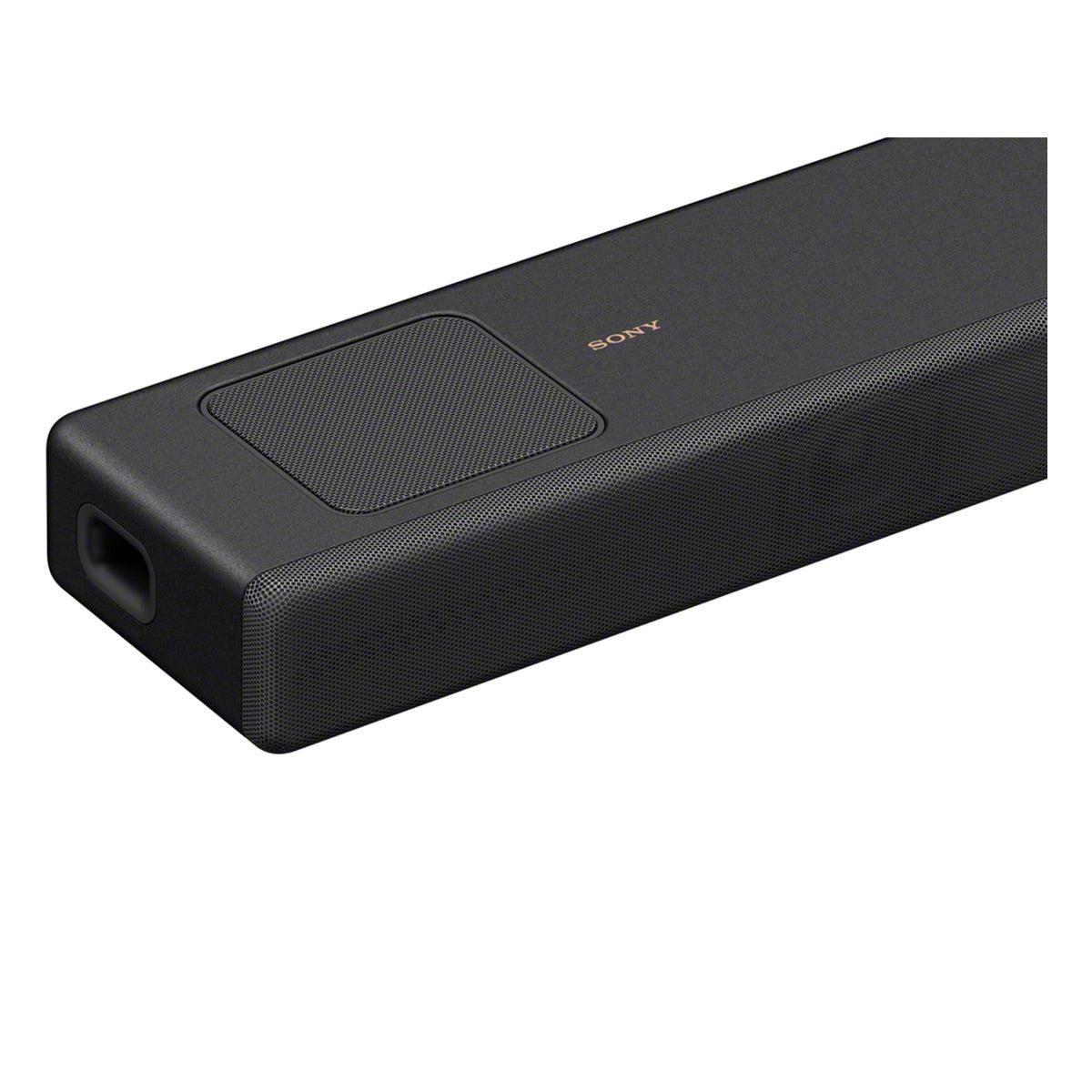
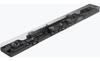
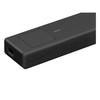
The soundbar maintains Sony's minimalist aesthetic with a sleek, fabric-wrapped design that measures just under 48 inches wide. While larger than budget options, it's proportioned well for TVs 55 inches and up. The built-in subwoofers eliminate the need for a separate unit - a huge plus for clean setups or apartments where bass management is a concern.
The HT-A5000 delivers impressive audio through its 5.1.2 channel configuration. Let's break down what those numbers mean:
In our testing, the 450W total power output proved more than adequate for medium to large rooms. The vertical surround engine (which creates virtual overhead audio effects) showed particular strength with movies like "Dune," where atmospheric effects need precise placement.
Since its release, Sony has refined the sound profile through firmware updates. The latest updates have notably improved:
Modern soundbars need to be more than just speakers, and the HT-A5000 delivers here. The Sound Field Optimization feature uses built-in microphones to measure your room's acoustics and adjust accordingly. In practice, this made a noticeable difference in our testing across different room types.
The inclusion of HDMI 2.1 provides future-proofing for:
We found the wireless connectivity robust, with support for:
In daily use, the HT-A5000 shows its versatility:
With Dolby Atmos content, the soundbar creates a convincing bubble of sound. During our testing of "Top Gun: Maverick," the jet flyover scenes demonstrated impressive overhead effects without requiring ceiling speakers.
The X-Balanced Drivers (Sony's rectangular speaker design that reduces distortion) shine with music. Whether streaming high-res audio through built-in services or playing via Bluetooth, the sound remains detailed and well-balanced.
The HDMI 2.1 support means this soundbar keeps up with next-gen gaming consoles. We noticed minimal audio lag while testing with PS5 games, and the sound field added immersion to titles like Horizon Forbidden West.
At $999, the HT-A5000 competes in a crowded premium soundbar segment. However, its feature set justifies the price:
Some standout technologies worth understanding:
This creates virtual speakers beyond the physical drivers, expanding the soundstage. In practice, this made our testing room feel larger and more immersive.
Sony's Digital Sound Enhancement Engine uses AI to restore high-frequency sounds lost in compressed audio. We found this particularly effective with streaming music services.
Beyond basic room correction, this feature accounts for:
Initial setup is straightforward:
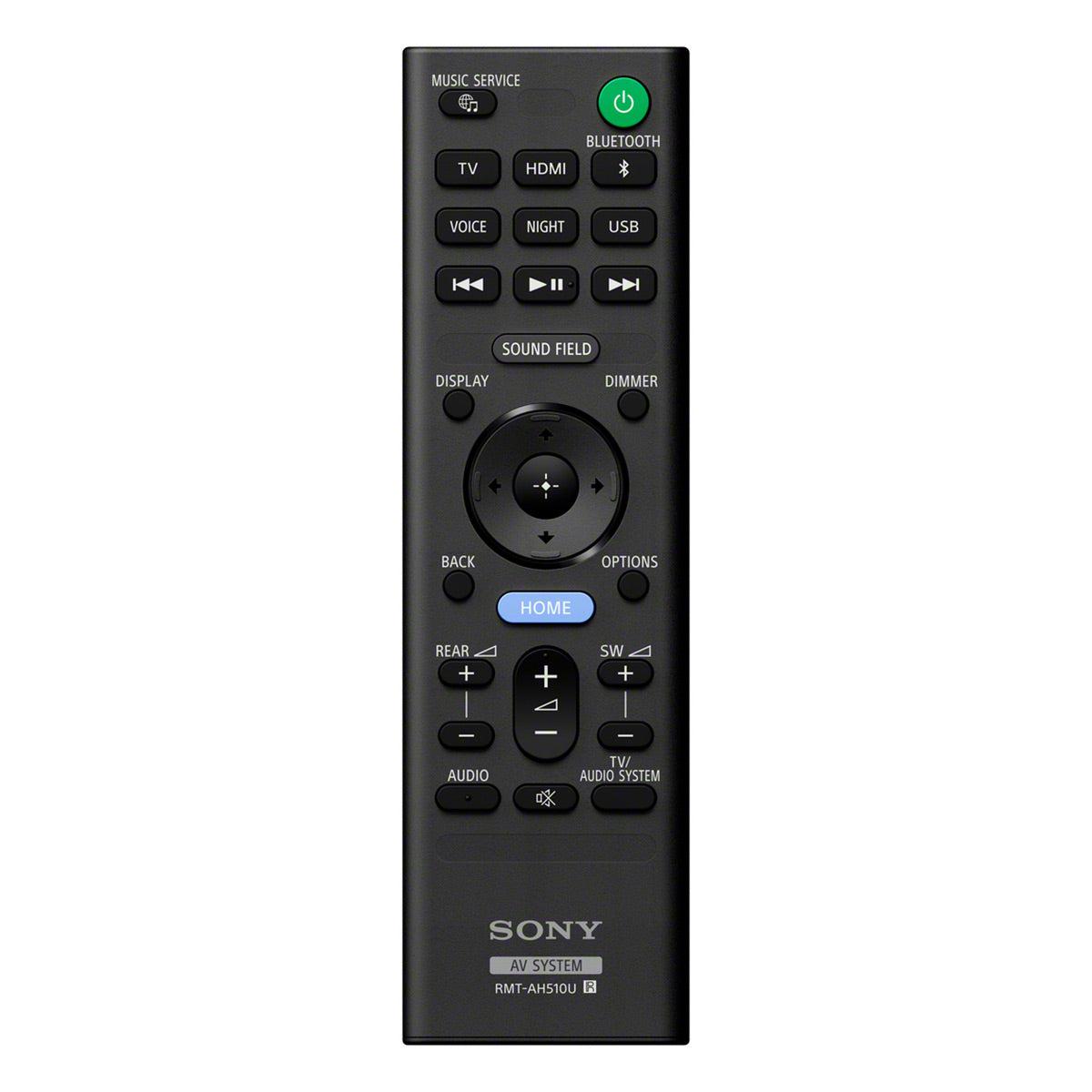
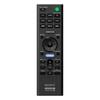
The included remote is functional, though we found ourselves using the Sony Music Center app more frequently for detailed adjustments.
The soundbar market in 2023 has evolved significantly. The HT-A5000 competes with:
After extensive testing across movies, music, and games, the Sony HT-A5000 emerges as a compelling option in the premium soundbar segment. It particularly shines for users who:
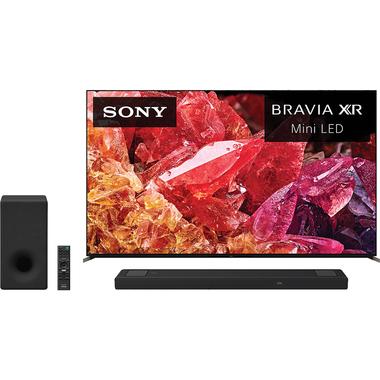
While not the absolute best in pure audio quality, it offers an impressive balance of features, performance, and value. The built-in subwoofers perform admirably, though bass enthusiasts might want to consider adding Sony's optional wireless subwoofer.
For most users, the HT-A5000 will provide years of satisfying performance with room to grow through optional rear speakers. It's a thoughtful product that demonstrates Sony's understanding of both audio technology and user needs in the modern home theater.
The Sony HT-A5000 ($999) offers excellent value for its feature set. With Dolby Atmos support, built-in subwoofers, and room calibration, it's worth the investment for anyone wanting premium home theater sound without multiple speakers. While not the cheapest option, its versatility and expandability make it a solid long-term investment.
No, the Sony HT-A5000 includes built-in dual subwoofers that provide good bass response for most users. However, bass enthusiasts can add Sony's optional wireless subwoofer for extra low-end impact.
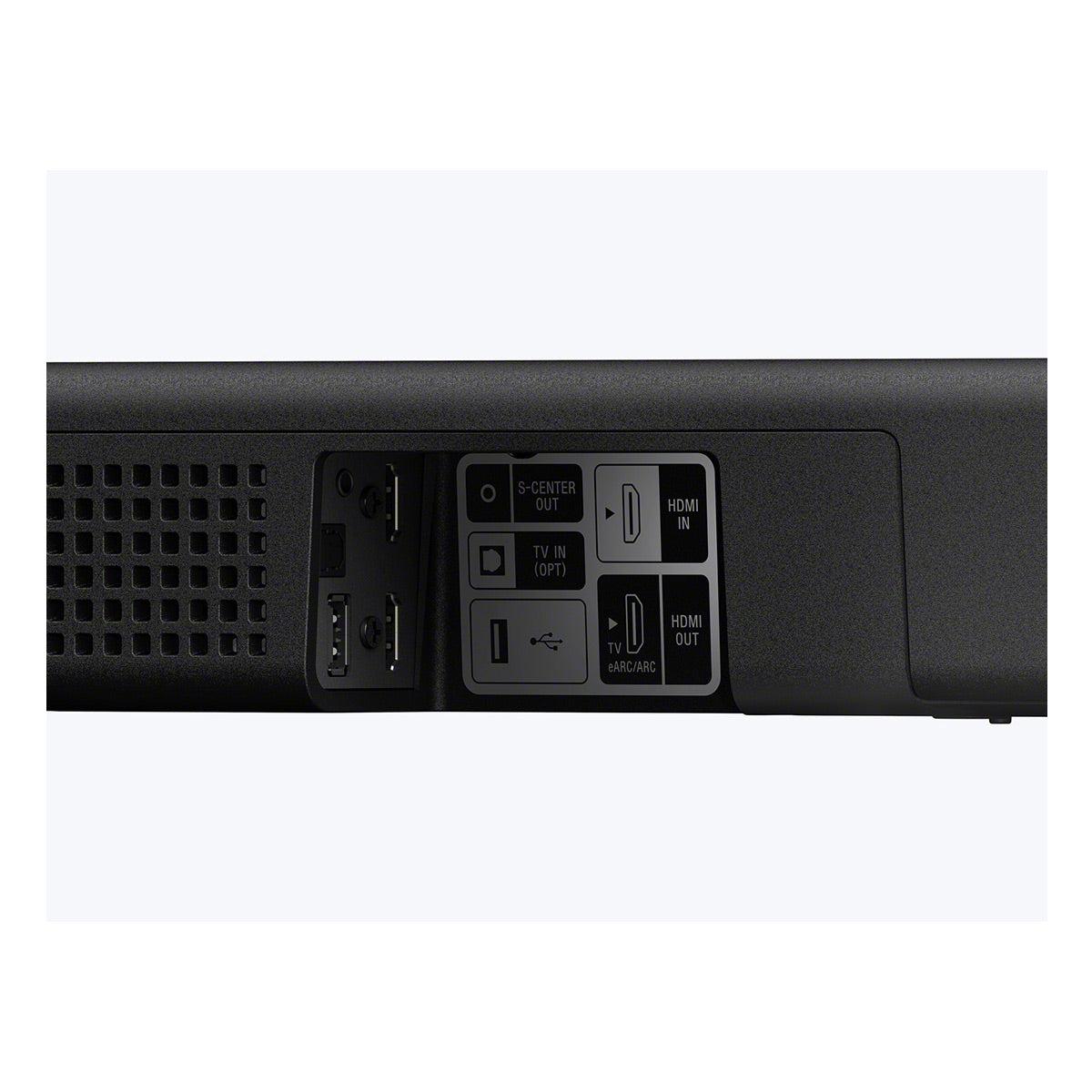
Yes, the soundbar works with any TV through HDMI eARC (preferred), optical, or Bluetooth connections. However, you'll get the best features when paired with a newer TV that supports HDMI eARC.
The Sony HT-A5000 excels with movies, especially those with Dolby Atmos soundtracks. The 5.1.2 channel configuration and up-firing speakers create immersive surround sound, while the center channel ensures clear dialogue.
Yes, you can add Sony's wireless rear speakers (SA-RS3S or SA-RS5) to create a more complete surround sound setup. The system will automatically recognize and calibrate with the additional speakers.
Yes, the soundbar fully supports PS5 gaming with HDMI 2.1 features including 4K/120Hz passthrough. It also offers low latency and supports gaming-specific audio formats.
Setup is simple through the Sony Music Center app. The app guides you through WiFi connection, which enables features like Chromecast, AirPlay 2, and Spotify Connect.
Yes, the Sony HT-A5000 supports Dolby Atmos through both HDMI and streaming services. The up-firing speakers create overhead sound effects for compatible content.
While both are excellent, the Sony HT-A5000 offers built-in subwoofers and more connection options. The Sonos Arc has better multi-room capabilities but requires a separate subwoofer for deep bass.
Yes, the Sony HT-A5000 can be used as a standalone music system through Bluetooth, WiFi streaming, or the HDMI input. It supports high-resolution audio and various streaming services directly.
We've done our best to create useful and informative comparisons to help you decide what product to buy. Our research has used advanced automated methods to create this comparison and perfection is not possible - please contact us for corrections or questions. These are the sites we've researched in the creation of this article: whathifi.com - electronics.sony.com - costco.com - sony.com - expertreviews.co.uk - crutchfield.com - audioadvice.com - sony.com - sony.com - bestbuy.com - videoandaudiocenter.com - community.sony.co.uk
| Sony HT-A5000 5.1.2 Channel Home Theater Soundbar |
|---|
| Power Output - Determines how loud and clear the system can play: 450W total |
| Channel Configuration - Defines surround capability: 5.1.2 channels with built-in subwoofers |
| HDMI Ports - Critical for connecting modern devices: 1 input, 1 output (eARC) |
| Audio Format Support - Enables premium sound: Dolby Atmos, DTS:X, Dolby TrueHD |
| Wireless Audio - For streaming flexibility: Chromecast, AirPlay 2, Spotify Connect, Bluetooth 5.0 |
| Room Calibration - Optimizes sound for your space: Sound Field Optimization with built-in mic |
| Video Passthrough - Future-proofs your setup: 8K, 4K/120Hz with HDMI 2.1 |
| Dimensions (W x H x D): 47.75" x 2.75" x 5.62" |
| Weight: 13.5 lbs |
| Up-firing Speakers - Creates height effects for immersive sound: 2 dedicated drivers |
| Voice Assistant Support: Google Assistant, Alexa compatible |
| High-Resolution Audio - Better than CD quality playback: Up to 96kHz/24-bit |
The Sonos Arc distinguishes itself with superior dialogue clarity and more precise Dolby Atmos effects, thanks to its eleven-driver array and sophisticated audio tuning. Released in 2020 but regularly updated, it offers arguably the most refined streaming experience in any soundbar, with seamless integration across music services and an exceptionally polished app interface. At $564, it presents compelling value for users prioritizing clear dialogue and multi-room audio capabilities. The Arc's implementation of voice assistants feels more natural and responsive, while its Trueplay tuning technology, though limited to iOS devices, can deliver remarkably precise sound optimization for your specific room.
While the Sonos Arc doesn't match the HT-A5000's native bass response, it excels in creating a wider, more precise soundstage that home theater enthusiasts will appreciate. Its more neutral sound signature proves particularly advantageous for music listening, offering excellent stereo separation and balanced frequency response. The Arc's integration with the broader Sonos ecosystem makes it an attractive choice for those interested in building a whole-home audio system over time, though this comes with the trade-off of being locked into the Sonos ecosystem. The lack of additional HDMI inputs might be limiting for some users, but the focus on simplicity and audio quality over connectivity options aligns with many users' priorities for a streamlined home theater setup.
🤖 Read Detailed Comparison
👌Sonos Arc Wireless Sound Bar with Dolby Atmos, Apple AirPlay 2, and Built-in Voice Assistant (White) Details
💵 See Sonos Arc Wireless Sound Bar with Dolby Atmos, Apple AirPlay 2, and Built-in Voice Assistant (White) Price
The Sonos Beam Gen 2 ($449) takes a different approach to home audio, focusing on compact design and ecosystem integration rather than raw power. While it lacks the dedicated up-firing speakers and built-in subwoofer of the HT-A5000, it excels at dialogue clarity and offers remarkably balanced sound from its smaller footprint. Its virtual Dolby Atmos implementation, while not as convincing as Sony's physical speakers, still provides an engaging sense of height and space. The Beam Gen 2's integration with the Sonos ecosystem is particularly impressive, offering superior music streaming capabilities and seamless multi-room audio expansion options.
Where the Beam Gen 2 really shines is in smaller to medium-sized rooms and for users who prioritize versatility over pure home theater performance. At nearly $200 less than the Sony, it represents solid value, especially if you're already invested in the Sonos ecosystem or plan to build a whole-home audio system over time. However, buyers should note that achieving similar bass performance to the Sony would require adding the Sonos Sub, significantly increasing the total investment. The Sonos Beam Gen 2 is ultimately best suited for those who want a more compact, streaming-focused solution and don't need the full impact of a larger soundbar with built-in subwoofer.
🤖 Read Detailed Comparison
👌Sonos Beam Gen 2 Soundbar Details
💵 See Sonos Beam Gen 2 Soundbar Price
The $1000 Sennheiser AMBEO Plus stands apart with its sophisticated 7.1.4 virtual channel configuration and advanced room calibration system. Its dual built-in subwoofers deliver noticeably more powerful bass without requiring an external sub, while the proprietary AMBEO 3D processing creates a wider, more immersive soundstage than the Sony. The AMBEO Plus also offers more connection flexibility with three HDMI inputs and additional analog options, making it better suited for complex home theater setups. The superior overhead effects and room-filling sound make it particularly compelling for larger spaces and dedicated home theater rooms.
However, this enhanced performance comes at a significant price premium over the Sony. While the AMBEO Plus justifies its higher cost with better bass response and more convincing Dolby Atmos effects, many users might find the Sony's clearer dialogue and more focused sound signature perfectly adequate for their needs. The AMBEO Plus makes sense for audiophiles and home theater enthusiasts who want the absolute best single-unit sound solution and have larger rooms to fill, but its price-to-performance ratio may be harder to justify for typical users, especially those with medium-sized rooms where the Sony's capabilities are more than sufficient.
🤖 Read Detailed Comparison
👌Sennheiser AMBEO Soundbar Plus Home Theater System Details
💵 See Sennheiser AMBEO Soundbar Plus Home Theater System Price
Looking at alternatives, the Sonos Ray represents an interesting contrast at just $169, focusing on core soundbar functionality rather than premium features. Its compact design and emphasis on dialogue clarity make it particularly effective for everyday TV watching and streaming content in smaller rooms. While it lacks the immersive audio features of the HT-A5000, the Ray excels at its primary mission of delivering clear, balanced sound that significantly improves upon built-in TV speakers.
However, the Ray's limitations become apparent in direct comparison - there's no Dolby Atmos support, no HDMI connectivity, and no built-in subwoofer. The Sonos Ray trades these advanced features for simplicity and affordability, making it a compelling choice for those seeking basic audio enhancement without the complexity of a full home theater setup. It's particularly well-suited for bedrooms, offices, or smaller living rooms where immersive surround sound isn't a priority, and its integration with the Sonos ecosystem provides an upgrade path for future expansion.
🤖 Read Detailed Comparison
👌Sonos Ray Soundbar Details
💵 See Sonos Ray Soundbar Price
The Sony HT-A3000 offers many of the premium features found in its bigger sibling, including Dolby Atmos support, 360 Spatial Sound Mapping, and Sound Field Optimization, but in a more compact and affordable package. While it lacks physical up-firing speakers, its virtual height processing still creates a convincing sense of immersion for most content. The 3.1 channel configuration, powered by 250 watts, delivers clear dialogue and satisfying bass through its built-in dual subwoofers, making it particularly well-suited for smaller rooms under 300 square feet.
At $410, it represents a significant saving over the A5000 while maintaining core functionality like HDMI eARC, streaming capabilities, and expandability with wireless rear speakers. The main tradeoffs are less precise overhead effects, reduced power for large rooms, and slightly less refined music playback. However, for users with space constraints or those primarily watching TV shows and casual movies, the Sony HT-A3000 delivers impressive performance that strikes an excellent balance between features and value. It's an especially good choice for small to medium-sized living rooms where the full capabilities of a larger soundbar might be unnecessary.
🤖 Read Detailed Comparison
👌Sony HT-A3000 3.1ch Dolby Atmos Soundbar Details
💵 See Sony HT-A3000 3.1ch Dolby Atmos Soundbar Price
The Polk MagniFi Max AX stands out with its included wireless subwoofer and impressive dialogue clarity through its dedicated center channel. While it lacks the sophisticated room correction of the Sony, it delivers powerful performance at a lower price point of $531. The Polk's VoiceAdjust technology and stronger bass response make it particularly appealing for users who prioritize clear dialogue and impactful low-end performance. Its simpler setup process and straightforward operation also make it more accessible for users who want great sound without diving into complex audio adjustments.
Where the Polk MagniFi Max AX really shines is in larger rooms, thanks to its higher maximum volume output and powerful subwoofer performance. While it may not match the Sony's refined sound processing or height effects capabilities, it offers exceptional value with features like Dolby Atmos support, multiple HDMI inputs, and modern streaming options including AirPlay 2 and Chromecast. For buyers seeking powerful home theater sound without breaking the bank, the Polk delivers impressive performance that punches above its price point, especially in terms of bass response and dialogue clarity.
🤖 Read Detailed Comparison
👌Polk Audio MagniFi Max AX 3.1.2 Soundbar Details
💵 See Polk Audio MagniFi Max AX 3.1.2 Soundbar Price
Compared to the Sony, the JBL Bar 300 ($300) offers impressive value with its MultiBeam surround technology and PureVoice dialogue enhancement features. While it lacks the dedicated height channels and built-in subwoofer of the Sony, it still delivers convincing virtual surround sound that works particularly well in small to medium-sized rooms. The compact design and simplified setup process make it an attractive option for those who want to upgrade their TV audio without dealing with complex calibration procedures or additional speakers.
However, the limitations of the JBL Bar 300 become apparent when directly comparing performance. The absence of true height channels means Dolby Atmos effects are less convincing, and the lack of a subwoofer impacts the depth of bass response during action scenes. While it offers good value at less than half the price of the Sony, the trade-offs in audio performance, particularly for home theater use, are noticeable. The JBL excels as an entry-level soundbar for everyday TV watching and casual music listening, but home theater enthusiasts will likely prefer the Sony's more sophisticated audio capabilities and expansion options.
🤖 Read Detailed Comparison
👌JBL Bar 300 5.0 Soundbar Details
💵 See JBL Bar 300 5.0 Soundbar Price
The JBL Bar 700 offers a more complete home theater solution out of the box, featuring a powerful wireless 10-inch subwoofer and innovative battery-powered rear speakers that eliminate the need for power cables. Its PureVoice technology provides superior dialogue clarity, which makes a noticeable difference during movies and TV shows. The detachable surround speakers, lasting about 10 hours per charge, deliver true surround sound without the complexity of traditional wired systems, creating a more immersive experience than virtual processing can achieve.
At $699.95, the JBL system commands a slightly higher price but includes everything needed for a full surround sound setup. While it may lack Sony's sophisticated room calibration and streaming features, it compensates with more impactful bass performance and more convincing surround effects. The larger subwoofer provides room-filling low frequencies that you can feel during action scenes, though some might find it less controlled than Sony's integrated solution. For those prioritizing cinematic impact and true surround sound over streaming integration and upgradeability, the JBL's approach offers better value, especially for medium to large rooms where its powerful bass and dedicated rear speakers can really shine.
🤖 Read Detailed Comparison
👌JBL Bar 700 Dolby Atmos 5.1 Soundbar with Subwoofer Details
💵 See JBL Bar 700 Dolby Atmos 5.1 Soundbar with Subwoofer Price
The JBL Bar 1000 ($900) takes a more comprehensive approach to home theater audio with its complete 7.1.4 channel system, including detachable wireless rear speakers and a powerful 10-inch subwoofer. Where the Sony relies on virtual processing for surround effects, the JBL delivers true surround sound through physical speakers, creating more precise audio positioning and a more convincing Dolby Atmos experience with its four up-firing drivers. The dedicated subwoofer provides noticeably deeper and more impactful bass, while the detachable rear speakers offer flexibility in placement without requiring permanent installation or wiring.
While the JBL system commands a higher price point, it provides everything needed for a complete home theater experience right out of the box. The additional HDMI inputs, automatic room calibration, and PureVoice dialogue enhancement technology add genuine value for everyday use. However, the trade-off comes in the form of a more complex setup process and the need for more physical space to accommodate multiple components. The detachable rear speakers also require occasional recharging, which might be an inconvenience for some users. Despite these minor drawbacks, the JBL Bar 1000 represents a stronger choice for dedicated home theater enthusiasts who prioritize performance over simplicity and are willing to invest in a more capable system upfront.
🤖 Read Detailed Comparison
👌JBL Bar 1000 Surround Sound System with 7.1.4 Channel Soundbar, 10" Wireless Subwoofer, Detachable Rear Speakers, and Dolby Atmo Details
💵 See JBL Bar 1000 Surround Sound System with 7.1.4 Channel Soundbar, 10" Wireless Subwoofer, Detachable Rear Speakers, and Dolby Atmo Price
The Yamaha SR-B30A ($280) takes a different approach to sound enhancement, focusing on simplicity and value while still delivering impressive audio quality. Its standout features include dual built-in subwoofers that provide surprising bass response for their size, and Clear Voice technology that makes dialogue crisp and easy to understand. The compact design and straightforward setup make it an attractive option for those who want better TV audio without the complexity of a full surround system. While it can't match the Sony's Dolby Atmos performance or dynamic range, it handles most content admirably, especially in small to medium-sized rooms.
Where the Yamaha SR-B30A really shines is in its value proposition. At less than half the price of the Sony, it delivers significant improvements over TV speakers and offers good performance for both movies and music. While it lacks advanced features like WiFi streaming and room calibration, its core functionality - including Bluetooth connectivity and HDMI eARC support - covers the essentials that most users need. The virtual surround processing, while not as convincing as true discrete channels, creates a pleasantly wide soundstage that enhances the viewing experience without requiring additional speakers or complex setup procedures.
🤖 Read Detailed Comparison
👌Yamaha SR-B30A Sound Bar with Built-In Subwoofers Details
💵 See Yamaha SR-B30A Sound Bar with Built-In Subwoofers Price
While the Yamaha SR-B40A ($265) takes a more modest approach with its 2.1 channel configuration, it delivers impressive performance for its price point. The included 6.5-inch wireless subwoofer provides satisfying bass response that outperforms expectations, and Yamaha's Clear Voice technology does an excellent job enhancing dialog clarity in movies and TV shows. The straightforward setup process and simple but effective sound modes make it an attractive option for users who want better audio without the complexity of a premium system.
Where the SR-B40A really shines is in its value proposition and focused feature set. While it can't match the HT-A5000's surround capabilities or advanced processing, it excels at its primary mission of improving TV audio quality. The virtual surround implementation is convincing enough for most content, and the Bluetooth 5.1 connectivity provides reliable wireless streaming. For smaller rooms or situations where advanced features aren't needed, the SR-B40A offers an excellent balance of performance and affordability that many users will find more than sufficient for their needs.
🤖 Read Detailed Comparison
👌Yamaha SR-B40A 2.1-Channel Sound Bar with Wireless Subwoofer Details
💵 See Yamaha SR-B40A 2.1-Channel Sound Bar with Wireless Subwoofer Price
For those considering alternatives, the TCL Q85H offers a compelling package with its 7.1.4 channel configuration, including physical rear speakers and a separate wireless subwoofer at a promotional price of $599.99. The inclusion of four up-firing speakers (two front, two rear) creates more precise height effects for Dolby Atmos content, while the dedicated rear speakers deliver true surround sound without relying on virtual processing. This physical speaker approach particularly shines in larger rooms where virtual surround effects typically become less convincing.
However, the Q85H lacks some of the Sony's refined features, such as advanced room calibration and comprehensive streaming options. Its auto-calibration is more basic, and it doesn't offer the same level of audio processing for music playback. While the TCL Q85H provides excellent home theater performance and better value for those wanting immediate full surround sound, it doesn't match the Sony's versatility in terms of smart features and future expandability. The TCL system's larger physical footprint also requires more careful consideration of room layout and speaker placement.
🤖 Read Detailed Comparison
👌TCL Q85H Q Class 7.1.4 Channel Sound Bar System Details
💵 See TCL Q85H Q Class 7.1.4 Channel Sound Bar System Price
The Bose Smart Ultra Soundbar ($664.05) distinguishes itself with superior dialogue clarity through its innovative AI Dialogue Mode, which uses machine learning to enhance speech without compromising other audio elements. Its PhaseGuide technology creates more precise sound placement, resulting in a more convincing Dolby Atmos experience, particularly for height effects. The build quality is notably premium, featuring a glass top and metal grille construction that looks more sophisticated in living room settings. The built-in Alexa integration and Voice4Video feature provide more seamless smart home control, allowing users to control their TV and soundbar with natural voice commands.
While the Bose commands a slightly higher price point, its key advantage lies in its more refined sound signature, especially for dialogue-heavy content and movies. The ADAPTiQ room calibration system, though requiring an external microphone, delivers excellent results in optimizing sound for specific room acoustics. However, the Bose Smart Ultra does have some limitations compared to the Sony, notably its lack of DTS:X support and less powerful bass response. It's also more restricted in terms of expandability, working only with Bose-specific accessories. For users who prioritize crystal-clear dialogue and natural sound reproduction over raw power and format flexibility, the Bose's premium approach justifies its slightly higher price tag.
🤖 Read Detailed Comparison
👌Bose Smart Ultra Soundbar with Dolby Atmos Details
💵 See Bose Smart Ultra Soundbar with Dolby Atmos Price
The Sennheiser AMBEO Mini takes a notably different approach, packing impressive virtual surround capabilities into a more compact 27.6-inch frame. While it lacks physical up-firing drivers, its sophisticated 7.1.4 channel virtualization creates a surprisingly immersive soundstage that extends well beyond its physical dimensions. The dual 4-inch woofers deliver tight, musical bass down to 43Hz, and the built-in four-microphone array provides more convenient room calibration than Sony's external mic system. For smaller spaces and TVs under 55 inches, the AMBEO Mini's refined sound signature and space-saving design make it a compelling alternative.
At $500, the Sennheiser AMBEO Mini offers strong value as a standalone solution, especially for those who prioritize music listening or prefer a simplified setup. While it can't match the Sony's thunderous bass response or expandability options, its more sophisticated virtual processing often creates a wider, more enveloping horizontal soundstage. The newer WiFi 6 support and automatic room calibration showcase Sennheiser's attention to user-friendly features. However, home theater enthusiasts with larger rooms or those wanting maximum impact from action movies may still prefer Sony's more powerful output and physical height channels.
🤖 Read Detailed Comparison
👌Sennheiser AMBEO Soundbar Mini Details
💵 See Sennheiser AMBEO Soundbar Mini Price
The Sony BRAVIA Theater Bar 9 represents Sony's latest evolution in soundbar technology, featuring a more sophisticated 13-speaker array with advanced side-firing drivers and quad passive radiators. Its standout 360 Spatial Sound Mapping technology creates a more immersive soundstage compared to the HT-A5000, particularly noticeable in larger rooms where the sound can properly expand. The newer Voice Zoom 3 technology and enhanced Acoustic Center Sync feature provide better dialog clarity and more natural sound positioning when paired with compatible Sony TVs, while the updated speaker design offers more refined, if slightly less impactful, bass response.
At $1,098, the Theater Bar 9 commands a significant premium over the HT-A5000, and that price difference grows further if you want to add a subwoofer to match the HT-A5000's integrated bass performance. While it offers superior technical capabilities and more room for future expansion, the actual performance benefits may not justify the cost difference for many users, especially those with smaller rooms or simpler home theater needs. The Theater Bar 9 makes the most sense for owners of current Sony TVs who want the absolute latest in sound processing technology and have larger spaces where its advanced spatial audio capabilities can truly shine.
🤖 Read Detailed Comparison
👌Sony BRAVIA Theater Bar 9 Soundbar Details
💵 See Sony BRAVIA Theater Bar 9 Soundbar Price
The LG S90TR takes a different approach by including everything needed for a complete home theater audio system right out of the box. With its 7.1.3 channel configuration, wireless rear speakers, and dedicated subwoofer, it delivers more immediate impact and true surround sound without requiring additional purchases. The inclusion of HDMI 2.1 ports with VRR and ALLM support makes it particularly appealing for gamers, while its three up-firing channels create more precise height effects for Dolby Atmos content.
While priced similarly to our reviewed Sony system, the LG S90TR offers superior value when considering its included components and capabilities. Its AI Room Calibration Pro provides more detailed acoustic optimization, and the complete system creates a more convincing surround sound field. However, this comes at the cost of requiring more space and power outlets around your room. For those who want maximum performance immediately and have the space to accommodate the additional speakers, the LG system presents a compelling alternative to Sony's modular approach.
🤖 Read Detailed Comparison
👌LG S90TR 7.1.3 Channel Soundbar with Wireless Subwoofer and Rear Speakers - Soundbar Details
💵 See LG S90TR 7.1.3 Channel Soundbar with Wireless Subwoofer and Rear Speakers - Soundbar Price
The LG S95TR sets itself apart with a more comprehensive 9.1.5 channel configuration and significantly more power at 810W, making it particularly compelling for larger rooms and dedicated home theater spaces. The inclusion of additional up-firing speakers and dedicated rear surrounds creates a more precise and immersive soundstage, especially noticeable during complex Dolby Atmos scenes. The addition of two HDMI 2.1 inputs with 4K/120Hz support makes it more versatile for modern gaming setups, while its AI Room Calibration Pro technology offers more sophisticated room optimization than the Sony.
However, at $1,499, the premium features of the S95TR come at a significant cost increase over the Sony. While it delivers superior technical performance in several areas, the real-world benefits may not justify the extra investment for many users, particularly in smaller rooms or for those primarily watching standard TV content. The additional speakers also require more setup consideration and physical space, making it a less flexible solution for some living environments. That said, for buyers seeking maximum channel separation and overhead effects, particularly in larger spaces, the LG's additional investment delivers tangible improvements in surround sound immersion.
🤖 Read Detailed Comparison
👌LG S95TR 9.1.5 Channel Soundbar with Dolby Atmos Soundbar Details
💵 See LG S95TR 9.1.5 Channel Soundbar with Dolby Atmos Soundbar Price
The Klipsch Flexus Core 200 ($499) stands out with its horn-loaded tweeter technology and focused 3.1.2 channel design, offering exceptional dialogue clarity and precise sound positioning at half the price of the Sony. While it lacks advanced features like room optimization and WiFi streaming, its aluminum drivers and dual 4" built-in subwoofers deliver impressive audio performance for both movies and music. The modular design allows for easy expansion with wireless surrounds and subwoofers, though it maxes out at a 5.2.2 configuration.
Where the Sony excels in sophisticated processing and immersive sound, the Klipsch Flexus Core 200 takes a more straightforward approach focused on core audio performance. Its simpler feature set and connectivity options might actually appeal to users who prioritize reliable operation and natural sound reproduction over smart features. While it can't match the Sony's expansive soundstage or Atmos performance, the Klipsch delivers outstanding value for those primarily concerned with TV audio enhancement and music playback, particularly in small to medium-sized rooms.
🤖 Read Detailed Comparison
👌Klipsch Flexus Core 200 3.1.2 Soundbar Details
💵 See Klipsch Flexus Core 200 3.1.2 Soundbar Price
The Klipsch Flexus Core 100 takes a different approach to sound, focusing on delivering exceptional stereo performance through its dual 2.25" aluminum cone drivers and impressive bass via two integrated 4" subwoofers. While it lacks the sophisticated processing and true Atmos capabilities of the Sony, it manages to produce remarkably clear, dynamic sound that excels with both music and standard TV content. At just $250, it represents significant value, especially for users who prioritize pure audio quality over advanced processing features.
When comparing the two, the Klipsch emerges as an attractive alternative for those who want quality sound without the complexity and cost of a full surround setup. The Klipsch Flexus Core 100 delivers about 70% of the Sony's core performance at less than half the price, making it an excellent choice for smaller rooms or situations where simpler stereo playback is preferred. While it can't match the Sony's immersive soundstage or advanced streaming capabilities, its focused approach to audio fundamentals results in natural, engaging sound that significantly outperforms its price point.
🤖 Read Detailed Comparison
👌Klipsch Flexus Core 100 Soundbar Details
💵 See Klipsch Flexus Core 100 Soundbar Price
The Bose Solo Series 2 ($160) takes a fundamentally different approach, focusing on simplicity and value rather than advanced features. Its compact design and straightforward setup make it an attractive option for those who want to upgrade from TV speakers without dealing with complex configurations. The dialogue enhancement mode is particularly effective, and its basic stereo sound provides clear audio that's well-suited for news, sports, and casual TV viewing in smaller rooms.
However, compared to the Sony's immersive audio capabilities, the Bose falls short in several key areas. Its lack of HDMI connectivity, limited streaming options, and basic 2.0 channel configuration make it less suitable for home theater enthusiasts. While it's significantly more affordable at just $160, the limitations become apparent when watching action movies or listening to music, where the absence of a subwoofer and surround channels is noticeable. The Bose Solo Series 2 remains a solid choice for basic TV audio enhancement in smaller spaces or bedrooms, but those seeking a more cinematic experience will find the Sony's premium features worth the additional investment.
🤖 Read Detailed Comparison
👌Bose Solo Soundbar Series 2 Soundbar Details
💵 See Bose Solo Soundbar Series 2 Soundbar Price
The Samsung HW-B550D offers compelling value at just $177, delivering satisfying audio performance through its 3.1 channel configuration and dedicated wireless subwoofer. While it can't match the immersive experience of the HT-A5000's Dolby Atmos capabilities, its DTS Virtual:X processing creates a respectable sense of space, and the dedicated center channel ensures clear dialogue reproduction. The included wireless subwoofer provides impactful bass that some users might actually prefer over Sony's built-in solution, particularly for action movies and music with heavy low frequencies.
Where the Samsung HW-B550D really shines is in its simplicity and value proposition. It handles the fundamentals well - improving TV audio, providing clear dialogue, and delivering engaging bass - without the complexity or cost of premium features. While it lacks advanced connectivity options and room calibration, its basic HDMI ARC and Bluetooth connectivity will satisfy most users' needs. For those who primarily watch regular TV content and occasional movies in smaller to medium-sized rooms, the Samsung offers most of the essential benefits of a soundbar at a fraction of the Sony's price.
🤖 Read Detailed Comparison
👌Samsung HW-B550D 3.1 Channel Sound Bar Details
💵 See Samsung HW-B550D 3.1 Channel Sound Bar Price
The $277.99 Samsung B-Series stands out with its powerful external subwoofer and impressive value proposition. While it lacks the up-firing speakers found in the Sony, it compensates with punchy bass response that home theater enthusiasts will appreciate, particularly during action sequences and explosions. The DTS Virtual:X processing does an admirable job of creating virtual height effects, and the dedicated Voice Enhancement mode ensures clear dialogue delivery. Samsung's SpaceFit Sound calibration, while more basic than Sony's system, still helps optimize the sound for your specific room.
Where the Samsung B-Series really shines is in its price-to-performance ratio, delivering about 80% of the Sony's performance at less than half the cost. The separate subwoofer design, while requiring more space, offers greater flexibility in placement and stronger bass impact than Sony's built-in solution. While it can't match the Sony's refined sound quality, advanced streaming options, or true Atmos performance, it provides an excellent upgrade path for those wanting to significantly improve their TV audio without breaking the bank. For most users who aren't focused on achieving the absolute pinnacle of home theater audio, the Samsung represents a more practical choice that still delivers engaging surround sound performance.
🤖 Read Detailed Comparison
👌Samsung B-Series 5.1 Channel Soundbar with Subwoofer Details
💵 See Samsung B-Series 5.1 Channel Soundbar with Subwoofer Price
The Samsung HW-Q990D takes a different approach by delivering a complete surround sound package with physical speakers for every channel, including four up-firing drivers and dedicated rear satellites. Where the Sony relies on virtual processing, Samsung's system creates genuine surround sound with 22 separate drivers. This physical speaker arrangement, combined with features like SpaceFit Sound Pro for continuous room calibration and Game Mode Pro for enhanced gaming performance, delivers a more convincing home theater experience, particularly in larger rooms where virtual surround processing can struggle.
However, this premium performance comes at a higher initial cost of $1,799, though this price includes everything needed for full surround sound. The system requires more space and careful speaker placement to achieve optimal results, making it less suitable for smaller rooms or minimalist setups. While the Samsung excels at movie and gaming performance, its music playback can sometimes be bass-heavy and less balanced than the Sony's more refined sound signature. The choice between these systems ultimately comes down to room size, budget flexibility, and whether you prioritize absolute surround sound performance over setup simplicity.
🤖 Read Detailed Comparison
👌Samsung HW-Q990D 11.1.4 Channel Sound Bar Details
💵 See Samsung HW-Q990D 11.1.4 Channel Sound Bar Price
The Samsung HW-S700D takes a different approach with its ultra-slim design and budget-friendly price point of $148. While it can't match the immersive audio experience of the HT-A5000's 5.1.2 setup, it excels in specific areas that matter to many users. Its slim profile makes it ideal for wall-mounting, and when paired with a Samsung TV, features like Q-Symphony and SpaceFit Sound provide surprisingly good audio optimization. The included wireless subwoofer offers placement flexibility that some may prefer over built-in bass drivers.
At nearly one-fourth the price, the HW-S700D delivers impressive value for everyday TV watching and casual music listening. Its 3.1 channel configuration, while basic, provides clear dialogue through the dedicated center channel and good stereo separation for music. However, buyers should understand they're trading off Dolby Atmos capability, advanced streaming features, and the more sophisticated room correction that the Sony offers. For those primarily watching regular TV content and streaming services in modest-sized rooms, the Samsung's performance-to-price ratio makes it a compelling alternative if premium audio features aren't a priority.
🤖 Read Detailed Comparison
👌Samsung HW-S700D 3.1 Channel Slim Soundbar Details
💵 See Samsung HW-S700D 3.1 Channel Slim Soundbar Price
The Sony HT-A8000 BRAVIA Theater Bar 8 represents Sony's latest thinking on spatial audio with its advanced 360 Spatial Sound Mapping technology and compact 43-inch design. Released in 2024, it features 11 discrete speakers including side-firing drivers that create remarkably convincing phantom speakers by bouncing sound off your room's walls. The standout Voice Zoom 3 feature uses AI to intelligently enhance dialogue clarity, automatically recognizing and amplifying speech patterns for clearer conversation even in challenging audio mixes. Its sophisticated room calibration goes beyond basic optimization, actually measuring and adapting to your specific acoustic environment to maximize spatial audio effectiveness.
While the HT-A8000 lacks the HT-A5000's built-in subwoofers, it compensates with more advanced processing and a significantly smaller footprint that fits better with smaller TVs and compact spaces. The newer model offers enhanced BRAVIA TV integration, Bluetooth 5.2 connectivity, and cutting-edge spatial audio that creates a more immersive surround sound experience, particularly for users with walls positioned appropriately for sound reflection. From a value standpoint, the HT-A8000 appeals to those who prioritize the latest technology and future-proofing over immediate bass satisfaction. If you have limited space, own a newer Sony TV, or want the most advanced dialogue enhancement available, the HT-A8000 offers compelling advantages despite requiring an optional subwoofer for deep bass response.
🤖 Read Detailed Comparison
👌Sony HT-A8000 BRAVIA Theater Bar 8 Soundbar Details
💵 See Sony HT-A8000 BRAVIA Theater Bar 8 Soundbar Price
The Samsung HW-Q800D stands out with its separate wireless subwoofer and advanced SpaceFit Sound Pro calibration system, offering some distinct advantages over the Sony. The dedicated 8-inch subwoofer delivers noticeably deeper bass impact for movies and music, while the continuous room calibration ensures optimal sound even as room conditions change. Samsung's implementation of upward-firing speakers also creates more precise overhead effects for Dolby Atmos content, and the inclusion of Game Pro Mode makes it a better choice for gamers seeking lower audio latency and enhanced directional cues.
At a similar price point, choosing between these soundbars comes down to specific needs and room considerations. The Samsung HW-Q800D excels in larger spaces and delivers a more traditional home theater experience with its separate subwoofer, though it requires more physical space. While it can't match the Sony's vocal clarity and wider soundstage, it offers better overall value for home theater enthusiasts, particularly those planning to expand their system with rear speakers or those who prioritize gaming performance. The Samsung's Q-Symphony feature also makes it especially attractive for Samsung TV owners, though this ecosystem benefit only applies if you have compatible equipment.
🤖 Read Detailed Comparison
👌Samsung HW-Q800D 5.1.2 Channel Soundbar Details
💵 See Samsung HW-Q800D 5.1.2 Channel Soundbar Price
The $999 Sonos Arc Ultra takes a different approach to premium sound, leveraging its new HeartMotion driver technology to deliver more natural bass response and a wider soundstage without relying on artificial processing. Its standout features include superior room correction through Trueplay, more convincing Dolby Atmos height effects, and seamless integration with Sonos's whole-home audio ecosystem. Music playback is notably more refined, with better stereo imaging and more natural vocal reproduction that makes it equally capable for both movies and music listening.
While the Arc Ultra commands a significant price premium, it justifies the cost through better build quality, more sophisticated sound processing, and longer expected product support. However, it lacks the gaming-focused features like HDMI 2.1 passthrough and multiple inputs found on the Sony. For pure home theater use, the Arc Ultra's more enveloping soundfield and superior spatial audio performance make it a compelling upgrade for those who can afford the premium, though the Sony remains an excellent value proposition at its lower price point.
🤖 Read Detailed Comparison
👌Sonos Arc Ultra Dolby Atmos Soundbar Details
💵 See Sonos Arc Ultra Dolby Atmos Soundbar Price
The JBL Bar 1000 MK2 represents a no-compromises approach to home theater audio at $1,199, delivering everything needed for true 7.1.4 surround sound in a single purchase. Its standout feature is the detachable wireless rear speakers that transform from soundbar extensions into proper surround channels, creating genuine directional audio that virtual processing simply cannot match. The included 10-inch wireless subwoofer provides room-shaking bass that extends down to 30Hz, offering the kind of visceral impact that makes action movies and gaming truly immersive. With four up-firing drivers total – double what the Sony offers – the JBL creates a more expansive and convincing Dolby Atmos soundfield. The system also excels for gaming setups with three HDMI inputs allowing direct connection of multiple consoles without routing through your TV.
From a performance standpoint, the JBL Bar 1000 MK2 delivers superior immersion in larger rooms where its physical components can be properly utilized and the powerful subwoofer can pressurize the space effectively. While it costs twice as much as the Sony, you're getting components that would cost significantly more if purchased separately – a quality wireless subwoofer and rear speakers typically run $600-800 combined. The trade-off comes in complexity and flexibility: the JBL requires more setup time, battery management for the rear speakers, and lacks the Sony's Wi-Fi streaming capabilities and automatic room calibration. For users with dedicated theater spaces who prioritize maximum immersion and don't mind the additional complexity, the JBL's complete system approach and superior bass performance make it worth the premium. However, those in smaller spaces or apartments will find the Sony's more controlled approach and expandable design better suited to their needs.
🤖 Read Detailed Comparison
👌JBL Bar 1000 MK2 Soundbar System Details
💵 See JBL Bar 1000 MK2 Soundbar System Price
The JBL Bar 300 MK2 represents a more modern approach to soundbar design, launching in 2024 with comprehensive smart home integration and streaming capabilities that the Sony lacks. Its standout PureVoice 2.0 technology delivers exceptional dialogue clarity that keeps voices crystal clear even during complex audio scenes – a significant advantage for TV shows, news, and dialogue-heavy content where the Sony sometimes buries speech beneath fuller soundtracks. The JBL also excels in connectivity with Wi-Fi 6, support for over 300 streaming services, and tri-assistant compatibility (Alexa, Google Assistant, Siri), essentially eliminating the need for separate streaming devices. Its one-button room calibration and automatic software updates reflect a more user-friendly, future-focused design philosophy.
While the JBL Bar 300 MK2 costs $449.95 compared to the Sony's current $279.99 price, it offers distinct advantages for certain users and room configurations. Its 5.0 channel all-in-one design works exceptionally well in smaller to medium-sized rooms where virtual surround processing is more effective, and its balanced sound signature handles mixed content better than the Sony's more cinema-focused tuning. The JBL's lack of expandability means no future upgrade path, but it also eliminates complexity – what you buy is a complete, optimized system. For users who prioritize smart features, dialogue clarity, and streaming integration over raw home theater impact, the JBL justifies its higher price through convenience and daily usability that the Sony, despite its impressive discounted value, cannot match.
🤖 Read Detailed Comparison
👌JBL Bar 300 MK2 Soundbar Details
💵 See JBL Bar 300 MK2 Soundbar Price
The Klipsch Flexus Core 300 at $1,199 represents a premium leap in soundbar technology, most notably as the world's first soundbar to feature Dirac Live room correction – a sophisticated calibration system that uses an included microphone to measure your room's acoustic characteristics and apply precise corrections for both magnitude and phase response. This technology, previously reserved for high-end AV receivers costing thousands of dollars, delivers dramatically more accurate sound with tighter bass, clearer dialogue, and improved soundstage coherence compared to basic calibration systems. The Klipsch also employs a substantial 13-driver array including four built-in 4-inch subwoofers, dedicated up-firing and side-firing channels, and Klipsch's signature horn-loaded tweeters, creating genuine physical surround effects rather than relying on virtual processing. Its 106 dB maximum output capability ensures it can fill large rooms with authority while maintaining clarity at high volumes.
Beyond raw performance, the Klipsch Flexus Core 300 offers superior future-proofing and expandability that justifies its premium positioning. The soundbar supports 8K/60Hz passthrough alongside 4K/120Hz for next-generation gaming and streaming, while comprehensive platform support includes Tidal Connect, QPlay, and smart home integration with Control4 and Crestron systems. The Flexus ecosystem allows seamless expansion with wireless rear speakers and dual subwoofer support using proprietary low-latency wireless technology, creating a complete home theater system without additional cable runs. While the Sony HT-A5000 delivers excellent value for its price point, the Klipsch operates in a different performance tier entirely – it's designed for audio enthusiasts and larger dedicated home theater spaces where the advanced room correction, superior driver count, and robust expandability options provide tangible benefits that justify the four-fold price difference.
🤖 Read Detailed Comparison
👌Klipsch Flexus Core 300 Soundbar Details
💵 See Klipsch Flexus Core 300 Soundbar Price
The Samsung Q Series 9.1.2 Channel Soundbar delivers a complete premium home theater experience at $897.99, including physical rear speakers and a dedicated 8-inch wireless subwoofer that create authentic 360-degree surround sound. Unlike virtual processing, Samsung's physical speaker placement provides genuine positional audio where helicopter flyovers, explosions, and ambient effects are precisely located around your listening space. The system's 360W of distributed power effectively fills rooms up to 350 square feet while maintaining clarity at all volume levels, and features like Q-Symphony integration with Samsung TVs and Game Mode Pro for competitive gaming add significant value. The SpaceFit Sound Pro calibration automatically optimizes all components for your specific room acoustics, ensuring optimal performance regardless of your space's unique characteristics.
While the Samsung requires positioning four separate components around your room, this physical approach eliminates the guesswork and room dependency that virtual surround systems face. The included wireless subwoofer delivers room-shaking bass down to 30Hz that built-in drivers simply cannot match, making action movies and bass-heavy music dramatically more impactful. At $897.99 for everything needed for premium surround sound, the Samsung system actually costs less than fully expanding the Sony with comparable rear speakers and subwoofer, which would exceed $1,200. For viewers who want immediate, no-compromise surround sound performance and have medium to large rooms where the distributed speakers can truly shine, the Samsung offers superior immersion and better long-term value than the modular approach.
🤖 Read Detailed Comparison
👌Samsung Q Series 9.1.2 Channel Soundbar Details
💵 See Samsung Q Series 9.1.2 Channel Soundbar Price
The LG S60TR takes a complete system approach that delivers authentic 5.1 surround sound right out of the box for just $299. Unlike the Sony's virtual processing, LG includes physical 50W wireless rear speakers that create genuine directional audio cues – when helicopters fly overhead in movies, you actually hear them move from front to back through real speaker positioning. The included 220W wireless subwoofer provides the deep, room-pressurizing bass that the Sony's built-in drivers simply cannot match, making action scenes and bass-heavy music significantly more impactful. For gamers, the LG's 2024 design includes full HDMI 2.1 support with 4K/120Hz passthrough, Variable Refresh Rate, and Auto Low Latency Mode – essential features for getting the best performance from PS5 and Xbox Series X consoles that the Sony lacks entirely.
Where the LG S60TR truly shines is in value and consistent performance across different environments. While the Sony's virtual surround works well in smaller, acoustically controlled rooms, LG's physical speakers maintain their effectiveness regardless of room size, ceiling height, or acoustic challenges. The complete $299 package means no hidden costs or pressure to buy additional components – you get everything needed for authentic 5.1 performance immediately. Though the LG uses more cost-effective plastic construction compared to Sony's premium materials, and lacks some of the Sony's sophisticated smart features, it delivers superior bass response, authentic surround positioning, and modern gaming connectivity at less than one-third the cost of a fully comparable Sony system. For most users seeking immediate, no-compromise surround sound performance, the LG's traditional approach proves more satisfying than Sony's virtual processing.
🤖 Read Detailed Comparison
👌LG S60TR 5.1 Channel Soundbar with Wireless Subwoofer and Rear Speakers Details
💵 See LG S60TR 5.1 Channel Soundbar with Wireless Subwoofer and Rear Speakers Price
The LG S40T 2.1 Channel Soundbar ($156) takes a refreshingly straightforward approach that prioritizes immediate value and ease of use over technical complexity. Its standout feature is the complete package approach – you get everything needed for a substantial audio upgrade right out of the box, including a wireless subwoofer that delivers deep, room-filling bass without requiring additional purchases. The AI Sound Pro technology automatically optimizes audio based on what you're watching, seamlessly switching between dialogue enhancement for news programs and dynamic range expansion for action movies without any user intervention. At just 28 inches wide, it fits perfectly with smaller TVs and living spaces while still delivering clear, balanced sound that makes dialogue intelligible and adds the bass depth that modern flat-screen TVs simply cannot provide.
Where the LG truly shines is in its practicality and value proposition. While it lacks the Sony's Dolby Atmos capabilities and sophisticated room calibration, it accomplishes its primary mission – dramatically improving TV audio – at less than half the cost with zero compromise on essential features. The wireless subwoofer included with the LG S40T often outperforms the Sony's built-in bass drivers for music listening and provides the kind of impactful low-end that makes action sequences genuinely exciting. For viewers who primarily consume TV shows, news, and casual movie watching rather than pursuing audiophile-level home theater experiences, the LG delivers 80% of the audio improvement most people actually need while remaining accessible to budget-conscious buyers who want immediate gratification rather than a long-term audio investment project.
🤖 Read Detailed Comparison
👌LG S40T 2.1 Channel Soundbar Details
💵 See LG S40T 2.1 Channel Soundbar Price
The LG S70TR ($399.99) delivers a fundamentally different value proposition by including everything needed for authentic surround sound right out of the box. LG's standout approach centers on physical rear speakers that create genuine directional audio, eliminating the guesswork of virtual processing and providing consistent surround effects regardless of room shape or size. The included 7-inch wireless subwoofer with 220W amplifier delivers chest-thumping bass that transforms action movies and music listening, while the up-firing center channel focuses specifically on dialogue clarity. Modern gaming features like VRR and ALLM support up to 120Hz make it ideal for PlayStation 5 and Xbox Series X users, and the WOW Orchestra technology creates an expanded soundstage when paired with LG TVs by synchronizing all available speakers in the room.
While the Sony excels in build quality and sophisticated processing, the LG S70TR provides dramatically superior value and immediate performance benefits. At $399 for a complete 5.1.1 system, it costs less than what you'd pay for just Sony's rear speakers and subwoofer add-ons, yet delivers more impactful bass and authentic surround sound from day one. The physical rear speakers create immersive audio that virtual processing simply cannot match, especially during action sequences where directional effects like helicopter flyovers or explosions moving through space feel genuinely three-dimensional. The LG's wireless setup eliminates cable runs while maintaining the performance advantages of real speakers, and its AI Sound Pro technology continuously optimizes audio for whatever content you're watching. For users prioritizing immediate surround sound impact, gaming performance, and exceptional value, the LG S70TR represents a more complete and cost-effective solution than building a comparable Sony system over time.
🤖 Read Detailed Comparison
👌LG S70TR 5.1.1 Channel Soundbar with Dolby Atmos and WOW Orchestra Soundbar Details
💵 See LG S70TR 5.1.1 Channel Soundbar with Dolby Atmos and WOW Orchestra Soundbar Price
The Yamaha SR-C30A Soundbar with Subwoofer takes a refreshingly straightforward approach that prioritizes simplicity and space efficiency over advanced audio processing. Its compact 23-5/8" width makes it over 30% smaller than traditional soundbars, fitting perfectly under smaller TVs without dominating the visual space. The wireless subwoofer provides exceptional placement flexibility – you can position it anywhere in the room for optimal bass response and minimal visual impact. Setup is genuinely plug-and-play, requiring just minutes to connect and pair components, while features like Clear Voice Mode and Adaptive Low Volume Technology ensure dialogue remains clear even at whisper-quiet listening levels that won't disturb neighbors or sleeping family members.
At its current price of $180.45 (down from $279.95), the Yamaha delivers remarkable value for users who want meaningful audio improvement without complexity or premium pricing. While it lacks the Sony's Dolby Atmos processing and 3D soundfield capabilities, the 2.1-channel configuration with 90 watts of power provides more than adequate performance for small to medium rooms and casual viewing habits. The wireless subwoofer's 5.1" driver delivers surprisingly punchy bass for its size, though achieving perfect integration with the main soundbar requires some experimentation with placement. For apartment dwellers, budget-conscious buyers, or anyone who prioritizes visual minimalism and simple operation over advanced surround sound features, the Yamaha represents an ideal balance of performance, convenience, and affordability that the more sophisticated Sony cannot match.
🤖 Read Detailed Comparison
👌Yamaha SR-C30A Soundbar with Subwoofer Details
💵 See Yamaha SR-C30A Soundbar with Subwoofer Price
The Denon DHT-S517 ($302) takes a more traditional approach with its 3.1.2 channel configuration and dedicated wireless subwoofer, prioritizing immediate bass impact over sophisticated processing. Denon's standout features include a powerful 5.25-inch wireless subwoofer with 100W amplification that delivers room-shaking bass for action movies and music, plus a dedicated Dialog Enhancer with three adjustable levels that ensures crystal-clear dialogue during loud scenes. The system offers plug-and-play simplicity with automatic subwoofer pairing and no app requirements, making it ready for optimal performance within minutes of unboxing. Its external subwoofer placement flexibility allows you to position it anywhere in your room for the best bass response.
However, the Denon lacks the Sony's advanced streaming capabilities, offering only Bluetooth connectivity instead of Wi-Fi, AirPlay 2, and app-based room optimization. While the Denon provides more visceral bass impact and superior dialogue clarity out of the box, it cannot be expanded with additional speakers and doesn't support DTS:X format. The Denon excels for users who want maximum home theater impact for their dollar without complexity, delivering a complete cinematic experience at $302 that would cost $430-480 to achieve with the Sony when adding a separate subwoofer. For straightforward movie watching and music enjoyment with powerful bass, the Denon offers better immediate value and user experience.
🤖 Read Detailed Comparison
👌Denon DHT-S517 Soundbar with Wireless Subwoofer Details
💵 See Denon DHT-S517 Soundbar with Wireless Subwoofer Price
The LG S80TR ($547) delivers immediate, complete surround sound immersion with its included wireless rear speakers and dedicated subwoofer that the Sony simply cannot match as a standalone unit. The physical rear speakers create authentic directional effects that make movie explosions, ambient sounds, and gaming audio cues feel genuinely three-dimensional, while the dedicated 40W subwoofer produces room-pressurizing bass that adds visceral impact to action sequences. LG's 5.1.3 configuration also provides an extra height channel compared to Sony's 5.1.2 setup, creating more convincing overhead Dolby Atmos effects. The AI Room Calibration automatically optimizes the entire system for your space, and features like Clear Voice Pro ensure dialogue remains clear even during complex surround sequences.
From a value perspective, the LG S80TR represents a more straightforward investment for buyers seeking complete home theater performance without the complexity of choosing compatible add-ons. While it costs more upfront at $547, you receive everything needed for premium surround sound, whereas matching the LG's capabilities with Sony's modular system would require spending over $1,100 on additional components. The LG excels in larger rooms where its physical speaker separation can create a true surround bubble, and the wireless connectivity eliminates cable runs while maintaining full audio quality. However, this complete system approach offers less flexibility for apartment dwellers or those with space constraints, where Sony's compact virtual processing might actually provide a more practical solution despite the performance trade-offs.
🤖 Read Detailed Comparison
👌LG S80TR 5.1.3 Channel Soundbar with Dolby Atmos and Rear Speakers Soundbar Details
💵 See LG S80TR 5.1.3 Channel Soundbar with Dolby Atmos and Rear Speakers Soundbar Price
The JBL Bar 1300X ($1,299.95) represents the all-in-one approach to premium soundbar design, delivering a complete 11.1.4 Dolby Atmos system with no compromises or future purchases required. Its standout feature is the inclusion of genuine detachable wireless rear speakers that create an authentic surround bubble – something the Sony's virtual processing simply cannot match. With 1,170W of total power distributed across a 12-inch wireless subwoofer (300W) and multiple discrete channels, the JBL fills large rooms with authority and handles demanding movie soundtracks without compression. The four physical up-firing drivers, combined with MultiBeam technology, create precise overhead effects that make helicopter flyovers and atmospheric sounds feel genuinely three-dimensional rather than processed.
From a performance standpoint, the JBL Bar 1300X excels where the Sony shows limitations – in large rooms and with bass-heavy content. Its 33Hz bass extension and dedicated subwoofer power deliver the deep rumble that action movies and music demand, while the detachable rears provide true 360-degree immersion that virtual processing cannot replicate. The trade-off is flexibility and cost: at nearly five times the Sony's base price, the JBL represents a significant upfront investment with no modular upgrade path. It's also overkill for smaller spaces, where its power can overwhelm rather than enhance. However, for users with large rooms who want immediate, no-compromise performance and don't mind the higher cost, the JBL delivers a genuinely cinematic experience that justifies its premium positioning over the Sony's more cautious, expandable approach.
🤖 Read Detailed Comparison
👌JBL Bar 1300X Soundbar with Wireless Subwoofer Details
💵 See JBL Bar 1300X Soundbar with Wireless Subwoofer Price
The Sennheiser AMBEO Soundbar takes a fundamentally different approach at nearly double the price point ($1,999), prioritizing advanced virtualization technology over the Sony's physical driver configuration. Where the HT-A5000 uses actual up-firing speakers, the AMBEO relies on sophisticated 3D processing developed with the Fraunhofer Institute to create virtual 7.1.4 surround sound from 13 forward-facing drivers. This results in dramatically more immersive spatial effects—sounds genuinely appear to originate from behind and around you without any rear speakers, creating a "holographic" audio experience that surpasses what the Sony achieves even with optional rear speakers added. The AMBEO also includes dual integrated subwoofers that immediately deliver the deep, room-shaking bass that requires a separate $400-500 purchase with the Sony system.
However, the Sennheiser's premium comes with significant trade-offs in flexibility and practicality. Unlike the Sony's modular expandability, the AMBEO offers no upgrade path—what you buy is your final configuration. It's also considerably more demanding about room placement and acoustics, requiring precise positioning and performing best in larger spaces with hard surfaces, while the HT-A5000 adapts more forgivingly to typical living rooms. The AMBEO does offer superior connectivity with three HDMI inputs versus Sony's single input, making it better suited for complex home theater setups. For buyers seeking maximum immediate impact and willing to pay premium pricing for a complete solution, the Sennheiser AMBEO delivers unmatched single-unit performance, but the Sony provides better value and long-term flexibility for most users building their first premium home theater system.
🤖 Read Detailed Comparison
👌Sennheiser AMBEO Soundbar Details
💵 See Sennheiser AMBEO Soundbar Price
The Yamaha SR-C20A takes a fundamentally different approach, prioritizing simplicity and value over advanced features. At roughly one-third the price, it delivers exceptional dialogue clarity through its Clear Voice technology and surprisingly robust bass from its built-in subwoofer with dual passive radiators. The compact 23.6-inch design makes it ideal for smaller TVs and tight spaces where the HT-A5000's substantial footprint would be impractical. Its 100W output is perfectly calibrated for rooms under 150 square feet, providing clean, distortion-free audio without the complexity of multiple sound modes or room calibration systems.
While the Yamaha SR-C20A lacks Dolby Atmos support and surround sound capabilities, it excels in areas that matter most to casual users. Setup is genuinely plug-and-play, requiring no technical knowledge or time-consuming calibration. For users who primarily watch TV shows, news, or listen to music in stereo, the Yamaha's natural tonal balance often sounds more pleasant than complex virtual surround processing. The trade-off is clear: you sacrifice the immersive home theater experience and expandability of the Sony for immediate audio improvement at a fraction of the cost, making it the smarter choice for budget-conscious buyers or those with modest audio needs in smaller spaces.
🤖 Read Detailed Comparison
👌Yamaha SR-C20A Compact Sound Bar with Built-In Subwoofer Details
💵 See Yamaha SR-C20A Compact Sound Bar with Built-In Subwoofer Price
The Polk Audio React takes a fundamentally different approach by prioritizing smart home integration and affordability over pure audio performance. Its standout feature is built-in Amazon Alexa with four far-field microphones, allowing you to control the soundbar, check weather, manage smart home devices, and even make phone calls using voice commands. This integration feels seamless and essentially turns your soundbar into a high-quality Echo speaker. At $230-280, it costs roughly half the price of the Sony while offering decent stereo sound quality that's perfectly adequate for dialogue-heavy content, news, and casual TV viewing. The compact design fits easily under most TVs without dominating your entertainment center.
However, the performance trade-offs become apparent when comparing real-world capabilities. The Polk's 2.0-channel configuration and 50W power output mean it lacks the room-filling presence and dynamic range of the Sony, requiring the optional $129 wireless subwoofer to achieve adequate bass for movies. It doesn't support Dolby Atmos or any height effects, limiting it to basic virtual surround processing that can't match the Sony's immersive 3D soundstage. While the Polk excels in smaller rooms and for users who prioritize voice control and smart features, it's essentially a smart speaker that happens to improve your TV's audio rather than a dedicated home theater solution. For budget-conscious buyers or those heavily invested in the Amazon ecosystem, the Polk offers compelling value, but it can't compete with the Sony's audio fidelity and future-proofing capabilities.
🤖 Read Detailed Comparison
👌Polk Audio React Sound Bar with Alexa Built-In Details
💵 See Polk Audio React Sound Bar with Alexa Built-In Price
The JBL Bar 5.1 Surround Soundbar ($599.95) takes a fundamentally different approach with its complete 5.1 system featuring detachable wireless rear speakers and a dedicated 10-inch subwoofer. Where the Sony relies on virtual processing and built-in components, the JBL delivers authentic surround sound through physical speaker placement - those battery-powered rear speakers create genuine left and right surround channels that no amount of clever algorithms can fully replicate. The wireless subwoofer produces substantially more bass impact with its 300-watt power output, creating the kind of room-shaking low-end that makes action movies truly exciting. Additionally, the JBL includes three HDMI inputs compared to the Sony's single port, making it significantly more convenient for users with multiple gaming consoles, streaming devices, and cable boxes.
However, this traditional approach comes with trade-offs that justify the Sony's lower price point. The JBL Bar 5.1 lacks any form of Dolby Atmos height channels, relying instead on virtual processing that can't match the overhead effects created by the Sony's upward-firing drivers. At $599.95, it costs more than double the Sony while missing the height dimension that's increasingly important for modern movie soundtracks. The system also requires more space and setup complexity - you need room for a large subwoofer and must position the rear speakers optimally while managing their battery life. For larger rooms where powerful bass and true surround placement matter most, the JBL justifies its premium, but the Sony offers superior future-proofing and space efficiency for most users seeking an immersive audio upgrade.
🤖 Read Detailed Comparison
👌JBL Bar 5.1 Surround Soundbar with Wireless Subwoofer Details
💵 See JBL Bar 5.1 Surround Soundbar with Wireless Subwoofer Price
The Denon Home Sound Bar 550 takes a fundamentally different approach, prioritizing music reproduction and smart home integration over cinematic immersion. Its standout feature is the HEOS multiroom ecosystem, which allows you to create a whole-home audio network and seamlessly move music from room to room using compatible speakers. The built-in Amazon Alexa provides direct voice control without needing connected devices, and the soundbar's audiophile-focused tuning delivers superior stereo imaging and natural sound reproduction that makes it exceptional for music listening. However, this comes at a significant cost premium—at $518.50 for just the main unit, you'll likely need to add a wireless subwoofer ($300-400) for balanced performance, bringing the total investment to around $818-918.
In real-world performance, the Denon Home Sound Bar 550 simply can't match the Sony's cinematic capabilities. With only 4.0 channels and 53W of power compared to the Sony's 5.1.2 configuration and 450W output, it lacks the room-filling presence and immersive surround effects that make movies truly engaging. The Denon's virtual Dolby Atmos processing, while decent, feels flat compared to the Sony's dedicated height drivers that create genuine overhead effects. For most users seeking their first major soundbar upgrade, the Sony's combination of true surround sound, built-in subwoofers, and exceptional $279.99 pricing makes it the clear winner. The Denon makes sense only for dedicated music enthusiasts who prioritize stereo fidelity and plan to build a comprehensive multiroom audio system over time.
🤖 Read Detailed Comparison
👌Denon Home Sound Bar 550 Soundbar Details
💵 See Denon Home Sound Bar 550 Soundbar Price
The LG SC9S at $516 takes a more specialized approach to premium soundbar design, prioritizing maximum Dolby Atmos immersion and gaming performance over the Sony's balanced versatility. Its unique 3.1.3 channel configuration features three upward-firing drivers instead of the Sony's two, with the third driver acting as a dedicated height center channel that creates more convincing overhead effects in Atmos content. The LG's standout gaming features include a dedicated HDMI input supporting 4K/120Hz with VRR and a Game Bass Blast mode specifically tuned for enhanced explosions and directional audio cues. The included wireless external subwoofer also provides noticeably more bass impact than the Sony's built-in drivers, making action sequences and bass-heavy content more dramatic.
In real-world performance, the LG SC9S justifies its premium price for users whose needs align with its specialized capabilities, particularly LG TV owners and serious gamers. The Wow Orchestra feature that combines the soundbar with compatible LG OLED TV speakers creates a more expansive soundstage, while the dedicated mounting bracket ensures perfect integration. However, these benefits disappear with non-LG TVs, and the lack of expandability means you're committed to the current configuration permanently. Where the Sony excels at music reproduction and universal compatibility, the LG prioritizes cinematic impact and gaming performance, making it the better choice for users who want maximum Atmos immersion and don't mind paying nearly double the price for features they'll actually use.
🤖 Read Detailed Comparison
👌LG SC9S 3.1.3 Channel Dolby Atmos Soundbar Details
💵 See LG SC9S 3.1.3 Channel Dolby Atmos Soundbar Price
The Ultimea Skywave F40 takes a radically different approach by delivering a complete 5.1.2 surround system with physical rear speakers at a fraction of the Sony's cost. This newcomer's standout feature is its authentic surround experience—when movie scenes call for directional audio, the sound literally comes from behind and around you through dedicated rear speakers rather than relying on processing algorithms. The system includes everything needed for true surround sound out of the box: wireless rear speakers, a wired 6.5-inch subwoofer, and dual upfiring drivers with neodymium magnets for precise height effects. Modern features like Bluetooth 5.4, extensive 10-band EQ customization with 121 preset matrices, and smart app control provide surprising sophistication for a budget-focused system.
Where the Ultimea F40 truly shines is in pure value proposition—it delivers what would typically cost 2-3 times more from established brands while providing more convincing surround immersion than virtual processing can achieve. The trade-off is setup complexity, as you'll need to position rear speakers around your room and manage multiple components, making it less convenient than the Sony's elegant single-unit solution. However, for users who prioritize maximum audio impact and don't mind the additional installation effort, the F40 offers exceptional performance per dollar with authentic directional effects that no amount of sophisticated processing can fully replicate. The risk lies in the unknown long-term reliability of a newer brand, but the technical specifications and early user feedback suggest Ultimea has created a genuinely competitive alternative that challenges the premium soundbar market.
🤖 Read Detailed Comparison
👌Ultimea Skywave F40 Dolby Atmos Soundbar System Details
💵 See Ultimea Skywave F40 Dolby Atmos Soundbar System Price
The Amazon Fire TV Soundbar Plus takes a dramatically different approach, prioritizing affordability and ecosystem integration over premium audio performance. Its standout feature is seamless Fire TV integration, allowing users to control both their streaming device and soundbar with a single remote while accessing soundbar settings through familiar on-screen menus. At a fraction of the HT-A5000's cost, it offers expandability to a full 5.1 system with optional wireless components, making it an attractive entry point for budget-conscious users who want to build their system gradually. The straightforward setup process with automatic component pairing appeals to those seeking simplicity over sophisticated features.
However, the performance compromises become evident in daily use. The Amazon Fire TV Soundbar Plus struggles with fundamental audio reproduction, producing thin bass and harsh treble that can become fatiguing during extended listening sessions. Its virtual Dolby Atmos processing lacks the dimensional accuracy of physical height channels, resulting in surround effects that feel more like enhanced stereo than true immersion. While the budget-friendly price point makes it accessible to more buyers, the questionable audio quality means it may not deliver the meaningful upgrade over TV speakers that most users expect from a soundbar purchase. For Fire TV users on extremely tight budgets who prioritize convenience over audio fidelity, it serves a purpose, but the significant performance gap makes the HT-A5000's premium pricing more justifiable for anyone seeking genuine home theater enhancement.
🤖 Read Detailed Comparison
👌Amazon Fire TV Soundbar Plus Details
💵 See Amazon Fire TV Soundbar Plus Price
The Polk Audio Signa S2 takes a fundamentally different approach, prioritizing simplicity and affordability while delivering meaningful audio improvements over built-in TV speakers. Its standout feature is the included wireless subwoofer that provides flexible placement options and impactful bass response that the HT-A5000's built-in subwoofers cannot match in terms of room optimization flexibility. The Signa S2's VoiceAdjust technology specifically targets dialogue clarity, making it exceptional for TV shows, news, and casual viewing, while its plug-and-play setup requires no room calibration or technical knowledge - you simply connect it and enjoy immediately improved audio.
In real-world use, the Polk Signa S2 excels as a practical upgrade for users who primarily watch television content rather than seeking cinematic experiences. While it lacks the HT-A5000's surround sound processing and Dolby Atmos capabilities, it provides excellent dialogue reproduction and satisfying bass at roughly one-third the cost, making it accessible to budget-conscious buyers who still want meaningful audio improvement. The Signa S2's wireless subwoofer can be positioned anywhere in the room for optimal bass response, offering placement flexibility that the Sony's integrated design cannot provide. For users whose primary goal is clearer dialogue and better overall TV audio without the complexity or investment of a full home theater system, the Signa S2 delivers exactly what's needed at a price point that makes premium TV audio accessible to virtually any household.
🤖 Read Detailed Comparison
👌Polk Audio Signa S2 Sound Bar with Wireless Subwoofer Details
💵 See Polk Audio Signa S2 Sound Bar with Wireless Subwoofer Price
The Sony BRAVIA Theater Bar 6 delivers dramatically more impactful bass through its dedicated wireless subwoofer, creating the kind of room-shaking low-end that makes action movies genuinely exciting. Its compact design makes it ideal for smaller entertainment centers and rooms where space is at a premium, while the dedicated center channel and Clear Voice algorithm excel at dialogue clarity—often outperforming larger systems for TV shows and speech-heavy content. The plug-and-play setup is refreshingly simple, with wireless subwoofer pairing that works immediately and intuitive controls that don't require extensive configuration or room calibration procedures.
Where the Theater Bar 6 particularly shines is in its focused approach to what most people actually need from a soundbar upgrade. While it lacks the sophisticated surround processing and extensive connectivity options of the HT-A5000, it delivers immediate gratification with powerful, visceral bass and crystal-clear dialogue at a lower complexity level. For users who primarily watch streaming content in smaller rooms and want dramatic improvement over TV speakers without dealing with multiple streaming protocols or expansion decisions, the Theater Bar 6 offers a more straightforward path to satisfaction. Its newer 2024 design also means ongoing support and integration with current Sony TV features, making it the smarter choice for buyers who prioritize simplicity and bass impact over comprehensive feature sets.
🤖 Read Detailed Comparison
👌Sony BRAVIA Theater Bar 6 Soundbar Details
💵 See Sony BRAVIA Theater Bar 6 Soundbar Price
The Sony HT-S2000 offers a compelling alternative for users who want Dolby Atmos support without the complexity or cost of a full 5.1.2 system. Its compact 31.5-inch design makes it ideal for smaller TVs and rooms where the HT-A5000's 47.75-inch width would be overwhelming, while still delivering significantly better audio than built-in TV speakers. The dedicated center channel provides excellent dialogue clarity that rivals more expensive soundbars, and the dual built-in subwoofers generate surprisingly punchy bass for the size. Sony's Vertical Surround Engine creates convincing virtual height and surround effects that, while not matching physical drivers, still enhance the viewing experience for most content. The straightforward setup process appeals to users who want immediate improvement without dealing with room calibration or complex feature sets.
From a value standpoint, the Sony HT-S2000 excels as a focused solution that prioritizes core performance over extensive features. Real-world benefits include substantial dialogue improvement for TV shows and news, adequate bass response that eliminates the need for additional components in smaller spaces, and simple operation that works well for users who primarily consume streaming content through their TV's built-in apps. While it lacks the HT-A5000's HDMI 2.1 gaming features and comprehensive wireless connectivity, these omissions may not matter for viewers focused on basic TV and movie enhancement. The HT-S2000 represents the sweet spot for buyers who want meaningful audio improvement without paying for surround sound capabilities they may not fully utilize, making it an excellent choice for apartments, bedrooms, or secondary viewing areas where simplicity and space efficiency take priority over ultimate performance.
🤖 Read Detailed Comparison
👌Sony HT-S2000 3.1ch Dolby Atmos Soundbar Details
💵 See Sony HT-S2000 3.1ch Dolby Atmos Soundbar Price
The VIZIO 5.1 Soundbar SE delivers exceptional value by including everything needed for true surround sound in one complete package – a 33-inch soundbar, wireless subwoofer, and two dedicated surround speakers for genuine rear channel placement. Unlike the Sony's single-unit approach, the VIZIO's physical surround speakers create authentic directional effects where sounds genuinely come from behind you, making action sequences and gaming more immersive in obvious, tangible ways. At roughly one-fifth the Sony's price, it provides immediate 5.1 surround satisfaction without requiring additional speaker purchases or complex room optimization. The wireless subwoofer adds room-filling bass impact that the Sony's built-in subwoofers can't quite match, while the straightforward setup and mobile app control keep things simple for users who want dramatic audio improvement without premium complexity.
However, the VIZIO 5.1 Soundbar SE lacks the Sony's sophisticated audio processing and premium build quality. Its virtual Dolby Atmos implementation can't compete with the Sony's dedicated up-firing drivers for overhead sound placement, and it misses advanced features like HDMI 2.1, high-quality wireless codecs, and room acoustic optimization. The VIZIO also requires space behind your seating for the surround speakers, limiting placement flexibility compared to the Sony's all-in-one design. While the VIZIO excels at delivering complete surround sound value for budget-conscious buyers, it can't match the Sony's audio refinement, future-proof connectivity, or premium home theater integration for users willing to invest in cutting-edge audio technology.
🤖 Read Detailed Comparison
👌VIZIO 5.1 Soundbar SE Dolby Atmos Surround System Details
💵 See VIZIO 5.1 Soundbar SE Dolby Atmos Surround System Price
The Sonos Ray takes a remarkably focused approach that prioritizes what most people actually need from a soundbar: crystal-clear dialogue and excellent music reproduction. While the HT-A5000 impresses with its surround sound capabilities, the Ray excels at the fundamentals with a carefully tuned three-driver stereo design that creates exceptionally natural vocal clarity without the "boxy" quality that can sometimes affect center channels in multi-speaker systems. Its compact form factor and forward-facing acoustics make it ideal for smaller rooms and TV stands where the HT-A5000's surround processing might feel overwhelming or underutilized. The Sonos Ray also integrates seamlessly into the broader Sonos ecosystem, offering genuine multi-room audio capabilities and long-term software support that Sony's more device-focused approach can't match.
Where the HT-A5000 requires space and complexity to shine, the Sonos Ray delivers immediate satisfaction through simplicity and reliability. Its stereo music performance is notably superior to most multi-channel soundbars, including the HT-A5000, because it doesn't attempt to artificially process two-channel content into surround effects. For users who split their time between TV watching and music listening, or those in apartments and smaller homes where immersive surround sound isn't practical, the Ray often provides better real-world performance despite lacking the HT-A5000's impressive technical specifications. The Sonos Ray's approach proves that sometimes doing fewer things exceptionally well creates more value than attempting to be a comprehensive home theater solution, especially when considering its strong resale value and Sonos's track record of supporting products with updates for many years.
🤖 Read Detailed Comparison
👌Sonos Ray Soundbar Details
💵 See Sonos Ray Soundbar Price
The Amazon Fire TV Soundbar Plus with Subwoofer delivers something the Sony cannot: a complete 5.1 surround sound experience with discrete speakers at an exceptionally competitive price point. Its standout advantage is the inclusion of physical satellite speakers and a dedicated wireless subwoofer that create genuine rear channel separation and room-shaking bass impact. When helicopters fly overhead in action movies or explosions rumble through your living room, the Amazon system provides that visceral, chest-thumping experience that comes from having an actual subwoofer moving serious air rather than relying on built-in drivers. The discrete rear speakers eliminate any guesswork about surround positioning—sounds genuinely come from behind you because there are actual speakers there, creating an immersive bubble of audio that virtualization technology struggles to match for lateral surround effects.
However, the Amazon Fire TV Soundbar Plus with Subwoofer makes clear sacrifices in overall refinement and flexibility to achieve this value proposition. While it delivers impressive impact for the price, the sound signature is less balanced than the Sony's, with bass that can sometimes overwhelm dialogue during complex movie scenes and a tonal character that prioritizes excitement over accuracy. The system also demands more from your room setup, requiring proper placement of satellite speakers and power outlets for each component, which can be challenging in smaller spaces or apartments. Additionally, it lacks the Sony's advanced connectivity features like HDMI 2.1 gaming support, AirPlay 2, and Chromecast, instead focusing primarily on Fire TV ecosystem integration. For users seeking the biggest possible upgrade from TV speakers at an accessible price point, especially those with adequate room space and a preference for impactful bass over audio refinement, the Amazon system represents exceptional value that's difficult to match.
🤖 Read Detailed Comparison
👌Amazon Fire TV Soundbar Plus Subwoofer Details
💵 See Amazon Fire TV Soundbar Plus Subwoofer Price
The Amazon Fire TV Soundbar Plus 5.1 Channel System takes the traditional home theater approach by providing actual physical speakers positioned around your room, including dedicated wireless rear satellites and a large external subwoofer. This physical separation creates authentic surround positioning that can be particularly effective in larger rooms where the rear speakers have space to breathe and provide genuine lateral surround effects. The 10.4-inch wireless subwoofer delivers substantial bass impact that built-in solutions struggle to match, making it appealing for action movie enthusiasts who prioritize room-shaking low-frequency effects. The system also offers seamless integration with Fire TV devices, allowing unified control through the Fire TV remote when properly connected.
However, the Amazon Fire TV system comes with significant trade-offs that become apparent in daily use. The sound quality itself has been consistently criticized for thin midrange reproduction and occasionally harsh treble that can become fatiguing at higher volumes—issues that the Sony's refined audio engineering avoids entirely. More critically, the Amazon system completely lacks height channels, meaning Dolby Atmos content is downmixed and loses the overhead spatial effects that modern soundtracks are designed around. While it typically costs more than the Sony system, it offers fewer smart features, no room correction technology, limited connectivity options, and no meaningful upgrade path. For most users, the convenience of physical rear speakers doesn't offset the superior sound quality, advanced features, and better value proposition that the Sony provides.
🤖 Read Detailed Comparison
👌Amazon Fire TV Soundbar Plus 5.1 Channel System Details
💵 See Amazon Fire TV Soundbar Plus 5.1 Channel System Price
The Amazon Fire TV Soundbar takes a refreshingly simple approach to audio improvement, focusing on delivering clear dialogue and balanced sound in an incredibly compact form factor that measures just 9cm high and weighs only 1.8kg. Its "Racetrack" drivers and bass reflex design punch well above their weight class, providing surprisingly wide soundstage and natural voice reproduction that addresses the primary complaint most users have with TV speakers. The streamlined connectivity with HDMI ARC and optical inputs, combined with straightforward touch controls, eliminates the complexity that can overwhelm users who simply want better TV audio without learning new technology. At its price point, the Amazon Fire TV Soundbar delivers exceptional value by dramatically improving dialogue clarity and overall sound quality while requiring minimal space and setup effort.
However, the Amazon model's limitations become apparent when compared to the Sony's comprehensive feature set and performance capabilities. The 2.0 channel configuration with just 40 watts of total power cannot match the Sony's room-filling sound or deep bass response, making it less suitable for action movies, music listening, or larger viewing spaces. While DTS Virtual:X processing creates some spatial imaging, it cannot replicate the genuine three-dimensional audio experience that the Sony's physical height channels and Dolby Atmos support provide. The Amazon Fire TV Soundbar also lacks expandability options and smart features, positioning it as a complete but limited solution rather than a foundation for future home theater growth. For users prioritizing simplicity and value over ultimate performance, or those with space constraints and primarily dialogue-focused viewing habits, the Amazon model offers a compelling alternative that accomplishes its focused mission exceptionally well.
🤖 Read Detailed Comparison
👌Amazon Fire TV Soundbar Details
💵 See Amazon Fire TV Soundbar Price
The Ultimea Poseidon M60 Boom takes a fundamentally different approach with its separate 5.25-inch wired subwoofer that delivers significantly more powerful bass impact than the Sony's integrated drivers. This dedicated subwoofer, enhanced by BassMX technology with 16mm driver excursion, produces the kind of room-shaking low-frequency response that makes action movie explosions feel visceral and music with deep bass lines truly immersive. The modular two-piece soundbar design offers flexible placement options and focuses on delivering excellent traditional 5.1 surround sound processing through five full-range drivers. While it processes Dolby Atmos virtually rather than through dedicated height channels, the Ultimea excels at creating wide, engaging soundstages with exceptional dialogue clarity through its VoiceMX technology that specifically enhances vocal frequencies.
The most compelling advantage of the Ultimea M60 Boom is its exceptional value proposition, typically costing 40-50% less than the Sony while delivering superior bass performance and solid surround sound processing. For users who prioritize maximum low-frequency impact and don't need advanced features like true height channels or comprehensive smart integration, the Ultimea offers better performance per dollar in the areas that matter most for movie and music enjoyment. The separate subwoofer placement flexibility also makes it ideal for larger rooms where you can optimize bass positioning, something impossible with the Sony's integrated design. While it lacks the Sony's sophisticated spatial processing and premium smart features, the Ultimea focuses on doing the fundamentals exceptionally well at a price point that makes high-quality surround sound accessible to budget-conscious buyers who refuse to compromise on bass performance.
🤖 Read Detailed Comparison
👌Ultimea Poseidon M60 Boom 5.1 Soundbar Details
💵 See Ultimea Poseidon M60 Boom 5.1 Soundbar Price
The Ultimea Poseidon D50 takes the opposite approach by providing genuine physical surround sound through actual rear satellite speakers and a separate wireless subwoofer – components that deliver more convincing directional audio than any virtual processing can achieve. Its standout advantage is immediate surround authenticity: when helicopters fly overhead or enemies approach from behind in games, those sounds actually originate from behind your seating position rather than being reflected off walls. The separate 5.25" subwoofer with BassMX technology produces deeper, more impactful bass that can physically shake your couch during action sequences, something the HT-A5000's integrated drivers struggle to match. The system also includes impressive customization options with 121 preset EQ matrices and a 10-band equalizer accessible through its smartphone app, providing fine-tuning capabilities typically found in much more expensive products.
However, the Ultimea Poseidon D50 represents a significant step backward in modern features and convenience. It lacks Dolby Atmos support entirely, meaning it cannot reproduce the height effects that make modern streaming content and games more immersive. The absence of HDMI input forces all sources to connect directly to your TV, eliminating the switching convenience that the HT-A5000 provides. Setup requires careful planning for satellite speaker placement and 19.6-foot cable management, making it impractical for renters or frequently rearranged spaces. Most critically, the system's focus on traditional 5.1 content means it misses the spatial audio revolution happening across Netflix, Disney+, gaming, and music streaming. While the Poseidon D50 delivers exceptional value for users seeking maximum surround impact on a budget, it feels dated compared to the HT-A5000's forward-thinking approach to immersive audio and smart home integration.
🤖 Read Detailed Comparison
👌Ultimea Poseidon D50 5.1 Soundbar Home Theater (2025) Details
💵 See Ultimea Poseidon D50 5.1 Soundbar Home Theater (2025) Price
The Ultimea Aura A40 offers something increasingly rare in the soundbar market: genuine physical surround sound at an accessible price point. Its standout feature is the inclusion of four actual surround speakers that you place around your room, creating a true 360-degree horizontal soundfield that virtual processing simply cannot match. When playing games or watching action movies, sounds move through real space around you - footsteps approaching from behind actually come from behind your seating position, not from processed audio trying to simulate that effect. The system's extensive customization options are equally impressive, with 121 preset EQ profiles and a 10-band equalizer that rivals systems costing significantly more. This level of manual control lets you fine-tune the sound precisely to your room and preferences, something the HT-A5000's automatic calibration cannot provide.
Where the Ultimea Aura A40 truly shines is in its exceptional value proposition, delivering multi-speaker surround immersion at roughly one-quarter the price of the HT-A5000. For buyers who primarily consume traditional surround content, play games where directional audio matters, or simply want the most dramatic improvement over TV speakers without premium pricing, the Aura A40 is compelling. However, it makes significant compromises to achieve this value - most notably the complete lack of HDMI connectivity and Dolby Atmos support, which limits its compatibility with modern streaming setups and eliminates the vertical sound dimension that makes contemporary content so immersive. The installation complexity of running cables to four speakers also contrasts sharply with the HT-A5000's plug-and-play simplicity. Ultimately, the Aura A40 represents the best choice for budget-conscious buyers who prioritize horizontal surround authenticity over cutting-edge features and don't mind some setup complexity in exchange for remarkable audio value.
🤖 Read Detailed Comparison
👌Ultimea Aura A40 7.1 Channel Soundbar System Details
💵 See Ultimea Aura A40 7.1 Channel Soundbar System Price
The Samsung HW-Q990F represents the complete system approach, delivering everything needed for premium surround sound in one purchase with its 11.1.4 channel configuration across four separate components. Its standout advantage is genuine 360-degree immersion through physical rear speakers that each contain three drivers firing in different directions, creating seamless sound movement that virtual processing simply cannot replicate. The dedicated subwoofer with dual 8-inch opposing drivers delivers room-shaking bass impact that makes action movies and music genuinely visceral, while Game Mode Pro provides competitive advantages for serious gamers through enhanced directional audio cues. At roughly double the price, the Samsung HW-Q990F justifies its premium cost by eliminating the need for future component purchases and delivering immediate access to the most immersive soundbar experience available.
The Samsung's complete system approach, however, demands more from buyers in terms of space, setup complexity, and upfront investment. The four-component design requires strategic placement throughout your room and works best in medium to large spaces where its 756 watts of distributed power won't overwhelm the listening environment. While the Samsung HW-Q990F delivers superior cinematic immersion and bass impact, its theater-like presentation can feel excessive for casual TV viewing where the Sony's precision-focused dialogue clarity actually provides a better day-to-day experience. The Samsung essentially forces an all-or-nothing decision - you get complete surround sound capabilities immediately but sacrifice the flexibility to start small and expand gradually, making it ideal for dedicated home theater enthusiasts but potentially overwhelming for buyers who primarily watch television content or have space constraints.
🤖 Read Detailed Comparison
👌Samsung Q-Series HW-Q990F Soundbar Details
💵 See Samsung Q-Series HW-Q990F Soundbar Price
The Ultimea Poseidon D70 takes a radically different approach by providing true physical surround sound through eight separate drivers distributed across your room. Its standout feature is genuine 7.1 channel separation with four dedicated surround speakers that you position around your seating area, creating authentic directional audio that doesn't rely on psychoacoustic processing tricks. The system includes a substantial 6.5-inch wireless subwoofer with BassMX™ technology that delivers significantly more powerful and deeper bass than any integrated subwoofer can achieve. What makes this system particularly compelling is its extensive customization capabilities - 121 preset EQ matrices, a 10-band graphic equalizer, and comprehensive app control that lets you fine-tune every aspect of the audio to your preferences, room acoustics, and content type.
However, the Ultimea Poseidon D70 represents a significant trade-off in convenience and modern format support for its exceptional hardware value. While it excels at creating convincing surround effects through physical speaker placement, it lacks Dolby Atmos and DTS:X support, meaning you won't get the intended experience from premium streaming content or 4K Blu-rays mastered in these formats. The setup process is considerably more complex, requiring several hours to position four speakers and run cables compared to the HT-A5000's 15-minute installation. The system also lacks the sophisticated automatic calibration and modern connectivity features like HDMI 2.1 that serious home theater enthusiasts expect. For budget-conscious buyers who prioritize maximum hardware for their investment and don't mind the setup complexity, the Poseidon D70 offers exceptional value with performance that often surpasses more expensive systems in terms of bass impact and spatial convincingness, but it's clearly targeting users who are willing to sacrifice modern conveniences for raw audio performance.
🤖 Read Detailed Comparison
👌Ultimea Poseidon D70 7.1 Channel Soundbar System Details
💵 See Ultimea Poseidon D70 7.1 Channel Soundbar System Price
The Ultimea Aura A40 takes a dramatically different approach by providing genuine discrete surround sound through four separate wireless speakers that position around your seating area, creating authentic 360-degree audio that no single soundbar can replicate. This physical speaker placement delivers superior directional accuracy for gaming and action movies, where you can precisely locate sounds like enemy footsteps or helicopters moving overhead. The system includes extensive customization options with 121 preset EQ matrices, a 10-band manual equalizer, and six adjustable surround levels through its smart app, giving audio enthusiasts far more control than the HT-A5000's automated approach. Additionally, the separate 4-inch subwoofer can be positioned optimally in your room for maximum bass impact, and the entire system comes with a 2-year warranty compared to Sony's single year of coverage.
However, the Ultimea Aura A40 costs roughly one-third the price of the HT-A5000 while delivering this authentic surround experience, making it exceptional value for users who can accommodate the speaker placement requirements. The trade-offs include a more metallic audio character that requires EQ adjustment, bass that can sound loose at higher volumes, and most significantly, the complete lack of HDMI connectivity that prevents access to Dolby Atmos from streaming services and modern gaming consoles. For dedicated home theater rooms or larger living spaces where you can properly position the four surround speakers, the Aura A40 provides immersive audio experiences that surpass what virtual processing can achieve, though it demands more setup complexity and room compatibility than Sony's plug-and-play convenience.
🤖 Read Detailed Comparison
👌Ultimea Aura A40 U2601 Soundbar System Details
💵 See Ultimea Aura A40 U2601 Soundbar System Price
The ULTIMEA Skywave X40 delivers significantly more raw power and hardware-based surround sound through its 530W peak output and completely wireless design that includes dedicated rear speakers and a 6.5-inch subwoofer. This system's standout GaN amplifier technology operates at 98% efficiency compared to traditional silicon amplifiers, resulting in cleaner sound reproduction with less heat generation and distortion at high volumes. The wireless CineMesh technology with dual 5GHz transmission eliminates all cable connections between components while maintaining ultra-low latency under 20ms, making it ideal for users who want true surround sound without the installation complexity. Its NEURACORE processing engine with 2,000 MIPS of computational power provides extensive real-time audio optimization, while the dedicated app offers remarkable customization with 10-band EQ controls and 121 preset sound profiles.
Where the ULTIMEA Skywave X40 particularly excels is in delivering genuine discrete surround channels through physical rear speakers positioned behind your seating area, creating more dramatic and convincing surround effects than virtual processing alone can achieve. The system's bass performance is notably superior with its wireless subwoofer extending down to 35Hz, providing room-shaking low-end that's essential for action movies and music with heavy bass content. The completely wireless setup offers unprecedented flexibility for speaker placement and room reconfiguration, making it perfect for renters or users who frequently rearrange their living spaces. While the ULTIMEA may lack the established brand reputation and smart home integration of the HT-A5000, it typically offers superior specifications and performance per dollar, making it an attractive choice for users who prioritize maximum audio impact and cutting-edge wireless convenience over ecosystem integration and brand heritage.
🤖 Read Detailed Comparison
👌ULTIMEA Skywave X40 5.1.2 Soundbar System Details
💵 See ULTIMEA Skywave X40 5.1.2 Soundbar System Price
The Bose Smart Soundbar 1100 takes a radically different approach, prioritizing compactness and smart integration over raw power. At just 27.3 inches wide and 6.9 pounds, it fits seamlessly under smaller TVs without dominating the visual space, while its A.I. Dialogue Mode automatically enhances vocal clarity—a feature that proves invaluable for daily TV viewing where understanding every word matters more than explosive sound effects. The built-in Amazon Alexa with Voice4Video technology offers genuinely useful smart home control, letting you adjust volume, change channels, and control connected devices with natural voice commands. Its PhaseGuide technology creates an impressively wide soundstage that belies its compact dimensions, while TrueSpace processing effectively upmixes regular content to create spatial audio effects without the complexity of the Sony's room correction systems.
Where the Bose Smart Soundbar 1100 truly shines is in real-world usability and value for typical home setups. Its plug-and-play simplicity means excellent sound immediately without tweaking settings or running calibration routines, while the more accessible price point delivers premium audio quality without the substantial investment required for the Sony's full potential. The Bose particularly excels in apartments and smaller rooms where the Sony's 450W output and large footprint would be overkill, and its focus on dialogue clarity makes it superior for news, documentaries, and dialogue-heavy content that comprises much of daily viewing. However, the trade-offs are significant for serious home theater enthusiasts: the lack of built-in subwoofers means less impactful bass, the smaller driver array limits surround immersion in larger spaces, and the absence of advanced gaming features like 4K 120Hz passthrough makes it less suitable for current-generation console gaming. The Bose succeeds by doing fewer things exceptionally well, making it the better choice for users who prioritize simplicity, dialogue clarity, and smart features over maximum power and expandability.
🤖 Read Detailed Comparison
👌Bose Smart Soundbar 1100 Details
💵 See Bose Smart Soundbar 1100 Price
The Devialet Dione represents a completely different philosophy in premium soundbar design, prioritizing uncompromising audio quality and luxury construction over expandability and value. Devialet's flagship delivers genuinely audiophile-grade performance through advanced ADH amplification technology, 17 precision-engineered drivers including eight dedicated subwoofers, and sophisticated SAM speaker matching that maintains perfect accuracy across all volume levels. Its bass response extends down to an impressive 24Hz without any external subwoofer, while the innovative rotating ORB center channel and ADE beamforming technology create remarkably convincing surround effects from a single unit. The all-aluminum construction and distinctive design make it as much a luxury object as an audio component, targeting users who want the absolute best sound quality possible from a one-box solution.
However, the Devialet Dione comes at a significant premium - roughly three times the cost of the HT-A5000 - while offering no expandability options and lacking DTS format support that some movie collections require. Where the Sony excels at providing a foundation you can build upon over time, the Devialet is a complete, final statement that delivers exceptional performance but limits future upgrade paths. For audio enthusiasts with substantial budgets who prioritize pure sound quality above all else, the Dione justifies its premium pricing through technologies and performance that few soundbars can match. Most users, however, will find the Sony's combination of excellent performance, expandability, and comprehensive features offers better real-world value for building a complete home theater system.
🤖 Read Detailed Comparison
👌Devialet Dione Soundbar Details
💵 See Devialet Dione Soundbar Price
The Sony HT-A9M2 BRAVIA Theater Quad represents a completely different philosophy with its innovative four-speaker wireless design that creates genuine 360-degree surround sound through physically separated drivers placed around your room. Released in 2024 as Sony's flagship wireless system, it features 16 individually amplified drivers and sophisticated 360 Spatial Sound Mapping technology that generates virtual "phantom speakers" throughout your space, delivering an immersive audio bubble that no single soundbar can replicate. The system's exceptional installation flexibility allows speakers to be positioned almost anywhere—on furniture, walls, or even at different heights—with automatic calibration adapting to asymmetrical placement, making it ideal for challenging room layouts where traditional speaker positioning would be impossible.
However, the HT-A9M2 comes with significant trade-offs that impact its real-world appeal. Its phantom center channel approach, while innovative, proves less reliable for dialogue clarity than the HT-A5000's dedicated center speaker, particularly for off-axis listening positions. More critically, the system ships without a subwoofer in its 4.0.4 configuration, resulting in notably lean bass response that professional reviews consistently identify as requiring a separate subwoofer purchase to achieve satisfying low-end performance. At roughly four times the cost of the HT-A5000, the HT-A9M2 targets enthusiasts willing to invest in cutting-edge spatial audio technology and have the budget for a complete system including subwoofer. While it delivers unmatched immersive capabilities and installation flexibility, its premium pricing and dependency on additional components make it primarily suitable for specific use cases where its unique wireless multi-speaker advantages justify the substantial cost premium over proven soundbar solutions.
🤖 Read Detailed Comparison
👌Sony HT-A9M2 BRAVIA Theater Quad 4.0.4-Channel Home Theater System Details
💵 See Sony HT-A9M2 BRAVIA Theater Quad 4.0.4-Channel Home Theater System Price
The Samsung HW-B630F delivers exceptional value by including a powerful wireless 6-inch subwoofer that provides the kind of room-shaking bass impact that Sony's built-in drivers simply cannot match. This dedicated subwoofer immediately transforms action movies and music with visceral low-frequency energy that makes explosions feel genuinely impactful and gives music the full-bodied sound that many users expect from a quality audio system. Samsung's approach prioritizes immediate satisfaction with a traditional 3.1 channel setup featuring a dedicated center speaker specifically tuned for dialogue clarity, combined with Voice Enhancement processing that cuts through complex soundtracks. The system also includes practical features like Game Mode for reduced latency and Adaptive Sound technology that automatically optimizes audio for different content types, all while maintaining straightforward setup and operation that works consistently across various room types and acoustic conditions.
Where Samsung truly distinguishes itself is in delivering premium performance at roughly half Sony's price point, making high-quality home theater audio accessible without requiring significant additional investment. The Samsung HW-B630F provides everything needed for excellent TV and movie audio out of the box, while Sony's system often feels incomplete without adding an external subwoofer to match Samsung's bass performance. Samsung's wireless subwoofer also offers placement flexibility that Sony's all-in-one design cannot provide—you can position it wherever it sounds best in your room rather than being constrained by the main bar's location. While Samsung sacrifices Sony's sophisticated upfiring Dolby Atmos capabilities and smart streaming features, it excels in the fundamentals that matter most for everyday viewing: clear dialogue, powerful bass, and reliable performance that doesn't require perfect room acoustics or additional purchases to achieve satisfying results.
🤖 Read Detailed Comparison
👌Samsung HW-B630F B-Series 3.1ch Soundbar System Details
💵 See Samsung HW-B630F B-Series 3.1ch Soundbar System Price
The Hisense HT Saturn represents a revolutionary departure from traditional soundbar design, replacing the single-unit approach with four wireless satellite speakers that create genuine 360-degree surround sound. Its most impressive achievement is delivering authentic spatial audio that places effects precisely around your listening position - helicopter flyovers genuinely move overhead, explosions rumble from behind you, and ambient sounds envelope you in ways that virtual processing simply cannot replicate. The system's collaboration with Devialet brings "opera-grade" acoustic tuning that prioritizes accuracy and neutrality, resulting in a more natural sound signature that audiophiles particularly appreciate. The dedicated wireless 6.5-inch subwoofer provides substantially more powerful and flexible bass performance, allowing optimal placement anywhere in the room for deeper extension and smoother frequency response compared to built-in subwoofer designs.
However, the HT Saturn demands significantly more commitment from buyers, requiring power outlets for five separate components and thoughtful speaker placement around the room. Setup complexity is notably higher than the plug-and-play simplicity of the HT-A5000, and the system's streaming capabilities are limited to Bluetooth connectivity rather than comprehensive wireless options. The lack of a dedicated center channel can result in less precise dialogue positioning, particularly problematic for off-center seating positions, though this improves with compatible Hisense TVs. At roughly double the price of the HT-A5000 at time of writing, the HT Saturn targets serious home theater enthusiasts willing to invest in superior immersive performance, while the Sony remains the smarter choice for users prioritizing convenience, dialogue clarity, and comprehensive connectivity features.
🤖 Read Detailed Comparison
👌Hisense HT Saturn HTSATURN 4.1.2Ch Sound Bar System Details
💵 See Hisense HT Saturn HTSATURN 4.1.2Ch Sound Bar System Price
The Hisense AX5140Q delivers what many consider the holy grail of soundbar value: a complete true 5.1.4 Dolby Atmos system with discrete wireless rear speakers and subwoofer included at a fraction of the Sony's cost. While the Sony excels at single-bar sophistication, the Hisense takes a no-compromise approach to surround immersion with four physical upfiring drivers and genuine rear channel separation that eliminates the front-heavy audio signature common to most soundbars. The wireless 6.5-inch subwoofer provides room-filling bass impact that the Sony's integrated subwoofers simply cannot match, while the discrete rear speakers create authentic surround envelopment for movies and games. Setup is remarkably simple with automatic wireless pairing and AI room calibration, making it accessible to users who want maximum performance without technical complexity. The Game Pro mode and lower overall latency also provide superior gaming audio performance compared to the Sony's connectivity-focused but latency-prone implementation.
The value proposition becomes stark when considering real-world usage. The Hisense AX5140Q delivers complete 5.1.4 surround sound immediately for roughly the same price as the Sony soundbar alone—and matching the Hisense's capabilities would require purchasing additional Sony rear speakers that can cost as much as the entire Hisense system. While the Sony offers superior build quality and premium features like advanced streaming codecs, most users will find the Hisense's immediate surround immersion more impressive for daily entertainment. The wireless convenience eliminates cable runs to rear speakers without sacrificing audio quality, and the four height channels provide more convincing overhead effects than the Sony's two-channel virtualization. For buyers prioritizing maximum surround sound impact per dollar spent, the Hisense represents exceptional value that's difficult to justify passing up, even when considering the Sony's undeniable engineering refinement and brand prestige.
🤖 Read Detailed Comparison
👌Hisense AX5140Q 5.1.4Ch Dolby Atmos DTS:X Sound Bar Details
💵 See Hisense AX5140Q 5.1.4Ch Dolby Atmos DTS:X Sound Bar Price
The Samsung HW-C450 excels in simplicity and affordability, offering a straightforward upgrade path from TV speakers without the complexity or investment that premium soundbars demand. Its wireless subwoofer provides impressive bass impact for the price point, while features like Adaptive Sound Lite and Voice Enhancement mode deliver practical benefits for everyday TV viewing. The plug-and-play setup requires just an optical cable connection, making it accessible to users who want better sound without technical complications or smartphone apps. For small to medium-sized rooms, the Samsung's 300-watt output and DTS Virtual:X processing create a noticeably wider soundstage than TV speakers, with adequate surround simulation for casual movie watching.
However, the Samsung HW-C450 reveals its limitations when directly compared to true surround sound systems. Its 2.1 configuration means dialogue can get lost during action scenes since there's no dedicated center channel, and the virtual surround effects feel narrow and front-focused rather than enveloping. The lack of HDMI connectivity limits it to basic audio formats, preventing it from decoding the Dolby Atmos and DTS:X content that defines modern home theater experiences. While the Samsung costs roughly one-third the price of premium alternatives, users seeking genuine cinematic immersion will find its virtual processing and limited channel count insufficient for serious movie watching or gaming. It serves as an excellent entry-level option or secondary room solution, but cannot match the spatial audio positioning and format support that dedicated surround systems provide.
🤖 Read Detailed Comparison
👌Samsung HW-C450 2.1ch Soundbar Details
💵 See Samsung HW-C450 2.1ch Soundbar Price
The Hisense HS2100 excels as a budget-friendly alternative that delivers remarkable value for users seeking a straightforward audio upgrade without premium complexity or cost. Its 2.1 channel configuration with a wireless subwoofer provides a warm, balanced sound signature that works exceptionally well for everyday TV watching, dialogue-heavy programming, and casual music listening. The ultra-slim wireless subwoofer offers impressive flexibility for small spaces, fitting easily under furniture while still delivering satisfying mid-bass impact. Setup is refreshingly simple with automatic subwoofer pairing, Roku TV Ready integration, and six useful EQ presets that cover most content types without requiring detailed audio knowledge. The system's low latency across all inputs and clean dialogue reproduction make it particularly effective for news, sports, and streaming content where voice clarity matters most.
While the Hisense HS2100 cannot match the HT-A5000's immersive surround capabilities or advanced features, it succeeds brilliantly within its intended scope as a significant step up from TV speakers. For smaller rooms, apartment living, or situations where neighbors limit volume levels, the HS2100's 240W output proves perfectly adequate while avoiding the complexity and expense of a full home theater setup. The absence of Dolby Atmos support and true surround channels becomes less relevant for users who primarily consume broadcast television, streaming services, and don't prioritize cinematic immersion. For budget-conscious buyers who want better sound quality without the learning curve or investment required for premium audio systems, the HS2100 represents an ideal middle ground that delivers tangible improvements in dialogue clarity and bass response at a fraction of the HT-A5000's cost.
🤖 Read Detailed Comparison
👌Hisense HS2100 2.1 Channel 240W Soundbar System Details
💵 See Hisense HS2100 2.1 Channel 240W Soundbar System Price
Original price was: $1,799.99.$1,299.99Current price is: $1,299.99.
Original price was: $499.99.$369.99Current price is: $369.99.
Original price was: $579.99.$318.99Current price is: $318.99.


Privacy Policy
Terms and Conditions - Affiliate Policy
Home Security
© Copyright 2008-2026.
11816 Inwood Rd #1211, Dallas, TX 75244