$349.00
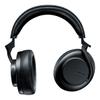
When Shure released the Aonic 50 Gen 2 Wireless Headphones in late 2023, they addressed many of the shortcomings that held back their original model while doubling down on what made it special: studio-quality sound in a wireless package. After extensive testing and analyzing user feedback over the past year and a half, it's clear these headphones occupy a unique position in the premium wireless market.
Unlike most consumer headphones that prioritize excitement and bass punch, the Aonic 50 Gen 2 takes a more measured approach. Shure built these with the same philosophy they use for their professional studio monitors – accuracy first, excitement second. This means you're hearing your music as the artist and producer intended, not as a marketing team thinks will sell more units.
The 50mm dynamic drivers (the speaker components inside each ear cup) use neodymium magnets, which are stronger than regular magnets and help create more precise sound reproduction. Our testers consistently noted how these headphones reveal details in familiar songs that other headphones mask. One tester described discovering backup vocals in a track they'd listened to hundreds of times, simply because the neutral tuning didn't emphasize certain frequencies over others.
This accuracy comes with a trade-off. If you're used to the bass-heavy sound of popular consumer brands, the Aonic 50 Gen 2 might initially sound "boring" or restrained. However, most users who stick with them for more than a week report developing a preference for the cleaner, more detailed presentation.
The real magic happens when you dive into the ShurePlus PLAY app. This isn't your typical three-band EQ with bass, mids, and treble sliders. Instead, you get a 4-band parametric EQ, which is the same type of professional tool used in recording studios. Each band lets you adjust not just the volume of certain frequencies, but also how wide or narrow that adjustment affects neighboring frequencies.
For example, if you find vocals sound too thin, you can boost just the specific frequency range where most vocal energy lives (around 1-3 kHz) without affecting the bass or upper treble. It's incredibly precise, though it does require some experimentation to master.
The app also controls the new Spatialized Audio feature, which deserves special attention for home theater use. The Cinema Mode genuinely transforms movie watching, creating a sense of space and directionality that makes action scenes more immersive. Unlike some spatial audio implementations that sound artificial, Shure's approach feels natural and doesn't introduce weird echoes or processing artifacts. Several testers noted that dialogue in movies became clearer and more centered, while sound effects gained better positioning around the virtual soundstage.
The original Aonic 50 suffered from mediocre 20-hour battery life. The Gen 2 more than doubles this to 45 hours, which puts it among the longest-lasting headphones available. In real-world testing with active noise cancellation enabled, most users report getting 35-40 hours, which is still exceptional.
This improvement came from both more efficient drivers and better power management in the Bluetooth chipset. The quick-charge feature provides 5 hours of listening from just 15 minutes of charging, which has proven invaluable for frequent travelers according to user reviews.
The Aonic 50 Gen 2 supports an impressive array of Bluetooth codecs – essentially different ways of compressing and transmitting audio wirelessly. Beyond the basic SBC codec that all Bluetooth devices use, these headphones support aptX, aptX HD, aptX Adaptive, and Sony's LDAC codec.
LDAC deserves special mention because it can transmit up to three times more data than standard Bluetooth audio. When paired with compatible devices (most Android phones and some streaming services), this means you're getting much closer to CD-quality sound wirelessly. iPhone users benefit from AAC codec support, which while not as advanced as LDAC, still provides better quality than basic Bluetooth.
For the ultimate in audio quality, the USB-C connection supports up to 32-bit/384 kHz audio – far beyond what most people can hear, but important for those with high-resolution music collections. The headphones can also charge while connected via USB-C, making them suitable for extended home listening sessions.
Here's where expectations need to be managed. The active noise cancellation (ANC) works by using microphones to detect outside noise and creating opposite sound waves to cancel it out. The Aonic 50 Gen 2's ANC is competent but not industry-leading.
Our testers found it effective for constant sounds like airplane engines or air conditioning, but less successful with irregular noises like conversations or sudden sounds. The four different ANC modes help tailor the experience – the MaxAware mode is particularly clever, maintaining noise reduction while allowing important sounds like announcements to come through.
The Environmental Mode offers 11 levels of ambient sound pass-through, which is more granular control than most competitors provide. This proves especially useful for home listening when you need to stay aware of doorbells, phone calls, or family members.
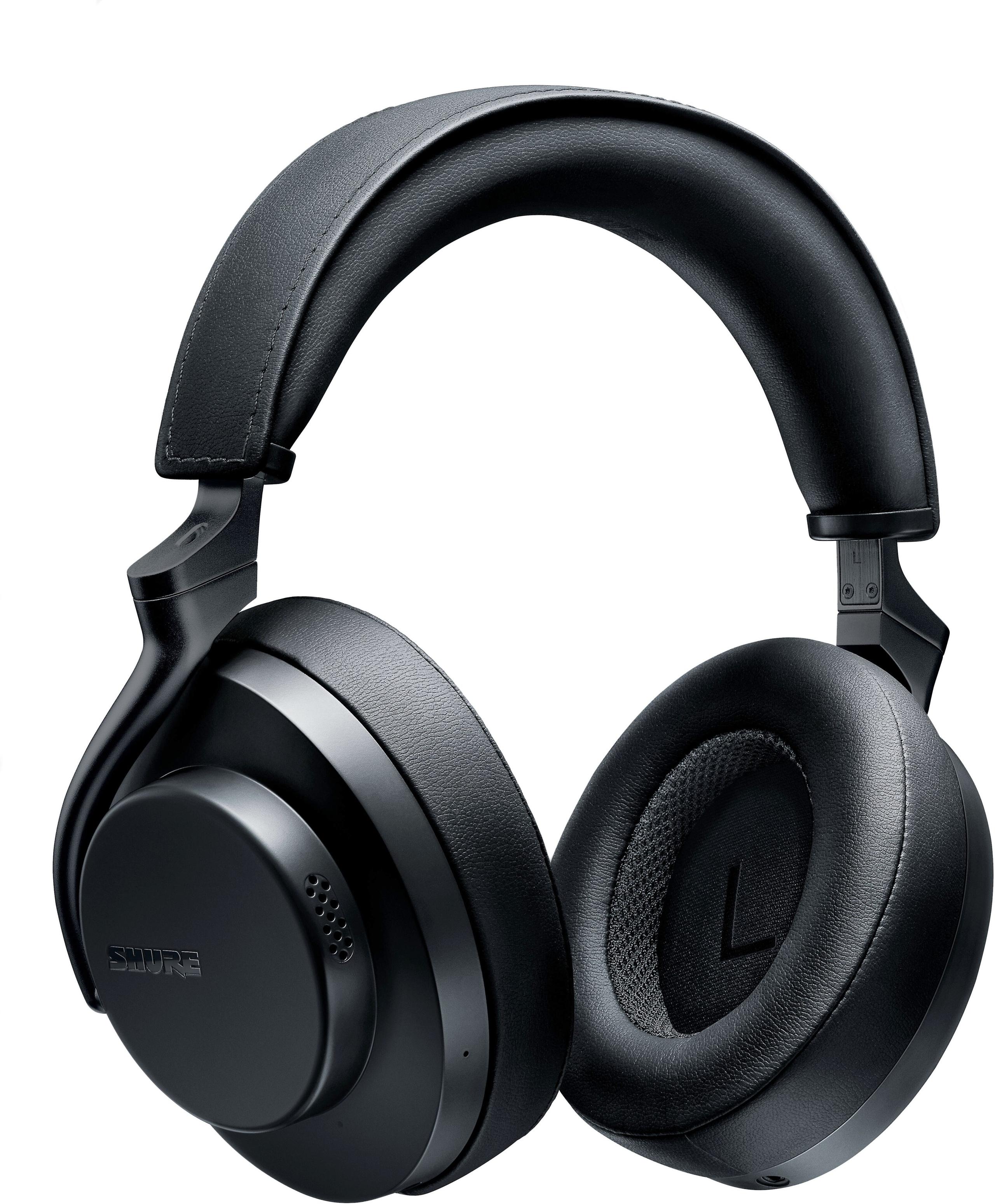
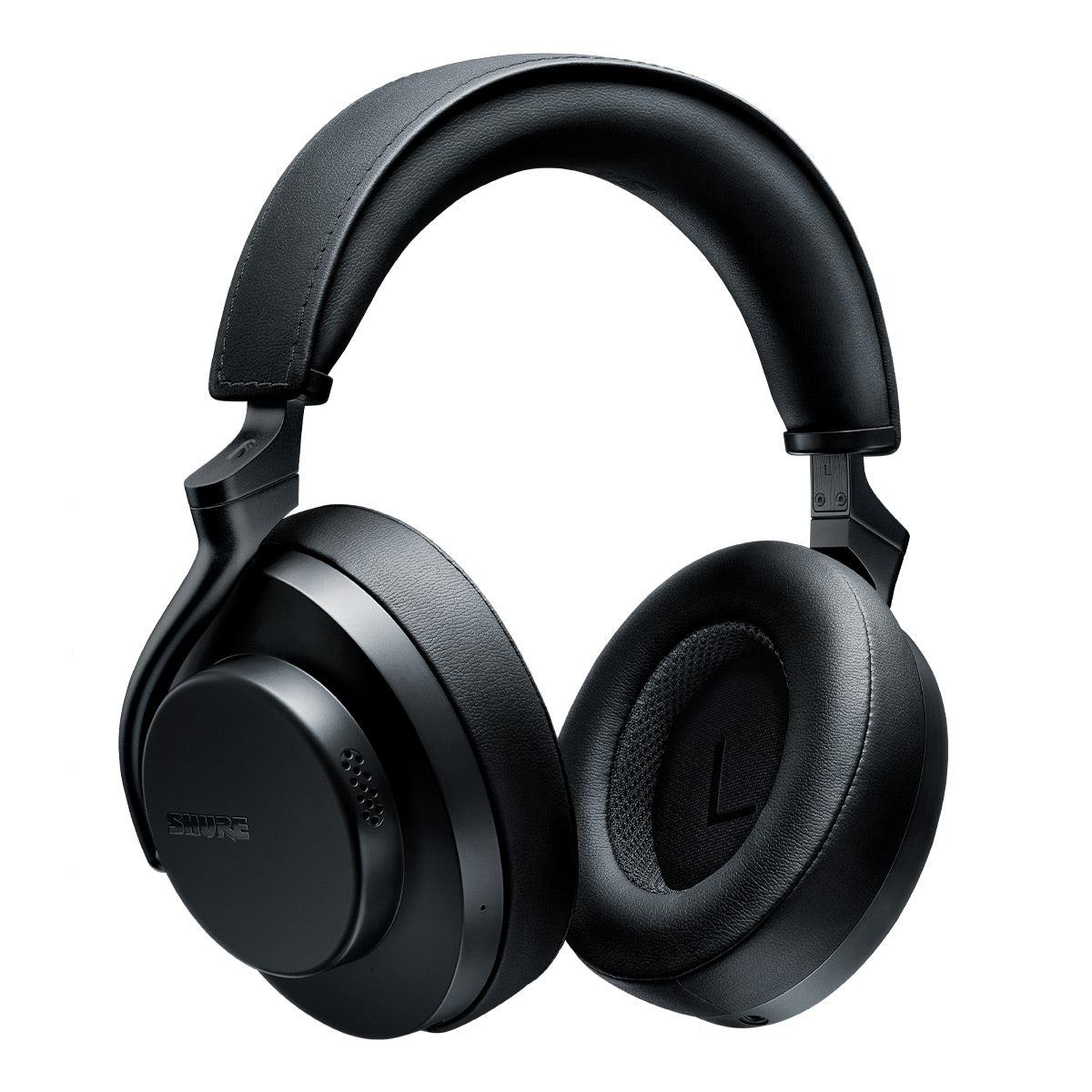
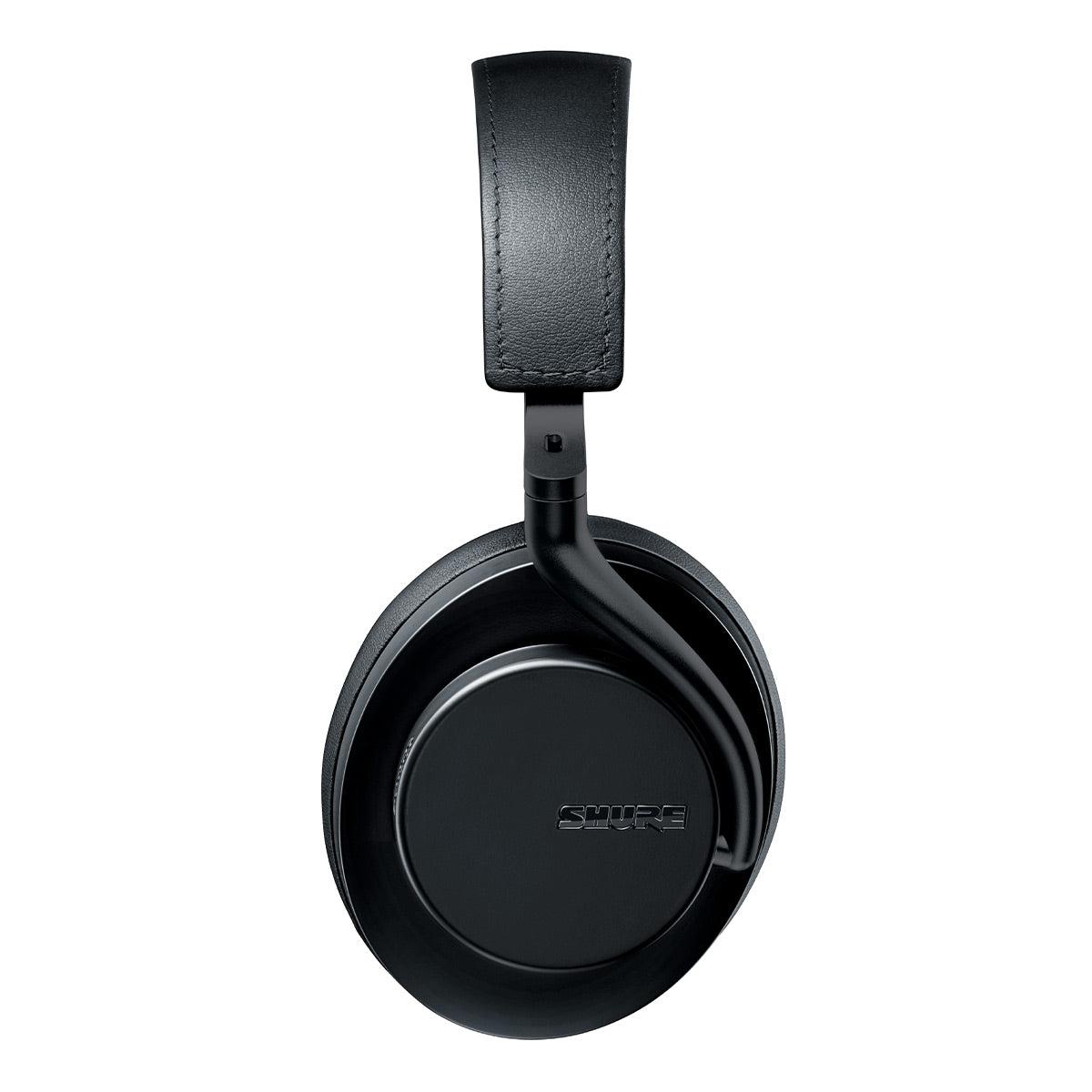
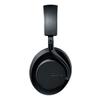
At 337 grams, these aren't the lightest headphones available, but the weight distribution is excellent. The over-ear design with memory foam ear pads creates a comfortable seal without excessive clamping pressure. Multiple testers reported wearing them for 4-6 hour sessions without discomfort, though people with smaller heads noted some initial looseness.
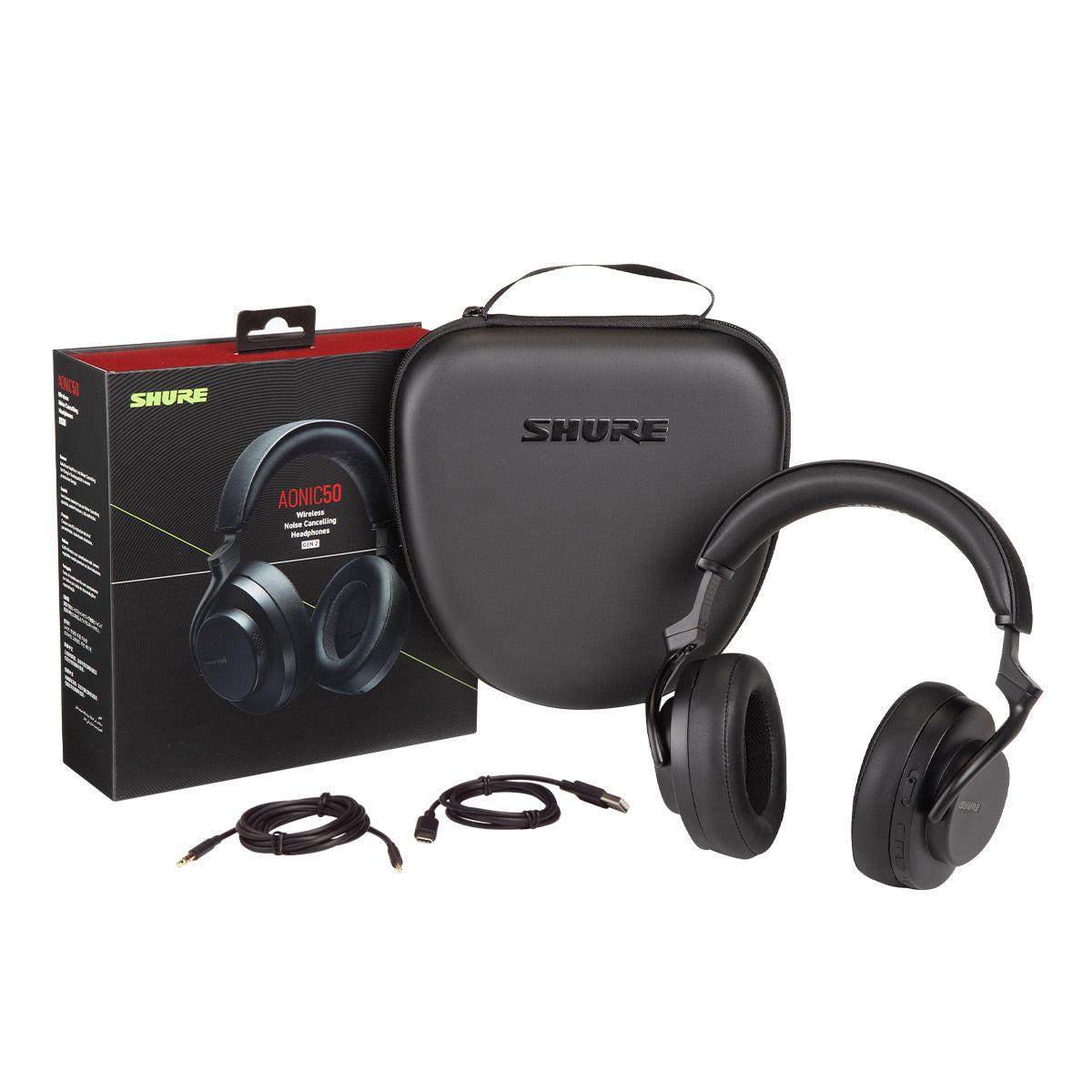
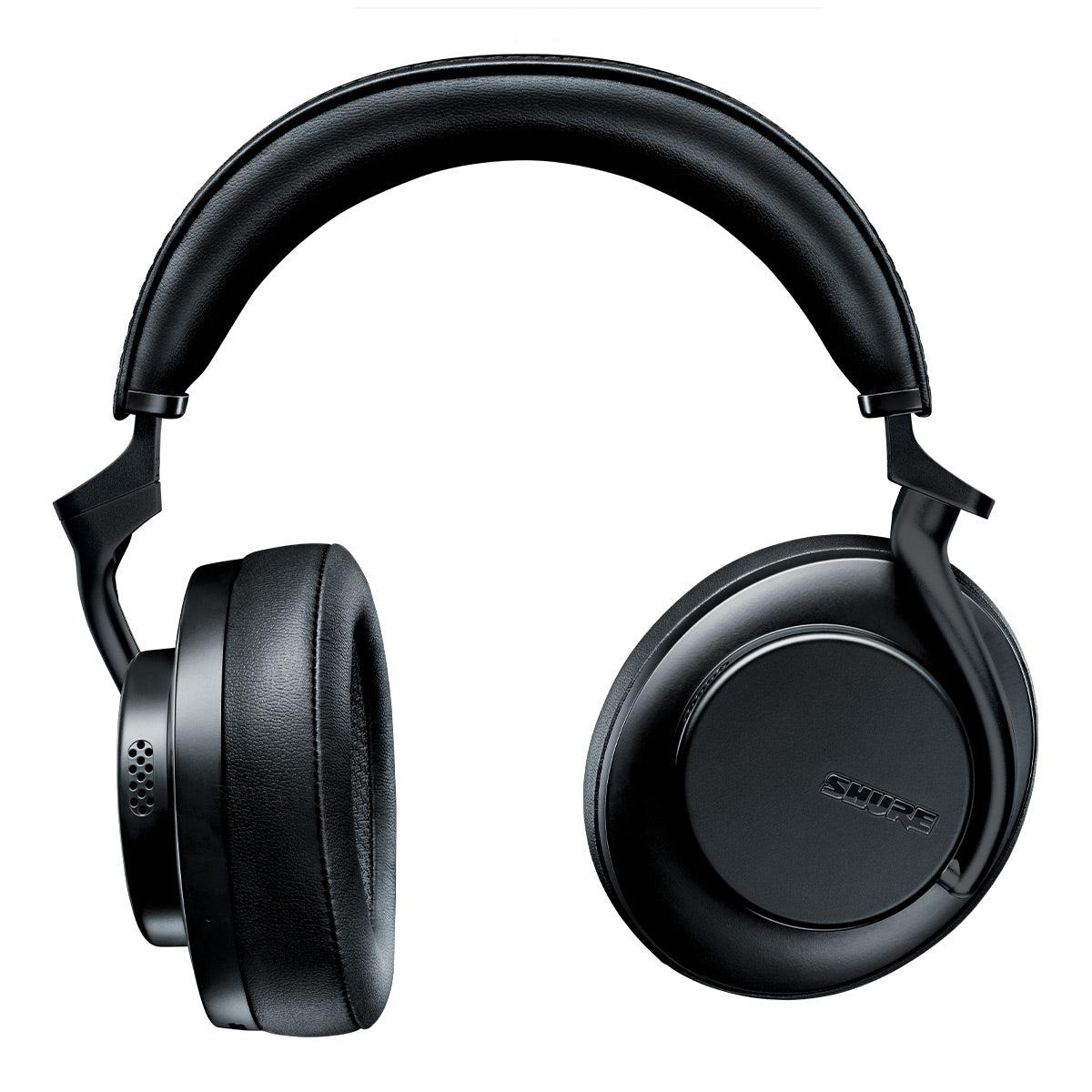
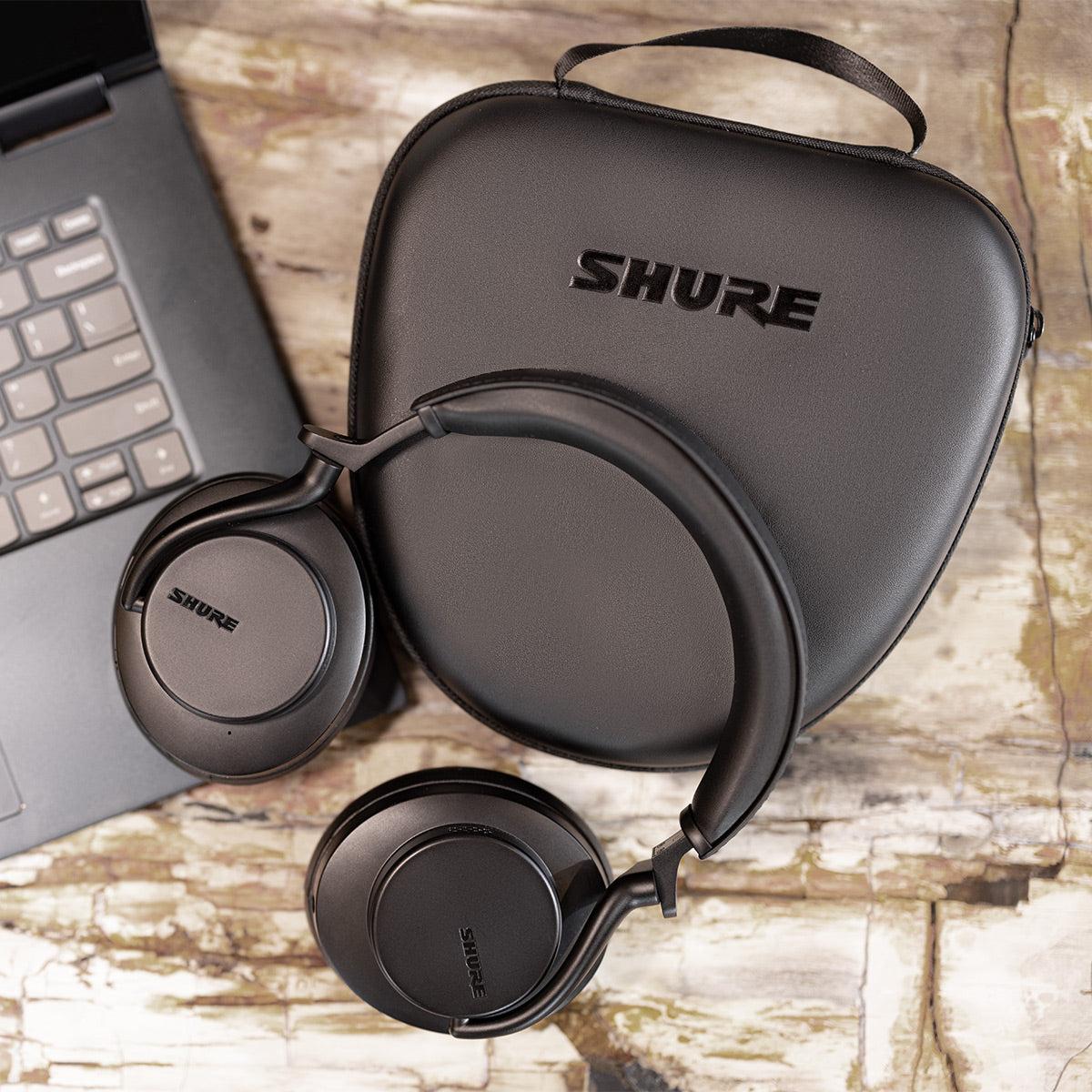
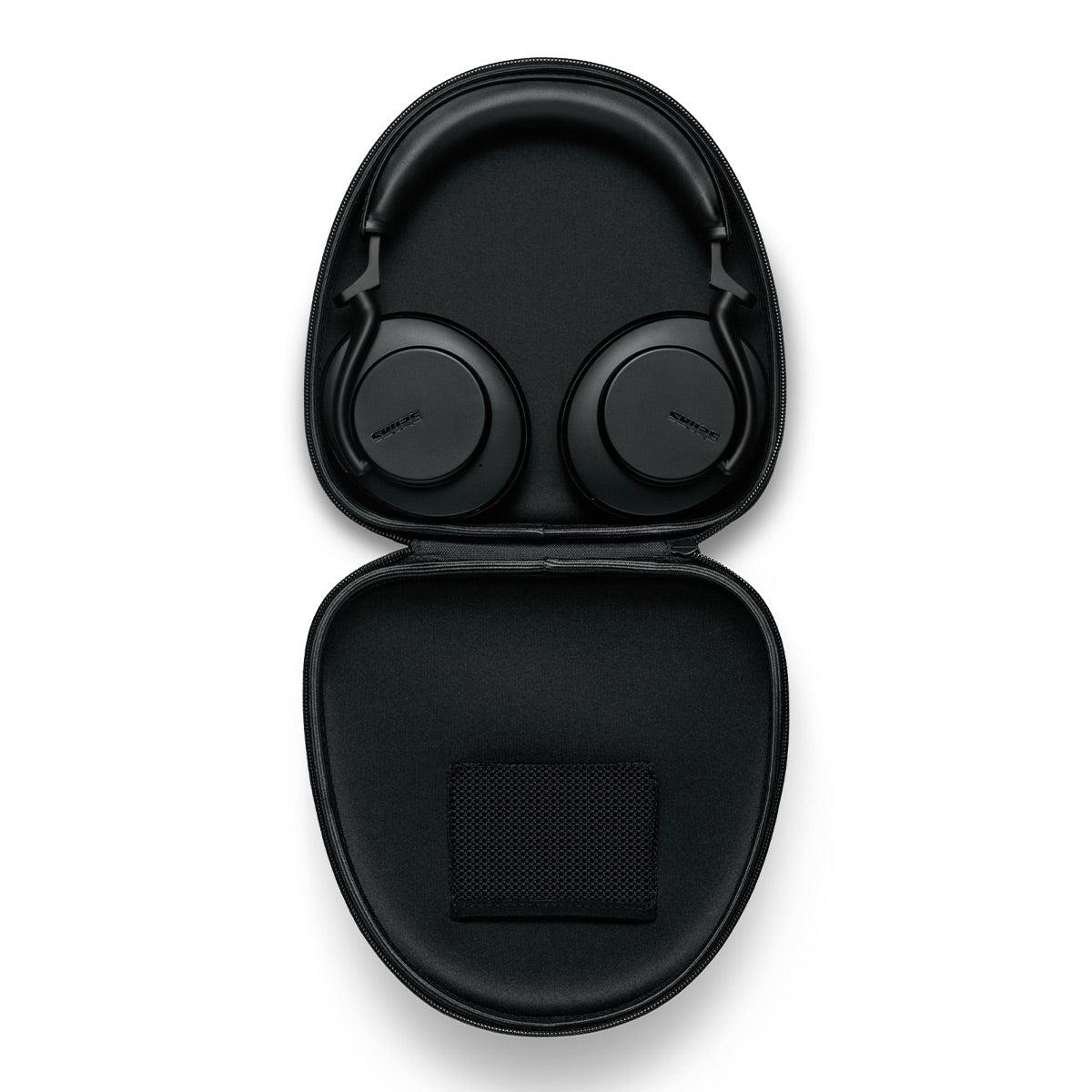
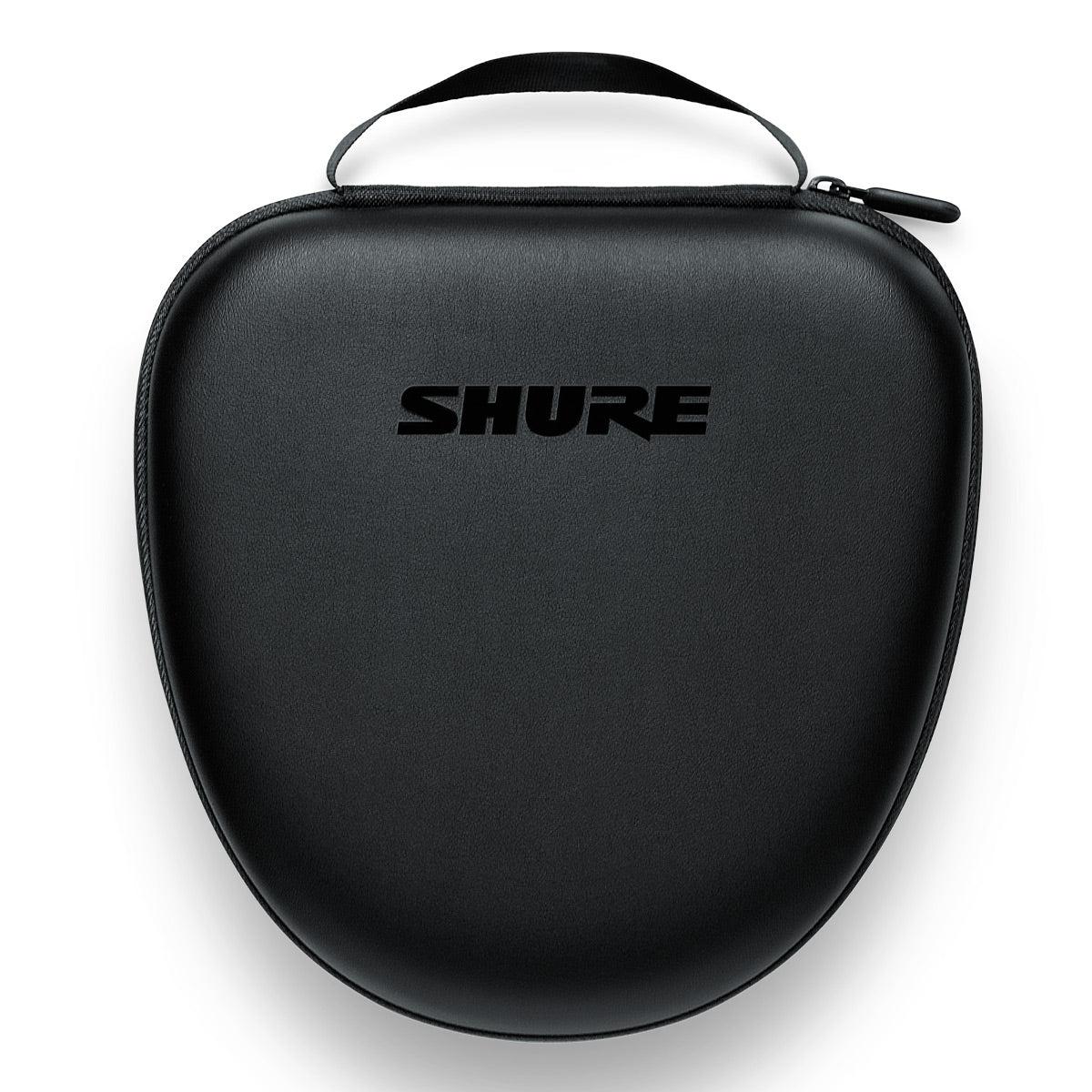
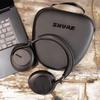
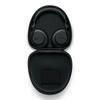
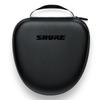
The fold-flat design makes them reasonably portable, and the included carrying case provides good protection. However, they don't fold inward like some competitors, making them bulkier for travel than ideal.
The six-microphone array handles calls adequately but doesn't excel. Voice quality is natural-sounding in quiet environments, but background noise can overwhelm the system more easily than top-tier competitors. For occasional business calls, they're perfectly serviceable, but heavy phone users might want to consider alternatives with better call-focused features.
For home theater use, the Aonic 50 Gen 2 excels in ways that many users don't initially consider. The neutral sound signature makes them excellent for late-night movie watching without disturbing others. The Cinema Mode in the Spatialized Audio feature creates convincing surround sound effects from stereo content.
The long battery life means you can watch multiple movies without worry, and the USB-C connection allows for lossless audio when connected to compatible TVs or streaming devices. Several users report these becoming their go-to headphones for Netflix binges and gaming sessions.
The Aonic 50 Gen 2 Wireless Headphones succeed by focusing on what Shure does best while addressing the practical shortcomings of their first attempt. They're not for everyone – users seeking maximum noise cancellation or ultra-portable design should look elsewhere. However, for audio enthusiasts, content creators, and anyone who values sound quality over flashy features, they represent excellent value in the premium wireless market.
The improvements since release have been primarily software-based, with app updates adding new EQ presets and refining the spatial audio algorithms. This ongoing development suggests Shure is committed to long-term support for these headphones.
For the right user – someone who appreciates accurate sound, values customization, and doesn't need best-in-class noise cancellation – the Aonic 50 Gen 2 offers a compelling alternative to the more mainstream options dominating the market.
The Shure Aonic 50 Gen 2 Wireless Headphones deliver up to 45 hours of battery life with active noise cancellation enabled. This exceptional battery performance makes them ideal for extended home theater sessions, allowing you to watch multiple movies or binge entire TV series without needing to recharge. The quick charge feature provides 5 hours of playback from just 15 minutes of charging.
Yes, the Shure Aonic 50 Gen 2 excel for home theater use. They feature a dedicated Cinema Mode in their Spatialized Audio technology that recreates theater-like bass response and clarity. The neutral sound signature ensures dialogue is clear and well-balanced, while the long battery life supports extended viewing sessions without interruption.
The Shure Aonic 50 Gen 2 Wireless Headphones work with virtually any Bluetooth-enabled device including smartphones, tablets, laptops, and smart TVs. They support advanced codecs like aptX HD and LDAC for high-quality wireless audio, plus wired connections via USB-C and 3.5mm for maximum compatibility with home theater equipment.
The noise cancellation on the Shure Aonic 50 Gen 2 is competent but not industry-leading. It effectively reduces constant background noise like air conditioning or traffic, making them suitable for focused home listening. The headphones offer four ANC modes including MaxAware, which balances noise reduction with environmental awareness.
Yes, the Shure Aonic 50 Gen 2 Wireless Headphones offer extensive sound customization through the ShurePlus PLAY app. You get a professional 4-band parametric EQ, three Spatialized Audio modes (Music, Cinema, Podcast), and various sound presets. This level of control allows you to optimize the sound for different content types and personal preferences.
The Shure Aonic 50 Gen 2 are designed for comfort during extended use. At 337 grams, they're well-balanced with memory foam ear pads and an over-ear design that doesn't create excessive pressure. Multiple users report comfortable 4-6 hour listening sessions, making them excellent for movie marathons and long gaming sessions.
The Shure Aonic 50 Gen 2 Wireless Headphones offer significant improvements over the original model, including more than double the battery life (45 vs 20 hours), enhanced audio quality with better dynamic range, new Spatialized Audio technology, improved active noise cancellation, and a more advanced companion app with additional customization options.
Yes, the Shure Aonic 50 Gen 2 support high-resolution audio both wirelessly and wired. They include LDAC codec support for near-lossless Bluetooth transmission and USB-C connectivity that supports up to 32-bit/384kHz audio files. This makes them excellent for audiophiles with high-quality music collections and lossless streaming services.
While both are premium wireless headphones, the Shure Aonic 50 Gen 2 Wireless Headphones focus more on audio accuracy and customization, whereas the Sony WH-1000XM5 emphasizes noise cancellation and convenience features. The Shure offers longer battery life (45 vs 30 hours), more detailed sound customization, and better build quality, while Sony provides superior noise cancellation and lighter weight.
The Shure Aonic 50 Gen 2 Wireless Headphones are worth it for users who prioritize audio quality, extensive customization options, and exceptional battery life. They excel for home theater use, content creation, and critical listening. However, if maximum noise cancellation or ultra-portable design are your top priorities, other options might be more suitable. For audio enthusiasts seeking professional-grade sound in a wireless package, the Shure Aonic 50 Gen 2 deliver excellent value.

We've done our best to create useful and informative comparisons to help you decide what product to buy. Our research has used advanced automated methods to create this comparison and perfection is not possible - please contact us for corrections or questions. These are the sites we've researched in the creation of this article: tomsguide.com - headphonecheck.com - whathifi.com - majorhifi.com - rtings.com - versus.com - majorhifi.com - versus.com - audio46.com - youtube.com - bhphotovideo.com - techradar.com - soundpro.com - shure.com - americanmusical.com - pubs.shure.com - blog.zzounds.com - service.shure.com - fullcompass.com
| Shure Aonic 50 Gen 2 Wireless Headphones |
|---|
| Battery Life - Critical for daily use without charging anxiety: 45 hours |
| Driver Size - Larger drivers typically produce better bass and overall dynamics: 50mm dynamic drivers |
| Bluetooth Codecs - Determines wireless audio quality with compatible devices: aptX HD, aptX Adaptive, LDAC, AAC, SBC |
| Frequency Response - Shows the range of sounds the headphones can reproduce: 20 Hz – 22 kHz |
| Active Noise Cancellation - Blocks external noise for focused listening: Hybrid ANC with 4 modes |
| Wired Audio Support - Enables highest quality audio and charging-free use: USB-C (up to 32-bit/384kHz), 3.5mm analog |
| Weight: 337g |
| App Features - Allows sound customization and feature control: 4-band parametric EQ, spatial audio modes, ANC control |
| Quick Charge - Minimizes downtime when battery is low: 15 minutes = 5 hours playback |
| Bluetooth Version - Affects connection stability and range: 5.0 |
| Impedance - Lower impedance works better with phones and portable devices: 39 ohms |
| Multipoint Pairing - Connect to multiple devices simultaneously: Yes |
| Fold Design - Affects portability for travel: Fold-flat (not inward folding) |
The Grado GW100x ($275) takes a fundamentally different approach that prioritizes pure audio fidelity over modern conveniences. Where the Aonic 50 Gen 2 uses a closed-back design with noise cancellation, the GW100x features Grado's legendary open-back architecture that creates an exceptionally spacious, natural soundstage rarely found in wireless headphones. This design choice delivers superior instrument separation and imaging - you can pinpoint exactly where each musician sits in the recording space. The 4th-generation X-series drivers maintain Grado's signature sound without any digital processing or EQ options, appealing to purists who want their music exactly as the artist intended. At 187 grams, it's also significantly lighter than the Aonic 50 Gen 2, making it more comfortable for extended listening sessions.
However, this audio-first philosophy comes with significant trade-offs that make the GW100x much less versatile. The open-back design creates substantial sound leakage, meaning others will clearly hear your music - limiting use to private spaces only. There's no noise cancellation, no app support, and no sound customization beyond Grado's fixed tuning. While it costs $94 less than the Aonic 50 Gen 2, the GW100x essentially functions as a high-quality wired headphone that happens to be wireless, rather than a modern wireless headphone with smart features. For audiophiles who listen primarily at home and want the most natural, unprocessed sound possible, the GW100x offers exceptional value. But for users needing headphones that adapt to different environments and daily use scenarios, the Aonic 50 Gen 2's higher price delivers considerably more practical versatility.
🤖 Read Detailed Comparison
👌Grado GW100x Wireless Headphones Details
💵 See Grado GW100x Wireless Headphones Price
The Sennheiser Momentum 4 stands out with its exceptional 60-hour battery life, significantly lighter 293g weight, and more effective adaptive noise cancellation that automatically adjusts to your environment. At $299.95, it offers compelling value with IPX4 splash resistance for outdoor use, faster charging (2 hours versus 2.5-3 hours), and smart convenience features like auto on/off and smart pause. The Momentum 4's sound signature follows a more engaging V-shaped tuning with superior bass extension down to 6 Hz, creating an immediately enjoyable listening experience that appeals to mainstream listeners without requiring EQ adjustments.
In real-world use, the Sennheiser Momentum 4 excels as an all-around daily driver that prioritizes user convenience and broad appeal over professional accuracy. While it lacks the Shure's extensive codec support (no LDAC) and USB-DAC functionality, most users won't miss these features given the Momentum 4's strong aptX Adaptive performance and $70 lower price point. The lighter weight becomes particularly noticeable during extended listening sessions, and the superior ANC makes it more suitable for commuting and travel. However, audio professionals and critical listeners may prefer the Shure's neutral tuning and comprehensive connectivity options, making the choice largely dependent on whether you prioritize mainstream excellence and value (Momentum 4) or professional versatility and accuracy (Shure).
🤖 Read Detailed Comparison
👌Sennheiser Momentum 4 Wireless Headphones Details
💵 See Sennheiser Momentum 4 Wireless Headphones Price
The JBL Tour One M2 takes a markedly different approach that prioritizes modern convenience and user-friendly features over pure audiophile accuracy. Its standout advantages include significantly lighter weight at 272g (making it far more comfortable for extended wear), superior True Adaptive Noise Cancelling that automatically adjusts to your environment, and multipoint Bluetooth connectivity that seamlessly switches between two devices – a crucial feature the Shure lacks. The JBL Tour One M2 also delivers longer battery life at 50 hours and includes innovative Smart Talk technology that automatically pauses music when you speak, eliminating the need to remove headphones during conversations. Its Personi-Fi 2.0 hearing test creates personalized sound profiles that many users find more immediately satisfying than the Shure's neutral presentation.
For most users, the JBL Tour One M2 represents better real-world value despite similar pricing. While it can't match the Shure's high-resolution codec support or parametric EQ precision, its engaging sound signature with punchy bass and clear vocals appeals to a broader audience without requiring technical knowledge to optimize. The combination of superior noise cancellation, modern wireless features, all-day comfort, and user-friendly app makes it the more practical choice for daily use, travel, and multi-device lifestyles. Unless you specifically need the Shure's studio-grade accuracy and extensive customization for critical listening or professional work, the JBL offers a more complete package that excels in the scenarios most people actually use premium wireless headphones.
🤖 Read Detailed Comparison
👌JBL Tour One M2 Wireless Over-Ear Headphones Details
💵 See JBL Tour One M2 Wireless Over-Ear Headphones Price
The SteelSeries Arctis Nova Pro Wireless takes a fundamentally different approach at $300, prioritizing gaming versatility and multi-platform connectivity over pure audiophile performance. Its standout feature is the dual wireless connectivity system that allows simultaneous 2.4GHz gaming audio and Bluetooth connections, enabling you to mix game sound with phone calls or music seamlessly. The hot-swappable dual battery system with wireless base station charging eliminates downtime entirely – you simply swap batteries when one runs low rather than waiting to charge. The retractable boom microphone delivers significantly better voice quality than the Aonic 50 Gen 2's call-focused microphone array, making it essential for gaming communication or video calls. While the 40mm drivers can't match Shure's audio refinement and detail retrieval, they're specifically tuned for gaming scenarios with enhanced spatial audio processing that excels at positional awareness in competitive games.
From a value perspective, the SteelSeries Arctis Nova Pro offers more practical functionality per dollar for users who need versatility beyond pure music listening. The wireless base station with dual USB-C connections allows instant switching between gaming consoles, PCs, and other sources – a feature that transforms complex entertainment setups. However, this gaming-first design means compromises in areas where the Aonic 50 Gen 2 excels: the SteelSeries lacks high-resolution codec support, offers less sophisticated sound customization, and provides a more colored sound signature that prioritizes impact over accuracy. If your use case involves significant gaming, streaming, or multi-device workflows, the SteelSeries delivers better real-world utility despite the audio quality trade-offs. For dedicated music listening where you want to hear every subtle detail as the artist intended, the Aonic 50 Gen 2's superior drivers and neutral tuning justify the $70 premium.
🤖 Read Detailed Comparison
👌SteelSeries Arctis Nova Pro Wireless Gaming Headset Details
💵 See SteelSeries Arctis Nova Pro Wireless Gaming Headset Price
The Beats Studio3 Wireless ($349.95) excels in areas where simplicity and user experience matter most, offering a dramatically lighter 260g design that makes extended wear more comfortable for travel and daily commuting. The Apple W1 chip integration provides genuinely seamless connectivity within the Apple ecosystem, with instant pairing and automatic device switching that eliminates the friction of manual Bluetooth management. While the 40mm drivers and warm sound signature can't match the Aonic 50 Gen 2's technical precision, the real-time audio calibration adapts continuously to your fit and environment, providing consistent performance without requiring user intervention. The Pure Adaptive Noise Cancelling system effectively handles mid-frequency distractions like conversations and air conditioning, and the Fast Fuel charging delivers three hours of playback from just 10 minutes of charging when you're rushing out the door.
At $349.95, the Beats Studio3 Wireless represents solid value for users who prioritize convenience over technical specifications, especially considering frequent sales that drop the price to $200-250. The foldable design makes them genuinely portable compared to the Aonic 50 Gen 2's swivel-flat limitation, and the straightforward operation appeals to listeners who want excellent performance without tweaking EQ settings or learning app interfaces. However, the technical limitations become apparent when compared directly: the basic codec support means noticeably compressed wireless audio quality, particularly with Android devices, and the Micro-USB charging feels dated. The Studio3 ultimately serves mainstream users who value Apple integration, portability, and plug-and-play simplicity over the advanced customization and superior audio fidelity that define the Aonic 50 Gen 2 experience.
🤖 Read Detailed Comparison
👌Beats Studio3 Wireless Over-Ear Headphones Details
💵 See Beats Studio3 Wireless Over-Ear Headphones Price
The Bose QuietComfort Wireless Headphones excel in areas where the Aonic 50 Gen 2 falls short, delivering world-class active noise cancellation that can reduce ambient noise by up to 45 decibels – a dramatic difference over the Shure's average ANC performance. This makes the Bose essential for frequent travelers, commuters, or anyone working in noisy environments where the Shure simply can't provide adequate isolation. The lightweight 240-gram design with protein leather cushions creates exceptional all-day comfort that the heavier Shure can't match, while the bass-emphasized sound signature delivers immediately satisfying, engaging audio that doesn't require any EQ tweaking. The consumer-friendly approach extends to simple controls and reliable operation that works brilliantly right out of the box.
Where the Bose QuietComfort truly shines is in real-world value and convenience. At $349-359 retail, and frequently available around $250 on sale, they offer flagship-level noise cancellation and comfort at a price point that makes the premium Shure pricing hard to justify for most users. The compact folding design and lightweight build make them genuinely portable for daily carry, unlike the bulkier Shure. While the Bose lacks the advanced customization and high-resolution codec support of the Aonic 50 Gen 2, most listeners will find the out-of-box sound quality more immediately enjoyable and won't miss the professional features they'll likely never use. For users prioritizing proven noise cancellation, comfort, and hassle-free operation over audiophile customization, the Bose represents better overall value and practical performance in everyday scenarios.
🤖 Read Detailed Comparison
👌Bose QuietComfort Wireless Headphones Details
💵 See Bose QuietComfort Wireless Headphones Price
The Skullcandy Crusher 540 Active takes a fundamentally different approach with its signature Crusher haptic bass technology that creates physical vibrations you can feel, transforming music listening into a multi-sensory experience. Unlike the Aonic 50 Gen 2's neutral sound signature, the Skullcandy Crusher 540 Active is unapologetically bass-forward and exciting, with an adjustable slider that lets you dial the haptic feedback from subtle to overwhelming. Its Personal Sound by Audiodo technology analyzes your individual hearing profile and customizes the audio accordingly – a clever feature that democratizes personalized sound without requiring professional knowledge. The fitness-focused design includes sweat and water-resistant coating, breathable mesh ear cushions, and a secure clamping force that keeps the headphones in place during vigorous workouts, areas where the Aonic 50 Gen 2 simply cannot compete.
While the Skullcandy Crusher 540 Active sacrifices the Aonic 50 Gen 2's active noise cancellation, high-resolution codec support, and reference-quality sound reproduction, it delivers compelling value for users seeking an engaging, active-lifestyle headphone. At 312 grams versus the Shure's 340 grams, it's more comfortable for extended wear during exercise, and the 40-hour battery life with rapid charging keeps pace with the premium competition. The trade-offs are clear: you lose the surgical precision of parametric EQ and professional connectivity options, but gain unique haptic technology, superior moisture protection, and innovative features like built-in Tile finding. For users who prioritize excitement over accuracy, workout compatibility over studio monitoring, and immersive entertainment over critical listening, the Skullcandy Crusher 540 Active offers a refreshingly different value proposition that makes the higher-priced Aonic 50 Gen 2 feel like overkill for many everyday scenarios.
🤖 Read Detailed Comparison
👌Skullcandy Crusher 540 Active Wireless Over-Ear Headphones Details
💵 See Skullcandy Crusher 540 Active Wireless Over-Ear Headphones Price
The Beats Studio Pro takes a fundamentally different approach to premium wireless audio, prioritizing strategic value over consistent excellence. Its standout feature is the transformative lossless USB-C connection that elevates sound quality dramatically beyond its wireless performance - when wired, these headphones compete with audiophile gear costing significantly more. At just 260 grams, they're notably lighter and more portable than the Aonic 50 Gen 2, making them ideal for daily commuting and extended wear. The deep Apple ecosystem integration provides seamless one-touch pairing, automatic device switching, and Personalized Spatial Audio with head tracking that creates an almost surround-sound experience for movies and music when used with Apple devices.
However, the Beats Studio Pro makes strategic compromises to achieve its compelling price point. The wireless sound quality, while decent, doesn't match the Aonic 50 Gen 2's consistent excellence across all connection types. Battery life is shorter at 24-40 hours depending on ANC usage, and the lack of multipoint Bluetooth means you can't seamlessly switch between phone calls and computer audio. The noise cancellation is adequate but not exceptional, and customization options are limited compared to Shure's comprehensive app control. For users who primarily need excellent wireless performance with occasional access to audiophile-grade wired listening, or those deeply embedded in the Apple ecosystem, the Beats Studio Pro offers remarkable value. But for consistent professional-grade performance across all scenarios, the Aonic 50 Gen 2's premium pricing reflects its superior engineering and reliability.
🤖 Read Detailed Comparison
👌Beats Studio Pro Wireless Headphones Details
💵 See Beats Studio Pro Wireless Headphones Price
The Bowers & Wilkins Px7 S3 represents a more audiophile-focused alternative that excels in areas where the Aonic 50 Gen 2 shows some limitations. Most notably, the Px7 S3 delivers significantly better active noise cancellation through its 8-microphone hybrid system, making it far more effective for commuting, office work, or any environment where you need serious noise isolation. The sound quality is also immediately more engaging out of the box, with bio-cellulose drivers that provide what professional reviewers consistently describe as "class-leading" audio performance in this price range. At 298 grams, it's noticeably lighter and more comfortable for extended listening sessions, addressing one of the main comfort concerns with the heavier Shure model. The Px7 S3 also offers superior call quality thanks to its advanced microphone array and ADI Pure Voice technology, making it a better choice for users who frequently take work calls.
However, these improvements come at a cost—the Px7 S3 typically commands a premium price while offering significantly shorter 30-hour battery life compared to the Aonic 50 Gen 2's exceptional 45 hours. The B&W model also provides less customization flexibility with its 5-band EQ versus Shure's parametric controls and spatial audio modes. For users who prioritize maximum battery life, extensive sound customization, and comprehensive codec support over pure audio refinement, the Aonic 50 Gen 2 offers better value. But if you're willing to pay more for superior noise cancellation, immediately impressive sound quality, premium comfort, and refined build materials, the Px7 S3 justifies its higher price through measurable performance advantages in key areas like ANC effectiveness and acoustic engineering.
🤖 Read Detailed Comparison
👌Bowers & Wilkins Px7 S3 Wireless Over-Ear Headphones Details
💵 See Bowers & Wilkins Px7 S3 Wireless Over-Ear Headphones Price
The Soundcore Space One Pro presents a compelling alternative that prioritizes practical everyday features over audiophile-grade sound reproduction. Its most impressive advantage is the Adaptive ANC 3.0 system with six microphones that significantly outperforms the Shure's noise cancellation, particularly for low-frequency travel noise like airplane engines and bus rumble. The headphones also deliver exceptional battery life at 60 hours total (40 with ANC), paired with remarkably fast charging that provides 8 hours of playback from just 5 minutes plugged in. The innovative FlexiCurve folding design reduces storage volume by 50%, making these far more travel-friendly, while the lighter 286-gram weight becomes noticeable during extended listening sessions.
However, the Soundcore Space One Pro's bass-heavy consumer tuning and lack of advanced connectivity options reveal its different target audience. While it supports LDAC for high-quality wireless audio, it lacks the Shure's USB-DAC functionality and professional-grade parametric EQ controls. The sound signature prioritizes impact and excitement over accuracy, which works well for mainstream music but can overwhelm vocals and subtle details in complex recordings. At roughly 60% less cost than the Shure, the Space One Pro delivers impressive value for users who prioritize noise cancellation effectiveness, battery life, and portability over studio-reference sound quality. It's essentially the better choice for frequent travelers and everyday listeners who want premium features without the premium price tag, while the Shure remains superior for critical listening and professional audio applications.
🤖 Read Detailed Comparison
👌Soundcore Space One Pro Wireless Noise Cancelling Headphones Details
💵 See Soundcore Space One Pro Wireless Noise Cancelling Headphones Price
The Sony WH-1000XM6 takes a fundamentally different approach that prioritizes the complete user experience over pure audio accuracy. Sony's standout feature is its industry-leading active noise cancellation, powered by the QN3 processor and 12 adaptive microphones that deliver significantly superior noise reduction compared to the Aonic 50 Gen 2's average ANC performance. This makes the Sony WH-1000XM6 transformative for travel and noisy environments where the Shure struggles. The Sony also weighs 80 grams less, reducing fatigue during extended wear, and features a more compact dual-hinge folding design that makes it considerably more portable. Smart features like Speak-to-Chat, adaptive sound control, and superior call quality with AI beamforming create a more seamless daily experience, while the sound signature remains engaging and detailed enough for serious listening.
From a value perspective, the Sony WH-1000XM6 typically costs less while delivering more comprehensive features, making it the better choice for most users who want premium wireless headphones without audiophile-specific requirements. While it lacks the Shure's USB DAC functionality and parametric EQ controls, the Sony's 10-band equalizer and DSEE Extreme upscaling provide sufficient customization for general users. The trade-off in battery life (30 vs 45 hours) is offset by faster 3-minute quick charging and the ability to listen while charging. For users who prioritize travel-friendly design, superior noise cancellation, and modern convenience features alongside excellent sound quality, the Sony WH-1000XM6 represents a more complete package that justifies choosing it over the more specialized Shure offering.
🤖 Read Detailed Comparison
👌Sony WH-1000XM6 Wireless Noise Canceling Headphones Details
💵 See Sony WH-1000XM6 Wireless Noise Canceling Headphones Price
The Sennheiser HD 450BT stands out as an exceptional value proposition in the wireless noise-cancelling headphone market, delivering impressive performance at roughly half the cost of premium alternatives. Its most compelling feature is the lightweight 238-gram design that makes it significantly more portable and comfortable for all-day wear compared to heavier premium models. Despite its budget positioning, the HD 450BT offers genuinely effective active noise cancellation that handles commuting noise, office chatter, and airplane drone quite well. The 30-hour battery life with ANC enabled is remarkable for its price range, easily lasting through multiple workweeks without charging. The sound signature is warm and engaging with well-balanced bass that doesn't overwhelm vocals, making it highly versatile across different music genres and perfectly adequate for most listeners' needs.
In practical terms, the Sennheiser HD 450BT represents the sweet spot for users who want premium features without premium pricing. While it lacks the advanced customization options, superior audio fidelity, and robust build quality of the Aonic 50 Gen 2, it delivers about 80% of the performance at 50% of the cost. The simpler approach actually benefits many users – there's no complex app interface to navigate or overwhelming feature set to master. The folding design with included travel pouch makes it more travel-friendly than bulkier premium alternatives. For students, commuters, first-time wireless headphone buyers, or anyone with budget constraints, the Sennheiser HD 450BT provides a compelling alternative that handles daily listening tasks admirably. It proves that you don't need to spend premium dollars to get solid wireless ANC performance, though audiophiles and power users will likely appreciate the additional capabilities and refinement that justify the Aonic 50 Gen 2's higher price point.
🤖 Read Detailed Comparison
👌Sennheiser HD 450BT Wireless Noise Cancelling Headphones Details
💵 See Sennheiser HD 450BT Wireless Noise Cancelling Headphones Price
The Technics EAH-A800 stands out primarily for its exceptional value proposition and superior noise cancellation performance. While it uses smaller 40mm drivers compared to the Aonic 50 Gen 2's 50mm units, the Technics extends its frequency response much wider (4Hz-40kHz) and delivers a more immediately engaging sound signature that most listeners find appealing without any EQ adjustments. Its Dual Hybrid noise cancellation with an 8-microphone array significantly outperforms the Shure in blocking low-frequency sounds like airplane engines and office noise, making it the better choice for commuters and travel. The Technics EAH-A800 also weighs 36-40 grams less, which becomes noticeable during extended listening sessions, and offers 5 additional hours of battery life with superior quick charging that delivers 10 hours from a 15-minute charge.
From a practical standpoint, the Technics EAH-A800 delivers roughly 80% of the Aonic 50 Gen 2's performance at approximately 65% of the cost, making it the superior value for most buyers. While you sacrifice the extensive codec support, spatialized audio modes, and professional-grade customization of the Shure, the Technics excels where it matters most for everyday users: call quality with its advanced JustMyVoice technology, comfort during all-day wear, and effective noise isolation in real-world environments. The trade-offs mainly affect specialized use cases like professional audio work, competitive gaming, or users who demand extensive sound customization, but for general premium headphone buyers seeking excellent sound, comfort, and ANC performance, the Technics EAH-A800 represents the better overall package.
🤖 Read Detailed Comparison
👌Technics EAH-A800 Wireless Noise Cancelling Headphones Details
💵 See Technics EAH-A800 Wireless Noise Cancelling Headphones Price
The Bowers & Wilkins Px7 S2e presents a compelling alternative that prioritizes natural sound reproduction and practical daily use at a significantly lower price point. Its custom 40mm bio-cellulose drivers paired with 24-bit DSP processing deliver what many reviewers consider the best stock sound profile in its class, requiring no equalization adjustments to sound exceptional. The Px7 S2e extends deeper into bass frequencies (down to 10Hz versus the Shure's 20Hz) while maintaining tighter, more controlled low-end response that prevents muddiness. Its lighter 307-gram weight and superior comfort during extended sessions make it more suitable for all-day wear, while the IPX7 water resistance rating enables worry-free use in rain, during workouts, or in humid conditions where the Shure would be vulnerable.
From a value perspective, the Bowers & Wilkins Px7 S2e delivers approximately 80% of premium performance while typically costing significantly less than the Shure. While it sacrifices the Aonic 50 Gen 2's exceptional 45-hour battery life (offering 30 hours instead) and extensive codec support, it compensates with more consistent active noise cancellation, convenient wear sensors for auto-pause functionality, and better quick-charge performance that provides seven hours of playback from just 15 minutes of charging. For most users who prioritize sound quality, comfort, and practical features over maximum battery life and professional-grade customization, the Px7 S2e represents the sweet spot between audiophile-quality audio and real-world usability at a more accessible price point.
🤖 Read Detailed Comparison
👌Bowers & Wilkins Px7 S2e Wireless Over-Ear Headphones Details
💵 See Bowers & Wilkins Px7 S2e Wireless Over-Ear Headphones Price
The Sony WH-1000XM5 takes a fundamentally different approach, prioritizing active noise cancellation and mainstream appeal over pure audio fidelity. Sony's industry-leading ANC system uses eight microphones and dual processors to create an almost magical bubble of silence, making it dramatically superior for travel, commuting, and noisy environments where the Aonic 50 Gen 2's average noise cancellation simply can't compete. The lightweight 250-gram design—84 grams lighter than the Shure—transforms all-day wearability, while features like automatic sound adjustment based on location and AI-powered audio upscaling cater to users who want their headphones to work seamlessly without manual tweaking. The consumer-friendly V-shaped sound signature delivers immediate excitement and engagement, though it sacrifices the technical accuracy that makes the Aonic 50 Gen 2 special.
In terms of real-world value, the Sony WH-1000XM5 justifies its similar pricing through convenience and versatility rather than pure performance. While it can't match the Aonic 50 Gen 2's exceptional 45-hour battery life or studio-grade sound quality, it excels in the scenarios most people encounter daily—airplane cabins, busy coffee shops, and office environments where superior noise cancellation makes a dramatic difference. The trade-offs are clear: you're getting less battery life, a more colored sound signature that may require EQ adjustment for critical listening, and predominantly plastic construction. However, for users who prioritize noise isolation, lightweight comfort, and plug-and-play simplicity over audiophile-grade sound reproduction, the Sony WH-1000XM5 delivers compelling value in its own right, representing the pinnacle of mainstream wireless headphone engineering.
🤖 Read Detailed Comparison
👌Sony WH-1000XM5 Wireless Noise Canceling Headphones Details
💵 See Sony WH-1000XM5 Wireless Noise Canceling Headphones Price
The Bose QuietComfort Ultra takes a fundamentally different approach, prioritizing active noise cancellation and user comfort above pure audio fidelity. Where the Shure excels in technical accuracy, the Bose dominates in real-world usability with industry-leading ANC that can transform noisy commutes and flights into peaceful listening experiences. At just 254 grams compared to the Shure's 334 grams, the Bose provides superior all-day comfort with softer ear cushions and better weight distribution. The foldable design and IPX4 water resistance make it significantly more practical for daily use and travel. While the Bose's codec support is limited to AAC and SBC (lacking the Shure's high-resolution options), its CustomTune technology automatically optimizes both sound and noise cancellation for your individual ear shape, delivering consistent performance without requiring manual adjustments.
From a value perspective, the Bose QuietComfort Ultra justifies its similar pricing through features that matter most to mainstream users: exceptional noise isolation, lightweight comfort, and plug-and-play simplicity. The 24-hour battery life, while shorter than the Shure's marathon 45 hours, still provides ample power for most users while maintaining the Bose's comfort advantage. The spatial audio implementation with head tracking offers a more dynamic experience than the Shure's static room simulations, particularly effective for movie watching and immersive content. For users who prioritize effective noise cancellation for commuting, frequent travel, or noisy work environments, the Bose delivers measurably better real-world performance despite the Shure's superior technical audio specifications and longer battery endurance.
🤖 Read Detailed Comparison
👌Bose QuietComfort Ultra Wireless Headphones Details
💵 See Bose QuietComfort Ultra Wireless Headphones Price
The Bowers & Wilkins Px8 takes a distinctly different approach with its focus on luxury materials and musical engagement over technical precision. Where the Shure emphasizes studio accuracy, the Px8 delivers a warmer, more consistently enjoyable sound signature through its 40mm angled carbon cone drivers and 24-bit DSP processing. The build quality is undeniably premium, featuring Nappa leather earpads and cast aluminum construction that feels more refined and luxurious in daily use. At 320g, it's also slightly lighter than the Shure, and includes convenient features like wear-detection sensors that automatically pause music when removed. The Px8's sound signature makes almost any music source sound engaging and musical, which can be preferable for casual listeners who want their headphones to enhance rather than analyze their music.
However, the Px8 falls short in several key performance areas that matter for serious use. Its noise cancellation is notably weaker than the Shure's hybrid system, struggling particularly with wind noise and providing less effective isolation overall. Battery life is shorter at 30 hours versus the Shure's industry-leading 45 hours, meaning more frequent charging cycles. The customization options are also limited to basic bass and treble controls, lacking the parametric EQ and spatial audio features that make the Shure so versatile. While the Px8 supports high-quality Bluetooth codecs, it notably lacks LDAC support for the highest resolution wireless streaming. For users prioritizing technical performance, versatility, and value, the Shure's superior noise cancellation, longer battery life, and extensive customization capabilities make it the more practical choice, even if it doesn't match the Px8's luxury aesthetics and premium materials.
🤖 Read Detailed Comparison
👌Bowers & Wilkins Px8 Wireless Headphones Details
💵 See Bowers & Wilkins Px8 Wireless Headphones Price
The Sony WH-1000XM4 takes a fundamentally different approach, prioritizing advanced noise cancellation and smart features over pure audiophile sound reproduction. Sony's industry-leading QN1 processor delivers significantly more effective ambient noise blocking, making these headphones the superior choice for frequent travelers, commuters, or anyone working in noisy environments. The lighter 254g weight provides better all-day comfort, while intelligent features like Speak-to-Chat, multipoint Bluetooth connectivity, and adaptive sound control create a more seamless user experience. Sony's AI-powered DSEE Extreme technology also enhances compressed music from streaming services in real-time, which benefits most listeners more than the Shure's focus on high-resolution audio reproduction.
From a value perspective, the Sony WH-1000XM4 often represents better overall value for mainstream users, typically available at competitive pricing while delivering a more complete package of features that enhance daily use. The 30-hour battery life, while shorter than the Shure's impressive 45 hours, still exceeds most competitors and includes superior quick charging capabilities. However, the Sony's consumer-friendly sound signature and smaller 40mm drivers mean it doesn't match the Aonic 50 Gen 2's technical audio performance or extensive codec support. Choose the Sony if you prioritize convenience, travel-friendly features, and proven noise cancellation technology over the Shure's superior sound quality and professional-grade build construction.
🤖 Read Detailed Comparison
👌Sony WH-1000XM4 Wireless Headphones Details
💵 See Sony WH-1000XM4 Wireless Headphones Price
The Focal Bathys represents a significant step up in pure sound quality and refinement, offering what many consider the best wireless audio experience available today. Its 40mm aluminum-magnesium drivers deliver a more immediately engaging and musical sound signature compared to the Shure's neutral presentation, with exceptional soundstage width that makes music feel more spacious and three-dimensional. The noise cancellation is notably superior, using an 8-microphone system that effectively blocks ambient noise during travel or in noisy environments. The premium build quality with real leather and magnesium construction feels more luxurious, and the unique USB-DAC mode allows for high-resolution wired listening that bypasses your device's audio processing entirely.
However, these improvements come at roughly double the cost of the Shure, making the Focal Bathys a luxury purchase rather than a value proposition. While the sound quality differences are audible and meaningful to discerning listeners, they're incremental rather than transformational. The Focal's 30-hour battery life, though excellent by industry standards, falls short of the Shure's exceptional 45-hour endurance that's particularly valuable for frequent travelers. The Bathys also offers fewer customization options and codec support, making it less versatile for different devices and listening preferences. For most users, the Shure delivers 80% of the Focal's performance at half the price, making it the smarter choice unless you're specifically seeking the absolute best wireless sound quality and are willing to pay a significant premium for those final percentages of improvement.
🤖 Read Detailed Comparison
👌Focal Bathys Wireless Noise-Canceling Headphones Details
💵 See Focal Bathys Wireless Noise-Canceling Headphones Price
The Beats Solo 4 takes a dramatically different approach, prioritizing portability and innovative features over pure audio fidelity. At just 217g compared to the Aonic 50 Gen 2's 337g, the Beats fold into a remarkably compact package that's ideal for daily carry in backpacks or purses. The standout innovation is Personalized Spatial Audio with dynamic head tracking, using built-in gyroscopes to create an immersive listening experience that adapts as you move your head - a cutting-edge feature absent from the Shure. The Beats also deliver exceptional 50-hour battery life, edging out even the Aonic 50 Gen 2's impressive 45-hour endurance, with faster 10-minute charging providing 5 hours of playback. For Apple ecosystem users, the seamless integration with Find My and instant pairing across devices provides real-world convenience that professional headphones often overlook.
However, the Beats Solo 4 make significant compromises to achieve their portable design and accessible pricing. The on-ear form factor becomes uncomfortable after 1-2 hours compared to the Aonic 50 Gen 2's all-day comfort, and the complete lack of active noise cancellation makes them unsuitable for noisy environments where the Shure excels. The 40mm drivers, while well-tuned, can't match the detail and bass response of the Aonic 50 Gen 2's larger 50mm units, and codec support is limited to basic SBC and AAC rather than high-resolution options like LDAC. Most significantly, the Beats cost roughly one-third the price at the time of writing, making them an exceptional value for users who prioritize portability, battery life, and innovative features over maximum audio quality and noise isolation. For casual listeners and commuters who don't need professional-grade performance, the Beats offer a compelling combination of modern features and accessibility that makes premium wireless technology more attainable.
🤖 Read Detailed Comparison
👌Beats Solo 4 Wireless On-Ear Headphones Details
💵 See Beats Solo 4 Wireless On-Ear Headphones Price
The OneOdio A10 stands out as a remarkable value proposition in the wireless ANC headphone market, delivering features and performance that typically cost several times more. Its most impressive achievement is the industry-leading battery life of up to 62 hours with ANC or 50 hours with Bluetooth playback—more than double what the Aonic 50 Gen 2 offers and exceptional at any price point. The OneOdio A10 also weighs significantly less at 295 grams compared to the Aonic 50 Gen 2's 337 grams, making it more comfortable for extended listening sessions. Despite its budget positioning, it includes premium features like Hi-Res Audio certification, hybrid ANC with four microphones, multipoint Bluetooth connectivity, and a transparency mode that rivals much more expensive competitors.
While the OneOdio A10 can't match the Aonic 50 Gen 2's audiophile-grade sound quality or extensive customization options, it delivers surprisingly engaging audio with a V-shaped signature that makes music sound exciting and dynamic. The noise cancellation effectiveness is remarkably similar between both headphones in real-world use, with the OneOdio A10 successfully blocking low-frequency distractions like engine noise and air conditioning hum. For users who prioritize exceptional battery life, lighter weight, and outstanding value over ultimate sound refinement, the OneOdio A10 represents one of the best deals in wireless headphones—proving that premium features don't always require premium pricing. The trade-off in advanced codec support and parametric EQ customization may be entirely acceptable for most users who simply want reliable, long-lasting wireless headphones with effective noise cancellation.
🤖 Read Detailed Comparison
👌OneOdio A10 Hybrid Active Noise Cancelling Headphones Details
💵 See OneOdio A10 Hybrid Active Noise Cancelling Headphones Price
The Apple AirPods Max represents the premium end of wireless headphones, delivering industry-leading active noise cancellation that makes the Aonic 50 Gen 2's ANC feel inadequate by comparison. Apple's 8-microphone system creates an almost eerie silence in noisy environments like airplanes or busy offices, while the equally impressive Transparency mode lets you hear your surroundings naturally without removing the headphones. The build quality is undeniably luxurious, with anodized aluminum ear cups and a stainless steel frame that feels more like jewelry than consumer electronics. For Apple ecosystem users, the seamless device switching and Spatial Audio with dynamic head tracking create an almost magical experience—sound appears to come from fixed positions in space as you move your head, making movies and specially mixed music incredibly immersive in ways the Aonic 50 Gen 2's spatialized modes can't quite match.
However, the AirPods Max demands significant compromises for its premium positioning. The 385-gram weight makes extended listening sessions more fatiguing than the lighter Aonic 50 Gen 2, while the 20-hour battery life feels limiting compared to the Shure's 45-hour endurance. The lack of folding design and minimal case protection make them impractical for travel, and the higher price point puts them out of reach for many users who would be perfectly satisfied with the Aonic 50 Gen 2's performance. Most critically, the AirPods Max offers no sound customization beyond automatic Adaptive EQ, meaning you're locked into Apple's tuning choices—a stark contrast to the extensive control the Aonic 50 Gen 2 provides. Unless you specifically need the best possible noise cancellation or are deeply invested in Apple's ecosystem, the premium you pay for the AirPods Max may not justify the real-world benefits over the more versatile and affordable Shure option.
🤖 Read Detailed Comparison
👌Apple AirPods Max Wireless Over-Ear Headphones Details
💵 See Apple AirPods Max Wireless Over-Ear Headphones Price
The Soundcore Life Q30 stands out primarily for its exceptional battery life and outstanding value proposition, delivering up to 60 hours of playback with ANC off or 40 hours with noise canceling active—significantly outperforming the Aonic 50 Gen 2's 45-hour rating. At just 260 grams, the Life Q30 feels remarkably light during extended listening sessions, making it ideal for travel or all-day use. Its V-shaped sound signature with enhanced bass and treble creates an immediately engaging listening experience that many users find more exciting than neutral tunings, particularly for pop, electronic, and hip-hop genres. The Soundcore app provides solid customization with 22 EQ presets, while the three-mode ANC system effectively handles common noise scenarios like commuting and office environments.
However, the Life Q30 makes clear compromises to achieve its budget-friendly positioning. It supports only basic SBC and AAC Bluetooth codecs, missing the high-resolution wireless audio capabilities that the Aonic 50 Gen 2 provides with aptX HD and LDAC support. The build quality, while adequate, relies primarily on plastic construction that feels less premium and may not withstand years of heavy use as well. Most significantly, the Soundcore Life Q30 lacks the audio accuracy and detail retrieval that serious listeners expect, with its fun-first tuning potentially masking subtle musical elements that the Aonic 50 Gen 2 reveals clearly. For users prioritizing maximum features per dollar, exceptional battery life, and immediately satisfying sound over audiophile-grade accuracy, the Life Q30 offers compelling practical benefits at a fraction of the cost.
🤖 Read Detailed Comparison
👌Soundcore Life Q30 Wireless Headphones Details
💵 See Soundcore Life Q30 Wireless Headphones Price
The Beats Solo3 Wireless excels where portability and convenience matter most, offering a remarkably compact, foldable design that makes them genuinely pocketable - a significant advantage over the Aonic 50 Gen 2's bulkier form factor. The lightweight 215g construction and secure on-ear fit make them ideal for commuting, gym sessions, and travel scenarios where the Shure headphones would be impractical. The Apple W1 chip integration provides an almost magical pairing experience for iOS users, with seamless device switching and battery status integration that feels more polished than standard Bluetooth connections. While the Solo3's bass-heavy sound signature lacks the neutral accuracy of the Aonic 50 Gen 2, it delivers an engaging, energetic presentation that makes popular music genres like hip-hop and electronic particularly enjoyable without requiring any EQ adjustments.
From a value perspective, the Beats Solo3 typically costs significantly less while still delivering impressive 40-hour battery life and the convenience of Fast Fuel charging that provides hours of playback from just minutes of charging. The trade-offs are substantial - you lose the advanced Bluetooth codecs, parametric EQ, active noise cancellation, and superior comfort of the Aonic 50 Gen 2 - but for users who prioritize portability and don't need audiophile-level features, the Solo3 represents solid value. They're particularly appealing for younger users or casual listeners who want reliable wireless headphones for daily commuting and don't require the professional-grade features that justify the Shure's higher price point. The real-world benefit is having headphones you'll actually want to carry everywhere, rather than leaving bulkier models at home.
🤖 Read Detailed Comparison
👌Beats Solo3 Wireless On-Ear Headphones Details
💵 See Beats Solo3 Wireless On-Ear Headphones Price
The OneOdio Pro-10 takes a fundamentally different approach, prioritizing wired reliability and exceptional value over advanced wireless features. Its standout characteristics include dual connectivity ports (3.5mm and 6.35mm) built directly into the headphone, eliminating adapter needs when connecting to professional audio equipment, mixers, or instruments. The SharePort daisy-chaining feature allows direct connection of additional headphones for collaborative listening, while the 90-degree swiveling ear cups enable single-ear monitoring essential for DJ work. Most importantly, the Pro-10 delivers surprisingly balanced sound quality with a mild V-shaped signature that avoids the excessive bass emphasis common in budget "DJ" headphones, providing clear vocals and adequate bass presence for various music genres. The unlimited usage time without charging concerns and zero-latency wired connection make it ideal for gaming, audio production, and extended listening sessions.
Where the Pro-10 truly shines is in its remarkable price-to-performance ratio, offering professional-style features and solid build quality at roughly one-tenth the cost of the Aonic 50 Gen 2. While it lacks the advanced digital processing, active noise cancellation, and wireless convenience of premium models, the OneOdio Pro-10 excels in scenarios where simplicity and reliability matter most. For students, aspiring audio professionals, or anyone seeking dependable wired headphones without premium pricing, the Pro-10 provides genuine professional utility through its dual connectivity options and monitoring-focused design. The trade-offs are clear—no wireless freedom, no active noise control, and more basic comfort engineering—but for users who prioritize value and don't need advanced features, the Pro-10 delivers exceptional performance that punches well above its weight class in the budget headphone category.
🤖 Read Detailed Comparison
👌OneOdio Pro-10 Over Ear Wired Headphones Details
💵 See OneOdio Pro-10 Over Ear Wired Headphones Price
The Pioneer DJ HDJ-CUE1 takes a fundamentally different approach, prioritizing specialized DJ functionality and exceptional value over the Aonic 50 Gen 2's premium wireless features. At just 215g, these headphones are remarkably lightweight for extended wear during DJ sets, and their 90-degree swiveling ear cups enable proper one-ear monitoring – a critical feature for mixing that's completely absent from general-purpose headphones. The bass-emphasized sound signature is precisely tuned for electronic music and beatmatching, with a wide 5Hz-30kHz frequency response that helps DJs identify kick drum patterns and basslines essential for seamless mixing. The detachable coiled cable design eliminates wireless latency concerns entirely while providing the reliability that professional DJs require, and the significantly lower price point makes professional-grade DJ features accessible to beginners and budget-conscious users.
However, the Pioneer DJ HDJ-CUE1's specialized focus means it sacrifices the versatility and premium conveniences that define the Aonic 50 Gen 2. Without active noise cancellation, wireless connectivity, or customizable EQ, these headphones are limited to wired use and lack the environmental adaptability that makes the Shure model suitable for travel, office work, or varied listening scenarios. The bass-forward tuning that's perfect for DJ mixing can make other music genres sound unbalanced, and the absence of advanced features like spatial audio or app-based controls means users get a more basic, albeit reliable, listening experience. For DJs, electronic music enthusiasts, or anyone prioritizing durability and value over wireless convenience, the HDJ-CUE1's focused design and accessible pricing deliver exactly what's needed without paying for features they won't use.
🤖 Read Detailed Comparison
👌Pioneer DJ HDJ-CUE1 Headphones Details
💵 See Pioneer DJ HDJ-CUE1 Headphones Price
The OneOdio Studio Max 1 represents a breakthrough in wireless DJ technology, delivering innovations that directly address the biggest limitations of wireless headphones for professional use. Its revolutionary 20ms ultra-low latency wireless connection eliminates the audio delays that have traditionally made wireless headphones unsuitable for DJing and live performance, while its exceptional 120-hour battery life essentially removes charging anxiety from the equation entirely. The headphones include genuine DJ-focused features like rotating earcups for single-ear monitoring, multiple professional jack connections, and an M1 transmitter that can add wireless capability to older equipment – making it a comprehensive solution for performance environments where the Aonic 50 Gen 2's consumer-focused features would fall short.
However, the OneOdio Studio Max 1 makes significant compromises in areas where the Shure excels, trading audio refinement for specialized performance capabilities. Its bass-heavy, DJ-optimized tuning lacks the balanced accuracy and detailed soundstage that make the Aonic 50 Gen 2 superior for critical listening and diverse music genres. The complete absence of active noise cancellation means it can't compete for travel or focused listening applications, and its basic app functionality pales compared to the Shure's comprehensive customization options. While the Studio Max 1 typically sells for considerably less and offers groundbreaking value for its target market of DJs and performers, it's clearly designed for specialized professional use rather than the premium everyday listening experience that the Aonic 50 Gen 2 delivers.
🤖 Read Detailed Comparison
👌OneOdio Studio Max 1 Wireless DJ Headphones Details
💵 See OneOdio Studio Max 1 Wireless DJ Headphones Price
The nwm ONE Wireless Open-Ear Headphones represent a revolutionary approach to personal audio that solves problems the Shure Aonic 50 Gen 2 simply cannot address. Weighing just 185g—nearly half the weight of the Shure—these headphones deliver all-day comfort without any ear pressure, heat buildup, or isolation from your environment. The innovative PSZ (Personalized Sound Zone) technology creates surprisingly private listening despite the completely open design, while the dual-driver system with separate amplifiers produces a wide, speaker-like soundstage that feels more natural than traditional headphones. The nwm ONE's Magic Focus Voice technology excels for calls and video meetings, and the modern Bluetooth 5.3 with multipoint connectivity to eight devices makes them ideal for seamless integration into busy digital lifestyles.
While the nwm ONE cannot match the Shure's audiophile-grade sound quality or noise isolation capabilities, it offers compelling advantages for real-world use cases where the Shure falls short. The open-ear design makes them perfect for office workers who need to hear colleagues, parents monitoring children, or anyone engaging in outdoor activities where safety requires environmental awareness. At a lower price point than the Shure, the nwm ONE delivers innovative technology that fundamentally changes how headphones can be used rather than just improving traditional performance metrics. For users who prioritize comfort, situational awareness, and all-day wearability over maximum audio fidelity and isolation, the nwm ONE represents better value and more practical benefits for modern lifestyles.
🤖 Read Detailed Comparison
👌nwm ONE Wireless Open-Ear Headphones Details
💵 See nwm ONE Wireless Open-Ear Headphones Price
The Pioneer DJ HDJ-X5 Headphones take a fundamentally different approach to audio excellence, stripping away wireless complexity in favor of professional-grade reliability and zero-compromise monitoring capabilities. Where the Aonic 50 Gen 2 impresses with its wireless sophistication and customization options, the Pioneer HDJ-X5 delivers military-tested durability (MIL-STD-810G shock certification) and a wired-only design that eliminates latency entirely – making it indispensable for DJs and audio professionals who can't afford even milliseconds of delay. The specialized 4-core twisted cable structure provides superior channel separation that surpasses typical consumer headphones, while the extended 30,000 Hz frequency response reveals mix details that would be lost on standard headphones. At significantly less weight (269g vs 337g), these headphones are engineered for marathon sessions without fatigue, featuring swiveling ear cups specifically designed for one-ear monitoring during live performances.
The Pioneer HDJ-X5's value proposition centers on professional utility rather than consumer convenience, offering exceptional durability and performance for users who demand reliability above all else. While it lacks the Aonic 50 Gen 2's active noise cancellation, wireless connectivity, and app-based customization, the Pioneer never needs charging, never suffers from connection drops, and can withstand the kind of abuse that would destroy most consumer headphones. The bass-heavy tuning is specifically optimized for electronic music monitoring rather than general listening, making it less versatile for everyday use but more specialized for its intended purpose. For DJs, audio producers, or anyone who prioritizes bulletproof reliability and professional monitoring accuracy over modern conveniences, the Pioneer HDJ-X5 delivers unmatched value in its category, proving that sometimes the best technology is the simplest technology executed flawlessly.
🤖 Read Detailed Comparison
👌Pioneer DJ HDJ-X5 Headphones Details
💵 See Pioneer DJ HDJ-X5 Headphones Price
The OneOdio Fusion A70 takes a completely different approach to wireless audio, prioritizing maximum features and exceptional value over the Aonic 50 Gen 2's studio-grade accuracy. Where the Shure focuses on neutral sound reproduction, the A70 delivers an immediately engaging V-shaped sound signature with boosted bass and treble that makes popular music genres like EDM, hip-hop, and pop sound exciting and impactful. The A70's most impressive feature is its extraordinary 72-hour battery life – nearly double the Shure's already excellent 45 hours – meaning users can go days or even weeks between charges. Additionally, the OneOdio includes unique features like SharePort technology for daisy-chaining two headphones to share music wirelessly, plus dual wired connectivity with both 3.5mm and 6.35mm jacks that makes it surprisingly versatile for basic DJ and studio applications.
From a value perspective, the OneOdio A70 costs a fraction of the Aonic 50 Gen 2's price while delivering features that many premium headphones lack entirely. While you sacrifice the Shure's studio-quality drivers, premium build materials, and advanced codec support, the A70 provides remarkable functionality for budget-conscious users who want wireless convenience without compromise. The trade-offs are clear – the A70's plastic construction feels less premium, its V-shaped tuning isn't suitable for critical listening or professional audio work, and it lacks active noise cancellation entirely. However, for students, casual listeners, or anyone wanting to experience quality wireless audio without a significant investment, the OneOdio delivers exceptional value with its combination of long battery life, unique connectivity options, and fun sound signature that makes everyday music listening genuinely enjoyable.
🤖 Read Detailed Comparison
👌OneOdio Fusion A70 Bluetooth Over-Ear Headphones Details
💵 See OneOdio Fusion A70 Bluetooth Over-Ear Headphones Price
The JBL Quantum 910 Wireless Gaming Headset represents a completely different philosophy, engineered specifically for competitive gaming performance rather than audiophile music reproduction. Its standout feature is the sophisticated dual wireless system that combines ultra-low latency 2.4GHz connectivity for gaming with simultaneous Bluetooth 5.2 for communication—allowing you to maintain game audio while taking calls or chatting on Discord without interruption. The real-time head tracking technology with QuantumSPHERE 360 provides genuine competitive advantages by maintaining fixed spatial audio positioning as you move, helping pinpoint enemy locations with remarkable precision. The dedicated flip-up boom microphone with Discord-certified chat controls and echo suppression delivers professional-grade voice communication that's essential for team-based gaming, something the Aonic 50 Gen 2's built-in mics simply cannot match.
While the JBL Quantum 910 costs similarly to the Aonic 50 Gen 2, it delivers value through specialized gaming technology rather than audiophile components. The gaming-tuned audio signature with enhanced bass and spatial positioning creates an immersive, exciting experience for games and action movies, though this V-shaped frequency response can sound artificial with music compared to the Aonic 50 Gen 2's studio-accurate reproduction. The RGB lighting and gaming aesthetics may not appeal to music purists, but the 39-hour battery life with play-and-charge functionality ensures uninterrupted gaming sessions. For users whose primary focus is gaming performance, the JBL Quantum 910 provides tangible competitive advantages through features like head tracking, zero-lag wireless, and professional communication tools that the music-focused Aonic 50 Gen 2 lacks entirely. However, those seeking neutral, detailed music reproduction for critical listening will find the Quantum 910's gaming-optimized tuning less suitable than the Aonic 50 Gen 2's studio-grade accuracy.
🤖 Read Detailed Comparison
👌JBL Quantum 910 Wireless Gaming Headset Details
💵 See JBL Quantum 910 Wireless Gaming Headset Price
The JBL Quantum 810 Wireless Gaming Headset takes a completely different approach to wireless audio, sacrificing some audiophile purity for specialized gaming performance that can genuinely improve competitive play. Its standout feature is the combination of JBL QuantumSURROUND and DTS Headphone:X v2.0 processing, which creates convincing 3D spatial audio that lets gamers pinpoint enemy footsteps and environmental cues with remarkable precision—a tangible advantage in competitive multiplayer games. The directional boom microphone with Discord certification and flip-to-mute functionality provides professional-grade communication tools, while the innovative game/chat audio dial allows real-time balance adjustments without interrupting gameplay. The gaming-optimized active noise cancellation selectively reduces distracting background noise while preserving important audio cues, and the 2.4GHz wireless connection delivers sub-40ms latency crucial for competitive gaming. RGB QuantumLIGHTING adds visual appeal for enthusiasts who want their setup to match their performance.
In practical terms, the JBL Quantum 810 offers exceptional value for dedicated PC gamers despite being roughly $130 less expensive than the Shure Aonic 50 Gen 2. Where the Shure excels in neutral audio reproduction and premium materials, the JBL Quantum 810 provides specialized tools that directly impact gaming performance—spatial audio processing that reveals enemy positions, communication features optimized for team coordination, and low-latency wireless designed for competitive play. However, this gaming focus comes with significant limitations: the advanced features only work on Windows PC, making console and mobile users miss out on the full experience. The heavier build (418g vs 337g) and gaming-tuned frequency response also make it less ideal for critical music listening or professional audio work. For users who primarily game on PC and want every possible competitive advantage, the JBL Quantum 810 delivers more practical benefits despite the lower price, though audiophiles and multi-platform users will find the Shure's universal excellence and premium construction more valuable long-term.
🤖 Read Detailed Comparison
👌JBL Quantum 810 Wireless Gaming Headset Details
💵 See JBL Quantum 810 Wireless Gaming Headset Price
The Beats Studio Pro x Kim Kardashian excels where the Shure requires effort—immediate satisfaction and seamless integration into daily life. While the Shure demands EQ tweaking to sound its best, the Beats delivers engaging, well-balanced audio right out of the box that works beautifully across all music genres without any setup. The deep Apple ecosystem integration provides conveniences that audiophile-focused headphones simply can't match: one-touch pairing, Find My tracking, and Personalized Spatial Audio with dynamic head tracking that creates genuinely immersive experiences for movies and Dolby Atmos content. The fashion-forward design and Kim Kardashian collaboration colors offer style credibility that makes these headphones as much a fashion statement as an audio device.
In practical daily use, the Beats Studio Pro x Kim Kardashian represents the plug-and-play approach that many users actually prefer over technical complexity. Where the Shure rewards investment in customization and setup, the Beats rewards users who want premium audio quality without the learning curve. The tighter integration with smartphones and streaming services means features like spatial audio work more consistently, while the balanced tuning eliminates the bass-heavy reputation that previously limited Beats' appeal to mainstream listeners. However, comfort limitations during extended wear and the lack of multi-device pairing reveal this as a lifestyle product rather than a professional tool—the Beats prioritizes immediate enjoyment and aesthetic appeal over the technical excellence and long-term wearability that define the Shure's value proposition.
🤖 Read Detailed Comparison
👌Beats Studio Pro x Kim Kardashian Headphones Details
💵 See Beats Studio Pro x Kim Kardashian Headphones Price


Privacy Policy
Terms and Conditions - Affiliate Policy
Home Security
© Copyright 2008-2026.
11816 Inwood Rd #1211, Dallas, TX 75244