Original price was: $199.95.$129.95Current price is: $129.95.
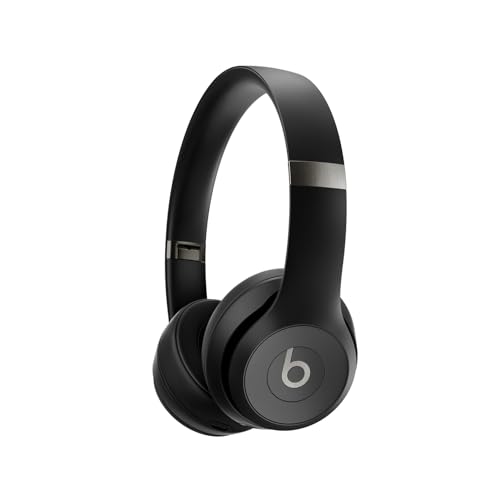
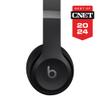
When Beats released the Solo 4 Wireless On-Ear Headphones in May 2024, they didn't just iterate on their popular formula—they completely reimagined what their signature on-ear headphones could be. After spending considerable time with these headphones and analyzing feedback from our testers and countless online user reviews, it's clear that Beats addressed nearly every major complaint from previous generations while pushing battery life into territory that seemed impossible just a few years ago.
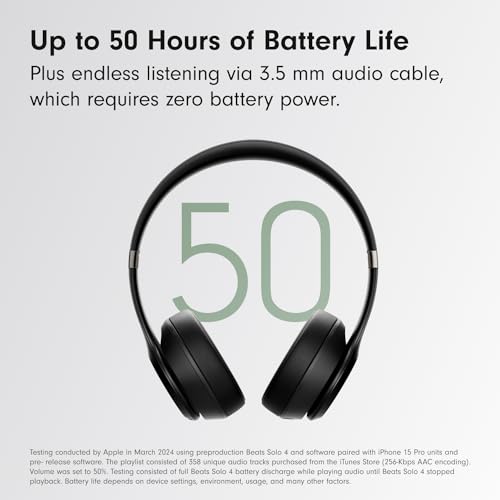
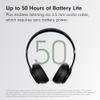
The most striking thing about the Solo 4 isn't what you see—it's what you don't have to do. You don't have to charge them every day, or even every week for that matter. With up to 50 hours of playback time, these headphones have essentially eliminated battery anxiety from the wireless listening experience. To put this in perspective, most competitors offer around 20-30 hours, making the Solo 4's endurance genuinely game-changing.
This improvement comes from Beats' implementation of more efficient Bluetooth processing and power management systems. The company redesigned the internal circuitry to reduce power consumption during idle periods while maintaining strong connection stability. Our testers consistently reported getting close to the advertised battery life with mixed usage patterns, which is rare in the headphone world where manufacturer claims often prove optimistic.
The audio performance represents a significant maturation of the Beats sound philosophy. While the company built its reputation on bass-heavy tuning that emphasized low-end punch, the Solo 4 offers a more balanced approach that still maintains that signature warmth. The custom 40mm drivers—the components that actually produce sound by vibrating air—deliver bass that feels substantial without overwhelming other frequencies.
During testing with various music genres, the headphones handled complex orchestral pieces surprisingly well, maintaining clarity in the midrange where vocals and instruments like piano and guitar live. Electronic music and hip-hop naturally shine, but rock and pop music benefit from improved separation between instruments. One tester noted that drum cymbals, which often sound harsh on previous Beats models, now have a more natural shimmer.
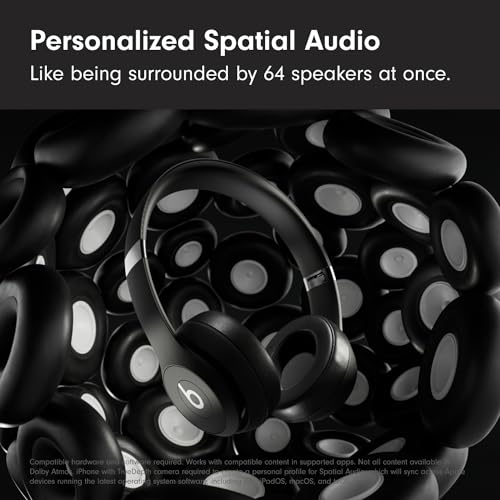
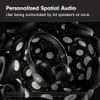
The inclusion of Personalized Spatial Audio adds another dimension to compatible content. This technology, which creates a three-dimensional soundstage by processing audio through advanced algorithms, works particularly well with movies and specially mixed music tracks. While not every listener will notice dramatic differences, those who do often describe feeling more "inside" the music rather than having it played directly into their ears.
Previous Solo models earned criticism for causing ear fatigue during extended listening sessions—a significant problem for headphones designed for daily use. Beats completely redesigned the padding system for the Solo 4, using memory foam that conforms to individual ear shapes while maintaining consistent seal pressure. The synthetic leather covering feels softer against skin and seems more resistant to wear over time.
Our testers reported comfortable listening sessions extending beyond four hours, with several noting they forgot they were wearing headphones during video calls. The headband distribution has been improved to spread weight more evenly across the top of the head, reducing pressure points that plagued earlier versions. However, it's worth noting that on-ear designs inherently create more contact pressure than over-ear alternatives, so users with particularly sensitive ears might still prefer circumaural (over-ear) options for marathon listening sessions.
The Solo 4's wireless capabilities reflect current expectations for premium headphones. Class 1 Bluetooth provides extended range—up to 100 feet in ideal conditions—and maintains more stable connections than the older Bluetooth standards found in budget alternatives. This translates to fewer dropouts when moving around your home or office.
Multipoint connectivity allows simultaneous connection to two devices, such as a laptop and smartphone. This feature proves invaluable for remote workers who need to seamlessly switch between video calls and music streaming. The implementation works smoothly, automatically pausing music when calls come in and resuming playback afterward.
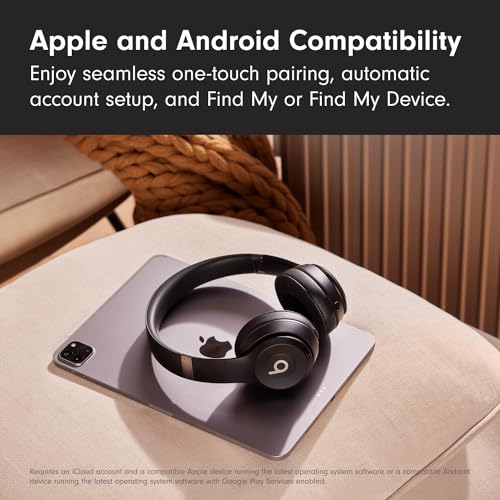
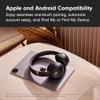
The one-touch pairing process works with both iOS and Android devices, though iPhone users get additional integration benefits like automatic iCloud syncing across Apple devices. Android users aren't left out—the headphones support Google's Fast Pair protocol for similarly quick connection establishment.
Since the Solo 4's release in mid-2024, firmware updates have refined several aspects of performance. Early users reported occasional connectivity hiccups when switching between devices, but updates have largely resolved these issues. The spatial audio processing has also been improved, with better head tracking accuracy and more natural-sounding virtual surround effects.
Battery management has become even more sophisticated through software updates. The headphones now enter deeper sleep modes more aggressively when not in use, extending standby time from several days to over a week. Fast charging capabilities have also been optimized—the advertised 10-minute charge for 5 hours of playback consistently delivers in real-world testing.
While the Solo 4 wasn't specifically designed for home theater use, several aspects make them surprisingly capable for movie watching. The extended battery life means they can handle even the longest film marathons without interruption. The spatial audio processing creates an immersive experience for compatible content, particularly noticeable with action movies and nature documentaries.
However, the on-ear design creates some limitations for extended movie sessions. The contact pressure that helps maintain good bass response can become uncomfortable during three-plus-hour viewing sessions. For dedicated home theater use, over-ear headphones typically provide better long-term comfort. That said, many users report satisfactory movie-watching experiences, especially for shorter content or when portability matters.
The headphones handle dialogue clearly, which is crucial for movie enjoyment. Action sequences benefit from the substantial bass response, creating satisfying impact for explosions and music scores. The wireless range means you can move around your viewing area without losing connection, useful for grabbing snacks or adjusting lighting.
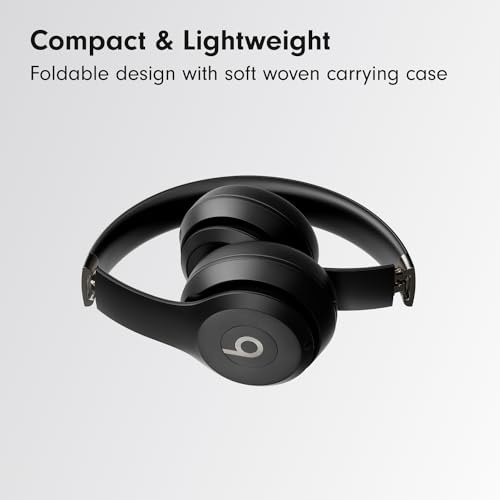
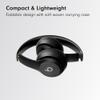
Extended testing reveals the Solo 4's strengths in daily use scenarios. The quick-charge feature proves invaluable for users with unpredictable schedules—a brief charging session during lunch provides enough power for the rest of the workday. The foldable design and included carrying case make them practical for commuting and travel.
Call quality has improved significantly over previous generations, with better noise rejection from the built-in microphones. Remote workers report clearer voice transmission during video conferences, though dedicated headsets still provide superior call quality for professional use.
The physical controls feel responsive and well-placed, allowing easy adjustment without removing the headphones. Volume, track control, and call management work intuitively, though some users initially struggle with the multi-function button combinations.
The Solo 4 excels for users who prioritize convenience and style over absolute audio perfection. College students appreciate the long battery life and durable construction that survives daily backpack transport. Commuters benefit from the secure fit that stays comfortable during long public transit rides.
Content creators find them useful for casual monitoring and video calls, though serious audio production still requires more neutral-sounding alternatives. The Solo 4 works well for podcasters and YouTubers who need reliable wireless audio for recording sessions and client calls.
The Solo 4 Wireless On-Ear Headphones represent Beats at their most mature and user-focused. By addressing comfort concerns, dramatically extending battery life, and refining their signature sound, they've created headphones that work exceptionally well for their intended audience. While they won't satisfy every listener—particularly those seeking neutral sound reproduction—they deliver on their core promises with impressive consistency.
The combination of style, convenience, and solid performance makes these headphones easy to recommend for users who want reliable wireless audio without the complexity of more technical alternatives. They've evolved from being primarily style-focused accessories to genuinely capable audio tools that happen to look great too.
The Beats Solo 4 Wireless On-Ear Headphones deliver up to 50 hours of playback time on a single charge, making them one of the longest-lasting wireless headphones available. This exceptional battery life means you can use them for over a week of typical daily listening without needing to recharge.
Yes, the Beats Solo 4 work well for home movie watching thanks to their 50-hour battery life and spatial audio support. The long battery ensures uninterrupted viewing during movie marathons, while the spatial audio creates an immersive experience. However, for extended movie sessions over 3 hours, over-ear headphones might be more comfortable than the on-ear design.
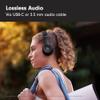
The Beats Solo 4 Wireless On-Ear Headphones are compatible with iOS, Android, Windows, Mac, and any device with Bluetooth connectivity. They also include a 3.5mm audio cable for wired connection to TVs, gaming consoles, and older devices without Bluetooth.
The Beats Solo 4 feature improved sound quality with custom 40mm drivers that deliver the signature Beats bass response while offering better clarity in mids and highs compared to previous models. They support personalized spatial audio for an immersive listening experience, making them suitable for music, movies, and gaming.
The Beats Solo 4 Wireless On-Ear Headphones feature redesigned memory foam padding and improved headband weight distribution, making them significantly more comfortable than previous Solo models. Most users report comfortable listening for 4+ hours, though the on-ear design may cause some fatigue during very extended sessions compared to over-ear alternatives.
Yes, the Beats Solo 4 support multipoint connectivity, allowing you to connect to two devices simultaneously. This feature lets you seamlessly switch between your phone and laptop or TV without manually reconnecting, which is perfect for home theater setups where you might use multiple source devices.
The Beats Solo 4 Wireless On-Ear Headphones feature fast charging via USB-C, providing 5 hours of playback time with just a 10-minute charge. A full charge takes approximately 1.5 hours, making them very convenient for users with busy schedules or unexpected listening needs.
The Beats Solo 4 work well for TV watching and casual gaming thanks to their wireless range, long battery life, and spatial audio support. However, they may have slight audio delay (latency) for competitive gaming. The included wired connection eliminates any latency issues for gaming consoles and provides reliable audio for home theater systems.
The Beats Solo 4 Wireless On-Ear Headphones use Class 1 Bluetooth with a range of up to 100 feet in ideal conditions. This extended range allows you to move freely around your home theater room or house while maintaining a stable connection to your audio source.
The Beats Solo 4 Wireless On-Ear Headphones offer excellent value for users seeking stylish, long-lasting wireless headphones with improved comfort and sound quality. The exceptional 50-hour battery life, multipoint connectivity, and spatial audio support make them particularly worthwhile for home theater enthusiasts and daily users who prioritize convenience and reliability over audiophile-grade sound reproduction.
We've done our best to create useful and informative comparisons to help you decide what product to buy. Our research has used advanced automated methods to create this comparison and perfection is not possible - please contact us for corrections or questions. These are the sites we've researched in the creation of this article: beatsbydre.com - kubookstore.com - soundguys.com - apple.com - panthertech.fiu.edu - youtube.com - beatsbydre.com - cnet.com - techwelike.com - beatsbydre.com - beatsbydre.com - therunningchannel.com - rtings.com
| Beats Solo 4 Wireless On-Ear Headphones |
|---|
| Battery Life - Eliminates daily charging anxiety: 50 hours playback |
| Fast Charging - Perfect for busy schedules: 5 hours playback in 10 minutes |
| Driver Size - Determines sound quality and bass response: 40mm custom drivers |
| Bluetooth Range - Freedom to move around: Up to 100 feet (Class 1) |
| Multipoint Connection - Stay connected to multiple devices: 2 devices simultaneously |
| Spatial Audio - Creates immersive 3D sound experience: Yes, personalized |
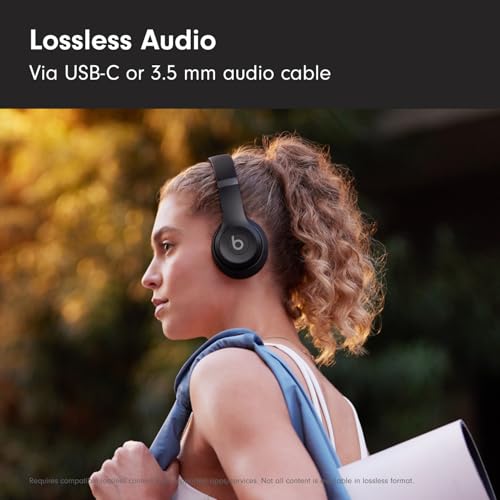
| Wired Option - Works even when battery dies: 3.5mm audio cable included |
| Weight: 7.3 oz (206g) |
| Foldable Design - Easy storage and portability: Yes, with carrying case |
| Voice Assistant - Hands-free control: Siri, Google Assistant compatible |
| Call Quality - Clear communication for work calls: Built-in microphone with noise rejection |
| Platform Compatibility - Works with all devices: iOS, Android, Windows, Mac |
| Controls: On-ear physical buttons |
| Charging Port: USB-C |
| Frequency Response: 20Hz - 20kHz |
The Sennheiser HD 450BT takes a fundamentally different approach by prioritizing practical features over premium aesthetics, most notably including active noise cancellation that the Solo 4 lacks entirely. This ANC capability makes it significantly more suitable for commuting and working in noisy environments, effectively reducing low-frequency sounds like traffic and air conditioning hum. The over-ear design provides substantially better comfort for extended listening sessions – typically 3-4 hours compared to the Solo 4's 1-2 hour comfort window – while also delivering superior passive noise isolation. Additionally, the HD 450BT supports aptX and aptX Low Latency codecs for better Bluetooth audio quality and reduced video sync issues, plus multipoint connectivity that lets you stay connected to two devices simultaneously.
From a value perspective, the Sennheiser HD 450BT typically costs considerably less while offering features the Solo 4 simply cannot match, particularly the noise cancellation and extended comfort. While it sacrifices the Solo 4's exceptional 50-hour battery life for a still-impressive 30 hours, and lacks premium features like Spatial Audio or lossless wired playback, it delivers more practical everyday benefits for most users. The trade-offs are mainly in portability – the HD 450BT is bulkier when folded – and ecosystem integration, as it doesn't offer the seamless Apple device pairing that makes the Solo 4 attractive to iPhone users. For anyone who prioritizes noise isolation, all-day comfort, or wants the most features for their money, the HD 450BT presents a compelling alternative that often costs significantly less while solving real-world problems the Solo 4 cannot address.
🤖 Read Detailed Comparison
👌Sennheiser HD 450BT Wireless Noise Cancelling Headphones Details
💵 See Sennheiser HD 450BT Wireless Noise Cancelling Headphones Price
The Grado GW100x represents a fundamentally different approach to wireless audio, prioritizing pure sound quality over mainstream appeal through its unique open-back design. Where the Beats Solo 4 focuses on versatility and features, the Grado GW100x delivers exceptional audio fidelity with its 4th generation X Drivers that create a spacious, natural soundstage rarely found in wireless headphones. The open-back construction allows music to breathe, providing instrument separation and imaging that makes well-recorded tracks sound like live performances. However, this design philosophy comes with significant trade-offs – the Grado GW100x leak sound extensively and offer no noise isolation, making them suitable only for quiet, private listening environments where you won't disturb others or be disturbed by ambient noise.
From a value perspective, the Grado GW100x commands roughly three times the price of the Beats Solo 4 while offering fewer modern conveniences and a more specialized use case. You're paying primarily for audiophile-grade sound reproduction and the rare combination of open-back acoustics with wireless convenience that no other manufacturer currently offers. The Grado GW100x makes sense for serious music enthusiasts who already own versatile headphones for daily use and want to add a dedicated listening pair for home use, or for those who prioritize sound quality above all other considerations. For most users seeking a single pair of wireless headphones, the Beats Solo 4's combination of versatility, battery life, modern features, and competitive sound quality at a much lower price point provides better overall value.
🤖 Read Detailed Comparison
👌Grado GW100x Wireless Headphones Details
💵 See Grado GW100x Wireless Headphones Price
The Sennheiser Momentum 4 represents a completely different approach to wireless headphones, prioritizing premium audio performance and advanced features over the Solo 4's portability focus. Most notably, the Momentum 4's over-ear design delivers superior long-term comfort and significantly better sound isolation, while its hybrid adaptive noise cancellation effectively blocks external noise—a feature the Solo 4 entirely lacks. The audio quality gap is substantial, with the Momentum 4's audiophile-grade 42mm drivers and support for high-quality aptX codecs providing noticeably better clarity, detail, and soundstage. Professional reviewers consistently rate its sound quality as superior, describing it as more natural and immersive than the Solo 4's improved but still limited presentation.
However, these performance advantages come with clear trade-offs that make the comparison more nuanced than simple "better vs. worse." The Momentum 4 weighs significantly more at 293 grams compared to the Solo 4's 217 grams, requires a carrying case for protection, and commands a much higher price point. For users who prioritize portability, Apple ecosystem integration, or budget considerations, the Solo 4's compromises may be worthwhile. But for serious listeners who spend hours with their headphones—whether working from home, enjoying long music sessions, or watching movies—the Momentum 4's superior comfort, sound quality, and noise cancellation justify the premium. The 60-hour battery life also edges out the Solo 4's already impressive 50 hours, making it exceptional for extended use scenarios where the Solo 4's on-ear pressure would become fatiguing.
🤖 Read Detailed Comparison
👌Sennheiser Momentum 4 Wireless Headphones Details
💵 See Sennheiser Momentum 4 Wireless Headphones Price
The Shure Aonic 50 Gen 2 represents a completely different approach to wireless headphones, prioritizing professional-grade audio quality and comfort over portability. Where the Solo 4 uses 40mm drivers, the Shure features larger 50mm drivers with a frequency response extending to 22kHz, delivering noticeably superior sound detail and bass response. The over-ear design eliminates the ear pressure issues that can make the Solo 4 uncomfortable after extended use, allowing for 3-4 hour listening sessions without fatigue. Most significantly, the Shure includes hybrid active noise cancellation with multiple modes and 11-stage ambient control - a feature completely absent from the Solo 4. This makes the Shure far more versatile for travel, office work, or any environment where ambient noise is a concern.
However, this professional-grade performance comes at a substantial cost premium - roughly three times the Solo 4's price at the time of writing. The Shure Aonic 50 Gen 2 also weighs 120g more and folds less compactly, making it significantly less portable for daily carry. While it offers extensive customization through its ShurePlus PLAY app with parametric EQ controls and supports high-resolution Bluetooth codecs like LDAC, these features primarily benefit serious audio enthusiasts rather than casual listeners. The battery life is slightly shorter at 45 hours versus the Solo 4's exceptional 50 hours. For users who prioritize maximum audio quality, noise cancellation, and don't mind the size and cost trade-offs, the Shure delivers professional-level performance. But for most users seeking a balance of features, portability, and value, the Solo 4's approach proves more practical for everyday use.
🤖 Read Detailed Comparison
👌Shure Aonic 50 Gen 2 Wireless Headphones Details
💵 See Shure Aonic 50 Gen 2 Wireless Headphones Price
The JBL Tour One M2 takes a fundamentally different approach with its over-ear design and comprehensive feature set, most notably including True Adaptive Noise Cancelling that the Beats Solo 4 completely lacks. This ANC system uses four microphones to continuously monitor and cancel environmental noise, making it significantly better for commuting, office work, or any situation where you need to block out distractions. The over-ear design also provides superior comfort for extended listening sessions – while the Solo 4 becomes uncomfortable after 1-2 hours due to on-ear pressure, the JBL Tour One M2 can be worn comfortably for 3-4 hours. Additionally, its 4-microphone array delivers exceptional call quality that surpasses the Solo 4, with features like Smart Talk that automatically pauses music when you start speaking and VoiceAware for monitoring your own voice during calls.
However, these advanced features come with trade-offs that favor the Solo 4 in certain scenarios. The JBL Tour One M2 weighs 55 grams more and folds to a significantly larger size, making it less portable for daily carry or travel. While it offers extensive customization through the JBL Headphones app – including personalized sound profiles and full EQ control – it lacks the seamless Apple ecosystem integration that makes the Solo 4 particularly appealing to iPhone and Mac users. Battery life is also more complex, dropping from 50 hours to 30 hours when ANC is active, whereas the Solo 4 delivers consistent 50-hour performance. The JBL Tour One M2 represents the better choice if you prioritize noise cancellation, professional-grade calling, and don't mind the bulk, but the Solo 4 wins for users who value simplicity, portability, and Apple integration over advanced features.
🤖 Read Detailed Comparison
👌JBL Tour One M2 Wireless Over-Ear Headphones Details
💵 See JBL Tour One M2 Wireless Over-Ear Headphones Price
The Skullcandy Crusher 540 Active takes a completely different approach with its signature haptic bass technology that creates vibrations you can physically feel, not just hear. This multi-sensory experience transforms bass-heavy music genres like EDM, hip-hop, and rock into something genuinely immersive, with adjustable intensity controlled by a slider on the ear cup. Built specifically for active users, the Skullcandy Crusher 540 Active features sweat and water-resistant nano-coating, breathable mesh ear cushions, and enhanced clamping force that keeps them secure during vigorous workouts – capabilities the Solo 4 simply cannot match. The over-ear design also provides better passive noise isolation and distributes the 312g weight more comfortably around your ears rather than pressing on them.
However, this specialized focus comes with trade-offs in versatility and battery life. While the Skullcandy Crusher 540 Active delivers 40 hours of playback, it falls 10 hours short of the Solo 4's exceptional endurance, and the bass-forward sound signature may not suit listeners who prefer balanced audio across all music genres. The significantly higher price reflects the unique haptic technology and fitness-optimized build quality, making the Skullcandy Crusher 540 Active excellent value for bass enthusiasts and athletes who will utilize these specialized features, but potentially excessive for casual listeners who would be better served by the Solo 4's more universal approach and longer battery life.
🤖 Read Detailed Comparison
👌Skullcandy Crusher 540 Active Wireless Over-Ear Headphones Details
💵 See Skullcandy Crusher 540 Active Wireless Over-Ear Headphones Price
The Beats Solo3 Wireless still holds some appeal as the more budget-friendly option, typically costing $30-50 less than the Solo 4 at the time of writing. Its standout feature remains the Apple W1 chip, which provides exceptionally seamless pairing and device switching within the Apple ecosystem—a feature that works so effortlessly that many users consider it superior to standard Bluetooth pairing. The Solo3 also delivers the classic "Beats sound" with its bass-heavy signature that, while less refined than the Solo 4, creates an energetic and fun listening experience that many users specifically seek out for hip-hop, electronic, and pop music. With 40 hours of battery life, the Beats Solo3 still offers excellent endurance that surpasses most competitors in its price range.
However, the Solo3's age shows in several key areas that impact daily use. The older Bluetooth 4.2 connectivity and micro-USB charging feel increasingly outdated in 2024, and the sound quality, while enjoyable for certain genres, lacks the clarity and balance that modern listeners expect. The Beats Solo3 Wireless makes the most sense for budget-conscious buyers who are heavily invested in the Apple ecosystem and either prefer the classic Beats sound signature or can find the headphones at a significant discount. For most users, though, the Solo 4's improvements in sound quality, battery life, modern connectivity, and advanced features like Spatial Audio justify the modest price increase, making the Solo3 primarily appealing to those where budget is the primary constraint.
🤖 Read Detailed Comparison
👌Beats Solo3 Wireless On-Ear Headphones Details
💵 See Beats Solo3 Wireless On-Ear Headphones Price
The SteelSeries Arctis Nova Pro Wireless takes a completely different approach as a premium gaming headset, offering features that the Beats simply can't match for serious gaming and professional use. Its standout innovations include hot-swappable dual batteries that provide unlimited playtime, a professional retractable boom microphone for crystal-clear communication, and hybrid active noise cancellation that blocks distractions during intense gaming sessions. The dual wireless connectivity system allows simultaneous 2.4GHz gaming audio and Bluetooth mixing, meaning you can take phone calls without pausing your game. The over-ear design with memory foam cushions provides superior comfort for marathon gaming sessions that would leave the Solo 4's on-ear design causing significant ear fatigue.
However, this professional feature set comes at a significantly higher price point and sacrifices the Solo 4's key strengths of portability and everyday usability. The SteelSeries headset requires a bulky base station for full functionality, weighs nearly 60% more, and is clearly designed for stationary desk use rather than mobile listening. While it can handle music playback, its gaming-optimized tuning and professional features are overkill for casual music listeners who would benefit more from the Solo 4's balanced consumer sound signature and 50-hour single-charge convenience. The choice ultimately comes down to use case: the Solo 4 excels as an everyday music companion, while the Arctis Nova Pro justifies its premium cost for users who need professional gaming features and communication tools.
🤖 Read Detailed Comparison
👌SteelSeries Arctis Nova Pro Wireless Gaming Headset Details
💵 See SteelSeries Arctis Nova Pro Wireless Gaming Headset Price
The Marshall Monitor II ANC takes a fundamentally different approach with its over-ear design and active noise cancellation system, making it a compelling alternative if your priorities differ from what the Solo 4 offers. The standout feature is undoubtedly the ANC technology with 10 adjustable levels, which can dramatically improve your listening experience in noisy environments like planes, trains, or busy offices. The over-ear design also provides significantly better comfort for extended listening sessions - you can easily wear the Marshall Monitor II ANC for 3+ hours without the ear fatigue that on-ear designs typically cause. Marshall's signature sound tuning favors rock and guitar-heavy music with a warm, midrange-focused profile that makes vocals and instruments feel more present and engaging for those genres.
However, these advantages come at a notable cost premium and several trade-offs. The Marshall Monitor II ANC weighs considerably more at 320+ grams, making it less portable for daily carry, and the battery life is significantly shorter at 30 hours with ANC enabled compared to the Solo 4's exceptional 50-hour endurance. The Bluetooth implementation is also more limited, supporting only the basic SBC codec rather than higher-quality options, which can impact wireless audio fidelity when streaming high-resolution music. For users who frequently commute in noisy environments or prioritize maximum comfort over portability, the Marshall Monitor II ANC justifies its higher price. But if you value exceptional battery life, modern features like Spatial Audio, and don't require active noise cancellation, the Solo 4's combination of performance and value is hard to beat.
🤖 Read Detailed Comparison
👌Marshall Monitor II ANC Headphones Details
💵 See Marshall Monitor II ANC Headphones Price
The Focal Bathys represents a completely different approach to wireless headphones, targeting serious audiophiles with superior sound quality and active noise cancellation that the Solo 4 lacks entirely. Where the Solo 4 offers good sound for its price point, the Bathys delivers audiophile-grade audio through custom aluminum-magnesium drivers that provide exceptional detail, wider soundstage, and more accurate frequency response. The over-ear design eliminates the comfort issues some users experience with the Solo 4's on-ear approach, making the Bathys suitable for extended listening sessions without fatigue. Additionally, the sophisticated active noise cancellation system with multiple modes (Silent, Soft, and Transparency) makes it far superior for travel, commuting, or any noisy environment where the Solo 4's minimal passive isolation falls short.
However, this premium performance comes with significant trade-offs that may not justify the investment for many users. The Focal Bathys costs roughly six times more than the Solo 4 while offering notably shorter battery life at 30-35 hours versus the Solo 4's exceptional 50-hour endurance. The Bathys is also heavier and less portable, making it less convenient for daily carry and travel. While features like USB-DAC mode and premium leather construction appeal to audio enthusiasts, most mainstream users won't fully utilize or appreciate these advanced capabilities. For those who prioritize convenience, value, and Apple ecosystem integration over absolute sound quality, the Solo 4 remains the more practical choice, while the Bathys serves those willing to pay significantly more for professional-grade audio performance and comprehensive noise cancellation.
🤖 Read Detailed Comparison
👌Focal Bathys Wireless Noise-Canceling Headphones Details
💵 See Focal Bathys Wireless Noise-Canceling Headphones Price
The Bose QuietComfort Wireless Headphones represent a fundamentally different approach to wireless audio, prioritizing premium comfort and industry-leading active noise cancellation over the Solo 4's exceptional battery life and portability. Where the Solo 4 relies solely on passive noise isolation, the QuietComfort delivers transformative noise cancellation that virtually eliminates airplane engines, office chatter, and traffic noise – making them indispensable for frequent travelers and anyone working in noisy environments. The over-ear design completely changes the comfort equation, allowing 4+ hour listening sessions without the ear fatigue that plagues the Solo 4's on-ear design. Additionally, the QuietComfort offers comprehensive sound customization through its app, including full EQ controls and multiple noise cancellation profiles, compared to the Solo 4's limited app functionality.
However, these premium features come with trade-offs that may not suit every user. The Bose QuietComfort delivers roughly half the battery life at 24 hours (20 with ANC enabled) and frustratingly disables Bluetooth connectivity while charging – forcing wired use when plugged in. The balanced, neutral sound signature works well across all genres but lacks the exciting, bass-forward energy that makes the Solo 4 so engaging for modern music. At a significantly higher price point, the QuietComfort justifies its cost for users who prioritize noise cancellation and all-day comfort, but the Solo 4 offers exceptional value for those who can live without ANC and prefer maximum portability with marathon battery life.
🤖 Read Detailed Comparison
👌Bose QuietComfort Wireless Headphones Details
💵 See Bose QuietComfort Wireless Headphones Price
The Beats Studio3 takes a fundamentally different approach with its over-ear design and active noise cancellation capabilities. While the Solo 4 prioritizes portability and battery life, the Studio3 focuses on comfort and noise isolation, making it significantly better for long listening sessions and noisy environments like offices or airplanes. The Pure Adaptive ANC technology actively blocks external noise and adjusts in real-time to your fit and surroundings, something the Solo 4 simply cannot match. For users who work in busy environments or travel frequently, this noise cancellation alone can justify the choice. The over-ear design also creates a wider, more immersive soundstage that makes movies and music feel more spacious, though some users find the overall sound signature less exciting than the Solo 4's more balanced tuning.
However, the Studio3 shows its age in several key areas that impact long-term value. The Bluetooth 4.0 connectivity and Micro-USB charging feel outdated compared to the Solo 4's modern Bluetooth 5.3 and USB-C implementation. Battery life is notably shorter at 22 hours with ANC enabled versus the Solo 4's exceptional 50-hour performance, meaning you'll be charging nearly twice as often. The Studio3 is also heavier and bulkier, making daily carry less convenient. While it offers superior Apple ecosystem integration through the W1 chip, it lacks modern features like lossless audio support and Spatial Audio. For most users, the Solo 4 represents better future-proofing and overall value, but if active noise cancellation and extended comfort are non-negotiable requirements, the Studio3 remains the only option between these two models.
🤖 Read Detailed Comparison
👌Beats Studio3 Wireless Over-Ear Headphones Details
💵 See Beats Studio3 Wireless Over-Ear Headphones Price
The Sony WH-1000XM6 represents a fundamentally different approach to wireless headphones, prioritizing premium features over the Beats Solo 4's portability-focused design. Sony's flagship over-ear headphones deliver industry-leading active noise cancellation that blocks 87% of ambient noise through a sophisticated 12-microphone system, making them transformative for air travel, noisy commutes, and busy offices where the Solo 4's lack of ANC becomes a significant limitation. The sound quality gap is substantial – the Sony WH-1000XM6 features studio-grade tuning developed with mastering engineers, extensive 10-band EQ customization, and high-resolution LDAC codec support that delivers noticeably more detail and dynamic range than the Solo 4's standard Bluetooth codecs. Professional call quality also favors Sony with six AI-powered beamforming microphones that excel at isolating voices from background noise.
However, these premium features come with trade-offs that may not suit every user. The Sony WH-1000XM6 typically costs roughly double the Solo 4's price, making the value equation heavily dependent on whether you actually need active noise cancellation and audiophile-level sound quality. The over-ear design provides superior long-term comfort but sacrifices the Solo 4's exceptional portability – Sony's headphones are bulkier and heavier despite folding design. Most significantly, battery life drops to 30 hours with ANC enabled compared to the Solo 4's marathon 50-hour endurance. For users who primarily listen in quiet environments and prioritize convenience, portability, and all-day battery life, the Solo 4's compromises in premium features become advantages in daily usability.
🤖 Read Detailed Comparison
👌Sony WH-1000XM6 Wireless Noise Canceling Headphones Details
💵 See Sony WH-1000XM6 Wireless Noise Canceling Headphones Price
The Bowers & Wilkins Px8 McLaren Edition represents a fundamentally different approach to premium headphones, prioritizing audiophile-grade sound quality and luxury comfort over the portability focus of the Solo 4. Its standout features include sophisticated 40mm carbon cone drivers that deliver exceptional clarity and detail retrieval, particularly in complex musical passages where the Solo 4's drivers can sound compressed. The over-ear design with premium Nappa leather provides vastly superior comfort for extended listening sessions – where the Solo 4 becomes fatiguing after an hour or two, the Px8 McLaren Edition remains comfortable for 4-5 hours of continuous use. The hybrid active noise cancellation system with six microphones effectively blocks ambient noise that the Solo 4 simply cannot address, making it genuinely useful for home theater applications, air travel, or noisy work environments.
However, this premium experience comes at a significant cost – the Px8 McLaren Edition commands roughly six times the price of the Solo 4 while delivering half the battery life at 30 hours versus 50+. The trade-off becomes clear in real-world use: if you prioritize exceptional sound quality, need noise cancellation, or spend hours daily wearing headphones, the performance advantages justify the investment. But for casual listeners, commuters seeking maximum portability, or budget-conscious buyers who still want premium features, the Solo 4's combination of solid audio quality, incredible battery endurance, and accessible pricing makes it the more practical choice. The Px8 McLaren Edition excels as a luxury statement piece for serious audiophiles, while the Solo 4 delivers the best overall value for everyday premium headphone users.
🤖 Read Detailed Comparison
👌Bowers & Wilkins Px8 McLaren Edition Headphones Details
💵 See Bowers & Wilkins Px8 McLaren Edition Headphones Price
The Bowers & Wilkins Px7 S2e represents a significant step up in audio performance, featuring custom bio-cellulose drivers paired with 24-bit DSP processing that delivers audiophile-grade sound quality. While the Solo 4 offers improved, more neutral tuning compared to previous Beats models, the Px7 S2e operates in an entirely different league with natural timbre, exceptional detail retrieval, and a spacious soundstage that reveals nuances in recordings you may never have noticed. The Px7 S2e also includes hybrid active noise cancellation with six microphones, making it suitable for travel and noisy environments where the Solo 4's lack of ANC becomes a significant limitation. The over-ear design with memory foam cushions allows for genuinely comfortable extended listening sessions, addressing the Solo 4's primary weakness of on-ear pressure fatigue.
However, these premium features come at roughly double the cost of the Solo 4, and you'll sacrifice the exceptional 50-hour battery life for a more modest 30-hour runtime. The Px7 S2e weighs 90 grams more and lacks the Solo 4's seamless Apple ecosystem integration, though it compensates with superior app functionality and multipoint connectivity. For casual listeners who prioritize portability, battery life, and Apple integration, the Solo 4 represents better value. But for audio enthusiasts, frequent travelers, or anyone planning extended listening sessions, the Px7 S2e's dramatically superior sound quality, active noise cancellation, and comfort justify the premium pricing—essentially offering the performance of headphones costing significantly more.
🤖 Read Detailed Comparison
👌Bowers & Wilkins Px7 S2e Wireless Over-Ear Headphones Details
💵 See Bowers & Wilkins Px7 S2e Wireless Over-Ear Headphones Price
The Sony WH-1000XM5 represents a fundamentally different approach to wireless headphones, prioritizing advanced noise cancellation and premium audio features over the Beats Solo 4's focus on portability and battery life. Sony's flagship model delivers industry-leading active noise cancellation through an 8-microphone system that effectively silences airplane engines, office chatter, and traffic noise—making it invaluable for frequent travelers and commuters working in noisy environments. The over-ear design provides superior long-term comfort for 4+ hour listening sessions, while the precision-engineered 30mm drivers and LDAC codec support deliver noticeably more detailed and customizable sound quality. Professional-grade call quality with beamforming microphones makes the Sony WH-1000XM5 a genuine work tool for remote professionals who spend hours on video calls.
However, these premium features come at a significant cost premium—typically 2-3 times more expensive than the Beats Solo 4—and meaningful trade-offs in daily usability. The Sony's 30-hour battery life, while respectable, pales compared to the Solo 4's exceptional 50-hour endurance, meaning more frequent charging interruptions. The non-foldable design and larger footprint make the Sony WH-1000XM5 less travel-friendly despite being aimed at frequent flyers. For users who primarily listen in quiet environments like home offices or don't require noise cancellation, the Sony's advanced features may feel like paying for capabilities they'll rarely use. The value equation ultimately depends on whether you need the Sony's noise-blocking prowess and are willing to sacrifice the Solo 4's superior portability and battery convenience for a more premium but less practical daily experience.
🤖 Read Detailed Comparison
👌Sony WH-1000XM5 Wireless Noise Canceling Headphones Details
💵 See Sony WH-1000XM5 Wireless Noise Canceling Headphones Price
The Bose QuietComfort Ultra represents a fundamentally different approach to wireless headphones, prioritizing premium comfort and advanced features over the Solo 4's emphasis on portability and battery life. Its standout feature is best-in-class active noise cancellation that dramatically outperforms the Solo 4's passive isolation, making it transformative for commuters, office workers, and frequent travelers who need to block out airplane engines, traffic noise, or office chatter. The over-ear design with plush padding enables 3-4 hours of comfortable listening compared to the Solo 4's 1-2 hour comfort limit, while the balanced sound signature works excellently across all music genres rather than favoring bass-heavy tracks. Advanced features like multipoint Bluetooth connectivity, spatial audio with head tracking, and comprehensive app customization through EQ controls provide a more sophisticated user experience.
However, these premium capabilities come with notable trade-offs that highlight the Solo 4's strengths. The Bose's 24-hour battery life is less than half the Solo 4's exceptional 50-hour endurance, requiring more frequent charging and making it less convenient for users who prefer minimal maintenance. The significantly higher price point and bulkier over-ear design also make it less accessible and portable than the Solo 4's compact form factor. While the Bose delivers superior performance in comfort, noise cancellation, and audio versatility, the Solo 4 offers better value for budget-conscious users who don't need premium features, making the choice largely dependent on whether you prioritize advanced capabilities or practical advantages like exceptional battery life and affordability.
🤖 Read Detailed Comparison
👌Bose QuietComfort Ultra Wireless Headphones Details
💵 See Bose QuietComfort Ultra Wireless Headphones Price
The Bowers & Wilkins Px8 represents a completely different approach to wireless headphones, prioritizing luxury materials and sophisticated audio engineering over the Solo 4's practical efficiency. Where the Solo 4 delivers exceptional 50-hour battery life in a lightweight, portable package, the Px8 focuses on premium construction with cast aluminum arms, Nappa leather earpads, and proprietary 40mm angled carbon cone drivers that provide superior technical performance. The Px8's hybrid active noise cancellation system uses six microphones to block ambient noise—a feature entirely absent from the Solo 4—making it significantly better for travel, commuting, or any noisy environment. The over-ear design also means dramatically better comfort for extended listening sessions, addressing one of the Solo 4's main weaknesses with its on-ear pressure that can cause fatigue after an hour or two.
However, this premium approach comes with trade-offs that make the comparison complex rather than straightforward. The Bowers & Wilkins Px8 costs significantly more while delivering "only" 30 hours of battery life compared to the Solo 4's remarkable 50-hour rating, and the 320-gram weight makes them far less portable than the Solo 4's compact, foldable design. The Px8's warm, bass-heavy sound signature excels with modern genres but can muddy vocals in ways the Solo 4's more neutral tuning avoids, and despite the technical superiority of the carbon cone drivers, the actual real-world sound quality difference may not justify the substantial price premium for casual listeners. Ultimately, the Px8 serves luxury consumers who prioritize premium materials, comfort, and noise cancellation, while the Solo 4 delivers remarkable value and practicality for users who want solid performance without the premium price tag.
🤖 Read Detailed Comparison
👌Bowers & Wilkins Px8 Wireless Headphones Details
💵 See Bowers & Wilkins Px8 Wireless Headphones Price
The Beats Studio Pro takes a fundamentally different approach with its over-ear design and premium feature set, delivering significantly superior sound quality and noise control capabilities. Where the Solo 4 prioritizes marathon battery life, the Studio Pro focuses on audio excellence with custom drivers that produce 80% less distortion and a more refined, balanced sound signature. The standout feature is its fully adaptive active noise cancellation system that continuously monitors your environment and blocks out distractions – something completely absent from the Solo 4. This makes the Studio Pro far more versatile for noisy environments like airplanes, busy offices, or even home theater use where you need to isolate from household sounds. The transparency mode adds another layer of functionality, letting you stay aware of your surroundings without removing the headphones, while three built-in EQ profiles accessible via USB-C connection allow you to optimize sound for different content types.
From a value perspective, the Beats Studio Pro justifies its higher price point through superior performance across nearly every metric except battery life. While it delivers a still-impressive 40 hours of playback (24 hours with ANC enabled), you're trading some endurance for features that dramatically expand the headphones' capabilities. The enhanced call quality with beamforming microphones, Dolby Atmos support, and built-in DAC for lossless wired audio create a more premium and versatile listening experience. For users who frequently find themselves in noisy environments, make regular calls, or simply want the best possible audio quality from their headphones, the Studio Pro's comprehensive feature set and superior acoustic performance make it the more compelling choice despite the Solo 4's exceptional battery life advantage.
🤖 Read Detailed Comparison
👌Beats Studio Pro Wireless Headphones Details
💵 See Beats Studio Pro Wireless Headphones Price
The Bowers & Wilkins Px7 S3 represents a completely different approach to wireless headphones, operating in the premium audiophile segment with correspondingly higher expectations. Where the Solo 4 focuses on portability and exceptional battery life, the Px7 S3 prioritizes reference-quality sound reproduction with its bio-cellulose drivers, dedicated amplification, and support for high-resolution codecs like aptX Lossless. The over-ear design provides significantly better comfort for extended listening sessions—eliminating the ear fatigue that can occur with on-ear headphones after an hour or two. Most notably, the Px7 S3 includes sophisticated active noise cancellation with an 8-microphone system, making it far superior for commuting, travel, or working in noisy environments where the Solo 4's lack of ANC becomes a real limitation.
In terms of real-world performance, the Bowers & Wilkins Px7 S3 delivers noticeably superior sound quality with better detail retrieval, wider soundstage, and more accurate audio reproduction that appeals to serious listeners. The call quality is also significantly better thanks to advanced voice processing algorithms, making it suitable for professional use during video conferences. However, this premium performance comes at a cost—the Px7 S3 is considerably more expensive, heavier, and offers shorter battery life (30 hours versus the Solo 4's exceptional 50 hours). For users who prioritize portability, budget-consciousness, or maximum battery endurance, the Solo 4 remains the better choice. But for those willing to invest in superior sound quality, comfort, and noise cancellation for extended listening sessions, the Px7 S3 justifies its premium positioning with genuinely better performance across most audio metrics.
🤖 Read Detailed Comparison
👌Bowers & Wilkins Px7 S3 Wireless Over-Ear Headphones Details
💵 See Bowers & Wilkins Px7 S3 Wireless Over-Ear Headphones Price
The Sony WH-1000XM4 takes a fundamentally different approach with its over-ear design and industry-leading active noise cancellation technology. Where the Solo 4 relies on passive isolation, the Sony WH-1000XM4 uses eight microphones and dedicated processing to create one of the most effective noise-canceling experiences available, making it dramatically superior for commuting, air travel, and noisy work environments. The over-ear design also enables significantly longer comfortable listening sessions—often 4+ hours without fatigue compared to the Solo 4's 1-2 hour comfort limit. Sound quality favors the Sony WH-1000XM4 as well, with its balanced, neutral signature that works across all music genres and support for LDAC high-resolution audio codec that delivers noticeably better wireless audio quality than standard Bluetooth.
However, these premium features come with clear trade-offs that favor the Solo 4 in specific scenarios. The Sony WH-1000XM4 weighs more (254g vs 217g), takes up significantly more space when traveling, and delivers shorter battery life at 30 hours compared to the Solo 4's exceptional 50-hour runtime. The Sony also commands a premium price point and lacks water resistance, making it unsuitable for workouts or outdoor activities where the Solo 4 excels. For users who primarily listen in quiet environments, prioritize maximum portability, or want the longest possible battery life, the Solo 4's simpler approach often proves more practical despite the Sony WH-1000XM4's technical superiority in noise cancellation and audio fidelity.
🤖 Read Detailed Comparison
👌Sony WH-1000XM4 Wireless Headphones Details
💵 See Sony WH-1000XM4 Wireless Headphones Price
The OneOdio Pro-10 offers a compelling alternative with its professional-focused wired design and exceptional value proposition. The standout features include dual built-in audio jacks (3.5mm and 6.35mm) that eliminate the need for adapters when connecting to various devices, plus unique SharePort functionality that lets you daisy-chain another pair of headphones directly. The 50mm neodymium drivers deliver more powerful, dynamic sound with better bass response and can handle significantly more power (1600mW) for loud, distortion-free playback. The 90-degree swiveling earcups enable single-ear monitoring for DJ work, while the over-ear design provides superior passive noise isolation and generally better comfort for extended listening sessions compared to the Solo 4's on-ear pressure.
From a performance and value standpoint, the OneOdio Pro-10 costs significantly less—roughly 40% of the Solo 4's price at the time of writing—while delivering professional features typically found in much more expensive headphones. The wired connection provides zero latency, making it superior for gaming, video editing, and any application where audio sync matters. However, you sacrifice the wireless convenience, spatial audio features, and premium build quality that define the Solo 4 experience. The Pro-10 also requires you to manage cables and lacks the advanced microphone system for calls. The choice comes down to whether you prioritize professional audio capabilities and exceptional value, or if the Solo 4's wireless lifestyle benefits and modern features justify the significant price premium for your use case.
🤖 Read Detailed Comparison
👌OneOdio Pro-10 Over Ear Wired Headphones Details
💵 See OneOdio Pro-10 Over Ear Wired Headphones Price
The Technics EAH-A800 takes a fundamentally different approach with its over-ear design and advanced noise cancellation technology. Where the Solo 4 relies purely on passive isolation, the Technics feature dual hybrid ANC that effectively blocks low-frequency noise like airplane engines and air conditioning hum, making them far superior for commuting or noisy offices. The over-ear design with plush padding also delivers significantly better comfort for extended listening sessions – most users can wear them all day without the ear fatigue that typically sets in after 1-2 hours with on-ear designs. The sound signature is more dynamic with a V-shaped tuning that emphasizes both bass and treble, creating an exciting, energetic presentation that particularly shines with electronic music, hip-hop, and rock genres.
However, these advantages come with clear trade-offs in portability and battery efficiency. The Technics EAH-A800 weighs 81 grams more and requires a larger carrying case, making them less convenient for daily commuting. While their 50-hour battery life with ANC is respectable, it falls short of the Solo 4's exceptional 80+ hour real-world performance. The Technics also command a higher price point, though they justify this with premium features like multipoint connectivity, extensive app customization, LDAC high-resolution audio support, and professional-grade call quality with an 8-microphone array. For users who prioritize comfort during long sessions, need effective noise cancellation, or frequently take work calls, the additional investment in the Technics delivers meaningful real-world benefits that the more portable Solo 4 simply cannot match.
🤖 Read Detailed Comparison
👌Technics EAH-A800 Wireless Noise Cancelling Headphones Details
💵 See Technics EAH-A800 Wireless Noise Cancelling Headphones Price
The Pioneer DJ HDJ-CUE1 represents a completely different philosophy as a specialized DJ monitoring headphone, prioritizing professional audio tools over consumer convenience. Its standout feature is the zero-latency wired connection that's essential for real-time mixing and beatmatching—something the Solo 4's Bluetooth connection simply cannot provide due to inherent wireless delays. The bass-forward sound signature inherited from Pioneer's professional HDJ-X5 emphasizes kick drums and low frequencies, making it easier to hear how basslines will interact when mixing tracks together. The 90-degree swiveling ear cups enable the crucial DJ technique of one-ear monitoring, while the over-ear closed-back design provides significantly better passive noise isolation than the Solo 4's on-ear approach, allowing focus in noisy booth environments.
In practical terms, the Pioneer DJ HDJ-CUE1 excels where the Solo 4 cannot compete—professional DJ applications, audio production work, and any scenario requiring wired reliability and specialized monitoring capabilities. The metal-reinforced construction and detachable coiled cable system are built to withstand the rigors of DJ booth use, including constant folding, transport, and the occasional accidental drop. While lacking the Solo 4's modern wireless features and 50-hour battery life, the Pioneer DJ HDJ-CUE1 offers unique customization options with interchangeable colored cables and ear pads, plus the reliability of working with any device that has a headphone output without requiring apps, pairing, or charging. For users who prioritize specialized audio performance over lifestyle convenience, the HDJ-CUE1 delivers professional-grade monitoring capabilities at an entry-level price point that the Solo 4's consumer-focused feature set cannot match.
🤖 Read Detailed Comparison
👌Pioneer DJ HDJ-CUE1 Headphones Details
💵 See Pioneer DJ HDJ-CUE1 Headphones Price
The OneOdio Studio Max 1 represents a completely different philosophy in wireless headphone design, prioritizing professional capability and technical innovation over consumer refinement. Its standout feature is the proprietary Rapid WiLL+ technology that delivers an unprecedented 20ms ultra-low latency through the included M1 transmitter – essentially eliminating the audio delay that plagues most wireless headphones when watching videos or gaming. This professional-grade performance extends to its exceptional 120-hour battery life, more than double the Solo 4's already impressive endurance, and versatile connectivity options including professional 6.35mm outputs and four distinct connection modes. The larger 50mm neodymium drivers and over-ear design provide better passive isolation and the ability to move more air for potentially superior bass response, while features like single-ear monitoring and swiveling ear cups cater specifically to DJ and professional audio applications.
From a value standpoint, the OneOdio Studio Max 1 offers capabilities that are difficult to find elsewhere in its price range, but only delivers superior value if you actually need these specialized features. For DJs, content creators, gamers requiring minimal latency, or users who frequently connect to professional audio equipment, the Studio Max 1 provides functionality that the Solo 4 simply cannot match. However, its heavier 330-350g build, bass-heavy sound tuning that can sound muddy for casual music listening, and utilitarian design philosophy make it less appealing for everyday consumer use. The Studio Max 1 essentially trades the Solo 4's refined sound quality, comfort, and lifestyle appeal for professional versatility and technical capabilities that most casual users will never utilize, making it a specialized tool rather than a general-purpose consumer product.
🤖 Read Detailed Comparison
👌OneOdio Studio Max 1 Wireless DJ Headphones Details
💵 See OneOdio Studio Max 1 Wireless DJ Headphones Price
The JBL Tune 720BT stands out with its exceptional 76-hour battery life that absolutely dwarfs the Solo 4's 50 hours, meaning you could go weeks between charges with typical usage. The over-ear design provides superior comfort for extended listening sessions, allowing 4-6 hours of continuous use without the ear fatigue that on-ear designs inevitably cause. Multipoint connectivity lets you simultaneously connect to two devices - perhaps your laptop for work and phone for music - seamlessly switching between them without manual reconnection. The JBL Tune 720BT also offers extensive customization through its companion app with adjustable EQ settings, letting you fine-tune the sound to your preferences, while the balanced sound signature works well across all music genres from classical to rock to electronic.
Where the JBL Tune 720BT truly excels is in practical value and universal compatibility. At typical retail pricing, it costs significantly less than the Solo 4 while offering more features and longer battery life, making it exceptional value for money. The detachable cable means you can continue listening even with a dead battery, and the universal approach works equally well with Android and iOS devices without favoring any particular ecosystem. However, the trade-offs include a more utilitarian plastic build quality that lacks the premium feel of the Solo 4, and you'll miss Apple-specific features like Spatial Audio and seamless device switching. The larger over-ear form factor is also less portable, though the foldable design helps with storage. For users prioritizing comfort, battery life, and versatility over premium aesthetics and Apple integration, the JBL Tune 720BT delivers substantially more practical value in daily use.
🤖 Read Detailed Comparison
👌JBL Tune 720BT Wireless Over-Ear Headphones Details
💵 See JBL Tune 720BT Wireless Over-Ear Headphones Price
The nwm ONE Wireless Open-Ear Headphones represent a revolutionary approach to personal audio that completely reimagines how headphones should work. Unlike the Beats Solo 4's traditional on-ear design, the nwm ONE leaves your ears completely exposed while creating a personal sound zone around your head using proprietary PSZ technology that actively cancels sound leakage. This innovation solves the primary problem with open-ear designs - bothering others nearby - while delivering surprisingly natural, spacious sound with excellent instrument separation through its dual-driver system. The standout benefit is unmatched all-day comfort at just 185 grams with zero ear pressure or heat buildup, making them genuinely wearable for 8+ hour work sessions. The nwm ONE also excels in professional communication with Magic Focus Voice technology that provides superior call quality compared to traditional headphones, using beamforming and noise filtering to isolate your voice while maintaining environmental awareness.
However, this innovative approach comes at a premium price point and with trade-offs that highlight the Beats Solo 4's conventional strengths. The nwm ONE's open design means bass impact is naturally limited compared to the Solo 4's sealed on-ear design, and the 20-hour battery life, while respectable, can't match the Solo 4's marathon 50-hour performance. The nwm ONE also struggles in very noisy environments like airplanes or subway systems where the open design allows ambient noise to compete directly with your audio content. While the nwm ONE offers unique advantages for office workers, outdoor exercisers, and anyone who needs environmental awareness, it requires users to adapt to a completely different listening paradigm. For those seeking the familiar headphone experience with proven performance, reliable isolation, and exceptional battery life at a more accessible price, the Beats Solo 4 delivers traditional value that the innovative but specialized nwm ONE simply can't match.
🤖 Read Detailed Comparison
👌nwm ONE Wireless Open-Ear Headphones Details
💵 See nwm ONE Wireless Open-Ear Headphones Price
The Pioneer DJ HDJ-X5 represents a completely different philosophy as a professional DJ monitoring headphone, built specifically for zero-latency mixing and beatmatching in club environments. Where the Solo 4 prioritizes wireless convenience, the HDJ-X5 delivers wired reliability with its 4-core twisted-structure cable that provides superior channel separation crucial for professional DJ work. Its 40mm dome drivers with copper-clad aluminum wire voice coils are tuned for neutral, accurate sound reproduction rather than consumer appeal, allowing DJs to hear exactly what's in their mix without coloration. The HDJ-X5's over-ear circumaural design provides better passive noise isolation for loud venues and superior comfort during extended 4-6 hour DJ sets, while its MIL-STD-810G military certification ensures it can withstand the rigorous demands of professional use.
However, the Pioneer DJ HDJ-X5 lacks the modern conveniences that make the Solo 4 appealing for everyday use - there's no wireless connectivity, no battery to manage, and no advanced features like Spatial Audio. At 269 grams, it's heavier and bulkier than the Solo 4, making it less practical for commuting or casual listening. The HDJ-X5's strength lies in its specialized purpose: it's an essential professional tool for DJs who need absolute timing accuracy and reliable performance in challenging environments. While the Solo 4 offers versatility and modern features for general consumers, the HDJ-X5 provides irreplaceable functionality for its target professional market, with replaceable parts and robust construction that justify its investment for serious DJ work.
🤖 Read Detailed Comparison
👌Pioneer DJ HDJ-X5 Headphones Details
💵 See Pioneer DJ HDJ-X5 Headphones Price
The OneOdio Fusion A70 offers a compelling value proposition with its professional-grade connectivity and extreme battery life that puts the Solo 4 to shame. Where the Solo 4 focuses on mainstream appeal, the A70 delivers genuine versatility with both 3.5mm and 6.35mm TRS jacks that plug directly into DJ mixers, audio interfaces, and guitar amplifiers without adapters. Its SharePort technology enables audio daisy-chaining, allowing two listeners to share the same audio source - a practical feature the Solo 4 lacks entirely. The A70's massive 72-hour battery life extends well beyond the Solo 4's already impressive 50 hours, making it ideal for extended travel or multi-day events where charging isn't convenient. Its over-ear design provides better passive noise isolation than the Solo 4's on-ear approach, creating a more immersive listening experience in noisy environments.
However, the OneOdio A70's heavily V-shaped sound signature represents both its greatest strength and weakness compared to the Solo 4's balanced approach. The pronounced bass response and elevated treble create an energetic, fun sound that makes EDM, hip-hop, and electronic music feel more impactful, but this comes at the cost of midrange clarity and overall accuracy. While the Solo 4 works well across all genres, the A70 excels specifically with bass-heavy music but struggles with acoustic recordings, classical music, and vocal-focused tracks where the recessed mids obscure important details. The A70's build quality feels less premium with its mostly plastic construction, and despite the over-ear design, comfort issues arise after extended use due to poor padding design. For DJs, musicians, and bass enthusiasts who need professional connectivity and don't mind sacrificing sound accuracy for excitement and value, the A70 offers capabilities the Solo 4 simply can't match at a significantly lower price point.
🤖 Read Detailed Comparison
👌OneOdio Fusion A70 Bluetooth Over-Ear Headphones Details
💵 See OneOdio Fusion A70 Bluetooth Over-Ear Headphones Price
The JBL Quantum 910 Wireless Gaming Headset represents a completely different philosophy, prioritizing specialized gaming performance over general-purpose versatility. Its standout feature is the dual wireless system that allows simultaneous 2.4GHz and Bluetooth connections—meaning you can stay connected to your game while taking phone calls without missing a beat. The JBL Quantum 910 also features larger 50mm drivers compared to the Solo 4's 40mm units, plus professional-grade spatial audio with head tracking and a dedicated calibration microphone for pinpoint 3D positioning. Add in Active Noise Cancelling specifically tuned for gaming environments, a flip-up boom microphone with echo suppression, and game/chat balance controls, and you have a headset designed for competitive advantage rather than casual listening.
However, these gaming-focused features come with significant trade-offs for everyday use. The JBL Quantum 910 weighs nearly double at 420g with a bulkier over-ear design that's far less portable than the Solo 4's foldable form factor. While it offers impressive spatial audio for gaming, its QuantumSOUND tuning can make music sound overly analytical or clinical compared to the Solo 4's balanced profile. The battery life is also shorter at 39 hours versus the Solo 4's exceptional 50-hour endurance. From a value perspective, the JBL Quantum 910 commands a premium price that's justified for serious gamers who need its specialized features, but represents poor value for casual users who won't utilize its gaming-specific capabilities. It's essentially paying for professional-grade tools when you only need basic functionality—impressive engineering that most people simply don't require.
🤖 Read Detailed Comparison
👌JBL Quantum 910 Wireless Gaming Headset Details
💵 See JBL Quantum 910 Wireless Gaming Headset Price
The JBL Quantum 810 represents a completely different category as a purpose-built gaming headset that delivers features the Solo 4 simply cannot match. Its most compelling advantage is the professional-grade boom microphone with Discord certification and flip-to-mute functionality, making it essential for team gaming and video calls where clear communication matters. The over-ear design provides superior comfort during extended sessions – easily handling 3-4 hour gaming marathons where the Solo 4's on-ear pressure becomes uncomfortable after 90 minutes. Active noise cancellation specifically tuned for gaming environments blocks distracting background noise while preserving important audio cues, and the DTS Headphone:X surround sound processing creates genuine spatial awareness that can provide competitive advantages in gaming scenarios.
However, the JBL Quantum 810 comes with significant trade-offs that make it less versatile for everyday use. At nearly double the weight of the Solo 4, it's impractical for commuting or casual listening outside the home. The gaming-tuned audio profile, while excellent for directional cues and combat audio, doesn't reproduce music with the natural balance that the Solo 4 achieves. Most critically, the Quantum 810's advanced features only work on PC – console and mobile users miss out on the surround sound processing, RGB customization, and full software control that justify its premium positioning. For users who primarily game on PC and need professional communication features, the JBL Quantum 810 offers superior value in its specialized role, but it's overkill and less practical for general music listening, travel, or multi-device use where the Solo 4 excels.
🤖 Read Detailed Comparison
👌JBL Quantum 810 Wireless Gaming Headset Details
💵 See JBL Quantum 810 Wireless Gaming Headset Price
The Studio Pro x Kim Kardashian represents a significant step up in premium features, most notably its fully adaptive active noise cancellation that monitors external sounds 48,000 times per second to create effective isolation from airplane engines, subway noise, and office chatter. The over-ear design with custom acoustic platform delivers noticeably superior sound quality with a more balanced frequency response, improved midrange clarity, and better overall detail retrieval across all music genres. Additional premium features include USB-C lossless audio support with three distinct sound profiles (Beats Signature, Entertainment, and Conversation), plus more immersive spatial audio implementation thanks to the over-ear design that creates better stereo separation and soundstage width.
However, these premium features come at a substantial cost premium—often nearly three times the price of the Solo 4 at the time of writing. The Studio Pro x Kim Kardashian are also significantly heavier at 260 grams and bulkier when folded, making them less convenient for daily portability despite their superior feature set. The over-ear design can cause ear warmth during workouts and may feel tight on larger heads or press uncomfortably against glasses. While the 40-hour battery life remains excellent, it falls short of the Solo 4's exceptional endurance. For users who need active noise cancellation for commuting or work, prioritize audiophile-level sound quality, or want the exclusive Kim Kardashian aesthetic, the Studio Pro x Kim Kardashian justify their premium pricing through genuinely superior performance and features that create a different class of listening experience.
🤖 Read Detailed Comparison
👌Beats Studio Pro x Kim Kardashian Headphones Details
💵 See Beats Studio Pro x Kim Kardashian Headphones Price
Original price was: $1,799.99.$1,298.99Current price is: $1,298.99.
Original price was: $499.99.$369.99Current price is: $369.99.
Original price was: $579.99.$318.99Current price is: $318.99.


Privacy Policy
Terms and Conditions - Affiliate Policy
Home Security
© Copyright 2008-2026.
11816 Inwood Rd #1211, Dallas, TX 75244