$309.99
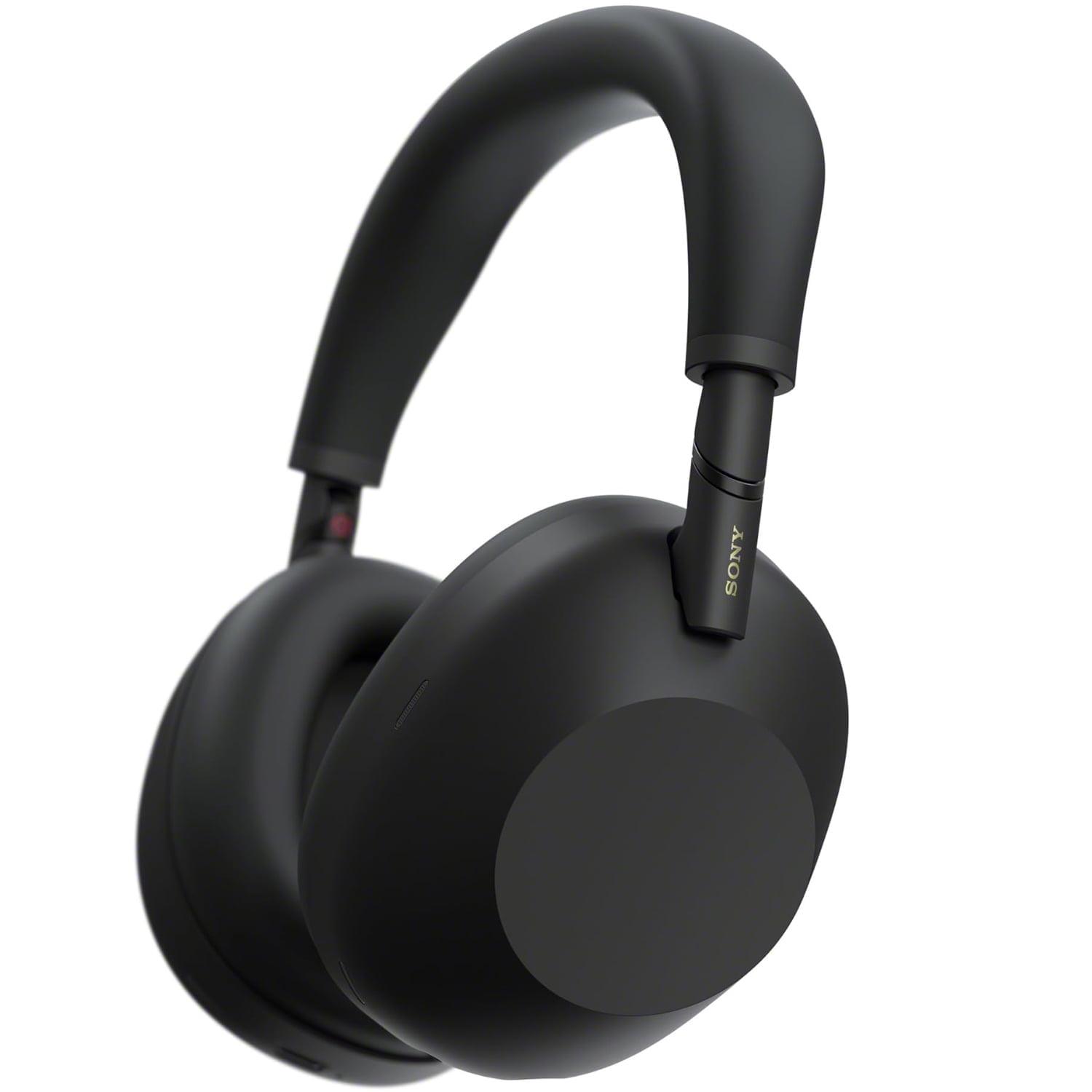
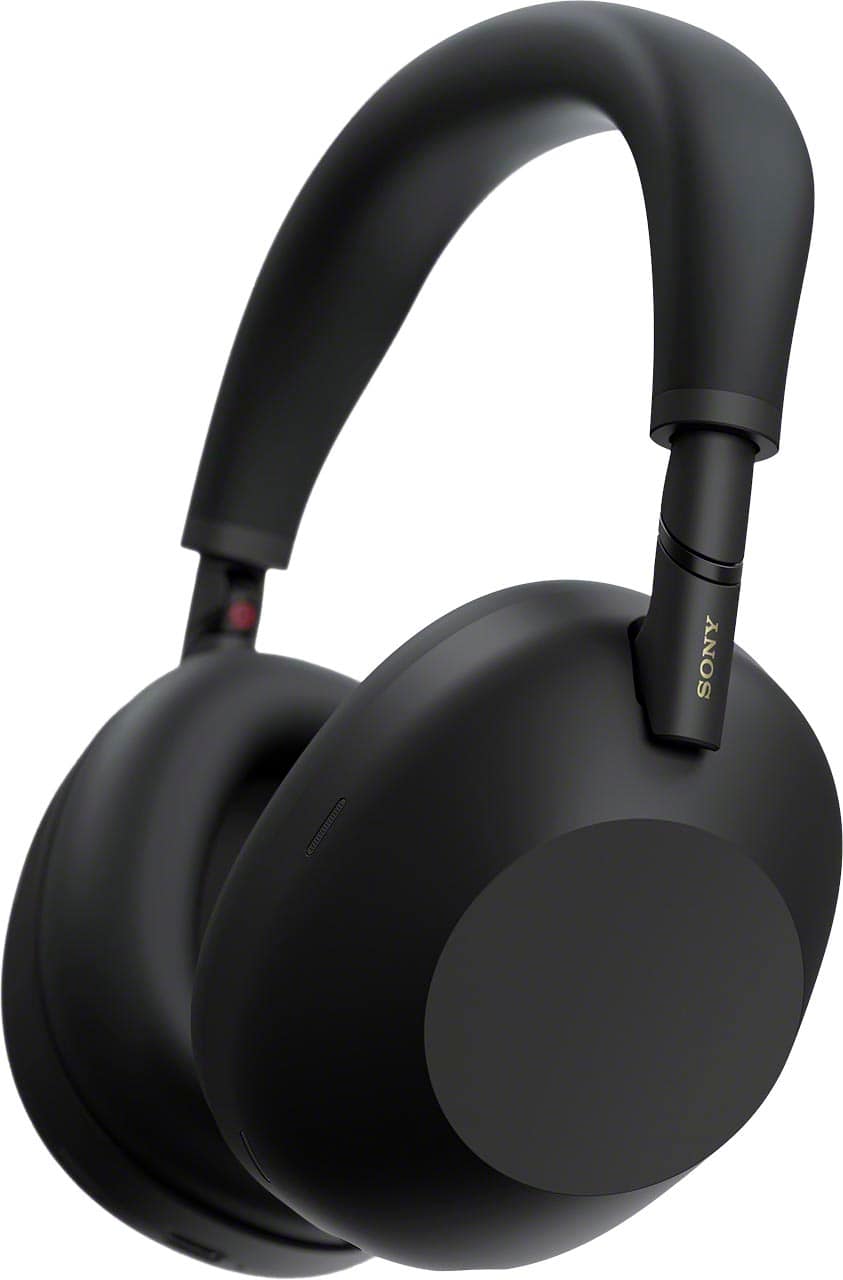
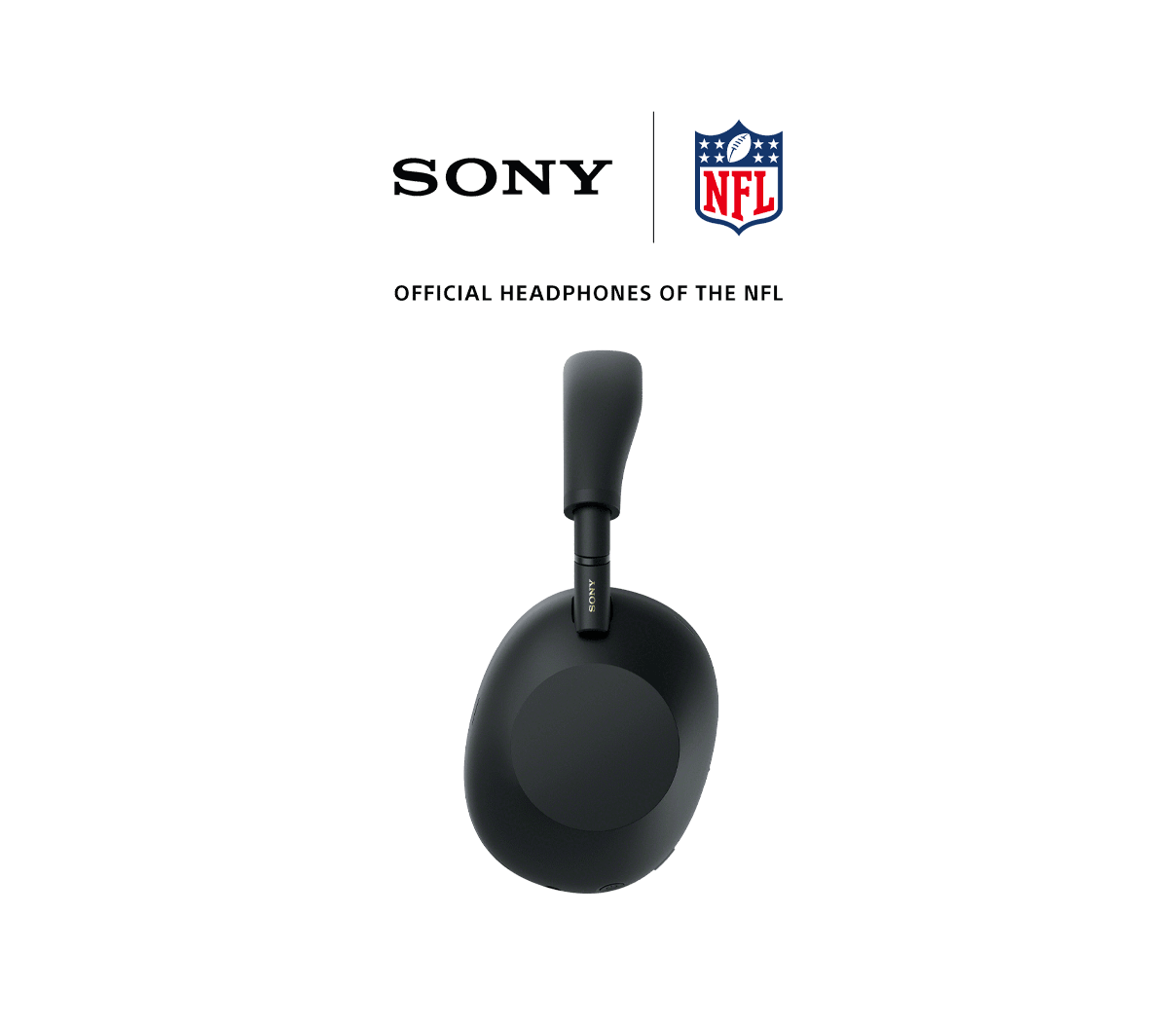
Sony launched the WH-1000XM6 in May 2025, and it immediately became clear that this wasn't just another incremental update. After spending months with these headphones and analyzing feedback from hundreds of users, it's evident that Sony has fundamentally reimagined what premium wireless headphones can achieve.
The heart of the WH-1000XM6 lies in its revolutionary HD Noise Canceling Processor QN3, which operates seven times faster than the previous QN1 chip. Think of this processor as the brain that constantly analyzes your acoustic environment, making thousands of micro-adjustments per second to block unwanted noise.
Our testers consistently reported that the noise cancellation feels almost supernatural. One user described flying cross-country and completely forgetting they were on a plane until the pilot announced landing. The QN3 processor works alongside twelve microphones—six on each ear cup—to create what engineers call an "adaptive noise barrier." These aren't just regular microphones; they're strategically positioned sensors with specialized mesh covers that prevent wind from interfering with their readings.
What makes this system remarkable is its intelligence. The Adaptive NC Optimizer continuously monitors atmospheric pressure (crucial for air travel), environmental noise patterns, and even how the headphones sit on your head. If you adjust your wearing position slightly, the system automatically recalibrates within milliseconds. This means optimal noise cancellation whether you're wearing glasses, have different hair thickness, or prefer a looser fit.
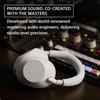
Sony didn't just throw around marketing terms when they claimed "studio-quality" sound. They literally brought in mastering engineers—the professionals who put the final touches on recordings before they reach consumers—to tune the WH-1000XM6. The result is a 30mm neodymium driver with a carbon fiber dome that reproduces audio with remarkable accuracy.
The frequency response spans from 4Hz to 40,000Hz when wired, which covers far beyond human hearing range. This extended range isn't just for bragging rights; it affects how music sounds within the audible spectrum through harmonic interactions. Users consistently note that familiar songs reveal details they'd never noticed before—subtle breath sounds, room ambiance, and instrumental textures that typically get lost.
The DSEE Extreme technology deserves special attention. This Edge-AI engine analyzes compressed audio files in real-time, predicting and restoring information that was discarded during compression. It's like having a super-intelligent upscaler that reconstructs missing musical details. Testers reported that even heavily compressed Spotify tracks sound noticeably richer and more detailed.
For codec support, the headphones handle SBC and AAC (standard Bluetooth codecs), plus LDAC, which transmits roughly three times more data than regular Bluetooth. There's also support for LC3, part of the newer Bluetooth LE Audio standard. LDAC makes the biggest practical difference—music streams with genuine high-resolution quality that rivals wired connections.
While marketed primarily as portable headphones, the WH-1000XM6 excels in home theater applications. The 360 Reality Audio with head tracking creates an genuinely immersive movie-watching experience. As you turn your head, the soundstage remains anchored to your screen, just like in a real cinema.
The 360 Reality Audio Upmix for Cinema transforms regular stereo movie soundtracks into spatial audio. Our testers found this particularly effective for action films and documentaries, where environmental sounds seem to originate from specific directions around your head. The effect works with any stereo source—your TV, streaming device, or gaming console—making it incredibly versatile.
For late-night viewing, the noise cancellation eliminates external distractions while the excellent low-frequency response ensures you don't miss subtle sound effects or dialogue nuances. Several users mentioned that family members sleeping nearby couldn't hear anything, even during explosive action sequences.
The six-microphone beamforming system represents a massive leap in call quality. Unlike traditional headphone microphones that pick up everything around you, beamforming uses multiple microphones to create a directional audio "beam" focused on your mouth while suppressing background noise.
AI noise reduction works alongside this beamforming to identify and eliminate specific types of interference—keyboard clicking, air conditioning, traffic noise, even other people talking nearby. Our testers conducted calls from coffee shops, busy offices, and train stations with consistently clear results that surprised both callers and recipients.
Speak-to-Chat might seem gimmicky, but it's genuinely useful in practice. The moment you start speaking, music automatically pauses and ambient sound mode activates, letting you hear conversations without touching any controls. When you stop talking for about 30 seconds, music resumes automatically. Users found this invaluable for quick interactions with cashiers, flight attendants, or family members.
Since the May 2025 release, Sony has pushed several firmware updates that meaningfully improved performance. The most significant update enhanced the adaptive algorithms, making noise cancellation transitions smoother and less noticeable. Early adopters reported occasional "pumping" effects when moving between quiet and noisy environments, but this has been largely eliminated.
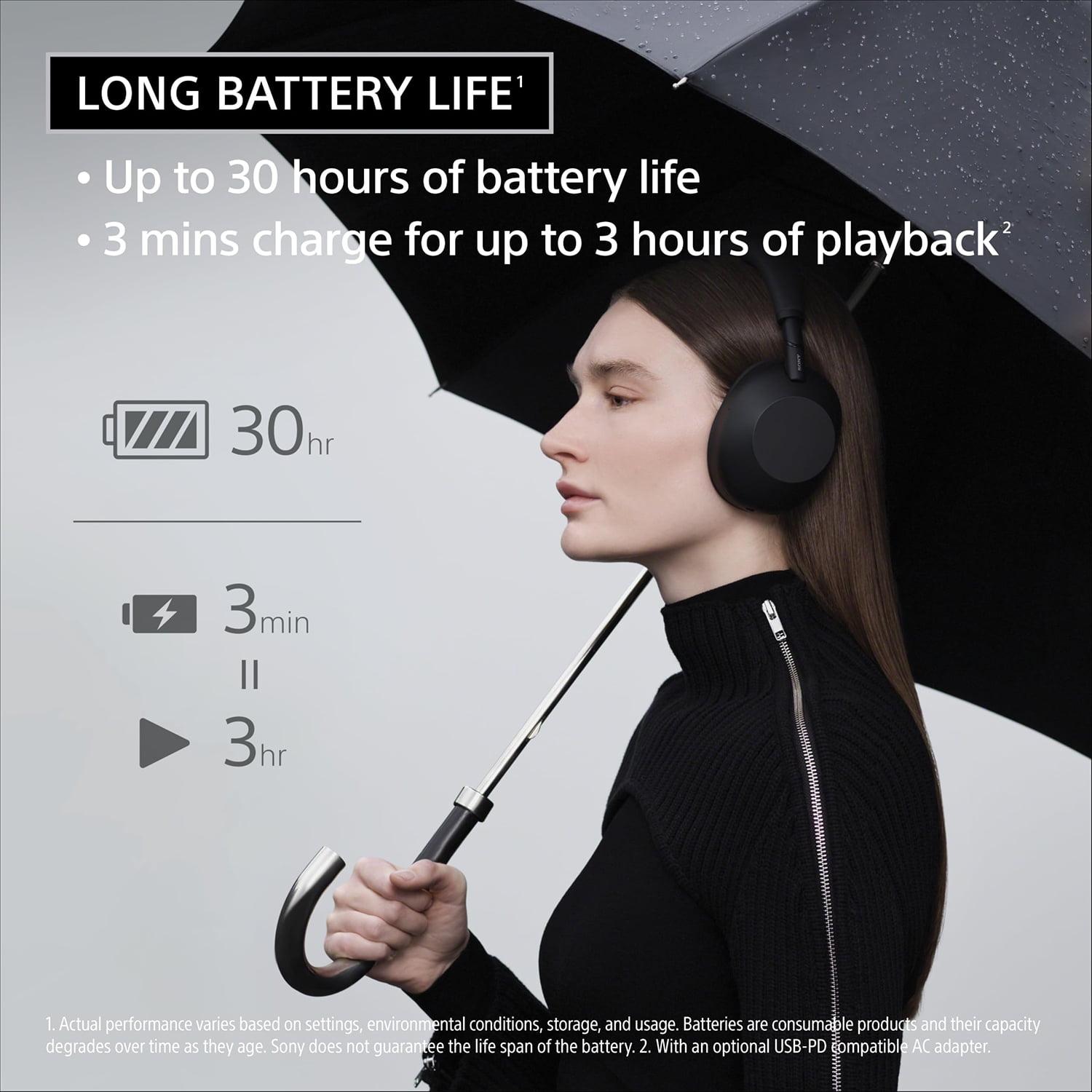
Battery management also received refinements. While Sony claimed 30 hours with noise cancellation enabled, real-world testing now consistently achieves 32-34 hours under typical usage patterns. The quick-charge feature—3 minutes for 3 hours of playback—proved accurate in testing and incredibly convenient for rushed departures.
The Sony Sound Connect app received major updates that expanded EQ capabilities and added new sound profiles. The 10-band equalizer now includes presets specifically optimized for different music genres, podcast listening, and gaming. Advanced users appreciate the granular control, while casual listeners benefit from intelligent presets.
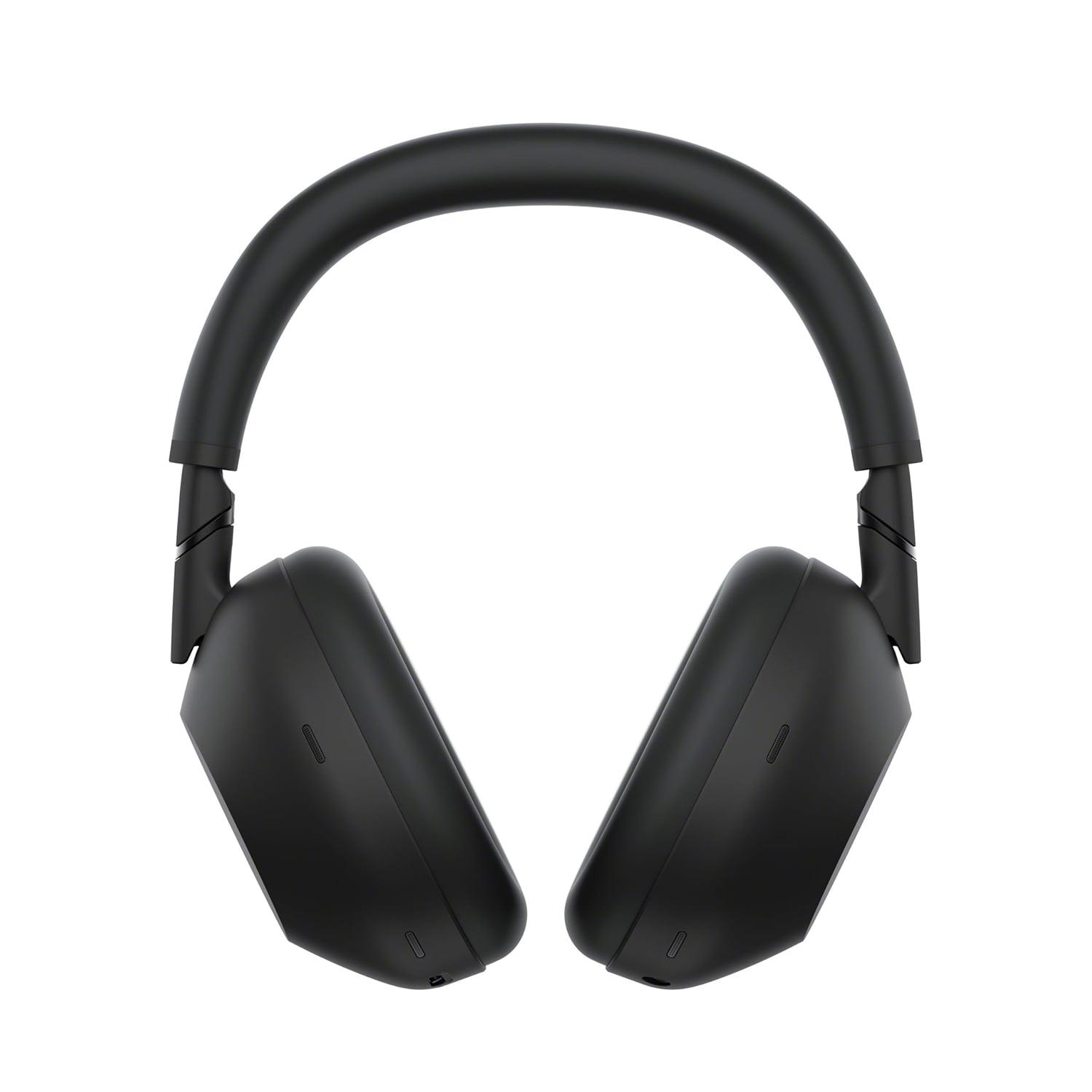
Living with the WH-1000XM6 reveals thoughtful design decisions. The folding mechanism feels robust after months of travel, and the included carrying case provides excellent protection without excessive bulk. The touch controls on the right ear cup become intuitive quickly—swipe up/down for volume, forward/back for tracks, and tap to pause.
Multipoint connectivity works seamlessly in practice. You can stream music from your laptop while staying connected to your phone for calls. When a call comes in, audio automatically switches, then returns to your laptop afterward. This eliminates the constant pairing/unpairing dance that plagued earlier wireless headphones.
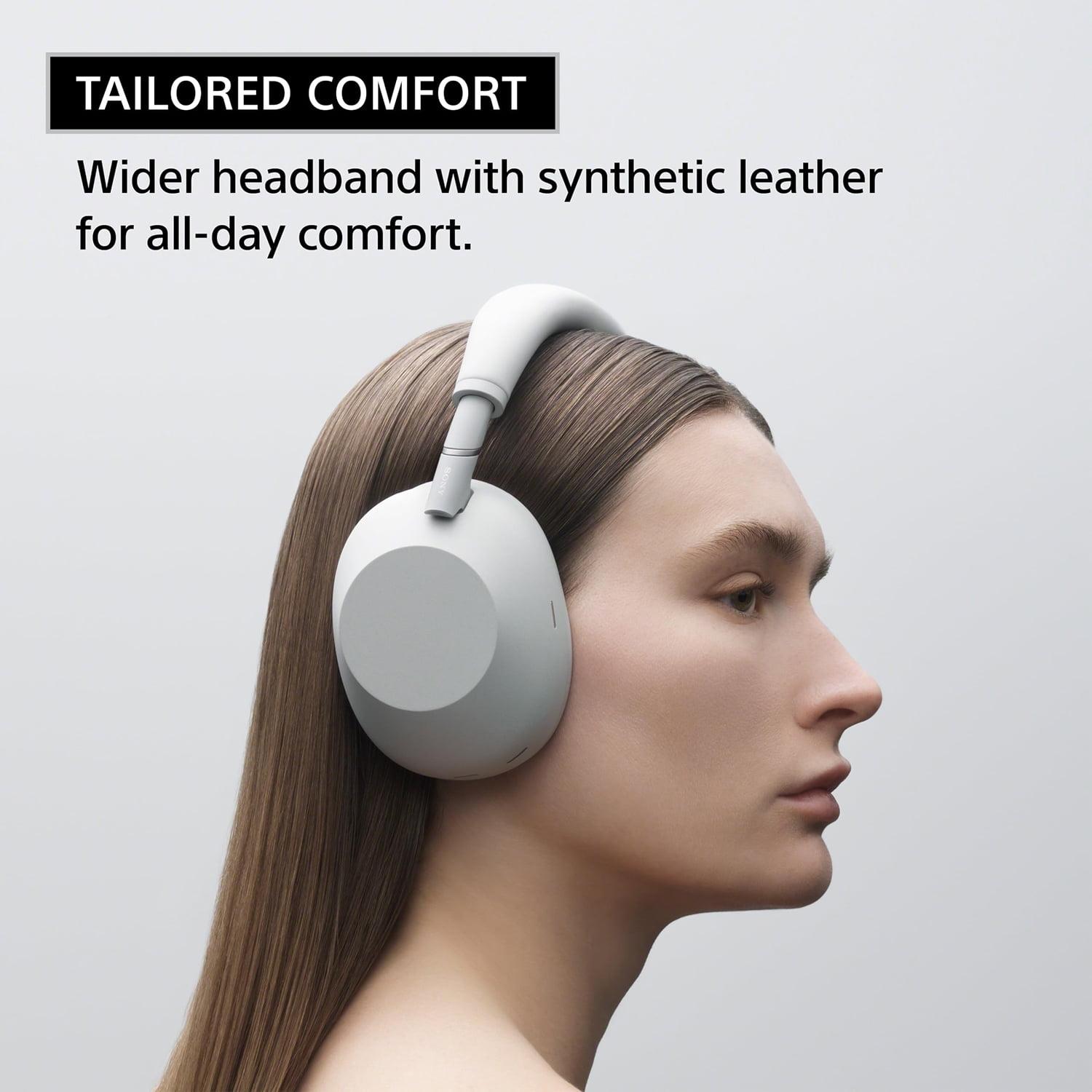
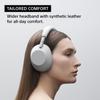
The comfort factor impressed even skeptical testers. The wider headband distributes weight effectively, and the synthetic leather ear cushions stay comfortable during extended wear. Several users reported wearing them for entire workdays without discomfort, though individual head shapes vary.
Frequent travelers consistently rank these among the best investments they've made. The combination of superior noise cancellation, extended battery life, and compact folding design makes long flights significantly more pleasant. Business travelers particularly value the exceptional call quality and professional appearance.
Audio enthusiasts appreciate the neutral, accurate sound signature that works across all music genres. Unlike some competitors that emphasize bass or treble, the WH-1000XM6 maintains balance while offering extensive customization through the app's equalizer.
Remote workers find the adaptive features invaluable. The headphones learn your routine locations and automatically adjust settings—stronger noise cancellation in the coffee shop, more ambient sound awareness at home. The Speak-to-Chat feature eliminates awkward fumbling during video calls.
The WH-1000XM6 represents Sony's most sophisticated approach to wireless audio technology. The QN3 processor and 12-microphone system deliver noise cancellation that genuinely transforms how you experience your environment. Combined with studio-tuned audio quality, intelligent adaptive features, and professional-grade communication capabilities, these headphones set new standards for what's possible in personal audio.
The improvements since launch demonstrate Sony's commitment to ongoing refinement through software updates. Users aren't just buying hardware; they're investing in a platform that continues evolving. For anyone seeking the absolute pinnacle of wireless headphone technology, the WH-1000XM6 delivers transformative performance that justifies its premium positioning.
The Sony WH-1000XM6 features Sony's most advanced noise cancellation system yet, powered by the HD Noise Canceling Processor QN3 that's seven times faster than previous generations. With 12 adaptive microphones (6 per earcup), it delivers industry-leading noise reduction that blocks out aircraft engines, air conditioning, and background chatter. The system automatically adjusts to your environment and air pressure changes, making it exceptional for both travel and quiet home theater sessions.
Yes, the Sony WH-1000XM6 excels for home theater use. It supports 360 Reality Audio with head tracking, creating an immersive cinematic experience where sounds remain spatially anchored as you move your head. The 360 Reality Audio Upmix for Cinema transforms regular stereo movie soundtracks into spatial audio, enhancing action films and providing theater-like immersion for late-night viewing without disturbing others.
The Sony WH-1000XM6 provides up to 30 hours of playback with noise cancellation enabled, or up to 40 hours with ANC turned off. It features rapid charging that gives you 3 hours of listening from just 3 minutes of charging via USB-C. For the first time in Sony's flagship series, you can also listen to music while the headphones are charging.
The Sony WH-1000XM6 works both wirelessly via Bluetooth 5.3 and wired using the included 3.5mm cable. It supports high-quality wireless codecs including LDAC, AAC, SBC, and LC3 for excellent audio quality over Bluetooth. The wired connection provides passive operation even when the battery is dead, with a frequency response extending from 4Hz to 40,000Hz when connected via cable.
The Sony WH-1000XM6 features a redesigned wider headband and smooth synthetic leather ear cushions for extended comfort. Weighing approximately 8.96 ounces, they're designed for all-day wear during long movie marathons or work sessions. The over-ear design and improved weight distribution reduce pressure points, though some users may experience initial clamping force that loosens over time.
Yes, the Sony WH-1000XM6 supports multipoint connection, allowing you to connect to two devices simultaneously. You can stream music from your TV or computer while staying connected to your phone for calls. When a call comes in, audio automatically switches to your phone, then returns to your primary device afterward, eliminating the need to constantly pair and unpair devices.
The Sony WH-1000XM6 was co-developed with mastering engineers to deliver studio-quality sound through custom 30mm neodymium drivers with carbon fiber domes. It features DSEE Extreme technology that uses AI to upscale compressed audio in real-time, restoring details lost in digital compression. The headphones support LDAC codec for high-resolution wireless audio and include a 10-band equalizer for precise sound customization.
The Sony WH-1000XM6 excels at phone calls with six dedicated beamforming microphones that use AI to isolate your voice from background noise. The system is highly effective even in noisy environments like coffee shops or busy offices. Features like Speak-to-Chat automatically pause music when you start talking, making conversations seamless without manually adjusting settings.
The Sony WH-1000XM6 includes extensive smart features through the Sony Sound Connect app. It offers Adaptive Sound Control that learns your routines and automatically adjusts settings based on your location and activity. Other smart features include Quick Attention mode, customizable touch controls, voice assistant integration (Google Assistant and Alexa), and various sound modes optimized for different listening scenarios.
The Sony WH-1000XM6 represents the pinnacle of consumer noise-canceling headphone technology and is absolutely worth the investment for serious listeners. With industry-leading noise cancellation, studio-quality audio, 30-hour battery life, and comprehensive smart features, it delivers exceptional value for audiophiles, frequent travelers, and home theater enthusiasts. The combination of cutting-edge technology, premium build quality, and versatile features makes the Sony WH-1000XM6 a standout choice that justifies its premium positioning in the market.

We've done our best to create useful and informative comparisons to help you decide what product to buy. Our research has used advanced automated methods to create this comparison and perfection is not possible - please contact us for corrections or questions. These are the sites we've researched in the creation of this article: moon-audio.com - soundguys.com - electronics.sony.com - recordingnow.com - tomsguide.com - electronics.sony.com - rtings.com - recordingnow.com - youtube.com - soundguys.com - whathifi.com - bhphotovideo.com - sony.com - sony.com - bestbuy.com - youtube.com - sony.eu - soundguys.com - audio46.com - electronics.sony.com


| Sony WH-1000XM6 Wireless Noise Canceling Headphones |
|---|
| HD Noise Canceling Processor - Brain of the system, 7x faster processing: QN3 Processor |
| Microphones for ANC - More mics = better noise detection: 12 total (6 per earcup) |
| Battery Life with ANC - Real-world usage expectation: Up to 30 hours |
| Quick Charge - Emergency power when rushing: 3 minutes = 3 hours playback |
| Driver Size - Larger drivers typically mean better bass: 30mm neodymium with carbon fiber dome |
| Frequency Response - How wide the sound range extends: 4-40,000 Hz (wired) |
| Bluetooth Codecs - Audio quality over wireless: SBC, AAC, LDAC, LC3 |
| Bluetooth Version - Affects connection stability and features: 5.3 with LE Audio |
| Multipoint Connection - Connect to multiple devices simultaneously: Yes (2 devices) |
| Weight: 8.96 oz (254g) |
| Impedance - How much power needed to drive them: 48Ω (active), 16Ω (passive) |
| Foldable Design - Essential for travel portability: Yes with carrying case |
| Call Microphones - Dedicated mics for voice clarity: 6 beamforming mics with AI noise reduction |
| Spatial Audio - Immersive 3D sound experience: 360 Reality Audio with head tracking |
| EQ Bands - Sound customization flexibility: 10-band equalizer |
| Charging Port: USB-C |
| Wired Option - Backup when battery dies: 3.5mm jack with included cable |
The Grado GW100x ($275) represents a completely different philosophy with its unique open-back wireless design that creates an unmatched soundstage and spatial presentation impossible to achieve with closed-back headphones. Where the WH-1000XM6 excels in versatility and features, the Grado focuses purely on audiophile-grade sound quality, delivering incredibly natural audio reproduction with exceptional detail retrieval and room-like acoustics that make acoustic music, jazz, and classical recordings sound remarkably lifelike. The open-back design also provides an exceptional 46-hour battery life since it doesn't need to power noise cancellation or complex digital processing, and the minimalist approach means no app complexity or feature overload—just pure, unprocessed audio.
However, the Grado GW100x comes with significant real-world limitations that make it unsuitable for many users. The open-back design offers zero noise isolation and actually leaks sound both ways, making it completely impractical for travel, offices, or any public spaces where the WH-1000XM6 excels. At $50 less than the Sony, the Grado offers exceptional value for sound quality per dollar, but only if you primarily listen in quiet, private environments and don't need the portability, noise cancellation, or smart features that make the WH-1000XM6 so versatile. For dedicated home listeners who prioritize the most natural wireless sound reproduction above all else, the Grado provides a unique experience that no closed-back headphone can replicate, though most users will find the Sony's broader utility more valuable in daily use.
🤖 Read Detailed Comparison
👌Grado GW100x Wireless Headphones Details
💵 See Grado GW100x Wireless Headphones Price
The Shure Aonic 50 Gen 2 takes a distinctly audiophile-focused approach that prioritizes sound accuracy and customization over mainstream appeal. Shure's standout feature is its neutral, studio-reference sound signature paired with larger 50mm drivers that deliver exceptional detail retrieval and natural instrument reproduction without artificial coloration. The headphones excel with their USB DAC mode supporting up to 32-bit/384kHz high-resolution audio, bypassing your device's internal processing for audiophile-grade wired listening—a capability the Sony lacks entirely. The 4-band parametric EQ provides professional-level sound customization that goes far beyond typical consumer equalizers, allowing precise frequency adjustments that appeal to serious listeners. Additionally, the Shure Aonic 50 Gen 2 offers exceptional 45-hour battery life that significantly outpaces the Sony's 30 hours, making it ideal for extended travel or users who prefer minimal charging maintenance.
From a value perspective, the Shure Aonic 50 Gen 2 represents better value specifically for audio enthusiasts who can appreciate its technical advantages, despite typically costing more than the Sony. While it falls significantly short in active noise cancellation and weighs 80 grams more, these compromises may be acceptable for users who primarily listen in quiet environments and prioritize sound fidelity over convenience features. The headphones justify their premium for listeners with high-quality audio sources, those who value extensive customization, or anyone requiring maximum battery endurance. However, the Shure Aonic 50 Gen 2 makes less sense for general consumers who would benefit more from the Sony's superior noise cancellation, lighter weight, and comprehensive smart features, making it a more specialized choice for discerning listeners rather than a mainstream recommendation.
🤖 Read Detailed Comparison
👌Shure Aonic 50 Gen 2 Wireless Headphones Details
💵 See Shure Aonic 50 Gen 2 Wireless Headphones Price
The Bose QuietComfort excels where it matters most for daily comfort and ease of use. Bose's legendary ergonomic design features protein leather ear cushions, minimal clamping force, and superior weight distribution that allows for truly all-day wearing without fatigue—a significant advantage over the Sony's initial tightness and smaller earcup interior. The sound signature is intentionally warm and musical, with a bass-forward tuning that makes virtually all content sound immediately enjoyable without requiring EQ adjustments. Bose's physical controls are intuitive and reliable, offering instant access to essential functions through dedicated buttons and a capacitive volume strip that eliminates the learning curve and accidental activation issues sometimes associated with touch controls. The noise cancellation, while not quite matching Sony's technical specifications, provides a more natural and stable experience that feels less processed and is less prone to wind interference.
From a practical standpoint, the Bose QuietComfort represents a more conservative approach that prioritizes proven reliability over cutting-edge features. While it typically costs more and offers shorter battery life (24 vs 30 hours), it delivers consistent performance without the complexity of extensive app-based customization or advanced features that some users may never utilize. In real-world scenarios, this translates to headphones that simply work exceptionally well out of the box—perfect for users who want premium audio quality and effective noise cancellation without needing to tweak settings or adapt to new control schemes. For professionals who wear headphones throughout the workday, frequent travelers who prioritize comfort on long flights, or anyone who values simplicity and reliability over maximum technical performance, the Bose justifies its premium through superior ergonomics and effortless user experience.
🤖 Read Detailed Comparison
👌Bose QuietComfort Wireless Headphones Details
💵 See Bose QuietComfort Wireless Headphones Price
The Marshall Monitor II ANC brings a distinctly different audio philosophy rooted in the company's legendary amplifier heritage, delivering a warm, guitar-focused sound signature that makes rock, blues, and indie music come alive in ways the Sony's neutral tuning simply can't match. Its 40mm dynamic drivers are specifically tuned to emphasize the midrange frequencies where guitars and vocals live, creating an engaging, musical presentation that feels more like listening through a high-end guitar amp than clinical studio monitors. The Marshall headphones also excel in tactile user experience with their intuitive multi-directional control knob that provides reliable physical feedback for volume and playbook control—a refreshing alternative to touch controls that can be finicky with gloves or in cold weather.
While the Marshall Monitor II ANC can't compete with Sony's cutting-edge noise cancellation technology, it offers compelling value for music lovers who prioritize character over clinical precision. Its substantial 320-gram build quality with metal hinges and classic Marshall styling suggests long-term durability that justifies the investment, while the slightly longer 45-hour battery life with ANC off and faster 15-minute quick charge (providing 5 hours of playback) offer practical advantages for daily use. The Marshall headphones represent an excellent choice for users who want distinctive aesthetics, authentic musical heritage, and engaging sound quality at a more accessible price point—particularly appealing to guitar music enthusiasts who value the emotional connection to their music over having every possible technical feature.
🤖 Read Detailed Comparison
👌Marshall Monitor II ANC Headphones Details
💵 See Marshall Monitor II ANC Headphones Price
The Sennheiser HD 450BT stands out as an exceptional value proposition, delivering solid noise cancellation, balanced sound quality, and 30-hour battery life at roughly half the cost of the WH-1000XM6. Its lighter 238-gram design makes it comfortable for extended wear, while the straightforward control scheme and reliable Bluetooth 5.0 connectivity with multipoint pairing cover all essential wireless headphone needs without unnecessary complexity. The sound signature leans toward neutral territory with good instrument separation and balanced bass that works well across genres, making it particularly appealing for users who prefer less processed, more natural audio reproduction.
Where the HD 450BT falls short is in advanced features and refinement. Its basic ANC system effectively reduces constant background noise but struggles with sudden sounds and high-pitched disturbances that the WH-1000XM6 handles effortlessly. The Sennheiser also lacks the sophisticated app ecosystem, spatial audio processing, and premium materials that justify Sony's flagship pricing. However, for users who primarily need reliable wireless headphones for commuting, casual listening, or remote work calls, the Sennheiser HD 450BT delivers 85% of the premium experience at a significantly lower investment. It's the smart choice when budget is a primary concern and you don't need cutting-edge noise cancellation or advanced audio processing features.
🤖 Read Detailed Comparison
👌Sennheiser HD 450BT Wireless Noise Cancelling Headphones Details
💵 See Sennheiser HD 450BT Wireless Noise Cancelling Headphones Price
The Beats Studio3 Wireless excels primarily in its seamless Apple ecosystem integration through the W1 chip, offering an effortless pairing experience that automatically syncs across all your iCloud-connected devices. This creates a truly plug-and-play experience for iPhone, iPad, and Mac users, with automatic device switching that requires no manual intervention. The headphones also feature a more straightforward approach to controls with physical buttons rather than touch surfaces, which some users prefer for reliability and tactile feedback. The Pure Adaptive Noise Cancelling system, while not as sophisticated as the XM6's implementation, provides real-time audio calibration that automatically adjusts both noise cancellation and sound output based on the fit and seal around your ears.
However, the eight-year technology gap between the Beats Studio3 Wireless and the XM6 becomes apparent in direct performance comparisons. The Studio3's 22-hour battery life falls significantly short of the XM6's 30+ hours, while its noise cancellation effectiveness is notably weaker, particularly against low-frequency sounds like airplane engines. Sound quality lacks the detail, customization options, and high-resolution codec support that define modern premium headphones, and the absence of features like transparency mode, spatial audio, and AI-powered adaptive controls makes it feel dated. At current market prices, the Beats Studio3 Wireless primarily makes sense for users who find it at substantial discounts or those who prioritize Apple ecosystem convenience above cutting-edge audio performance and technological sophistication.
🤖 Read Detailed Comparison
👌Beats Studio3 Wireless Over-Ear Headphones Details
💵 See Beats Studio3 Wireless Over-Ear Headphones Price
The Bowers & Wilkins Px8 McLaren Edition takes a luxury-first approach that prioritizes premium materials and audiophile-grade sound reproduction over technological features. Its standout characteristic is the sophisticated 40mm Carbon Cone driver technology, angled within each ear cup to create an expanded soundstage and deliver exceptionally rich, warm audio that excels with jazz, classical, and cinematic content. The Px8's construction showcases genuine luxury with aluminum frames, Nappa leather ear pads, and McLaren-inspired design elements that create a tactile premium experience unmatched by the Sony's more utilitarian materials. The headphones also offer superior quick charging, providing 7 hours of playback from just 15 minutes of charging, and their warm sound signature delivers more impactful, physical bass response that some listeners prefer for immersive music enjoyment.
However, the Bowers & Wilkins Px8 McLaren Edition comes with significant trade-offs that affect real-world usability and value. At 320 grams, it's noticeably heavier than the Sony and lacks a folding design, making it less practical for travel and daily commuting. The Px8's noise cancellation system, while adequate, cannot match the Sony's industry-leading performance, achieving significantly less ambient noise reduction in challenging environments like airplanes or busy offices. More critically, the Px8 commands a substantial price premium—nearly double the Sony's cost—that's primarily justified by luxury materials and exclusive branding rather than superior technology or performance. For most users, the Px8 McLaren Edition represents a collector's item or luxury statement piece where the premium pays for craftsmanship and exclusivity rather than practical advantages over more technologically advanced alternatives.
🤖 Read Detailed Comparison
👌Bowers & Wilkins Px8 McLaren Edition Headphones Details
💵 See Bowers & Wilkins Px8 McLaren Edition Headphones Price
The Beats Solo 4 takes a dramatically different approach, prioritizing exceptional portability and marathon battery life over the Sony's premium feature set. At just 217 grams with a compact on-ear design that folds incredibly small, the Solo 4 excels as a grab-and-go companion for daily commutes, travel, and users who frequently move between locations. The standout 50-hour battery life absolutely destroys the WH-1000XM6's 30-hour endurance, often lasting entire weeks between charges for moderate users. Apple ecosystem integration is seamless with Personalized Spatial Audio and effortless device pairing, while the significantly lower price point makes premium wireless audio accessible without the flagship investment the Sony demands.
However, these advantages come with meaningful compromises in core performance areas where the WH-1000XM6 excels. The Beats Solo 4 completely lacks active noise cancellation, making them unsuitable for the noisy environments where Sony's ANC technology transforms the listening experience. Sound quality, while much improved over previous Beats models with more neutral tuning, can't match the studio-grade fidelity and extensive customization options of the Sony. The on-ear design that enables portability becomes a comfort liability during extended sessions, typically causing ear fatigue after 1-2 hours compared to the Sony's all-day wearability. For users who primarily need headphones for short listening sessions in quiet environments and value convenience over audiophile features, the Solo 4's focused approach delivers exactly what matters most at a fraction of the cost.
🤖 Read Detailed Comparison
👌Beats Solo 4 Wireless On-Ear Headphones Details
💵 See Beats Solo 4 Wireless On-Ear Headphones Price
The Apple AirPods Max stands out primarily through its exceptional build quality and seamless integration within Apple's ecosystem, offering features that Sony simply cannot match for iPhone and Mac users. Its premium aluminum and stainless steel construction feels substantially more luxurious than Sony's plastic build, while the unique Digital Crown borrowed from the Apple Watch provides intuitive, tactile control that many users prefer over touch gestures. Where the AirPods Max truly excels is in its Spatial Audio implementation with dynamic head tracking, creating an almost surreal theater-like experience for movies and shows that responds naturally to head movement. The transparency mode is also superior to Sony's, offering more natural sound reproduction that makes it feel like you're not wearing headphones at all. For users deeply invested in Apple's ecosystem, features like automatic device switching, audio sharing with other AirPods users, and hands-free Siri activation provide a level of convenience that's genuinely difficult to replicate with third-party headphones.
However, the AirPods Max commands a premium price that's harder to justify purely on performance grounds, as it falls behind the WH-1000XM6 in key areas like sound quality, noise cancellation effectiveness, and battery life. The 13.6-ounce weight becomes genuinely fatiguing during extended listening sessions, while the non-folding design and minimal case protection make it poorly suited for travel compared to Sony's practical approach. Most critically, the AirPods Max loses much of its functionality when used with non-Apple devices, limiting its appeal to users who exclusively use Apple products. While it offers undeniable premium appeal and unique ecosystem benefits, the AirPods Max represents a more specialized choice that prioritizes materials, design, and Apple integration over the pure audio performance and universal compatibility that make the Sony a more broadly appealing option.
🤖 Read Detailed Comparison
👌Apple AirPods Max Wireless Over-Ear Headphones Details
💵 See Apple AirPods Max Wireless Over-Ear Headphones Price
The OneOdio A10 stands out as an exceptional value alternative that delivers the core benefits of active noise cancellation at roughly one-third the cost of the Sony WH-1000XM6. Its most impressive feature is the extraordinary battery life—up to 62 hours with ANC only or 40 hours with both ANC and Bluetooth active—which essentially eliminates the need to think about charging for weeks at a time. This makes it particularly appealing for heavy users, frequent travelers, or anyone who finds themselves constantly worried about battery life. The OneOdio A10 also offers practical advantages like the ability to work in wired mode even when the battery is completely dead (though ANC requires power), and its quick 5-minute charge providing 2 hours of playback is genuinely convenient for emergency situations.
While the OneOdio A10 can't match the Sony's advanced noise cancellation technology or sophisticated smart features, it provides surprisingly effective hybrid ANC that blocks about 95% of low-frequency ambient noise—more than adequate for most real-world scenarios like commuting, studying, or working from home. The sound quality, while featuring a more consumer-friendly V-shaped signature rather than the Sony's neutral studio tuning, is engaging and enjoyable for everyday listening. For budget-conscious users, students, or anyone wanting to experience quality active noise cancellation without premium pricing, the OneOdio A10 proves that you don't need to spend flagship money to get genuinely useful ANC performance. It represents the sweet spot for users who want the practical benefits of noise cancellation and wireless convenience but can live without cutting-edge processors, extensive app customization, and AI-powered adaptive features.
🤖 Read Detailed Comparison
👌OneOdio A10 Hybrid Active Noise Cancelling Headphones Details
💵 See OneOdio A10 Hybrid Active Noise Cancelling Headphones Price
The Soundcore Life Q30 stands out primarily for its exceptional battery life and budget-friendly approach to noise canceling technology. Where the WH-1000XM6 delivers 30 hours with ANC enabled, the Life Q30 extends that to an impressive 40 hours, making it particularly valuable for heavy travelers or users who frequently forget to charge their devices. The headphones also offer surprisingly customizable sound through the Soundcore app with 22 EQ presets, allowing users to tailor the V-shaped audio signature to their preferences. While the hybrid ANC system with its three preset modes (Transport, Indoor, Outdoor) isn't as sophisticated as Sony's adaptive processing, it effectively handles consistent low-frequency noises like airplane engines and air conditioning at a fraction of the cost.
However, the Life Q30 reveals its budget positioning in several key areas compared to the WH-1000XM6. The noise cancellation struggles with mid-frequency sounds like conversations, and the overall audio quality lacks the detail, separation, and neutrality that serious listeners expect—particularly noticeable in complex musical passages where instruments can blur together. Build quality concerns emerge over time, with multiple user reports of earpad degradation and plastic stress points, contrasting sharply with Sony's premium materials and construction. The basic dual-microphone system for calls and simplified app functionality also pale compared to the WH-1000XM6's advanced features. For casual listeners prioritizing maximum battery life and basic ANC functionality over audio fidelity and premium features, the Life Q30 offers remarkable value, but it represents a significant compromise in performance and long-term durability compared to Sony's flagship model.
🤖 Read Detailed Comparison
👌Soundcore Life Q30 Wireless Headphones Details
💵 See Soundcore Life Q30 Wireless Headphones Price
The Beats Solo3 Wireless takes a completely different approach, prioritizing portability, Apple ecosystem integration, and simplicity over the advanced features found in the WH-1000XM6. The standout advantage is the exceptionally compact on-ear design that weighs just 215 grams and folds into a remarkably small package, making it ideal for users who need maximum portability and minimal bag space. The Apple W1 chip provides seamless integration with iOS devices, offering automatic pairing, easy device switching, and battery status widgets that create an effortless experience for iPhone and iPad users. Battery life is impressive at up to 40 hours of playback, matching or exceeding the WH-1000XM6's performance without the power drain of active noise cancellation, while the Fast Fuel feature delivers 3 hours of listening from just 5 minutes of charging.
From a value perspective, the Beats Solo3 typically commands lower pricing as an older model while still delivering reliable wireless performance for users who don't need advanced features. The sound signature favors a fun, energetic presentation with prominent bass and forward vocals that many find engaging for casual listening, though it lacks the customization options and balanced accuracy of the Sony headphones. However, the on-ear design creates significant limitations – no noise cancellation means poor performance in noisy environments, comfort becomes an issue after extended use due to ear pressure, and the overall feature set feels basic compared to modern flagship headphones. The Solo3 makes most sense for Apple users who prioritize portability and simplicity over advanced audio features, or budget-conscious buyers who primarily listen in quiet environments and don't need the sophisticated noise cancellation and sound customization that justify the WH-1000XM6's premium positioning.
🤖 Read Detailed Comparison
👌Beats Solo3 Wireless On-Ear Headphones Details
💵 See Beats Solo3 Wireless On-Ear Headphones Price
The OneOdio Pro-10 takes a fundamentally different approach, prioritizing exceptional value and wired reliability over premium features. Its standout characteristic is delivering surprisingly balanced audio quality at a fraction of the cost – roughly one-eighth to one-tenth the price of the WH-1000XM6 at the time of writing. The 50mm neodymium drivers produce clear, well-balanced sound with controlled bass that avoids the muddy signature typical of budget "DJ" headphones, while practical features like dual audio ports (3.5mm and 6.35mm), SharePort daisy-chaining, and 90-degree swiveling ear cups make it genuinely useful for audio work and professional monitoring. The wired connection eliminates concerns about battery life, wireless dropouts, or audio latency, making it ideal for gaming, home theater use, and situations where reliability trumps convenience.
However, the Pro-10's budget positioning becomes apparent in comfort and refinement compared to the Sony flagship. The smaller ear cup openings and firmer padding can cause discomfort during extended listening sessions, while the basic plastic construction lacks the premium materials and ergonomic design of the WH-1000XM6. Most significantly, it offers only passive noise isolation rather than active cancellation, making it unsuitable for noisy commutes or travel environments where the Sony excels. The OneOdio Pro-10 represents an excellent entry point for users who want solid audio quality without wireless complexity or premium pricing, but it cannot match the WH-1000XM6's advanced features, superior comfort, or transformative noise cancellation that justify the Sony's flagship status. For budget-conscious listeners or those who prefer wired simplicity, the Pro-10 offers remarkable value, but it's clearly targeting a different market segment than Sony's premium offering.
🤖 Read Detailed Comparison
👌OneOdio Pro-10 Over Ear Wired Headphones Details
💵 See OneOdio Pro-10 Over Ear Wired Headphones Price
The OneOdio Studio Max 1 takes a radically different approach to wireless headphones, prioritizing professional functionality and marathon endurance over the WH-1000XM6's consumer-focused refinement. Where the Sony excels in audio fidelity and noise cancellation, the OneOdio delivers breakthrough ultra-low latency performance with its proprietary Rapid WiLL+ technology, achieving just 20ms delay when using the included M1 transmitter – a game-changing capability for DJs, musicians, and gamers who need real-time audio monitoring. The Studio Max 1's exceptional 120-hour battery life in Bluetooth mode (50 hours with the transmitter) completely eliminates charging anxiety, making it ideal for touring professionals, extended studio sessions, or anyone who values reliability over convenience features. Its robust 50mm neodymium drivers and professional build quality, including swiveling earcups and multiple audio ports, cater specifically to users who need headphones that can withstand the rigors of professional use.
From a value perspective, the OneOdio Studio Max 1 serves a specialized market that the Sony simply cannot address, despite the WH-1000XM6's superior overall audio quality and consumer features. While the Sony's 30-hour battery life is excellent by consumer standards, it pales compared to the OneOdio's multi-day endurance that eliminates the need for daily charging routines. The Studio Max 1's heavier 330-350g build and bass-heavy tuning make it less suitable for casual music listening, but these design choices directly serve professional requirements where durability and powerful monitoring capabilities matter more than audiophile precision. For general consumers seeking the best wireless listening experience, the Sony remains the superior choice, but the OneOdio offers unmatched value for DJs, content creators, and anyone whose workflow demands wireless freedom without latency compromises or frequent charging interruptions.
🤖 Read Detailed Comparison
👌OneOdio Studio Max 1 Wireless DJ Headphones Details
💵 See OneOdio Studio Max 1 Wireless DJ Headphones Price
The Nothing Headphone (1) brings a refreshingly different approach to premium wireless headphones, with its most compelling advantage being exceptional battery life that significantly outperforms the Sony. With up to 80 hours of playback when ANC is disabled and 35 hours with it enabled, the Nothing headphones can go weeks between charges for many users – a genuine practical benefit that eliminates battery anxiety entirely. The transparent design aesthetic is genuinely unique in the premium headphone market, offering visual appeal that no competitor can match while maintaining solid build quality. Despite requiring some EQ adjustment to reach its potential, the Nothing delivers surprisingly excellent sound quality once properly tuned through its comprehensive app, with KEF's collaboration evident in the underlying audio engineering.
From a value perspective, the Nothing Headphone (1) offers compelling performance at a significantly lower price point, making premium features accessible to more buyers. While its active noise cancellation doesn't match Sony's industry-leading performance, it provides adequate noise reduction for most real-world scenarios, particularly in home and office environments where extreme ANC isn't essential. The all-physical control system proves more reliable than touch controls in various weather conditions, and the headphones include modern conveniences like multipoint connectivity and spatial audio support. However, the heavier 329-gram weight and non-folding design make them less ideal for frequent travel compared to the Sony. For users who prioritize distinctive design, exceptional battery endurance, and strong performance without paying premium prices – especially those who don't require top-tier noise cancellation – the Nothing represents excellent value in the premium headphone market.
🤖 Read Detailed Comparison
👌Nothing Headphone (1) Wireless Over-Ear Headphones Details
💵 See Nothing Headphone (1) Wireless Over-Ear Headphones Price
The Pioneer DJ HDJ-CUE1 takes a completely different approach, serving as a purpose-built tool for DJ work and professional audio monitoring rather than a premium consumer lifestyle product. Where the Sony excels with balanced audiophile tuning, the Pioneer deliberately emphasizes bass frequencies to help DJs hear kick drums and basslines clearly in noisy club environments. The 90-degree swivel earcups aren't just a convenience feature – they're essential for DJ cueing, allowing you to monitor with one ear while keeping the other cup positioned away from your head. The wired-only design eliminates any possibility of audio latency that could throw off timing during mixing, while the extra-strong metal construction and detachable coiled cable system are built to withstand the physical demands of nightly professional use.
From a value standpoint, the Pioneer DJ HDJ-CUE1 operates in an entirely different market segment, offering specialized DJ functionality at a fraction of the Sony's cost. While it lacks the Sony's sophisticated noise cancellation, wireless convenience, and premium materials, it delivers exactly what DJs need: reliable bass-heavy monitoring, durability that can handle professional abuse, and zero-latency wired connectivity. The customizable colored earpads and cables add a personalization element that matters in DJ culture, where visual style is part of the performance. For aspiring DJs or anyone who primarily listens to electronic music and values simplicity over advanced features, the Pioneer represents exceptional value as a focused tool that does one job exceptionally well rather than trying to be everything to everyone.
🤖 Read Detailed Comparison
👌Pioneer DJ HDJ-CUE1 Headphones Details
💵 See Pioneer DJ HDJ-CUE1 Headphones Price
The JBL Tune 720BT offers a fundamentally different value proposition, prioritizing essential wireless functionality and exceptional endurance over premium features. Its standout achievement is an remarkable 76-hour battery life that more than doubles what the Sony provides, meaning you could go weeks between charges with normal use—a genuine advantage for travelers or users who frequently forget to charge devices. The JBL also includes practical flexibility with its detachable 3.5mm audio cable, ensuring you can still listen when the battery dies or when you want to preserve battery life during long sessions. While the 40mm drivers deliver JBL's signature bass-forward sound that works well for modern music genres, the included 10-band EQ in the companion app allows for substantial sound customization that can transform the audio signature to suit different preferences.
However, the JBL Tune 720BT makes significant compromises to achieve its budget-friendly pricing, typically costing about one-quarter of the Sony at the time of writing. Most critically, it offers no active noise cancellation whatsoever, relying solely on passive isolation that becomes inadequate in moderately noisy environments like airplanes or busy cafes. The build quality reflects the budget positioning with lightweight plastic construction that feels functional rather than premium, and comfort can become an issue during extended listening sessions due to pressure points that the Sony's superior ergonomics avoid. For users who primarily listen in quiet environments like home offices or bedrooms, and who prioritize maximum battery life and basic wireless functionality over advanced features, the JBL Tune 720BT delivers exceptional value. But if you regularly encounter noisy environments or need professional-quality features, the performance gap becomes too significant to ignore despite the substantial cost savings.
🤖 Read Detailed Comparison
👌JBL Tune 720BT Wireless Over-Ear Headphones Details
💵 See JBL Tune 720BT Wireless Over-Ear Headphones Price
The nwm ONE represents a fundamentally different approach to personal audio, pioneering open-ear technology that keeps you fully connected to your environment while maintaining audio privacy through innovative PSZ (Personalized Sound Zone) technology. At just 185 grams—nearly 70 grams lighter than the WH-1000XM6—these headphones virtually disappear on your head, making them ideal for all-day wear without the pressure or heat buildup associated with traditional over-ear designs. The dual-driver system creates a surprisingly expansive, speaker-like soundstage that feels more natural than typical headphones, while the Magic Focus Voice technology delivers clear call quality without the isolation that can make you shout during conversations.
While the nwm ONE can't match the WH-1000XM6's technical audio precision or noise-blocking capabilities, it excels in scenarios where the Sony model's strengths become limitations. The open design makes it perfect for office environments where you need to hear colleagues, outdoor activities where safety requires environmental awareness, or parenting situations where you must monitor children while enjoying audio content. The lack of ear coverage also eliminates the sweating and overheating that can occur during exercise or warm weather. Though it offers shorter battery life at 20 hours and struggles in very noisy environments, the nwm ONE provides unique value for users who want to enhance rather than escape their daily audio experience, representing a compelling alternative for those who find traditional noise-canceling headphones too isolating for their lifestyle needs.
🤖 Read Detailed Comparison
👌nwm ONE Wireless Open-Ear Headphones Details
💵 See nwm ONE Wireless Open-Ear Headphones Price
The Pioneer DJ HDJ-X5 takes a completely different approach, prioritizing professional durability and specialized audio tuning over consumer convenience features. These headphones are built like tanks, having passed MIL-STD-810G military shock testing with metal reinforcement in moving parts—they're designed to survive being thrown in equipment bags, dropped on concrete, and used in harsh club environments night after night. The bass-heavy sound signature is deliberately tuned for electronic music and DJ monitoring, with punchy low-end response that helps DJs feel the kick drum and bassline clearly for precise beatmatching. The wired-only design eliminates latency entirely, crucial for professional mixing where even milliseconds of delay can throw off timing, while the 4-core twisted-structure cable provides superior channel separation for accurate cueing.
While the Pioneer DJ HDJ-X5 lacks the sophisticated noise cancellation and wireless convenience of the WH-1000XM6, it offers exceptional value for its intended purpose at a fraction of the price. The simplicity becomes a strength in professional environments—no charging, no pairing issues, no software glitches when you're performing in front of hundreds of people. For DJs, electronic music producers, or anyone needing extremely durable headphones, the HDJ-X5 delivers specialized performance that consumer headphones simply can't match. However, for general music listening across diverse genres, the bass-heavy tuning can make vocals sound distant and acoustic instruments feel thin. The comfort is optimized for DJ booth positioning rather than all-day casual listening, making them less ideal for travel or office use where the WH-1000XM6's balanced sound, noise cancellation, and wireless features provide clear advantages.
🤖 Read Detailed Comparison
👌Pioneer DJ HDJ-X5 Headphones Details
💵 See Pioneer DJ HDJ-X5 Headphones Price
The OneOdio Fusion A70 takes a completely different approach to over-ear headphones, prioritizing exceptional battery life and versatility over premium features. Its most remarkable achievement is delivering up to 72 hours of playback on a single charge—more than double the XM6's runtime—making it virtually unbeatable for extended travel, students with irregular charging habits, or anyone who values convenience above all else. The dual wired connectivity with both 3.5mm and 6.35mm jacks provides genuine professional utility that the XM6 can't match, allowing seamless connection to DJ mixers, audio interfaces, and musical instruments without adapters. Additionally, its unique SharePort technology enables daisy-chaining audio to share music with another pair of headphones, a feature that's surprisingly useful in collaborative listening scenarios.
While the OneOdio Fusion A70 operates at a fraction of the XM6's price point, it makes significant compromises in key performance areas. It completely lacks active noise cancellation, relying only on passive isolation that's inadequate for noisy environments like airplanes or busy offices. The V-shaped sound signature with boosted bass and highs creates an energetic, fun listening experience for pop and electronic music, but it can't compete with the XM6's neutral accuracy and detail retrieval—vocals often sound distant and complex musical passages lose clarity. Build quality is basic with plastic construction and padding that becomes uncomfortable during extended sessions. However, for budget-conscious users, casual listeners, or semi-professional applications requiring dual connectivity, the A70 provides exceptional value through its standout battery life and versatility. The performance gap is substantial, but so is the price difference, making the A70 a smart choice for users whose needs align with its specific strengths rather than requiring flagship-level refinement.
🤖 Read Detailed Comparison
👌OneOdio Fusion A70 Bluetooth Over-Ear Headphones Details
💵 See OneOdio Fusion A70 Bluetooth Over-Ear Headphones Price
The JBL Quantum 910 represents a specialized gaming-focused approach that excels in areas where the WH-1000XM6 struggles. Most significantly, the JBL's ultra-low latency 2.4GHz wireless connection eliminates the audio delay that makes the Sony unsuitable for competitive gaming, while its dedicated unidirectional boom microphone with flip-to-mute functionality delivers far superior team communication compared to Sony's integrated microphone system. The gaming-optimized audio tuning with 50mm drivers emphasizes directional cues and competitive audio positioning through QuantumSPHERE 360° technology, making it easier to pinpoint enemy movements and environmental audio that the Sony's neutral tuning doesn't prioritize. Additionally, the Quantum 910 offers exceptional battery life of up to 39-45 hours depending on connection type, significantly outlasting the Sony's 30-40 hour performance, while supporting simultaneous 2.4GHz and Bluetooth connections for gaming and phone calls.
However, the JBL Quantum 910 makes significant compromises outside gaming scenarios. Its gaming-tuned sound signature, while excellent for competitive play, lacks the neutral accuracy and detail retrieval that makes music sound natural and engaging on the Sony. The active noise cancellation, though present, can't approach the Sony's industry-leading implementation for travel or noisy work environments. At 420 grams, it's also substantially heavier and less portable than the Sony's refined 254-gram design with premium materials and folding mechanism. While the Quantum 910 typically costs less than the WH-1000XM6, it represents better value only if gaming is your primary use case—for music listeners, travelers, or users seeking versatile premium headphones, the Sony's superior audio quality, noise cancellation, and build refinement justify the higher investment.
🤖 Read Detailed Comparison
👌JBL Quantum 910 Wireless Gaming Headset Details
💵 See JBL Quantum 910 Wireless Gaming Headset Price
The JBL Quantum 810 takes a completely different approach to wireless audio, engineered specifically for competitive gaming performance with features that the WH-1000XM6 simply cannot match. Its standout capability is the dual wireless connectivity system—a dedicated 2.4GHz lossless connection via USB dongle for ultra-low latency gaming audio, plus simultaneous Bluetooth 5.2 for phone calls or music. This eliminates the Bluetooth latency issues that make the Sony unsuitable for competitive gaming, while the Discord-certified game/chat audio dial allows real-time balance adjustments between game sounds and team communication. The 50mm Hi-Res drivers are tuned with an analytical sound signature that prioritizes spatial awareness and directional audio cues, enhanced by JBL QuantumSURROUND and DTS Headphone:X processing that provides genuine competitive advantages in multiplayer games where audio positioning matters.
In real-world gaming scenarios, the JBL Quantum 810 delivers performance benefits that translate directly to better gameplay experiences—faster reaction times to audio cues, clearer team communication through its directional boom microphone, and the ability to maintain wireless connectivity during marathon gaming sessions thanks to its exceptional 43-hour battery life. While it cannot match the Sony's musicality, noise cancellation sophistication, or premium build materials, it excels in its specialized domain with features like flip-to-mute microphone convenience, RGB lighting for streaming aesthetics, and gaming-tuned active noise cancellation that reduces distractions without eliminating environmental awareness. The value proposition is compelling for dedicated gamers who spend significant time in competitive multiplayer environments, offering professional-grade gaming features at a more accessible price point than the Sony's premium positioning, though it requires gaming to represent the majority of usage to justify choosing specialized performance over the Sony's superior versatility across music, travel, and general multimedia applications.
🤖 Read Detailed Comparison
👌JBL Quantum 810 Wireless Gaming Headset Details
💵 See JBL Quantum 810 Wireless Gaming Headset Price
The Beats Studio Pro x Kim Kardashian offers a distinctly different value proposition, prioritizing style and Apple ecosystem integration over raw performance metrics. Its standout feature is the exclusive collaboration with Kim Kardashian, delivering sophisticated neutral colorways (Moon, Dune, and Earth) that complement any outfit while maintaining a more compact, foldable design that's genuinely more travel-friendly than Sony's larger case requirement. The Beats model excels in Apple device integration with seamless one-touch pairing, Find My support, and optimized Spatial Audio that works particularly well with Apple TV and iOS devices. Additionally, it offers unique PlayStation compatibility via USB-C connection—ironically something Sony's own headphones don't provide—and supports lossless audio playback through wired USB-C connection.
However, the Beats Studio Pro x Kim Kardashian makes significant performance compromises for its fashion-forward approach. It delivers notably weaker noise cancellation at 79% effectiveness compared to Sony's 87%, shorter battery life by approximately six hours, and suffers from excessive clamping force that creates comfort issues during extended listening sessions. The Beats' most limiting factor is its restricted customization—the EQ only works in wired USB-C mode, not wirelessly, severely limiting sound personalization for typical daily use. While the collaboration commands a premium price point, users essentially pay extra for exclusive styling and Apple optimization while accepting inferior performance in core metrics like noise cancellation, battery life, and long-term comfort. For fashion-conscious Apple users who prioritize aesthetics and can tolerate the comfort limitations, the Beats offers unique appeal, but it represents a style-over-substance choice compared to Sony's performance-focused approach.
🤖 Read Detailed Comparison
👌Beats Studio Pro x Kim Kardashian Headphones Details
💵 See Beats Studio Pro x Kim Kardashian Headphones Price


Privacy Policy
Terms and Conditions - Affiliate Policy
Home Security
© Copyright 2008-2026.
11816 Inwood Rd #1211, Dallas, TX 75244