$12.95
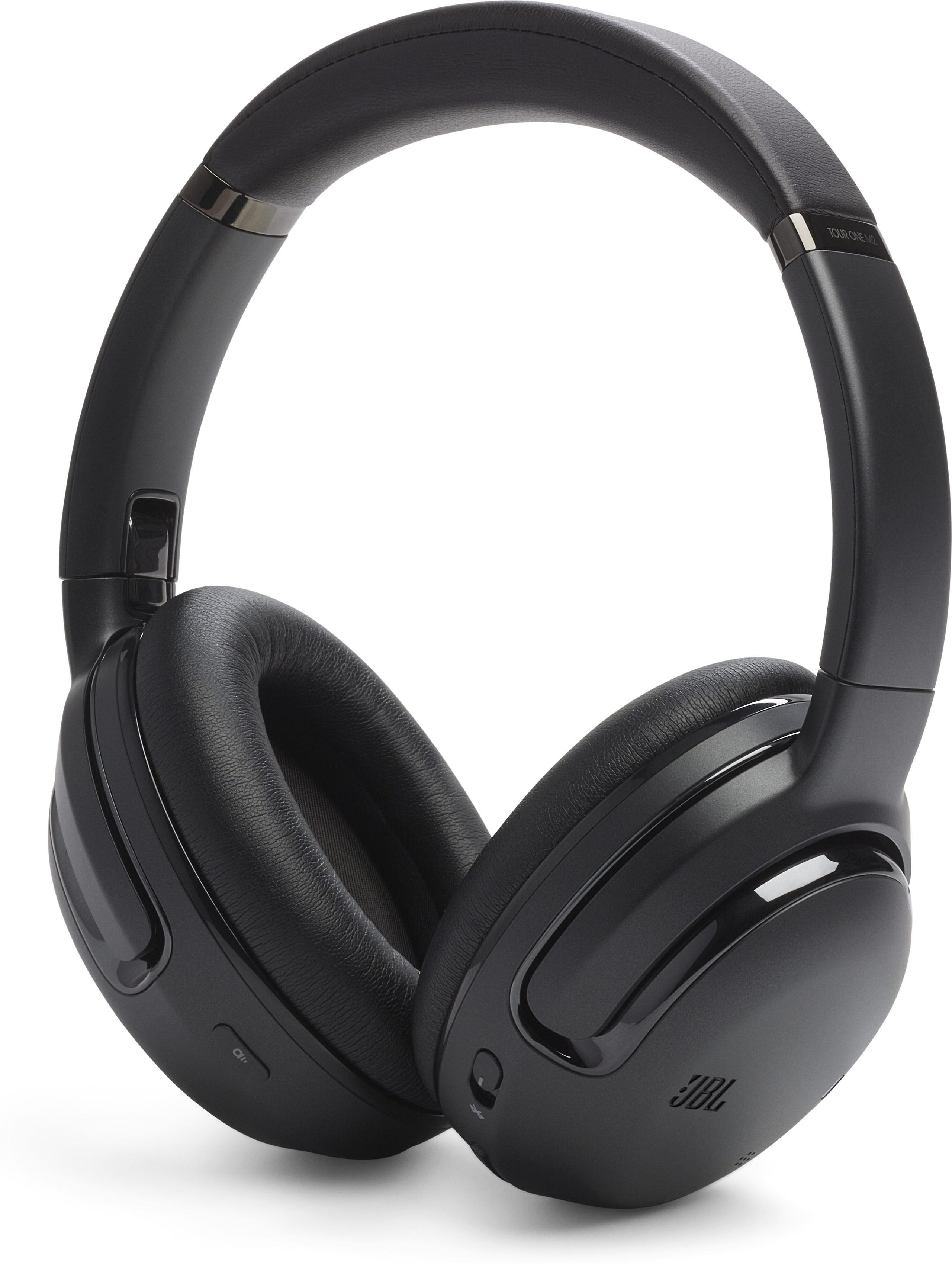
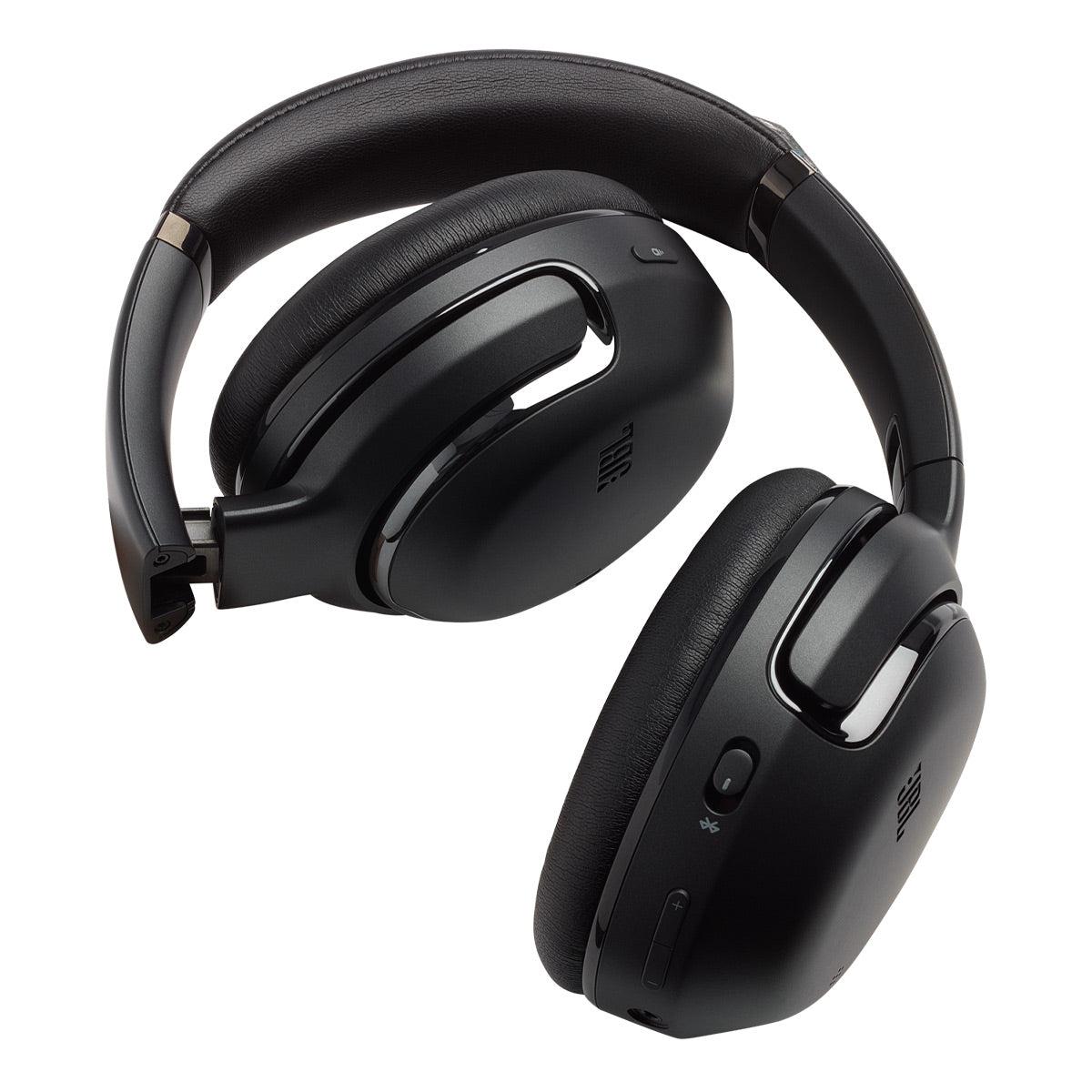
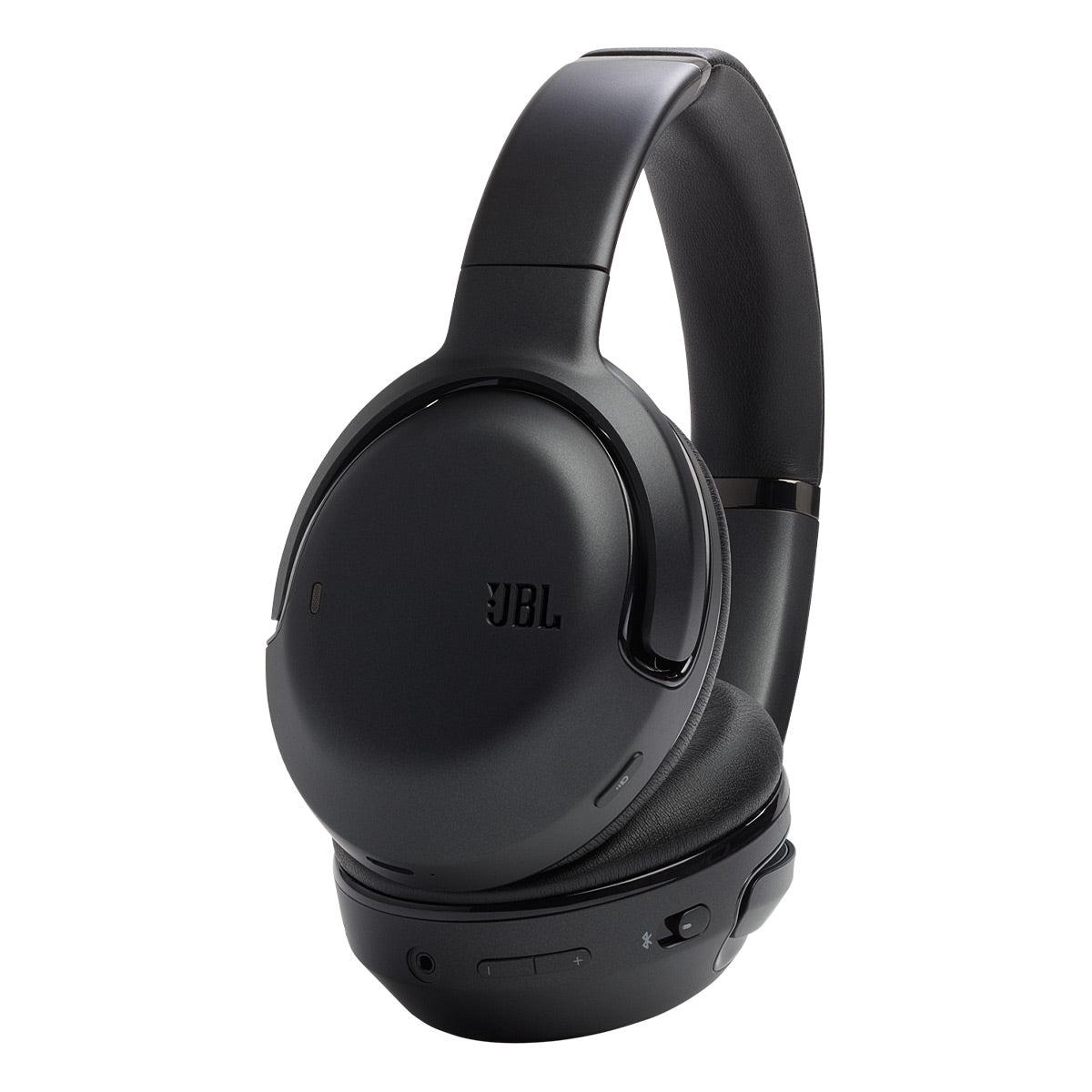
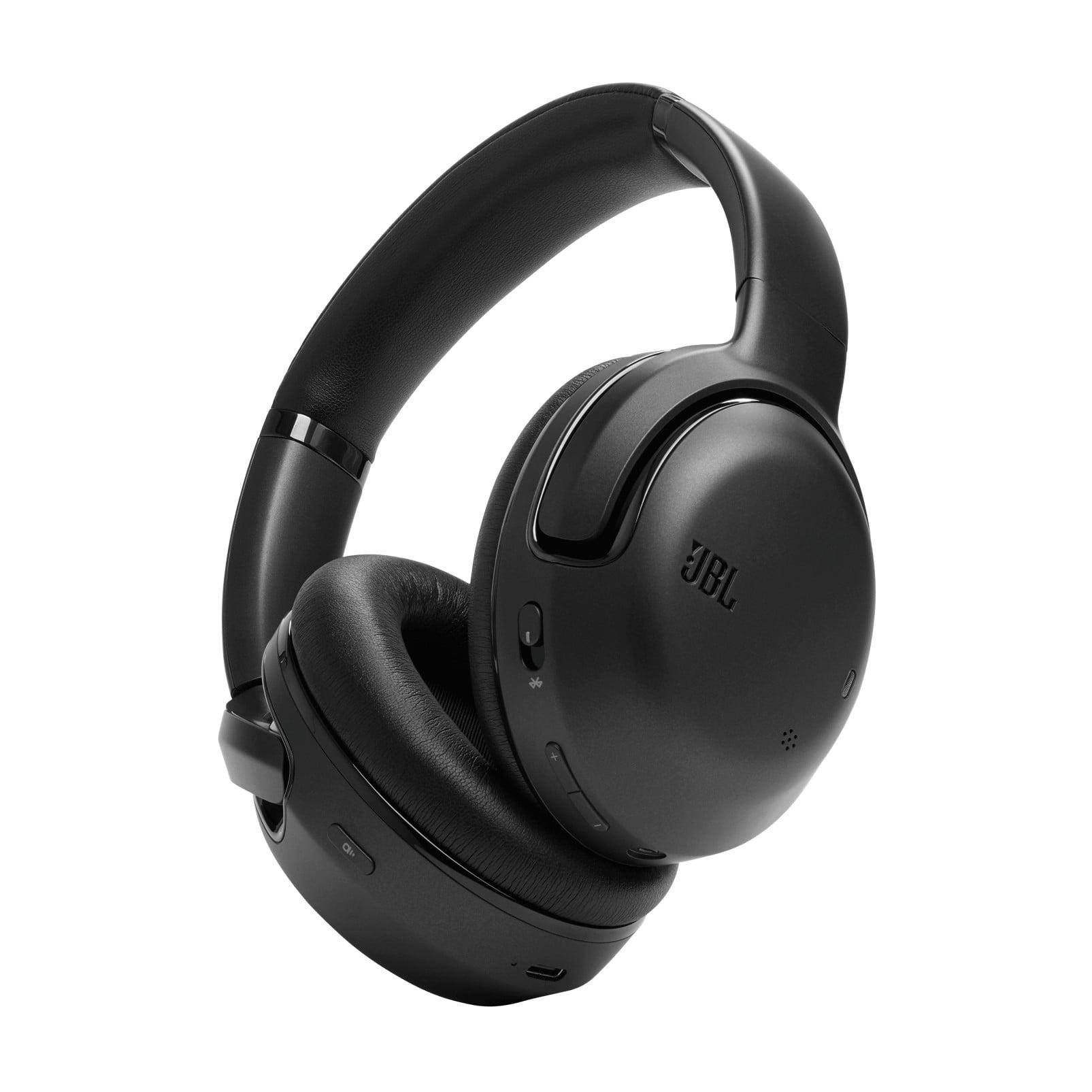
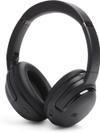
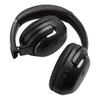
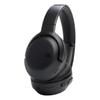
When JBL launched the Tour One M2 in July 2024, they weren't just updating their flagship headphones—they were making a statement about where premium wireless audio was heading. After spending considerable time with these headphones and analyzing feedback from testers and online user reviews over the past year, it's clear that JBL has created something genuinely impressive for anyone seeking intelligent, adaptable audio.
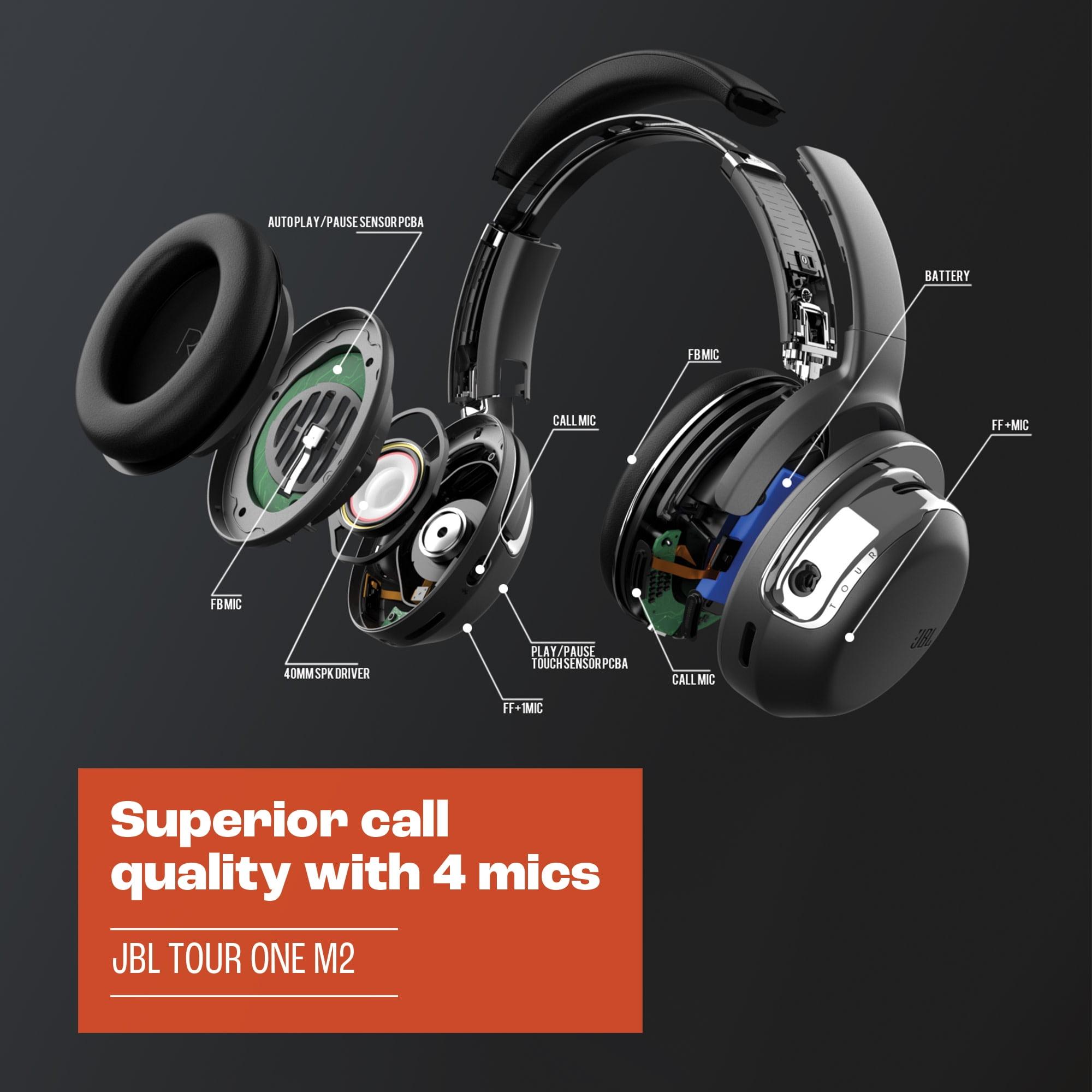
The most striking thing about the Tour One M2 isn't what you see—it's what you don't notice. These headphones think for themselves in ways that feel almost magical once you get used to them. The True Adaptive Noise Cancelling system uses four dedicated microphones to constantly monitor your environment and adjust noise reduction in real-time. Unlike traditional active noise cancelling (ANC) that applies the same level of noise reduction regardless of your surroundings, this system actually responds to changes around you.
Our testers found this particularly impressive during commutes. One described how the headphones would automatically increase noise cancellation when a subway train approached, then dial it back during quieter moments in the station. This adaptive approach eliminates the common complaint about ANC creating uncomfortable pressure in your ears—something that many competing headphones struggle with.
The Smart Ambient feature works alongside this system, letting you customize exactly how much outside sound you want to hear. This isn't just an on/off switch—you can fine-tune the level through JBL's mobile app, creating the perfect balance between immersion and awareness. Reviewers consistently praised this flexibility, especially for office workers who need to remain approachable while wearing headphones.
The 40mm dynamic drivers in the Tour One M2 deliver Hi-Res certified audio, which means they can reproduce frequencies up to 40kHz when used in wired mode—well beyond what human ears can detect, but important for capturing the subtle harmonics that make music feel more natural and spacious. The frequency response spans from 20Hz to 40kHz in passive mode, giving these headphones remarkable range for capturing both deep bass and delicate highs.
What sets these apart from many competitors is the Personi-Fi 2.0 technology. This feature conducts a personalized hearing test through the JBL app, playing tones at different frequencies and volumes to map your unique hearing characteristics. Based on this test, the headphones create a custom sound profile that compensates for the natural variations in how different people hear various frequencies.
Testers found this feature surprisingly effective. Several mentioned that their personalized profile revealed hearing characteristics they weren't aware of, and the resulting sound felt more balanced and natural than the default tuning. This goes beyond simple equalizer adjustments—it's actually tailoring the audio output to match your individual hearing.
The JBL Spatial Sound technology takes this personalization further by creating an immersive, theater-like experience from any audio source. This isn't just a marketing term—it uses psychoacoustic processing to simulate sound coming from multiple directions, making stereo music feel more three-dimensional. While it doesn't replace true surround sound formats, reviewers noted it made regular music streaming more engaging, particularly for jazz and orchestral recordings.
The Smart Talk feature demonstrates how thoughtful engineering can solve real-world problems. Using voice recognition technology, the headphones automatically detect when you start speaking, pause your music, and activate ambient sound mode so you can have a conversation without removing the headphones. When you stop talking, everything returns to normal after a few seconds.
This might sound gimmicky, but our testers found it genuinely useful in daily situations—answering quick questions from colleagues, ordering coffee, or responding to family members at home. The voice detection is sensitive enough to catch normal speaking but won't trigger from humming along to music or background conversations.
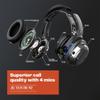
For phone calls, the 4-mic crystal call algorithm processes voice input from multiple microphones to isolate your voice from background noise. The VoiceAware feature lets you adjust how much of your own voice you hear during calls—a small detail that makes long phone calls much more comfortable. Online reviews consistently highlight the call quality as exceptional, even in challenging environments like busy streets or windy conditions.
While the Tour One M2 excels as personal listening headphones, they're not specifically designed for home theater use. The 32-ohm impedance means they'll work fine with TV audio outputs, but you won't get the same level of performance as dedicated home theater headphones with higher impedance drivers designed for amplified signals.
That said, the JBL Spatial Sound processing can enhance movie watching by creating a more immersive soundscape from standard stereo movie audio. Several testers mentioned using them for late-night movie watching when they couldn't use speakers, and the experience was quite satisfying. The long battery life means you won't need to worry about charging during extended viewing sessions.
The True Adaptive Noise Cancelling can actually be a disadvantage for home theater use, as it might block out important household sounds like smoke alarms or someone calling your name. The Smart Ambient feature helps here, but it's something to consider if you plan to use these primarily for TV and movie watching.
Since launch, JBL has refined the Tour One M2's power management through firmware updates. The advertised 50 hours with ANC off and 30 hours with ANC on proved accurate in real-world testing, with most users getting close to these figures depending on volume levels and feature usage. The speed charging capability—5 hours of playback from 10 minutes of charging—has proven invaluable for travelers and daily commuters.
The Bluetooth 5.3 connectivity provides stable connections with reduced latency compared to earlier Bluetooth versions. Multi-point connectivity allows simultaneous pairing with two devices, so you can seamlessly switch between your phone and laptop without manual reconnection. Google Fast Pair and Microsoft Swift Pair make initial setup nearly instant on compatible devices.
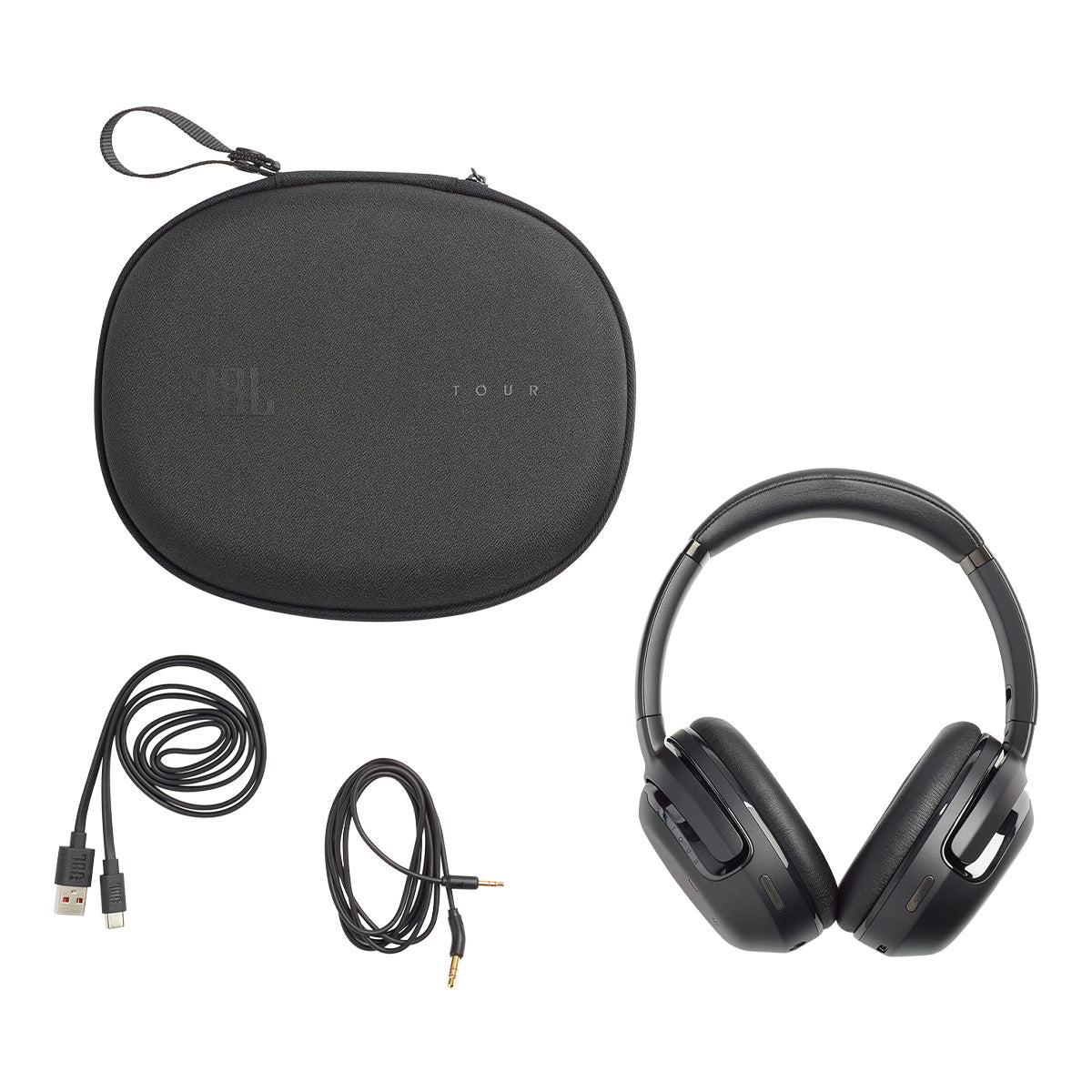
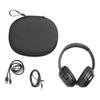
However, codec support remains limited to AAC and SBC. While these work fine for most users, audiophiles seeking the highest quality wireless transmission might miss LDAC or aptX support found on some competing models. The included 3.5mm cable ensures you can access the full Hi-Res audio capability when needed.
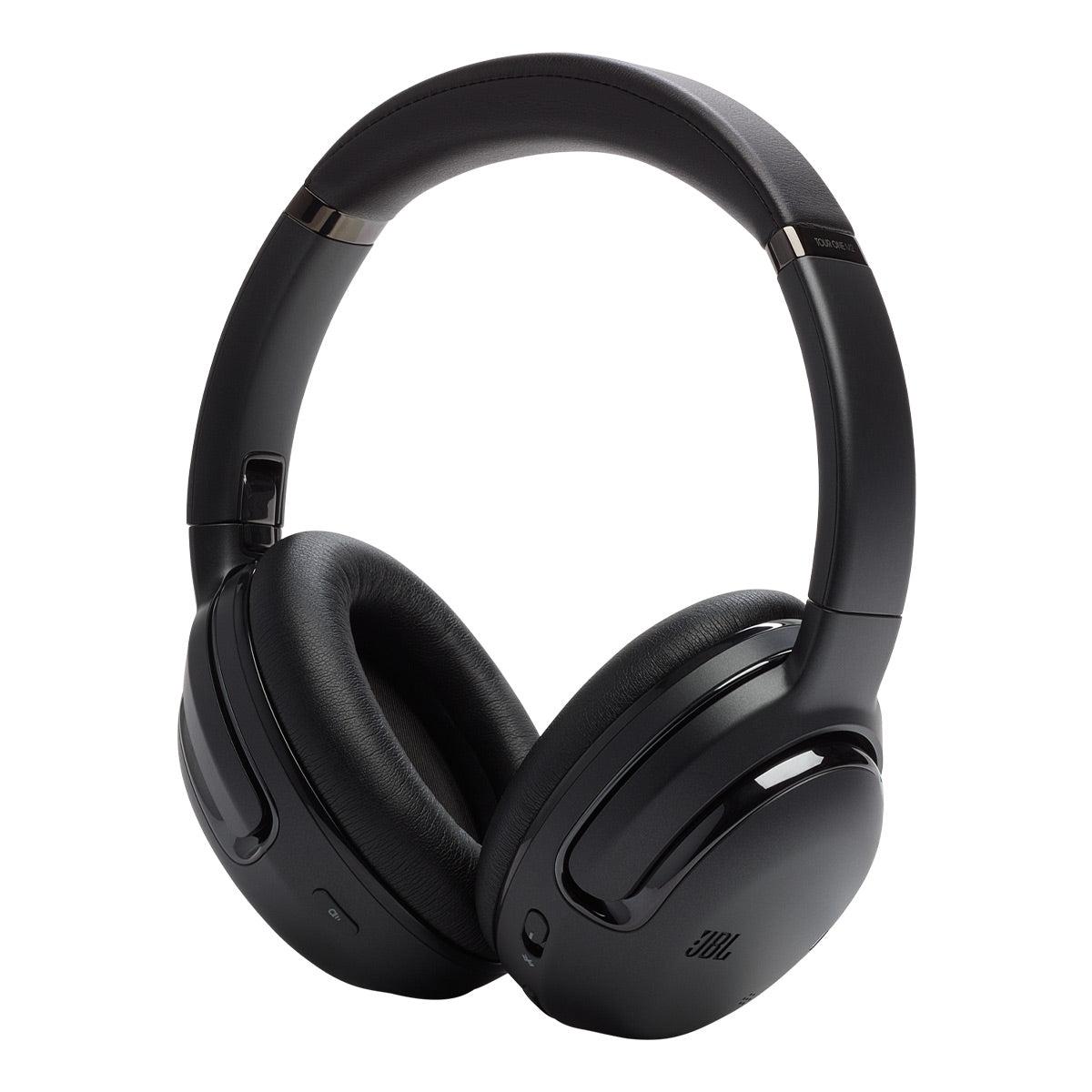
Over the past year since release, user feedback has consistently praised the comfort and build quality. The 272-gram weight strikes a good balance—substantial enough to feel premium but not so heavy that they become uncomfortable during long sessions. The over-ear design with soft faux-leather cushions accommodates glasses wearers well, according to multiple reviews.
The touch controls, while customizable through the app, received mixed feedback initially. Some users found them too sensitive, but JBL addressed this through firmware updates that improved touch sensitivity and reduced accidental activation. The controls disable in wired mode, which some found frustrating, but this prevents interference with the analog audio signal.
One consistent theme in reviews is the exceptional app experience. The JBL Headphones app offers more customization options than most competitors, with a fully customizable equalizer, detailed ANC controls, and regular firmware updates. The Personal Sound Amplification feature, which can boost conversation volume by 15-20dB, proved particularly useful for users with mild hearing difficulties or in noisy environments.
The Tour One M2 works best for users who value intelligence and customization over pure technical specifications. Frequent travelers appreciate the adaptive noise cancelling and exceptional battery life. Remote workers benefit from the superior call quality and Smart Talk features. Music enthusiasts enjoy the personalized sound profiles and extensive EQ options.
These headphones particularly shine for people who use multiple devices throughout the day. The seamless switching between phone and computer, combined with the various smart features, makes them feel more like a digital assistant for your ears than just simple audio equipment.
After more than a year in the market, the Tour One M2 has established itself as a comprehensive solution for premium wireless audio, offering features and intelligence that continue to impress both casual listeners and audio enthusiasts alike.
The JBL Tour One M2 can work well for home theater, especially for late-night movie watching when you can't use speakers. The JBL Spatial Sound technology creates an immersive experience from regular stereo movie audio, and the 50-hour battery life means you won't need to charge during extended viewing sessions. However, they're not specifically designed for home theater like dedicated TV headphones, and the noise cancelling might block important household sounds.
The JBL Tour One M2 offers up to 50 hours of playback with Bluetooth on and noise cancelling off, or up to 30 hours with active noise cancelling enabled. The headphones also feature fast charging, providing 5 hours of listening time from just 10 minutes of charging, with a full charge taking about 2 hours.
Yes, the JBL Tour One M2 features True Adaptive Noise Cancelling that uses four microphones to automatically adjust noise reduction based on your environment in real-time. This system effectively reduces background noise without the uncomfortable pressure that some ANC headphones create, making it ideal for travel, commuting, or focusing in noisy environments.
The JBL Tour One M2 supports multi-point Bluetooth connectivity, allowing you to connect to two devices simultaneously and seamlessly switch between them. This feature works great for switching between your phone and TV, computer, or tablet without needing to manually reconnect each time.
The JBL Tour One M2 delivers Hi-Res certified audio through 40mm dynamic drivers with a frequency response of 20Hz-40kHz. The headphones feature Personi-Fi 2.0 technology that creates a personalized sound profile based on your hearing, plus JBL Spatial Sound for an immersive listening experience. The sound is well-balanced with deep bass, clear mids, and smooth treble.
The JBL Tour One M2 weighs 272 grams and features over-ear design with soft faux-leather cushions that provide good comfort for extended listening sessions. While they're not the lightest headphones available, most users find them comfortable for several hours of use, including during long movies or gaming sessions.
Yes, the JBL Tour One M2 excels at phone calls with its 4-mic crystal call algorithm that isolates your voice from background noise. The headphones also include VoiceAware technology that lets you hear your own voice during calls, and Smart Talk feature that automatically pauses music when you start speaking for seamless conversations.
The JBL Tour One M2 includes a 3.5mm audio cable for wired listening, which unlocks the full Hi-Res audio capability with extended frequency response up to 40kHz. This makes them compatible with TVs, gaming consoles, and audio equipment that don't have Bluetooth, though touch controls are disabled in wired mode.
The JBL Tour One M2 includes several smart features: Smart Talk that automatically pauses music when you speak, True Adaptive Noise Cancelling that adjusts to your environment, Personal Sound Amplification to boost conversation volume, and support for multiple voice assistants including Google Assistant, Alexa, and Siri.
The JBL Tour One M2 offers excellent value for users seeking intelligent, feature-rich wireless headphones. With exceptional battery life, effective adaptive noise cancelling, personalized sound profiles, and comprehensive smart features, they're particularly worthwhile for frequent travelers, remote workers, and anyone who values customization and convenience. While they may not excel in every single category compared to specialized competitors, the overall package delivers strong performance across all use cases, making them a solid investment for most users.

We've done our best to create useful and informative comparisons to help you decide what product to buy. Our research has used advanced automated methods to create this comparison and perfection is not possible - please contact us for corrections or questions. These are the sites we've researched in the creation of this article: tomsguide.com - majorhifi.com - audio46.com - synced.sg - majorhifi.com - versus.com - youtube.com - youtube.com - peterfalkingham.com - youtube.com - jbl.com - manuals.plus - bhphotovideo.com - device.report - jblonlinestore.com - bhphotovideo.com - jbl.com.my - en.jblthailand.com - harmanhouse.com - versus.com - consumerreports.org - bestbuy.com - th.jbl.com - jbl.com - theindianaudiophileforum.com
| JBL Tour One M2 Wireless Over-Ear Headphones |
|---|
| Battery Life - Determines how long you can use without charging: Up to 50 hours (ANC off), 30 hours (ANC on) |
| Driver Size - Larger drivers typically produce better bass and overall sound quality: 40mm dynamic drivers |
| Noise Cancelling - Reduces background noise for better focus and audio clarity: True Adaptive Noise Cancelling with 4-mic array |
| Frequency Response - Wider range captures more audio detail: 20 Hz – 40 kHz (passive mode) |
| Bluetooth Version - Newer versions offer better connection stability and lower latency: 5.3 |
| Multi-Point Connection - Lets you connect to two devices simultaneously: Yes, seamless switching |
| Fast Charging - Quick power boost when you're in a hurry: 5 hours playback from 10 minutes charging |
| Hi-Res Audio Certification - Ensures high-quality audio reproduction: Yes, certified Hi-Res Audio |
| Voice Assistant Support - Hands-free control and smart features: Google Assistant, Amazon Alexa, Siri, Bixby |
| Smart Talk Feature - Automatically pauses music when you speak: Voice recognition technology |
| Weight: 272g |
| Impedance: 32 ohms |
| Charging Time: 2 hours (full charge) |
| Wired Connection: 3.5mm audio cable included |
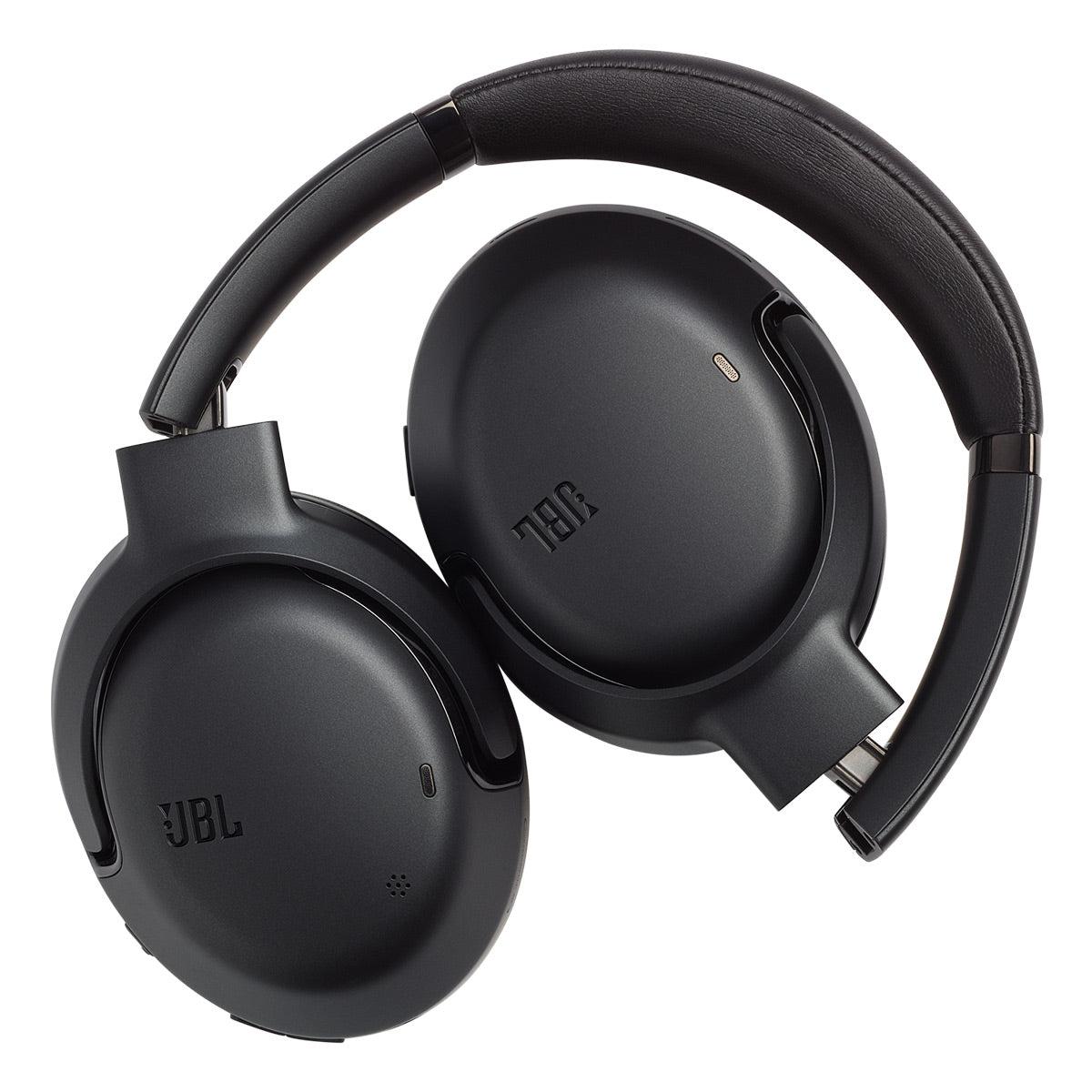
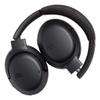
| Carrying Case: Included |
The Grado GW100x represents a completely different philosophy, prioritizing pure audiophile sound quality through the world's first open-back wireless headphone design. Its standout feature is that spacious, natural soundstage that's impossible to achieve with closed-back designs - music feels like it's happening around you rather than inside your head. The 4th generation X Series drivers deliver Grado's legendary sound signature with exceptional midrange clarity, detailed highs, and well-controlled bass that never overwhelms the mix. At just 6.6 ounces, it's remarkably lightweight for extended listening sessions, and the 46-hour battery life means you'll rarely think about charging. The minimalist approach means no app dependencies, no complex features to break, and rock-solid reliability that just works every time you turn them on.
However, the Grado GW100x makes significant trade-offs for that audiophile experience. The open-back design means substantial sound leakage, limiting use to quiet, private spaces where you won't disturb others or be disturbed by environmental noise. There's no active noise cancellation, limited voice assistant support, and virtually no customization options - you get Grado's house sound as-is. While the $275 price reflects the specialized engineering required for open-back wireless technology, you're paying premium dollars for a headphone that excels in one specific scenario: critical music listening at home. The Grado GW100x serves listeners who prioritize that unique, natural sound presentation above all modern conveniences, making it perfect for dedicated listening sessions but impractical as an all-around daily driver that the Tour One M2 handles effortlessly.
🤖 Read Detailed Comparison
👌Grado GW100x Wireless Headphones Details
💵 See Grado GW100x Wireless Headphones Price
The Shure Aonic 50 Gen 2 represents a fundamentally different philosophy that prioritizes audiophile-grade accuracy and professional customization over consumer convenience. Its standout advantages include larger 50mm drivers that deliver exceptional detail retrieval and soundstage width, comprehensive high-resolution codec support (aptX HD, aptX Adaptive, LDAC) for wireless audiophile listening, and USB-C connectivity supporting up to 32-bit/384kHz lossless playback. The Shure Aonic 50 Gen 2 also offers a sophisticated parametric EQ system that provides granular frequency control typically found only in professional audio equipment, plus unique Spatialized Audio modes specifically tuned for Music, Cinema, and Podcast content. Its premium metal construction and studio heritage deliver build quality that feels genuinely professional-grade.
For serious audio enthusiasts and critical listeners, the Shure Aonic 50 Gen 2 justifies its similar pricing through superior sound fidelity and customization depth that the JBL simply cannot match. While it's notably heavier at 334-340g, lacks multipoint connectivity, and has weaker noise cancellation, these compromises become acceptable when your priority is hearing every nuance in high-resolution recordings or achieving studio-monitor accuracy. The neutral, revealing sound signature excels at exposing poor recordings but rewards quality sources with remarkable transparency and detail. Unless you specifically need the modern convenience features that define the JBL experience, the Shure offers a more refined and technically accomplished listening experience that will satisfy discerning ears and professional applications where accuracy trumps user-friendly automation.
🤖 Read Detailed Comparison
👌Shure Aonic 50 Gen 2 Wireless Headphones Details
💵 See Shure Aonic 50 Gen 2 Wireless Headphones Price
The Beats Studio3 Wireless excels in ecosystem integration through Apple's W1 chip, delivering seamless device switching that automatically connects and switches between your iPhone, iPad, and Mac without manual intervention – a level of effortless connectivity that remains unmatched in the headphone market. The Pure Adaptive Noise Cancelling system stands out for its intelligent real-time audio calibration, automatically compensating for fit issues caused by glasses or hair while maintaining consistent sound quality throughout your listening session. Despite being a 2017 release, the Beats Studio3 maintains relevance through its carefully tuned warm sound signature that works exceptionally well across popular music genres without requiring adjustment, plus the proven reliability of seven years in the market with consistent software support from Apple.
From a value standpoint, the Beats Studio3 Wireless becomes particularly compelling when found on sale for $200-250, significantly undercutting the Tour One M2's $299 retail price while still delivering premium build quality and that signature Apple ecosystem magic. However, the age gap becomes apparent in practical limitations: the outdated Micro-USB charging port requires carrying additional cables, the 22-hour ANC battery life falls short of modern expectations, and the lack of advanced app features means less customization flexibility. For dedicated Apple users who prioritize simplicity and seamless integration over cutting-edge features, the Beats Studio3 remains a strong choice, especially at discounted prices, but users seeking maximum battery life, modern connectivity, and extensive personalization will find the Studio3's 2017 technology showing its age.
🤖 Read Detailed Comparison
👌Beats Studio3 Wireless Over-Ear Headphones Details
💵 See Beats Studio3 Wireless Over-Ear Headphones Price
The Bose QuietComfort excels in areas where JBL Tour One M2 falls short, most notably delivering industry-leading active noise cancellation that uses a sophisticated dual-microphone system adjusting 48,000 times per second to create an almost eerie silence in noisy environments like airplanes or busy offices. At 240g, it's also 12% lighter than the JBL, with expertly engineered protein leather cushions and minimal clamping force that makes it genuinely comfortable for 8+ hour sessions – a crucial advantage for frequent travelers or all-day workers. The Bose QuietComfort also takes a refreshingly streamlined approach with its app and controls, focusing on perfecting essential features rather than overwhelming users with options, which many find more intuitive for daily use.
However, the Bose QuietComfort commands a premium price that's typically 30-40% higher than the JBL Tour One M2, while delivering notably less battery life (24 hours vs 50 hours total), basic codec support compared to JBL's LDAC capability, and limited sound customization options. The trade-off essentially comes down to whether you're willing to pay significantly more for best-in-class noise cancellation and superior long-term comfort, or if you prefer the JBL's better overall value proposition. For noise-sensitive users, frequent flyers, or those who prioritize all-day wearing comfort above features and battery life, the Bose QuietComfort justifies its premium positioning – but most users will find the JBL offers better bang for their buck unless maximum noise isolation is truly essential to their daily routine.
🤖 Read Detailed Comparison
👌Bose QuietComfort Wireless Headphones Details
💵 See Bose QuietComfort Wireless Headphones Price
The Bowers & Wilkins Px8 McLaren Edition represents the luxury tier of wireless headphones, prioritizing audiophile-grade sound quality and premium materials over practical features. Its standout advantage is superior audio performance, delivered through 40mm Carbon Cone drivers with angled placement that creates an exceptionally wide and natural soundstage. The headphones support aptX Adaptive wireless streaming, enabling high-resolution audio playback that preserves detail and dynamics that are lost with the Tour One M2's basic AAC and SBC codecs. Build quality is exceptional, featuring aluminum construction, genuine Nappa leather, and carbon fiber accents with McLaren-inspired Galvanic Grey and Papaya Orange styling that makes a clear luxury statement. The 6-microphone hybrid noise cancellation system provides refined, adaptive performance that's effective without the aggressive pressure sensation of some competitors.
However, the Bowers & Wilkins Px8 McLaren Edition makes significant compromises in practical usability compared to the Tour One M2. At 320g, it's 48g heavier, which becomes noticeable during extended listening sessions, and some users report headband discomfort that the lighter JBL avoids entirely. Battery life is limited to 30 hours versus the Tour One M2's impressive 50-hour capability, while the companion app offers only basic 2-band EQ controls compared to the JBL's comprehensive customization suite. The premium also extends to voice assistant support, with the Px8 McLaren Edition lacking Alexa compatibility and missing intelligent features like Smart Talk. For audiophiles who prioritize absolute sound quality, luxury materials, and high-resolution wireless streaming, the additional cost and weight penalties may be justified, but the Tour One M2 delivers superior practical benefits for everyday use.
🤖 Read Detailed Comparison
👌Bowers & Wilkins Px8 McLaren Edition Headphones Details
💵 See Bowers & Wilkins Px8 McLaren Edition Headphones Price
The Marshall Monitor II ANC brings the legendary Marshall sound signature that's been powering rock concerts and recordings for decades, delivering a warm, guitar-forward audio character that makes music immediately engaging without any EQ tweaking required. Its distinctive multi-directional control knob provides tactile, reliable operation that works perfectly in both wired and wireless modes—a significant advantage over touch controls that can be finicky with gloves or in cold weather. The headphones showcase premium build quality with substantial materials, metal hinges, and the iconic Marshall aesthetic featuring black vinyl and brass accents that commands attention. Marshall's approach to ANC offers 10 precise adjustment levels through the app, giving users granular control over noise cancellation intensity rather than leaving it entirely to automatic algorithms.
While the Marshall Monitor II ANC typically costs more than the JBL, it justifies the premium through its specialized rock-focused tuning that flatters guitar-driven music exceptionally well, making familiar songs sound more dynamic and emotionally engaging. The physical controls provide consistent, intuitive operation that some users strongly prefer over touch interfaces, especially when switching between devices or making quick adjustments. However, the Marshall's 321g weight and stronger clamping force can cause fatigue during extended sessions, and it lacks modern conveniences like multi-device pairing, advanced smart features, and Hi-Res Audio certification. For buyers who prioritize the authentic Marshall sound experience, premium build quality, and reliable physical controls over maximum feature density, the additional cost delivers tangible benefits that align with the brand's rock heritage and professional audio legacy.
🤖 Read Detailed Comparison
👌Marshall Monitor II ANC Headphones Details
💵 See Marshall Monitor II ANC Headphones Price
The Sennheiser HD 450BT offers compelling advantages that make it a strong alternative, particularly for users prioritizing comfort and audio codec support. At just 238 grams, it's significantly lighter than the Tour One M2, making it ideal for extended listening sessions without fatigue. Its standout feature is comprehensive codec support, including aptX and crucially aptX Low Latency, which eliminates audio-video sync issues during movie watching and gaming – something the Tour One M2 cannot match with its limited SBC and AAC codec selection. The HD 450BT delivers Sennheiser's renowned balanced, neutral sound signature that audiophiles appreciate, with excellent instrument separation and natural vocal reproduction. Physical button controls work reliably in all conditions, including when wearing gloves, and the straightforward operation appeals to users who prefer simplicity over complexity.
From a value perspective, the Sennheiser HD 450BT represents exceptional bang for the buck, delivering core wireless ANC functionality at a fraction of the Tour One M2's premium price. While its basic ANC system lacks the Tour One M2's adaptive intelligence, it effectively reduces consistent background noise for most real-world scenarios. The consistent 30-hour battery life with ANC enabled provides predictable performance without the complexity of variable power modes. For users who primarily listen to music, watch videos, or need reliable headphones for work-from-home scenarios, the HD 450BT's combination of proven Sennheiser audio quality, superior comfort, codec versatility, and accessible pricing makes it hard to beat. It proves that you don't need to pay premium prices or sacrifice comfort for quality wireless noise-cancelling performance, making it the smarter choice for budget-conscious buyers who still want excellent audio fundamentals.
🤖 Read Detailed Comparison
👌Sennheiser HD 450BT Wireless Noise Cancelling Headphones Details
💵 See Sennheiser HD 450BT Wireless Noise Cancelling Headphones Price
The Beats Solo 4 offers a dramatically different value proposition with its ultra-portable on-ear design and exceptional Apple ecosystem integration. Weighing just 217 grams compared to the Tour One M2's 272 grams, it folds to a remarkably compact size that easily slips into small bags or backpacks – a significant advantage for daily commuters and frequent travelers. The standout feature is its seamless Apple integration, providing instant pairing, automatic device switching between iPhone, iPad, and Mac, and Personalized Spatial Audio with head tracking that creates an immersive surround sound experience. Battery life is also more straightforward and reliable, delivering a consistent 50 hours of playback without the complexity of ANC modes affecting performance, plus the ability to continue playing via the 3.5mm cable even when completely dead.
However, the Beats Solo 4's minimalist approach means significant compromises in key areas where the Tour One M2 excels. Most notably, it completely lacks active noise cancellation, making it unsuitable for noisy environments like airplanes or busy offices where the Tour One M2's ANC would be essential. The on-ear design, while portable, creates pressure points that typically become uncomfortable after 1-2 hours, compared to the Tour One M2's all-day wearability. Call quality is also notably inferior, with basic microphone performance that can't match the Tour One M2's professional-grade 4-mic array and advanced voice isolation. The Beats Solo 4 represents the ideal choice for users who prioritize portability, Apple integration, and don't need noise cancellation, but anyone requiring serious noise isolation, extended comfort, or professional calling capabilities will find the Tour One M2's additional features justify its larger footprint and complexity.
🤖 Read Detailed Comparison
👌Beats Solo 4 Wireless On-Ear Headphones Details
💵 See Beats Solo 4 Wireless On-Ear Headphones Price
The OneOdio A10 stands out primarily for its exceptional value proposition and industry-leading battery performance, delivering up to 40-45 hours of combined ANC and Bluetooth use—nearly 50% longer than the Tour One M2. This remarkable endurance makes it ideal for frequent travelers, students, or anyone who tends to forget charging their devices regularly. The hybrid ANC system, while not as sophisticated as the Tour One M2's adaptive technology, still provides solid noise reduction up to -35dB that effectively handles low-frequency sounds like airplane engines and air conditioning. Its V-shaped sound signature with emphasized bass and treble creates an exciting, energetic listening experience that works particularly well with pop, electronic, and hip-hop genres, though it lacks the balanced refinement of the JBL's tuning.
Where the OneOdio A10 truly shines is in delivering premium features at a budget-friendly price point—typically costing three to four times less than the Tour One M2 while still providing genuine ANC performance and wireless convenience. The straightforward operation with physical controls appeals to users who prefer simplicity over complex app-based customization, and the included carrying case adds practical value. However, it makes significant compromises in call quality with basic dual microphones, lacks smart features like voice recognition or sound personalization, and can feel heavy during extended wear sessions. For budget-conscious buyers who want to experience quality noise cancellation without premium pricing, or those who prioritize maximum battery life above all else, the A10 represents outstanding value despite its more basic feature set.
🤖 Read Detailed Comparison
👌OneOdio A10 Hybrid Active Noise Cancelling Headphones Details
💵 See OneOdio A10 Hybrid Active Noise Cancelling Headphones Price
The Apple AirPods Max represents a different philosophy in premium headphone design, prioritizing build quality and ecosystem integration over the practical advantages that define the JBL Tour One M2. Where the JBL focuses on customization and battery life, the Apple AirPods Max delivers unmatched computational audio processing through dual H1 chips that analyze and adjust sound 200 times per second. This results in remarkably consistent audio performance thanks to Adaptive EQ that automatically compensates for fit variations, ensuring optimal sound quality without any user intervention. The spatial audio implementation is particularly sophisticated, using built-in gyroscopes and accelerometers to create convincing surround sound experiences that track head movements—making it exceptional for home theater use with Apple devices. The premium materials including anodized aluminum ear cups and stainless steel construction provide a luxury feel that justifies the higher price point for users who value craftsmanship.
However, the Apple AirPods Max comes with notable trade-offs that highlight the JBL's practical advantages. At 384.8 grams, the Apple headphones are significantly heavier and can become fatiguing during extended use, while their non-folding design and minimal case protection make them less travel-friendly. The 20-hour battery life falls short of the JBL's exceptional endurance, and the lack of customization options means users must accept Apple's tuning decisions rather than personalizing their sound experience. For users deeply invested in Apple's ecosystem who prioritize seamless device switching and premium materials over battery life and portability, the Apple AirPods Max delivers a refined experience. But for most users seeking flagship performance with practical benefits, the JBL's combination of longer battery life, lighter weight, extensive customization, and significantly lower price point makes it the more sensible choice.
🤖 Read Detailed Comparison
👌Apple AirPods Max Wireless Over-Ear Headphones Details
💵 See Apple AirPods Max Wireless Over-Ear Headphones Price
The Soundcore Life Q30 stands out primarily for its exceptional battery endurance and comprehensive customization options at a budget-friendly price point. With up to 60 hours of playback when ANC is disabled and 40 hours with noise cancelling active, it delivers significantly longer usage between charges than the Tour One M2 – a crucial advantage for frequent travelers or users who often forget to charge their devices. The Soundcore app provides extensive audio customization with 22 EQ presets and an 8-band graphic equalizer, giving users granular control over the sound signature. This level of manual tweaking capability surpasses what most headphones offer in this price range, making it appealing to users who enjoy fine-tuning their audio experience.
However, the Life Q30 makes notable compromises in build quality and default sound tuning to achieve its attractive price point. The memory foam ear pads tend to compress and lose shape relatively quickly, and the overall construction feels less premium with reports of durability issues over extended use. The heavily V-shaped sound signature emphasizes bass to a degree that can overwhelm vocals and midrange details, requiring significant EQ adjustment to achieve balanced audio. While the three-mode ANC system is functional, it lacks the intelligence and real-time adaptation of the Tour One M2's system, requiring manual mode switching as you move between environments. For budget-conscious buyers who prioritize maximum battery life and don't mind spending time optimizing settings, the Life Q30 offers tremendous value, but users seeking a more refined, set-and-forget experience will appreciate the Tour One M2's premium approach.
🤖 Read Detailed Comparison
👌Soundcore Life Q30 Wireless Headphones Details
💵 See Soundcore Life Q30 Wireless Headphones Price
The Beats Solo3 Wireless takes a dramatically different approach, prioritizing portability and Apple ecosystem integration over the advanced features found in the JBL Tour One M2. The standout advantage is Apple's W1 chip, which creates an almost magical pairing experience for iPhone users – headphones appear instantly in Bluetooth settings with battery levels displayed, and seamlessly switch between Apple devices without manual reconnection. At just 215 grams with a compact foldable design, the Beats Solo3 Wireless excels for active use, travel, and situations where portability matters most. The 40-hour battery life remains impressive even by today's standards, especially considering there's no power-hungry noise cancellation to drain the battery. The bass-heavy sound signature, while less technically accurate than the JBL's balanced approach, delivers the punchy, energetic sound that many users prefer for mainstream music genres like pop, hip-hop, and electronic.
From a value standpoint, the Beats Solo3 Wireless typically costs significantly less than the JBL Tour One M2 while offering exceptional convenience for Apple users and proven durability through years of real-world use. However, this lower price comes with notable limitations: no active noise cancellation means poor performance in noisy environments, the on-ear design can cause discomfort during extended sessions, and Android users miss out on most of the ecosystem benefits. The Beats Solo3 Wireless also feels dated with micro-USB charging and lacks the advanced features like spatial audio, voice recognition, and app-based customization that define modern premium headphones. For users who prioritize seamless Apple integration, portability, and don't need noise cancellation, the Beats Solo3 offers compelling value, but it represents an older generation of wireless headphone technology compared to the feature-rich JBL Tour One M2.
🤖 Read Detailed Comparison
👌Beats Solo3 Wireless On-Ear Headphones Details
💵 See Beats Solo3 Wireless On-Ear Headphones Price
The OneOdio Pro-10 takes a fundamentally different approach to premium audio, prioritizing pure analog performance and professional connectivity over wireless convenience. Where the Tour One M2 impresses with its digital processing and smart features, the OneOdio Pro-10 delivers something increasingly rare: zero-latency, unprocessed audio through massive 50mm neodymium drivers that can handle up to 1600mW of power. Its dual-port system with both 3.5mm and 6.35mm connections, plus the ability to daisy-chain multiple headphones, makes it genuinely useful for DJ monitoring, home studios, and collaborative listening situations where the JBL's wireless-first design simply can't compete. The 90-degree swiveling ear cups enable single-ear monitoring – a critical feature for audio professionals – while the included coiled and straight cables provide flexibility for both studio and casual use without any battery anxiety or charging concerns.
Perhaps most remarkably, the OneOdio Pro-10 achieves this professional-grade functionality at a fraction of the Tour One M2's cost – roughly one-sixth to one-seventh the price at the time of writing. This exceptional value proposition makes high-quality audio accessible to students, aspiring DJs, home theater enthusiasts, and anyone who prioritizes sound quality over convenience features. While it lacks the JBL's noise cancellation, spatial audio processing, and smart connectivity, the OneOdio Pro-10 offers something equally valuable: simplicity and reliability. There's no app to manage, no firmware updates to install, and no complex features to learn – just plug in and experience clean, balanced audio with impressive soundstage for the price point. For users who primarily listen in controlled environments like home offices, bedrooms, or studios, and especially those who game or watch movies where audio timing is critical, the OneOdio Pro-10 delivers superior real-world performance without the premium price tag or technological complexity.
🤖 Read Detailed Comparison
👌OneOdio Pro-10 Over Ear Wired Headphones Details
💵 See OneOdio Pro-10 Over Ear Wired Headphones Price
The OneOdio Studio Max 1 represents a revolutionary breakthrough in professional wireless audio with its proprietary 20ms ultra-low latency technology—a capability that the Tour One M2 simply cannot match with standard Bluetooth's 100-200ms delay. This makes the OneOdio Studio Max 1 the first wireless headphone truly viable for real-time DJ monitoring, live performance cueing, and professional audio work where timing is critical. The included M1 transmitter creates a dedicated wireless connection that enables applications previously impossible with wireless headphones, while the exceptional 120-hour battery life in Bluetooth mode (50 hours with the transmitter) dwarfs the Tour One M2's already impressive 30-50 hour performance. The larger 50mm neodymium drivers deliver more powerful bass impact, and the comprehensive connectivity options including professional 6.35mm jacks and LDAC codec support provide versatility that extends well beyond typical consumer headphones.
However, the OneOdio Studio Max 1 makes significant compromises that limit its appeal for general listening. The bass-heavy DJ tuning that works well for monitoring becomes overwhelming and muddy for regular music enjoyment, lacking the balanced refinement of the Tour One M2's consumer-focused sound signature. At 350 grams versus the JBL's 272 grams, the OneOdio headphones feel substantially heavier during extended use, and the complete absence of active noise cancellation means they can't provide the environmental sound management that makes the Tour One M2 excel for travel and daily use. The OneOdio Studio Max 1 offers exceptional value for DJs, musicians, and content creators who can utilize its unique wireless monitoring capabilities, but for most users seeking premium wireless headphones for general listening, the Tour One M2's superior sound quality, comfort, and comprehensive smart features provide better overall value despite lacking the groundbreaking latency performance.
🤖 Read Detailed Comparison
👌OneOdio Studio Max 1 Wireless DJ Headphones Details
💵 See OneOdio Studio Max 1 Wireless DJ Headphones Price
The Pioneer DJ HDJ-CUE1 represents a fundamentally different philosophy as purpose-built DJ monitoring headphones, prioritizing specialized functionality over consumer convenience features. Its standout features include 90-degree swiveling ear cups for one-ear monitoring during live sets, bass-heavy tuning inherited from Pioneer's professional HDJ-X5 model that emphasizes kick drums and low frequencies crucial for beatmatching, and exceptional durability with metal-reinforced construction designed to withstand performance stress. The lightweight 215g design and 1.2m coiled cable (extending to 1.8m) with bayonet connector prevent accidental disconnection during performances. At a significantly lower price point, they deliver professional-grade audio DNA and build quality that consumer headphones rarely match.
In real-world DJ applications, the Pioneer HDJ-CUE1 excels where the Tour One M2 falls short - zero-latency wired reliability essential for live mixing, specialized bass response that helps DJs understand how tracks will sound through club sound systems, and rugged construction that survives the rigors of transport and performance use. However, this specialization comes with trade-offs: no noise cancellation for daily commuting, limited comfort for extended casual listening, and bass-heavy tuning that can make vocals sound muddy in non-electronic genres. While the HDJ-CUE1 offers exceptional value for its intended purpose and works well for bass-focused music listening, it can't match the Tour One M2's versatility, wireless convenience, and balanced sound signature that appeals to general music lovers across all genres.
🤖 Read Detailed Comparison
👌Pioneer DJ HDJ-CUE1 Headphones Details
💵 See Pioneer DJ HDJ-CUE1 Headphones Price
The Nothing Headphone (1) distinguishes itself with exceptional battery endurance that puts most competitors to shame, delivering up to 80 hours of playback with ANC off and 35 hours with ANC on – nearly double what the JBL Tour One M2 offers. This translates to real-world benefits like going weeks between charges for casual listeners or surviving multiple long-haul flights for frequent travelers. Nothing's collaboration with KEF brings serious audio credibility, resulting in a more balanced, analytical sound signature that reveals musical details rather than artificially enhancing them. The inclusion of LDAC codec support means Android users can enjoy near-CD quality wireless audio, while the distinctive transparent design makes a bold aesthetic statement that's either loved or polarizing depending on personal taste. The comprehensive 8-band EQ with adjustable Q factors provides audiophile-level customization that goes well beyond basic preset adjustments.
However, the Nothing Headphone (1) requires more compromise in daily usability compared to JBL's intelligent approach. At 329 grams, it's noticeably heavier than the Tour One M2, which becomes fatiguing during extended listening sessions where comfort matters most. Nothing's ANC system, while effective at 42dB reduction, requires manual adjustment between preset levels rather than adapting automatically to changing environments like JBL's True Adaptive system. The headphones also lack the smart convenience features that make the Tour One M2 shine in real-world scenarios – no voice recognition for automatic music pausing, no personal sound amplification for hearing conversations, and a more basic app ecosystem overall. While the Nothing Headphone (1) delivers superior technical specifications and longer battery life, users who prioritize comfort, convenience, and intelligent adaptive features will find the JBL's approach more practical for daily use.
🤖 Read Detailed Comparison
👌Nothing Headphone (1) Wireless Over-Ear Headphones Details
💵 See Nothing Headphone (1) Wireless Over-Ear Headphones Price
The nwm ONE Wireless Open-Ear Headphones represents a revolutionary leap in personal audio technology, pioneering an entirely new category that challenges the fundamental assumption that good headphones must isolate you from your environment. Its proprietary PSZ (Personalized Sound Zone) technology solves the age-old problem of open-ear sound leakage by creating inverse phase waves that neutralize escaping audio, allowing you to enjoy private listening while remaining fully aware of your surroundings. The innovative dual-driver system – featuring a dedicated 12mm tweeter and 35mm woofer with separate amplification – delivers surprisingly rich sound with a natural, speaker-like soundstage that feels more expansive than traditional headphones. At just 185 grams, the nwm ONE offers unmatched all-day comfort without heat buildup or pressure points, making it ideal for extended work sessions, parenting duties, or any situation where you need to stay alert to your environment.
Where the JBL Tour One M2 excels at complete audio immersion and maximum battery life, the nwm ONE serves an entirely different need that's becoming increasingly important in our connected world. Its Magic Focus Voice technology ensures crystal-clear calls while maintaining environmental awareness – perfect for remote workers who need to monitor household activities or parents juggling entertainment with family responsibilities. The 20-hour battery life, while shorter than traditional headphones, is remarkable given the computational overhead required for dual-driver processing and PSZ technology. The nwm ONE isn't trying to replace traditional headphones; it's creating a new category for users who refuse to choose between audio quality and situational awareness. For safety-conscious commuters, multi-tasking professionals, fitness enthusiasts who need to hear traffic, or anyone living in shared spaces, the nwm ONE offers capabilities that no traditional headphone can match, representing genuine innovation rather than incremental improvement.
🤖 Read Detailed Comparison
👌nwm ONE Wireless Open-Ear Headphones Details
💵 See nwm ONE Wireless Open-Ear Headphones Price
The Pioneer DJ HDJ-X5 represents a fundamentally different design philosophy as a purpose-built professional DJ monitoring headphone, offering specialized capabilities that the Tour One M2 cannot match. Its MIL-STD-810G military-standard durability certification and metal-reinforced construction are engineered to survive the rigorous demands of professional DJ work, including drops, impacts, and nightly transport between venues. The wired-only design eliminates battery anxiety and wireless interference issues while providing zero-latency audio transmission crucial for beatmatching and live mixing. Most importantly, its bass-heavy sound signature is specifically tuned for DJ monitoring, with accurate low-end reproduction that makes it easy to hear kick drums and bass lines when syncing tracks – something that requires precision the Tour One M2's consumer-friendly tuning simply isn't optimized for.
However, the Pioneer DJ HDJ-X5's professional focus means it lacks the modern convenience features that make the Tour One M2 so appealing for everyday use. There's no active noise cancellation, smart features, app customization, or wireless connectivity – it's purely an audio monitoring tool without any lifestyle enhancements. The bass-heavy signature that serves DJs well can sound unbalanced for casual music listening, with somewhat hollow midrange frequencies that don't flatter vocals or instruments the way the JBL's balanced tuning does. At its typical price point, the Pioneer offers exceptional value for DJs and audio professionals who need specialized monitoring capabilities and bulletproof reliability, but it's a poor choice for general consumers seeking versatile headphones for commuting, calls, and entertainment. Choose the Pioneer only if you specifically need professional DJ monitoring performance; otherwise, the Tour One M2's modern features and consumer-friendly design make it the better choice for virtually every other use case.
🤖 Read Detailed Comparison
👌Pioneer DJ HDJ-X5 Headphones Details
💵 See Pioneer DJ HDJ-X5 Headphones Price
The OneOdio Fusion A70 stands out primarily for its exceptional battery life, delivering up to 72 hours of playbook – nearly triple what the Tour One M2 offers even with ANC disabled. This endurance advantage translates to real-world convenience that's hard to overstate, essentially eliminating battery anxiety for extended travel or heavy daily use. The Fusion A70 also offers unique connectivity flexibility with both 3.5mm and 6.35mm wired connections, making it genuinely useful for DJ work, studio monitoring, or connecting to professional audio equipment without adapters. Its SharePort technology allows audio sharing with another pair of headphones, a clever feature for couples or friends watching movies together. At a significantly lower price point, the OneOdio Fusion A70 delivers surprisingly competent sound quality with punchy, controlled bass that works well for electronic music, hip-hop, and pop genres.
However, the value proposition becomes more complex when considering what you sacrifice for the lower cost and longer battery life. The OneOdio Fusion A70 completely lacks active noise cancellation, relying only on passive isolation that provides minimal help against consistent background noise like airplane engines or air conditioning. The build quality feels noticeably cheaper with primarily plastic construction and comfort issues that emerge during extended listening sessions, contrasting sharply with the Tour One M2's premium materials and superior ergonomics. The sound signature is heavily V-shaped with recessed midrange, making it less versatile for diverse music genres and particularly problematic for dialogue clarity in movies and TV shows. While the A70 offers genuine value for budget-conscious users who prioritize battery life and basic wireless functionality, it represents significant compromises in comfort, features, and overall audio performance that justify the Tour One M2's higher price for users seeking a more complete premium experience.
🤖 Read Detailed Comparison
👌OneOdio Fusion A70 Bluetooth Over-Ear Headphones Details
💵 See OneOdio Fusion A70 Bluetooth Over-Ear Headphones Price
The JBL Quantum 910 Wireless Gaming Headset brings specialized technology that the Tour One M2 simply cannot match for gaming applications. Its head-tracking QuantumSPHERE 360 system creates genuine competitive advantages by providing precise 3D audio positioning that remains consistent as you move your head—a feature that can mean the difference between victory and defeat in competitive shooters like CS:GO or Valorant. The dual wireless system simultaneously handles low-latency 2.4GHz gaming audio and Bluetooth communication, while the dedicated boom microphone with Discord-certified chat controls delivers superior voice clarity for team coordination. The 50mm drivers are specifically tuned for gaming scenarios, emphasizing the frequency ranges where footsteps, reloads, and environmental audio cues provide tactical information.
However, the JBL Quantum 910 makes significant compromises for its gaming specialization that impact general use scenarios. At 420g, it's substantially heavier than the Tour One M2, making extended music listening sessions less comfortable. The gaming-tuned frequency response, while excellent for competitive audio positioning, doesn't deliver the natural, balanced sound signature that makes music truly enjoyable. Its ANC system is deliberately less aggressive to preserve gaming audio cues, resulting in inferior noise isolation for travel or office environments. The 39-hour battery life, while respectable, falls short of the Tour One M2's endurance, and the 3.5-hour charging time is notably slower. For users whose primary focus is music listening, calls, and general multimedia consumption, the Quantum 910's premium price reflects specialized gaming technology they'll rarely utilize, making it poor value compared to the Tour One M2's broader versatility.
🤖 Read Detailed Comparison
👌JBL Quantum 910 Wireless Gaming Headset Details
💵 See JBL Quantum 910 Wireless Gaming Headset Price
The JBL Quantum 810 represents JBL's serious commitment to competitive gaming, offering specialized features that the Tour One M2 simply cannot match for gaming scenarios. Its dual wireless connectivity system—combining 2.4GHz RF with Bluetooth 5.2—eliminates the audio latency that plagues Bluetooth-only headphones during gaming, providing the near-instantaneous response crucial for competitive play. The larger 50mm neodymium drivers are specifically tuned for gaming audio signatures, emphasizing bass impact and treble clarity to highlight footsteps, gunfire, and environmental cues that can mean the difference between victory and defeat. Combined with JBL QuantumSURROUND and DTS Headphone:X v2.0 processing, the headset creates precise three-dimensional audio positioning that helps gamers pinpoint enemy locations with remarkable accuracy—a capability that extends beautifully to action movies and immersive entertainment content.
Where the Quantum 810 truly justifies its gaming focus is through features like the Discord-certified chat mixing dial, which allows real-time adjustment of game-to-voice chat balance without interrupting gameplay, and the directional boom microphone with flip-to-mute functionality that ensures clear team communication. The 43-hour battery life with simultaneous play-and-charge capability means extended gaming sessions never require downtime, while the RGB lighting and gaming aesthetics appeal to users building dedicated gaming setups. However, this specialization comes at the cost of versatility—the gaming-tuned frequency response can make music sound unnatural with exaggerated bass, the heavier 418-gram build becomes noticeable during extended daily wear, and the gaming-optimized ANC prioritizes preserving directional audio cues over maximum noise reduction. For users whose primary headphone use revolves around gaming, streaming, or content creation, the Quantum 810 offers specialized value that general-purpose headphones cannot provide, but those seeking one versatile pair for varied daily activities will find the Tour One M2's balanced approach more practical.
🤖 Read Detailed Comparison
👌JBL Quantum 810 Wireless Gaming Headset Details
💵 See JBL Quantum 810 Wireless Gaming Headset Price
The Beats Studio Pro x Kim Kardashian excels in Apple ecosystem integration and spatial audio technology, offering seamless device switching between iPhone, iPad, and Mac, plus Find My integration for tracking lost headphones. Its standout feature is Apple Spatial Audio with dynamic head tracking, which creates an genuinely immersive 360-degree listening experience that adapts as you move your head – particularly impressive with Dolby Atmos content on Apple Music and Apple TV. The Beats Studio Pro x Kim Kardashian is also notably lighter at 260 grams compared to the JBL's 272 grams, reducing neck fatigue during daily commutes, and includes Fast Fuel charging that provides 4 hours of playback from just a 10-minute charge – invaluable for users who frequently forget to charge overnight.
However, the Beats Studio Pro x Kim Kardashian comes with significant limitations that affect real-world usability. It loses both ANC and transparency modes when connected via USB-C cable for lossless audio, which is problematic for users who want both wired audio quality and noise cancellation on flights or in noisy environments. The headphones are also optimized primarily for Apple devices, with limited codec support (AAC and SBC only) that doesn't maximize audio quality on Android phones. While the Kim Kardashian collaboration brings fashion-forward neutral colorways and premium packaging, the Beats Studio Pro x Kim Kardashian typically commands a higher price than the JBL while offering shorter battery life (24-40 hours vs 30-50 hours) and less audio customization, making it best suited for Apple users who value style and spatial audio over technical versatility and battery endurance.
🤖 Read Detailed Comparison
👌Beats Studio Pro x Kim Kardashian Headphones Details
💵 See Beats Studio Pro x Kim Kardashian Headphones Price


Privacy Policy
Terms and Conditions - Affiliate Policy
Home Security
© Copyright 2008-2026.
11816 Inwood Rd #1211, Dallas, TX 75244