

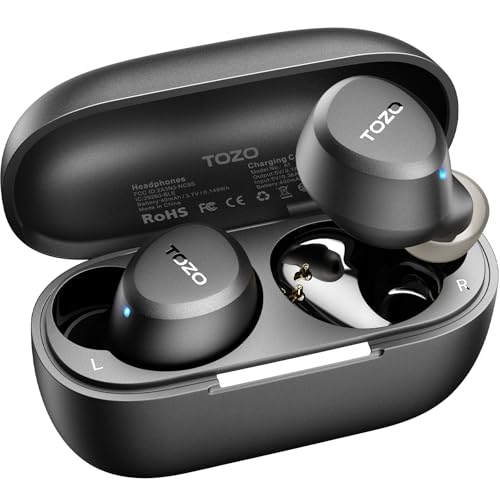


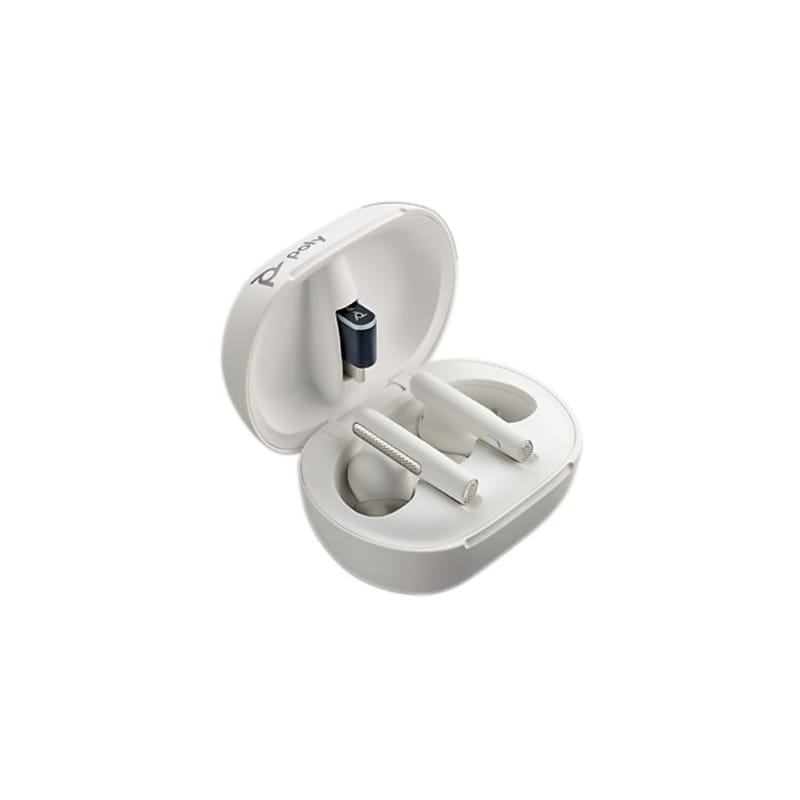
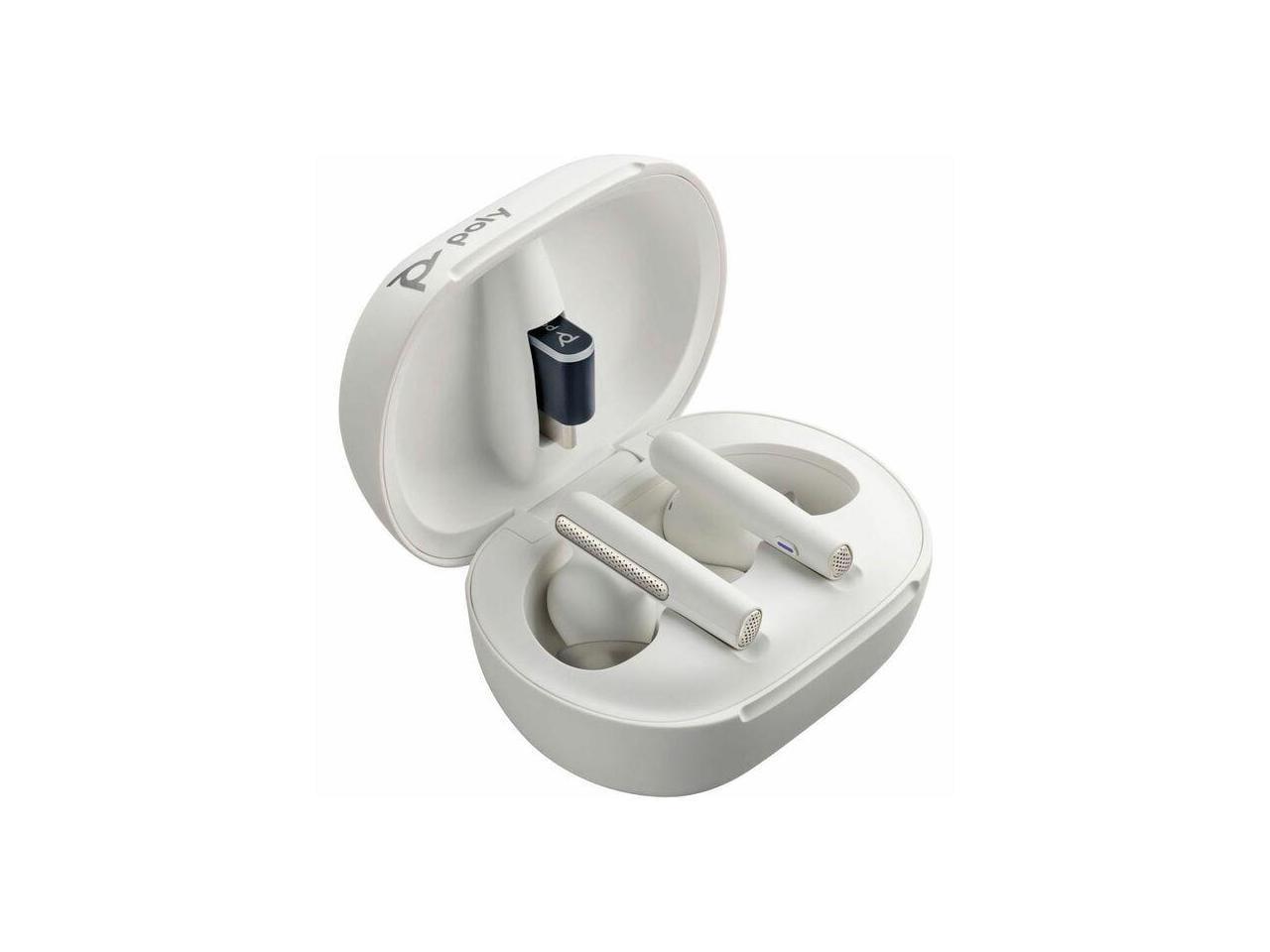
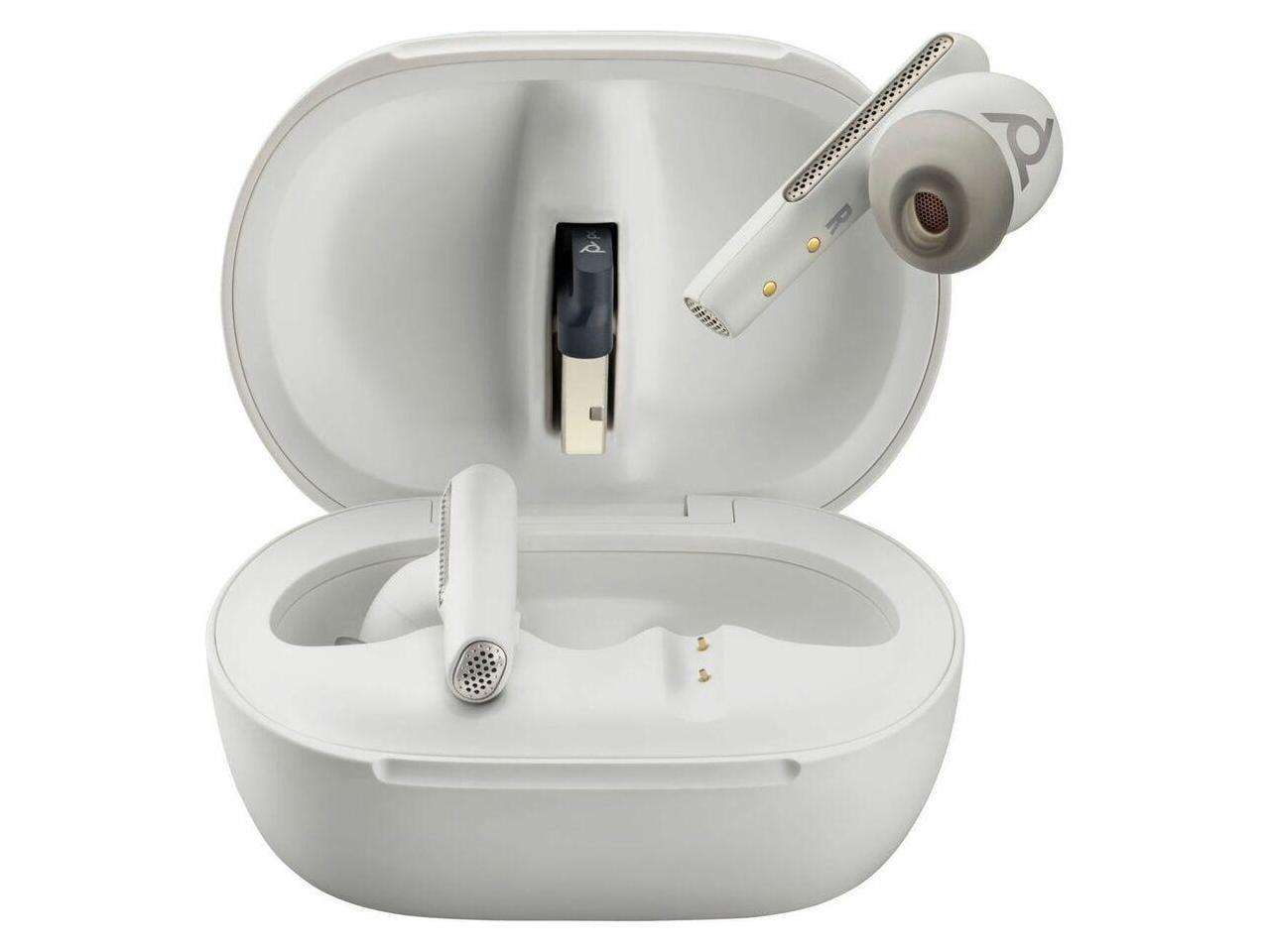

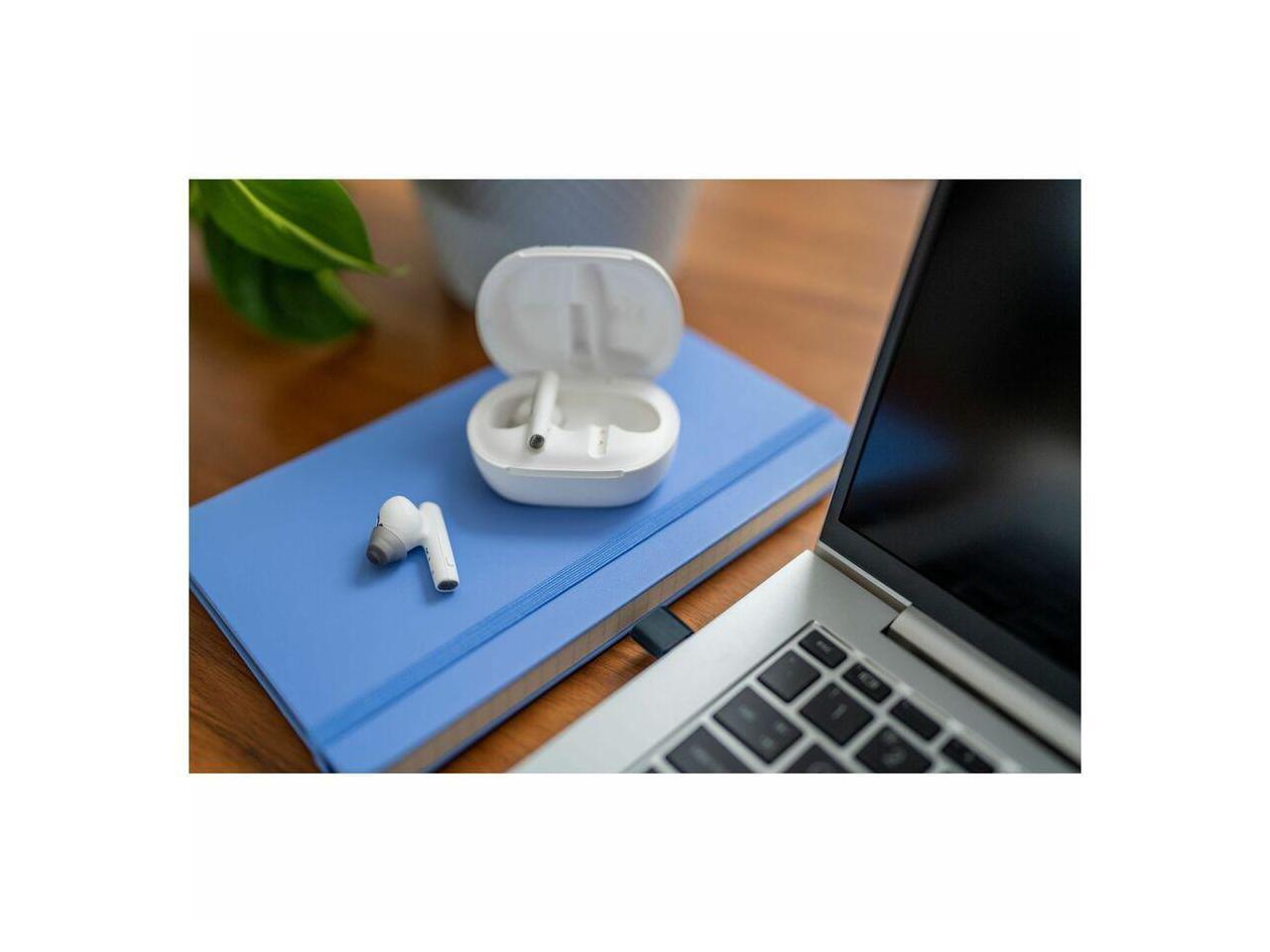

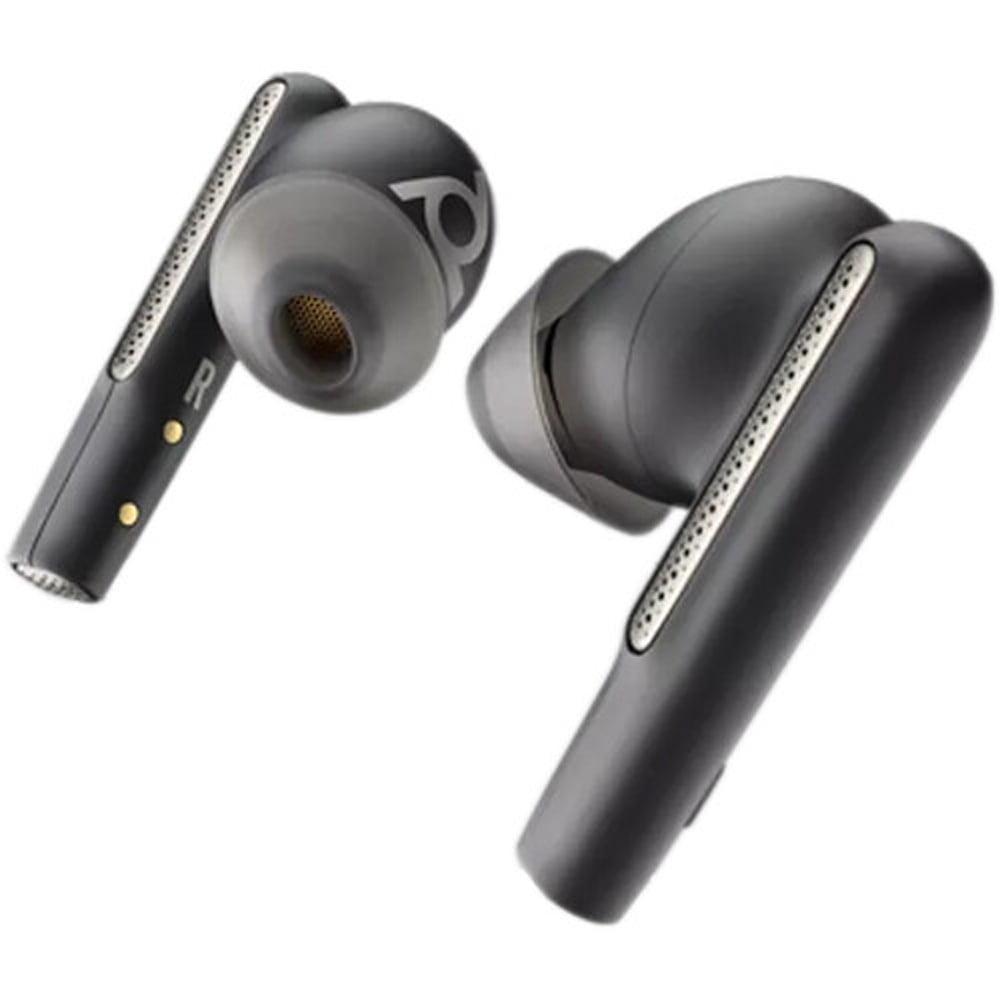

When shopping for wireless earbuds today, you'll quickly discover there's no one-size-fits-all solution. The market has split into distinct categories, each serving different needs and budgets. At one end, you have affordable options like the TOZO A1 that deliver solid performance without breaking the bank. At the other, business-focused models like the Poly Voyager Free 60+ UC prioritize professional features and call quality above all else.
Understanding these different approaches is crucial because what makes great earbuds for your morning jog might be completely wrong for your work-from-home setup. Let's dive deep into how these two very different products stack up and help you figure out which philosophy matches your needs.
The wireless earbuds category has matured significantly since Apple kicked things off with the original AirPods in 2016. What started as a simple "cut the wires" concept has evolved into specialized tools for different lifestyles. Today's buyers need to consider several key factors:
Audio quality remains fundamental, but it's not just about loudness anymore. Modern earbuds use different driver sizes (the tiny speakers inside) and tuning approaches to create distinct sound signatures. Some emphasize thumping bass for workouts, while others focus on clear midrange frequencies where human voices live.
Call performance has become equally important as remote work exploded. This involves sophisticated microphone arrays (multiple tiny mics working together) and noise cancellation algorithms that can distinguish between your voice and background noise like air conditioners or barking dogs.
Battery life considerations now include not just how long the earbuds last, but how the charging case extends that time. Some cases hold enough power for a week of use, while others prioritize being compact enough to slip into tight pockets.
Connectivity stability matters more than ever. Bluetooth 5.3 (the latest wireless standard as of 2023) offers better range and more reliable connections than older versions, but implementation varies widely between manufacturers.
The TOZO A1, released in 2023, represents the budget-conscious approach that prioritizes essential features and comfort. The Poly Voyager Free 60+ UC, also from recent years, takes the opposite tack—it's designed specifically for business users who need professional-grade call quality and enterprise features.
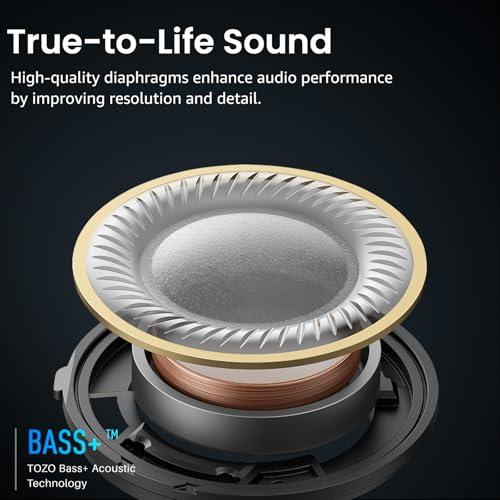
The TOZO A1 uses 6mm dynamic drivers, which might sound small but are actually well-suited for earbuds. Dynamic drivers work like tiny versions of regular speakers, using a magnetic field to move a diaphragm back and forth to create sound waves. The A1's tuning emphasizes the midrange frequencies where vocals and most instruments live, creating a balanced sound that works well across different music genres.
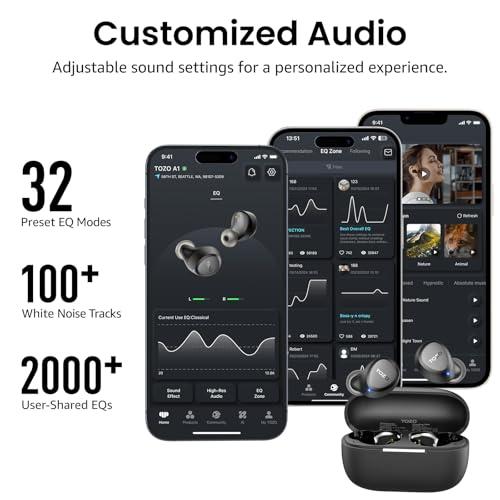
What's particularly impressive about the TOZO A1 is its companion app, which offers 32 different EQ (equalizer) presets. An EQ lets you boost or reduce different frequency ranges—think of it like the bass and treble controls on an old stereo, but much more detailed. This level of customization typically appears on much more expensive earbuds.
The Poly Voyager Free 60+ UC, by contrast, takes a more clinical approach to audio. Its drivers are tuned primarily for voice clarity rather than musical enjoyment. While it includes active noise cancellation (ANC)—technology that uses microphones to detect outside noise and generates opposite sound waves to cancel it out—the overall audio signature prioritizes making human voices sound natural and clear.
For pure music enjoyment, the TOZO A1 edges ahead despite its budget pricing. The sound signature works well for everything from podcasts to rock music, and the extensive EQ options let you fine-tune the experience to your preferences.
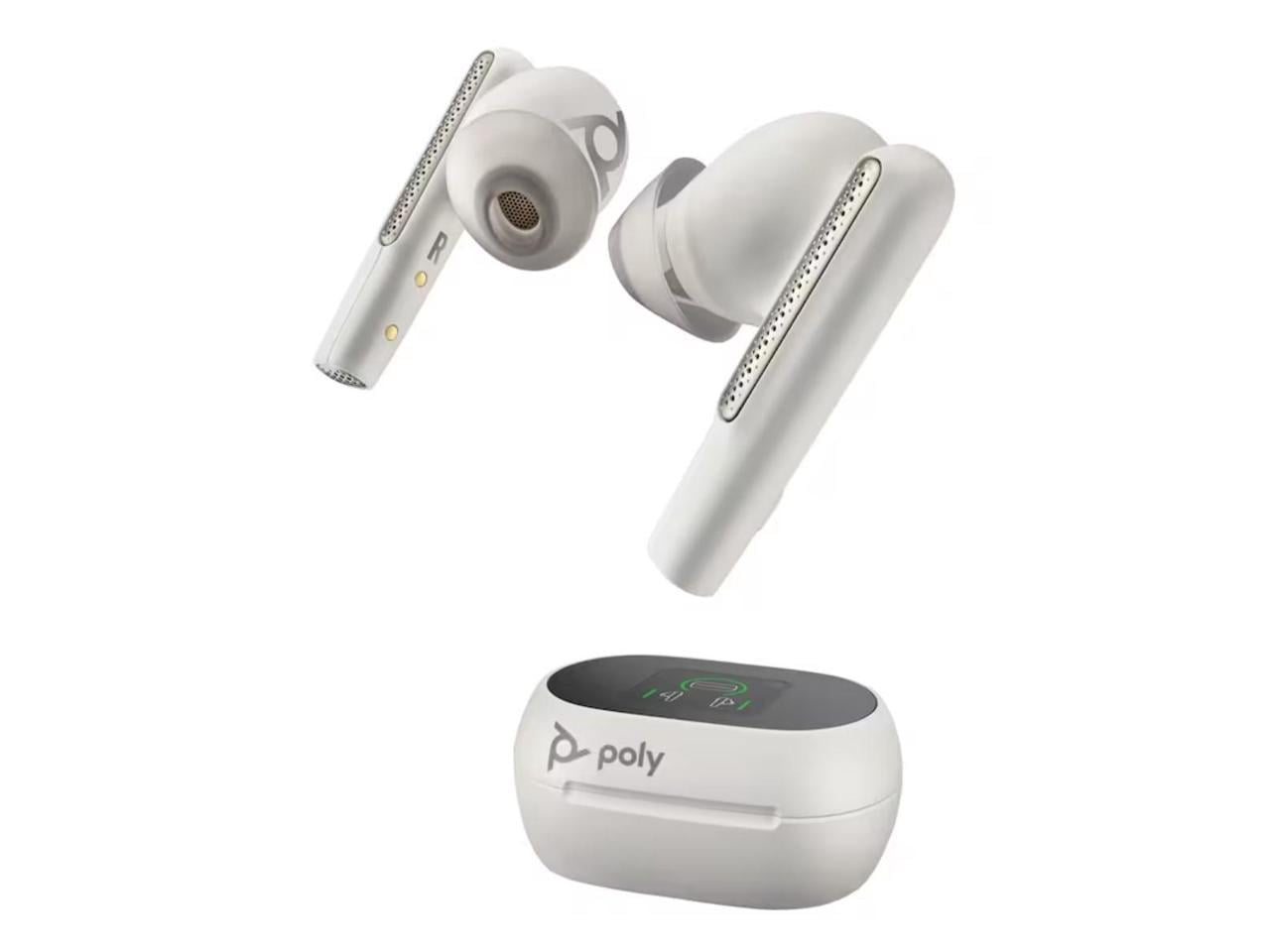
Here's where the Poly Voyager Free 60+ UC shows its professional focus. Its adaptive hybrid ANC system uses both feedforward microphones (facing outward to detect noise before it reaches your ears) and feedback microphones (facing inward to catch any noise that gets through) to create a more effective noise barrier.
The "adaptive" part means the system automatically adjusts its cancellation strength based on your environment and how the earbuds fit in your ears. This matters because ANC effectiveness depends heavily on getting a good seal—if one earbud fits looser than the other, the system compensates accordingly.
The TOZO A1 lacks active noise cancellation entirely, relying instead on passive isolation from its snug fit. This isn't necessarily a disadvantage for everyone. Passive isolation can actually sound more natural since it doesn't introduce the slight "underwater" feeling that some ANC systems create. For casual listening in moderately noisy environments, the A1's approach works fine and helps keep costs down.
This is where the two products diverge most dramatically. The TOZO A1 uses a dual microphone setup with basic AI noise reduction. These microphones work together to focus on your voice while reducing background noise, but the processing is relatively simple compared to professional-grade systems.
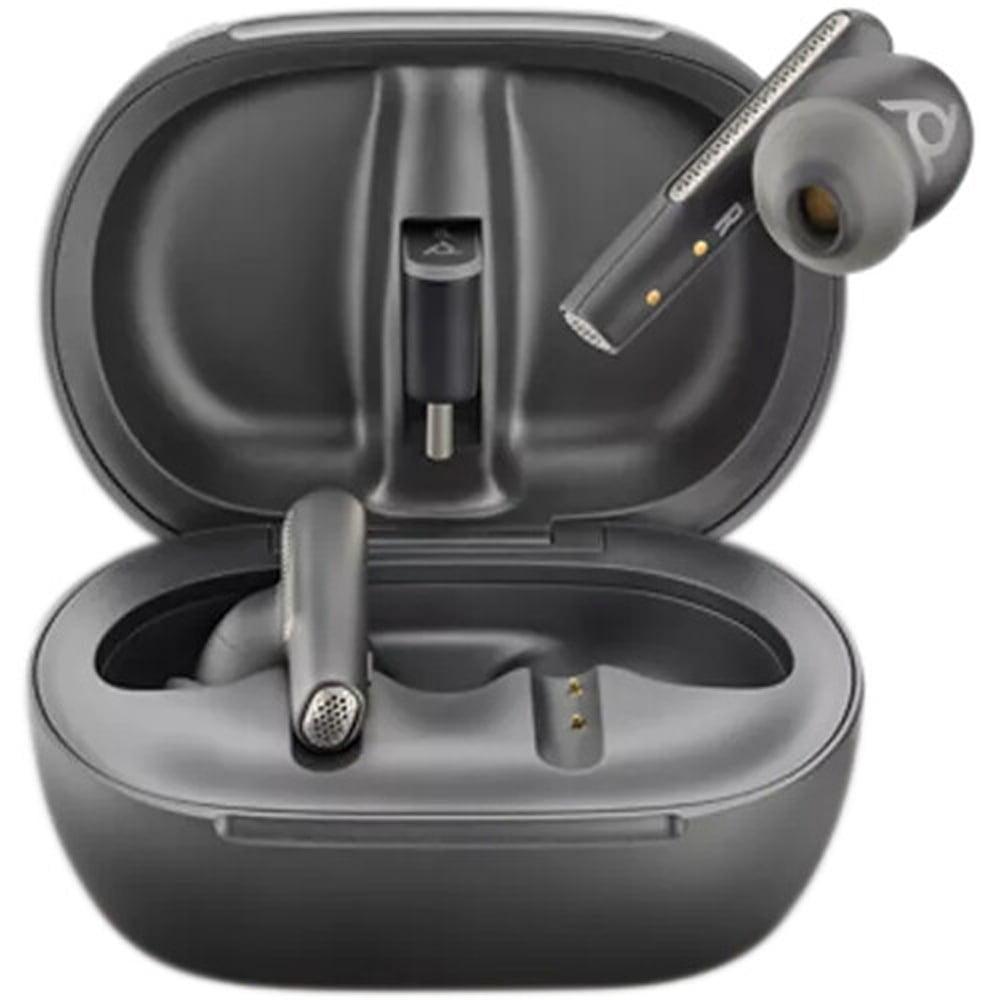
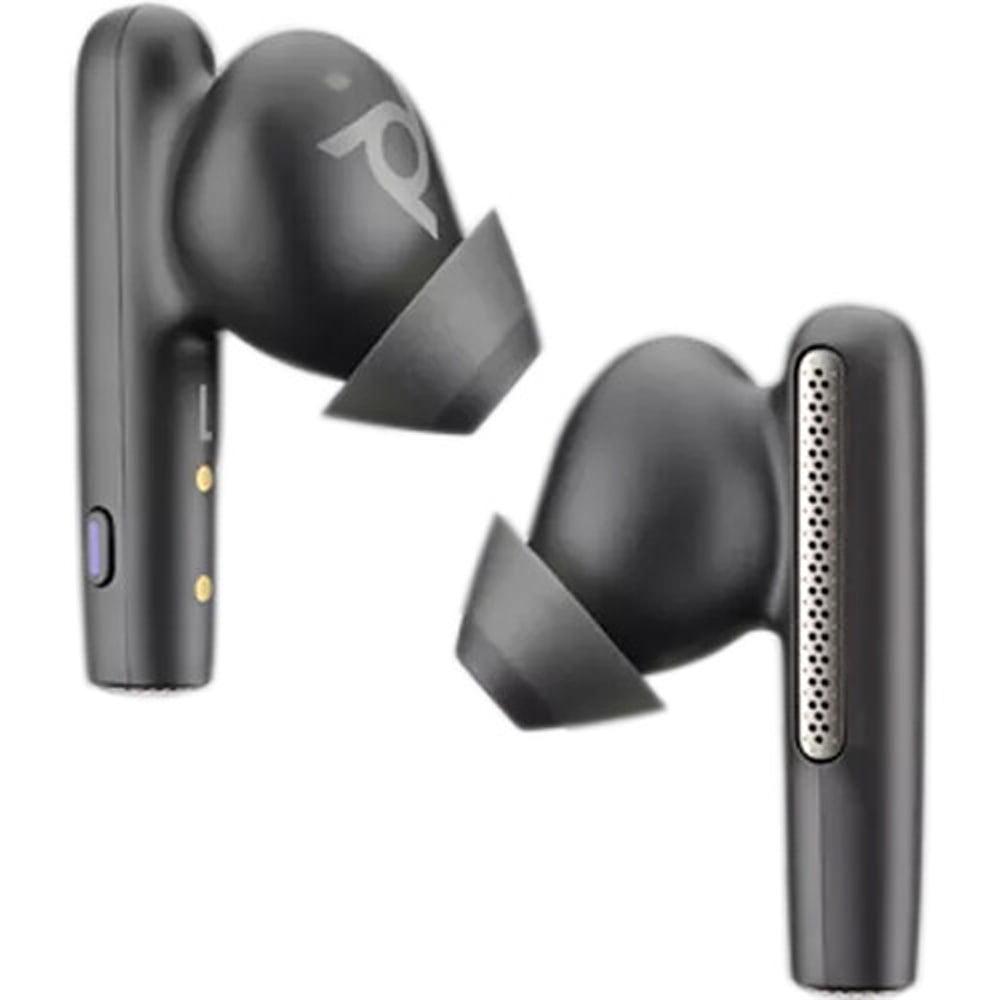
The Poly Voyager Free 60+ UC employs a three-microphone array in each earbud—that's six mics total. This setup enables voice triangulation, where the system can pinpoint exactly where your voice is coming from and focus on that specific area while ignoring sounds from other directions. It's like having a highly directional microphone that follows your mouth as you move.
Poly's WindSmart technology deserves special mention. Wind noise is one of the biggest challenges for earbud microphones because it creates turbulent air that can overwhelm the tiny microphone diaphragms. WindSmart uses specific microphone positioning and digital processing to minimize this issue, making outdoor calls much more pleasant for everyone involved.
Based on extensive user feedback and professional reviews, the differences in call quality are substantial. The TOZO A1 works adequately for occasional phone calls in quiet environments, but struggles when background noise increases. Your voice can sound distant or muffled, and wind or traffic noise often overwhelms the microphones.
The Poly Voyager Free 60+ UC consistently delivers professional-grade call quality that rivals dedicated Bluetooth headsets. The Poly NoiseBlockAI technology uses machine learning to identify and suppress specific types of background noise—everything from keyboard clicking to dogs barking. This isn't just basic noise reduction; it's intelligent sound processing that adapts to your environment in real-time.
For anyone who spends significant time on business calls, video conferences, or client conversations, this difference alone justifies the Poly Voyager Free 60+ UC's higher price point.
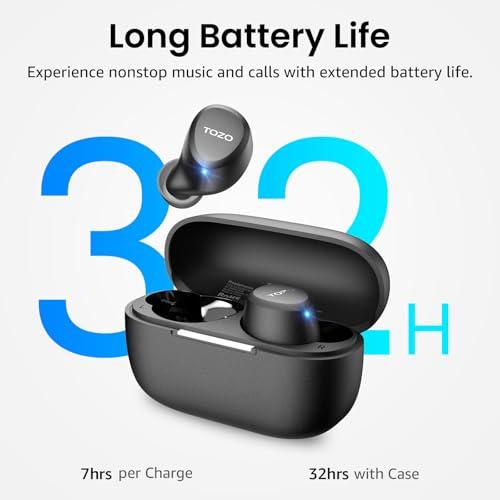
Battery specifications tell only part of the story. The TOZO A1 claims 5.5 to 7 hours per charge depending on volume levels and audio codecs used, with the charging case providing an additional 25+ hours of total playtime. These numbers align well with real-world usage for casual listening.
The Poly Voyager Free 60+ UC offers similar single-charge duration (around 5.5 hours for talk time) but provides less total case capacity at 16.5 hours combined. However, it includes Qi wireless charging, meaning you can simply place the case on any wireless charging pad rather than fumbling with cables.
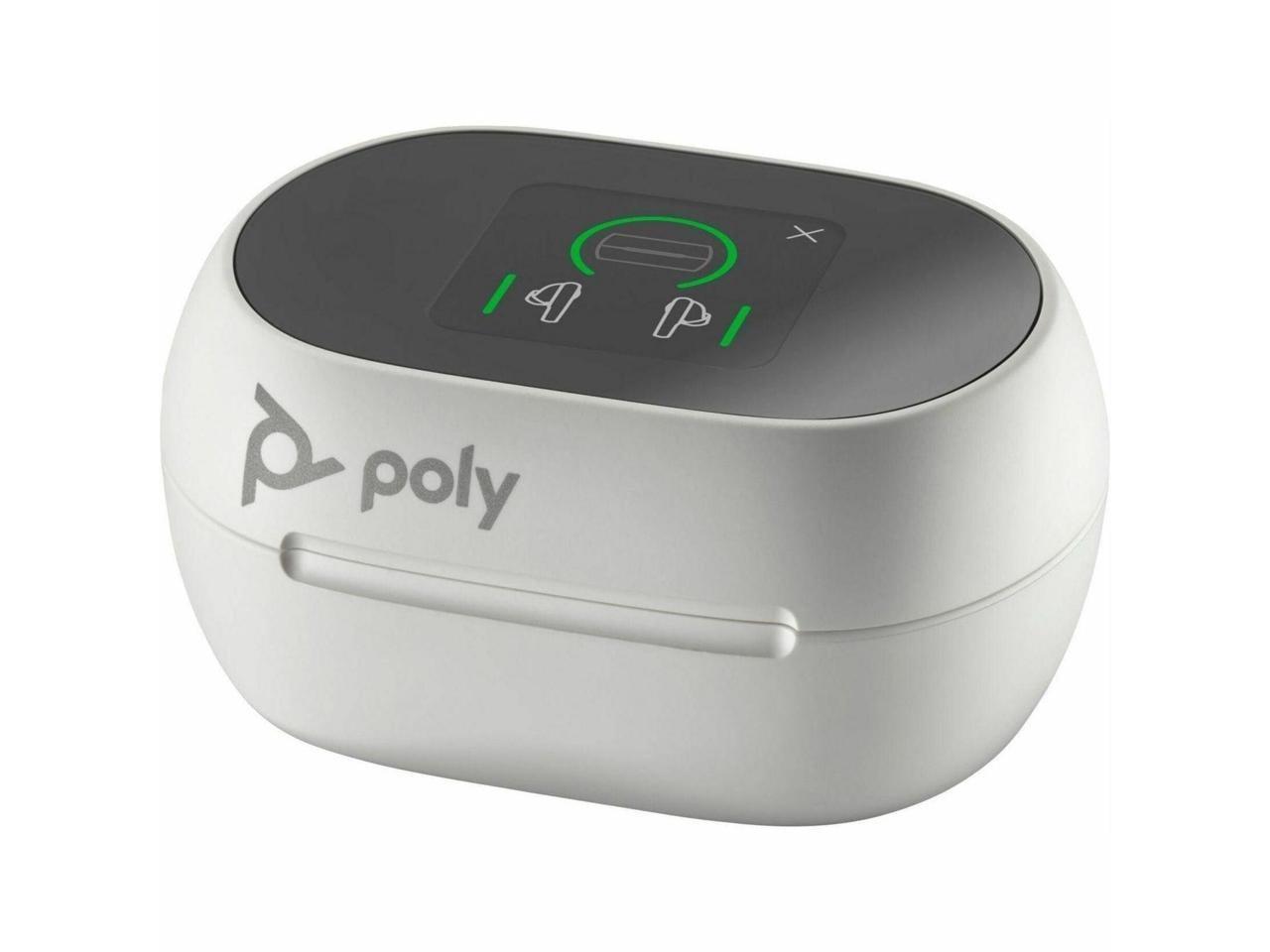
What's particularly clever about the Poly Voyager Free 60+ UC is its touchscreen charging case. This isn't just a gimmick—it allows you to control calls, adjust volume, and switch between paired devices without removing the earbuds. For business users juggling multiple devices, this functionality proves genuinely useful.
The TOZO A1 sticks with traditional USB-C charging, which charges quickly (about 2 hours for a full cycle) but requires keeping track of another cable. For most users, this trade-off makes sense given the significant cost savings.
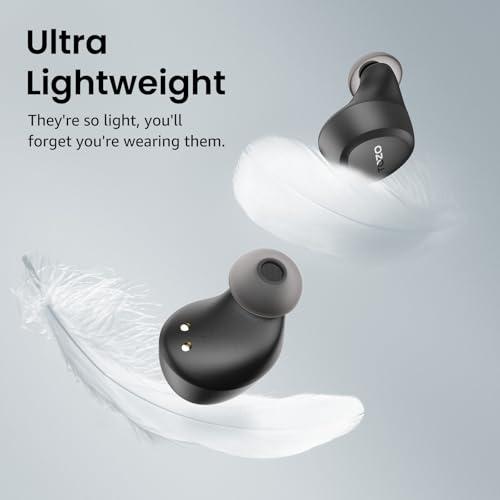
Comfort becomes crucial when you're wearing earbuds for hours at a time, and this is where the TOZO A1 truly shines. At just 3.7 grams per earbud, they're among the lightest options available. The stem-free design sits flush with your ears, making them barely noticeable during extended wear.
The TOZO A1 includes five different ear tip sizes (XS through XXL), which is more comprehensive than many premium brands offer. Getting the right fit matters enormously—not just for comfort, but for sound quality and passive noise isolation.
The Poly Voyager Free 60+ UC takes a bulkier approach due to all its professional features. The larger size accommodates more microphones and processing hardware, but some users report discomfort after an hour or more of continuous wear. The trade-off makes sense for business users who prioritize call quality over all-day music listening comfort.
Both models offer IPX5 water resistance (the Poly adds dust resistance with its IP54 rating), making them suitable for workouts and light rain exposure. Neither is designed for swimming or heavy water exposure.
Modern life often involves juggling multiple devices—your phone, laptop, tablet, and maybe a work computer. The TOZO A1 handles this with basic Bluetooth 5.3 connectivity, providing stable connections and low latency for video watching, but it can only maintain one active connection at a time.
The Poly Voyager Free 60+ UC supports true multipoint connectivity, meaning it can maintain active connections to two devices simultaneously. Imagine seamlessly taking a call on your phone while connected to your laptop for music, then having the call audio automatically return to the laptop when you hang up. The system can remember up to eight paired devices and switch between them via the touchscreen case.
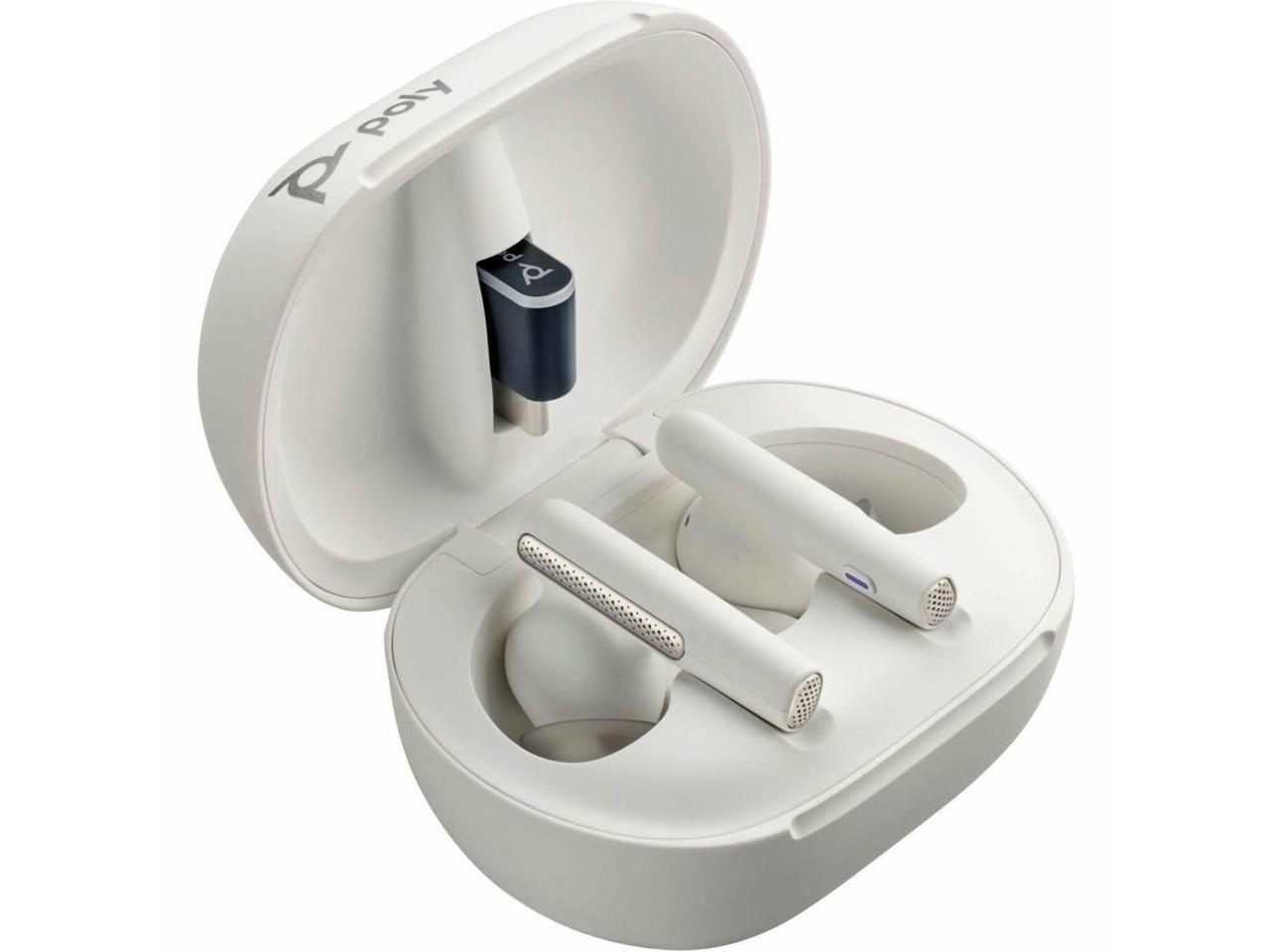
For business users, Poly includes a BT700 Bluetooth adapter that provides enhanced PC connectivity with lower latency and more stable connections for video conferencing. The earbuds are also Microsoft Teams certified, ensuring compatibility with enterprise communication platforms.
At the time of writing, the TOZO A1 represents exceptional value in the budget category, typically costing less than a nice lunch. For this price, you get Bluetooth 5.3 connectivity, decent audio quality, comfortable all-day wear, and basic call functionality. The extensive EQ customization options are particularly impressive at this price point.
The Poly Voyager Free 60+ UC costs significantly more—roughly 10-15 times the price of the TOZO A1. This pricing reflects its positioning as a professional tool rather than a consumer entertainment device. For business users who spend hours daily on calls, the productivity gains from crystal-clear communication can easily justify the investment.
Neither product is specifically designed for home theater use, but there are some considerations worth mentioning. The TOZO A1 offers impressively low audio latency for its price range, meaning lip-sync issues are minimal when watching videos. The balanced sound signature works well for movie dialogue and sound effects.
The Poly Voyager Free 60+ UC includes a unique feature: the charging case has a 3.5mm audio input, allowing wired connections to non-Bluetooth devices. This could theoretically work with older home theater components, though the business-focused tuning isn't optimized for cinematic audio.
For dedicated home theater use, both products would be secondary choices compared to over-ear headphones or traditional speaker systems, but the TOZO A1 offers better value for casual couch listening.
The choice between these products ultimately comes down to your primary use case and budget priorities.
Choose the TOZO A1 if you're looking for reliable, comfortable earbuds for daily music listening, occasional calls, and general media consumption. They're perfect for students, casual listeners, gym-goers, or anyone wanting solid performance without a significant financial commitment. The ultra-light design makes them ideal for all-day wear, and the extensive EQ options let you tailor the sound to your preferences.
The Poly Voyager Free 60+ UC makes sense if you're investing in a professional communication tool. Remote workers, frequent business travelers, consultants, or anyone who spends significant time on calls will appreciate the superior microphone technology and multi-device management features. The call quality difference is substantial enough to impact your professional effectiveness.
Consider your environment too. If you work in noisy spaces, the Poly Voyager Free 60+ UC's active noise cancellation and advanced microphone array provide clear advantages. If you primarily use earbuds in quiet environments for entertainment, the TOZO A1's simpler approach delivers excellent value.
Both products succeed within their intended niches, but they serve fundamentally different needs. The TOZO A1 proves that great-sounding, comfortable earbuds don't require premium pricing, while the Poly Voyager Free 60+ UC demonstrates how specialized engineering can transform earbuds into professional-grade communication tools.
The wireless earbud market's diversity means there's likely a perfect option for your specific needs—you just need to be honest about what those needs actually are and how much professional-grade features matter for your daily routine.
| TOZO A1 Wireless Earbuds | Poly Voyager Free 60+ UC Wireless Earbuds |
|---|---|
| Price Category - Budget vs professional investment | |
| Budget-friendly (under $25) | Premium business tool (10-15x more expensive) |
| Audio Drivers - Core sound reproduction | |
| 6mm dynamic drivers with balanced tuning | Professional-grade drivers optimized for voice clarity |
| Microphone Array - Critical for call quality | |
| Dual mics with basic AI noise reduction | Three-microphone array per earbud with voice triangulation |
| Active Noise Cancellation - Blocks external noise | |
| None (passive isolation only) | Adaptive hybrid ANC with transparency mode |
| Weight Per Earbud - Comfort for extended wear | |
| 3.7g (ultra-lightweight for all-day comfort) | Heavier due to professional components |
| Battery Life Single Charge - Daily usage without case | |
| 5.5-7 hours music playback | 5.5 hours talk time focused |
| Total Battery with Case - Extended usage capability | |
| 22-32 hours total playtime | 16.5 hours total (shorter but includes wireless charging) |
| Bluetooth Connectivity - Device management | |
| Bluetooth 5.3, single device connection | Bluetooth 5.3 with multipoint (2 devices simultaneously) |
| Water Resistance - Durability for active use | |
| IPX5 (sweat and splash resistant) | IP54 (dust and water resistant) |
| App Features - Customization options | |
| 32 EQ presets for sound tuning | Poly Lens app for business management |
| Special Features - Unique selling points | |
| Ultra-compact design, extensive ear tip sizes | Touchscreen case, Microsoft Teams certified, WindSmart tech |
| Best Use Cases - Who should buy each | |
| Music listening, casual calls, gym, students | Business calls, remote work, multi-device professionals |
| Key Advantage - What each does better | |
| Exceptional comfort and value for entertainment | Professional-grade call quality and enterprise features |
The TOZO A1 Wireless Earbuds are better suited for music listening thanks to their balanced sound signature and 32 customizable EQ presets. The 6mm dynamic drivers deliver clear vocals and well-balanced audio across different genres. The Poly Voyager Free 60+ UC is tuned primarily for voice clarity rather than musical enjoyment, making the TOZO A1 the clear winner for entertainment use.
The Poly Voyager Free 60+ UC Wireless Earbuds dramatically outperform the TOZO A1 for business calls. With three microphones per earbud, voice triangulation technology, and Poly NoiseBlockAI, the Poly Voyager Free 60+ delivers professional-grade call quality that can handle noisy environments and wind interference.
The TOZO A1 Wireless Earbuds offer longer total playtime with 5.5-7 hours per charge and 22-32 hours with the case. The Poly Voyager Free 60+ UC provides similar single-charge performance (5.5 hours) but only 16.5 hours total with the case. However, the Poly Voyager Free 60+ includes wireless charging convenience.
The TOZO A1 Wireless Earbuds are significantly more comfortable at just 3.7g per earbud with a compact, stem-free design. The ultra-lightweight construction makes them ideal for extended wear, while the Poly Voyager Free 60+ UC can cause discomfort after an hour due to their bulkier professional components.
The Poly Voyager Free 60+ UC Wireless Earbuds support multipoint connectivity, connecting to two devices simultaneously and remembering up to 8 paired devices. The TOZO A1 only connects to one device at a time, making the Poly Voyager Free 60+ better for users who frequently switch between phone, laptop, and other devices.
Only the Poly Voyager Free 60+ UC Wireless Earbuds feature active noise cancellation with adaptive hybrid ANC and transparency mode. The TOZO A1 Wireless Earbuds rely on passive noise isolation from their snug fit, which works adequately for casual use but can't match active cancellation technology.
Both earbuds are suitable for exercise, but the TOZO A1 Wireless Earbuds are better for gym use due to their ultra-lightweight design and IPX5 water resistance. The Poly Voyager Free 60+ UC has IP54 rating but is bulkier and designed more for office use than active workouts.
The TOZO A1 Wireless Earbuds provide exceptional value with solid audio quality, comfortable fit, and modern Bluetooth 5.3 connectivity at a budget-friendly price. The Poly Voyager Free 60+ UC costs significantly more but justifies the investment for business users who need professional call quality and enterprise features.
Both work for phone calls, but with very different results. The TOZO A1 handles basic calls adequately in quiet environments but struggles with background noise. The Poly Voyager Free 60+ UC Wireless Earbuds excel at phone calls with superior microphone technology and noise suppression, making them ideal for important business conversations.
The TOZO A1 Wireless Earbuds offer impressive app features for their price range, including 32 EQ presets for sound customization. The Poly Voyager Free 60+ UC uses the Poly Lens app focused on business management and device switching via the touchscreen case, serving different user needs.
The TOZO A1 Wireless Earbuds work well for video watching with low audio latency and balanced sound that handles dialogue clearly. The Poly Voyager Free 60+ UC can also handle video content but is optimized more for voice calls than entertainment, making the TOZO A1 better for casual video viewing.
Choose the TOZO A1 Wireless Earbuds if you want comfortable, affordable earbuds for music, casual calls, and daily entertainment. Select the Poly Voyager Free 60+ UC Wireless Earbuds if you work from home, make frequent business calls, or need professional-grade communication tools with multi-device support and superior call quality.
We've done our best to create useful and informative comparisons to help you decide what product to buy. Our research uses advanced automated methods to create this comparison and perfection is not possible - please contact us for corrections or questions. These are the sites we've researched in the creation of this article: bestbuy.com - izreview.com - tozostore.com - youtube.com - youtube.com - bestbuy.com - mryouwho.com - versus.com - walmart.com - scarbir.com - versus.com - youtube.com - youtube.com - youtube.com - tozostore.com - review-rating.com - us.smartprix.com - tozostore.com - newegg.com - tozostore.com - bestbuy.com - newegg.com - versus.com - tozostore.com - bestbuy.com - manuals.plus - walmart.com - independenttourist.com - soundguys.com - headsetsdirect.com - youtube.com - vivo.tech - headsetadvisor.com - hp.com - headsetadvisor.com - hp.com - gadgetoid.com - hp.com - hp.com - youtube.com - headsetsdirect.com - lexair.com - content.shi.com - docs.poly.com - hp.com - bestbuy.com - h20195.www2.hp.com - vivo.tech - hp.com - insight.com - cdw.com - hp.com - trustedreviews.com - hp.com - youtube.com

Privacy Policy
Terms and Conditions - Affiliate Policy
Home Security
© Copyright 2008-2026.
11816 Inwood Rd #1211, Dallas, TX 75244