


The wireless earbud market has exploded over the past few years, creating a massive range of options from ultra-budget picks under $30 to flagship models that cost more than a decent smartphone. This creates both opportunity and confusion – you can get surprisingly good audio for less money than ever before, but it's harder to know where the real value lies.
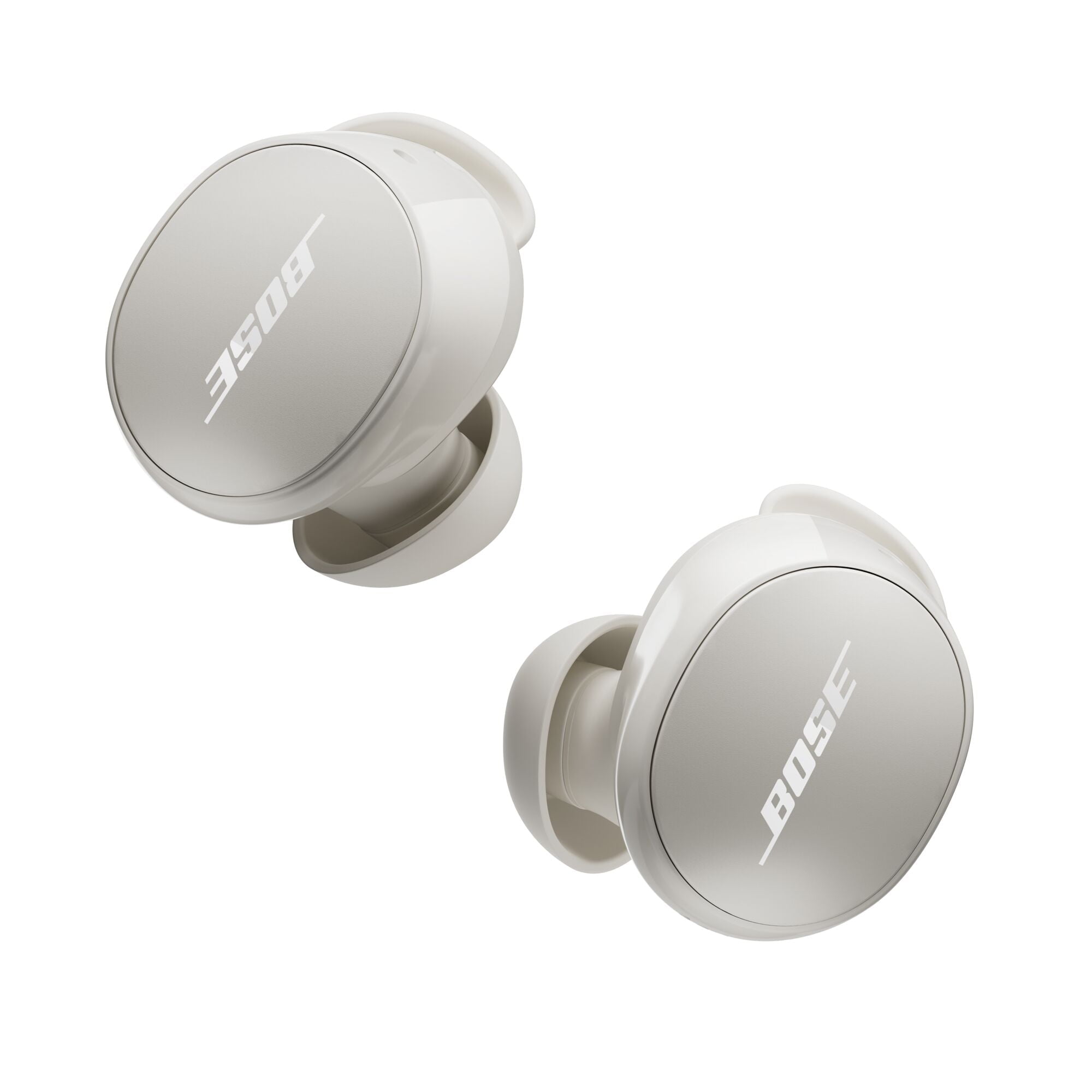
Today we're comparing two earbuds that represent very different philosophies: the TOZO A1, a budget champion that launched in 2023, and the Bose QuietComfort Wireless Earbuds, released in late 2024 as Bose's attempt to bring premium features to a more accessible price point. At the time of writing, these products sit in completely different price categories – the TOZO A1 costs about as much as a decent lunch, while the Bose QuietComfort represents a moderate investment that's still significantly cheaper than flagship earbuds from Apple or Sony.
Before diving into specifics, it's worth understanding what actually matters in wireless earbuds. The technology has matured significantly since the first truly wireless models appeared around 2016. Back then, connectivity was spotty, battery life was terrible, and sound quality was often a compromise. Modern earbuds like these two have solved most of those early problems, but they've done so in very different ways.
The core technologies that define your experience are the audio drivers (the tiny speakers that actually produce sound), digital signal processing (computer algorithms that tune and optimize the audio), active noise cancellation (microphones that detect and cancel out external noise), and Bluetooth connectivity (how reliably and efficiently the earbuds connect to your devices).
Codec support is another crucial but often misunderstood factor. Codecs are essentially compression algorithms that determine how your audio gets transmitted wirelessly. Basic codecs like SBC work everywhere but compress audio heavily. Advanced codecs like AAC (preferred by Apple devices) and aptX (common on Android) preserve more audio quality during transmission.
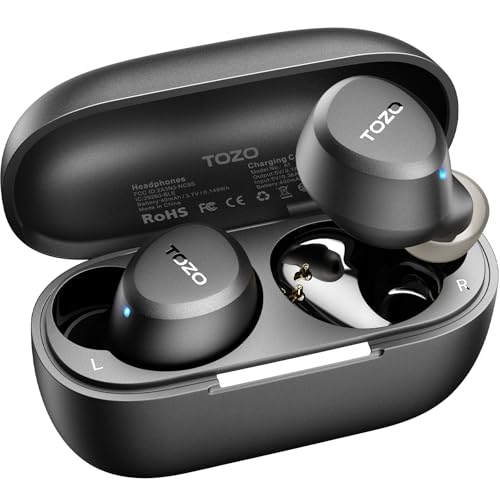
The TOZO A1 represents the "essentials done right" philosophy. TOZO has focused on delivering reliable wireless audio with exceptional battery life and comfort, while skipping expensive features like active noise cancellation. The result is a product that costs roughly what a premium wired headphone cable used to cost, yet delivers genuinely useful wireless functionality.
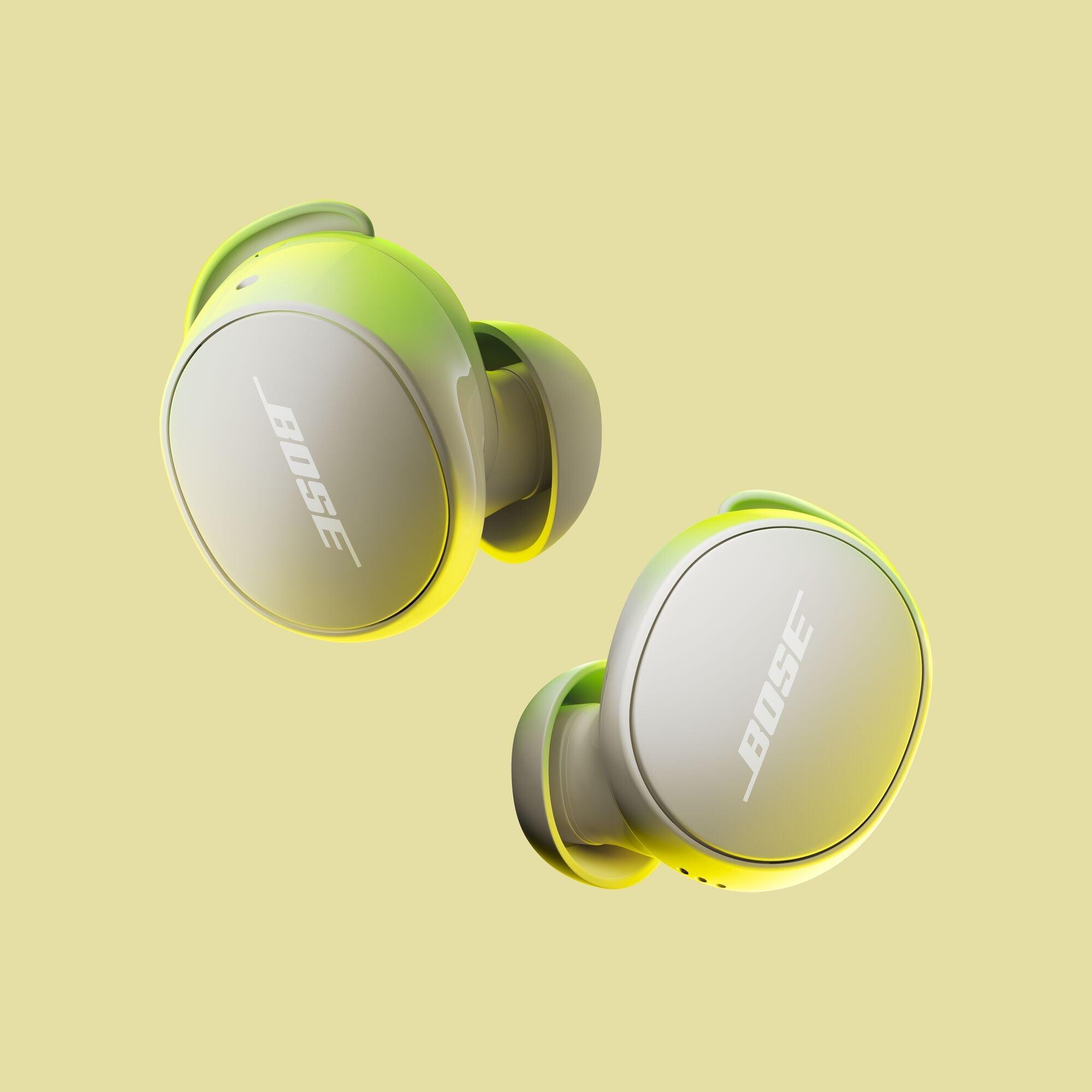
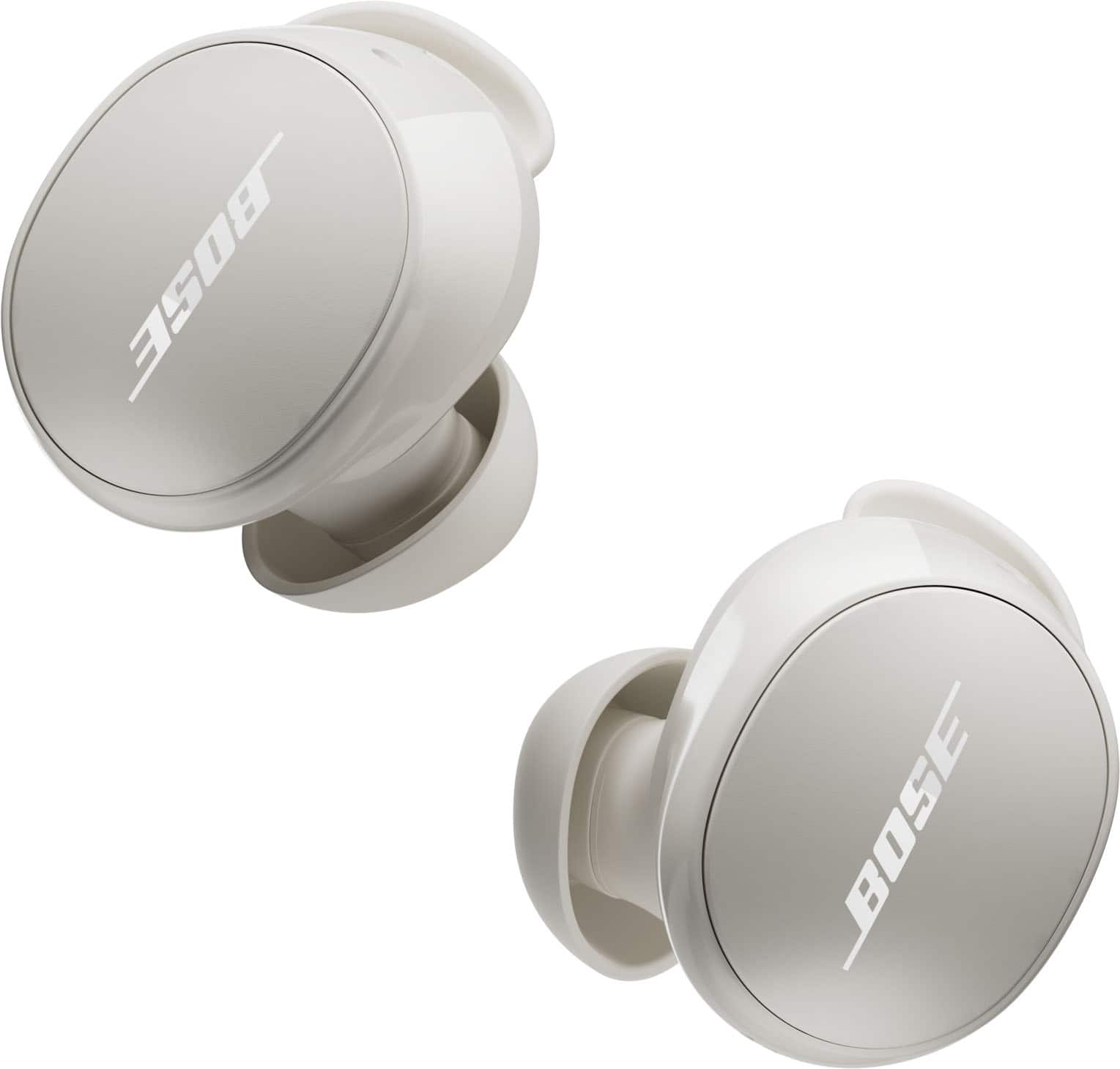
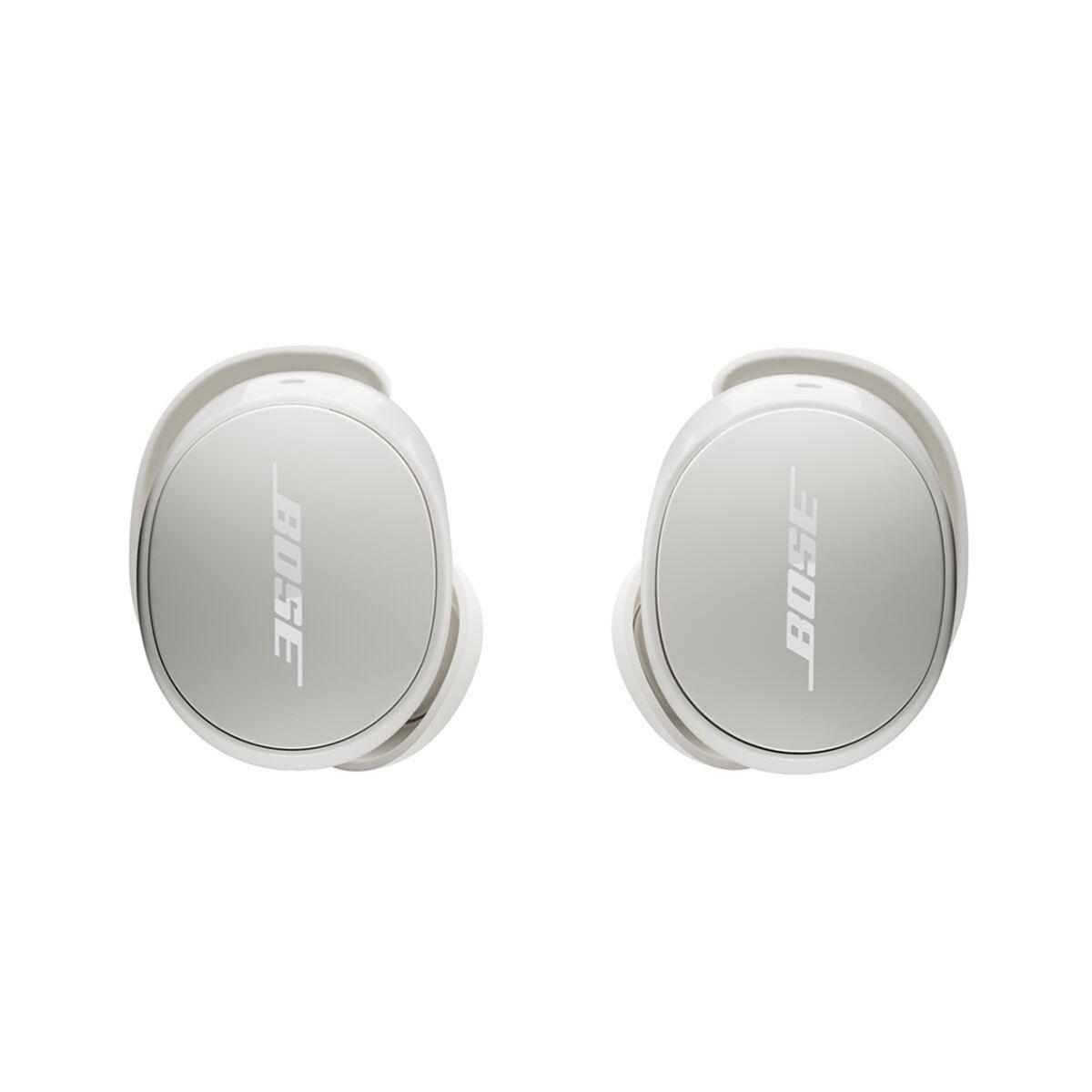
The Bose QuietComfort, meanwhile, brings decades of audio engineering expertise to bear on the mid-range market. Bose essentially took their premium noise cancellation technology – the same core tech found in their $300+ flagship models – and packaged it in a more affordable product. This represents a significant shift for Bose, who traditionally focused on the high end of the market.
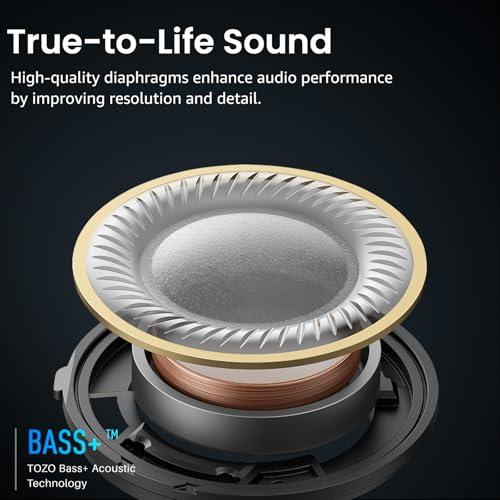
This is where the fundamental differences between these products become most apparent. The TOZO A1 uses 6mm dynamic drivers with a frequency response from 20Hz to 20kHz – specs that look impressive on paper but tell only part of the story. Dynamic drivers work by moving a physical diaphragm back and forth to create sound waves, and the size and quality of that diaphragm significantly impacts what you hear.
Based on our research into user and professional reviews, the TOZO A1's sound signature is notably different from other TOZO models. Where many budget earbuds emphasize bass to create an impressive first impression, the A1 takes a more balanced approach with emphasis on the midrange frequencies where vocals live. This makes them particularly good for podcasts and spoken content, though music lovers might find them less exciting than bass-heavy alternatives.
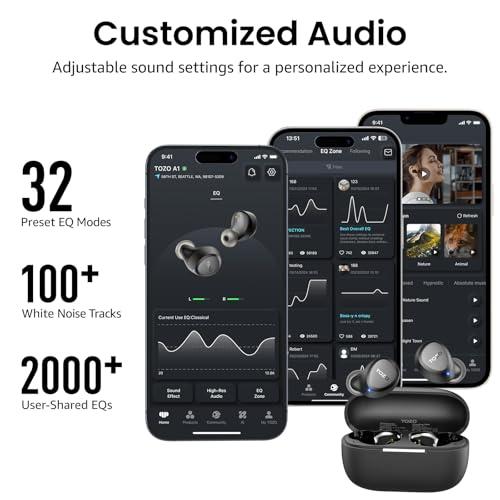
The tuning feels somewhat unrefined compared to premium options – there's less separation between instruments, and the soundstage (the sense of space and positioning in the audio) is relatively narrow. However, the 32 preset EQ modes available through TOZO's app provide significant flexibility to adjust the sound to your preferences, which is genuinely impressive at this price point.
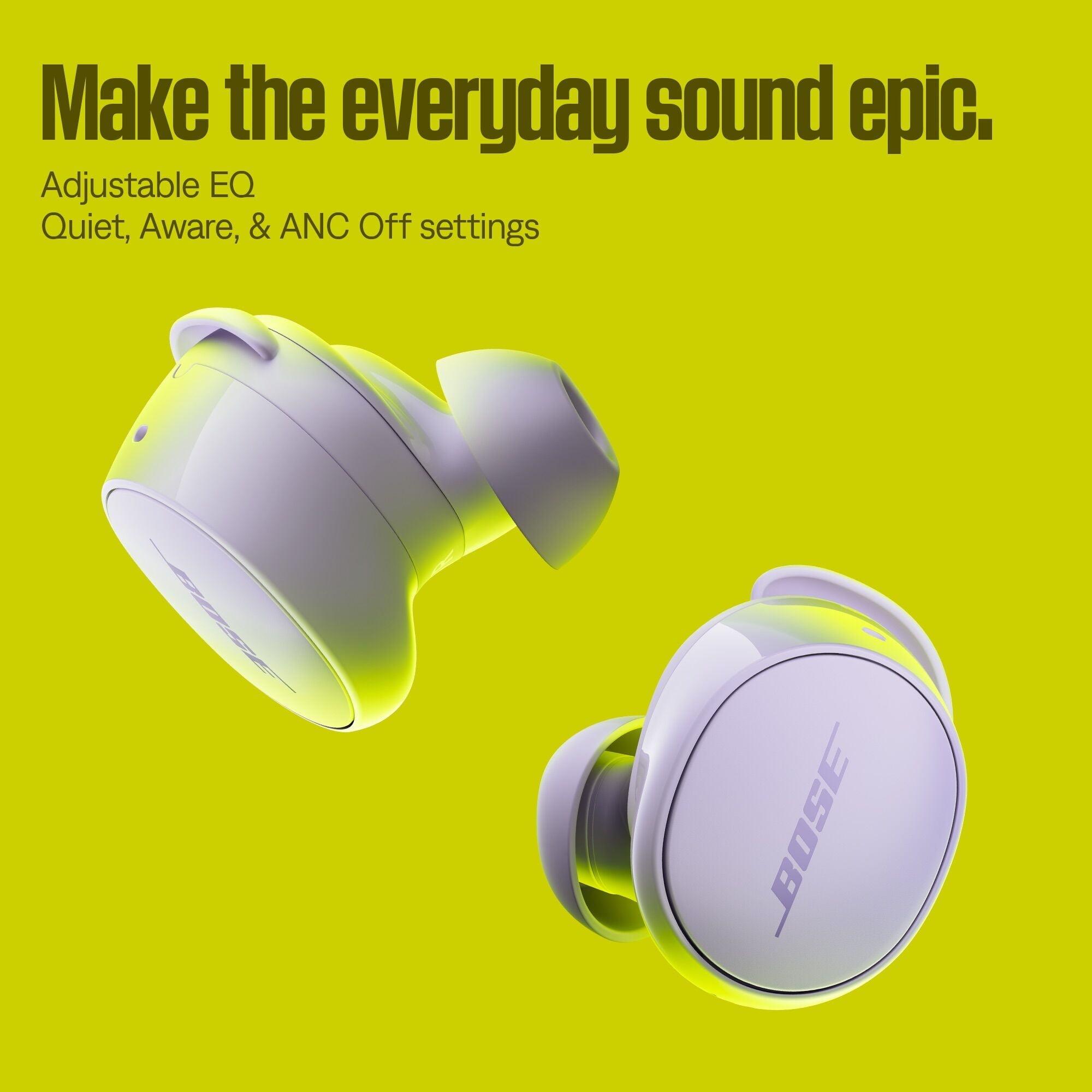
The Bose QuietComfort takes a fundamentally different approach with their CustomTune technology. This system uses microphones to measure how sound bounces around inside your specific ear canal, then adjusts both the audio output and noise cancellation accordingly. It's a sophisticated solution that addresses one of the biggest challenges in earbud design – the fact that everyone's ears are shaped differently.
Professional reviews consistently praise the QuietComfort's sound quality, describing it as having a U-shaped frequency response that enhances both bass and treble while maintaining clarity in the midrange. The 5-band EQ in Bose's app provides precise control over the sound signature, and the overall tuning feels more polished and musical than the TOZO A1.
For home theater use, both earbuds support the standard audio codecs needed for TV connectivity, but neither is optimized for this application. The TOZO A1's minimal latency (audio delay) actually gives it a slight advantage here, as lip-sync issues are less noticeable. However, both products would be outperformed by dedicated home theater headphones for serious movie watching.
This is perhaps the most significant differentiator between these products. The TOZO A1 has no active noise cancellation whatsoever – it relies entirely on the physical seal created by the silicone ear tips to block external sound. This passive isolation can be surprisingly effective if you get a good fit, but it's fundamentally limited.
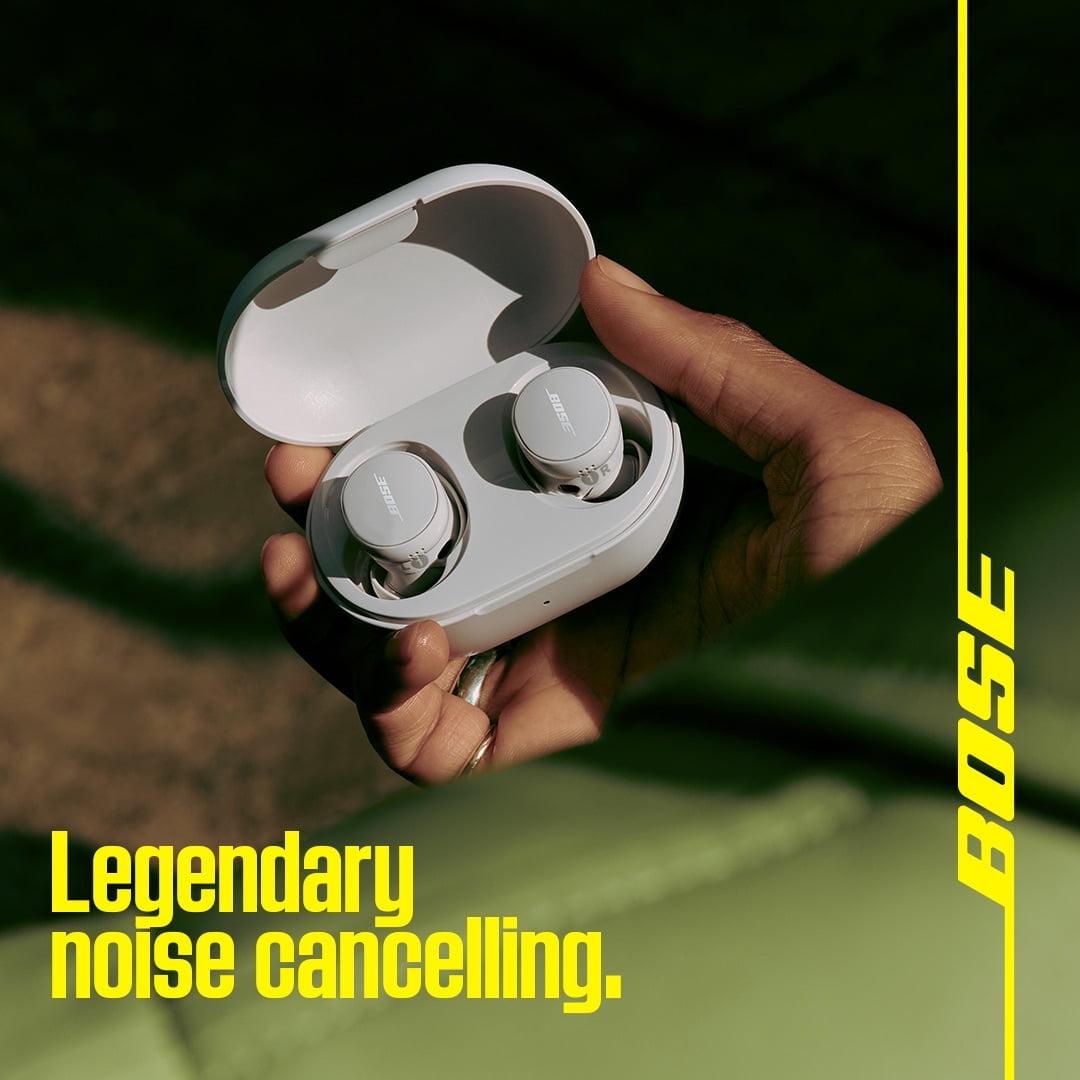
The Bose QuietComfort includes full active noise cancellation, which works by using external microphones to detect ambient sound, then generating opposite-phase sound waves to cancel it out. Bose has been perfecting this technology since the 1980s, originally for aviation applications, and their expertise shows.
Based on professional testing, the QuietComfort can reduce the perceived loudness of most ambient noise by over 80%. This isn't just about making things quieter – effective ANC actually reduces listening fatigue and allows you to enjoy music at lower volumes, which is better for your long-term hearing health.
The QuietComfort offers both "Quiet Mode" for maximum noise cancellation and "Aware Mode" that lets important sounds through while still reducing background noise. This flexibility is crucial for daily use – you can stay aware of traffic while walking or hear announcements in an airport while still enjoying your music.
For anyone who regularly deals with noisy environments – commuting on public transit, working in open offices, traveling frequently, or even just trying to concentrate in a busy household – the noise cancellation alone can justify the price difference between these products.
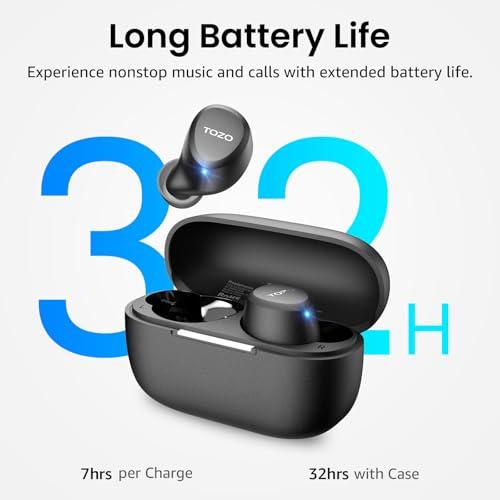
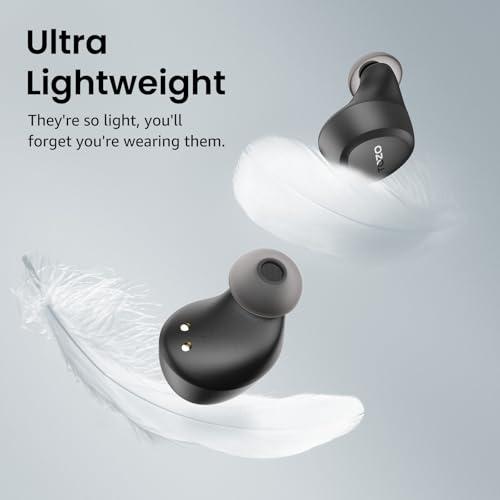
Both products excel in battery life, but for different reasons. The TOZO A1 achieves up to 32 hours of total playback time (7 hours from the earbuds plus 25 hours from the charging case) through aggressive power management and the absence of power-hungry features like ANC. At just 3.7 grams per earbud, they're among the lightest wireless earbuds available, which contributes to their impressive efficiency.
The Bose QuietComfort manages similar performance – 8.5 hours per charge with 31.5 hours total – while running sophisticated noise cancellation algorithms. This is genuinely impressive from an engineering standpoint, as ANC typically reduces battery life significantly.
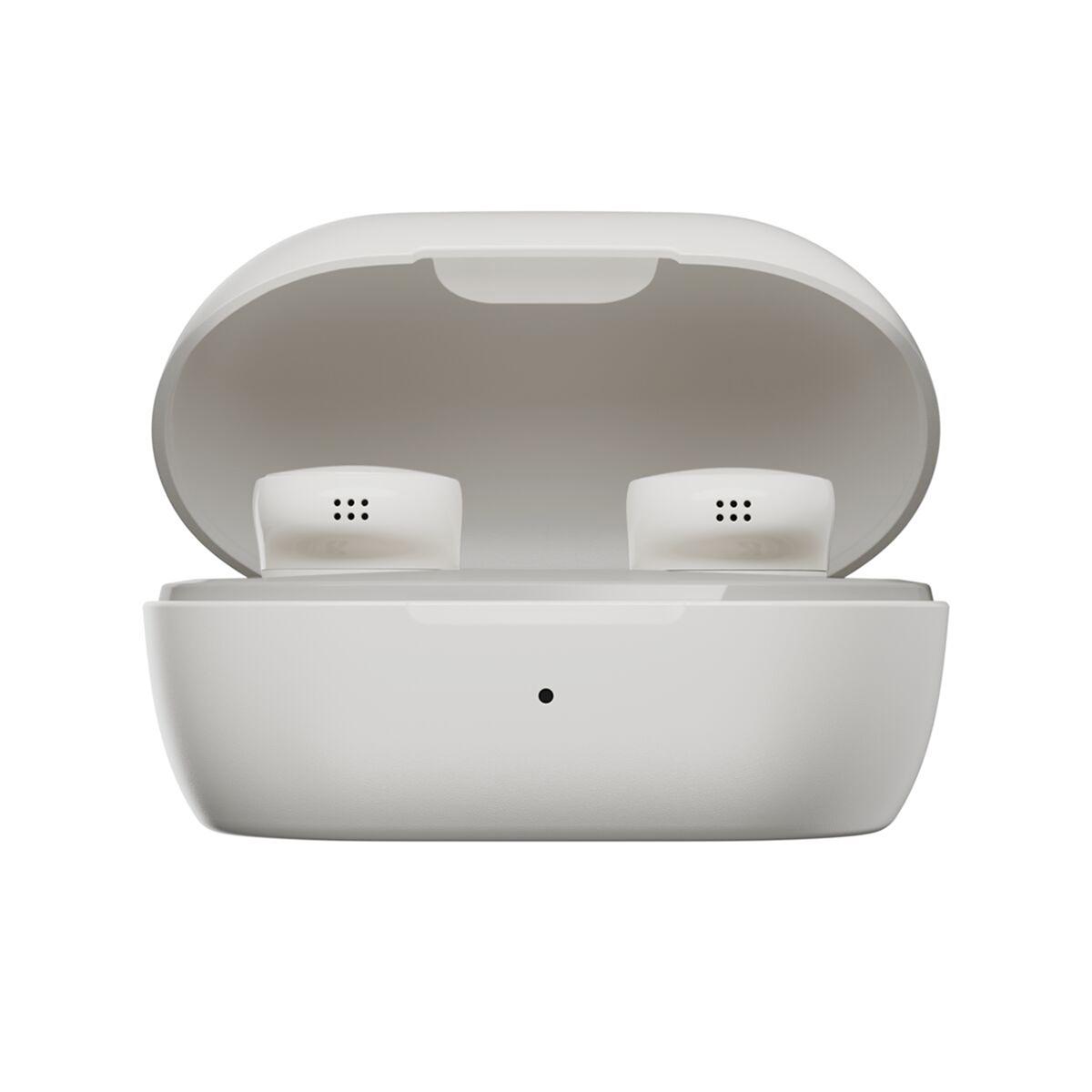
Both products charge via USB-C and take about 2 hours for a full charge, which has become the standard in this category. The Bose includes wireless charging for the case, which adds convenience but isn't essential for most users.
For practical purposes, both will easily last through even the longest workdays or travel sessions. The TOZO A1's slight edge in total battery life probably won't matter to most users, but it could be valuable for people who frequently forget to charge their devices.
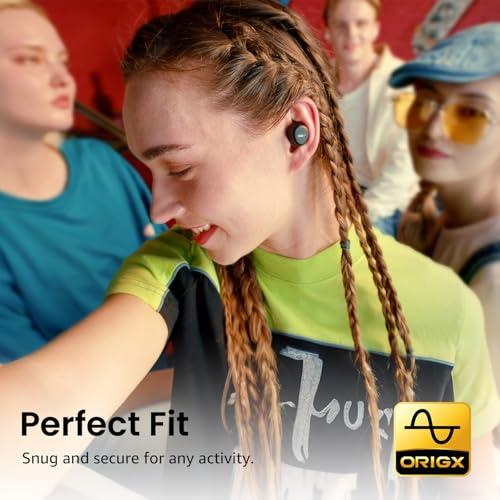
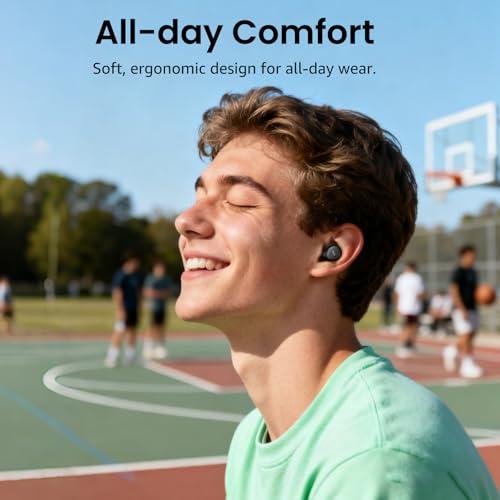
The TOZO A1 takes a minimalist approach to fit – they're incredibly light and come with five different ear tip sizes from XS to XXL. The stem-free design makes them very discrete, and the low weight means they virtually disappear once properly fitted. However, some users report that they can work loose during vigorous activity or when wearing helmets.
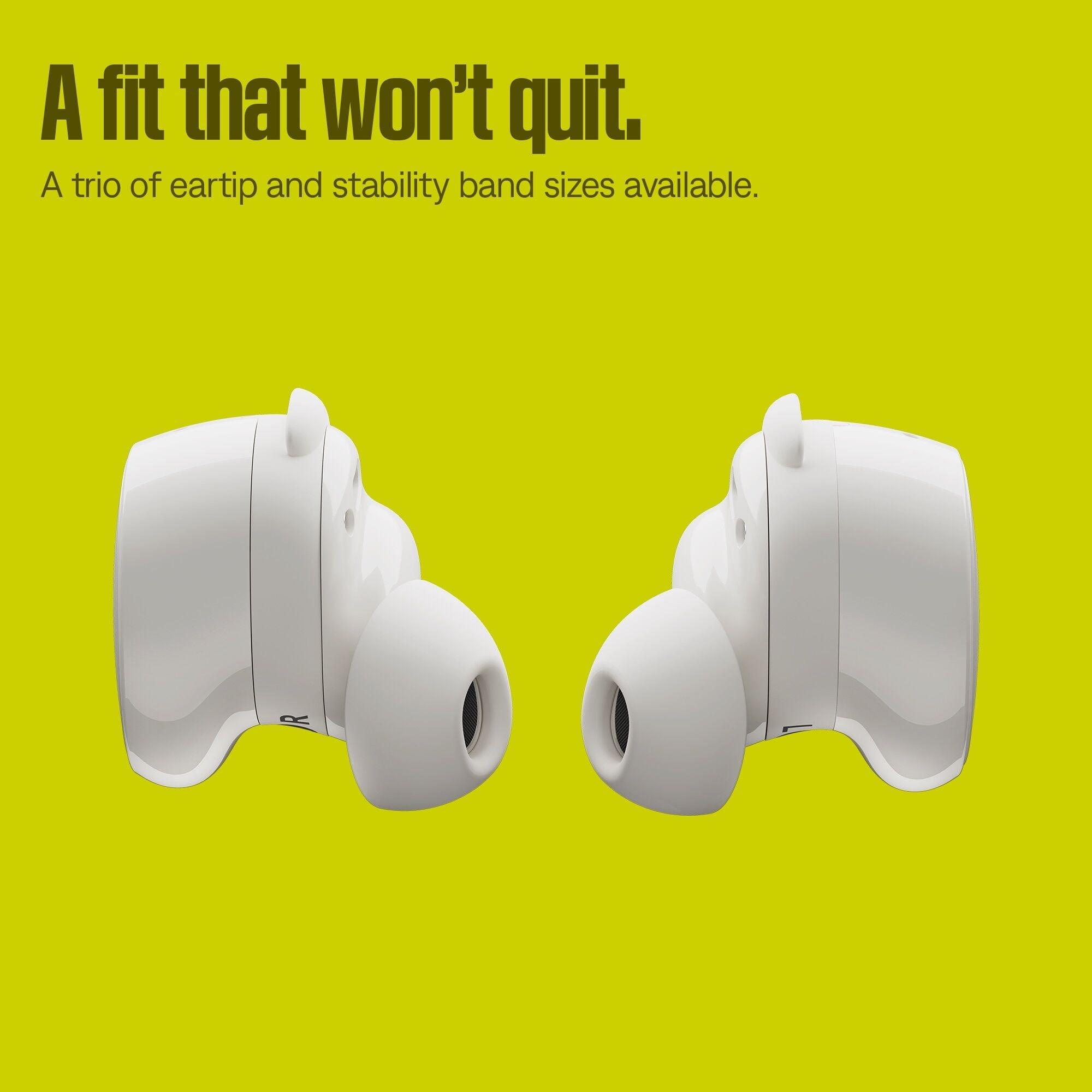
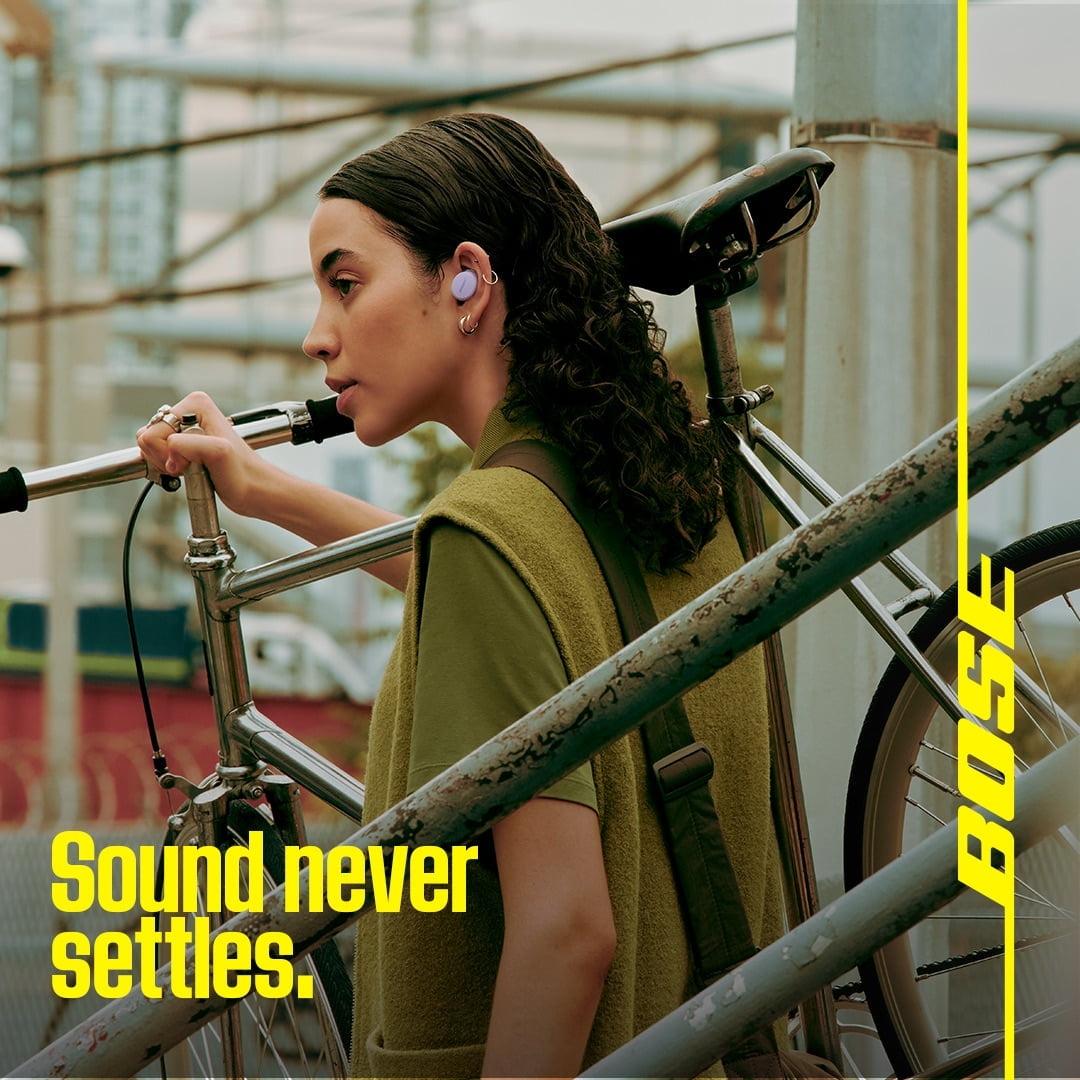
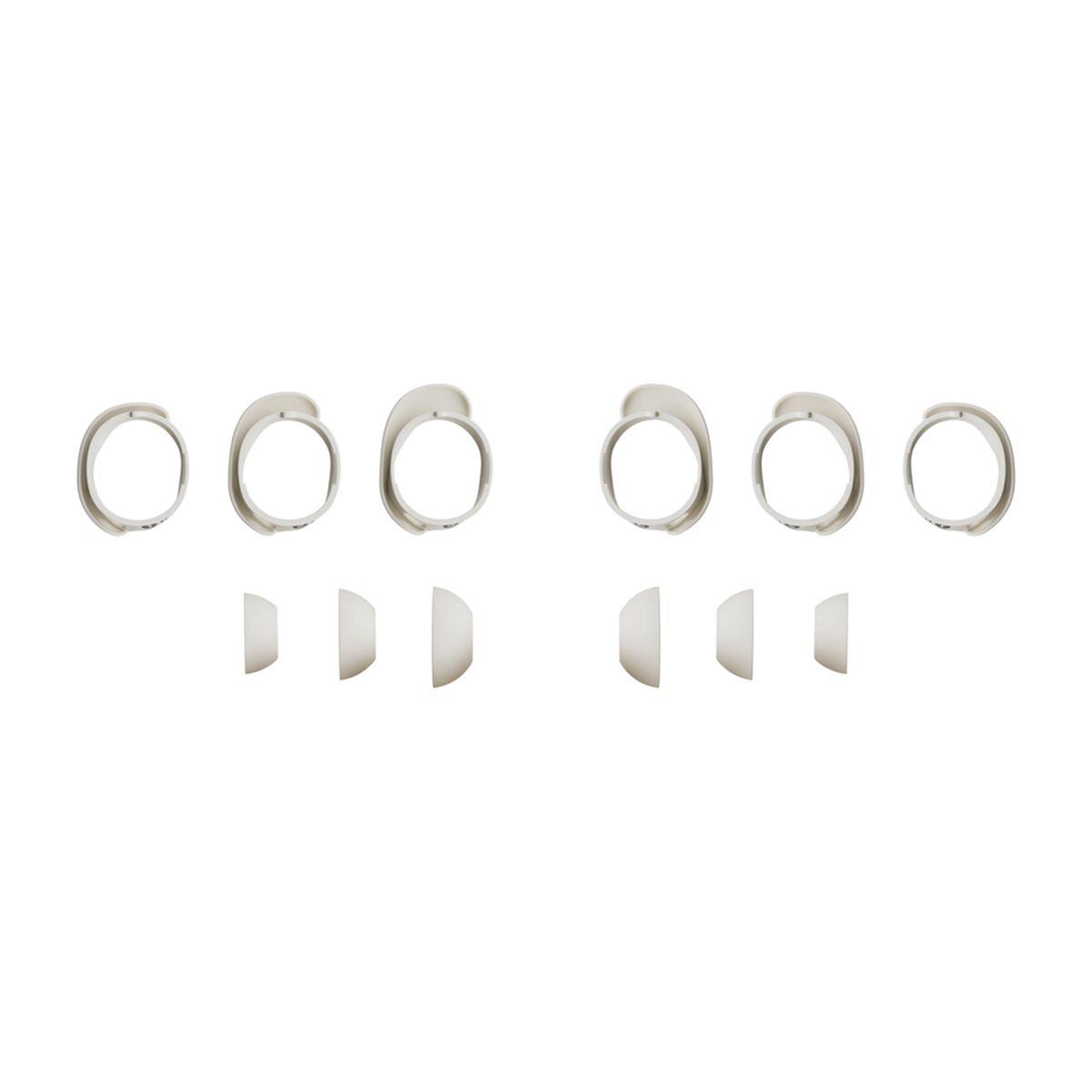
The Bose QuietComfort uses a more sophisticated approach with their Fit Kit, which includes both ear tips and stability bands in multiple sizes. The stability bands hook into the outer part of your ear for a more secure fit, which is particularly valuable if you plan to use them during exercise or other active pursuits.
Comfort is highly individual – what works perfectly for one person might be uncomfortable for another. However, based on user feedback, the TOZO A1 seems better suited for people with smaller ears or those who prioritize minimal weight, while the Bose QuietComfort offers a more secure and stable fit for active use.
Both products include multiple microphones for call handling, but they implement this technology differently. The TOZO A1 uses dual microphones per earbud with AI-powered environmental noise cancellation (ENC) specifically for calls. However, user reports suggest the performance is inconsistent – your voice comes through clearly in quiet environments, but background noise can overwhelm the system.
The Bose QuietComfort benefits from more sophisticated signal processing and better microphone placement. While not exceptional, call quality is notably more reliable across different environments. The same noise cancellation technology that helps with music listening also helps isolate your voice during calls.
For people who frequently take business calls or participate in video conferences, the Bose QuietComfort is clearly the better choice. The TOZO A1 works fine for occasional personal calls but isn't reliable enough for professional use.
Both products use Bluetooth 5.3, the latest standard that provides better range, more stable connections, and improved power efficiency compared to older versions. However, the Bose QuietComfort implements additional features like multipoint connectivity, which allows you to connect to two devices simultaneously and switch between them automatically.
This might sound like a minor feature, but it's incredibly useful if you regularly use both a phone and laptop or tablet. You can listen to music on your laptop, then automatically switch to your phone when a call comes in, without manually disconnecting and reconnecting.
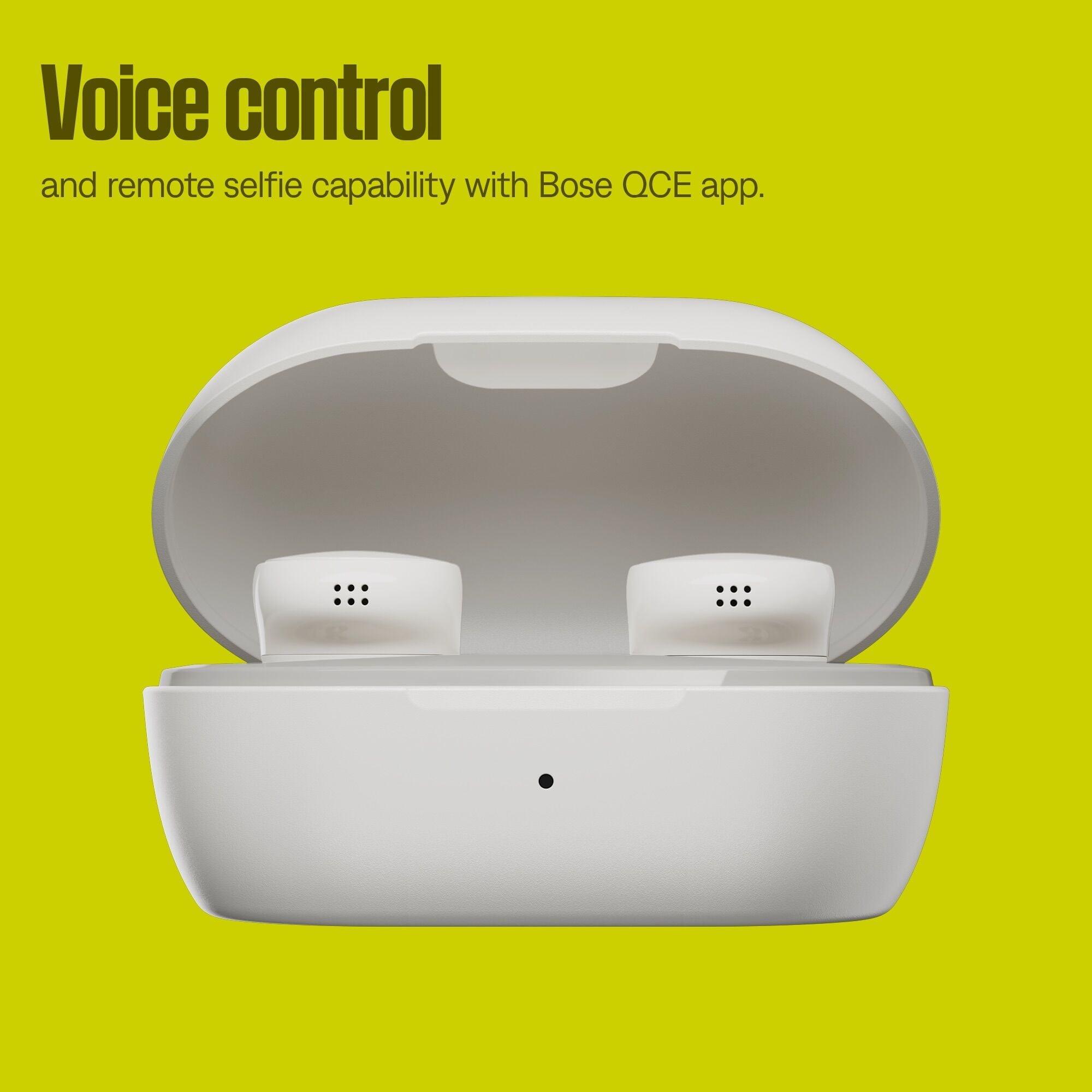
The app experiences differ significantly. TOZO's app provides those 32 EQ presets and basic customization, while Bose's QCE app offers more sophisticated control over noise cancellation modes, detailed EQ adjustment, and firmware updates. Bose also has a longer track record of supporting their products with app updates over time.
The TOZO A1 carries an IPX5 rating, which means they can handle water jets from any direction – essentially, they'll survive heavy rain or sweaty workouts without issues. The Bose QuietComfort has a slightly lower IPX4 rating, which protects against water splashes but not direct jets.
In practical terms, both will handle normal exercise and weather exposure fine. The TOZO A1's higher rating provides a bit more confidence for outdoor activities or particularly sweaty gym sessions.
At the time of writing, these products represent very different value propositions. The TOZO A1 costs roughly what you might spend on a nice lunch, while the Bose QuietComfort represents a moderate electronics purchase – significant enough to require consideration but not bank-breaking.
The TOZO A1 delivers genuinely impressive functionality for the money. You get reliable wireless audio, excellent battery life, modern Bluetooth connectivity, and decent sound quality. The compromises – no ANC, basic call quality, unrefined tuning – are reasonable given the price point.
The Bose QuietComfort costs significantly more but provides genuinely premium features. The active noise cancellation alone transforms the listening experience in noisy environments, and the superior sound quality and build quality justify the investment for many users.
The TOZO A1 makes sense if:
The Bose QuietComfort is worth the investment if:
These products represent two successful but very different approaches to wireless audio. The TOZO A1 proves that you can get surprisingly good wireless earbuds without spending much money, while the Bose QuietComfort demonstrates that premium features can be made accessible without flagship pricing.
For most people, the decision comes down to whether active noise cancellation and superior sound quality are worth the price difference. If you mainly listen in quiet environments and prioritize value above all else, the TOZO A1 is genuinely impressive. But if you deal with noisy commutes, open offices, or travel frequently, the Bose QuietComfort's ANC capability alone can transform your daily experience with audio.
Both products succeed at what they're trying to do – the question is which set of priorities better matches your needs and budget.
| TOZO A1 Wireless Earbuds | Bose QuietComfort Wireless Earbuds |
|---|---|
| Active Noise Cancellation - Essential for noisy environments like commutes and offices | |
| None - passive isolation only through ear tip seal | Advanced ANC with 80%+ noise reduction, plus Aware Mode for ambient sounds |
| Sound Quality - Core listening experience and audio fidelity | |
| 6mm drivers, mid-focused tuning, 32 preset EQ modes | CustomTune technology, U-shaped response, 5-band adjustable EQ |
| Battery Life - Total listening time before needing to recharge | |
| 7 hours earbuds + 25 hours case = 32 hours total | 8.5 hours earbuds + 23 hours case = 31.5 hours total |
| Weight & Comfort - Critical for extended daily wear | |
| Ultra-light 3.7g per earbud, stem-free design, 5 ear tip sizes | Heavier but secure fit with Bose Fit Kit including stability bands |
| Call Quality - Important for phone calls and video meetings | |
| Dual mics with AI ENC, but struggles in noisy environments | Superior microphone array with better background noise handling |
| Water Resistance - Protection for workouts and weather | |
| IPX5 (withstands water jets, excellent for exercise) | IPX4 (splash resistant, adequate for light exercise) |
| Connectivity Features - Modern wireless capabilities | |
| Bluetooth 5.3, touch controls, independent earbud use | Bluetooth 5.3, multipoint pairing, 30-foot range, wireless charging case |
| Price Category - Value positioning in the market | |
| Budget tier - exceptional features for the cost | Mid-range premium - advanced features at accessible pricing |
The TOZO A1 offers exceptional value in the budget category, delivering reliable wireless audio, excellent battery life, and modern Bluetooth 5.3 connectivity at a fraction of the cost. The Bose QuietComfort provides premium features like active noise cancellation and superior sound quality that justify the higher investment for users who prioritize these capabilities.
Active noise cancellation significantly enhances your listening experience in noisy environments like public transit, airplanes, or busy offices. The TOZO A1 lacks ANC and relies only on passive isolation, while the Bose QuietComfort features advanced ANC technology that can reduce ambient noise by over 80%, making it essential for frequent commuters or travelers.
The Bose QuietComfort delivers superior sound quality with CustomTune technology that optimizes audio for your specific ear shape, plus a more refined U-shaped frequency response. The TOZO A1 offers decent sound with a mid-focused tuning and 32 EQ presets, but lacks the polish and audio engineering expertise found in Bose products.
Both earbuds offer excellent battery performance. The TOZO A1 provides 7 hours per charge with 32 hours total using the case, while the Bose QuietComfort delivers 8.5 hours per charge with 31.5 hours total. The difference is minimal, though the Bose model includes wireless charging for added convenience.
The TOZO A1 excels in comfort with an ultra-lightweight 3.7g design per earbud and stem-free construction that's ideal for small ears. The Bose QuietComfort offers a more secure fit with their comprehensive Fit Kit including stability bands, making them better for active use despite being heavier.
The Bose QuietComfort provides notably better call quality with superior microphone arrays and noise suppression technology. The TOZO A1 includes dual microphones with AI enhancement but struggles in noisy environments, making it suitable only for calls in quiet spaces.
The TOZO A1 has a higher IPX5 water resistance rating and ultra-lightweight design that's comfortable during extended exercise sessions. However, the Bose QuietComfort offers a more secure fit with stability bands that prevent the earbuds from falling out during vigorous activity, despite having a lower IPX4 rating.
The Bose QuietComfort supports multipoint connectivity, allowing you to connect to two devices simultaneously and switch between them automatically. The TOZO A1 uses standard Bluetooth 5.3 connectivity but lacks multipoint pairing, requiring manual switching between devices.
The Bose QuietComfort is significantly better for travel thanks to its active noise cancellation that blocks airplane noise, engine sounds, and crowd chatter. The lightweight TOZO A1 is more portable and has longer battery life, but without ANC, you'll struggle to enjoy audio in noisy travel environments.
Both earbuds can connect to TVs and home theater systems that support Bluetooth audio output. The TOZO A1 actually has an advantage here with minimal audio latency, reducing lip-sync issues during video playback. However, neither is specifically optimized for home theater use, and dedicated wireless TV headphones would provide better performance for serious movie watching.
Bose has a longer track record of providing firmware updates, app improvements, and customer support for their products. The Bose QuietComfort benefits from this established support ecosystem and premium brand backing. TOZO is a newer brand that offers basic app functionality for the TOZO A1, but with less comprehensive long-term support history.
Beginners should consider their primary use cases and budget constraints. The TOZO A1 is perfect for newcomers who want to experience quality wireless audio without a significant investment, especially for casual listening and office use. The Bose QuietComfort is worth the extra cost for beginners who commute frequently, work in noisy environments, or prioritize premium audio quality from the start.
We've done our best to create useful and informative comparisons to help you decide what product to buy. Our research uses advanced automated methods to create this comparison and perfection is not possible - please contact us for corrections or questions. These are the sites we've researched in the creation of this article: bestbuy.com - izreview.com - tozostore.com - youtube.com - youtube.com - bestbuy.com - mryouwho.com - versus.com - walmart.com - scarbir.com - versus.com - youtube.com - youtube.com - youtube.com - tozostore.com - review-rating.com - us.smartprix.com - tozostore.com - newegg.com - tozostore.com - bestbuy.com - newegg.com - versus.com - tozostore.com - bestbuy.com - manuals.plus - walmart.com - independenttourist.com - whathifi.com - soundguys.com - bestbuy.com - bose.com - cnet.com - businessinsider.com - bestbuy.com - global.bose.com - cdw.com - bhphotovideo.com - soundguys.com - connection.com - homesolutionsmn.com - govconnection.com - abt.com - eetgroup.com - beachaudio.com - bose.com - coursehero.com - boseapac.com - coursehero.com - bose.com - youtube.com - brandsmartusa.com - bose.com - bose.com - adorama.com - sears.com

Privacy Policy
Terms and Conditions - Affiliate Policy
Home Security
© Copyright 2008-2026.
11816 Inwood Rd #1211, Dallas, TX 75244