

True wireless earbuds have transformed how we listen to music, take calls, and consume audio content. Unlike traditional wired earphones or even Bluetooth headphones with connecting cables, true wireless earbuds are completely independent—each earbud connects directly to your device via Bluetooth, giving you complete freedom of movement.
The category has exploded with options ranging from ultra-budget models under $30 to premium offerings that cost as much as high-end headphones. This creates a fascinating comparison when looking at the TOZO A1 and Bose QuietComfort Ultra—two products that represent opposite ends of the market spectrum but both aim to deliver excellent wireless audio experiences.
Understanding what matters most in earbuds helps make sense of where your money goes. The key factors include audio quality (how good music sounds), active noise cancellation or ANC (technology that blocks outside noise), comfort during extended wear, battery life, call quality, and overall build quality. The challenge lies in determining which features matter most for your specific needs and budget.
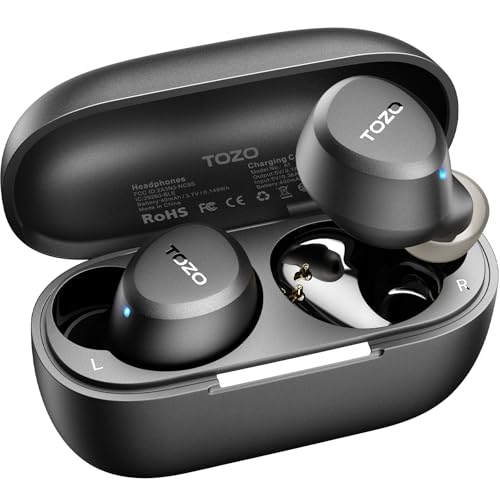
The TOZO A1 launched in 2023 as part of TOZO's continued push to offer feature-rich earbuds at accessible price points. At the time of writing, these earbuds typically retail for under $30, positioning them firmly in the budget category. What makes the A1 interesting is how TOZO has managed to include modern features like Bluetooth 5.3, comprehensive app control, and impressive battery life at this price point.
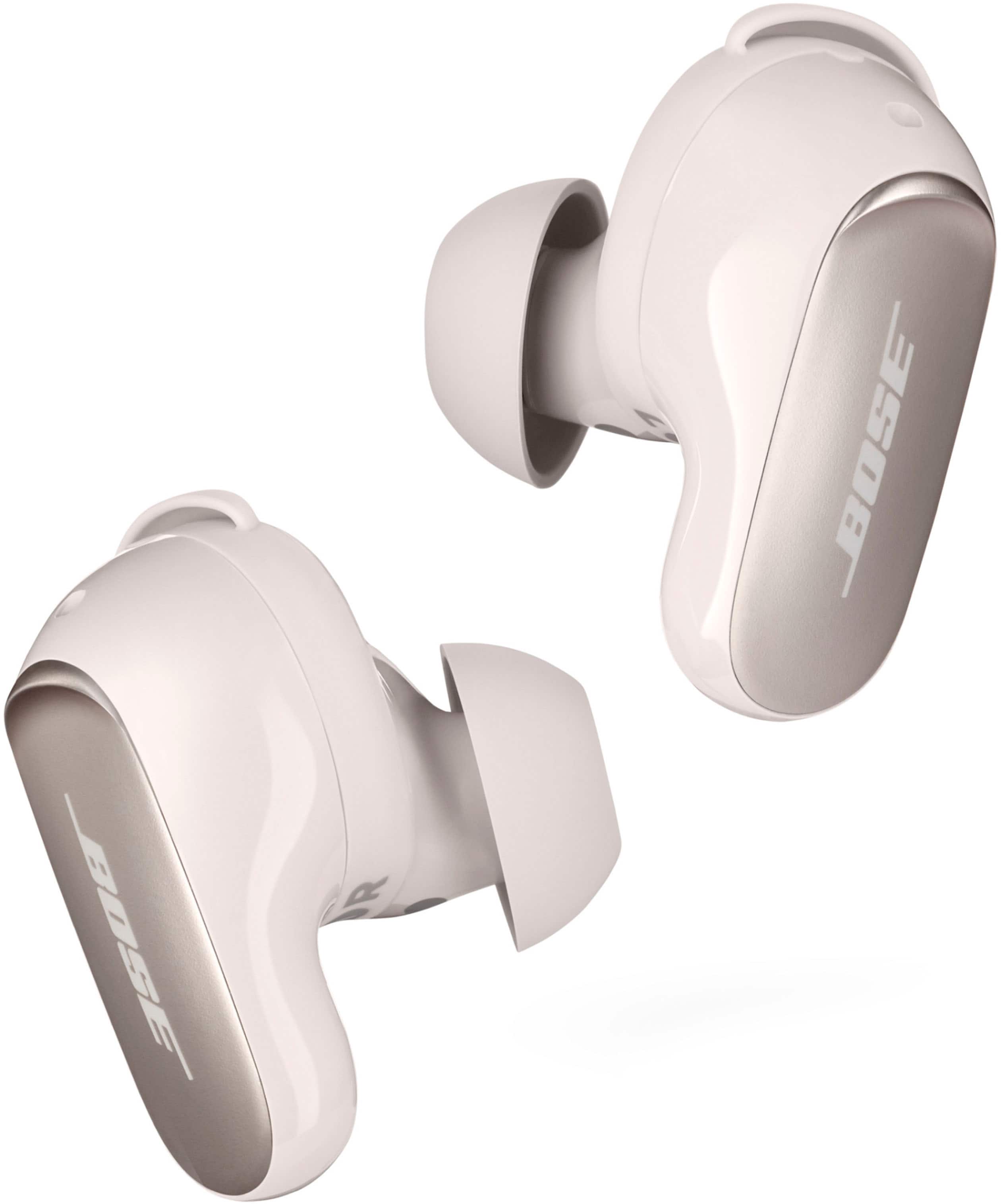
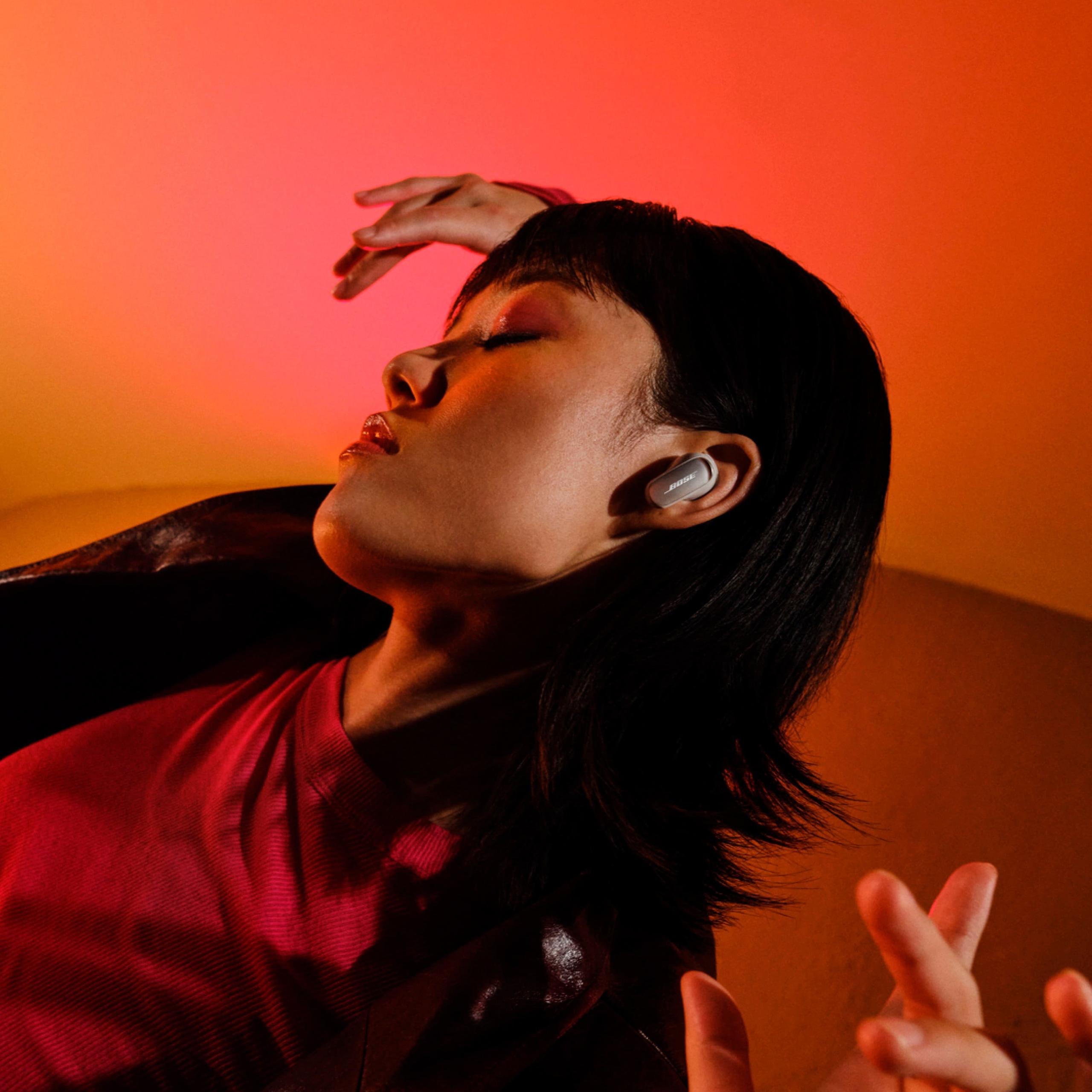
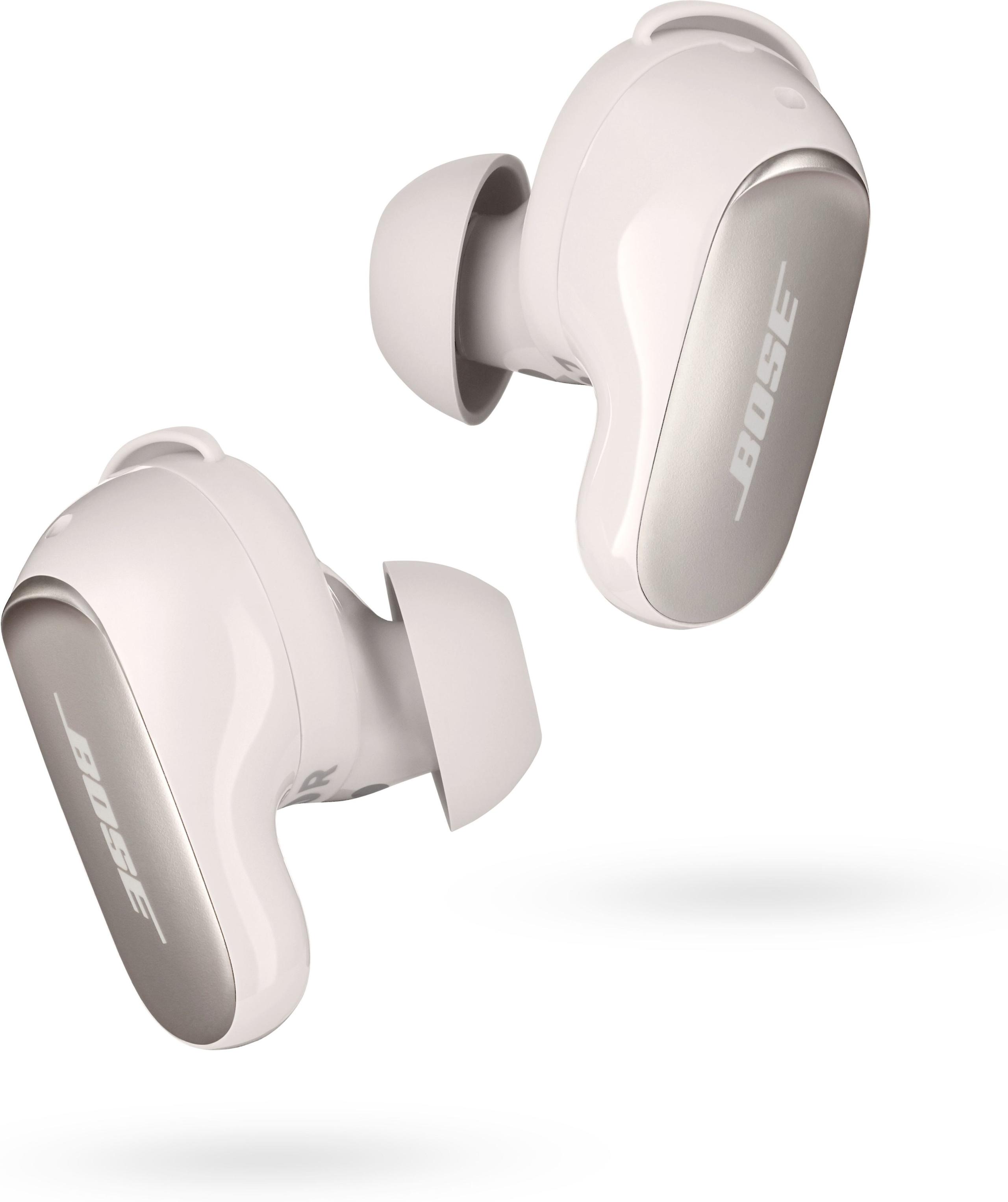
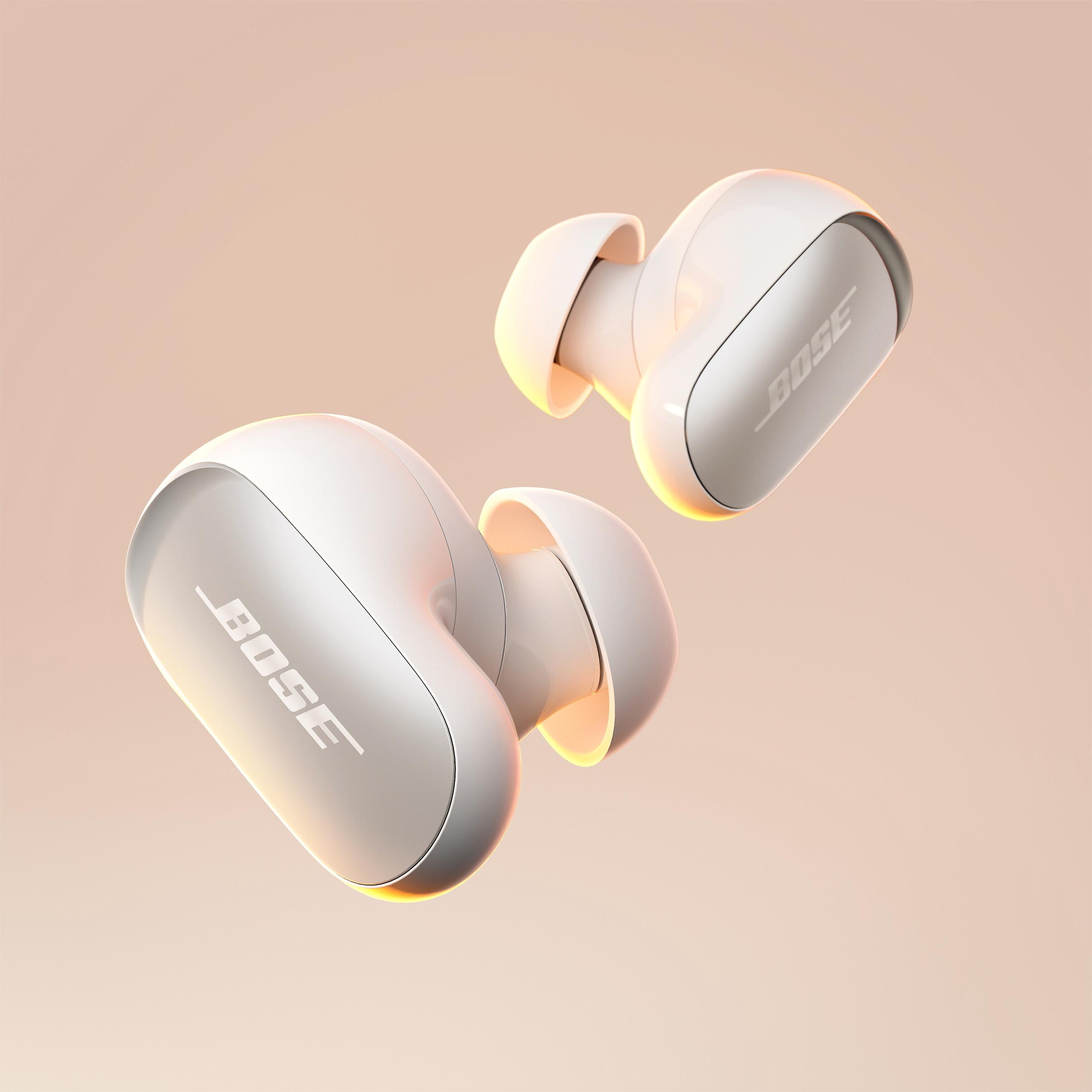
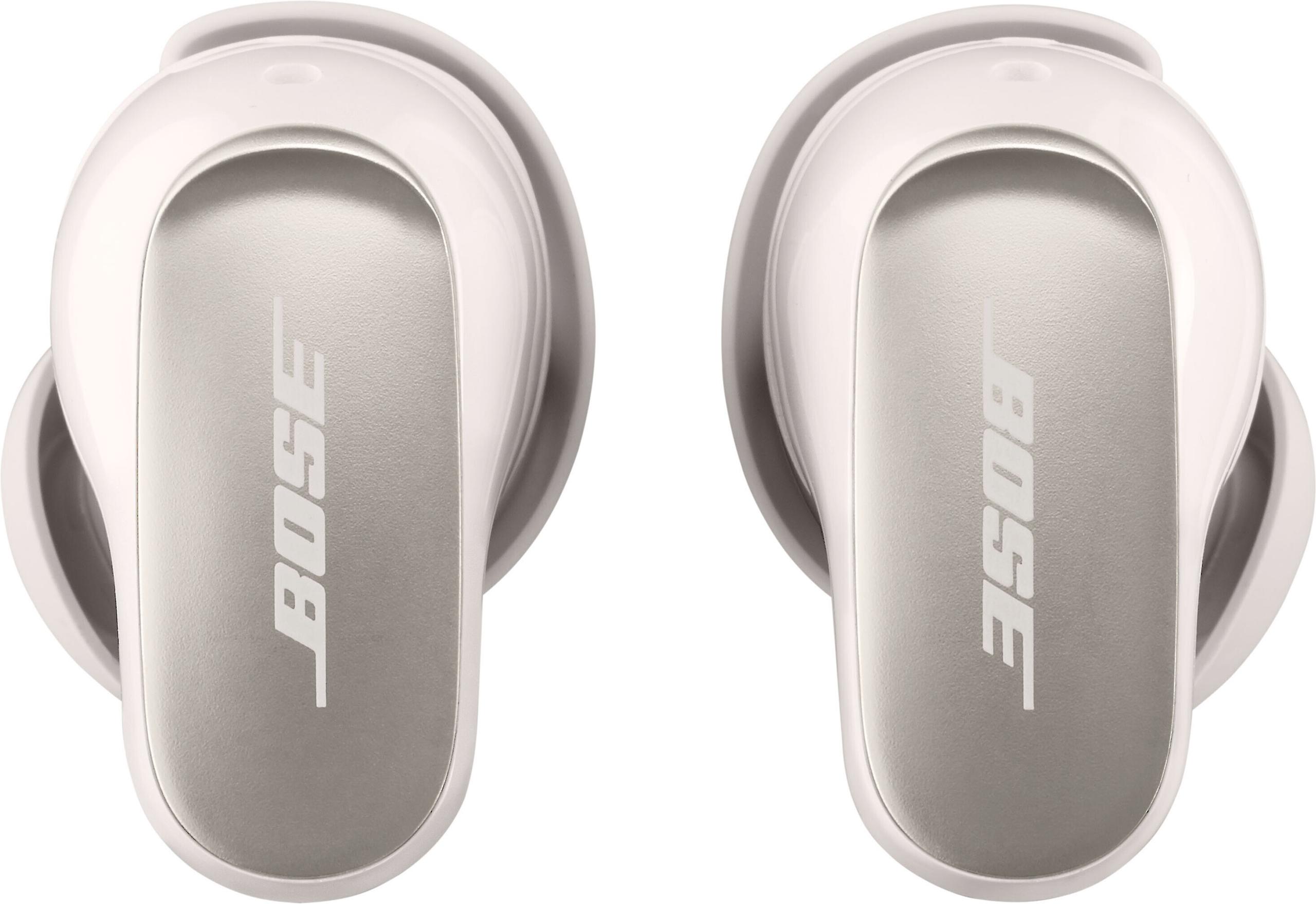
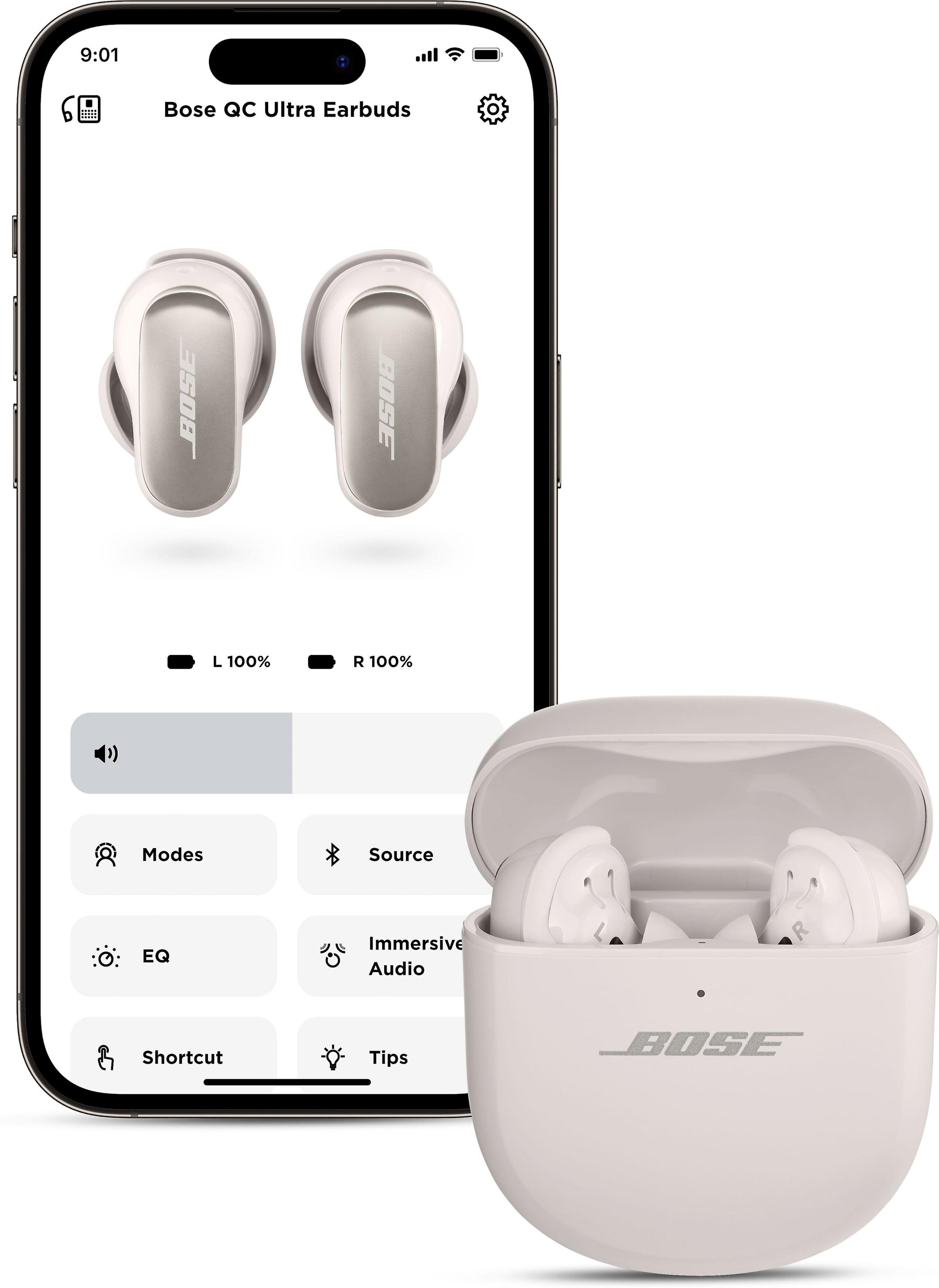
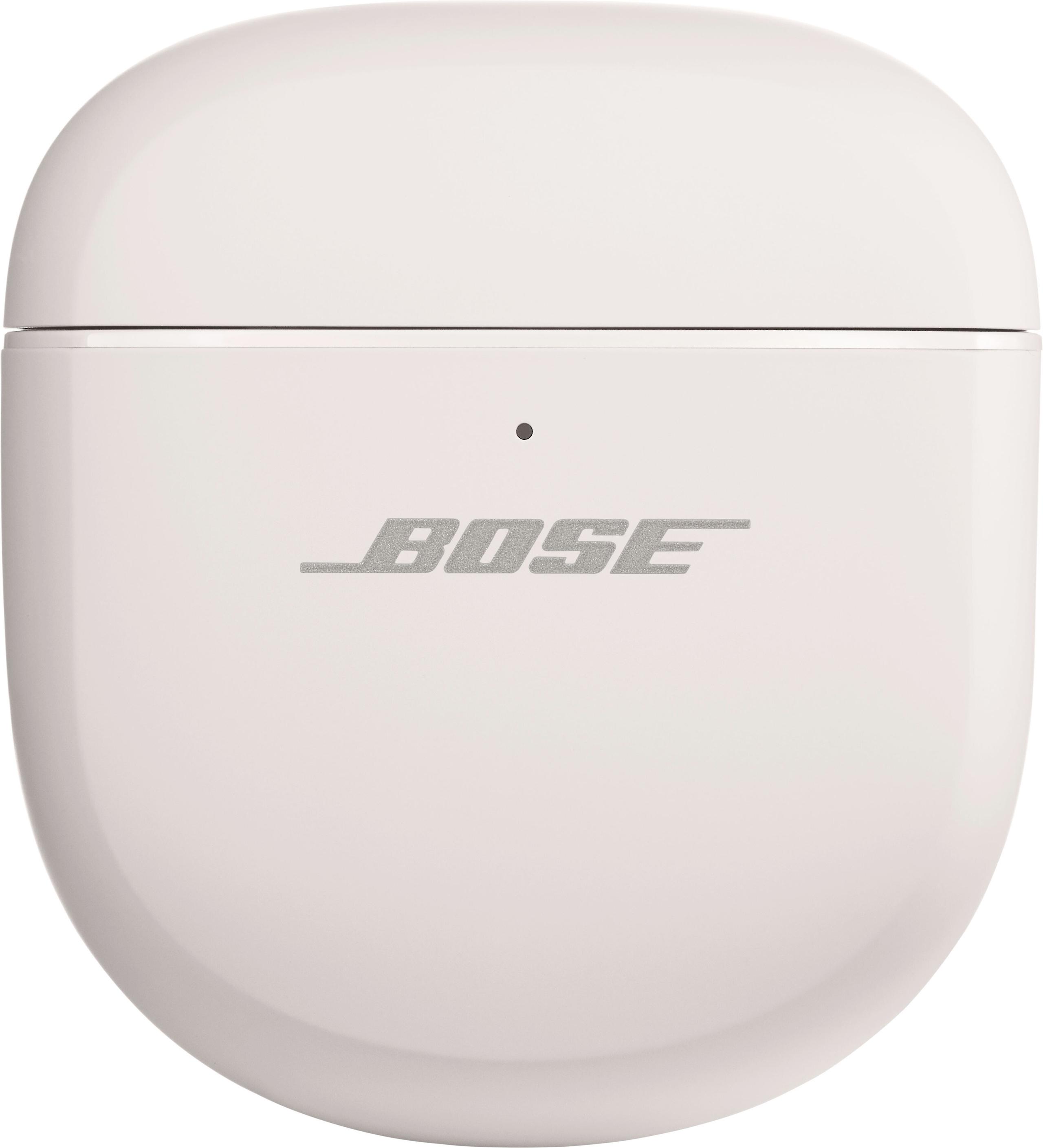
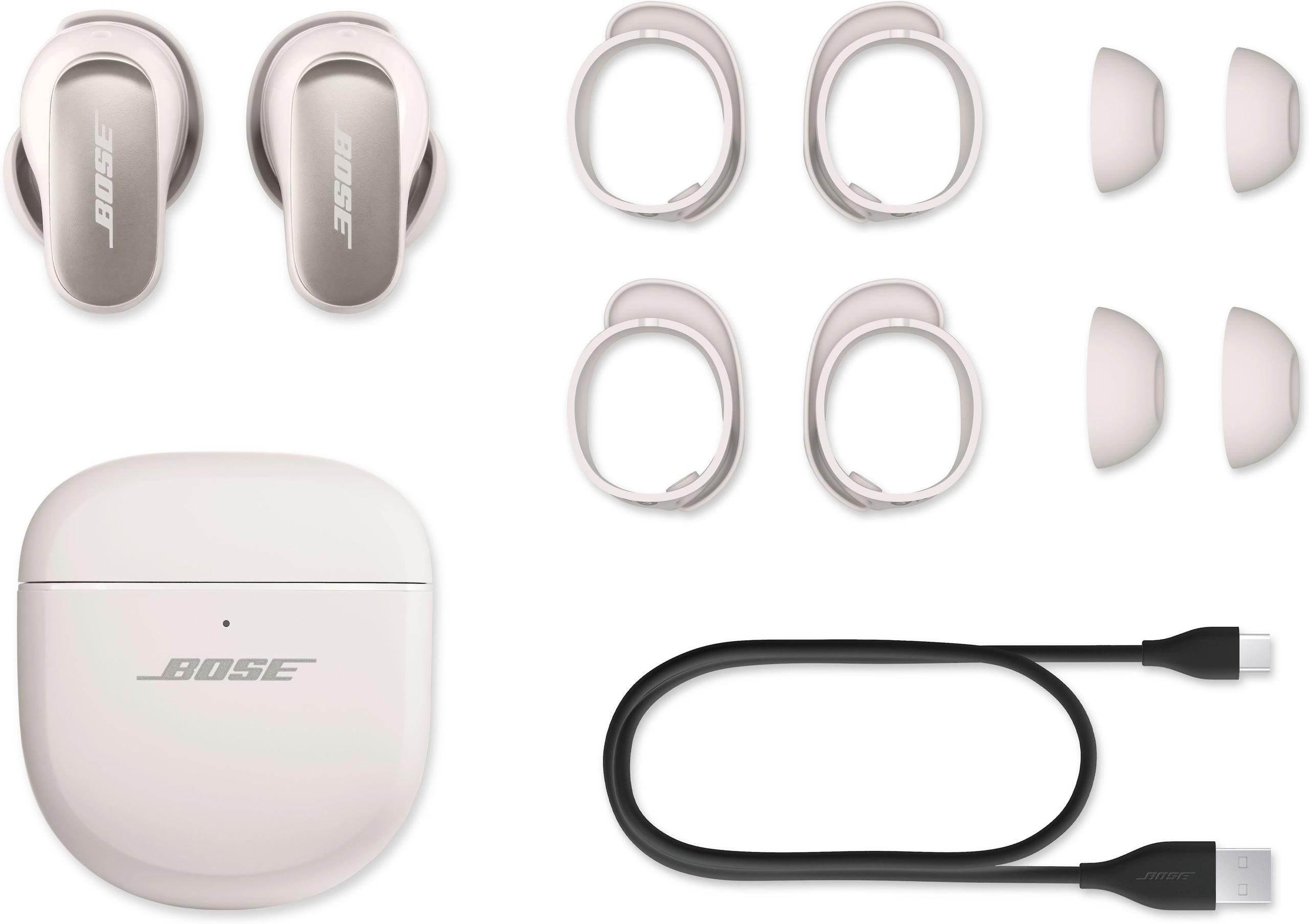
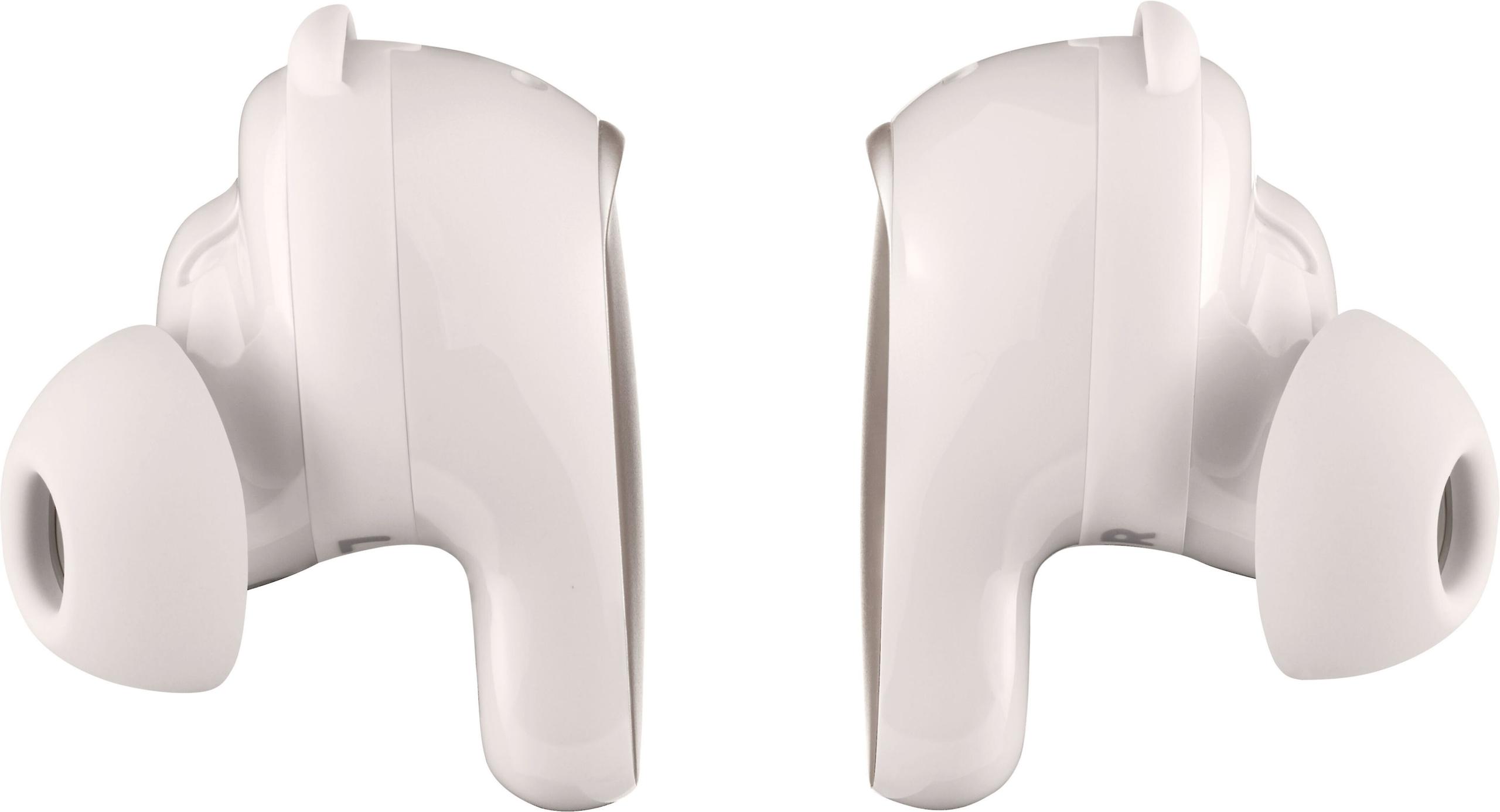
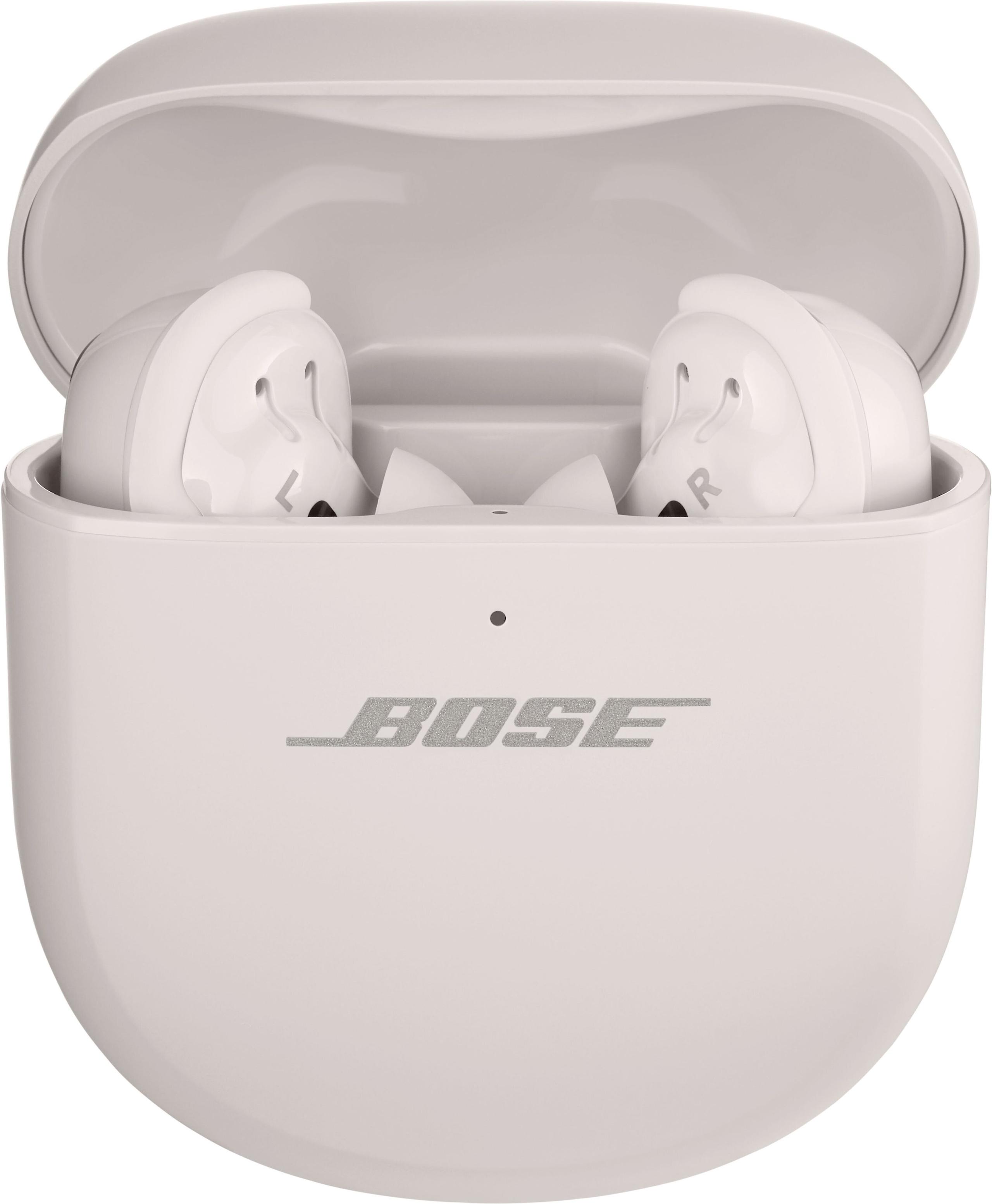
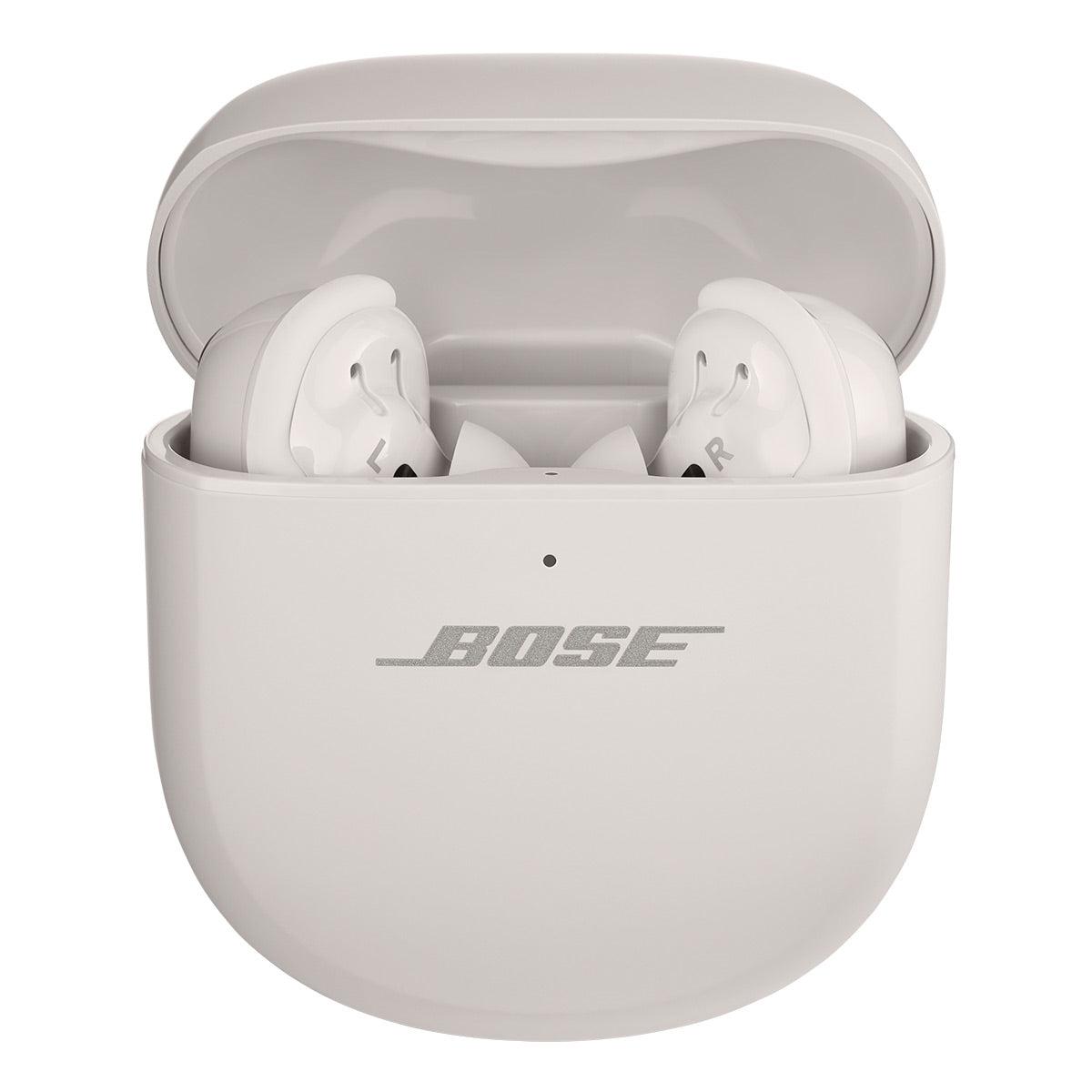
The Bose QuietComfort Ultra, also released in 2023, represents Bose's flagship true wireless offering. These earbuds command premium pricing—typically over $250 at the time of writing—but bring Bose's decades of acoustic engineering expertise and their most advanced noise cancellation technology to the true wireless format.
The timing of both releases in 2023 is significant because it represents a mature point in true wireless technology. By this time, Bluetooth 5.3 had become standard, battery life had improved dramatically from early true wireless models, and manufacturers had solved many of the connectivity issues that plagued earlier generations.
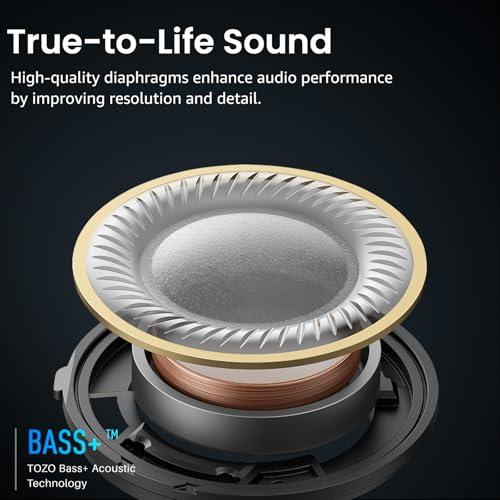
Audio quality represents the most fundamental difference between these two earbuds, and the gap is substantial. The TOZO A1 uses 6mm dynamic drivers—the small speakers inside each earbud that convert electrical signals into sound waves. Dynamic drivers are the most common type because they're efficient and can produce good bass response, but their quality varies significantly based on materials and tuning.
The A1's frequency response spans 20Hz to 20kHz, which covers the full range of human hearing. However, frequency response only tells part of the story. Based on extensive user feedback and professional reviews, the TOZO A1 delivers a balanced but somewhat mid-focused sound signature. This means vocals and instruments like guitar and piano sound natural and clear, but the overall presentation lacks the dynamic range and instrument separation you'd find in higher-end earbuds.
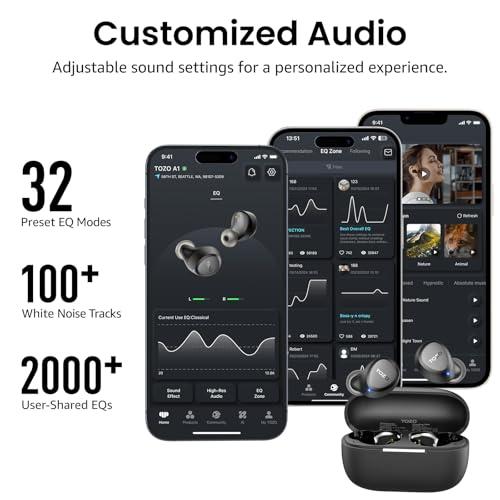
The inclusion of 32 preset EQ modes through TOZO's app helps address this limitation. EQ (equalizer) settings let you adjust different frequency ranges—boosting bass for hip-hop or enhancing treble for classical music. While this customization is valuable, it can't completely overcome hardware limitations. Users report that pushing the bass too high makes the sound muddy, indicating the drivers reach their limits fairly quickly.
The Bose QuietComfort Ultra operates in a different league entirely. Bose incorporates their CustomTune technology, which uses microphones to analyze your ear canal's unique shape and automatically adjusts both sound delivery and noise cancellation accordingly. This personalization means the earbuds essentially tune themselves to your ears—something impossible at the A1's price point.
More impressively, the QuietComfort Ultra features Bose Immersive Audio, their proprietary spatial audio technology. Traditional earbuds create a sound image inside your head, but spatial audio uses advanced processing to make music seem like it's coming from speakers placed around you in a room. This creates a much more natural and engaging listening experience, particularly for music with complex arrangements or live recordings.
The technical implementation involves sophisticated digital signal processing that analyzes stereo tracks and creates virtual sound positioning. When listening to a jazz quartet, for instance, you might perceive the piano to your left, bass to your right, and drums behind the vocalist—creating depth and space that standard earbuds simply cannot achieve.
For home theater use, this spatial audio technology becomes particularly relevant. While neither earbud is specifically designed for watching movies, the Bose QuietComfort Ultra's ability to create a wider soundstage makes dialogue clearer and action scenes more immersive. The TOZO A1, while perfectly adequate for casual movie watching, lacks this dimensional quality.
Perhaps nowhere is the price difference more apparent than in noise cancellation capabilities. The TOZO A1 simply doesn't offer active noise cancellation—the advanced technology that uses microphones to detect outside noise and generates opposite sound waves to cancel it out.
Instead, the A1 relies on passive noise isolation, which means it blocks sound through physical barriers—essentially how well the ear tips seal your ear canal. While the A1 does include dual microphones for Environmental Noise Cancellation (ENC), this only applies to phone calls, not music listening. ENC uses algorithms to reduce background noise so your voice comes through clearer during calls, but it doesn't create the quiet bubble that true ANC provides.
The Bose QuietComfort Ultra showcases why Bose built their reputation on noise cancellation. Their ANC system uses multiple microphones to continuously sample ambient sound and generate precise anti-noise signals. The CustomTune technology mentioned earlier also optimizes noise cancellation for your specific ear shape, potentially improving effectiveness by 10-15% compared to one-size-fits-all approaches.
What makes Bose's implementation particularly sophisticated is their Aware Mode with ActiveSense technology. While traditional transparency modes (which let outside sound in when you need awareness) simply reduce noise cancellation, ActiveSense dynamically adjusts based on your environment. If a car horn blows or someone shouts, the system temporarily reduces transparency to protect your hearing while still maintaining situational awareness.
For commuters, frequent flyers, or anyone working in noisy environments, this difference is transformative. The QuietComfort Ultra can make a busy coffee shop feel library-quiet, while the TOZO A1 provides only the modest noise reduction of a good physical seal.
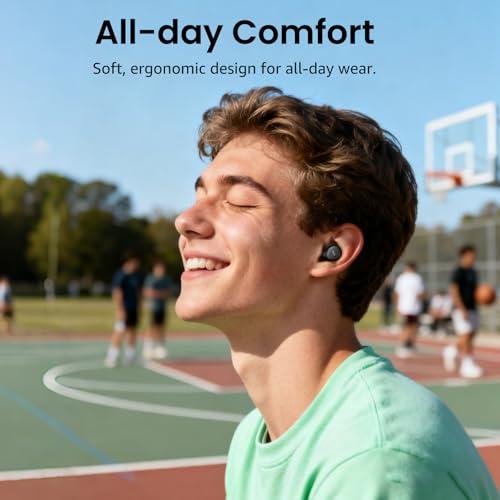
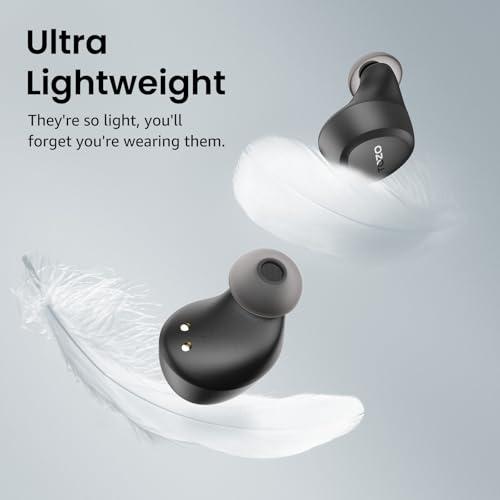
Comfort represents one area where the TOZO A1 genuinely competes with premium options. At just 3.7 grams per earbud, they're among the lightest true wireless earbuds available. To put this in perspective, the average small grape weighs about 5 grams—these earbuds weigh less than that.
This ultra-light design makes them particularly suitable for people with smaller ears who often struggle with bulkier earbuds. The stem-free design (no protruding stalks like AirPods) keeps the profile compact and discrete. TOZO includes five different ear tip sizes from XS to XXL, ensuring most users can find a secure fit.
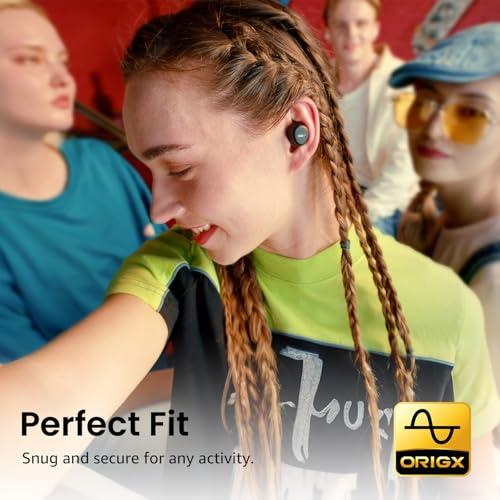
However, lightness comes with tradeoffs. Some users report the TOZO A1 can fall out during vigorous activity or when wearing helmets, suggesting the lightweight design may sacrifice some security for comfort.
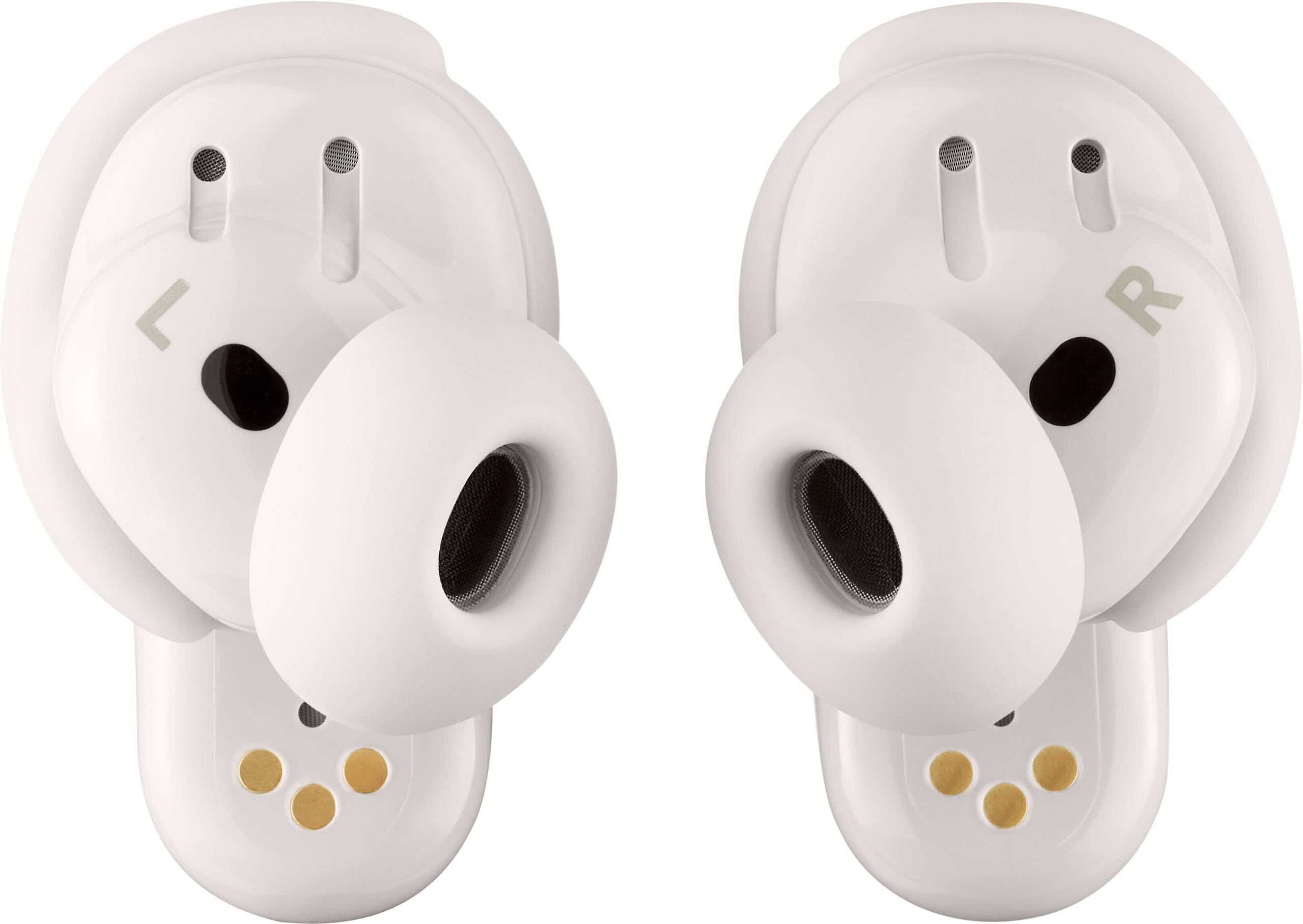
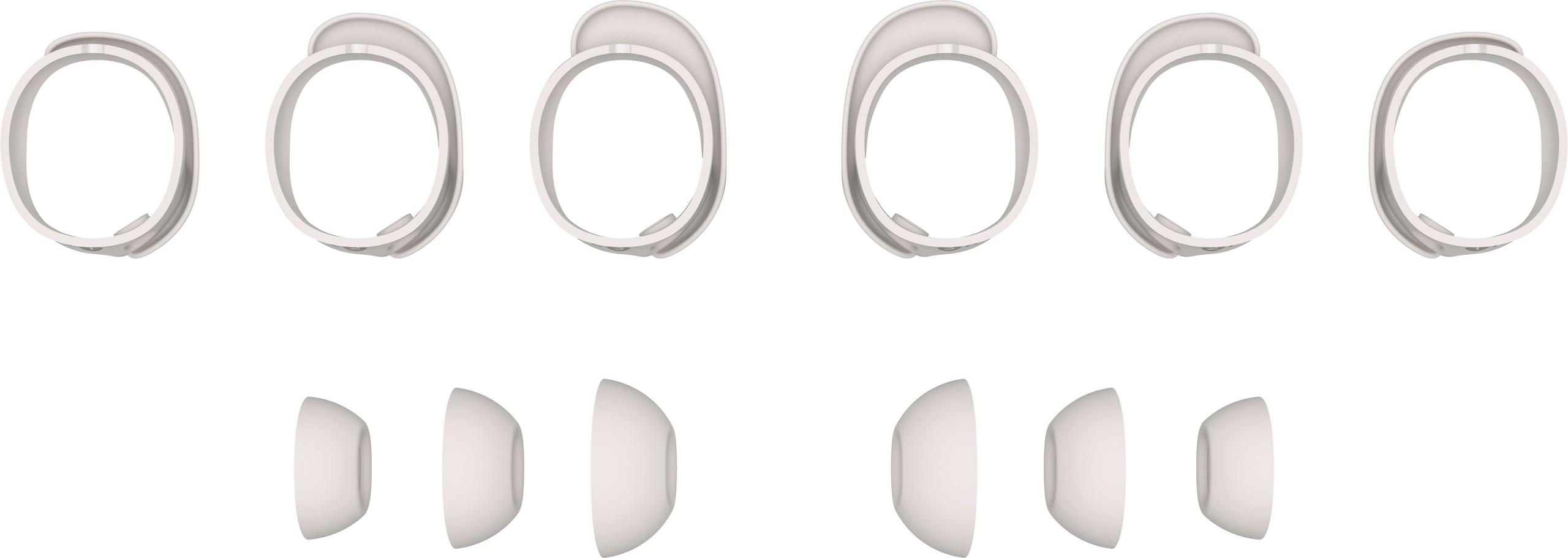
The Bose QuietComfort Ultra weighs 6.24 grams per earbud—nearly twice as heavy as the A1—but uses this additional mass purposefully. The weight comes from premium materials, larger batteries, and more sophisticated internal components. Bose's Fit Kit system includes nine different size combinations using three ear tip sizes and three stability band sizes, creating more secure positioning options.
The stability bands deserve special mention—these soft silicone wings help anchor the earbuds in your ears during movement. While they add bulk, they're crucial for users who exercise regularly or need guaranteed security during daily activities.
Both earbuds offer IPX4-5 water resistance, meaning they can handle sweat and light water exposure, though neither is designed for swimming or heavy rain.
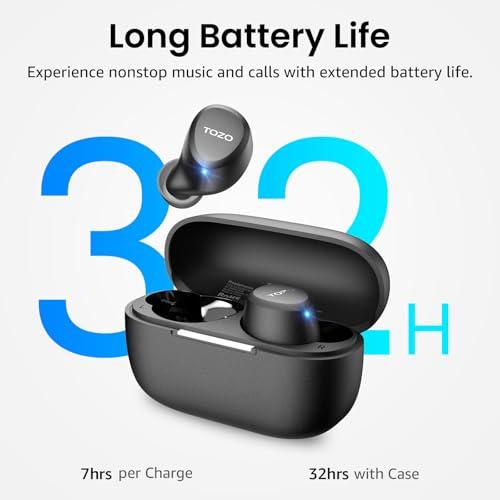
Battery performance reveals another interesting contrast between budget and premium approaches. The TOZO A1 delivers genuinely impressive endurance—7 hours per charge with an additional 25 hours from the charging case, totaling 32 hours of playback. This matches or exceeds many earbuds costing several times more.
This longevity comes partly from the A1's efficient design and partly from not powering energy-intensive features like active noise cancellation. The 2-hour charging time for both earbuds and case is reasonable, though not particularly fast by current standards.
The Bose QuietComfort Ultra provides 6 hours per charge and 24 hours total—respectable but not exceptional. However, these numbers tell only part of the story. When you enable Immersive Audio, battery life drops to 4 hours per charge, highlighting how demanding advanced audio processing can be.
The QuietComfort Ultra includes quick charging that provides 2 hours of playbook from a 20-minute charge—useful for topping up before travel or long listening sessions. However, the lack of wireless charging at this price point feels like an oversight, especially when some budget competitors include the feature.
For users who prioritize battery life above all else—perhaps frequent travelers or people who forget to charge devices regularly—the TOZO A1's endurance advantage is significant and practical.
Both earbuds handle phone calls, but with different levels of sophistication. The TOZO A1 uses dual microphones with AI-enhanced noise cancellation specifically for calls. In quiet environments, call quality is adequate—your voice comes through clearly, though sometimes a bit softly.
The limitation becomes apparent in noisy settings. Background sounds like traffic, office chatter, or wind can overwhelm your voice, making conversations difficult. The AI processing helps but can't work miracles with limited hardware.
The Bose QuietComfort Ultra employs more advanced microphone arrays and processing algorithms. While not achieving the call quality of dedicated business headsets, they handle varied environments more gracefully. The same noise cancellation technology that benefits music listening also helps isolate your voice during calls.
Neither earbud excels at call quality compared to dedicated communication devices, but the Bose performs noticeably better in challenging acoustic environments.
Both earbuds use Bluetooth 5.3, the latest version available at their launch, providing improved range, stability, and energy efficiency compared to older Bluetooth versions. However, their implementation differs significantly.
The TOZO A1 supports AAC and SBC codecs—the standard audio compression formats for wireless transmission. AAC works particularly well with iPhones, while SBC provides universal compatibility. The TOZO app offers extensive customization options, including those 32 EQ presets and touch control mapping.
The Bose QuietComfort Ultra supports more advanced codecs including Snapdragon Sound technology, which can transmit higher-resolution audio with lower latency on compatible devices. The earbuds can connect to two devices simultaneously (multipoint connection), letting you switch seamlessly between your phone and laptop without manual re-pairing.
Google Fast Pair integration makes connecting to Android devices nearly instantaneous, while the comprehensive Bose Music app provides detailed control over noise cancellation levels, EQ settings, and shortcut customization.
These earbuds represent fundamentally different value philosophies. The TOZO A1 maximizes features per dollar—you get modern Bluetooth, extensive app control, excellent battery life, and decent sound quality for a fraction of premium pricing. It's the audio equivalent of getting 80% of the performance for 20% of the cost.
The Bose QuietComfort Ultra represents the opposite approach—premium pricing for cutting-edge technology and refinement. You're paying for world-class noise cancellation, spatial audio processing, premium materials, and decades of acoustic engineering expertise.
At the time of writing, the price difference often exceeds 8-10x, making this less about value comparison and more about budget reality and feature priorities.
Choose the TOZO A1 if budget constraints are primary, you have smaller ears that benefit from ultra-light designs, you primarily listen to podcasts or casual music where audiophile quality isn't essential, or you need backup earbuds for gym or travel use. They're also excellent for students, office workers in quiet environments, or anyone wanting reliable basics without premium pricing.
Choose the Bose QuietComfort Ultra if audio quality and noise cancellation are non-negotiable priorities, you frequently travel or work in noisy environments, you want cutting-edge features like spatial audio, or you're willing to invest significantly for best-in-class performance. They're ideal for audiophiles, frequent flyers, remote workers needing superior call quality, or anyone who views earbuds as long-term investments rather than disposable accessories.
The decision ultimately comes down to whether you need good-enough performance at exceptional value, or whether you want the best possible experience regardless of cost. Both earbuds succeed in their respective missions—the TOZO A1 democratizes modern earbud features, while the Bose QuietComfort Ultra pushes technological boundaries. Your choice depends on which philosophy aligns with your needs, budget, and audio priorities.
| TOZO A1 Wireless Earbuds | Bose QuietComfort Ultra True Wireless Earbuds |
|---|---|
| Weight Per Earbud - Critical for comfort during extended wear | |
| 3.7g (ultra-lightweight, ideal for small ears) | 6.24g (heavier but premium materials and components) |
| Active Noise Cancellation - Essential for noisy environments and commuting | |
| None (passive isolation only) | World-class ANC with CustomTune technology |
| Battery Life - Determines how long you can listen without charging | |
| 7 hours + 25 hours case = 32 hours total | 6 hours + 18 hours case = 24 hours total (4 hours with Immersive Audio) |
| Audio Quality - The foundation of your listening experience | |
| 6mm drivers, balanced mid-focused sound, 32 EQ presets | Premium drivers with Bose Immersive Audio spatial technology |
| Water Resistance - Protection against sweat and moisture | |
| IPX5 (sweat and water jet resistant) | IPX4 (splash resistant) |
| Bluetooth Version - Affects connection stability and range | |
| Bluetooth 5.3 (10m range) | Bluetooth 5.3 (9m range, multipoint connection) |
| Call Quality - Important for phone conversations and video calls | |
| Dual mics with AI ENC (struggles in noisy environments) | Advanced mic array with superior noise suppression |
| Fit Customization - Ensures secure and comfortable positioning | |
| 5 ear tip sizes (XS-XXL) | Fit Kit with 9 combinations (3 tips + 3 stability bands) |
| Price Category - Budget reality for most buyers | |
| Budget tier (exceptional value for money) | Premium tier (flagship pricing for best-in-class features) |
| Best For - Who should choose each product | |
| Budget-conscious users, small ears, casual listening, long battery needs | Audiophiles, frequent travelers, noise-sensitive users, premium experience seekers |
The Bose QuietComfort Ultra delivers significantly superior sound quality with premium drivers, Bose Immersive Audio spatial technology, and CustomTune ear analysis. The TOZO A1 provides decent balanced sound with 32 EQ presets but lacks the clarity, depth, and instrument separation of the Bose model.
No, only the Bose QuietComfort Ultra features world-class active noise cancellation that blocks external sounds. The TOZO A1 relies on passive noise isolation through ear tip seal and offers Environmental Noise Cancellation only for phone calls, not music listening.
The TOZO A1 weighs just 3.7g per earbud, making them ultra-lightweight and ideal for extended wear, especially for users with smaller ears. The Bose QuietComfort Ultra is heavier at 6.24g but offers superior fit customization with 9 different size combinations and stability bands.
The TOZO A1 provides exceptional battery life with 7 hours per charge and 32 hours total with the charging case. The Bose QuietComfort Ultra offers 6 hours per charge and 24 hours total, dropping to 4 hours when using Immersive Audio features.
The Bose QuietComfort Ultra handles calls better with advanced microphone arrays and superior noise suppression in various environments. The TOZO A1 uses dual mics with AI enhancement but struggles in noisy settings where background sounds can overwhelm your voice.
Both offer water resistance - the TOZO A1 has IPX5 rating for better sweat protection, while the Bose QuietComfort Ultra has IPX4. However, the TOZO's ultra-light design may not stay secure during vigorous activity, whereas the Bose includes stability bands for better retention.
The TOZO A1 provides exceptional value with modern features like Bluetooth 5.3, app customization, and impressive battery life at budget pricing. The Bose QuietComfort Ultra justifies premium pricing with cutting-edge technology but costs significantly more.
Both work for casual viewing, but the Bose QuietComfort Ultra excels with Immersive Audio creating a wider soundstage that makes dialogue clearer and action scenes more engaging. The TOZO A1 handles basic movie audio adequately but lacks dimensional sound quality.
Both offer comprehensive apps - the TOZO A1 includes 32 preset EQ modes and touch control customization, while the Bose QuietComfort Ultra provides detailed noise cancellation control, multipoint device switching, and advanced audio settings through the Bose Music app.
Yes, both the TOZO A1 and Bose QuietComfort Ultra use Bluetooth 5.3 and work with iOS and Android devices. The Bose offers additional features like Google Fast Pair for Android and supports more advanced audio codecs for compatible devices.
The Bose QuietComfort Ultra is superior for travel with world-class noise cancellation that blocks airplane and traffic noise, plus quick charging capabilities. The TOZO A1 offers longer battery life but lacks the noise isolation crucial for comfortable travel.
Yes, ear size matters significantly. The TOZO A1 at 3.7g is specifically excellent for smaller ears and comes with XS-XXL ear tips. The Bose QuietComfort Ultra works for various ear sizes with its comprehensive Fit Kit system but may feel bulky for users with very small ears.
We've done our best to create useful and informative comparisons to help you decide what product to buy. Our research uses advanced automated methods to create this comparison and perfection is not possible - please contact us for corrections or questions. These are the sites we've researched in the creation of this article: bestbuy.com - izreview.com - tozostore.com - youtube.com - youtube.com - bestbuy.com - mryouwho.com - versus.com - walmart.com - scarbir.com - versus.com - youtube.com - youtube.com - youtube.com - tozostore.com - review-rating.com - us.smartprix.com - tozostore.com - newegg.com - tozostore.com - bestbuy.com - newegg.com - versus.com - tozostore.com - bestbuy.com - manuals.plus - walmart.com - independenttourist.com - rtings.com - recordingnow.com - youtube.com - runnersworld.com - whathifi.com - soundguys.com - cnet.com - bestbuy.com - techgearlab.com - youtube.com - techgearlab.com - youtube.com - youtube.com - loudnwireless.com - soundguys.com - bose.com - bestbuy.com - youtube.com - cdw.com - assets.bose.com - bose.com - staples.com - youtube.com - bhphotovideo.com - shoplineusa.com - insight.com - screenmoove.com - boselatam.com - abt.com - bhphotovideo.com - whathifi.com - bose.com - youtube.com - bose.com - tomsguide.com - boselatam.com - youtube.com

Privacy Policy
Terms and Conditions - Affiliate Policy
Home Security
© Copyright 2008-2026.
11816 Inwood Rd #1211, Dallas, TX 75244