



Wireless earbuds have transformed from a luxury gadget to an everyday necessity. Whether you're commuting to work, hitting the gym, or trying to focus in a noisy coffee shop, the right pair of earbuds can make all the difference. But with options ranging from under $50 to over $300, how do you know what you're actually getting for your money?
Today we're comparing two earbuds that represent opposite ends of the spectrum: the budget-friendly TOZO A1 and the premium Bose QuietComfort Earbuds II. These products showcase fundamentally different approaches to wireless audio, and understanding their trade-offs will help you make the right choice for your needs and budget.
The wireless earbuds market has exploded since Apple removed the headphone jack in 2016. What started as a simple replacement for wired headphones has evolved into a sophisticated category with features that seemed impossible just a few years ago. Modern earbuds can actively cancel noise, customize sound to your unique ear shape, and even translate languages in real-time.
When evaluating earbuds, you'll encounter several key technologies. Active Noise Cancellation (ANC) uses microphones to detect outside noise and creates opposite sound waves to cancel it out—like noise-canceling headphones shrunk down to earbud size. Environmental Noise Cancellation (ENC) is different; it focuses on improving call quality by reducing background noise that your microphone picks up during phone calls.
Codec support determines how audio data transfers from your phone to your earbuds. Basic earbuds use SBC (Standard Bluetooth Codec), while better models support AAC (Advanced Audio Codec), which provides higher quality audio, especially on iPhones. The frequency response range tells you which sound frequencies the earbuds can reproduce—human hearing typically ranges from 20Hz to 20kHz, so earbuds covering this full range can theoretically reproduce all audible sounds.
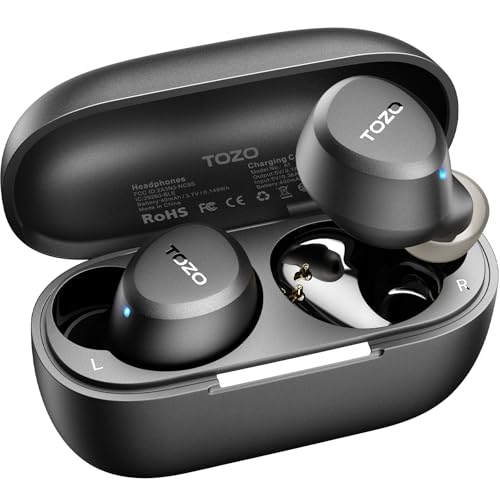
The TOZO A1 launched in 2024 as part of TOZO's effort to democratize wireless audio technology. At roughly one-sixth the price of premium alternatives, it promises to deliver essential earbud features without the luxury price tag. TOZO has built its reputation on offering surprising performance at budget prices, and the A1 represents their latest attempt to prove that good doesn't have to be expensive.
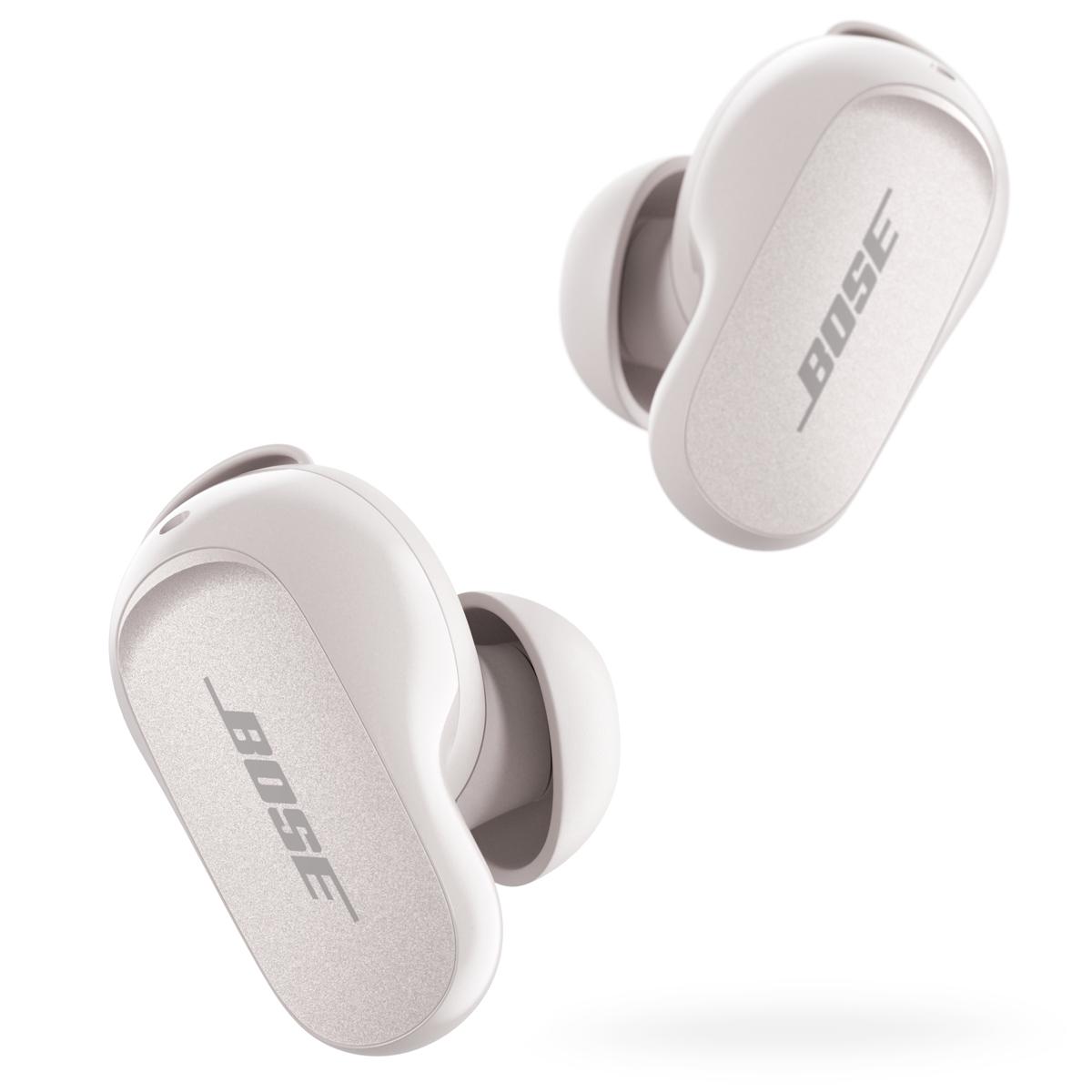
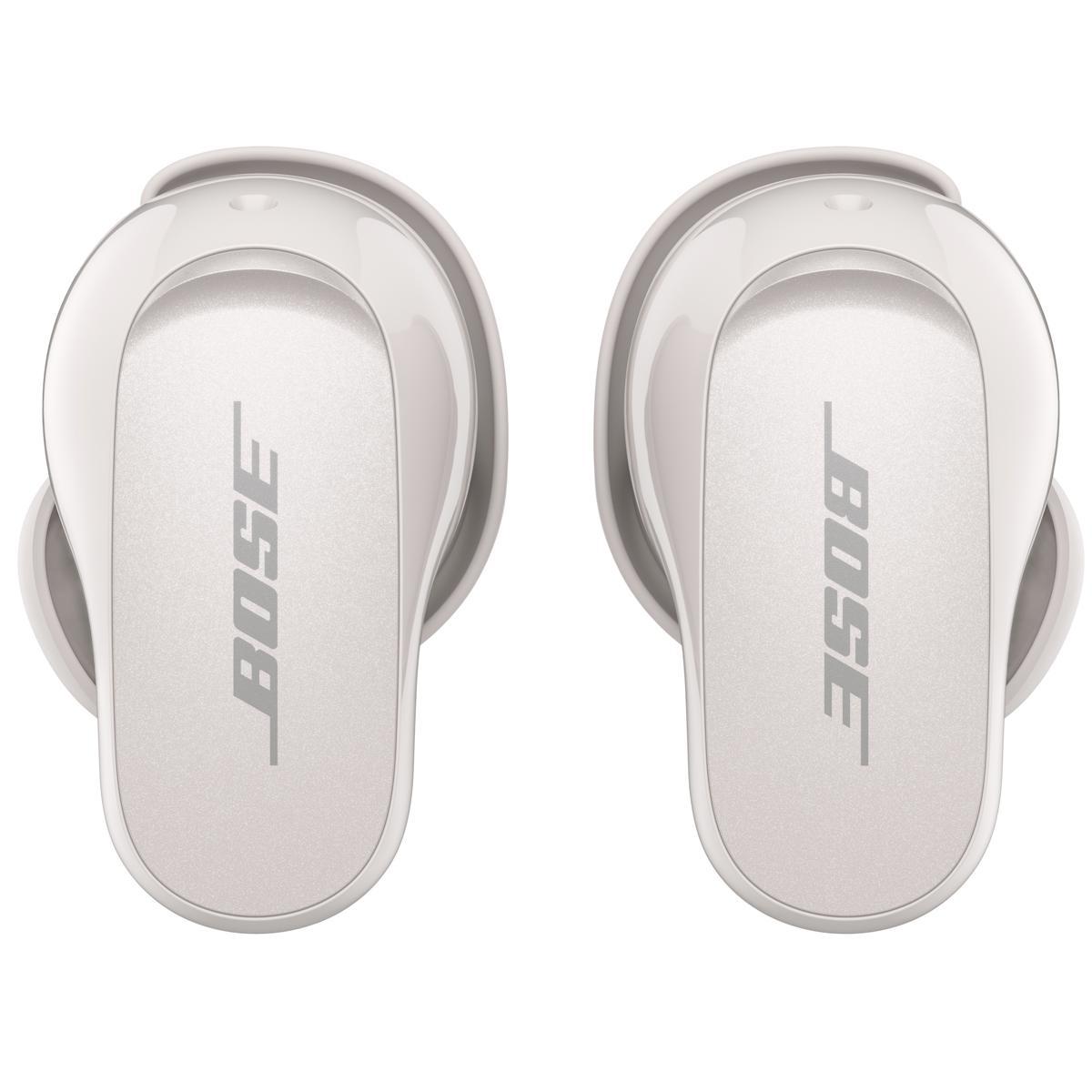
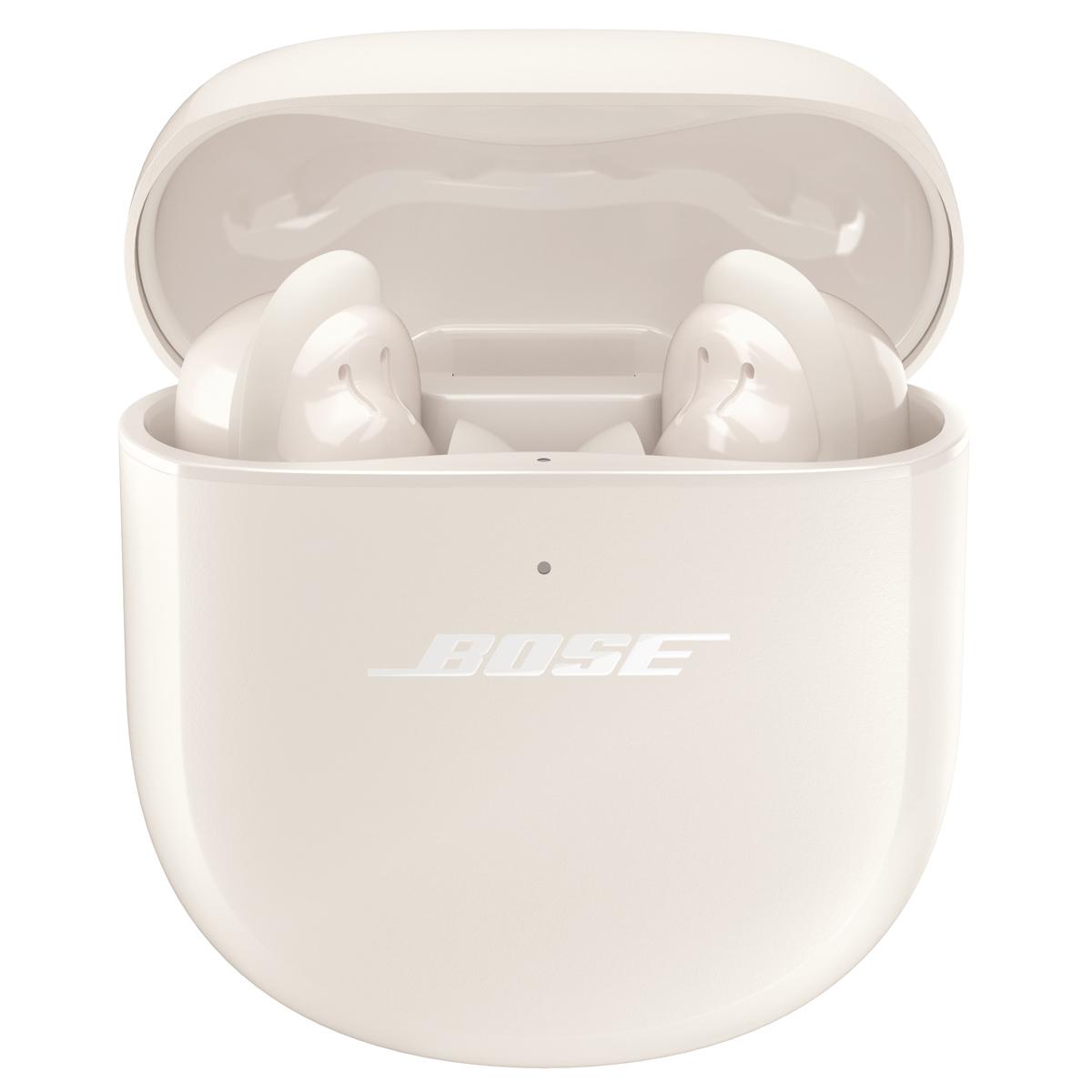
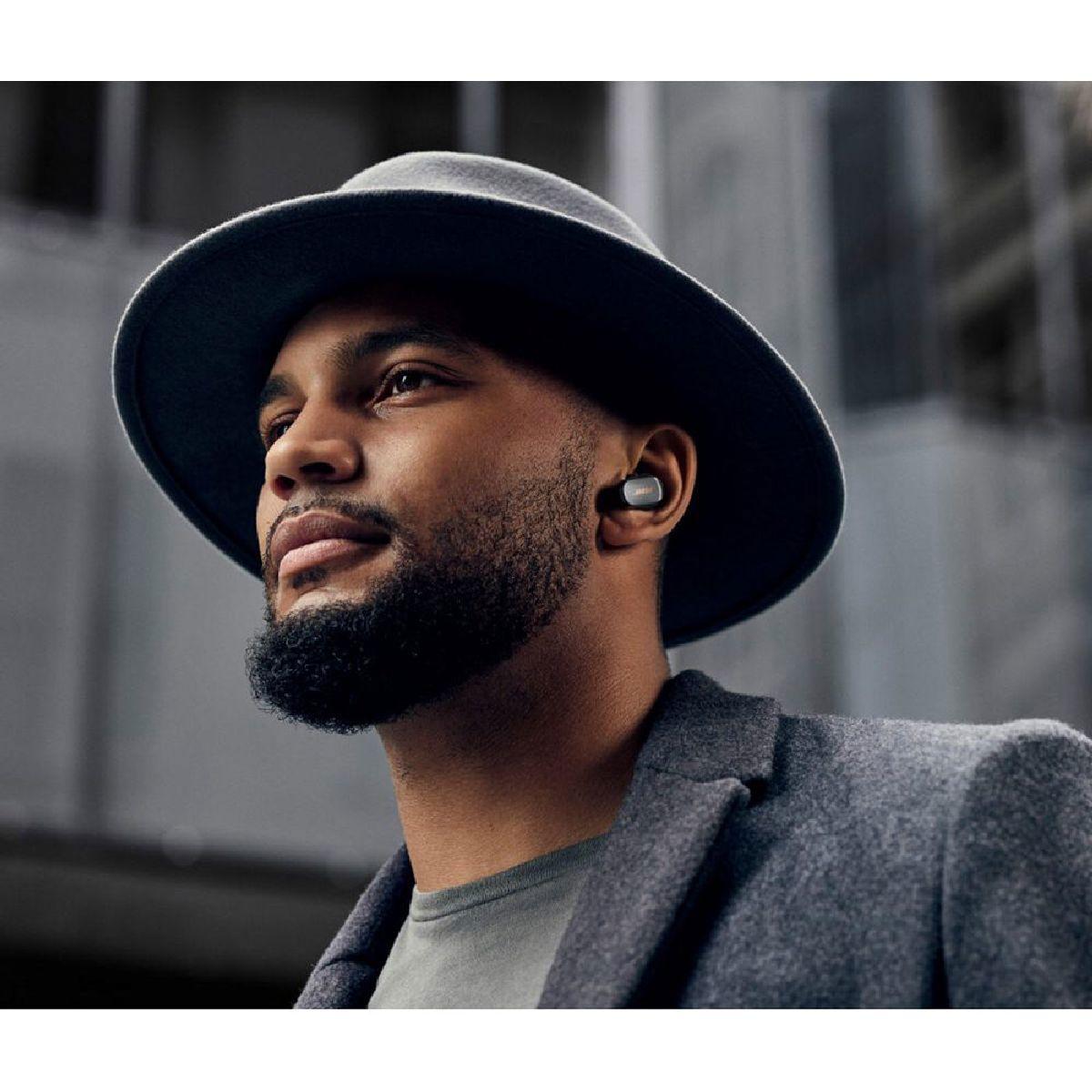
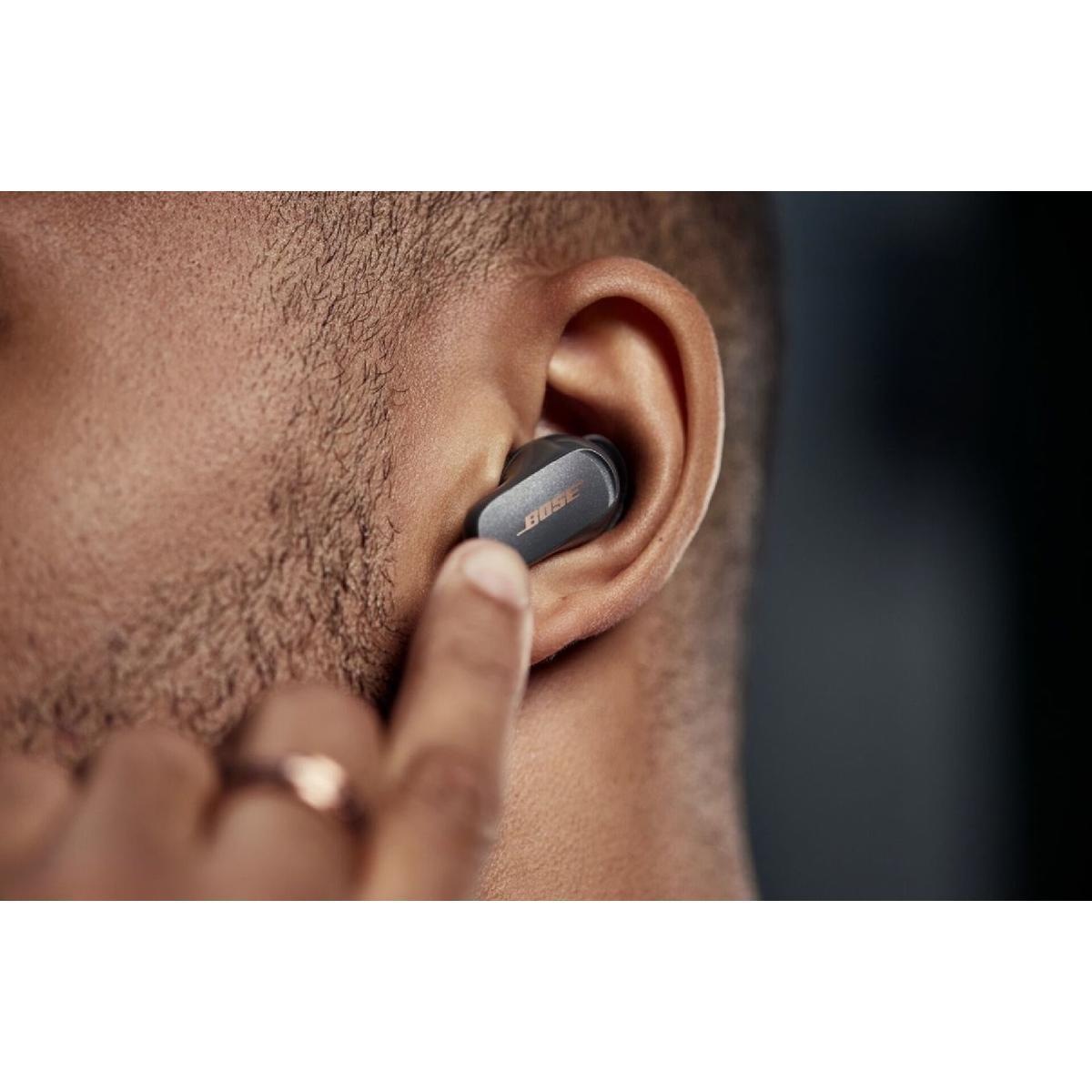
The Bose QuietComfort Earbuds II, also released in 2024, takes the opposite approach. Bose doubled down on their noise cancellation expertise, introducing CustomTune technology that literally measures your ear canal and adjusts both sound and noise cancellation accordingly. At its premium price point, it's targeting users who want the absolute best performance regardless of cost.
These different philosophies create products suited for entirely different users and use cases, making this comparison particularly interesting.
Sound quality is obviously crucial, but it's also where specifications can be misleading. Both the TOZO A1 and Bose QuietComfort Earbuds II claim the same 20Hz-20kHz frequency response, but they sound completely different.
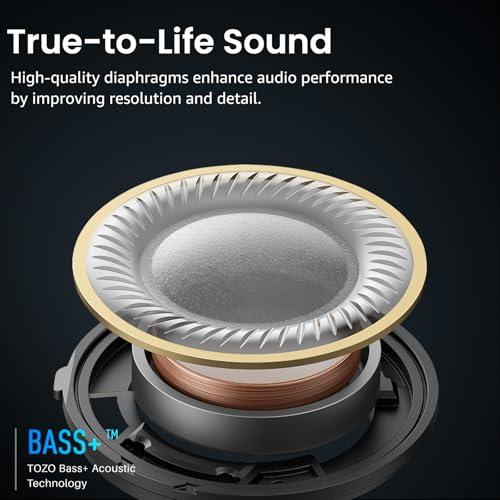
The TOZO A1 uses 6mm dynamic drivers—the tiny speakers inside each earbud. Dynamic drivers are the most common type because they're relatively inexpensive to manufacture while providing decent sound across all frequencies. Based on our research into user reviews and professional evaluations, the A1 delivers what reviewers describe as a "mid-focused" sound signature. This means voices and instruments like guitars and pianos come through clearly, but the bass doesn't thump quite as hard as some competitors.
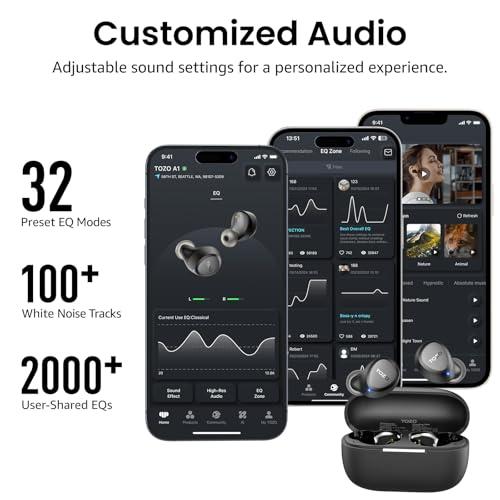
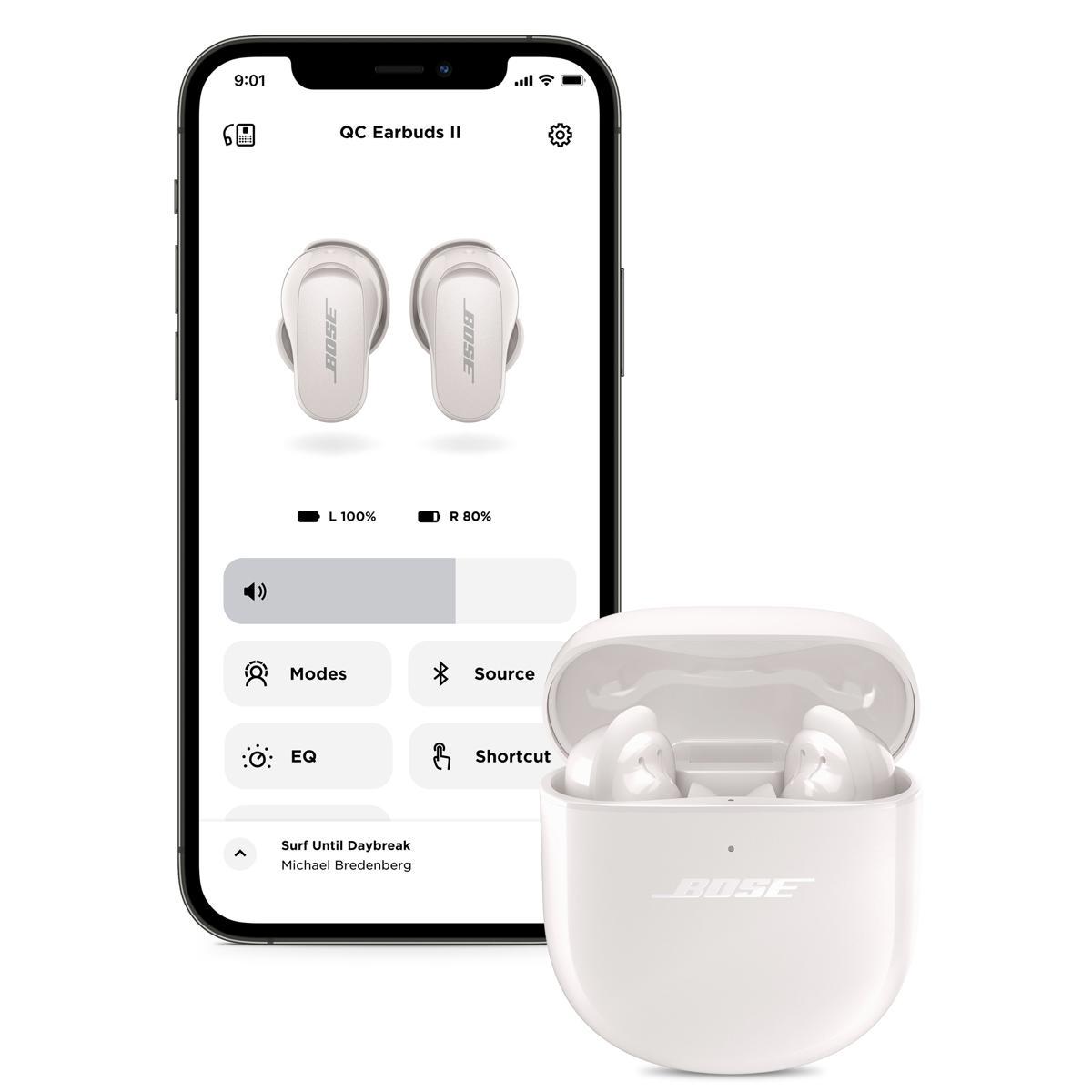
What makes the TOZO A1 interesting is its customization options. The TOZO app provides 32 preset EQ (equalizer) modes, letting you dramatically change how your music sounds. Want more bass for hip-hop? There's a preset for that. Prefer crystal-clear vocals for podcasts? Another preset handles that. This level of customization is unusual at this price point and gives the A1 flexibility that many premium earbuds lack.
However, reviewers consistently note that pushing the bass too high makes the sound "muddy"—meaning different instruments blend together instead of staying distinct. This suggests the drivers and internal amplification have limitations that become apparent when you push them hard.
The Bose QuietComfort Earbuds II takes a fundamentally different approach with CustomTune technology. When you put the earbuds in your ears, they emit a proprietary tone (a specific sound frequency) and measure how it resonates in your unique ear canal. Since everyone's ears are shaped differently, sound bounces around differently for each person. CustomTune uses this information to adjust both the audio output and noise cancellation in less than half a second.
This personalization, combined with Bose's decades of audio engineering expertise, creates what reviewers describe as "very good" sound quality with superior instrument separation. Instrument separation means you can distinctly hear different instruments and vocals rather than everything blending together. Professional reviews consistently praise the Bose QuietComfort Earbuds II for this clarity, particularly in complex musical passages where cheaper earbuds struggle.
The Bose model defaults to a bass-heavy profile, which many users prefer for popular music genres. Unlike the TOZO A1, you can't dramatically reshape the sound signature, but the base tuning is more refined and doesn't become muddy when bass frequencies are emphasized.
This is where the two products diverge most dramatically. The TOZO A1 includes Environmental Noise Cancellation (ENC), which is specifically designed for phone calls. When you're talking on the phone, dual microphones pick up your voice and background noise, then AI algorithms try to enhance your voice while suppressing the background sounds. It's a helpful feature, but it only works during calls—it doesn't reduce noise while you're listening to music.
For music listening, the TOZO A1 relies on passive isolation. This means the physical seal created by the ear tips blocks out some external noise, but there's no active technology working to cancel sounds. Based on user feedback, this provides modest noise reduction—enough to make your commute more pleasant, but not enough to eliminate airplane engines or construction noise.
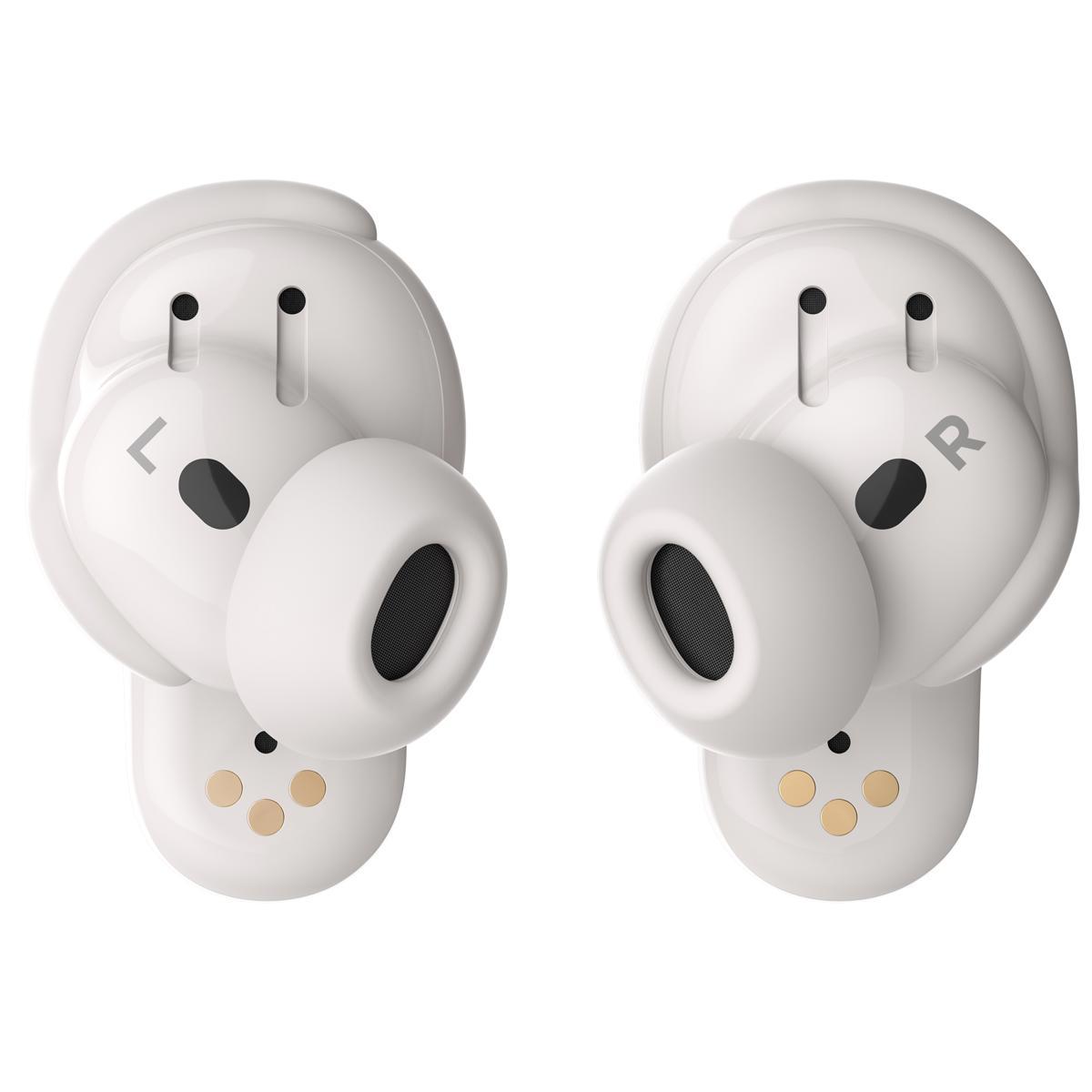
The Bose QuietComfort Earbuds II features true Active Noise Cancellation, and it's genuinely impressive. Each earbud contains four microphones: one inside your ear canal and three on the outside. These microphones constantly monitor environmental noise and send that information to Bose's proprietary noise-canceling chip. The chip analyzes the incoming noise and generates an opposite sound wave that cancels it out before it reaches your ear.
What makes Bose's implementation special is the speed—the system responds in less than a millisecond. Professional reviewers describe the noise cancellation as "otherworldly" and "best-in-class." Users report that airplane engines, air conditioning hum, and traffic noise virtually disappear. The CustomTune technology even optimizes the noise cancellation for your specific ear shape, making it more effective than generic implementations.
The Bose QuietComfort Earbuds II also includes Aware Mode with ActiveSense technology. In Aware Mode, the earbuds let environmental sounds through so you can hear announcements or have conversations without removing the earbuds. ActiveSense automatically kicks in noise cancellation when sudden loud sounds occur—like a car honking or a door slamming—then returns to transparency mode.
For frequent travelers or anyone who works in noisy environments, this difference is significant enough to justify the premium price of the Bose QuietComfort Earbuds II.
Both earbuds handle phone calls, but with varying degrees of success. The TOZO A1 uses dual microphones with AI enhancement to improve call quality. However, based on user reviews, the performance is mixed. Your voice comes through clearly enough, but background noise often overwhelms your voice, and wind noise is particularly problematic. Several reviewers noted that calls are only practical in quiet indoor environments.
The Bose QuietComfort Earbuds II leverages its four-microphone array and advanced processing for significantly better call performance. The same technology that provides excellent noise cancellation also works to isolate your voice during calls. Professional reviews consistently praise the improved call quality compared to the previous generation, with better noise reduction and clearer voice transmission.
If you regularly take important calls—whether for work or personal reasons—the Bose QuietComfort Earbuds II provides more professional and reliable performance.
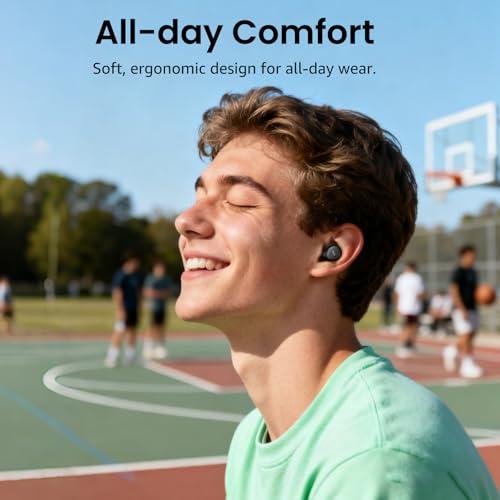
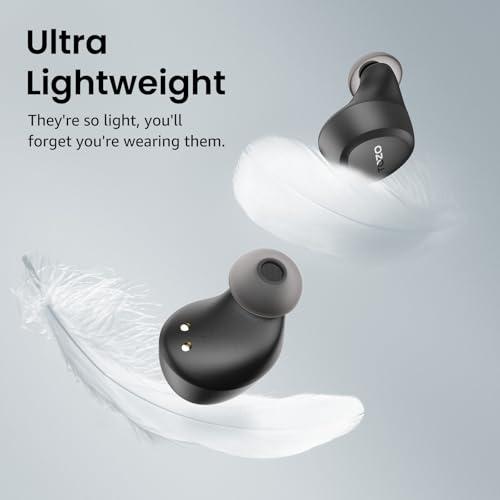
Comfort becomes critical when you're wearing earbuds for hours at a time. The TOZO A1 takes the ultra-minimalist approach, with each earbud weighing just 3.7 grams. For perspective, that's roughly the weight of a penny. The stem-free design means nothing protrudes from your ears, creating a discrete, lightweight feel that many users find comfortable for all-day wear.
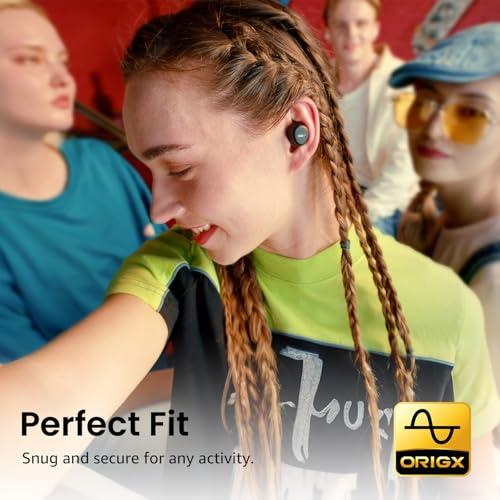
The TOZO A1 includes five different ear tip sizes ranging from extra-small to extra-extra-large, accommodating a wide range of ear sizes. This is particularly valuable for people with smaller ears who often struggle to find comfortable earbuds. However, some users report that the lightweight design, while comfortable, can lead to the earbuds falling out during vigorous activity or when wearing helmets.
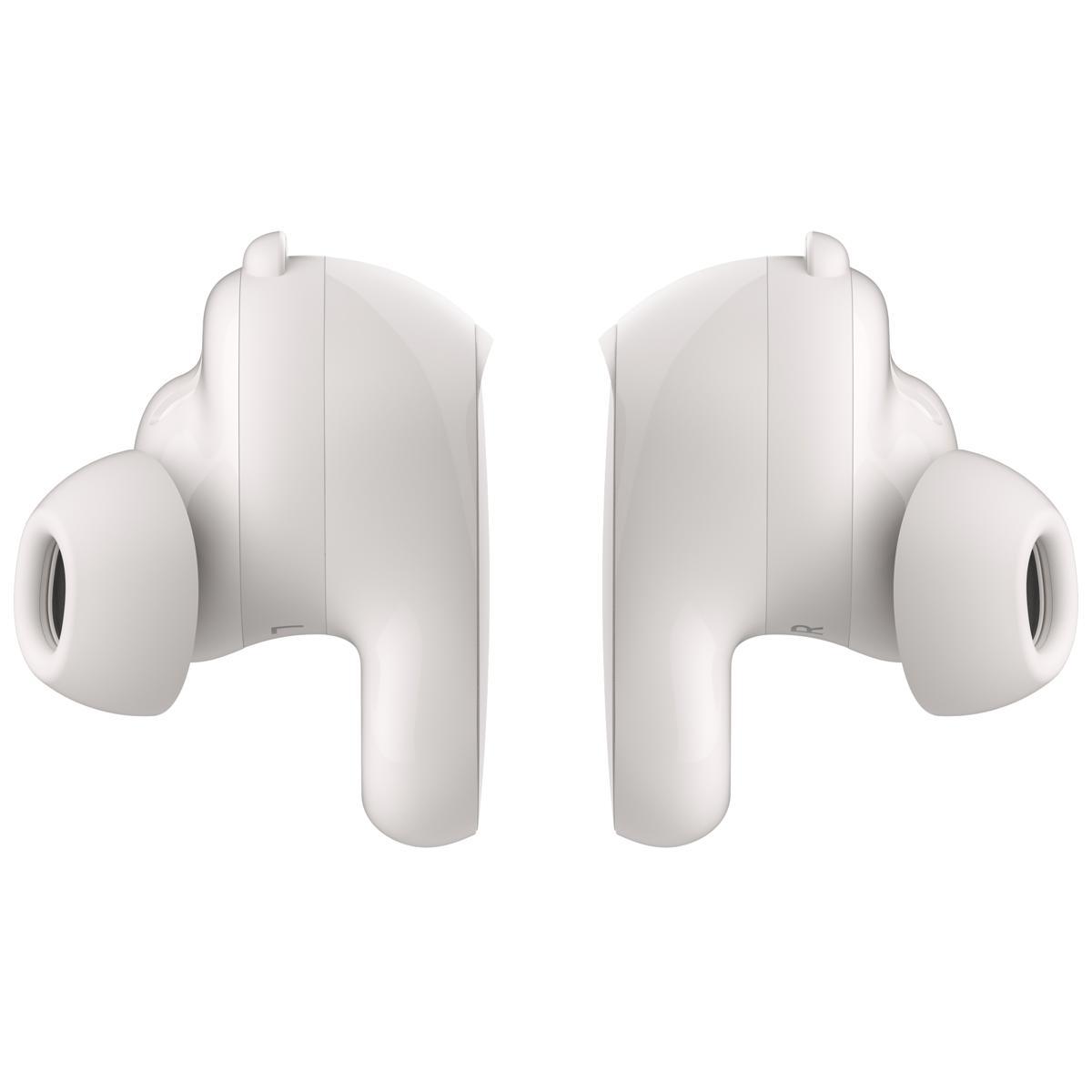
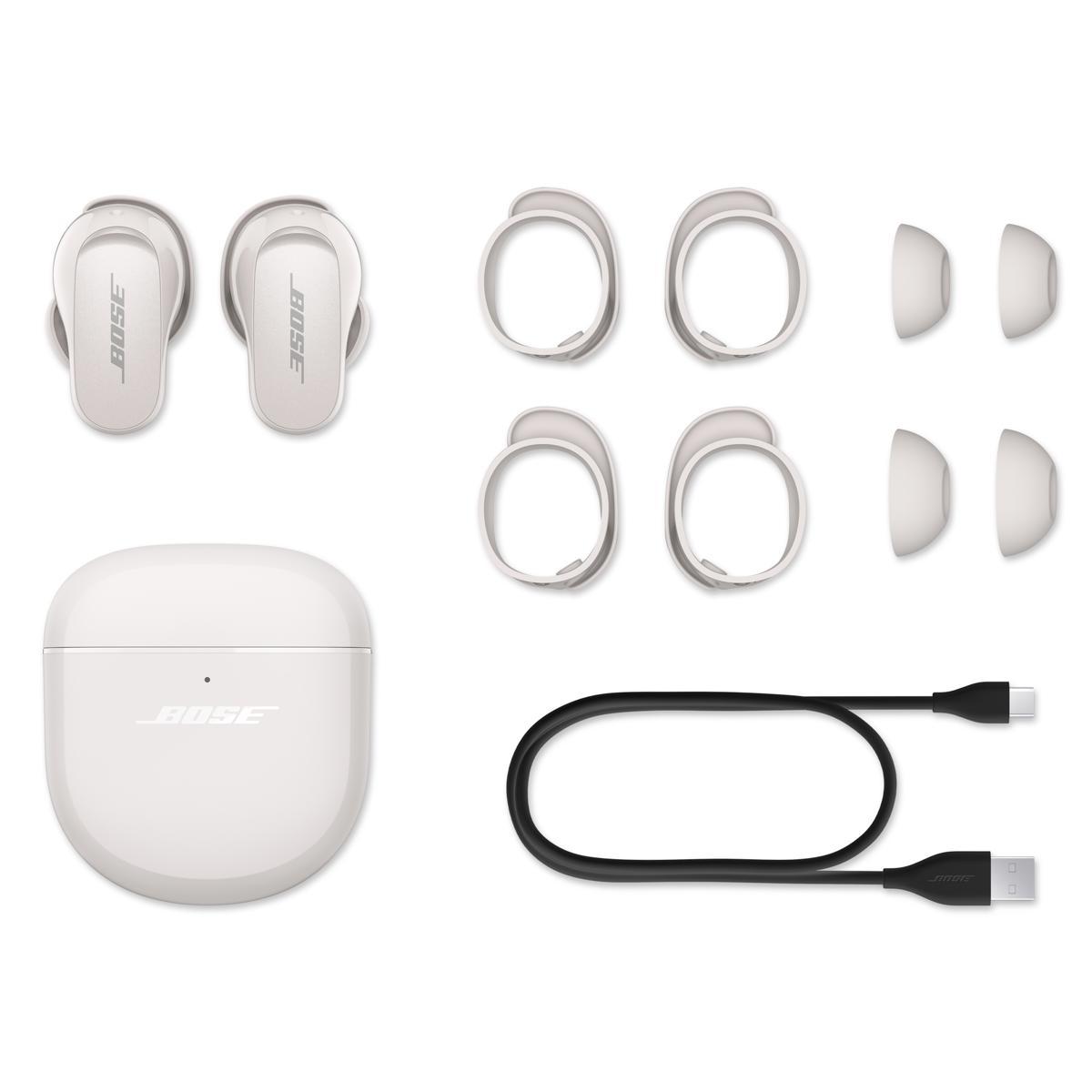
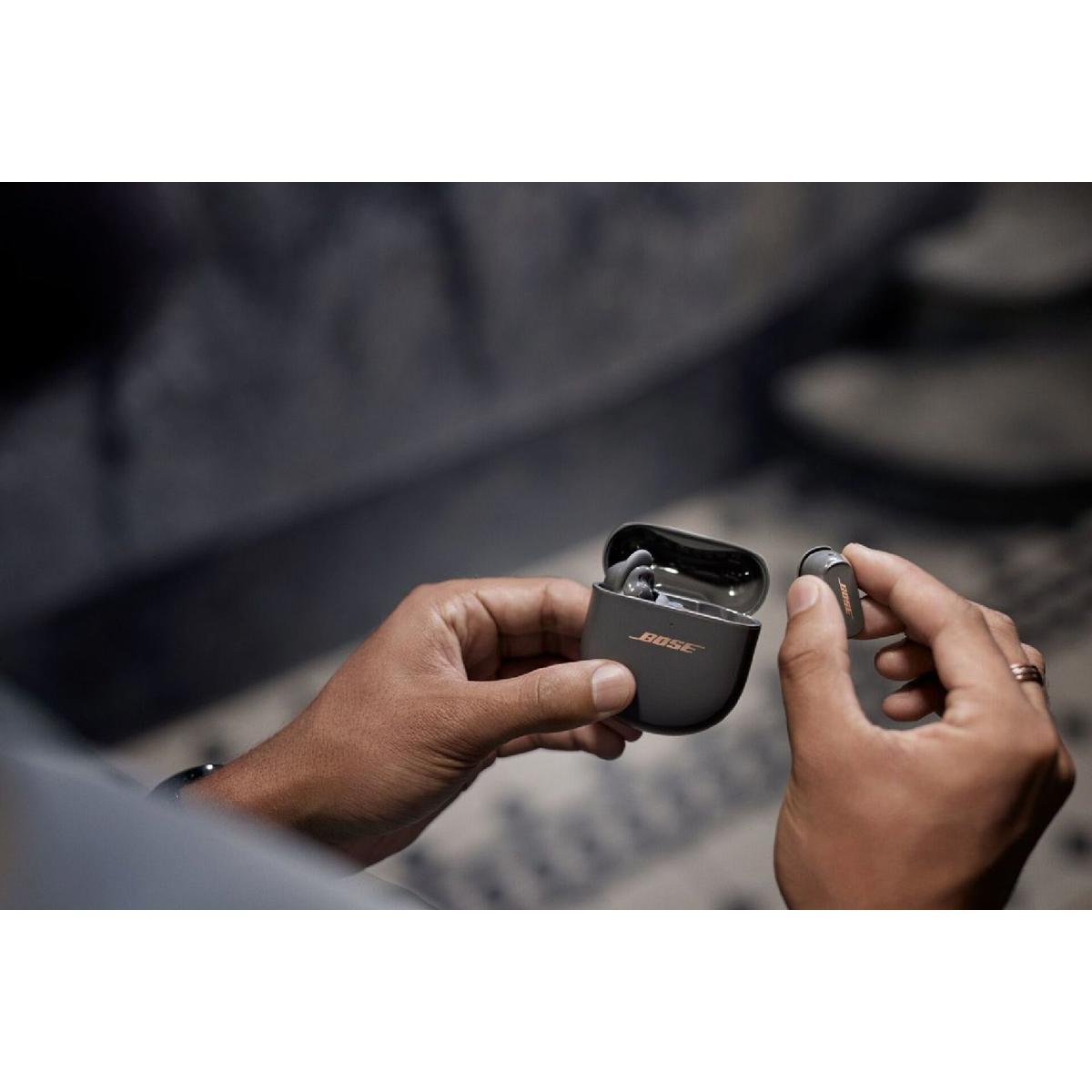
The Bose QuietComfort Earbuds II addresses fit differently with their new Fit Kit system. Instead of traditional single-piece ear tips, Bose provides separate stability bands that hug your ear's contour and umbrella-shaped silicone tips that seal the ear canal opening. This two-piece system aims to provide both comfort and security.
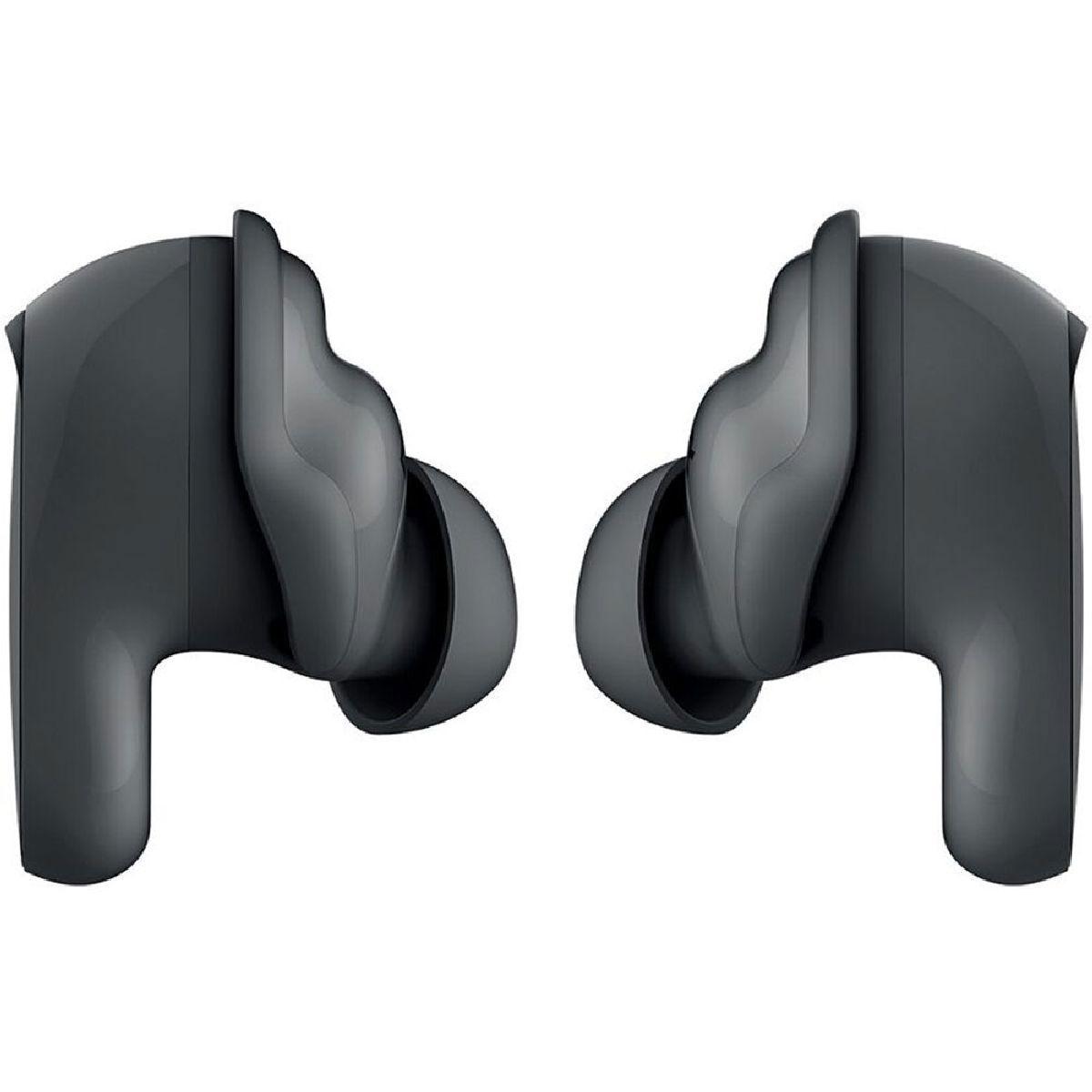
While the Bose QuietComfort Earbuds II are larger than the TOZO A1, they're significantly smaller than Bose's previous generation. The stability bands help keep the earbuds secure during physical activity, making them more suitable for workouts or sports. Professional reviewers consistently note improved comfort compared to the original QuietComfort Earbuds.
The choice between these approaches depends on your priorities: ultra-lightweight comfort (TOZO) versus secure, stable fit (Bose).
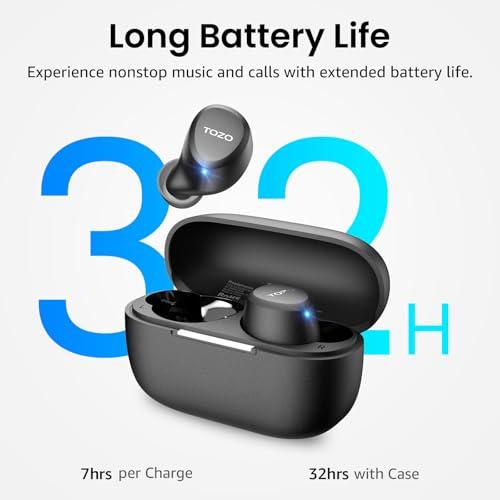
Battery life affects how often you need to think about charging your earbuds. The TOZO A1 provides 5.5 to 7 hours of playback on a single charge (specifications vary slightly depending on the source), with the charging case extending total playback to 32 hours. This means you could potentially go more than a week between case charges with moderate daily use.
The independent earbud functionality is particularly useful—you can use either earbud by itself, effectively doubling your listening time by alternating between them. The case charges via USB-C in about two hours.
The Bose QuietComfort Earbuds II provides 6 hours per charge with Active Noise Cancellation enabled, and the case provides an additional 18 hours for 24 hours total. While this is less than the TOZO A1, the Bose QuietComfort Earbuds II includes quick charging: just 20 minutes in the case provides two hours of playback.
The quick charging feature proves invaluable when you forget to charge overnight but need earbuds for your morning commute. However, the absence of wireless charging in the case feels like an oversight at this price point, especially when many cheaper alternatives include it.
For users who prioritize set-and-forget convenience, the TOZO A1 wins with longer total battery life. For users who prefer quick top-ups when needed, the Bose QuietComfort Earbuds II provides more flexibility.
The TOZO A1 offers superior water resistance with an IPX5 rating, meaning it can withstand water jets from any direction. This makes it suitable for intense workouts, outdoor activities in light rain, or accidental splashes. However, the build quality receives mixed reviews, with users noting that the charging case feels somewhat cheap and is prone to scratches, and the lid can wobble.
The Bose QuietComfort Earbuds II carries an IPX4 rating, which provides protection against splashing water but isn't as robust as the TOZO A1. However, the overall build quality is significantly higher, with premium materials and more robust construction throughout.
For users who plan to use their earbuds during intense workouts or outdoor activities, the TOZO A1's superior water resistance is meaningful. For users who prioritize overall build quality and longevity, the Bose QuietComfort Earbuds II likely provides better long-term durability despite the lower water resistance rating.
At the time of writing, the TOZO A1 represents exceptional value in the budget category, typically priced well under $100. For that investment, you get decent sound quality, extensive customization options, good battery life, and superior water resistance. It's an excellent entry point for users new to wireless earbuds or those who need a reliable backup pair.
The Bose QuietComfort Earbuds II, priced in the premium tier around $250-300, costs roughly five to six times more than the TOZO A1. That premium buys you genuinely superior noise cancellation, better audio quality, more reliable call performance, and the peace of mind that comes with an established brand's reputation.
The value equation depends heavily on your use case and budget flexibility. If you primarily listen to music during commutes and occasional calls, the TOZO A1 delivers surprising performance for the money. If you're a frequent traveler, work in noisy environments, or consider audio quality a high priority, the Bose QuietComfort Earbuds II justifies its premium pricing.
Neither product is specifically designed for home theater use, but both can serve as personal listening devices for TV and movie content. The TOZO A1's minimal audio latency (the delay between video and audio) makes it surprisingly good for video content, which is unusual at this price point.
The Bose QuietComfort Earbuds II's superior noise cancellation could actually be counterproductive in a home theater setting, where you might want to remain aware of your surroundings. However, for late-night viewing when you need to keep volume low, either product works well for personal audio.
Choose the TOZO A1 if you're budget-conscious but still want decent wireless earbuds. They're perfect for students, casual listeners, or anyone who wants to try wireless earbuds without a significant financial commitment. The extensive EQ customization makes them surprisingly versatile, and the superior water resistance suits active users. They're also excellent as backup earbuds or for situations where you might lose or damage them.
The TOZO A1 works particularly well for users with smaller ears who struggle with larger earbuds, and the ultra-lightweight design makes them comfortable for extended wear. If you primarily listen to podcasts or music during commutes and don't need premium features, they provide excellent value.
Choose the Bose QuietComfort Earbuds II if you can afford premium earbuds and will actually use their advanced features. They're ideal for frequent travelers who need excellent noise cancellation, professionals who regularly take important calls, or audio enthusiasts who appreciate superior sound quality. The CustomTune technology and overall refinement justify the premium price for users who will appreciate the difference.
The Bose QuietComfort Earbuds II particularly excels for users who work in noisy environments, commute on public transportation, or simply want the best possible noise cancellation experience available in earbuds.
Both the TOZO A1 and Bose QuietComfort Earbuds II succeed in their respective market segments, but they're targeting fundamentally different users. The TOZO A1 proves that good wireless earbuds don't require a premium budget, while the Bose QuietComfort Earbuds II demonstrates what's possible when price isn't the primary constraint.
Your choice should align with your actual needs and usage patterns. If you're unsure, starting with something like the TOZO A1 lets you experience wireless earbuds affordably before potentially upgrading to premium features later. However, if you know you need excellent noise cancellation or superior audio quality, investing in the Bose QuietComfort Earbuds II from the start will likely provide better long-term satisfaction.
The wireless earbuds market continues evolving rapidly, with new features and better performance appearing regularly. But the fundamental trade-off between value and premium features remains, and these two products represent excellent examples of what's possible at their respective price points.
| TOZO A1 Wireless Earbuds Bluetooth 5.3 | Bose QuietComfort Earbuds II |
|---|---|
| Noise Cancellation - Essential for noisy environments like planes and commutes | |
| Environmental Noise Cancellation (ENC) for calls only, passive isolation for music | Active Noise Cancellation (ANC) with 4 microphones per earbud, industry-leading performance |
| Audio Quality - Determines how your music actually sounds | |
| 6mm dynamic drivers, mid-focused sound, 32 customizable EQ presets via app | CustomTune technology calibrates to your ear shape, bass-heavy profile with superior instrument separation |
| Battery Life - How long before you need to charge | |
| 5.5-7 hours per charge, 32 hours total with case | 6 hours per charge with ANC, 24 hours total with case |
| Weight & Comfort - Critical for all-day wear | |
| Ultra-lightweight at 3.7g per earbud, stem-free design, 5 ear tip sizes | Larger but secure fit with 2-piece Fit Kit system (stability bands + ear tips) |
| Water Resistance - Protection during workouts and weather | |
| IPX5 rating (withstands water jets from any direction) | IPX4 rating (basic splash protection) |
| Call Quality - Important for work calls and conversations | |
| Dual microphones with AI enhancement, struggles with background noise | 4-microphone array with advanced processing, professional-grade call performance |
| Connectivity - Affects audio quality and connection stability | |
| Bluetooth 5.3, SBC/AAC codecs, minimal audio latency | Bluetooth 5.3, SBC/AAC codecs with CustomTune optimization |
| Charging Features - Convenience when battery runs low | |
| USB-C charging, 2-hour full charge, independent earbud use | USB-C charging, 20-minute quick charge for 2 hours playback, no wireless charging |
| Customization Options - Ability to personalize your experience | |
| 32 preset EQ modes, extensive sound customization via TOZO app | Limited EQ adjustment, focus on automatic CustomTune optimization |
| Build Quality - Durability and premium feel | |
| Plastic construction, case prone to scratches but functional | Premium materials and construction, significantly more robust overall |
The Bose QuietComfort Earbuds II have significantly better noise cancellation. They feature industry-leading Active Noise Cancellation (ANC) with four microphones per earbud that actively cancel environmental noise. The TOZO A1 only offers Environmental Noise Cancellation (ENC) for phone calls and relies on passive isolation for music listening, which provides much less noise reduction.
The Bose QuietComfort Earbuds II deliver superior sound quality with CustomTune technology that calibrates audio to your unique ear shape and provides better instrument separation. The TOZO A1 offers decent sound with a mid-focused profile and impressive customization through 32 EQ presets, but the audio quality isn't as refined as the premium Bose model.
The TOZO A1 provides longer battery life with 5.5-7 hours per charge and 32 hours total with the charging case. The Bose QuietComfort Earbuds II offers 6 hours per charge and 24 hours total, but includes quick charging that gives 2 hours of playback from just 20 minutes of charging.
The TOZO A1 is better for intense workouts due to its superior IPX5 water resistance rating and ultra-lightweight 3.7g design. The Bose QuietComfort Earbuds II has only IPX4 water resistance but offers a more secure fit with stability bands that prevent the earbuds from falling out during physical activity.
Both offer different comfort advantages. The TOZO A1 is extremely lightweight at 3.7g per earbud with a stem-free design that many find comfortable for all-day wear. The Bose QuietComfort Earbuds II uses a two-piece Fit Kit system with stability bands and multiple ear tip sizes for a more secure and stable fit during extended use.
The Bose QuietComfort Earbuds II provides significantly better call quality with a four-microphone array and advanced noise processing that delivers professional-grade performance. The TOZO A1 has dual microphones with AI enhancement, but call quality is inconsistent and struggles with background noise, working best only in quiet environments.
The TOZO A1 offers exceptional value for budget-conscious buyers, providing essential wireless earbud features at a fraction of premium prices. The Bose QuietComfort Earbuds II justifies its premium pricing with superior noise cancellation, audio quality, and build quality, making it worthwhile for users who need these advanced features.
The TOZO A1 offers extensive sound customization with 32 preset EQ modes through the TOZO app, allowing dramatic changes to the sound signature. The Bose QuietComfort Earbuds II has limited EQ adjustment options but uses CustomTune technology to automatically optimize sound for your unique ear shape.
The Bose QuietComfort Earbuds II excels for travel with world-class Active Noise Cancellation that virtually eliminates airplane engines, traffic noise, and other environmental sounds. The TOZO A1 provides basic noise isolation that's adequate for casual commuting but won't handle loud travel environments as effectively.
The TOZO A1 has superior water resistance with an IPX5 rating but uses plastic construction that some users find feels less premium. The Bose QuietComfort Earbuds II features higher-quality materials and more robust overall construction, though it has a lower IPX4 water resistance rating.
Both the TOZO A1 and Bose QuietComfort Earbuds II use Bluetooth 5.3 for stable connections and support AAC and SBC codecs. The Bose QuietComfort Earbuds II may have a slight edge in connection stability due to premium components, but both should provide reliable connectivity for most users.
For first-time wireless earbud buyers, the TOZO A1 is an excellent entry point that provides good performance without a significant financial commitment. However, if you frequently travel, work in noisy environments, or prioritize audio quality, investing in the Bose QuietComfort Earbuds II from the start will likely provide better long-term satisfaction.
We've done our best to create useful and informative comparisons to help you decide what product to buy. Our research uses advanced automated methods to create this comparison and perfection is not possible - please contact us for corrections or questions. These are the sites we've researched in the creation of this article: bestbuy.com - izreview.com - tozostore.com - youtube.com - youtube.com - bestbuy.com - mryouwho.com - versus.com - walmart.com - scarbir.com - versus.com - youtube.com - youtube.com - youtube.com - tozostore.com - review-rating.com - us.smartprix.com - tozostore.com - newegg.com - tozostore.com - bestbuy.com - newegg.com - versus.com - tozostore.com - bestbuy.com - manuals.plus - walmart.com - independenttourist.com - techradar.com - techgearlab.com - cnet.com - soundguys.com - rtings.com - soundstagesolo.com - forums.whathifi.com - youtube.com - cnet.com - bose.com - soundguys.com - youtube.com - rtings.com - soundguys.com - loudnwireless.com - head-fi.org - noisyworld.org - boseindia.com - global.bose.com - boselatam.com - bose.com - youtube.com - boselatam.com - support.bose.com - bhphotovideo.com - bestbuy.com - global.bose.com - bose.com - assets.bose.com - boseapac.com - bose.com - bose.com - bose.com

Privacy Policy
Terms and Conditions - Affiliate Policy
Home Security
© Copyright 2008-2026.
11816 Inwood Rd #1211, Dallas, TX 75244