

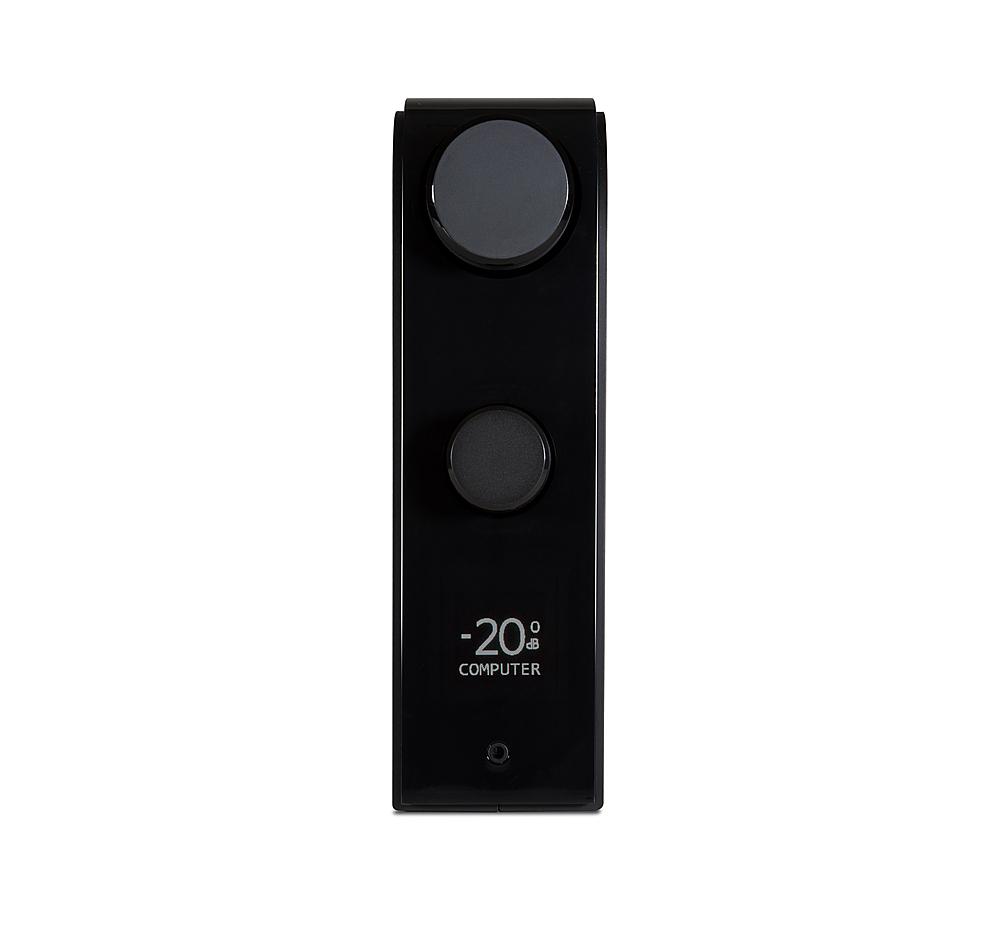
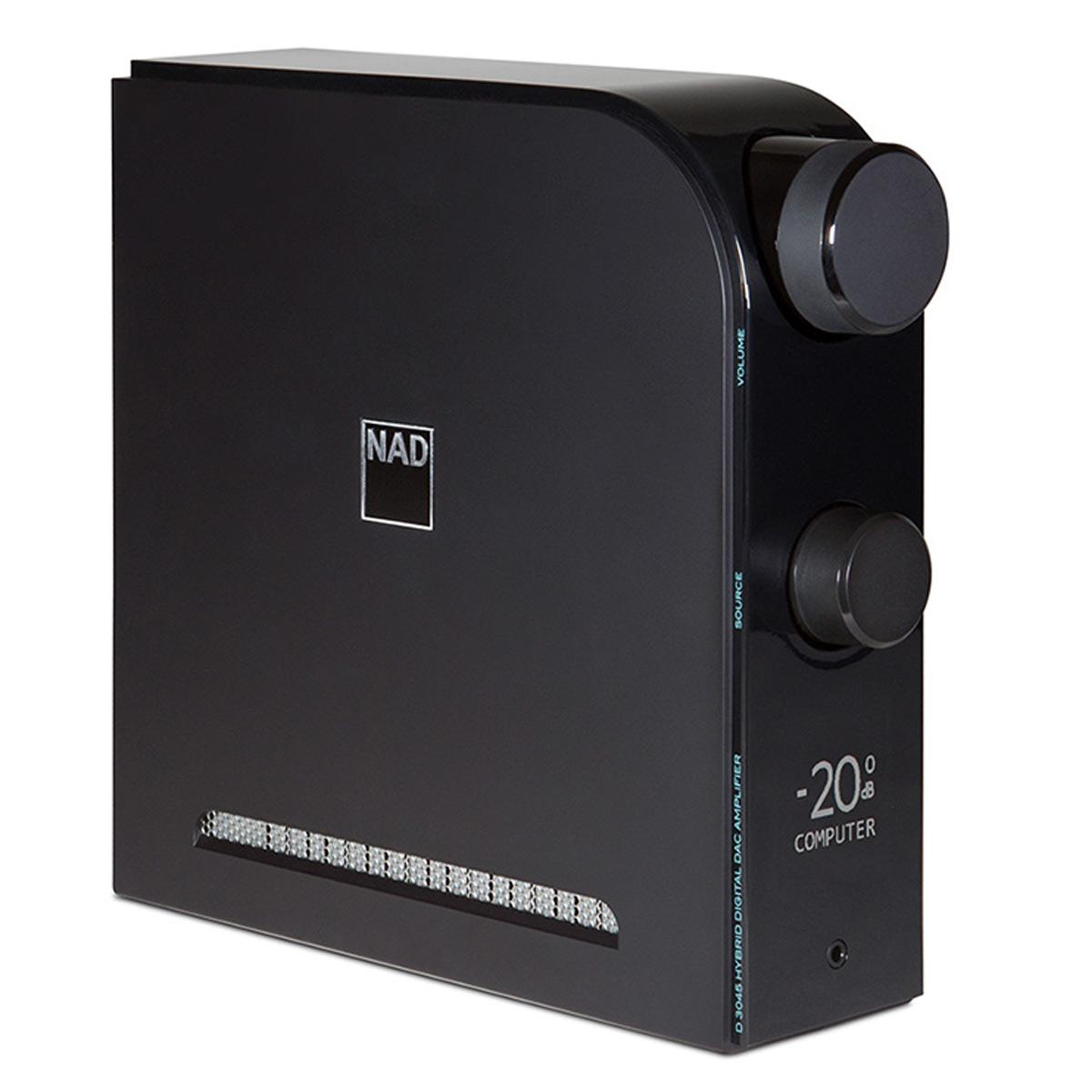
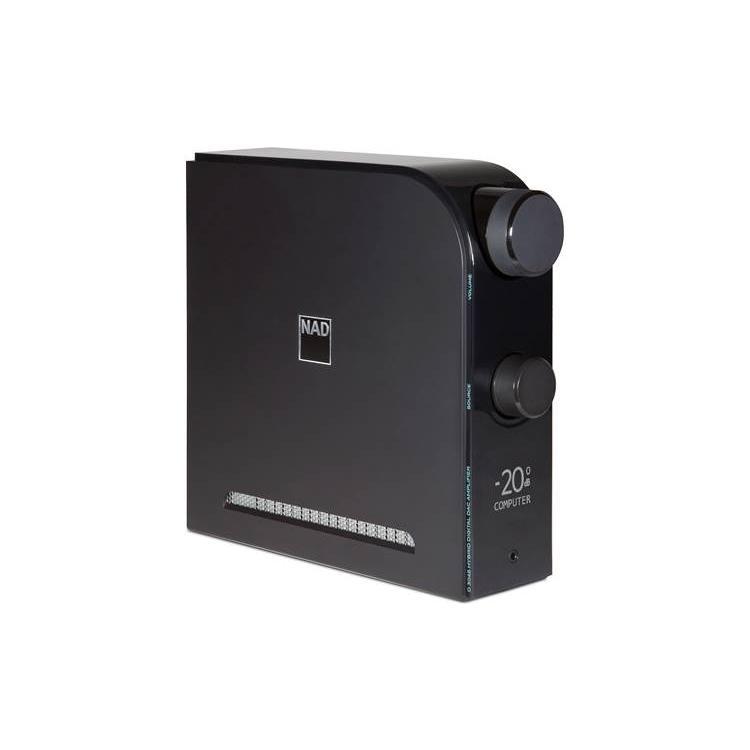
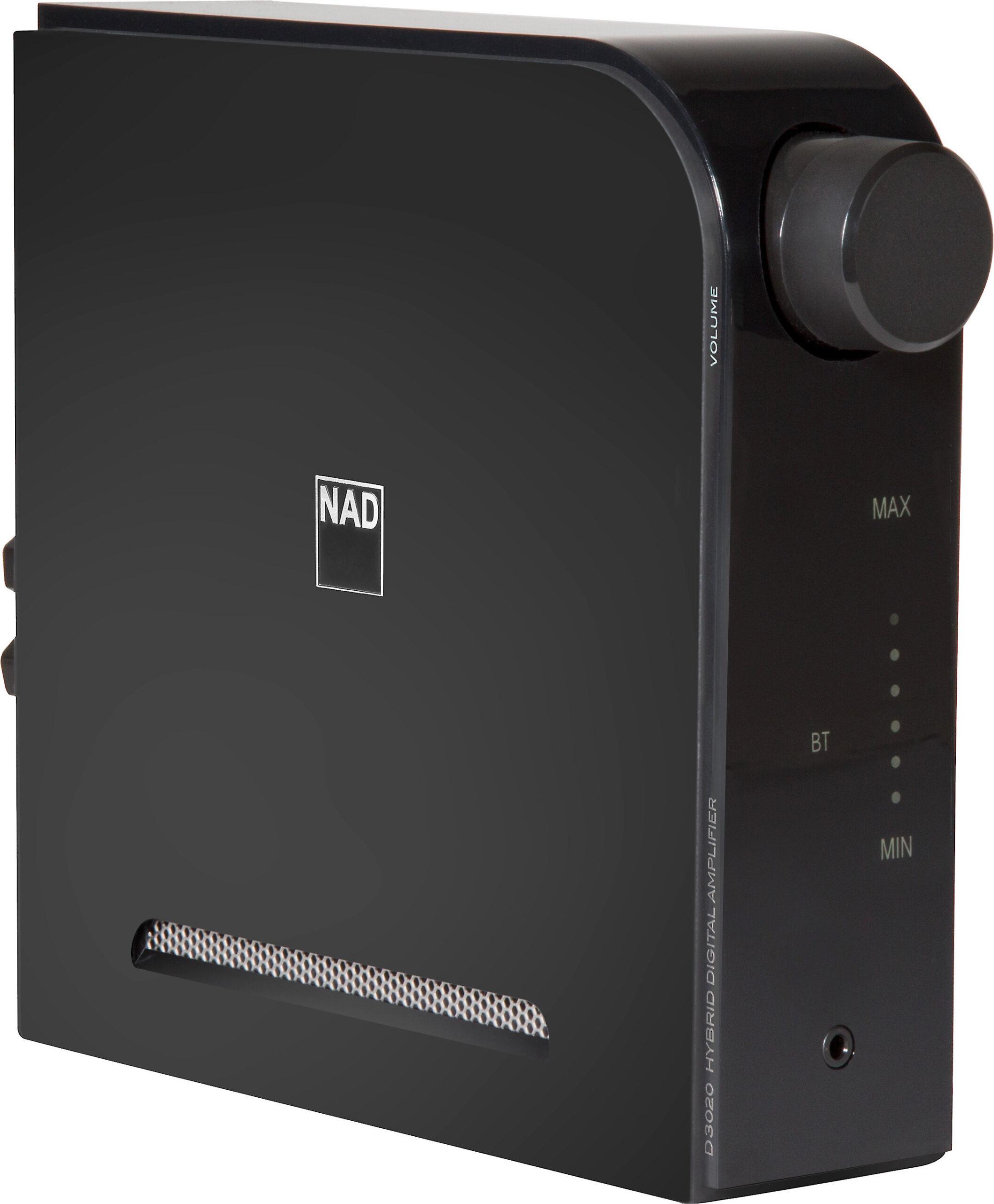
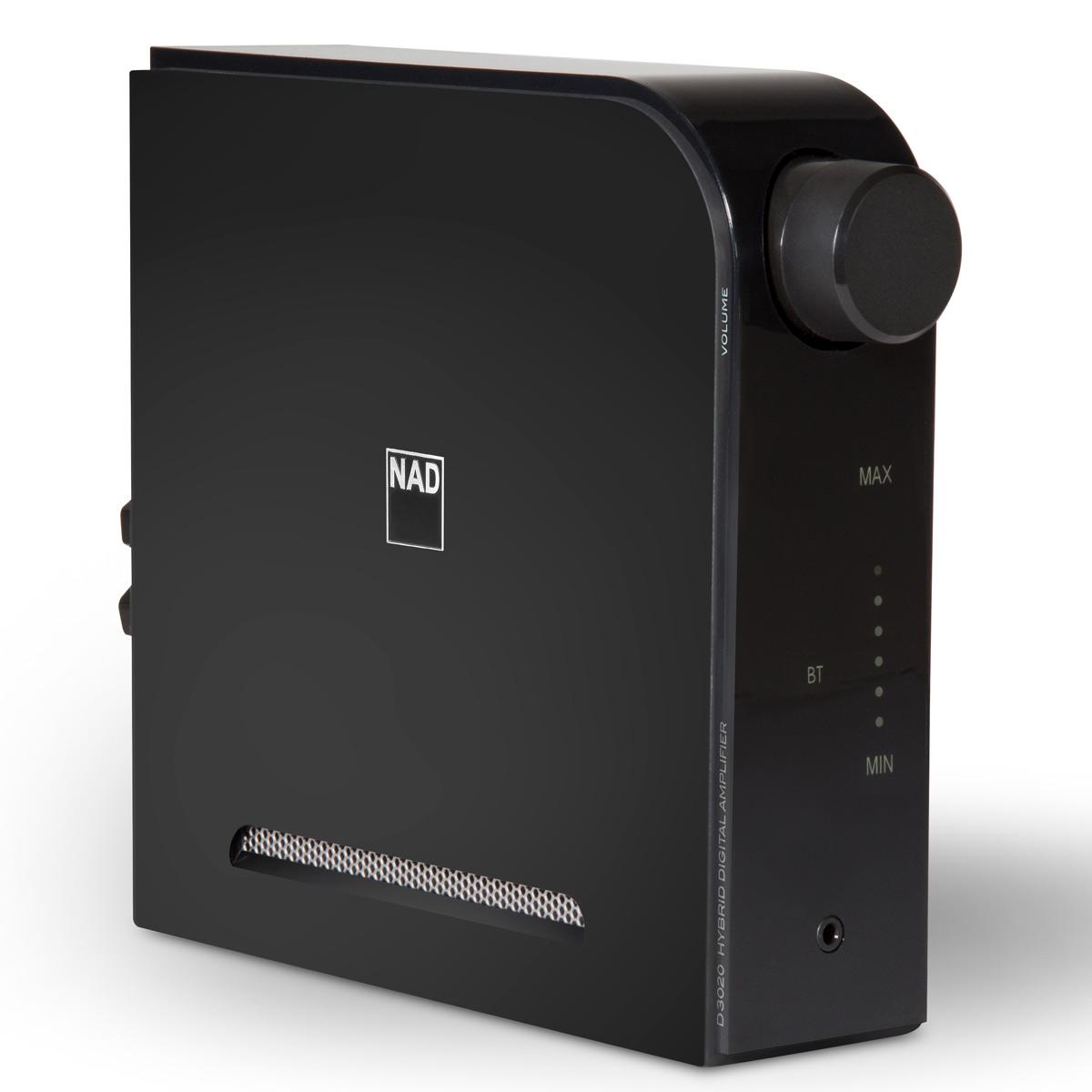
Digital integrated amplifiers have revolutionized home audio by cramming what used to require multiple components into a single, compact unit. Instead of needing separate amplifier, DAC (digital-to-analog converter), and preamp components, these modern marvels handle everything from powering your speakers to converting digital music files into beautiful analog sound.
NAD, a Canadian company with decades of audio expertise, released two compelling options in this space: the compact NAD D 3020 V2 in 2018 and the more powerful NAD D 3045 in 2019. Both represent excellent value propositions, but they target different users and use cases. After extensive research into user experiences and professional reviews, here's what you need to know to make the right choice.
Before diving into comparisons, it's worth understanding what makes digital integrated amplifiers special. Traditional amplifiers use Class A or Class AB circuits that waste significant energy as heat—that's why old-school amplifiers get so hot and need large heatsinks. Both the D 3020 V2 and D 3045 use Class D amplification, which is far more efficient (around 85-90% vs. 20-50% for traditional designs) and runs much cooler.
NAD enhances their Class D designs with proprietary PowerDrive technology, which essentially means the amplifier can deliver much more power when your music demands it—think of it as having extra horsepower available during challenging passages. This matters because music isn't constant; it has quiet moments and sudden loud peaks that need extra power to reproduce accurately.
The built-in DACs in both units handle the crucial job of converting digital music files from your phone, computer, or streaming device into the analog signals your speakers need. This eliminates the need for separate DAC components and ensures everything works together seamlessly.
Here's where the first major difference emerges. The D 3045 delivers 60 watts per channel continuously, while the D 3020 V2 provides 30 watts per channel. But those numbers only tell part of the story.
In real-world listening, both amplifiers can deliver much more power when needed thanks to their dynamic power capabilities. The D 3045 can surge to 150 watts into difficult speaker loads, while the D 3020 V2 can reach similar peak power levels despite its lower continuous rating.
However, our research into user experiences reveals a critical difference: the D 3020 V2 starts showing its limitations with complex music at moderate volumes, particularly with demanding speakers. Users consistently report that challenging tracks begin to sound "flat and congested" when the amplifier approaches its limits. Meanwhile, the D 3045 maintains its composure and continues delivering dynamic, controlled sound even when pushed harder.
This isn't just about playing music louder—it's about maintaining the emotional impact of music. When an amplifier runs out of steam, drums lose their punch, bass lines become muddy, and the overall presentation loses its life. The extra power in the D 3045 acts as insurance against these limitations.
For most bookshelf speakers in smaller rooms, the D 3020 V2 provides adequate power. But if you're considering floor-standing speakers, have a larger room, or simply want headroom for those moments when you want to feel your music, the D 3045 is the safer choice.
Both amplifiers share NAD's philosophy of neutral, transparent sound reproduction. This means they don't add their own "flavor" to your music—instead, they aim to reproduce exactly what was recorded. This approach contrasts with some amplifiers that deliberately warm up or brighten the sound to create a particular sonic signature.
The D 3045 consistently receives praise for its detailed, balanced presentation. Bass remains tight and controlled, treble sounds delicate without harshness, and the midrange—where most vocals and instruments live—comes through clearly. Perhaps most impressively, the background remains remarkably quiet, meaning you hear your music without electronic noise or interference.
The D 3020 V2 delivers smooth, musical reproduction that's easy to listen to for hours without fatigue. However, based on our analysis of detailed reviews, it doesn't extract quite as much fine detail from recordings. Instrument separation—the ability to distinguish individual musicians in a complex piece—isn't quite as precise, and the overall soundstage can feel somewhat more compact.
These differences become more apparent with high-quality recordings and better speakers. If you're primarily streaming compressed music through modest speakers, both amplifiers will sound excellent. But as your source material and speakers improve, the D 3045 will continue to reveal more of what your music has to offer.
The DAC sections of these amplifiers handle one of the most critical jobs in modern audio: converting the digital files on your phone or computer into analog signals your speakers can reproduce. Both units excel here, but with different approaches.
The D 3045 uses an AKM AK4490 chip—a 32-bit converter that's considered high-end even by dedicated DAC standards. This chip can handle virtually any digital format you'll encounter, including high-resolution files up to 24-bit/384kHz via USB and supports DSD (Super Audio CD format) and MQA (Master Quality Authenticated) files from services like Tidal.
The D 3020 V2 employs a Cirrus Logic CS42528 in a clever dual differential configuration—essentially using multiple converters working together to reduce noise and improve accuracy. This approach, borrowed from high-end AV receivers, delivers excellent performance up to 24-bit/192kHz through its optical and coaxial inputs.
In practical terms, both will make your digital music sound excellent. The D 3045 has more future-proofing for emerging high-resolution formats, but unless you're a dedicated audiophile with a collection of high-resolution files, you'll be happy with either.
This is where the amplifiers diverge significantly in their intended use cases.
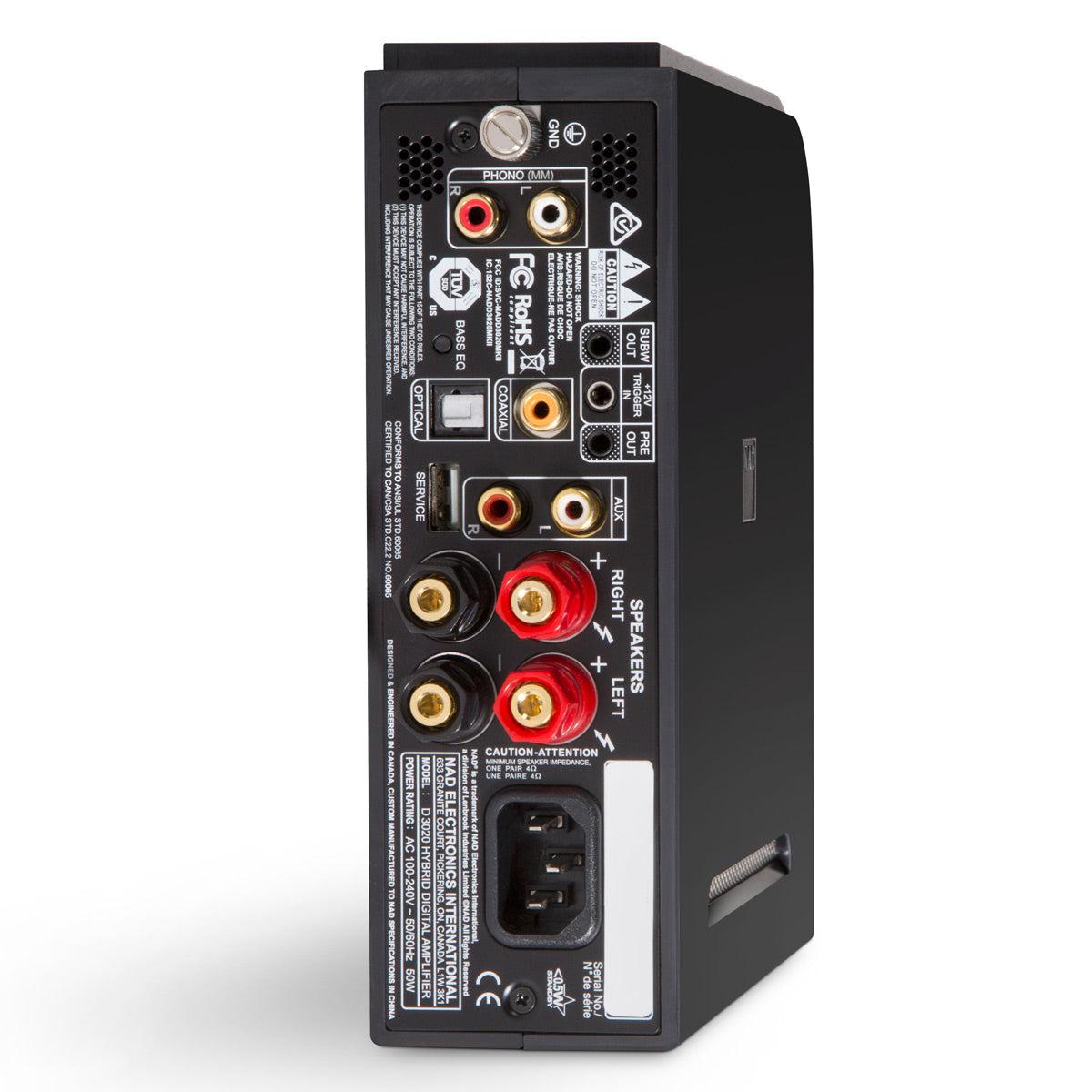
The D 3020 V2 covers the basics well: Bluetooth with aptX for wireless streaming from your phone, optical and coaxial digital inputs for CD players or streaming devices, and a moving-magnet phono input for turntables. There's also a single analog line input for other sources.
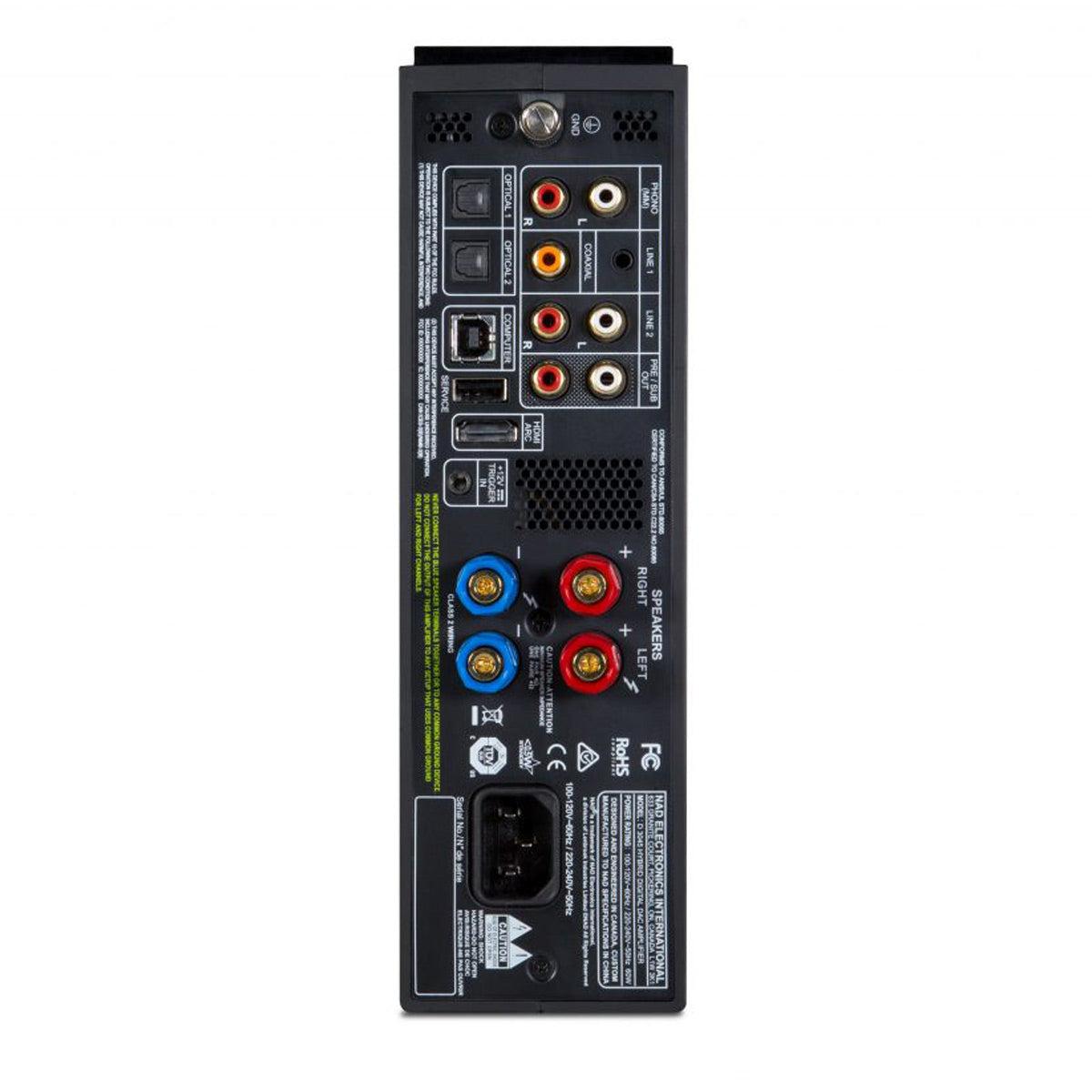
The D 3045 goes much further. It includes everything the D 3020 V2 offers plus several important additions: USB input for direct computer connection, HDMI ARC for TV integration, an additional optical input, and 12-volt trigger control for custom installation systems.
The USB input on the D 3045 deserves special mention. This allows direct connection to your computer using the amplifier's high-quality DAC instead of your computer's often-mediocre sound card. The connection is asynchronous, meaning the amplifier controls the timing to minimize jitter—a form of digital distortion that can muddy the sound.
HDMI ARC (Audio Return Channel) might be the D 3045's most practical feature for many users. This allows connection to your TV's HDMI ARC port, routing all your TV's audio through the amplifier while letting you control volume with your TV remote. It's incredibly convenient for integrated home theater setups.
Both amplifiers include moving-magnet phono stages for turntable connection, and this is where both units truly shine. The phono stage applies RIAA equalization—a specific frequency curve that restores flat frequency response to vinyl records, which are cut with a particular emphasis curve to fit more music on each side.
The D 3045's phono stage receives particularly high praise from reviewers, with some noting it rivals dedicated phono preamps costing significantly more. It delivers wide soundstages, excellent detail retrieval, and the quiet backgrounds essential for vinyl playback.
The D 3020 V2's phono stage also performs admirably, often outperforming external phono stages in its price range. It includes an infrasonic filter to remove ultra-low frequency noise that can cause woofer pumping—when bass drivers move back and forth due to record warps or rumble.
If vinyl is important to you, both amplifiers will serve you well. The D 3045 has a slight edge in ultimate performance, but the difference isn't dramatic enough to base your decision solely on phono stage quality.
The D 3045 includes several features that set it apart from typical integrated amplifiers. The Bass EQ circuit can boost low frequencies by up to 6dB, making smaller bookshelf speakers sound fuller without risking driver damage. There's also a high-pass filter with selectable cutoff points (40, 50, or 120Hz) for bass management when using a subwoofer.
The headphone output on the D 3045 is unusually powerful for an integrated amplifier, capable of driving demanding full-size headphones effectively. While it's not quite at the level of dedicated desktop headphone amplifiers, it's far better than the typical afterthought headphone jacks found on most integrated amps.
Both amplifiers feature Bluetooth connectivity, but the D 3045 supports aptX HD for higher quality wireless streaming and includes bidirectional Bluetooth—meaning it can also act as a Bluetooth transmitter to send audio to wireless headphones.
At the time of writing, there's a significant price gap between these amplifiers—the D 3020 V2 costs substantially less than the D 3045. This price difference represents one of the key decision factors.
The D 3020 V2 delivers exceptional value for entry-level audiophile applications. You get genuine high-fidelity sound, versatile connectivity, and a quality phono stage in an ultra-compact package. For many users, especially those with efficient bookshelf speakers in smaller rooms, it provides everything needed for excellent sound reproduction.
The D 3045 costs significantly more but delivers proportionally greater capability. The price premium buys you doubled power, superior dynamics, better DAC implementation, comprehensive connectivity including USB and HDMI ARC, and advanced features like bass management. Based on our research, most users who upgrade from the D 3020 V2 to the D 3045 consider the improvement worthwhile.
For users wanting to integrate music listening with TV watching, the D 3045 offers clear advantages. The HDMI ARC connection streamlines setup—just one cable to your TV handles all audio while maintaining volume control through your TV remote. The extra power also helps with movie soundtracks, which often have wider dynamic range than music.
The D 3020 V2 can work in a TV system using optical or coaxial connections, but you'll need to manage volume through the amplifier rather than your TV remote, making the experience less seamless.
The D 3020 V2 makes sense for several specific scenarios. If you have efficient bookshelf speakers (sensitivity above 87dB), listen primarily at moderate volumes, and have space constraints, it delivers excellent performance at its price point. It's particularly appealing for desktop systems, bedroom setups, or secondary listening rooms where compactness matters.
The D 3045 is the better choice for most other situations. Its extra power isn't just about playing music louder—it provides better control and dynamics with all speakers, maintaining composure when the music gets complex. The comprehensive connectivity, including USB for computer audio and HDMI ARC for TV integration, makes it more versatile for modern listening habits.
If you're unsure about your future needs, the D 3045 offers better future-proofing. As you upgrade speakers or add sources, you're less likely to find the amplifier becoming a limiting factor in your system's performance.
Since these amplifiers' release in 2018-2019, the digital audio landscape has continued evolving. Streaming services increasingly offer high-resolution content, and technologies like MQA and DSD have gained wider adoption. The D 3045's support for these formats provides some future-proofing, though most users won't immediately notice the difference with standard streaming quality.
Class D amplification has also continued improving, but both NAD units represent mature implementations of the technology. The fundamental advantages—efficiency, compact size, and excellent sound quality—remain relevant today.
After analyzing extensive user feedback and professional reviews, the choice comes down to matching the amplifier to your specific needs and constraints.
Choose the D 3020 V2 if budget is a primary concern, space is extremely limited, and your speakers are reasonably efficient. It's an excellent entry point into high-quality audio that will serve many users well for years.
Choose the D 3045 if you want room to grow, have larger or less efficient speakers, need comprehensive connectivity, or simply want the confidence that your amplifier won't become a limiting factor as your system evolves. The price premium buys meaningful performance improvements and features that enhance daily usability.
Both amplifiers represent excellent value in their respective categories. The D 3020 V2 punches above its price class, while the D 3045 delivers performance that would typically require much more expensive separate components. Your choice should align with your current needs, future plans, and budget constraints—either way, you'll end up with a capable, musical amplifier that makes your music sound its best.
| NAD D 3045 | NAD D 3020 V2 |
|---|---|
| Power Output - Critical for driving speakers and maintaining dynamics | |
| 60W per channel (8Ω/4Ω), 150W dynamic into 2Ω | 30W per channel (8Ω/4Ω), 150W dynamic into 2Ω |
| DAC Quality - Determines digital music sound quality | |
| AKM AK4490 32-bit chip, supports up to 24/384kHz, DSD, MQA | Cirrus Logic CS42528 dual differential, up to 24/192kHz |
| Digital Inputs - Flexibility for different sources | |
| USB-B, 2× optical, 1× coaxial, HDMI ARC | 1× optical, 1× coaxial (no USB) |
| Analog Inputs - Traditional source connections | |
| MM phono, line RCA, 3.5mm stereo | MM phono, line RCA |
| Bluetooth - Wireless streaming capability | |
| aptX HD bidirectional (can transmit to headphones) | aptX (receive only) |
| TV Integration - Simplifies home theater setup | |
| HDMI ARC with TV remote control | Optical/coaxial only, separate volume control |
| Bass Management - Optimizes speaker performance | |
| Bass EQ + high-pass filter (40/50/120Hz options) | None |
| Headphone Output - Quality for personal listening | |
| Powerful dedicated amplifier for demanding headphones | Basic 3.5mm output |
| Build Quality - Long-term reliability and feel | |
| 7.9 lbs, premium chassis, vertical/horizontal orientation | 3.1 lbs, compact plastic-feel chassis |
| Preamp Outputs - System expansion capability | |
| RCA preamp/subwoofer outputs | 3.5mm preamp/subwoofer outputs |
| Advanced Features - Convenience and integration | |
| 12V trigger, auto-position display, removable power cord | Auto-standby only |
| Room Size Suitability - Where each performs best | |
| Medium to large rooms, floor-standing speakers | Small rooms, efficient bookshelf speakers |
The NAD D 3045 delivers twice the power (60W vs 30W per channel) and includes significantly more connectivity options like USB input, HDMI ARC, and additional digital inputs. The NAD D 3020 V2 is more compact and budget-friendly while still offering excellent sound quality for smaller systems.
The NAD D 3045 is superior for home theater applications due to its HDMI ARC connection, which allows seamless TV integration with volume control through your TV remote. The extra power also handles movie soundtracks better, while the NAD D 3020 V2 requires optical/coaxial connections and separate volume control.
The NAD D 3045 handles floor-standing speakers with ease, maintaining control and dynamics even with demanding models. The NAD D 3020 V2 can drive floor-standing speakers but may struggle with complex music at higher volumes, making it better suited for efficient bookshelf speakers.
Yes, both the NAD D 3045 and NAD D 3020 V2 include high-quality moving-magnet phono stages with RIAA equalization for direct turntable connection. Both perform exceptionally well with vinyl, often outperforming dedicated phono preamps in their price ranges.
The NAD D 3045 supports aptX HD for higher quality wireless streaming and features bidirectional Bluetooth, meaning it can also transmit audio to wireless headphones. The NAD D 3020 V2 includes standard aptX Bluetooth for receiving audio from phones and tablets.
Only the NAD D 3045 offers direct computer connection via its USB-B input, supporting high-resolution audio up to 24-bit/384kHz. The NAD D 3020 V2 lacks USB input, requiring an external DAC or connection through optical/coaxial outputs from your computer.
The NAD D 3020 V2 is ideal for small spaces, weighing just 3.1 pounds with a compact desktop-friendly form factor. The NAD D 3045 is larger and heavier but can be oriented vertically or horizontally to fit different setups.
Both support high-resolution audio, but the NAD D 3045 goes further with support for DSD, MQA, and up to 24-bit/384kHz via USB. The NAD D 3020 V2 handles up to 24-bit/192kHz through its digital inputs, which covers most high-resolution music files.
The NAD D 3045 includes a dedicated, powerful headphone amplifier capable of driving demanding full-size headphones effectively. The NAD D 3020 V2 has a basic headphone output suitable for moderate-impedance headphones but lacks the power for demanding models.
The NAD D 3045 includes both a Bass EQ circuit to enhance small speakers and a high-pass filter with selectable cutoff points for subwoofer integration. The NAD D 3020 V2 doesn't include these bass management features.
The NAD D 3020 V2 offers exceptional value for entry-level audiophile systems, providing high-quality sound in a compact, affordable package. The NAD D 3045 costs more but delivers significantly more power, features, and connectivity that justify the premium for serious listening applications.
The NAD D 3020 V2 excels in small to medium rooms with efficient bookshelf speakers for near-field listening. The NAD D 3045 handles medium to large rooms effectively and provides the power reserves needed for room-filling volume without strain or distortion.
We've done our best to create useful and informative comparisons to help you decide what product to buy. Our research uses advanced automated methods to create this comparison and perfection is not possible - please contact us for corrections or questions. These are the sites we've researched in the creation of this article: crutchfield.com - crutchfield.com - audio-head.com - safeandsoundhq.com - hifiplus.com - nadelectronics.com - whathifi.com - hometheaterhifi.com - audiosciencereview.com - soundstageaccess.com - soundandvision.com - youtube.com - turntablelab.com - audiosciencereview.com - hifinews.com - youtube.com - forum.psaudio.com - crutchfield.com - forum.audiogon.com - crutchfield.com - iiwireviews.com - crutchfield.ca - audiosciencereview.com - soundstagesimplifi.com - nadelectronics.com - hifiheaven.net - crutchfield.com - projectorscreen.com - upscaleaudio.com - dedicatedaudio.com - twitteringmachines.com - nadelectronics.com

Privacy Policy
Terms and Conditions - Affiliate Policy
Home Security
© Copyright 2008-2026.
11816 Inwood Rd #1211, Dallas, TX 75244