




The world of integrated amplifiers has split into two camps over the past few years. On one side, you have traditional hi-fi companies adding digital inputs to their proven analog designs. On the other, newer companies are building streaming-first amplifiers that treat wireless connectivity and digital signal processing as core features, not afterthoughts.
This division perfectly captures the difference between the WiiM Amp Ultra and the NAD D3045. Released in 2024 and 2016 respectively, these amplifiers represent fundamentally different approaches to the same basic job: taking digital music sources and turning them into sound through your speakers.
The integrated amplifier category has evolved rapidly since streaming music became mainstream. Where once these devices simply switched between a few analog sources and provided volume control, today's models must handle everything from Spotify streams to high-resolution computer audio files. The question isn't whether to include digital inputs anymore—it's how deeply to integrate streaming services and smart features.
The NAD D3045 represents the traditional approach: start with proven amplifier technology, then add digital inputs to handle modern sources. NAD, a Canadian company with over 40 years in hi-fi, built their reputation on making amplifiers that punch above their weight in terms of power delivery and build quality. The D3045 continues this tradition while acknowledging that most people now get their music from computers and streaming devices.
The WiiM Amp Ultra, by contrast, starts from the assumption that most people stream music wirelessly and builds everything around that reality. Released in 2024, it represents the latest thinking in streaming amplifier design, where Wi-Fi connectivity, room correction, and app control aren't add-ons—they're the main event.
Both approaches have merit, but they serve different types of music listeners. Understanding which camp you fall into will help determine which amplifier makes more sense for your setup.
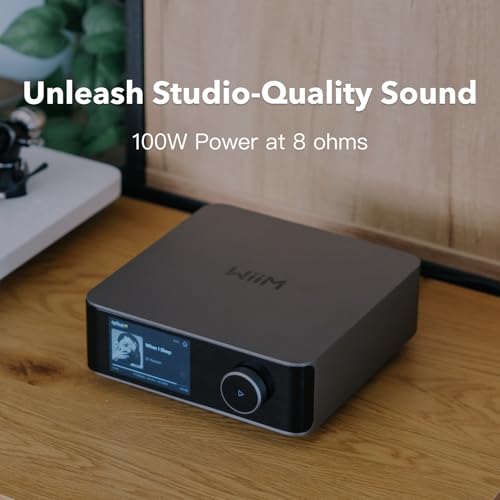
When comparing amplifiers, power output often gets the most attention, but the numbers don't tell the whole story. The WiiM Amp Ultra claims 100 watts per channel into 8-ohm speakers and 200 watts into 4-ohm speakers. These are impressive specifications that put it in line with much more expensive amplifiers.
The NAD D3045, meanwhile, produces 60 watts per channel into both 8-ohm and 4-ohm speakers. At first glance, this seems like less power, but NAD uses what they call "Full Disclosure Power" ratings. This means they measure power output across the full frequency range (20Hz to 20kHz) rather than just at the easily-measured 1kHz frequency that many companies use. Real music contains all frequencies, so NAD's approach gives you a better sense of real-world performance.
The power difference matters most if you're driving inefficient speakers or filling a large room. Speaker efficiency is measured in decibels of sound pressure level (dB SPL) produced by one watt of power at one meter distance. Speakers rated below 86 dB are considered less efficient and need more power to reach satisfying volumes.
Both amplifiers use Class-D technology, which switches the output transistors on and off thousands of times per second rather than keeping them partially on like traditional Class-A or Class-AB designs. This approach runs cooler and wastes less electricity, but early Class-D designs often sounded harsh or clinical. Modern implementations have solved most of these issues.
The WiiM Amp Ultra uses dual Texas Instruments TPA3255 chips with something called Post-Filter Feedback (PFFB) technology. This system monitors what's actually happening at the speaker terminals and adjusts the output to compensate for variations in speaker impedance. Since speakers don't maintain constant impedance across all frequencies, this theoretically provides more consistent performance.
From our research into user experiences, the WiiM Amp Ultra seems to deliver on its power promises, driving everything from bookshelf speakers to large tower speakers with authority. The NAD D3045, despite lower rated power, also punches above its weight thanks to NAD's PowerDrive technology, which provides extra current during demanding musical passages.
Both amplifiers include digital-to-analog converters (DACs) to handle the digital music files that make up most people's listening today. The quality of this conversion process significantly impacts the final sound quality.
The WiiM Amp Ultra uses an ESS ES9039Q2M SABRE DAC, a 32-bit chip that can handle sample rates up to 384kHz, though the amplifier's inputs are limited to 24-bit/192kHz. This DAC is paired with six Texas Instruments OPA1612 operational amplifiers (op-amps) that handle the sensitive analog signals after conversion. Op-amps can introduce noise and distortion if poorly chosen, but the OPA1612 is considered among the best available.
The technical specifications support the premium components: the WiiM Amp Ultra achieves a signal-to-noise ratio of 120dB and total harmonic distortion plus noise (THD+N) of just 0.005%. These numbers rival dedicated audiophile equipment costing several times more.
The NAD D3045 uses an AKM AK4490 DAC, a well-regarded 32-bit chip that supports high-resolution formats including DSD (Direct Stream Digital) and MQA (Master Quality Authenticated). The USB input can handle files up to 24-bit/384kHz when connected to a computer, higher than the WiiM Amp Ultra's specification.
The NAD's measured performance shows THD of 0.03% at rated power and 0.005% at 1 watt, with a signal-to-noise ratio of 98dB. While not quite matching the WiiM Amp Ultra's specifications, these figures represent excellent performance for the price range.
In practical terms, both DACs are excellent. The difference in sound quality likely comes down to the analog circuitry and overall system design rather than the DAC chips themselves. Based on user feedback we've researched, both amplifiers present music with excellent clarity and detail, though the WiiM Amp Ultra tends to sound slightly more dynamic and precise.
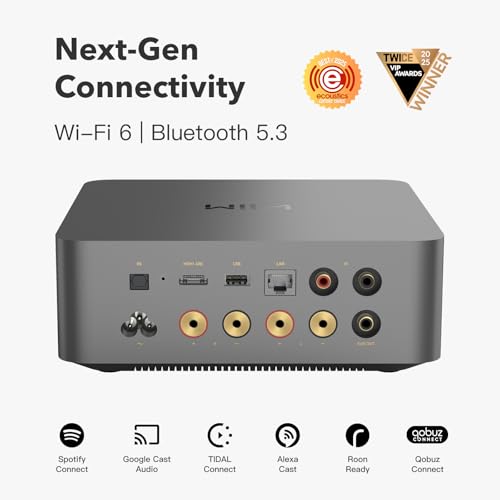
Here's where the philosophical differences become most apparent. The WiiM Amp Ultra embraces wireless connectivity as a primary feature, including Wi-Fi 6E (the latest standard supporting 6GHz frequencies) and Bluetooth 5.3 with LE Audio support. This means it can connect directly to your router and stream music from services like Spotify, Tidal, Qobuz, Amazon Music, and others without needing a separate device.
The amplifier supports major streaming protocols including Google Cast, Alexa Cast, and proprietary systems like Spotify Connect and Tidal Connect. These allow you to control playback directly from the streaming app on your phone, treating the amplifier like any other endpoint in your audio system.
The NAD D3045 takes a more selective approach to wireless connectivity. It includes Bluetooth 4.0 with aptX and aptX HD encoding, which provides higher-quality wireless audio than standard Bluetooth. However, it doesn't include Wi-Fi or native streaming service support. If you want to stream music wirelessly, you'll need to use Bluetooth from your phone or add a separate streaming device.
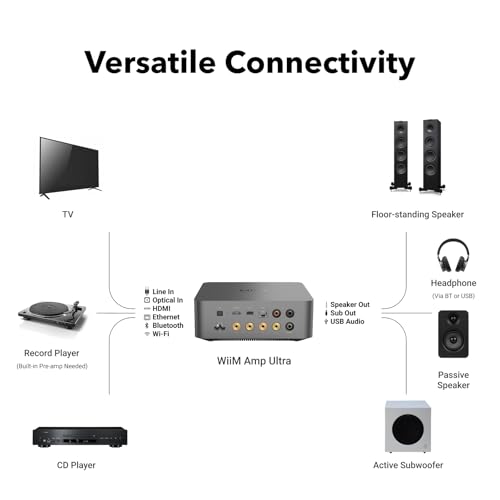
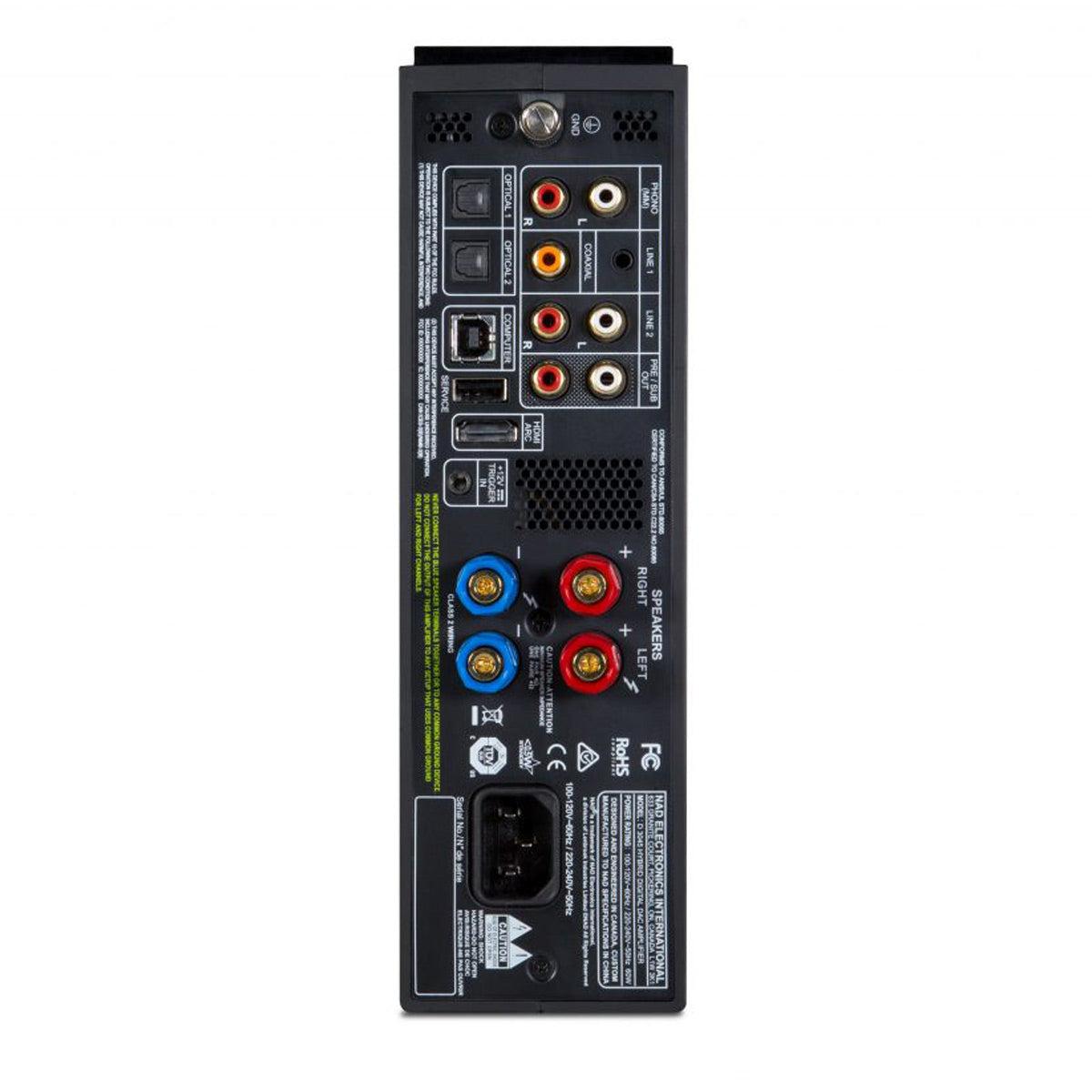
For wired connections, both amplifiers offer comprehensive options. The WiiM Amp Ultra includes HDMI ARC (Audio Return Channel) for connecting to TVs, optical digital input, USB-A for external storage or DACs, and one analog RCA input. The NAD D3045 provides HDMI ARC, two optical inputs, one coaxial digital input, USB-B for computer audio, one analog line input, and crucially, a moving magnet phono input for turntables.
The phono input deserves special attention because it's increasingly rare on modern integrated amplifiers. If you have a turntable with a moving magnet cartridge (the most common type), the NAD D3045 can connect directly without needing a separate phono preamp. This saves money and rack space while providing very good performance based on our research into user experiences.
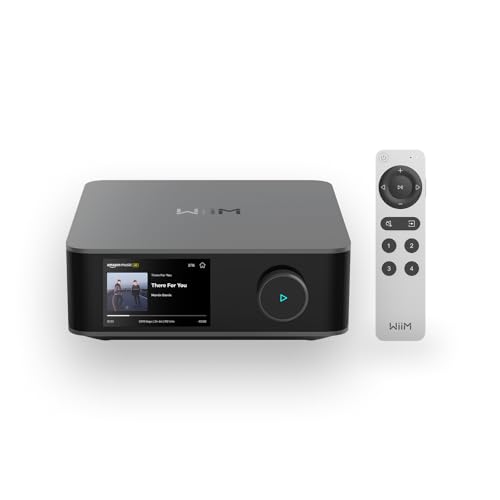
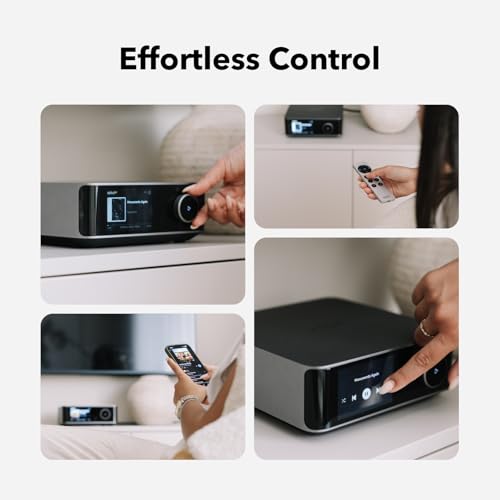
The WiiM Amp Ultra features a 3.5-inch color touchscreen that displays album artwork, input selection, volume levels, and even VU meters that dance to the music. The interface includes quick access to recently played music and preset favorites, making it genuinely useful rather than just a gimmick.
The WiiM Home app provides comprehensive control over all functions, including the sophisticated room correction system and parametric equalizer. The app interface is clean and responsive, allowing you to browse streaming services, adjust settings, and group multiple WiiM devices for whole-home audio.
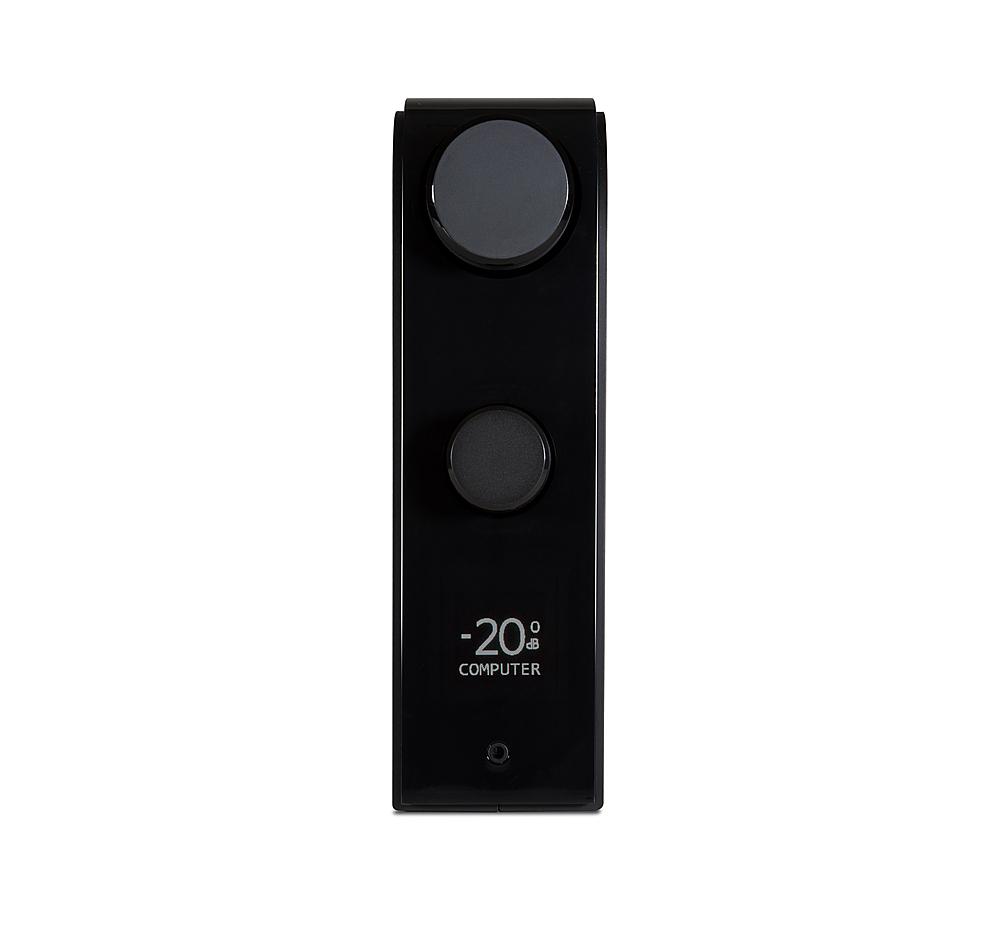
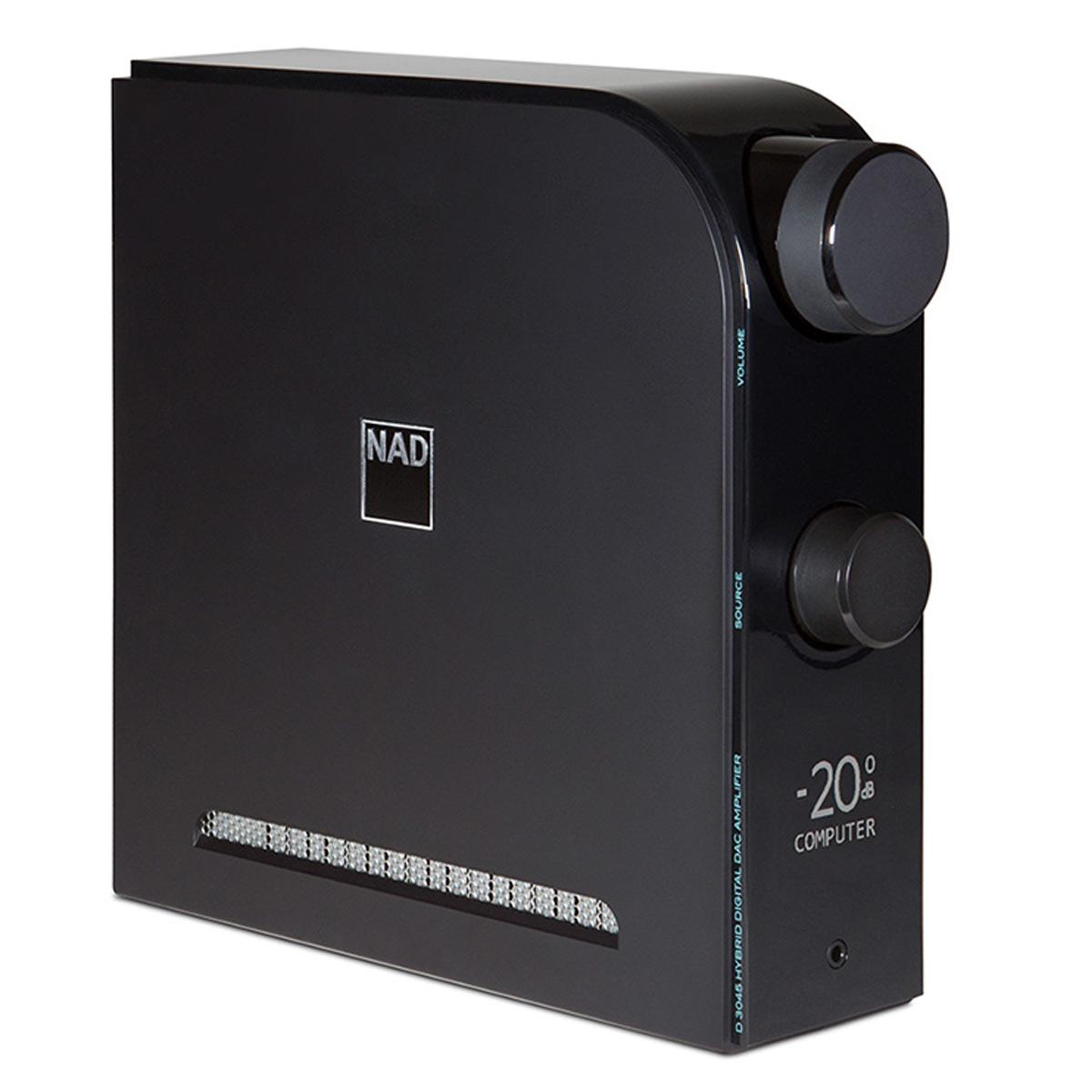
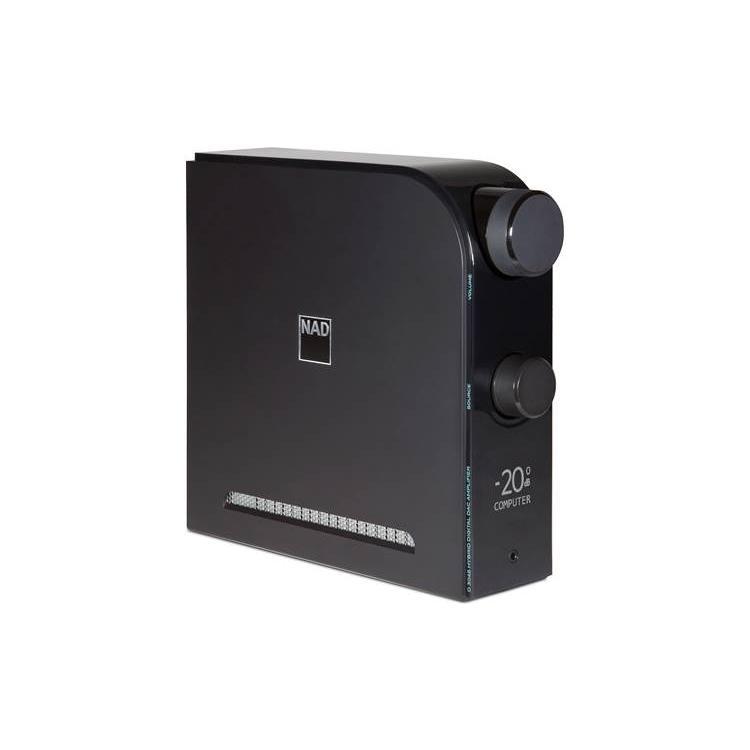
The NAD D3045 takes a more traditional approach with a simple LED display showing input selection and volume level. Physical buttons and knobs handle most functions, with an included infrared remote for convenience. Some people prefer this straightforward approach, finding it more reliable and less prone to the software glitches that can affect app-controlled devices.
Modern listening rooms present acoustic challenges that older amplifiers simply couldn't address. Hard surfaces, furniture placement, and room dimensions all affect how music sounds at your listening position.
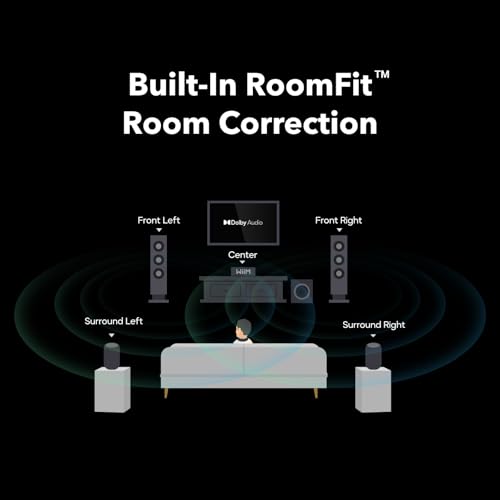
The WiiM Amp Ultra includes RoomFit automatic room correction, which uses your smartphone's microphone to measure your room's acoustic response and automatically applies corrective equalization. The system can also handle subwoofer integration, measuring the delay between your main speakers and subwoofer to ensure proper time alignment.
Beyond automatic correction, the amplifier provides 10-band parametric EQ with separate settings for each input. This level of flexibility typically requires dedicated room correction processors costing hundreds of dollars more.
The NAD D3045 offers more basic acoustic adjustment through a Bass EQ circuit that provides up to 6dB of bass boost and high-pass filtering at 40Hz, 50Hz, or 120Hz. These features help smaller speakers sound fuller and integrate better with subwoofers, but they're not in the same league as the WiiM Amp Ultra's comprehensive system.
Based on user reports we've studied, the WiiM Amp Ultra's room correction makes a noticeable improvement in most rooms, particularly in taming bass problems and smoothing frequency response irregularities.
Both amplifiers include HDMI ARC connections, allowing them to receive audio from your TV and be controlled by your TV's remote. This feature has become essential for simplified home theater setups where the amplifier handles both music and TV audio.
The WiiM Amp Ultra supports Dolby Digital decoding through its HDMI ARC input and provides sophisticated bass management for 2.1 channel systems. The subwoofer output includes adjustable crossover frequency, phase control, and delay compensation—features typically found only on dedicated home theater processors.
The NAD D3045 also handles HDMI ARC well, though with less sophisticated bass management options. Its compact form factor makes it particularly suitable for desktop or bedroom TV setups where space is limited.
For serious home theater use, the WiiM Amp Ultra's additional power and advanced subwoofer management give it a clear advantage, particularly in larger rooms or with less efficient speakers.
The NAD D3045 benefits from NAD's decades of experience building reliable audio equipment. The compact aluminum chassis feels solid, and the company's service network provides long-term support. NAD products typically last many years with minimal issues.
The WiiM Amp Ultra, being from a newer company, doesn't have the same track record for long-term reliability. However, the aluminum chassis appears well-constructed, and the company has shown commitment to regular firmware updates that add features and fix issues over time.
One consideration with streaming-focused products is software support longevity. Streaming services change their APIs, wireless standards evolve, and new features emerge regularly. The WiiM Amp Ultra's success depends partly on WiiM's ability to maintain software support over many years.
At the time of writing, the WiiM Amp Ultra costs significantly less than the NAD D3045 while offering more power and features. This represents exceptional value for users who prioritize streaming capability and modern features.
The NAD D3045 commands a premium for its brand reputation, build quality, and vinyl compatibility. For users who already have streaming sources covered and need a quality phono input, the price difference becomes more justified.
Consider the total system cost: if you need a separate phono preamp for your turntable, that could add $100-300 to your system cost with the WiiM Amp Ultra. Similarly, if you need a separate streaming device for the NAD D3045, that's another $100-500 depending on the quality level you choose.
Choose the WiiM Amp Ultra if you primarily stream music from services like Spotify, Apple Music, Tidal, or Qobuz. It's ideal for users building new systems who want comprehensive streaming integration, room correction, and plenty of power to drive demanding speakers. The touchscreen interface and app control appeal to users comfortable with smart home technology.
The amplifier particularly excels in challenging acoustic environments where room correction can make a significant improvement. Users with subwoofers will appreciate the sophisticated bass management capabilities.
Choose the NAD D3045 if you have a significant vinyl collection and need a quality phono input. It's perfect for users who prefer traditional hi-fi approaches, value brand reputation and long-term service support, or need the compact form factor for desktop or space-constrained installations.
The NAD also appeals to users who already have their streaming needs covered through separate devices and want a straightforward, reliable amplifier without app dependencies or software update concerns.
The WiiM Amp Ultra represents the future of affordable hi-fi: streaming-first design with sophisticated digital signal processing and room correction at a competitive price. For most users building new systems today, it offers superior performance per dollar and eliminates the need for multiple components.
The NAD D3045 maintains traditional hi-fi values of proven circuit design, quality construction, and vinyl compatibility. While it costs more and offers fewer modern features, it serves users who prefer established brands and already have their digital sources handled elsewhere.
Both amplifiers sound excellent within their design philosophies. The choice ultimately comes down to whether you prioritize streaming integration and advanced features (WiiM Amp Ultra) or traditional hi-fi values and vinyl compatibility (NAD D3045).
For most readers discovering these products today, the WiiM Amp Ultra's combination of power, features, and value makes it the more compelling choice. However, vinyl enthusiasts and traditional hi-fi lovers will find the NAD D3045 worth its premium for the right applications.
| WiiM Amp Ultra | NAD D3045 |
|---|---|
| Power Output - Determines how loud you can play and which speakers you can drive | |
| 100W @ 8Ω, 200W @ 4Ω (excellent for demanding speakers) | 60W @ 8Ω and 4Ω (sufficient for most bookshelf speakers) |
| Amplifier Technology - Affects efficiency and sound character | |
| Class-D with Post-Filter Feedback compensation | Class-D Hybrid with PowerDrive technology |
| Built-in Streaming - Eliminates need for separate streaming device | |
| Wi-Fi 6E, native Spotify/Tidal/Qobuz/Amazon Music support | Bluetooth 4.0 aptX HD only, no native streaming |
| Digital Audio Quality - Key for sound fidelity from digital sources | |
| ESS ES9039Q2M DAC, 24-bit/192kHz, THD ≤0.005% | AKM AK4490 DAC, 24-bit/384kHz via USB, THD 0.03% |
| Vinyl Support - Essential if you own a turntable | |
| No phono input (requires separate phono preamp) | Built-in MM phono input (saves $100-300 on preamp) |
| Room Correction - Automatically optimizes sound for your space | |
| RoomFit auto-correction plus 10-band parametric EQ | Basic Bass EQ and high-pass filtering only |
| User Interface - How you control the amplifier daily | |
| 3.5" color touchscreen plus comprehensive app control | Basic LED display with physical controls and remote |
| Connectivity Options - Determines which sources you can connect | |
| HDMI ARC, optical, USB-A, RCA analog, subwoofer out | HDMI ARC, 2×optical, coaxial, USB-B, RCA line, MM phono |
| Subwoofer Integration - Important for bass management in 2.1 systems | |
| Advanced crossover, delay, and phase controls | Basic subwoofer output with high-pass filtering |
| Form Factor - Affects placement options | |
| Standard component size (200×211×76mm) | Compact desktop-friendly (70×235×265mm) |
| Brand Heritage - Indicates long-term support and reliability | |
| New company (2022) with rapid feature updates | Established hi-fi brand (40+ years) with proven service |
| High-Resolution Audio Support - For audiophile file playback | |
| Up to 24-bit/192kHz, MQA and DSD via app | Up to 24-bit/384kHz via USB, native DSD and MQA support |
The WiiM Amp Ultra delivers significantly more power with 100 watts per channel into 8-ohm speakers and 200 watts into 4-ohm speakers. The NAD D3045 provides 60 watts per channel into both 8-ohm and 4-ohm speakers. The WiiM Amp Ultra is better suited for larger rooms and less efficient speakers that need more power to reach satisfying volume levels.
Yes, the WiiM Amp Ultra includes built-in Wi-Fi 6E and can stream directly from Spotify, Tidal, Qobuz, Amazon Music, and other services through its native app. The NAD D3045 only offers Bluetooth connectivity and requires a separate streaming device or smartphone to access music services. For seamless streaming, the WiiM Amp Ultra is the clear winner.
The NAD D3045 includes a built-in moving magnet phono input that can connect directly to most turntables, saving you from buying a separate phono preamp. The WiiM Amp Ultra has no phono input, so you'd need to purchase an external phono preamp to use a turntable. For vinyl enthusiasts, the NAD D3045 is the obvious choice.
Both amplifiers feature HDMI ARC connections for TV integration. The WiiM Amp Ultra offers superior home theater capabilities with advanced subwoofer management, Dolby Digital decoding, and room correction that optimizes sound for your space. The NAD D3045 handles TV audio well but with more basic bass management. For home theater use, the WiiM Amp Ultra provides better features.
Both amplifiers deliver excellent sound quality with different strengths. The WiiM Amp Ultra uses an ESS SABRE DAC with ultra-low distortion specs and room correction that optimizes sound for your room. The NAD D3045 features NAD's proven amplifier design and supports higher resolution audio files up to 384kHz via USB. Sound quality differences are subtle, with the WiiM Amp Ultra offering more dynamic punch and the NAD D3045 providing traditional hi-fi refinement.
The WiiM Amp Ultra offers comprehensive smartphone control through the WiiM Home app, which handles all functions including streaming, EQ, room correction, and multi-room audio. It also features a 3.5-inch color touchscreen on the unit itself. The NAD D3045 uses traditional physical controls with an infrared remote and has no dedicated app. The WiiM Amp Ultra is much more smartphone-friendly.
The NAD D3045 has a more compact form factor that works well on desktops or in tight spaces, and can be oriented vertically or horizontally. The WiiM Amp Ultra is larger and designed for traditional horizontal placement on shelves or in equipment racks. For space-constrained setups, the NAD D3045 is more flexible.
The WiiM Amp Ultra includes advanced RoomFit automatic room correction that uses your smartphone to measure and optimize your room's acoustics, plus 10-band parametric EQ for fine-tuning. The NAD D3045 offers only basic bass EQ and high-pass filtering without room measurement capabilities. The WiiM Amp Ultra provides significantly better acoustic optimization.
The WiiM Amp Ultra typically costs less while offering more power, streaming capabilities, room correction, and a touchscreen interface. The NAD D3045 costs more but includes a phono input and established brand reputation. For most users, the WiiM Amp Ultra provides exceptional value, while the NAD D3045 justifies its premium for vinyl users and hi-fi traditionalists.
Both amplifiers include subwoofer outputs, but the WiiM Amp Ultra offers superior subwoofer integration with adjustable crossover frequencies, phase control, and delay compensation for proper time alignment. The NAD D3045 provides a basic subwoofer output with high-pass filtering. For 2.1 systems, the WiiM Amp Ultra delivers much better bass management.
The NAD D3045 benefits from NAD's 40+ year reputation in hi-fi with established service networks and parts availability. The WiiM Amp Ultra comes from a newer company but shows commitment to regular firmware updates that add features over time. The NAD D3045 has a proven track record, while the WiiM Amp Ultra offers evolving capabilities through software updates.
The fundamental difference is philosophy: the WiiM Amp Ultra is a streaming-first amplifier designed for the digital music era with built-in Wi-Fi, room correction, and app control. The NAD D3045 is a traditional integrated amplifier with digital inputs added, emphasizing proven hi-fi design and vinyl compatibility. Choose the WiiM Amp Ultra for modern streaming convenience or the NAD D3045 for traditional hi-fi values with turntable support.
We've done our best to create useful and informative comparisons to help you decide what product to buy. Our research uses advanced automated methods to create this comparison and perfection is not possible - please contact us for corrections or questions. These are the sites we've researched in the creation of this article: ecoustics.com - audacityaustralia.com.au - forum.wiimhome.com - erinsaudiocorner.com - forum.wiimhome.com - stevehuffphoto.com - darko.audio - bryanruby.com - youtube.com - audiosciencereview.com - ecoustics.com - smarthomesounds.co.uk - socpub.com - audio-2g.com - hifihut.ie - crutchfield.com - crutchfield.com - audio-head.com - safeandsoundhq.com - hifiplus.com - nadelectronics.com - whathifi.com - hometheaterhifi.com - audiosciencereview.com - soundstageaccess.com - soundandvision.com - youtube.com - turntablelab.com - audiosciencereview.com

Privacy Policy
Terms and Conditions - Affiliate Policy
Home Security
© Copyright 2008-2026.
11816 Inwood Rd #1211, Dallas, TX 75244