

When shopping for an integrated amplifier, you're essentially looking for the heart of your stereo system—a device that controls volume, switches between sources, and powers your speakers. But the amplifier world has split into two distinct camps: modern digital-focused designs that prioritize streaming and connectivity, and traditional analog-focused models that emphasize pure signal paths and power delivery.
The NAD D 3045 and Denon PMA-600NE perfectly represent these two approaches. Released in 2017 and 2020 respectively, both amplifiers target serious music listeners but take radically different paths to get there. Understanding which philosophy aligns with your listening habits and system requirements will determine which amplifier serves you better.
The fundamental difference between these amplifiers starts with their amplification technology. The NAD D 3045 uses Class D amplification—sometimes called "digital" amplification, though it's not technically digital. Class D amps work by rapidly switching the power supply on and off thousands of times per second, creating a highly efficient system that generates minimal heat. This allows NAD to pack serious performance into a chassis roughly the size of a hardcover book.
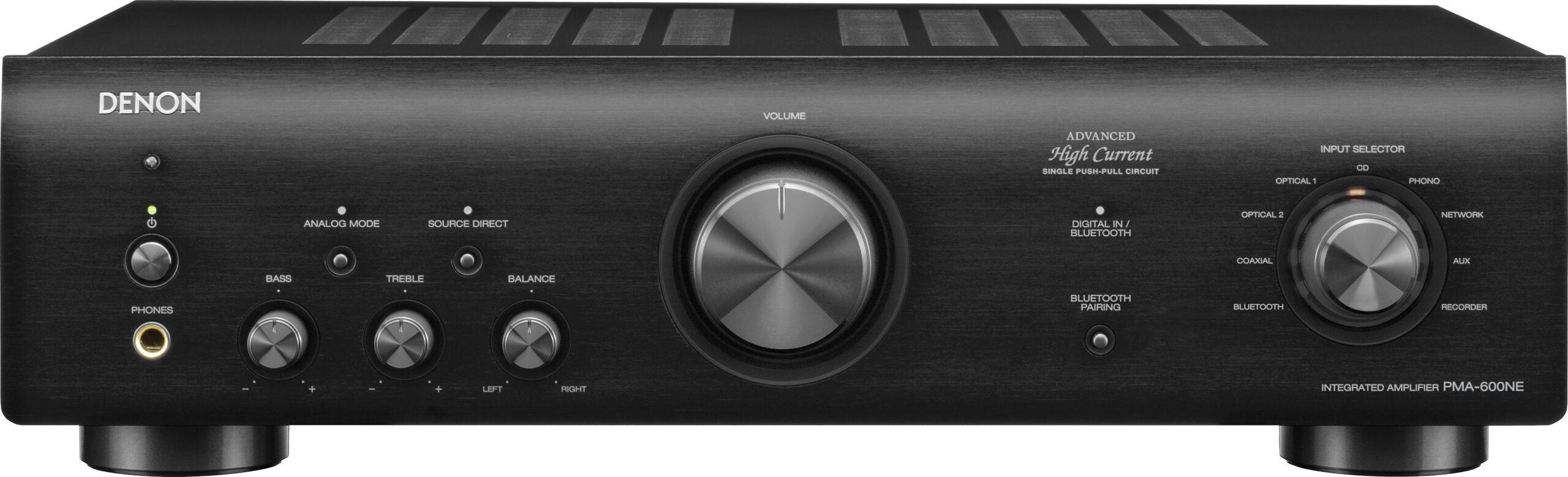
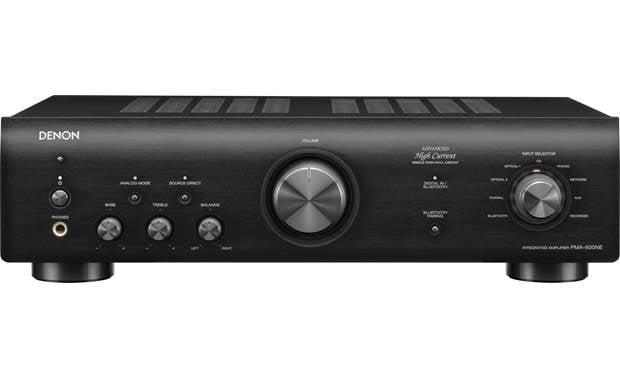
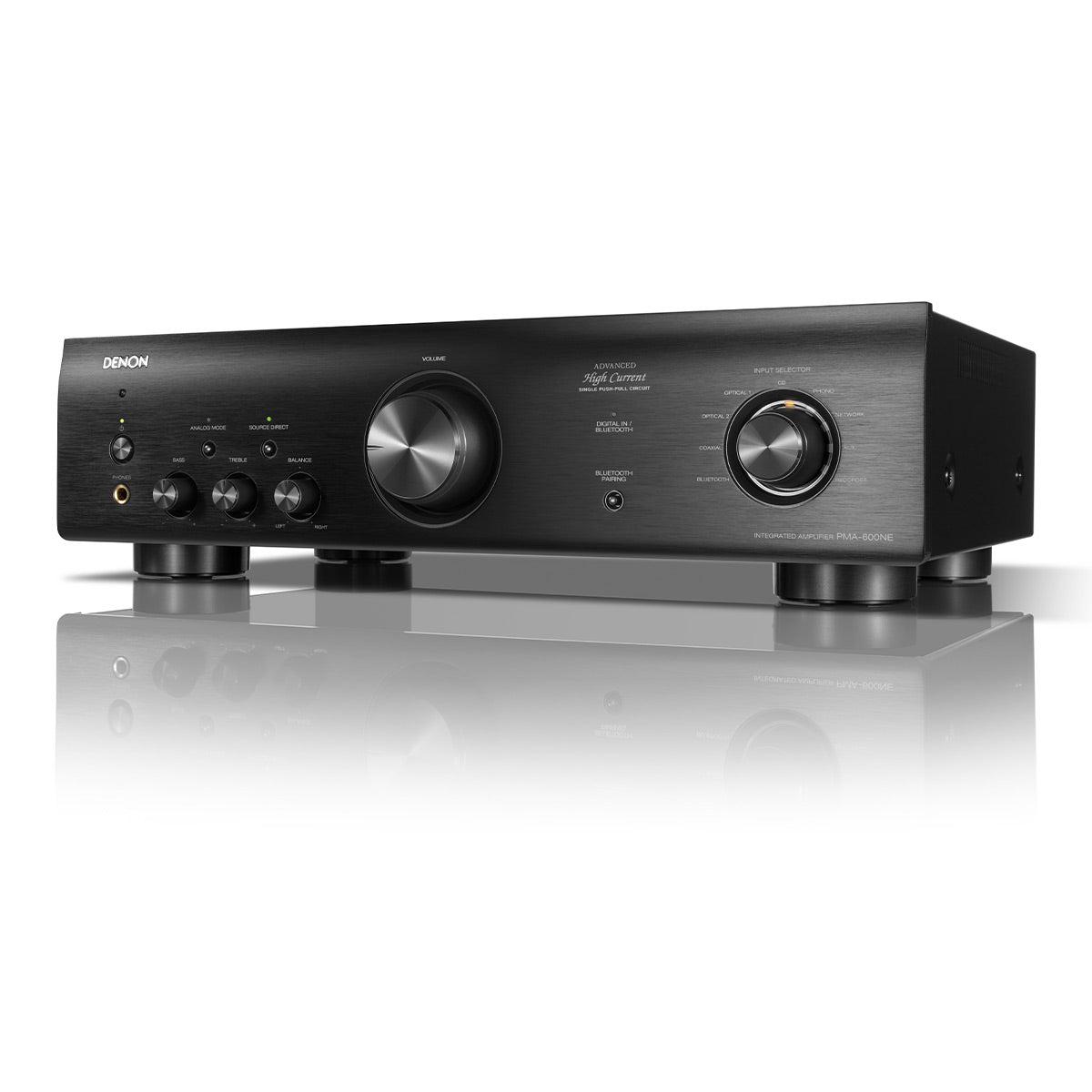
The Denon PMA-600NE, meanwhile, uses traditional Class A/B amplification. This approach continuously varies the power supply to match the audio signal, which is less efficient but many audiophiles believe provides more natural sound reproduction. It's the same basic technology that's powered high-end audio for decades, refined through years of incremental improvements.
These different approaches affect everything from size and heat generation to sound character and power requirements. The NAD runs cool and sips power, while the Denon runs warmer and requires more electricity—but potentially offers more robust speaker control in demanding situations.
Power specifications often confuse buyers because manufacturers sometimes play games with their measurements. Both NAD and Denon, thankfully, provide honest specifications measured across the full frequency range (20Hz to 20kHz) rather than just at a single test frequency.
The NAD D 3045 delivers 60 watts per channel into both 8-ohm and 4-ohm speakers—a specification that reveals its advanced power supply design. Most amplifiers produce different power levels depending on speaker impedance (measured in ohms, which indicates how much electrical resistance the speaker presents to the amplifier). NAD's ability to maintain consistent power output suggests excellent current delivery capability.
The Denon PMA-600NE provides 45 watts into 8 ohms but jumps to 70 watts into 4 ohms. This power increase with lower impedance is typical of traditional amplifier designs and indicates the Denon has substantial power supply reserves for demanding musical passages.
In practical terms, both amplifiers provide enough power for most home listening situations. The difference becomes apparent when driving power-hungry speakers (those requiring lots of current to reach reasonable volume levels) or when listening at high volumes in larger rooms. The Denon's higher current capability gives it an edge with difficult speaker loads, while the NAD's consistent power delivery works excellently with well-designed, efficient speakers.
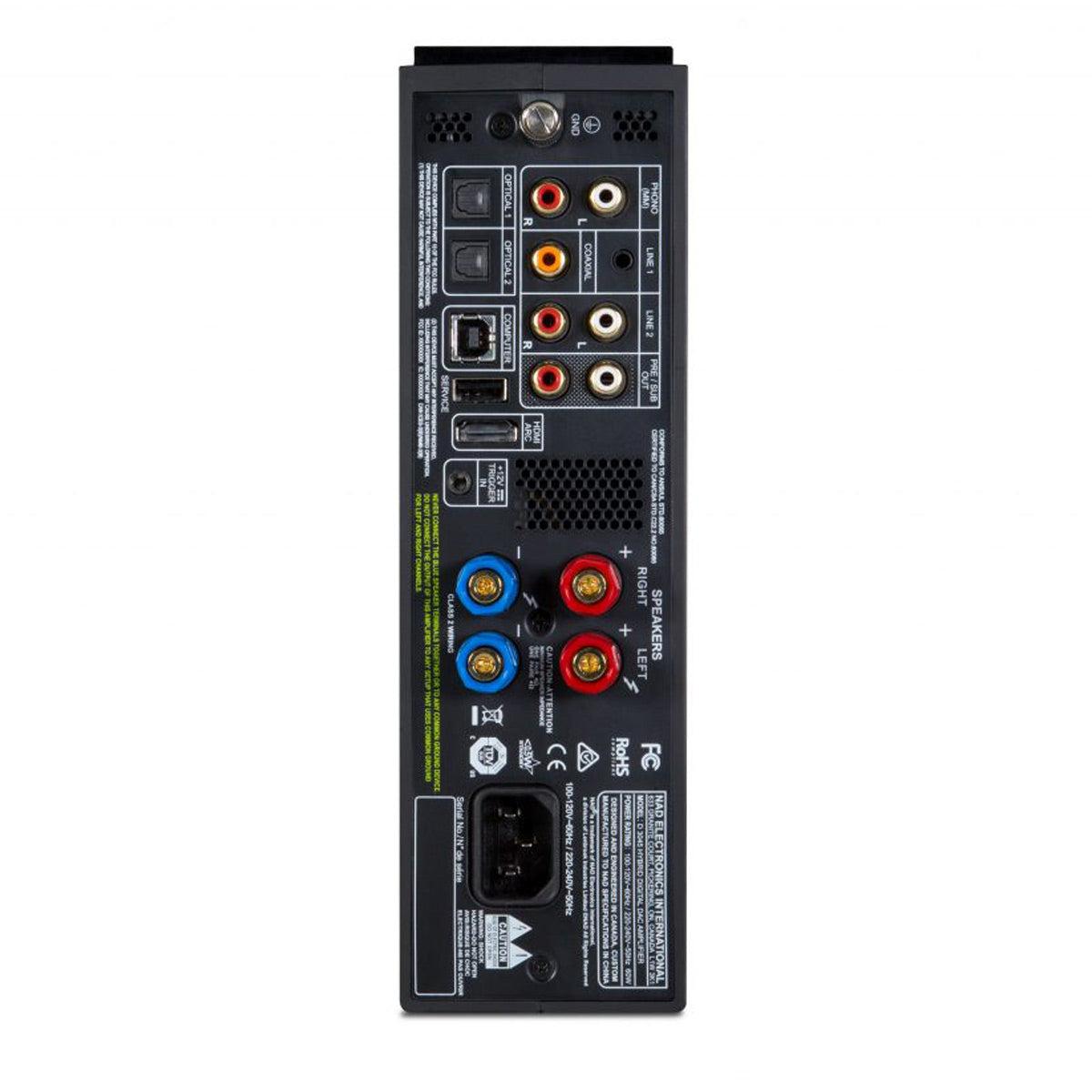
This is where the NAD D 3045 absolutely dominates. NAD clearly designed this amplifier for the streaming age, packing in connectivity options that most separate DACs (Digital-to-Analog Converters) would envy.
The USB input supports up to 24-bit/384kHz PCM audio and also handles DSD (Direct Stream Digital) files—the ultra-high-resolution format used for some premium downloads. More importantly for most users, it supports MQA (Master Quality Authenticated), the format used by Tidal's highest-quality streaming tier. The HDMI ARC (Audio Return Channel) input lets you connect directly to your TV, automatically switching inputs and allowing TV remote control of volume—a genuinely useful feature for anyone who watches movies or streams video content.
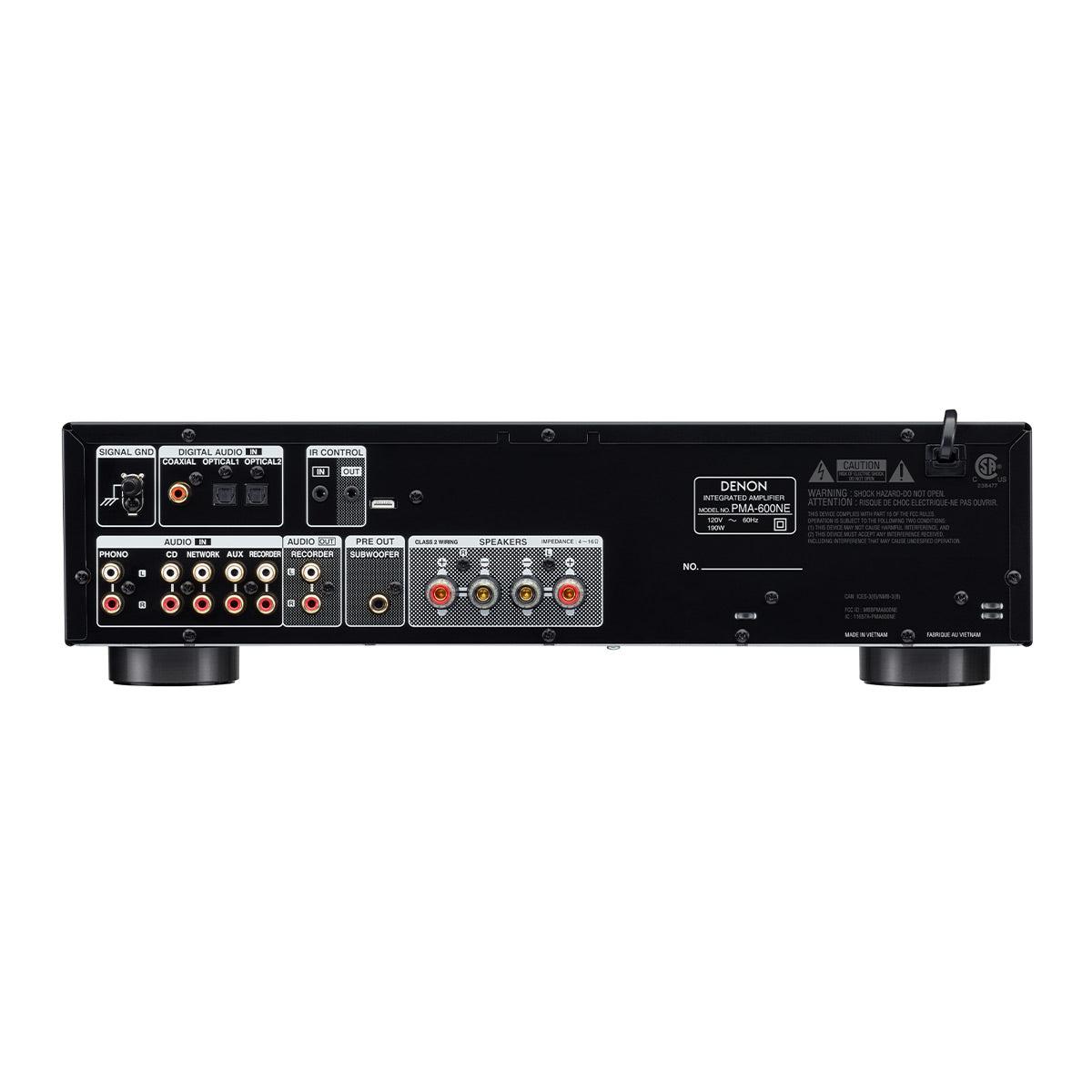
The Denon PMA-600NE includes basic digital inputs—two optical and one coaxial—that handle standard high-resolution audio up to 24-bit/192kHz. While adequate for most sources, it lacks the advanced format support and convenience features of the NAD.
Both amplifiers include Bluetooth, but here again the NAD pulls ahead with aptX HD support, which provides noticeably better sound quality than standard Bluetooth audio. The NAD even supports bidirectional Bluetooth, meaning you can stream audio from the amplifier to Bluetooth headphones—a unique feature that adds flexibility for late-night listening.
Despite its digital focus, the NAD D 3045 doesn't neglect analog sources. Its moving magnet phono stage handles vinyl playback competently, though it's clearly not the amplifier's main focus. The single line input and 3.5mm auxiliary input cover basic analog needs but may feel limiting for users with multiple analog sources.
The Denon PMA-600NE takes analog seriously. Its moving magnet phono stage receives consistent praise from reviewers and users, often described as rivaling standalone phono preamps costing several hundred dollars. The RIAA equalization (the specific frequency curve used to encode vinyl records) is implemented accurately, and the noise performance is excellent for the price category.
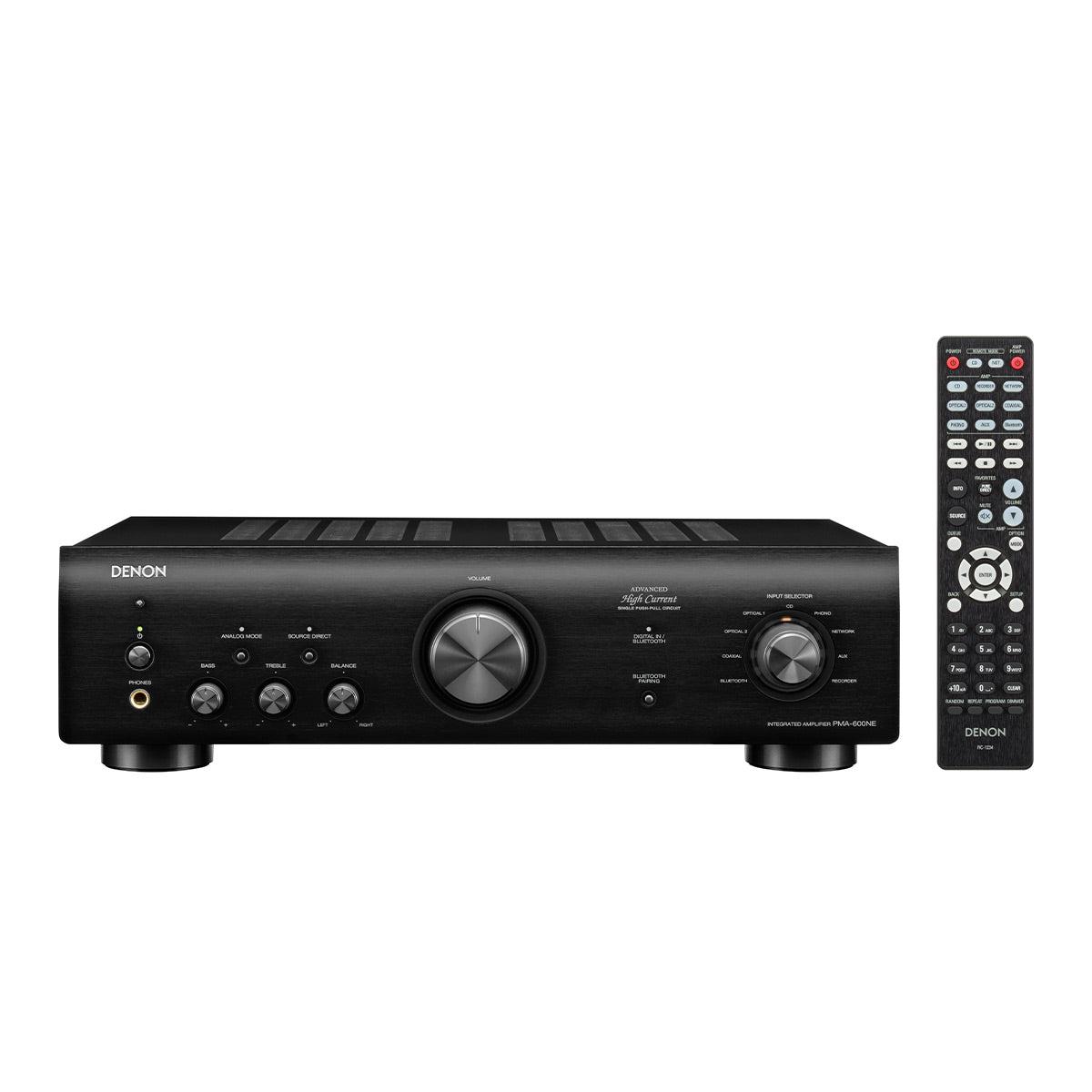
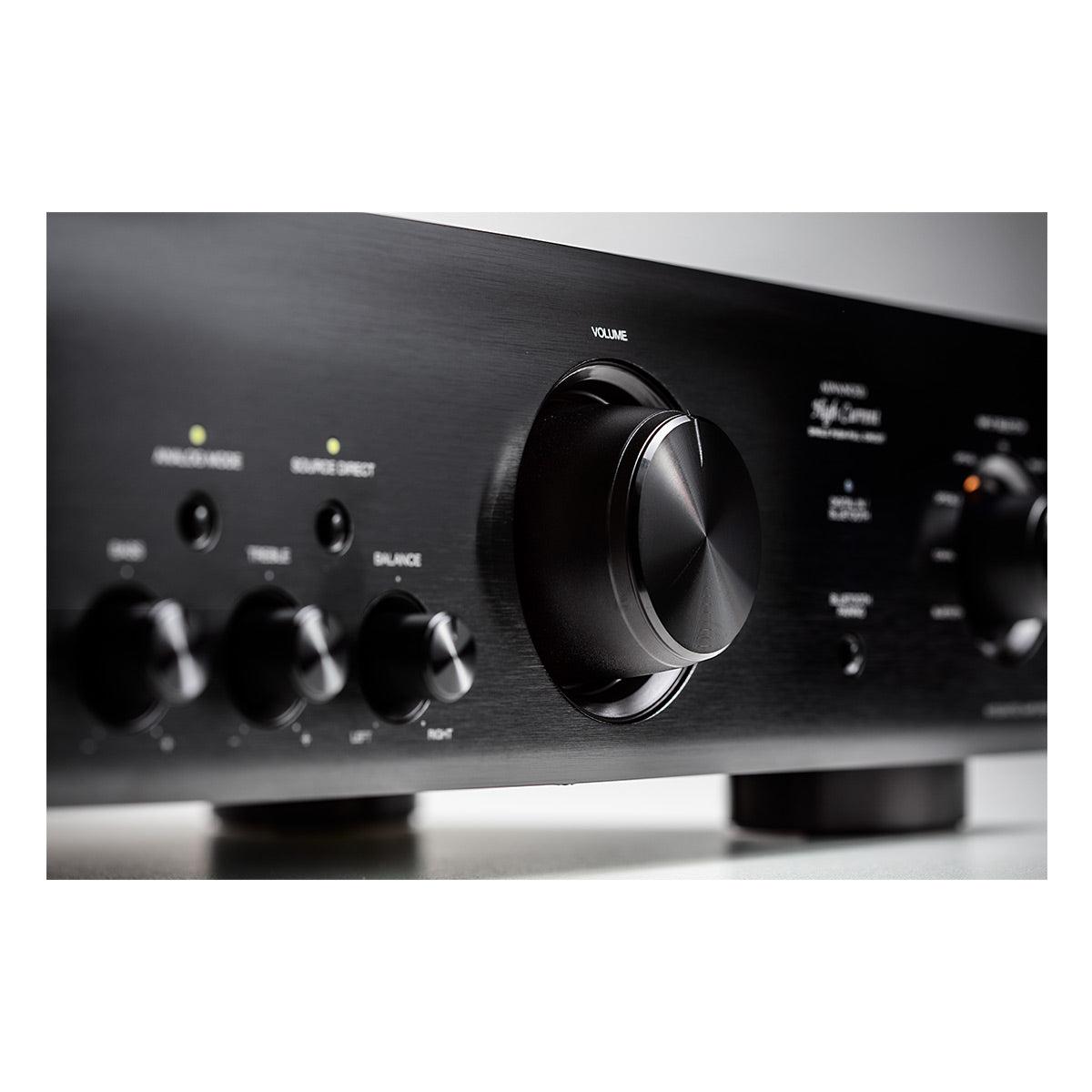
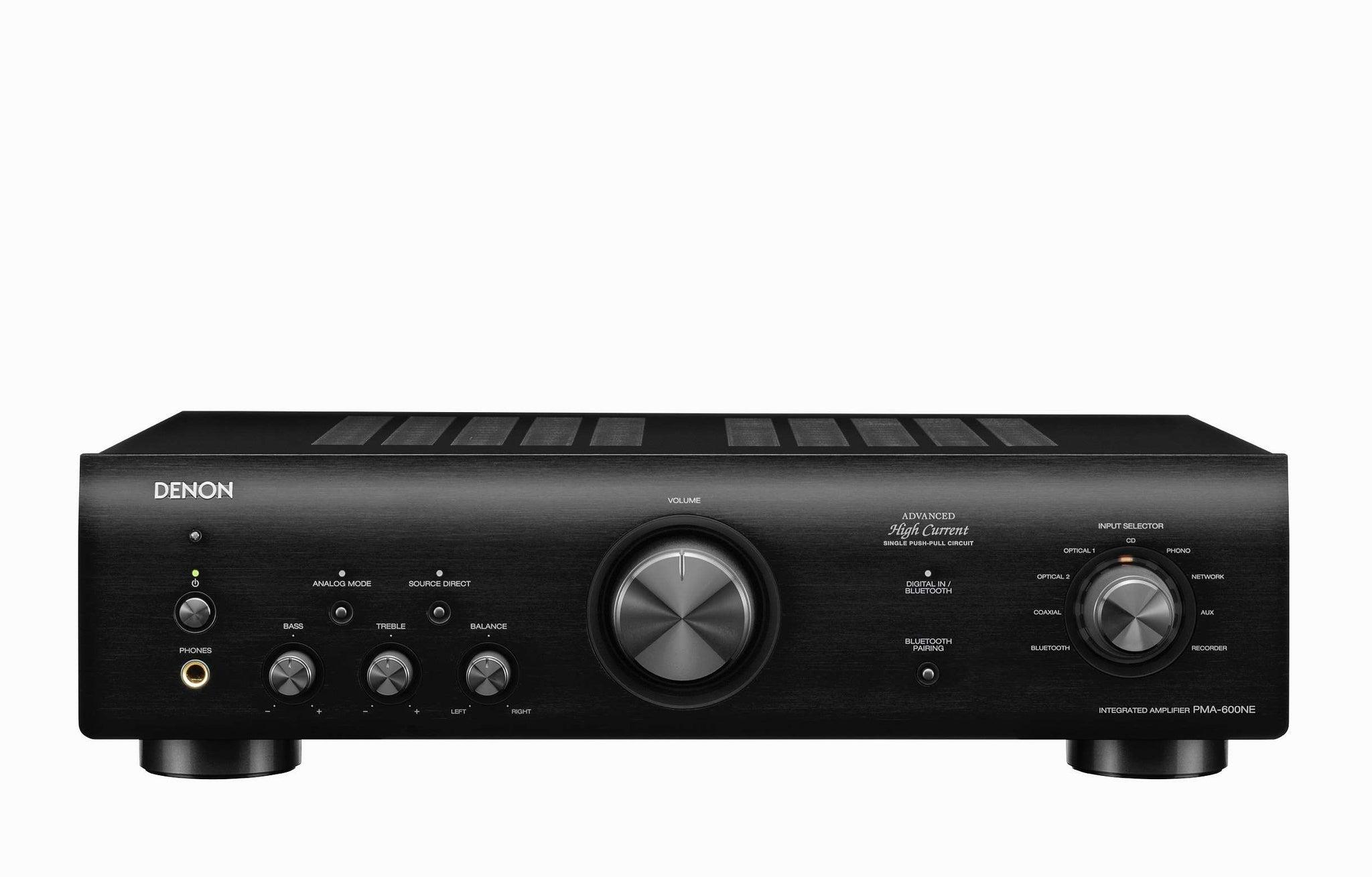
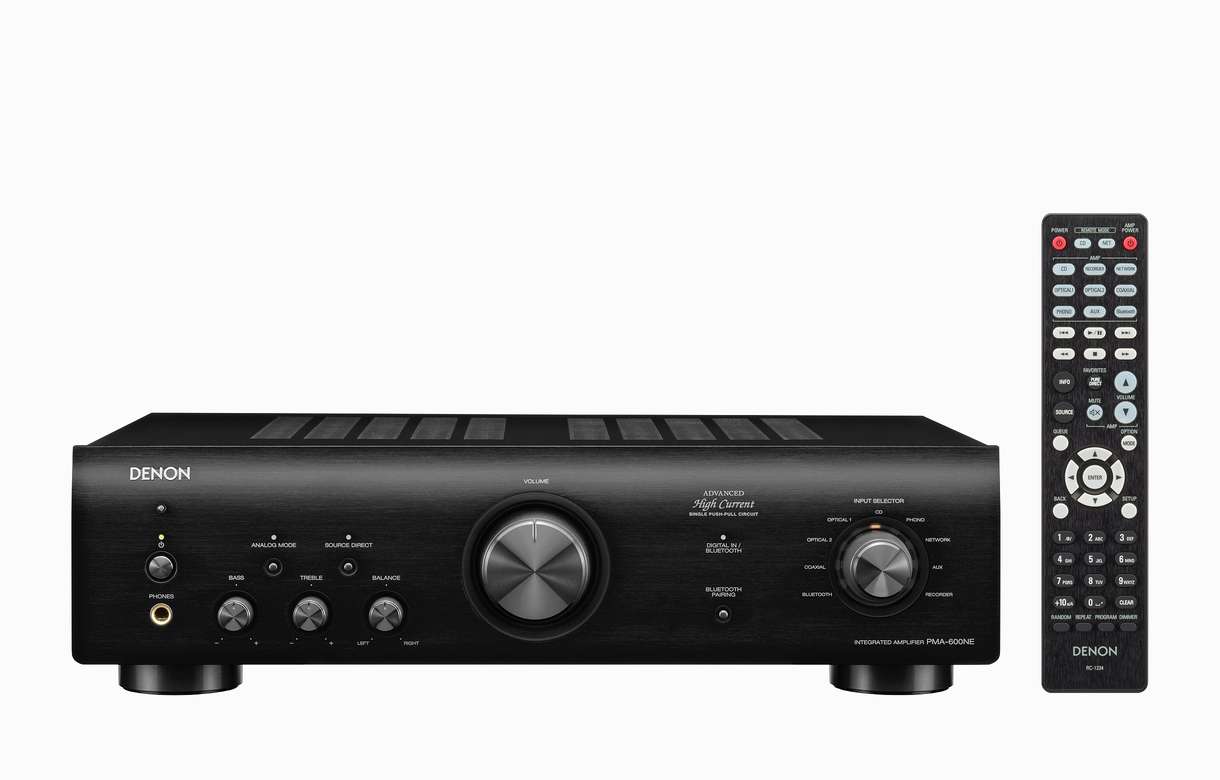
More importantly, the Denon includes five line-level inputs, accommodating multiple sources like CD players, tape decks, or other analog components. The "Analog Mode" feature completely shuts down all digital processing, ensuring the purest possible signal path for analog sources—a feature vinyl enthusiasts particularly appreciate.
Based on extensive review analysis and user feedback, these amplifiers present distinctly different sound signatures. The NAD D 3045 tends toward analytical presentation—revealing, detailed, and unforgiving of poor recordings. Its background is exceptionally quiet, allowing subtle details to emerge clearly. The sound is clean and controlled, with tight bass and delicate treble. Some listeners describe it as slightly restrained dynamically, preferring precision over excitement.
The Denon PMA-600NE exhibits what many describe as classic Japanese hi-fi character—warm, smooth, and slightly forgiving. It adds a gentle emphasis to the lower midrange that gives vocals and instruments more body and presence. The bass response is described as particularly strong, with good impact and control. This warmer presentation can make poorly recorded music more listenable while still revealing musical details.
Neither approach is inherently better—they serve different preferences and system requirements. The NAD rewards high-quality recordings and careful system matching, while the Denon provides consistently enjoyable listening across a wider variety of source material.
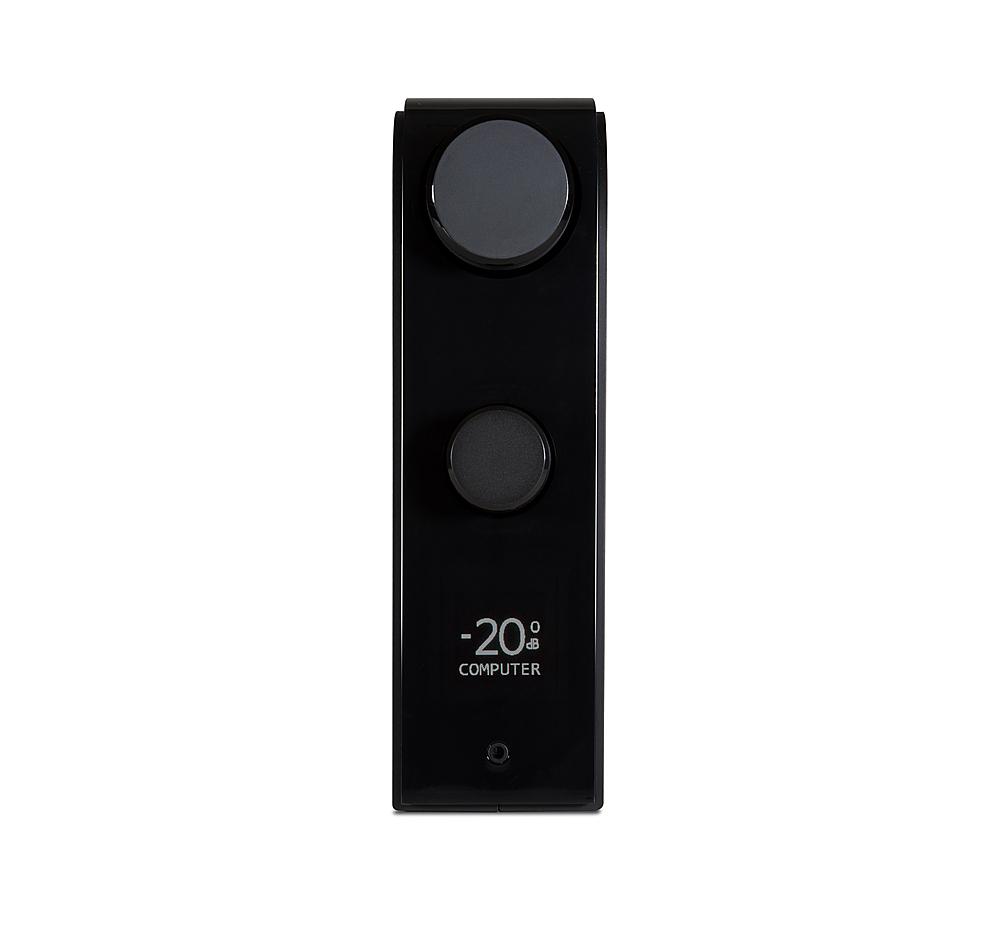
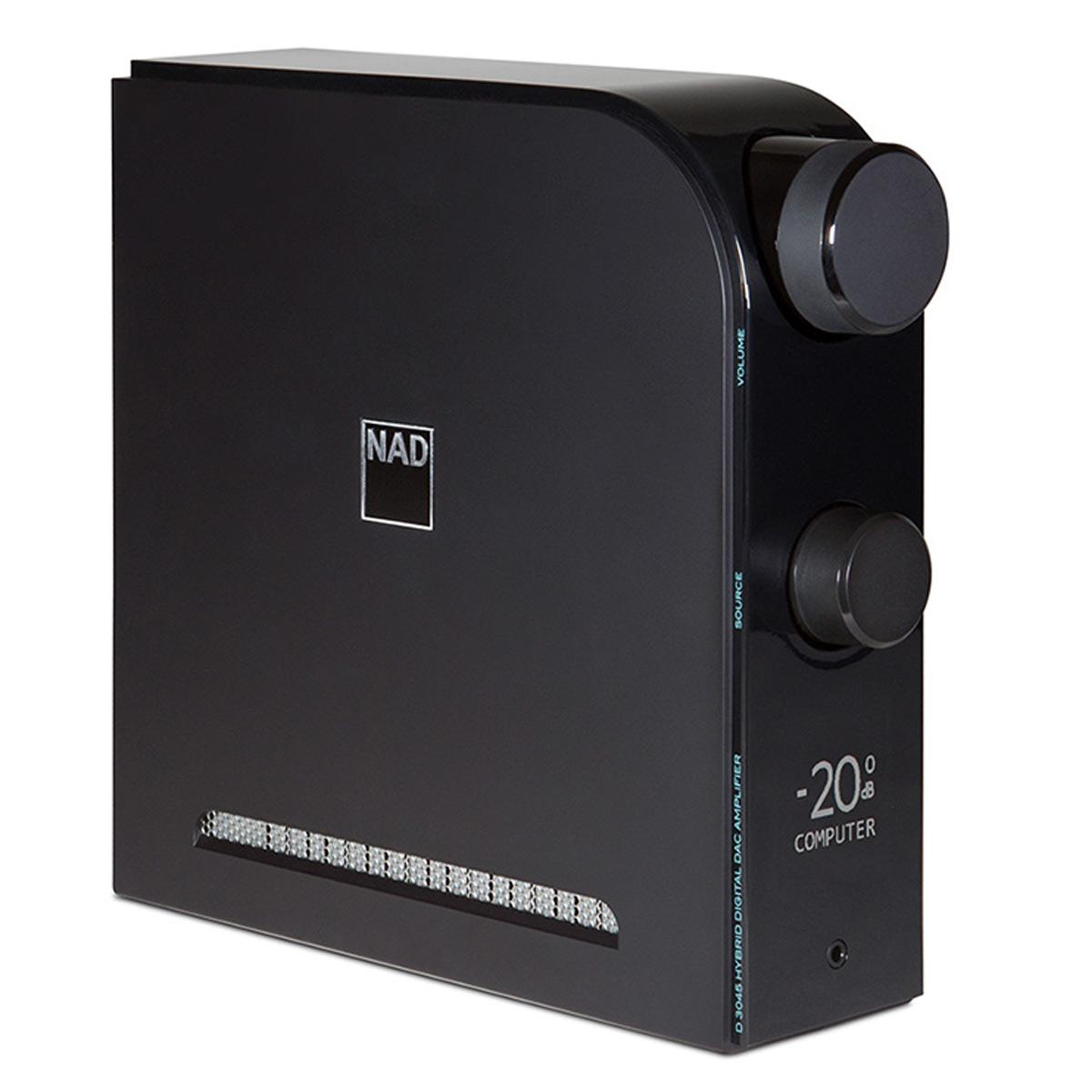
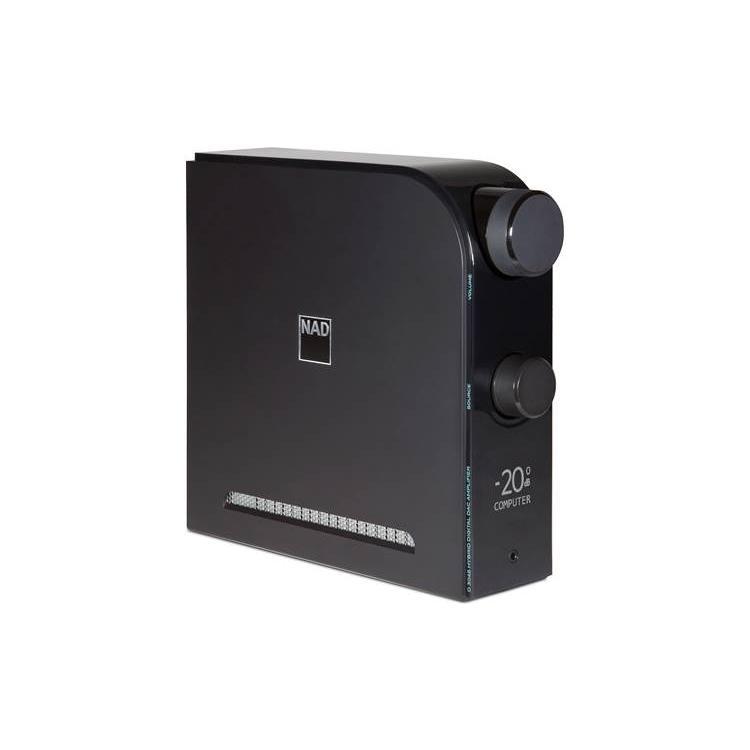
The NAD D 3045 represents a radical departure from traditional amplifier design. Weighing just 7.9 pounds and measuring roughly 9×3×10 inches, it can fit vertically or horizontally in spaces where traditional amplifiers simply won't work. The build quality feels solid despite the compact size, with a sleek front panel and modern aesthetic that blends well with contemporary decor.
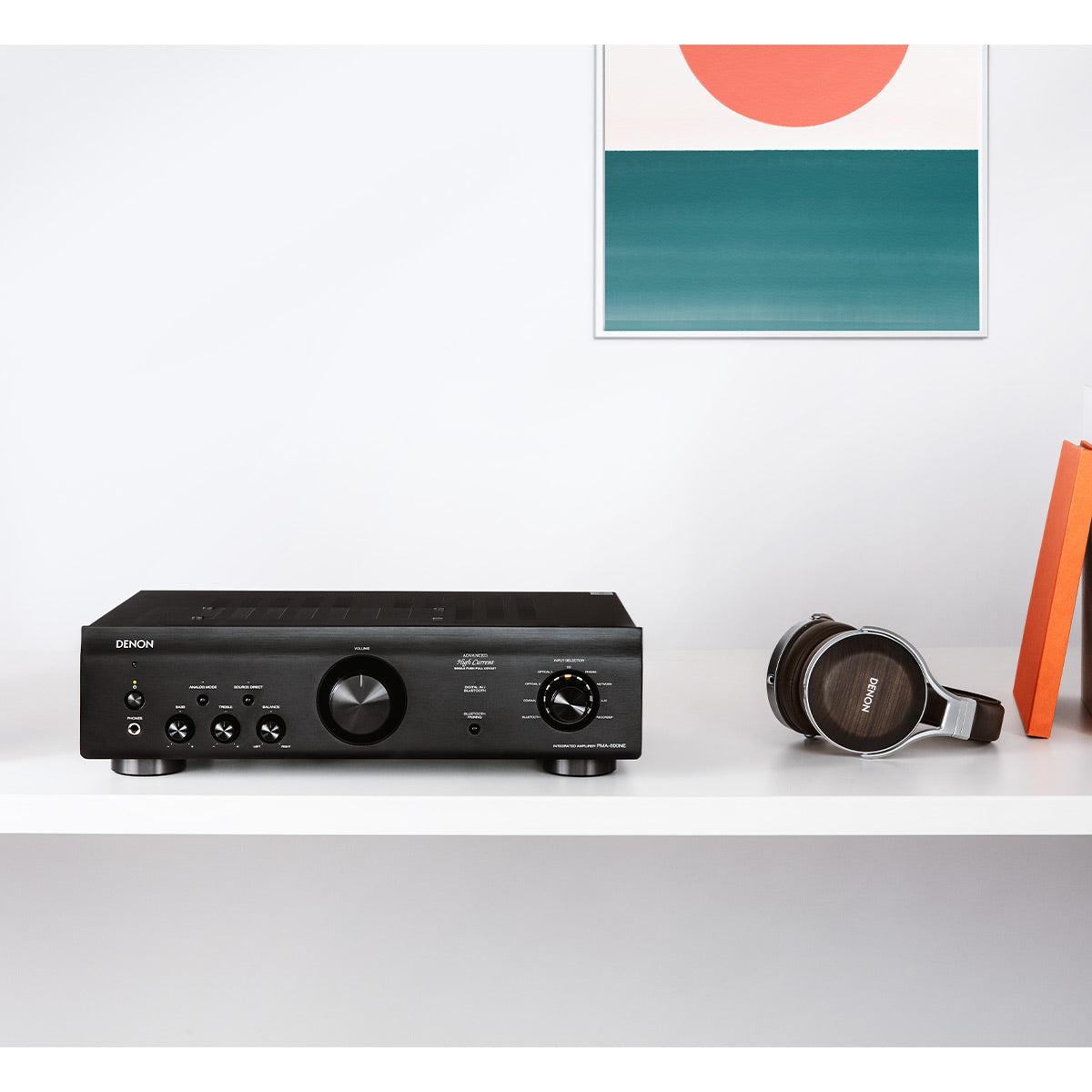
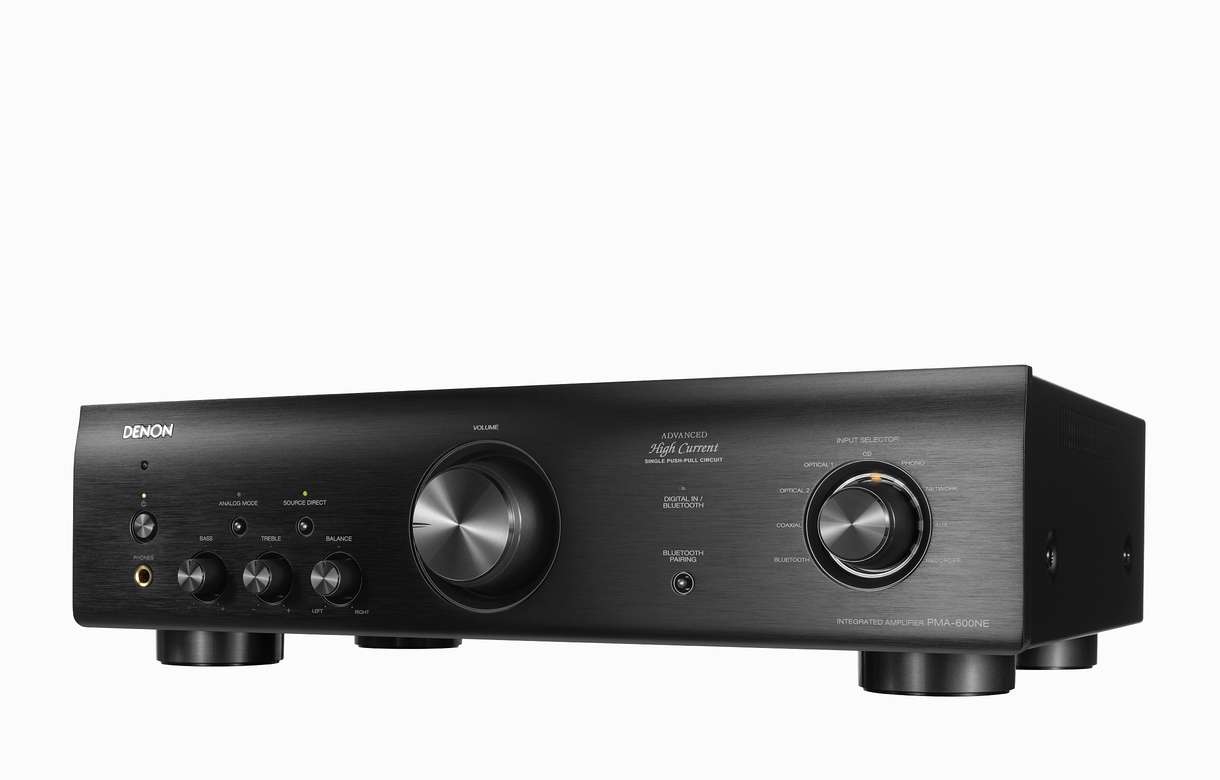
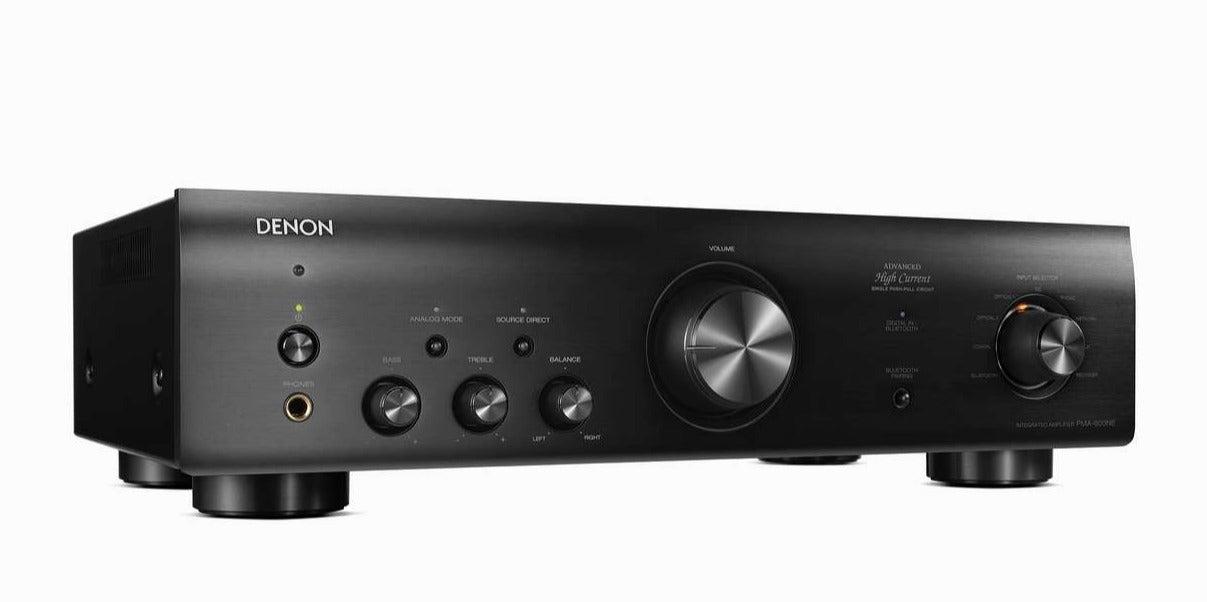
The Denon PMA-600NE follows traditional amplifier conventions with a substantial 15-pound chassis and conventional horizontal orientation. The build quality is excellent, with a robust metal enclosure and well-implemented internal layout. However, the design is frankly uninspiring—functional but bland, with particular criticism directed at the cheap-feeling remote control.
For many buyers, the NAD's compact size represents a significant advantage. It works perfectly in desktop systems, small apartments, or anywhere space is limited. The Denon requires traditional amplifier placement but offers the psychological reassurance of substantial construction that many audio enthusiasts prefer.
The NAD D 3045 excels as part of a home theater system thanks to its HDMI ARC input. Connect it to your TV's HDMI ARC port, and it automatically switches to TV audio when you turn on the television. Volume control works through your TV remote, creating a seamless experience. This makes the NAD an excellent choice for music lovers who also want improved TV audio without the complexity of a full surround sound system.
The Denon PMA-600NE lacks this convenient TV integration, though it can certainly be used with a TV through its analog or digital inputs. You'll need to manually switch inputs and use the amplifier's remote for volume control, which is less convenient for daily use.
At the time of writing, the NAD D 3045 typically costs significantly more than the Denon PMA-600NE—roughly 60-70% higher. This price difference reflects both the NAD's advanced digital processing capabilities and its premium positioning.
The NAD's value proposition centers on its comprehensive feature set and space-saving design. You're paying for extensive connectivity, high-resolution audio support, and exceptional build quality in a unique form factor. For users who prioritize these features, the premium seems justified.
The Denon PMA-600NE offers compelling value for traditional amplification needs. You get more power per dollar, excellent analog performance, and a superior phono stage at a much lower price point. For vinyl enthusiasts or users with multiple analog sources, it's difficult to find better value.
Since their respective releases, both amplifiers have proven reliable in the field. The NAD D 3045 benefits from NAD's decades of Class D amplifier experience and their proprietary PowerDrive technology, which optimizes power delivery for difficult speaker loads. The advanced DAC implementation using the AKM AK4490 chipset was considered excellent when released and remains competitive today.
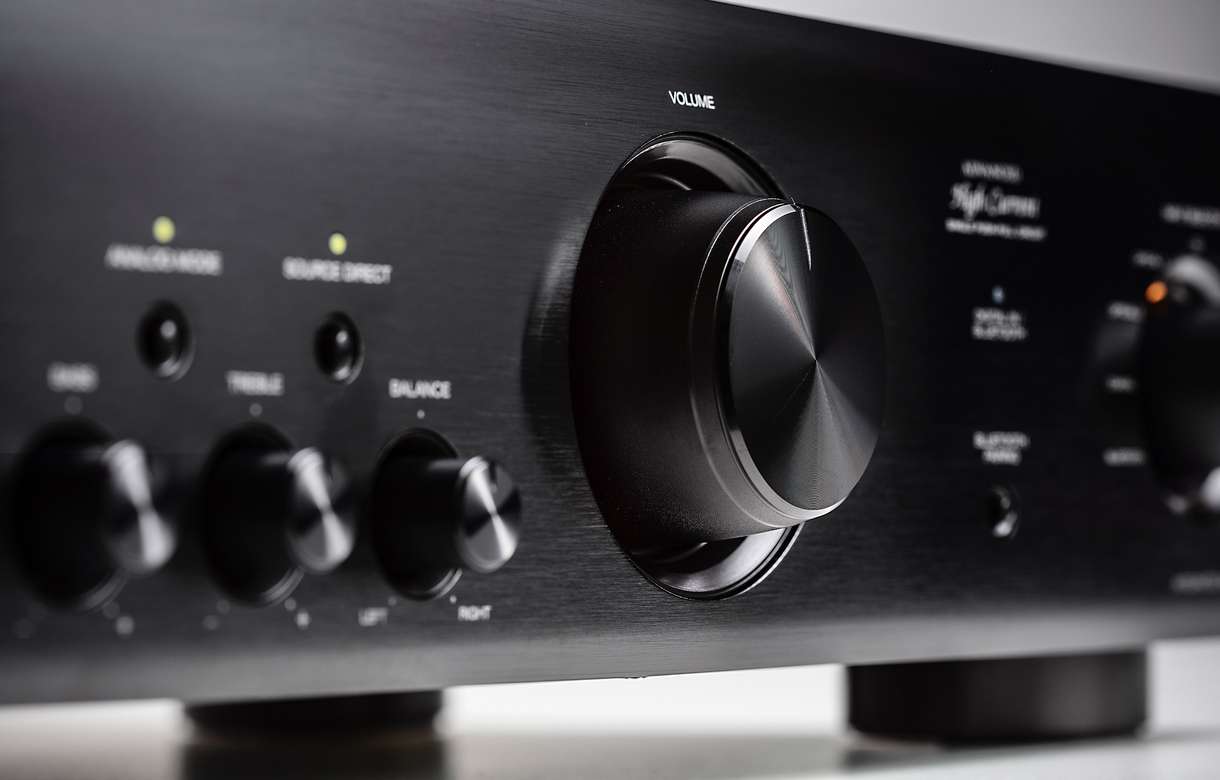
The Denon PMA-600NE represents mature Class A/B technology refined over many years. Denon's Advanced High Current single-push-pull circuit design and Direct Mechanical Ground Construction minimize vibration and electrical interference. The discrete power amplifier design (using individual components rather than integrated circuits) contributes to its robust performance.
Both amplifiers include protection circuitry to prevent damage from speaker faults or thermal overload, and both brands offer solid warranty support and service networks.
Choose the NAD D 3045 if you're building a modern, digitally-focused system. It's perfect for streaming enthusiasts, apartment dwellers, or anyone who wants a single component that handles everything from Spotify to high-resolution downloads to TV audio. The compact size and comprehensive connectivity make it ideal for desktop systems or anywhere space is limited. If you prefer analytical, revealing sound and don't need multiple analog inputs, the NAD delivers exceptional performance in its unique form factor.
The Denon PMA-600NE makes sense for traditional hi-fi approaches, especially if vinyl playback is important to you. Its excellent phono stage, multiple analog inputs, and higher power output serve conventional stereo systems well. The warmer, more forgiving sound character works beautifully with a wide range of music, and the lower price point allows budget allocation for better speakers or sources.
For home theater integration, the NAD D 3045 wins decisively with its HDMI ARC convenience. For pure stereo music systems with multiple analog sources, the Denon PMA-600NE provides better flexibility and value.
Both amplifiers represent excellent engineering and will serve their intended users well for many years. Your choice should depend on whether you prioritize the NAD's modern digital capabilities and space efficiency, or the Denon's traditional analog strengths and higher power at a more accessible price point. Either way, you're getting a well-designed amplifier that will form the solid foundation of an enjoyable music system.
| NAD D 3045 Integrated Amplifier | Denon PMA-600NE Integrated Amplifier |
|---|---|
| Power Output - Determines how loud and how well it drives speakers | |
| 60W per channel (4Ω and 8Ω) - adequate for most bookshelf speakers | 45W @ 8Ω, 70W @ 4Ω - higher current delivery for demanding speakers |
| Amplifier Type - Affects efficiency, heat, and sound character | |
| Class D (Hybrid Digital) - runs cool, highly efficient | Class A/B - traditional design, warmer operation, potentially more natural sound |
| Digital Inputs - Important for streaming and modern sources | |
| USB (24-bit/384kHz), HDMI ARC, 2× optical, 1× coaxial - comprehensive digital connectivity | 2× optical, 1× coaxial (24-bit/192kHz) - basic digital inputs |
| High-Resolution Audio Support - Future-proofs your system for premium streaming | |
| MQA, DSD, PCM up to 384kHz via USB - supports all major high-res formats | PCM up to 192kHz - handles standard high-res files |
| Bluetooth Quality - Affects wireless streaming sound quality | |
| aptX HD (bi-directional) - excellent wireless quality, can output to headphones | Standard Bluetooth - adequate but not premium quality |
| Analog Inputs - Critical if you have multiple analog sources or vinyl | |
| 1× MM phono, 1× line, 1× 3.5mm - minimal analog connectivity | 1× MM phono (excellent quality), 5× line inputs - extensive analog flexibility |
| Phono Stage Quality - Matters significantly for vinyl enthusiasts | |
| Competent MM phono stage - adequate for casual vinyl listening | Exceptional MM phono stage - rivals standalone preamps at this price |
| Size and Placement - Important for space-constrained setups | |
| Ultra-compact (9.3"×2.8"×10.5"), 7.9 lbs - vertical/horizontal placement | Traditional size (17.1"×12.1"×4.8"), 15 lbs - horizontal placement only |
| Special Features - Convenience and functionality extras | |
| HDMI ARC for TV integration, auto-position display, analog bypass | Analog Mode (disables all digital circuits), tone controls, auto power-off |
| Value Proposition - What you get for your investment | |
| Premium price for advanced digital features and compact design | Excellent value for traditional amplification with superior phono stage |
The NAD D 3045 is significantly better for streaming music. It supports high-resolution formats like MQA (used by Tidal), DSD files, and PCM up to 384kHz via USB. It also features aptX HD Bluetooth for superior wireless streaming quality compared to the Denon PMA-600NE, which only has basic Bluetooth and standard digital inputs.
The Denon PMA-600NE delivers 45W into 8 ohms and 70W into 4 ohms, while the NAD D 3045 provides 60W into both 4 and 8 ohms. The Denon's higher current delivery makes it better for power-hungry speakers, while the NAD's consistent power output works well with efficient speakers.
The Denon PMA-600NE is much better for vinyl playback. It features an exceptional moving magnet phono stage that rivals standalone phono preamps, plus an "Analog Mode" that completely bypasses digital circuits. The NAD D 3045 has a basic phono input that's adequate but not exceptional for vinyl enthusiasts.
Yes, but the NAD D 3045 offers much better TV integration with its HDMI ARC input, which automatically switches to TV audio and allows volume control through your TV remote. The Denon PMA-600NE can connect to TVs through its digital or analog inputs, but requires manual switching and separate remote control.
The NAD D 3045 is dramatically more compact at just 9.3" × 2.8" × 10.5" and can be placed vertically or horizontally. The Denon PMA-600NE is a traditional-sized amplifier at 17.1" × 12.1" × 4.8" and requires horizontal placement, making the NAD ideal for small spaces or desktop setups.
The NAD D 3045 delivers analytical, detailed sound with exceptional clarity and a quiet background, ideal for revealing high-quality recordings. The Denon PMA-600NE offers a warmer, more musical presentation with stronger bass impact and a slightly forgiving character that makes all music enjoyable.
The Denon PMA-600NE offers better traditional amplification value with more power, multiple analog inputs, and an excellent phono stage at a lower price. The NAD D 3045 costs more but provides premium digital features, compact design, and future-proof connectivity that justify the price for modern users.
The Denon PMA-600NE offers more connection options with 5 line inputs, 1 phono input, 2 optical, and 1 coaxial digital input. The NAD D 3045 has fewer analog inputs (1 line, 1 phono, 1 aux) but more advanced digital connectivity including USB, HDMI ARC, and superior Bluetooth.
The NAD D 3045 integrates much better into home theater systems thanks to its HDMI ARC connection, which provides seamless TV audio integration and remote control compatibility. The Denon PMA-600NE works in home theater setups but lacks the convenient TV integration features.
Yes, both the NAD D 3045 and Denon PMA-600NE include headphone outputs. The NAD features a particularly powerful headphone amplifier that can drive demanding headphones effectively, while the Denon provides adequate headphone performance for most users.
The NAD D 3045 runs significantly cooler and uses less power due to its Class D amplification design, with standby power consumption under 0.5W. The Denon PMA-600NE uses traditional Class A/B amplification that generates more heat and consumes more electricity during operation.
The Denon PMA-600NE includes traditional bass and treble tone controls that can be bypassed for pure signal path when desired. The NAD D 3045 takes a "source direct" approach with no tone controls, prioritizing signal purity but offering less flexibility for system tuning.
We've done our best to create useful and informative comparisons to help you decide what product to buy. Our research uses advanced automated methods to create this comparison and perfection is not possible - please contact us for corrections or questions. These are the sites we've researched in the creation of this article: crutchfield.com - crutchfield.com - audio-head.com - safeandsoundhq.com - hifiplus.com - nadelectronics.com - whathifi.com - hometheaterhifi.com - audiosciencereview.com - soundstageaccess.com - soundandvision.com - youtube.com - turntablelab.com - audiosciencereview.com - theaudiotailor.com.au - forums.whathifi.com - crutchfield.com - youtube.com - av.com - youtube.com - audiosciencereview.com - emotivalounge.proboards.com - forums.whathifi.com - audiosciencereview.com - crutchfield.com - melbournehifi.com.au - musicdirect.com - avstore.in - polkaudio.com - turntablelab.com

Privacy Policy
Terms and Conditions - Affiliate Policy
Home Security
© Copyright 2008-2026.
11816 Inwood Rd #1211, Dallas, TX 75244