

Choosing the right amplifier for your music system used to be straightforward. You'd walk into a hi-fi shop, listen to a few different models with your favorite test tracks, and pick the one that sounded best with your speakers. Today's digital world has changed everything. Modern amplifiers aren't just about making speakers louder—they're the brain of your entire audio system, handling streaming, room correction, and smart home integration.
The WiiM Amp and NAD D 3045 represent two compelling but very different approaches to modern amplification. At the time of writing, they sit at dramatically different price points, with the WiiM costing roughly half what you'll pay for the NAD. But price alone doesn't tell the whole story when these products target different philosophies of how we interact with music in 2024.
Today's integrated amplifiers with digital capabilities have evolved far beyond their analog predecessors. These units combine traditional power amplification with digital-to-analog converters (DACs—the chips that turn digital music files into analog signals your speakers can reproduce), streaming capabilities, and sophisticated signal processing. Think of them as the smartphone equivalent of the audio world: they do everything in one compact package.
The key considerations when evaluating these products center on power delivery, digital audio quality, connectivity options, user interface design, and overall value. Unlike traditional amplifiers where sound quality was the primary concern, modern units must excel across multiple dimensions to satisfy today's listeners.
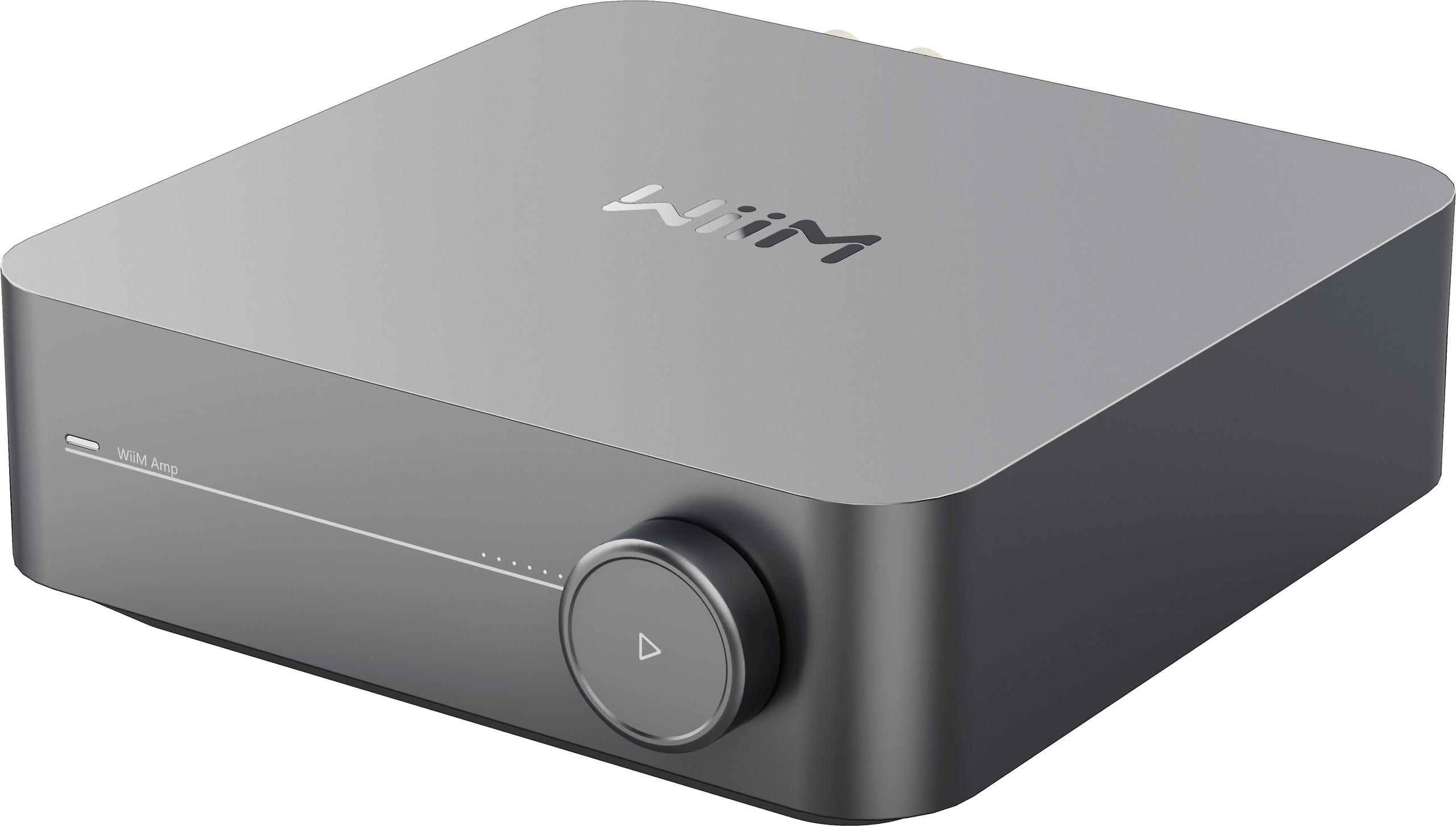
The WiiM Amp launched in 2024 as a streaming-first solution. Its designers clearly prioritized wireless connectivity, app control, and seamless integration with modern streaming services. This represents the "smartphone generation" approach to audio—everything should be wireless, controlled by an app, and work effortlessly with your existing digital lifestyle.
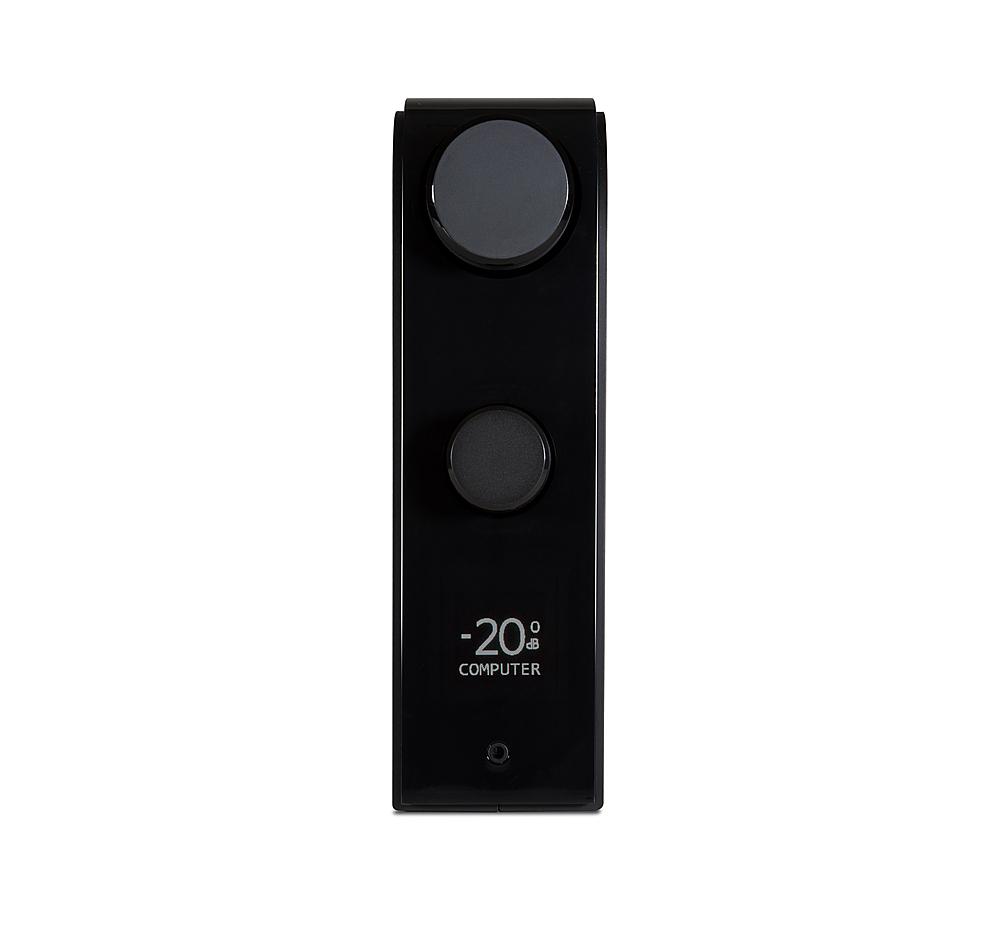
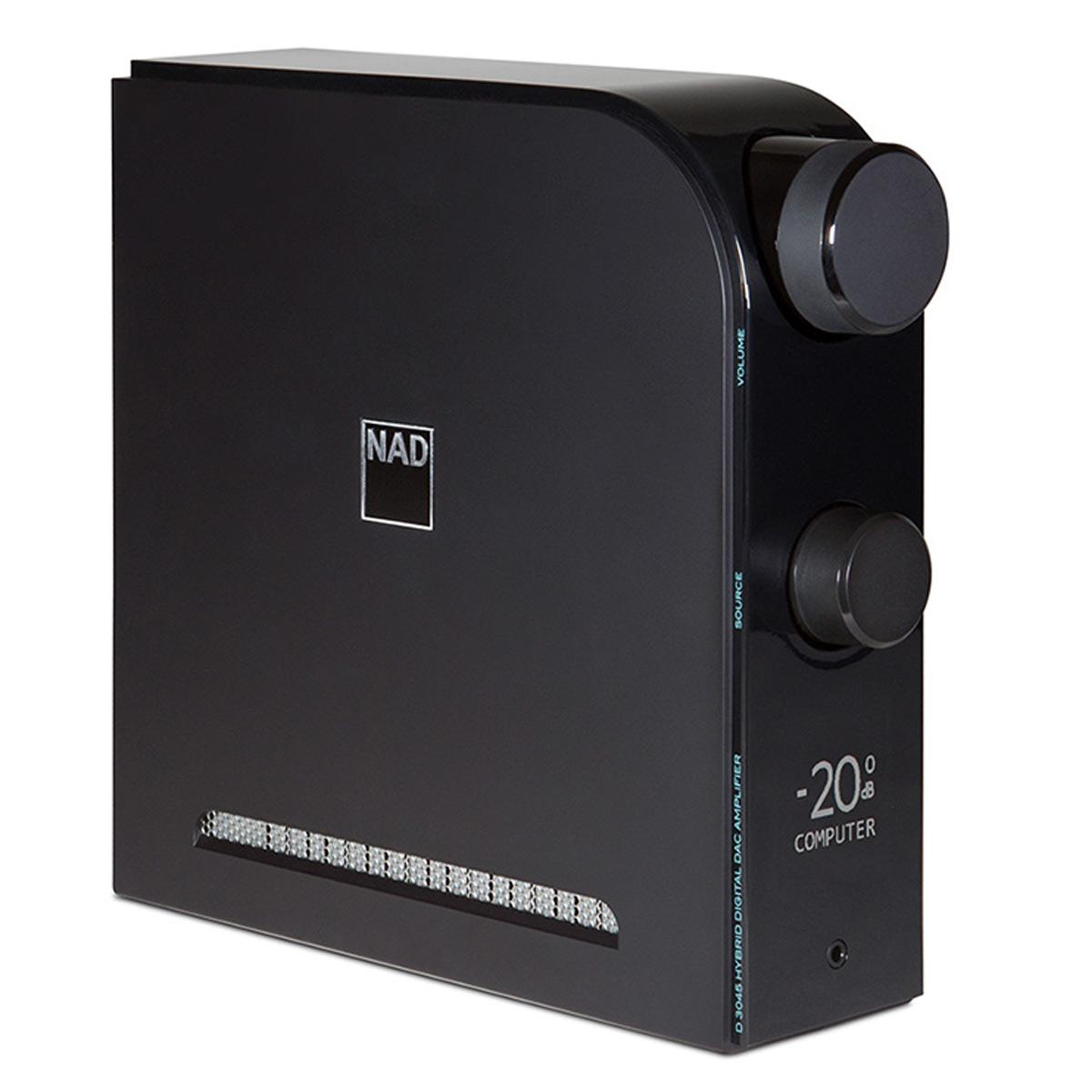
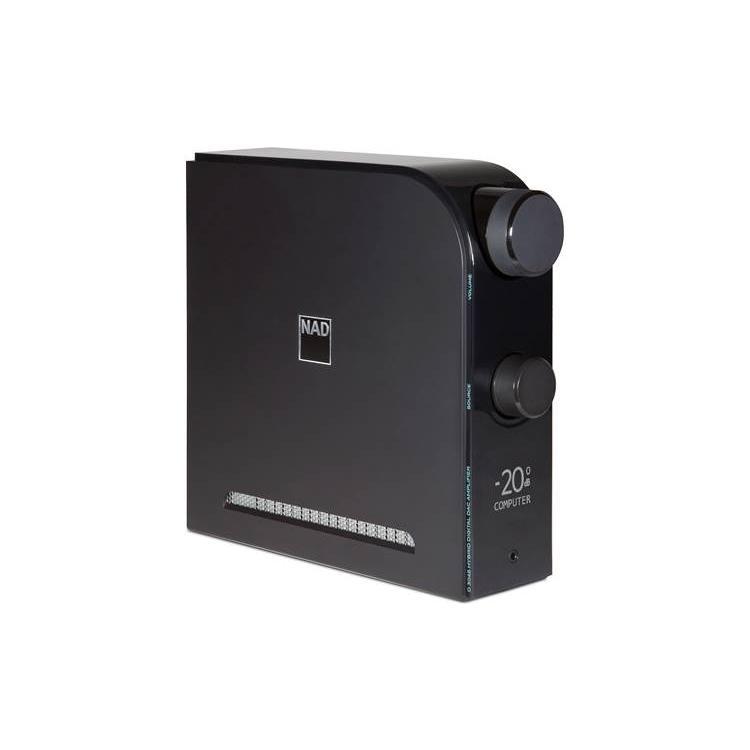
The NAD D 3045, released in 2018, takes a more traditional audiophile approach despite its modern digital capabilities. NAD (New Acoustic Dimension) has been building respected amplifiers since 1972, and the D 3045 reflects their belief that comprehensive connectivity and dedicated analog circuits still matter. While it includes Bluetooth and digital inputs, it also provides a moving magnet phono stage for turntables and a dedicated headphone amplifier.
Since the NAD's 2018 release, streaming technology has advanced significantly. Wi-Fi streaming has become more reliable, smartphone apps have improved dramatically, and voice control integration has shifted from novelty to necessity for many users. The WiiM Amp benefits from this evolution, incorporating features that weren't practical or reliable when the NAD D 3045 was designed.
Both amplifiers deliver 60 watts per channel into 8-ohm speakers, which covers most bookshelf and floor-standing speakers comfortably. The WiiM Amp uses a Texas Instruments TPA3255 Class-D amplifier chip, while the NAD D 3045 employs NAD's Hybrid Digital technology with their proprietary PowerDrive circuitry.
Class-D amplification (sometimes called "digital amplification," though that's technically inaccurate) works by rapidly switching the power supply on and off thousands of times per second, then filtering the result to create a clean analog signal. This approach runs much cooler than traditional analog amplifiers and wastes less electricity, but early implementations often sounded harsh or clinical.
The WiiM Amp can deliver 120 watts per channel into 4-ohm loads, while the NAD D 3045 maintains 60 watts into both 8-ohm and 4-ohm speakers. This difference matters if you're considering speakers with lower impedance ratings (the electrical resistance they present to the amplifier). Many modern speakers, especially compact designs, drop to 4 ohms or lower at certain frequencies, and the WiiM's higher 4-ohm power rating provides more headroom for demanding musical passages.
However, raw power numbers don't tell the complete story. The NAD D 3045's PowerDrive technology provides superior dynamic headroom—the ability to deliver short bursts of power above the continuous rating when music demands it. This matters more with orchestral music, live recordings, or any content with sudden loud passages. Based on user feedback and technical measurements, both amplifiers handle typical listening scenarios equally well, but the NAD maintains better composure with difficult speaker loads and complex musical material.
The most important performance metric isn't power output but total harmonic distortion plus noise (THD+N), which measures how much the amplifier changes the original signal. The WiiM Amp achieves impressive measurements with THD+N of -92 dB (0.0025%) at moderate power levels. The NAD D 3045 specifies less than 0.03% distortion at rated power, which translates to excellent real-world performance but isn't quite as impressive on paper.
The digital-to-analog converter (DAC) determines how well your amplifier translates digital music files into the analog signals your speakers need. This component has become increasingly important as more music consumption shifts to streaming services and digital files.
The WiiM Amp incorporates an ESS Sabre ES9018K2M DAC, supporting audio up to 24-bit resolution and 192kHz sampling rates. These specifications cover virtually all commercially available digital music, including high-resolution downloads from services like Qobuz or HDTracks. The ESS Sabre series is well-regarded for its low noise floor and wide dynamic range—technical terms that translate to quiet backgrounds between musical notes and the ability to reproduce both very soft and very loud passages without compression.
The NAD D 3045 uses an AKM AK4490 DAC, technically a 32-bit chip that supports even higher sample rates up to 384kHz via USB connection. More importantly for many users, it includes MQA (Master Quality Authenticated) and DSD (Direct Stream Digital) compatibility. MQA is Tidal's high-resolution streaming format, while DSD is used for Super Audio CD rips and some high-resolution downloads. If you have an extensive collection of these specialized formats, the NAD provides native support.
In practical terms, both DACs perform excellently with standard streaming services like Spotify, Apple Music, or Amazon Music. The differences become apparent with high-resolution audio sources, where the NAD's broader format support and higher sample rate capability provide a slight technical advantage.
This category reveals the fundamental philosophical difference between these amplifiers. The WiiM Amp treats streaming as the primary source, with other inputs as secondary options. It includes built-in Wi-Fi with support for virtually every streaming protocol you might need: AirPlay 2 for Apple devices, Chromecast for Google ecosystem users, Spotify Connect, Tidal Connect, and integration with Amazon Alexa and Google Assistant voice controls.
The WiiM's multiroom capabilities deserve special mention. You can group it with other WiiM devices, Amazon Echo speakers, Google Nest speakers, or Apple HomePods for synchronized whole-home audio. This flexibility is rare—most systems lock you into one ecosystem, but WiiM plays nicely across platforms.
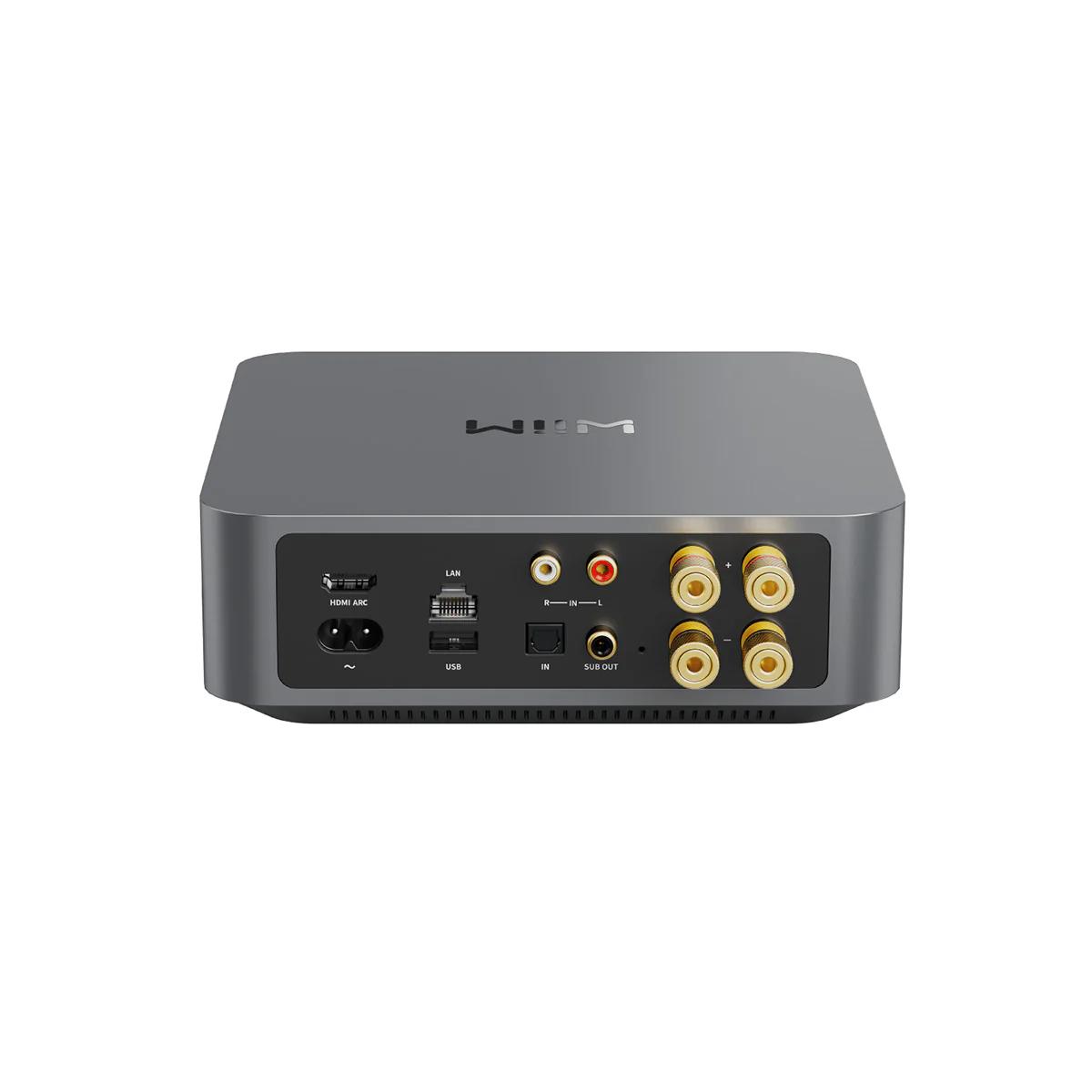
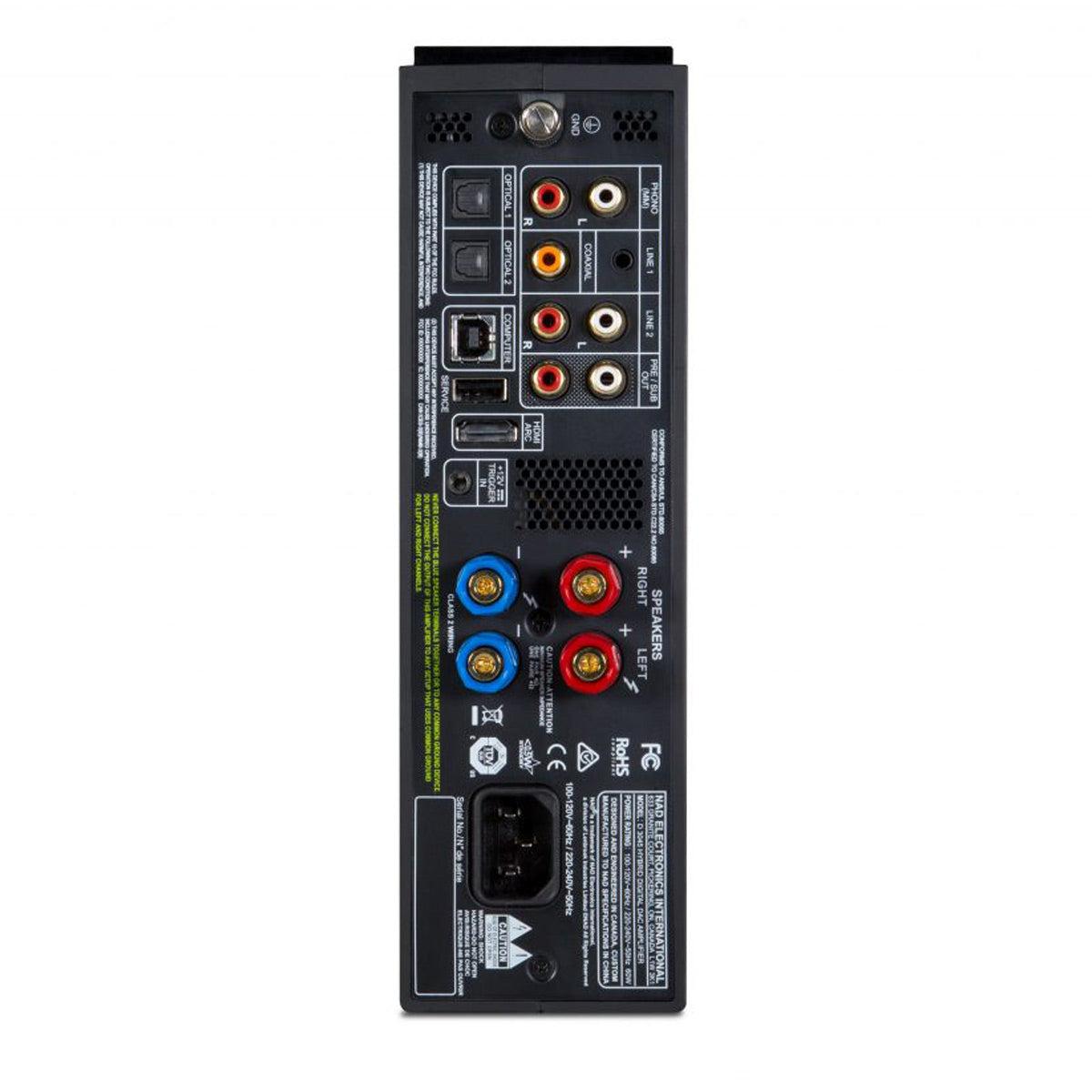
The NAD D 3045 takes a more traditional approach with comprehensive wired connectivity. It provides USB, optical, and coaxial digital inputs, plus HDMI ARC for TV connection. The USB input uses asynchronous operation with the amplifier's own precision clock, which can reduce digital timing errors (jitter) when playing music from a computer. For wireless connectivity, it offers Bluetooth with aptX HD encoding, which provides better quality than standard Bluetooth but requires compatible source devices.
Where the NAD truly differentiates itself is analog connectivity. The moving magnet phono input lets you connect a turntable directly without needing a separate phono preamp—a significant cost savings if you're into vinyl. The dedicated headphone output uses a separate amplifier circuit rather than just tapping the speaker outputs through resistors, providing better performance with demanding headphones.
The WiiM Amp's smartphone app receives consistent praise for its intuitive interface and comprehensive functionality. You can adjust the 10-band graphic equalizer, set up room correction, manage multiroom grouping, and control virtually every aspect of the amplifier's operation. The app also handles firmware updates automatically, adding new features over time.
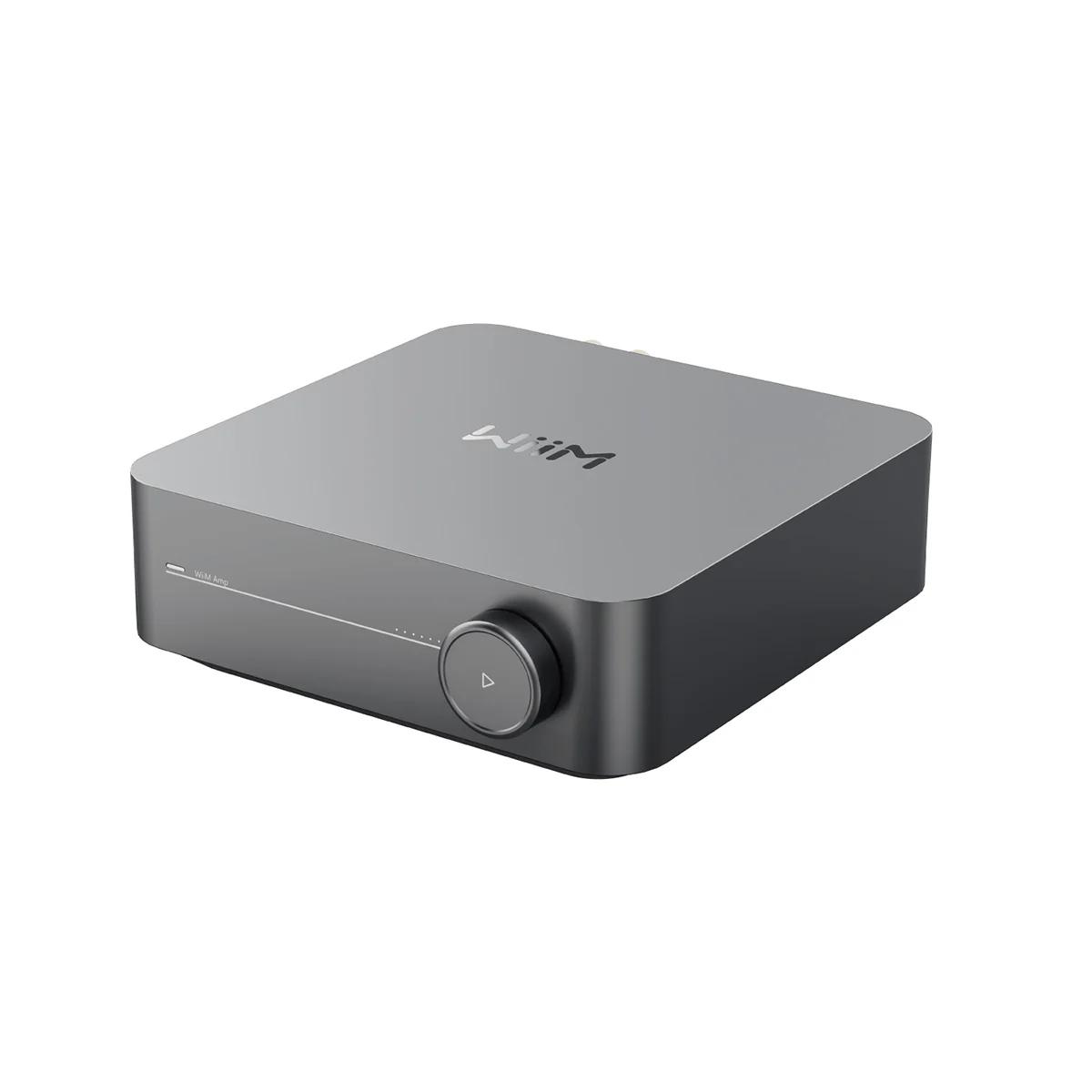
Physical controls are minimal but thoughtful: a single knob handles volume and play/pause functions, with LED indicators showing status and volume level. The compact aluminum chassis can fit almost anywhere, and the build quality feels premium despite the lower price point.
The NAD D 3045 includes a small remote control, though users frequently describe it as feeling cheap for the price point. The amplifier itself can be oriented vertically or horizontally, with an auto-rotating display that adjusts accordingly. This flexibility helps with placement in tight spaces.
The NAD's bass EQ circuit and high-pass filtering options provide some sonic adjustment, but they're much simpler than the WiiM's sophisticated digital signal processing. This reflects NAD's traditional philosophy that less processing preserves more of the original musical signal.
Both amplifiers include features for home theater use, but with different approaches. The NAD D 3045's HDMI ARC (Audio Return Channel) input allows direct connection to your TV, automatically switching inputs and enabling volume control through your TV remote. This creates a clean, simple setup for improving TV audio with better speakers.
The WiiM Amp also supports HDMI ARC and adds sophisticated subwoofer management with auto-detecting output and adjustable crossover settings from 30-200Hz. This flexibility makes it easier to integrate a powered subwoofer for full-range home theater sound. The room correction feature can also help optimize performance in typical living room environments.
Neither amplifier is ideal for serious home theater use—they're stereo-only units in a surround sound world. But for users who prefer stereo music reproduction over multichannel movies, or those with smaller rooms where stereo can work effectively, both provide solid TV audio improvement over built-in TV speakers.
Based on extensive user feedback and professional measurements, both amplifiers deliver clean, detailed sound that lets your speakers' character shine through. The WiiM Amp maintains excellent composure across different music genres, with particularly impressive noise performance—the silence between notes is genuinely quiet, allowing subtle musical details to emerge.
The NAD D 3045 provides slightly more dynamic punch and better control with difficult speaker loads, thanks to its PowerDrive technology. Professional reviewers consistently note its ability to handle complex orchestral passages and maintain composure at higher volumes.
However, the most important performance characteristic might be reliability and consistency. Both amplifiers maintain their specifications across temperature ranges and extended listening sessions. The Class-D designs run cool and don't require extended warm-up periods like some traditional amplifiers.
Signal-to-noise ratio measurements—how quiet the amplifier is when no music is playing—favor the WiiM Amp at 98dB, though both units achieve effectively silent operation in real-world use. Channel separation, which determines how well the left and right channels stay isolated, exceeds 75dB for both units, ensuring proper stereo imaging.
The WiiM Amp makes sense for most modern users, particularly those who consume music primarily through streaming services. Its exceptional value proposition becomes clear when you consider that competing products often cost significantly more while offering fewer features. The sophisticated app control, comprehensive streaming support, and superior build quality at this price point are genuinely impressive.
Choose the WiiM if you want the most modern features per dollar, prefer app-based control, or plan to integrate with voice assistants and smart home systems. It's also the clear choice for multiroom audio applications where you want to group speakers throughout your home.
The NAD D 3045 justifies its higher price for users who need its specific analog features or prefer traditional hi-fi brands with established service networks. The built-in phono stage alone can save $100-300 compared to buying a separate unit, making the total system cost more reasonable for vinyl enthusiasts.
Choose the NAD if you own a turntable, frequently use headphones, or have extensive high-resolution audio files requiring MQA or DSD support. It's also worth considering if you prefer the comprehensive connectivity options and don't mind paying extra for the NAD brand heritage.
At the time of writing, the WiiM Amp delivers remarkable value for users embracing modern streaming-centric music consumption. Its combination of excellent sound quality, sophisticated features, and premium build quality at roughly half the price of the NAD D 3045 represents one of the best values in audio today.
The NAD D 3045 remains relevant for users who need its specific analog capabilities or prefer established audiophile brands. However, unless you specifically require the phono input, headphone amplifier, or high-resolution format support, the WiiM provides comparable sound quality with superior modern convenience.
Both amplifiers will drive most speakers effectively and provide years of reliable service. Your choice should depend more on how you interact with music than on absolute sound quality differences, which are minimal in typical use. The future of audio is clearly trending toward the WiiM's streaming-first approach, making it the more forward-looking choice for most users.
| WiiM Amp Streaming Amplifier | NAD D 3045 Integrated Amplifier |
|---|---|
| Power Output - How loud you can play music with different speakers | |
| 60W @ 8Ω, 120W @ 4Ω (better for demanding speakers) | 60W @ both 8Ω and 4Ω (consistent but lower 4Ω power) |
| Amplifier Technology - Affects sound quality and efficiency | |
| Texas Instruments TPA3255 Class-D (excellent efficiency) | NAD Hybrid Digital with PowerDrive (better dynamics) |
| Digital Audio Quality - How well it handles streaming and digital files | |
| ESS Sabre ES9018K2M DAC, 24-bit/192kHz (covers all mainstream sources) | AKM AK4490 32-bit DAC, 24-bit/384kHz USB, MQA/DSD support (audiophile formats) |
| Streaming Capabilities - Modern music convenience features | |
| Built-in Wi-Fi with AirPlay 2, Chromecast, Spotify Connect, voice control | Bluetooth aptX HD only (requires separate streamer for Wi-Fi) |
| Analog Inputs - Traditional source compatibility | |
| Line input only (need external phono preamp for turntables) | MM phono stage, line input (direct turntable connection) |
| Digital Inputs - Wired connection options | |
| HDMI ARC, optical, USB (basic coverage) | USB, 2x optical, coaxial, HDMI ARC (comprehensive options) |
| Audio Processing - Sound customization capabilities | |
| 10-band graphic EQ, 10-band parametric EQ, room correction | Bass EQ circuit, high-pass filter (minimal processing) |
| Additional Outputs - System expansion options | |
| Auto-detecting subwoofer output with crossover control | Preamp output, dedicated headphone amplifier |
| Multiroom Audio - Whole-home music systems | |
| Groups with Echo, Nest, HomePod, and other WiiM devices | No multiroom capability (single-room use only) |
| Build Quality - Long-term durability and aesthetics | |
| Premium aluminum chassis (feels more expensive than price) | Plastic case construction (feels less premium for the cost) |
| Control Interface - Daily usability experience | |
| Comprehensive smartphone app with regular updates | Small remote control plus basic front panel controls |
| Best Value For - Who should consider each option | |
| Modern streamers wanting maximum features per dollar | Vinyl enthusiasts and headphone users needing analog inputs |
The WiiM Amp Streaming Amplifier is significantly better for streaming music. It includes built-in Wi-Fi with native support for AirPlay 2, Chromecast, Spotify Connect, TIDAL Connect, and voice control through Alexa and Google Assistant. The NAD D 3045 Integrated Amplifier only offers Bluetooth aptX HD for wireless streaming, requiring a separate streaming device for Wi-Fi connectivity.
Both amplifiers deliver 60 watts per channel into 8-ohm speakers. However, the WiiM Amp provides 120 watts per channel into 4-ohm loads, while the NAD D 3045 maintains 60 watts into both 8-ohm and 4-ohm speakers. This gives the WiiM more headroom with lower-impedance speakers that are common today.
The NAD D 3045 Integrated Amplifier includes a built-in moving magnet (MM) phono stage, allowing direct turntable connection. The WiiM Amp Streaming Amplifier requires a separate phono preamp to connect a turntable, adding extra cost and complexity for vinyl enthusiasts.
Both amplifiers offer HDMI ARC for TV connection, but the WiiM Amp provides better home theater integration with its auto-detecting subwoofer output and adjustable crossover settings (30-200Hz). The NAD D 3045 has basic subwoofer output but lacks the advanced bass management features that improve movie and TV audio.
Only the NAD D 3045 Integrated Amplifier includes a dedicated headphone amplifier with a 3.5mm output on the front panel. The WiiM Amp Streaming Amplifier does not have a headphone output, requiring separate headphone amplification if needed.
The WiiM Amp provides extensive digital sound processing with 10-band graphic EQ, 10-band parametric EQ, 26 preset EQ options, and room correction technology. The NAD D 3045 offers only basic bass EQ and high-pass filtering, reflecting a more purist approach to audio reproduction.
The WiiM Amp Streaming Amplifier excels at multiroom audio, grouping with Amazon Echo, Google Nest, Apple HomePod speakers, and other WiiM devices for whole-home synchronized playback. The NAD D 3045 Integrated Amplifier does not support multiroom functionality and is designed for single-room use only.
Despite its lower cost, the WiiM Amp features a premium aluminum chassis that feels more substantial than expected. The NAD D 3045 uses plastic case construction that, while functional, feels less premium for its higher price point according to user feedback.
The NAD D 3045 Integrated Amplifier supports more audiophile formats including MQA (for TIDAL high-res streaming) and DSD files, with USB input supporting up to 24-bit/384kHz. The WiiM Amp Streaming Amplifier handles standard high-resolution audio up to 24-bit/192kHz, covering virtually all mainstream digital music sources.
The WiiM Amp is primarily controlled through a comprehensive smartphone app that handles streaming, EQ adjustments, multiroom setup, and firmware updates. The NAD D 3045 includes a physical remote control and front-panel controls, offering a more traditional hi-fi experience without requiring smartphone interaction.
The WiiM Amp Streaming Amplifier delivers exceptional value with modern streaming features, superior build quality, and comprehensive app control at roughly half the cost of the NAD D 3045. The NAD justifies its higher price only if you specifically need the built-in phono stage, headphone amplifier, or high-resolution format support.
The NAD D 3045 Integrated Amplifier provides more comprehensive wired connectivity with USB, dual optical, coaxial, and HDMI ARC inputs, plus analog RCA and phono inputs. The WiiM Amp Streaming Amplifier focuses on wireless connectivity with built-in Wi-Fi streaming but offers fewer physical input options, making it better suited for modern digital-first audio systems.
We've done our best to create useful and informative comparisons to help you decide what product to buy. Our research uses advanced automated methods to create this comparison and perfection is not possible - please contact us for corrections or questions. These are the sites we've researched in the creation of this article: audiosciencereview.com - faq.wiimhome.com - av-export.com - sound-advice.online - av.com - whathifi.com - youtube.com - forum.wiimhome.com - erinsaudiocorner.com - audacityaustralia.com.au - stereophile.com - audiosciencereview.com - audioadvice.com - smarthomesounds.co.uk - crutchfield.com - crutchfield.com - audio-head.com - safeandsoundhq.com - hifiplus.com - nadelectronics.com - whathifi.com - hometheaterhifi.com - audiosciencereview.com - soundstageaccess.com - soundandvision.com - youtube.com - turntablelab.com - audiosciencereview.com

Privacy Policy
Terms and Conditions - Affiliate Policy
Home Security
© Copyright 2008-2026.
11816 Inwood Rd #1211, Dallas, TX 75244