


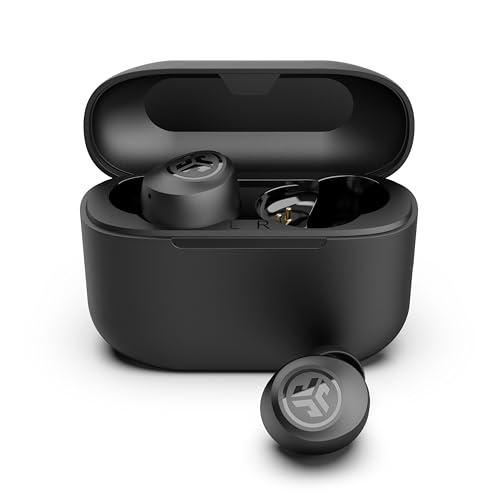





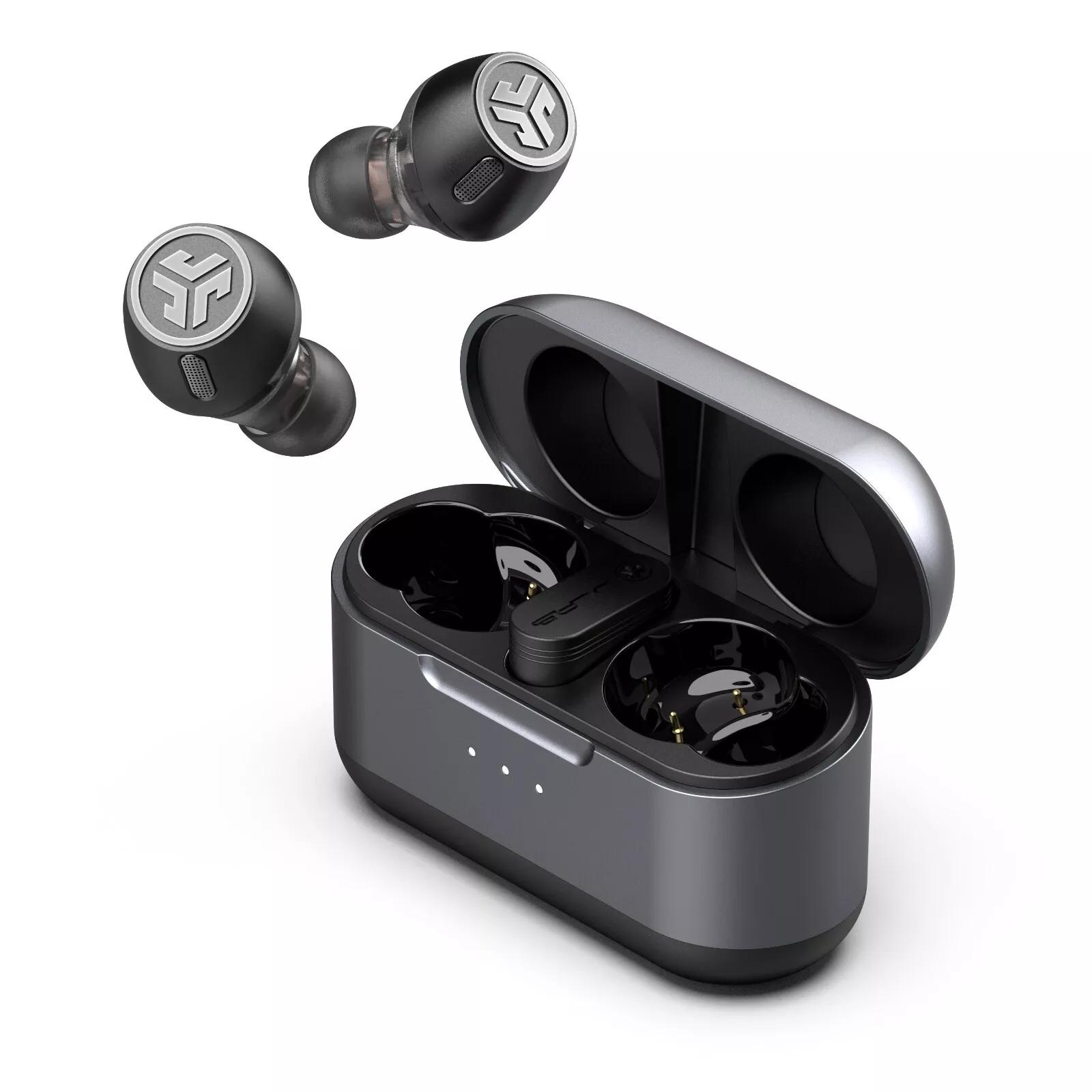




When JLab launched the Go Pop+ in 2023, they weren't trying to reinvent wireless earbuds—they were proving that good enough could be genuinely good at an ultra-budget price. Fast-forward to their Epic Lab Edition release later that year, and suddenly JLab was making serious moves in audiophile territory. These two earbuds represent opposite ends of the spectrum, but both nail their intended purpose in ways that matter to real users.
The wireless earbud market has matured dramatically since Apple's AirPods kickstarted the category in 2016. What started as expensive, feature-light alternatives to wired headphones has evolved into a sophisticated ecosystem where $25 earbuds can sound surprisingly good, and $200 models can genuinely compete with traditional audiophile gear. Understanding where each product fits—and more importantly, where you fit—makes all the difference.
True wireless earbuds have become the default choice for most people, and for good reason. No wires mean no tangles, no snags, and no limit on head movement. But the category spans an enormous range of capabilities and prices. At the budget end, you're typically getting basic Bluetooth connectivity, adequate sound quality, and enough battery life for daily use. Move up the price ladder, and you'll find active noise cancellation (ANC), premium driver materials, spatial audio support, and app-based customization that can transform how your music sounds.
The key considerations haven't changed much: sound quality, battery life, comfort, and value. What has changed is how much you can get at each price point. The Go Pop+ and Epic Lab Edition perfectly illustrate this evolution—one pushes the boundaries of budget performance, while the other brings legitimate high-end audio engineering to a (relatively) accessible price.
Released in 2023, the Go Pop+ represents JLab's philosophy that everyone deserves decent wireless audio, regardless of budget. At roughly $25-35 (at the time of writing), these earbuds pack an surprising amount of technology into an incredibly affordable package. The name says it all—they're designed to "pop" with energy and color, literally and figuratively, available in 14 different finishes that range from conservative black to eye-catching neon.
What makes the Go Pop+ special isn't any single feature, but rather how many boxes it checks for the price. Touch controls that actually work, a companion app for customization, decent call quality, and that integrated USB-C charging cable in the case that eliminates one more thing to lose. It's the kind of practical thinking that makes these earbuds genuinely useful rather than just cheap.
The Epic Lab Edition, also launched in 2023, represents JLab's bid for audiophile credibility. At around $200 (at the time of writing), these aren't impulse purchases—they're investments in sound quality that need to justify their premium through genuine performance advantages. The "Lab Edition" branding isn't marketing fluff; these earbuds incorporate research from Knowles, a company that's been making high-end audio components for decades.
The hybrid dual-driver design is the headline feature here. Instead of relying on a single driver to handle all frequencies (like most earbuds, including the Go Pop+), the Epic Lab Edition uses two specialized drivers per ear: a larger dynamic driver for bass and midrange, paired with a Knowles balanced armature driver for treble detail. This approach is borrowed from professional in-ear monitors used by musicians on stage, where accuracy matters more than convenience.
The Go Pop+ uses a single 6mm dynamic driver—a small speaker that moves air to create sound waves. Dynamic drivers are known for producing punchy bass and natural-sounding vocals, and JLab has tuned these to deliver what's called a "V-shaped" sound signature. This means the bass and treble are slightly emphasized while the midrange (where most vocals sit) is more neutral.
In practical terms, this makes the Go Pop+ particularly enjoyable for modern music genres like pop, hip-hop, and EDM, where that extra bass energy and crisp high frequencies help tracks feel lively and engaging. The frequency response extends from 20Hz to 20kHz, which covers the full range of human hearing—no small feat for drivers this small and affordable.
Based on user reviews and expert consensus, the Go Pop+ punches well above its weight class sonically. The sound isn't going to satisfy serious audiophiles, but for casual listening, podcasts, and mainstream music, it delivers clarity and energy that many earbuds costing twice as much struggle to match. The limitation shows up in complex musical passages, where the single driver can't maintain separation between instruments, and everything starts to blend together.
The Epic Lab Edition's hybrid dual-driver system changes the game entirely. The 10mm dynamic driver handles frequencies up to about 3kHz, covering bass and most vocals with authority and warmth. Above that, the Knowles balanced armature driver takes over, delivering treble detail that single-driver earbuds simply can't match.
Balanced armature drivers are tiny, precise speakers that excel at reproducing high frequencies with exceptional clarity and speed. They're more expensive to manufacture and integrate than dynamic drivers, which is why you typically only see them in premium earbuds or professional in-ear monitors. The result is a frequency response that extends up to 40kHz—well beyond human hearing, but indicating the level of engineering precision involved.
More importantly, the Epic Lab Edition implements something called the Knowles Preferred Listening Response curve. This isn't marketing speak—it's an actual research-based tuning developed through extensive testing with thousands of listeners across different music genres. The goal is natural, balanced sound that doesn't favor any particular frequency range, making these earbuds suitable for jazz, classical, rock, electronic music, or anything else you throw at them.
The difference is immediately apparent with complex music. Where the Go Pop+ might compress a full orchestra into a pleasant but somewhat flat soundstage, the Epic Lab Edition maintains instrument separation and spatial information. You can hear the difference between first and second violins, or pick out subtle percussion details that get lost on lesser earbuds.
This is where the two products diverge most dramatically. The Go Pop+ has no active noise cancellation whatsoever—it relies entirely on passive isolation from the ear tips creating a seal in your ear canal. This works reasonably well for blocking steady background noise like air conditioning, but it's useless against conversations, traffic, or airplane engines.
The Epic Lab Edition features what JLab calls Smart Active Noise Cancellation. ANC works by using microphones to detect outside noise, then generating "anti-noise"—sound waves that are perfectly out of phase with the incoming noise, effectively canceling it out. The "smart" part refers to the system's ability to adapt to your environment, continuously analyzing and adjusting the cancellation algorithm.
With six MEMS microphones (tiny digital microphones that are incredibly precise), the Epic Lab Edition can cancel 17-40dB of noise above 1kHz, and up to 35dB below that frequency. In real-world terms, this means airplane engines become a gentle whisper, coffee shop chatter virtually disappears, and you can focus on your music or calls without cranking the volume to dangerous levels.
The system offers three modes: ANC On for maximum quiet, ANC Off for situations where you want some environmental awareness, and Be Aware mode that actually amplifies outside sounds so you can hear announcements or have conversations without removing the earbuds. The Go Pop+ offers only a basic Be Aware mode that simply reduces your music volume slightly.
For home theater use, this becomes particularly relevant. If you're watching late-night movies and don't want to disturb others, the Epic Lab Edition's ANC can help isolate you from household sounds while letting you hear dialogue clearly at lower volumes. The Go Pop+ can work for this scenario, but you'll be more aware of background noise in your environment.
Both earbuds excel in battery performance, but with different priorities. The Go Pop+ delivers 9 hours per earbud with an additional 26 hours from the charging case, totaling over 35 hours of playback. That's genuinely impressive for earbuds this small and light—the entire charging case weighs just 28.8 grams, making it genuinely pocketable.
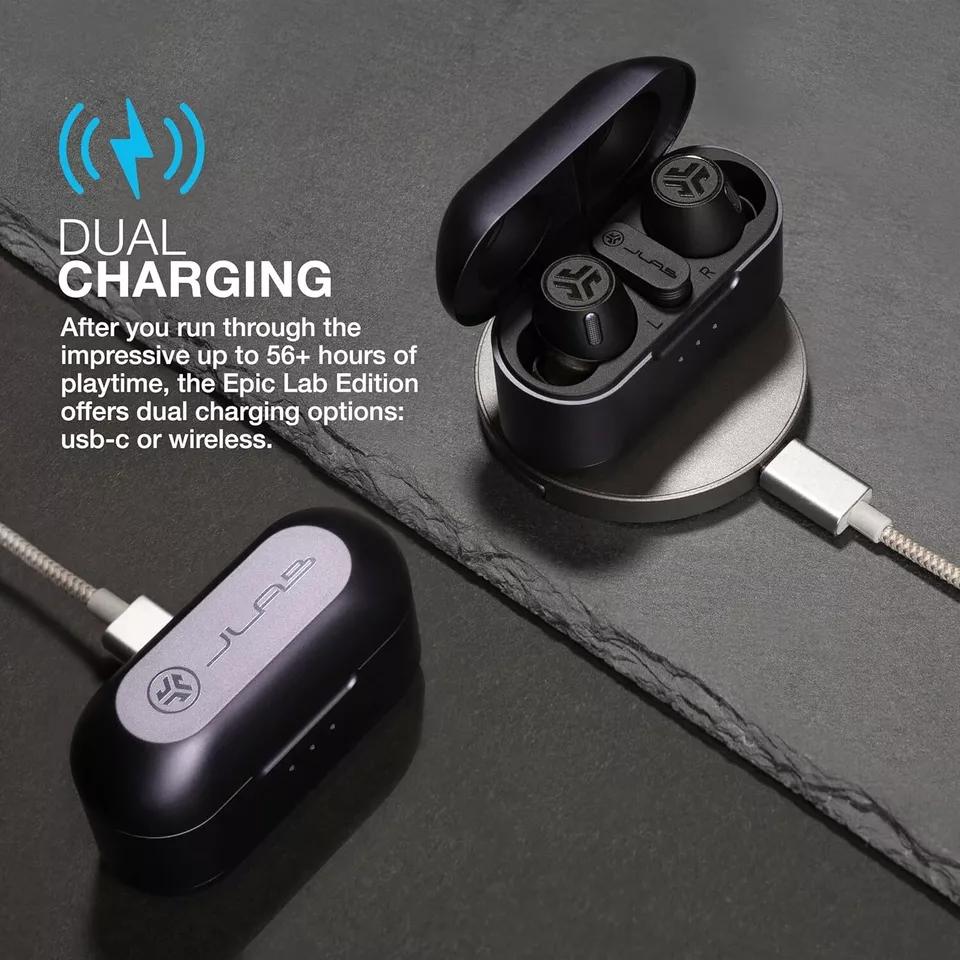
The Epic Lab Edition takes battery life even further: 13 hours per earbud when ANC is disabled, or 9 hours with ANC active. The case adds another 43 hours (ANC off) or 27 hours (ANC on), bringing the totals to 56 hours and 36 hours respectively. These numbers put it among the longest-lasting earbuds available at any price point.
Both support quick charging, but the Epic Lab Edition is more generous: 10 minutes of charging provides 2 hours of playback, compared to 1 hour for the Go Pop+. The Epic Lab Edition also supports wireless Qi charging, so you can just drop the case on a charging pad. The Go Pop+ has something even more convenient—an integrated USB-C cable built into the case, so you never need to carry a separate charging cable.
The Epic Lab Edition earns its premium pricing partly through superior build quality. The IP55 rating means these earbuds can handle dust, sweat, and even water jets from any direction—you could rinse them under a faucet if needed. The case feels substantial with metallic accents and precision-engineered hinges that inspire confidence.
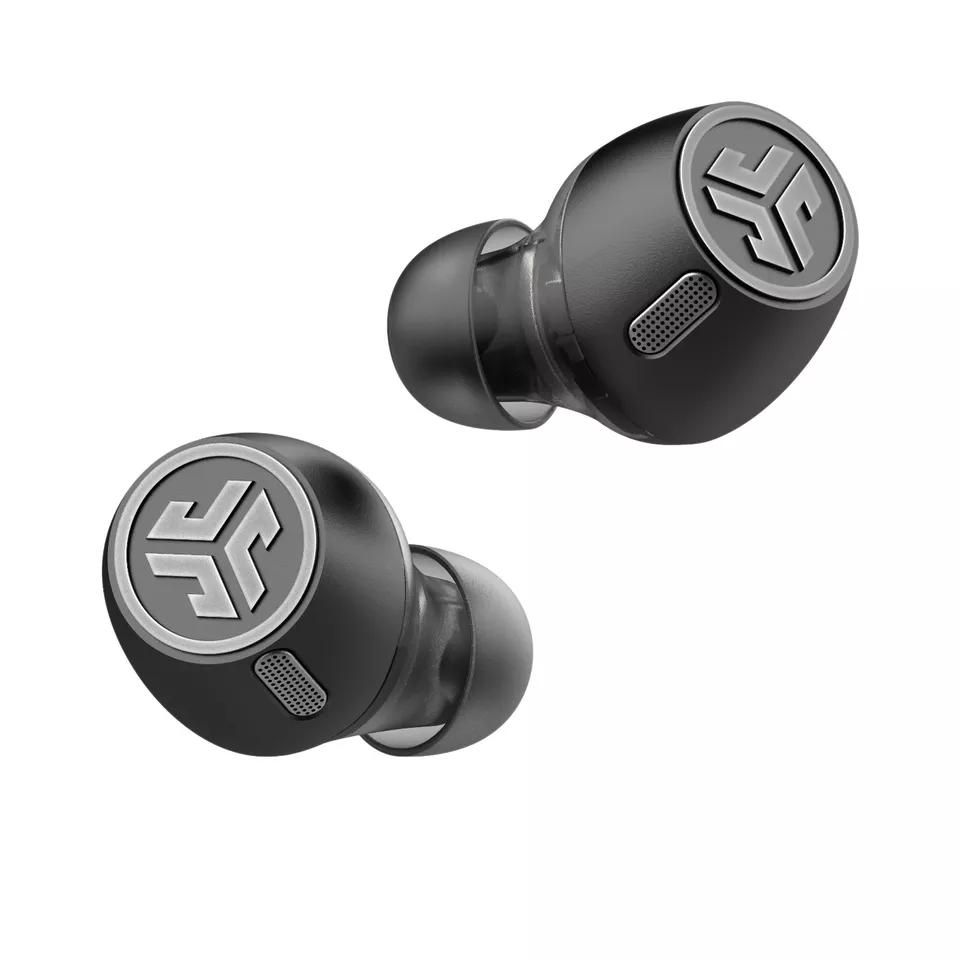
At 5.5 grams per earbud, they're not heavy, but you'll definitely notice them more than the Go Pop+. The case weighs 65.4 grams—more than double the Go Pop+ case—and while it's still pocketable, it's not going to disappear in skinny jeans.
The Go Pop+ prioritizes different virtues. The IPX4 rating handles sweat and light splashes but won't survive a drop in the pool. What it lacks in ruggedness, it makes up for in pure portability. At just 7.8 grams total weight for both earbuds, and with that featherweight case, these are genuinely forget-you're-carrying-them portable.
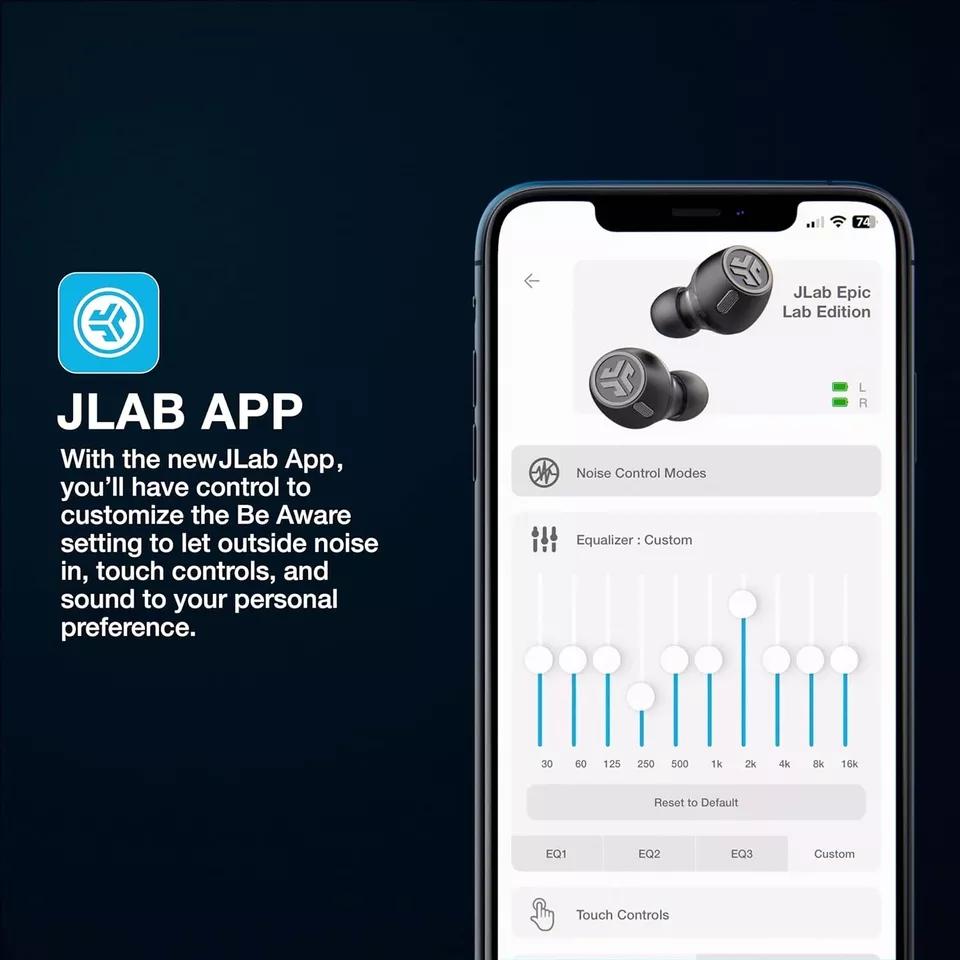
Both earbuds support the JLab app, which is noteworthy since many budget earbuds skip app integration entirely. The Go Pop+ app provides custom EQ presets, touch control customization, and battery level indicators. It's not fancy, but it covers the essentials and works reliably.
The Epic Lab Edition app offers more sophisticated options: detailed EQ adjustment, multiple noise control modes, spatial audio settings, and firmware updates that can add new features over time. The earbuds also support Bluetooth Multipoint, meaning you can connect to your phone and laptop simultaneously, automatically switching between them as needed.
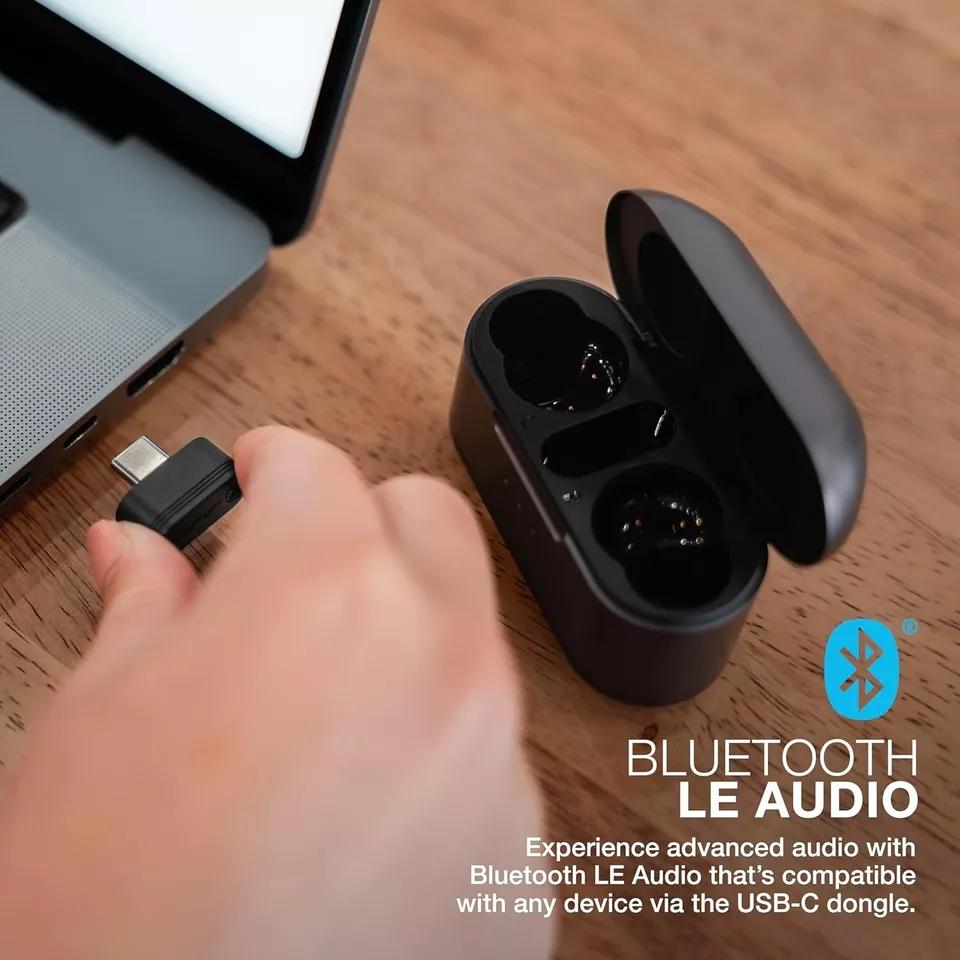
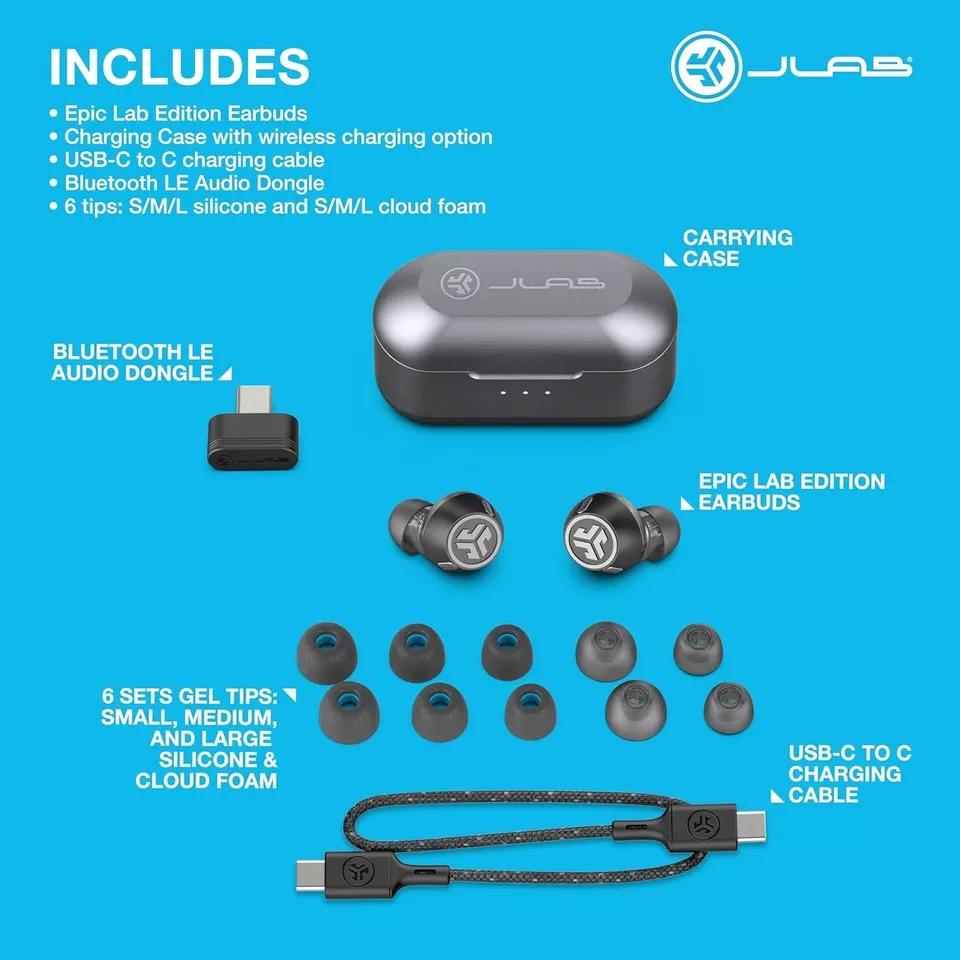
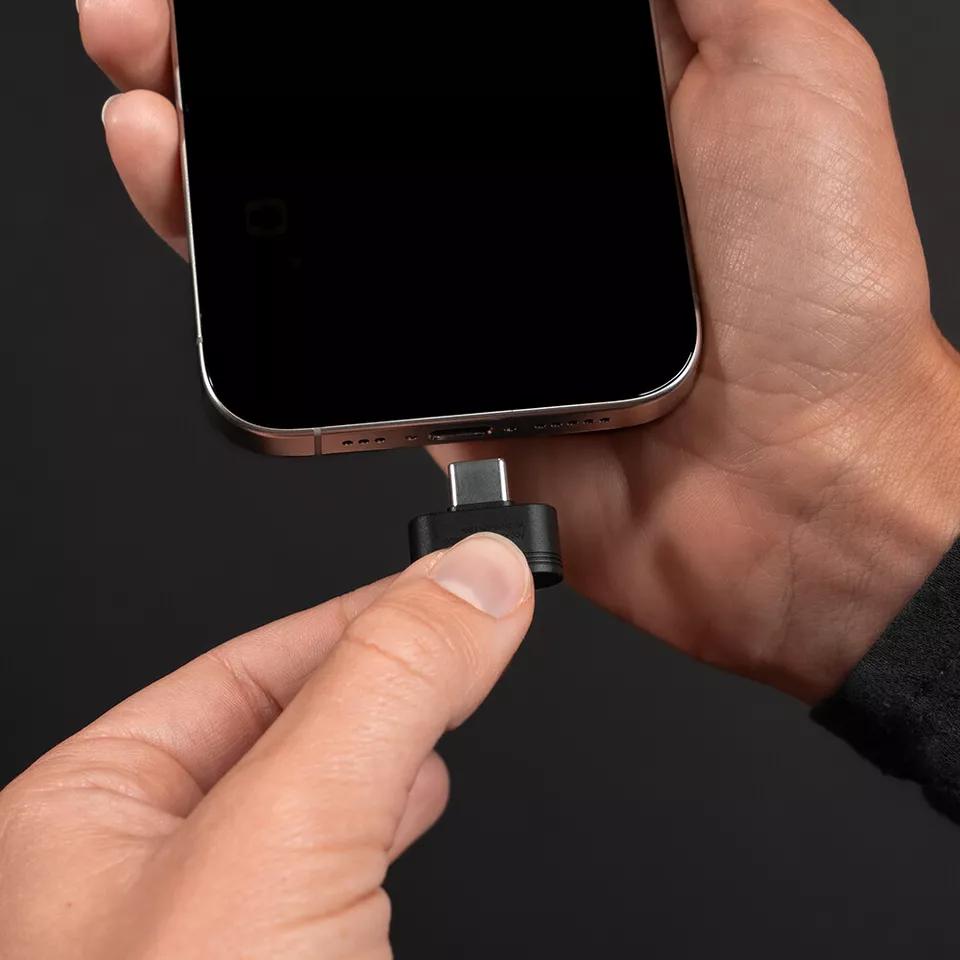
The Epic Lab Edition includes a USB-C dongle that enables ultra-low latency audio (50ms) for gaming or video watching. This addresses one of the few remaining advantages of wired earbuds—wireless audio typically introduces 100-200ms of delay that can make lip-sync issues noticeable in video content.
For home theater use, both earbuds work well for personal viewing, but the Epic Lab Edition's spatial audio support and low-latency dongle make it better suited for movie watching. The superior noise isolation also means you can enjoy cinematic sound without disturbing others in the house.
Both earbuds support standard SBC and AAC codecs, which handle audio from any Bluetooth source adequately. But the Epic Lab Edition adds LDAC support, which can transmit nearly three times more data than standard Bluetooth audio. LDAC is Sony's high-resolution wireless audio codec, and it makes a noticeable difference with high-quality music files, especially from Android devices that support it natively.
The Go Pop+ sticks to the basics, but AAC codec support means iPhone users get optimal audio quality. For most streaming services like Spotify or Apple Music, the difference between codecs is less important than the quality of the drivers and tuning—which brings us back to the Epic Lab Edition's fundamental advantages.
After analyzing user reviews and expert consensus, clear patterns emerge. The Go Pop+ consistently impresses people who expect little from budget earbuds. They're reliable for calls (though not exceptional in noisy environments), comfortable for extended wear, and sound good enough that many users stop looking for upgrades.
The Epic Lab Edition satisfies a different need entirely. Users coming from premium wired headphones or other high-end earbuds consistently note the superior soundstage, instrument separation, and overall refinement. The ANC performance, while not quite matching dedicated noise-canceling champions like the Sony WF-1000XM4, provides genuine relief from environmental noise.
For home use, the Epic Lab Edition works better as a primary audio solution, while the Go Pop+ excels as a secondary option or for specific use cases where portability matters most.
Choose the Go Pop+ if you're looking for reliable everyday earbuds that won't break the bank. They're perfect for commuting, exercise, casual music listening, and as backup earbuds. The integrated charging cable alone makes them worth considering for travel. If you're new to wireless earbuds or unsure about committing to the form factor, the minimal investment risk makes them an ideal starting point.
The Epic Lab Edition makes sense when audio quality is a priority and you can justify the premium. If you find yourself frequently in noisy environments, the ANC alone might justify the cost. They're also the better choice if you use multiple devices regularly, watch a lot of video content, or listen to music genres that benefit from accurate reproduction—jazz, classical, acoustic, or anything with complex arrangements.
The reality is that both earbuds succeed at their intended purpose. The Go Pop+ proves that good wireless audio doesn't require a premium price, while the Epic Lab Edition demonstrates that wireless earbuds can genuinely compete with traditional audiophile gear. Your choice should depend less on which is "better" and more on which better matches your needs, environment, and budget priorities.
At the time of writing, the price difference between these models is significant—roughly eight times more for the Epic Lab Edition. That premium buys you measurably better sound quality, effective noise cancellation, and premium features, but only you can decide if those improvements justify the cost in your specific situation.
| JLab Go Pop+ True Wireless Earbuds | JLab Epic Lab Edition Noise Cancelling Earbuds |
|---|---|
| Driver Configuration - Determines sound quality and detail | |
| Single 6mm dynamic driver (adequate for casual listening) | Hybrid dual drivers: 10mm dynamic + Knowles balanced armature (audiophile-grade separation) |
| Active Noise Cancellation - Essential for noisy environments | |
| None (passive isolation only) | Smart ANC with 6 microphones (17-40dB cancellation, adapts to environment) |
| Frequency Response - Shows audio range and Hi-Res capability | |
| 20Hz-20kHz (covers human hearing range) | 20Hz-40kHz with Hi-Res Audio certification (LDAC codec support) |
| Battery Life (ANC Off) - Total usage time matters for daily use | |
| 35+ hours total (9 hours per earbud + case) | 56+ hours total (13 hours per earbud + case) |
| Battery Life (ANC On) - Real-world usage with noise cancellation | |
| N/A (no ANC available) | 36+ hours total (9 hours per earbud + case) |
| Water Resistance - Protection level for exercise and weather | |
| IPX4 (splash and sweat resistant) | IP55 (dust-proof and water jet resistant) |
| Audio Codecs - Determines wireless sound quality | |
| SBC, AAC (standard quality) | SBC, AAC, LDAC (high-resolution wireless audio) |
| Weight and Portability - Comfort and convenience factor | |
| Ultra-lightweight: 7.8g total, 28.8g case | Heavier build: 11g total earbuds, 65.4g case |
| Charging Method - Convenience and compatibility | |
| Integrated USB-C cable in case (never lose charging cable) | USB-C port + wireless Qi charging (premium convenience) |
| Advanced Features - Extra capabilities that enhance experience | |
| Google Fast Pair, dual connect, basic app | Bluetooth Multipoint, auto play/pause, USB-C gaming dongle, spatial audio |
| Sound Signature - Musical genres these excel with | |
| V-shaped (great for pop, EDM, bass-heavy music) | Knowles Preferred Listening curve (balanced for all genres, audiophile tuning) |
| Price Category - Value proposition at time of writing | |
| Ultra-budget champion (exceptional features for the price) | Premium investment (justifies cost through genuine performance gains) |
The JLab Epic Lab Edition delivers significantly better sound quality with its hybrid dual-driver system combining a 10mm dynamic driver and Knowles balanced armature driver. This setup provides superior instrument separation and detail compared to the JLab Go Pop+, which uses a single 6mm dynamic driver that's adequate for casual listening but can't match the audiophile-grade performance of the Epic Lab Edition.
Only the JLab Epic Lab Edition features active noise cancellation with smart ANC technology that adapts to your environment using six microphones. The JLab Go Pop+ has no active noise cancellation and relies solely on passive isolation from the ear tips, making the Epic Lab Edition the clear choice for noisy environments like planes or busy offices.
The JLab Epic Lab Edition provides up to 13 hours per charge without ANC (9 hours with ANC on), while the JLab Go Pop+ offers 9 hours per charge. Including the charging case, the Epic Lab Edition delivers 56 total hours compared to 35+ hours for the Go Pop+.
Yes, the JLab Go Pop+ offers exceptional value with features typically found in more expensive earbuds, including touch controls, app customization, and an integrated USB-C charging cable. For budget-conscious buyers wanting reliable wireless audio, the Go Pop+ delivers impressive performance that punches well above its price point.
Both models work for exercise, but they serve different needs. The JLab Go Pop+ is lighter and more compact, making it less noticeable during movement. However, the JLab Epic Lab Edition offers superior IP55 water and dust resistance compared to the Go Pop+'s IPX4 rating, providing better protection against heavy sweat and outdoor conditions.
Both models handle calls adequately, but the JLab Epic Lab Edition performs better in noisy environments thanks to its six-microphone array with environmental noise canceling. The JLab Go Pop+ uses a simpler two-microphone setup that works fine for quiet environments but struggles with background noise during calls.
The JLab Epic Lab Edition supports LDAC codec for high-resolution wireless audio, especially beneficial for Android users with compatible devices. The JLab Go Pop+ supports standard SBC and AAC codecs, which provide good quality for most streaming services but can't match the hi-res capabilities of the Epic Lab Edition.
The JLab Epic Lab Edition justifies its premium through genuine performance upgrades including dual-driver audio, effective noise cancellation, longer battery life, and premium build quality. However, the JLab Go Pop+ offers remarkable value for casual users who don't need audiophile features, making the choice dependent on your audio priorities and budget.
Comfort depends on personal preference, but the JLab Go Pop+ is significantly lighter at just 7.8g total weight, making it less noticeable during extended wear. The JLab Epic Lab Edition weighs more but includes both silicone and memory foam ear tips for better customization, and some users find the larger size more stable in their ears.
Yes, both the JLab Go Pop+ and JLab Epic Lab Edition support dual connect technology, allowing you to use either earbud independently for calls or music. This feature is particularly useful for staying aware of your surroundings or extending battery life by alternating between earbuds.
Both models work with the JLab app, but the JLab Epic Lab Edition offers more advanced features including detailed EQ adjustment, multiple noise control modes, and firmware updates. The JLab Go Pop+ provides basic but useful app features like custom EQ presets and touch control customization, sufficient for most users' needs.
The JLab Epic Lab Edition is better suited for home theater use with its superior sound quality, noise cancellation for focusing on dialogue, and included USB-C dongle for low-latency gaming and video. The JLab Go Pop+ works adequately for casual viewing but lacks the audio refinement and noise isolation that enhance the cinematic experience provided by the Epic Lab Edition.
We've done our best to create useful and informative comparisons to help you decide what product to buy. Our research uses advanced automated methods to create this comparison and perfection is not possible - please contact us for corrections or questions. These are the sites we've researched in the creation of this article: whathifi.com - jlab.com - soundguys.com - avrilmarieaalund.com - jlab.com - bestbuy.com - jlab.com - shop.ncsu.edu - jlab.com - techgearlab.com - youtube.com - manuals.plus - jlab.com - jlab.com - versus.com - help.jlab.com - bestbuy.com - musicradar.com - bestbuy.com - bestbuy.com - youtube.com - jlab.com - jlab.com - jlab.com - techgearlab.com - techradar.com - jlab.com - shop.womenshealthmag.com - godisageek.com - walmart.com - soundguys.com - youtube.com - loudnwireless.com - youtube.com - the-gadgeteer.com - bestbuy.com - intl.jlab.com - youtube.com - columbusstate.bncollege.com - help.jlab.com - cdw.com - shi.com - shop.womenshealthmag.com - financialpost.com - bestbuy.com - soundguys.com - esquire.com - help.jlab.com

Privacy Policy
Terms and Conditions - Affiliate Policy
Home Security
© Copyright 2008-2026.
11816 Inwood Rd #1211, Dallas, TX 75244