


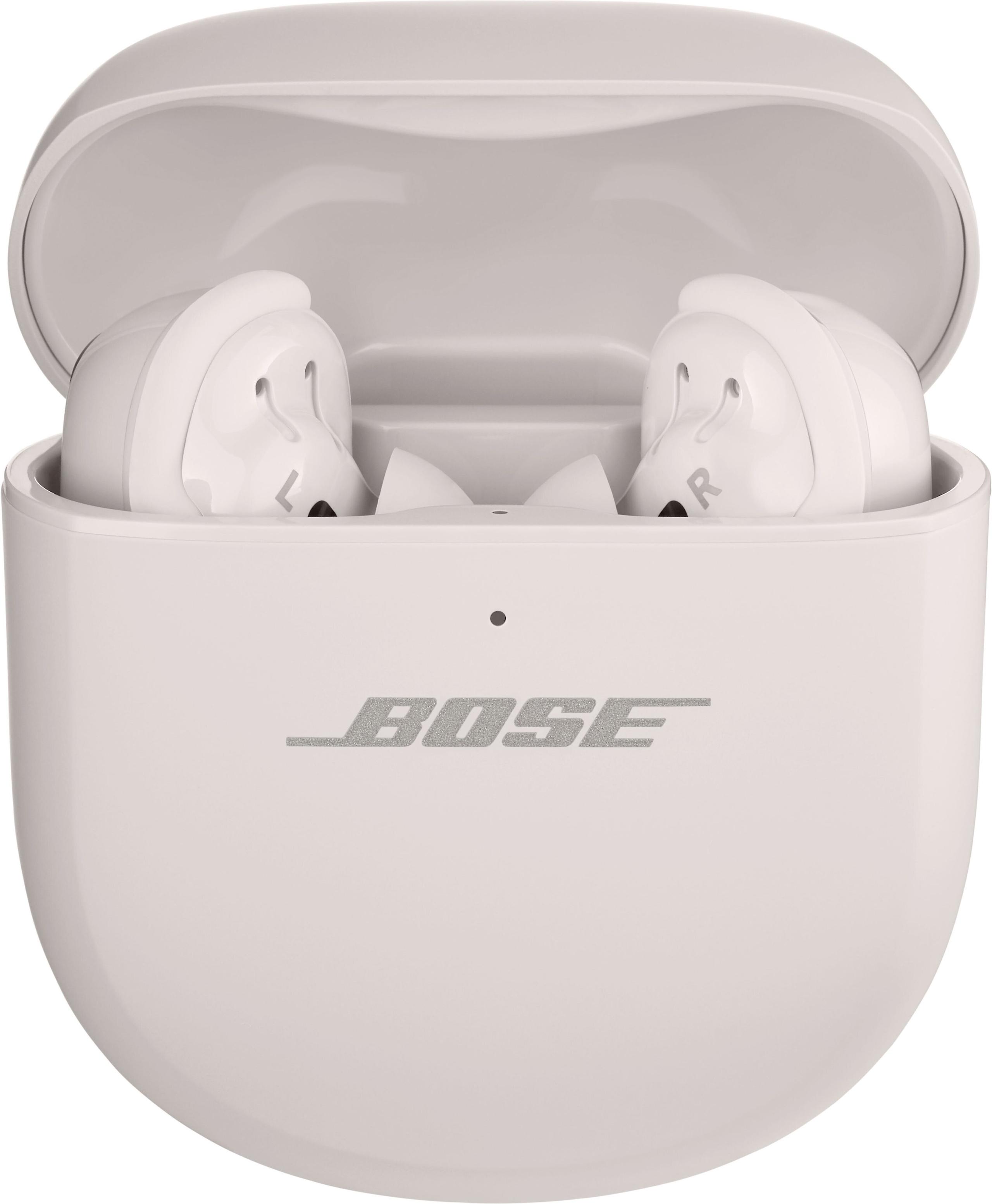
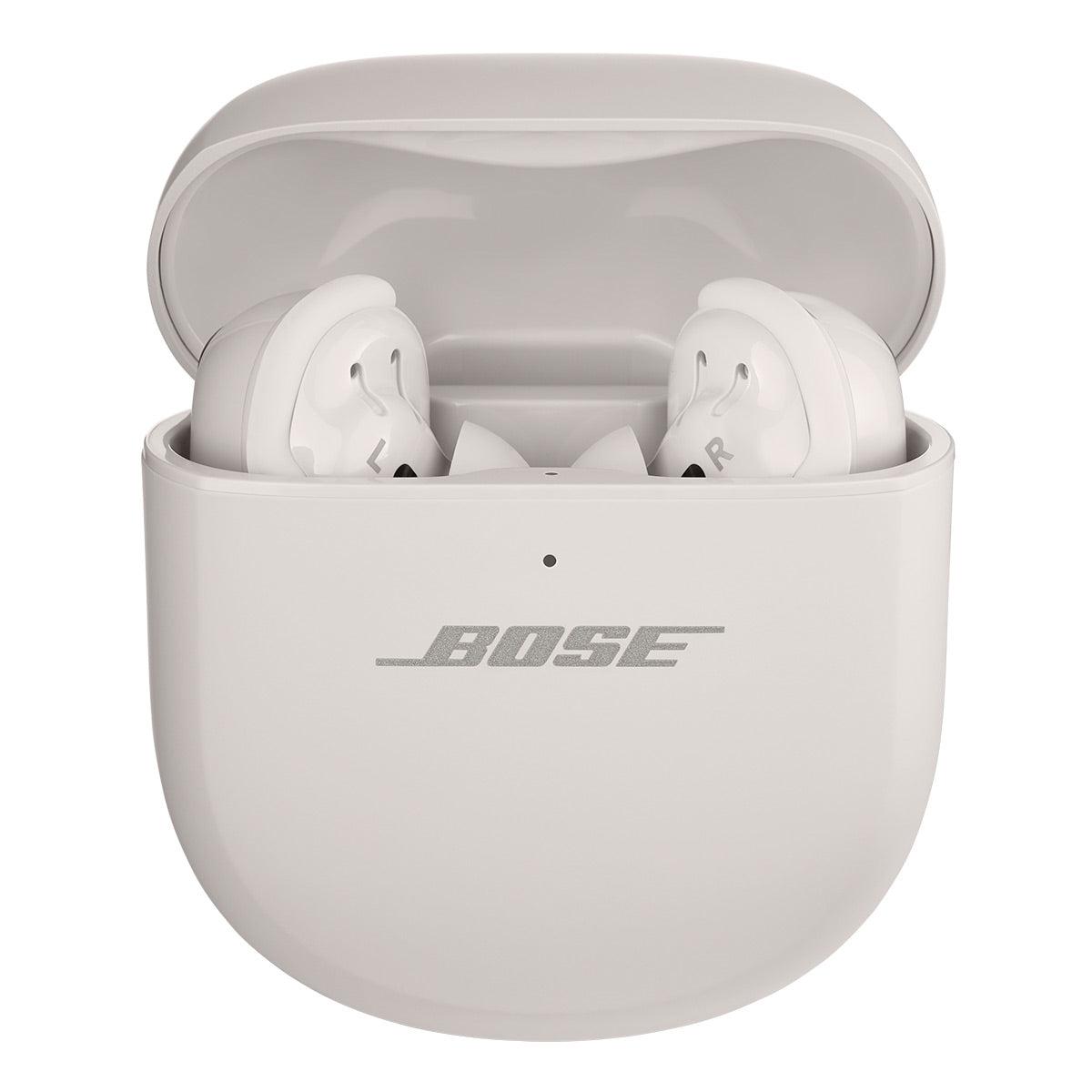
The true wireless earbud market has exploded over the past few years, creating a fascinating landscape where you can spend anywhere from under thirty dollars to over three hundred for what appears to be the same basic product. But appearances can be deceiving. Today we're diving deep into two earbuds that perfectly illustrate this spectrum: the ultra-affordable JLab Go Pop+ and the premium Bose QuietComfort Ultra.
Released in 2023, both products represent the current state of their respective market segments. The JLab Go Pop+ showcases how far budget audio has come, while the Bose QuietComfort Ultra demonstrates what's possible when cost isn't the primary constraint. Understanding where your money goes – and where it doesn't – is crucial for making the right choice.
True wireless earbuds are exactly what they sound like: completely wireless audio devices with no cable connecting the left and right earpieces. Unlike traditional Bluetooth headphones that might have a wire between the earbuds, these operate independently while staying synchronized through advanced wireless protocols.
The key considerations when evaluating any true wireless earbuds include audio quality (how good they sound), active noise cancellation (technology that actively blocks outside noise), battery life, comfort during extended use, smart features like app integration, build quality, and overall value. The challenge lies in balancing these factors against your budget and specific needs.
What makes this comparison particularly interesting is how these two products approach the same fundamental challenge – delivering untethered audio – from completely different angles.
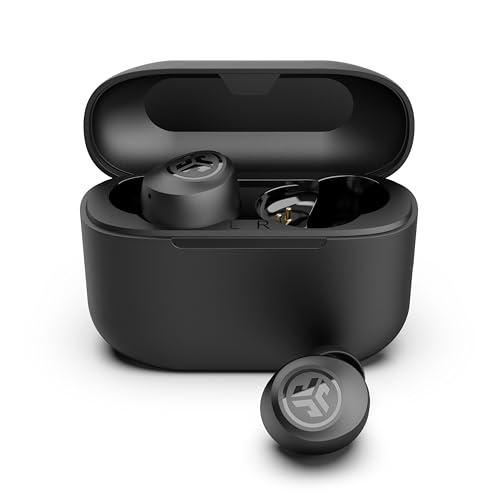
The JLab Go Pop+ represents JLab's commitment to democratizing wireless audio technology. At the time of writing, it sits in the ultra-budget category, typically costing less than a nice dinner for two. Despite its low price, it incorporates features like Bluetooth 5.3, app integration, and respectable battery life that would have been considered premium just a few years ago.
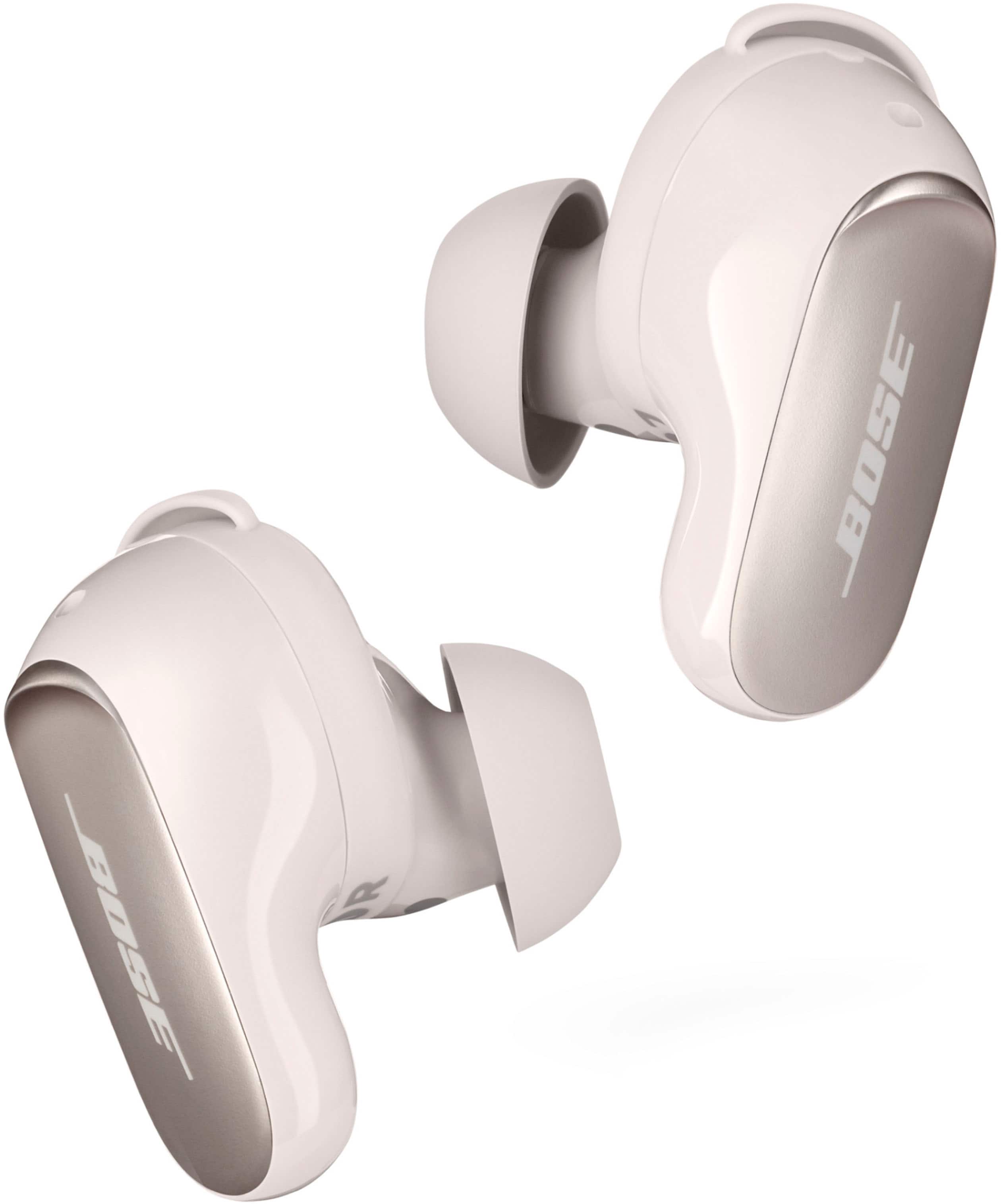
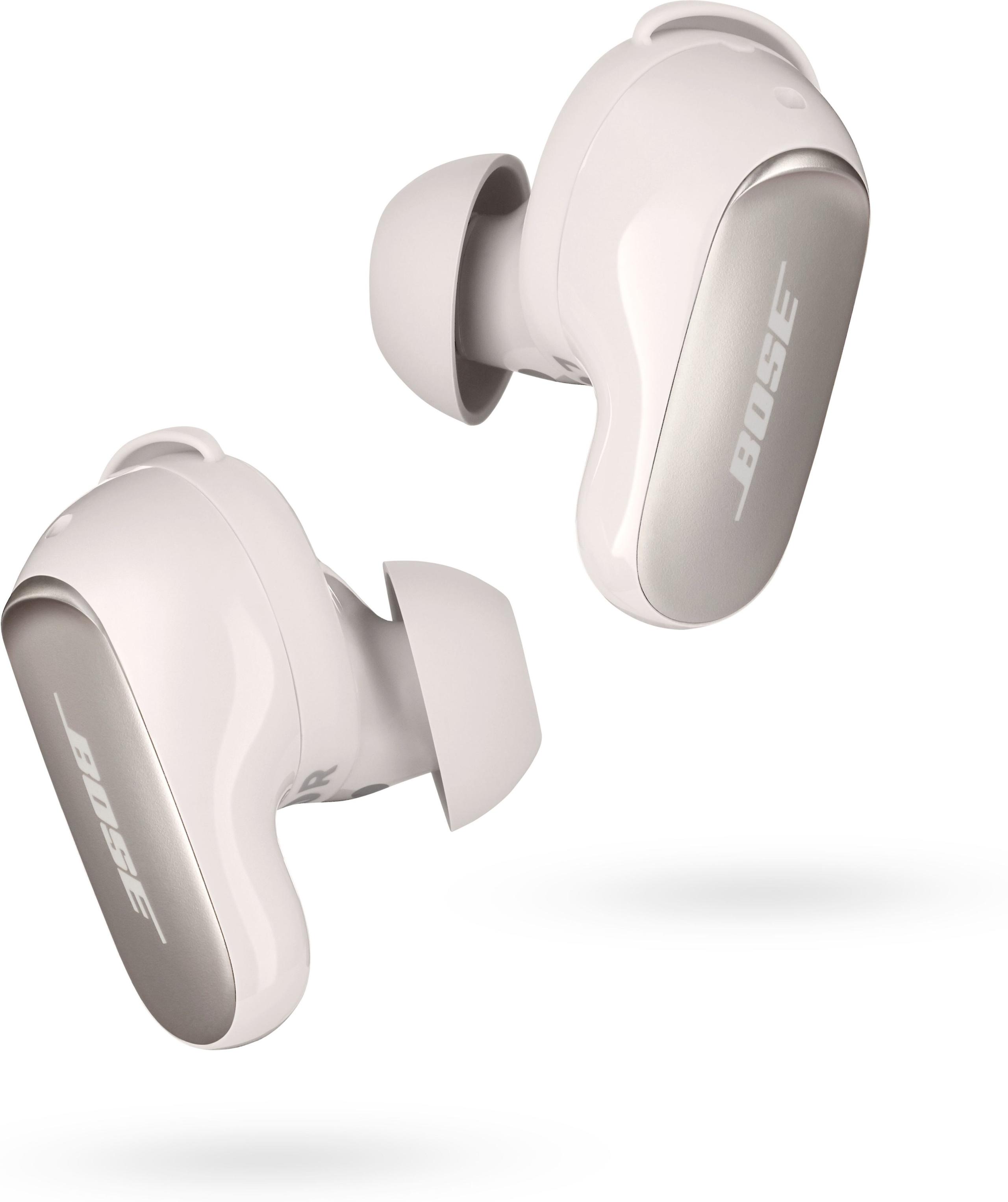
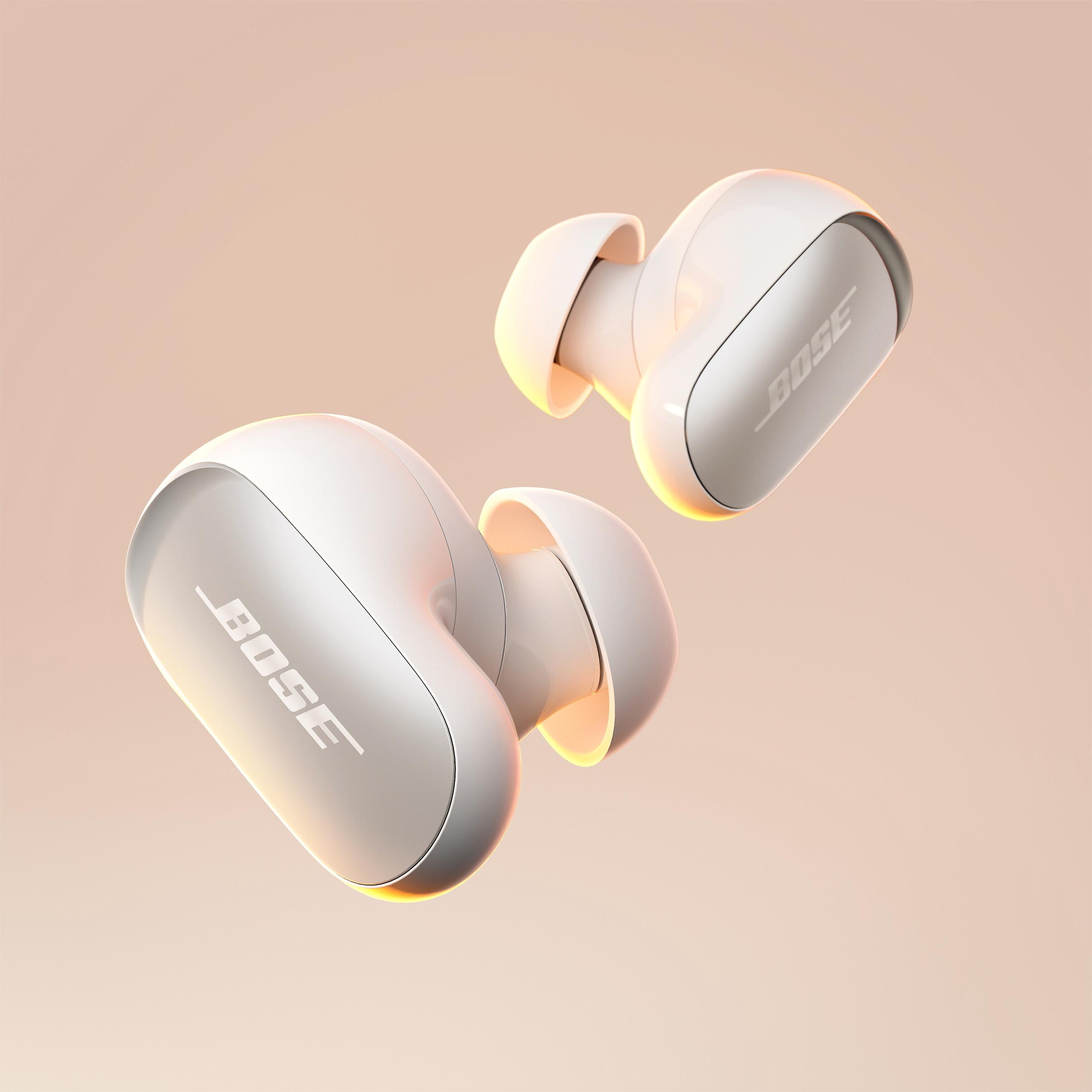
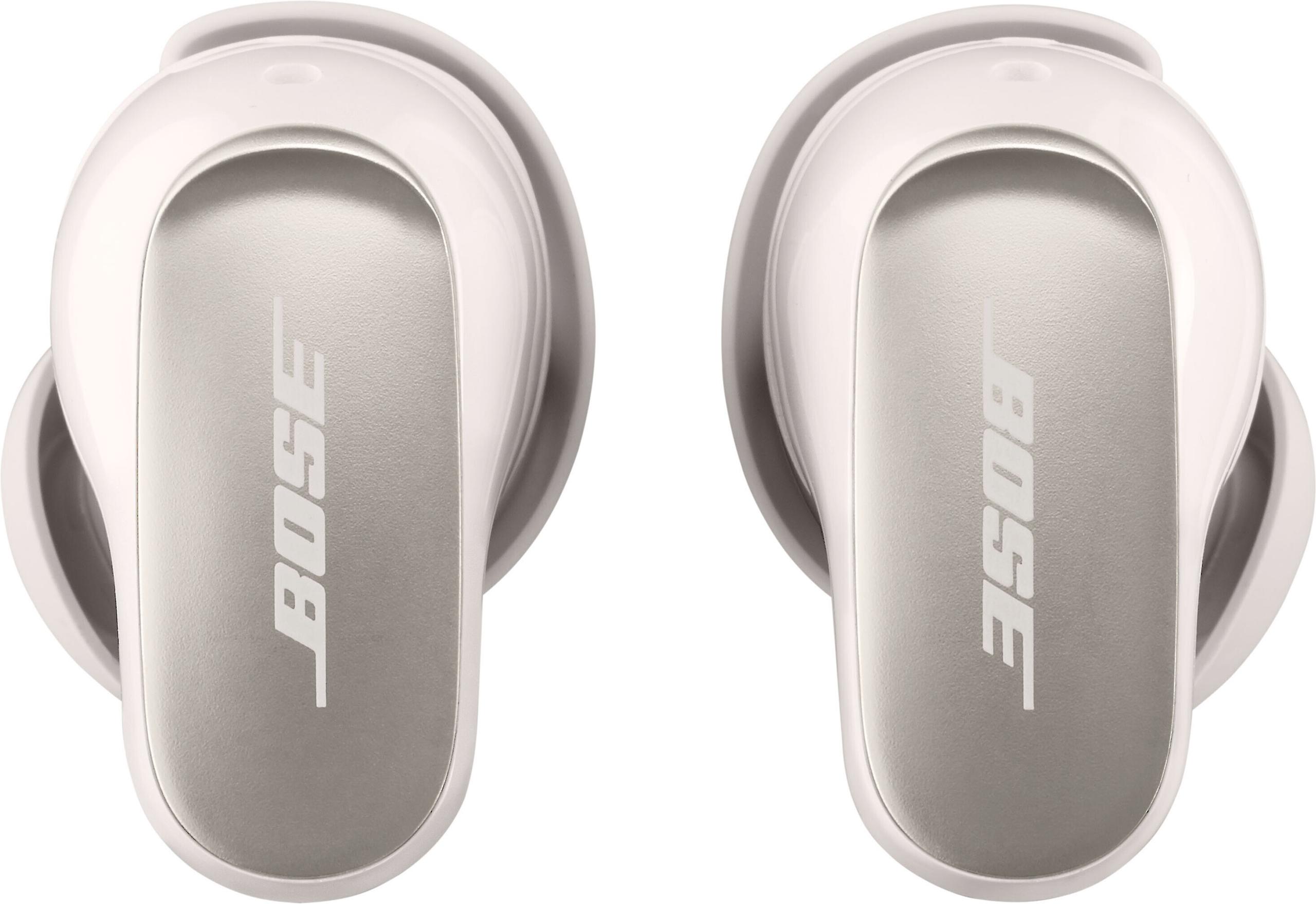
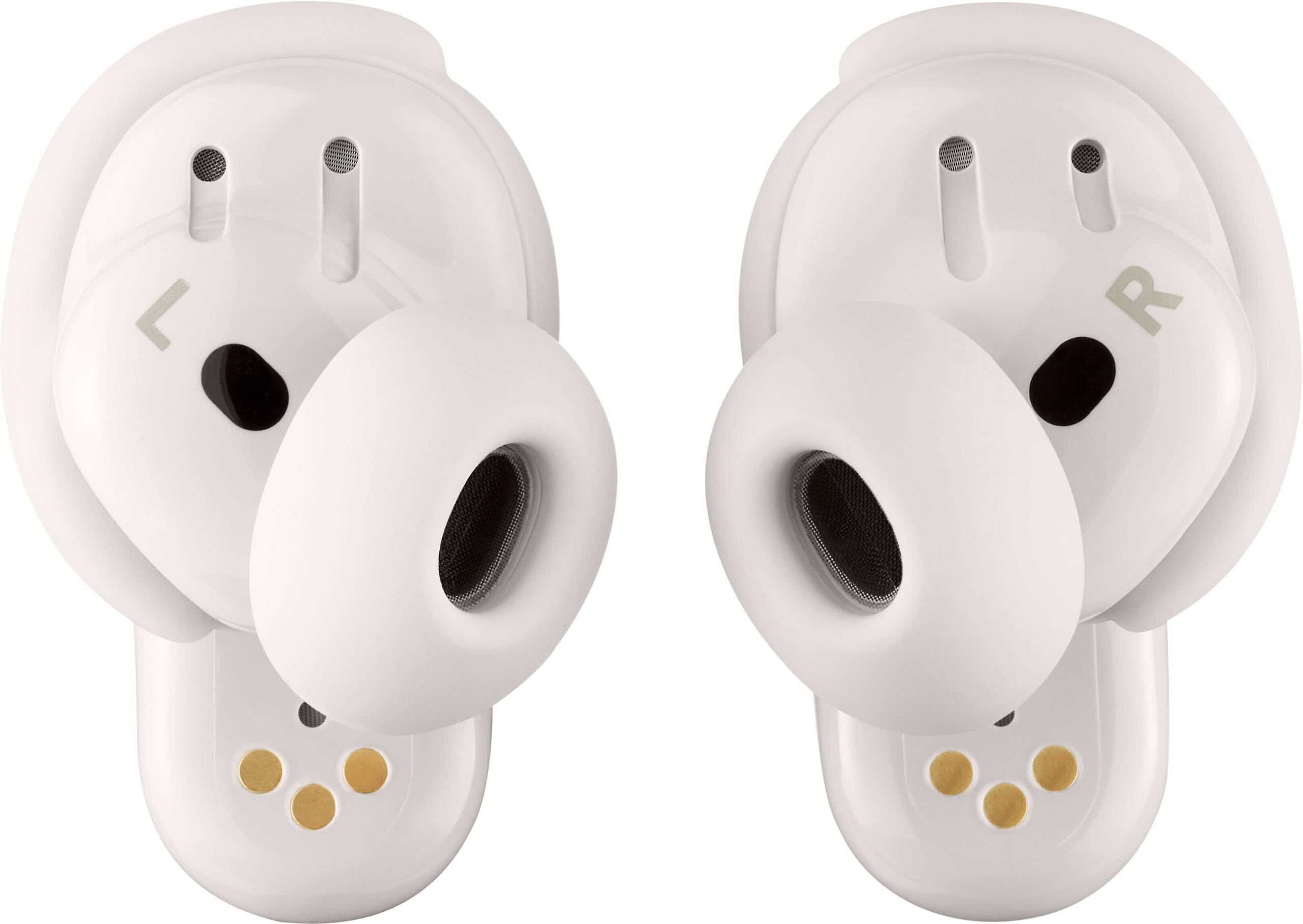
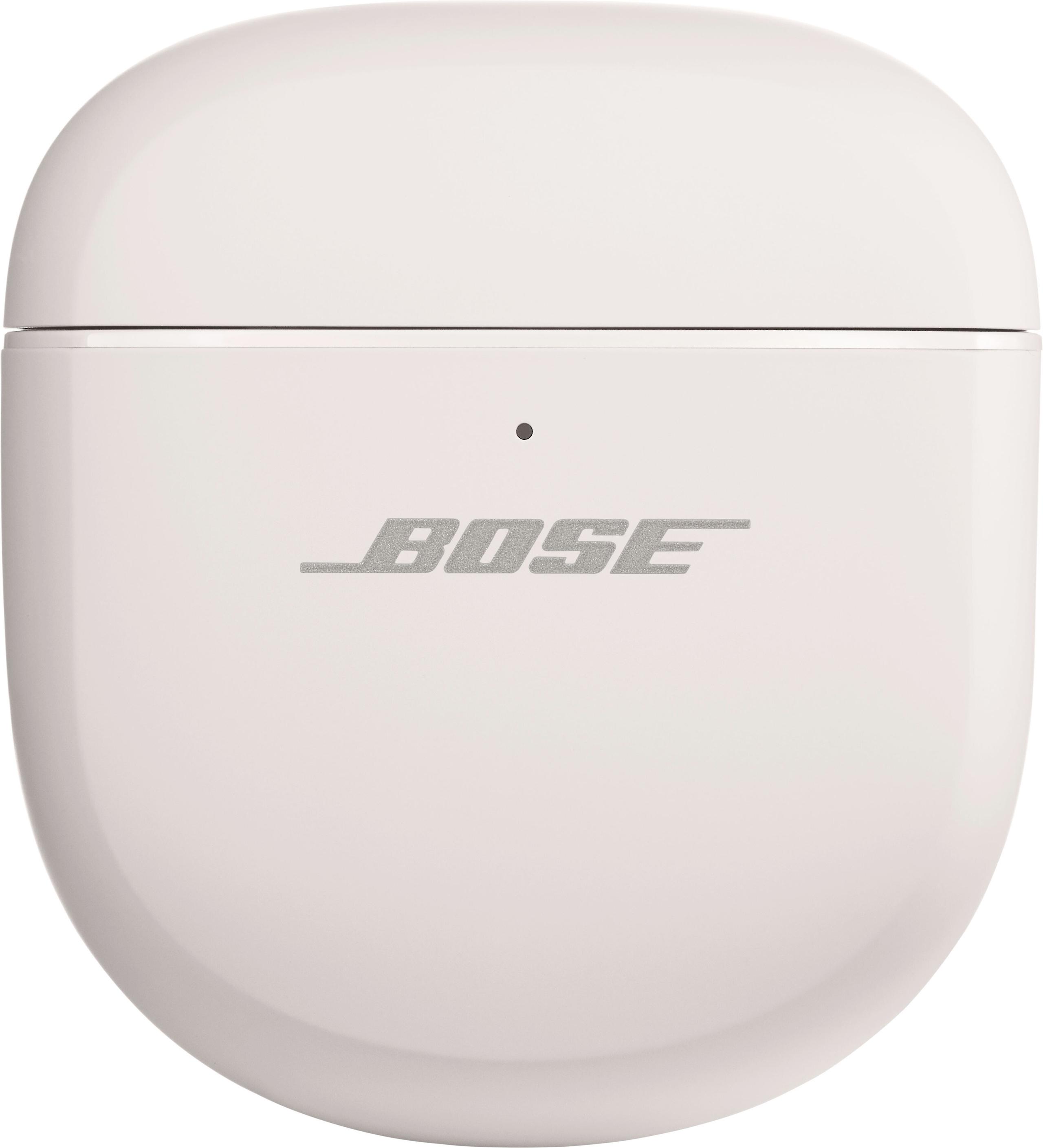
The Bose QuietComfort Ultra, released in late 2023, occupies the opposite end of the spectrum. Priced in the premium tier – roughly ten times more expensive than the JLab Go Pop+ – it represents Bose's latest thinking on what true wireless earbuds can achieve when engineering constraints are relaxed and advanced technologies are implemented.
This pricing difference isn't arbitrary; it reflects fundamentally different approaches to product development, target audiences, and performance expectations.
Audio quality represents the most significant performance gap between these two products, and understanding why requires diving into some technical details.
The JLab Go Pop+ uses 6mm dynamic drivers – the tiny speakers inside each earbud that convert electrical signals into sound waves. With a frequency response of 20Hz to 20kHz (the range of human hearing), they cover all the audio frequencies most people can detect. The impedance rating of 16 ohms means they're efficient and don't require much power to drive, which is important for battery life.
However, our research into user and expert reviews reveals that while the JLab Go Pop+ delivers clear audio for its price point, the sound signature tends toward what reviewers describe as "hard-edged" with limited dynamics. This means that while you can hear all the details in your music, the presentation lacks the warmth and natural flow that makes listening enjoyable for extended periods. Complex orchestral pieces or layered rock songs can sound compressed and flat.
The Bose QuietComfort Ultra takes a completely different approach. Rather than simply using larger or more drivers, Bose has implemented their CustomTune technology, which actually analyzes the unique shape of your ear canal and adjusts both the sound profile and noise cancellation accordingly. This personalization means the earbuds adapt to your specific anatomy rather than using a one-size-fits-all approach.
More impressively, the Bose QuietComfort Ultra includes what Bose calls "Immersive Audio" – their version of spatial audio technology. This creates a wider soundstage that makes music feel like it's coming from around you rather than directly inside your head. For genres like jazz or classical music, this can be transformative, creating an almost speaker-like listening experience despite the intimate fit of earbuds.
Based on consensus reviews from audio experts, the difference in audio quality is substantial enough to justify much of the price premium, especially for listeners who prioritize sound quality over other factors.
This category highlights one of the starkest differences between budget and premium earbuds. The JLab Go Pop+ offers no active noise cancellation whatsoever. Instead, it relies on passive isolation – essentially how well the earbud tips seal your ear canal to block outside noise mechanically.
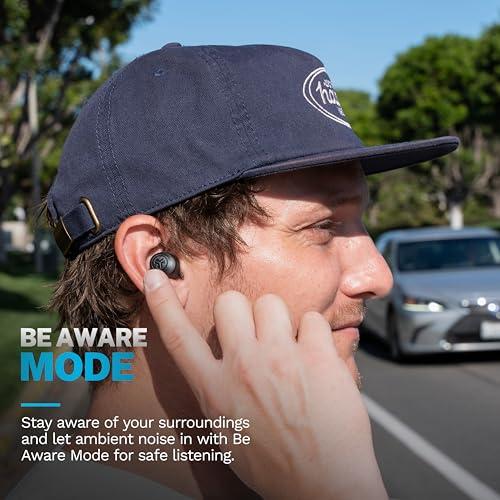
The JLab Go Pop+ does include a "Be Aware Mode" that deliberately lets outside sounds in, which is useful for situational awareness during activities like running or commuting. However, when you want to block out the world, you're entirely dependent on getting a good physical seal with the included ear tips.
The Bose QuietComfort Ultra represents the current state-of-the-art in active noise cancellation (ANC). This technology uses external microphones to detect ambient noise, then generates inverse sound waves to cancel it out before it reaches your ears. Bose has been perfecting this technology for decades, and their expertise shows.
What makes the Bose QuietComfort Ultra particularly impressive is how their CustomTune technology optimizes the noise cancellation for your specific ear shape. Traditional ANC works reasonably well for everyone but perfectly for no one. By analyzing your ear canal acoustics, these earbuds can fine-tune their cancellation algorithms for maximum effectiveness.
For frequent travelers, people working in noisy environments, or anyone who values the ability to completely shut out the world, this difference alone might justify the premium pricing. The psychological benefits of being able to create your own quiet space anywhere shouldn't be underestimated.
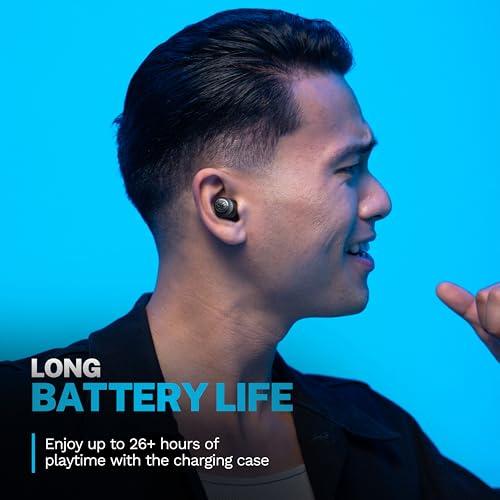
Here's where the JLab Go Pop+ delivers a genuine surprise. With 9 hours of playback per earbud and over 35 total hours including the charging case, it significantly outperforms many earbuds costing several times more.
The Bose QuietComfort Ultra manages 6 hours per charge (dropping to 4 hours with Immersive Audio enabled) and 24 hours total with the case. While this isn't terrible, it's notably less impressive than the budget option.
This difference reflects fundamental engineering trade-offs. The JLab Go Pop+ achieves its impressive battery life partly by omitting power-hungry features like active noise cancellation and advanced spatial audio processing. The simpler 6mm drivers and basic Bluetooth implementation also consume less power than the more sophisticated systems in premium earbuds.
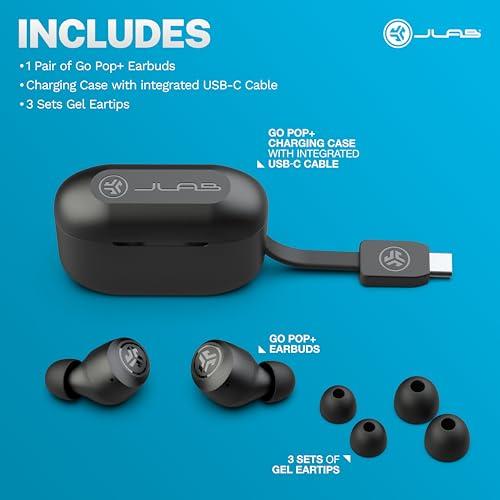
The JLab Go Pop+ also includes an integrated USB-C charging cable built into the case – a genuinely clever feature that eliminates the need to carry a separate charging cable. This kind of practical innovation shows that budget products can sometimes offer superior convenience features.
For users who prioritize all-day listening or frequent travel where charging opportunities are limited, the JLab Go Pop+ offers a compelling advantage that transcends price categories.
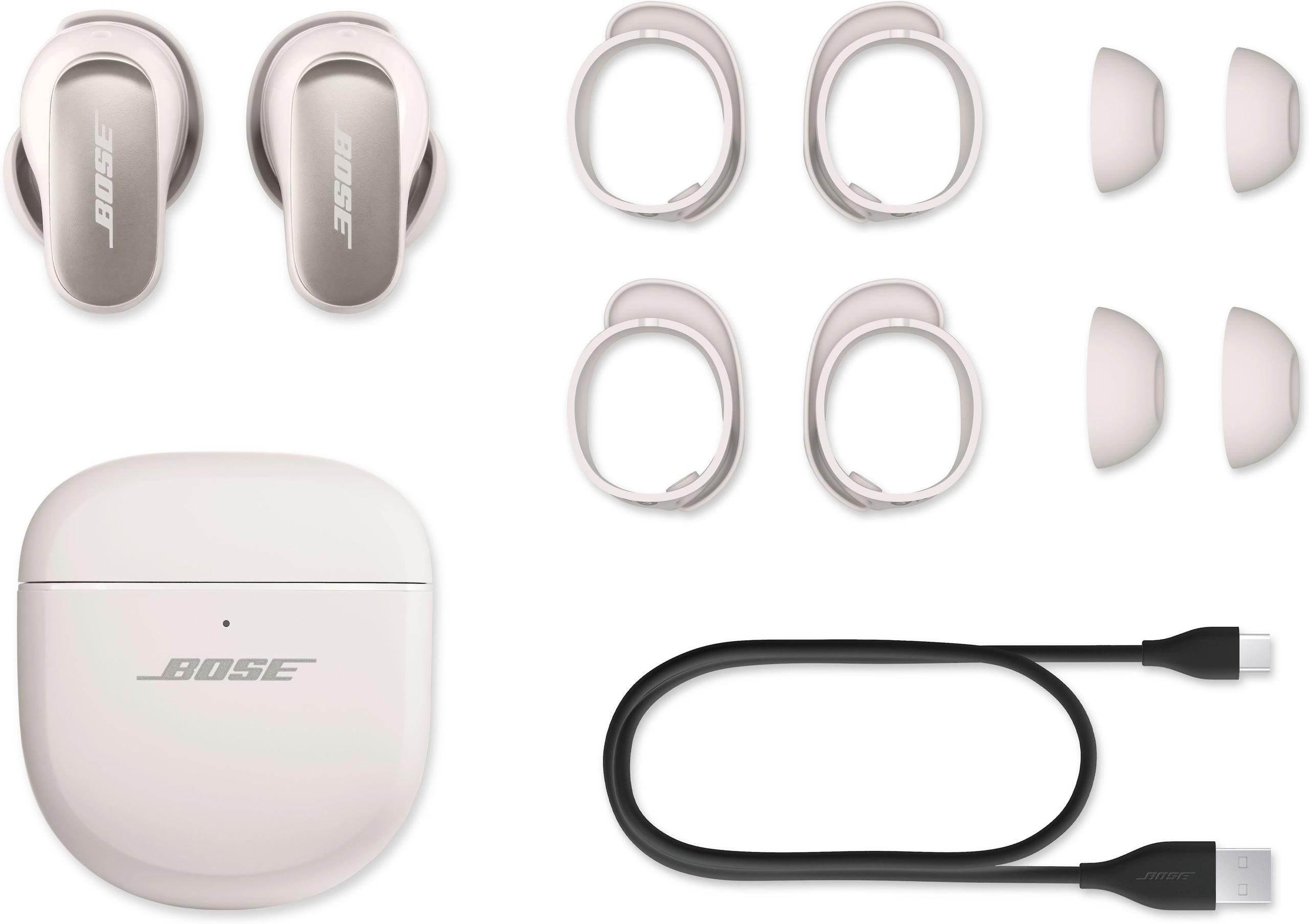
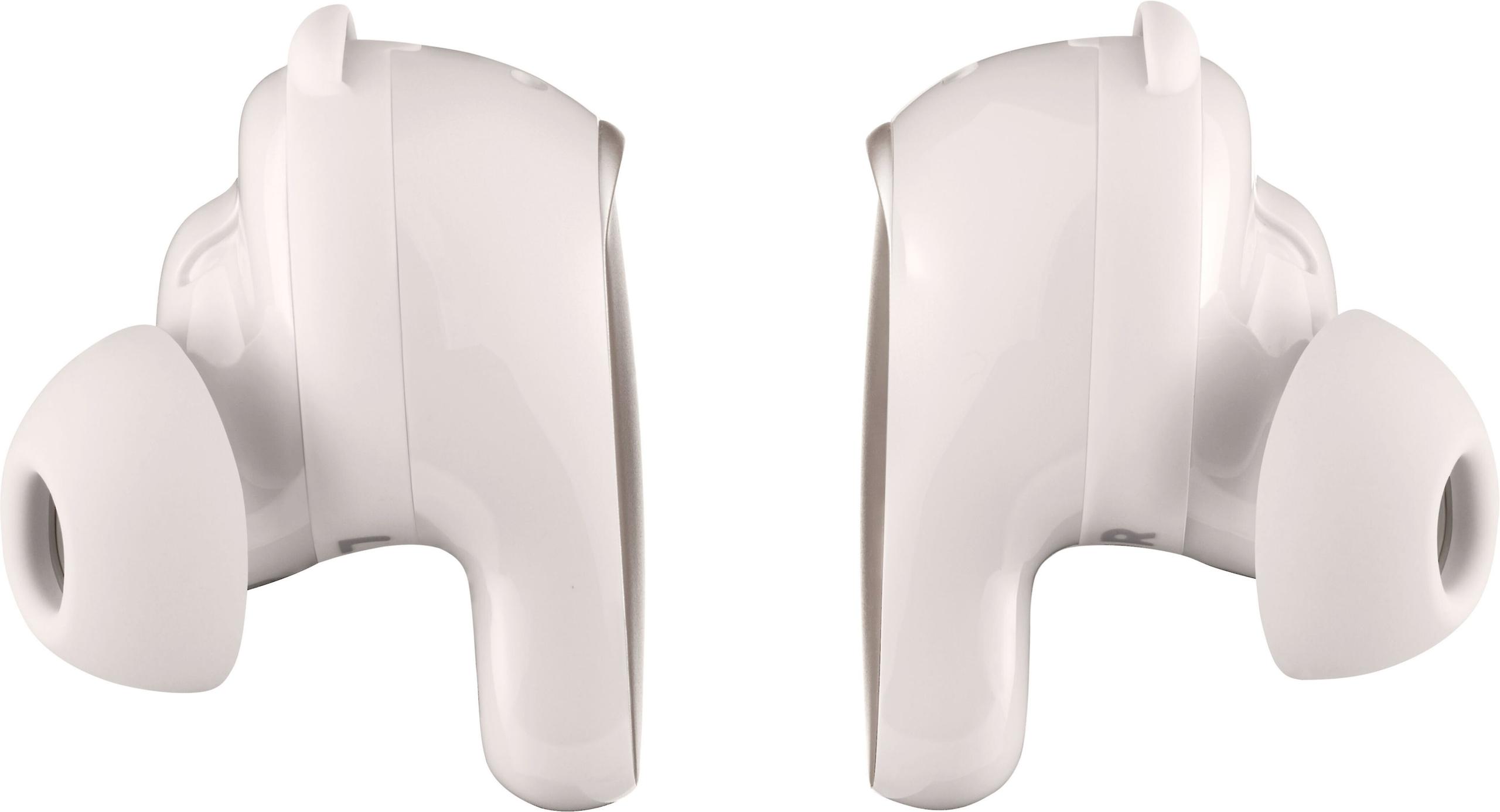
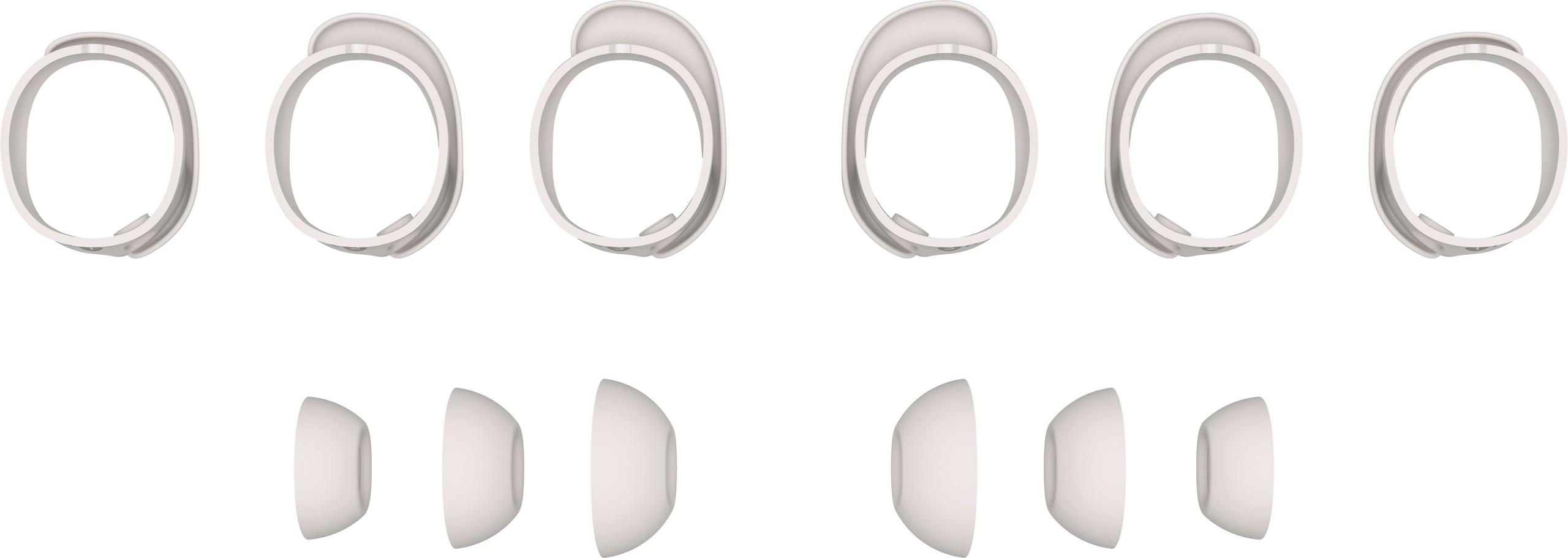
Comfort becomes increasingly important as earbud prices rise because premium products are typically intended for extended listening sessions. The Bose QuietComfort Ultra includes what they call a "Fit Kit" – three sizes of ear tips plus three sizes of stability bands, creating nine possible combinations to optimize fit for different ear shapes.
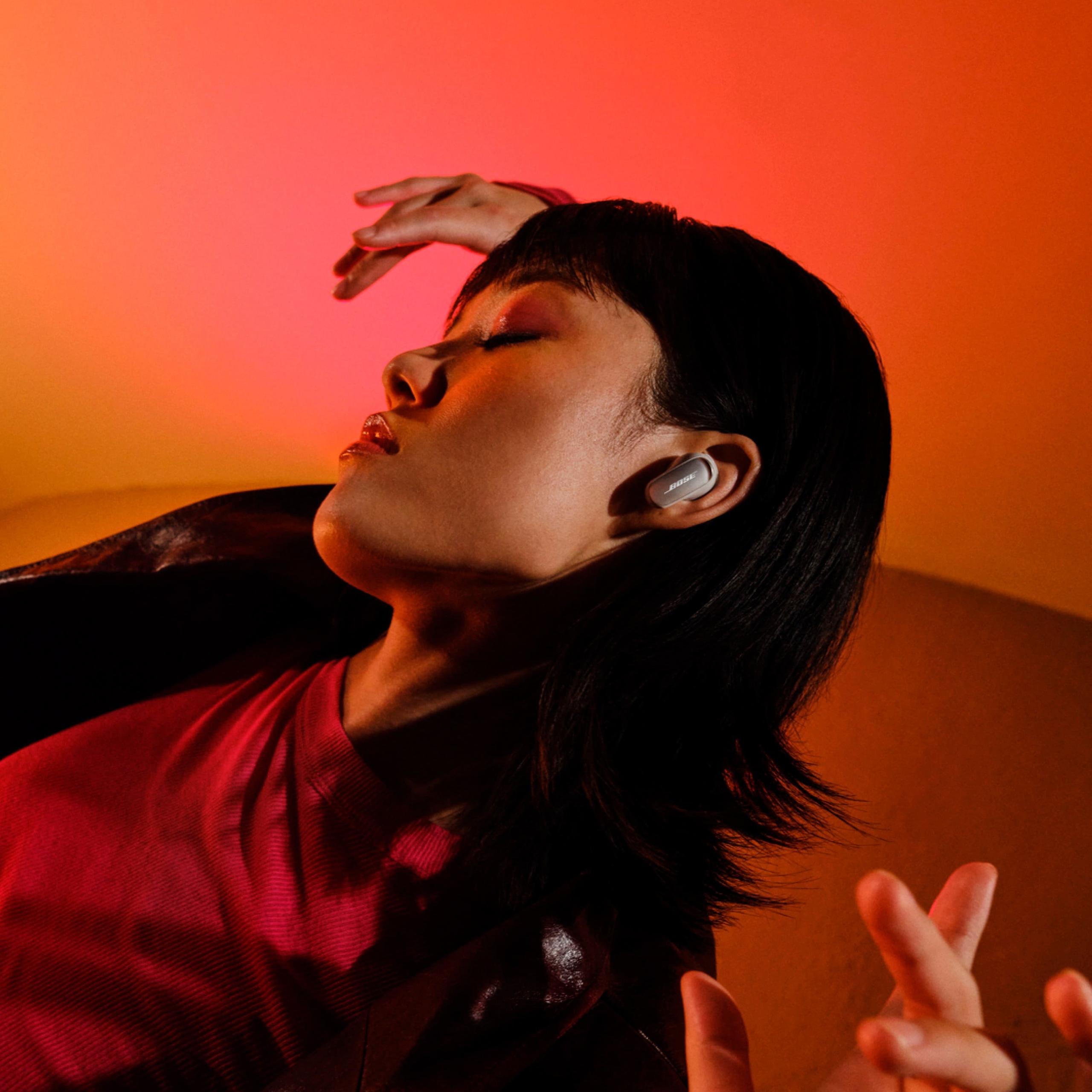
The CustomTune technology also plays a role in comfort by ensuring the earbuds don't need to be inserted as deeply to achieve good sound quality and noise cancellation. Many users report being able to wear the Bose QuietComfort Ultra for hours without discomfort.
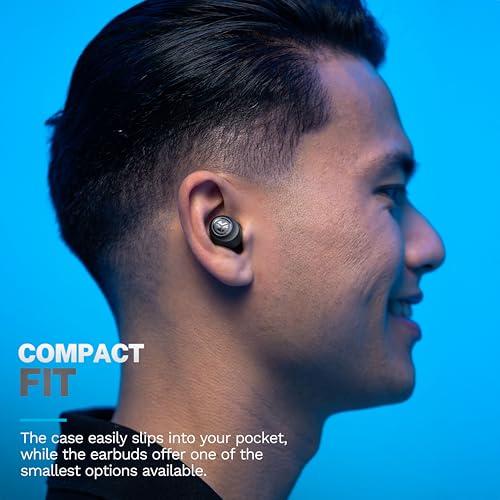
The JLab Go Pop+ takes a more basic approach with three sizes of gel ear tips. While adequate for short listening sessions, some users report fatigue during extended wear. At just 7.8 grams total weight for both earbuds, they're incredibly light, but the simpler fit system means finding the perfect seal requires more trial and error.
For occasional listeners or those who primarily use earbuds for workouts or commuting, the JLab Go Pop+'s approach is perfectly adequate. However, if you plan to wear earbuds for multiple hours daily, the superior fit customization of the Bose QuietComfort Ultra becomes increasingly valuable.
Both products support Bluetooth 5.3, the latest version of the wireless protocol that offers improved range, stability, and power efficiency compared to older versions. However, their implementation of smart features differs significantly.
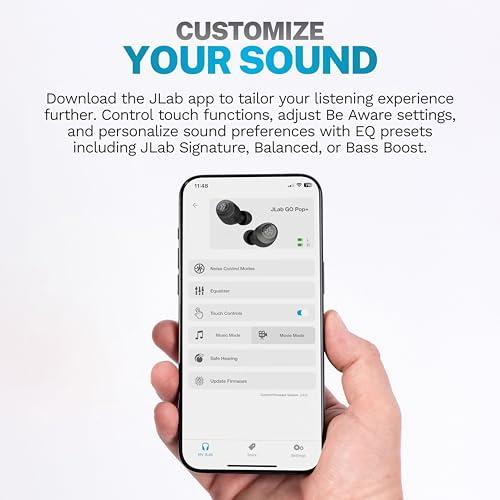
The JLab Go Pop+ includes surprisingly comprehensive app support through the JLab App. You can customize touch controls, adjust EQ settings with three presets, and toggle between Music and Movie modes. The Movie mode reduces latency (the delay between video and audio) to under 200 milliseconds, which is crucial for watching videos without annoying lip-sync issues.
Google Fast Pair support means Android users can connect the JLab Go Pop+ almost instantly, and the "Dual Connect" feature allows you to use either earbud independently – useful for taking calls while keeping one ear open for ambient sounds.
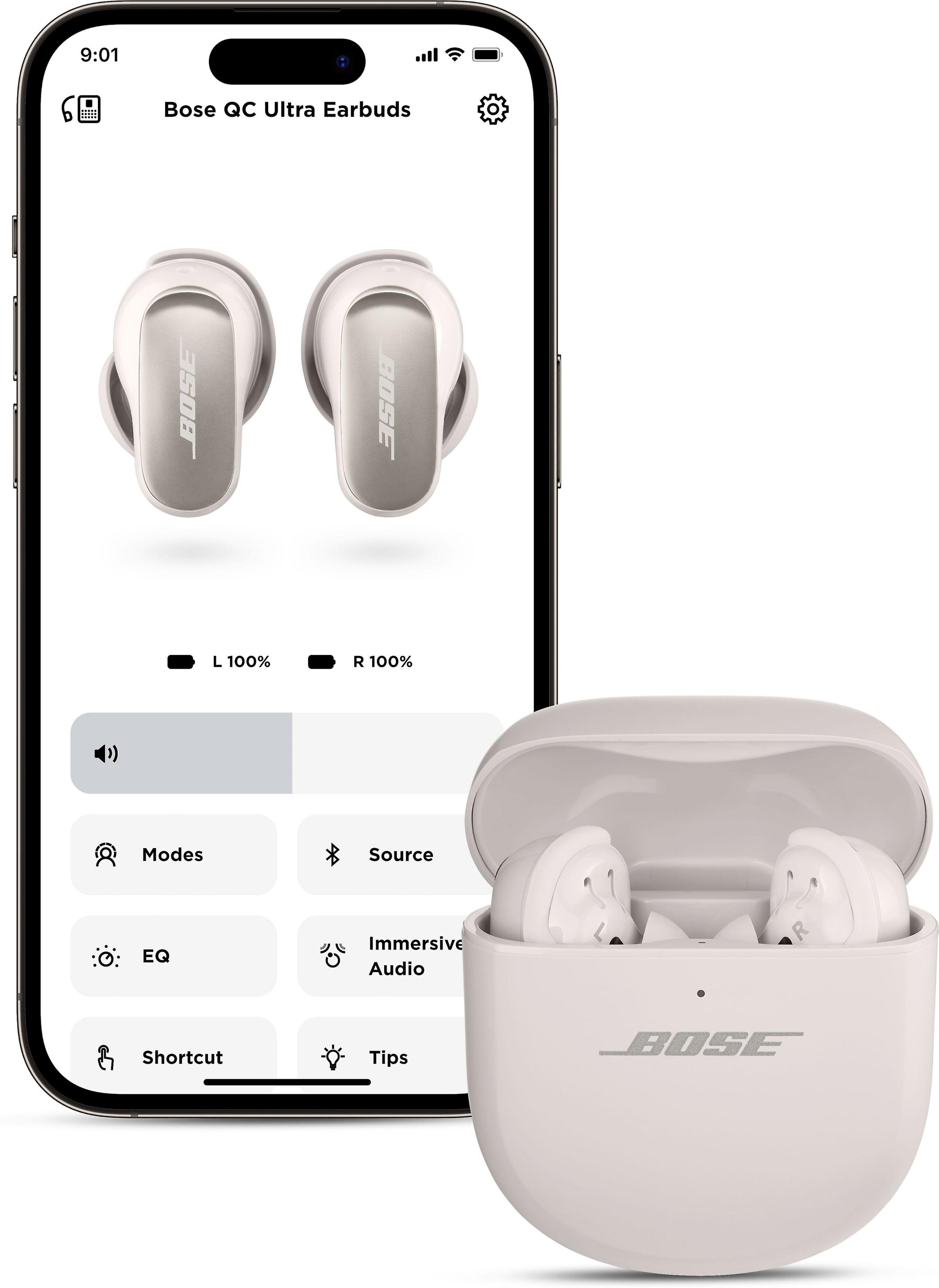
The Bose QuietComfort Ultra supports more advanced audio codecs like aptX Adaptive, which can improve sound quality when connected to compatible devices. The Bose Music App offers similar customization options but with more sophisticated EQ controls and the ability to adjust noise cancellation intensity.
Multi-point connectivity allows the Bose QuietComfort Ultra to maintain connections to two devices simultaneously, seamlessly switching between them as needed. This is incredibly convenient for users who regularly switch between phone calls and computer audio.
Both earbuds carry IPX4 water resistance ratings, meaning they can handle sweat and light splashes but shouldn't be submerged. However, the overall build quality reflects their price differences significantly.
The JLab Go Pop+ uses adequate plastics and basic construction techniques. The case feels lightweight but functional, and the earbuds themselves seem reasonably durable for normal use. JLab includes a two-year warranty, which is notably generous for the price category.
The Bose QuietComfort Ultra feels substantially more premium, with higher-grade materials and tighter manufacturing tolerances. Everything from the case hinges to the earbud surfaces feels more refined and durable. However, Bose only offers a one-year warranty despite the significantly higher price.
For home theater use, both products face the same fundamental challenge: Bluetooth latency. Even with low-latency modes, wireless earbuds introduce some delay that can create lip-sync issues when watching movies or TV shows.
The JLab Go Pop+'s Movie Mode helps minimize this issue, and for casual viewing, many users find the experience acceptable. However, for critical home theater applications, wired connections or dedicated home theater headphones typically provide better results.
The Bose QuietComfort Ultra supports advanced codecs that can reduce latency with compatible devices, but true wireless earbuds aren't primarily designed for home theater use. Their strength lies in personal, portable listening rather than replacing a proper home audio system.
The decision between these two products ultimately comes down to your priorities, budget, and usage patterns.
Choose the JLab Go Pop+ if you're new to true wireless earbuds and want to experience the category without significant financial commitment. They're ideal for casual listeners who primarily consume podcasts, audiobooks, or simple music genres. The exceptional battery life makes them excellent for travel, and the integrated charging cable is genuinely convenient.
Students, budget-conscious users, and anyone who needs backup earbuds will find the JLab Go Pop+ offers remarkable value. They're also perfect for active users who might lose or damage earbuds during workouts or outdoor activities.
The Bose QuietComfort Ultra makes sense for audio enthusiasts, frequent travelers, and professionals who spend significant time in noisy environments. If you listen to complex music genres like classical, jazz, or progressive rock, the superior audio quality and spatial audio features provide tangible benefits.
Business travelers who need effective noise cancellation for flights and calls will find the premium features justify the higher cost. The same applies to remote workers in noisy home environments or anyone who uses earbuds for multiple hours daily.
At the time of writing, these two products represent excellent examples of their respective categories. The JLab Go Pop+ proves that budget earbuds can deliver genuine value and modern features, while the Bose QuietComfort Ultra demonstrates what's possible when engineering constraints are relaxed.
The roughly ten-fold price difference isn't arbitrary – it reflects real differences in audio quality, noise cancellation, comfort, and advanced features. However, for many users, the JLab Go Pop+ provides more than adequate performance for their needs.
Consider your listening habits, budget constraints, and specific requirements carefully. If you primarily listen to podcasts during commutes, the JLab Go Pop+ might exceed your expectations. If you're an audio enthusiast who values the best possible sound quality and noise cancellation, the Bose QuietComfort Ultra offers capabilities that justify the premium pricing.
The beauty of the current true wireless market is that both approaches can be "correct" depending on your specific needs and circumstances. Choose based on what matters most to your daily listening experience rather than assuming that more expensive always means better for your particular situation.
| JLab Go Pop+ | Bose QuietComfort Ultra |
|---|---|
| Audio Quality - Determines overall listening enjoyment and detail | |
| 6mm drivers, clear but hard-edged sound with limited dynamics | Premium drivers with CustomTune technology and natural, immersive sound |
| Active Noise Cancellation - Critical for blocking outside noise | |
| None (passive isolation only with Be Aware mode) | World-class ANC with CustomTune optimization for your ear shape |
| Battery Life - Determines how long you can listen without charging | |
| 9 hours per earbud, 35+ total hours (exceptional for the category) | 6 hours per earbud, 24 total hours (4 hours with Immersive Audio on) |
| Spatial Audio - Creates wider, more natural soundstage | |
| Not available | Bose Immersive Audio technology for speaker-like experience |
| Fit Customization - Affects comfort during extended listening | |
| 3 gel eartip sizes (basic but adequate) | Comprehensive Fit Kit with 9 combinations of tips and stability bands |
| Weight - Impacts comfort for long sessions | |
| 7.8g total for both earbuds (ultra-lightweight) | 12.48g total for both earbuds (6.24g each, still comfortable) |
| Water Resistance - Protection against sweat and moisture | |
| IPX4 (sweat and splash resistant) | IPX4 (sweat and splash resistant) |
| Connectivity - Affects pairing speed and audio quality | |
| Bluetooth 5.3, SBC/AAC codecs, Google Fast Pair | Bluetooth 5.3, aptX Adaptive support, multi-point connectivity |
| Charging Convenience - How easy it is to keep powered | |
| Integrated USB-C cable in case (no separate cable needed) | Standard USB-C charging with included cable |
| App Features - Customization and control options | |
| JLab App with custom EQ, touch controls, Movie/Music modes | Bose Music App with advanced EQ, noise control, and device management |
| Call Quality - Important for phone conversations | |
| Basic with dual MEMS mics and noise reduction algorithms | Good with advanced microphone array and processing |
| Quick Charging - Emergency power when battery is low | |
| 10 minutes = 1 hour playback | 20 minutes = 2 hours playbook |
| Warranty - Protection for your investment | |
| 2 years (generous for budget category) | 1 year (standard for premium products) |
The primary difference is that the JLab Go Pop+ is a budget-focused earbud with basic features and no active noise cancellation, while the Bose QuietComfort Ultra is a premium product with world-class noise cancellation, superior audio quality, and advanced features like spatial audio. The Bose QuietComfort Ultra costs significantly more but delivers professional-grade performance.
The JLab Go Pop+ has significantly better battery life with 9 hours per earbud and over 35 total hours with the case. The Bose QuietComfort Ultra provides 6 hours per earbud and 24 total hours, dropping to just 4 hours per earbud when using Immersive Audio features. For all-day listening, the JLab Go Pop+ is the clear winner.
No, only the Bose QuietComfort Ultra has active noise cancellation technology that actively blocks outside noise. The JLab Go Pop+ relies only on passive noise isolation through the earbud seal and includes a "Be Aware Mode" to let ambient sounds in when needed.
The Bose QuietComfort Ultra delivers significantly better audio quality with more natural sound, better dynamics, and spatial audio technology that creates a wider soundstage. The JLab Go Pop+ provides clear audio for its price range but has a more limited, "hard-edged" sound signature that works best for simple music and podcasts.
The Bose QuietComfort Ultra offers better call quality with advanced microphone arrays and processing, though neither product excels in this area. The JLab Go Pop+ has basic call quality with dual MEMS microphones and noise reduction algorithms that provide adequate performance for occasional calls.
The Bose QuietComfort Ultra is designed for extended comfort with a comprehensive Fit Kit offering 9 different combinations of ear tips and stability bands. The JLab Go Pop+ is ultra-lightweight but only includes three basic ear tip sizes, which may cause fatigue during long sessions.
Yes, both earbuds have IPX4 water resistance ratings, making them suitable for workouts and sweat resistance. The JLab Go Pop+ is particularly good for active use due to its lightweight design and lower cost if damaged or lost. The Bose QuietComfort Ultra offers a more secure fit with stability bands.
Both support Bluetooth 5.3 and Google Fast Pair for quick connection. The Bose QuietComfort Ultra supports more advanced audio codecs like aptX Adaptive and can connect to two devices simultaneously. The JLab Go Pop+ offers reliable basic connectivity with dual connect features for using either earbud independently.
Both earbuds face typical Bluetooth latency issues for video content. The JLab Go Pop+ includes a dedicated Movie Mode that reduces latency to under 200ms for better lip-sync. The Bose QuietComfort Ultra supports advanced codecs that can help with compatible devices, but neither is primarily designed for home theater use.
This depends on your budget and needs. The JLab Go Pop+ offers exceptional value for budget-conscious users, providing modern features like app integration and impressive battery life. The Bose QuietComfort Ultra justifies its premium pricing with superior audio quality, noise cancellation, and advanced features for users who prioritize performance over cost.
The JLab Go Pop+ works with the JLab App for custom EQ settings, touch control customization, and switching between Music/Movie modes. The Bose QuietComfort Ultra uses the Bose Music App for advanced EQ controls, noise cancellation adjustments, and device management. Both apps significantly enhance the user experience.
The JLab Go Pop+ is ideal for first-time true wireless users due to its low cost and comprehensive features that let you experience the category without major investment. However, if you're coming from high-quality wired headphones and want to maintain audio quality standards, the Bose QuietComfort Ultra provides a premium experience that won't disappoint serious listeners.
We've done our best to create useful and informative comparisons to help you decide what product to buy. Our research uses advanced automated methods to create this comparison and perfection is not possible - please contact us for corrections or questions. These are the sites we've researched in the creation of this article: whathifi.com - jlab.com - soundguys.com - avrilmarieaalund.com - jlab.com - bestbuy.com - jlab.com - shop.ncsu.edu - jlab.com - techgearlab.com - youtube.com - manuals.plus - jlab.com - jlab.com - versus.com - help.jlab.com - bestbuy.com - rtings.com - recordingnow.com - youtube.com - runnersworld.com - whathifi.com - soundguys.com - cnet.com - bestbuy.com - techgearlab.com - youtube.com - techgearlab.com - youtube.com - youtube.com - loudnwireless.com - soundguys.com - bose.com - bestbuy.com - youtube.com - cdw.com - assets.bose.com - bose.com - staples.com - youtube.com - bhphotovideo.com - shoplineusa.com - insight.com - screenmoove.com - boselatam.com - abt.com - bhphotovideo.com - whathifi.com - bose.com - youtube.com - bose.com - tomsguide.com - boselatam.com - youtube.com

Privacy Policy
Terms and Conditions - Affiliate Policy
Home Security
© Copyright 2008-2026.
11816 Inwood Rd #1211, Dallas, TX 75244