




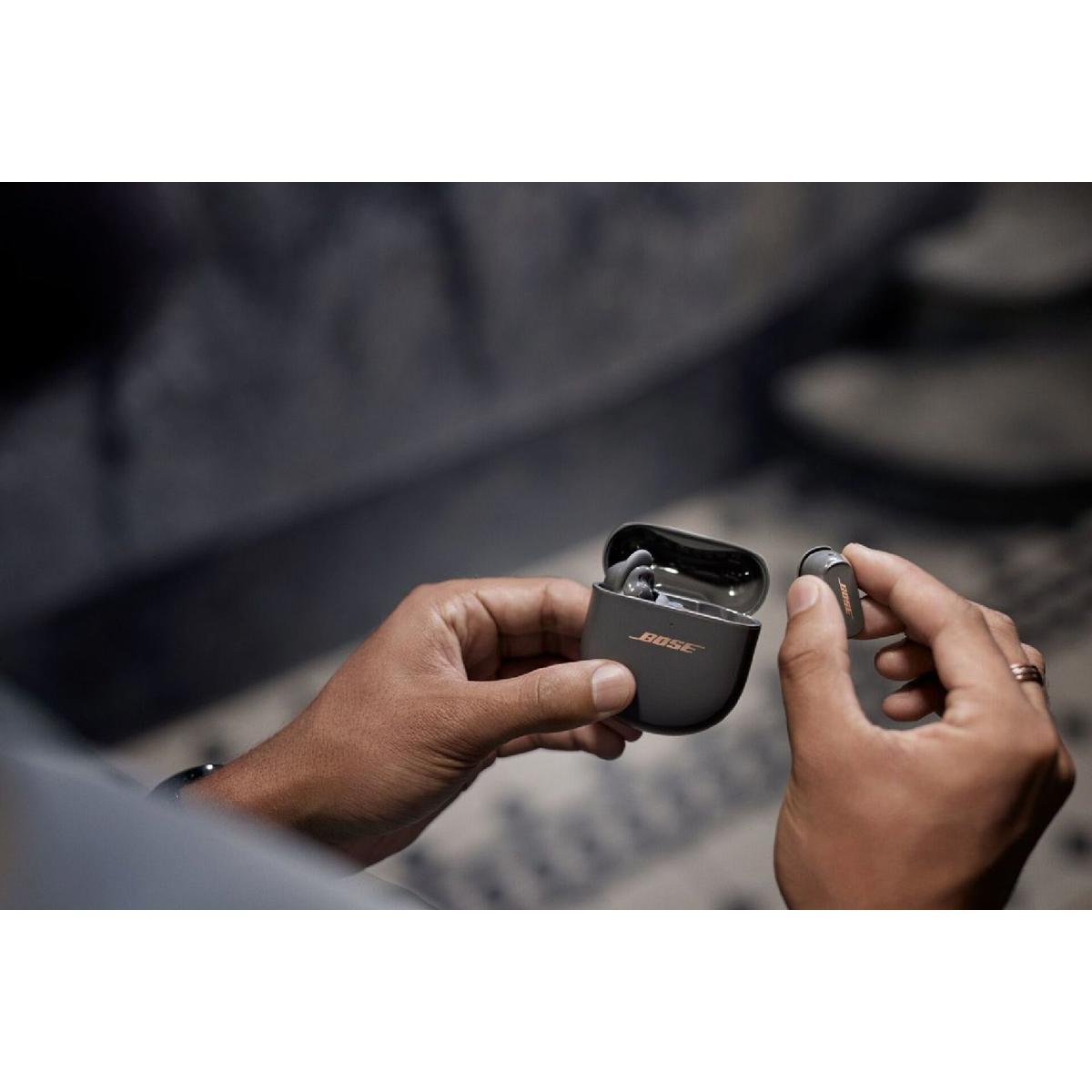
The true wireless earbuds market has exploded over the past few years, creating a fascinating divide between ultra-budget options and premium flagship models. This comparison between the JLab Go Pop+ and Bose QuietComfort Earbuds II perfectly illustrates this gap—we're looking at products that cost roughly 8-10 times apart but still compete for your attention in the same category.
At the time of writing, the JLab Go Pop+ sits in the ultra-budget tier while the Bose QuietComfort Earbuds II commands premium pricing. This dramatic price difference isn't just about brand names—it represents fundamentally different approaches to wireless audio and what features matter most to different users.
Before diving into these specific models, it's worth understanding what makes earbuds tick and what you should prioritize when shopping. The most critical factors are sound quality, noise management, battery life, comfort, and how well the earbuds match your specific use cases.
Sound quality involves more than just "good" or "bad" audio. It includes frequency response (how well the earbuds reproduce different pitches), dynamic range (the difference between the quietest and loudest sounds), and soundstage (how spacious the audio feels). Noise management splits into two approaches: passive isolation (how well the earbuds physically block sound) and active noise cancellation or ANC (using microphones and processors to cancel out background noise electronically).
Battery life has become crucial as these devices shrink. You're balancing the battery in each tiny earbud against the additional power stored in the charging case. Comfort matters more than you might think—poorly fitting earbuds will fall out, hurt your ears, or create gaps that ruin sound quality and noise isolation.
The JLab Go Pop+ represents JLab's continued refinement of their budget-friendly approach, building on lessons learned from earlier models in their Go Air series. Released in recent years, it embodies the company's philosophy of delivering essential wireless features without premium pricing.
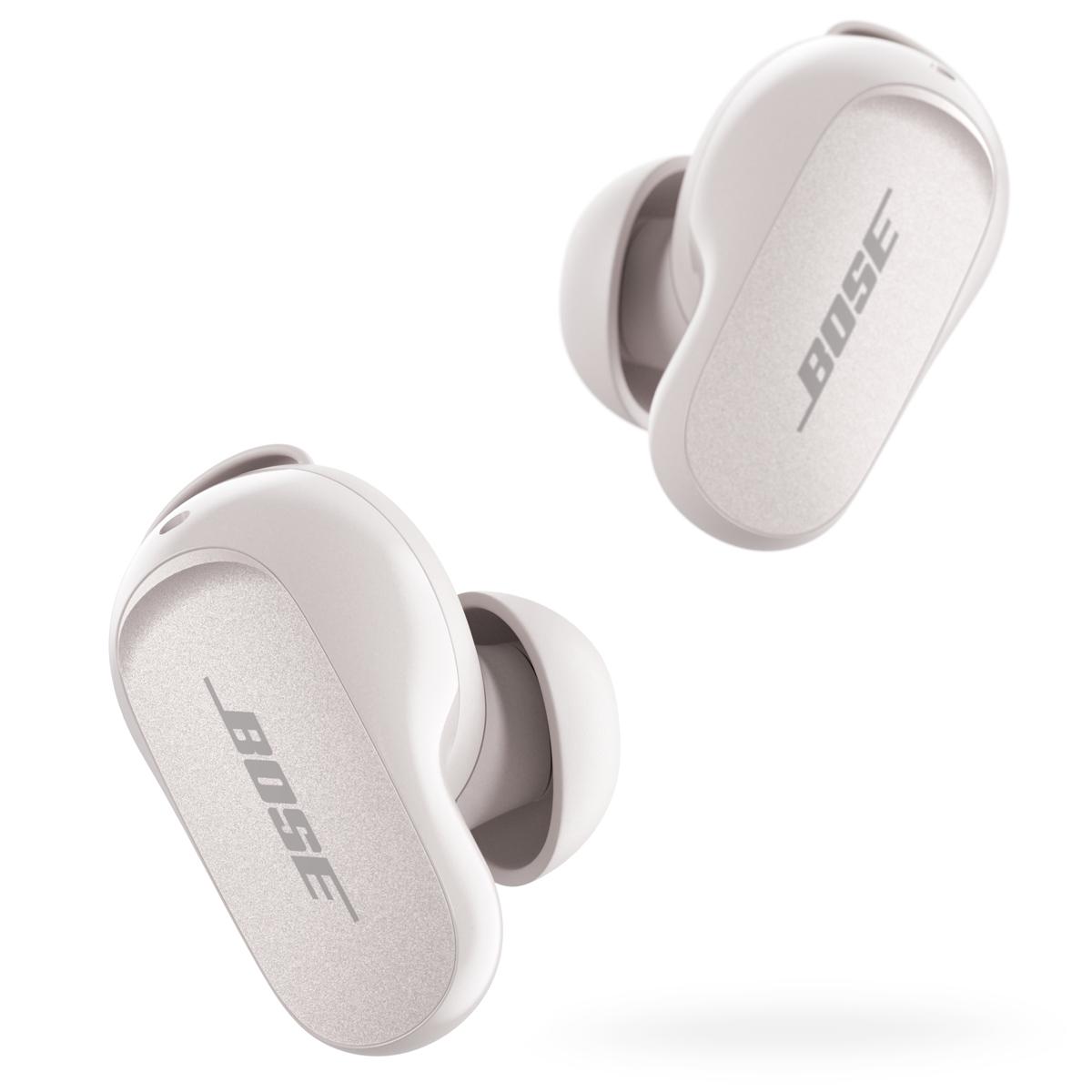
The Bose QuietComfort Earbuds II, launched in 2022, marked Bose's second-generation attempt to dominate the premium true wireless market. This model addressed many complaints about the original QuietComfort Earbuds, particularly around size and fit, while pushing their noise cancellation technology even further ahead of competitors.
Since 2022, the earbuds landscape has continued evolving rapidly. Bluetooth codecs have improved, battery technology has advanced, and features like spatial audio have become more common. However, the fundamental divide between budget and premium models has remained consistent—you're still choosing between basic functionality and advanced features.
This is where the difference between these models becomes most apparent. The Bose QuietComfort Earbuds II leverages what Bose calls CustomTune technology, which uses proprietary tones to measure your individual ear canal shape each time you put the earbuds in. This isn't just marketing fluff—the system actually adjusts both the audio output and noise cancellation to match your specific anatomy within half a second.
The audio processing in the Bose QuietComfort Earbuds II runs on dedicated chips that can handle complex calculations in real-time. This allows for features like dynamic EQ adjustment, where the earbuds modify their frequency response based on what you're listening to and how loud you're playing it. The result is more consistent sound quality across different volume levels and music genres.
In contrast, the JLab Go Pop+ takes a more straightforward approach with 6mm dynamic drivers and basic digital signal processing. While the drivers are actually decent quality for the price point, they lack the sophisticated processing that makes premium earbuds special. The frequency response tends to be more uneven, with some bass inconsistencies and occasionally sharp treble that can become fatiguing during long listening sessions.
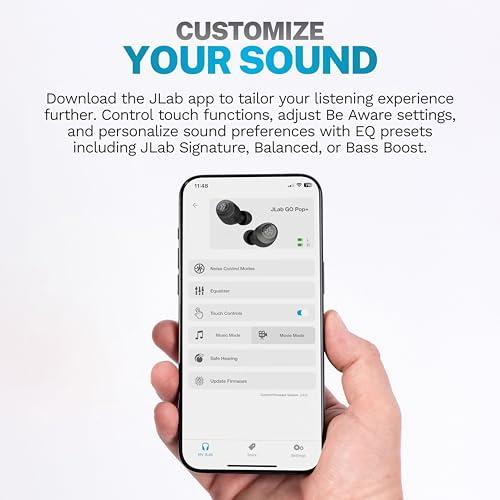
However, here's what's impressive about the JLab Go Pop+: it includes app-based EQ customization, which is genuinely rare at this price level. The JLab app offers three preset sound signatures (JLab Signature, Balanced, and Bass Boost) and allows some customization. This means you can partially compensate for the hardware limitations through software tuning.
Based on extensive user feedback and expert reviews, the Bose QuietComfort Earbuds II delivers noticeably superior audio across most genres. The bass response is deeper and more controlled, the midrange is clearer for vocals and instruments, and the treble is smooth rather than harsh. The spatial imaging—how well you can place different instruments in the soundscape—is particularly impressive for true wireless earbuds.
This represents perhaps the biggest philosophical difference between these products. The Bose QuietComfort Earbuds II builds on Bose's decades of noise cancellation research, using four microphones in each earbud to create what many consider the best ANC system available in true wireless form.
Active noise cancellation works by using microphones to detect ambient sound, then generating "anti-noise" that cancels out unwanted frequencies. The Bose QuietComfort Earbuds II does this with remarkable sophistication, responding to noise changes in less than a millisecond. The system includes one internal microphone and three external microphones per earbud, allowing it to handle both external noise and internal resonances.
The effectiveness is striking. Users consistently report that these earbuds can virtually eliminate the drone of airplane engines, air conditioners, and traffic noise. The ANC is so effective that some users find it disorienting initially—the sudden silence can feel unnatural if you're used to constant background noise.
The JLab Go Pop+ takes a completely different approach, relying entirely on passive noise isolation—the physical seal created by the ear tips blocking sound. While this sounds primitive compared to active cancellation, it's actually quite effective for many situations and has some advantages. Passive isolation doesn't require power, doesn't introduce any potential audio artifacts, and blocks sound across all frequencies relatively evenly.
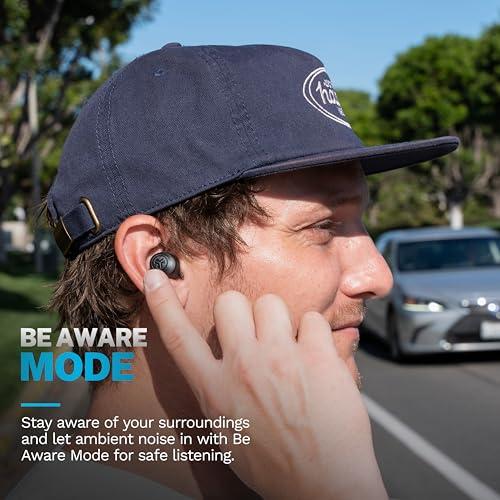
The JLab Go Pop+ does include a "Be Aware" mode, which is essentially the opposite of noise cancellation. This mode uses built-in microphones to pipe in ambient sound, allowing you to hear your surroundings for safety while still listening to music. It's particularly useful for runners, cyclists, or anyone who needs situational awareness.
For home theater use, this difference becomes particularly relevant. If you're watching movies late at night and want to avoid disturbing others, the Bose QuietComfort Earbuds II creates a more immersive experience by eliminating household sounds like air conditioning, refrigerator hums, or outside traffic. The JLab Go Pop+ works fine for this application but won't provide the same level of isolation.
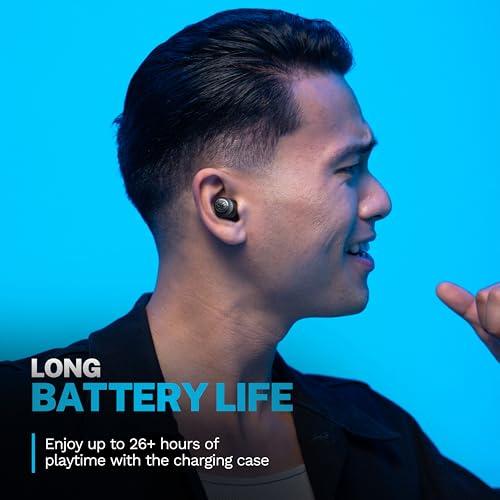
Here's where the JLab Go Pop+ delivers a genuine surprise. Despite its budget positioning, it offers exceptional battery life that actually surpasses many premium competitors. The earbuds themselves provide up to 9 hours of continuous playback, with the charging case adding another 26+ hours for a total of 35+ hours. This is genuinely impressive and beats the Bose QuietComfort Earbuds II in raw numbers.
The Bose QuietComfort Earbuds II offers 6-7 hours per charge with about 24-27 total hours including the case. While this sounds worse on paper, there's an important caveat: running active noise cancellation and advanced audio processing requires significantly more power. The fact that Bose achieves 6+ hours while running all these features is actually quite good engineering.
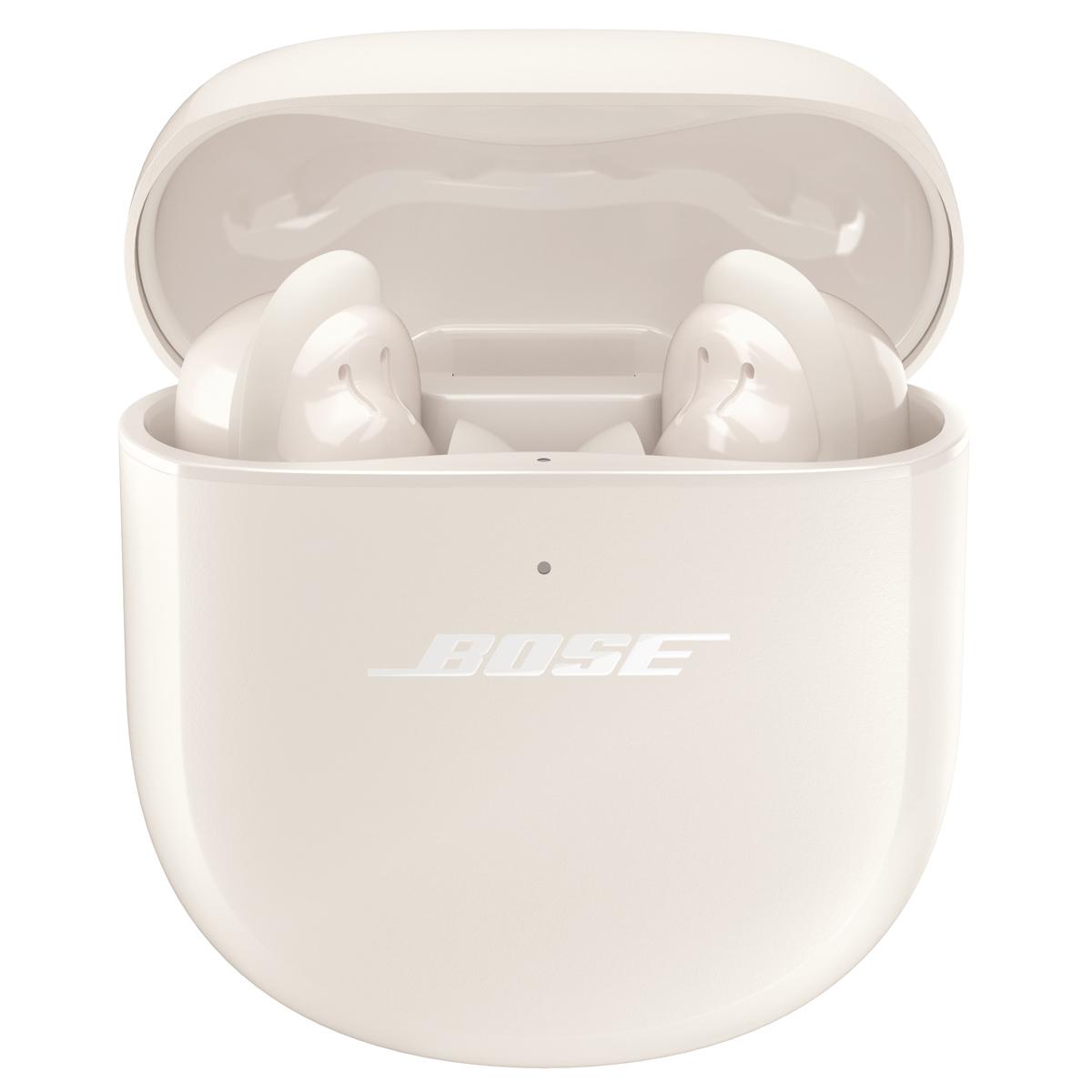
Both models support quick charging, but with different philosophies. The JLab Go Pop+ offers 1 hour of playback from just 10 minutes of charging, which is excellent for quick top-ups. The Bose QuietComfort Earbuds II provides 2 hours from a 20-minute charge, which is still very practical.
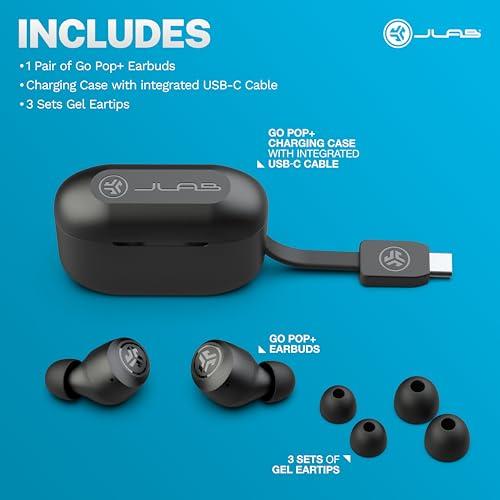
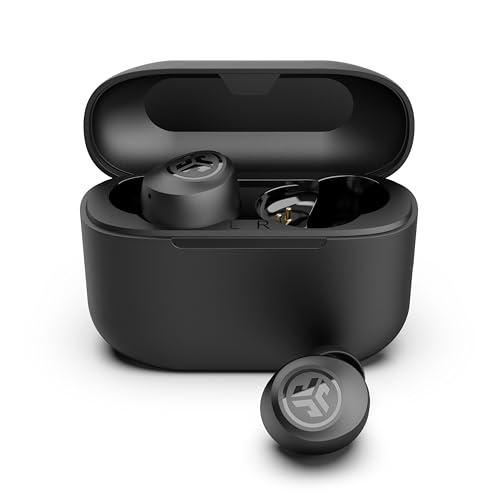
One unique feature of the JLab Go Pop+ is the integrated USB-C cable built into the charging case. This eliminates the need to carry a separate charging cable—a small but genuinely useful convenience feature that even some premium earbuds lack.
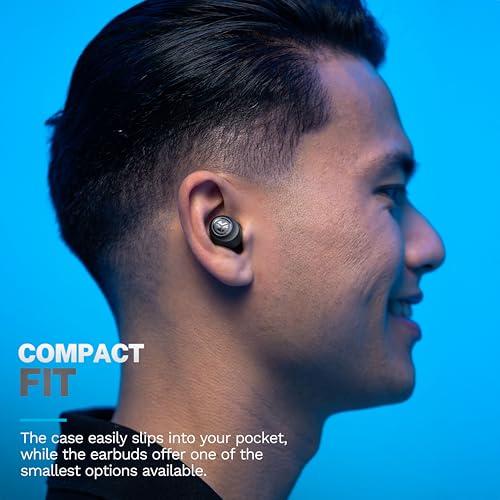
The physical design differences between these earbuds reflect their different priorities. The JLab Go Pop+ weighs just 3.9 grams per earbud, making them nearly imperceptible once you're wearing them. This ultra-lightweight design is genuinely impressive and contributes to all-day comfort.
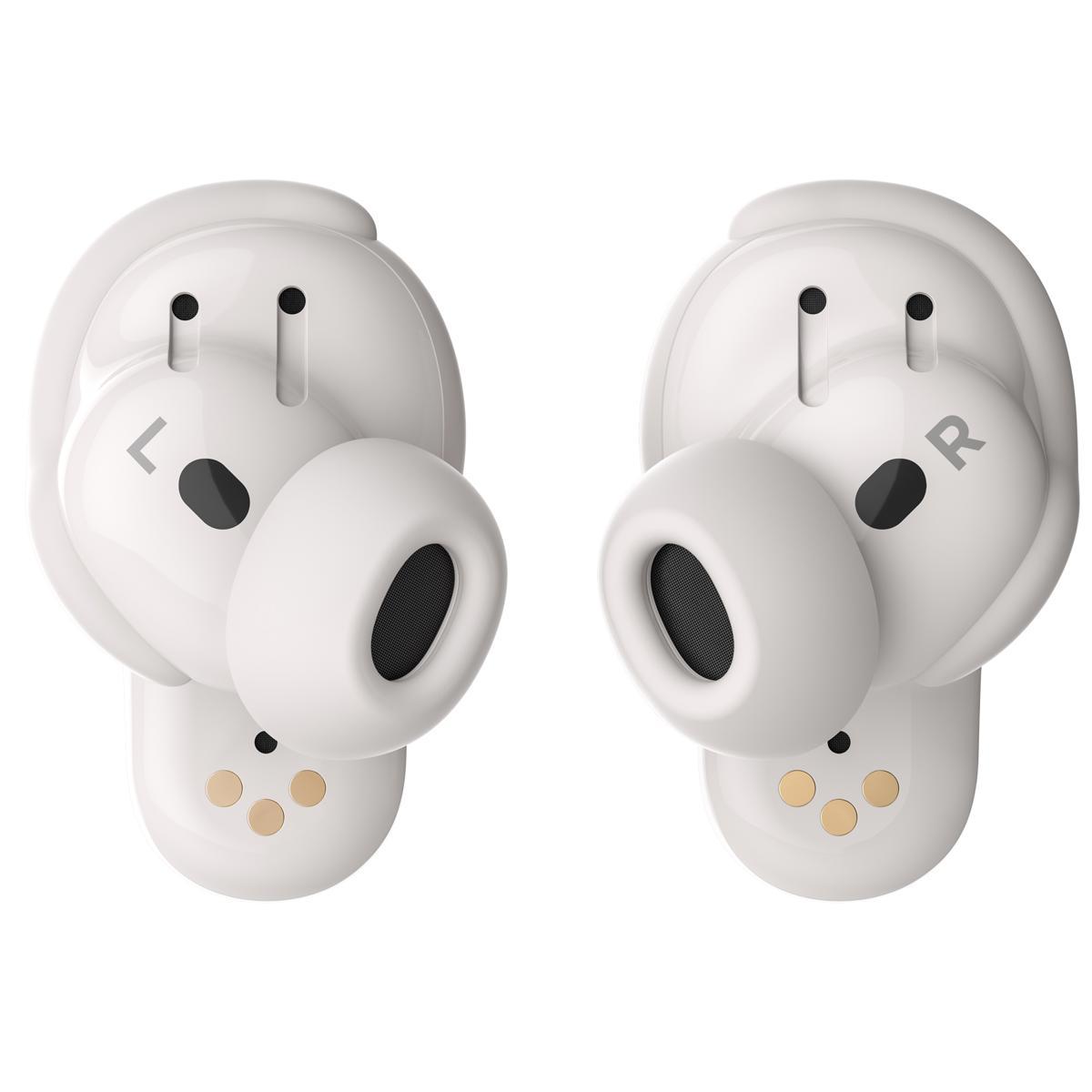
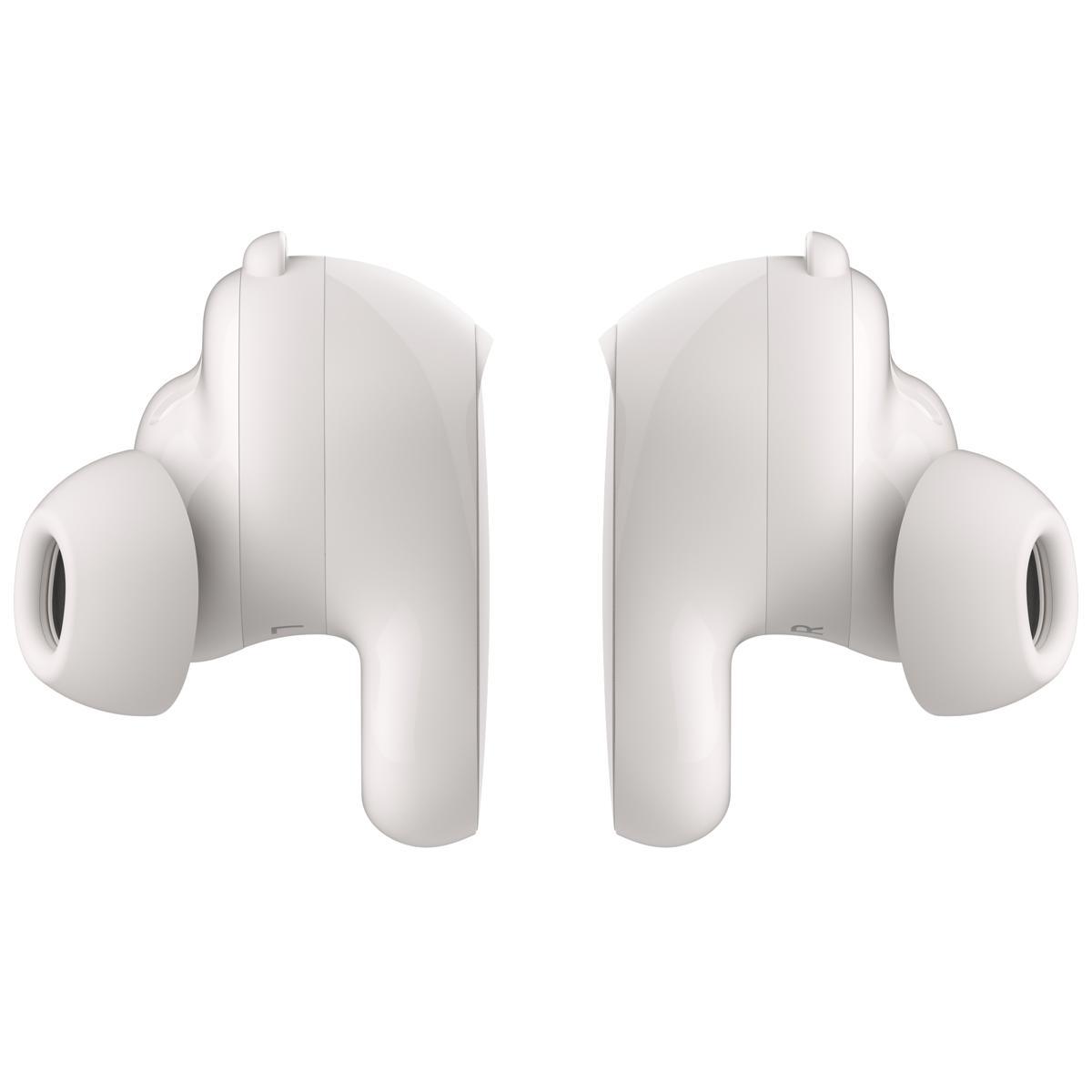
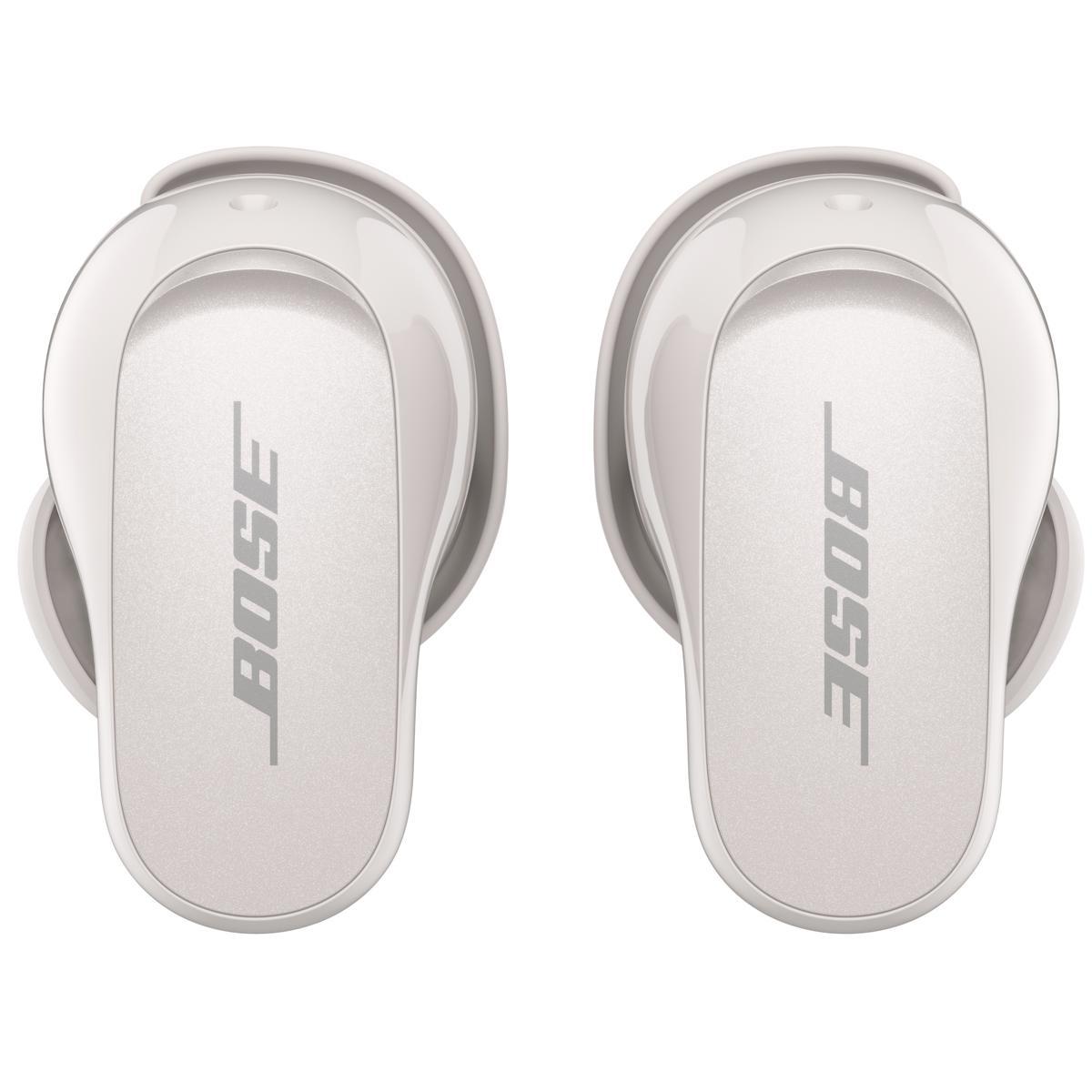
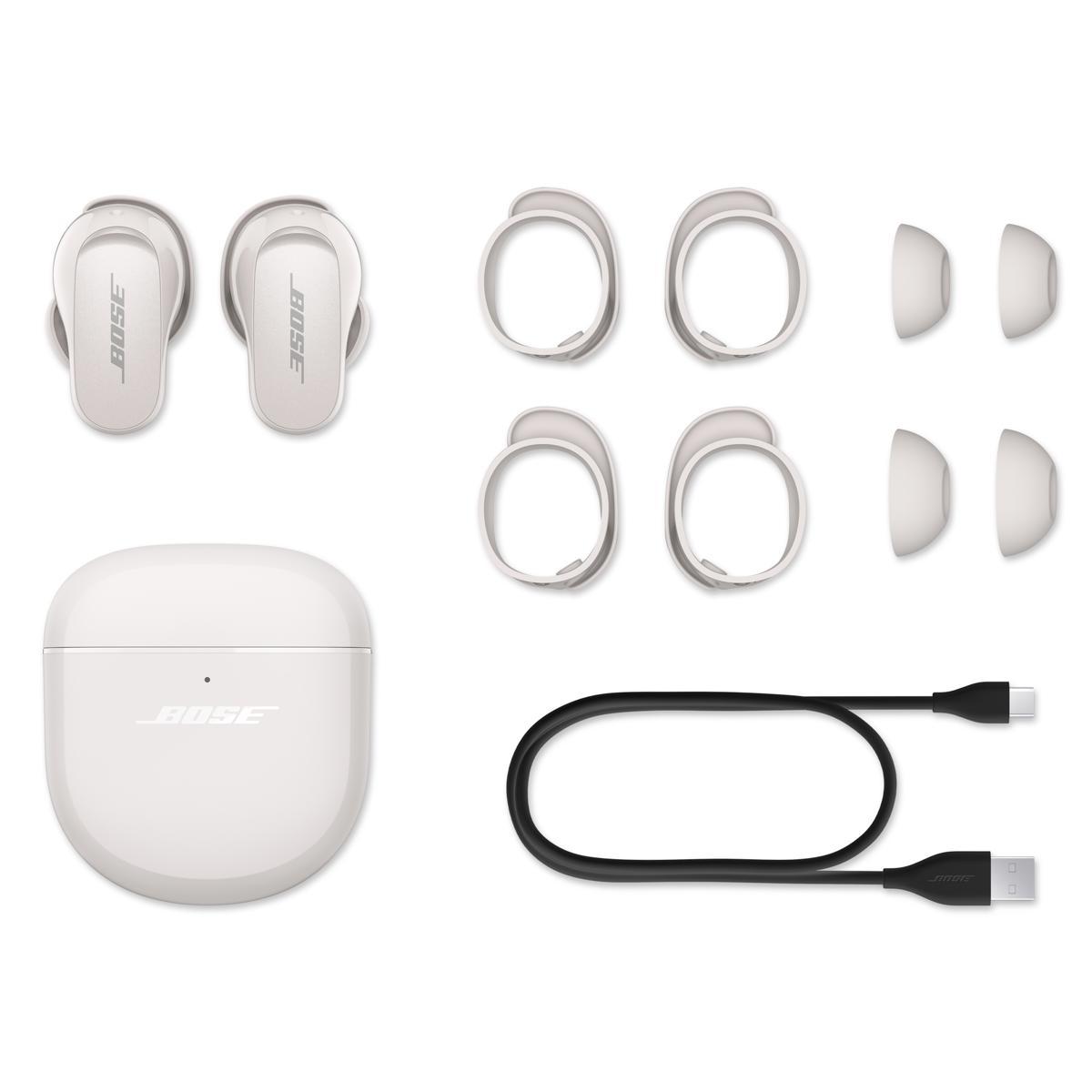
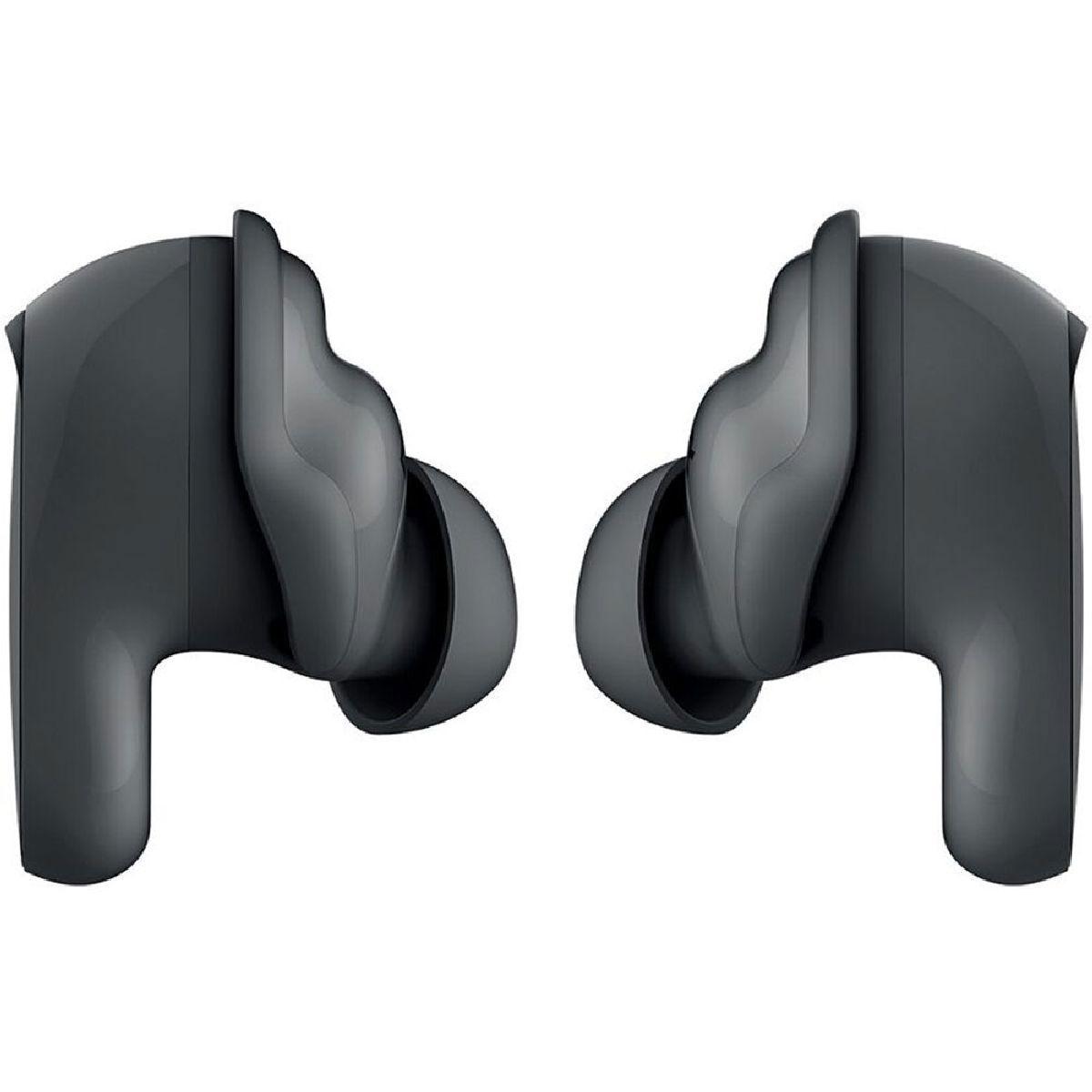
The Bose QuietComfort Earbuds II is heavier at 7.7 grams per earbud, but this weight comes with purpose. The additional mass houses more sophisticated electronics, larger batteries, and multiple microphones. Bose has also redesigned the fit system for this generation, introducing a two-piece approach with separate ear tips and stability bands.
The stability bands are particularly clever—they're designed to hook into the contours of your outer ear, providing security without relying entirely on the ear canal seal. This makes the Bose QuietComfort Earbuds II more suitable for active use, gym workouts, or any situation where you're moving around significantly.
Both models offer IPX4 water resistance, meaning they can handle sweat and light splashing but shouldn't be submerged. This rating is adequate for workouts and most daily activities.
Surprisingly, neither model excels at voice calls, despite their different approaches to microphone design. The Bose QuietComfort Earbuds II uses six microphones total (three per earbud) with sophisticated noise processing, while the JLab Go Pop+ relies on two basic MEMS microphones with environmental noise canceling.
User feedback suggests that both models perform adequately in quiet environments but struggle when there's significant background noise, wind, or competing voices. The Bose QuietComfort Earbuds II should theoretically perform better with its advanced microphone array, but real-world results are inconsistent. Some users report that coworkers complain about background noise pickup, while others find call quality acceptable.
The JLab Go Pop+ performs about as well as you'd expect for the price point—fine for quick calls in quiet settings, but not ideal for important business calls or noisy environments. Both models support voice assistants, but again, performance varies based on ambient conditions.
This is another area where the JLab Go Pop+ punches above its weight class. The JLab app provides 10-band EQ customization, detailed touch control mapping, battery indicators, and switching between music and movie modes for different latency optimization. Having this level of customization at this price point is genuinely impressive.
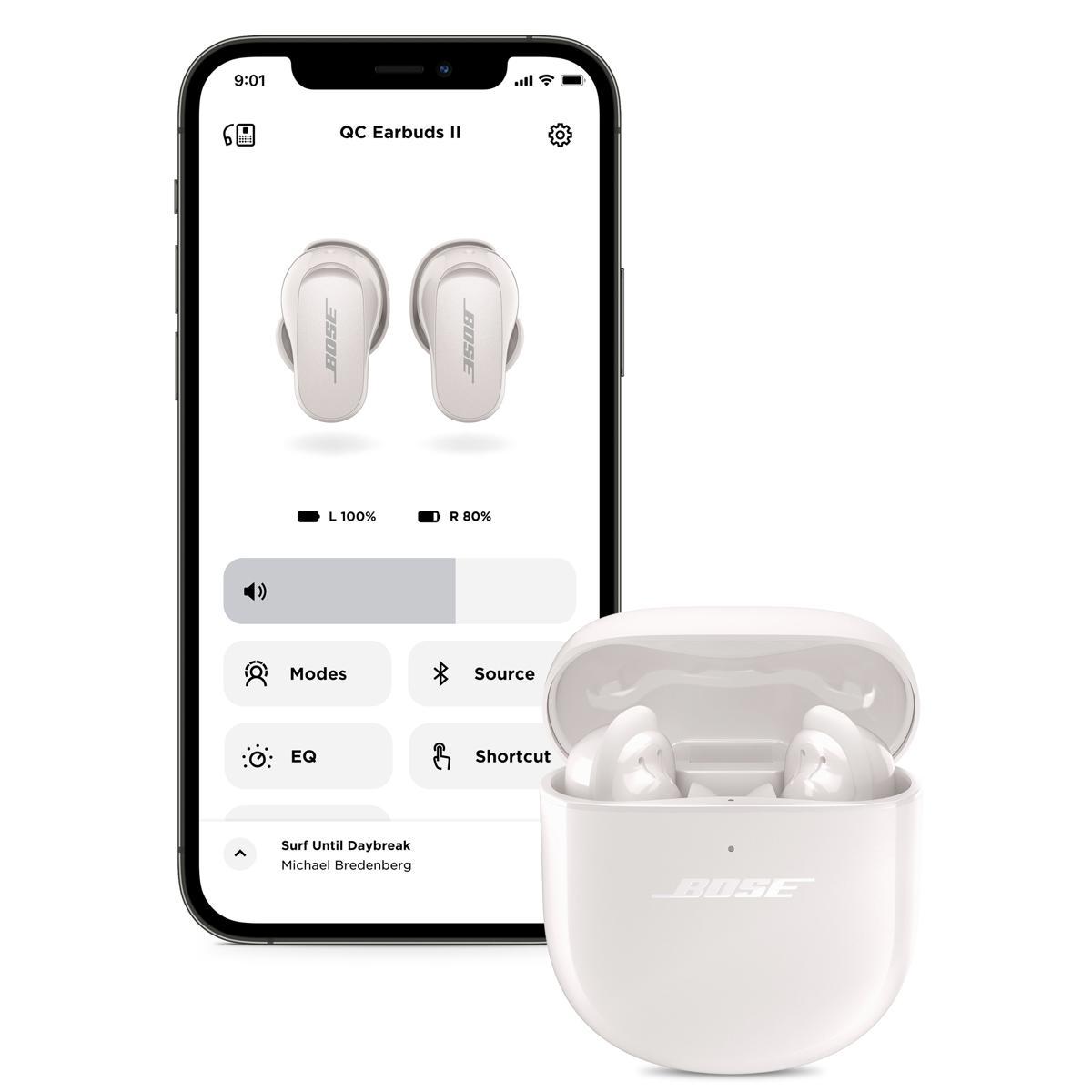
The Bose app is more sophisticated overall, with features like CustomTune calibration, more advanced EQ options, and detailed noise control settings. However, some users find it less intuitive than JLab's more straightforward approach.
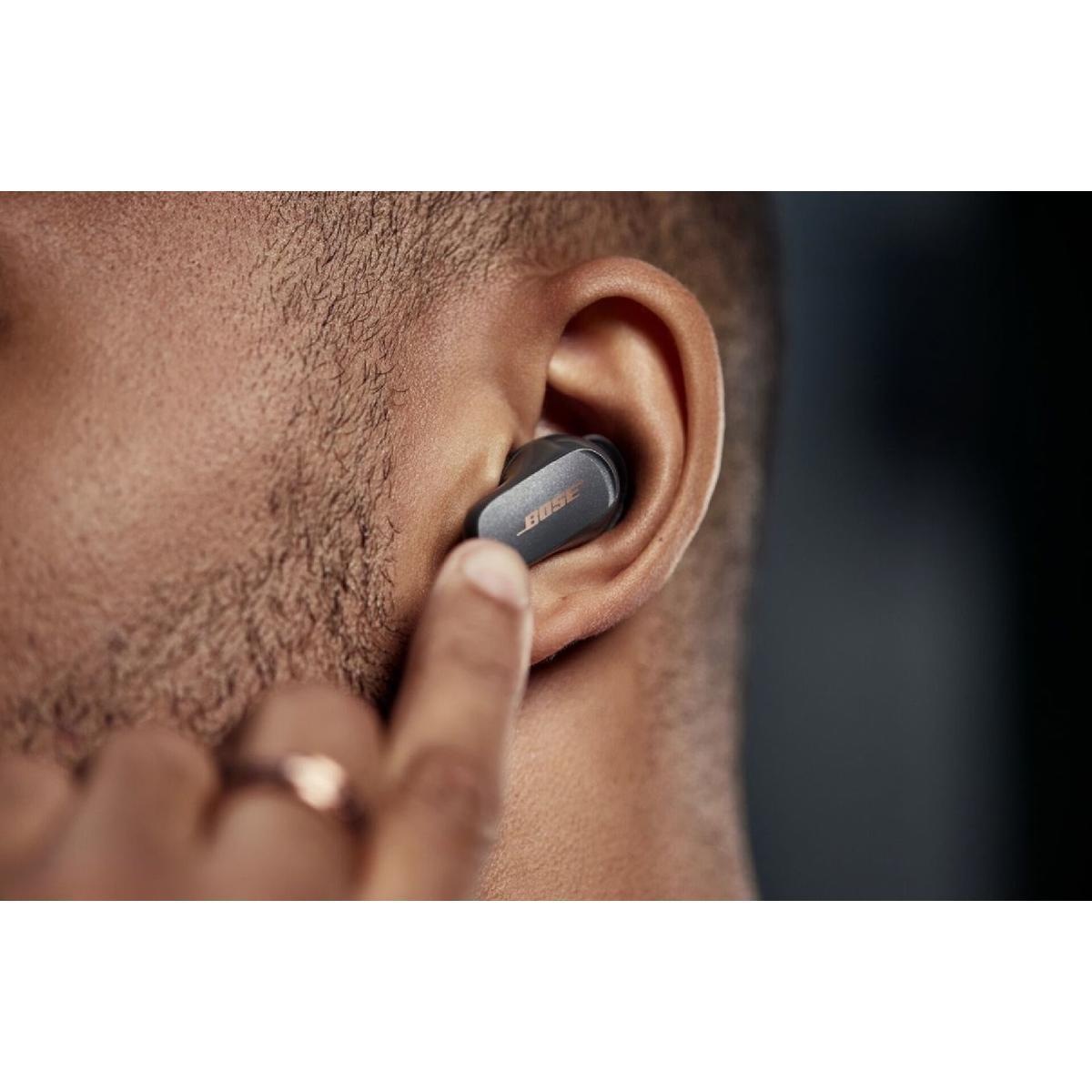
Both apps allow you to customize touch controls, which is crucial since the physical controls on these tiny devices are necessarily limited. The JLab Go Pop+ supports Google Fast Pair for quick Android pairing, while the Bose QuietComfort Earbuds II works well with both Android and iOS ecosystems.
The JLab Go Pop+ makes most sense for users who prioritize value, battery life, and basic functionality. If you're a student on a tight budget, need backup earbuds, or frequently lose/break audio devices, these represent exceptional value. They're also ideal for parents buying earbuds for kids, as the volume limiting helps protect developing hearing.
For casual music listening, podcasts, and basic phone calls in relatively quiet environments, the JLab Go Pop+ performs admirably. The exceptional battery life makes them perfect for long trips where charging opportunities are limited. The ultra-lightweight design also makes them comfortable for extended wear during work-from-home situations.
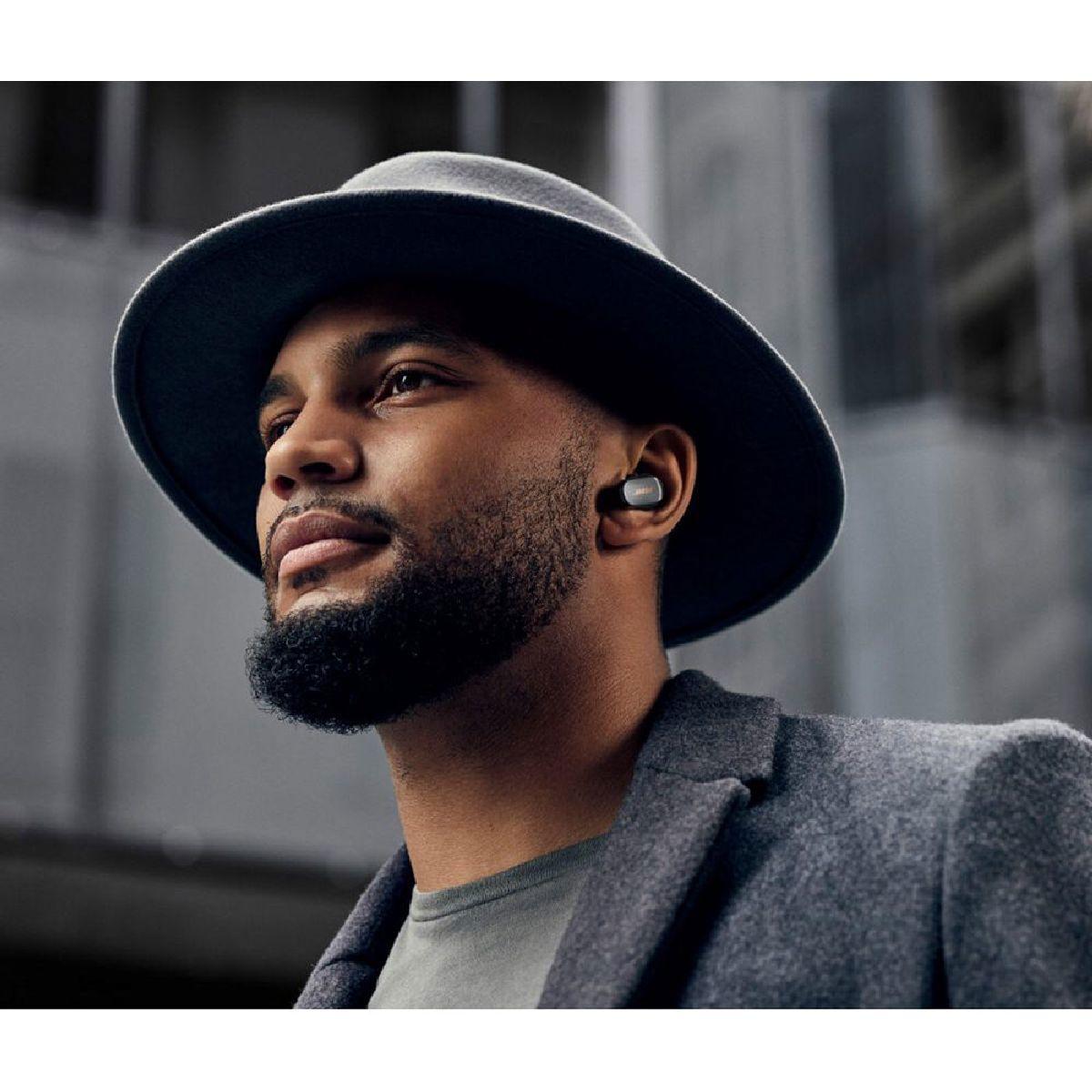
The Bose QuietComfort Earbuds II targets users who can justify premium pricing for superior performance. If you frequently travel, especially by airplane, the active noise cancellation alone justifies much of the price difference. For commuters dealing with noisy public transportation, office workers in open floor plans, or anyone who values audio quality above cost considerations, these deliver meaningful benefits.
For home theater applications, the Bose QuietComfort Earbuds II provides a more immersive experience, particularly for late-night viewing when you want to avoid disturbing others. The superior sound quality and noise isolation create a more engaging experience for movies and TV shows.
After evaluating user feedback, expert reviews, and technical specifications, it's clear that both products succeed within their intended markets. The JLab Go Pop+ delivers remarkable functionality for its price point, while the Bose QuietComfort Earbuds II justifies premium pricing with genuinely superior technology.
Choose the JLab Go Pop+ if you want reliable wireless earbuds without spending significant money, need exceptional battery life, or value practical features over audio perfection. Choose the Bose QuietComfort Earbuds II if you prioritize sound quality, need effective noise cancellation, or view earbuds as a long-term investment worth premium pricing.
The most important consideration isn't which product is "better" in absolute terms, but which one better matches your specific needs, budget, and priorities. Both represent successful executions of their respective philosophies, making this less about finding the "winner" and more about finding the right tool for your particular audio needs.
| JLab Go Pop+ True Wireless Earbuds | Bose QuietComfort Earbuds II |
|---|---|
| Active Noise Cancellation - Essential for noisy environments like planes and offices | |
| None (passive isolation only with Be Aware mode) | Industry-leading ANC with CustomTune technology |
| Battery Life Per Charge - Critical for daily use without constant charging | |
| 9 hours per earbud (exceptional for any price) | 6-7 hours per earbud (good considering power-hungry features) |
| Total Battery Life with Case - Important for travel and extended use | |
| 35+ hours (beats most premium competitors) | 24-27 hours (adequate for most users) |
| Weight Per Earbud - Affects comfort during extended wear | |
| 3.9g (nearly imperceptible, all-day comfort) | 7.7g (heavier due to premium components, still comfortable) |
| Sound Customization - Ability to tailor audio to your preferences | |
| JLab app with 3-band EQ and custom controls | Bose app with advanced EQ and CustomTune calibration |
| Water Resistance - Protection during workouts and daily use | |
| IPX4 (sweat and splash resistant) | IPX4 (sweat and splash resistant) |
| Bluetooth Technology - Affects connection stability and features | |
| 5.3 with Google Fast Pair and Find My Device | 5.3 with premium connectivity features |
| Audio Drivers - Determines sound quality potential | |
| 6mm dynamic drivers (decent for price point) | Premium drivers with advanced processing |
| Microphone System - Critical for call quality | |
| 2 MEMS mics with basic noise reduction | 6 microphones with sophisticated processing |
| Charging Convenience - How easy it is to keep powered up | |
| Integrated USB-C cable in case (no separate cable needed) | Standard USB-C charging (cable required) |
| Quick Charge Capability - Emergency power when running low | |
| 10 minutes = 1 hour playback | 20 minutes = 2 hours playback |
| Fit System - How securely and comfortably they stay in your ears | |
| 3 gel tip sizes, ultra-lightweight design | Two-piece system with ear tips and stability bands |
The Bose QuietComfort Earbuds II deliver significantly better sound quality with superior bass response, clearer mids, and smoother treble. They feature CustomTune technology that adapts audio to your specific ear shape. The JLab Go Pop+ offers decent sound for the price but has some bass inconsistencies and occasionally sharp treble that can be fatiguing during long sessions.
Only the Bose QuietComfort Earbuds II feature active noise cancellation, using four microphones per earbud to eliminate background noise effectively. The JLab Go Pop+ relies on passive noise isolation through ear tip seal and includes a "Be Aware" mode that lets ambient sound in for safety.
The JLab Go Pop+ provides exceptional battery life with 9 hours per earbud and 35+ hours total with the case. The Bose QuietComfort Earbuds II offers 6-7 hours per charge with 24-27 hours total, which is shorter due to power-hungry features like active noise cancellation.
Neither model excels at voice calls. The Bose QuietComfort Earbuds II has six microphones with advanced processing but still struggles with wind and loud environments. The JLab Go Pop+ uses two basic microphones that work adequately in quiet settings but have limited noise reduction capabilities.
The JLab Go Pop+ weighs only 3.9 grams per earbud, making them nearly imperceptible during extended use. The Bose QuietComfort Earbuds II is heavier at 7.7 grams but includes stability bands for a more secure fit during active use. Both offer multiple ear tip sizes for customization.
Both models offer app-based customization. The JLab Go Pop+ includes the JLab app with 3-band EQ and custom touch controls, which is impressive for its price range. The Bose QuietComfort Earbuds II provides more advanced EQ options and CustomTune technology through the Bose app.
Both the JLab Go Pop+ and Bose QuietComfort Earbuds II have IPX4 water resistance, meaning they can handle sweat and light splashing but shouldn't be submerged in water. This rating makes them suitable for workouts and daily use in light rain.
The JLab Go Pop+ offers quick charging with 10 minutes providing 1 hour of playback, plus it has an integrated USB-C cable in the case for convenience. The Bose QuietComfort Earbuds II provides 2 hours of playback from a 20-minute charge but requires a separate charging cable.
The Bose QuietComfort Earbuds II is better suited for exercise with its stability band system that provides a more secure fit during movement. The JLab Go Pop+ is ultra-lightweight which reduces fatigue, but may not stay as secure during vigorous activity. Both have sweat resistance.
The JLab Go Pop+ provides exceptional value with features typically found in much more expensive earbuds, including app customization and outstanding battery life. The Bose QuietComfort Earbuds II justifies its premium pricing with superior sound quality, advanced noise cancellation, and premium build materials.
Yes, both the JLab Go Pop+ and Bose QuietComfort Earbuds II support independent earbud use, allowing you to use either the left or right earbud alone for calls or music. This dual connect feature is standard on most modern true wireless earbuds.
Choose the JLab Go Pop+ if you prioritize battery life, value, and lightweight comfort for casual listening. Select the Bose QuietComfort Earbuds II if you need active noise cancellation, superior sound quality, and can justify the premium price for frequent travel or noisy environments.
We've done our best to create useful and informative comparisons to help you decide what product to buy. Our research uses advanced automated methods to create this comparison and perfection is not possible - please contact us for corrections or questions. These are the sites we've researched in the creation of this article: whathifi.com - jlab.com - soundguys.com - avrilmarieaalund.com - jlab.com - bestbuy.com - jlab.com - shop.ncsu.edu - jlab.com - techgearlab.com - youtube.com - manuals.plus - jlab.com - jlab.com - versus.com - help.jlab.com - bestbuy.com - techradar.com - techgearlab.com - cnet.com - soundguys.com - rtings.com - soundstagesolo.com - forums.whathifi.com - youtube.com - cnet.com - bose.com - soundguys.com - youtube.com - rtings.com - soundguys.com - loudnwireless.com - head-fi.org - noisyworld.org - boseindia.com - global.bose.com - boselatam.com - bose.com - youtube.com - boselatam.com - support.bose.com - bhphotovideo.com - bestbuy.com - global.bose.com - bose.com - assets.bose.com - boseapac.com - bose.com - bose.com - bose.com

Privacy Policy
Terms and Conditions - Affiliate Policy
Home Security
© Copyright 2008-2026.
11816 Inwood Rd #1211, Dallas, TX 75244