




The wireless earbuds market has exploded over the past few years, transforming from a luxury item to an essential piece of technology for most people. Whether you're commuting, working out, or just trying to escape the noise of daily life, the right pair of earbuds can make all the difference. Today we're comparing two compelling options that take very different approaches to the same goal: the budget-friendly Samsung Galaxy Buds 3 FE and the premium Bose QuietComfort Earbuds II.
Before diving into the specifics, it's worth understanding what separates good earbuds from great ones. Sound quality is obviously important, but it's just one piece of a complex puzzle. Active noise cancellation (ANC) – which uses microphones to detect outside noise and plays opposite sound waves to cancel it out – has become increasingly crucial for many users. Battery life, comfort, call quality, and how well the earbuds integrate with your existing devices all play major roles in the daily experience.
The fit is particularly critical because it affects everything else. Poorly fitting earbuds not only feel uncomfortable but also compromise sound quality and noise cancellation effectiveness. This is why both manufacturers have invested heavily in their fitting systems, though they've taken notably different approaches.
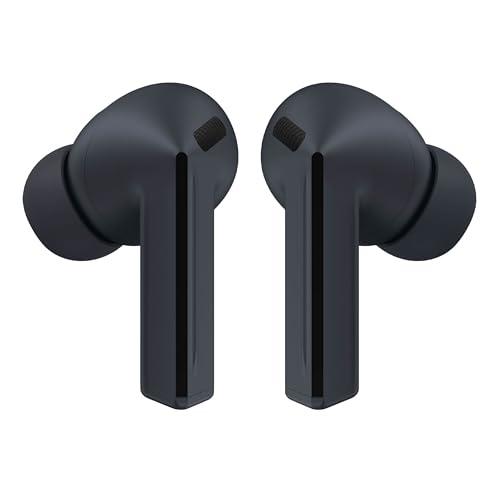
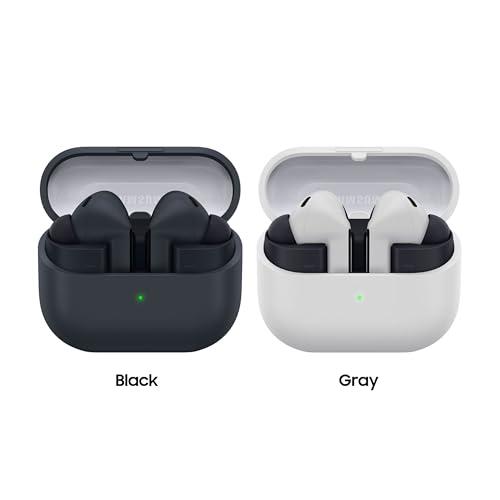
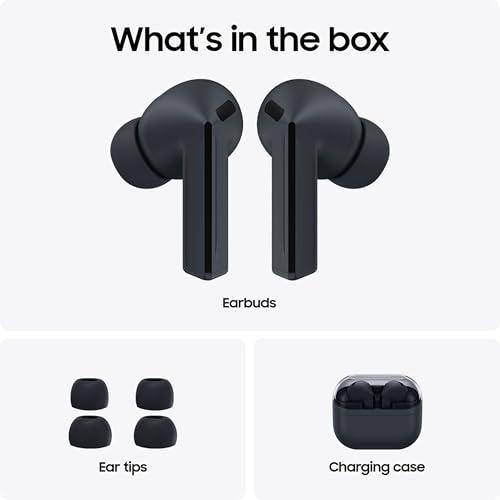
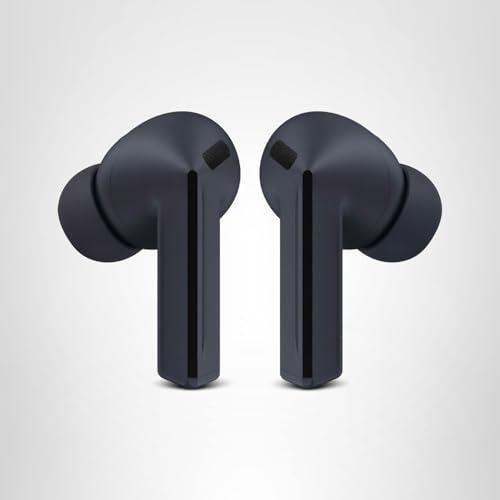
The Samsung Galaxy Buds 3 FE, released in 2024, represents Samsung's attempt to democratize premium features. At roughly half the price of flagship models at the time of writing, these earbuds pack in features typically reserved for much more expensive options. Samsung has focused on creating a compelling value proposition for users already invested in their ecosystem while still offering solid performance for everyone else.
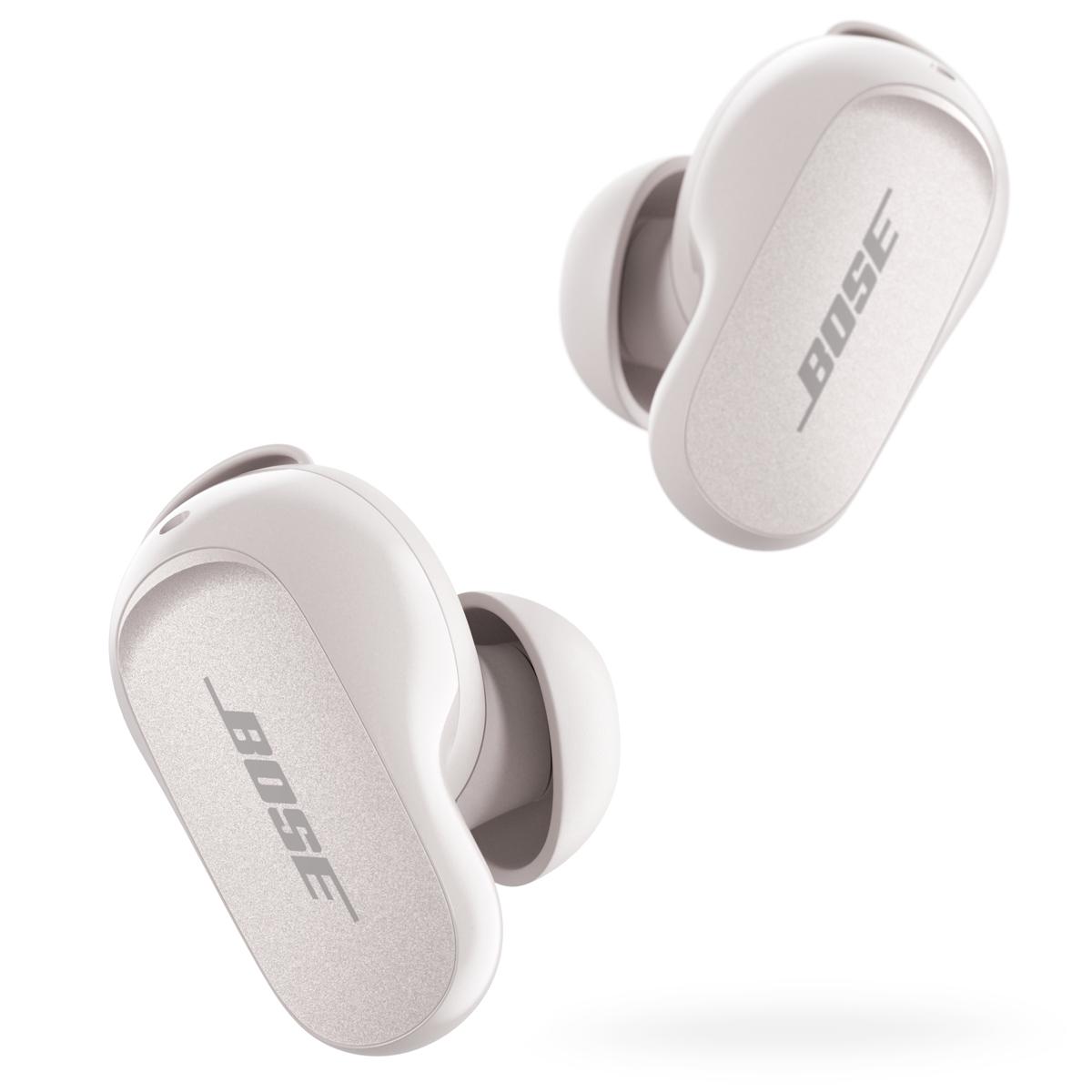
The Bose QuietComfort Earbuds II, also from recent years, takes the opposite approach. Bose has long been the gold standard for noise cancellation, and these earbuds double down on that reputation. They're positioned as a premium product with pricing to match, targeting users who prioritize absolute performance over value considerations.
When it comes to pure audio performance, both earbuds excel, but in different ways. The Samsung Galaxy Buds 3 FE uses a 6.5mm dynamic driver – the component that actually creates sound waves – which is larger than many competitors in this price range. This larger driver helps produce more impactful bass response while maintaining clear treble (high frequencies). Samsung has tuned these earbuds with a refined, balanced sound profile that closely tracks what audio engineers call the "target curve" – essentially an ideal frequency response that sounds natural to most listeners.
What really sets the Samsung Galaxy Buds 3 FE apart is their extensive customization options. The Galaxy Wearable app offers six EQ presets (Bass boost, Treble boost, Smooth, Dynamic, Clear, and Balanced) plus a custom 9-band equalizer. This level of control is unusual at this price point and allows users to fine-tune the sound to their preferences or the type of content they're listening to.
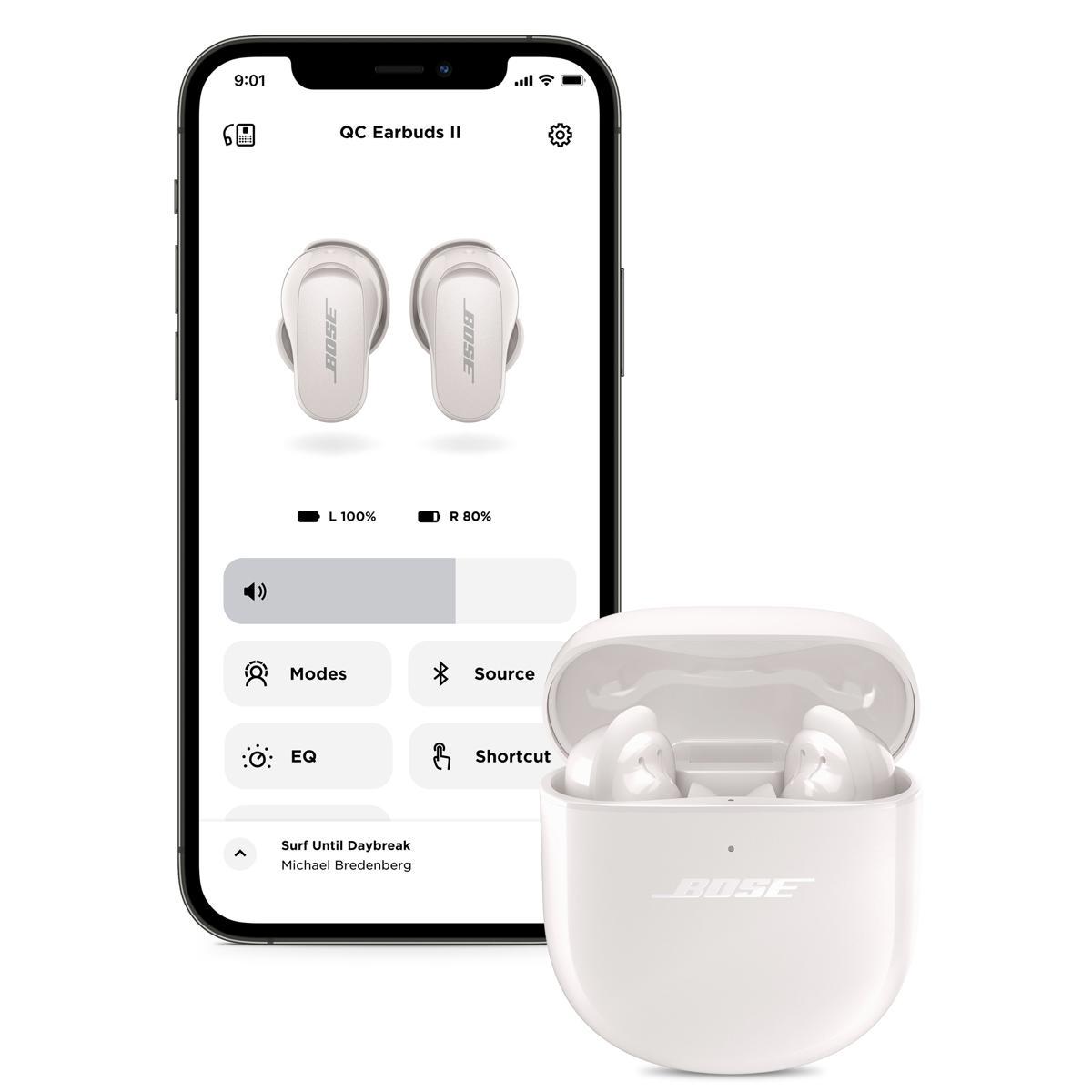
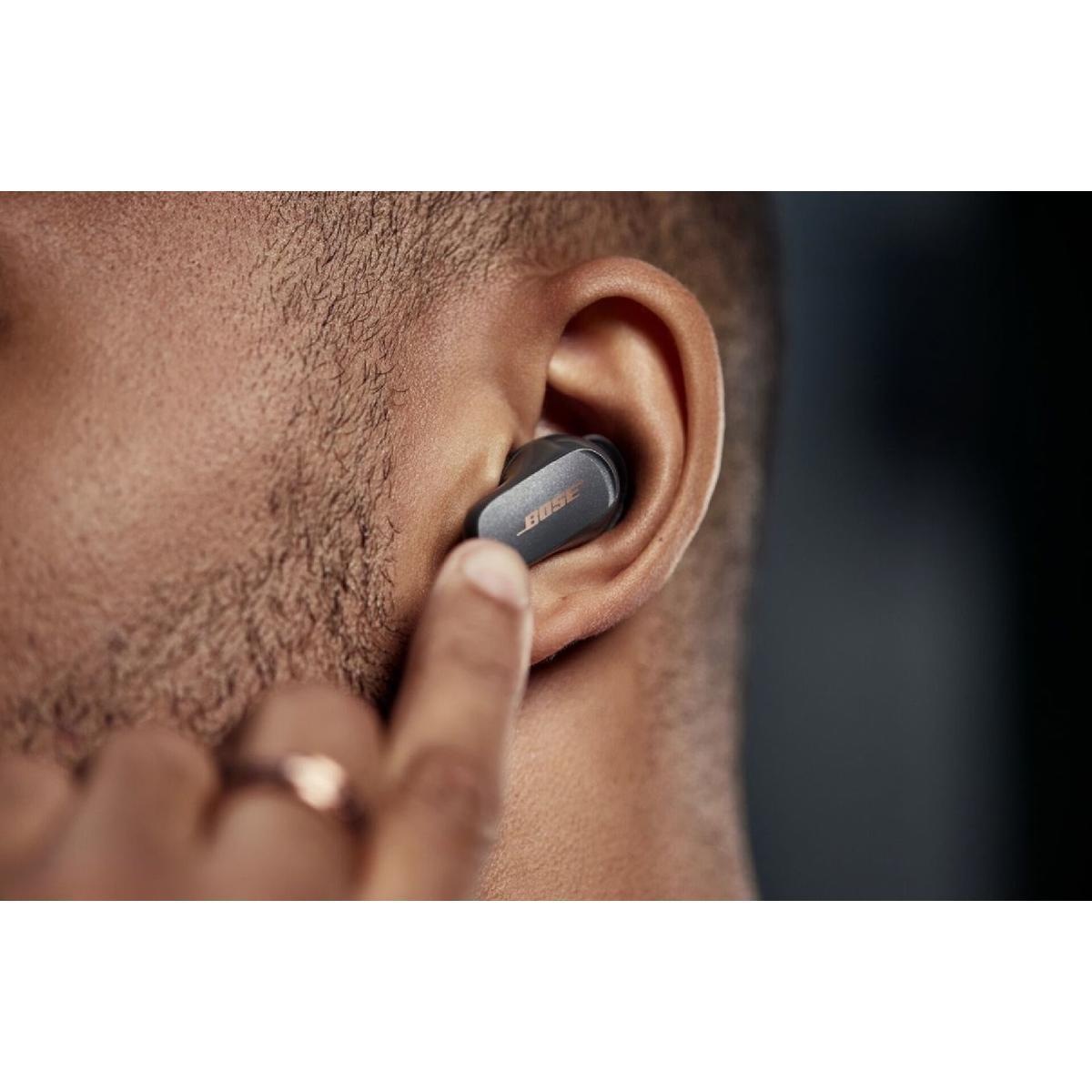
The Bose QuietComfort Earbuds II takes a more sophisticated approach with their CustomTune technology. Every time you put the earbuds in, they play a proprietary tone to measure your unique ear canal shape and adjust both the sound and noise cancellation accordingly. This happens in less than half a second and ensures optimal performance for your specific anatomy. It's genuinely impressive technology that represents a significant advancement in personalized audio.
Bose has traditionally favored a bass-heavy sound signature, and these earbuds continue that tradition while remaining well-balanced overall. Users consistently describe the audio quality as creating a "5.1 sound system right in front of you" effect, suggesting excellent spatial imaging and soundstage – the perceived width and depth of the audio.
For most users, both earbuds will sound excellent, but the choice comes down to preferences. The Samsung Galaxy Buds 3 FE offers more manual control and works particularly well if you listen to diverse content types, while the Bose QuietComfort Earbuds II provides a more refined, automatic experience that adapts to you.
This is where things get really interesting. Active noise cancellation has become the marquee feature for premium earbuds, and both products excel here, though through different approaches.
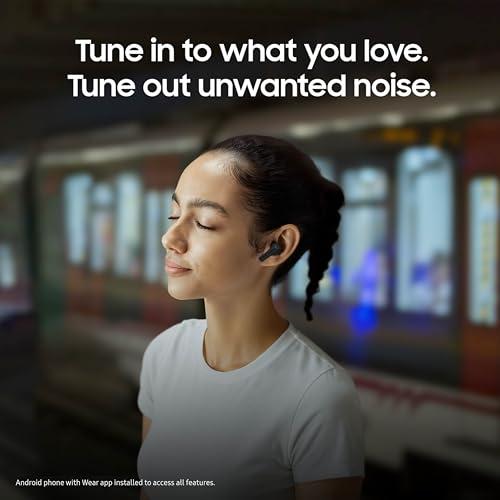
The Samsung Galaxy Buds 3 FE delivers what many consider class-leading ANC performance for its price category. Using three microphones per earbud, it manages to reduce approximately 86% of outside noise when activated – an impressive figure that reportedly outperforms even Samsung's more expensive Buds3 Pro. This is particularly noteworthy because ANC performance usually correlates directly with price. The system works by using those external microphones to detect ambient noise, then generating inverse sound waves to cancel it out.
But the Bose QuietComfort Earbuds II operates on another level entirely. With four microphones per earbud (one inside, three outside), they create what reviewers consistently describe as "otherworldly" noise cancellation. Bose has been perfecting this technology for decades, and it shows. The earbuds can sense, measure, and respond to unwanted noise in less than a fraction of a millisecond using a proprietary algorithm that's been refined over years of development.
What makes Bose's approach particularly clever is their Aware Mode with ActiveSense technology. This transparency mode – which allows outside sound in when you want to hear your surroundings – can automatically activate noise cancellation when it detects sudden loud noises. So you can maintain awareness of your environment while still being protected from jarring sounds like car horns or construction noise.
For daily commuting, both will serve you well, but if you frequently find yourself in extremely noisy environments – think airplane cabins, busy offices, or urban environments – the Bose QuietComfort Earbuds II justifies their premium positioning with meaningfully superior performance.
This is an area where the Samsung Galaxy Buds 3 FE really shines, and it highlights an important consideration that many buyers overlook. While everyone focuses on music quality, call performance can make or break the daily usability of wireless earbuds.
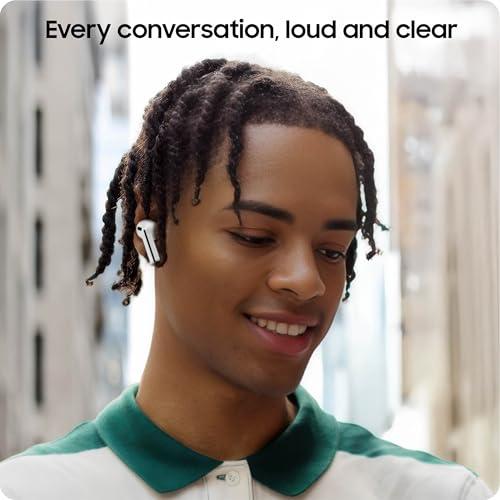
Samsung has implemented what they call Crystal Clear Call technology, which uses machine learning algorithms to isolate your voice from background noise. The three microphones are positioned to face toward your mouth, optimizing voice pickup. In practice, this translates to significantly better call clarity than most competitors, with enhanced background noise reduction that works reliably in office environments and even moderately noisy streets. The only scenario where performance suffers noticeably is in very windy conditions – a limitation shared by most wireless earbuds.
The Bose QuietComfort Earbuds II, despite their premium positioning, receive mixed reviews for call quality. While they offer improved voice-calling performance compared to earlier Bose models, users consistently report microphone issues as a notable drawback. This is somewhat surprising given Bose's expertise in noise cancellation, but it highlights how different these two technologies can be.
If you regularly take calls on your earbuds – whether for work, staying in touch with family, or just prefer hands-free conversations – the Samsung Galaxy Buds 3 FE provides a noticeably better experience.
Both manufacturers have put considerable thought into how their earbuds sit in your ears, but they've taken distinctly different approaches that cater to different preferences and ear shapes.
The Samsung Galaxy Buds 3 FE features what's called a canal-type design with Samsung's distinctive "Blade" aesthetic. The sealed ear tips come in three sizes and create a firm seal at the ear's opening, which improves both passive noise isolation and bass response. The Blade design isn't just for show – it incorporates the touch controls and gives the earbuds a modern, distinctive look. The earbuds are also notably light at just 5g each, which contributes to long-wearing comfort.
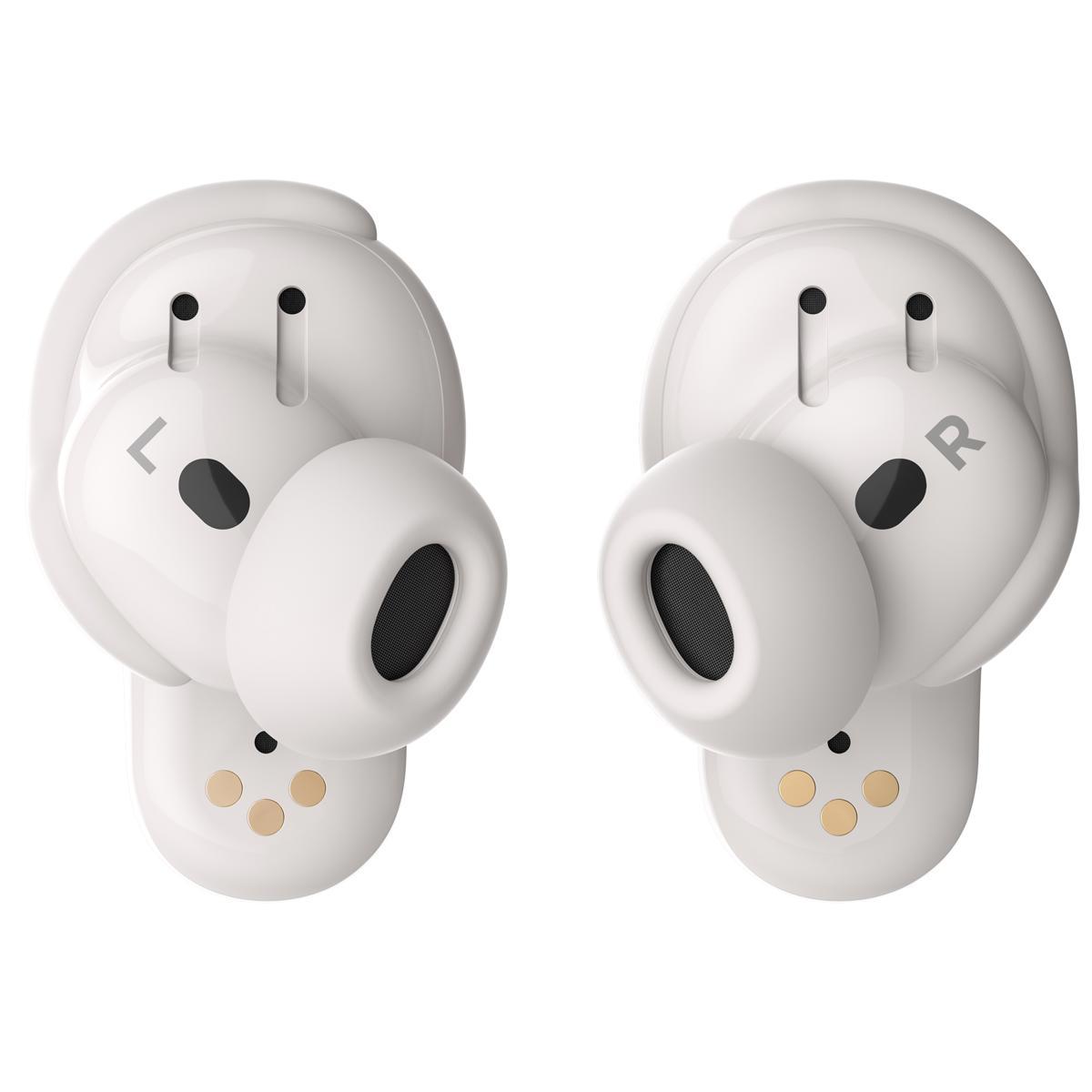
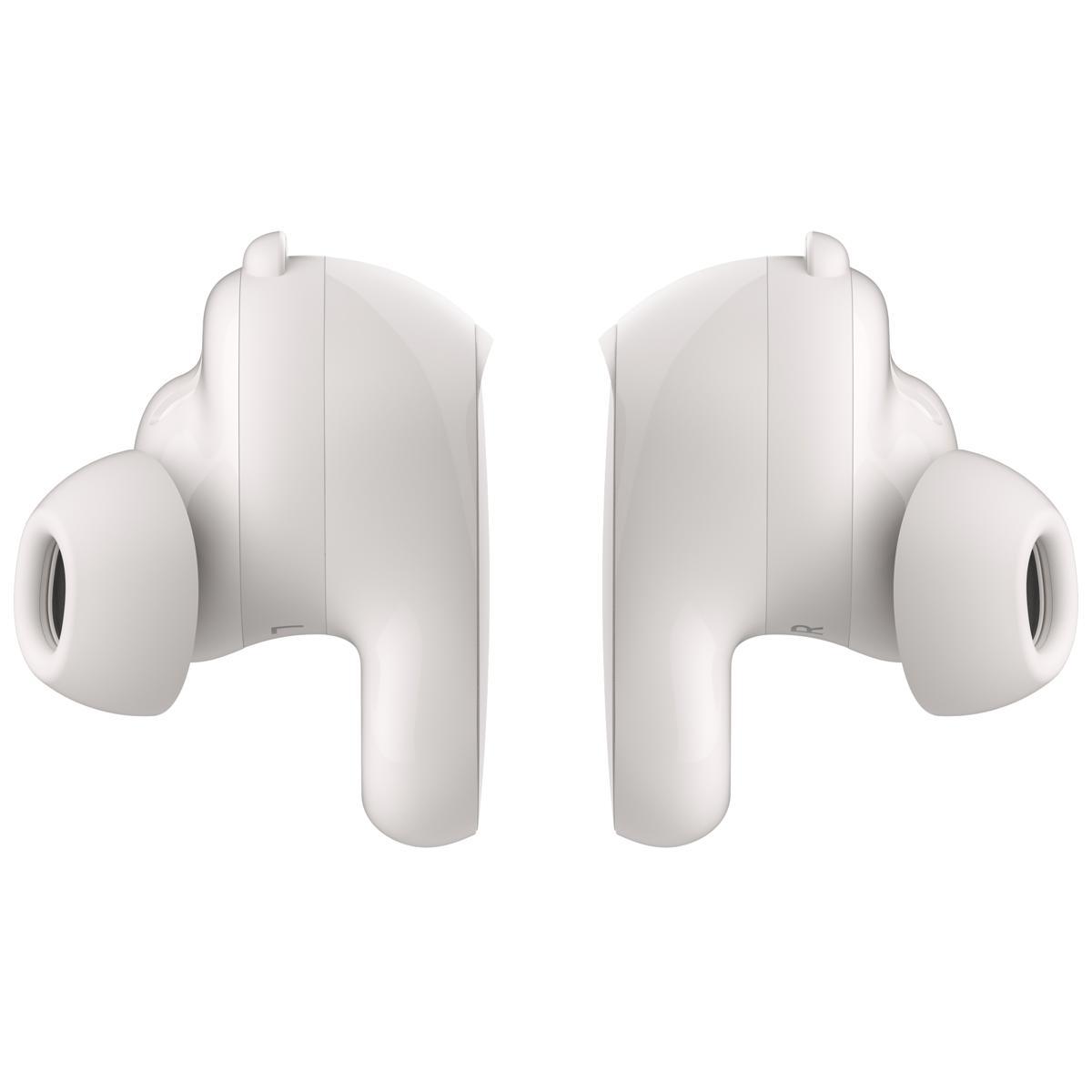
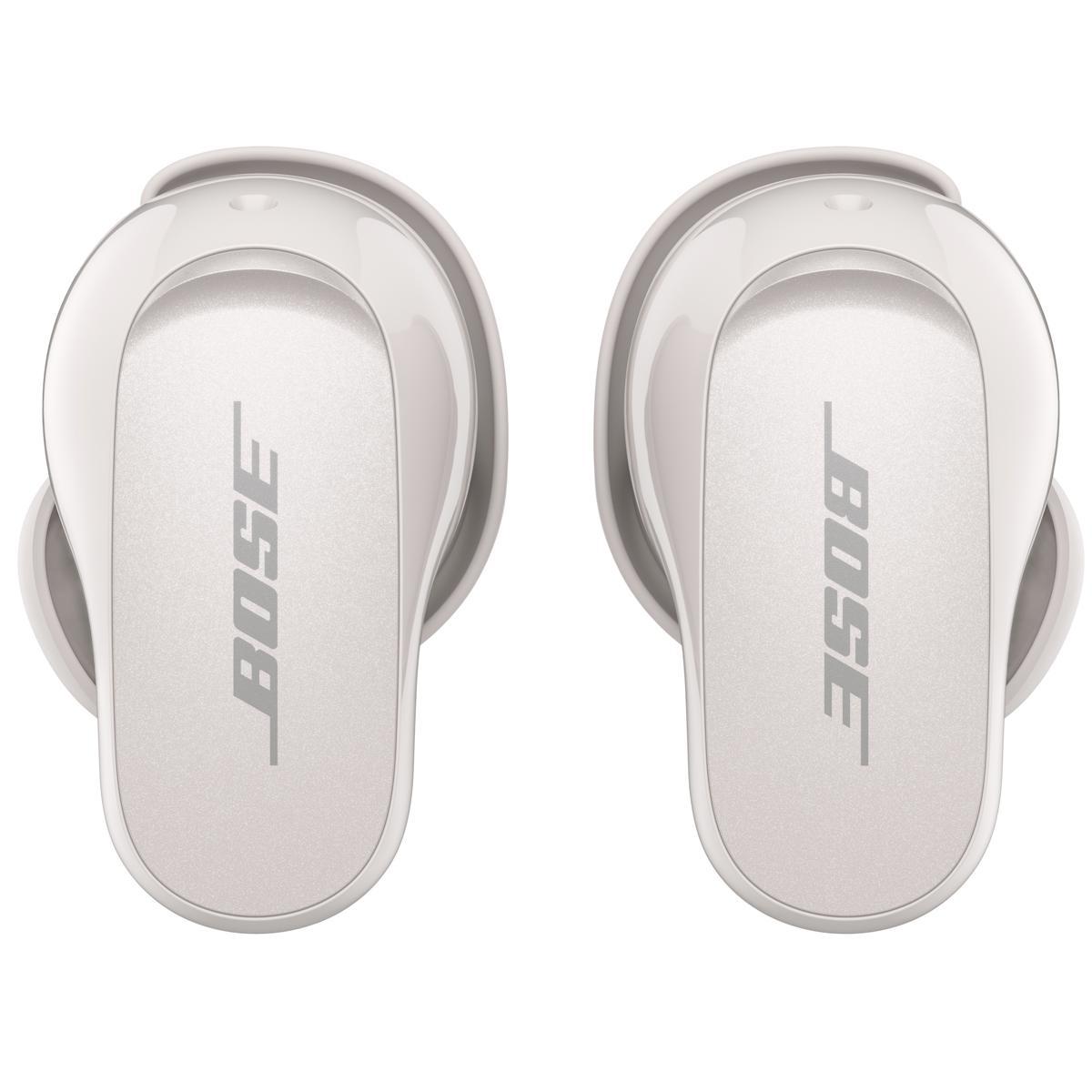
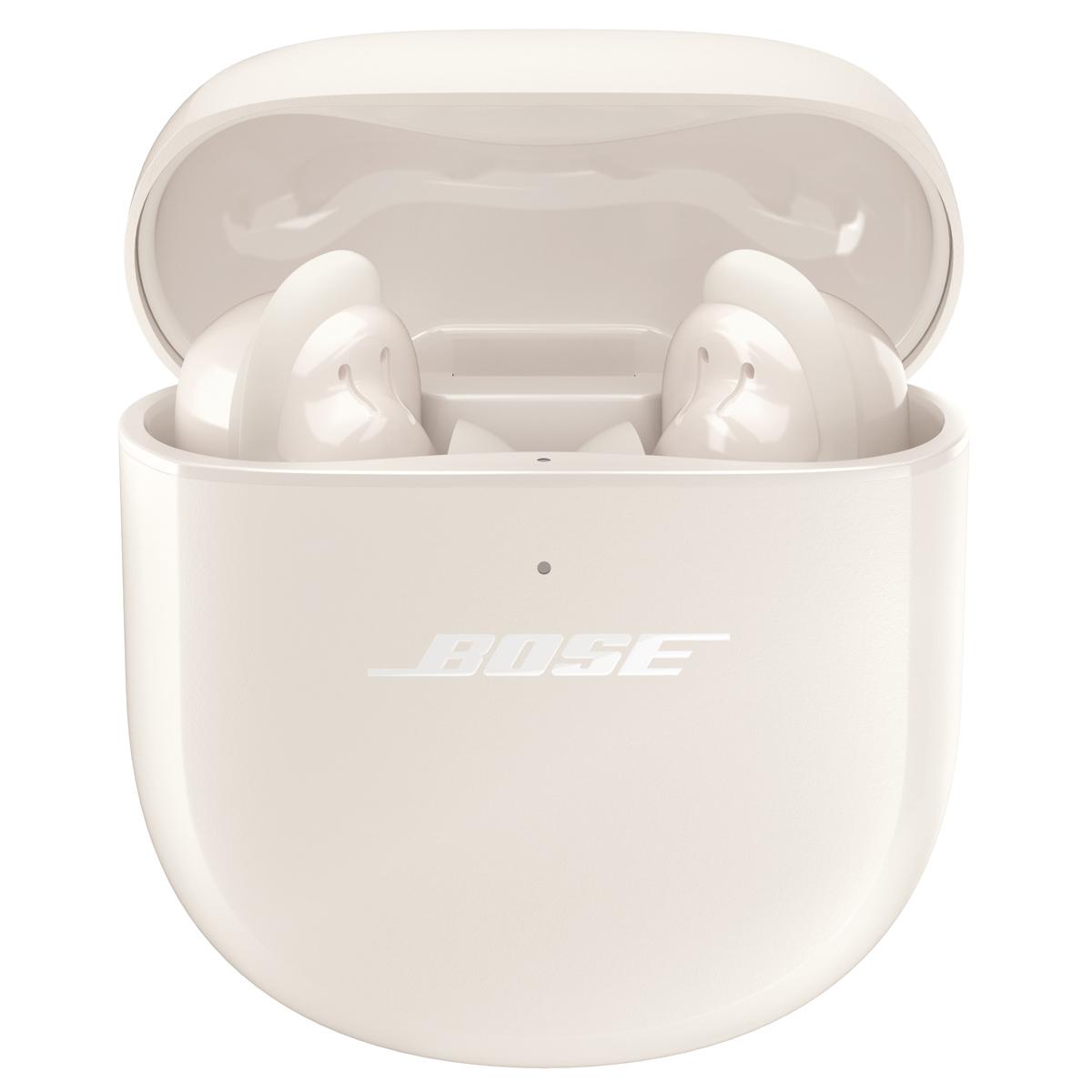
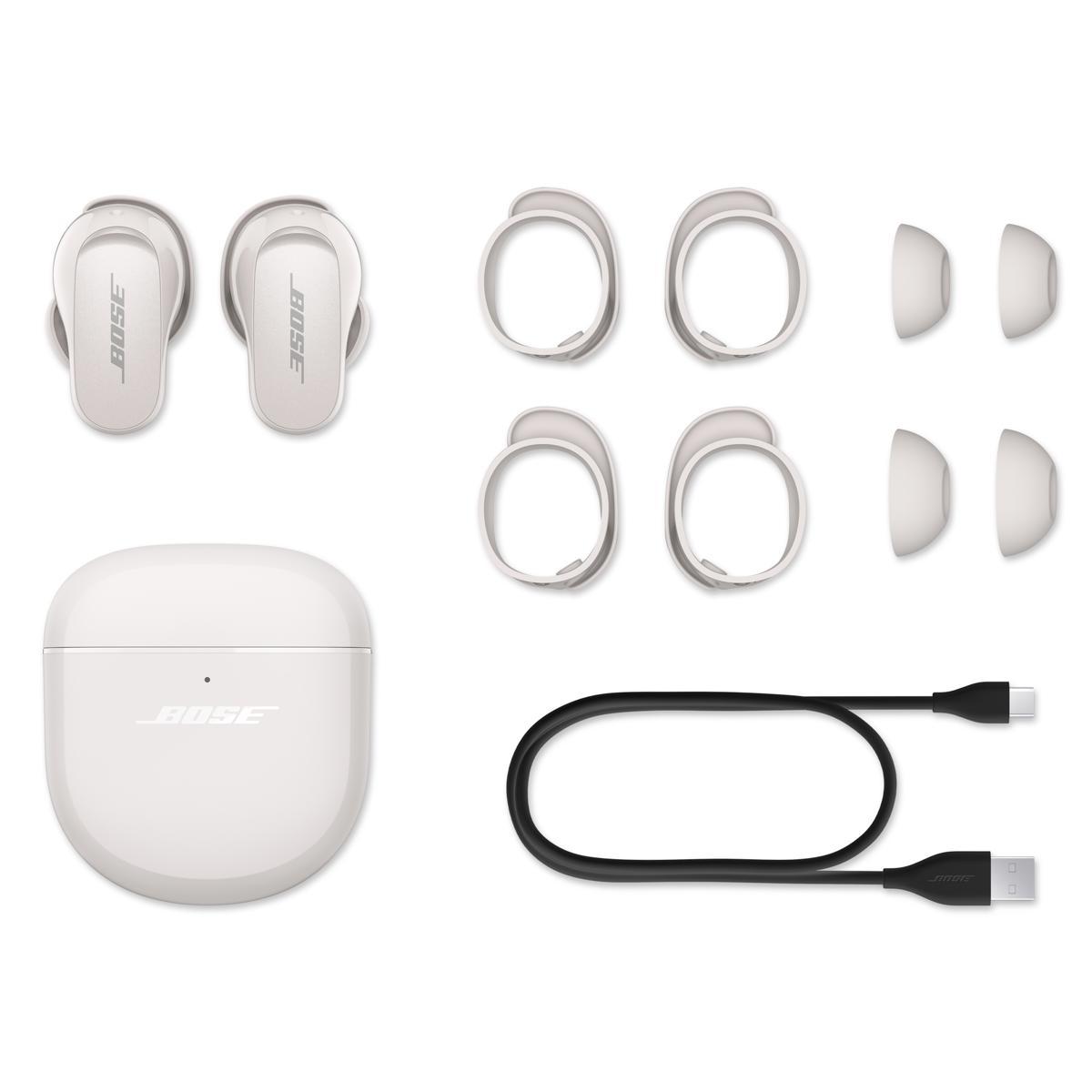
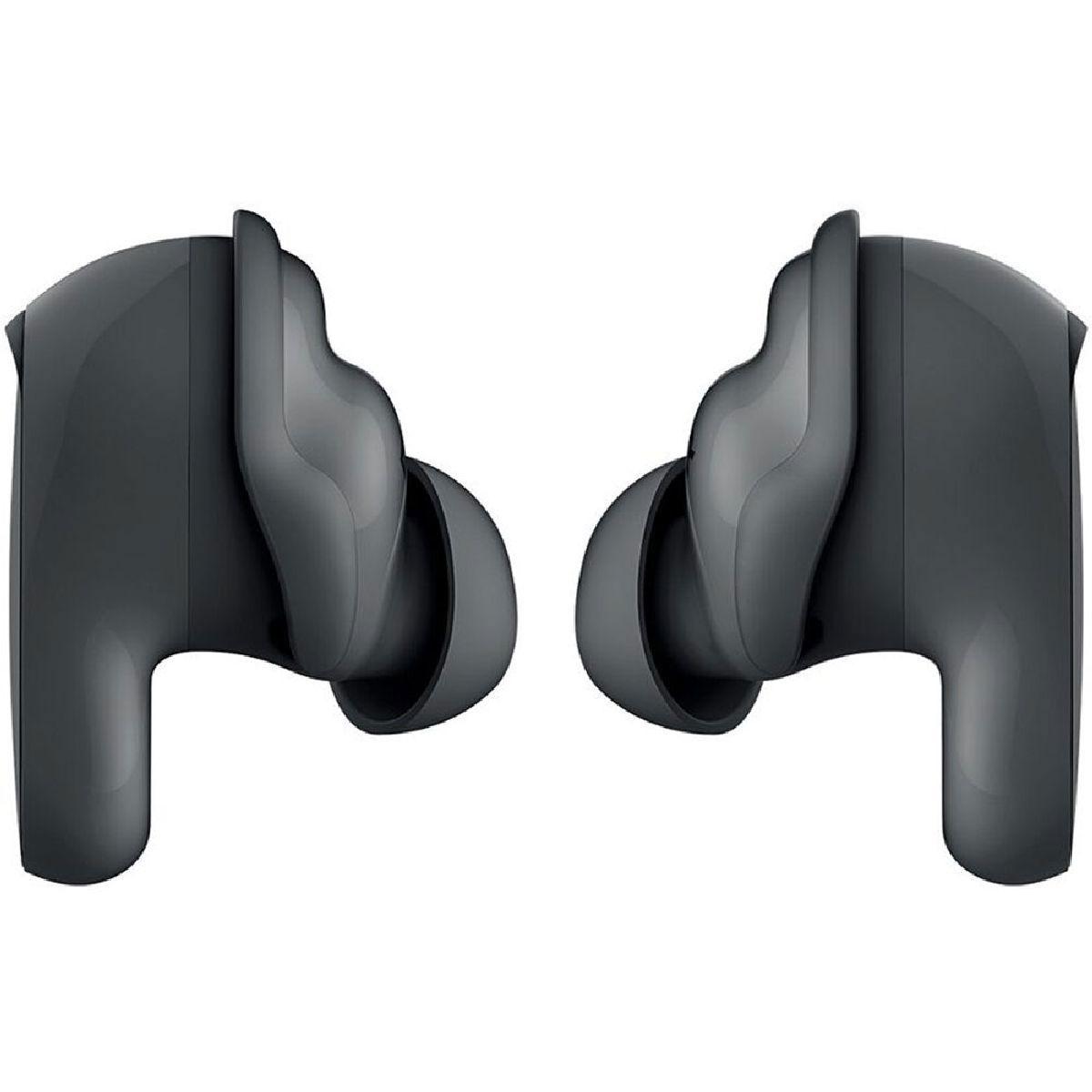
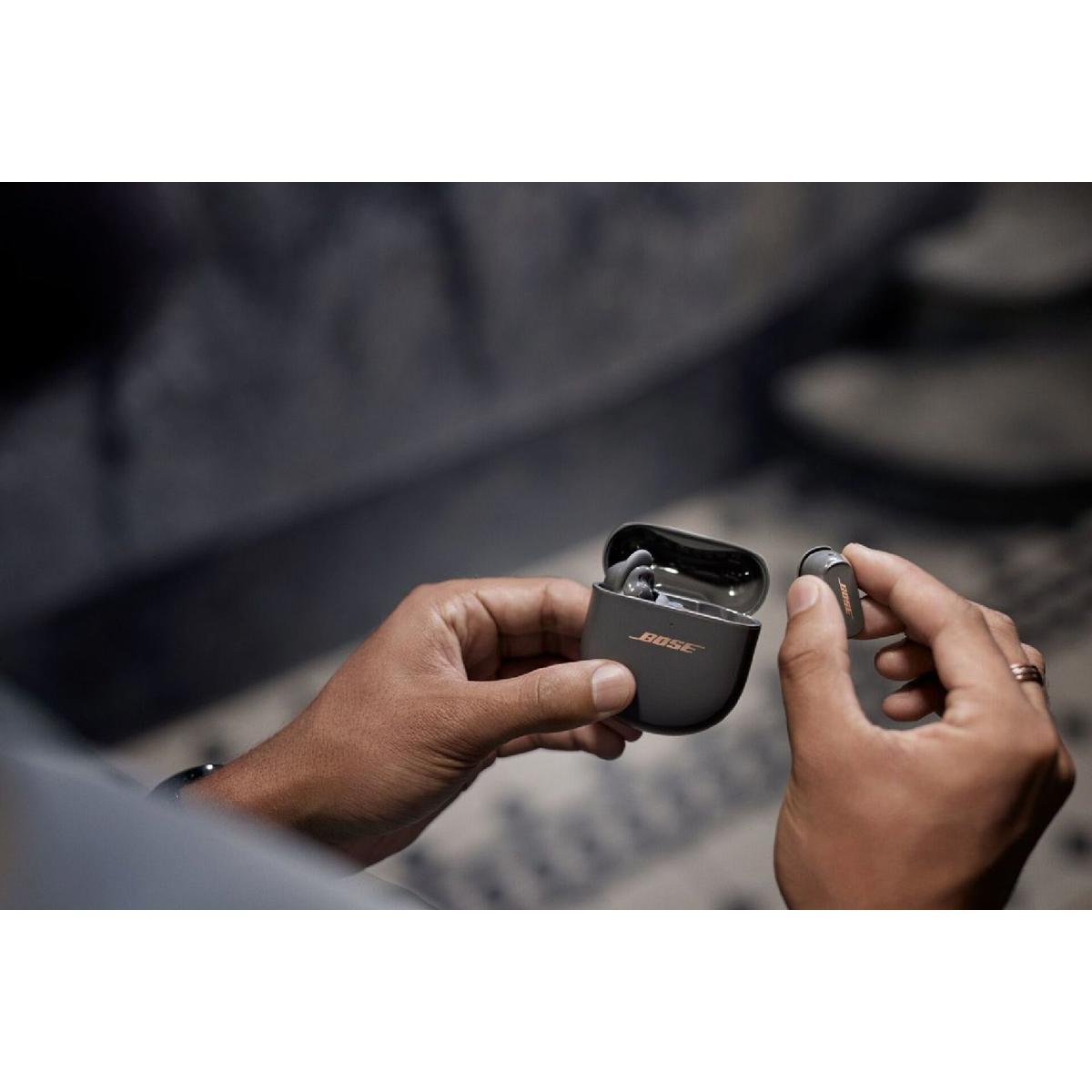
The Bose QuietComfort Earbuds II introduces an innovative two-piece Fit Kit system. Instead of traditional single-piece tips, you get separate stability bands that hug your ear's contour and umbrella-shaped silicone ear tips that create the seal. This system aims to provide both security and comfort by distributing contact points across more of your ear. The earbuds are significantly smaller than their predecessors, addressing a common complaint about earlier Bose models being too bulky.
In practice, both systems work well, but they feel quite different. The Samsung approach provides excellent passive isolation and a secure fit that works well for most activities. The Bose system feels more premium and may be more comfortable for extended wear, though some users find the two-piece system fiddly to get right initially.
Battery performance has become increasingly important as earbuds become all-day companions rather than occasional accessories. Both products deliver respectable performance, though with different strengths.
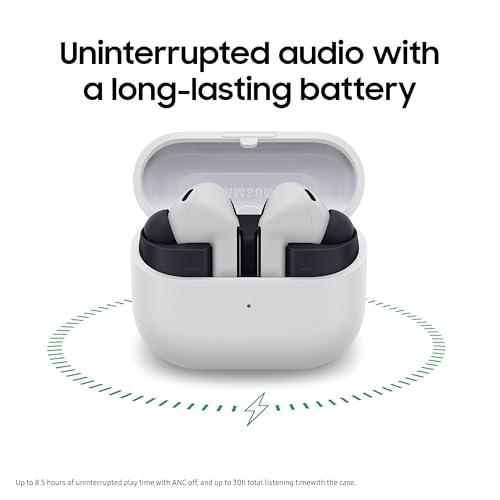
The Samsung Galaxy Buds 3 FE offers variable performance depending on your usage. With ANC enabled, you get 6 hours of continuous playback, extending to 8.5 hours with ANC disabled. Combined with the charging case, total listening time reaches 24 hours with ANC or 30 hours without. This flexibility is genuinely useful – if you're in a quiet environment, you can disable ANC to extend battery life significantly.
The Bose QuietComfort Earbuds II provides a consistent 6 hours per charge with ANC enabled, totaling 24 hours with the case. While this matches the Samsung's ANC-on performance, you don't get the option to extend battery life by disabling noise cancellation. However, Bose includes a useful quick-charge feature: 20 minutes of charging provides 2 hours of playback, which can be a lifesaver when you're heading out with dead earbuds.
Both use USB-C charging, and notably, neither includes wireless charging – a feature that's becoming increasingly common in this price range. This is more disappointing on the Bose given their premium positioning.
This is where the Samsung Galaxy Buds 3 FE really demonstrates their value proposition. Samsung has loaded these earbuds with features typically found in much more expensive products.
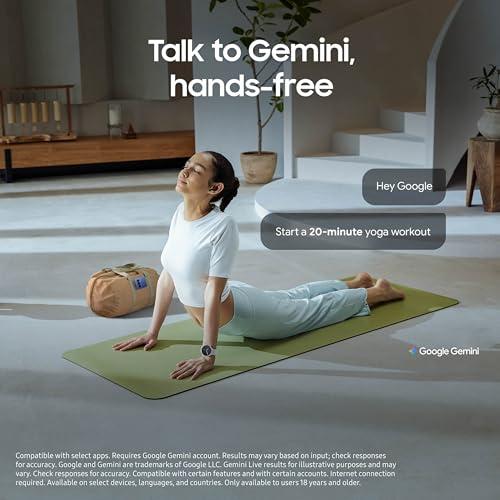
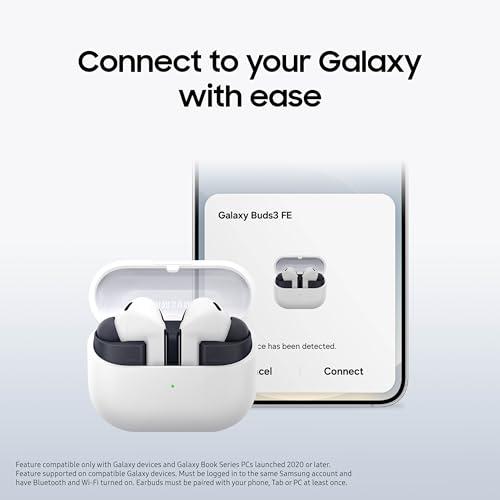
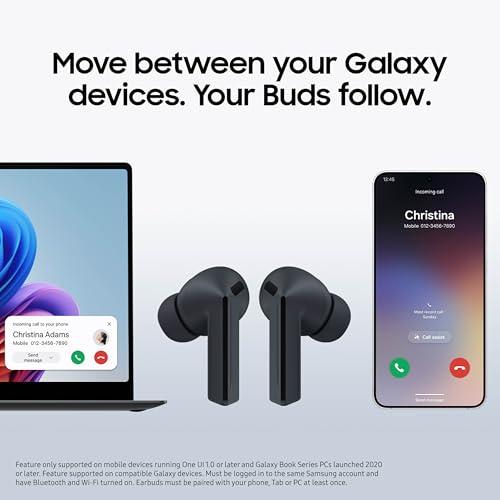
The Galaxy AI integration is particularly impressive. You get access to Samsung's Interpreter app for real-time translation – genuinely useful if you travel or work in multilingual environments. Voice access to Google's Gemini assistant allows hands-free control without needing to touch your phone. The Auto Switch feature seamlessly transfers audio between your Samsung devices as you move between your phone, tablet, and laptop.
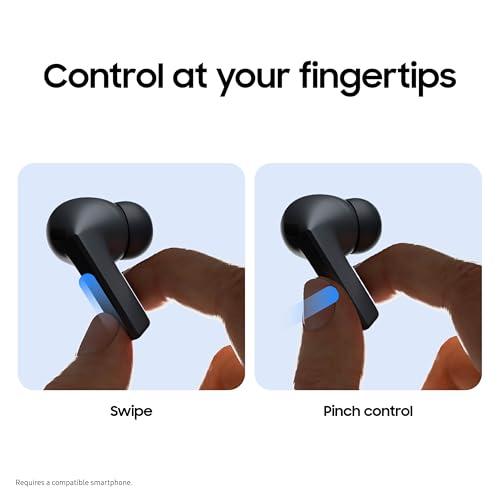
The Blade controls are intuitive once you learn them: pinch to play/pause or skip tracks, swipe up and down for volume control. It's a more elegant solution than traditional button presses and works reliably in practice.
The Bose QuietComfort Earbuds II keeps things simpler with traditional touch controls and focuses primarily on audio performance. While they support independent earbud use and basic voice assistant access, they lack the ecosystem integration and AI features of the Samsung option.
If you're invested in Samsung's ecosystem, the Galaxy Buds 3 FE offers compelling additional functionality. If you use a mix of devices or prioritize simplicity, Bose's approach may be preferable.
For everyday durability, the Samsung Galaxy Buds 3 FE holds a clear advantage with IP54 rating compared to Bose's IPX4. That might seem like alphabet soup, but it's actually significant. The IP54 rating means the Samsung earbuds are protected against both dust ingress and water splashes from any direction. The IPX4 rating on the Bose QuietComfort Earbuds II only covers splash resistance, with no dust protection.
This difference matters if you're active, live in a dusty environment, or just want peace of mind about durability. The Samsung earbuds are better equipped to handle gym sessions, outdoor activities, or accidental drops in sandy or dusty conditions.
While neither product is specifically designed for home theater use, it's worth considering how they perform in that context. Both support their manufacturers' spatial audio technologies – 360 Audio for Samsung and spatial audio processing for Bose. However, for serious home theater use, you'd typically want to consider over-ear headphones or a proper speaker system for the best experience.
That said, both can serve as excellent late-night viewing companions when you don't want to disturb others, with the Bose QuietComfort Earbuds II offering slightly better audio quality for movie content.
At the time of writing, the pricing difference between these products is significant enough to influence most buying decisions. The Samsung Galaxy Buds 3 FE costs roughly half as much as the Bose QuietComfort Earbuds II, which raises an important question: does the Bose model justify nearly double the investment?
For most users, honestly, no. The Samsung Galaxy Buds 3 FE delivers roughly 90% of the premium experience at 50% of the cost. You get excellent sound quality, class-leading ANC for the price point, superior call quality, and a wealth of smart features. The main compromises are slightly less sophisticated noise cancellation and the lack of Bose's CustomTune personalization.
However, if you're an audio enthusiast who values the absolute best performance, the Bose QuietComfort Earbuds II does offer meaningfully superior noise cancellation and audio refinement. The CustomTune technology genuinely works, and the overall audio experience is more polished.
Choose the Samsung Galaxy Buds 3 FE if you want excellent performance with outstanding value, especially if you're already using Samsung devices. They're ideal for users who take frequent calls, want extensive customization options, and appreciate smart features like real-time translation and seamless device switching. The superior durability rating and longer battery life with ANC disabled make them practical for active users.
Go with the Bose QuietComfort Earbuds II if audio quality and noise cancellation are your top priorities and budget is less of a concern. They're the better choice for frequent travelers, audiophiles, and users who primarily use earbuds for music listening rather than calls. The CustomTune personalization and superior ANC justify the premium for users who can appreciate these refinements.
The bottom line? The Samsung Galaxy Buds 3 FE offers exceptional value and will satisfy most users completely, while the Bose QuietComfort Earbuds II provides incremental but meaningful improvements for users willing to pay for absolute performance. Both are excellent products, but they serve different priorities and budgets.
| Samsung Galaxy Buds 3 FE | Bose QuietComfort Earbuds II |
|---|---|
| Active Noise Cancellation - Critical for commuting and focus | |
| Enhanced ANC with 3 mics, reduces ~86% outside noise | World-class ANC with 4 mics per earbud, industry-leading performance |
| Sound Quality & Customization - Determines your listening experience | |
| 6.5mm driver, 6 EQ presets + custom 9-band EQ, Samsung Seamless Codec | CustomTune auto-calibration, bass-heavy signature, premium audio tuning |
| Call Quality - Essential for work and daily communication | |
| Crystal Clear Call with ML voice isolation, excellent performance | Improved over previous models but users report microphone issues |
| Battery Life (Single Charge) - How long before needing the case | |
| 6 hours (ANC on) / 8.5 hours (ANC off) | 6 hours with ANC |
| Total Battery Life - Full day usage potential | |
| 24 hours (ANC on) / 30 hours (ANC off) with case | 24 hours with case |
| Water/Dust Resistance - Protection for active use | |
| IP54 (dust and splash resistant) | IPX4 (splash resistant only) |
| Weight Per Earbud - Comfort for extended wear | |
| 5g each (lightweight for all-day comfort) | Part of 12.5g total weight (heavier but premium feel) |
| Smart Features - Added functionality beyond audio | |
| Galaxy AI, real-time translation, Auto Switch, Gemini voice access | Basic voice assistant support, independent earbud use |
| Controls - Daily usability and convenience | |
| Intuitive Blade controls (pinch/swipe gestures) | Traditional touch controls |
| Fit System - Crucial for comfort and sound isolation | |
| Canal-type with sealed tips, 3 sizes, secure Blade design | Two-piece Fit Kit with stability bands and umbrella tips |
| Connectivity - Device compatibility and features | |
| Bluetooth 5.4, SSC/AAC/SBC codecs, no multipoint | Bluetooth 5.3, SBC/AAC codecs, no multipoint |
| Value Proposition - Performance per dollar spent | |
| Exceptional value with 90% of premium performance at mid-range price | Premium audio quality and ANC justify higher cost for audiophiles |
The Bose QuietComfort Earbuds II offer superior noise cancellation with their world-class ANC technology using 4 microphones per earbud. However, the Samsung Galaxy Buds 3 FE deliver exceptional ANC performance for their price range, reducing approximately 86% of outside noise and reportedly outperforming even more expensive Samsung models.
The Samsung Galaxy Buds 3 FE offer outstanding value, delivering roughly 90% of premium performance while costing significantly less than the Bose QuietComfort Earbuds II. Choose Samsung for excellent all-around performance and smart features, or Bose if you prioritize absolute best-in-class audio quality and noise cancellation.
The Samsung Galaxy Buds 3 FE excel at call quality with Crystal Clear Call technology and machine learning voice isolation. The Bose QuietComfort Earbuds II have improved call performance over previous models but users still report microphone issues as a notable drawback.
Both offer 6 hours of playback with ANC enabled and 24 hours total with their cases. The Samsung Galaxy Buds 3 FE provide additional flexibility with 8.5 hours per charge when ANC is disabled, extending total battery life to 30 hours with the case.
Both deliver excellent sound quality but with different approaches. The Bose QuietComfort Earbuds II feature CustomTune technology that automatically calibrates sound to your ear shape, while the Samsung Galaxy Buds 3 FE offer extensive manual customization with 6 EQ presets and a custom 9-band equalizer.
The Samsung Galaxy Buds 3 FE are better suited for workouts with their IP54 rating providing dust and splash protection. The Bose QuietComfort Earbuds II only offer IPX4 splash resistance without dust protection, making them less ideal for active use.
Both offer secure, comfortable fits but use different systems. The Samsung Galaxy Buds 3 FE feature a canal-type design with sealed tips and lightweight 5g earbuds. The Bose QuietComfort Earbuds II use an innovative two-piece Fit Kit with stability bands and umbrella-shaped tips for distributed comfort.
Both work with iPhones and Android devices via Bluetooth. However, the Samsung Galaxy Buds 3 FE offer enhanced features like Auto Switch, Galaxy AI, and Samsung Seamless Codec when used with Samsung Galaxy devices. The Bose QuietComfort Earbuds II provide consistent performance across all platforms.
The Samsung Galaxy Buds 3 FE feature intuitive Blade controls with pinch gestures for playback and swipe gestures for volume control. The Bose QuietComfort Earbuds II use traditional touch controls. Samsung's gesture-based system is generally considered more modern and easier to use.
Yes, both the Samsung Galaxy Buds 3 FE and Bose QuietComfort Earbuds II support independent earbud use, allowing you to use either the left or right earbud solo while keeping the other charged in the case.
The Bose QuietComfort Earbuds II offer superior quick charging with 20 minutes providing 2 hours of playback. Both models use USB-C charging, but neither includes wireless charging capabilities despite this becoming more common in their respective price ranges.
For most users, the Samsung Galaxy Buds 3 FE provide exceptional value with premium features at a mid-range price point. Choose the Bose QuietComfort Earbuds II only if you're an audiophile who prioritizes absolute best-in-class noise cancellation and audio quality over cost considerations.
We've done our best to create useful and informative comparisons to help you decide what product to buy. Our research uses advanced automated methods to create this comparison and perfection is not possible - please contact us for corrections or questions. These are the sites we've researched in the creation of this article: soundguys.com - samsungmobilepress.com - hitechcentury.com - samsung.com - loudnwireless.com - samsung.com - scarbir.com - samsung.com - complyfoam.com - youtube.com - samsung.com - bestbuy.com - architeg-prints.com - samsung.com - techradar.com - techgearlab.com - cnet.com - soundguys.com - rtings.com - soundstagesolo.com - forums.whathifi.com - youtube.com - cnet.com - bose.com - soundguys.com - youtube.com - rtings.com - soundguys.com - loudnwireless.com - head-fi.org - noisyworld.org - boseindia.com - global.bose.com - boselatam.com - bose.com - youtube.com - boselatam.com - support.bose.com - bhphotovideo.com - bestbuy.com - global.bose.com - bose.com - assets.bose.com - boseapac.com - bose.com - bose.com - bose.com

Privacy Policy
Terms and Conditions - Affiliate Policy
Home Security
© Copyright 2008-2026.
11816 Inwood Rd #1211, Dallas, TX 75244