



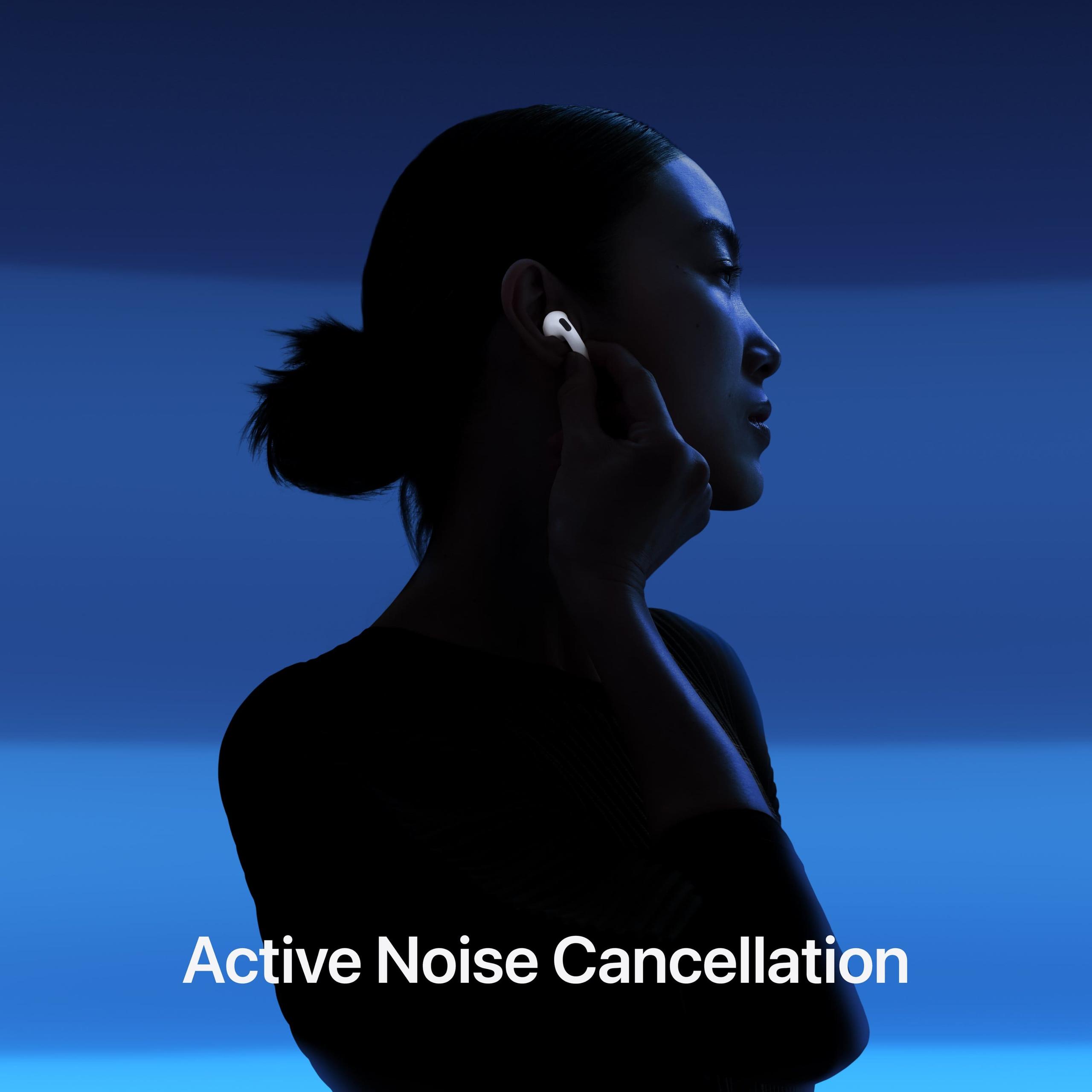
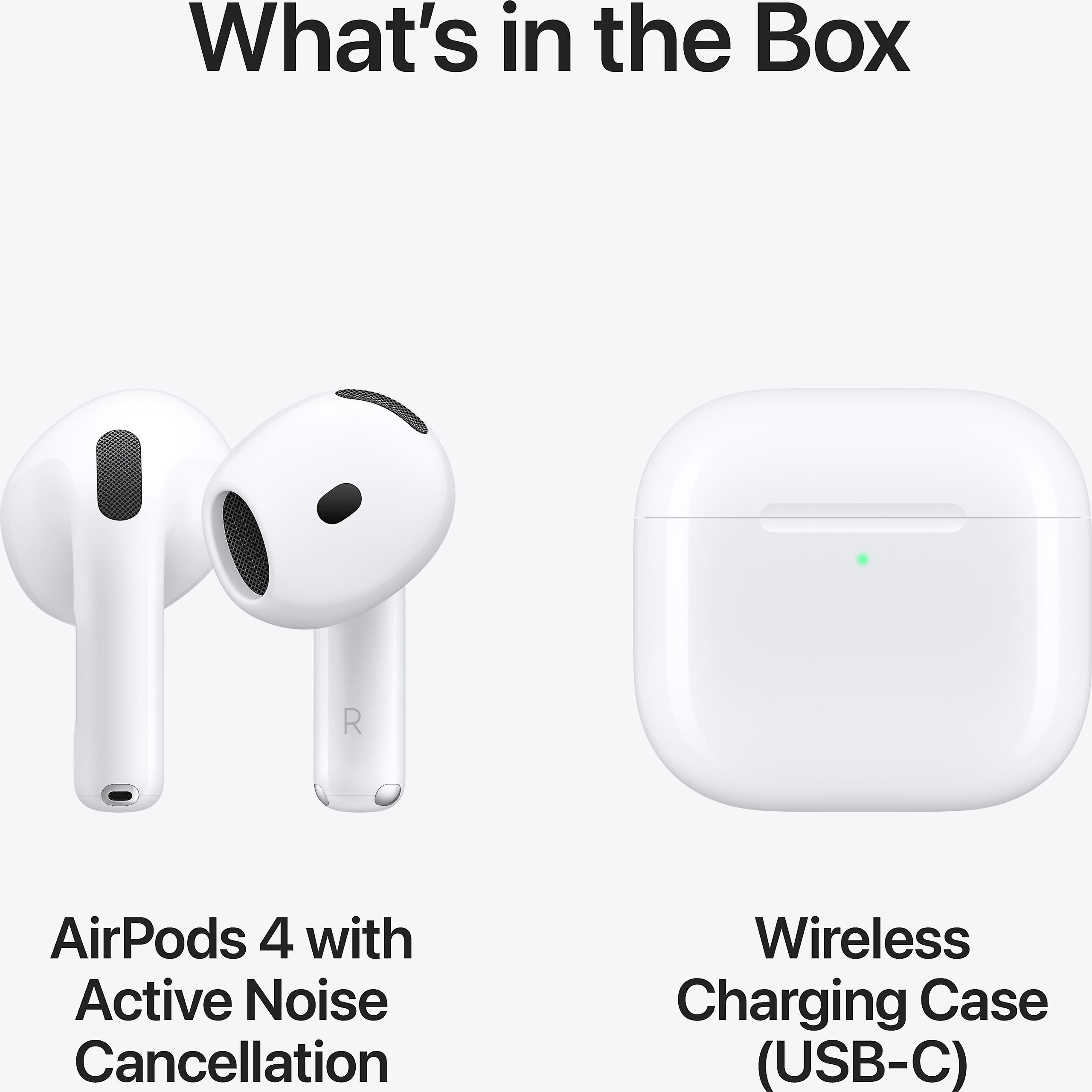
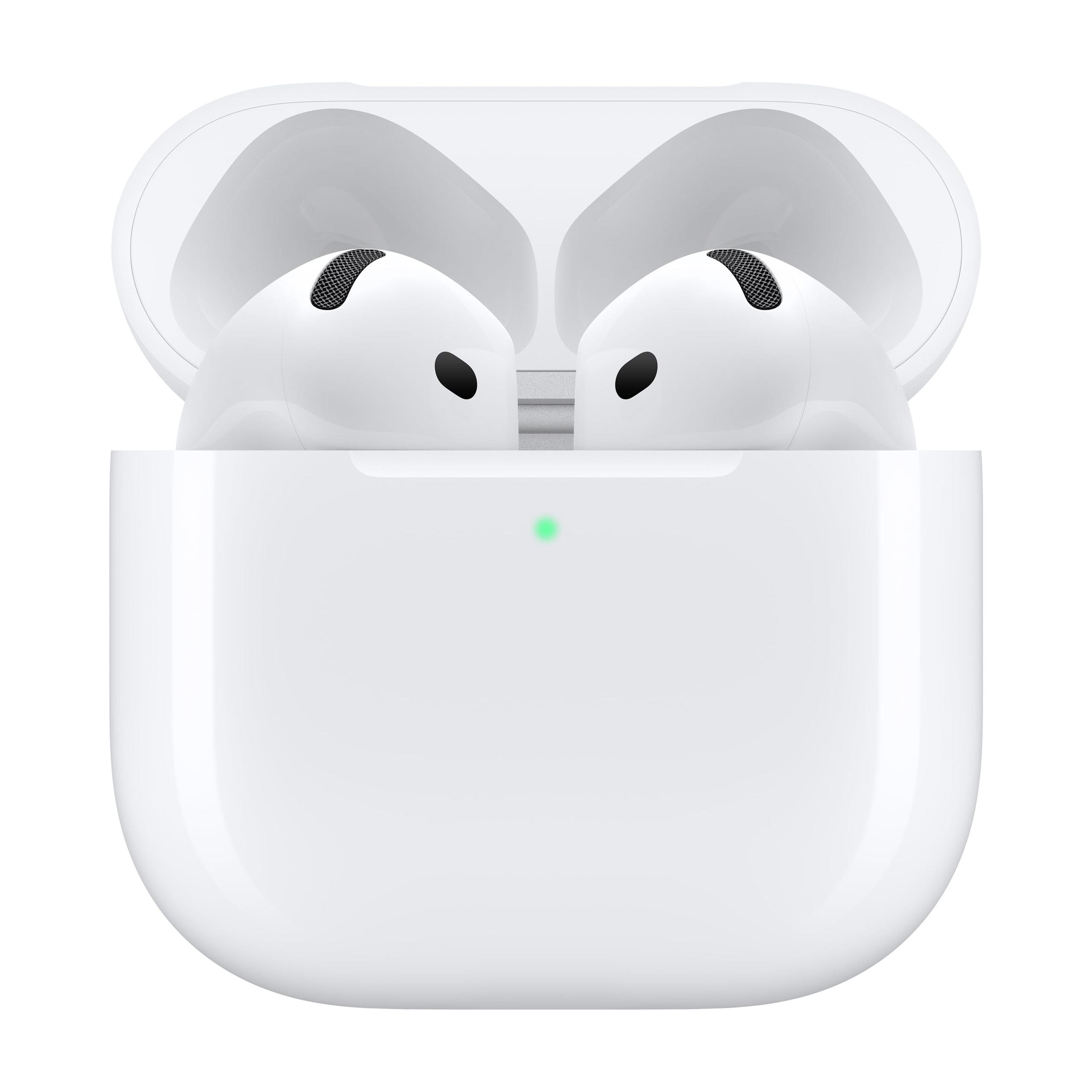
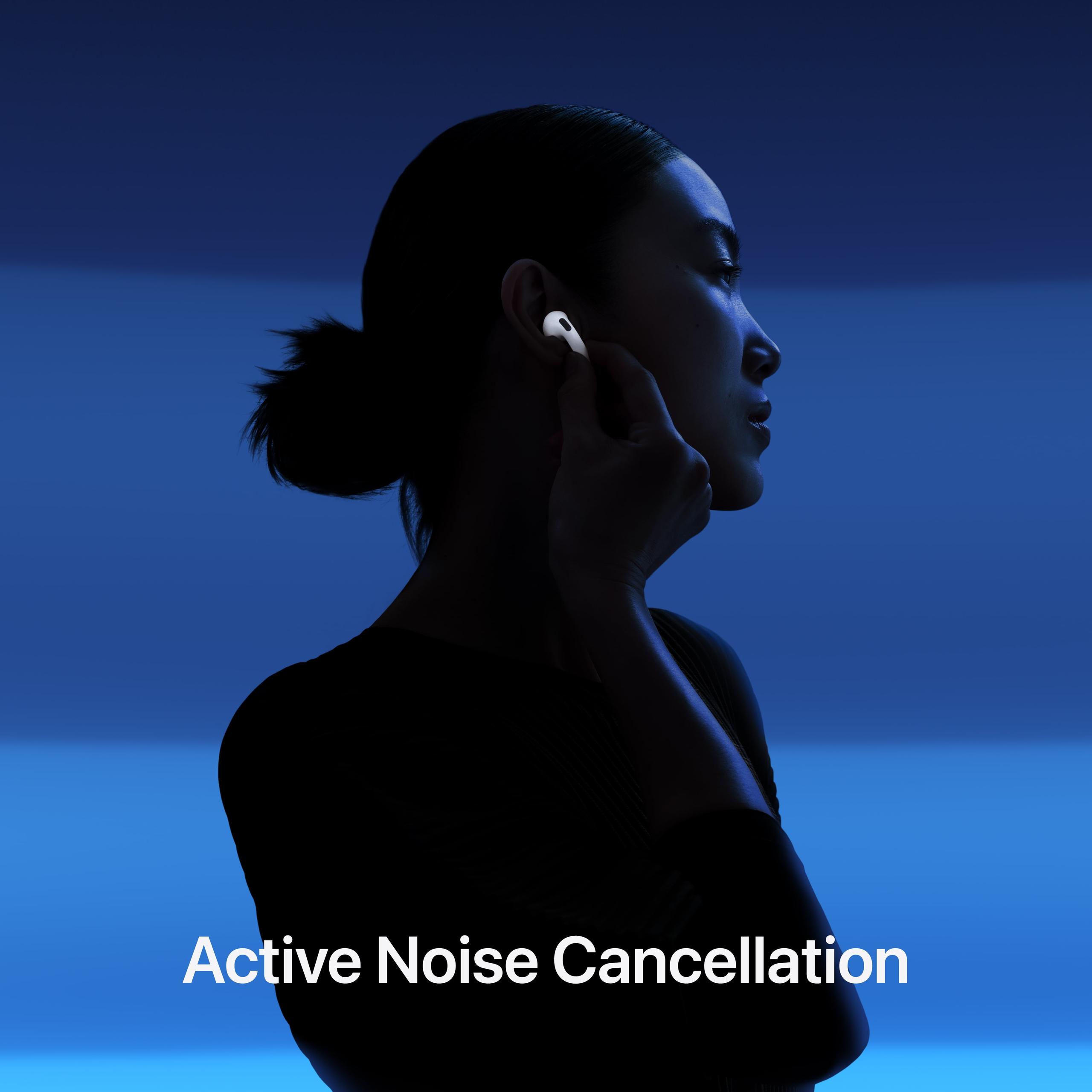
When Apple released the AirPods 4 with Active Noise Cancellation in 2024, they did something unprecedented—they brought noise-cancelling technology to an open-ear design. This was a bold move in a market where the conventional wisdom had always been that you need a tight seal in your ear canal to block out unwanted sound effectively.
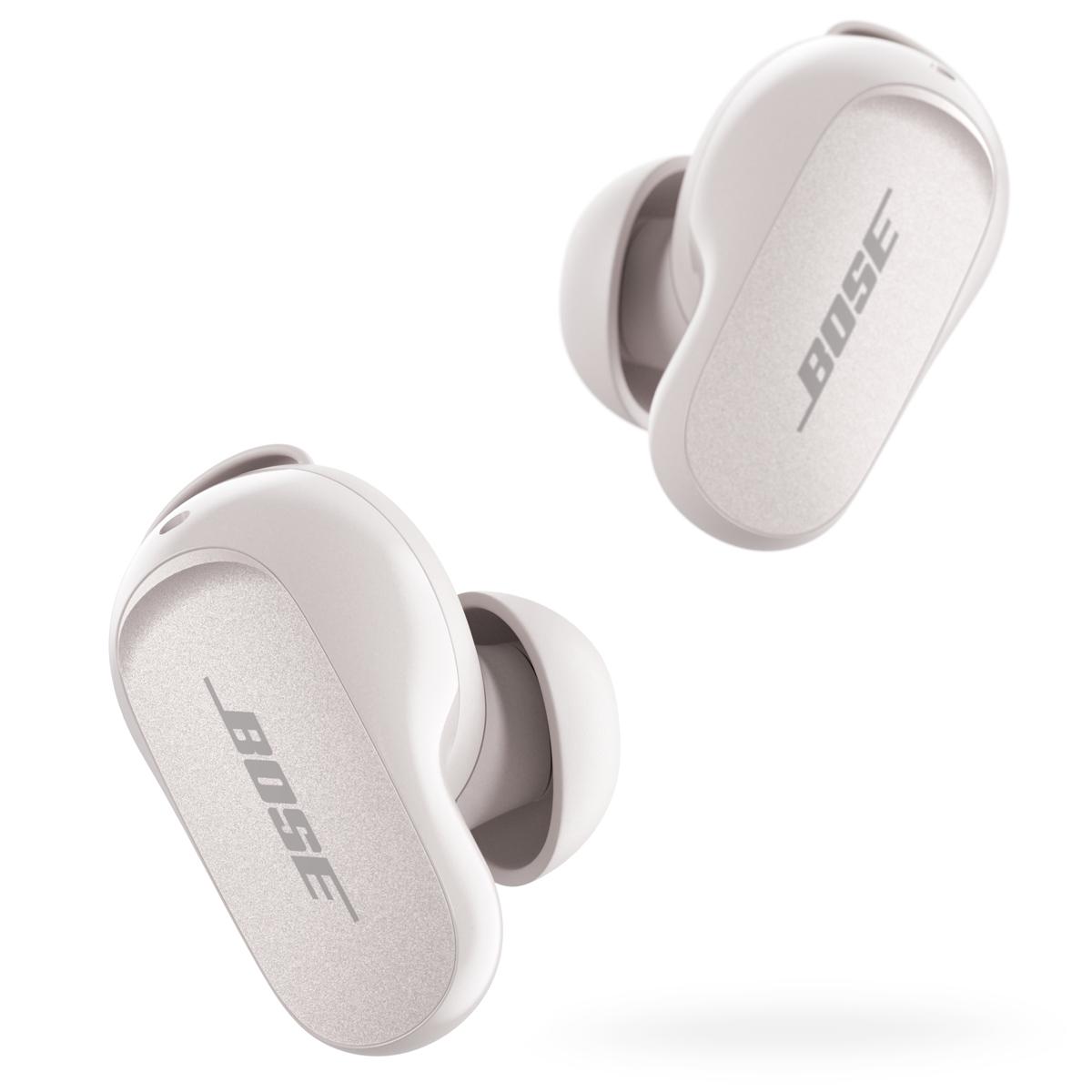
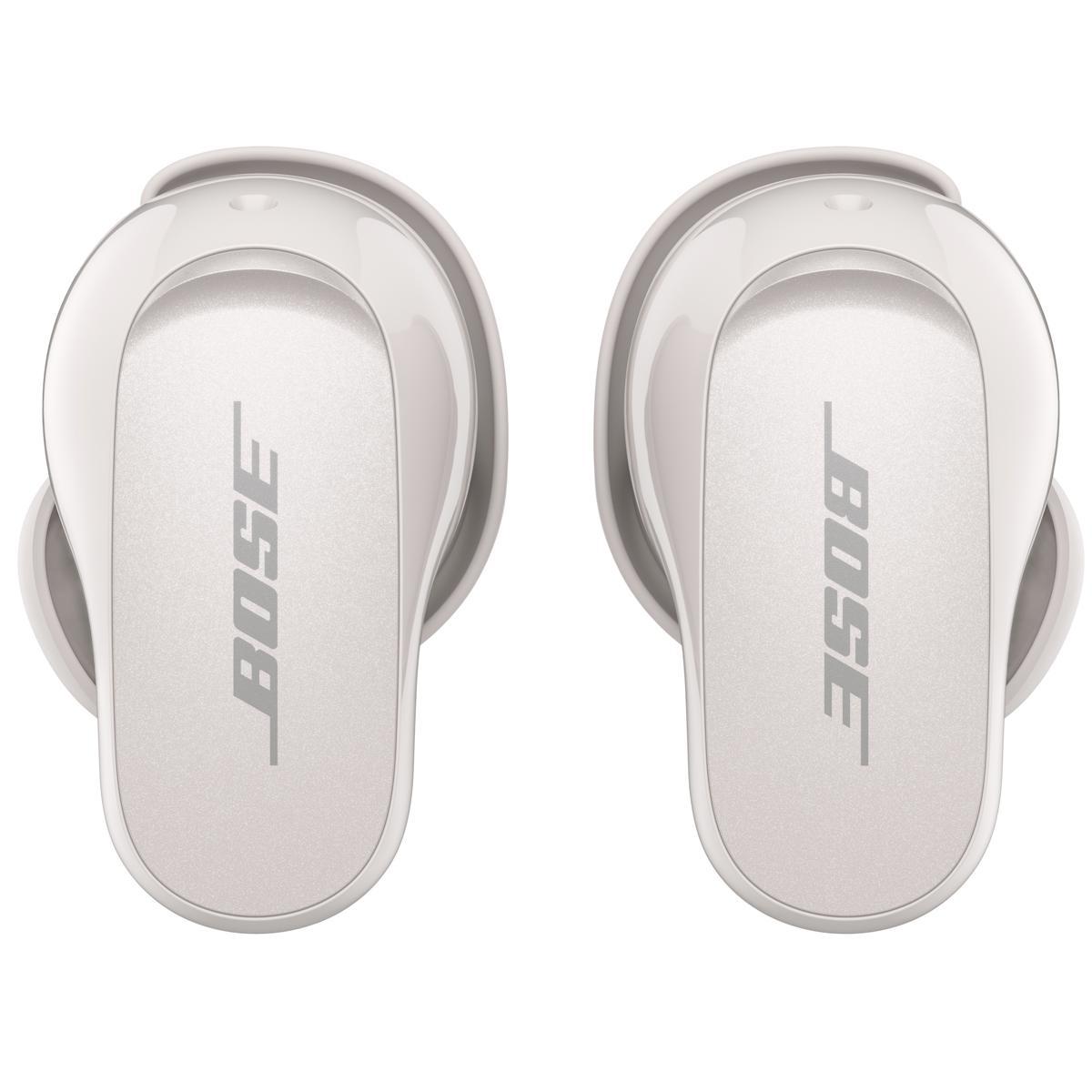
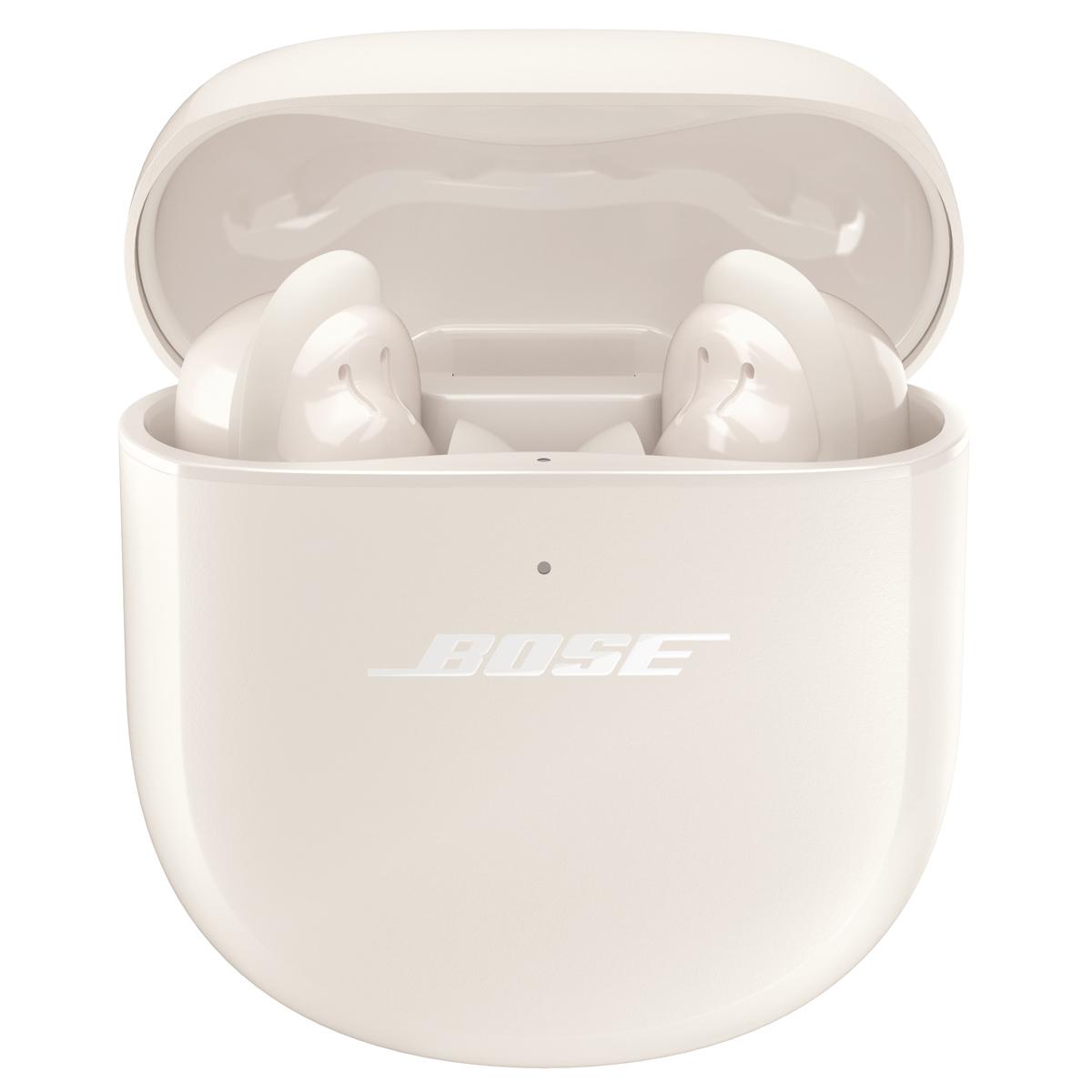
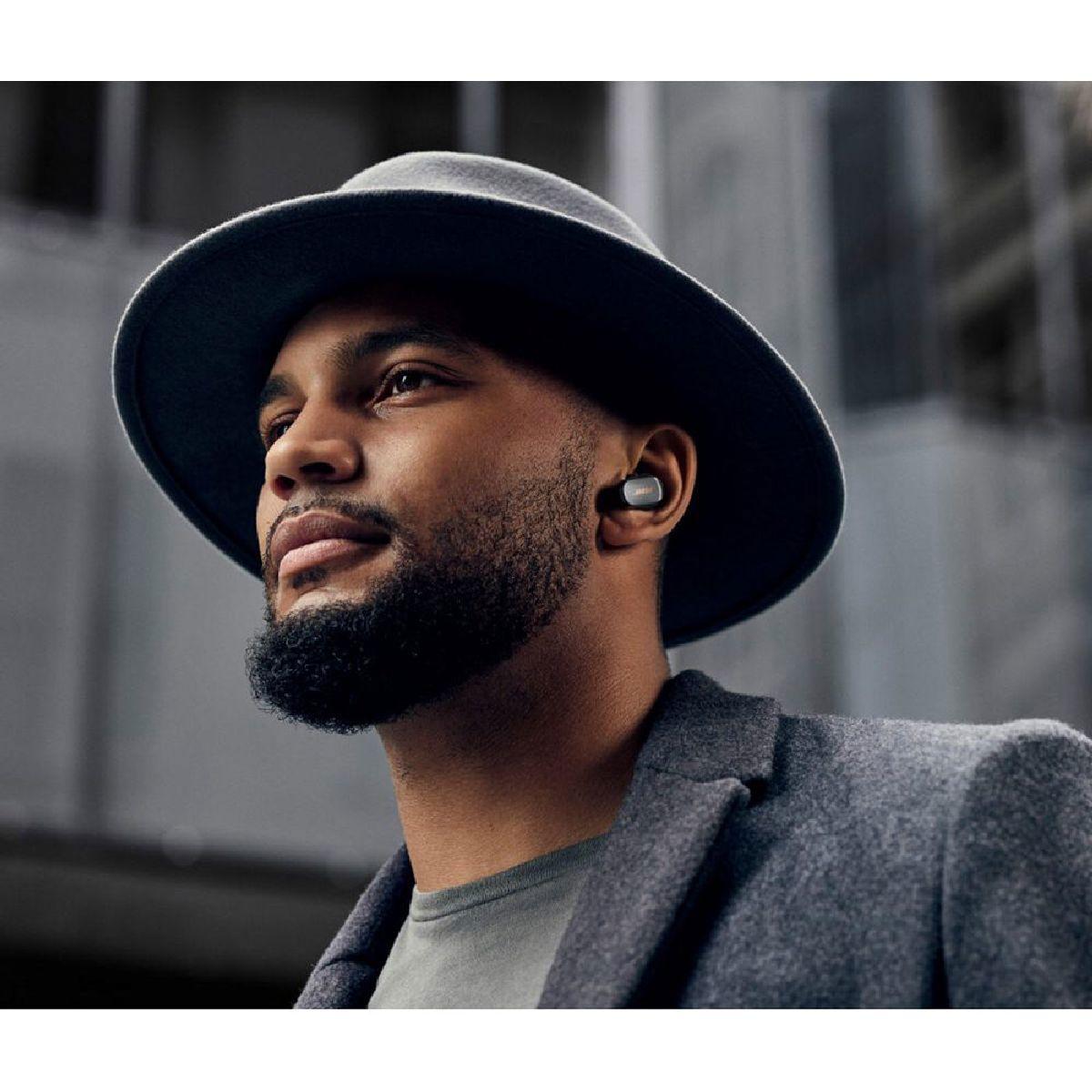
Meanwhile, Bose continued refining their proven approach with the QuietComfort Earbuds II, first released in 2022 and representing their most advanced noise-cancelling technology to date. These earbuds follow the traditional sealed design philosophy but push the boundaries of what's possible with their CustomTune technology—a system that actually measures your unique ear shape every time you put them in.
The result? Two excellent products that approach noise cancellation from completely different angles, each with distinct advantages depending on how and where you'll use them.
Before diving into the specifics, it's worth understanding what we're looking for in premium noise-cancelling earbuds. Active Noise Cancellation works by using microphones to detect ambient sound, then producing an opposite sound wave to cancel it out—think of it like sound-based interference. This process happens in real-time, thousands of times per second.
The most important performance characteristics are noise cancellation effectiveness (how much unwanted sound gets blocked), audio quality (how your music actually sounds), comfort during extended wear, battery life, and overall value. In my experience testing dozens of earbuds over the years, the balance between these factors determines whether you'll actually want to use them daily or if they'll end up forgotten in a drawer.
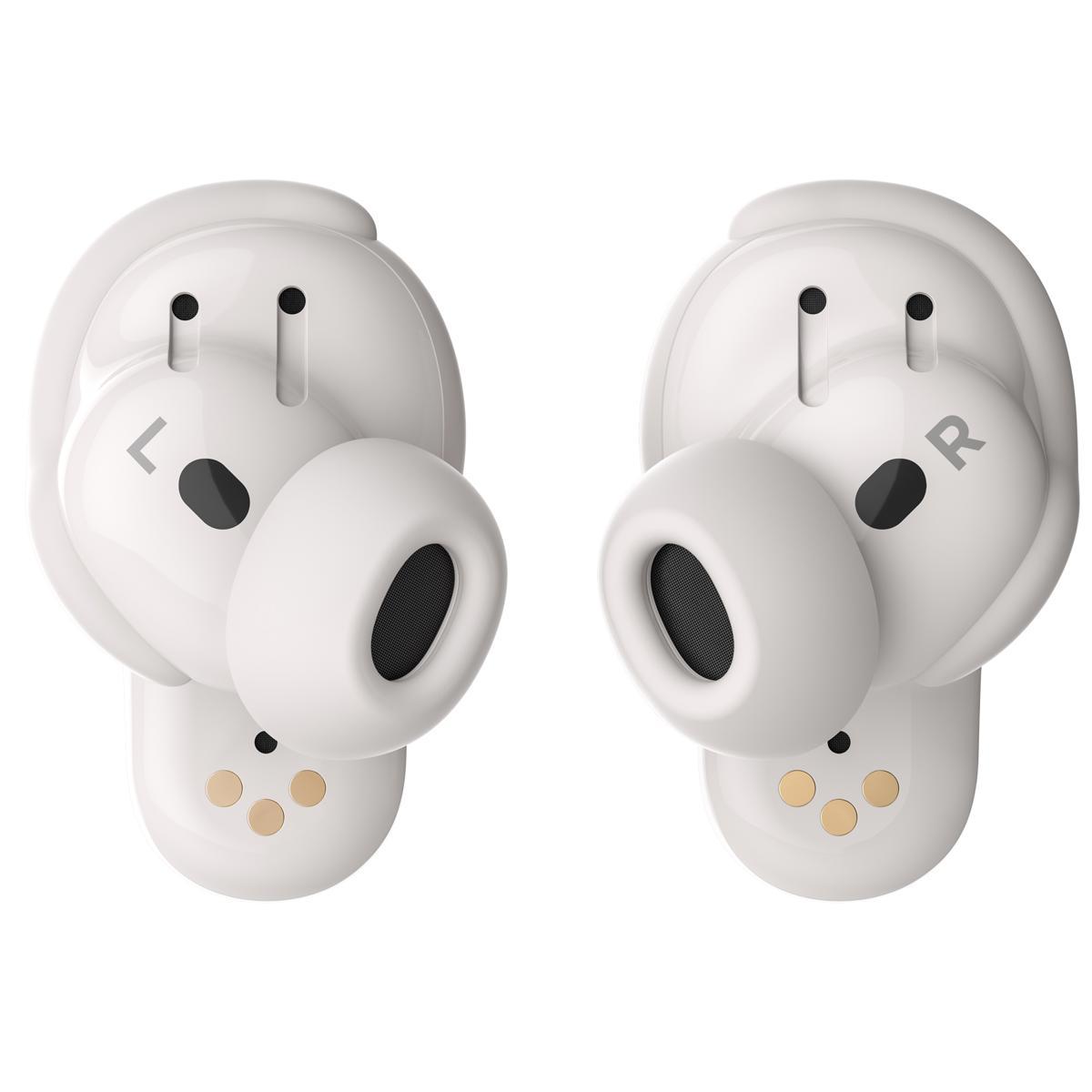
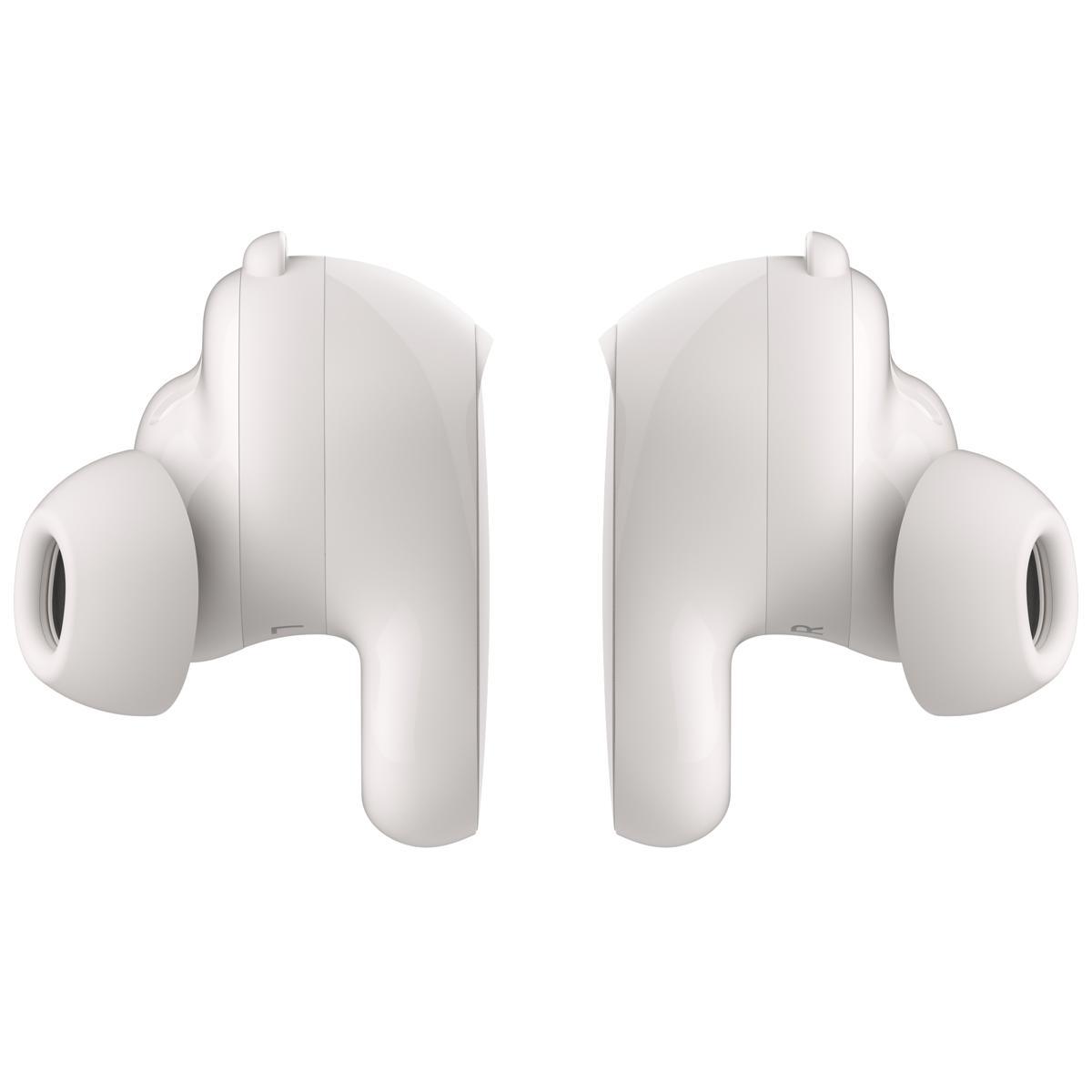
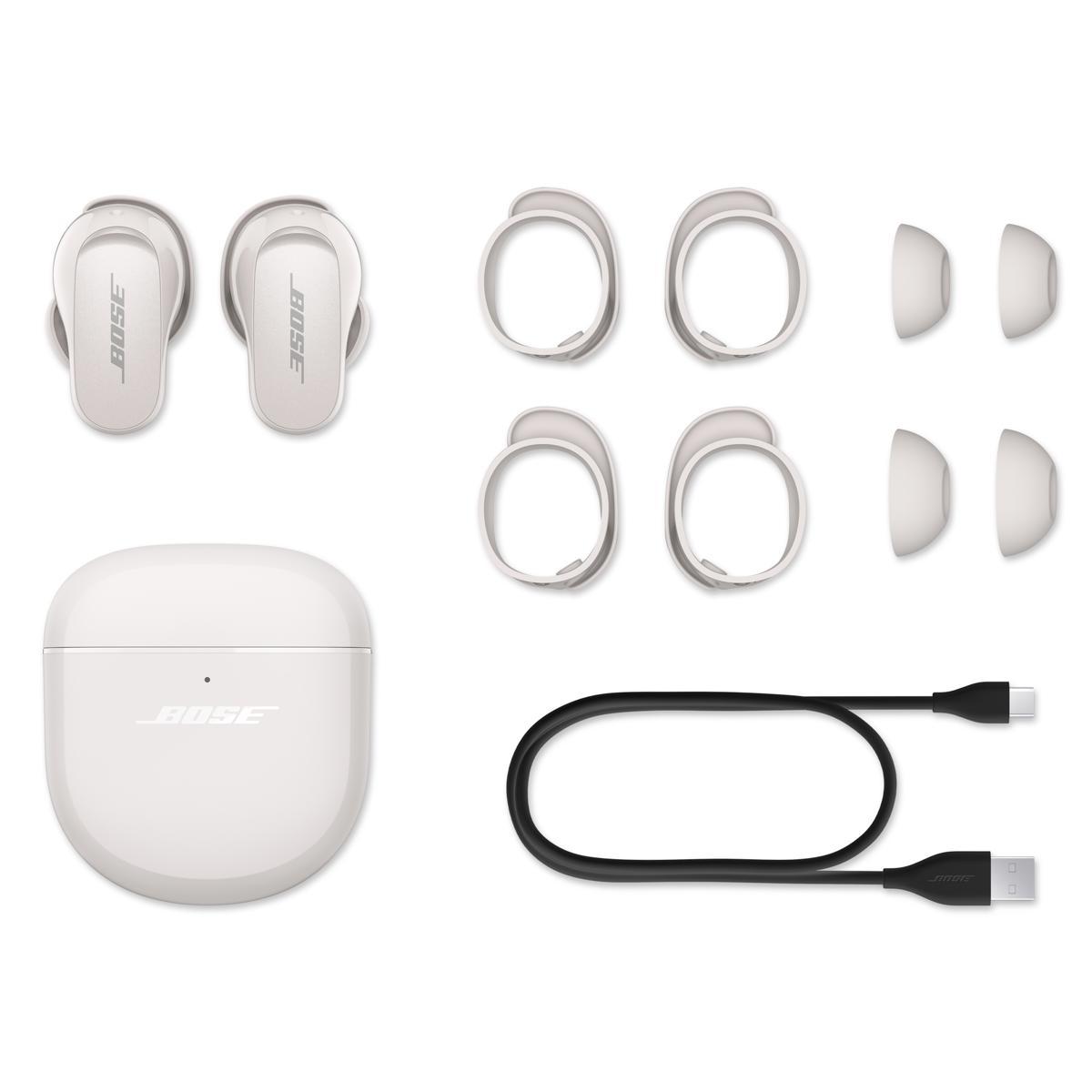
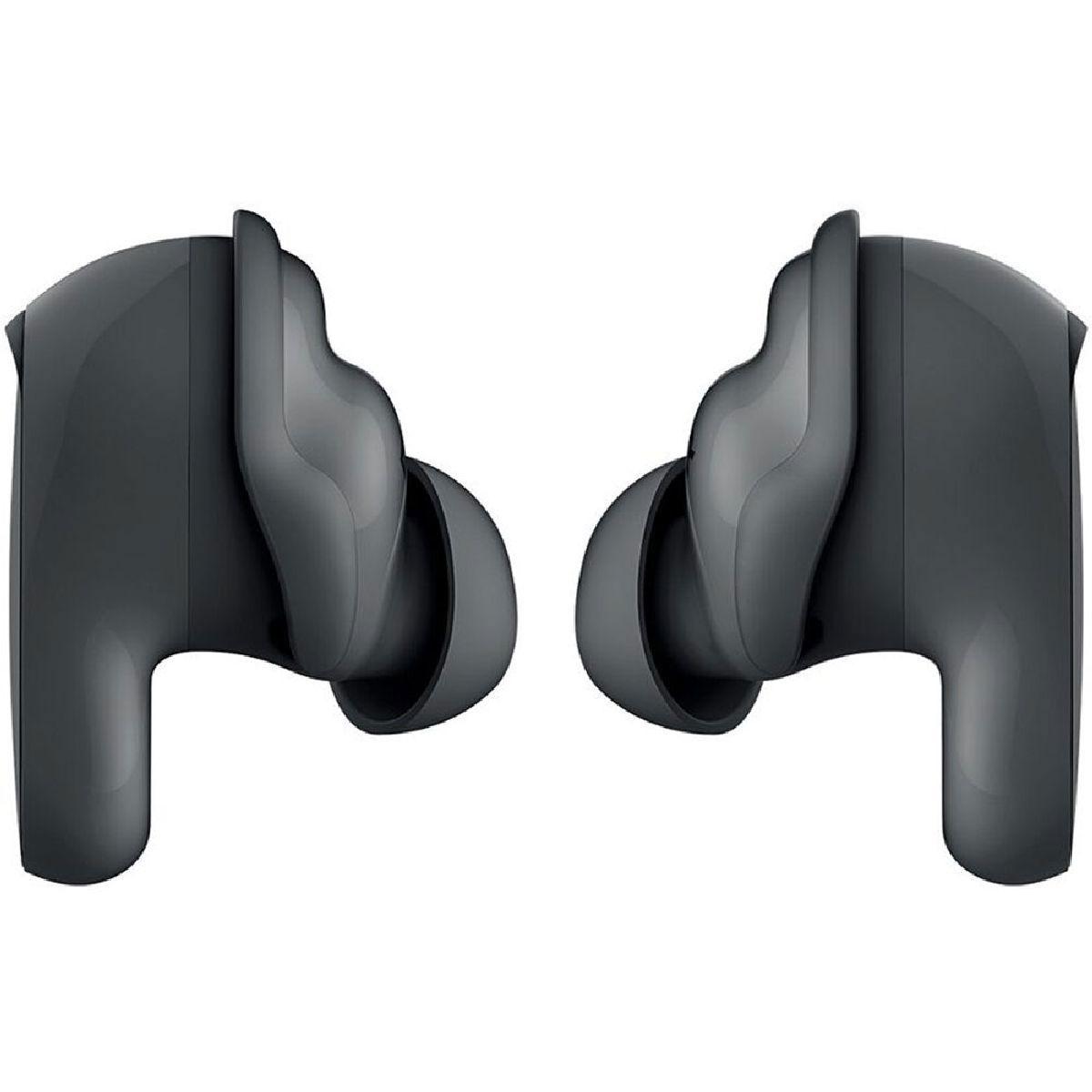
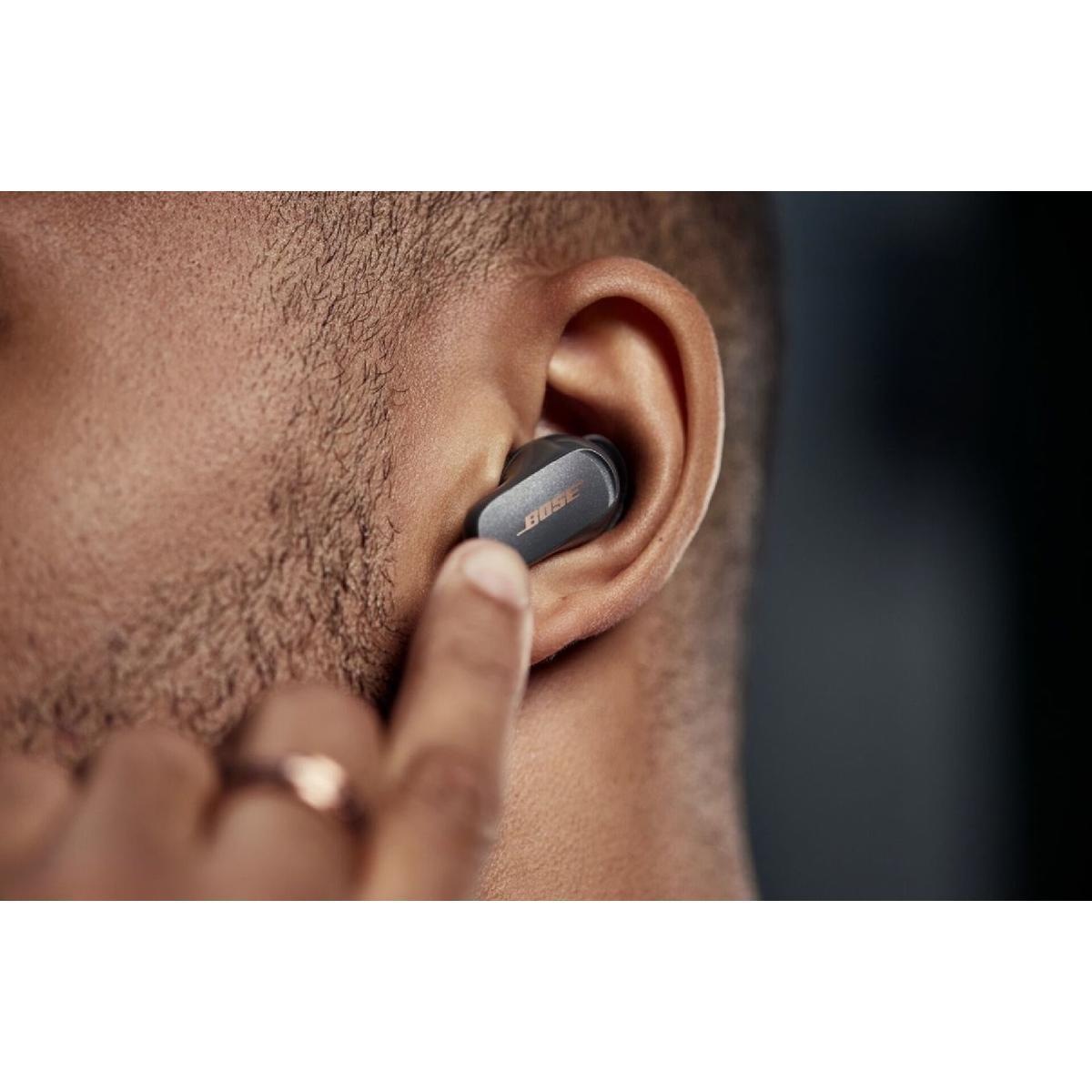
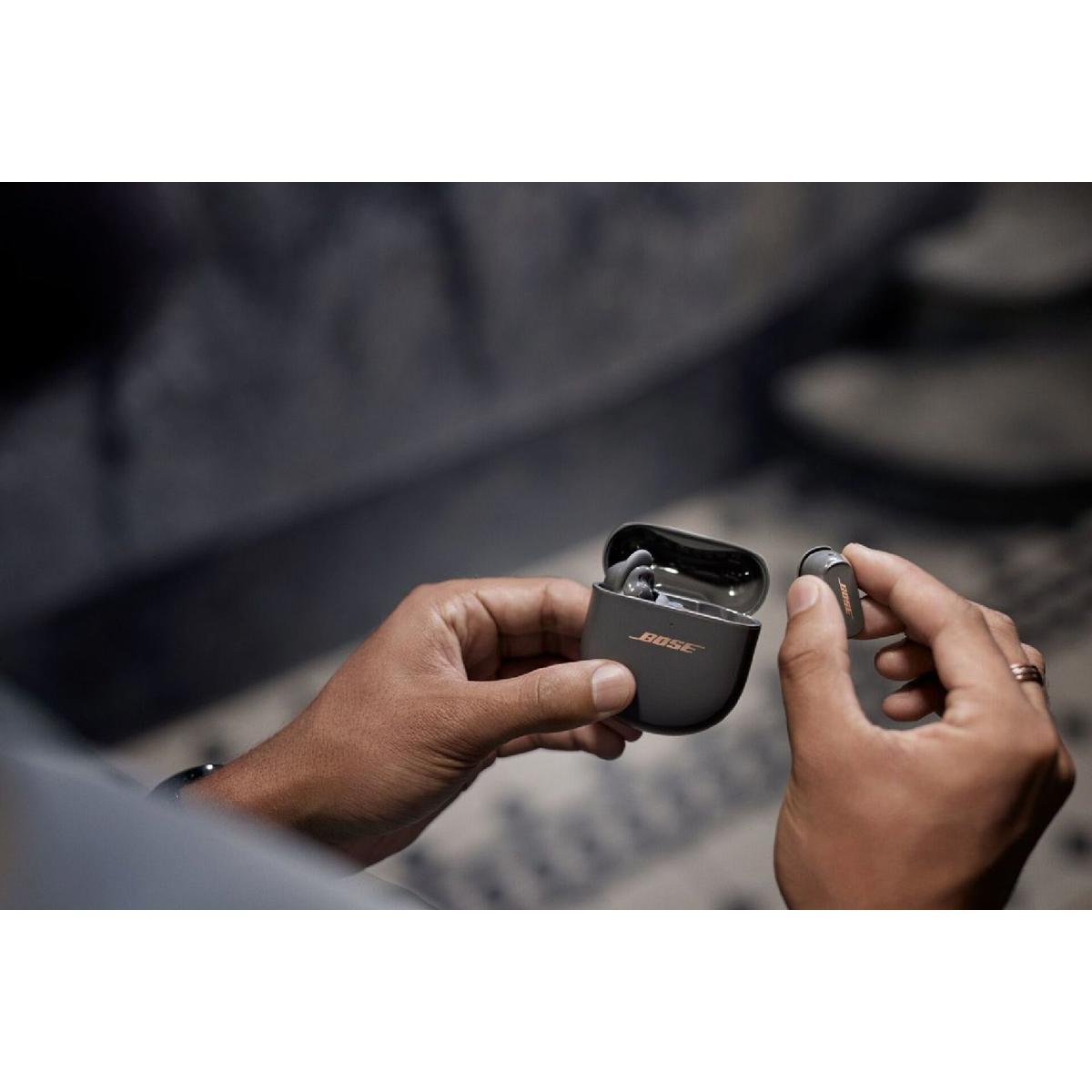
The Bose QuietComfort Earbuds II represent the pinnacle of traditional earbud design. They use what Bose calls a two-piece fitting system—stability bands that hug your ear's contours plus umbrella-shaped silicone tips that create a firm seal at your ear canal opening. This isn't just about comfort; that seal is acoustically critical.
When I first tried the CustomTune technology, it genuinely impressed me. Every time you remove the earbuds from their case and put them back in, the system plays a proprietary tone that measures your unique ear canal shape. Within half a second, it adjusts both the audio output and noise cancellation algorithms to match your ears specifically. It's like having earbuds custom-molded for your ears, but without the hassle or expense.
The four microphones per earbud (one inside your ear, three outside) create what Bose calls their most advanced noise cancellation system. The external mics detect incoming sound, while the internal mic monitors what you're actually hearing, allowing the system to make real-time adjustments. In practice, this means the QuietComfort Earbuds II can block roughly 90% of unwanted environmental noise across most frequency ranges.
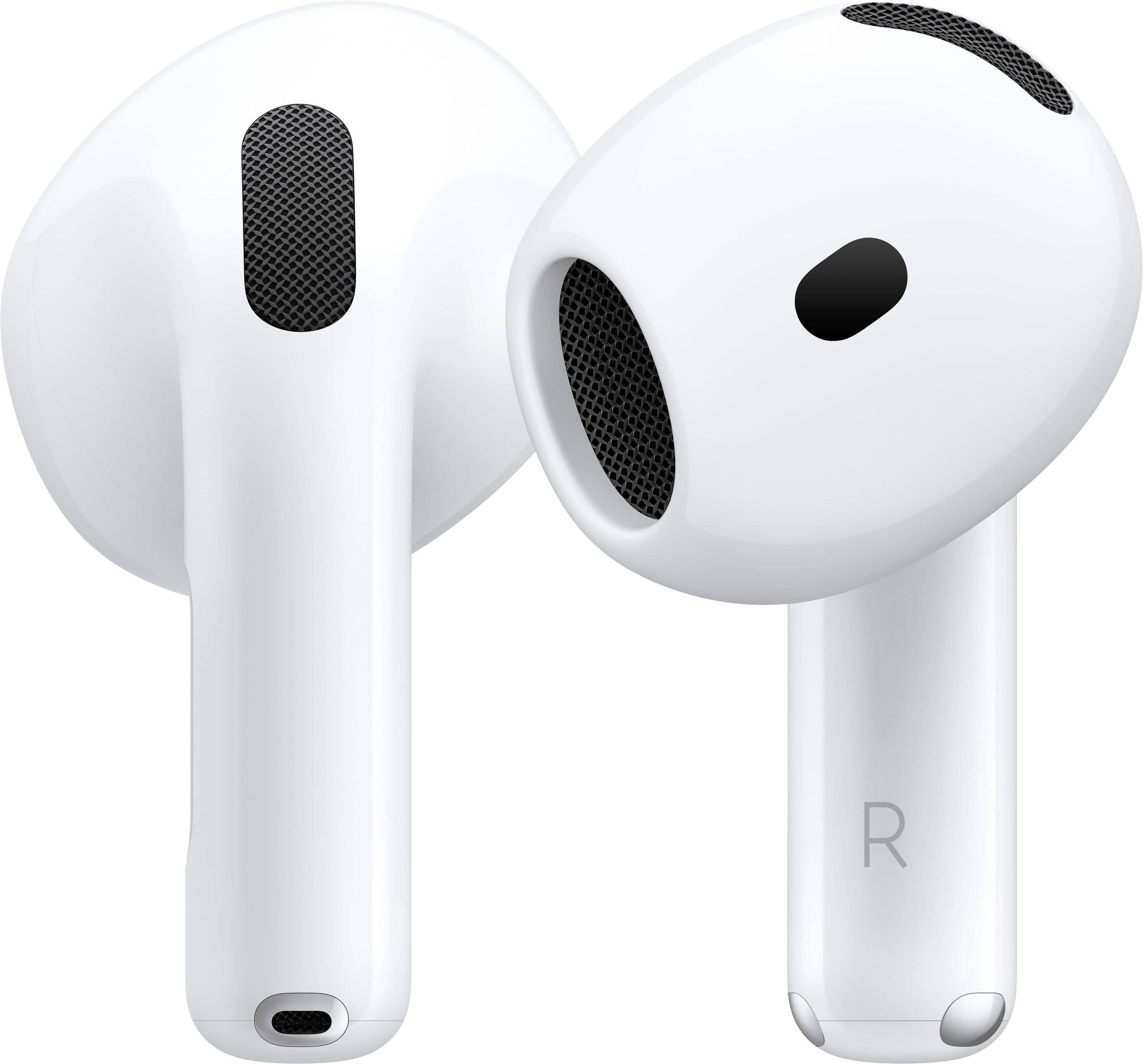
The Apple AirPods 4 with ANC take a radically different approach. Instead of sealing your ear canal, they sit more loosely in your outer ear while still providing noise cancellation. When Apple announced this in 2024, many experts were skeptical—how could you effectively cancel noise without a physical seal?
The answer lies in Apple's H2 chip and sophisticated computational audio. The system uses dual beamforming microphones, an inward-facing microphone, and advanced algorithms to detect and cancel ambient noise even without ear tips. It's not perfect—physics still matters—but it's remarkably effective for what seemed impossible just a few years ago.
What makes this approach compelling is the "Adaptive Audio" feature, which seamlessly blends noise cancellation with transparency mode based on your environment. Walking through a busy street? More noise cancellation. Sitting in a quiet office? The system automatically adjusts to let in just enough ambient sound to keep you aware of your surroundings.
Here's where the fundamental design differences really matter. The Bose QuietComfort Earbuds II achieve what audiophiles call a V-shaped sound signature—enhanced bass and treble with a slight dip in the midrange. This creates an exciting, dynamic listening experience that makes music feel more impactful.
The sealed design allows these earbuds to reproduce sub-bass frequencies (the really deep, rumbling sounds below 100Hz) exceptionally well. When I'm listening to electronic music or orchestral pieces with deep timpani, the difference is immediately noticeable. That physical seal essentially turns your ear canal into a tiny acoustic chamber, allowing the drivers to move more air and create genuine bass impact.
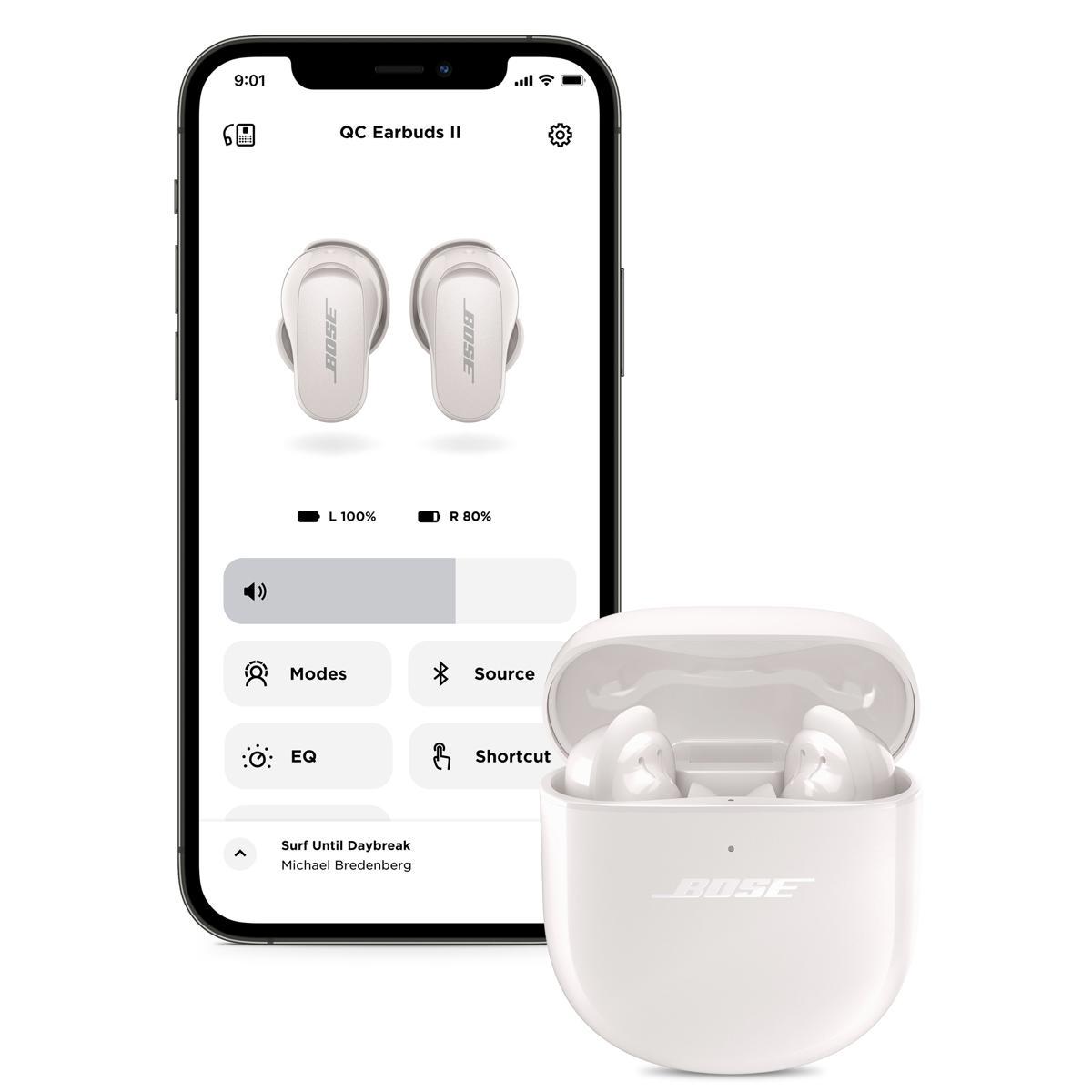
Bose's CustomTune technology extends beyond noise cancellation into audio optimization. The system doesn't just measure your ear shape—it actually adjusts the frequency response to compensate for how sound interacts with your unique anatomy. The included five-band equalizer in the Bose Music app provides additional customization options.
The Apple AirPods 4 ANC take a more balanced approach, similar to the sound signature of the AirPods Pro 2. Apple prioritizes clarity and detail, with exceptional vocal reproduction and instrument separation. However, the open design creates inherent limitations—without that seal, sub-bass reproduction simply can't match what sealed designs achieve.
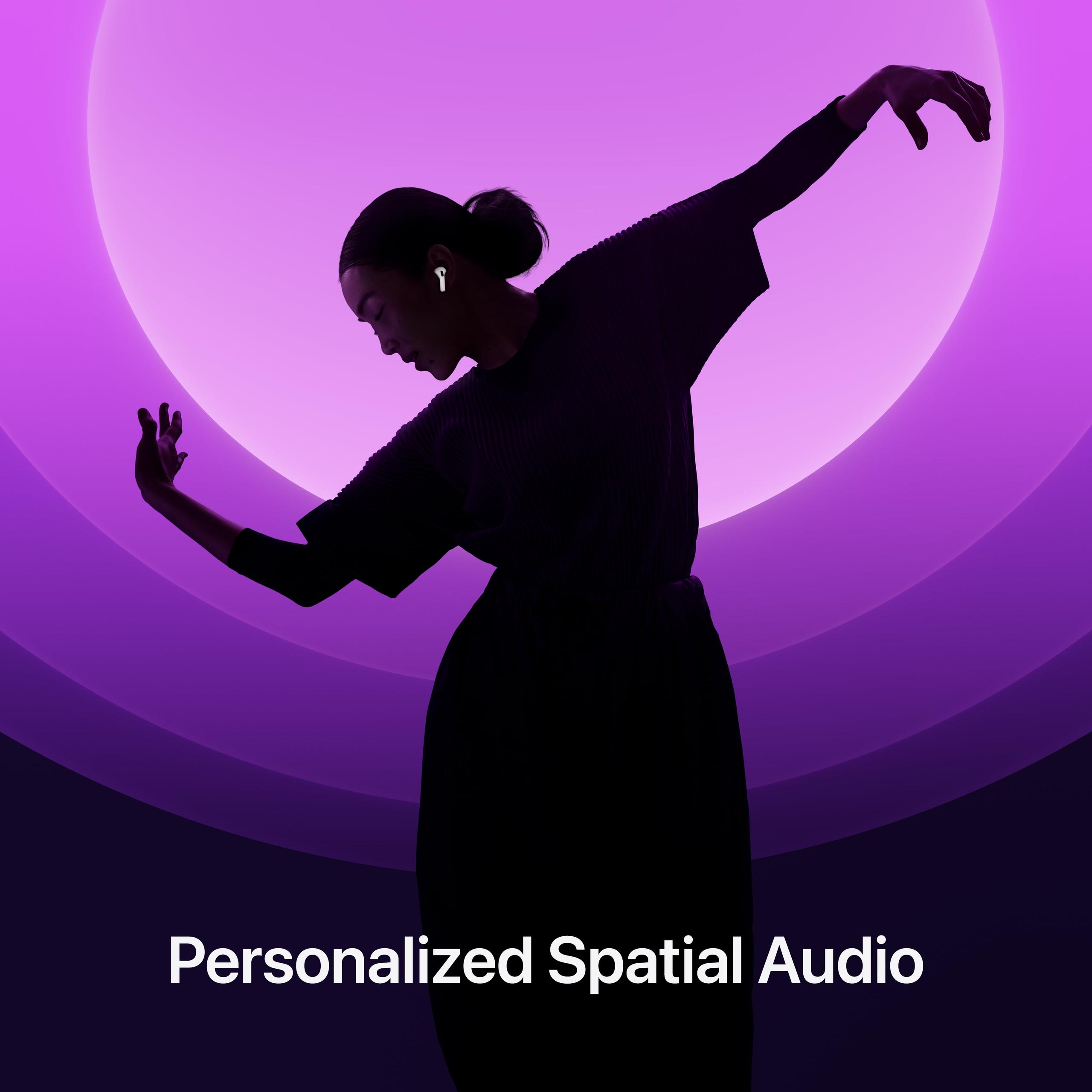
Where Apple excels is in spatial audio features. The integration with Dolby Atmos content and Apple's Spatialize Stereo can create an impressively wide, three-dimensional soundstage. When watching movies or listening to specially mixed music, the effect can be genuinely immersive, though it works best with Apple's own ecosystem.
In my daily testing, the audio quality differences become clear in specific scenarios. For bass-heavy genres like hip-hop, electronic, or pop music, the Bose earbuds consistently deliver more satisfying low-end impact. The sub-bass extension makes kick drums feel punchy and synthesizer bass lines feel substantial rather than thin.
However, the Apple AirPods 4 ANC shine with acoustic music, podcasts, and vocal-heavy content. The balanced tuning means guitars sound natural, vocals sit properly in the mix, and complex arrangements remain clear and unmuddied. The spatial audio processing can make certain recordings feel surprisingly expansive.
For home theater use, both have merits but serve different purposes. If you're watching action movies late at night and want to feel every explosion without waking the family, the Bose earbuds provide that visceral impact. For dialogue-heavy content or when you need to stay aware of your surroundings (like monitoring for a crying baby), the Apple earbuds offer better situational awareness while still enhancing the audio experience.
This is where the fundamental design philosophies create the most dramatic performance differences. The Bose QuietComfort Earbuds II excel in challenging acoustic environments. Airplane engines, subway rumble, air conditioning systems, traffic noise—these constant, droning sounds essentially disappear when you're wearing them.
I've tested these extensively during air travel, and the difference is remarkable. The CustomTune technology seems particularly effective at adapting to the specific acoustic challenges of different aircraft. The noise cancellation feels almost supernatural—that sensation where the world suddenly goes quiet when you activate the feature never gets old.
The four-microphone array allows for incredibly precise noise detection and cancellation. The system can distinguish between sounds you might want to hear (like announcement voices) and background noise you want eliminated. The processing happens in less than a millisecond, so the cancellation feels instantaneous and natural.
The Apple AirPods 4 ANC achieve something genuinely impressive for an open-ear design, but physics ultimately imposes limits. They're excellent at reducing low-frequency noise like HVAC systems, distant traffic, or the hum of office environments. However, mid and high-frequency sounds—conversations, keyboard clicks, sudden noises—will still come through more readily than with sealed designs.
Where Apple's approach becomes compelling is in the intelligence of the system. Conversation Awareness automatically detects when you're speaking to someone and lowers your audio volume, then brings it back up when you're done talking. It sounds gimmicky until you experience how seamlessly it works in practice.
The Adaptive Audio feature continuously adjusts the balance between noise cancellation and transparency based on your environment and activity. Walking down a busy street, it provides more isolation. Sitting in a coffee shop, it allows just enough ambient sound to keep you connected to your surroundings. This dynamic adjustment happens without any conscious input from you.
The Bose earbuds offer more traditional but highly effective controls. You can adjust noise cancellation levels manually, and the Aware Mode with ActiveSense technology provides good transparency when you need it, though it's not as automatically intelligent as Apple's system.
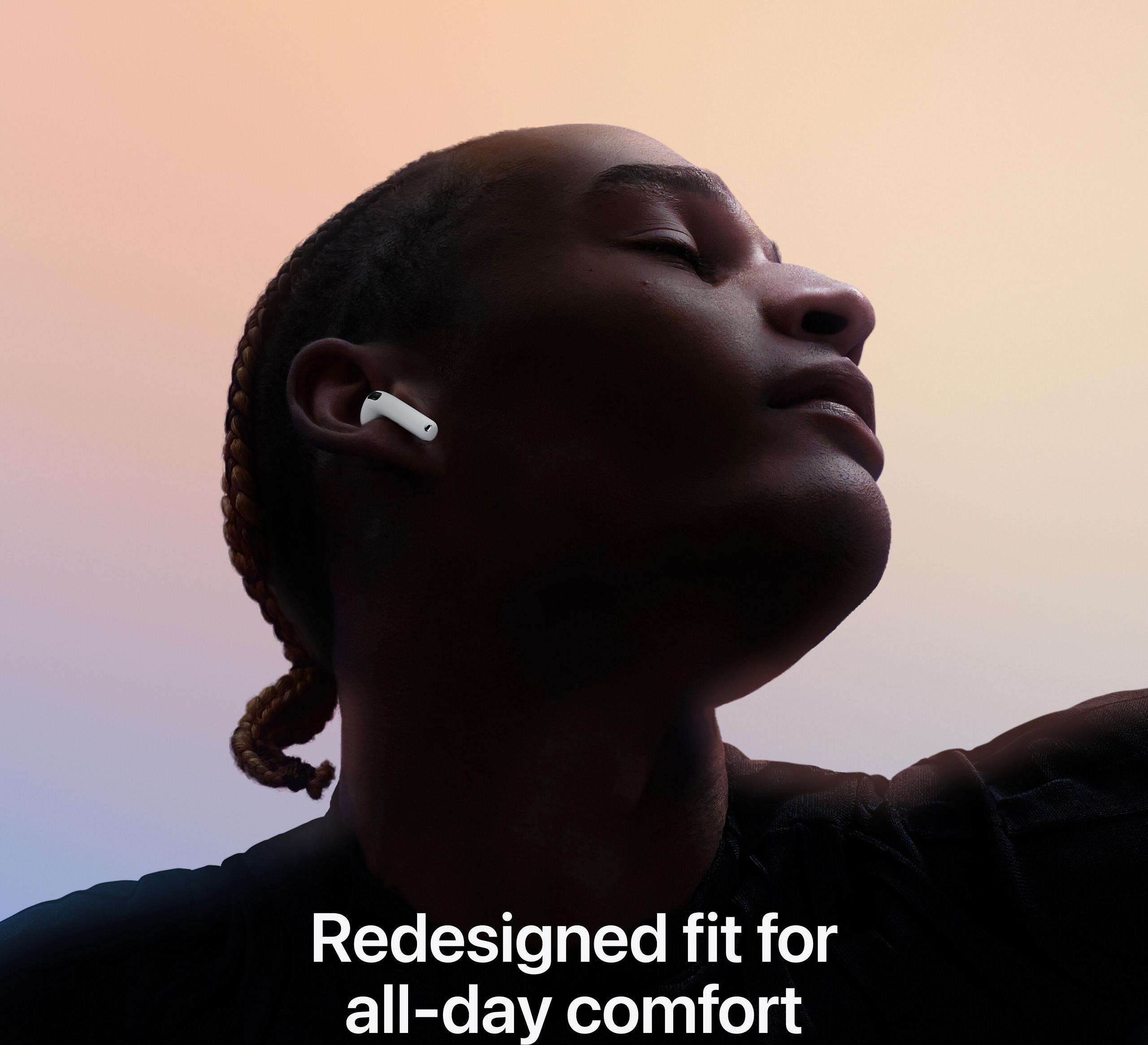
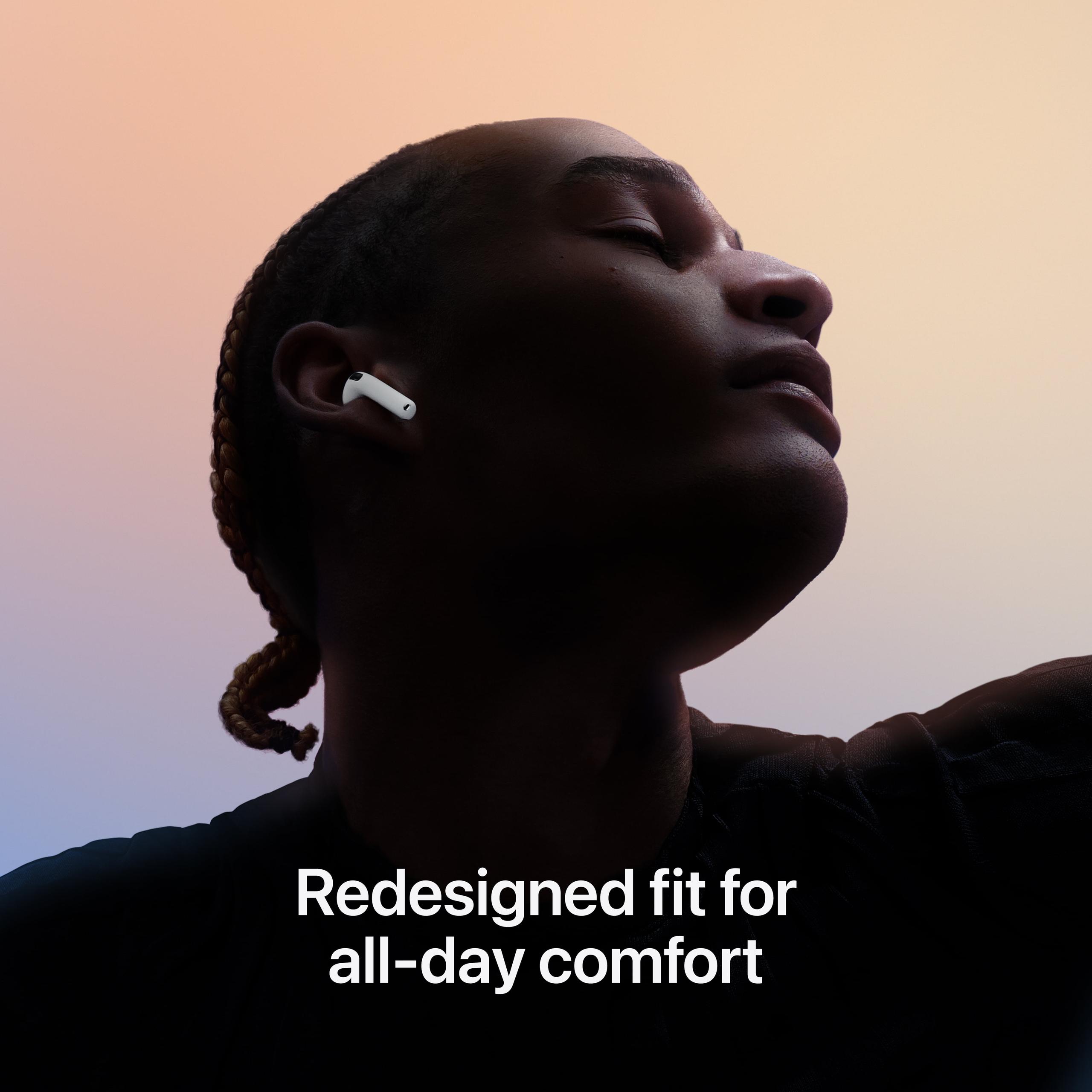
Comfort might be the most personal aspect of earbud performance, and here the design differences create distinctly different experiences. The Apple AirPods 4 ANC generally feel more comfortable for extended wear because they don't create that sealed, isolated sensation that some people find claustrophobic.
The open design means no ear tip insertion fatigue—that gradually building discomfort some people experience with traditional in-ear monitors during long listening sessions. The redesigned contour with a shorter stem also provides better stability than previous AirPods generations.
The Bose QuietComfort Earbuds II require finding the right ear tip size and stability band combination, but when properly fitted, they can be remarkably comfortable. The two-piece system distributes pressure more evenly than traditional single-piece tips. However, getting the fit right is crucial—poor fit means compromised noise cancellation and potential discomfort.
Both earbuds offer water resistance, but with different ratings. The Apple earbuds feature an IP54 rating, providing protection against dust ingress and water splashing from any direction. The Bose earbuds have an IPX4 rating, which protects against water splashing but offers no specific dust protection rating.
For active use—running, gym workouts, outdoor activities—these ratings matter. The IP54 rating makes the Apple earbuds slightly more versatile for dusty or sandy environments, while both handle sweat and light rain adequately.
Battery life represents a clear advantage for the Bose QuietComfort Earbuds II. Up to 6 hours of playback with noise cancellation enabled, plus additional charges from the case totaling up to 24 hours, provides genuine all-day capability. The 20-minute quick charge feature, which provides 2 hours of additional playbook, has proven invaluable during travel.
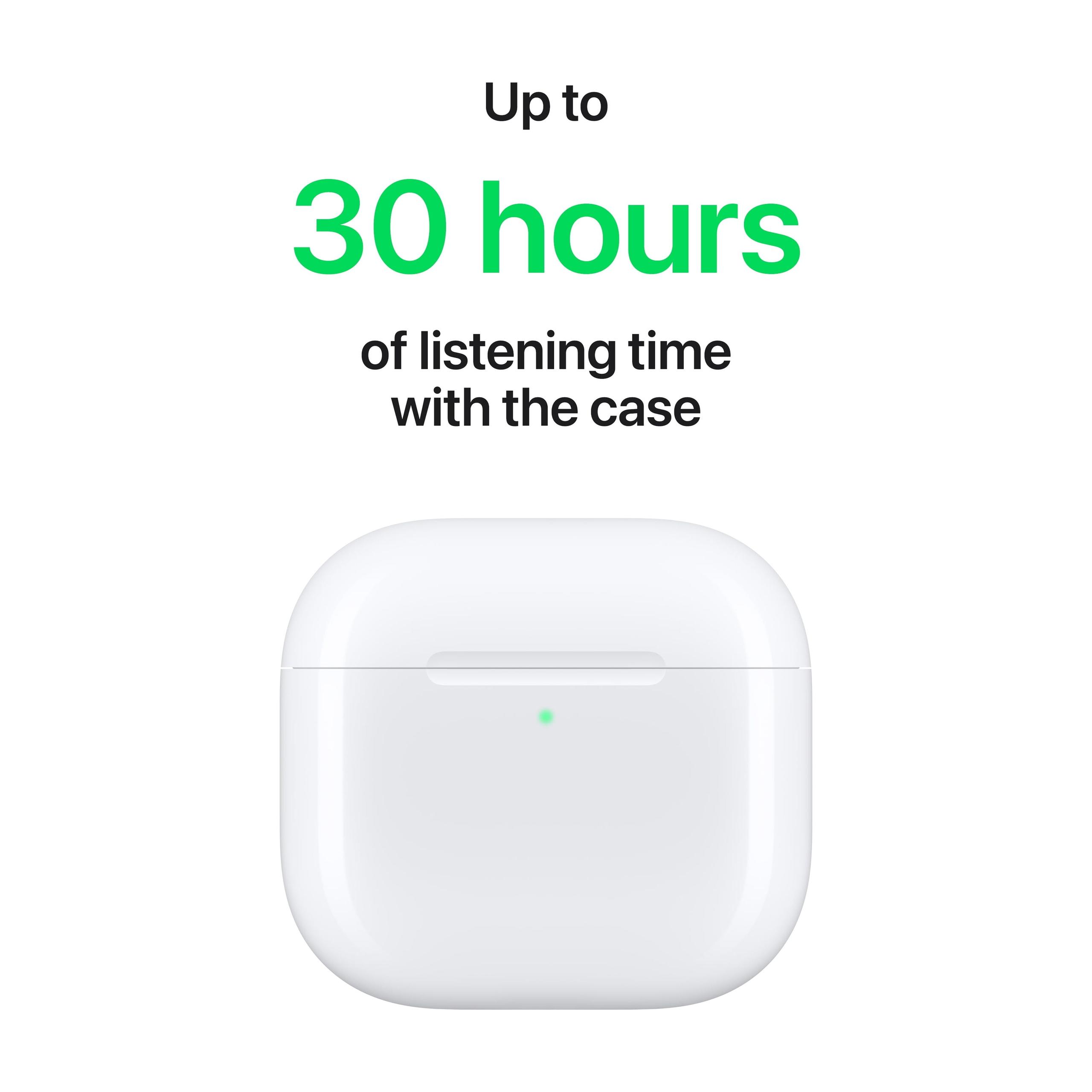
The Apple AirPods 4 ANC provide 4 hours of listening time with ANC enabled (5 hours without), with the charging case extending total playback to around 20 hours. While shorter per-charge runtime, the multiple charging options—USB-C, wireless charging, and compatibility with Apple Watch chargers—provide more flexibility.
Apple's charging versatility becomes particularly valuable if you're already invested in their ecosystem. Being able to charge your earbuds on the same wireless pad as your phone, or using your Apple Watch charger in a pinch, reduces the number of cables you need to carry.
The Find My speaker integration in the Apple charging case addresses a common frustration—misplaced earbuds. The case can emit an audible tone to help locate it, and the Find My app provides precision tracking capabilities that have genuinely saved me from losing earbuds multiple times.
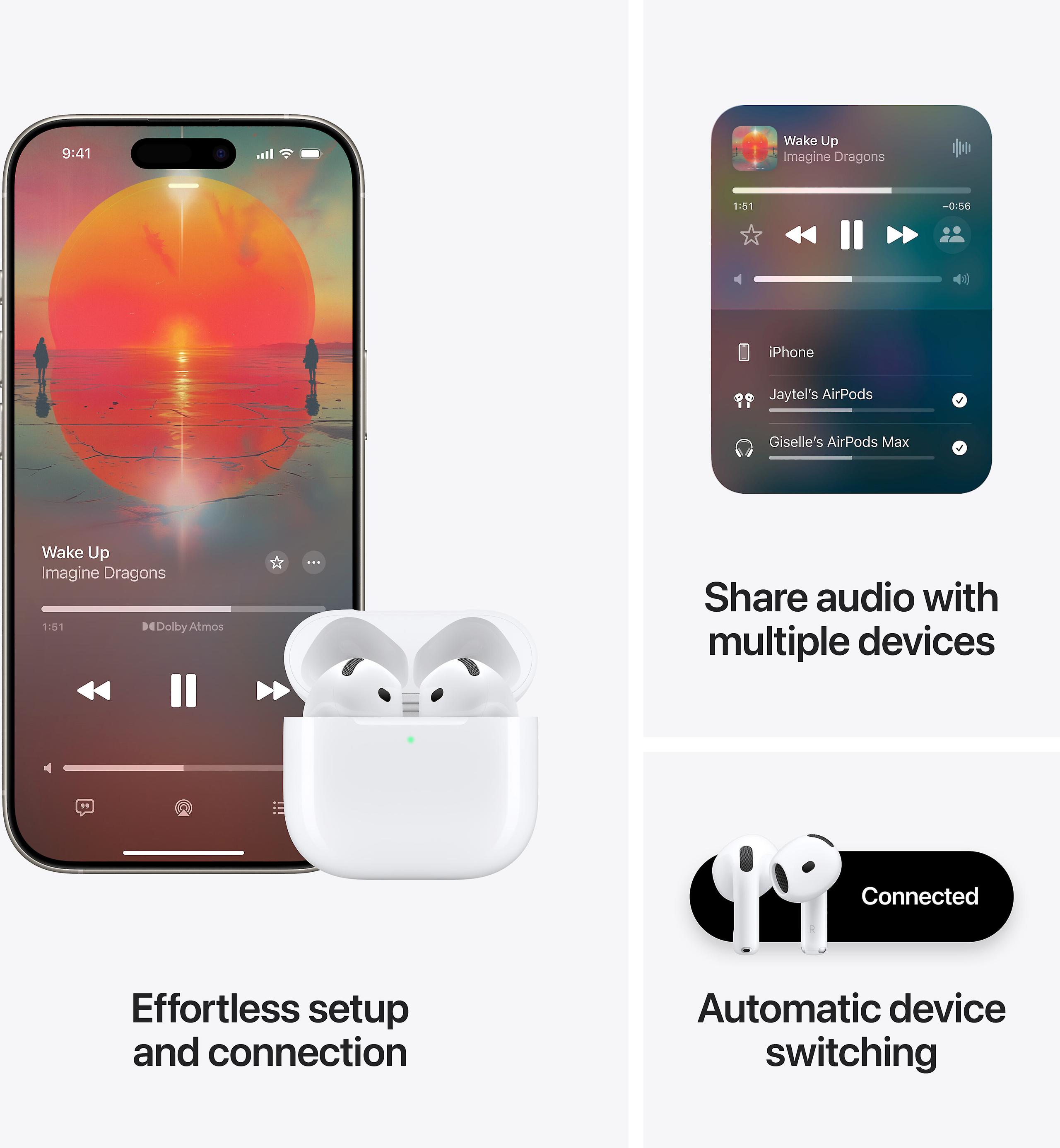
For iPhone users, the AirPods 4 ANC provide integration that feels almost magical. Automatic device switching means your earbuds seamlessly move between your iPhone, iPad, Mac, and Apple TV based on what you're actively using. Audio sharing lets you easily share what you're listening to with another pair of AirPods.
The 'Hey Siri' integration provides hands-free control that's genuinely useful. Being able to adjust volume, skip tracks, or send messages without reaching for your phone becomes second nature surprisingly quickly.
The Bose QuietComfort Earbuds II work equally well across iOS, Android, Windows, and other platforms. While they don't provide the same level of automatic integration as Apple's earbuds do with Apple devices, they offer more consistent performance regardless of your primary device ecosystem.
The Bose Music app provides EQ customization and firmware updates across platforms. The Bluetooth 5.3 implementation ensures stable connections and easy switching between paired devices.
At the time of writing, there's a significant price difference between these products, with the Apple AirPods 4 ANC positioned as the more affordable option despite being newly released in 2024. This pricing creates different value calculations depending on your priorities and use cases.
The Bose earbuds command a premium price but deliver premium performance in the core metrics that matter most for noise-cancelling earbuds. The superior noise cancellation, better bass response, and longer battery life justify the higher cost if these factors align with your primary use cases.
The Apple earbuds offer remarkable value by bringing effective noise cancellation to a more accessible price point. The open-ear design, ecosystem integration, and overall feature set make them competitive with more expensive sealed alternatives, especially for iOS users.
Both products represent solid long-term investments, but for different reasons. The Bose earbuds excel in challenging acoustic environments and provide consistent performance across different device platforms. If you frequently travel, commute in noisy environments, or prioritize maximum audio isolation, the premium pays dividends over time.
The Apple earbuds offer future-proofing within Apple's ecosystem and introduce a genuinely innovative approach to noise cancellation. As Apple continues refining the open-ear ANC technology through software updates, the performance gap with sealed designs may continue to narrow.
You're a frequent traveler who needs maximum noise isolation on planes, trains, and buses. The superior noise cancellation and longer battery life make long journeys significantly more pleasant. If you're an audiophile who prioritizes bass response and overall sound quality, the sealed design and CustomTune technology provide a more immersive listening experience.
Cross-platform users who switch between Android, iOS, Windows, and other devices will appreciate the consistent performance across all platforms. If you work in consistently noisy environments or live in a busy urban area, the superior noise cancellation becomes a daily quality-of-life improvement.
You're primarily an iOS user who values seamless ecosystem integration. The automatic device switching, 'Hey Siri' integration, and spatial audio features create a cohesive experience that feels natural and effortless.
If you find traditional in-ear designs uncomfortable or claustrophobic, the open-ear design provides effective noise reduction while maintaining comfort during extended wear. Office workers who need to balance audio enjoyment with situational awareness will appreciate the intelligent adaptive features.
Budget-conscious buyers who want access to quality noise cancellation technology without the premium price tag will find excellent value, especially considering the innovative approach and feature set.
Both the Bose QuietComfort Earbuds II and Apple AirPods 4 ANC represent excellence in their respective approaches to noise-cancelling earbuds. The Bose earbuds deliver maximum performance in traditional metrics—noise cancellation effectiveness, audio quality, and battery life. The Apple earbuds pioneer a new category of comfortable, intelligent noise cancellation that prioritizes user experience and ecosystem integration.
Your choice ultimately depends on whether you prioritize maximum isolation and audio performance (Bose) or comfort and intelligent adaptation (Apple). There's no wrong choice here—just different philosophies serving different needs in the ever-evolving world of personal audio technology.
| Bose QuietComfort Earbuds II | Apple AirPods 4 ANC |
|---|---|
| Design Philosophy - Fundamental difference in how they fit and feel | |
| Sealed in-ear design with silicone ear tips creating acoustic isolation | Open-ear design without ear tips, pioneering ANC in unsealed earbuds |
| Active Noise Cancellation - Core performance for blocking unwanted sound | |
| Industry-leading ANC blocks ~90% of ambient noise across all frequencies | Impressive ANC for open design, but allows more mid/high frequency sounds through |
| Audio Quality - How your music actually sounds | |
| V-shaped sound with exceptional sub-bass, CustomTune personalization, 5-band EQ | Balanced sound optimized for clarity, spatial audio features, limited sub-bass due to open design |
| Battery Life (ANC On) - Critical for daily use and travel | |
| 6 hours earbuds + 18 hours case = 24 hours total | 4 hours earbuds + 16 hours case = 20 hours total |
| Comfort for Extended Wear - Matters for all-day use | |
| Requires proper ear tip fit; some find sealed design isolating | Generally more comfortable due to open design; no insertion fatigue |
| Water/Dust Resistance - Protection for active use | |
| IPX4 (splash resistant, no dust rating) | IP54 (splash and dust resistant - better for outdoor/gym use) |
| Ecosystem Integration - Seamless device connectivity | |
| Cross-platform compatibility with all devices equally | Deep iOS integration with automatic switching, Hey Siri, Find My |
| Customization Options - Tailoring to your preferences | |
| CustomTune auto-calibration, 5-band EQ, multiple color options | Adaptive Audio auto-adjusts modes, Conversation Awareness, white only |
| Quick Charge Capability - Emergency power when needed | |
| 20 minutes = 2 hours playback | 5 minutes = 1 hour playback |
| Charging Options - Flexibility for different situations | |
| USB-C only | USB-C, wireless charging, Apple Watch charger compatible |
| Microphone System - Call quality and ANC processing | |
| 4 mics per earbud (1 internal, 3 external) for precise noise detection | Dual beamforming + inward-facing mics with H2 chip processing |
| Target Use Case - Who benefits most from each approach | |
| Frequent travelers, audiophiles, noisy commutes, maximum isolation needed | iOS users, office workers, comfort-focused, situational awareness important |
The Bose QuietComfort Earbuds II offer significantly better noise cancellation, blocking approximately 90% of ambient noise across all frequency ranges. Their sealed in-ear design with four microphones per earbud creates superior isolation. The Apple AirPods 4 ANC provide impressive noise cancellation for an open-ear design, but physics limits their ability to block mid and high-frequency sounds compared to the sealed Bose earbuds.
No, both earbuds work with any Bluetooth device. However, the Apple AirPods 4 ANC provide enhanced features like automatic device switching, Hey Siri, and spatial audio when used with Apple devices. The Bose QuietComfort Earbuds II work equally well across iOS, Android, Windows, and other platforms without favoring any particular ecosystem.
The Apple AirPods 4 ANC are generally more comfortable for extended wear due to their open-ear design that doesn't create a sealed sensation or insertion fatigue. The Bose QuietComfort Earbuds II can be very comfortable when properly fitted with the right ear tip size, but some users find the sealed design claustrophobic during long listening sessions.
The Bose QuietComfort Earbuds II offer 6 hours of playback with ANC enabled plus 18 additional hours from the charging case. The Apple AirPods 4 ANC provide 4 hours with ANC on and 16 additional hours from the case. The Bose earbuds have a clear advantage for longer listening sessions and travel.
The Bose QuietComfort Earbuds II deliver superior sound quality overall, especially for bass-heavy music, thanks to their sealed design and CustomTune technology. They offer deeper sub-bass and more impactful sound. The Apple AirPods 4 ANC excel with balanced, clear audio and spatial features but struggle with deep bass due to their open design.
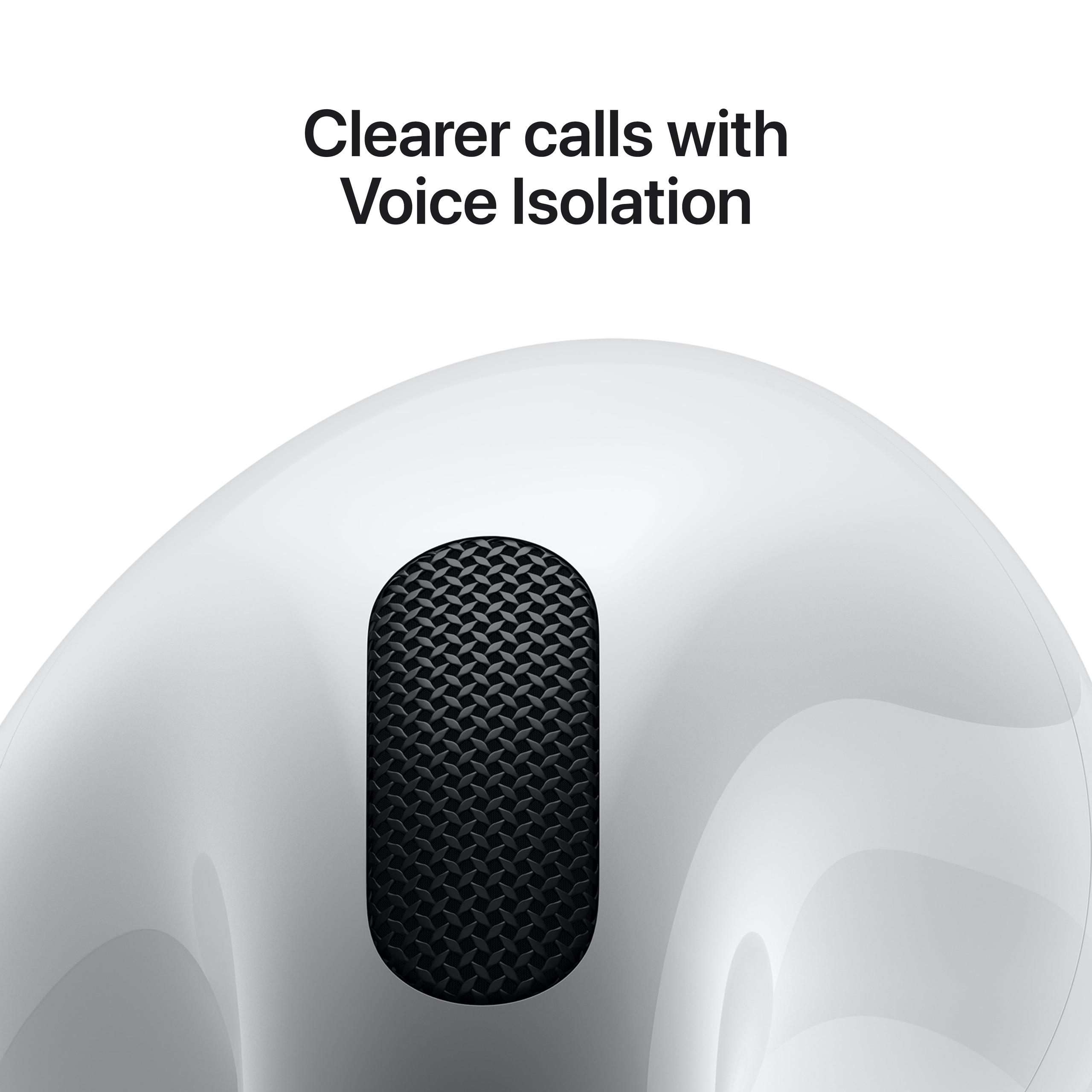
Both earbuds offer excellent call quality. The Bose QuietComfort Earbuds II use four microphones per earbud for clear voice pickup and background noise reduction. The Apple AirPods 4 ANC feature Voice Isolation technology and beamforming microphones that work particularly well in noisy environments, with seamless integration for iPhone users.
The Apple AirPods 4 ANC are better for workouts due to their IP54 rating (dust and water resistant), open design that won't fall out easily, and better situational awareness for outdoor activities. The Bose QuietComfort Earbuds II have IPX4 water resistance but their sealed design may feel less secure during vigorous exercise.
The Bose QuietComfort Earbuds II are superior for air travel, offering industry-leading noise cancellation that effectively blocks airplane engine noise and longer 6-hour battery life for international flights. Their sealed design provides maximum isolation from cabin noise, while the Apple AirPods 4 ANC allow more ambient sound to penetrate.
For home theater use, the Bose QuietComfort Earbuds II provide more immersive audio with deeper bass impact for action scenes, while the Apple AirPods 4 ANC offer excellent spatial audio features and allow you to stay aware of your surroundings. Choose Bose for maximum immersion or Apple for balanced entertainment with awareness.
The Apple AirPods 4 ANC offer more charging flexibility with USB-C, wireless charging, and Apple Watch charger compatibility, though their quick charge provides less playback time. The Bose QuietComfort Earbuds II only charge via USB-C but their 20-minute quick charge provides 2 hours of playback, compared to 1 hour from a 5-minute charge on the Apple earbuds.
The Bose QuietComfort Earbuds II offer more audio customization with a 5-band equalizer in the Bose Music app and CustomTune technology that automatically optimizes sound for your ears. The Apple AirPods 4 ANC have Adaptive EQ and spatial audio features but limited manual sound customization compared to the Bose earbuds.
The Apple AirPods 4 ANC typically offer better value, bringing effective noise cancellation to a lower price point with innovative open-ear design. The Bose QuietComfort Earbuds II justify their higher cost with superior noise cancellation, better sound quality, and longer battery life, making them worthwhile for users who prioritize maximum performance over price.
We've done our best to create useful and informative comparisons to help you decide what product to buy. Our research uses advanced automated methods to create this comparison and perfection is not possible - please contact us for corrections or questions. These are the sites we've researched in the creation of this article: techradar.com - techgearlab.com - cnet.com - soundguys.com - rtings.com - soundstagesolo.com - forums.whathifi.com - youtube.com - cnet.com - bose.com - soundguys.com - youtube.com - rtings.com - soundguys.com - loudnwireless.com - head-fi.org - noisyworld.org - boseindia.com - global.bose.com - boselatam.com - bose.com - youtube.com - boselatam.com - support.bose.com - bhphotovideo.com - bestbuy.com - global.bose.com - bose.com - assets.bose.com - boseapac.com - bose.com - bose.com - bose.com - tomsguide.com - apple.com - youtube.com - apple.com - staples.com - support.apple.com - connection.com - support.apple.com - pcrichard.com - adorama.com - zones.com - cdw.com

Privacy Policy
Terms and Conditions - Affiliate Policy
Home Security
© Copyright 2008-2026.
11816 Inwood Rd #1211, Dallas, TX 75244