

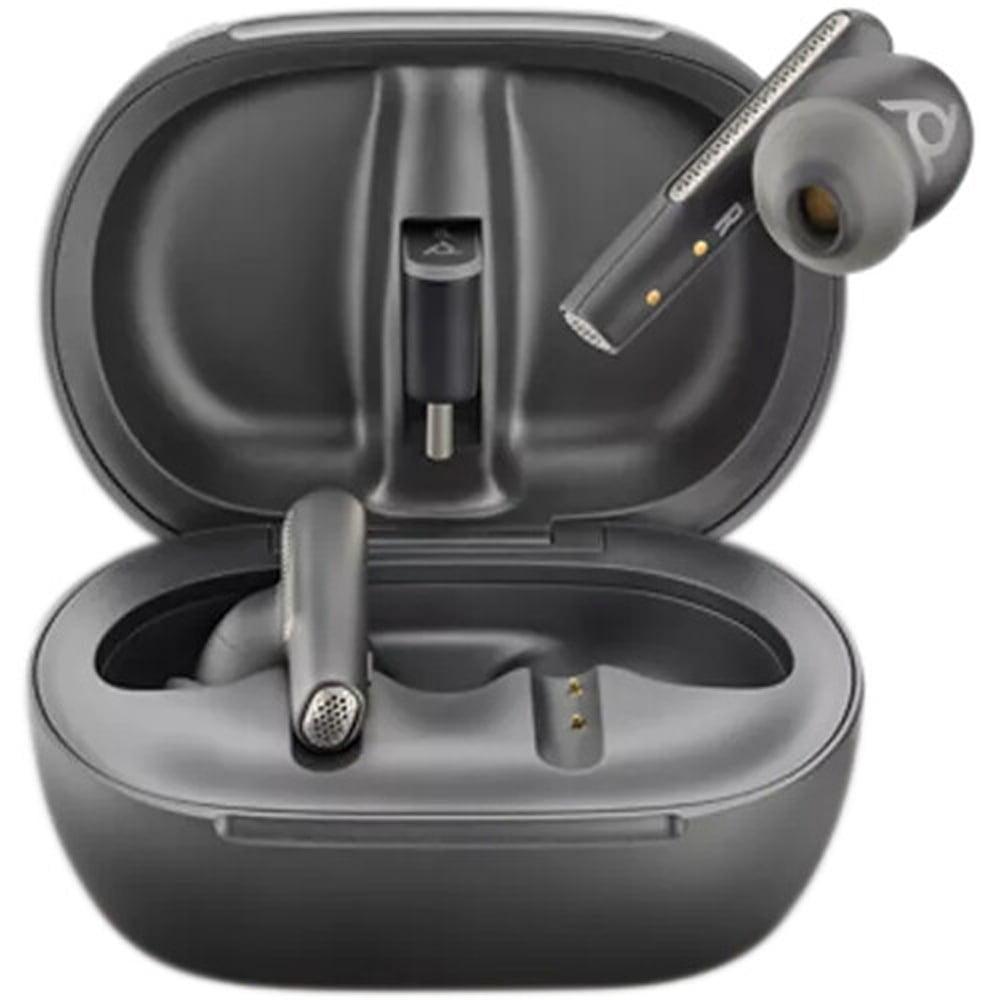
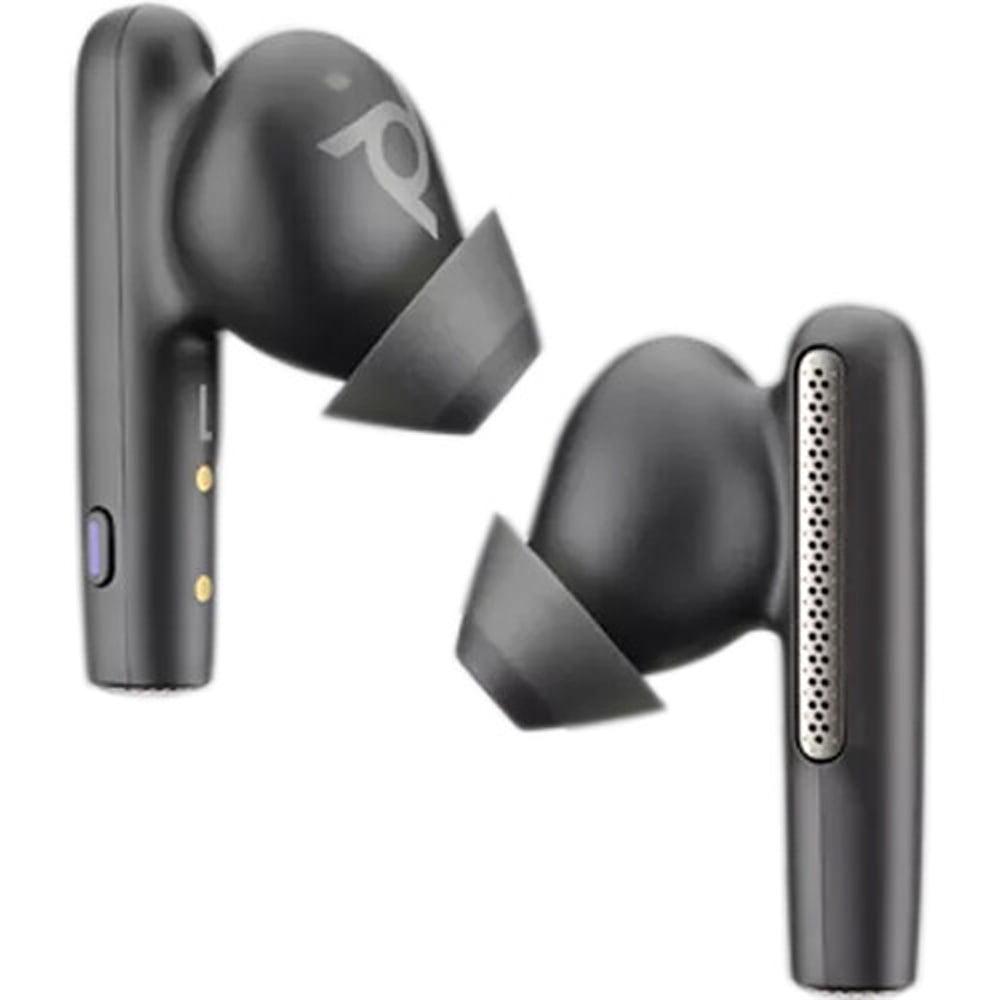
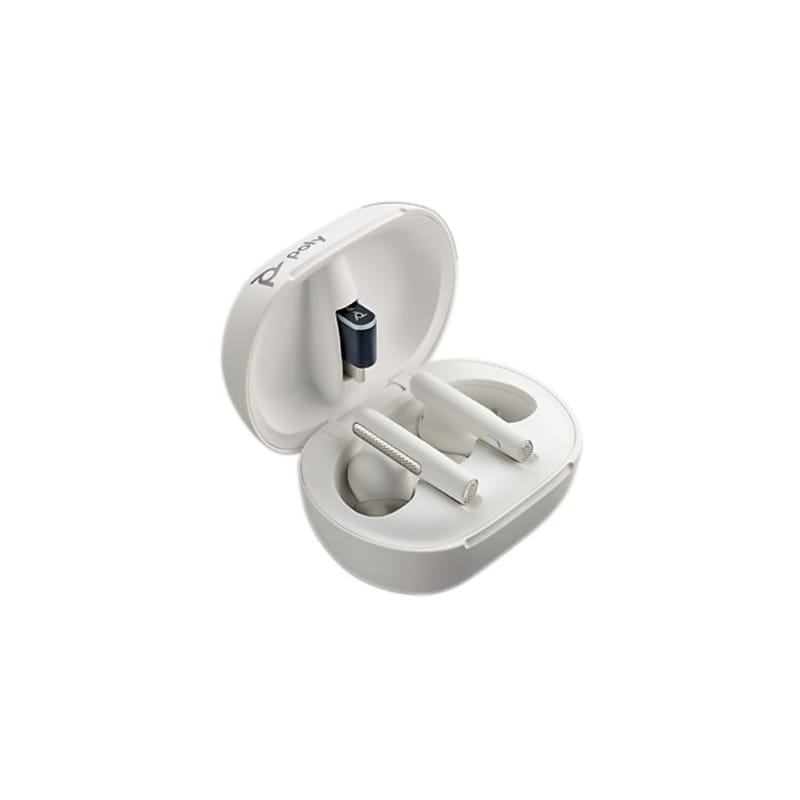
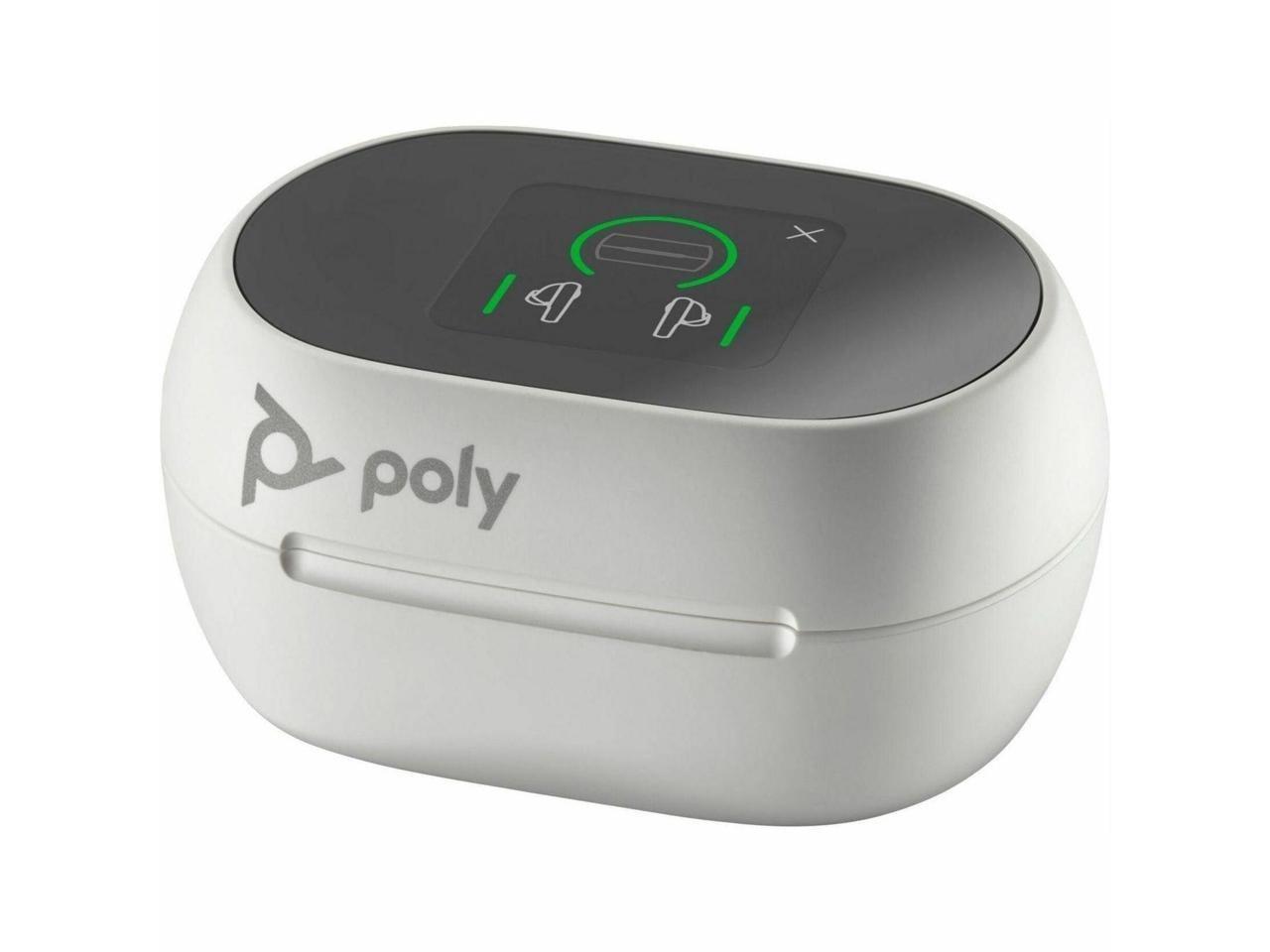
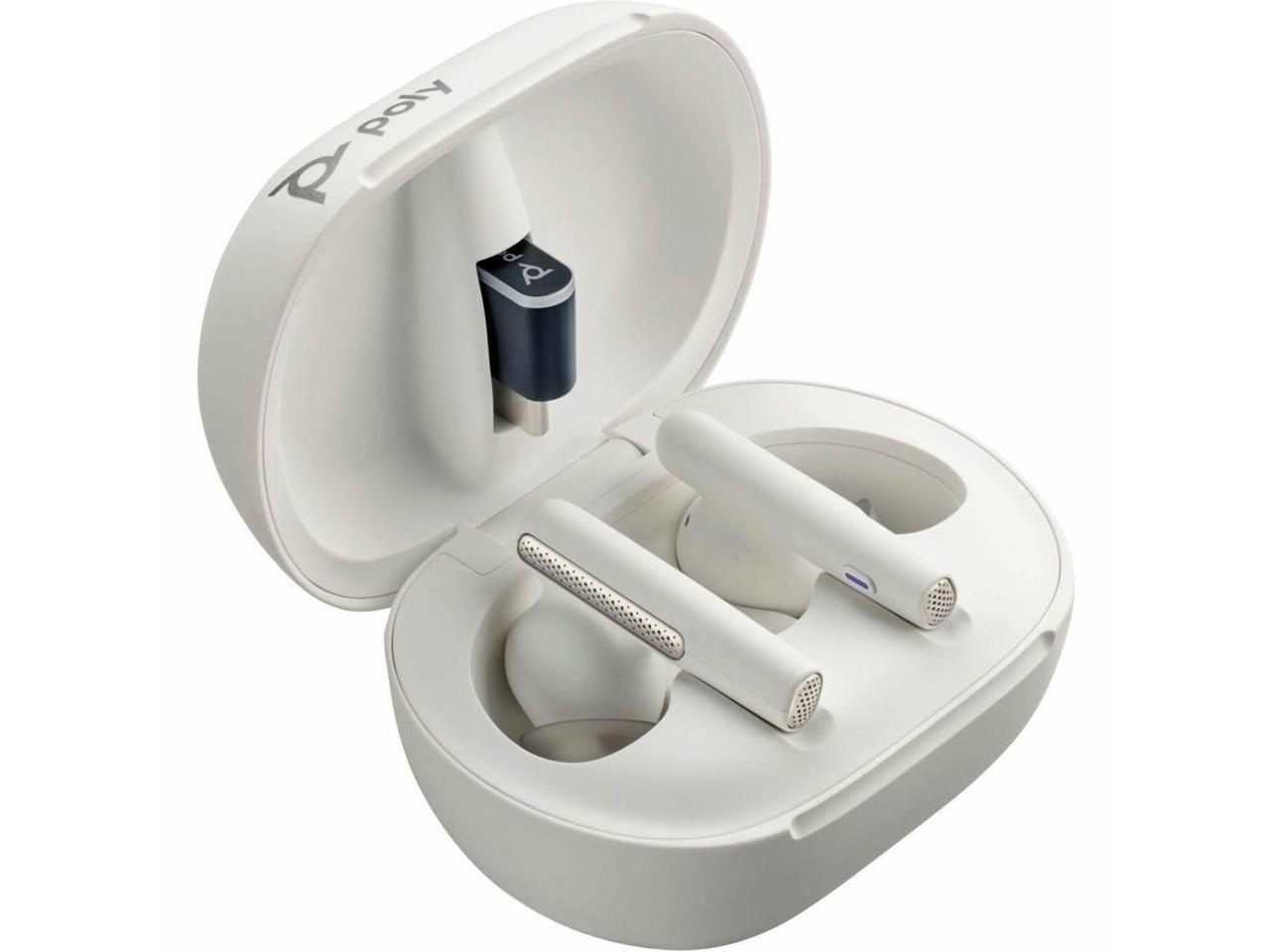
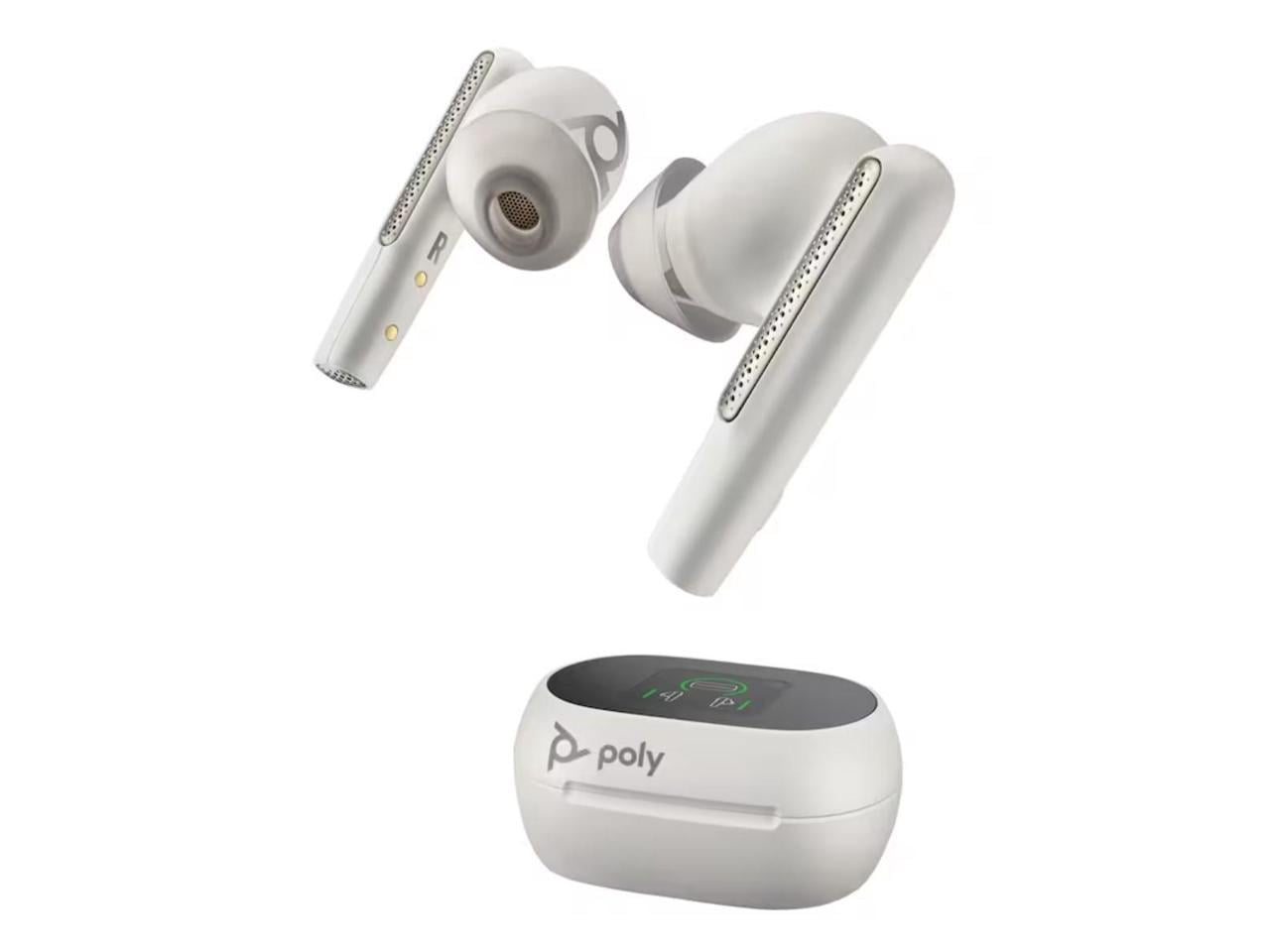
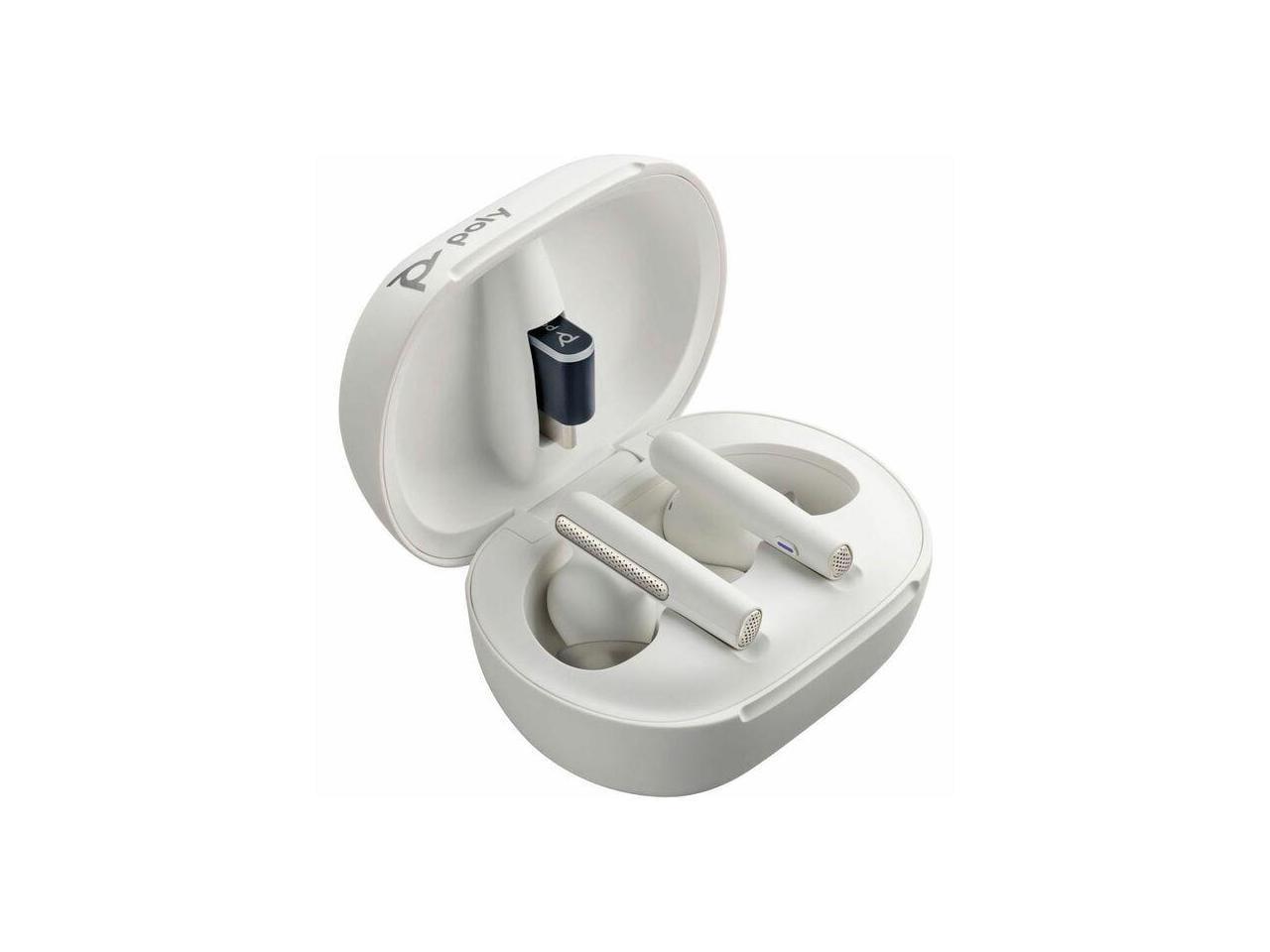
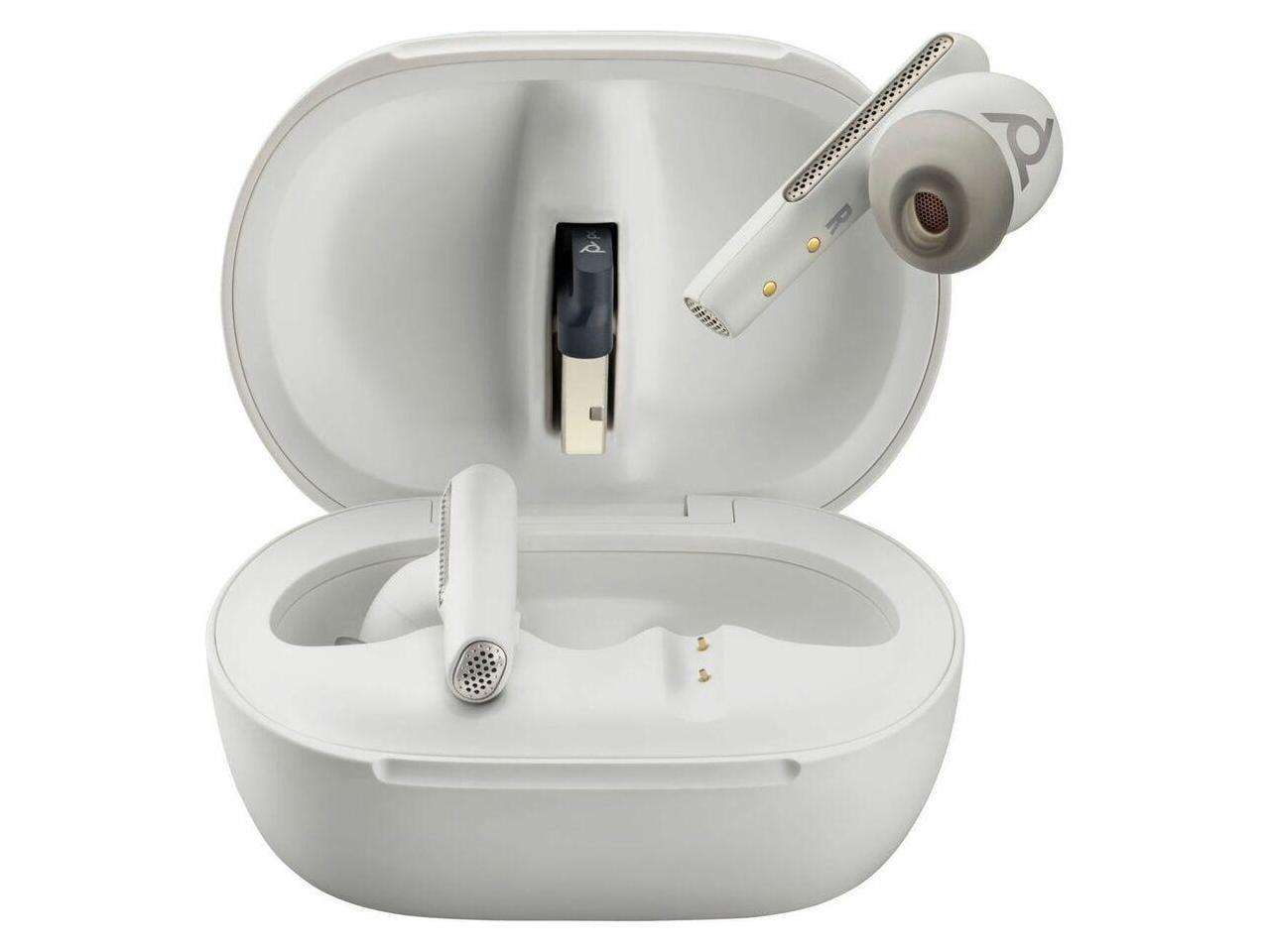

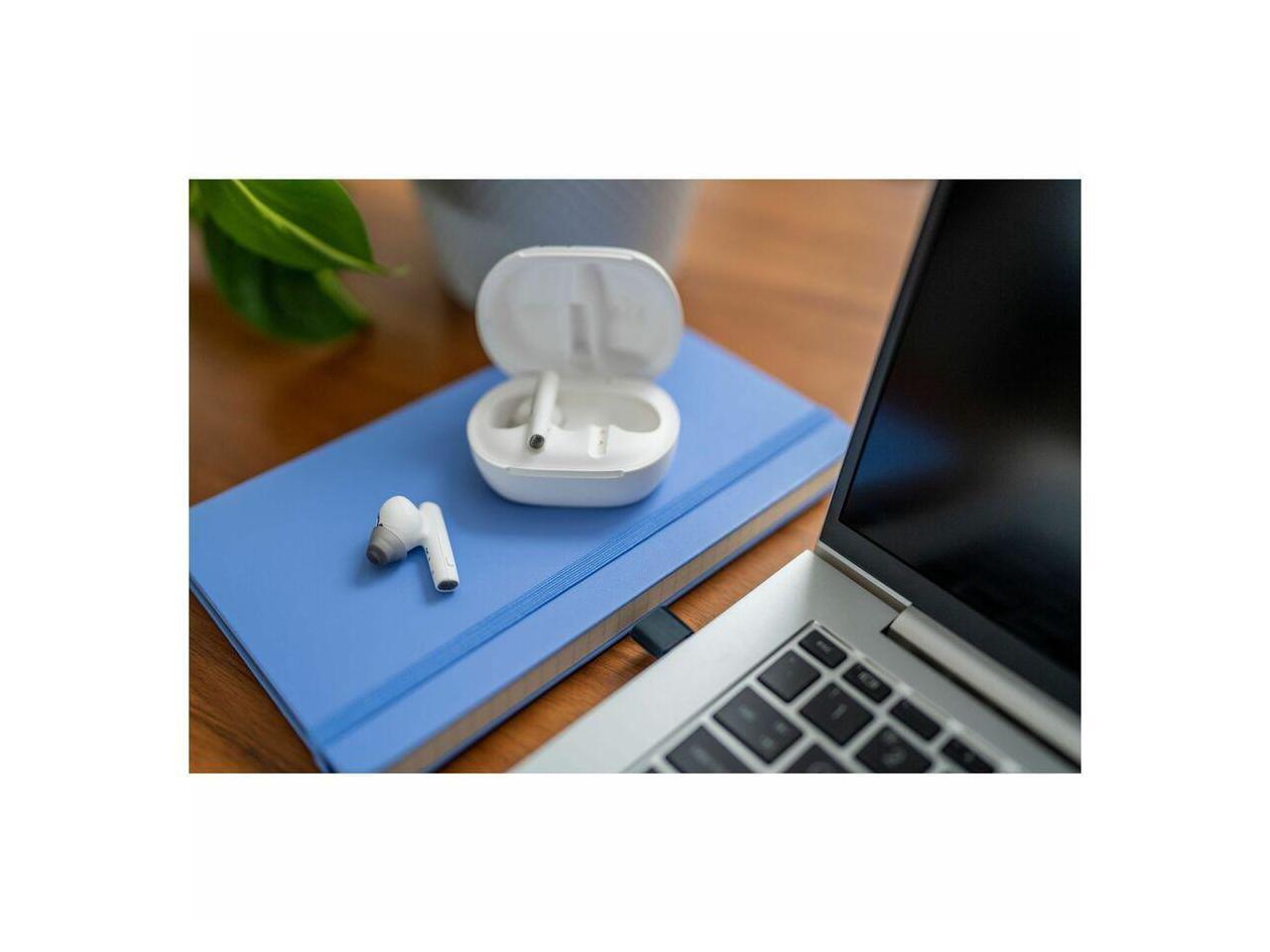
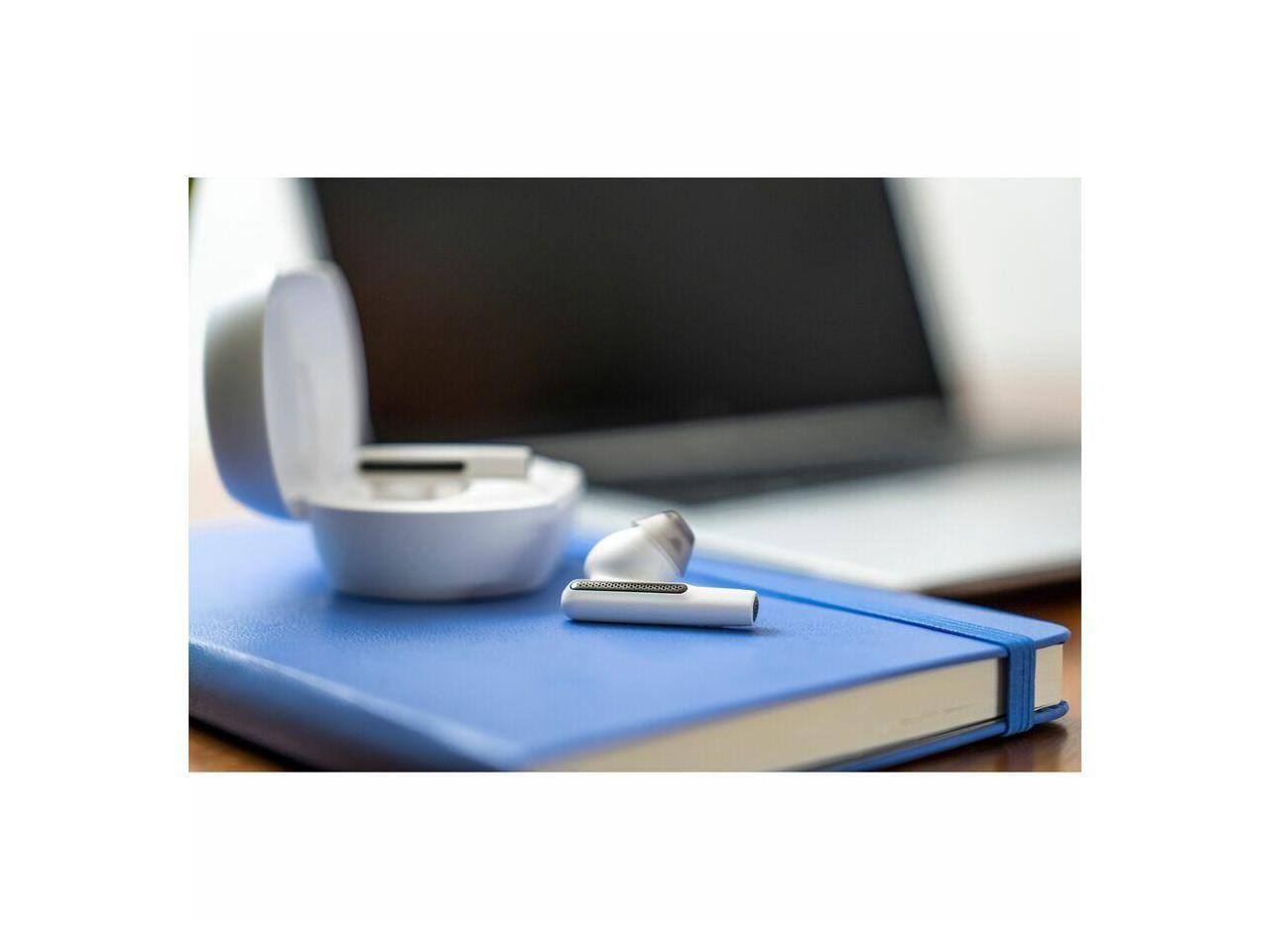
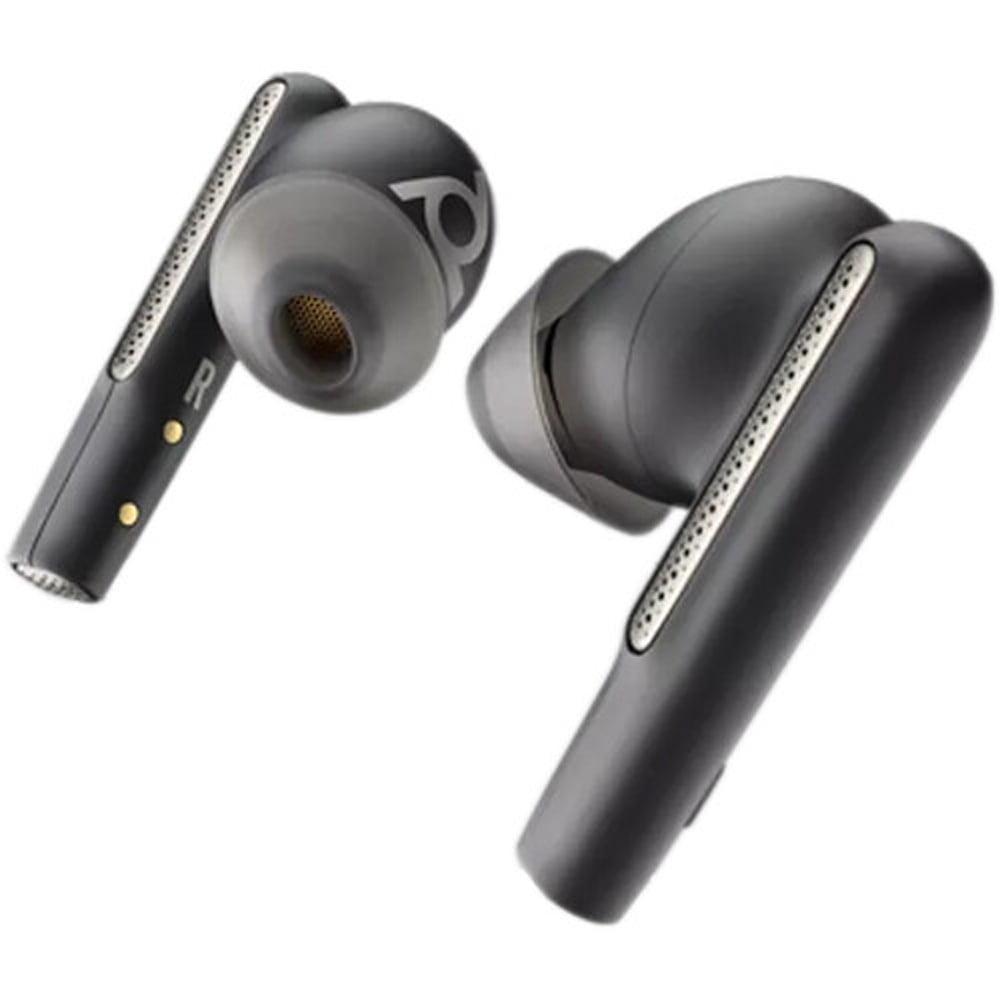
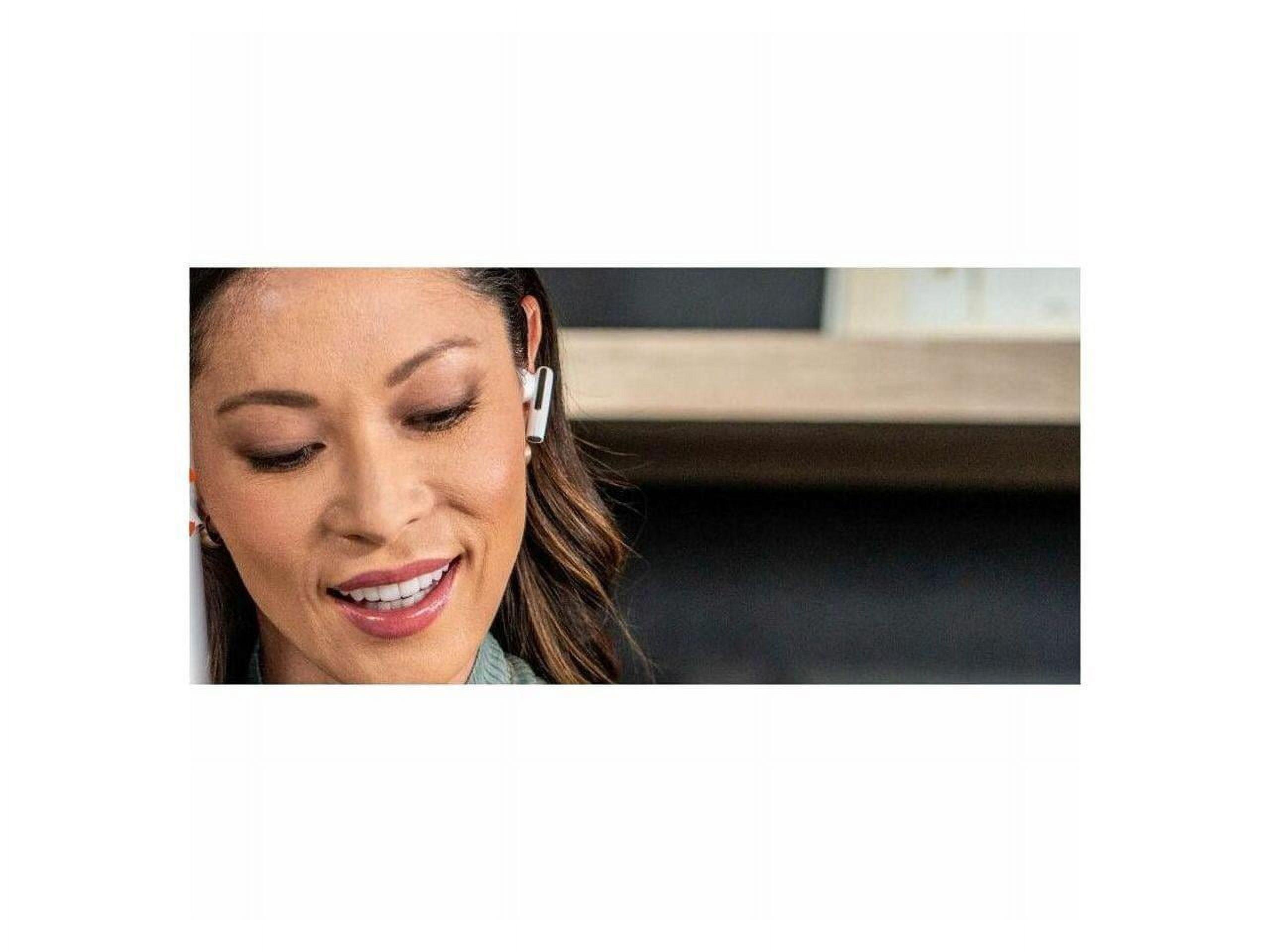
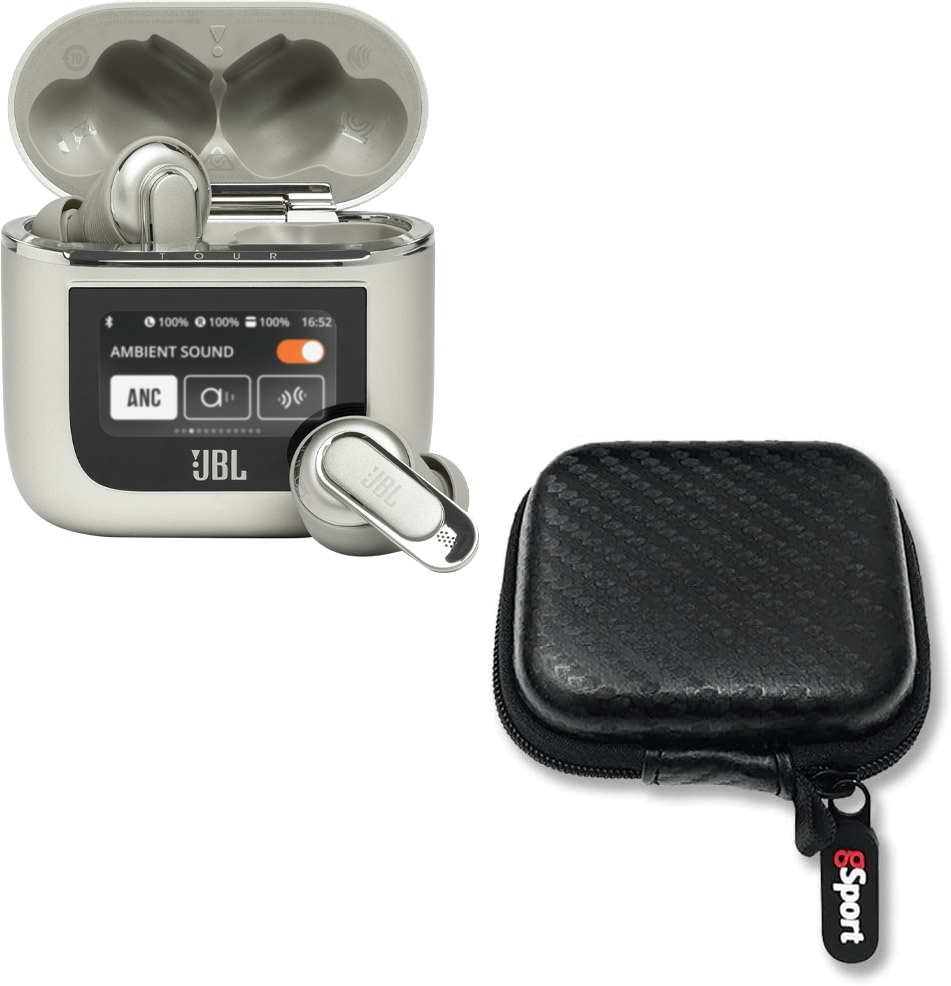
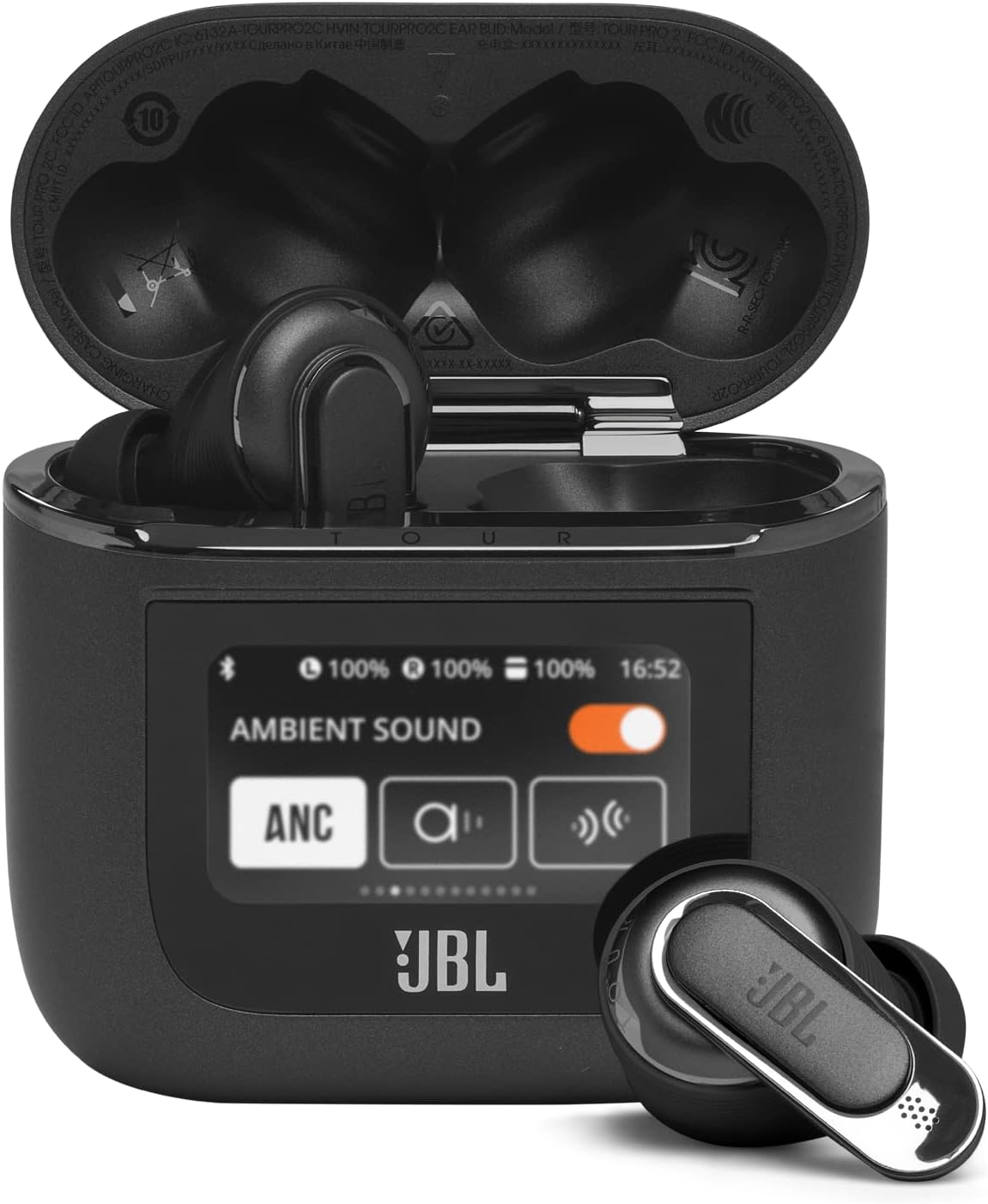
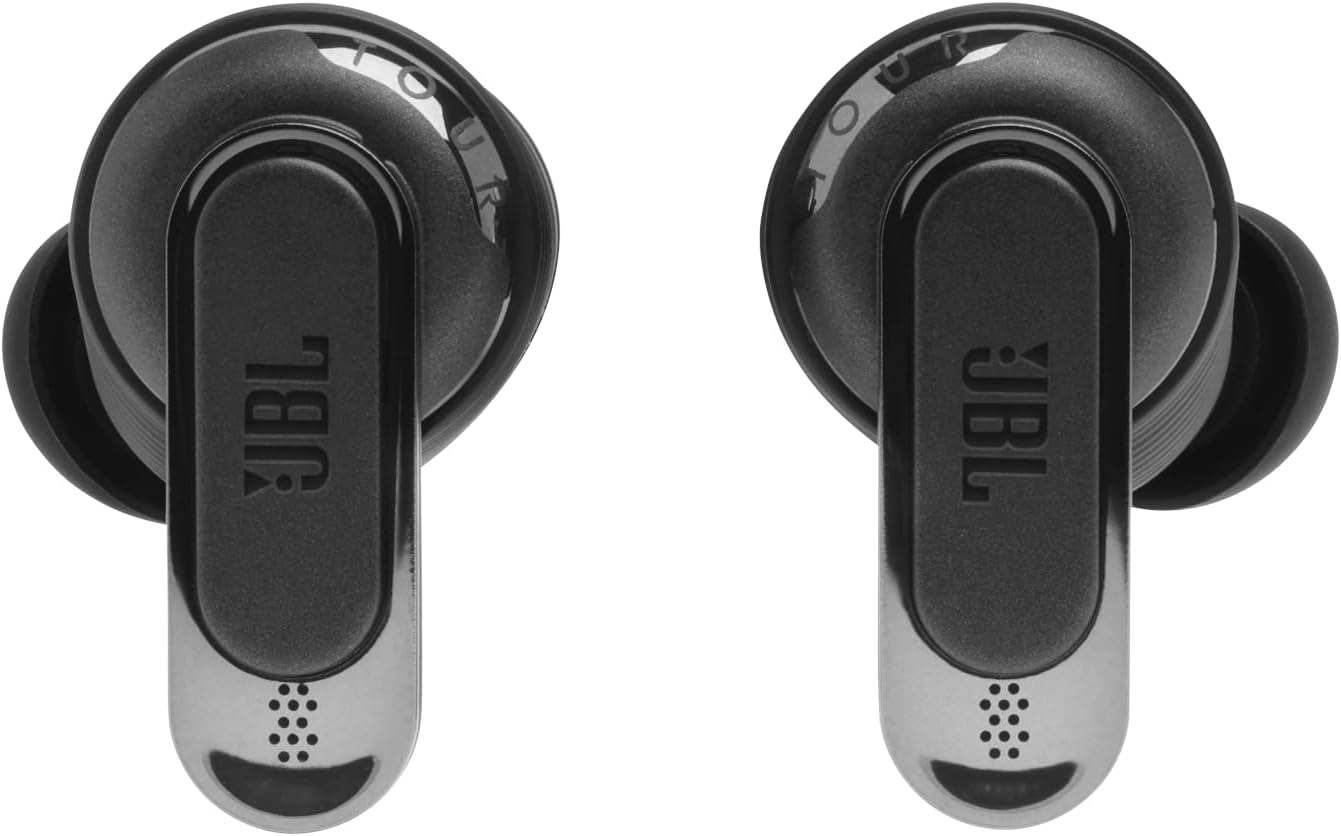
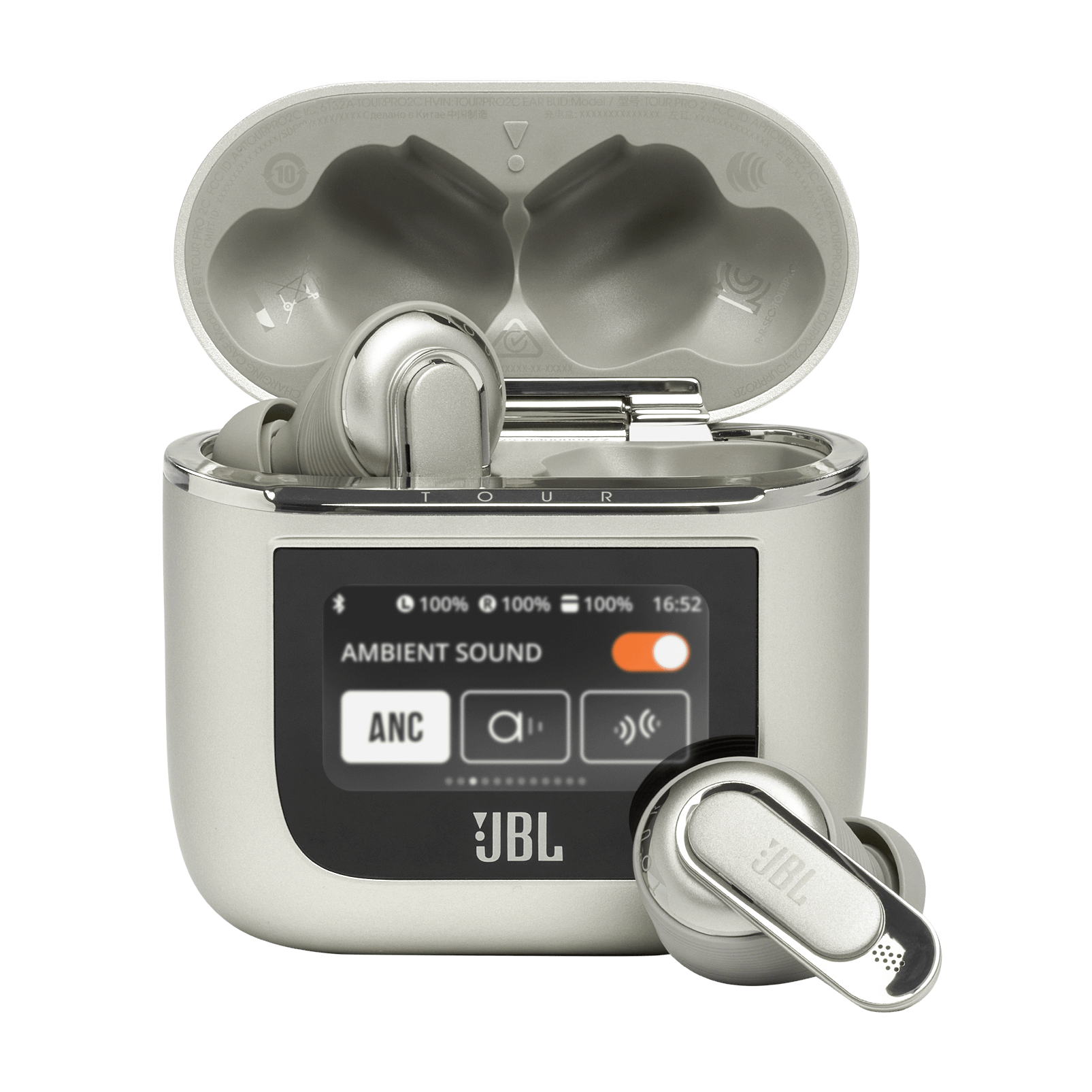
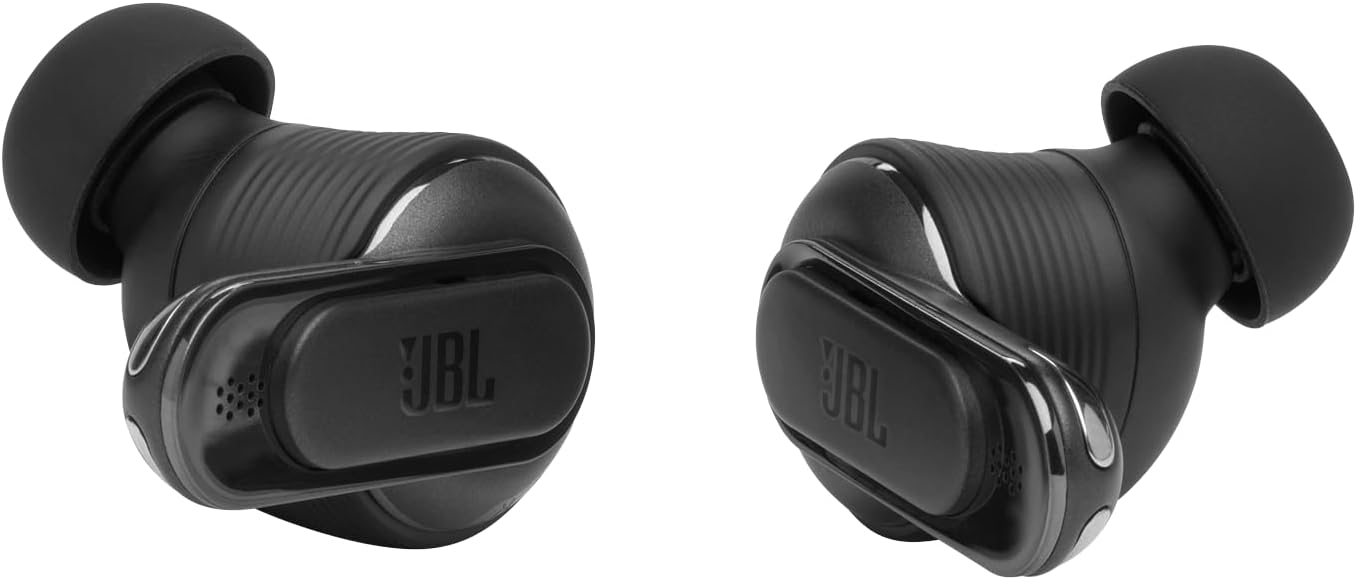
The wireless earbuds market splits into two distinct worlds: business-focused professional audio and entertainment-first consumer devices. These aren't just different price points—they represent fundamentally different engineering priorities and user needs. The Poly Voyager Free 60+ UC embodies the professional approach, while the JBL Tour Pro 2 champions the consumer entertainment experience.
Both products launched in 2022, but they've evolved differently since then. The Poly Voyager Free 60+ received firmware updates focusing on enterprise integration and call quality improvements, while the JBL Tour Pro 2 has seen software updates enhancing its spatial audio features and battery optimization. At the time of writing, the Poly model commands a premium of roughly $100+ over the JBL, reflecting its specialized business features and professional-grade components.
Here's what separates these categories: professional earbuds prioritize voice clarity, enterprise integration, and all-day comfort for business use. Consumer earbuds focus on music quality, entertainment features, and general lifestyle convenience. This fundamental difference affects every design decision, from microphone placement to battery optimization.
The Poly Voyager Free 60+ weighs just 5.8 grams per earbud compared to the JBL Tour Pro 2's 12.2 grams. That difference matters enormously for professionals wearing earbuds through 8-hour workdays. The lighter weight reduces ear fatigue and pressure points that can develop during extended wear. Based on user feedback we've analyzed, comfort becomes a deal-breaker for business users much faster than entertainment users, who typically use earbuds in shorter sessions.
Both models use 10mm dynamic drivers with identical 20Hz-20kHz frequency ranges on paper, but their tuning philosophies differ dramatically. Think of it like comparing a studio monitor to a home theater speaker—same basic technology, completely different optimization.
The Poly Voyager Free 60+ uses dynamic EQ that automatically switches between voice call mode (optimized up to 7kHz where speech clarity matters most) and multimedia mode (full 20Hz-20kHz range for music). This smart switching ensures calls sound crystal clear while maintaining good music quality. The codec support tells the story: Poly supports AAC, AptX, SBC, mSBC, and LC3, giving it better compatibility across different devices and platforms. LC3 is particularly important—it's the new Bluetooth LE Audio standard that provides better sound quality at lower power consumption.
The JBL Tour Pro 2 focuses on JBL's signature sound profile with enhanced bass response and spatial audio features. It includes three spatial audio modes optimized for music, movies, and gaming. While it supports fewer codecs (AAC, SBC, and LC3), these cover most consumer use cases effectively.
From our research into user experiences, the audio quality differences become apparent in specific scenarios. The Poly model excels in mixed-use environments where you're switching between calls and media throughout the day. The JBL earbuds shine for dedicated listening sessions, particularly for bass-heavy music genres and immersive entertainment content.
This is where the biggest performance gap emerges. The Poly Voyager Free 60+ features a three-microphone steerable array in each earbud that can literally focus on your voice while rejecting background noise. This uses beamforming technology—imagine a spotlight for sound that can point toward your mouth and dim everything else.
The WindSmart technology deserves special attention. Anyone who's tried taking calls outdoors knows how wind noise can make conversations impossible. Poly's solution uses multiple microphones to detect wind patterns and digitally subtract that noise from the audio signal. Based on user reports we've evaluated, this makes a dramatic difference for outdoor calls that would be unusable with standard earbuds.
The JBL Tour Pro 2 uses six microphones total across both earbuds, but they're optimized differently. JBL focuses on general noise reduction rather than specialized wind handling or professional-grade voice pickup. For casual phone calls, this works fine. For business calls where every word matters, the difference becomes significant.
The numbers support this: the Poly model can handle wind speeds that would overwhelm consumer earbuds, and its voice pickup range extends further from your mouth, reducing the need for perfect positioning during long calls.
Here's where the JBL Tour Pro 2 takes a clear lead for entertainment use. It provides 32 hours total playback time (8 hours from earbuds plus 24 from the case) compared to the Poly's 24 hours for music playback. But the story gets more interesting when you look at talk time.
The Poly Voyager Free 60+ delivers 16.5 hours total talk time (5.5 hours from earbuds, 11 from case), optimized specifically for business calls. This talk time optimization matters because voice calls use different power consumption patterns than music playback. Call processing requires constant microphone monitoring, noise cancellation algorithms, and voice processing—all power-hungry activities.
Quick charging tells another story about priorities. The JBL earbuds provide 4 hours of playback from a 15-minute charge, while the Poly model gives you 1 hour 12 minutes of talk time. The JBL's advantage here reflects consumer usage patterns—people often grab earbuds for workouts or commutes and need quick power boosts. The Poly's more modest quick-charge reflects business use where you're more likely to charge overnight.
Based on usage patterns we've analyzed from reviews, business users tend to prefer consistent all-day performance over maximum capacity, while entertainment users want maximum total time even if it means heavier earbuds.
Both earbuds feature adaptive hybrid Active Noise Cancellation (ANC), but they implement it differently. ANC works by using external microphones to detect ambient noise, then generating inverse sound waves to cancel it out. "Adaptive" means the system adjusts its cancellation in real-time based on your environment.
The Poly Voyager Free 60+ includes something unique: ANC that adapts to your individual wearing style. Since people's ear shapes and how they insert earbuds varies significantly, this personalized approach optimizes cancellation for your specific fit. User feedback suggests this makes the Poly particularly effective for consistent noise reduction across different wearing conditions.
The JBL Tour Pro 2's ANC focuses more on general environmental adaptation. It works well for typical consumer scenarios—flights, commutes, noisy cafes—but doesn't offer the personalized optimization of the Poly system.
For home theater use, both models provide transparency modes that let ambient sound through when needed. However, neither is specifically optimized for home theater scenarios compared to dedicated over-ear headphones, which provide better spatial awareness and typically superior sound staging for movie watching.
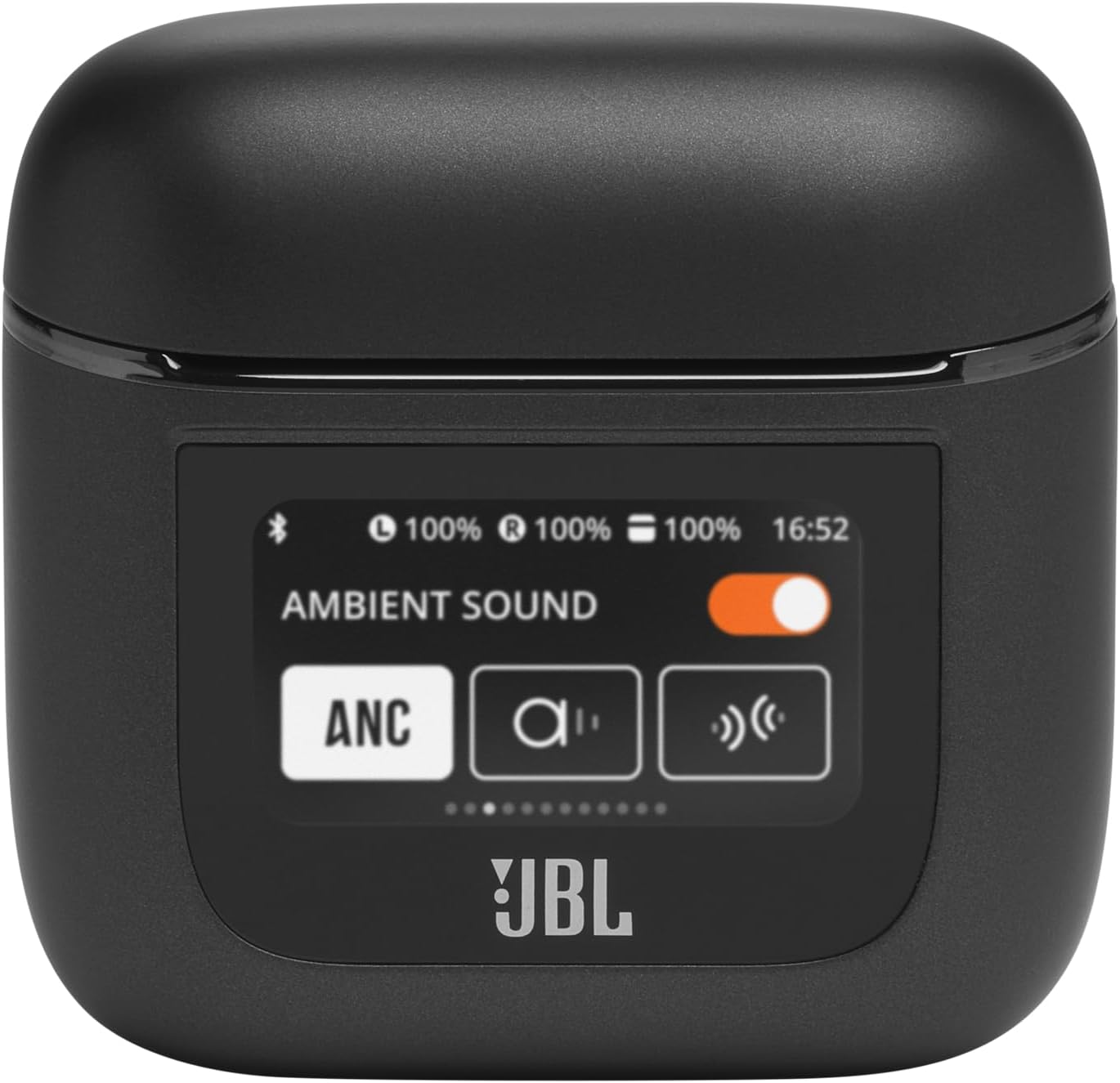
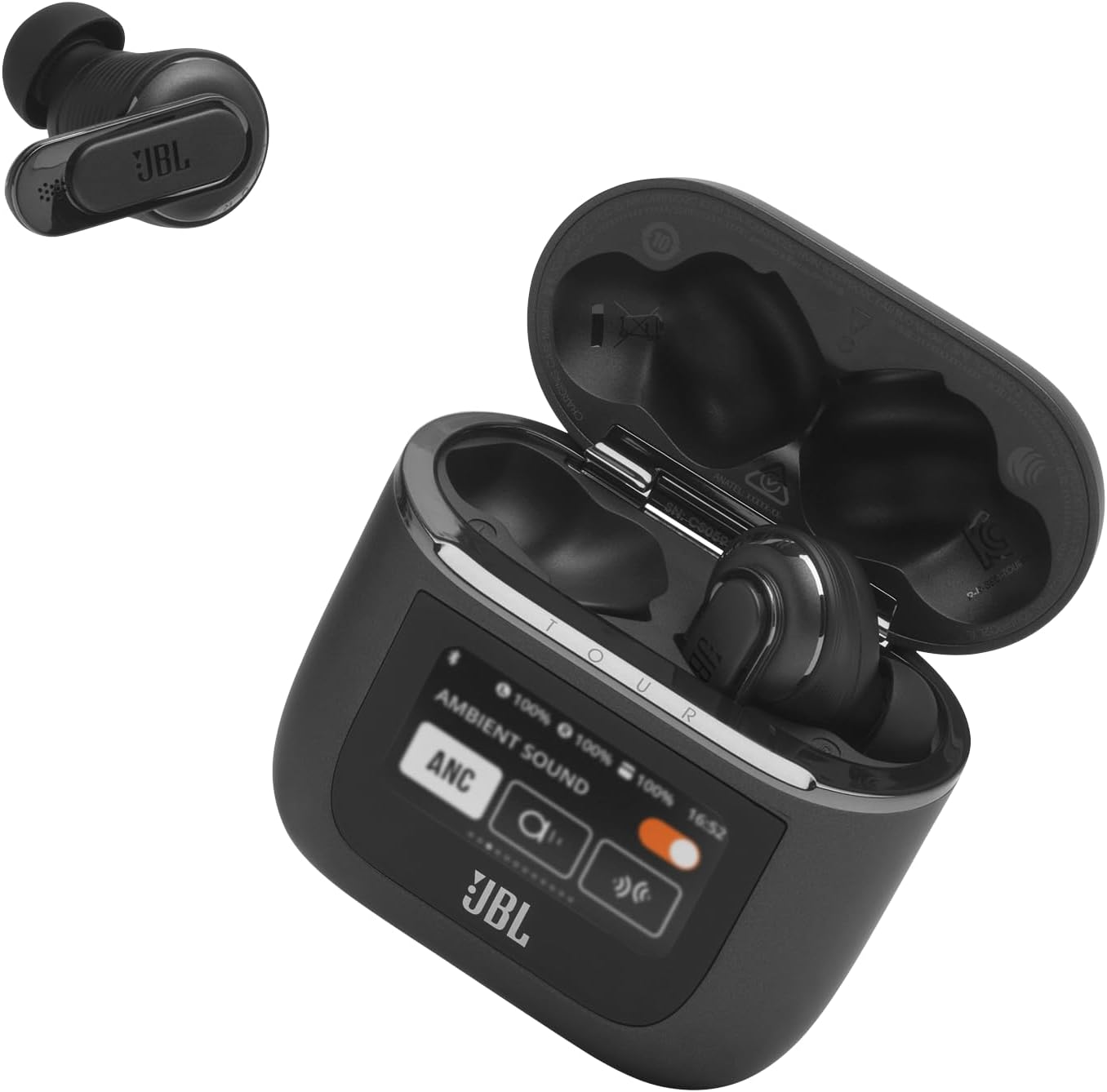
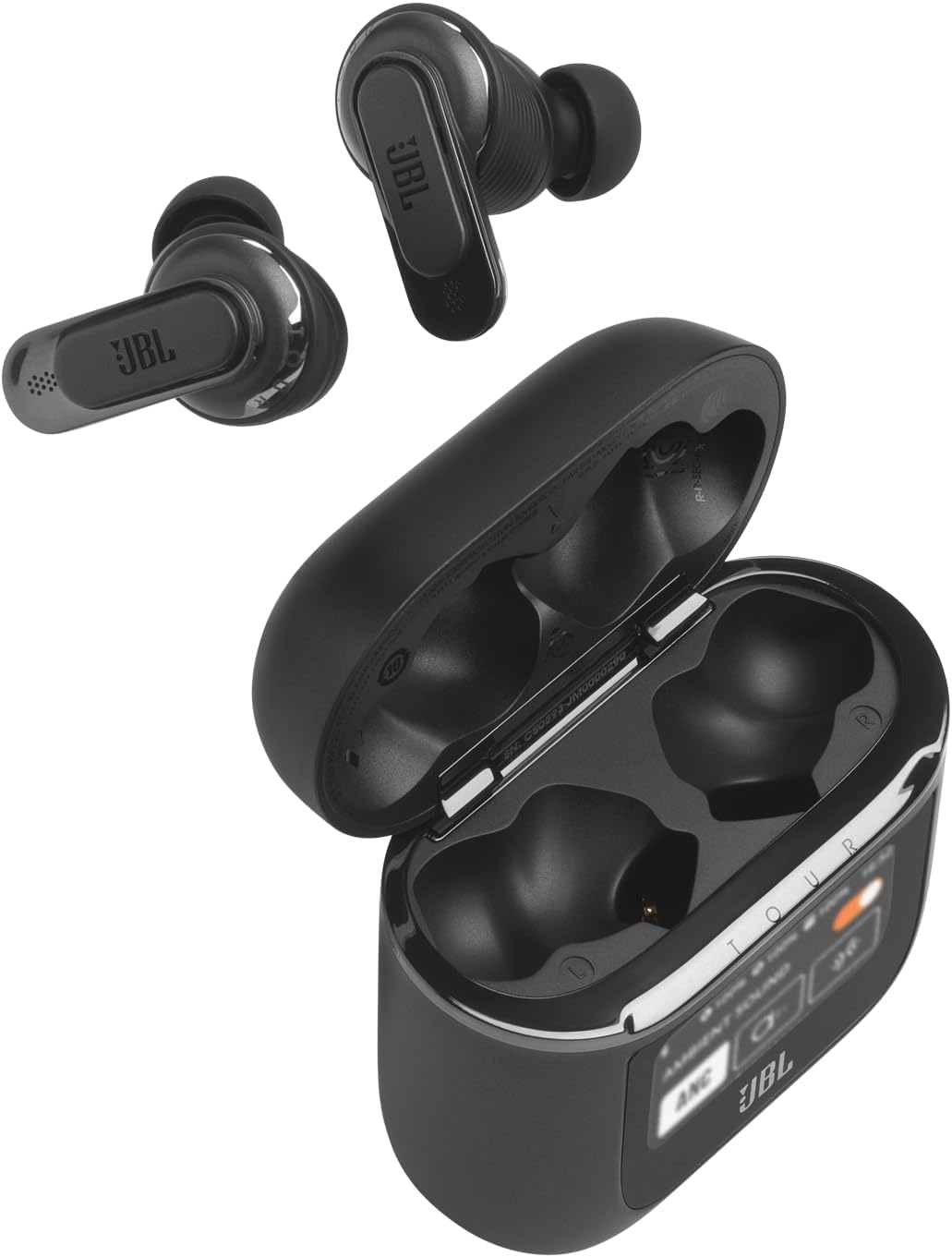
Both products feature touchscreen charging cases—still relatively rare in 2024. But their implementations reveal their target audiences perfectly.
The Poly's case focuses on business functionality: call management, device switching between your phone and computer, connection status monitoring, and battery management. It's designed for someone juggling multiple devices and calls throughout the workday. The case can even handle call controls without removing the earbuds, crucial for professional scenarios where you can't interrupt workflow.
The JBL's case emphasizes entertainment controls: spatial audio mode switching, EQ adjustments, battery monitoring, and media playback controls. It's built for someone who wants quick access to sound customization and playback management.
The IP ratings tell an interesting story about intended use. The Poly Voyager Free 60+ carries IP54 rating, providing both dust and splash protection. This makes sense for office environments where dust accumulation and occasional spills are the main concerns.
The JBL Tour Pro 2 features IPX5 rating—better water protection but no dust resistance. This reflects consumer priorities: protection during workouts, outdoor activities, and weather exposure, but less concern about long-term dust buildup in controlled environments.
This is where the Poly Voyager Free 60+ justifies its premium pricing. It includes a BT700 USB adapter that extends Bluetooth range up to 98 feet and provides more stable PC connectivity than standard Bluetooth. For anyone who's experienced Bluetooth dropouts during important video calls, this hardware solution eliminates a major pain point.
The Microsoft Teams certification isn't just marketing—it means the earbuds have passed specific tests for call quality, latency, and integration with Teams features. The Poly Lens software allows IT departments to manage earbuds centrally, pushing firmware updates and monitoring device health across an organization.
The JBL Tour Pro 2 focuses on consumer ecosystem integration. It works well with JBL's consumer apps and provides good general Bluetooth connectivity, but lacks the enterprise-specific features that business users often require.
For professional use, the most critical metrics are:
For entertainment use, priorities shift to:
The Poly Voyager Free 60+ makes financial sense when call quality directly impacts your work effectiveness. If you're in sales, consulting, remote management, or any role where voice communication is critical, the superior microphone system and call optimization features provide tangible benefits. The included USB adapter alone can solve connectivity problems that plague many remote workers.
The lighter weight becomes increasingly important for all-day wear. Based on comfort feedback we've analyzed, the 6+ gram difference per earbud creates noticeable pressure reduction during extended use. For professionals wearing earbuds 6-8 hours daily, this comfort advantage can prevent ear fatigue and soreness that might otherwise force breaks in availability.
The JBL Tour Pro 2 represents better value for mixed personal use. If you're primarily listening to music, watching videos, or making occasional personal calls, the longer battery life and entertainment-focused features provide more practical benefit. The spatial audio modes genuinely enhance movie and gaming experiences in ways that business-focused features cannot.
The price difference, at the time of writing, makes the JBL option attractive for users who want premium features without paying for specialized business functionality they won't use.
After analyzing extensive user feedback and technical specifications, the decision comes down to honest assessment of your primary use case. The Poly Voyager Free 60+ excels so dramatically at professional communication that it justifies its premium for business users, but that same specialization makes it less optimal for entertainment-focused use.
The JBL Tour Pro 2 offers the better overall value proposition for general consumers, with longer battery life, entertainment features, and solid general performance at a more accessible price point.
For mixed use—some business calls but primarily entertainment—the JBL model makes more sense unless call quality is absolutely critical to your work. The battery life advantage and entertainment features will provide daily benefits that outweigh the call quality improvements for most casual business users.
If your work depends on crystal-clear voice communication, frequent device switching, or enterprise integration, the Poly Voyager Free 60+ delivers professional-grade performance that can directly impact productivity and work quality. In those scenarios, the premium pricing reflects genuine value rather than unnecessary features.
| Poly Voyager Free 60+ UC | JBL Tour Pro 2 |
|---|---|
| Weight Per Earbud - Critical for all-day business use comfort | |
| 5.8g (significantly lighter for extended wear) | 12.2g (heavier but acceptable for shorter sessions) |
| Microphone System - Most important for call quality | |
| 3-microphone steerable array per earbud with WindSmart technology | 6 total microphones with general noise reduction |
| Target Use Case - Determines feature optimization | |
| Business/enterprise with Microsoft Teams certification | Entertainment/consumer with spatial audio modes |
| Total Battery Life - Music Playback | |
| 24 hours total (8 earbuds + 16 case) | 32 hours total (8 earbuds + 24 case) |
| Talk Time Battery Life - Business calls | |
| 16.5 hours total (5.5 earbuds + 11 case) | Not optimized for extended talk time |
| Quick Charging Performance | |
| 15 min = 1 hour 12 min talk time | 15 min = 4 hours playback time |
| Bluetooth Codec Support - Audio quality across devices | |
| AAC, AptX, SBC, mSBC, LC3 (superior compatibility) | AAC, SBC, LC3 (covers most consumer needs) |
| Water/Dust Protection | |
| IP54 (dust and splash resistant - better for office) | IPX5 (water resistant only - better for workouts) |
| Included Accessories - Professional connectivity | |
| BT700 USB adapter for enhanced PC connectivity | Standard charging accessories only |
| Bluetooth Range | |
| Up to 98 feet with BT700 adapter | Standard Bluetooth range (~30 feet) |
| Smart Case Features | |
| Business controls (call management, device switching) | Entertainment controls (spatial audio, EQ settings) |
| Active Noise Cancellation | |
| Adaptive ANC that adjusts to individual wearing style | Adaptive ANC optimized for general environments |
| Audio Tuning Philosophy | |
| Dynamic EQ switching between voice calls and multimedia | Entertainment-focused with enhanced bass response |
| Enterprise Integration | |
| Poly Lens software, IT management, hearing protection compliance | Consumer app ecosystem only |
| Price Premium Justification | |
| Professional features, enterprise certification, superior call tech | Better entertainment value with longer battery life |
The Poly Voyager Free 60+ UC is significantly better for business calls. It features a three-microphone steerable array in each earbud with WindSmart technology that focuses on your voice while rejecting background noise. The Poly earbuds are also Microsoft Teams certified and include enterprise features like the BT700 USB adapter for stable PC connectivity during important video calls.
The JBL Tour Pro 2 offers superior battery life for music with 32 total hours (8 hours from earbuds plus 24 from the charging case) compared to the Poly Voyager Free 60+ UC's 24 total hours. However, for talk time, the Poly model provides 16.5 hours optimized specifically for business calls.
The Poly Voyager Free 60+ UC is more comfortable for extended wear at just 5.8 grams per earbud compared to the JBL Tour Pro 2's 12.2 grams. This weight difference becomes significant during 8-hour workdays. The lighter Poly earbuds reduce ear fatigue and pressure points that can develop with heavier models.
The JBL Tour Pro 2 is better for entertainment with JBL's signature sound profile featuring enhanced bass and spatial audio modes for music, movies, and gaming. The JBL earbuds are specifically tuned for entertainment consumption, while the Poly Voyager Free 60+ UC focuses on balanced audio with voice call optimization.
Neither the Poly Voyager Free 60+ UC nor JBL Tour Pro 2 are specifically optimized for home theater use compared to over-ear headphones. However, the JBL Tour Pro 2 offers spatial audio modes including a dedicated movie mode that can enhance the viewing experience for casual home entertainment.
Both the Poly Voyager Free 60+ UC and JBL Tour Pro 2 feature adaptive hybrid active noise cancellation. The Poly model offers ANC that adapts to your individual wearing style and includes specialized features for call environments, while the JBL earbuds provide general environmental noise reduction.
The JBL Tour Pro 2 has IPX5 water resistance, making it better for workouts and outdoor activities. The Poly Voyager Free 60+ UC features IP54 rating, which provides both dust and splash protection but less water resistance than the JBL model.
The JBL Tour Pro 2 has faster quick charging, providing 4 hours of playback from just 15 minutes of charging. The Poly Voyager Free 60+ UC gives 1 hour and 12 minutes of talk time from 15 minutes of charging, optimized for business call usage rather than entertainment.
Both the Poly Voyager Free 60+ UC and JBL Tour Pro 2 work with iPhones and Android devices via Bluetooth 5.3. The Poly earbuds support more audio codecs including AptX for potentially better sound quality across different devices, while the JBL model supports standard consumer codecs.
The JBL Tour Pro 2 offers better value for general consumers with longer battery life, entertainment features, and a lower price point. The Poly Voyager Free 60+ UC provides better value for business professionals who need superior call quality, enterprise features, and the included BT700 USB adapter for PC connectivity.
Yes, both the Poly Voyager Free 60+ UC and JBL Tour Pro 2 support multipoint connectivity, allowing connection to two Bluetooth devices simultaneously. Both can remember up to 8 paired devices. The Poly model includes additional PC connectivity options through its BT700 adapter.
For working from home, the Poly Voyager Free 60+ UC is the better choice due to its superior call quality, lighter weight for all-day comfort, Microsoft Teams certification, and included BT700 USB adapter for stable computer connectivity. The JBL Tour Pro 2 is better if you primarily use earbuds for entertainment during breaks rather than work calls.
We've done our best to create useful and informative comparisons to help you decide what product to buy. Our research uses advanced automated methods to create this comparison and perfection is not possible - please contact us for corrections or questions. These are the sites we've researched in the creation of this article: soundguys.com - headsetsdirect.com - youtube.com - vivo.tech - headsetadvisor.com - hp.com - headsetadvisor.com - hp.com - gadgetoid.com - hp.com - hp.com - youtube.com - headsetsdirect.com - lexair.com - content.shi.com - docs.poly.com - hp.com - bestbuy.com - h20195.www2.hp.com - vivo.tech - hp.com - insight.com - cdw.com - hp.com - trustedreviews.com - hp.com - youtube.com - whathifi.com - eftm.com - jbl.com - gamingtrend.com - seriousinsights.net - harmanaudio.com - youtube.com - soundstagesolo.com - jbl.com - soundguys.com - youtube.com - harmanaudio.com - tomsguide.com - ign.com - jbl.com - retailspecs.com - youtube.com - youtube.com - harmanaudio.com - bhphotovideo.com - jbl.com - bhphotovideo.com - youtube.com - headphones.com - jbl.com - mm.jbl.com - youtube.com - versus.com - uk.jbl.com - youtube.com - goodhousekeeping.com - harmanaudio.com - shop.oprahdaily.com - youtube.com - geekzone.co.nz

Privacy Policy
Terms and Conditions - Affiliate Policy
Home Security
© Copyright 2008-2026.
11816 Inwood Rd #1211, Dallas, TX 75244