

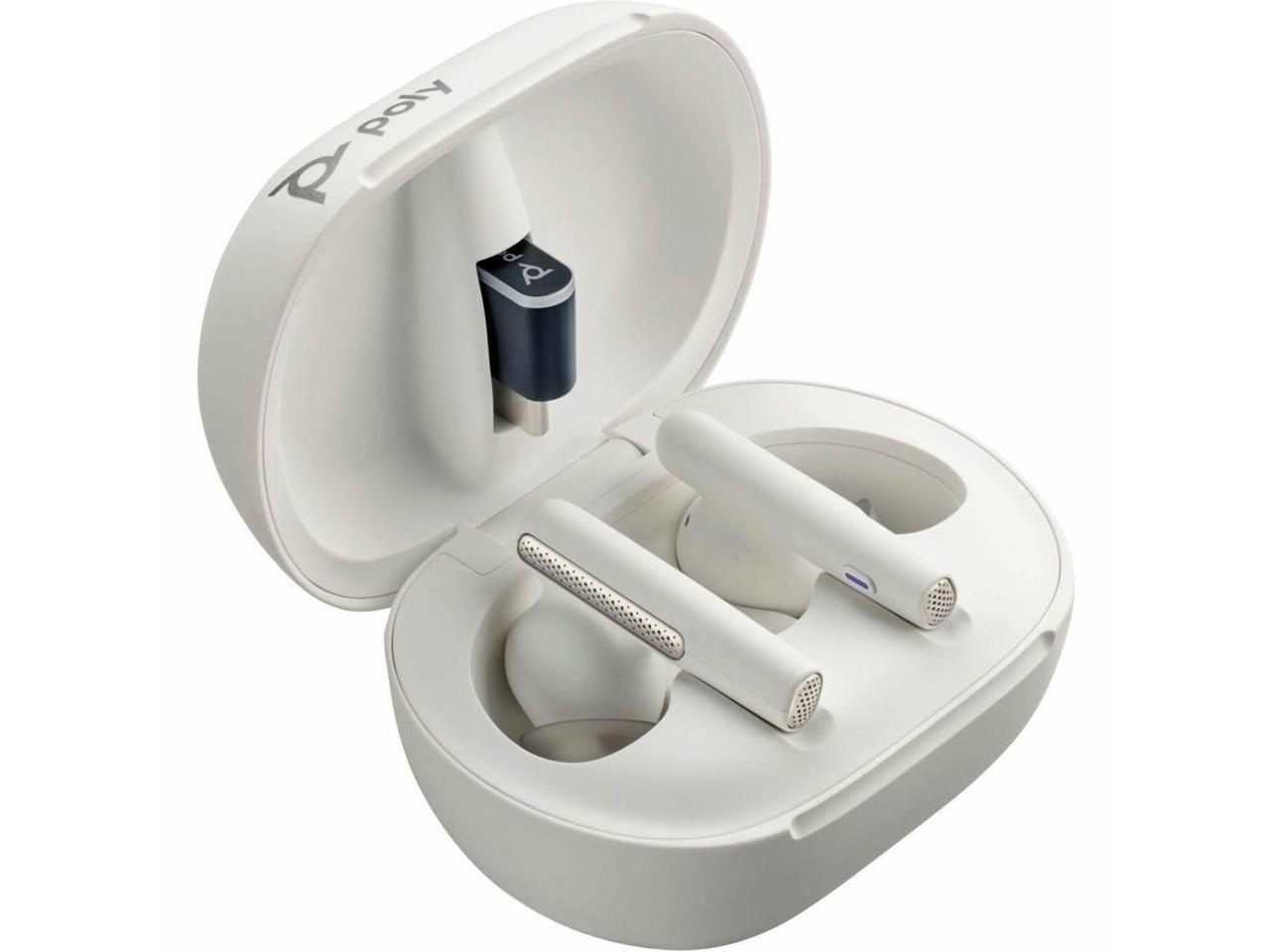
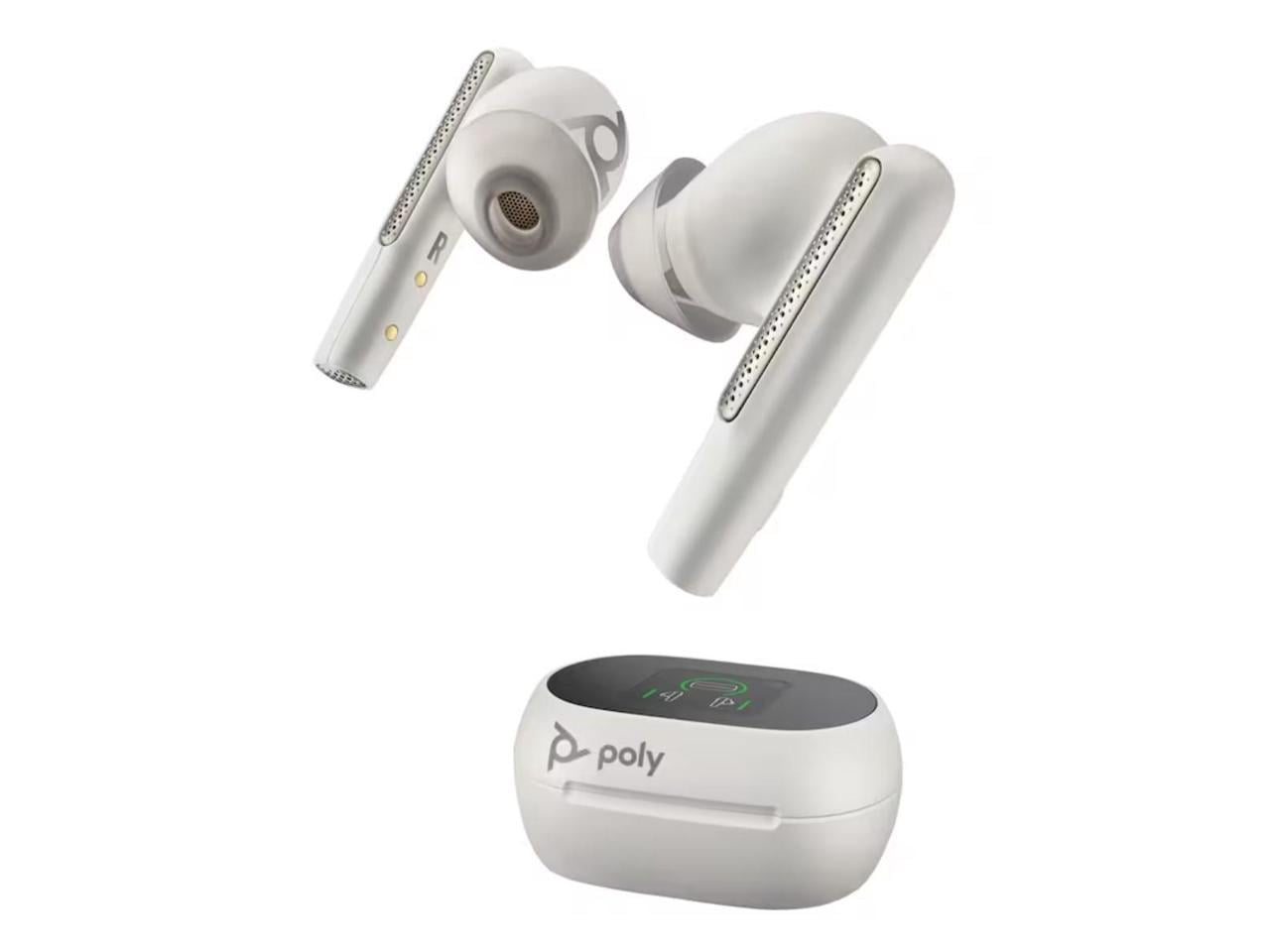
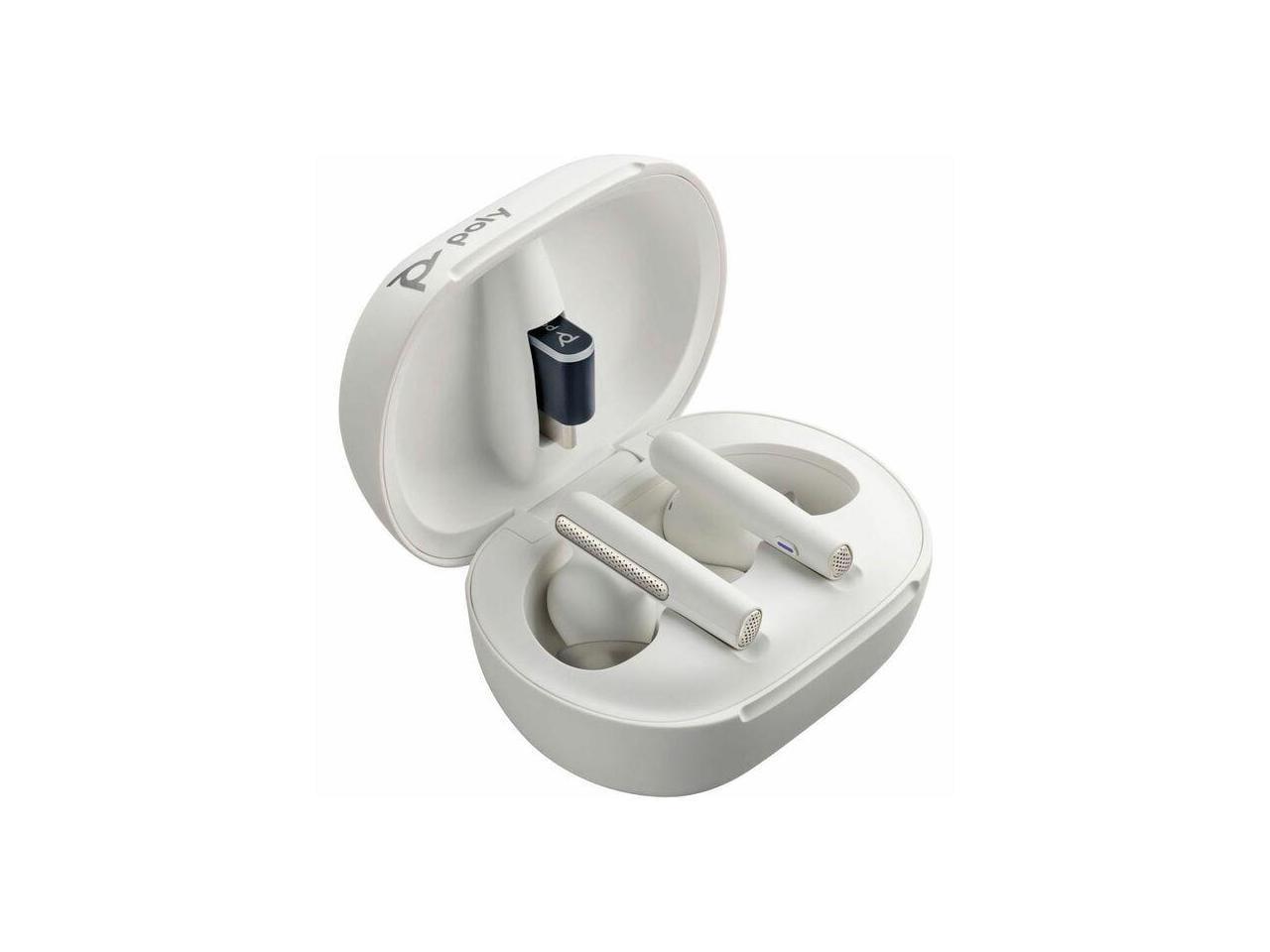
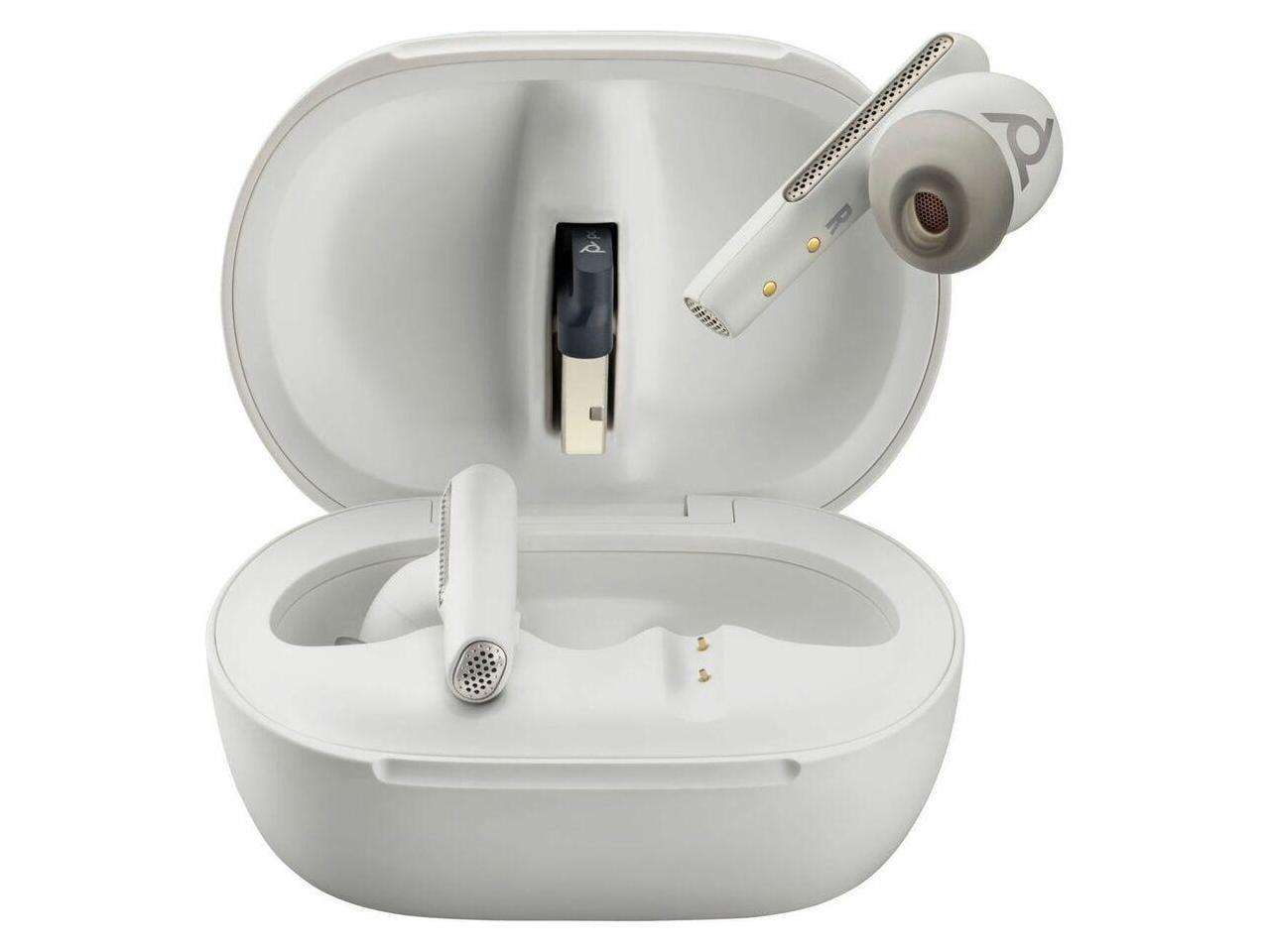

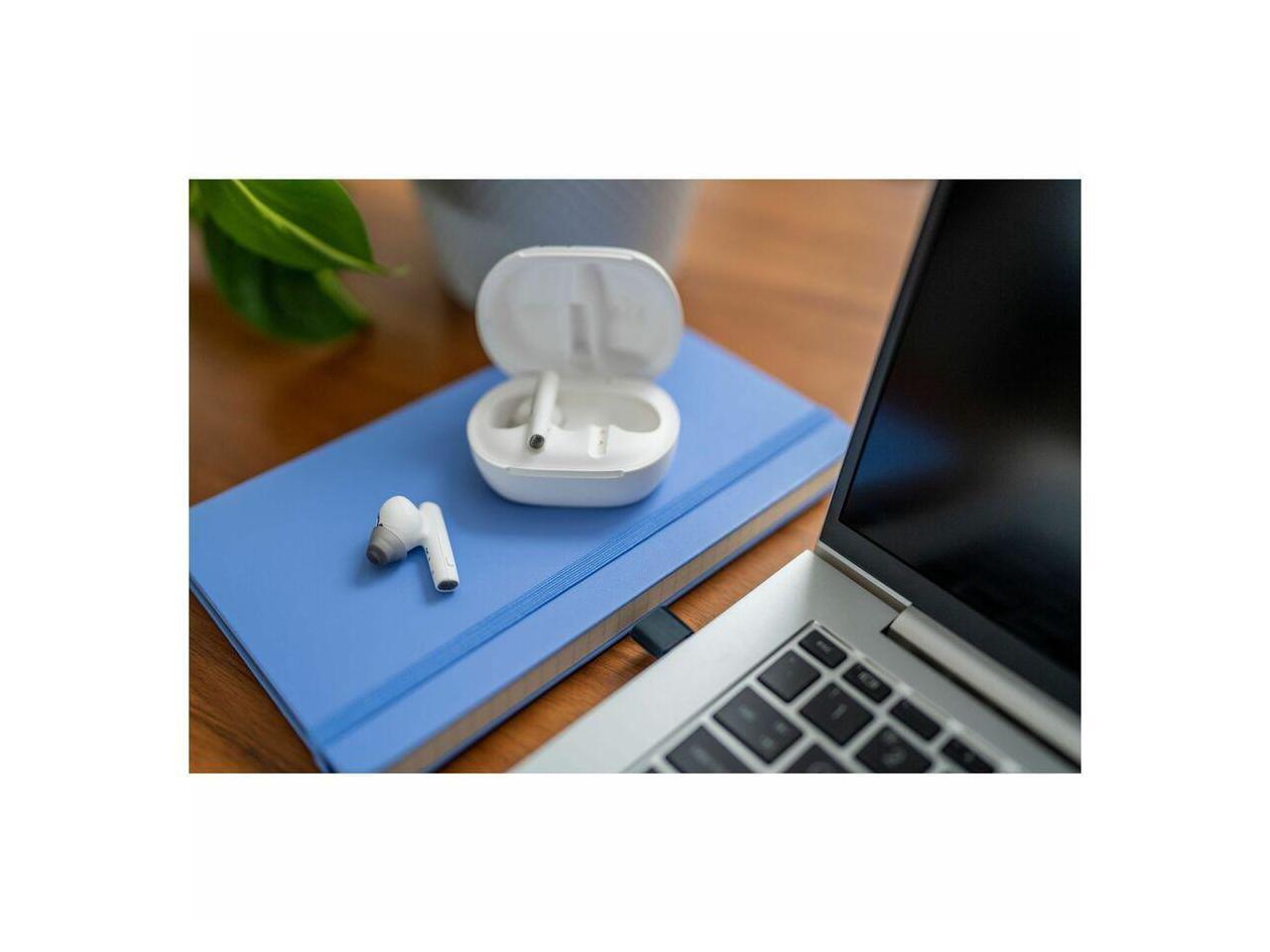
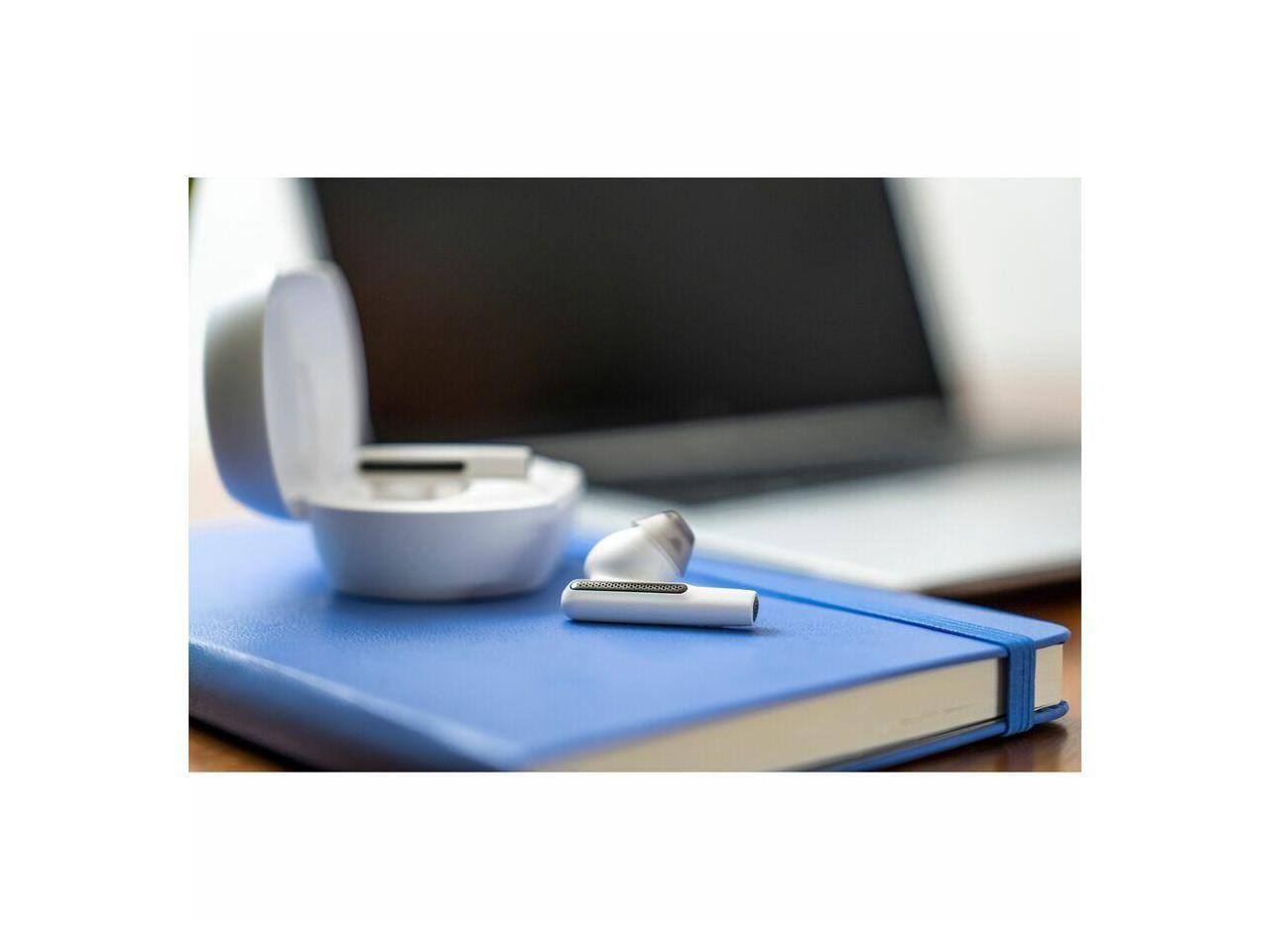
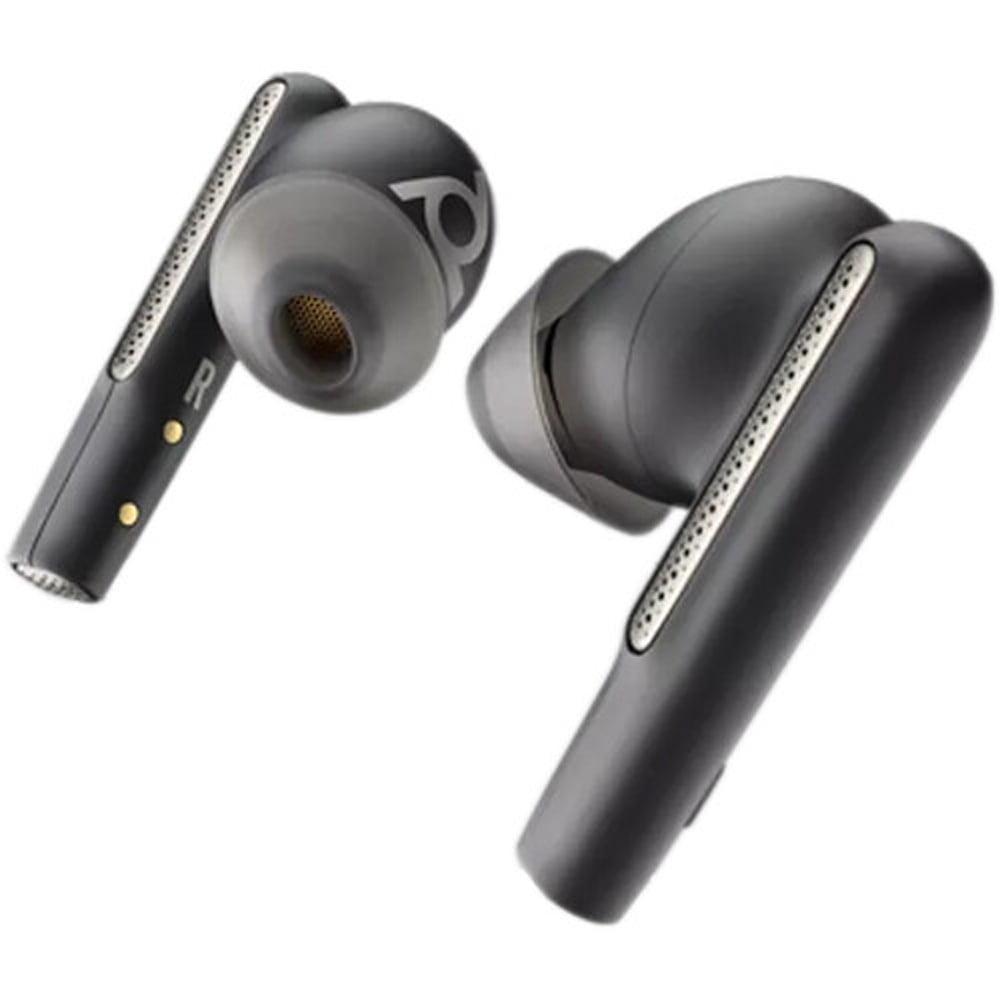
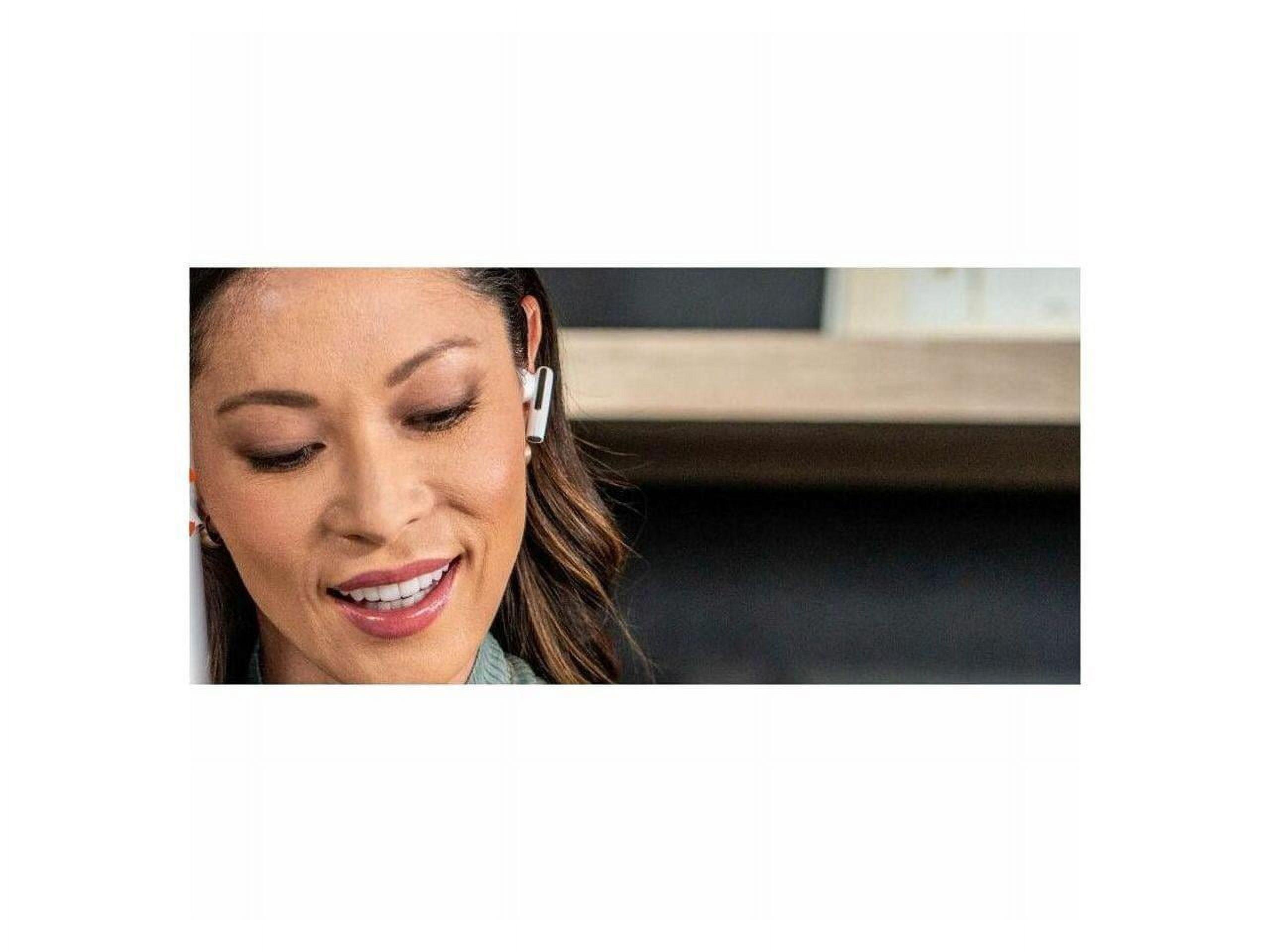

When shopping for true wireless earbuds, most people focus on the usual suspects: AirPods, Sony, or Bose. But two models that represent dramatically different philosophies deserve your attention: the Poly Voyager Free 60+ UC and the Denon PerL Pro. These aren't just different brands—they're entirely different approaches to what earbuds should do.
The Poly model launched in 2024 as an enterprise-focused solution, while the Denon PerL Pro also debuted in 2024 targeting audiophiles and general consumers. At the time of writing, the Poly earbuds cost roughly double what you'd pay for the Denon model, which immediately raises questions about value and purpose.
True wireless earbuds have matured significantly since their mainstream debut around 2016. Today's models need to excel across multiple areas: audio quality for music, communication clarity for calls, battery longevity for all-day use, and connectivity that works seamlessly across devices.
The most important performance characteristics have evolved too. While early models focused primarily on staying connected and not falling out of your ears, modern earbuds must deliver professional-grade call quality, adaptive noise cancellation that adjusts to your environment, and battery life that supports full workdays. Home theater integration has also become crucial as more people use earbuds for movie watching and gaming.
Audio codecs—the technology that compresses and decompresses your music—now make a massive difference in sound quality. Basic SBC codec sounds noticeably worse than advanced options like aptX Adaptive or LDAC, which preserve more musical detail during wireless transmission.
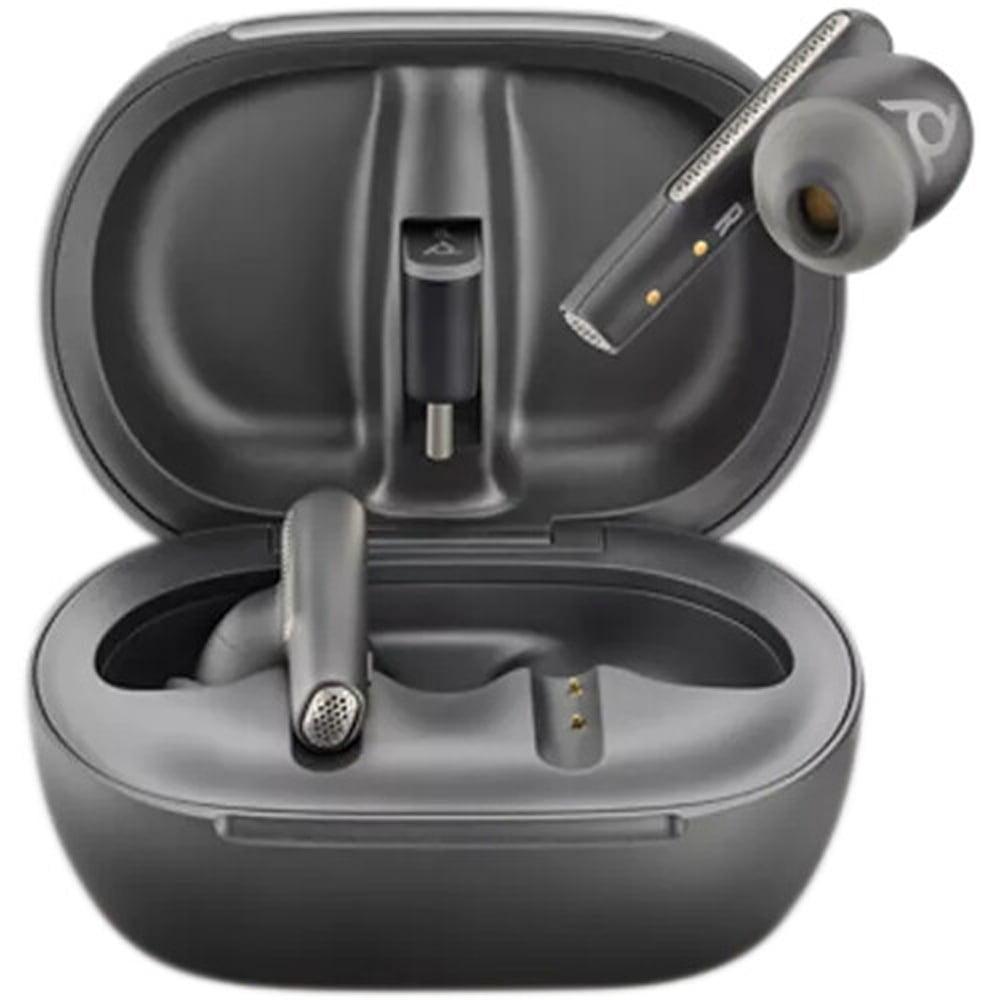
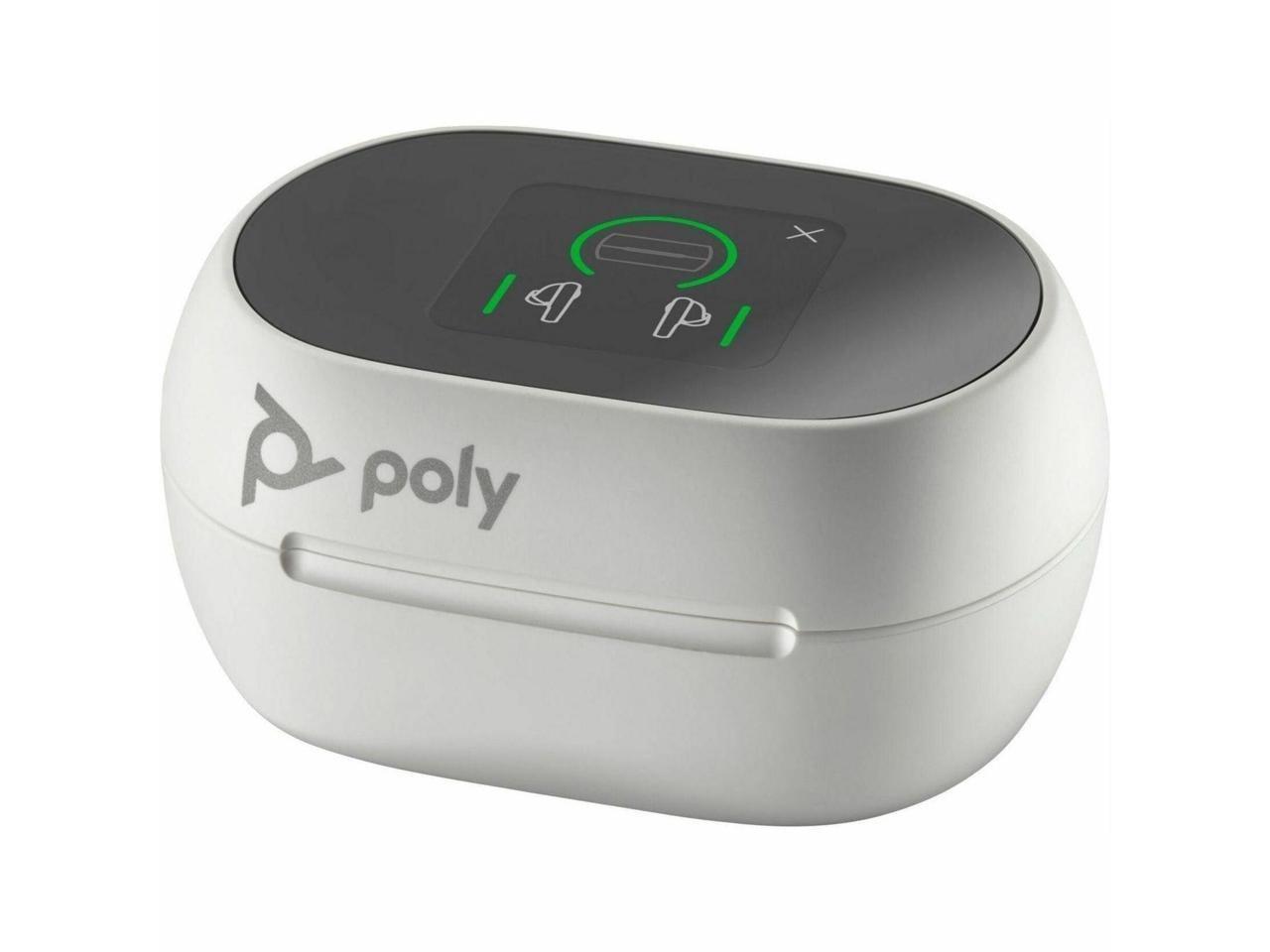
The Poly Voyager Free 60+ UC doesn't pretend to be consumer earbuds. Everything about its design screams "I have conference calls to join." The standout feature is an industry-first touchscreen charging case that lets you control music, switch between paired devices, and manage calls without touching your phone or removing the earbuds.
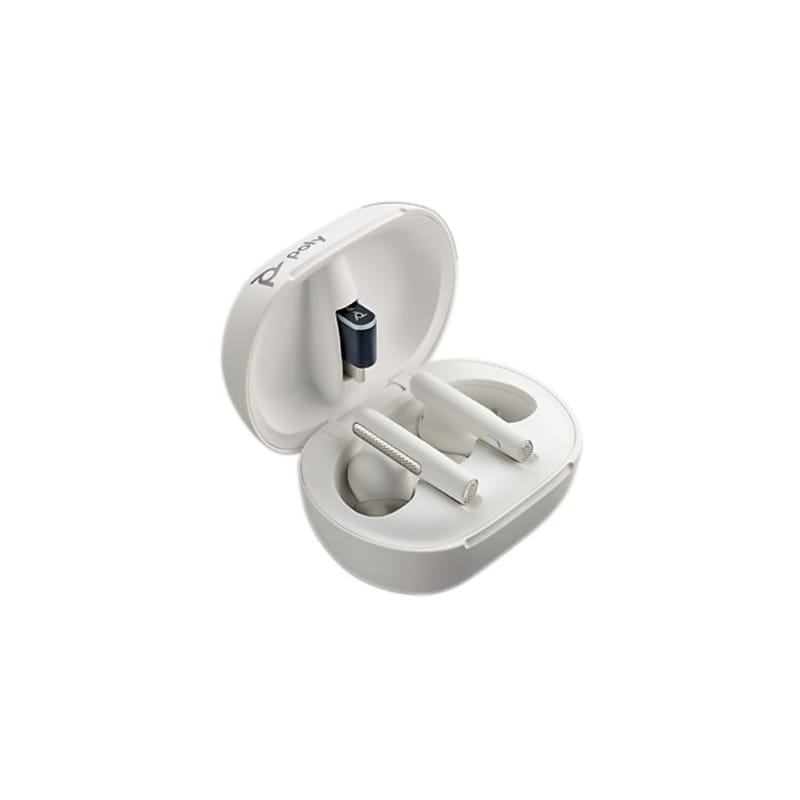
This isn't just a gimmick—it's genuinely useful when you're juggling a laptop call and need to quickly mute yourself or switch to your phone. The included BT700 Bluetooth adapter extends your range up to 98 feet from your computer, meaning you can walk to the kitchen during a Teams meeting without audio dropouts.
The enterprise certifications matter more than you might think. Microsoft Teams and Zoom certification means these earbuds have been specifically tested and optimized for these platforms. When your company's IT department deploys communication tools, compatibility issues can be career-limiting.
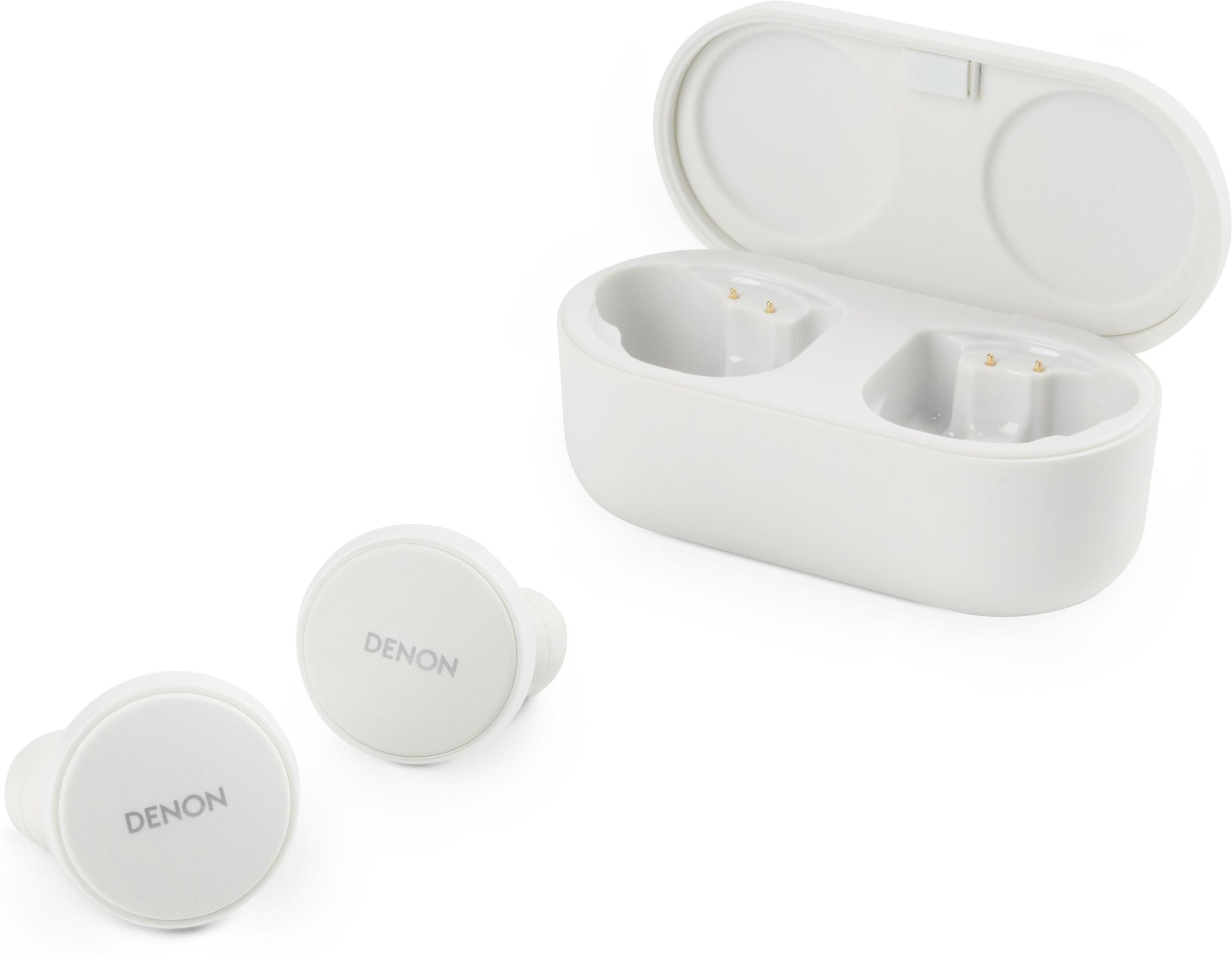
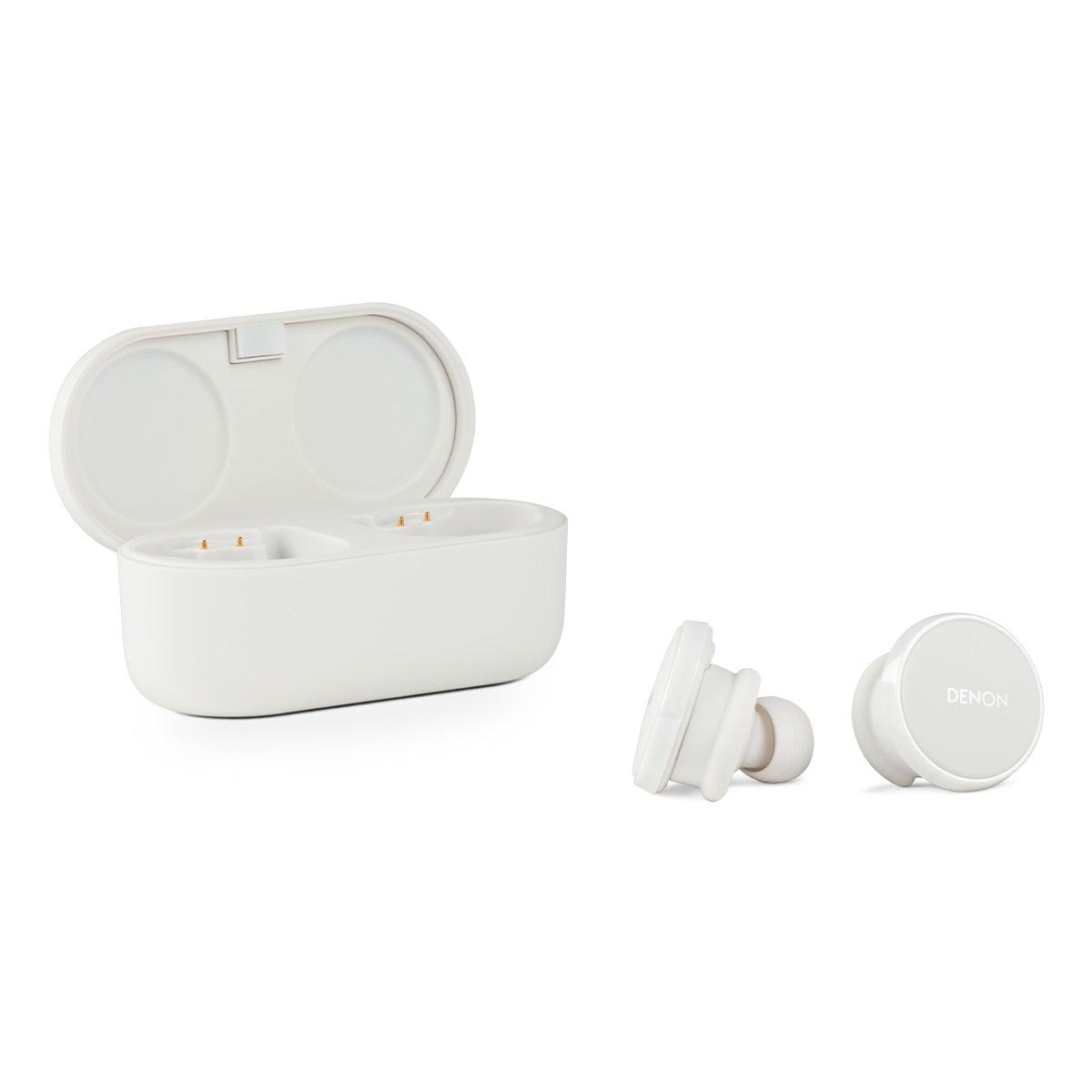
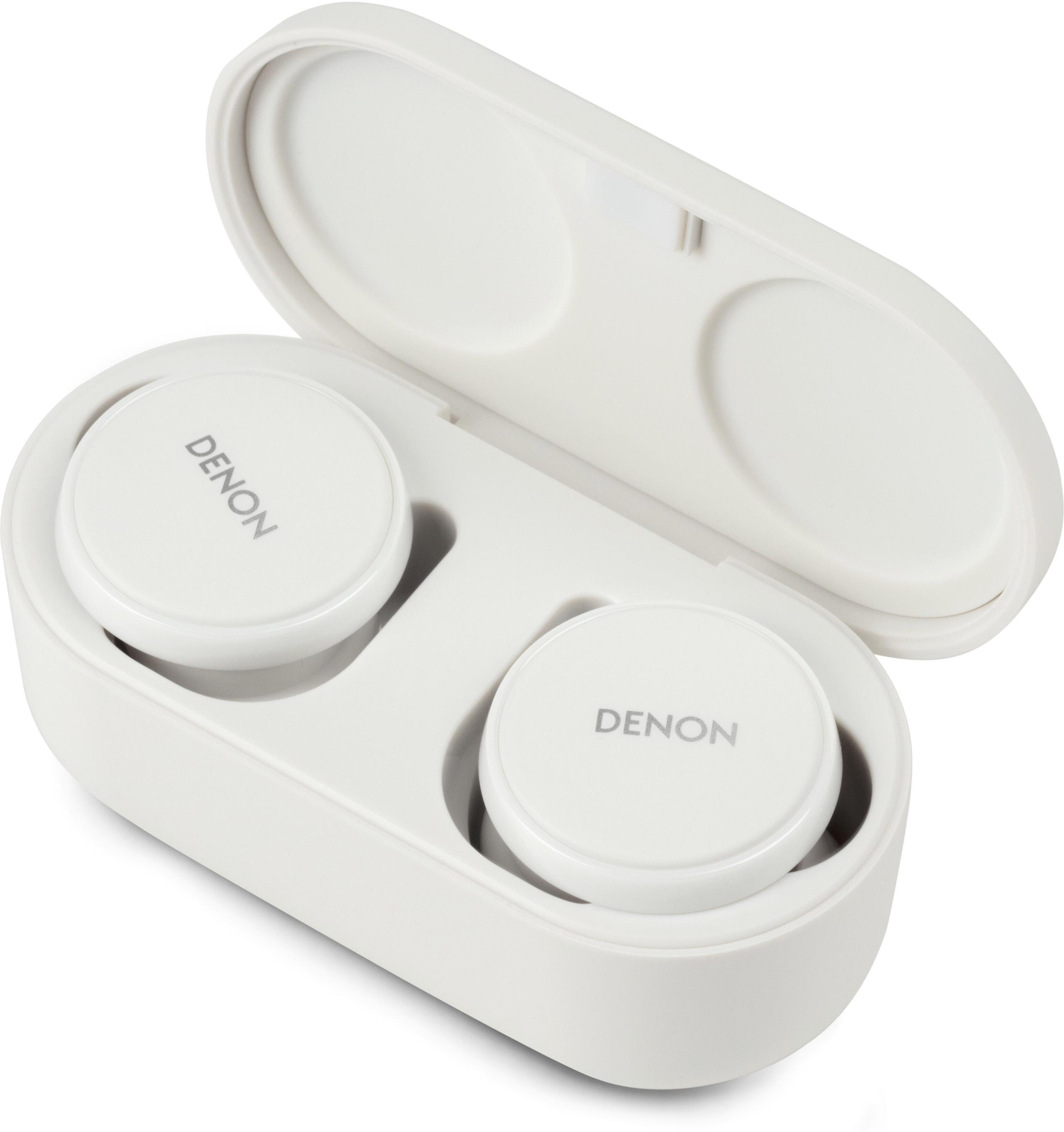
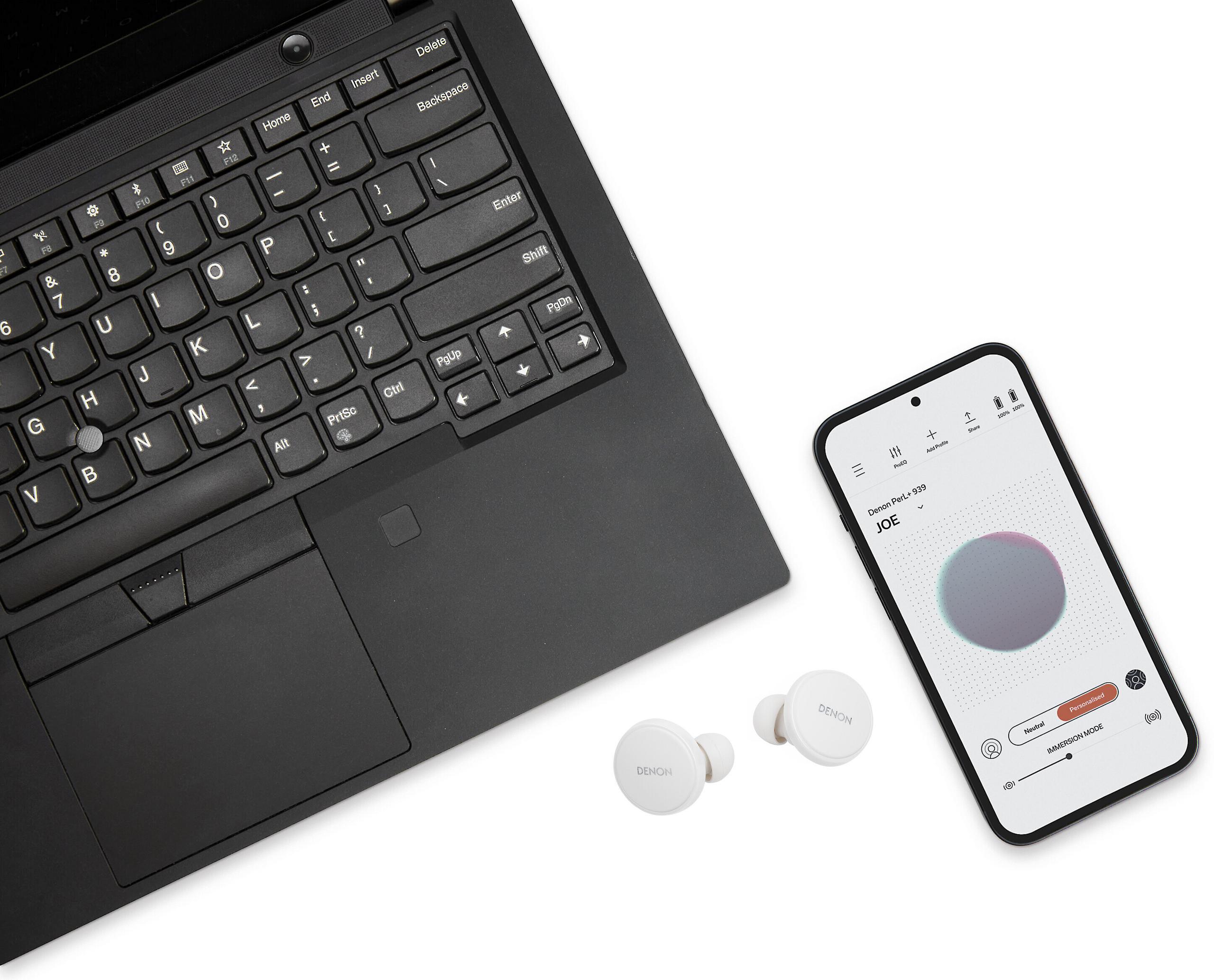
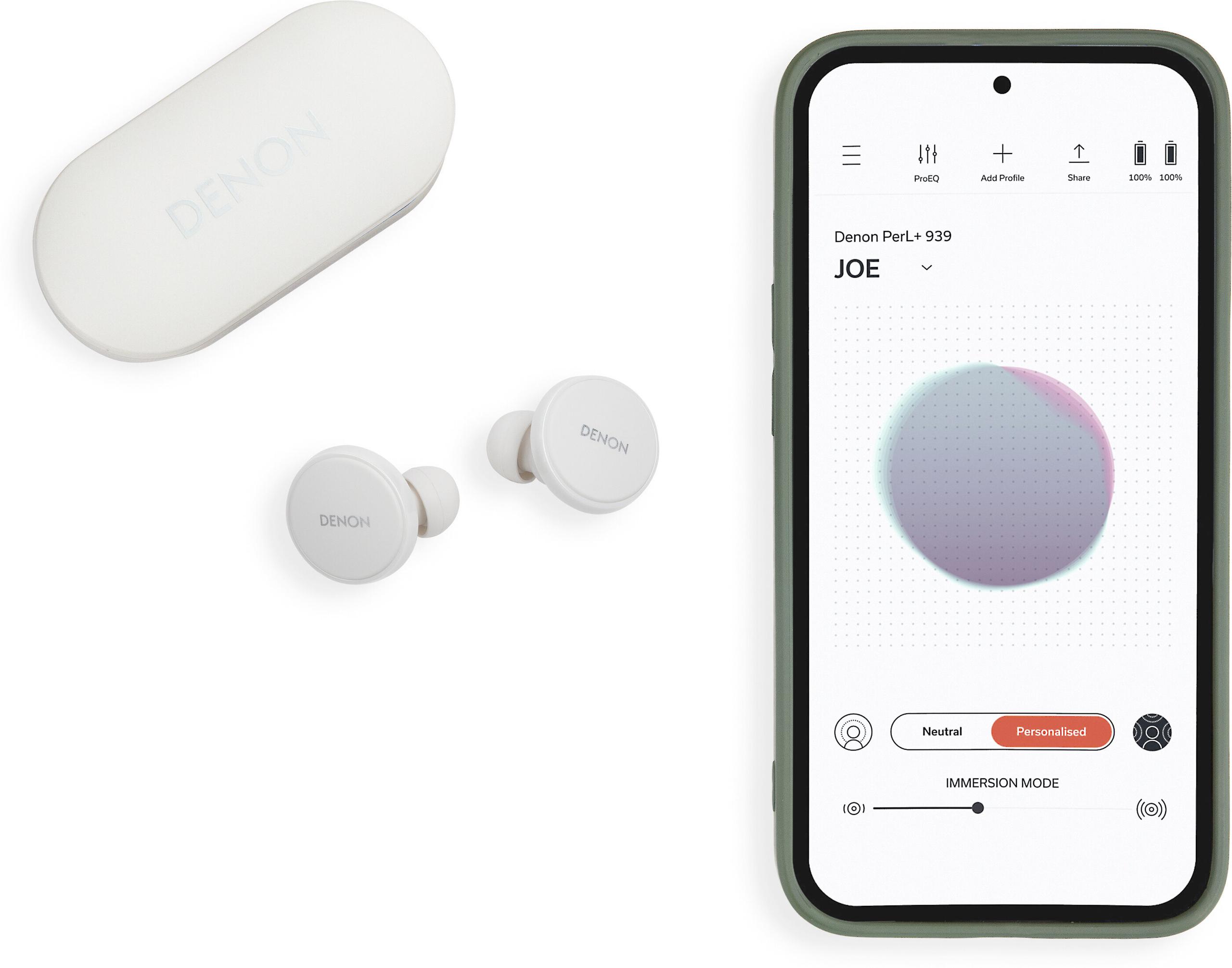
The Denon PerL Pro takes the opposite approach. These earbuds want to deliver the best possible music experience at a reasonable price point. The headline feature is Masimo Adaptive Acoustic Technology (AAT), which creates a personalized sound profile by testing your hearing sensitivity across different frequencies.
This personalization technology was previously found only in premium hearing aids. The earbuds play a series of test tones, measure how your ears respond, and create a custom audio profile that compensates for your individual hearing characteristics. It's like getting a professional audio tuning session built into your earbuds.
The Denon model also supports aptX Lossless, which can transmit CD-quality audio without compression losses—assuming your phone supports it. This matters significantly for music quality, though most people won't notice the difference unless they're listening to high-quality recordings on good source material.
For music, the Denon PerL Pro clearly wins. The frequency response extends from 20 Hz to 40,000 Hz, capturing deep bass and ultra-high frequencies that most earbuds miss. More importantly, the Masimo AAT personalization makes a dramatic difference in sound quality—many users report that music sounds flat and disappointing until they complete the personalization process.
The spatial audio implementation using Dirac Virtuo creates a more spacious soundstage, making music feel less like it's trapped inside your head. For home theater use, this spatial processing helps with movie dialogue clarity and creates a more immersive experience during action scenes.
The Poly Voyager Free 60+ UC takes a more utilitarian approach. The 10mm drivers are competent but unremarkable, and the frequency response prioritizes speech clarity over musical excitement. These earbuds have a dedicated speech mode that narrows the frequency range to 200 Hz-6.8 kHz, which is perfect for conference calls but makes music sound compressed and lifeless.
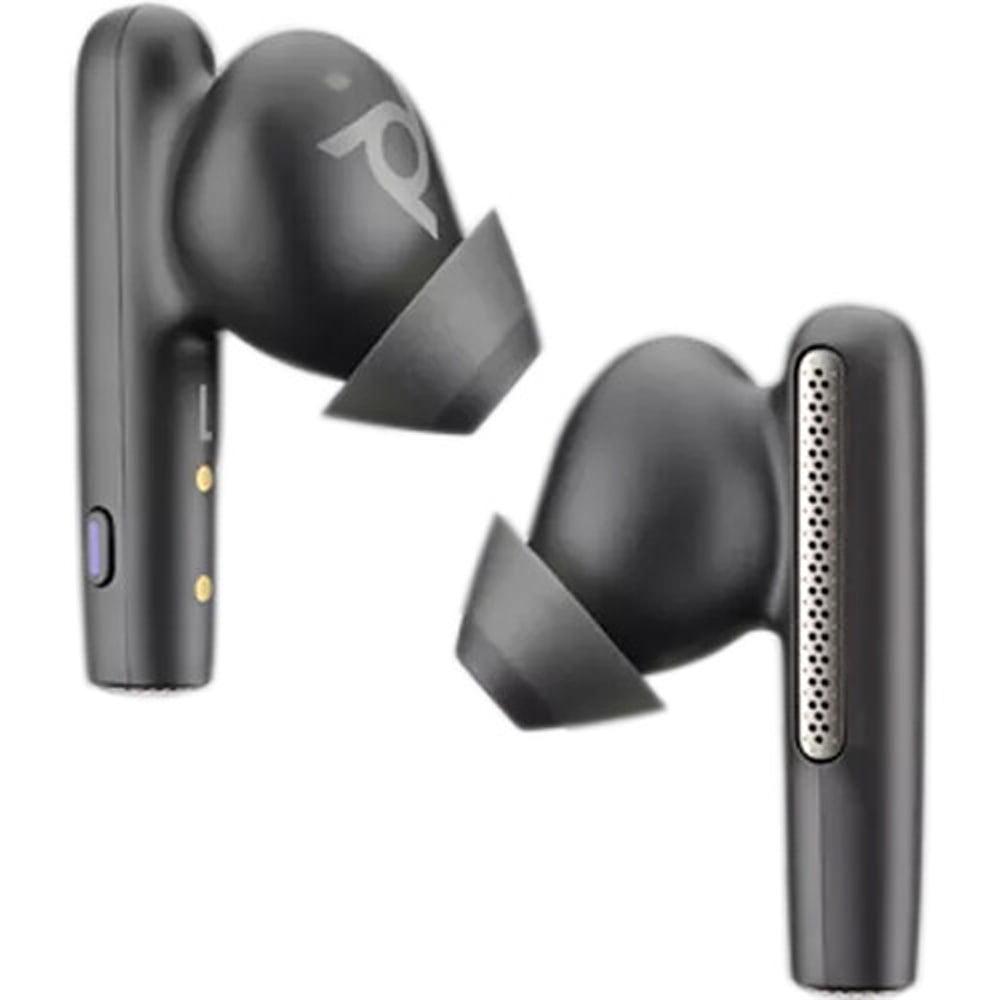
This is where the Poly model justifies its premium pricing. The three-microphone steerable array in each earbud uses sophisticated processing to triangulate on your voice while minimizing background noise. WindSmart technology specifically targets wind noise during outdoor calls—a common problem that most earbuds handle poorly.
The Poly NoiseBlockAI feature deserves special mention. This machine learning system identifies and blocks specific background noises like keyboard typing, barking dogs, or air conditioning hums. During the work-from-home era, this technology has become invaluable for maintaining professional call quality.
The Denon PerL Pro includes eight microphones total (four per earbud), which sounds impressive on paper but doesn't translate to superior call quality. The microphone system focuses on basic noise reduction without the advanced processing that makes the Poly model excel for professional communication.
Both models claim similar total battery life—around 32 hours with their charging cases—but the real-world experience differs significantly. The Poly Voyager Free 60+ UC delivers 5.5 hours of talk time per charge, which often matters more than music playback time for business users. The fast charging provides over an hour of talk time from just 15 minutes of charging.
The touchscreen case is both a blessing and a curse. It's incredibly useful for managing calls and switching devices, but it's also bulky and draws more power than a standard case. The case itself is quite large—unlikely to fit comfortably in smaller pockets.
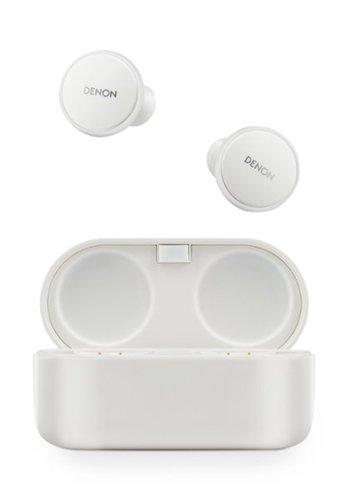
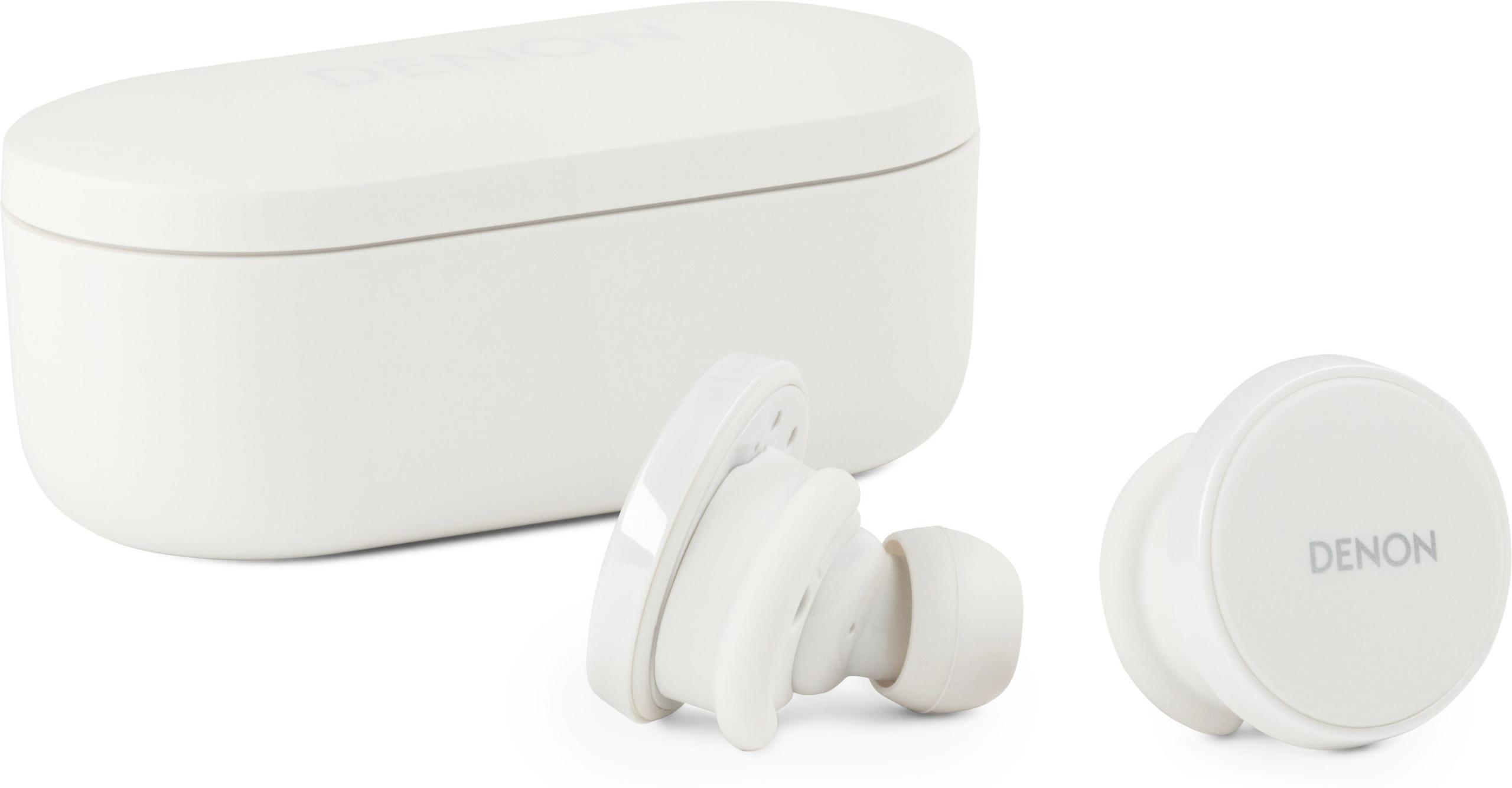
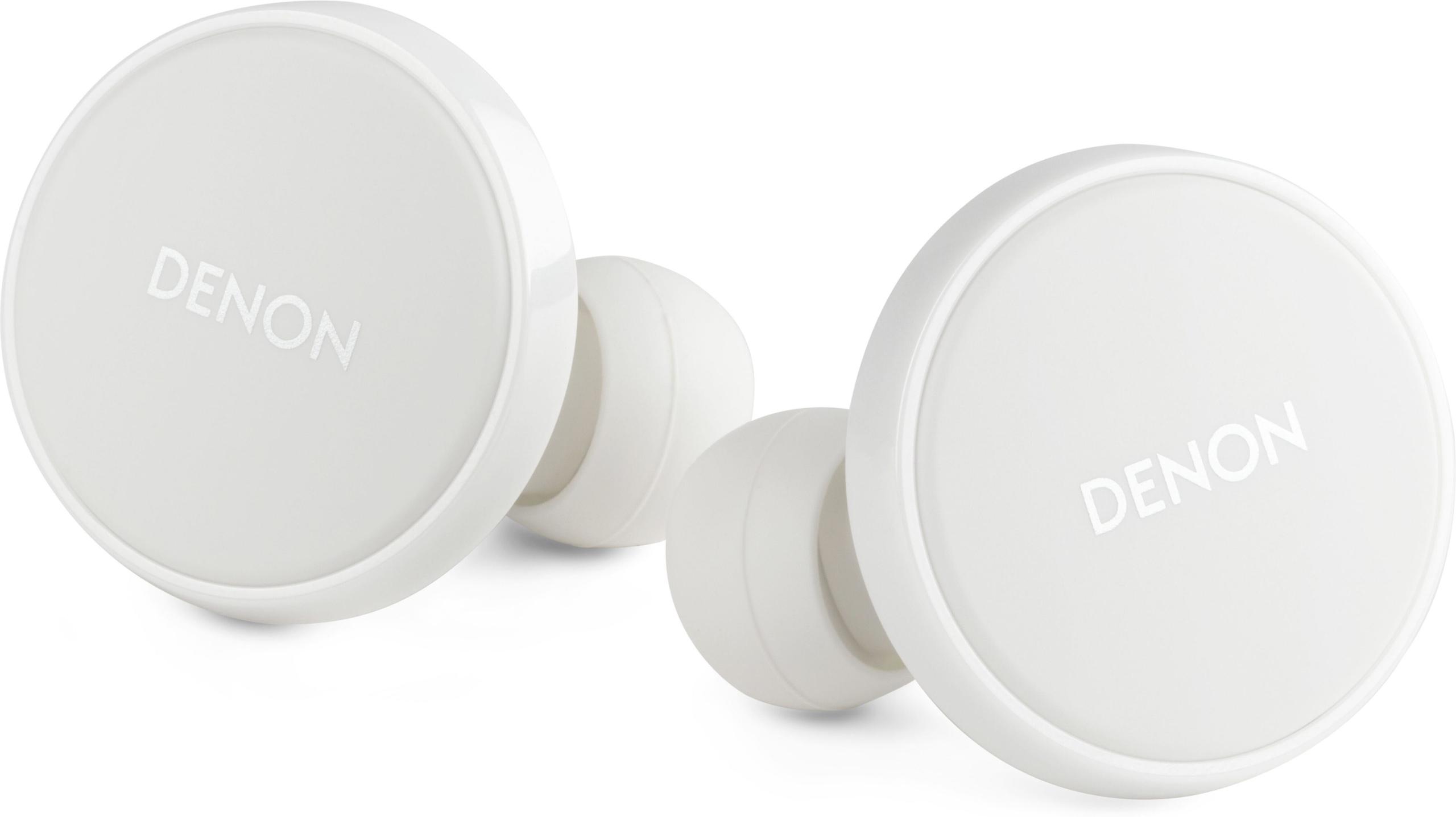
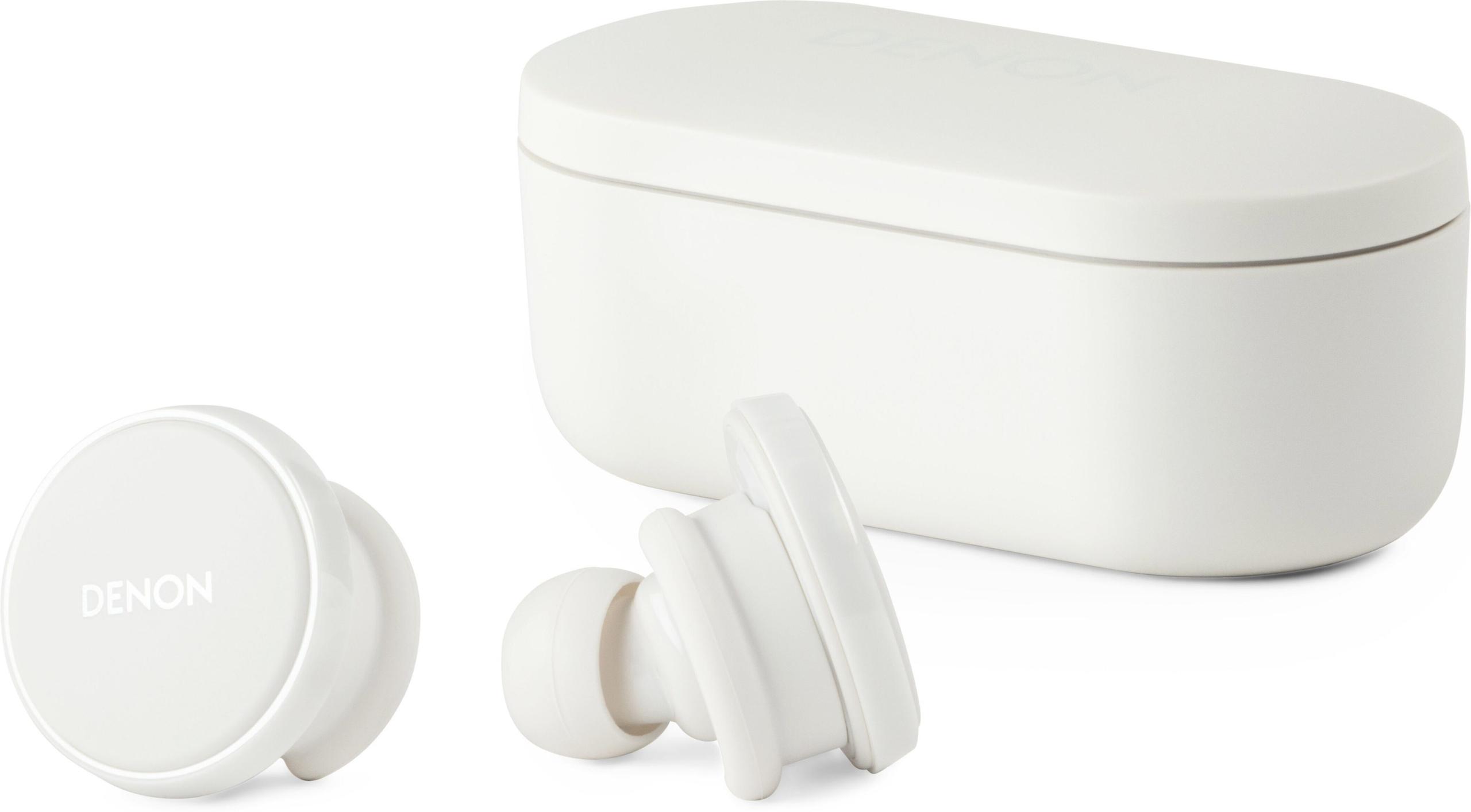
The Denon PerL Pro offers 8 hours of music playback per charge, which is excellent for consumer use. The case is more compact and traditional, though the earbuds themselves are somewhat chunky due to their advanced driver systems.
Active Noise Cancellation (ANC) uses microphones to detect ambient noise and generates opposing sound waves to cancel it out. Both models offer adaptive ANC, meaning the system automatically adjusts to your environment, but they optimize for different scenarios.
The Poly model's ANC focuses on creating a quiet environment for calls. It's particularly effective at reducing constant background noises like air conditioning or traffic, which can interfere with professional communication. The transparency mode allows ambient sound through when you need situational awareness.
The Denon PerL Pro's ANC targets music listening environments. It's more refined for consumer use, though not quite reaching the performance levels of premium ANC specialists like Bose or Sony. The system works well for commuting and general noise reduction but isn't specifically optimized for call environments.
The Poly Voyager Free 60+ UC includes genuinely innovative connectivity features. The BT700 adapter isn't just another Bluetooth dongle—it creates a dedicated connection with extended range that's specifically optimized for voice calls. This adapter alone typically costs $50-60 when purchased separately.
The multipoint connectivity remembers up to eight paired devices, and the touchscreen case makes switching between them effortless. You can simultaneously connect to your laptop and phone, automatically handling calls while maintaining your music connection.
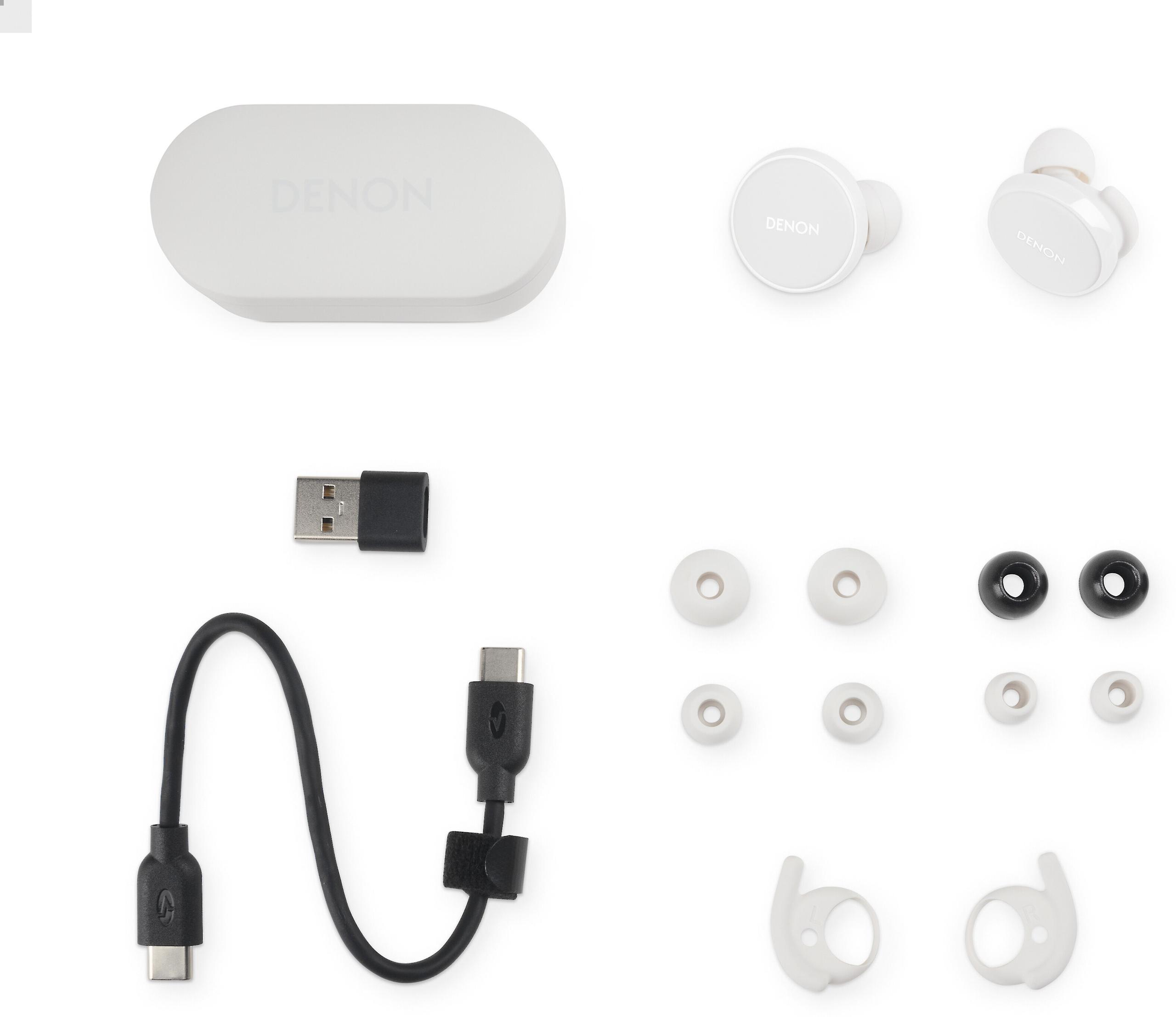
Perhaps most cleverly, the included USB-C to 3.5mm cable turns the charging case into a Bluetooth transmitter. Connect it to airplane entertainment systems or hotel TVs, and you can use your earbuds wirelessly with devices that only have headphone jacks.
The Denon PerL Pro offers standard but competent connectivity. Bluetooth 5.3 provides reliable connections and multipoint pairing, though without the extended range or innovative features of the Poly model.
Water resistance ratings tell different stories about intended use. The Poly model carries an IP54 rating, which protects against dust and light water splashing but isn't sweat-proof. This reflects its office-focused design—these aren't workout earbuds.
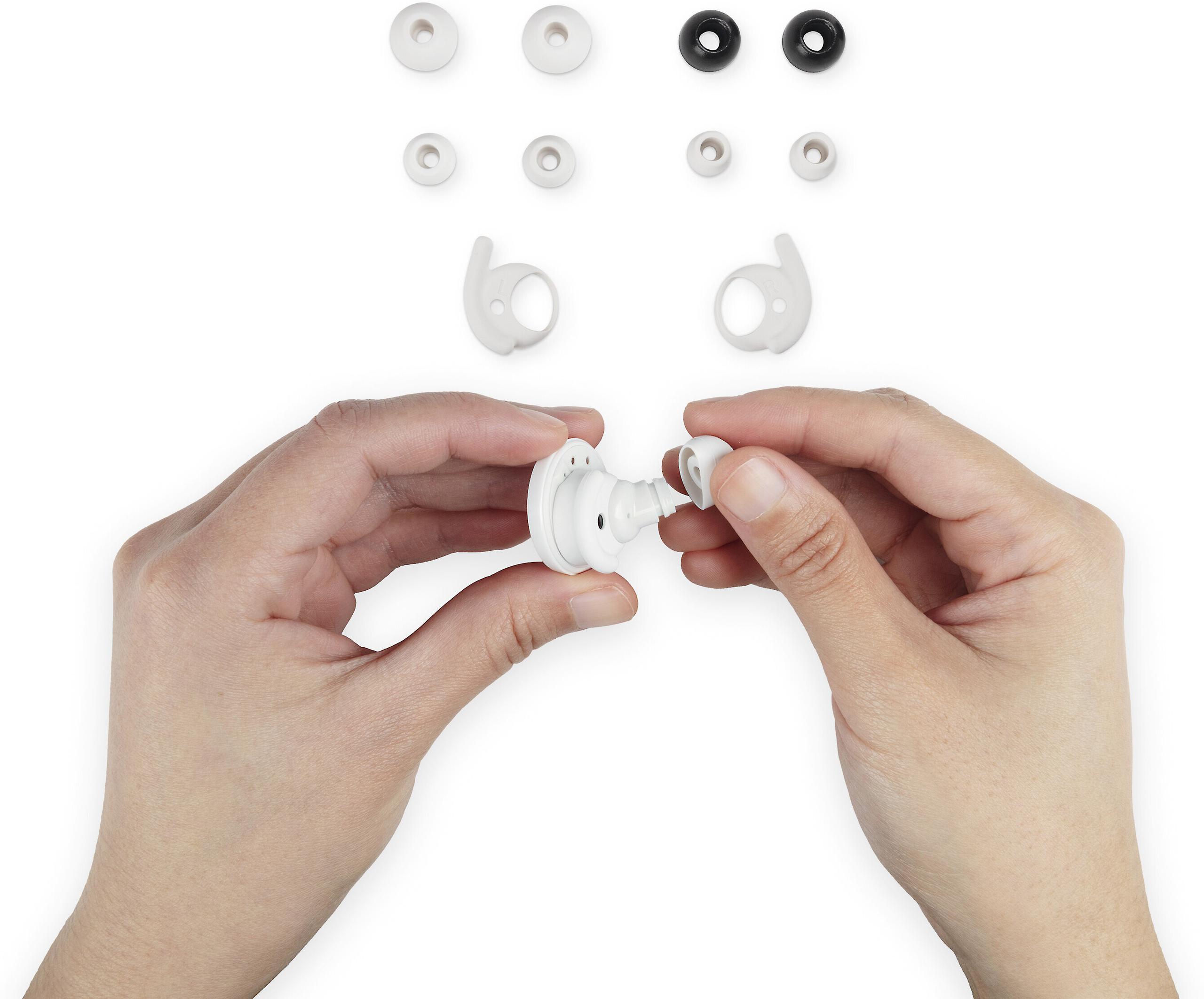
The Denon PerL Pro features IPX4 sweat resistance, making them suitable for gym use and running. The build quality feels solid despite the lower price point, though the chunky earbud design may not fit all ear shapes comfortably.
At the time of writing, the Poly Voyager Free 60+ UC costs roughly twice as much as the Denon PerL Pro. This premium pricing reflects the included accessories—the BT700 adapter, specialized charging case, and enterprise certifications add significant value for business users.
However, for general consumers, this pricing is hard to justify. The communication features are excellent, but most people don't need Microsoft Teams certification or extended-range connectivity. The touchscreen case is innovative but not essential for casual use.
The Denon PerL Pro offers remarkable value in the competitive consumer earbud market. The personalized sound technology, premium codec support, and solid battery life typically appear in models costing significantly more. The main compromise is call quality, which is adequate but not exceptional.
For home theater use, both models offer distinct advantages. The Denon PerL Pro's spatial audio processing and superior frequency response make movies more immersive. The personalized sound profile can improve dialogue clarity, which is often the biggest challenge when using earbuds for movies.
The Poly model's ability to connect to TVs via the 3.5mm cable adapter is genuinely useful for hotel rooms or situations where you can't pair directly with the TV. The extended range lets you move around during long movies without losing connection.
Both models launched in 2024, representing the current state of earbud technology. Since then, we've seen improvements in battery efficiency, codec support becoming more widespread across devices, and ANC algorithms becoming more sophisticated through software updates.
The personalization technology in the Denon model represents a significant advance from earlier attempts at custom sound profiles, which were often crude EQ adjustments. The Masimo AAT system uses actual hearing sensitivity measurements rather than preference-based tuning.
You're a business professional who spends significant time on calls, needs certified compatibility with enterprise communication platforms, or values the innovative connectivity features. The premium pricing makes sense if you need the extended range, touchscreen case functionality, or frequently travel and want the adapter capabilities.
The communication quality alone justifies the cost for remote workers who depend on clear, professional call quality. If your employer reimburses technology purchases, the enterprise features and certifications make this an easy choice.
You prioritize music quality over communication features, want personalized audio tuning technology, or need earbuds that work well for both casual listening and workouts. The significantly lower price point makes these accessible for most budgets while still offering premium features.
The Denon model is ideal for students, music enthusiasts, or anyone who wants high-quality earbuds without paying for specialized business features they'll rarely use.
These earbuds represent fundamentally different approaches to wireless audio. The Poly Voyager Free 60+ UC is a specialized tool for business professionals who need exceptional call quality and innovative productivity features. Its premium pricing reflects genuine technological innovation and enterprise-grade performance.
The Denon PerL Pro delivers audiophile-level features at a mainstream price point, making advanced audio technology accessible to general consumers. The personalized sound technology alone makes these worth considering for music lovers.
Neither model is universally superior—they excel in their intended use cases. The key is honestly evaluating your priorities and choosing the model that aligns with how you'll actually use the earbuds. For most people, the Denon model offers better value and versatility. For business professionals who live on conference calls, the Poly model provides capabilities that justify its premium positioning.
The earbud market has matured to the point where specialized solutions like these can coexist with mainstream options, giving consumers more targeted choices than ever before. Understanding these differences helps you avoid paying for features you don't need or missing capabilities that would significantly improve your daily experience.
| Poly Voyager Free 60+ UC | Denon PerL Pro |
|---|---|
| Target Market - Defines which features are prioritized | |
| Enterprise/business professionals with focus on call quality | Consumer audiophiles prioritizing music experience |
| Price Range - Major factor in value equation | |
| Premium enterprise pricing (roughly 2x consumer models) | Mainstream consumer pricing with premium features |
| Audio Codecs - Determines music streaming quality | |
| Basic SBC/AAC (adequate for calls, limited for music) | aptX Lossless, aptX Adaptive, AAC (excellent music quality) |
| Microphone System - Critical for call clarity | |
| 3-mic steerable array per earbud with WindSmart tech | 8 total mics (4 per earbud) with basic noise reduction |
| Enterprise Certifications - Required for business use | |
| Microsoft Teams and Zoom certified | No enterprise certifications |
| Personalized Audio - Customizes sound to your hearing | |
| None (standard tuning) | Masimo AAT creates custom hearing profile |
| Battery Life (Talk Time) - Essential for business users | |
| 5.5 hours earbuds + 16.5 hours case (22 hours total talk) | Not specified for calls (optimized for music playback) |
| Battery Life (Music) - Important for entertainment use | |
| 8 hours earbuds + 24 hours case | 8 hours earbuds + 24 hours case |
| Charging Case Innovation - Unique productivity features | |
| Industry-first touchscreen for device control | Traditional case with wireless charging |
| Connectivity Range - Freedom of movement during calls | |
| Up to 98 feet with included BT700 USB adapter | Standard Bluetooth range (~30 feet) |
| Water Resistance - Determines suitable activities | |
| IP54 (dust/splash resistant, not sweatproof) | IPX4 (sweat resistant, good for workouts) |
| Multipoint Connectivity - Managing multiple devices | |
| 2 simultaneous + remembers 8 total devices | 2 simultaneous connections |
| Unique Features - Standout capabilities | |
| Touchscreen case, BT700 adapter, 3.5mm cable adapter | Personalized sound profiles, spatial audio, premium codecs |
| Active Noise Cancellation - Background noise blocking | |
| Adaptive ANC optimized for call environments | Adaptive hybrid ANC optimized for music listening |
| Best Use Cases - Where each model excels | |
| Remote work, frequent calls, travel, enterprise environments | Music listening, casual use, fitness, personalized audio |
The Denon PerL Pro are significantly better for music listening. They feature premium audio codecs including aptX Lossless for CD-quality streaming, a wider frequency response (20-40,000 Hz), and Masimo Adaptive Acoustic Technology that creates personalized sound profiles. The Poly Voyager Free 60+ UC prioritizes speech clarity over musical quality and uses basic audio codecs.
The Poly Voyager Free 60+ UC excel at call quality with their three-microphone steerable array per earbud, WindSmart technology for wind noise reduction, and Microsoft Teams/Zoom certifications. They're specifically designed for professional communication. The Denon PerL Pro have adequate call quality but aren't optimized for business use.
Both models offer similar total battery life of around 32 hours including the charging case. The Poly Voyager Free 60+ UC provides 5.5 hours of talk time per charge, while the Denon PerL Pro offers 8 hours of music playback per charge. The Poly model is optimized for call duration, while the Denon focuses on entertainment use.
The Denon PerL Pro are better for fitness with their IPX4 sweat resistance rating. The Poly Voyager Free 60+ UC have IP54 rating for dust and water resistance but aren't sweatproof, making them unsuitable for intense workouts or gym use.
The Denon PerL Pro are superior for home theater use thanks to their Dirac Virtuo spatial audio technology, personalized sound profiles that improve dialogue clarity, and wider frequency response for better movie soundtracks. The Poly Voyager Free 60+ UC can connect to TVs via their unique 3.5mm adapter cable but prioritize speech over cinematic audio quality.
The Denon PerL Pro offer significantly better value for most consumers, providing premium features like personalized audio tuning and high-quality codecs at roughly half the cost of the Poly Voyager Free 60+ UC. The Poly model's premium pricing is only justified if you specifically need enterprise features and professional call quality.
The Poly Voyager Free 60+ UC feature an industry-first touchscreen charging case, included BT700 USB adapter for extended range, and the ability to use the case as a Bluetooth transmitter with a 3.5mm cable. The Denon PerL Pro offer Masimo Adaptive Acoustic Technology for personalized sound profiles and premium aptX Lossless codec support.
Both models offer adaptive ANC, but they're optimized differently. The Denon PerL Pro provide more refined consumer-focused noise cancellation for music listening environments. The Poly Voyager Free 60+ UC optimize their ANC for call quality and professional communication scenarios.
Both the Poly Voyager Free 60+ UC and Denon PerL Pro support multipoint connectivity for connecting to two devices simultaneously. However, the Poly model can remember up to 8 paired devices total and offers superior device switching through its touchscreen case interface.
The Poly Voyager Free 60+ UC are specifically designed for remote work with Microsoft Teams and Zoom certifications, superior microphone arrays, extended connectivity range up to 98 feet with the included adapter, and professional call management features through the touchscreen case. The Denon PerL Pro are adequate for occasional calls but not optimized for professional use.
The Poly Voyager Free 60+ UC feature a unique touchscreen charging case that allows device control, call management, and switching between paired devices without removing the earbuds. The Denon PerL Pro have a more traditional but compact charging case with standard wireless charging capabilities.
For most people, the Denon PerL Pro are the better choice for everyday use, offering excellent music quality, personalized audio, fitness compatibility, and strong value. Choose the Poly Voyager Free 60+ UC only if you're a business professional who frequently makes calls and needs enterprise-grade communication features.
We've done our best to create useful and informative comparisons to help you decide what product to buy. Our research uses advanced automated methods to create this comparison and perfection is not possible - please contact us for corrections or questions. These are the sites we've researched in the creation of this article: soundguys.com - headsetsdirect.com - youtube.com - vivo.tech - headsetadvisor.com - hp.com - headsetadvisor.com - hp.com - gadgetoid.com - hp.com - hp.com - youtube.com - headsetsdirect.com - lexair.com - content.shi.com - docs.poly.com - hp.com - bestbuy.com - h20195.www2.hp.com - vivo.tech - hp.com - insight.com - cdw.com - hp.com - trustedreviews.com - hp.com - youtube.com - techradar.com - zdnet.com - bestbuy.com - rtings.com - reviewed.com - youtube.com - pmamagazine.org - denon.com - youtube.com - whathifi.com - denon.com - loudnwireless.com - soundguys.com - stereonet.com - shop.masimo.com - crutchfield.com - bhphotovideo.com - denon.com - denon.com - manuals.denon.com - denon.com - headphones.com

Privacy Policy
Terms and Conditions - Affiliate Policy
Home Security
© Copyright 2008-2026.
11816 Inwood Rd #1211, Dallas, TX 75244