


The world of true wireless earbuds has exploded since Apple removed the headphone jack in 2016. Today, you'll find hundreds of options ranging from budget models under $50 to premium offerings that cost more than some laptops. But here's the thing: not all earbuds are created equal, and the "best" pair depends entirely on what you plan to do with them.
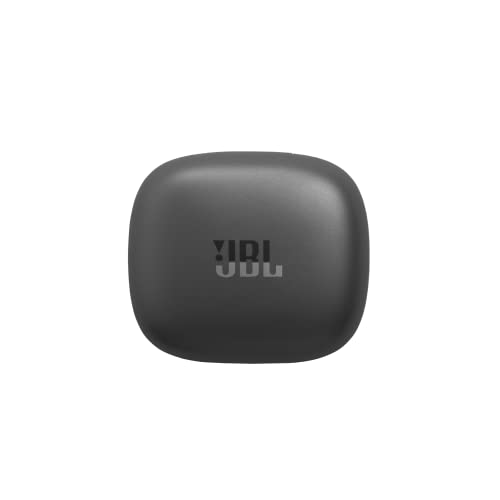
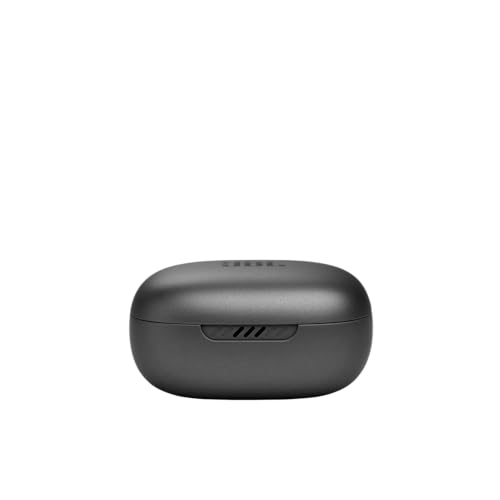
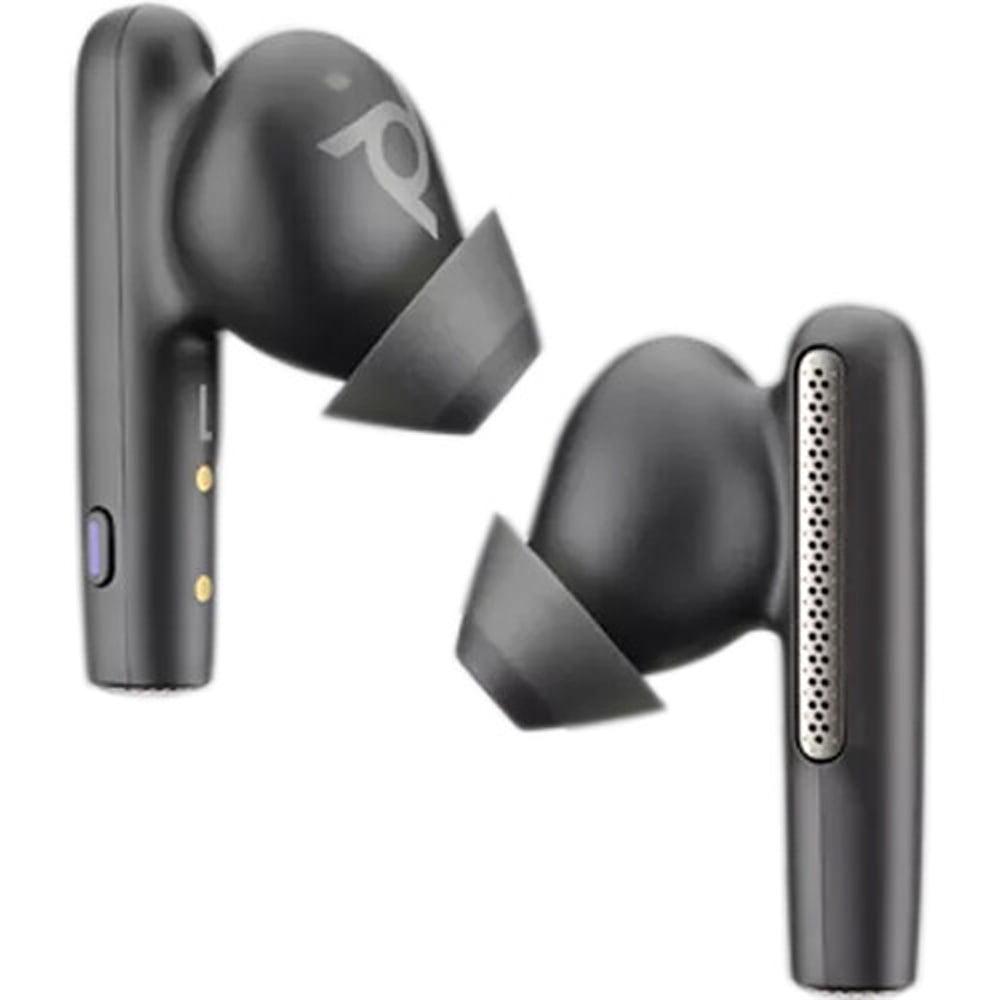
The JBL Live Pro 2 and Poly Voyager Free 60+ UC represent two very different approaches to wireless audio. Released in 2022 and 2021 respectively, both incorporate the latest Bluetooth technology and active noise cancellation, but they're designed for completely different users. The JBL targets music lovers who want premium audio quality, while the Poly focuses on business professionals who spend their days on video calls.
Understanding these differences is crucial because choosing the wrong earbuds can lead to months of frustration. I've seen too many people buy earbuds based solely on price or brand recognition, only to discover they're terrible for their actual needs.
Before diving into specifics, let's talk about what separates good earbuds from great ones. The most important factors are audio quality, active noise cancellation (ANC), battery life, comfort, and call quality. Each of these areas involves complex engineering trade-offs.
Audio quality starts with the drivers – tiny speakers inside each earbud. Larger drivers (measured in millimeters) generally produce better bass response and overall sound quality, but they also make earbuds bulkier. The frequency response tells you how well earbuds reproduce different pitches, from deep bass (20Hz) to piercing highs (20kHz). Most importantly, the tuning – how manufacturers adjust the sound signature – determines whether earbuds sound balanced, bass-heavy, or bright.
Active noise cancellation uses microphones to detect external sounds, then generates inverse sound waves to cancel them out. It's particularly effective against constant, low-frequency noises like airplane engines or air conditioning, but struggles with sudden sounds like voices or dog barks. The effectiveness of ANC varies dramatically between models and directly impacts how immersive your listening experience feels.
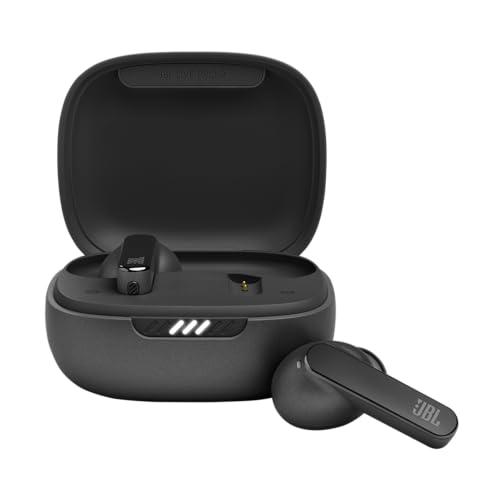
The JBL Live Pro 2 absolutely dominates in pure audio performance, and it's not even close. These earbuds pack 11mm dynamic drivers – significantly larger than what you'll find in most competitors. The result is a sound signature that emphasizes both bass and treble while keeping mids present, creating what audiophiles call a "V-shaped" response.
What this means in practical terms is that EDM, hip-hop, and rock sound incredibly engaging with deep, punchy bass that you can literally feel. The treble emphasis makes cymbals and vocals crisp and detailed, though it can occasionally make harsh recordings sound fatiguing during long listening sessions. The bass accuracy is particularly impressive – it's overemphasized but controlled, avoiding the muddy, boomy sound that plagues many consumer earbuds.
The JBL's companion app includes a 10-band parametric equalizer, which is genuinely useful for fine-tuning the sound. Most people will be happy with the default tuning, but if you prefer more balanced sound for acoustic music or want even more bass for electronic genres, you can dial it in precisely.
In contrast, the Poly Voyager Free 60+ UC takes a completely different approach. These earbuds prioritize vocal clarity over musical excitement, using smaller drivers optimized for the human voice frequency range. While they handle the 20Hz-20kHz spectrum adequately, the tuning emphasizes midrange frequencies where speech lives, making conversations crystal clear but reducing the impact and excitement of music playback.
For home theater use, the JBL Live Pro 2 is the obvious choice. Their expansive soundstage and powerful bass response make action movies and streaming content much more engaging. However, both earbuds suffer from the inherent limitations of in-ear designs – they can't replicate the spatial audio experience of over-ear headphones or dedicated speakers.
Active noise cancellation has evolved dramatically since early implementations that simply reduced everything equally. Both earbuds feature adaptive systems that adjust to your environment, but they take different approaches.
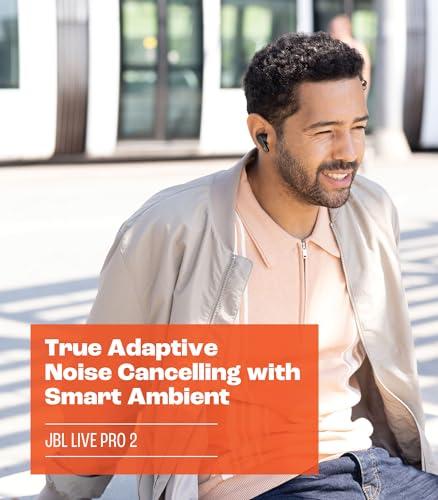
The JBL Live Pro 2's True Adaptive ANC continuously monitors your surroundings and adjusts cancellation intensity automatically. In testing scenarios, it effectively blocks low-frequency rumble from buses, air conditioning, and airplane engines. The system includes multiple microphones positioned strategically around each earbud to detect and cancel different types of noise.
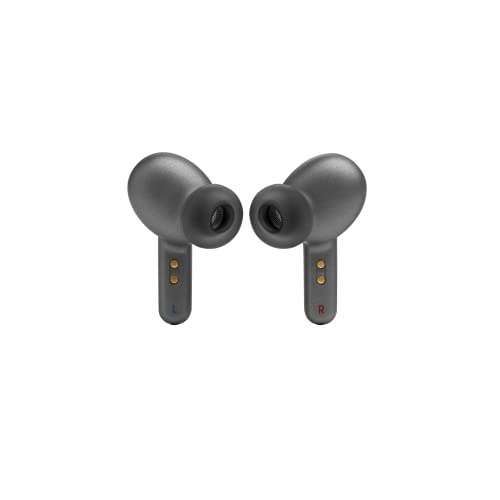
What makes the JBL system particularly effective is its ability to maintain cancellation quality regardless of how the earbuds fit in your ears. The Oval Tubes design helps create a consistent seal, and the adaptive algorithm compensates for variations in positioning. The Smart Ambient mode deserves special mention – it allows environmental sounds through when you need awareness without removing the earbuds entirely.
The Poly Voyager Free 60+ UC uses Adaptive Hybrid ANC that's specifically tuned for office environments. It's particularly effective at reducing keyboard typing, air conditioning hum, and the constant background chatter of open offices. The system includes WindSmart technology, which is crucial for outdoor calls but less relevant for music listening.
However, objective measurements show the Poly's ANC isn't quite as comprehensive as the JBL's system. It handles low frequencies well but allows more mid-frequency sounds through, which can be distracting during music playback but actually helpful during calls when you need some environmental awareness.
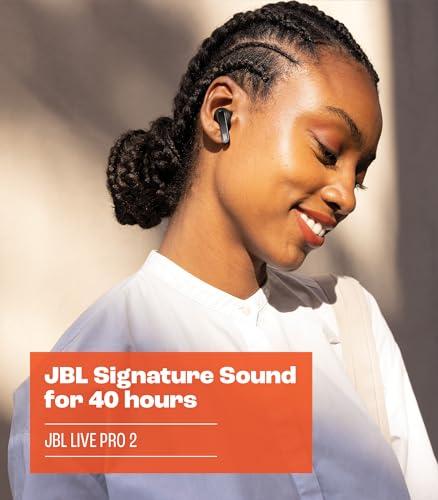
Battery performance reveals another fundamental difference in design philosophy. The JBL Live Pro 2 delivers an impressive 40 hours of total playback time – 10 hours per charge plus 30 additional hours from the case. This represents among the longest battery life available in premium earbuds and reflects JBL's focus on all-day usability.
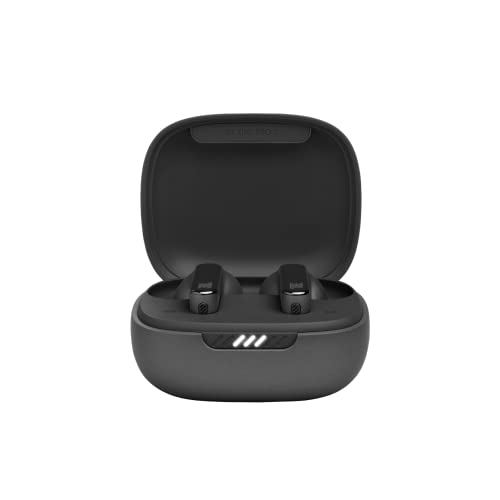
The speed charging is genuinely useful: 15 minutes of charging provides 4 hours of playback, perfect for those "forgot to charge" moments before a long flight. The case supports Qi wireless charging, eliminating the need to fumble with cables.
The Poly Voyager Free 60+ UC takes a more targeted approach with 16.5 hours total for calls (5.5 hours per earbud plus 11 hours from the case). For music playback with ANC enabled, it extends to 24 hours total. While shorter than the JBL, this reflects the Poly's business focus – most conference calls don't exceed a few hours, making the battery life adequate for its intended use.
The difference becomes significant for frequent travelers or users who forget to charge regularly. The JBL's extended battery life provides genuine peace of mind, while the Poly requires more consistent charging habits.
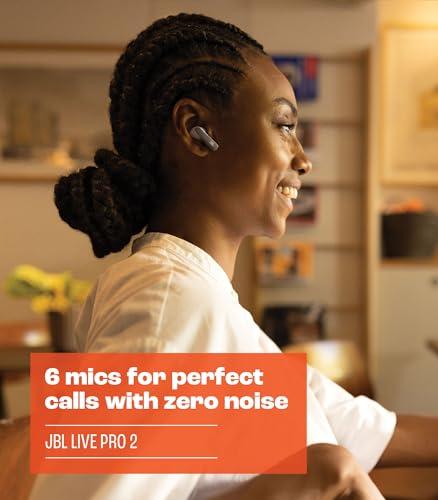
Here's where the tables turn completely. While the JBL Live Pro 2 includes six beamforming microphones and VoiceAware technology (which lets you hear your own voice during calls), the actual call quality disappoints. Voices sound thin and dark, and the system struggles to separate your voice from moderate background noise. For occasional personal calls, it's adequate, but for business use, it's frustrating.
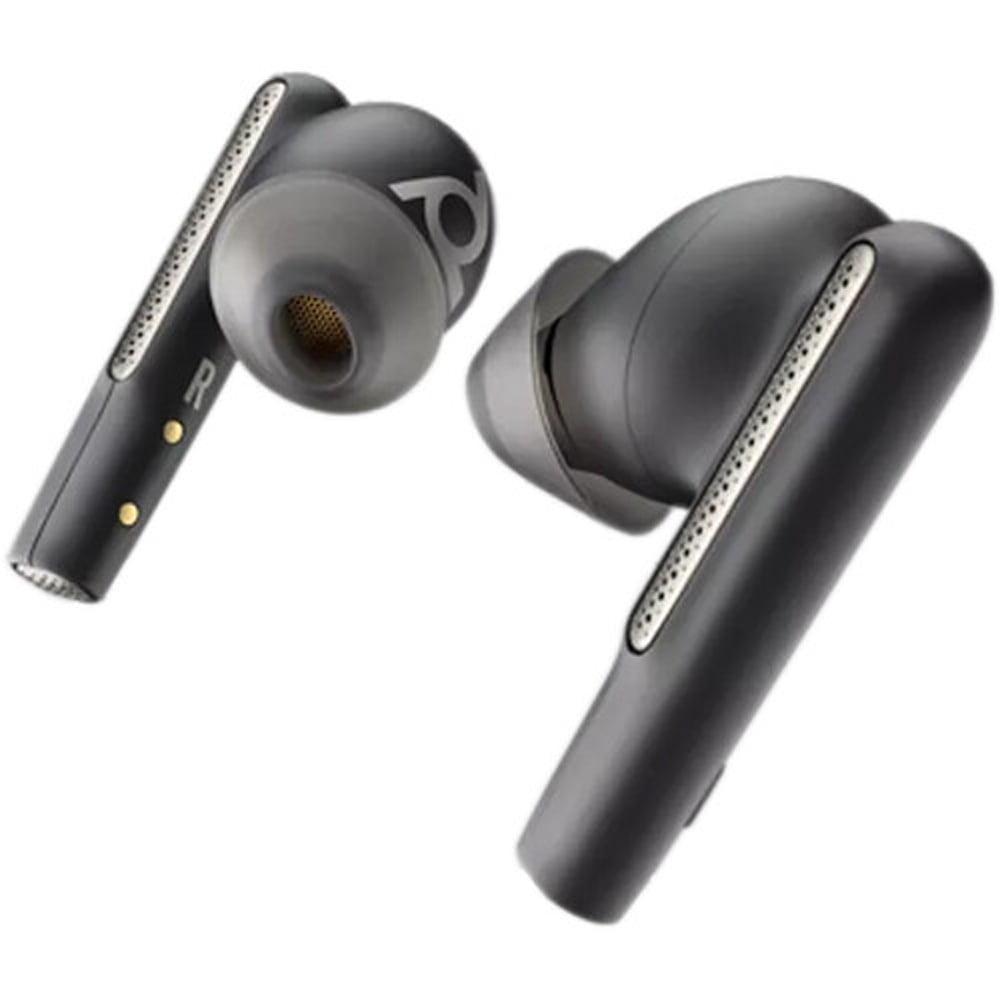
The Poly Voyager Free 60+ UC transforms call quality into a competitive advantage. The three-microphone array in each earbud works together to triangulate your voice while minimizing surrounding noise. The WindSmart technology effectively reduces wind noise during outdoor calls – a common problem that makes most earbuds unusable outside.
Most impressive is the NoiseBlockAI system, which uses machine learning to identify and block specific background noises like barking dogs, keyboard typing, or crying children. This isn't just marketing speak – the difference is immediately apparent on calls. Colleagues consistently comment on the clarity when using the Poly earbuds.
The system includes advanced sidetone control, allowing you to adjust how much of your own voice you hear during calls. This prevents the common problem of speaking too loudly during muted microphone situations.
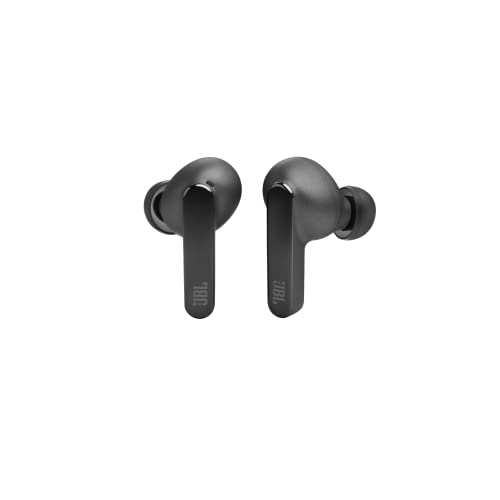
The physical design of each earbud reflects its intended use. The JBL Live Pro 2 uses proprietary Oval Tubes technology with ear tips shaped to match the natural contours of your ear canal. This creates better isolation and more consistent bass response, but some users find the fit finicky – if you don't achieve a proper seal, the earbuds can work loose during movement.
The IPX5 water resistance makes them suitable for workouts and weather exposure, though they lack the stability fins that dedicated sports earbuds provide. At 4.8 grams per earbud, they're reasonably light but the stick design can feel top-heavy during vigorous activity.
The Poly Voyager Free 60+ UC prioritizes discretion and professional appearance. At 5.8 grams per earbud, they're slightly heavier but the weight distribution feels more balanced. The conical ear tips are designed to minimize pressure during extended wear, crucial for all-day conference call usage.
However, the bulbous shape can cause discomfort after extended periods – some users report ear soreness after less than an hour. The IP54 rating provides basic dust and water protection but isn't designed for sports use.
The JBL Live Pro 2 includes standard smart features: Google Fast Pair for Android devices, voice assistant integration with Google, Alexa, and Siri, and multipoint Bluetooth connectivity for switching between two devices. The JBL Headphones app provides comprehensive customization options and regular firmware updates.
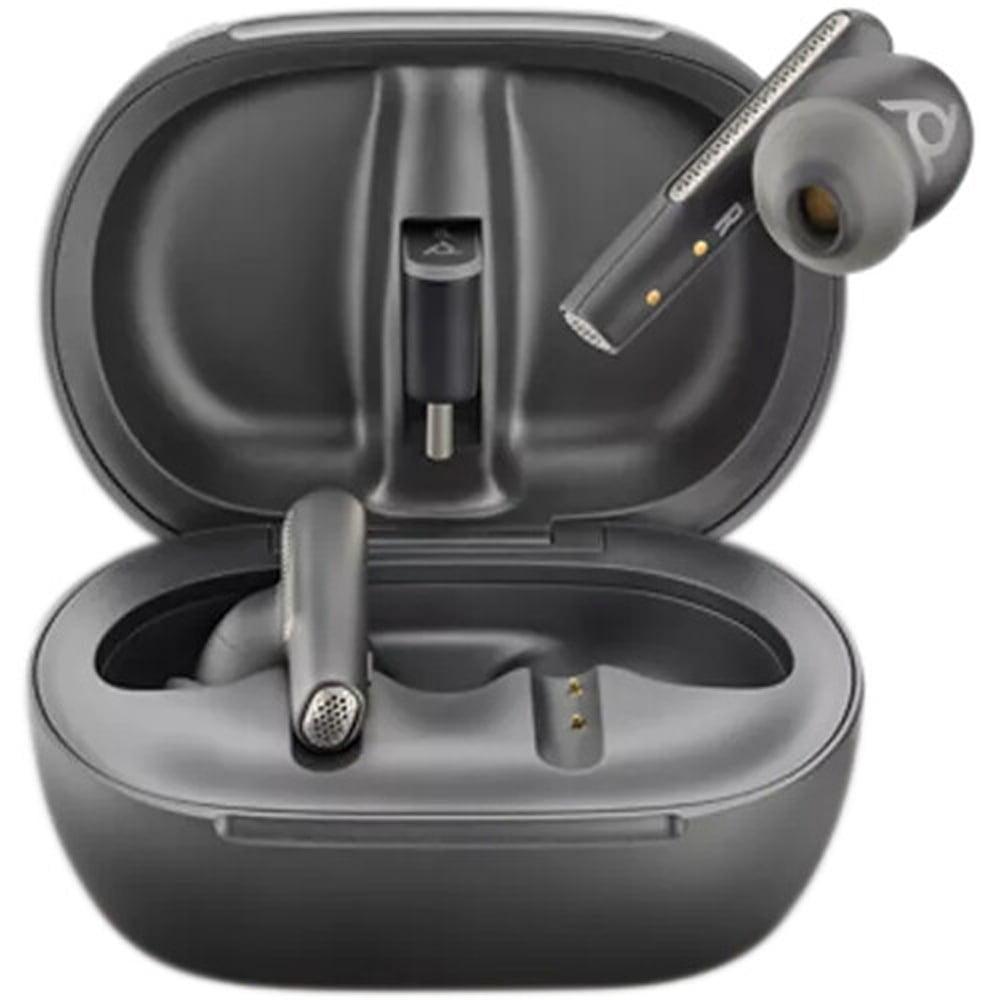
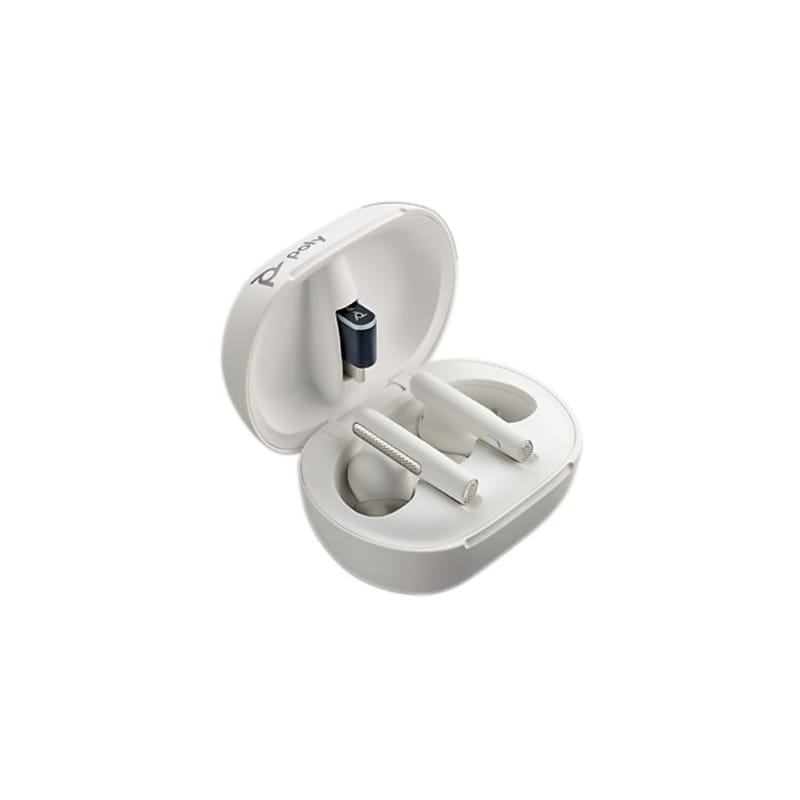
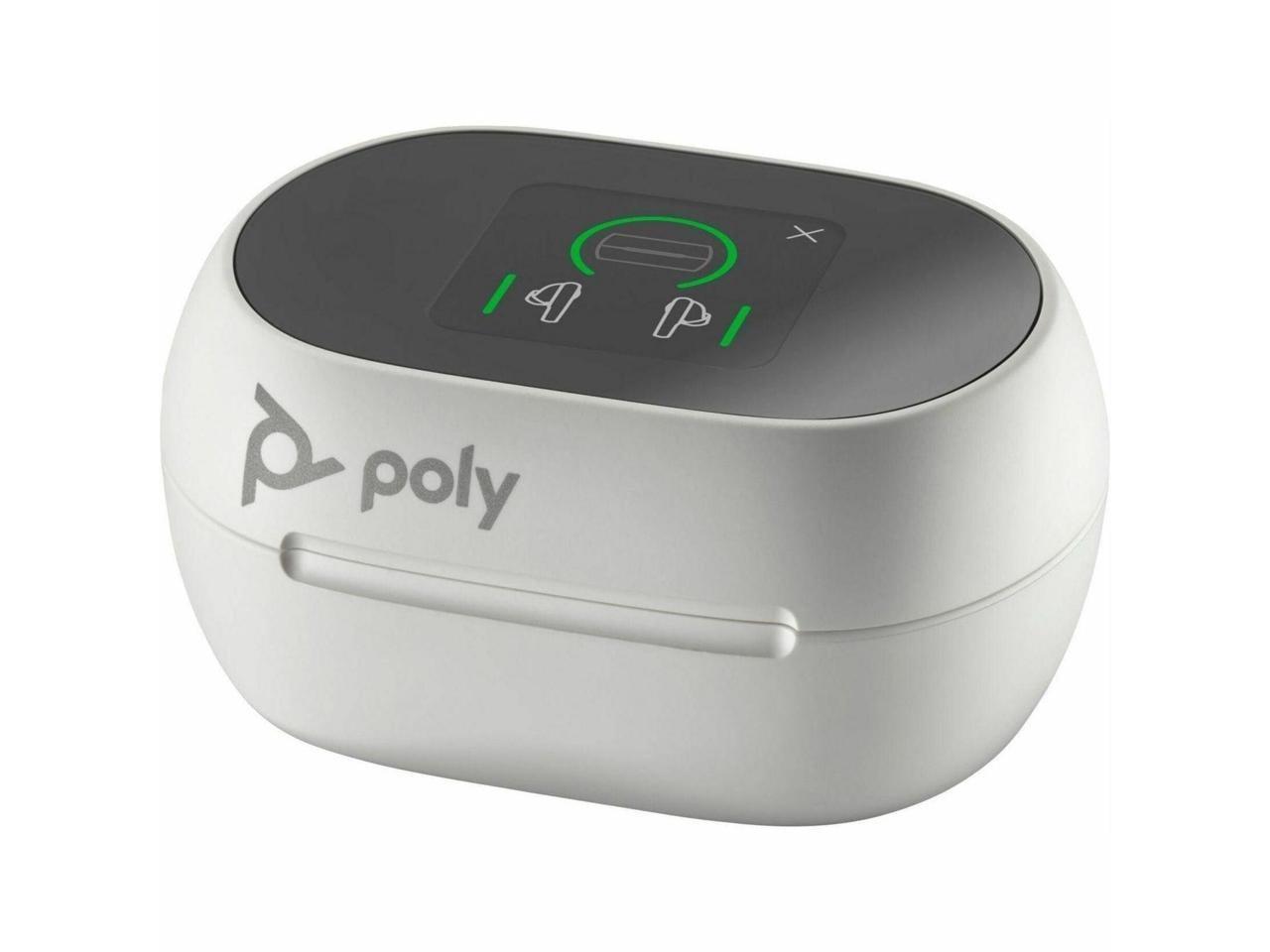
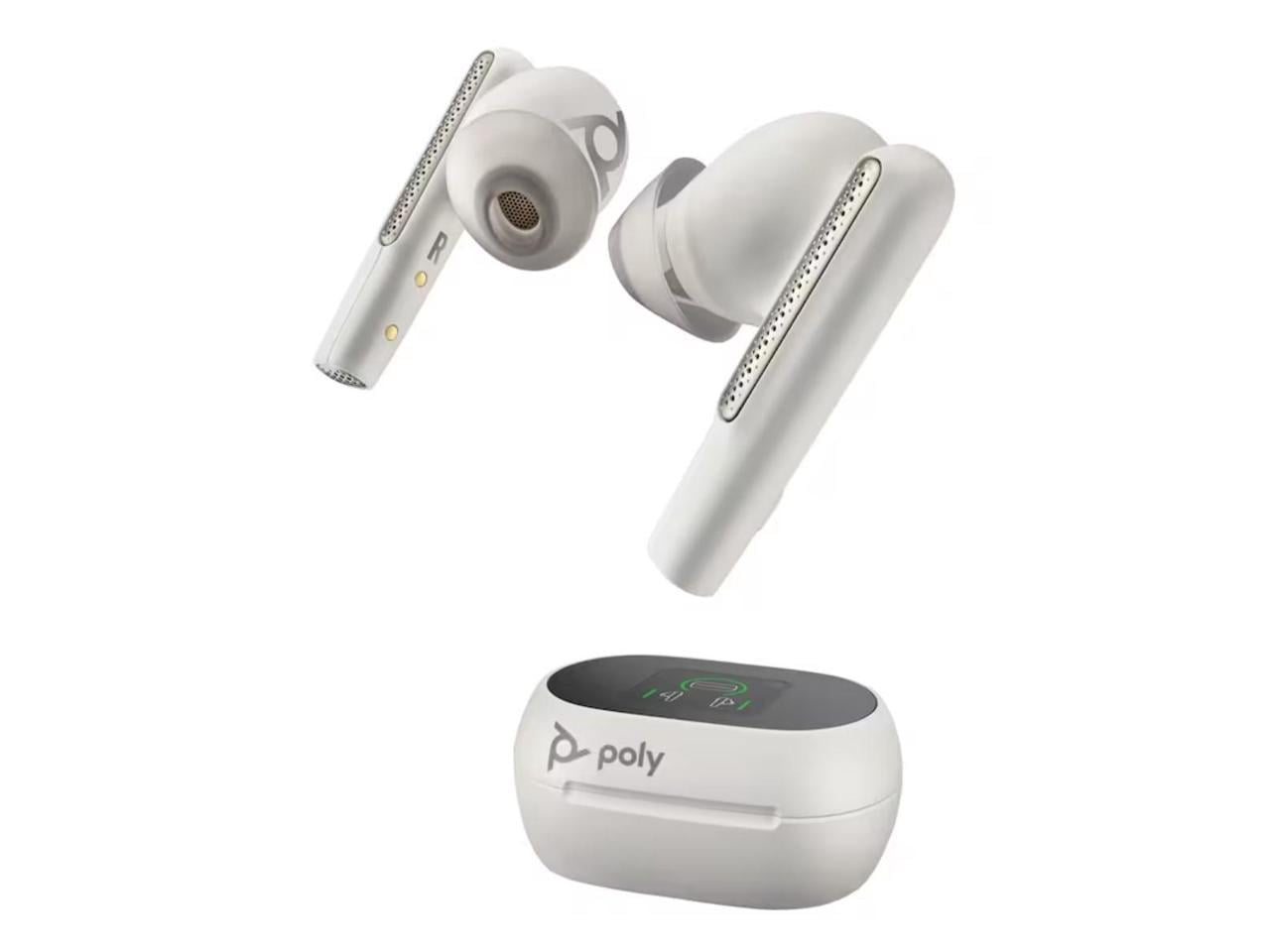
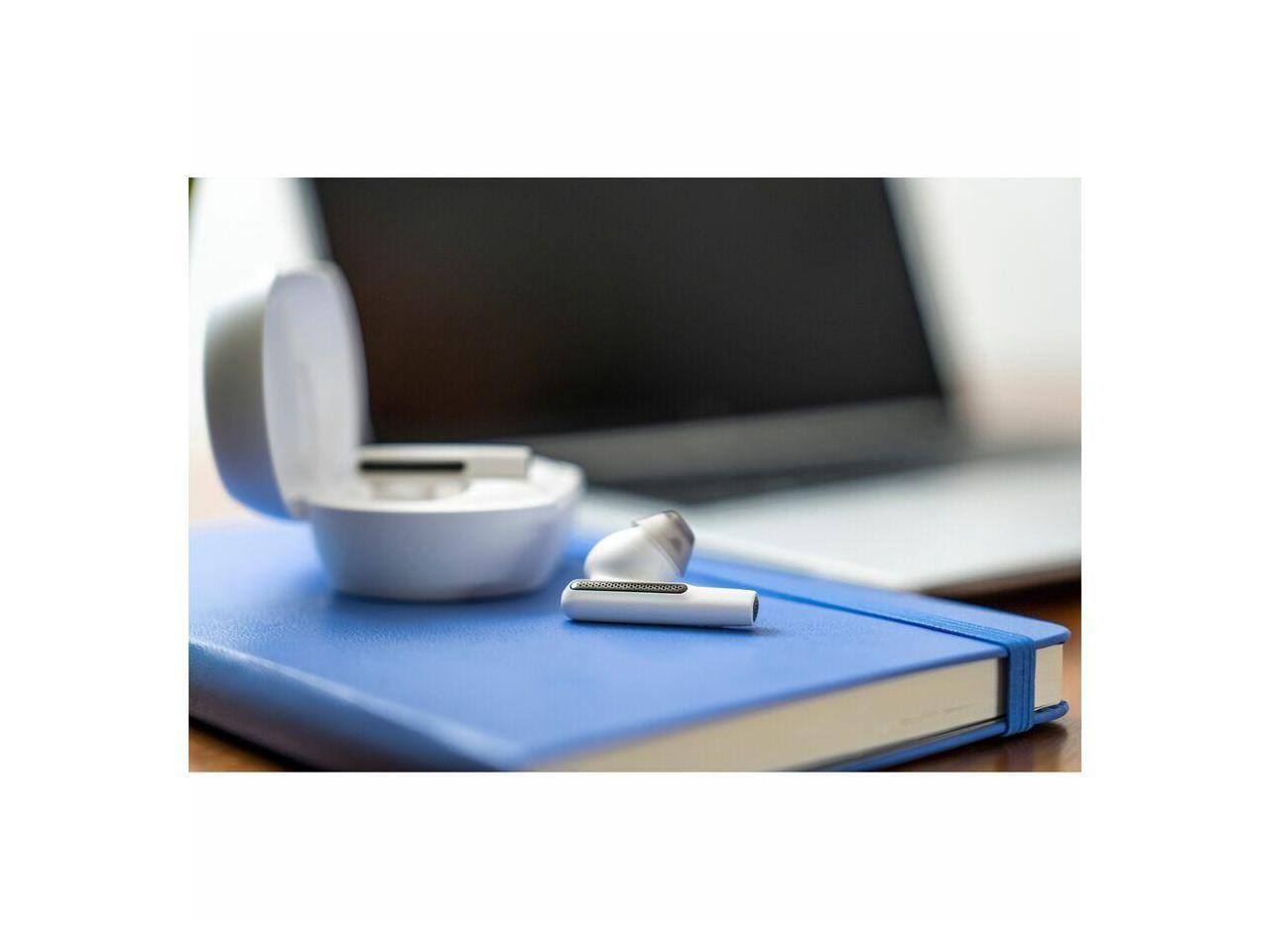
The Poly Voyager Free 60+ UC introduces genuinely innovative features, starting with its color touchscreen charging case. This isn't just a gimmick – you can control volume, mute calls, switch between paired devices, and check battery status without removing the earbuds or accessing your phone. For business users juggling multiple devices and constant calls, this streamlines workflow significantly.
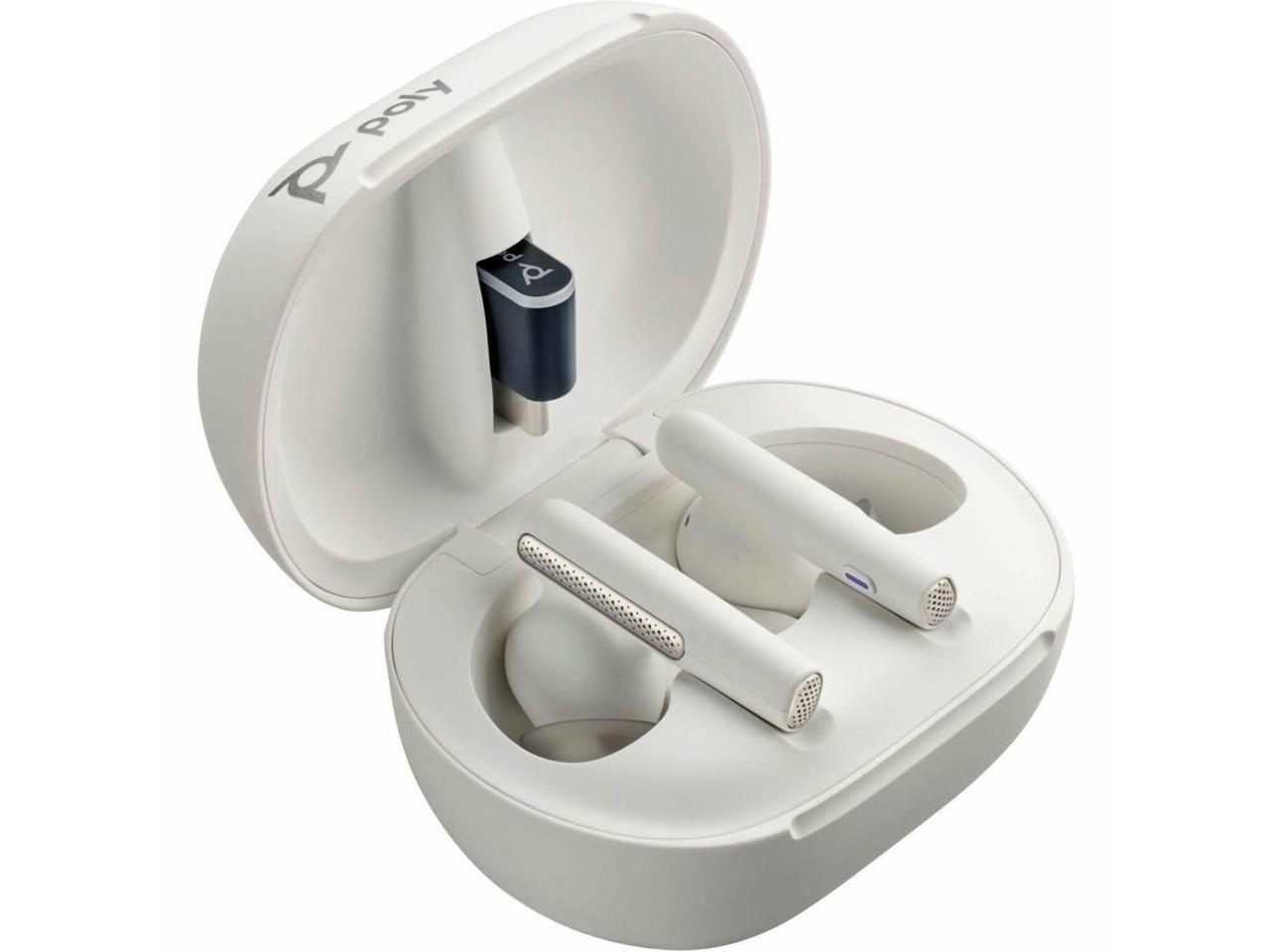
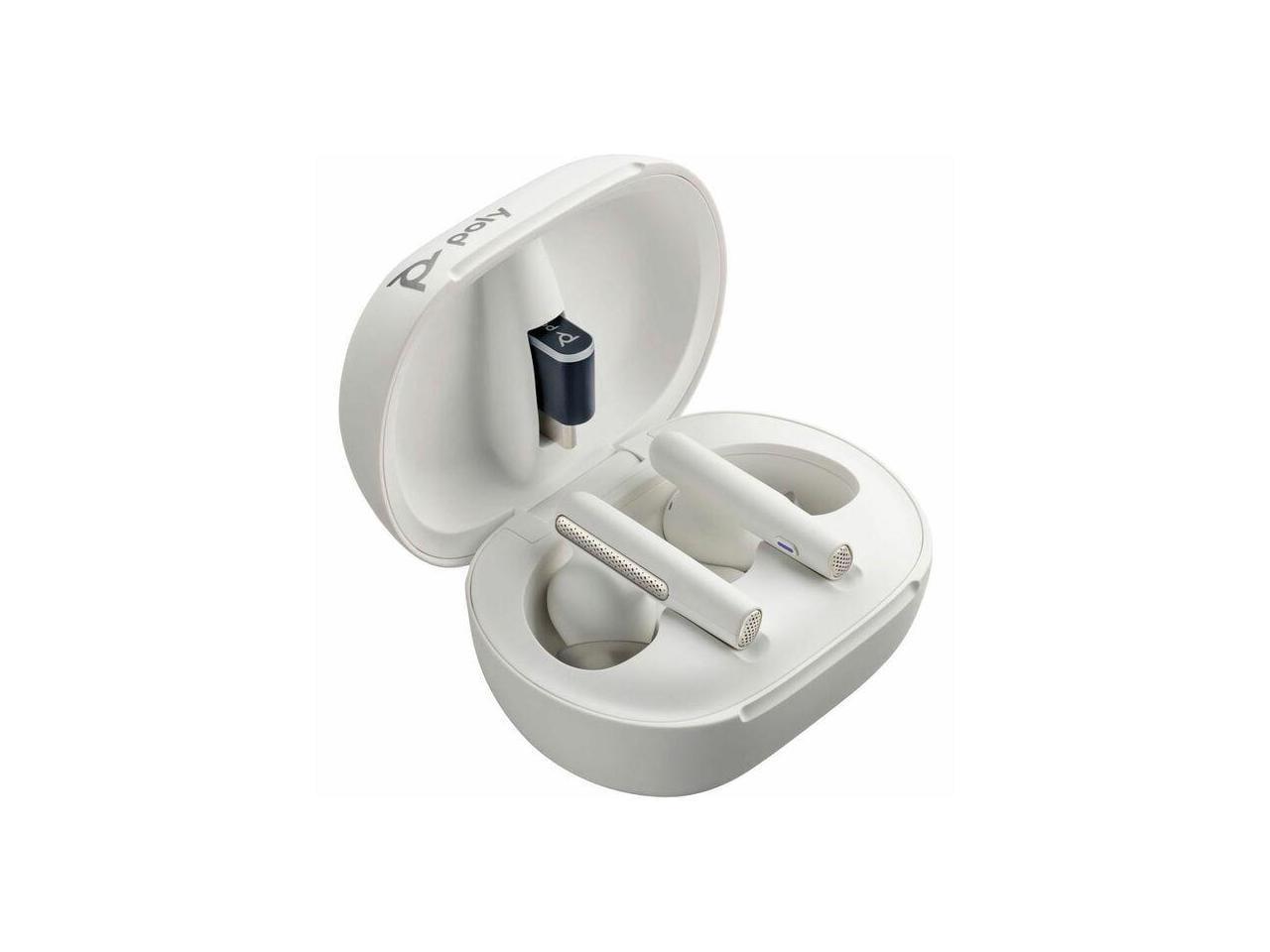
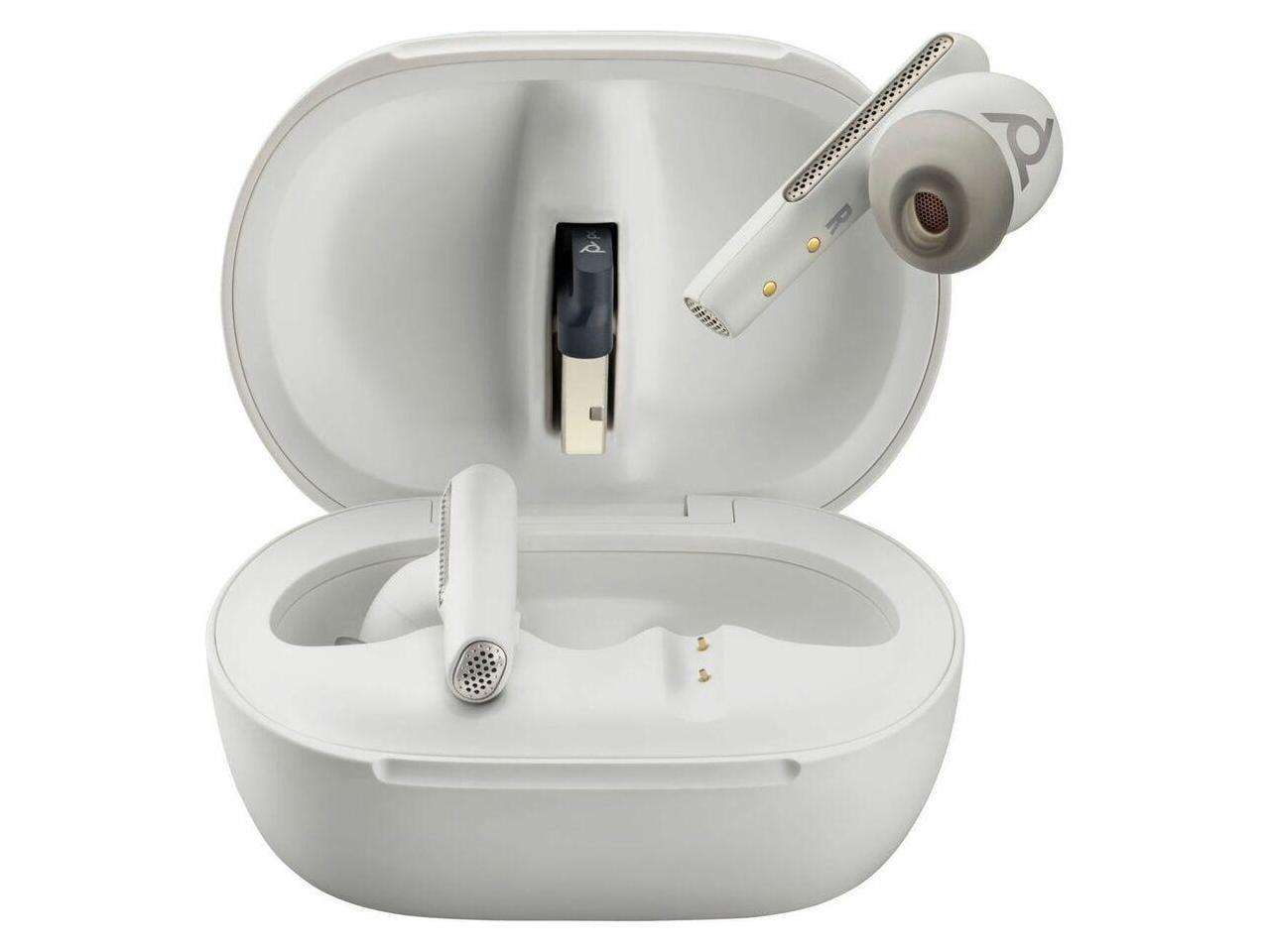
The included BT700 USB adapter provides enhanced PC connectivity with lower latency and more stable connections for video conferencing. The 3.5mm audio port on the charging case enables wired connections to airplane entertainment systems or non-Bluetooth devices.
The Poly Lens software integration allows IT departments to manage earbuds centrally, crucial for enterprise deployments but irrelevant for consumer use.
At the time of writing, the JBL Live Pro 2 commands a premium price reflecting its position as a high-end consumer audio device. You're paying for superior drivers, advanced noise cancellation, exceptional battery life, and robust build quality. For users who primarily listen to music and make occasional calls, the value proposition is strong.
The Poly Voyager Free 60+ UC costs notably less while providing specialized professional features unavailable in consumer earbuds. The touchscreen case, enterprise software integration, and superior call quality justify the price for business users, but music-focused consumers won't appreciate these advantages.
Choose the JBL Live Pro 2 if music quality matters most to you. These earbuds excel for commuting, travel, exercise, and general entertainment. The superior bass response, extensive customization options, and marathon battery life make them ideal for users who want one pair of earbuds for all situations. They're particularly well-suited for younger users, fitness enthusiasts, and anyone who prioritizes audio performance over specialized features.
The Poly Voyager Free 60+ UC serves a different master entirely. If you spend significant time on business calls, work in noisy environments, or need earbuds that integrate seamlessly with professional workflows, these are transformative. The touchscreen case control, exceptional call clarity, and enterprise features provide genuine productivity benefits that consumer-focused earbuds simply can't match.
The decision ultimately comes down to primary use case. Neither product is a compromise – both excel in their intended roles while making conscious trade-offs in other areas. The JBL delivers premium audio experiences that make music and entertainment more engaging, while the Poly treats professional communication as seriously as audiophile brands treat music reproduction.
Consider your daily routine: Do you spend more time enjoying music or managing business calls? Your answer should guide your choice between these two excellent but fundamentally different approaches to wireless audio.
| JBL Live Pro 2 TWS | Poly Voyager Free 60+ UC |
|---|---|
| Driver Size - Larger drivers typically deliver better bass and overall audio quality | |
| 11mm dynamic drivers (excellent for music) | Smaller drivers optimized for voice clarity |
| Battery Life - Critical for all-day use without frequent charging | |
| 40 hours total (10 + 30 from case) | 16.5 hours calls / 24 hours music (with ANC) |
| Active Noise Cancellation - Essential for blocking distractions in noisy environments | |
| True Adaptive ANC (automatically adjusts to surroundings) | Adaptive Hybrid ANC (optimized for office environments) |
| Microphone System - Determines call quality and voice clarity | |
| 6 beamforming mics (adequate for personal calls) | 3 mics per earbud + WindSmart + NoiseBlockAI (professional grade) |
| Water Resistance - Important for exercise and weather protection | |
| IPX5 (suitable for workouts and rain) | IP54 (basic dust/water protection for office use) |
| Bluetooth Version - Affects connection stability and power efficiency | |
| Bluetooth 5.2 with multipoint (2 devices) | Bluetooth 5.3 with multipoint (2 devices) |
| Charging Case Features - Convenience and control options | |
| Standard case with Qi wireless charging | Color touchscreen case with device control |
| Target Use Case - Who these earbuds are designed for | |
| Music lovers, commuters, fitness enthusiasts | Business professionals, remote workers, frequent callers |
| Sound Signature - How the audio is tuned for different preferences | |
| V-shaped (emphasized bass and treble for engaging music) | Vocal-focused (optimized for speech clarity over music) |
| Companion Software - Customization and management options | |
| JBL Headphones app (10-band EQ, sound presets) | Poly Lens software (enterprise management, IT control) |
| Unique Features - Standout capabilities that differentiate each model | |
| Oval Tubes design, True Adaptive ANC, 15-min speed charge | Touchscreen case control, BT700 USB adapter, 3.5mm wired option |
| Best For - Scenarios where each product excels | |
| Premium music listening, long battery life needs, travel | Crystal-clear business calls, enterprise features, professional use |
The JBL Live Pro 2 TWS delivers significantly better music quality with 11mm dynamic drivers and a V-shaped sound signature that emphasizes bass and treble. The Poly Voyager Free 60+ UC is optimized for voice clarity rather than music enjoyment, making the JBL Live Pro 2 the clear winner for audio entertainment.
The Poly Voyager Free 60+ UC excels in call quality with professional-grade features including 3 microphones per earbud, WindSmart technology, and NoiseBlockAI for blocking background noise. The JBL Live Pro 2 TWS has adequate call quality but the Poly Voyager Free 60+ is specifically designed for business communication.
The JBL Live Pro 2 TWS offers superior battery life with 40 hours total (10 hours per earbud plus 30 hours from the case), while the Poly Voyager Free 60+ UC provides 16.5 hours for calls or 24 hours for music listening. The JBL Live Pro 2 is better for users who need all-day battery performance.
The JBL Live Pro 2 TWS features more effective True Adaptive ANC that automatically adjusts to your environment and blocks a wider range of frequencies. The Poly Voyager Free 60+ UC has decent ANC optimized for office environments, but the JBL Live Pro 2 provides superior noise cancellation for travel and commuting.
The JBL Live Pro 2 TWS is better for exercise with IPX5 water resistance that protects against sweat and rain. The Poly Voyager Free 60+ UC has basic IP54 protection but is designed more for office use. Choose the JBL Live Pro 2 for fitness activities.
Comfort varies by individual, but the Poly Voyager Free 60+ UC is designed for all-day business use with conical ear tips that minimize pressure. The JBL Live Pro 2 TWS uses Oval Tubes technology for better fit, but some users find them less stable during movement. The Poly Voyager Free 60+ may be more comfortable for extended office wear.
Yes, both the JBL Live Pro 2 TWS and Poly Voyager Free 60+ UC support multipoint Bluetooth connectivity, allowing connection to two devices at once. This lets you seamlessly switch between your phone and laptop without manual re-pairing on either the JBL Live Pro 2 or Poly Voyager Free 60+.
Value depends on your needs: The JBL Live Pro 2 TWS offers premium audio quality, superior battery life, and effective ANC at a higher price point. The Poly Voyager Free 60+ UC costs less while providing professional call quality and unique business features. Music lovers should choose the JBL Live Pro 2, while business users get better value from the Poly Voyager Free 60+.
The JBL Live Pro 2 TWS is much better for entertainment content with larger drivers, better bass response, and superior soundstage for an immersive experience. The Poly Voyager Free 60+ UC focuses on voice clarity rather than cinematic audio. Choose the JBL Live Pro 2 for home theater and streaming content.
The Poly Voyager Free 60+ UC offers more innovative features including a color touchscreen charging case, BT700 USB adapter, and 3.5mm wired connectivity option. The JBL Live Pro 2 TWS focuses on audio-centric features like 10-band EQ and adaptive ANC. The Poly Voyager Free 60+ has more unique smart features for business users.
Both work well for remote work but serve different needs: The Poly Voyager Free 60+ UC excels for video calls, conference meetings, and professional communication with superior microphone quality. The JBL Live Pro 2 TWS is better for users who also want excellent music quality during breaks. Choose the Poly Voyager Free 60+ if calls are your priority.
"Best" depends on your primary use: Choose the JBL Live Pro 2 TWS if you prioritize music quality, battery life, and noise cancellation for general consumer use. Select the Poly Voyager Free 60+ UC if you need professional-grade call quality and business features. The JBL Live Pro 2 serves mainstream users better, while the Poly Voyager Free 60+ excels for business professionals.
We've done our best to create useful and informative comparisons to help you decide what product to buy. Our research uses advanced automated methods to create this comparison and perfection is not possible - please contact us for corrections or questions. These are the sites we've researched in the creation of this article: rtings.com - rtings.com - crutchfield.com - majorhifi.com - loudnwireless.com - techradar.com - youtube.com - youtube.com - wifihifi.com - scarbir.com - youtube.com - versus.com - jbl.com - rtings.com - boizoff.com - crutchfield.com - whathifi.com - hu.harmanaudio.com - robot-advance.com - youtube.com - youtube.com - jbl.com.sg - kh.jbl.com - jbl.com - jbl.com - walmart.com - youtube.com - bestbuy.com - versus.com - soundguys.com - headsetsdirect.com - youtube.com - vivo.tech - headsetadvisor.com - hp.com - headsetadvisor.com - hp.com - gadgetoid.com - hp.com - hp.com - youtube.com - headsetsdirect.com - lexair.com - content.shi.com - docs.poly.com - hp.com - bestbuy.com - h20195.www2.hp.com - vivo.tech - hp.com - insight.com - cdw.com - hp.com - trustedreviews.com - hp.com - youtube.com

Privacy Policy
Terms and Conditions - Affiliate Policy
Home Security
© Copyright 2008-2026.
11816 Inwood Rd #1211, Dallas, TX 75244