

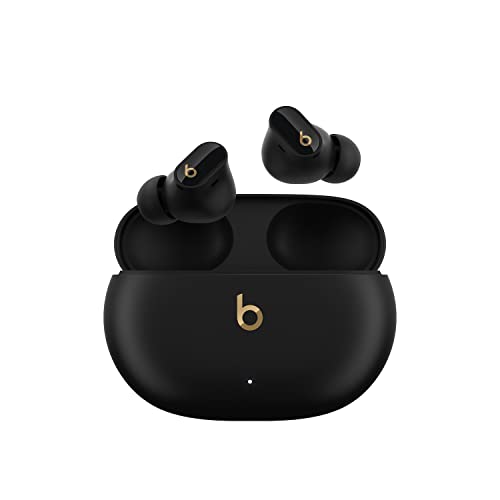

When Apple released the AirPods 4 with Active Noise Cancellation in 2024, they made a bold claim: you could get effective noise cancellation without jamming silicone tips into your ears. Meanwhile, the Beats Studio Buds Plus, also released in 2024, doubled down on the traditional sealed approach that's dominated the earbud market for years. These two products represent fundamentally different philosophies about how wireless earbuds should work, and the choice between them reveals what you actually care about in your daily listening experience.
The biggest difference between these earbuds isn't the brand name—it's how they physically interact with your ears. The Beats Studio Buds Plus use what's called a "sealed in-ear design," which means they come with silicone ear tips that create an airtight seal in your ear canal. Think of it like putting a cork in a bottle—this physical barrier blocks outside noise naturally while keeping your music's bass frequencies from escaping.
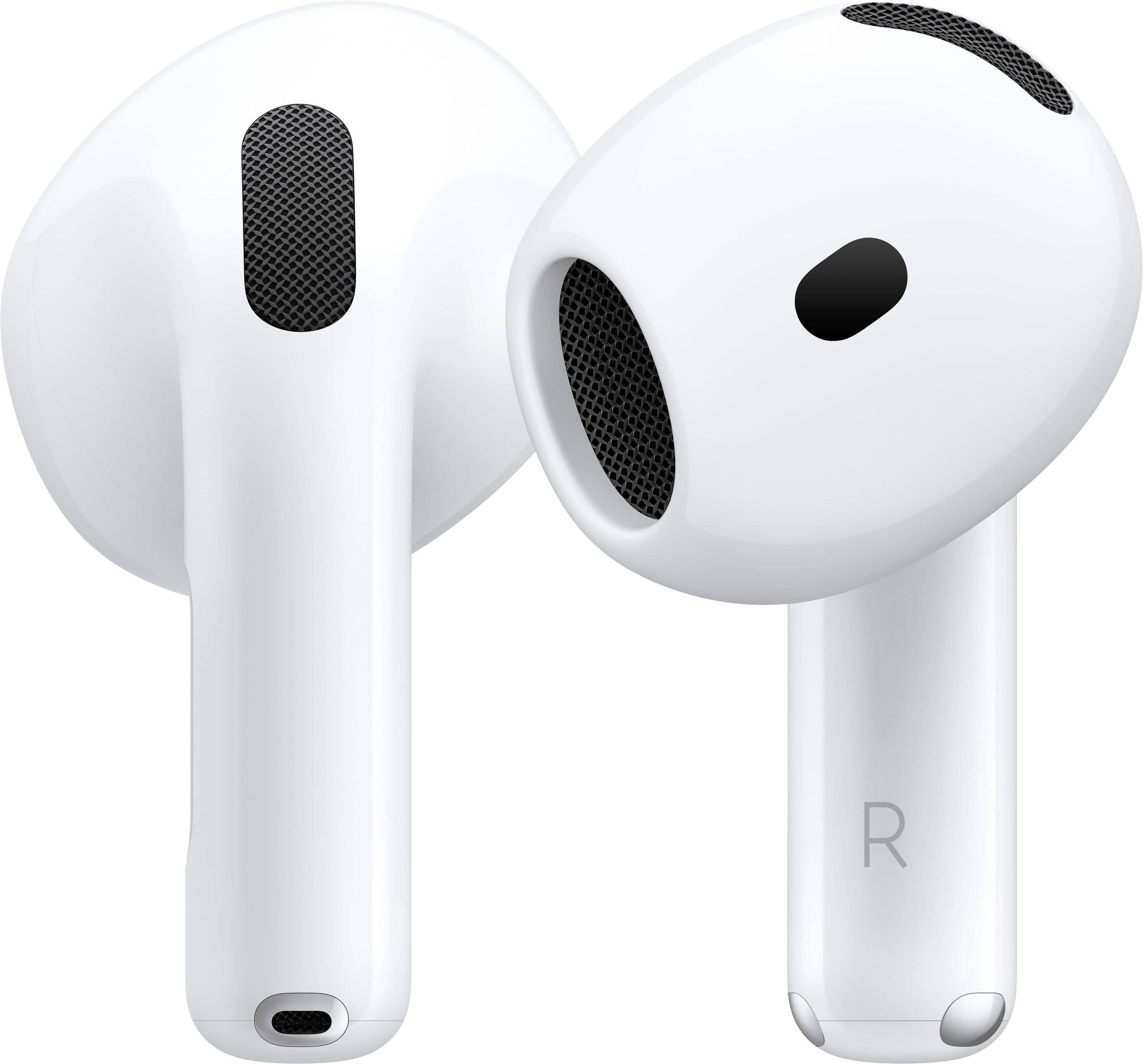
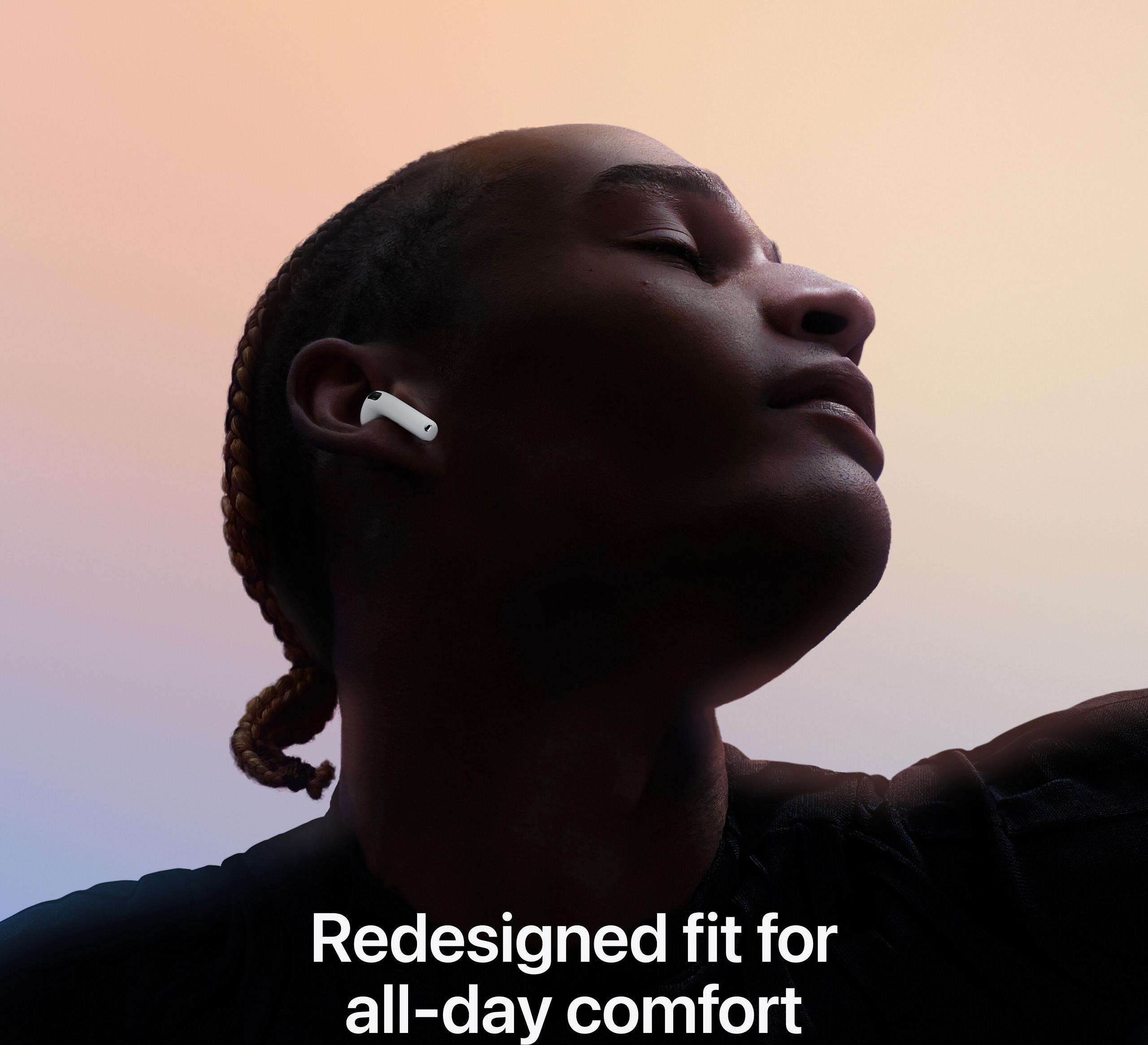
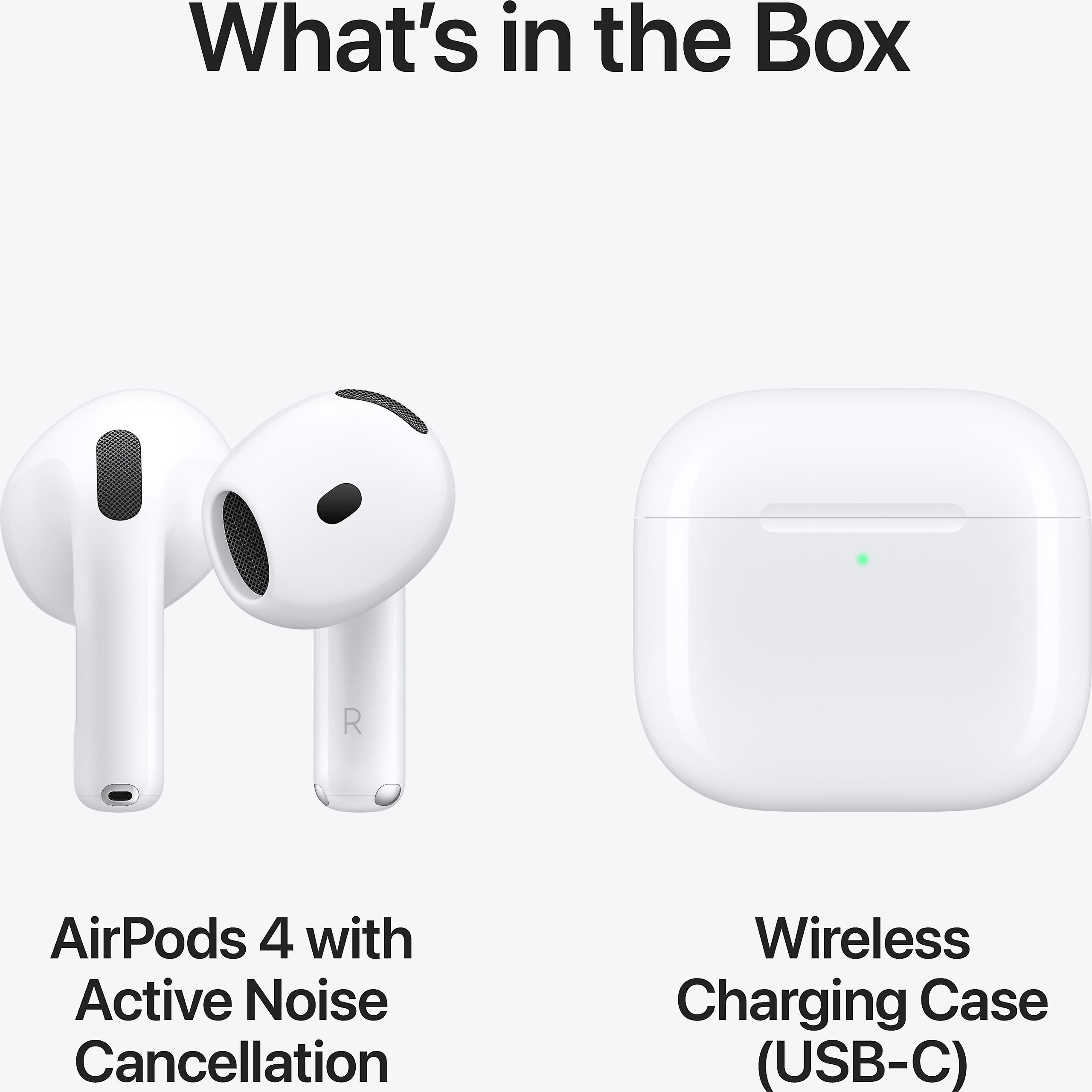
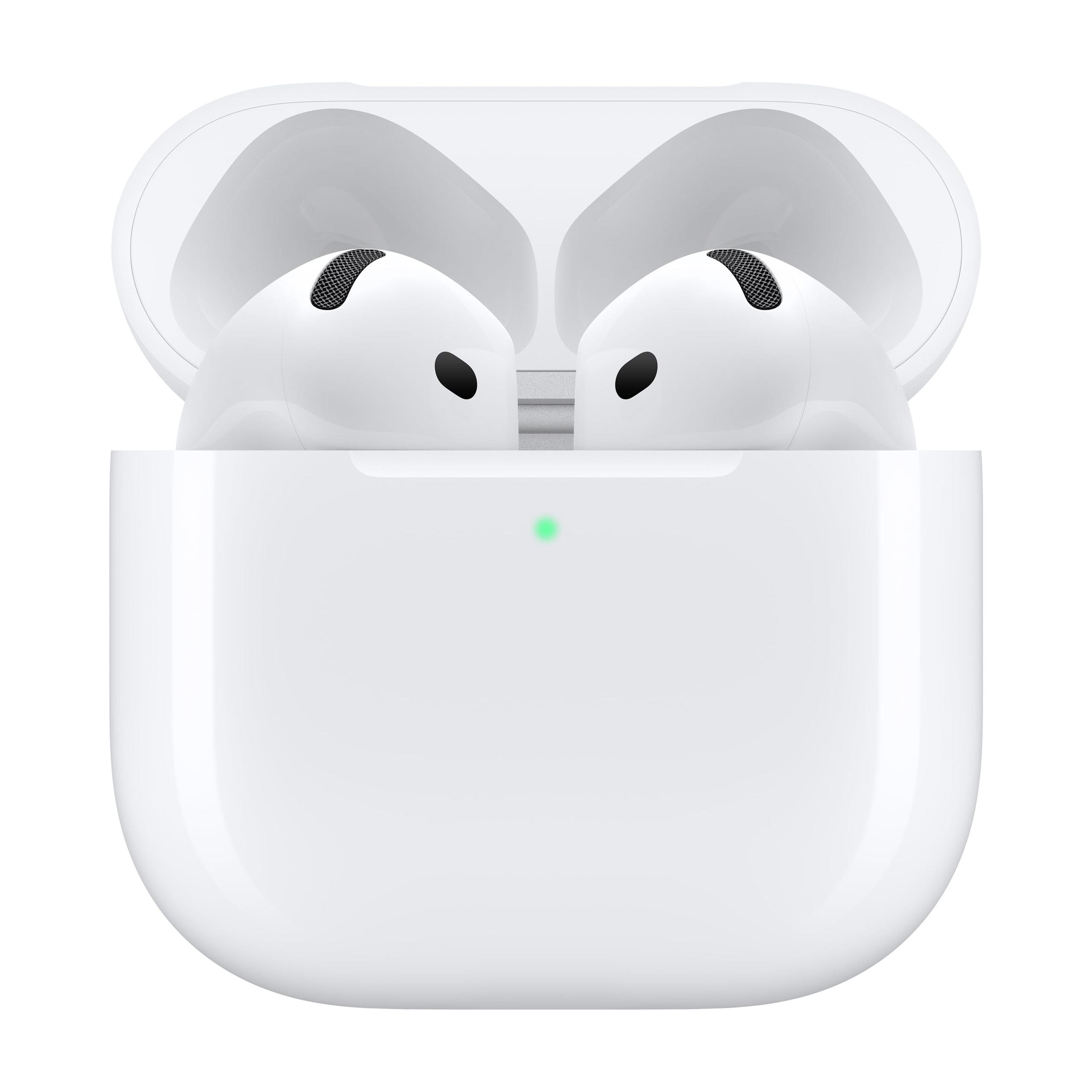
The AirPods 4, on the other hand, use Apple's signature "open-ear design." These earbuds sit in the outer part of your ear without creating any seal at all. It's similar to how traditional wired earbuds worked, except Apple has added sophisticated noise cancellation technology to compensate for the lack of physical isolation. This was actually a significant technological achievement—getting meaningful noise reduction without ear tips required Apple to develop entirely new algorithms and more powerful processing chips.
Both approaches have been refined significantly since their initial introductions. The original AirPods launched in 2016 with no noise cancellation at all, while Beats has been iterating on sealed designs for over a decade. The 2024 versions represent mature takes on each philosophy, incorporating years of user feedback and technological advancement.
Based on our research across multiple professional reviews and user experiences, the Beats Studio Buds Plus deliver notably superior sound quality, earning ratings around 4.8 out of 5 compared to the AirPods 4's 3.6 out of 5 score. This isn't just about brand preference—it's about fundamental physics.
The sealed design of the Beats Studio Buds Plus creates what audio engineers call a "controlled acoustic environment." When you have a proper seal, the tiny drivers (the small speakers inside each earbud) can move more air efficiently, especially at low frequencies. This translates to bass that actually has impact and presence. You'll hear the rumble in electronic music, the punch in hip-hop beats, and the full body of acoustic instruments.
The AirPods 4 face an inherent challenge: without a seal, bass frequencies simply escape into the air around your ears instead of reaching your eardrums. Apple has tried to compensate with sophisticated digital signal processing (DSP)—essentially using computer algorithms to boost certain frequencies—but you can't completely overcome physics with software. The result is a sound signature that emphasizes mid-range frequencies like vocals and guitars while leaving bass response noticeably thin.
For home theater use, this difference becomes even more pronounced. When you're watching action movies or playing games, the Beats Studio Buds Plus can reproduce the low-frequency effects that make explosions feel impactful and engines sound powerful. The AirPods 4 will handle dialogue and music well, but you'll miss much of the cinematic bass that enhances the immersive experience.
However, the AirPods 4 do excel in one specific area: vocal clarity. Their mid-range emphasis can actually make podcasts and audiobooks sound exceptionally clear, with voices cutting through cleanly. For people who primarily consume spoken-word content, this could be a meaningful advantage.
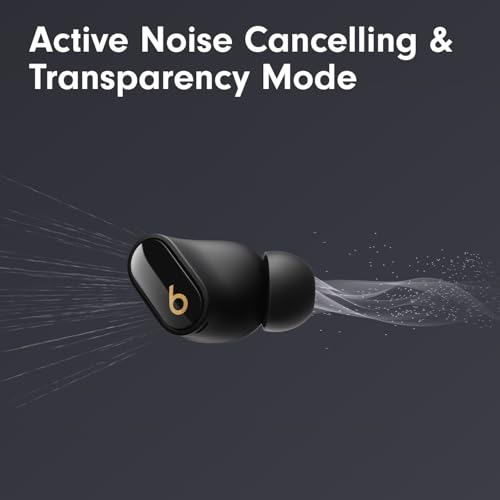
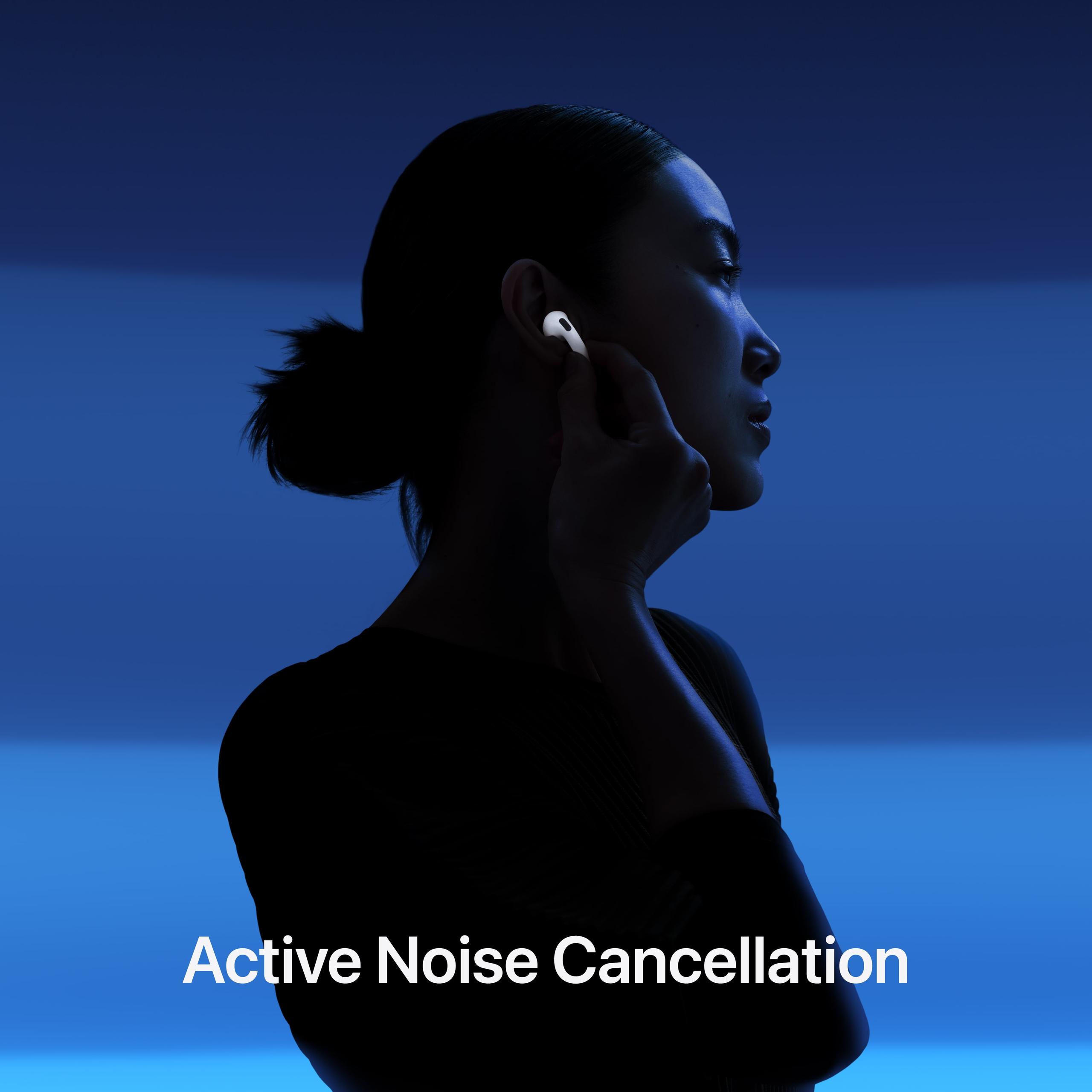
Active Noise Cancellation (ANC) works by using microphones to detect incoming sound waves, then generating "anti-noise" waves that cancel out the unwanted audio. Both earbuds use this technology, but their effectiveness differs dramatically due to their physical designs.
The Beats Studio Buds Plus achieve approximately 80% external noise reduction according to professional measurements. They accomplish this through a combination of passive isolation (the physical seal blocks sound naturally) and active cancellation. The earbuds use three microphones per side and what Beats calls a "custom acoustic platform" with improved venting to prevent pressure buildup while maintaining the seal. This hybrid approach is particularly effective against low-frequency sounds like airplane engines, air conditioners, and traffic noise.
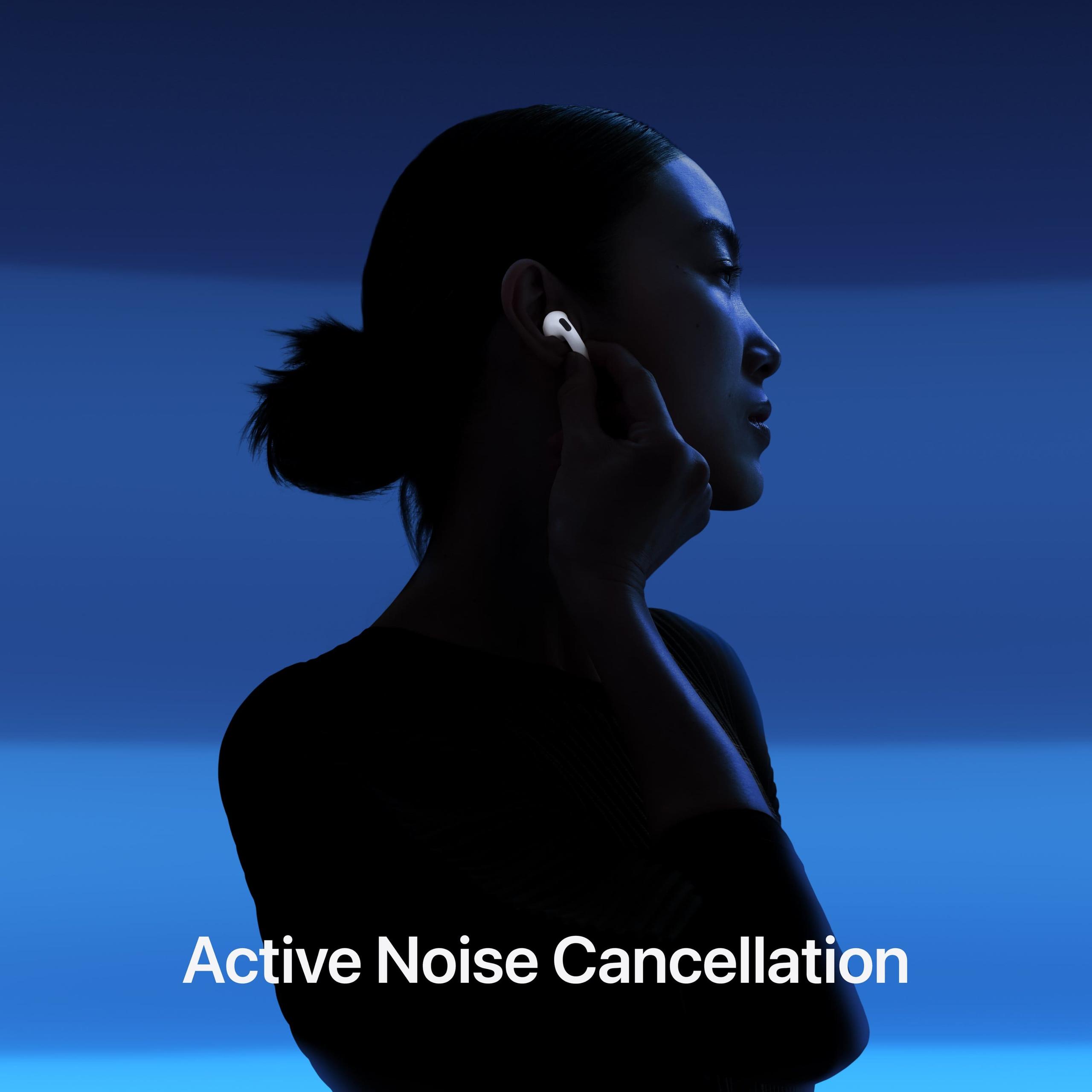
The AirPods 4 manage about 53% noise reduction, which is genuinely impressive for an open-ear design but simply can't match the physics of a sealed system. Apple's achievement here is largely in the sophisticated H2 chip processing—the same chip used in their premium AirPods Pro. The chip analyzes incoming audio 48,000 times per second and adjusts the cancellation accordingly. It's remarkable technology, but it's fighting an uphill battle against basic acoustics.
For practical use, the difference is significant. If you're a frequent traveler, work in a noisy office, or live near busy streets, the Beats Studio Buds Plus will provide noticeably better isolation. The AirPods 4 work well for moderate background noise—coffee shop chatter or light office sounds—but won't create the same bubble of quiet for focused listening or sleep.
Both earbuds offer "transparency modes" that let outside sound in when you need situational awareness. The AirPods 4 actually have an advantage here since they naturally provide some ambient awareness even with ANC enabled. The Beats Studio Buds Plus require you to actively switch modes to hear your surroundings clearly.
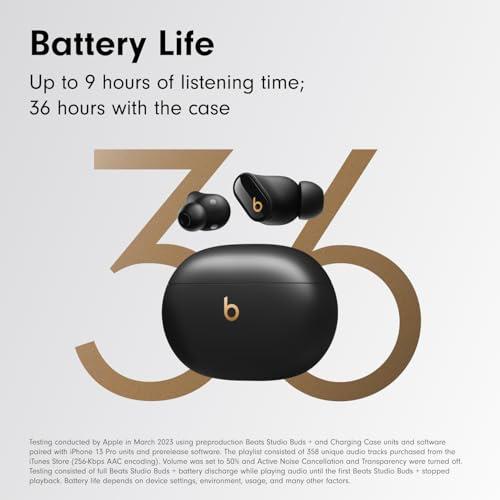
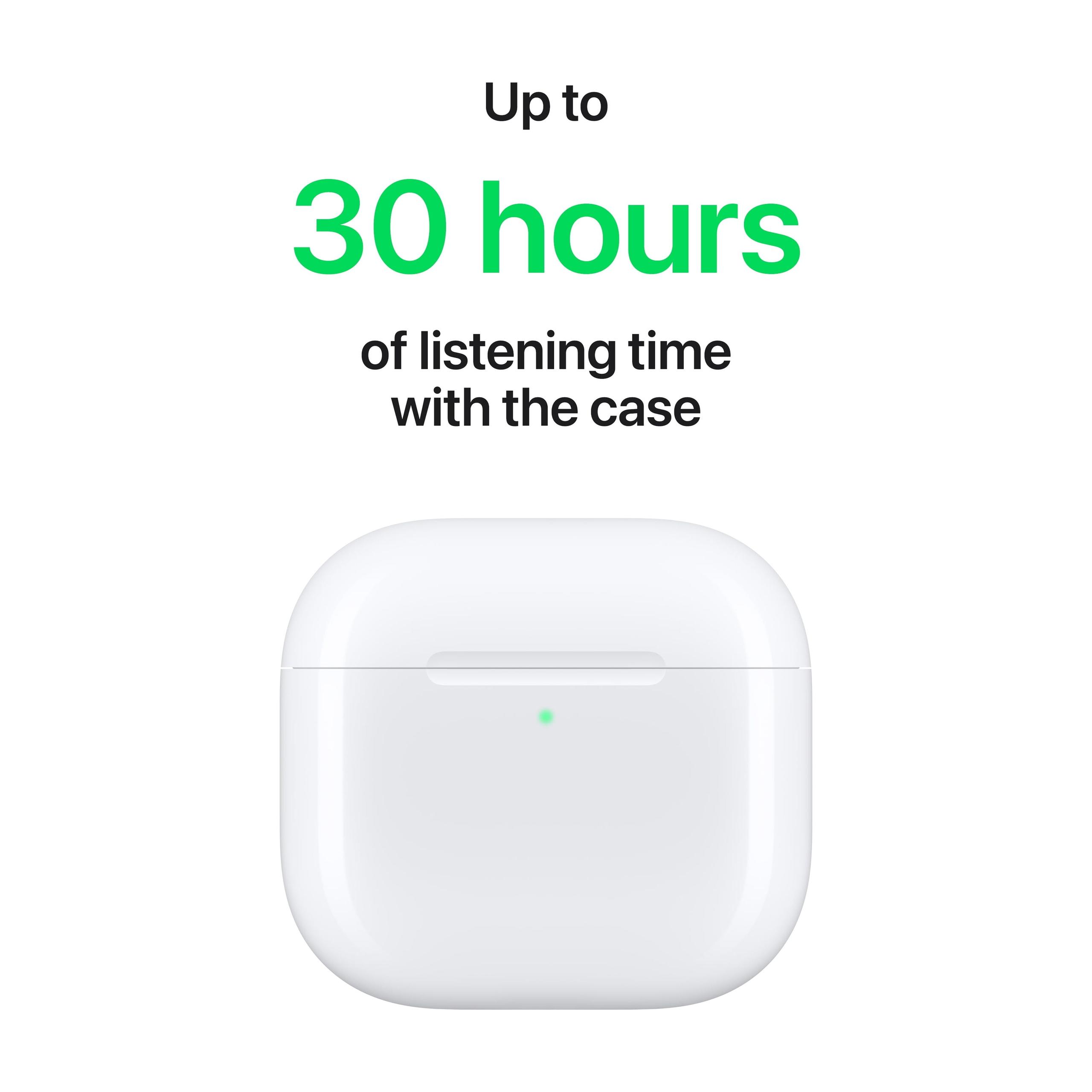
Battery performance reveals another clear winner. The Beats Studio Buds Plus provide over 8 hours of continuous listening with ANC enabled, extending to 36 hours total when you factor in the charging case. The AirPods 4 manage 4-5 hours per charge with ANC on, reaching 20-30 hours total depending on your usage patterns.
This difference matters more than the raw numbers suggest. Eight hours covers most people's entire workday, while 4-5 hours means you'll need to recharge during lunch breaks or risk running out of power during afternoon meetings. Both earbuds support fast charging—about 5 minutes for an hour of listening—but longer baseline battery life reduces how often you need to think about charging at all.
The charging cases themselves reflect each product's design philosophy. The Beats Studio Buds Plus case is compact and charges via USB-C only. The AirPods 4 case offers more flexibility with USB-C, Qi wireless charging, and even compatibility with Apple Watch chargers. If you're already invested in wireless charging setups, the AirPods 4 integrate more seamlessly into that ecosystem.
Fit is where personal anatomy becomes crucial. The Beats Studio Buds Plus include four sizes of silicone ear tips, from extra-small to large. This ensures most people can find a proper seal, which is essential for both sound quality and noise cancellation effectiveness. The earbuds themselves are relatively compact with a stem-free design that some people find more discreet than Apple's protruding stems.
However, sealed earbuds can create pressure sensations that some users find uncomfortable during extended wear. The silicone tips also need periodic cleaning and replacement as they accumulate earwax and lose their seal over time.
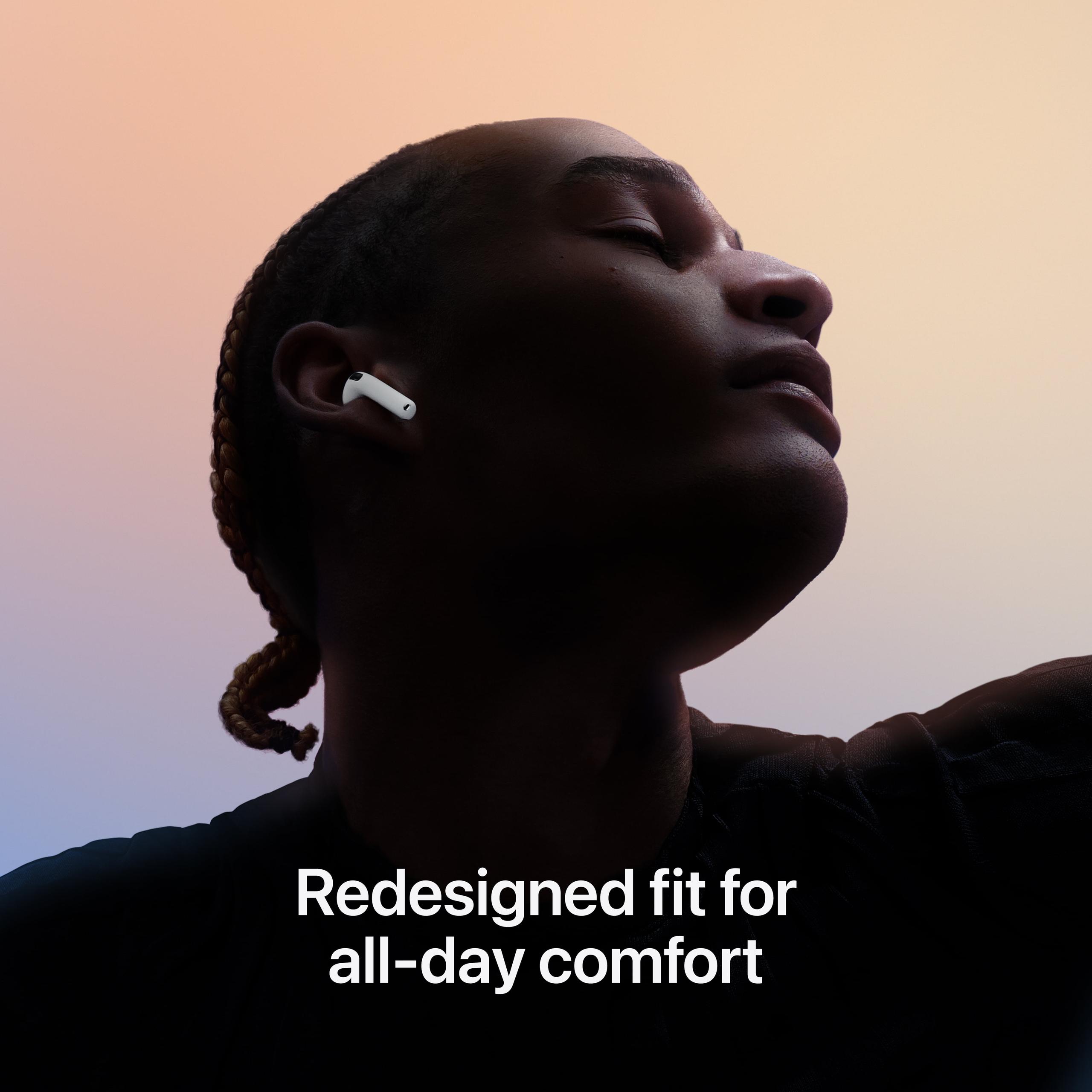
The AirPods 4 take a gamble on fit. If they match your ear shape well, they can be incredibly comfortable for all-day wear since there's no pressure buildup or foreign object sensation. Apple has refined the shape over multiple generations, and many users report being able to wear them for hours without discomfort.
But if they don't fit your ears properly, there's no adjustment possible. Unlike the Beats Studio Buds Plus with their multiple tip sizes, the AirPods 4 are essentially take-it-or-leave-it. For some ear shapes, they'll fall out easily or never feel secure during physical activity.
This makes the Beats Studio Buds Plus more reliable for exercise and active use. The secure seal means they're less likely to fall out during running or gym workouts, and their IPX4 water resistance rating handles sweat adequately. The AirPods 4 actually have better protection with an IP54 rating (covering both dust and water), but their fit reliability during movement is questionable for many users.
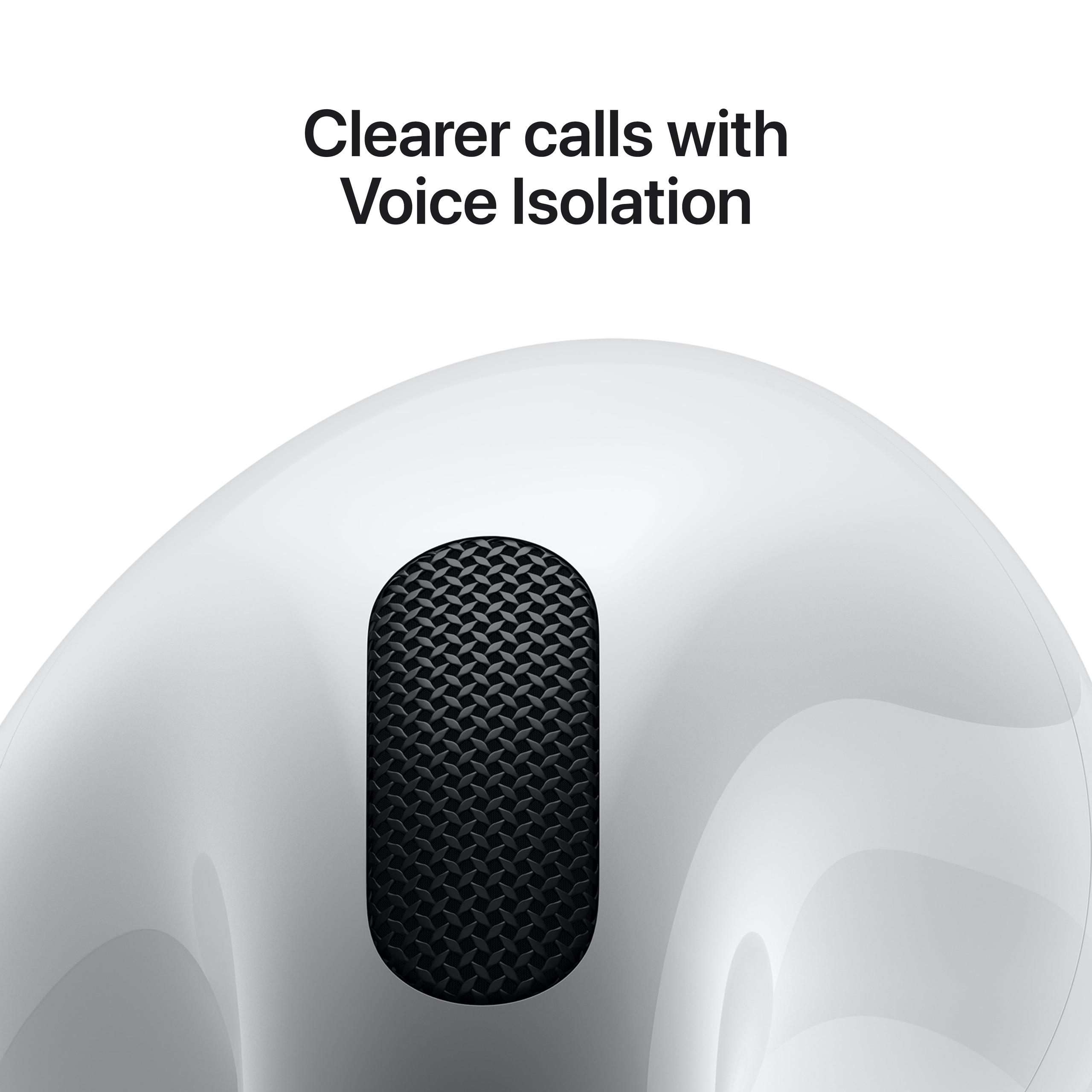
Here's where the AirPods 4 shine brightest. Apple's microphone engineering and voice processing represent some of the best technology available in wireless earbuds. The earbuds use beamforming microphones—multiple microphones that work together to focus on your voice while suppressing background noise—combined with computational audio processing that happens in real-time.
The result is call quality that rivals dedicated headsets. Even in noisy environments like busy streets or crowded offices, the AirPods 4 isolate your voice effectively and present it clearly to the other party. The voice processing also includes features like automatic wind noise reduction and adaptive volume adjustment.
The Beats Studio Buds Plus offer decent call quality with improved microphones compared to their predecessors, but they don't match Apple's sophisticated voice processing. For occasional calls, they're perfectly adequate. For people who spend hours daily on phone or video calls, the AirPods 4 provide a meaningful advantage that could impact work productivity and communication clarity.
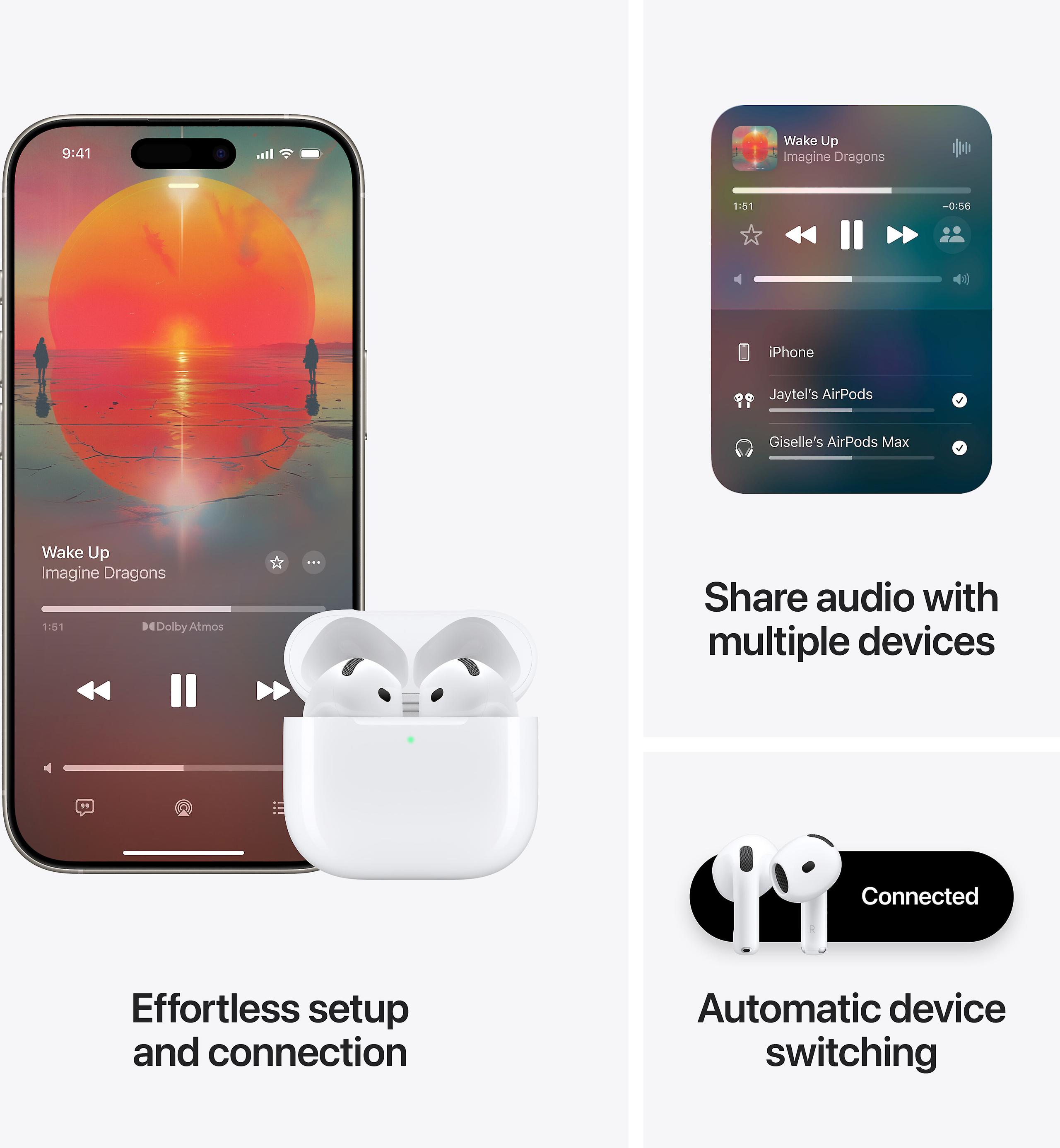
The AirPods 4 showcase what happens when hardware and software come from the same company. If you use multiple Apple devices, these earbuds create an almost magical experience. They automatically switch between your iPhone, iPad, and Mac based on what you're actively using. Start a call on your phone, and they connect instantly. Open a video on your laptop, and they seamlessly transfer over.
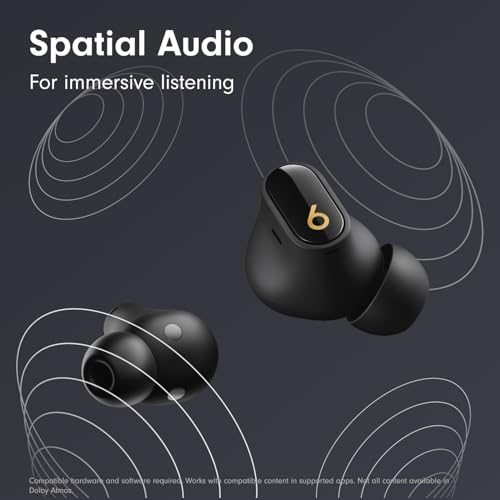
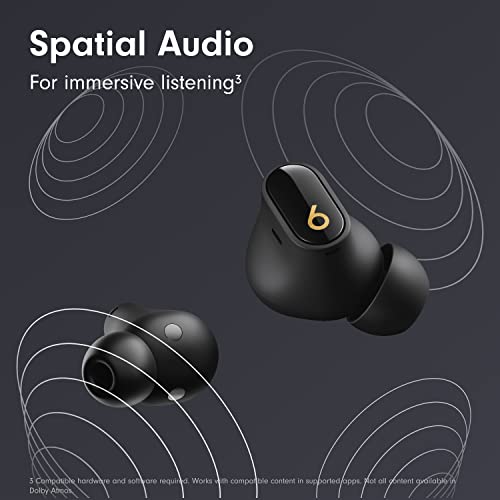
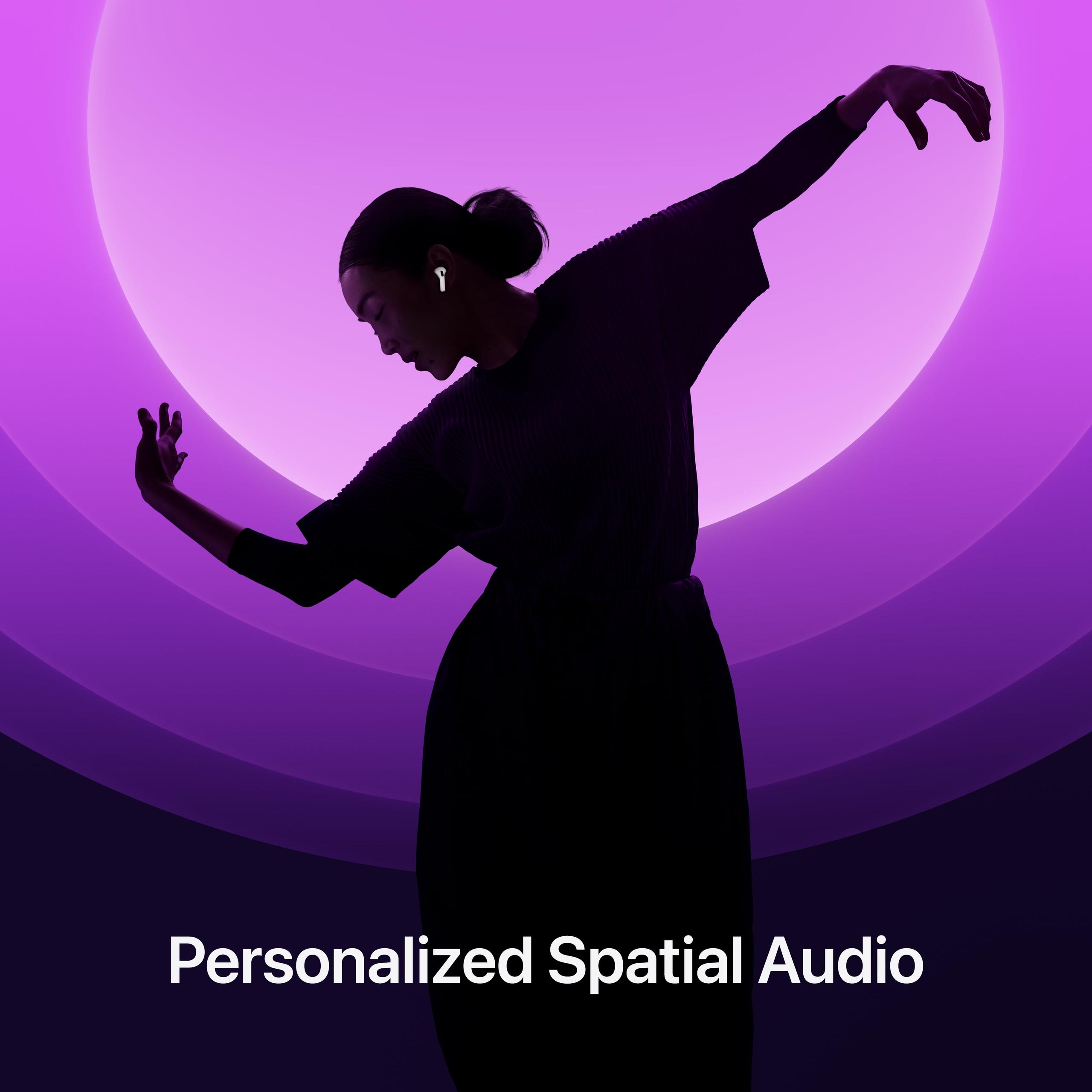
Apple's Spatial Audio technology creates a three-dimensional sound experience for movies and music, with head tracking that adjusts the audio perspective as you move. It's particularly effective for home theater use, creating a more immersive experience than traditional stereo audio. The earbuds also support innovative gesture controls—you can nod or shake your head to respond to Siri queries, which feels futuristic when it works reliably.
The Beats Studio Buds Plus take a more universal approach. They work equally well with iOS and Android devices, offering features like Find My support across both platforms. While they don't provide the deep integration of the AirPods 4, they also don't lock you into any particular ecosystem. This makes them more flexible if you use devices from multiple manufacturers or might switch platforms in the future.
At the time of writing, the Beats Studio Buds Plus typically cost significantly less than the AirPods 4 with ANC—often $30-40 less depending on sales and availability. Combined with their superior sound quality, noise cancellation, and battery life, they represent exceptional value for pure audio performance.
The AirPods 4 command a premium primarily for their ecosystem integration and advanced features. If you're already invested in Apple's ecosystem and value seamless connectivity over maximum audio quality, that premium can be justified. The convenience of automatic device switching, superior call quality, and innovative features like gesture controls add genuine utility for the right user.
For home theater use specifically, the Beats Studio Buds Plus are the clear choice. Their superior bass response and noise isolation create a more immersive experience for movies and games. The AirPods 4 work fine for casual viewing but lack the low-frequency impact that makes action scenes feel engaging.
Choose the Beats Studio Buds Plus if you prioritize pure audio performance, effective noise cancellation, and value. They're ideal for music lovers, frequent travelers, people who work in noisy environments, and anyone who wants the best sound quality at a reasonable price. Their cross-platform compatibility makes them perfect for households with mixed device ecosystems.
Choose the AirPods 4 with ANC if you're deeply integrated into Apple's ecosystem and value convenience features over maximum audio quality. They're excellent for professionals who take frequent calls, users who want seamless device switching, and people whose ear shape happens to match Apple's one-size-fits-all design philosophy.
The fundamental question comes down to this: Do you want earbuds that sound better, or earbuds that integrate better? The Beats Studio Buds Plus win decisively on audio quality, noise cancellation, and value. The AirPods 4 offer superior smart features and ecosystem integration at the cost of audio performance.
For most people, the Beats Studio Buds Plus represent the better choice. They deliver meaningfully superior performance in the areas that matter most for daily listening while costing less money. Unless you specifically need the AirPods 4's ecosystem features or exceptional call quality, the Beats provide better overall value and a more satisfying listening experience.
| Beats Studio Buds Plus | Apple AirPods 4 with ANC |
|---|---|
| Sound Quality Score - Most important factor for music enjoyment | |
| 4.8/5 (excellent bass and overall clarity) | 3.6/5 (weak bass due to open design) |
| Active Noise Cancellation - Critical for commuting and focus | |
| 80% noise reduction (sealed design advantage) | 53% noise reduction (impressive for open-ear) |
| Design Philosophy - Affects comfort and sound isolation | |
| Sealed in-ear with 4 silicone tip sizes | Open-ear, one-size-fits-all approach |
| Battery Life with ANC - Real-world usage duration | |
| 8+ hours per charge, 36 hours total | 4-5 hours per charge, 20-30 hours total |
| Platform Compatibility - Important for multi-device users | |
| Equal iOS and Android feature support | Optimized for Apple ecosystem only |
| Call Quality - Essential for work and phone calls | |
| Good but not exceptional | Best-in-class with advanced voice processing |
| Water Resistance - Protection during workouts | |
| IPX4 (splash-proof, no dust protection) | IP54 (water and dust resistant) |
| Charging Options - Convenience and flexibility | |
| USB-C only | USB-C, Qi wireless, Apple Watch chargers |
| Fit Security - Reliability during physical activity | |
| Secure seal with multiple tip sizes | Varies greatly by ear shape, no adjustability |
| Bass Response - Impact on music genres and movies | |
| Full, punchy bass thanks to sealed design | Weak bass due to open-ear limitations |
| Smart Features - Advanced functionality beyond basic audio | |
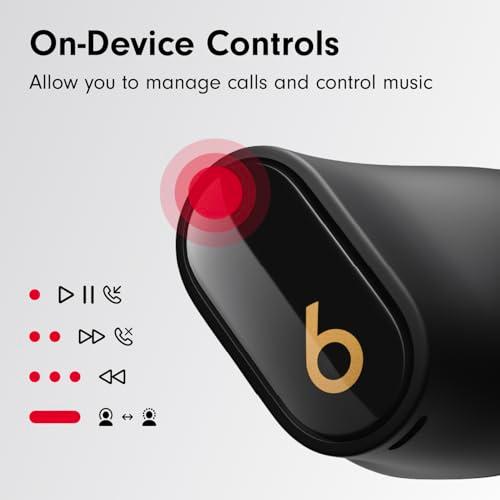
| Basic spatial audio, standard controls | Advanced Spatial Audio, head gesture controls, Adaptive Audio |
| Value Proposition - Performance per dollar spent | |
| Superior audio quality at lower price point | Premium price for ecosystem integration features |
The Beats Studio Buds Plus deliver significantly better sound quality with a 4.8/5 rating compared to the AirPods 4's 3.6/5 score. The sealed in-ear design of the Beats Studio Buds Plus produces fuller bass and better overall audio clarity, while the open-ear AirPods 4 struggle with bass response due to their unsealed design.
The Beats Studio Buds Plus provide superior noise cancellation, blocking about 80% of external noise compared to the AirPods 4's 53% reduction. The sealed design of the Beats Studio Buds Plus creates both passive and active noise isolation, making them more effective for noisy environments like airplanes or busy offices.
The Beats Studio Buds Plus offer significantly longer battery life with 8+ hours per charge (ANC on) compared to the AirPods 4's 4-5 hours. With the charging case, the Beats Studio Buds Plus provide up to 36 hours total listening time versus 20-30 hours for the AirPods 4.
The AirPods 4 excel at call quality with advanced beamforming microphones and voice processing technology that rivals dedicated headsets. While the Beats Studio Buds Plus offer decent call quality, the AirPods 4 provide clearer voice transmission and better background noise suppression during calls.
The Beats Studio Buds Plus offer more reliable fit with four different silicone ear tip sizes ensuring a secure seal for most users. The one-size-fits-all AirPods 4 may fit perfectly for some ear shapes but can fall out easily during physical activity since there's no adjustability or secure seal.
The Beats Studio Buds Plus provide equal functionality on both iOS and Android devices, while the AirPods 4 are optimized primarily for Apple's ecosystem. Android users miss out on many advanced features like Spatial Audio and seamless device switching when using AirPods 4.
The Beats Studio Buds Plus are superior for home theater use due to their strong bass response and noise isolation, which enhance action scenes and cinematic audio. The AirPods 4 handle dialogue well but lack the low-frequency impact needed for immersive movie watching.
Comfort depends on your ear shape and preferences. The AirPods 4 avoid pressure buildup since they don't seal in your ears, making them comfortable for extended wear when they fit properly. The Beats Studio Buds Plus may cause some pressure sensation but offer multiple tip sizes for a customized fit.
The Beats Studio Buds Plus provide exceptional value with superior sound quality, longer battery life, and better noise cancellation at a lower price point. The AirPods 4 cost more but justify the premium through advanced ecosystem integration and smart features for Apple users.
The AirPods 4 support multiple charging options including USB-C, Qi wireless charging, and Apple Watch chargers. The Beats Studio Buds Plus only charge via USB-C cable, lacking wireless charging capabilities in their more compact case design.
The AirPods 4 have a higher IP54 rating protecting against both water and dust, while the Beats Studio Buds Plus offer IPX4 rating for splash protection only. However, the secure fit of the Beats Studio Buds Plus makes them more reliable for intense workouts despite slightly lower water resistance.
Choose Beats Studio Buds Plus if you prioritize sound quality, noise cancellation, battery life, and value for money. Choose AirPods 4 if you're deeply integrated into Apple's ecosystem, need exceptional call quality, or prefer the open-ear design for ambient awareness while still getting some noise cancellation benefits.
We've done our best to create useful and informative comparisons to help you decide what product to buy. Our research uses advanced automated methods to create this comparison and perfection is not possible - please contact us for corrections or questions. These are the sites we've researched in the creation of this article: soundguys.com - loudnwireless.com - beatsbydre.com - rtings.com - soundguys.com - youtube.com - cnet.com - soundguys.com - recordingnow.com - youtube.com - cornellstore.com - youtube.com - beatsbydre.com.cn - soundguys.com - techradar.com - youtube.com - techgearlab.com - beatsbydre.com - youtube.com - apple.com - electronics.woot.com - tomsguide.com - apple.com - youtube.com - apple.com - staples.com - support.apple.com - connection.com - support.apple.com - pcrichard.com - adorama.com - zones.com - cdw.com

Privacy Policy
Terms and Conditions - Affiliate Policy
Home Security
© Copyright 2008-2026.
11816 Inwood Rd #1211, Dallas, TX 75244