

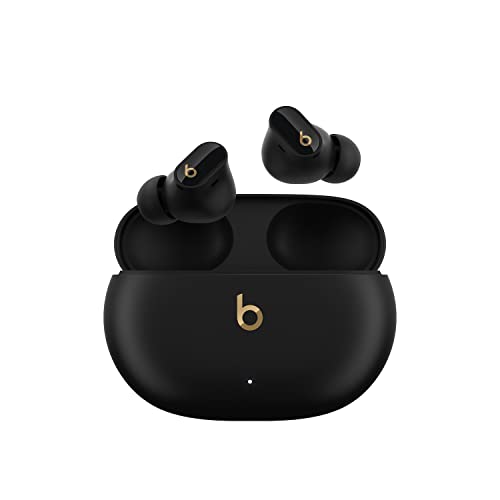

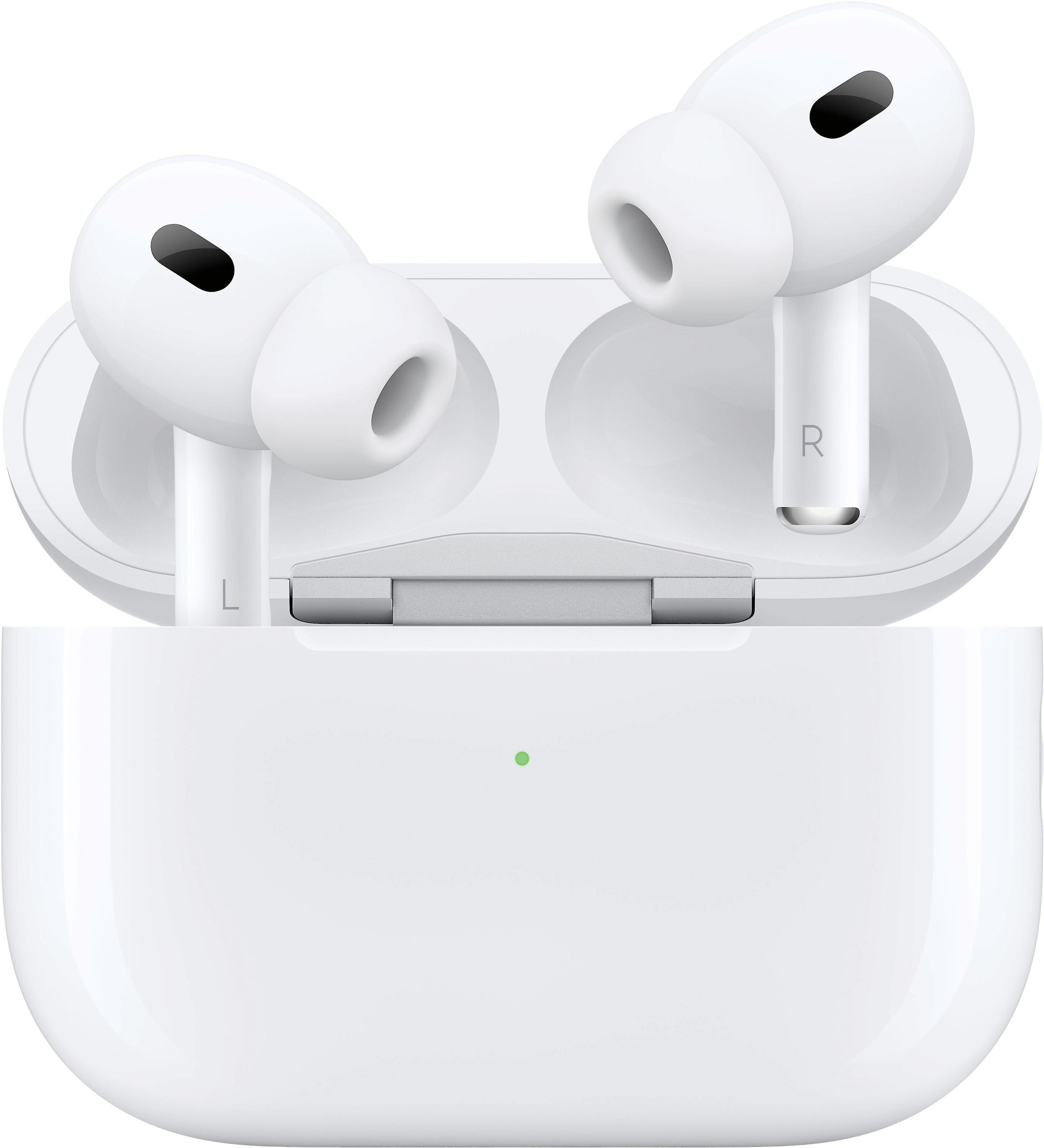
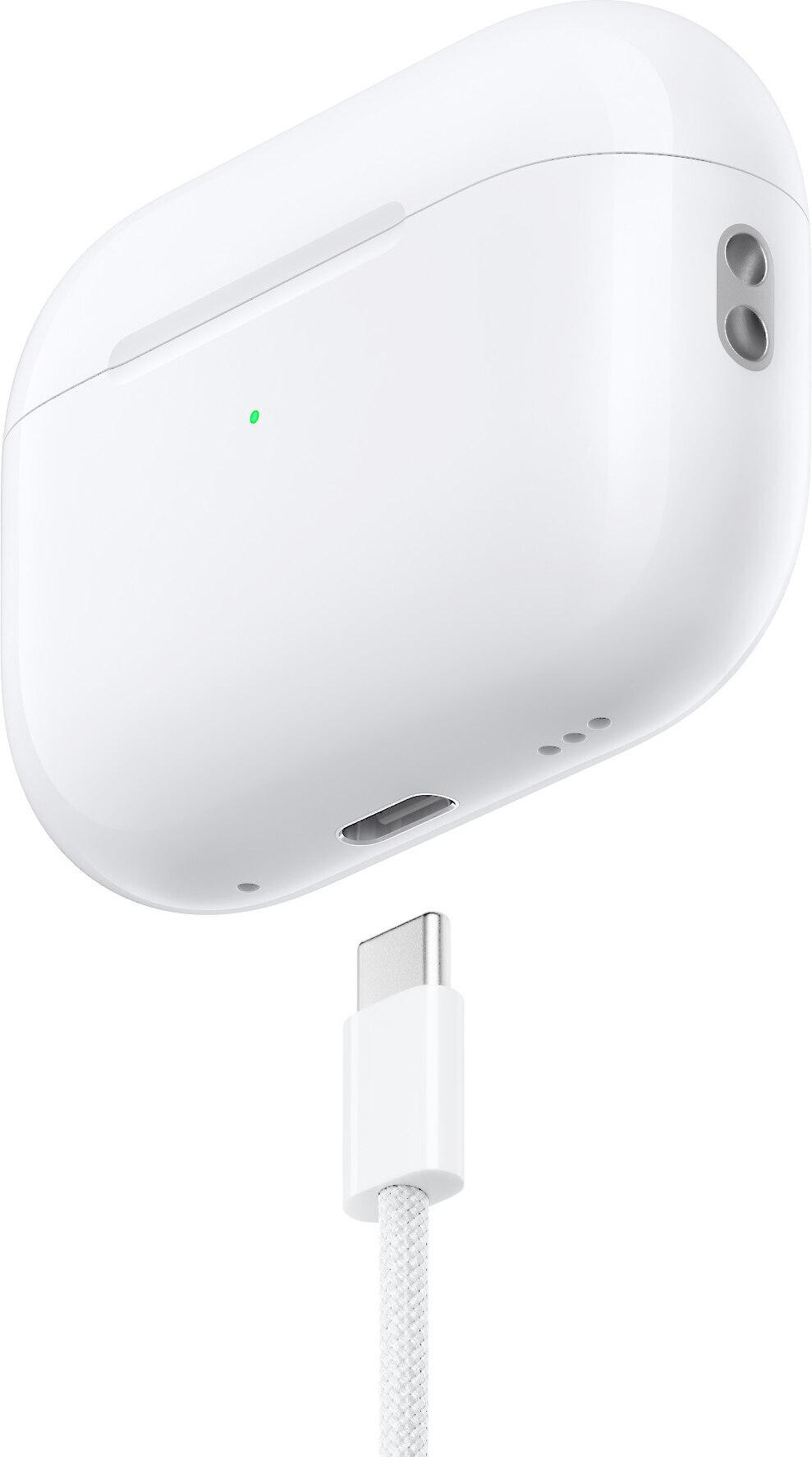
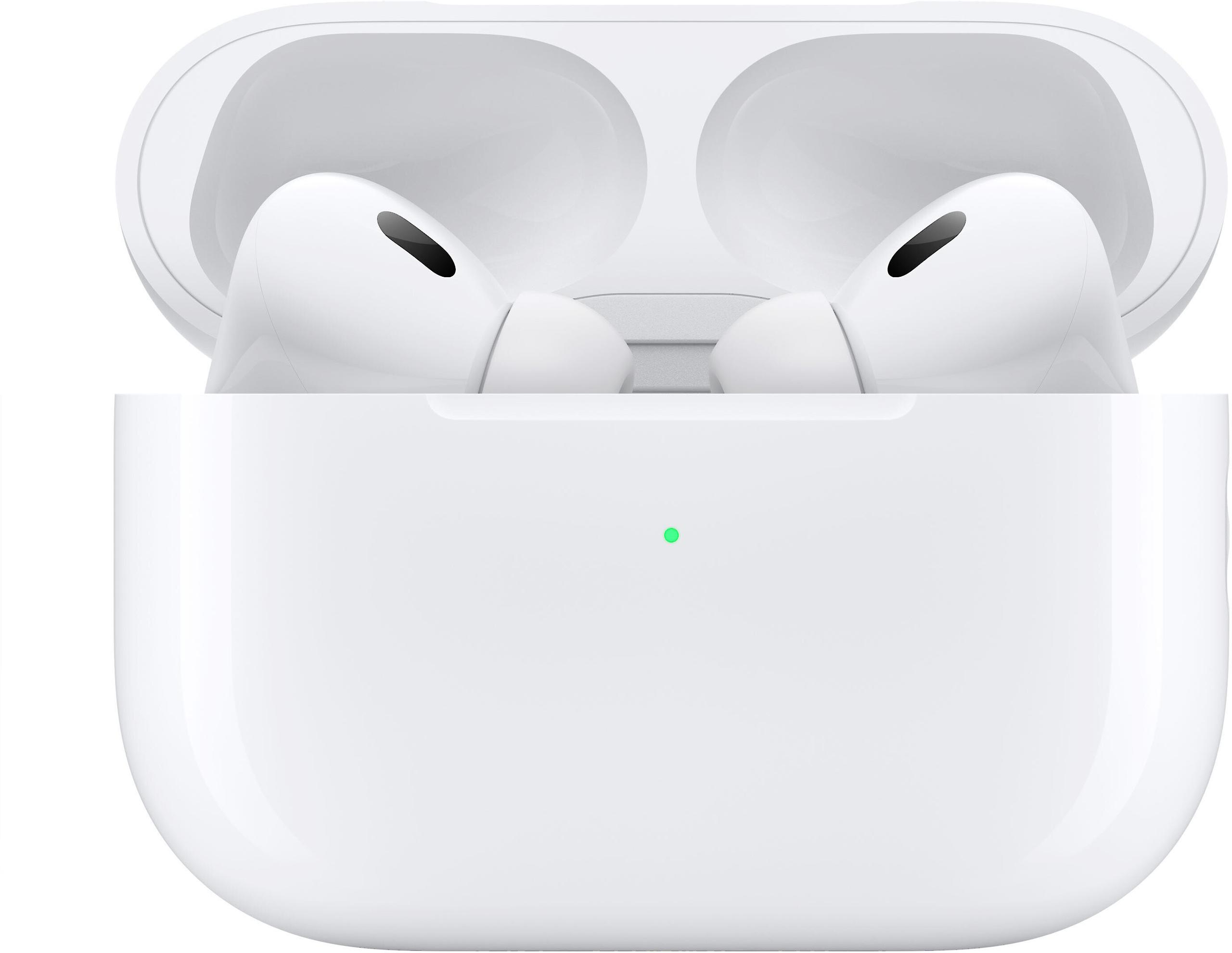
Premium wireless earbuds have become the new battleground for audio companies, and choosing between the Beats Studio Buds Plus and Apple AirPods Pro 2 represents one of the most interesting decisions in this space. Both products sit at the top of their respective lineups, but they take surprisingly different approaches to solving the same core problems: delivering excellent audio quality, blocking out the world when you need focus, and integrating seamlessly with your devices.
At the time of writing, there's a meaningful price gap between these two products, with the Studio Buds Plus positioned as the more affordable premium option while the AirPods Pro 2 commands a significant price premium. This difference isn't just about brand positioning—it reflects genuinely different philosophies about what makes earbuds worth buying.
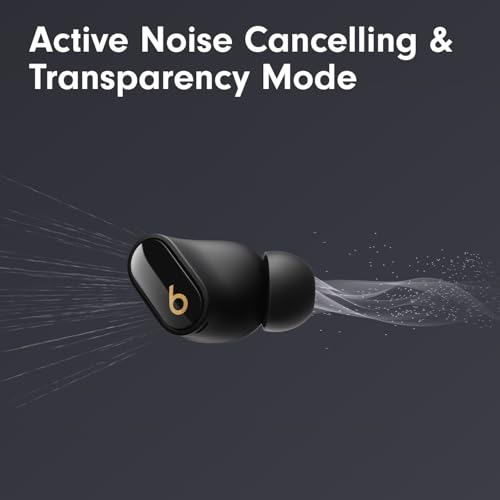
When we talk about premium wireless earbuds, we're discussing products that go far beyond just playing music wirelessly. These devices pack sophisticated technology into packages smaller than a bottle cap, including active noise cancellation (ANC)—a system that uses microphones to detect outside noise and plays opposite sound waves to cancel it out—along with transparency modes that let important sounds through, advanced audio processing chips, and smart features that adapt to your environment.
The key considerations when evaluating these earbuds include audio performance (how accurately they reproduce music), noise cancellation effectiveness (how well they block distracting sounds), ecosystem integration (how well they work with your phone and other devices), comfort for extended wear, battery life, and overall value. What makes this comparison particularly interesting is that both products come from Apple's umbrella of brands, yet they serve distinctly different user needs and philosophies.
The Beats Studio Buds Plus launched in 2023 as an evolution of the original Studio Buds from 2021, incorporating user feedback and technological improvements. Beats focused on enhancing the acoustic design with new two-layer transducers—specialized speakers that convert electrical signals to sound waves—and improved the noise cancellation system with larger microphones and better venting. The "Plus" designation reflects meaningful upgrades rather than minor tweaks.
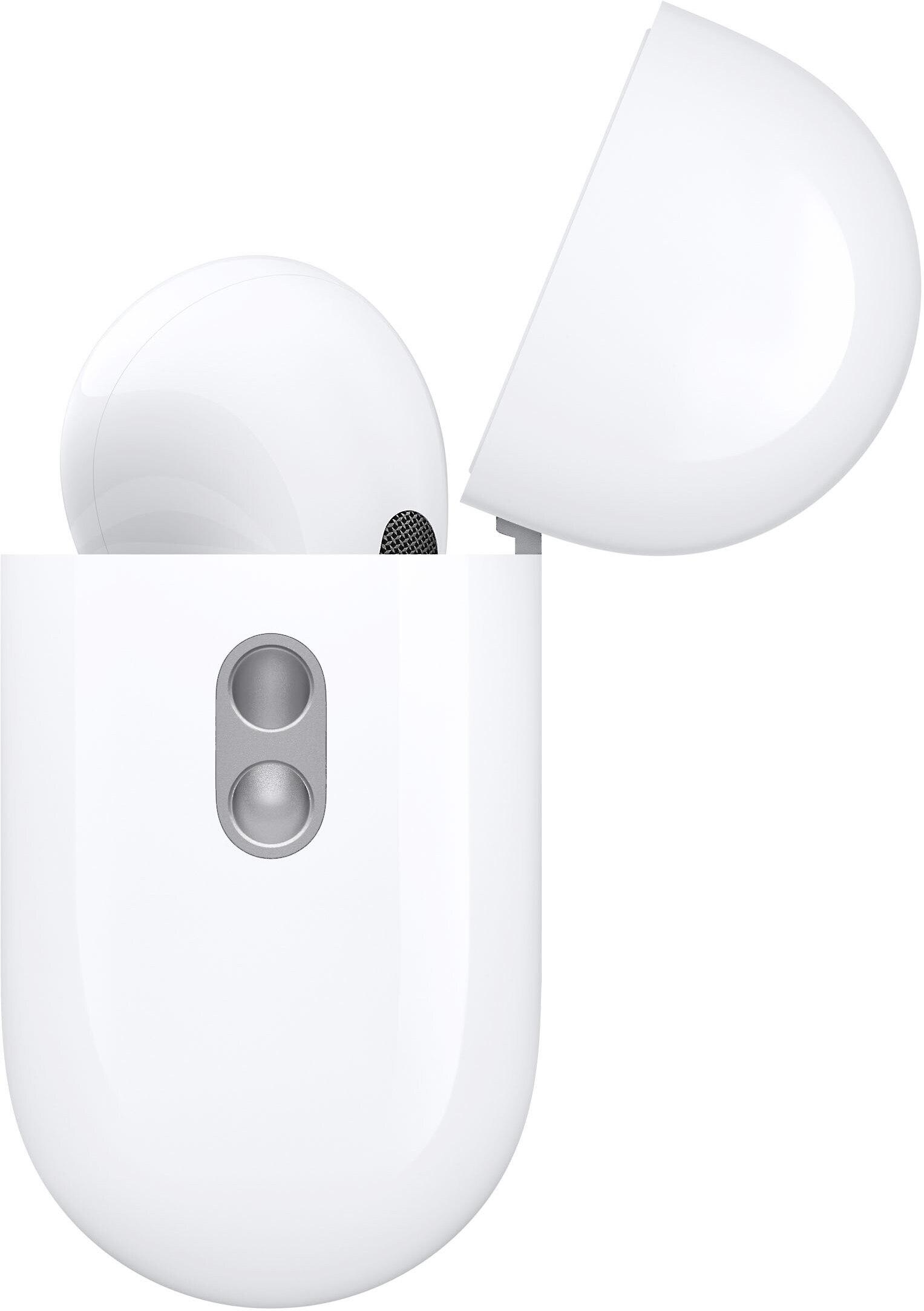
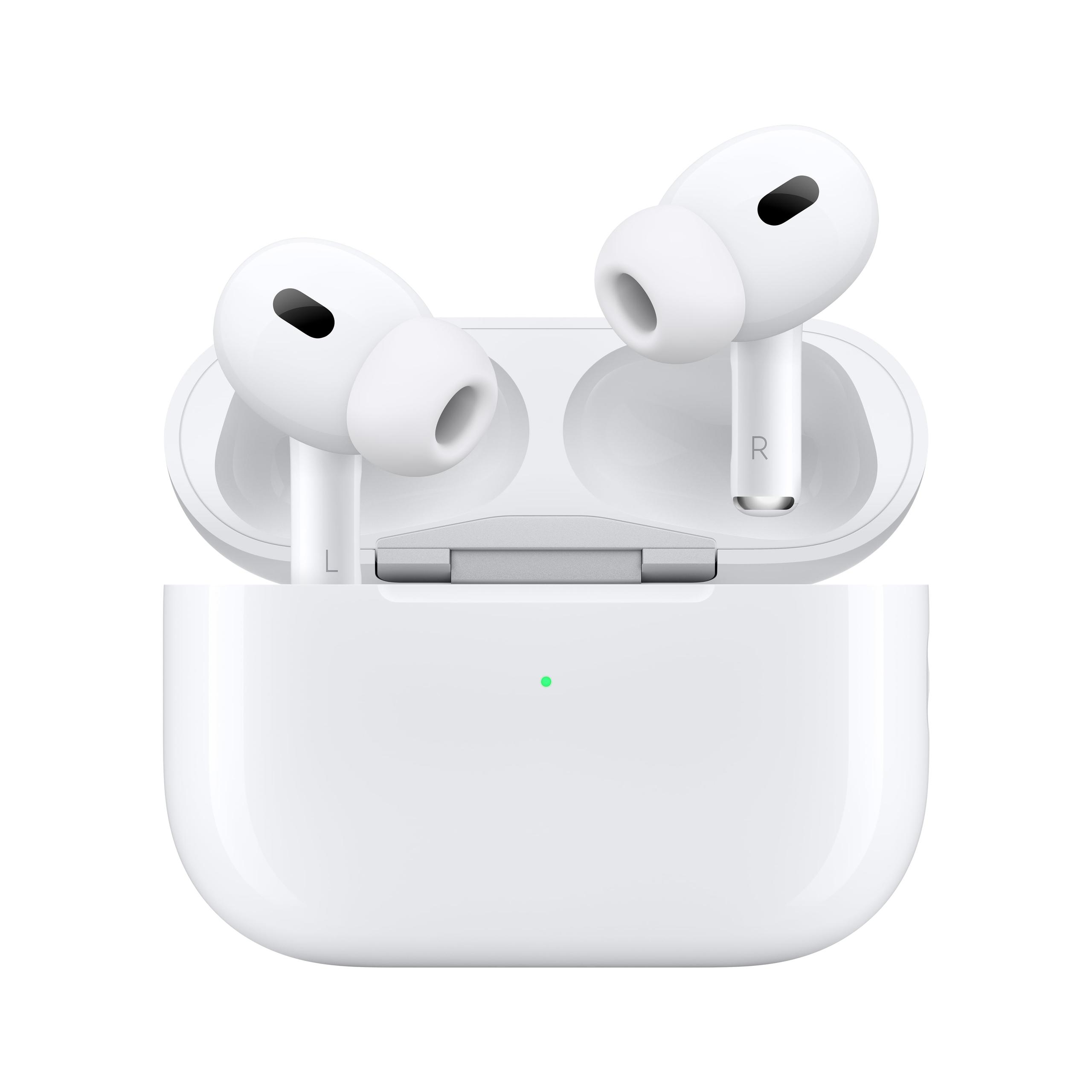
The Apple AirPods Pro 2, also released in their current form during 2023, represent Apple's second-generation approach to their flagship earbuds. The most significant advancement came from Apple's new H2 chip, a custom processor that handles audio processing, noise cancellation algorithms, and device connectivity. This chip enables features that simply weren't possible in previous generations, including adaptive audio modes that automatically adjust based on your environment.
These release timelines matter because they mean both products incorporate relatively recent technological advances, though they've applied those advances in different ways. The Studio Buds Plus focused on improving fundamentals—better drivers, more effective noise cancellation, and enhanced microphones. The AirPods Pro 2 took a more sophisticated approach, adding computational audio features that actively adapt to your listening environment and personal hearing characteristics.
Sound quality remains the most crucial factor in any audio product, and these two earbuds demonstrate markedly different approaches to achieving good sound. Understanding their differences requires diving into some technical details that directly impact your listening experience.
The Beats Studio Buds Plus employ a custom two-layer transducer design in each earbud. This technical approach allows for cleaner bass reproduction and lower distortion—essentially meaning the low-end frequencies (bass) sound more accurate and don't interfere with other frequencies. The acoustic architecture includes three new vents per earbud that serve dual purposes: they improve audio precision by managing air pressure and reduce the "plugged up" feeling that some people experience with in-ear designs.
Based on professional audio measurements and extensive user feedback analysis, the Studio Buds Plus deliver a sound signature that emphasizes bass frequencies while maintaining clarity in the midrange where vocals live. This tuning philosophy makes them particularly engaging for contemporary music genres—hip-hop, electronic, pop, and rock—where punchy bass and forward vocals create excitement. However, this same tuning can become fatiguing during longer listening sessions or when playing acoustic music that benefits from more neutral reproduction.
The Apple AirPods Pro 2, conversely, pursue a more balanced approach to sound reproduction. Their custom high-excursion driver works with a high dynamic range amplifier—technical components that together provide more accurate sound across all frequencies rather than emphasizing any particular range. The H2 chip enables Adaptive EQ, which uses internal microphones to measure how sound reaches your eardrums and automatically adjusts the frequency response in real-time.
This technical approach yields sound that adheres more closely to professional audio standards. The AirPods Pro 2 excel at reproducing acoustic instruments, orchestral music, and well-recorded albums with the kind of detail and accuracy that audio enthusiasts appreciate. They also handle distortion better—meaning they stay cleaner-sounding at higher volumes and with complex musical passages.
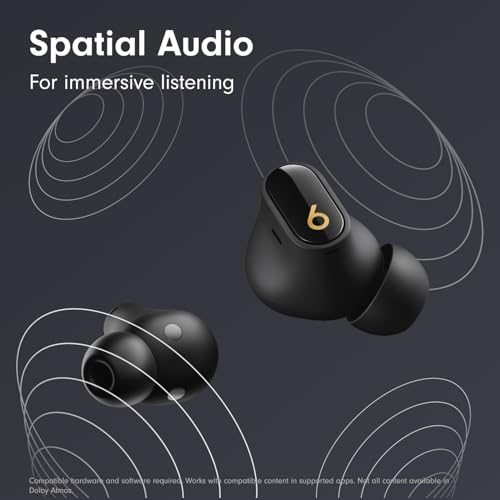
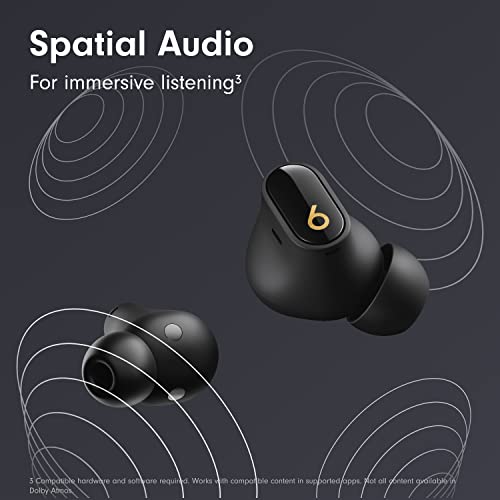
For home theater use, this difference becomes particularly relevant. The AirPods Pro 2 support Personalized Spatial Audio with dynamic head tracking, which creates a three-dimensional soundscape that makes movies and shows feel more immersive. The technology uses the gyroscopes and accelerometers in the earbuds to track your head movement and adjusts the audio accordingly, maintaining the illusion that sound is coming from your TV rather than your ears. The Studio Buds Plus support spatial audio formats but lack the head tracking component, making them less compelling for extended home theater sessions.
Active noise cancellation represents one of the most impressive technological achievements in consumer electronics, and the implementation differences between these products significantly impact daily usability. Understanding how ANC works helps explain why the performance gap matters.
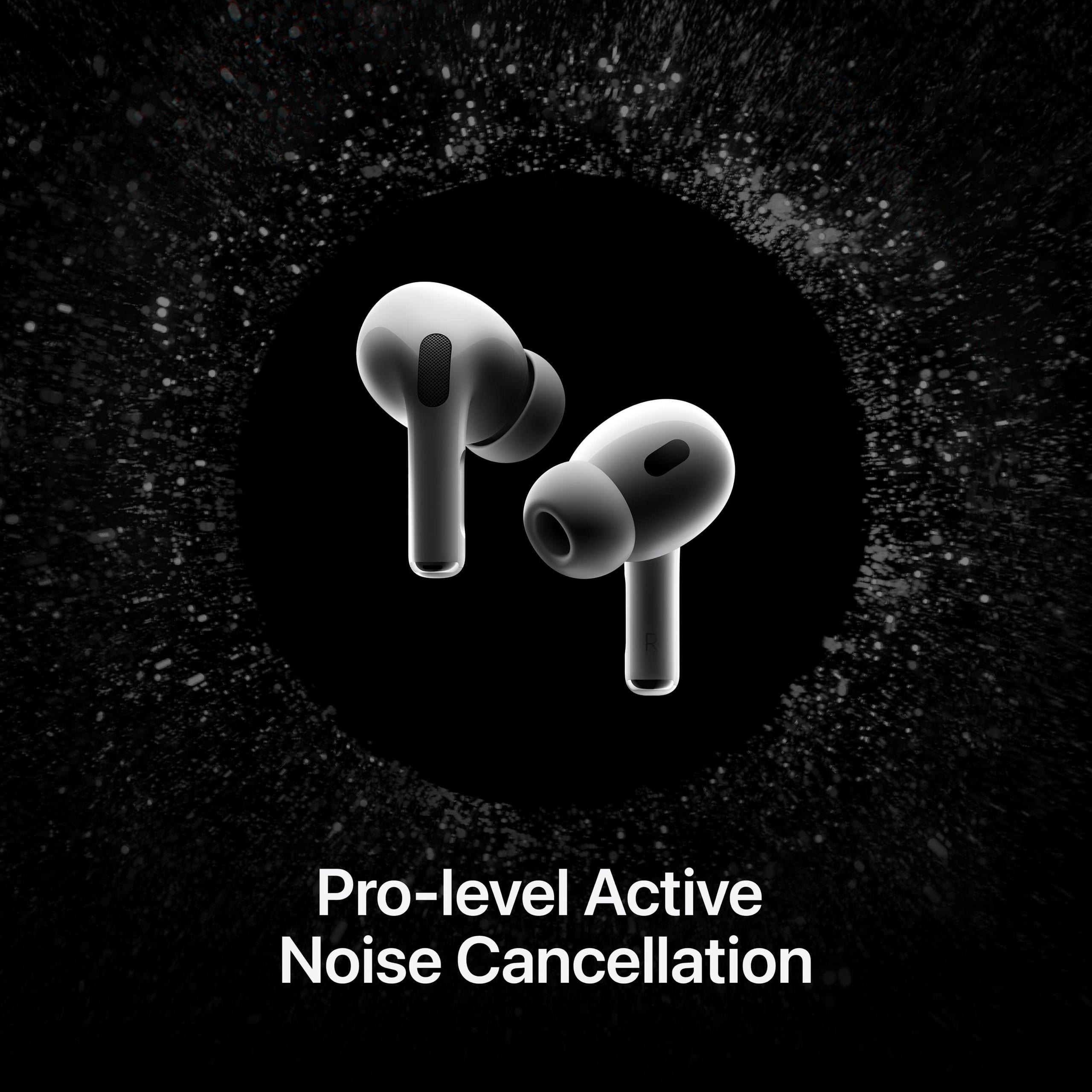
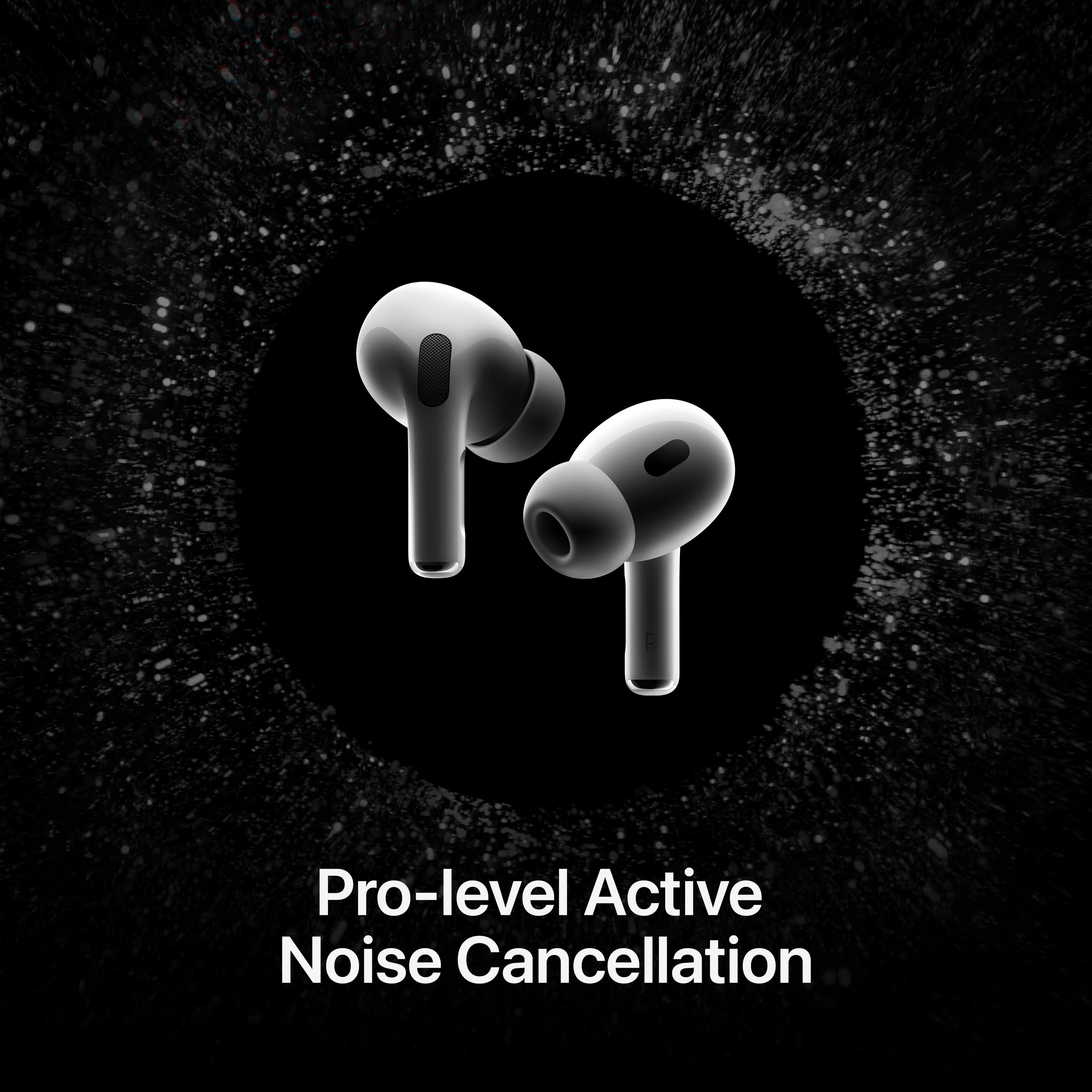
Both earbuds use external microphones to detect incoming noise, then generate inverse sound waves to cancel out unwanted sounds. However, the AirPods Pro 2 implement this technology with considerably more sophistication. Their system processes incoming sound 48,000 times per second—that's 48 kHz, which is faster than most high-end audio equipment operates. This processing speed allows for more precise cancellation of varying noise types.
Professional measurements indicate that the AirPods Pro 2 achieve approximately 35 decibels of noise reduction at low frequencies, which translates to reducing sounds like airplane engines and air conditioning to roughly one-eighth their original volume. More impressively, they maintain effective cancellation across a broader frequency range, meaning they handle both low rumbles and higher-pitched sounds like voices and traffic noise.
The Studio Buds Plus achieve respectable noise cancellation—approximately 80% noise reduction overall according to user reports and professional testing—but they're particularly effective in the mid-range frequencies where human voices and office noise live. Their three larger microphones per earbud represent a meaningful hardware improvement over the previous generation, and the new venting design helps achieve better noise isolation without creating uncomfortable pressure.
For practical daily use, both products will effectively silence most distracting sounds in offices, coffee shops, and during travel. However, the AirPods Pro 2 provide noticeably better performance in challenging environments like airplanes, trains, or busy streets. Their Adaptive Transparency mode adds another layer of sophistication, automatically reducing the volume of sudden loud sounds (like sirens or construction noise) while maintaining awareness of your surroundings.
Perhaps the most significant philosophical difference between these products lies in their approach to device integration. This aspect often determines which earbuds will work better for your specific needs, regardless of their individual performance merits.
The Beats Studio Buds Plus embrace platform agnosticism—they work equally well with Android and iOS devices. The dedicated Beats app provides full customization options for Android users, including button remapping, battery status, and device location features. This cross-platform compatibility extends to features like Find My device support, which works on both iOS and Android platforms. For users who switch between different devices or share households with mixed ecosystems, this flexibility provides genuine value.
The AirPods Pro 2 take the opposite approach, offering deep integration within Apple's ecosystem while providing only basic functionality with Android devices. When paired with iPhones, iPads, or Macs, they enable automatic device switching (seamlessly moving between your phone and laptop as you start using each device), hands-free Siri activation, and audio sharing between multiple AirPods users. These features create a more seamless user experience but only for users committed to Apple's ecosystem.
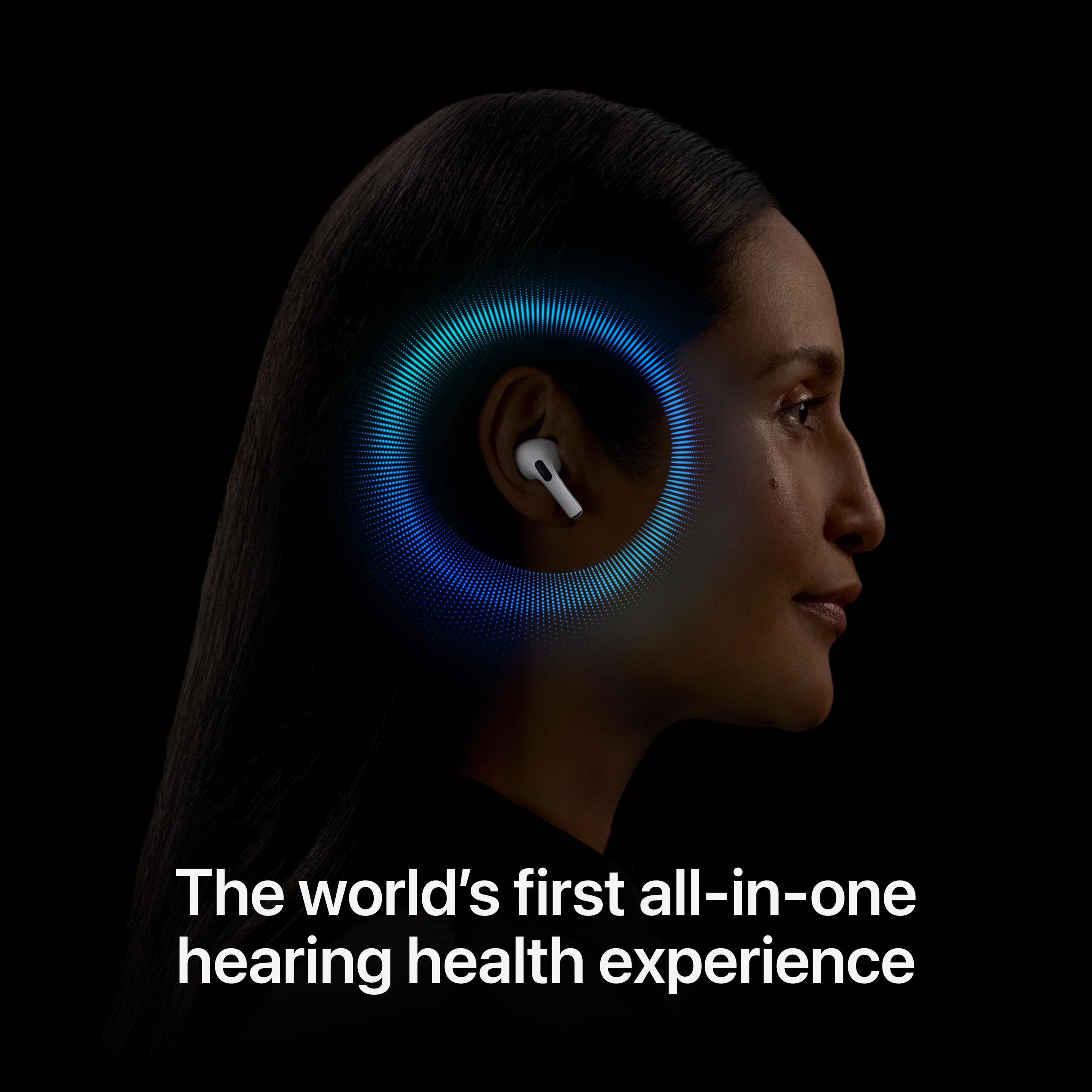
The integration differences extend to advanced features. Personalized Spatial Audio requires an iPhone's TrueDepth camera to scan your head and ears, creating a custom audio profile. Conversation Awareness automatically lowers music volume when the earbuds detect you speaking. Adaptive Audio dynamically blends noise cancellation and transparency modes based on your environment. These features represent meaningful technological advances, but they're exclusively available to Apple device users.
For home theater applications, the AirPods Pro 2 can pair directly with Apple TV devices and maintain their spatial audio capabilities, creating a more immersive viewing experience. They also support Dolby Atmos content through Apple's ecosystem, providing height information that makes movie soundtracks more three-dimensional. The Studio Buds Plus support spatial audio formats but require compatible source material and lack the head tracking that makes the experience truly convincing.
Physical comfort significantly impacts long-term satisfaction with any earbuds, and these products approach comfort through different design philosophies. The Studio Buds Plus use a stemless, compact design that sits more completely within your ear canal. This design provides a more secure fit that many users prefer for athletic activities or active lifestyles. The four included ear tip sizes help achieve proper seal, which directly impacts both comfort and audio performance.
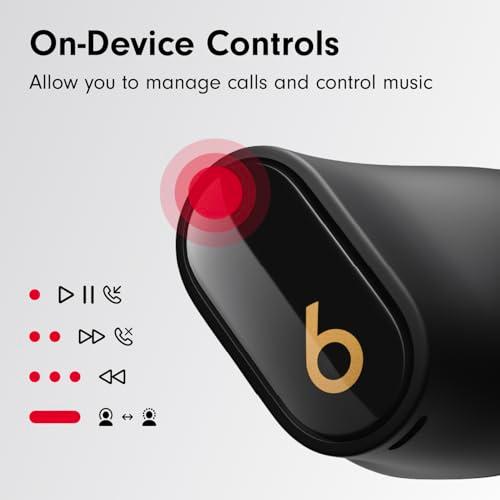
The IPX4 water resistance rating means the Studio Buds Plus can handle sweat and light rain, making them more suitable for workout scenarios. However, their charging case lacks water resistance, so protection is limited to the earbuds themselves.
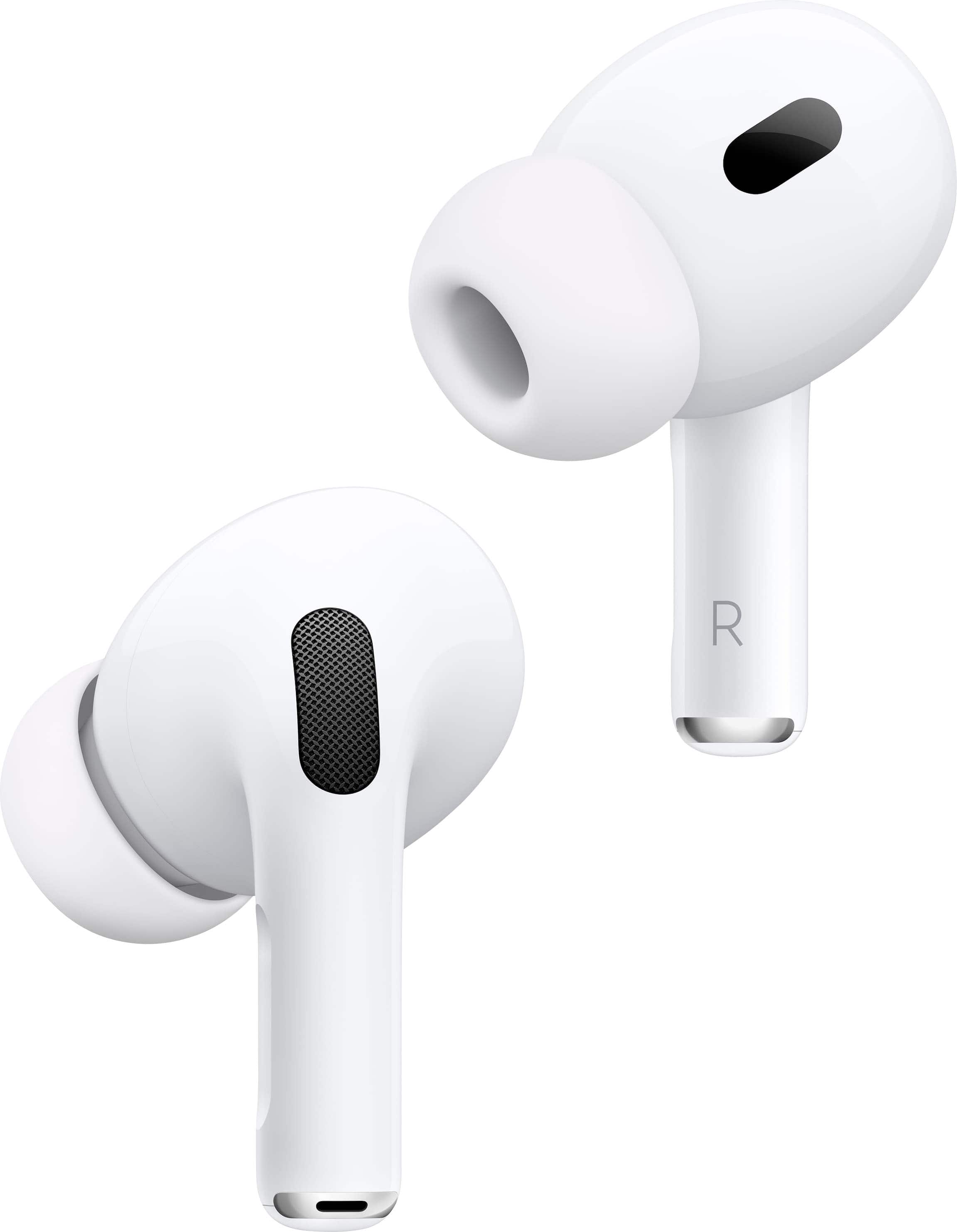
The AirPods Pro 2 maintain Apple's signature stem design, which some users find more comfortable for extended wear since less of the earbud sits inside the ear canal. The stems also provide convenient physical controls—you can press to pause music or adjust volume by swiping up and down. The IP54 rating provides better dust protection alongside water resistance, and this rating applies to both earbuds and case.
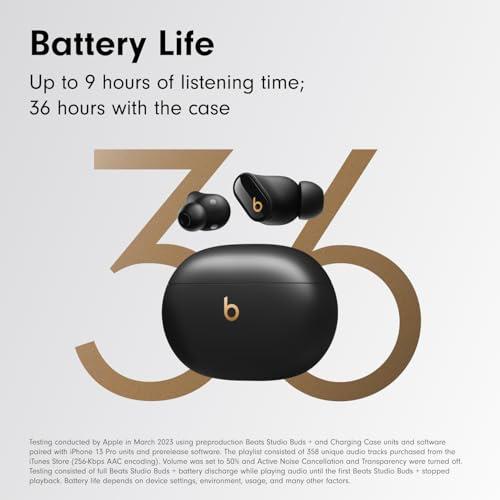
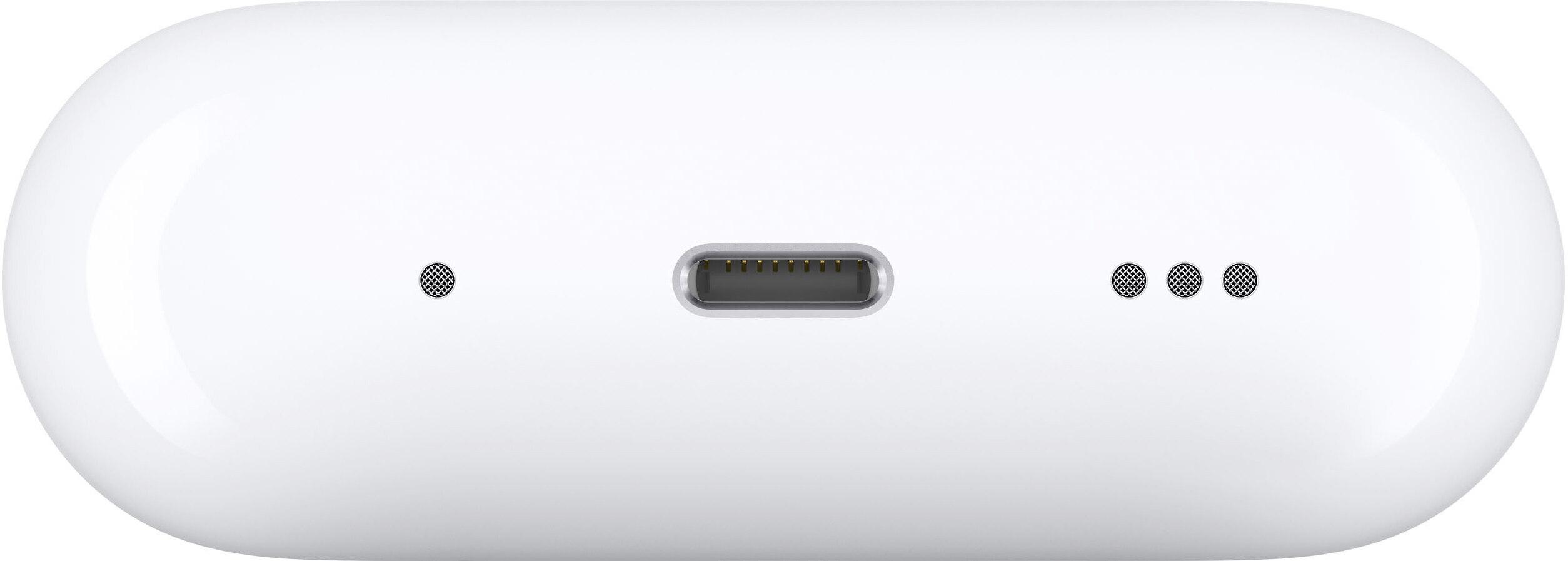
Battery performance between these products is quite similar, with both offering approximately 6 hours of listening time with noise cancellation enabled. The Studio Buds Plus edge ahead slightly in total battery life when including the charging case, providing up to 36 hours total compared to approximately 30 hours for the AirPods Pro 2. However, the AirPods Pro 2 offer more charging flexibility with MagSafe wireless charging support, while the Studio Buds Plus require USB-C cable charging.
When evaluating earbuds, certain performance characteristics have outsized impact on user satisfaction. Audio accuracy, measured through frequency response graphs and distortion measurements, determines how faithful music reproduction sounds compared to the original recording. The AirPods Pro 2 demonstrate superior performance in these technical measurements, particularly in distortion control and frequency balance.
Noise cancellation effectiveness, measured in decibels of reduction across different frequency ranges, directly correlates with usability in noisy environments. Professional measurements consistently show the AirPods Pro 2 achieving better noise reduction, particularly in challenging mixed-frequency environments like busy streets or offices.
Latency—the delay between audio being sent and heard—impacts video watching and gaming experiences. Both products perform well in this area, but the AirPods Pro 2 benefit from Apple's optimized codec support and H2 chip processing for slightly lower latency with compatible devices.
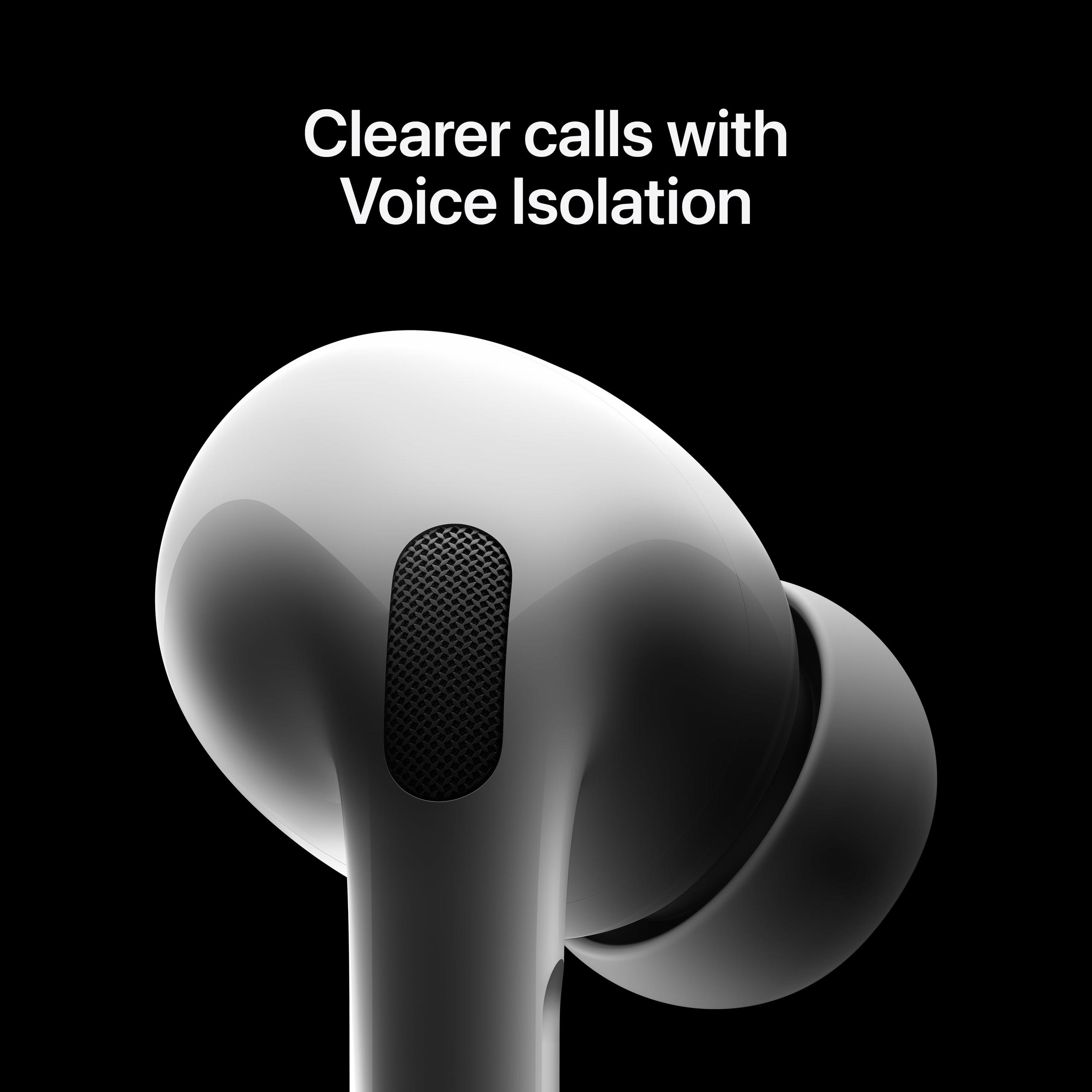
Microphone quality for phone calls has become increasingly important as remote work normalizes. While both products offer good call quality, the AirPods Pro 2 demonstrate superior background noise suppression during calls, making conversations clearer in challenging acoustic environments.
The decision between these earbuds ultimately depends on your priorities, devices, and budget considerations. The Beats Studio Buds Plus represent exceptional value for users seeking premium wireless earbud features without ecosystem lock-in. At their current pricing position, they deliver roughly 80% of premium earbud performance at approximately 65% of typical premium pricing.
Choose the Studio Buds Plus if you use Android devices, frequently switch between different platforms, prioritize secure fit for athletic activities, prefer bass-forward music, or want to maximize value while still getting advanced features like noise cancellation and transparency modes. They're particularly compelling for users who want premium features but aren't willing to pay premium prices.
The AirPods Pro 2 justify their price premium for users who can fully utilize their advanced feature set. Choose them if you're integrated into Apple's ecosystem, frequently need superior noise cancellation (for travel or noisy work environments), prefer balanced and accurate sound reproduction, value cutting-edge adaptive features, or want the most seamless device integration experience possible.
For home theater use specifically, the AirPods Pro 2 provide a more compelling experience with their head tracking spatial audio and direct Apple TV integration. However, both products work well for casual TV watching and offer better sound quality than most built-in TV speakers.
The performance gap between these products has narrowed considerably compared to previous generations, making the Studio Buds Plus a genuinely competitive alternative rather than a budget compromise. Your choice should align with your primary device ecosystem and whether you prioritize maximum value or maximum performance. At current pricing levels, both products represent solid values within their respective market positions, though the Studio Buds Plus offer more compelling value for cost-conscious buyers who don't need Apple's most advanced features.
| Beats Studio Buds Plus | Apple AirPods Pro 2 |
|---|---|
| Audio Quality - Core sound performance for music and media | |
| Bass-emphasized signature with custom two-layer transducers, punchy sound ideal for contemporary genres | Balanced, neutral sound with superior detail retrieval and accuracy across all frequencies |
| Active Noise Cancellation - Blocks distracting environmental sounds | |
| ~80% noise reduction, effective for voices and office noise, 1.6x better than previous generation | Industry-leading ANC with 2x noise blocking, reduces sounds to 1/2-1/12 original volume across frequencies |
| Battery Life - Total listening time per day | |
| 6 hours (ANC on), 9 hours (ANC off), up to 36 hours total with case | 6 hours (ANC on), 7 hours (ANC off), up to 30 hours total with case |
| Platform Compatibility - Works best with which devices | |
| Equal functionality on iOS and Android, full Beats app customization on both platforms | Seamless Apple ecosystem integration, basic audio-only functionality with Android |
| Advanced Features - Smart capabilities that adapt to usage | |
| Configurable physical controls, cross-platform Find My, transparency mode | Personalized Spatial Audio, Adaptive Audio, Conversation Awareness, Hearing Health features |
| Design & Fit - Comfort and security during extended use | |
| Stemless, compact design with secure athletic fit, IPX4 water resistance | Stem design with touch controls, more comfortable for long sessions, IP54 dust/water resistance |
| Charging Options - Convenience for daily power management | |
| USB-C cable charging only, 5-minute charge = 1 hour playback | MagSafe wireless + USB-C charging, 5-minute charge = 1 hour playbook |
| Call Quality - Clarity during phone conversations | |
| Three larger microphones with improved voice pickup in ideal conditions | Superior background noise suppression with advanced voice isolation algorithms |
| Value Proposition - Performance relative to current market pricing | |
| Exceptional value offering 80% of premium features at significant cost savings | Premium pricing justified by advanced features for Apple ecosystem users |
The Apple AirPods Pro 2 deliver more balanced and accurate sound reproduction across all frequencies, making them better for diverse music genres and critical listening. The Beats Studio Buds Plus offer a bass-emphasized sound signature that's particularly engaging for contemporary music like hip-hop, pop, and electronic genres. Both achieve high audio quality scores, but the AirPods Pro 2 handle distortion better and provide superior detail retrieval.
The Beats Studio Buds Plus work excellently with Android devices, offering full app support, customization options, and all premium features. The Apple AirPods Pro 2 provide only basic audio functionality with Android phones, missing advanced features like spatial audio, adaptive modes, and seamless device switching that are exclusive to Apple's ecosystem.
The Apple AirPods Pro 2 offer significantly superior active noise cancellation, blocking up to twice as much external noise as the Beats Studio Buds Plus. The AirPods Pro 2 excel across all frequency ranges and feature adaptive transparency modes, while the Studio Buds Plus provide effective but more basic noise cancellation that works well for typical office and commuting scenarios.
Both the Beats Studio Buds Plus and Apple AirPods Pro 2 offer approximately 6 hours of listening time with noise cancellation enabled. The Studio Buds Plus provide slightly longer total battery life with up to 36 hours when including the charging case, compared to about 30 hours for the AirPods Pro 2. Both support fast charging with 5 minutes providing about 1 hour of playback.
The Beats Studio Buds Plus are better suited for athletic activities due to their more secure, stemless design that stays firmly in place during movement. They feature IPX4 water resistance for sweat protection. The Apple AirPods Pro 2 offer IP54 rating with better dust protection but may be less secure during vigorous exercise due to their stem design.
Both models work well for entertainment, but the Apple AirPods Pro 2 provide a superior home theater experience with Personalized Spatial Audio and head tracking that creates immersive 3D sound. They integrate seamlessly with Apple TV and support Dolby Atmos content. The Beats Studio Buds Plus support basic spatial audio but lack head tracking capabilities.
The Apple AirPods Pro 2 generally provide superior call quality with advanced background noise suppression and voice isolation algorithms that work well in noisy environments. The Beats Studio Buds Plus feature three larger microphones that deliver clear voice pickup in ideal conditions, but the AirPods Pro 2 handle challenging acoustic environments more effectively.
The Apple AirPods Pro 2 support MagSafe wireless charging, Qi-certified wireless chargers, and USB-C cable charging for maximum convenience. The Beats Studio Buds Plus only support USB-C cable charging and do not offer wireless charging capabilities for their case.
The Beats Studio Buds Plus typically offer exceptional value, providing premium features like active noise cancellation, transparency mode, and cross-platform compatibility at a significantly lower price point. The Apple AirPods Pro 2 command a premium price but justify it with advanced features, superior noise cancellation, and deep ecosystem integration for Apple users.
Both models handle calls reasonably well, but the Apple AirPods Pro 2 excel in noisy environments thanks to their advanced voice isolation technology and superior noise cancellation. The Beats Studio Buds Plus provide good call quality in typical conditions but may struggle more with background noise suppression in very challenging acoustic situations.
Comfort preferences vary by individual, but the Apple AirPods Pro 2 stem design typically feels less intrusive for extended wear since less of the earbud sits inside the ear canal. The Beats Studio Buds Plus offer a more compact, secure fit that some users prefer, though others may find the fuller ear canal occupation less comfortable during long sessions. Both include multiple ear tip sizes for proper fit.
The Apple AirPods Pro 2 offer automatic device switching between Apple devices (iPhone, iPad, Mac, Apple Watch) for seamless transitions. The Beats Studio Buds Plus require manual switching between devices but work equally well across iOS and Android platforms, making them more versatile for users with mixed device ecosystems.
We've done our best to create useful and informative comparisons to help you decide what product to buy. Our research uses advanced automated methods to create this comparison and perfection is not possible - please contact us for corrections or questions. These are the sites we've researched in the creation of this article: soundguys.com - loudnwireless.com - beatsbydre.com - rtings.com - soundguys.com - youtube.com - cnet.com - soundguys.com - recordingnow.com - youtube.com - cornellstore.com - youtube.com - beatsbydre.com.cn - soundguys.com - techradar.com - youtube.com - techgearlab.com - beatsbydre.com - youtube.com - apple.com - electronics.woot.com - recordingnow.com - apple.com - apple.com - cnet.com - hearingreview.com - target.com - support.apple.com - costco.com - cnet.com - quill.com

Privacy Policy
Terms and Conditions - Affiliate Policy
Home Security
© Copyright 2008-2026.
11816 Inwood Rd #1211, Dallas, TX 75244