

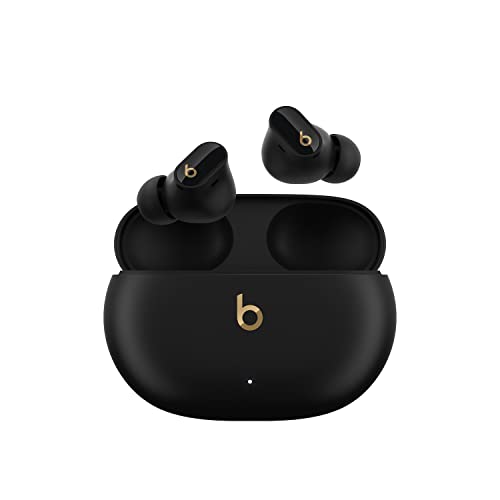


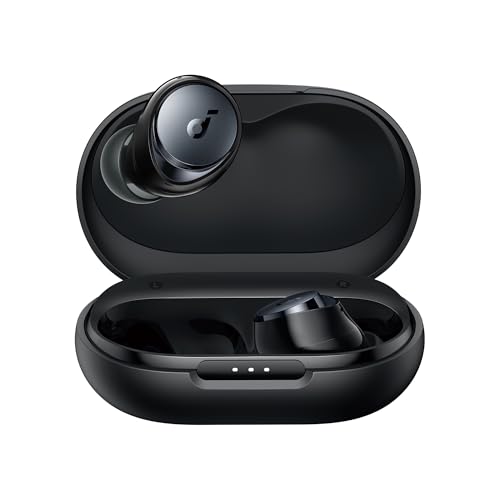
The wireless earbuds market has exploded over the past few years, with manufacturers racing to pack flagship features into more affordable packages. Two standout contenders in this competitive space are the Beats Studio Buds Plus and the Soundcore Space A40. Both arrived on the scene in recent years—the Space A40 launched in 2022, while the Studio Buds Plus hit shelves as Beats' answer to growing competition in the premium-but-affordable segment.
These earbuds represent fascinating different approaches to the same goal: delivering excellent audio quality, effective noise cancellation, and all-day comfort without the premium price tag of flagship models from Sony or Bose. After diving deep into user reviews, expert opinions, and technical specifications, it's clear that each excels in different areas that matter to real users.
Before we dive into specifics, it's worth understanding what separates premium wireless earbuds from basic models. The key differentiators include active noise cancellation (ANC)—technology that uses microphones to detect ambient sound and generate opposing sound waves to cancel it out—along with high-quality drivers (the tiny speakers inside each earbud), extended battery life, and smartphone app integration for customization.
The most important performance characteristics in this category are noise cancellation effectiveness, audio quality across different music genres, call clarity, battery longevity, and comfort during extended wear. These factors directly impact your daily experience, whether you're commuting on noisy trains, taking work calls, or enjoying music during long listening sessions.
The Beats Studio Buds Plus make a bold visual statement with their distinctive transparent design—you can literally see the internal components through the clear plastic housing. This isn't just aesthetic flair; the transparent build actually helps distinguish left from right earbuds more easily than solid colors, though some users still find this challenging in practice.
Each earbud weighs just 5 grams, making them comfortable for extended wear. The IPX4 water resistance rating means they'll handle sweat during workouts and light rain, but they're not designed for swimming or heavy downpours. The charging case is compact and pocketable, though it notably lacks wireless charging—a feature that's becoming standard in this price range.
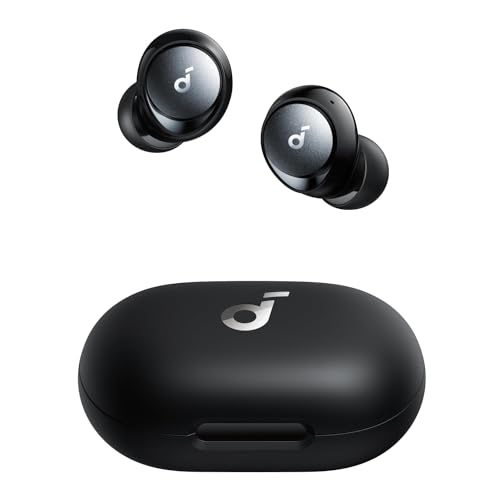
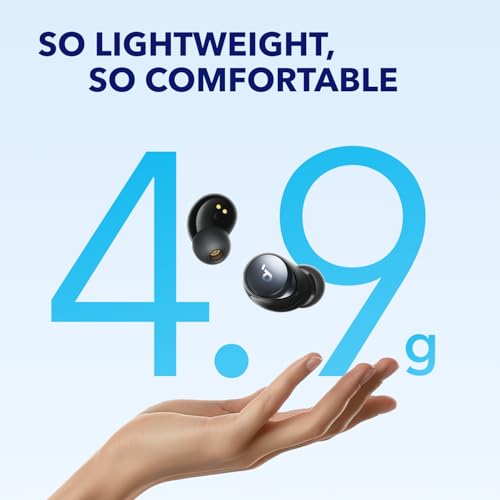
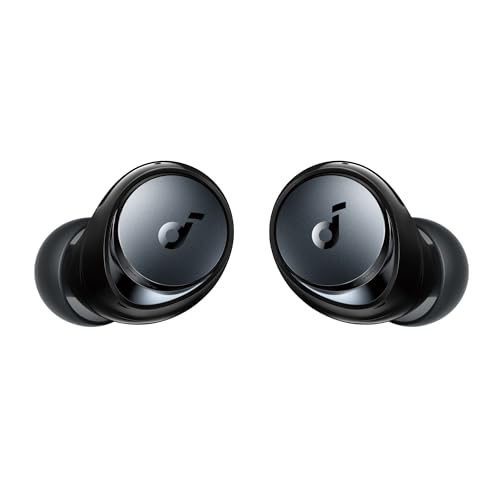
The Soundcore Space A40, by contrast, takes a more understated approach. At 4.6 grams per earbud, they're actually lighter than the Studio Buds Plus, which can make a noticeable difference during long listening sessions. The design prioritizes function over form, with a traditional black or white finish that won't turn heads but won't look dated in a few years either.
Where the Space A40 truly shines in design is the charging case, which supports both USB-C wired charging and Qi wireless charging. This dual approach means you can drop the case on any wireless charging pad or plug in a cable when needed—a flexibility that the Studio Buds Plus simply can't match.
Sound quality represents the most subjective aspect of any earbuds comparison, but technical differences between these models create distinct listening experiences.
The Beats Studio Buds Plus employs custom two-layer transducers—essentially specialized speakers with two different materials that flex differently to reduce distortion while maintaining strong bass response. Three acoustic vents per earbud help balance air pressure, which not only improves comfort but also enhances audio precision by preventing the "plugged ear" feeling that can muddy sound quality.
This engineering creates the signature Beats sound: bold, dynamic, and optimized for contemporary music genres like hip-hop, pop, and electronic music. The bass is punchy without overwhelming vocals, and the overall presentation feels energetic and engaging. However, this tuning can make the treble (high frequencies) sound harsh with certain tracks or for listeners who prefer a more neutral sound signature.
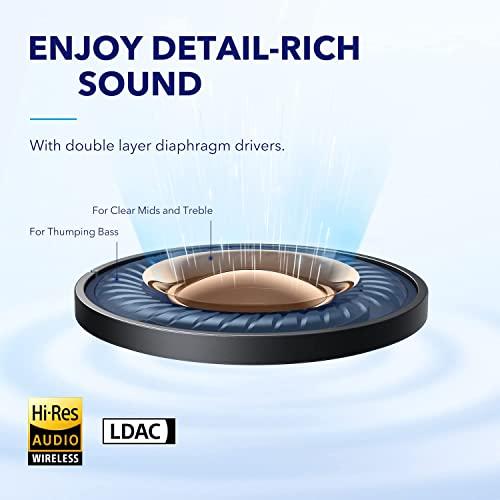
The Space A40 takes a more technical approach with 10mm double-layer diaphragm drivers—larger than many competitors in this price range. The bigger drivers can move more air, typically resulting in fuller bass and better overall dynamics. More importantly, the Space A40 supports LDAC, Sony's high-resolution audio codec that transmits three times more data than standard Bluetooth codecs like SBC or AAC.
What does this mean in practice? If you're using an Android device that supports LDAC (most modern Samsung, Google, and other Android phones do), you'll hear noticeably more detail in your music. Subtle instruments become clearer, the soundstage (the perceived width and depth of the audio) expands, and overall fidelity improves significantly. iPhone users won't benefit from LDAC since Apple doesn't support it, but the Space A40 still sounds excellent using AAC codec.
The Space A40 also includes extensive EQ customization through the Soundcore app, with 22 preset sound profiles plus a custom EQ and HearID feature that tailors sound to your specific hearing profile. The Studio Buds Plus, unfortunately, offers no sound customization whatsoever—you're stuck with the default tuning, which may or may not suit your preferences.
Based on our research into user feedback and professional reviews, the Space A40 achieves a slight edge in overall music quality (7.8/10 vs 7.2/10 for the Studio Buds Plus) thanks to its superior customization options and technical capabilities, particularly for Android users.
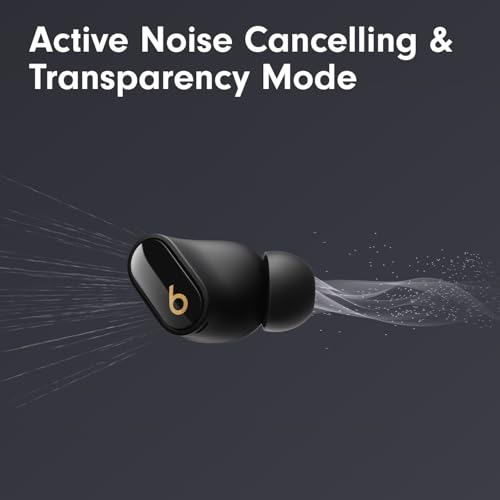
Active noise cancellation has become a crucial feature for anyone who commutes, works in noisy environments, or simply wants to focus on their audio content. The technology works by using external microphones to detect ambient noise, then generating opposite sound waves through the earbuds' speakers to cancel out that noise before it reaches your ears.
The Studio Buds Plus represents a significant improvement over its predecessor, featuring 1.6 times more ANC power thanks to three larger microphones per earbud and improved digital processing. The system performs particularly well with mid-range frequencies like office chatter and café noise, and handles low-frequency sounds like bus engines reasonably well. Users report effective noise reduction that makes commuting more pleasant and helps maintain focus during work.
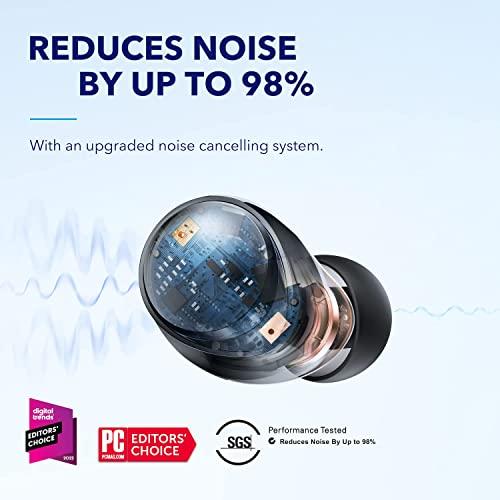
However, the Space A40 operates in a different league entirely when it comes to noise cancellation. Soundcore claims up to 98% ambient noise reduction, and user experiences largely support this bold assertion. The adaptive ANC automatically adjusts its intensity based on your environment—stronger cancellation when it detects you're on a plane or train, lighter when you're walking outdoors where some ambient awareness is safer.
Professional reviews consistently rate the Space A40's noise cancellation at 9.1/10 compared to 6.5/10 for the Studio Buds Plus. This isn't a minor difference—it's the gap between "pretty good noise reduction" and "approaching flagship-level performance." For frequent flyers, daily commuters, or anyone who needs to concentrate in noisy environments, this advantage alone might justify choosing the Space A40.
The transparency modes (which let ambient sound through when you need situational awareness) also differ significantly. The Studio Buds Plus offers improved transparency compared to the original model, but the Space A40's transparency mode is more natural-sounding and less artificially processed.
Battery performance often determines whether earbuds become daily companions or occasional accessories. Both models offer respectable battery life, but with meaningful differences in real-world usage.
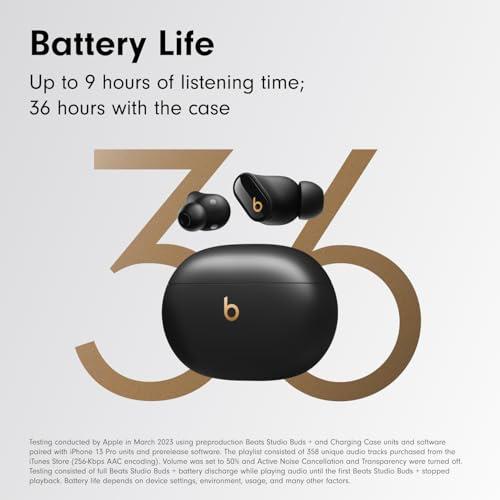
The Studio Buds Plus provides up to 9 hours of continuous playback with ANC disabled, dropping to 6 hours with noise cancellation active. The charging case adds multiple additional charges for up to 36 hours total (30 hours with ANC on). The Fast Fuel feature delivers one hour of playback from just five minutes of charging—genuinely useful when you're rushing out the door with dead earbuds.
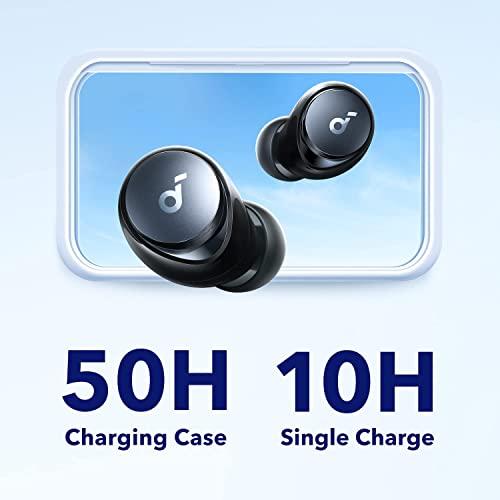
The Space A40 edges ahead with 10 hours per charge (8 hours with ANC) and an impressive 50 hours total with the case (40 hours with ANC active). This represents nearly 40% more total listening time than the Studio Buds Plus—the difference between charging weekly versus every few days for typical users. The fast charging is even more generous, providing four hours of playback from a 10-minute charge.
Perhaps more importantly, the Space A40's wireless charging capability means you can simply drop the case on any Qi-compatible charging pad rather than fumbling with cables. This convenience factor shouldn't be underestimated for daily use.
While many people buy wireless earbuds primarily for music, call quality has become increasingly important as remote work and video conferencing dominate professional life. The differences between these models in call performance are stark.
The Studio Buds Plus excels here, featuring three microphones per earbud with advanced voice-targeting algorithms. The larger microphones (three times bigger than the original Studio Buds) capture voice more effectively, while the improved venting design and processing deliver call quality that rivals Apple's AirPods Pro 2. Users report clear, intelligible conversations even in noisy environments like busy streets or windy conditions.
The Space A40, despite having six total microphones with AI noise reduction, delivers noticeably weaker call performance. While functional for basic phone calls, voices often sound thin and lacking warmth, and background noise suppression isn't as effective. Professional reviews rate the Studio Buds Plus at 7.0/10 for calls compared to just 4.9/10 for the Space A40.
If you take frequent work calls or rely on earbuds for important conversations, this performance gap makes the Studio Buds Plus the clear choice despite its other limitations.
Both earbuds work with iOS and Android devices, but their approaches to smart features differ significantly.
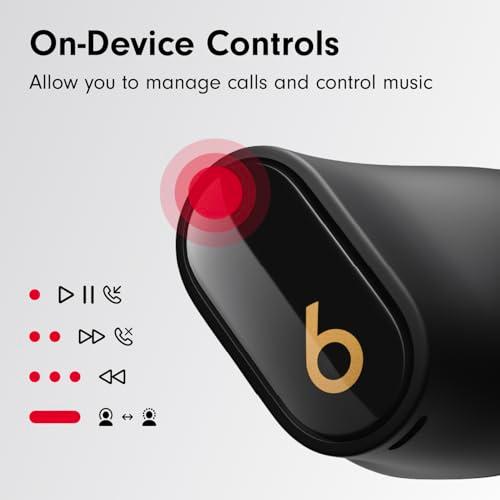
The Studio Buds Plus emphasizes seamless, simple connectivity. One-touch pairing works reliably across platforms, automatic device switching helps when you move between phone and laptop, and Find My support works on both iOS and Android for locating lost earbuds. The controls are physical buttons rather than touch surfaces, which reduces accidental activation but limits customization options.
The Space A40 offers more sophisticated features for users who want control over their experience. Multipoint Bluetooth connectivity allows simultaneous connection to two devices—you can listen to music on your laptop while automatically receiving phone calls without manual switching. The Soundcore app provides extensive customization for controls, EQ settings, ANC intensity, and even includes a fit test to optimize ear tip selection.
For Android users specifically, the Space A40's LDAC support represents a significant advantage that the Studio Buds Plus simply cannot match. High-resolution audio streaming makes a noticeable difference with quality source material, particularly for genres like jazz, classical, or well-produced rock where subtle details matter.
Both models receive consistently positive feedback for comfort, but subtle differences may matter for your specific use case.
The Studio Buds Plus includes four ear tip sizes (XS through L) and an ear tip fit test through the app to help optimize seal and comfort. The physical button controls mean you won't accidentally pause music when adjusting fit, and the overall shape works well for most ear types.
The Space A40 provides five ear tip sizes, potentially better accommodating users with very small or large ear canals. The lighter weight (4.6g vs 5g) becomes noticeable during multi-hour listening sessions. However, some users with larger ears report needing third-party ear tips for optimal fit and seal.
Neither model includes stability fins or wings, which limits security during intense workouts compared to sport-specific models. For casual exercise like walking or light jogging, both perform adequately, but serious athletes might want to consider alternatives designed specifically for active use.
While neither model is specifically designed for home theater use, both can enhance your TV watching experience, particularly for late-night viewing or in shared spaces where you need to keep volume low.
The Space A40's superior noise cancellation and longer battery life make it better suited for movie marathons or binge-watching sessions. The customizable EQ also allows optimization for dialogue clarity or cinematic bass response depending on your content.
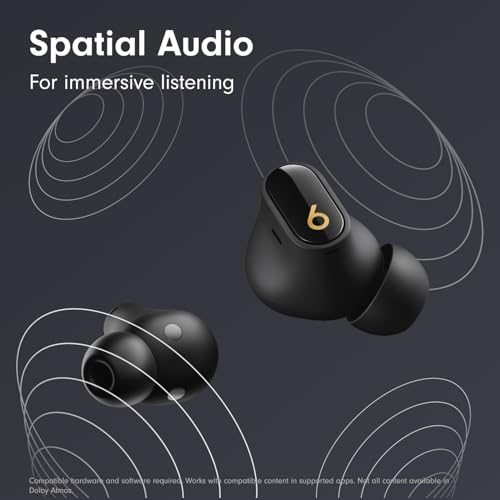
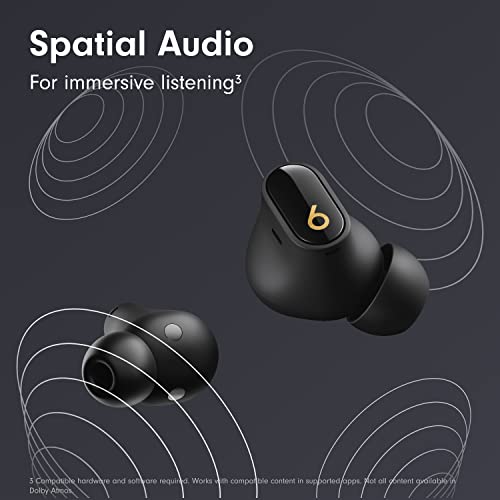
The Studio Buds Plus offers spatial audio support through compatible apps and services, which can create a more immersive experience with properly mixed content. However, the lack of EQ customization limits optimization for different types of content.
Neither model supports advanced codecs like aptX Low Latency that minimize audio delay with TV watching, so you may notice slight lip-sync issues depending on your TV or streaming device.
At the time of writing, the Space A40 typically retails for significantly less than the Studio Buds Plus—often $50-80 less depending on sales and availability. This price difference makes the value comparison particularly interesting.
The Space A40 delivers superior noise cancellation, longer battery life, wireless charging, high-resolution audio support, and extensive customization features at the lower price point. For pure feature-per-dollar value, it's difficult to argue against the Space A40.
The Studio Buds Plus justifies its higher price through superior call quality, better build quality, more refined user experience, and the distinctive design. You're also paying for the Beats brand, which carries cultural cachet and typically better resale value.
After extensive research into user experiences and expert opinions, the choice between these models comes down to your specific priorities and use patterns.
Choose the Soundcore Space A40 if you:
Choose the Beats Studio Buds Plus if you:
The Bottom Line
The Space A40 represents exceptional value and technical performance, delivering flagship-level features at a mid-range price. Its superior noise cancellation, battery life, and customization options make it the logical choice for most users seeking maximum bang for their buck.
The Studio Buds Plus offers a more refined, premium experience with superior call quality and build quality that justifies its higher price for users who prioritize these aspects. The distinctive design and Beats brand appeal add intangible value that technical specifications can't capture.
Both represent excellent choices in the competitive premium wireless earbuds market, but your specific needs—whether that's marathon noise cancellation for long commutes or crystal-clear calls for professional use—should guide your decision. The Space A40 wins on pure value and features, while the Studio Buds Plus excels in user experience refinement and call performance.
| Beats Studio Buds Plus | Soundcore Space A40 |
|---|---|
| Active Noise Cancellation - Critical for blocking distractions | |
| 1.6x more ANC than original, effective for mid-range noise | Up to 98% noise reduction, adaptive system excels across all frequencies |
| Audio Quality & Codecs - Determines sound fidelity | |
| Custom two-layer drivers, bold Beats sound, SBC/AAC only | 10mm drivers with LDAC support for high-res audio (Android advantage) |
| Battery Life - Daily usability factor | |
| 9hrs earbuds, 36hrs total (6/30hrs with ANC) | 10hrs earbuds, 50hrs total (8/40hrs with ANC) |
| Fast Charging - Emergency power boost | |
| 5 mins = 1hr playback, USB-C only | 10 mins = 4hrs playbook, USB-C + wireless charging |
| Call Quality - Essential for work/communication | |
| Excellent with 3 mics per bud, rivals AirPods Pro | Weaker performance despite 6 total mics |
| Sound Customization - Personal preference tuning | |
| No EQ options, stuck with default Beats tuning | 22 EQ presets + custom EQ + HearID personalization |
| Multipoint Connection - Device switching convenience | |
| Single device connection, manual switching required | Connect 2 devices simultaneously, seamless switching |
| Water Resistance - Workout/weather protection | |
| IPX4 (splash-proof), case not water resistant | IPX4 earbuds only, case vulnerable to moisture |
| Weight & Comfort - Extended wear experience | |
| 5g per earbud, 4 ear tip sizes, button controls | 4.6g per earbud, 5 ear tip sizes, touch controls |
| Platform Integration - Cross-device compatibility | |
| Seamless iOS/Android pairing, Find My support | Strong Android features, basic iOS compatibility |
The Soundcore Space A40 significantly outperforms the Beats Studio Buds Plus in noise cancellation. The Space A40 offers up to 98% ambient noise reduction with adaptive technology that automatically adjusts to your environment, while the Studio Buds Plus provides 1.6x more ANC than its predecessor but scores lower in professional reviews (6.5/10 vs 9.1/10 for the Space A40).
The Soundcore Space A40 offers longer battery life with 10 hours per charge (8 hours with ANC on) compared to the Beats Studio Buds Plus at 9 hours per charge (6 hours with ANC on). Including the charging case, the Space A40 provides up to 50 hours total versus 36 hours for the Studio Buds Plus.
The Beats Studio Buds Plus excels in call quality with three microphones per earbud and advanced voice-targeting algorithms that rival AirPods Pro performance. The Soundcore Space A40 has weaker call performance despite having six total microphones, with voices often sounding thin and less clear during conversations.
Sound preference varies by individual, but the Soundcore Space A40 offers superior technical audio quality with LDAC codec support for high-resolution wireless audio on Android devices, plus extensive EQ customization with 22 presets. The Beats Studio Buds Plus delivers the signature energetic Beats sound but lacks any EQ adjustment options.
Both models are comfortable for extended wear, but the Soundcore Space A40 has a slight advantage at 4.6g per earbud versus 5g for the Beats Studio Buds Plus. The Space A40 includes five ear tip sizes compared to four for the Studio Buds Plus, potentially offering better fit options for more users.
Both the Beats Studio Buds Plus and Soundcore Space A40 feature IPX4 water resistance for sweat protection. The Studio Buds Plus may have a slight edge for exercise due to physical button controls that prevent accidental activation, while the Space A40 uses touch controls that can be triggered by sweat or movement.
The Soundcore Space A40 supports multipoint Bluetooth connectivity, allowing simultaneous connection to two devices for seamless switching between phone calls and laptop audio. The Beats Studio Buds Plus only connects to one device at a time, requiring manual disconnection and reconnection to switch between devices.
Only the Soundcore Space A40 supports wireless charging for the case, accepting any Qi-compatible charging pad. The Beats Studio Buds Plus charges via USB-C cable only, though it does offer Fast Fuel technology providing one hour of playback from five minutes of charging.
The Soundcore Space A40 is significantly better for Android users, supporting LDAC codec for high-resolution audio transmission that the Beats Studio Buds Plus cannot match. Android users also benefit from the Space A40's extensive app customization and multipoint connectivity features.
Both models can enhance TV watching, but the Soundcore Space A40 is better suited for extended viewing sessions due to superior noise cancellation and longer battery life. The Studio Buds Plus offers spatial audio support for more immersive content, though neither model supports low-latency codecs that prevent lip-sync issues with some TV setups.
The Soundcore Space A40 typically offers superior value, providing flagship-level noise cancellation, longer battery life, wireless charging, and high-resolution audio support at a lower price point than the Beats Studio Buds Plus. However, the Studio Buds Plus justifies its premium through superior call quality and build quality.
Choose the Beats Studio Buds Plus if you prioritize excellent call quality, prefer the energetic Beats sound signature, or want premium build quality with distinctive design. Select the Soundcore Space A40 if you want the best noise cancellation, longest battery life, extensive customization options, and maximum value for your investment.
We've done our best to create useful and informative comparisons to help you decide what product to buy. Our research uses advanced automated methods to create this comparison and perfection is not possible - please contact us for corrections or questions. These are the sites we've researched in the creation of this article: soundguys.com - loudnwireless.com - beatsbydre.com - rtings.com - soundguys.com - youtube.com - cnet.com - soundguys.com - recordingnow.com - youtube.com - cornellstore.com - youtube.com - beatsbydre.com.cn - soundguys.com - techradar.com - youtube.com - techgearlab.com - beatsbydre.com - youtube.com - apple.com - electronics.woot.com - rtings.com - youtube.com - noisyworld.org - youtube.com - youtube.com - rtings.com - digitallydownloaded.net - youtube.com - soundguys.com - rtings.com - soundcore.com - youtube.com - versus.com - youtube.com - support.soundcore.com - service.soundcore.com - soundcore.com - soundcore.com - youtube.com - support.anker.com - youtube.com

Privacy Policy
Terms and Conditions - Affiliate Policy
Home Security
© Copyright 2008-2026.
11816 Inwood Rd #1211, Dallas, TX 75244