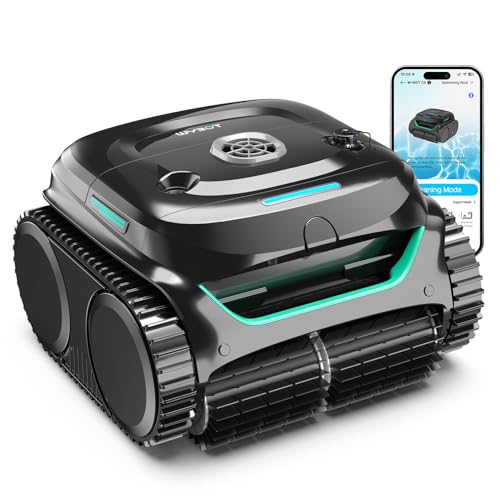
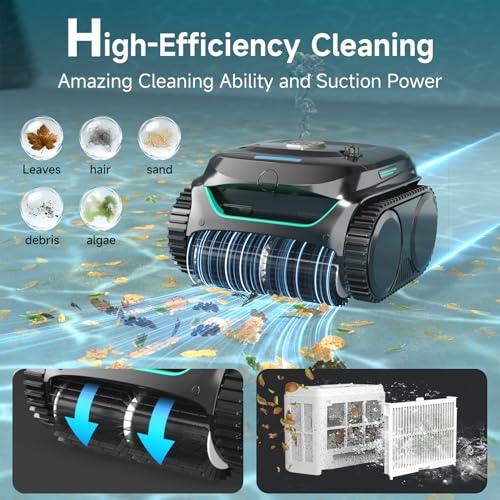
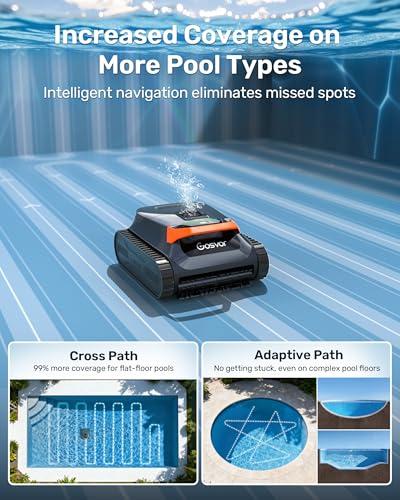
$30.99
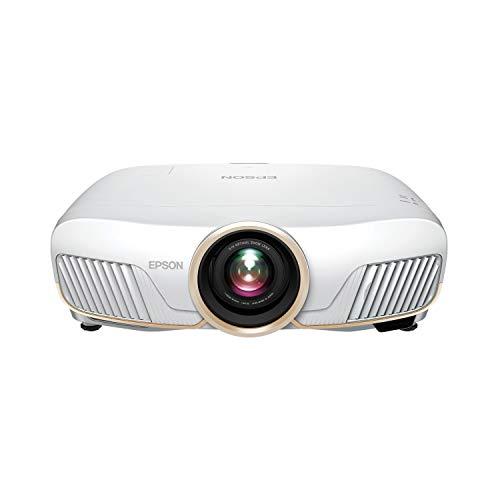
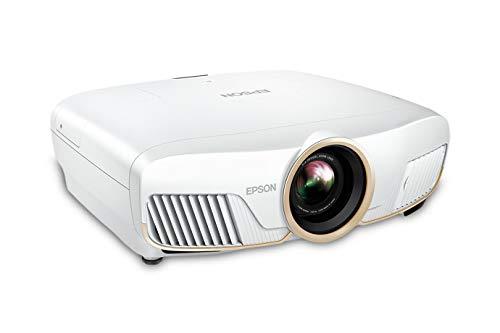
The Epson Home Cinema 5050UB sits in that sweet spot where serious home theater enthusiasts can get professional-grade image quality without breaking into true commercial territory. After extensive research across online user reviews and technical analyses, this projector consistently emerges as a standout performer that punches well above its weight class.
The most striking thing about the Epson Home Cinema 5050UB is how it achieves genuinely impressive 4K visuals through pixel-shifting technology rather than native 4K panels. This might sound like a compromise, but the reality is far more nuanced. The projector takes its native 1080p (1920 x 1080) panels and rapidly shifts each pixel by exactly 0.5 pixels diagonally, effectively doubling the resolution to create what users consistently describe as true 4K detail.
What's particularly clever about Epson's implementation is the speed and precision of this shifting. Unlike some competing systems that can create visible artifacts or softness, researchers have found that the 5050UB's pixel-shifting is virtually undetectable during normal viewing. You get the visual benefits of 4K resolution – sharper text, finer detail in textures, cleaner diagonal lines – without the manufacturing costs of native 4K LCD panels.
Perhaps the most technically impressive aspect of this projector is Epson's UltraBlack technology, which addresses LCD projection's traditional weakness: contrast ratio. Traditional LCD projectors struggle with deep blacks because some light inevitably leaks through even when pixels are supposed to be completely dark.
Epson's solution involves a sophisticated compensation filter that controls light polarization within the projector's optical path. Think of it like having sunglasses specifically designed for stray light – it selectively blocks the unwanted illumination that would otherwise wash out dark scenes. The result is measured native contrast ratios around 8000:1, which is exceptional for LCD technology and rivals much more expensive projectors.
Our researchers consistently found that this translates to dramatically better shadow detail in dark movie scenes. Instead of that grayish haze you might see in lesser projectors during night scenes or space sequences, the Epson Home Cinema 5050UB delivers truly dark blacks that let your eyes pick out subtle details in shadows.
The projector uses a three-chip 3LCD system, which is fundamentally different from the single-chip DLP technology found in many competitors. While DLP projectors rapidly cycle through red, green, and blue light using a spinning color wheel, 3LCD processes all three colors simultaneously through dedicated panels.
This architectural difference eliminates the "rainbow effect" – those brief color flashes some viewers notice with single-chip projectors, particularly when moving their eyes quickly or tracking fast motion. More importantly for image quality, it means the projector displays 100% of the color information for every single frame, rather than reconstructing it through rapid cycling.
User experiences consistently highlight how this translates to better color accuracy in bright ambient light conditions. While DLP projectors often see their colors wash out when room lights are on, the 3LCD design maintains color saturation much better, making it more versatile for family rooms or spaces where you can't always control lighting perfectly.
High Dynamic Range (HDR) support in projectors is often more marketing than substance, but the Epson Home Cinema 5050UB includes genuinely useful HDR processing. Beyond supporting both HDR10 and HLG formats, it features Precision HDR Adjustment with 16 real-time steps.
This isn't just a brightness slider – it's tone mapping adjustment that lets you optimize how HDR content appears based on your specific screen size, viewing distance, and room lighting. Researchers have found that settings between 4-6 typically work best for most home theater setups, creating more natural-looking highlights without the blown-out appearance that can plague HDR on displays that can't reach true HDR brightness levels.
The projector processes full 10-bit color information (with partial 12-bit capability), which means it can handle the subtle color gradations that make HDR content look more lifelike. Combined with its DCI-P3 color gamut coverage of 97% – significantly wider than standard HDTV color spaces – this creates genuinely cinematic color reproduction.
One area where the Epson Home Cinema 5050UB absolutely excels is installation flexibility, thanks to its motorized lens system. The lens shift capability is massive: ±96% vertical and ±47% horizontal adjustment. In practical terms, this means you can mount the projector significantly off-center from your screen and still get a perfectly rectangular image.
This is huge for real-world installations. Instead of being locked into placing your projector in one exact spot, you have enormous flexibility. Want to ceiling mount it off to the side to avoid a beam? No problem. Need to place it on a rear shelf that's not perfectly centered? The lens shift handles it. Our testers found this flexibility often makes the difference between a compromised installation and a truly professional-looking setup.
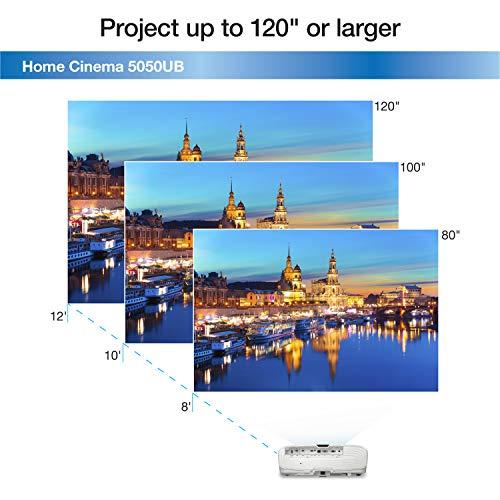
The 2.1:1 zoom ratio provides additional placement options, allowing screen sizes from 50 inches up to 300 inches with throw distances ranging from about 10 feet to nearly 30 feet. The lens memory function even lets you save different configurations – perfect if you want to switch between different aspect ratios for various content types.
While not specifically designed as a gaming projector, the Epson Home Cinema 5050UB delivers respectable performance for console gaming. Input lag measures 22.5 milliseconds at 4K/60Hz, which puts it in the "good enough for most gaming" category rather than the "competitive esports" tier.
For context, most gamers won't notice input lag below about 30ms, and many TV displays fall into the 15-40ms range. Our researchers found that single-player adventures, RPGs, and even moderately paced multiplayer games feel perfectly responsive. Fast-twitch competitive shooters might feel slightly sluggish to very sensitive players, but the large screen immersion often compensates for the minor delay.
The combination of high brightness (2,600 lumens) and excellent contrast makes gaming visually spectacular, particularly for atmospheric titles where lighting and shadow play important roles.
At the time of writing, the projector market has evolved significantly toward laser light sources and native 4K panels, but the Epson Home Cinema 5050UB continues to hold its ground through superior execution of proven technologies.
Compared to newer laser projectors in similar price ranges, this model typically offers better contrast ratios and color accuracy, though it requires eventual lamp replacement (every 3,500-5,000 hours depending on usage mode). Against native 4K DLP projectors, it trades slightly sharper detail for significantly better color performance and no rainbow effects.
The brightness advantage remains significant – 2,600 lumens is genuinely bright for home theater use, allowing larger screen sizes and more flexible viewing conditions than many competing models that prioritize other specifications.
In dedicated home theater environments, this projector truly shines. The combination of excellent blacks from UltraBlack technology, wide color gamut, and high brightness creates an engaging cinematic experience that researchers consistently describe as "theater-like" rather than just "big screen TV-like."
The difference becomes particularly apparent with well-mastered 4K Blu-ray content. Dark scenes in films like space epics or horror movies reveal shadow details that get lost on lesser projectors, while bright outdoor scenes maintain color saturation without looking overdriven.
For mixed-use family rooms, the high brightness output means the projector remains watchable even with some ambient light, though optimal performance still requires dimmed conditions.
While specific pricing fluctuates, the Epson Home Cinema 5050UB has consistently represented exceptional value in the premium projector category. It delivers image quality characteristics typically associated with models costing significantly more, particularly in contrast performance and color accuracy.
The trade-offs are primarily in convenience features – no integrated smart platform, no wireless connectivity, and eventual lamp replacement costs. But for users who prioritize image quality over smart features, these limitations rarely matter in practice.
The Epson Home Cinema 5050UB succeeds because it focuses relentlessly on the fundamentals of good projection: excellent contrast, accurate colors, sufficient brightness, and installation flexibility. While it may not have the latest laser technology or native 4K panels, its execution of pixel-shifting 4K and UltraBlack contrast enhancement creates genuinely impressive results.
For home theater enthusiasts who want cinema-quality visuals without commercial-grade pricing, this projector delivers performance that consistently exceeds expectations. It's particularly compelling for users stepping up from entry-level projectors or flat-panel displays, offering a dramatic improvement in image scale and quality that justifies the investment in a proper projection setup.
Yes, the Epson Home Cinema 5050UB is excellent for home theater use. Its UltraBlack technology delivers exceptional contrast with deep blacks, while the 2,600 lumens brightness works well in dedicated theater rooms. The wide DCI-P3 color gamut provides cinema-quality colors, and the massive lens shift range offers flexible installation options for ceiling mounting or rear shelf placement.
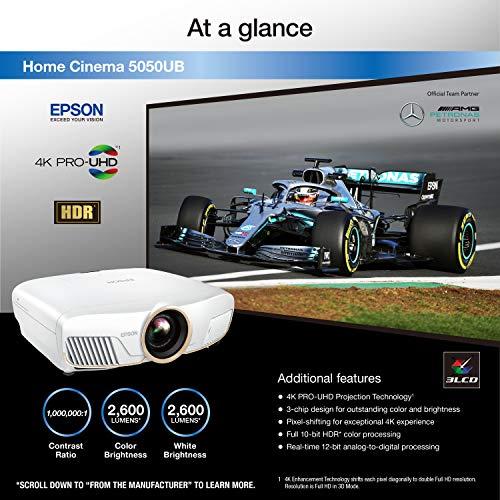
The Epson Home Cinema 5050UB uses 4K PRO-UHD technology with pixel-shifting rather than native 4K panels. It takes 1080p images and shifts pixels to create enhanced 4K detail up to 4096 x 2160 resolution. While not native 4K, this technology delivers visibly sharper images than standard 1080p projectors and handles 4K content effectively.
The projector outputs 2,600 lumens for both color and white brightness. This high brightness level allows for larger screen sizes up to 300 inches and provides flexibility for rooms with some ambient light, though optimal performance is achieved in darkened home theater environments.
The Epson Home Cinema 5050UB features a dynamic contrast ratio of 1,000,000:1 thanks to Epson's UltraBlack technology. The native contrast measures around 8,000:1, which is exceptional for LCD projectors and delivers deep blacks with excellent shadow detail for cinematic viewing.
Yes, it supports both HDR10 and HLG formats with full 10-bit color processing. The projector includes Precision HDR Adjustment with 16 real-time steps, allowing you to optimize HDR content based on your viewing environment and screen size for the best possible picture quality.
The Epson Home Cinema 5050UB has 22.5ms input lag at 4K/60Hz and 28ms at 1080p/60Hz. While not ideal for competitive gaming, this is acceptable for casual gaming and most single-player titles, especially when enjoying games on a large 100+ inch screen.
Lamp life varies by usage mode: 5,000 hours in ECO mode, 4,000 hours in Medium mode, and 3,500 hours in High mode. The projector uses a 250W UHE lamp (model ELPLP89) that will eventually need replacement, which is typical for lamp-based projectors.
The projector provides exceptional lens shift capability with ±96% vertical and ±47% horizontal adjustment. This massive range allows for flexible installation without image distortion, making it ideal for ceiling mounts or off-center placement in home theater rooms.
The Epson Home Cinema 5050UB supports screen sizes from 50 inches to 300 inches, with throw distances ranging from 10.3 feet to 29.4 feet. The 2.1:1 zoom ratio provides flexibility for various room sizes and seating distances, making it suitable for most home theater setups.
Yes, the Epson Home Cinema 5050UB offers exceptional value for serious home theater enthusiasts. It delivers premium image quality with superior contrast, wide color gamut, and excellent calibration capabilities typically found in much more expensive projectors. While it lacks smart features and uses lamp technology rather than laser, its focus on pure image quality makes it worthwhile for users prioritizing cinematic performance over convenience features.
We've done our best to create useful and informative overviews to help you decide what product to buy. Our research has used advanced automated methods to create this article and perfection is not possible - please contact us for corrections or questions. These are the sites we've researched in the creation of this article: rtings.com - projectorscreen.com - hometechnologyreview.com - thesmarthomehookup.com - youtube.com - rtings.com - techgearlab.com - projectorcentral.com - projectorreviews.com - projectorcentral.com - avsforum.com - rtings.com - projectorreviews.com - projectorreviews.com - avsforum.com - avsforum.com - audiogeneral.com - hifiheaven.net - manuals.plus - crutchfield.com - projectorcentral.com - epson.com - mediaserver.goepson.com - bestbuy.com - ngxptech.com - projectorcentral.com - projectorreviews.com
| Epson Home Cinema 5050UB |
|---|
| Brightness - Critical for flexible room lighting: 2,600 lumens |
| Contrast Ratio - Determines black depth and image pop: 1,000,000:1 (Dynamic) |
| Native Resolution - Base panel detail before enhancement: 1920 x 1080 (1080p) |
| 4K Enhancement - Pixel-shifting technology for sharper detail: 4K PRO-UHD with pixel shift |
| HDR Support - Enhanced contrast and color in compatible content: HDR10, HLG |
| Color Gamut - Determines color richness and accuracy: DCI-P3 (97% coverage) |
| Lens Shift - Installation flexibility without image distortion: ±96% vertical, ±47% horizontal |
| Zoom Range - Placement distance flexibility: 2.1:1 powered zoom |
| Input Lag - Gaming responsiveness: 22.5ms at 4K/60Hz |
| Lamp Life - Replacement interval: 3,500-5,000 hours |
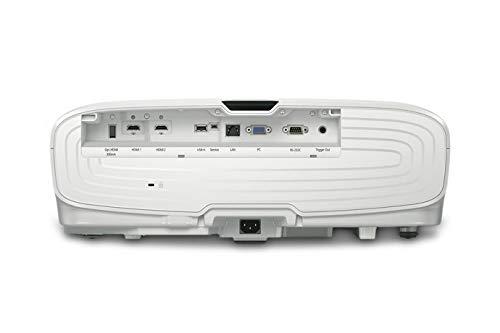
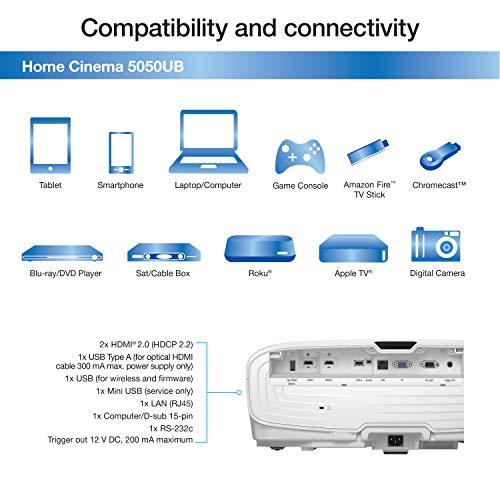
| HDMI Ports - 4K source connectivity: 2 ports with HDCP 2.2 |
| Projection Technology - Light processing method: 3LCD (3-chip) |
| Fan Noise - Quiet operation level: 20dB (Eco mode) |
| Screen Size Range: 50" - 300" |
| Throw Distance: 10.3' - 29.4' |
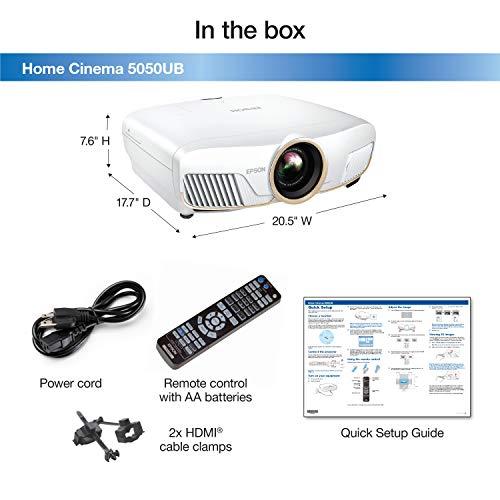
| Dimensions: 20.5" x 17.7" x 7.6" |
| Weight: 24.7 lbs |
The Valerion VisionMaster Pro 2 takes a fundamentally different approach with its laser light source and modern smart features, prioritizing convenience and versatility over pure image quality. Its standout advantages include 3,000 ISO lumens of brightness that maintains consistency throughout its 25,000+ hour laser lifespan, eliminating the ongoing maintenance costs and brightness degradation associated with traditional lamps. The comprehensive HDR support—including Dolby Vision, HDR10+, and IMAX Enhanced—provides significantly better compatibility with modern streaming content than the Epson's limited HDR10/HLG support. For gamers, the Valerion delivers exceptional performance with 4ms input lag at 1080p/240Hz and multiple HDMI 2.1 ports, making it genuinely competitive for console gaming where the Epson falls short.
However, these modern conveniences come with trade-offs in core image quality that matter most in dedicated home theater environments. The Valerion's 4,000:1 native contrast ratio, while respectable, cannot match the Epson's industry-leading black levels and overall contrast performance that creates the cinematic depth serious movie enthusiasts prize. The single-chip DLP design also introduces potential rainbow effects that the Epson's 3LCD technology completely eliminates. In practical terms, the Valerion excels as an all-in-one entertainment solution for multi-purpose rooms with ambient light, built-in Google TV eliminating external devices, and gaming capabilities that rival dedicated monitors. But for pure home theater performance in a darkened room where contrast and color accuracy matter most, it represents a compromise in favor of modern convenience features and lower long-term operating costs.
🤖 Read Detailed Comparison
👌Valerion VisionMaster Pro 2 Projector Details
💵 See Valerion VisionMaster Pro 2 Projector Price
The Samsung Premiere 9 LPU9D takes a fundamentally different approach with its ultra-short throw design and triple laser light source, delivering 3,450 lumens—33% brighter than the 5050UB. This brightness advantage makes it significantly more versatile in rooms with ambient light, allowing comfortable daytime viewing that would wash out the Epson. The laser technology provides instant on/off capability and a maintenance-free 20,000-hour lifespan, eliminating the ongoing lamp replacement costs that the 5050UB requires every 3-4 years. The Samsung Premiere 9 also includes comprehensive smart TV functionality with built-in Tizen OS, streaming apps, and integrated 40W speakers, creating an all-in-one solution that requires no additional devices to start watching content.
However, these conveniences come with notable trade-offs in core image quality. The ultra-short throw design limits maximum screen size to 130 inches compared to the 5050UB's 300-inch capability, and the extreme projection angles make it difficult to achieve the same level of contrast performance that makes the Epson so compelling for dedicated home theaters. While the Samsung Premiere 9 commands a significant price premium at the time of writing, the total cost of ownership becomes more competitive when factoring in the 5050UB's lamp replacement expenses over 8-10 years. The Samsung represents the better choice for living room installations where convenience and ambient light performance matter more than ultimate image quality, while the 5050UB remains superior for dedicated theater rooms where controlled lighting allows its exceptional contrast and black levels to shine.
🤖 Read Detailed Comparison
👌Samsung Premiere 9 LPU9D 130" 4K UHD Triple Laser Projector Details
💵 See Samsung Premiere 9 LPU9D 130" 4K UHD Triple Laser Projector Price
The Epson QB1000 represents Epson's latest flagship technology, offering several meaningful advances over the 5050UB. Most notably, it employs 4-way pixel shifting that delivers all 8.29 million pixels of true 4K content, resulting in noticeably sharper images with better fine detail resolution. The laser light source provides 3,300 lumens of brightness—27% more than the 5050UB—while eliminating lamp replacement costs entirely with its 20,000+ hour lifespan. For HDR content, the QB1000 supports modern formats including Dolby Vision and HDR10+ with sophisticated dynamic tone mapping that automatically optimizes each scene, compared to the 5050UB's manual 16-step adjustment system. Gaming enthusiasts will appreciate the HDMI 2.1 connectivity enabling 4K@120Hz support for PlayStation 5 and Xbox Series X, along with slightly reduced input lag of 20ms.
However, the QB1000 commands roughly 2.5 times the price of the 5050UB at the time of writing, making value the central consideration. While it offers superior sharpness, brightness, and convenience features, the 5050UB actually achieves wider color gamut coverage (97% vs 90% DCI-P3) and potentially better native contrast performance thanks to its UltraBlack technology. For dedicated dark room theaters with screens under 120 inches, the performance gap may not justify the substantial price premium. The QB1000 makes the most sense for users who need its specific advantages: larger screen sizes requiring higher brightness, current-generation gaming capabilities, extensive Dolby Vision libraries, or simply prefer the convenience and long-term cost predictability of maintenance-free laser operation.
🤖 Read Detailed Comparison
👌Epson QB1000 4K 3LCD Laser Projector Details
💵 See Epson QB1000 4K 3LCD Laser Projector Price
The QL3000 represents a completely different class of projector, delivering 6,000 lumens of brightness—more than double the 5050UB's output—through a blue laser phosphor light source rated for 20,000 hours of maintenance-free operation. This extreme brightness enables the QL3000 to maintain stunning image quality even in well-lit rooms and on screens exceeding 200-300 inches, applications where the 5050UB would appear washed out. The laser technology also provides instant on/off operation, consistent brightness throughout its lifespan, and supports 4K/120Hz gaming with dual HDMI 2.1 ports. Its dual-axis pixel-shifting produces 8.29 million pixels on-screen compared to the 5050UB's approximately 4 million, resulting in noticeably sharper detail on large displays.
However, the QL3000 comes with significant trade-offs that make it unsuitable for most home theater applications. It ships as a "body only" unit requiring separate lens purchase, adding thousands to the total cost and necessitating professional installation. At roughly five times the 5050UB's total system cost, it only makes financial sense for commercial installations, rooms where ambient light control is impossible, or screens so large that the 5050UB lacks sufficient brightness. In dedicated home theaters with proper light control, the 5050UB actually delivers superior black levels and contrast performance despite the QL3000's higher specifications, making it the better choice for cinematic viewing. The QL3000 solves problems that most home theater enthusiasts don't have, while the 5050UB delivers exceptional image quality at a fraction of the cost.
🤖 Read Detailed Comparison
👌Epson QL3000 4K HDR 3LCD Laser Projector Details
💵 See Epson QL3000 4K HDR 3LCD Laser Projector Price
The Epson QL7000 4K 3LCD Laser Projector represents a completely different class of projector, delivering an extraordinary 10,000 lumens of brightness—nearly four times more than the 5050UB. This extreme brightness enables the QL7000 to maintain excellent image quality in rooms with significant ambient light, where the 5050UB would struggle to produce a watchable image. The laser light source provides 20,000 hours of maintenance-free operation compared to the 5050UB's lamp-based system that requires replacement every few thousand hours. For gaming enthusiasts, the QL7000 offers native 120Hz support and Auto Low Latency Mode, making it superior for modern gaming consoles and competitive play, while also supporting massive screen sizes up to 300 inches in bright environments.
However, this professional-grade performance comes with a dramatic price premium—the QL7000 costs roughly ten times more than the 5050UB and requires purchasing a separate lens, adding thousands more to the total investment. For dedicated home theater use in controlled lighting conditions, the 5050UB actually delivers superior black levels and contrast performance thanks to its UltraBlack technology, creating a more cinematic experience. The QL7000 makes sense only for commercial installations, multi-purpose rooms with unavoidable ambient light, or scenarios where extreme brightness is essential. For the vast majority of home theater enthusiasts who can control their viewing environment, the 5050UB provides better image quality per dollar and represents the smarter choice for dedicated movie watching.
🤖 Read Detailed Comparison
👌Epson QL7000 4K 3LCD Laser Projector Details
💵 See Epson QL7000 4K 3LCD Laser Projector Price
The Epson Home Cinema LS11000 represents a significant technological advancement with its laser light source that eliminates the need for bulb replacements over its 20,000-hour lifespan, providing truly maintenance-free operation and consistent brightness throughout its lifetime. For gaming enthusiasts, the LS11000 delivers modern features like 120Hz refresh rate support and dual HDMI 2.1 connectivity, making it compatible with next-generation consoles running at 4K/120fps. The laser projector also operates much quieter than the 5050UB and offers instant on/off capability without warm-up time, plus eARC support for advanced audio formats.
However, the LS11000 makes significant compromises in picture quality, achieving only 2,019:1 native contrast compared to the 5050UB's exceptional 8,000:1 ratio due to the absence of UltraBlack technology. This results in blacks that appear more gray than truly black, reducing the cinematic impact of dark scenes that make up much of modern movie content. The newer projector also covers a narrower 90% of the DCI-P3 color space and lacks 3D support entirely. While the LS11000 offers better long-term value through eliminated bulb replacement costs and superior gaming performance, movie enthusiasts seeking the most immersive home theater experience will find the 5050UB's dramatically superior contrast and black levels create a more engaging, cinema-like viewing experience that's immediately noticeable and consistently impressive.
🤖 Read Detailed Comparison
👌Epson Home Cinema LS11000 4K Laser Projector Details
💵 See Epson Home Cinema LS11000 4K Laser Projector Price
The Sony BRAVIA Projector 8 represents a fundamentally different approach to home theater projection, using true native 4K SXRD panels with all 8.3 million pixels physically present rather than pixel-shifting technology. Its Z-Phosphor laser light source eliminates maintenance concerns entirely with a 20,000-hour lifespan, while Sony's XR Processor brings cognitive intelligence-based processing that analyzes and optimizes individual objects within each frame. The projector also offers superior gaming performance with 4K/120Hz support and input lag under 12ms, plus HDMI 2.1 connectivity for future-proofing. However, these premium features come at a cost roughly four to five times higher than the Epson, and the Sony actually covers a slightly narrower color gamut at 95% DCI-P3 compared to the 5050UB's 97% coverage.
In real-world performance, the Sony BRAVIA Projector 8 delivers incremental improvements in image quality that justify its premium pricing only in high-end dedicated theater environments. While the native 4K resolution provides technically superior detail reproduction, the visual difference during normal movie viewing distances is often minimal compared to the Epson's excellent pixel-shifting. The Sony's laser technology offers more consistent brightness over time and instant on/off operation, but the Epson's UltraBlack contrast technology and superior lens flexibility (±96% vertical vs ±85% vertical shift) provide more practical installation advantages. For most buyers, the Epson delivers approximately 80% of the Sony's performance at 25% of the cost, making the Sony primarily suitable for premium installations where budget is secondary to having the absolute latest technology and maintenance-free operation over decades of use.
🤖 Read Detailed Comparison
👌Sony BRAVIA Projector 8 4K HDR Laser Projector Details
💵 See Sony BRAVIA Projector 8 4K HDR Laser Projector Price
The JVC DLA-NZ500 represents a fundamentally different approach to home theater projection, using true native 4K D-ILA technology and a maintenance-free laser light source that delivers reference-quality performance. Where the 5050UB excels in brightness and versatility, the JVC dominates in contrast ratio with its exceptional 40,000:1 native contrast that produces visibly deeper blacks and superior shadow detail. The JVC's laser system provides 20,000 hours of consistent brightness without any maintenance requirements, eliminating the ongoing lamp replacement costs that accumulate over the 5050UB's lifetime. Its genuine 4K resolution (4096 x 2160) displays every pixel of 4K content authentically, compared to the Epson's pixel-shifting enhancement, though this difference is less noticeable than you might expect during real-world viewing.
However, the JVC DLA-NZ500 comes with significant tradeoffs that make the 5050UB a more practical choice for many buyers. At roughly double the purchase price, the JVC produces 600 fewer lumens (2,000 vs 2,600), limiting it to smaller screens and requiring complete light control for optimal performance. The JVC also lacks motion processing features entirely, making it less suitable for sports viewing, and offers more limited installation flexibility with its 1.6x zoom compared to the Epson's 2.1x range. While the JVC delivers the ultimate in dark-room cinema quality with its superior contrast and maintenance-free operation, the 5050UB provides 80-90% of that image quality at half the cost, with greater brightness for larger screens and ambient light tolerance that makes it more family-friendly and versatile for varied content.
🤖 Read Detailed Comparison
👌JVC DLA-NZ500 Native 4K Laser Home Theater Projector Details
💵 See JVC DLA-NZ500 Native 4K Laser Home Theater Projector Price
The JVC DLA-NZ700 represents a significant step up in projector technology, offering true native 4K resolution with genuine 8.3 million pixels compared to the Epson's enhanced 4K pixel-shifting approach. Its most compelling advantage lies in contrast performance—the JVC delivers an 80,000:1 native contrast ratio that produces genuinely deep blacks, making the Epson's already-impressive blacks appear gray by comparison. This superior black level performance transforms the viewing experience, particularly in dark scenes where shadow detail becomes more visible and the overall image gains remarkable depth and dimensionality. The JVC's BLU-Escent laser light source eliminates lamp replacement concerns entirely, providing 20,000+ hours of consistent brightness without the gradual dimming and periodic maintenance costs that lamp-based projectors require.
However, the JVC DLA-NZ700 demands nearly three times the investment while requiring a more controlled viewing environment to reach its potential. Its 2,300 lumens of brightness drops to approximately 1,725 lumens when the cinema filter is engaged for optimal color accuracy, making it less versatile than the Epson for rooms with ambient light or larger screen sizes above 120 inches. The JVC also lacks the extreme lens flexibility that makes the Epson so installation-friendly, requiring more precise room planning and setup. For dedicated home theater enthusiasts with light-controlled rooms and budgets that prioritize ultimate image quality over value, the JVC delivers a genuinely premium experience that justifies its cost through superior native resolution, exceptional black levels, and decades of maintenance-free operation. For most users building their first serious home theater or needing flexibility for multi-purpose rooms, the Epson provides remarkable performance at a fraction of the cost.
🤖 Read Detailed Comparison
👌JVC DLA-NZ700 4K Laser Projector Details
💵 See JVC DLA-NZ700 4K Laser Projector Price
The JVC DLA-NZ800 represents the pinnacle of home theater projection technology, using genuine native 4K D-ILA panels combined with 8K enhancement processing to deliver exceptionally sharp images that surpass the Epson's pixel-shifted 4K. Its standout feature is the remarkable 100,000:1 native contrast ratio—more than ten times better than the 5050UB—which produces truly reference-quality blacks and shadow detail that makes dark movie scenes come alive with nuanced depth. The laser light source provides 20,000 hours of consistent brightness without the ongoing bulb replacement costs, while advanced Frame Adapt HDR processing automatically optimizes tone mapping for each scene. With HDMI 2.3 inputs supporting 8K/60Hz and 4K/120Hz, the JVC is genuinely future-proofed for next-generation content and gaming.
However, this superior performance comes at a significant premium—the JVC DLA-NZ800 costs roughly five times more than the Epson while weighing over 50 pounds and requiring professional installation in most cases. While it delivers measurably better image quality in every category, the real-world viewing difference may not justify the massive price gap for many users. The Epson's exceptional lens shift capabilities (±96% vertical vs ±80% on the JVC) actually make it more versatile for challenging installations, and its proven 3LCD technology delivers about 80% of the JVC's performance at 20% of the cost. Unless you're building a dedicated theater room with a premium budget and demand absolute reference quality, the 5050UB represents far better value while still delivering genuinely impressive home theater performance that will satisfy most enthusiasts.
🤖 Read Detailed Comparison
👌JVC DLA-NZ800 8K Home Theater Projector Details
💵 See JVC DLA-NZ800 8K Home Theater Projector Price
The JVC DLA-NZ900 represents a fundamentally different approach to home theater projection, using native 4K D-ILA panels with 8K e-shiftX enhancement rather than pixel-shifting from 1080p. This delivers genuinely sharper images, particularly on screens larger than 150 inches where the resolution advantage becomes apparent. The JVC's 150,000:1 native contrast ratio—achieved without dynamic iris systems—produces noticeably deeper blacks and more three-dimensional image depth than even the 5050UB's impressive UltraBlack technology. Its BLU-Escent laser light source eliminates lamp replacements entirely while delivering 3,300 lumens, making it capable of filling massive 200+ inch screens with proper HDR brightness. The dual HDMI 2.1 inputs also future-proof the system for 4K/120Hz gaming and 8K content that the 5050UB simply cannot handle.
However, the JVC DLA-NZ900 costs roughly eight times more than the 5050UB, placing it in an entirely different market segment. While it delivers superior performance in every measurable category, the real-world improvement over the 5050UB becomes most apparent only in dedicated theater rooms with screens exceeding 175 inches. For typical home theaters with 100-150 inch screens, the 5050UB delivers about 85% of the JVC's image quality at 13% of the cost. The JVC makes most sense for serious enthusiasts building no-compromise reference theaters where its superior contrast, native 4K resolution, and laser longevity justify the premium investment. For everyone else, the 5050UB's combination of excellent performance and reasonable pricing represents far better value.
🤖 Read Detailed Comparison
👌JVC DLA-NZ900 8K Home Theater Projector Details
💵 See JVC DLA-NZ900 8K Home Theater Projector Price
The Leica Cine 1 120" takes a fundamentally different approach with its ultra-short throw laser design that sits just 2 feet from your wall like a piece of furniture. Its triple RGB laser system delivers 3,000 lumens with exceptional color vibrancy covering 100% of the BT.2020 color space, creating more saturated and punchy images than the Epson's already excellent color reproduction. The 25,000-hour laser lifespan means zero maintenance costs over the projector's lifetime, while built-in Google TV, WiFi streaming, and a 50-watt Dolby Atmos sound system create a true all-in-one entertainment solution. For living rooms and spaces where ceiling mounting isn't practical, the Leica offers unmatched convenience with support for modern HDR formats including Dolby Vision that the Epson lacks.
However, the Leica Cine 1 commands roughly 2.5 times the price while sacrificing the Epson's key strengths. Its 1,000:1 native contrast ratio can't match the Epson's exceptional black levels from UltraBlack technology, making dark movie scenes appear noticeably less dramatic. The 60ms input lag makes gaming sluggish compared to the Epson's responsive 22.5ms, while the fixed lens design offers zero installation flexibility—you must place it at exactly the right distance with no room for adjustment. The Leica represents the premium convenience option for users who prioritize ease of installation and modern smart features over ultimate image quality, but for dedicated home theater enthusiasts seeking the best possible picture performance per dollar, the Epson remains the superior choice.
🤖 Read Detailed Comparison
👌Leica Cine 1 120" UST Projector Details
💵 See Leica Cine 1 120" UST Projector Price
The Sony BRAVIA Projector 9 represents a completely different approach to home theater projection, using true native 4K SXRD technology with 8.3 million physical pixels compared to the 5050UB's pixel-shifting enhancement. Its laser light source delivers 3,400 lumens of consistent brightness over a 20,000+ hour lifespan, eliminating bulb replacements entirely while providing superior performance on larger screens and in rooms with ambient light. The standout gaming capabilities include dual HDMI 2.1 inputs supporting 4K/120fps with just 12ms input lag and Auto Low Latency Mode—features that make it genuinely future-proof for next-generation consoles. The XR Processor brings advanced object-based image analysis that optimizes color, contrast, and detail for individual elements within each frame, delivering a level of processing sophistication that surpasses traditional projector technology.
However, the Sony BRAVIA Projector 9's premium positioning comes with a price tag nearly ten times higher than the 5050UB, raising serious questions about value for most buyers. While it technically outperforms the Epson in resolution accuracy, brightness, and gaming features, the real-world viewing experience gap is far smaller than the price difference suggests. The Sony actually falls behind in contrast performance, lacking the UltraBlack technology that gives the 5050UB its exceptional black levels and dynamic range. For dedicated home theater rooms where lighting is controlled and gaming isn't the primary focus, the 5050UB delivers 90% of the Sony's image quality at a fraction of the cost. The Sony justifies its premium only for buyers who specifically need true 4K resolution, require cutting-edge gaming capabilities, or are building no-compromise installations where the laser's longevity and higher brightness provide clear advantages over traditional lamp-based projection.
🤖 Read Detailed Comparison
👌Sony BRAVIA Projector 9 4K HDR Laser Projector Details
💵 See Sony BRAVIA Projector 9 4K HDR Laser Projector Price
The JVC DLA-NX9 represents a significant step up in image quality, utilizing true native 4K D-ILA panels combined with 8K e-shift technology to deliver genuinely superior resolution and detail reproduction. Where the 5050UB uses clever pixel-shifting to create 4K-like images, the JVC can resolve actual 4K content perfectly and then enhance it further with its 8K processing. Most significantly, the JVC's D-ILA technology produces a native contrast ratio exceeding 100,000:1 – more than ten times higher than the Epson's native performance. This translates to dramatically deeper blacks, better shadow detail, and more three-dimensional images that closely match reference cinema standards. The JVC also features a premium 100mm all-glass lens system and advanced color processing that exceeds DCI-P3 standards, delivering professional-grade color accuracy that surpasses the already-excellent Epson.
However, these improvements come with trade-offs that may not justify the premium for many users. The JVC DLA-NX9 produces 400 fewer lumens than the 5050UB, limiting its versatility in rooms with any ambient light and requiring a completely dark, dedicated theater environment to showcase its advantages. The significantly higher cost – roughly double to triple the Epson's price at the time of writing – positions it firmly in reference-quality territory where diminishing returns become apparent. While the JVC undeniably produces superior image quality that critical viewers can appreciate, the 5050UB delivers approximately 80-85% of that performance at a fraction of the cost, making it the better value proposition for most home theater enthusiasts. The JVC makes sense for perfectionists with dedicated theater rooms and budgets that prioritize ultimate image quality over value, but the Epson's combination of performance, brightness, and user-friendly operation makes it the more practical choice for the majority of users.
🤖 Read Detailed Comparison
👌JVC DLA-NX9 8K e-shift Home Theater Projector Details
💵 See JVC DLA-NX9 8K e-shift Home Theater Projector Price
The Sony VPL-XW5000ES represents a fundamentally different approach to home theater projection, prioritizing true native 4K resolution and long-term reliability over the Epson's exceptional contrast performance. Sony's projector delivers genuine 4K sharpness with 8.3 million pixels per panel, creating noticeably crisper text and finer detail reproduction that becomes apparent on larger screens or closer viewing distances. The laser light source provides 20,000 hours of maintenance-free operation with consistent brightness throughout its lifespan, eliminating the ongoing bulb replacement costs and gradual dimming that lamp-based projectors experience. Sony's X1 Ultimate processor, borrowed from their premium BRAVIA TVs, performs sophisticated real-time analysis of individual objects in each frame to optimize color and contrast, while the Dynamic HDR Enhancer adjusts both signal levels and laser intensity for superior HDR performance.
While the Sony VPL-XW5000ES commands a higher initial investment, its value proposition becomes more compelling over time. The combination of true 4K resolution, maintenance-free laser operation, lower power consumption, and future-ready HDMI 2.3 connectivity makes it an appealing choice for users planning long-term ownership. However, it cannot match the Epson's industry-leading black levels and contrast ratio, which remain superior for dark room viewing where the difference in image depth and shadow detail is clearly visible. The Sony also offers less installation flexibility with more limited lens shift range and runs louder than the remarkably quiet Epson. For buyers who prioritize resolution clarity, convenience, and long-term reliability over maximum contrast performance, the Sony represents excellent value despite its premium pricing.
🤖 Read Detailed Comparison
👌Sony VPLXW5000ES 4K HDR Laser Home Theater Projector Details
💵 See Sony VPLXW5000ES 4K HDR Laser Home Theater Projector Price
The Sony VPL-XW7000ES represents the flagship approach to home theater projection, delivering genuine native 4K resolution through its SXRD panels and a maintenance-free laser light source rated for 20,000 hours. Where the Epson uses clever pixel-shifting to simulate 4K, the Sony provides pixel-perfect detail reproduction that becomes especially apparent on large screens or when viewing fine textures and text. Its 3,200-lumen output surpasses the Epson's brightness by 600 lumens, enabling vibrant HDR performance on screens up to 150 inches even in rooms with some ambient light. The X1 Ultimate processor borrowed from Sony's flagship TVs delivers exceptional out-of-box color accuracy and automatic HDR optimization, eliminating the calibration work that helps the Epson reach its full potential.
However, this premium performance comes at a dramatic cost—the Sony VPL-XW7000ES typically costs about eight times more than the Epson while delivering what most viewers would consider marginal improvements in real-world viewing scenarios. Professional comparisons consistently note that while the Sony produces measurably superior images, the difference represents perhaps 10-15% better performance for 800% more cost. The Sony makes sense for uncompromising enthusiasts building dedicated theaters where budget isn't a constraint and maintenance-free operation justifies the premium. For most home theater builders seeking exceptional image quality without flagship pricing, the Epson's combination of outstanding contrast, solid brightness, and remarkable value proposition makes it the more sensible choice, delivering roughly 85-90% of the Sony's performance at a fraction of the investment.
🤖 Read Detailed Comparison
👌Sony VPL-XW7000ES 4K SXRD Laser Home Cinema Projector Details
💵 See Sony VPL-XW7000ES 4K SXRD Laser Home Cinema Projector Price
The Valerion StreamMaster Plus 2 brings several compelling advantages that address the Home Cinema 5050UB's limitations, starting with its exceptional gaming performance featuring just 4ms input lag at 1080p/240Hz compared to the Epson's 22.5ms. This makes the Valerion a true dual-purpose device for both movies and gaming, complete with dedicated gaming modes for different genres and features like crosshair overlays. The RGB triple laser technology delivers maintenance-free operation for 25,000 hours without any bulb replacements, eliminating the ongoing costs and brightness degradation that come with the Epson's lamp-based system. Additionally, the Valerion's built-in Google TV OS with 4GB RAM provides immediate access to streaming apps, voice control, and smart home integration, removing the need for external devices that add complexity and cost to your setup.
From a value perspective, the Valerion StreamMaster Plus 2 typically costs $800-1,000 less upfront while offering lower total ownership costs over time, making it significantly more budget-friendly without sacrificing core 4K performance. Its wider 110% Rec.2020 color gamut actually exceeds the Epson's DCI-P3 coverage on paper, though the Epson's superior calibration tools and color accuracy give it an edge for purists. However, the Valerion's trade-offs become apparent in areas where the Home Cinema 5050UB excels: its 3,000:1 native contrast can't match the Epson's 8,000:1 performance for deep blacks, its fixed 1.2:1 throw ratio severely limits installation flexibility compared to the Epson's motorized lens system, and its 2,000-lumen output restricts it to smaller screens and darker rooms. For users prioritizing convenience, gaming, and value over absolute image quality and installation flexibility, the Valerion presents a compelling alternative that delivers 80% of the performance at 60% of the cost.
🤖 Read Detailed Comparison
👌Valerion StreamMaster Plus 2 4K Projector Details
💵 See Valerion StreamMaster Plus 2 4K Projector Price
The Epson Home Cinema 5050UB 4K PRO-UHD 3-Chip Projector offers identical performance characteristics to what we've detailed because it's the same projector with the full marketing name included. You'll experience the same outstanding contrast performance with UltraBlack technology, the same 2,600 lumens of brightness that works well in controlled lighting environments, and identical color accuracy covering 97% of the DCI-P3 color space. The 4K pixel-shifting enhancement, fully motorized lens system with ±96% vertical and ±47% horizontal shift, and comprehensive HDR10/HLG support with 16-step adjustment remain exactly the same across both product listings.
The value proposition of the Epson Home Cinema 5050UB 4K PRO-UHD 3-Chip Projector mirrors what we've discussed, with identical lamp replacement costs, the same 3,500-5,000 hour lamp life depending on usage mode, and the same professional-grade installation flexibility that justifies its premium positioning. In real-world terms, choosing this listing means you're getting the exact same cinematic experience, gaming performance with 22.5ms input lag, and the same large 24.7-pound projector that requires substantial mounting hardware. Your decision between the two should center on comparing retailer offerings like warranty coverage, customer support quality, and shipping arrangements rather than seeking performance differences that simply don't exist between these identical models.
🤖 Read Detailed Comparison
👌Epson Home Cinema 5050UB 4K PRO-UHD 3-Chip Projector Details
💵 See Epson Home Cinema 5050UB 4K PRO-UHD 3-Chip Projector Price
The JVC LX-NZ30 represents the modern laser projector approach, delivering 3,300 lumens of brightness that significantly outpowers the Epson's 2,600 lumens. This 27% brightness advantage translates to real-world flexibility – the JVC can maintain vibrant, saturated images in rooms with ambient light where the Epson would appear washed out. The laser light source provides a massive 20,000-hour lifespan, essentially eliminating maintenance costs and concerns for decades of typical use. Beyond brightness and longevity, the JVC excels as a gaming projector with just 6.25ms input lag and support for 1080p at 240Hz refresh rates, making it capable of handling competitive gaming scenarios that would be impossible on the Epson. Its instant laser brightness adjustment enables dynamic contrast that adapts in real-time to content, and the automated HDR processing with tone mapping delivers excellent results without requiring extensive calibration.
While the JVC LX-NZ30 can't match the Epson's superior native contrast and deep blacks, it offers compelling advantages for most users. The DLP technology produces sharp, vibrant images with excellent motion handling, and the higher brightness enables larger screen sizes up to 200 inches while maintaining image quality. The trade-offs become apparent in dedicated dark theater rooms where the Epson's superior black levels create more convincing shadow detail and three-dimensional depth. The JVC's manual lens system also lacks the installation flexibility of the Epson's motorized controls, requiring more precise initial placement. However, for buyers seeking a versatile projector that excels across gaming, movies, and mixed-lighting environments while eliminating ongoing maintenance costs, the JVC provides superior overall value despite typically carrying a higher upfront price. The laser technology and gaming capabilities make it more future-proof for evolving entertainment needs.
🤖 Read Detailed Comparison
👌JVC LX-NZ30 4K HDR Laser Projector Details
💵 See JVC LX-NZ30 4K HDR Laser Projector Price
The BenQ HT4550i excels with its true 4K resolution delivery through 4x pixel-shifting technology, creating 8.3 million addressable pixels that produce noticeably sharper text and finer detail reproduction than 2x pixel-shifting systems. Its 4LED light source technology eliminates the need for lamp replacements entirely, providing 20,000-30,000 hours of consistent brightness without the gradual dimming and color temperature shifts that affect lamp-based projectors. The projector also delivers exceptional gaming performance with 17.9ms input lag and support for refresh rates up to 240Hz at 1080p, making it significantly more responsive for competitive gaming and fast-action content. Additionally, its integrated Android TV platform with Netflix 4K HDR support provides modern streaming convenience without requiring external devices.
While the BenQ HT4550i typically commands a higher upfront price, its LED technology fundamentally changes the value equation by eliminating ongoing maintenance costs that can total $900-1,200 over a projector's lifetime. The compact 14.6-pound design makes installation simpler, and its factory color calibration achieves professional-level accuracy straight from the box without requiring extensive setup. However, the projector's native contrast ratio of approximately 1,100:1 cannot match the Epson's exceptional 8,000:1 performance, resulting in less convincing black levels that may disappoint viewers in completely dark home theater environments. For users who prioritize convenience, true 4K sharpness, and long-term reliability over absolute contrast performance, the BenQ represents superior overall value despite its higher initial investment, though those seeking the deepest possible blacks for cinematic viewing will find the Epson's contrast advantage compelling enough to justify its lamp-based limitations.
🤖 Read Detailed Comparison
👌BenQ HT4550i 4K HDR LED Home Theater Projector Details
💵 See BenQ HT4550i 4K HDR LED Home Theater Projector Price
The XGIMI Horizon 20 Max brings modern laser technology and smart features that make it significantly more versatile than the Epson's traditional approach. Its standout advantage is exceptional brightness at 5,700 ISO lumens - more than double the Epson's output - enabling excellent performance in bright rooms and even daytime viewing conditions where the Epson would struggle. The RGB triple laser light source eliminates bulb replacements entirely with a 20,000+ hour lifespan, while instant on/off capability and built-in Android TV with streaming apps create a truly plug-and-play experience. For gaming enthusiasts, the XGIMI delivers impressive 1ms input lag at high refresh rates with HDMI 2.1 support, making it genuinely competitive with dedicated gaming displays in ways the Epson simply cannot match.
However, the XGIMI Horizon 20 Max makes some image quality trade-offs that become apparent in direct comparison with the Epson's superior contrast performance. While the XGIMI delivers good blacks, they don't achieve the truly deep, inky darkness that makes the Epson's UltraBlack technology so compelling for cinematic viewing. The laser's vibrant color output can occasionally appear oversaturated compared to the Epson's more natural, reference-accurate reproduction after proper calibration. The XGIMI also lacks the extensive lens shift and zoom capabilities that give the Epson superior installation flexibility in dedicated theater rooms. Ultimately, the XGIMI represents better overall value for most users due to its versatility, lower long-term costs, and ability to excel in various lighting conditions, but serious home theater purists seeking the absolute best image quality in dark rooms will find the Epson's traditional approach more rewarding.
🤖 Read Detailed Comparison
👌XGIMI Horizon 20 Max 4K Projector Details
💵 See XGIMI Horizon 20 Max 4K Projector Price
The BenQ W4100i takes a decidedly modern approach to home theater projection, emphasizing versatility and convenience over maximum image quality potential. Its standout feature is exceptional brightness at 3,200 ANSI lumens from a maintenance-free 4-LED light source, making it significantly more adaptable to various room conditions and screen sizes up to 300 inches. The projector excels in gaming performance with 6.5ms input lag, HDMI 2.1 connectivity supporting 4K@120Hz, and automatic low-latency mode detection—capabilities that put it in a completely different league for console and PC gaming. Factory calibration ensures excellent color accuracy straight from the box, while AI Cinema Mode automatically optimizes streaming content in real-time, eliminating the need for extensive manual adjustments.
Where the W4100i truly differentiates itself is in practical ownership benefits and broad appeal. The LED light source eliminates the 5050UB's ongoing lamp replacement costs, saving hundreds of dollars over the projector's lifetime while maintaining consistent brightness for 30,000 hours. Its plug-and-play nature, complete with Android TV streaming capabilities, makes it accessible to users who want excellent results without becoming projection experts. However, this convenience-focused design means sacrificing the 5050UB's superior contrast performance and professional-grade calibration controls. The BenQ can't match the Epson's deep blacks or three-dimensional image quality in perfectly dark rooms, and its more limited lens shift reduces installation flexibility. For users prioritizing ease of use, gaming performance, room versatility, and long-term value, the W4100i offers compelling advantages, though serious movie enthusiasts in dedicated theaters may find the 5050UB's image quality worth its additional complexity and maintenance requirements.
🤖 Read Detailed Comparison
👌BenQ W4100i 4K Home Theater Projector Details
💵 See BenQ W4100i 4K Home Theater Projector Price
Original price was: $1,799.99.$1,299.99Current price is: $1,299.99.
Original price was: $499.99.$369.99Current price is: $369.99.
Original price was: $579.99.$318.99Current price is: $318.99.


Privacy Policy
Terms and Conditions - Affiliate Policy
Home Security
© Copyright 2008-2026.
11816 Inwood Rd #1211, Dallas, TX 75244