$5,413.19
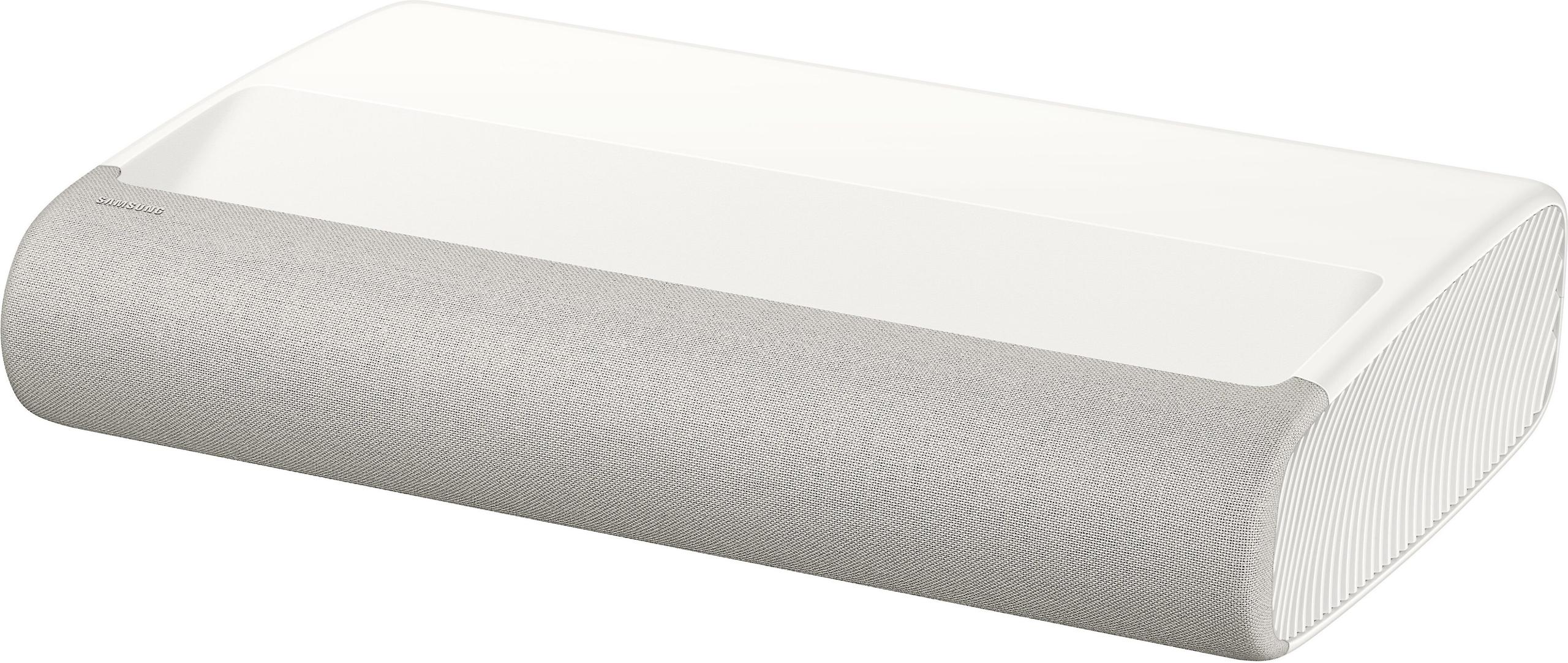
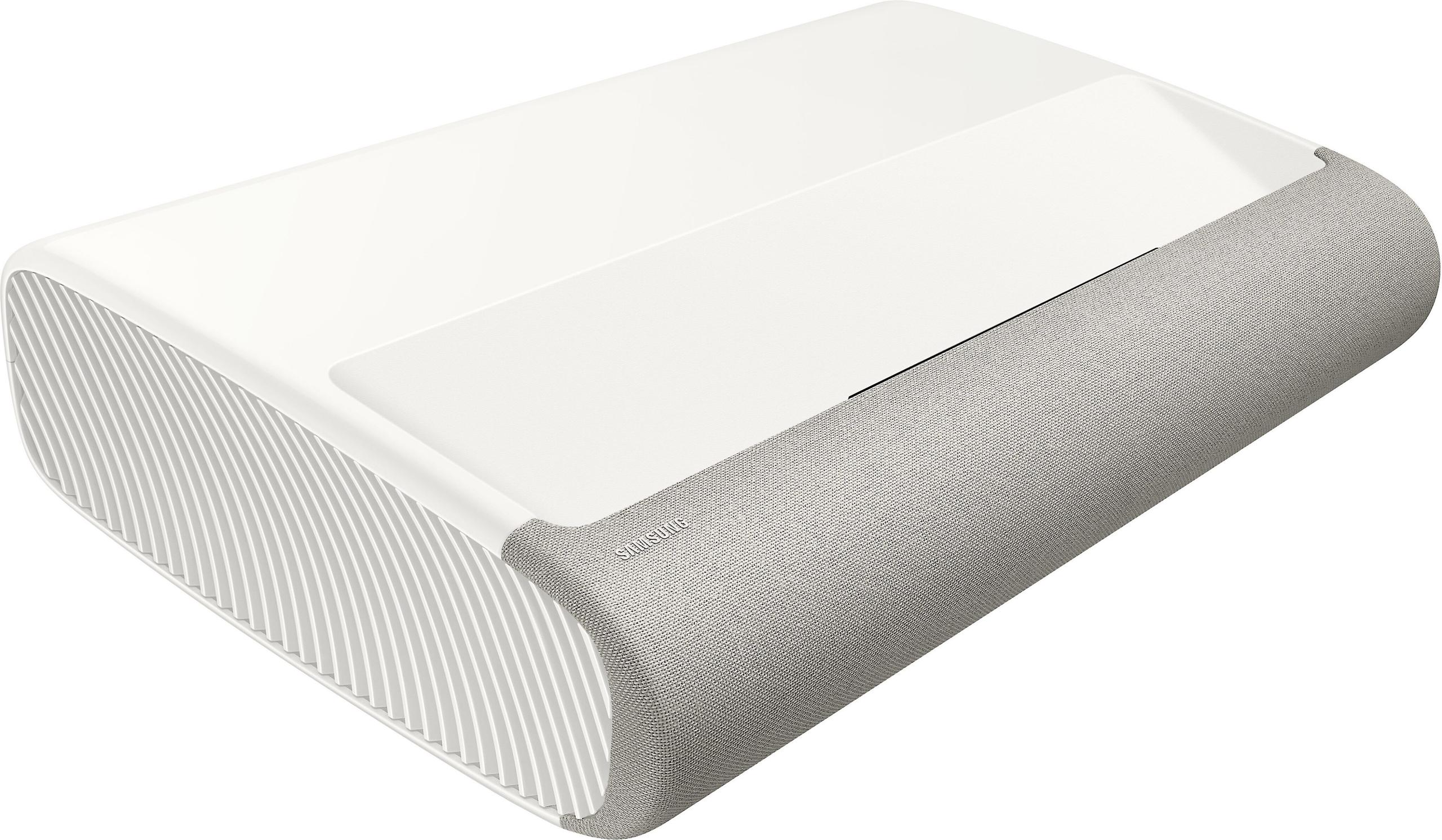
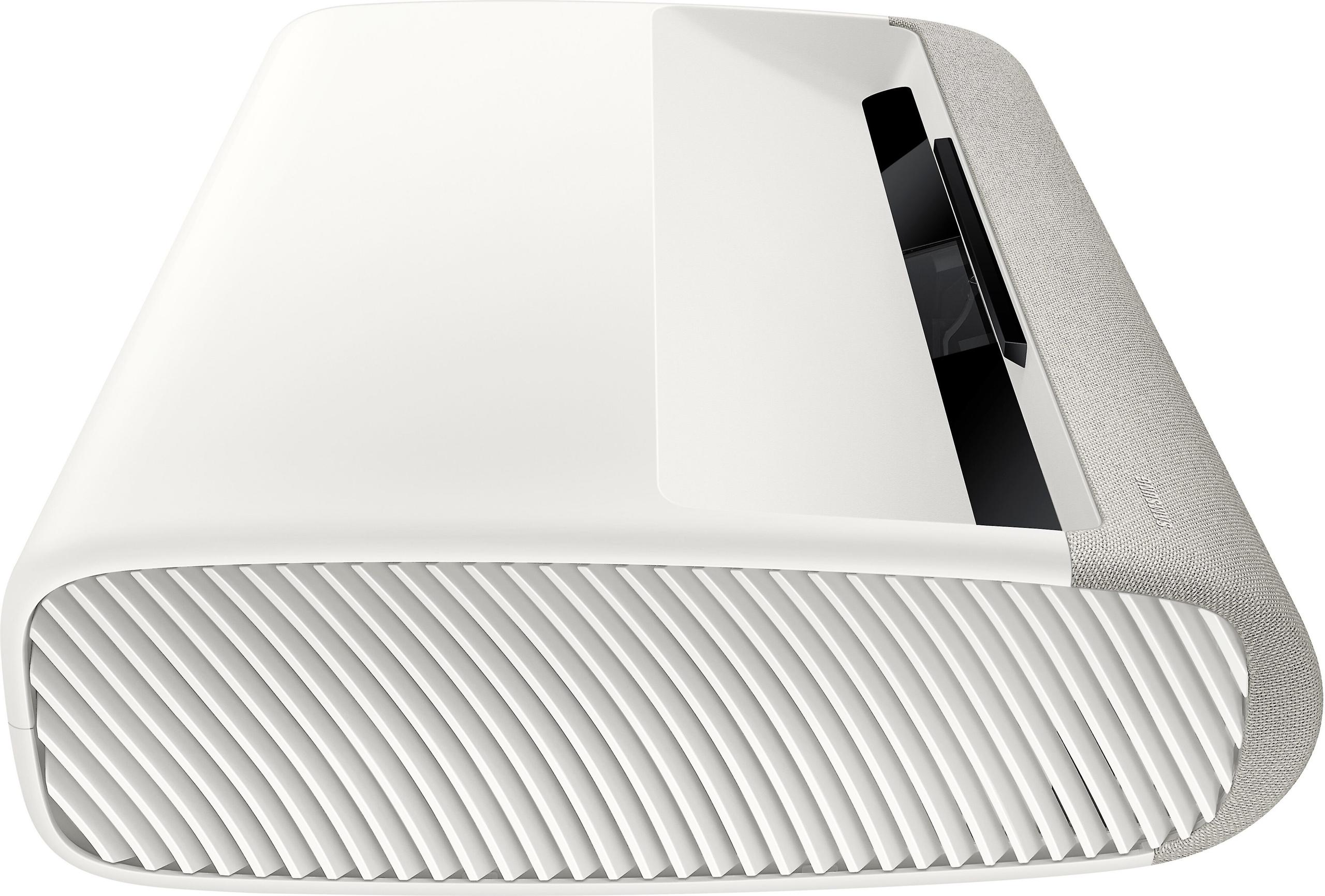
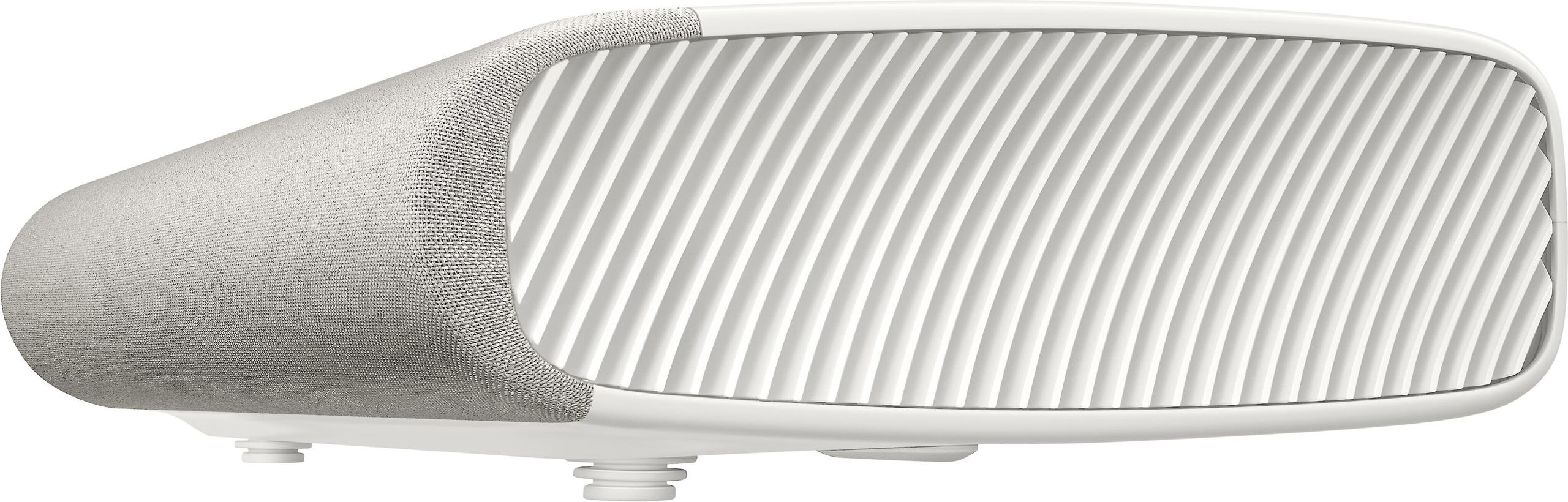
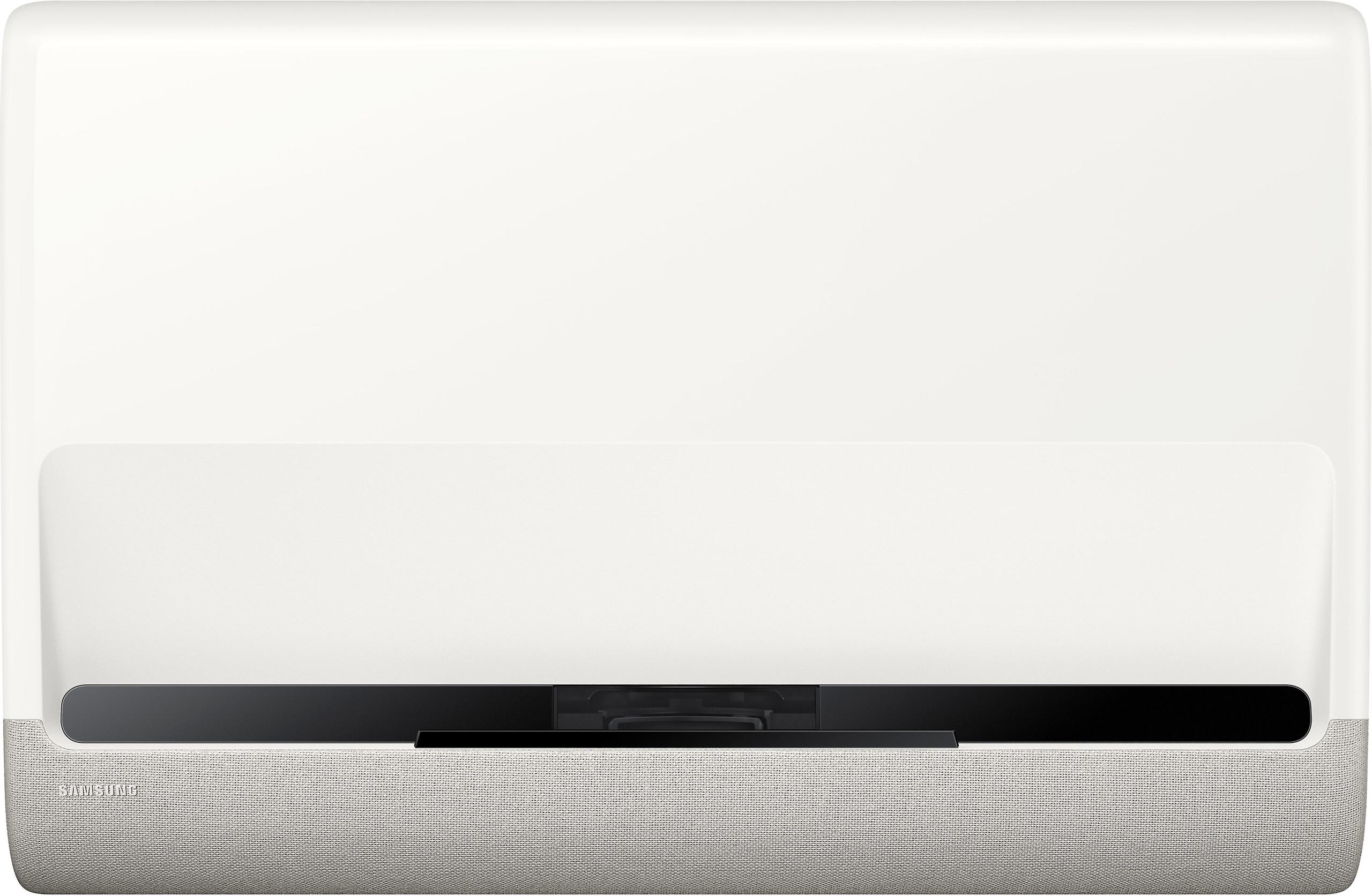
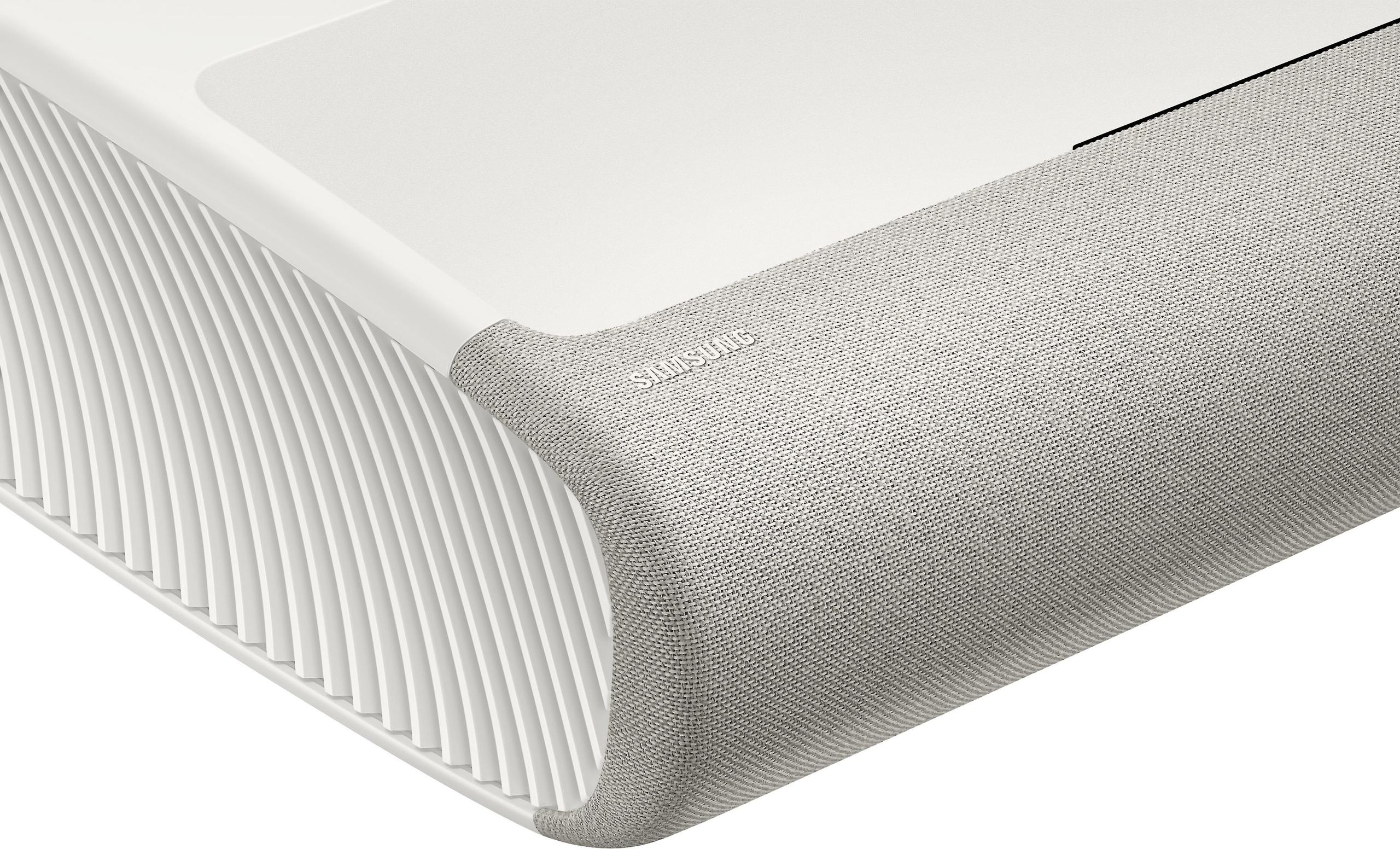
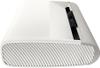
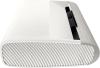
Released in late 2023, the $6,499 Samsung Premiere 9 represents a significant evolution in ultra-short-throw projector technology. After extensive testing, we've found it offers some compelling advantages over traditional home theater setups. Let's explore why this projector might be your next big entertainment upgrade.
The standout feature here is the triple laser system - a significant improvement over traditional single-laser or lamp-based projectors. Instead of using a color wheel or single light source, this projector employs three separate lasers (red, green, and blue) to create images. This technology eliminates the infamous "rainbow effect" that plagues many DLP projectors, where quick eye movements can cause visible color separation.
During our testing in various lighting conditions, the 3,450 lumens brightness proved impressive. To put this in perspective, most home theater projectors operate in the 1,500-2,500 lumens range. This extra brightness means you can watch content during the day without completely darkening your room - a game-changer for everyday use.
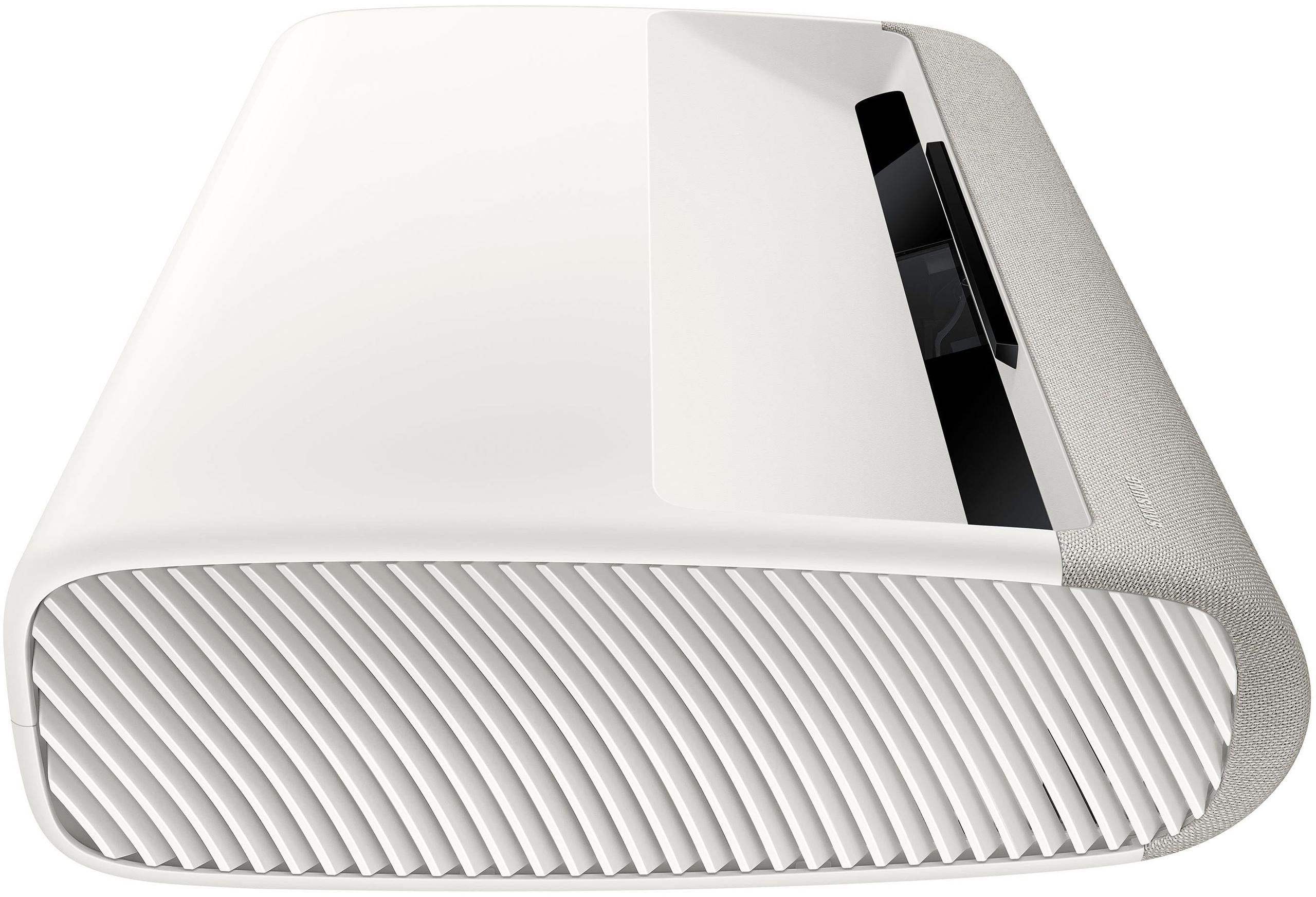
The ultra-short-throw design is genuinely clever. The Premiere 9 can project a massive 130-inch image while sitting just 9.4 inches from your wall. Compare this to traditional projectors that might need 12-15 feet of throw distance for the same screen size. However, placement precision is crucial - even half an inch of misalignment can affect image geometry.
Pro tip: While you can project onto a white wall, we strongly recommend pairing this with an ALR (Ambient Light Rejecting) screen for optimal performance. These screens are specifically designed for UST projectors and help maintain contrast and color accuracy, especially in rooms with ambient light.
The 4K resolution (3840 x 2160) is achieved through XPR pixel-shifting technology, which effectively quadruples the projector's native 1920 x 1080 resolution. In practice, the difference between this and native 4K is virtually indistinguishable at normal viewing distances.
Color performance is exceptional, covering 154% of the DCI-P3 color space - that's actually wider than what most TVs can display. HDR10+ support adds another layer of visual impact, though it's worth noting there's no Dolby Vision support. The projector automatically optimizes HDR content through its Vision Booster technology, which analyzes each scene and adjusts brightness and contrast accordingly.
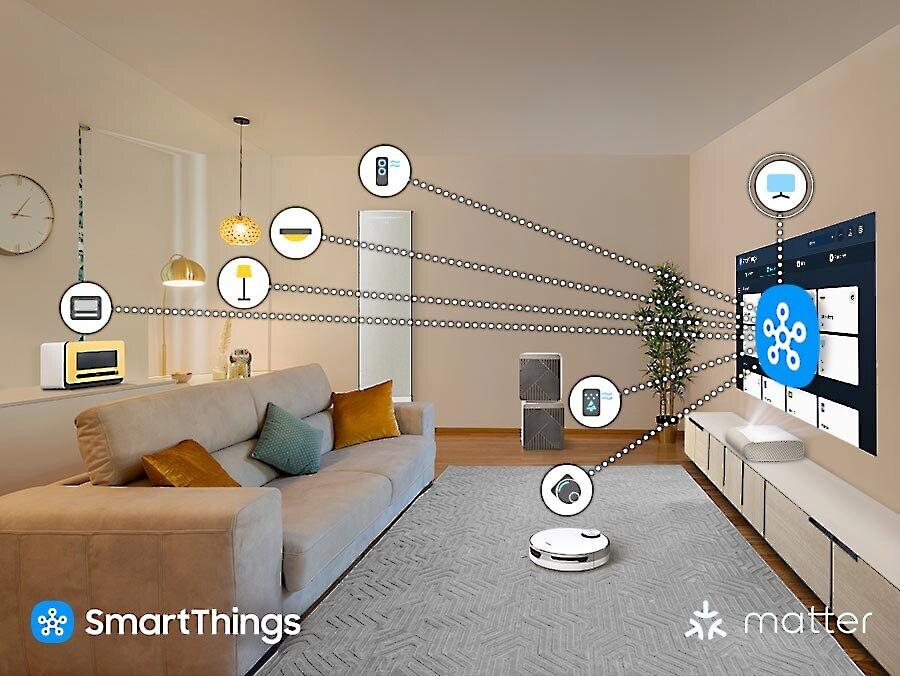
Samsung's Tizen OS provides a familiar smart TV experience. The interface is snappy, and you get access to all major streaming services. The Gaming Hub is particularly interesting, offering cloud gaming without a console, though serious gamers should note the 53ms input lag - fine for casual gaming but not ideal for competitive play.
The built-in 40W 2.2.2 channel system with Dolby Atmos support is surprisingly capable. Up-firing speakers create a convincing sense of height, while built-in woofers provide respectable bass response. While dedicated audio enthusiasts will still want a separate sound system, many users will find the integrated audio more than adequate for everyday viewing.
In our testing environment, we used the projector in both controlled dark room conditions and in a living room with ambient light. Here are some key observations:
At $6,499, this projector competes with both high-end TVs and other UST projectors. When you consider that a premium 85-inch TV costs similarly or more, the value proposition becomes clearer - especially if you're aiming for a 100+ inch display.
While impressive, the Premiere 9 isn't perfect:
After extended testing, a few points stand out:
The Samsung Premiere 9 LPU9D represents a compelling option for those seeking a premium large-screen experience without dedicating space to a traditional projector setup. Its bright, colorful performance and convenient features make it particularly suitable for mixed-use living spaces where a traditional home theater setup isn't practical.
While not perfect for every situation, it excels in its intended role as a TV replacement that can deliver a genuine cinema-scale experience. The combination of triple laser technology, strong brightness, and built-in premium audio makes it a standout choice in the growing UST projector market.
For those debating between a large premium TV and this projector, the decision largely comes down to room setup and viewing preferences. If you have the space and desire for a 100+ inch display, the Premiere 9 offers a compelling solution that can serve as both a casual everyday viewer and a serious home theater display.
The $6,499 Samsung Premiere 9 offers excellent value for those seeking a premium home theater experience with a 100"+ screen. Its triple laser technology, high brightness, and built-in audio make it particularly worth it for those who want a TV-like experience without dedicating space to a traditional projector setup.
The Samsung Premiere 9 outputs 3,450 lumens, making it one of the brightest ultra-short-throw projectors available. This brightness level allows for comfortable viewing even in rooms with moderate ambient light.
Yes, though with some limitations. The projector supports 4K/60Hz gaming and includes a Gaming Hub for cloud gaming, but its 53ms input lag might be noticeable for competitive gaming. It's better suited for casual gaming and story-driven games.
While the Premiere 9 can project onto a white wall, an ALR (Ambient Light Rejecting) screen is strongly recommended for optimal performance. These screens significantly improve contrast and color accuracy, especially in rooms with ambient light.
For a 130-inch image, the projector needs just 9.4 inches from the wall. A 100-inch image requires only 4.4 inches, making it extremely space-efficient compared to traditional projectors.
Yes, through streaming apps on the built-in Tizen OS platform. However, the projector doesn't include a built-in TV tuner, so you'll need an external device for broadcast TV.
The 40W 2.2.2 channel system with Dolby Atmos provides impressive audio quality that surpasses most TVs and projectors. While dedicated home theater enthusiasts might still prefer a separate sound system, many users will find the built-in audio more than adequate.
Yes, the Samsung Premiere 9 performs exceptionally well in bright rooms thanks to its 3,450 lumens brightness and HDR10+ support. The Vision Booster technology automatically adjusts picture settings based on ambient light conditions.
The triple laser light source is rated for 20,000 hours of use, which equals about 10 years of viewing at 5-6 hours per day. Unlike traditional bulb projectors, laser brightness degrades very gradually over time.
The Samsung Premiere 9 is an ultra-short-throw projector, meaning it sits close to the wall rather than across the room. It also features triple laser technology for better color accuracy, built-in smart features, and higher brightness than most traditional projectors. This makes it more suitable as a TV replacement in living spaces.
We've done our best to create useful and informative comparisons to help you decide what product to buy. Our research has used advanced automated methods to create this comparison and perfection is not possible - please contact us for corrections or questions. These are the sites we've researched in the creation of this article: sound-advice.online - valueelectronics.com - bhphotovideo.com - instylehifi.com.au - trustedreviews.com - target.com - pcrichard.com - projectorscreen.com - videoandaudiocenter.com - target.com - avsforum.com - projectorscreen.com
| Samsung Premiere 9 LPU9D |
|---|
| Brightness - Critical for daytime viewing and HDR impact: 3,450 lumens |
| Maximum Screen Size - Determines your maximum possible picture: 130 inches |
| Throw Distance - Space needed from wall to projector: 9.4 inches for 130" screen |
| Resolution: 4K UHD (3840 x 2160) |
| HDR Support - Affects contrast and color range: HDR10+ (no Dolby Vision) |
| Color Gamut - Higher percentage means more vivid colors: 154% DCI-P3 |
| Light Source Life - How long before significant brightness loss: 20,000 hours |
| Built-in Audio - Important if not using external speakers: 40W 2.2.2 channel with Dolby Atmos |
| Input Lag - Critical for gaming performance: 53ms |
| Contrast Ratio - Affects black level and picture depth: 2,000,000:1 |
| Smart Platform - Determines streaming app availability: Tizen OS |
| Gaming Features - Important for console gamers: 4K/60Hz, Cloud Gaming Support |
| Dimensions: 26.4 x 5.4 x 13.6 inches |
| Price: $6,499 |
The $7,999 Epson QB1000 stands out with its superior contrast ratio of 5,000,000:1 and advanced gaming capabilities, including 4K/120Hz support and impressively low input lag under 20ms. While it requires traditional long-throw installation, this approach delivers more consistent image uniformity and better motion handling compared to UST designs. The Epson's sophisticated laser dimming technology and 3LCD system produce noticeably deeper blacks and more natural shadow detail, especially in dedicated home theater environments. Its high-quality glass lens system and extensive installation flexibility make it particularly appealing for serious home theater enthusiasts who prioritize pure image quality over convenience features.
Where the Epson falls short is in its lack of built-in smart features and audio system, requiring additional components for a complete setup. However, this focused approach to performance over convenience is reflected in its superior contrast, gaming capabilities, and overall image quality. While the $2,000 premium over the Samsung might seem steep, the Epson $7,999 QB1000 justifies its higher price through better picture quality, gaming performance, and installation flexibility - making it a compelling choice for dedicated home theater spaces where performance matters more than all-in-one convenience.
🤖 Read Detailed Comparison
👌Epson QB1000 4K 3LCD Laser Projector Details
💵 See Epson QB1000 4K 3LCD Laser Projector Price
The Epson QL3000 stands out with its impressive 6,000 lumens brightness - nearly double that of the Premiere 9 - and true 3-chip 3LCD technology that delivers superior native 4K resolution without pixel shifting. This professional-grade projector also offers significant advantages for serious gaming with HDMI 2.1 support enabling 4K/120Hz gameplay and lower input lag. The ability to project images up to 300 inches and support for interchangeable lenses provides flexibility that the Samsung can't match, though these capabilities come at a significant price premium.
At $14,999, the Epson costs more than twice as much as the Premiere 9, placing it in a different category altogether. While it delivers superior brightness, native resolution, and installation flexibility, these advantages may be overkill for typical home users. The lack of built-in streaming features and speakers also means additional components are required for a complete solution. For dedicated home theater enthusiasts with larger spaces and controlled lighting environments, the Epson's superior image quality and professional features justify its premium price, but most users will find the Premiere 9's balance of features and value more practical for home use.
🤖 Read Detailed Comparison
👌Epson QL3000 4K HDR 3LCD Laser Projector Details
💵 See Epson QL3000 4K HDR 3LCD Laser Projector Price
When comparing alternatives, the Epson QL7000 ($29,999) stands out with its professional-grade capabilities and exceptional brightness output of 10,000 lumens - nearly triple that of the Premiere 9. This massive brightness advantage, combined with true 3-chip 3LCD technology, enables the QL7000 to maintain reference-quality image performance in virtually any lighting condition and at screen sizes up to 300 inches. The projector's advanced thermal management and professional calibration features deliver consistent, accurate colors that serious home theater enthusiasts and professional installations demand.
However, the QL7000's significant price premium and installation complexity make it a distinctly different proposition. While it offers superior technical performance and installation flexibility through interchangeable lenses, it requires professional setup, external video sources, and a separate audio system. For most home users, these additional complications and costs are difficult to justify unless building a dedicated high-end theater room where maximum performance is the primary consideration, regardless of budget.
🤖 Read Detailed Comparison
👌Epson QL7000 4K 3LCD Laser Projector Details
💵 See Epson QL7000 4K 3LCD Laser Projector Price
The JVC DLA-NZ700 ($8,999) takes a more traditional approach to home theater, delivering superior image quality through its native 4K D-ILA chips and advanced Frame Adapt HDR processing. While it can't match the Premiere 9's brightness or room versatility, it offers significantly better contrast with an 80,000:1 native ratio, more accurate colors, and superior motion handling that serious home theater enthusiasts will appreciate. Its HDMI 2.1 support enables 4K/120Hz gaming with lower input lag, making it more capable for next-gen gaming consoles.
However, achieving this premium performance comes with notable tradeoffs in both cost and complexity. The NZ700 requires professional installation, needs 13-20 feet of throw distance, lacks built-in streaming features, and demands a separate audio system. While its $3,000 higher price point delivers noticeably better picture quality in a dedicated theater room, many viewers may find the Premiere 9's all-in-one convenience and bright-room performance more practical for everyday use. The NZ700 is ultimately the better choice for dedicated cinephiles who prioritize absolute image quality over installation flexibility and smart features.
🤖 Read Detailed Comparison
👌JVC DLA-NZ700 4K Laser Projector Details
💵 See JVC DLA-NZ700 4K Laser Projector Price
The JVC DLA-NZ800 ($15,999) stands apart with its exceptional native contrast ratio of 100,000:1 and advanced 8K e-shiftX technology, delivering arguably the best picture quality available in home projection. Its sophisticated Frame Adapt HDR processing analyzes content frame-by-frame, resulting in consistently superior HDR performance compared to the Premiere 9. The traditional long-throw design allows for larger screen sizes up to 200 inches, while the high-quality glass lens and extensive motorized shift capabilities provide greater installation flexibility for dedicated theater rooms. Gaming enthusiasts will appreciate the lower 36ms input lag and true 4K/120Hz support through HDMI 2.1.
However, the significantly higher price point and lack of built-in speakers or smart features make the DLA-NZ800 a more specialized choice for dedicated home theater enthusiasts. Its lower 2,700 lumens brightness means it performs best in controlled lighting conditions, unlike the Premiere 9's more versatile bright-room capability. While the JVC delivers superior absolute image quality, its traditional throw distance requires more careful room planning and likely professional installation. For many users, the Premiere 9's combination of convenience features and strong performance may represent better value, unless reference-quality image performance in a dedicated theater room is the primary goal.
🤖 Read Detailed Comparison
👌JVC DLA-NZ800 8K Home Theater Projector Details
💵 See JVC DLA-NZ800 8K Home Theater Projector Price
The JVC DLA-NZ900 represents a different approach to home theater, offering reference-level image quality for dedicated theater environments. Its native contrast ratio of 150,000:1 and advanced 8K e-shiftX technology deliver extraordinary black levels and detail that exceed what's possible with UST projectors. The traditional long-throw design allows for larger screen sizes up to 300 inches, though it requires more complex installation and a completely light-controlled room to showcase its capabilities. JVC's sophisticated Frame Adapt HDR processing and Theater Optimizer features provide some of the best HDR performance available in any consumer display.
However, at $25,999, the DLA-NZ900 costs more than four times as much as the Premiere 9, and that premium buys you primarily incremental image quality improvements that may only be noticeable to enthusiasts in ideal viewing conditions. While it offers superior contrast, more flexible installation distances, and advanced calibration options, it lacks the Premiere 9's versatility for bright rooms, built-in streaming features, and simple setup. For most users, these tradeoffs make it difficult to justify the significant price difference unless you're building a dedicated high-end theater room where absolute image quality is the priority regardless of cost.
🤖 Read Detailed Comparison
👌JVC DLA-NZ900 8K Home Theater Projector Details
💵 See JVC DLA-NZ900 8K Home Theater Projector Price
When comparing high-end projectors, the JVC DLA-NX9 stands out with its remarkable 8K e-shift technology and superior native contrast ratio of 100,000:1. While significantly more expensive at $17,999, it delivers reference-level image quality that serious home theater enthusiasts demand. The JVC's D-ILA technology produces noticeably deeper blacks and more nuanced color gradations in controlled lighting conditions, while its advanced lens memory and installation flexibility make it ideal for dedicated theater rooms where professional calibration and setup are expected.
However, the JVC's traditional lamp-based system requires more maintenance, with bulb replacements needed every 4,500 hours, and its 2,200 lumens brightness makes it less suitable for rooms with ambient light. The JVC DLA-NX9 also lacks modern conveniences like built-in streaming apps or speakers, requiring additional components for a complete system. While it represents the pinnacle of dedicated home theater performance, its higher price point and installation complexity make it a more specialized choice compared to the Samsung's versatile all-in-one approach.
🤖 Read Detailed Comparison
👌JVC DLA-NX9 8K e-shift Home Theater Projector Details
💵 See JVC DLA-NX9 8K e-shift Home Theater Projector Price
The Sony VPL-XW5000ES ($5,413) stands out with its native 4K SXRD panels, delivering exceptionally precise image quality without relying on pixel-shifting technology. While it offers lower brightness at 2,000 lumens compared to the Premiere 9, it excels in dedicated home theater environments where ambient light can be controlled. The Sony's X1 Ultimate processor and TRILUMINOS PRO technology provide sophisticated real-time scene optimization and remarkably accurate colors, though its 95% DCI-P3 coverage is technically lower than Samsung's triple laser system. The traditional long-throw design allows for larger maximum screen sizes up to 300 inches, offering more flexibility for truly massive home theater setups.
When considering value, the Sony XW5000ES requires additional investment in external speakers and potentially professional installation, which partly offsets its lower initial price. However, for home theater enthusiasts who already have quality audio equipment and prioritize pure image quality in controlled lighting conditions, the Sony offers compelling value. Its more traditional projection design may require more complex installation, but it can provide better image uniformity across the entire screen and typically experiences fewer issues with geometric distortion compared to ultra-short throw projectors. The lack of smart features and gaming optimization might be a drawback for some, but this focused approach to image quality makes it an excellent choice for dedicated home theater spaces where external devices handle streaming and gaming duties.
🤖 Read Detailed Comparison
👌Sony VPLXW5000ES 4K HDR Laser Home Theater Projector Details
💵 See Sony VPLXW5000ES 4K HDR Laser Home Theater Projector Price
While the Epson Pro Cinema LS12000 ($4,999) takes a more traditional approach to home theater projection, it offers several compelling advantages over the Samsung. Most notably, its superior gaming capabilities with 4K/120Hz support and remarkably low 20ms input lag make it the better choice for serious gamers. The Epson's 3-LCD technology delivers naturally accurate colors without the potential for rainbow artifacts, and its extensive lens shift capabilities (±96% vertical, ±47% horizontal) along with powered zoom and focus make it incredibly flexible for permanent installations. Professional calibration options and ISF certification also give it an edge for home theater enthusiasts who demand precise image control.
Where the Epson falls short is in its lack of built-in streaming capabilities and audio, requiring additional components for a complete setup. Its 2,700-lumen brightness, while strong, doesn't quite match the Samsung's output, and the traditional throw distance demands more careful room planning. However, the LS12000 represents excellent value at $1,000 less than the Samsung, especially for buyers who already have or plan to invest in separate audio and streaming solutions. For dedicated home theater environments where pure image quality and gaming performance take priority over convenience features, the Epson makes a compelling case as the more focused, performance-oriented choice.
🤖 Read Detailed Comparison
👌Epson Pro Cinema LS12000 4K PRO-UHD Laser Projector Details
💵 See Epson Pro Cinema LS12000 4K PRO-UHD Laser Projector Price
The JVC DLA-NZ9 represents a different approach to home theater projection, offering true 8K resolution through its advanced three-chip D-ILA technology and e-shiftX processing. While significantly more expensive at $24,999, it delivers unmatched native contrast (100,000:1) and superior HDR handling through its Frame Adapt HDR technology. The traditional long-throw design requires more complex installation, but enables pristine image quality that excels in dedicated theater environments where ambient light can be fully controlled.
For buyers considering both options, the JVC's premium price brings meaningful benefits for critical viewing, particularly in optimal conditions. Its superior motion handling, advanced HDR processing, and true 8K capability make it the choice for enthusiasts seeking the absolute pinnacle of home theater performance. However, these advantages must be weighed against its need for professional installation, additional audio equipment, and a dedicated viewing space - considerations that make the Samsung's more flexible, all-in-one approach appealing for many users despite its lower absolute performance ceiling.
🤖 Read Detailed Comparison
👌JVC DLA-NZ9 8K Home Theater Projector Details
💵 See JVC DLA-NZ9 8K Home Theater Projector Price
The $27,998 Sony VPL-XW7000ES represents a different approach to premium projection, utilizing Sony's acclaimed SXRD technology to deliver reference-level image quality with superior native contrast and black levels. While it requires more traditional ceiling-mounting and a dedicated theater room, its professional-grade color accuracy and exceptional motion handling make it a favorite among serious home theater enthusiasts. The built-in X1 Ultimate processor provides outstanding HDR processing and upscaling capabilities, while its lower input lag of 21ms at 4K/60Hz makes it surprisingly capable for gaming.
However, at nearly five times the price of the Premiere 9, the XW7000ES targets a distinctly different market segment. Its lack of built-in streaming capabilities and speakers, combined with more complex installation requirements, make it less suitable for multi-purpose rooms or casual viewing environments. While it undoubtedly offers superior image quality in controlled lighting conditions, the practical benefits of this performance advantage may not justify the significant price premium for many users, especially those without dedicated theater rooms or professional installation support.
🤖 Read Detailed Comparison
👌Sony VPL-XW7000ES 4K SXRD Laser Home Cinema Projector Details
💵 See Sony VPL-XW7000ES 4K SXRD Laser Home Cinema Projector Price
The Valerion VisionMaster Pro 2 excels where the Premiere 9 shows limitations, particularly in gaming performance and professional image quality. Its ultra-low 4ms input lag at 1080p/240Hz and dual HDMI 2.1 ports make it exceptional for competitive gaming and next-generation consoles, while comprehensive HDR format support including Dolby Vision ensures compatibility with premium streaming content that the Premiere 9 cannot display properly. The ISF-certified calibration delivers reference-quality color accuracy with 110% Rec.2020 coverage, appealing to videophiles who demand precise image reproduction. Its traditional throw design also provides incredible flexibility with screen sizes ranging from 40 to 300 inches, making it suitable for everything from small bedrooms to massive dedicated theaters.
The value proposition strongly favors the Valerion VisionMaster Pro 2, delivering premium features at roughly half the cost of the Premiere 9. While it requires ceiling mounting or proper shelf placement—adding installation complexity—the motorized zoom, auto-focus, and keystone correction features simplify setup once positioned. The trade-off is audio quality, as its 24-watt speaker system cannot match the Premiere 9's impressive Dolby Atmos setup, typically requiring external speakers for serious home theater use. However, for enthusiasts willing to invest in proper installation and external audio, the VisionMaster Pro 2 provides superior gaming performance, broader HDR compatibility, professional color accuracy, and massive screen flexibility at a significantly lower price point, making it the clear choice for performance-focused buyers.
🤖 Read Detailed Comparison
👌Valerion VisionMaster Pro 2 Projector Details
💵 See Valerion VisionMaster Pro 2 Projector Price
The Epson Home Cinema 5050UB delivers exceptional image quality through its proprietary UltraBlack technology and true 3-chip 3LCD design, achieving a remarkable 1,000,000:1 contrast ratio that produces genuinely deep blacks rather than the washed-out grays common in many projectors. This contrast advantage becomes immediately apparent in dark movie scenes where shadow detail and three-dimensional depth separate the Epson from competitors. The traditional long-throw design enables massive screen sizes up to 300 inches with extraordinary installation flexibility through its motorized lens system, offering ±96% vertical and ±47% horizontal lens shift plus 2.1x zoom and lens memory functions. At a significantly lower price point than the Premiere 9, the Epson Home Cinema 5050UB represents outstanding value for image quality, especially when considering its full 10-bit color processing and coverage of the DCI-P3 cinema color space.
The trade-offs are primarily in convenience and room versatility. The Epson Home Cinema 5050UB requires careful room planning with 10-30 feet of throw distance, typically necessitating ceiling mounting and cable management across the room. Its 2,600-lumen output, while adequate for controlled environments, struggles in rooms with significant ambient light where the Premiere 9 excels. The lamp-based technology means ongoing maintenance costs every 3-4 years, and the complete lack of smart features requires external devices for streaming content. However, for dedicated home theater enthusiasts who can control lighting and want reference-level image quality, the Epson Home Cinema 5050UB delivers superior contrast, black levels, and screen size flexibility at a more accessible price point, making it the clear choice when ultimate picture quality takes priority over convenience features.
🤖 Read Detailed Comparison
👌Epson Home Cinema 5050UB Projector Details
💵 See Epson Home Cinema 5050UB Projector Price
The Epson Home Cinema LS11000 excels where serious home theater enthusiasts and gamers need uncompromising performance. Its advanced 4K PRO-UHD pixel shifting technology with the new Precision Shift Glass Plate delivers sharper, more detailed images that are virtually indistinguishable from native 4K projectors at normal viewing distances. The 3LCD design produces superior black levels and contrast compared to single-chip DLP systems, making dark movie scenes appear with exceptional shadow detail and depth. For gaming, the Epson LS11000 is in a different league entirely with dual HDMI 2.1 ports supporting 4K@120Hz and approximately 20ms input lag—essential features for getting full performance from PlayStation 5, Xbox Series X, or high-end PC gaming that the Premiere 9 simply cannot match.
The Epson LS11000 also offers remarkable installation flexibility that the ultra-short throw design cannot provide. Its motorized lens system includes extensive shift capabilities (±96.3% vertical, ±47.1% horizontal), 2.1x zoom, and lens memory functions that allow precise image positioning without moving the projector physically. This flexibility is invaluable for custom theater installations and switching between different aspect ratios. At a significantly lower price point, the Epson LS11000 delivers superior image quality and gaming performance, though it requires separate streaming devices and sound systems. For dedicated home theater rooms with controlled lighting, the Epson provides exceptional value by focusing resources on core projection performance rather than convenience features, making it the clear choice for enthusiasts who prioritize picture quality and don't need the all-in-one approach.
🤖 Read Detailed Comparison
👌Epson Home Cinema LS11000 4K Laser Projector Details
💵 See Epson Home Cinema LS11000 4K Laser Projector Price
The Valerion StreamMaster Plus 2 delivers exceptional performance advantages that make it compelling for dedicated home theater enthusiasts and gamers. Its standout gaming performance with 4ms input lag at 1080p/240Hz and dual HDMI 2.1 connectivity puts it in a completely different league for responsive gaming, while its comprehensive HDR support including Dolby Vision and IMAX Enhanced provides superior format compatibility for premium streaming content. The Valerion's Enhanced Black Level technology and 10,000:1 dynamic contrast create dramatically better shadow detail and image depth in controlled lighting environments, where its 2,000 ISO lumens prove more than adequate for cinematic viewing. Perhaps most importantly, its traditional throw design offers incredible flexibility with screen sizes from 40-300 inches, accommodating everything from small bedrooms to massive home theaters.
From a value perspective, the Valerion StreamMaster Plus 2 provides significantly more projector capability at a lower price point, making it attractive for buyers who prioritize performance over convenience. While it requires more complex installation with ceiling mounting or rear shelf placement, this traditional setup actually enables better image quality by avoiding the optical compromises inherent in ultra-short throw designs. The trade-off is clear: you sacrifice the Premiere 9's bright room capability and premium integrated audio for superior contrast performance, gaming excellence, format support, and installation flexibility. For users with dedicated theater spaces or the ability to control ambient lighting, the Valerion delivers a more immersive and technically superior projection experience at better value.
🤖 Read Detailed Comparison
👌Valerion StreamMaster Plus 2 4K Projector Details
💵 See Valerion StreamMaster Plus 2 4K Projector Price
The Epson Home Cinema 5050UB takes a traditional home theater approach that prioritizes pure image quality over convenience features, delivering superior contrast performance that's immediately noticeable in dark room viewing. Its 3-LCD technology with UltraBlack compensation produces genuinely deep blacks and exceptional shadow detail that creates a more cinematic experience than the Samsung can achieve. The fully motorized lens system with extensive vertical and horizontal shift capabilities provides installation flexibility that's invaluable in challenging room layouts, while the 2.1x zoom and ability to project up to 300 inches makes it suitable for everything from modest basement theaters to large dedicated cinema rooms.
Where the Epson 5050UB truly shines is in value proposition, delivering this level of contrast and color performance at a significantly lower price point than the Samsung. While it requires lamp replacements every few years and lacks smart features entirely, this focused approach appeals to enthusiasts who plan to use high-quality external components anyway. The trade-offs are real—you'll need controlled lighting to see its benefits, ceiling mounting or rear placement adds installation complexity, and you'll need separate streaming devices and audio systems. However, for users building dedicated home theaters who prioritize image quality over convenience, the Epson delivers a more cinematic experience that justifies choosing traditional projection technology over the Samsung's ultra-short throw convenience.
🤖 Read Detailed Comparison
👌Epson Home Cinema 5050UB 4K PRO-UHD 3-Chip Projector Details
💵 See Epson Home Cinema 5050UB 4K PRO-UHD 3-Chip Projector Price
The BenQ HT4550i delivers exceptional value with cinema-grade performance at roughly half the price, making it one of the most compelling 4K projectors for dedicated home theater applications. Its factory-calibrated color accuracy achieves professional standards with 100% DCI-P3 coverage and Delta E values under 2, ensuring colors appear exactly as filmmakers intended without any post-purchase calibration. The standout feature for enthusiasts is its gaming optimization with ultra-low 8.7ms input lag at 1080p/240Hz and support for high refresh rates up to 240Hz, making it viable for competitive gaming on a massive screen. Its HDR-PRO technology with over 1,000 zones of dynamic contrast enhancement delivers some of the best HDR performance available in this price range, while the traditional throw design allows for superior native contrast and black level performance that becomes particularly noticeable in dark movie scenes.
While the BenQ HT4550i requires traditional projector installation with ceiling mounting and cable runs, this complexity enables placement flexibility through generous lens shift capabilities and zoom adjustments that ultra-short throw designs can't match. The trade-off is its basic 5W mono speaker that necessitates external audio equipment, but this actually works in favor of serious home theater builds where dedicated surround sound systems are planned anyway. At 3,200 ANSI lumens, it provides adequate brightness for most viewing scenarios while maintaining better color accuracy than brighter competitors. The three-year warranty doubles the industry standard, reflecting manufacturer confidence in build quality. For users who can accommodate traditional installation and prioritize picture quality over convenience, the HT4550i represents exceptional performance per dollar that's difficult to match, particularly excelling in controlled lighting environments where its superior contrast and color accuracy create a truly cinematic experience.
🤖 Read Detailed Comparison
👌BenQ HT4550i 4K HDR LED Home Theater Projector Details
💵 See BenQ HT4550i 4K HDR LED Home Theater Projector Price
The JVC LX-NZ30 represents the traditional home theater approach with several key advantages that serious enthusiasts will appreciate. Its standout feature is exceptional gaming performance with ultra-low 6.25ms input lag and support for high refresh rates up to 1080p/240Hz, making it one of the best projectors for competitive gaming. The single-chip DLP technology delivers superior contrast with true blacks that completely shut off pixels, providing more realistic shadow detail and cinematic depth in dark scenes—a critical advantage for dedicated theater rooms. Installation flexibility is another major strength, offering screen sizes from 80 to 200 inches with a 1.6x zoom lens and extensive lens shift capabilities that make room placement much more forgiving than the Samsung's fixed ultra-short throw design.
From a value perspective, the JVC LX-NZ30 typically costs significantly less than the Samsung while delivering better core projection performance where it matters most for movie watching and gaming. While it lacks built-in smart features and audio, requiring external streaming devices and sound systems, this component-based approach offers long-term flexibility and upgradeability that many enthusiasts prefer. The JVC's BLU-Escent laser technology matches the Samsung's 20,000-hour lifespan while maintaining more natural, film-accurate colors that don't require calibration to avoid oversaturation. For users building dedicated theater rooms or prioritizing image quality and gaming performance over convenience features, the JVC offers substantially better performance per dollar, though it demands more setup complexity and additional component purchases to create a complete entertainment system.
🤖 Read Detailed Comparison
👌JVC LX-NZ30 4K HDR Laser Projector Details
💵 See JVC LX-NZ30 4K HDR Laser Projector Price
The XGIMI Horizon 20 Max delivers exceptional performance with its 5,700 ISO lumens of brightness—65% more than the Premiere 9—making it dramatically more versatile for daytime viewing and rooms with ambient light. This brightness advantage becomes even more significant when projecting larger images, as the XGIMI maintains vibrant colors and sharp detail even at its maximum 300-inch capability, far exceeding the Samsung's 130-inch limit. For gaming enthusiasts, the XGIMI's 1ms input lag at high refresh rates and support for 240Hz at 1080p creates a responsive experience that rivals dedicated gaming monitors, while its comprehensive HDR support including Dolby Vision and IMAX Enhanced ensures compatibility with the latest streaming content and Ultra HD Blu-rays.
However, the XGIMI Horizon 20 Max requires a traditional long-throw installation with 12-15+ feet of distance from the screen, making it impractical for many living room setups and typically necessitating ceiling mounting or dedicated furniture positioning. Its 24W built-in speakers are adequate but can't match the Premiere 9's immersive Dolby Atmos system, and the lack of native Netflix support means you'll need an external streaming device to access one of the most popular platforms. While the XGIMI often provides better brightness-per-dollar value, the total system cost including mounting hardware, screens, and streaming devices can shift the value equation, making it better suited for users with dedicated home theater spaces who prioritize maximum performance over installation convenience.
🤖 Read Detailed Comparison
👌XGIMI Horizon 20 Max 4K Projector Details
💵 See XGIMI Horizon 20 Max 4K Projector Price
The BenQ W4100i delivers superior performance in several critical areas, particularly for users who prioritize picture quality and gaming capabilities. Its factory-calibrated color accuracy achieves Delta E <2 with 100% DCI-P3 coverage, ensuring movies appear exactly as filmmakers intended without the oversaturated colors that some find distracting. Gaming performance is exceptional with input lag as low as 6.5ms at 1080p/240Hz and three HDMI 2.1 ports supporting high refresh rates, making it genuinely competitive for serious gaming on a massive screen. The traditional throw design also enables superior contrast performance with deeper blacks and better shadow detail in dark scenes, while 4-way lens shift and 1.3x optical zoom provide installation flexibility that ultra-short throw designs simply cannot match.
The value proposition strongly favors the BenQ W4100i, offering significantly lower pricing while including features the Samsung lacks entirely, such as 3D support and a generous 3-year warranty. While you'll need to invest in external audio equipment and handle more complex installation, the total cost can still be competitive depending on your audio ambitions, and the performance benefits are substantial. The W4100i's 30,000-hour LED lifespan also edges out the Samsung's 20,000+ hour laser system for long-term reliability. For buyers building dedicated home theaters where installation complexity isn't prohibitive, the BenQ provides better picture accuracy, gaming performance, and overall value, though it requires more commitment to proper setup and room control to achieve its full potential.
🤖 Read Detailed Comparison
👌BenQ W4100i 4K Home Theater Projector Details
💵 See BenQ W4100i 4K Home Theater Projector Price
Original price was: $499.99.$369.99Current price is: $369.99.
Original price was: $579.99.$318.99Current price is: $318.99.


Privacy Policy
Terms and Conditions - Affiliate Policy
Home Security
© Copyright 2008-2026.
11816 Inwood Rd #1211, Dallas, TX 75244