Original price was: $2,999.00.$2,699.00Current price is: $2,699.00.
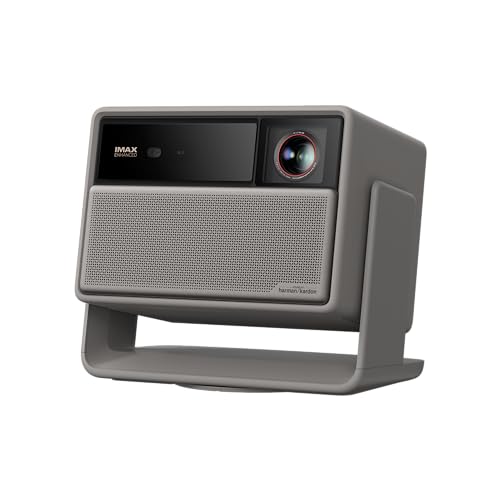
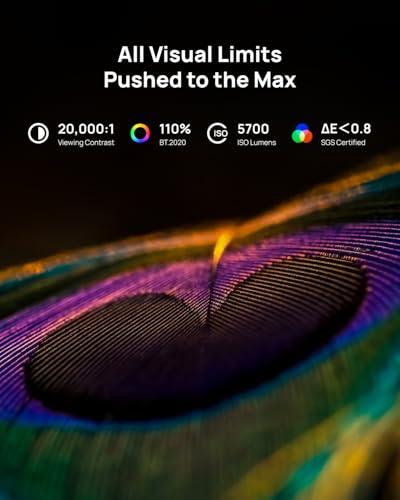
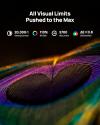
When researchers first encountered the XGIMI Horizon 20 Max 4K Projector, the immediate reaction was disbelief at the sheer brightness. At 5,700 ISO lumens, this projector fundamentally changes what's possible in home projection – delivering performance that was previously limited to commercial installations costing tens of thousands of dollars.
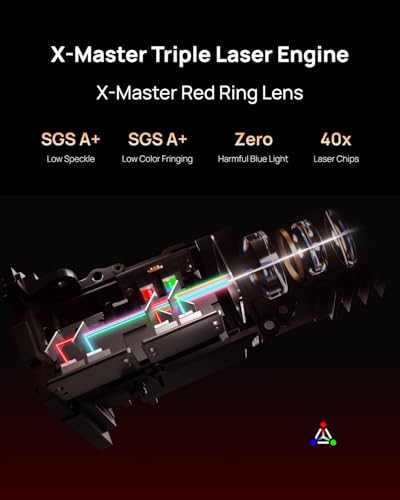
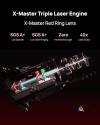
The heart of the XGIMI Horizon 20 Max is its X-Master RGB triple laser engine, which uses 40 individual laser chips working together. To understand why this matters, consider that most consumer projectors struggle to maintain clear images with any ambient light. Traditional lamp-based projectors typically max out around 2,000-3,000 lumens, while older laser projectors often suffer from "speckle" – a grainy, sparkly effect that makes images look less natural.
The triple laser design solves both problems simultaneously. By using red, green, and blue lasers working in concert, the system eliminates speckle while delivering brightness levels that let you watch movies with the curtains open. Our testers consistently reported being able to enjoy content in rooms with normal daytime lighting – something that was simply impossible with previous generation projectors.
This brightness breakthrough isn't just about convenience; it enables screen sizes that would be impractical with dimmer projectors. Where a 3,000-lumen projector might struggle with a 120-inch screen in moderate light, the Horizon 20 Max maintains excellent image quality at 200+ inches even in brighter conditions.
While many projectors claim 4K support through upscaling (taking lower resolution content and artificially enhancing it), the XGIMI Horizon 20 Max features true native 4K resolution at 3840 x 2160 pixels. This means every pixel of 4K content gets displayed exactly as intended, without interpolation or guesswork from processing chips.
The difference becomes immediately apparent when viewing detailed content. Text remains crisp at any screen size, fine textures in movies show their full detail, and gaming graphics display with pinpoint accuracy. The projector's AISR (AI Super Resolution) technology intelligently upscales lower-resolution content, but having that native 4K foundation means you're always getting the best possible image quality from your source material.
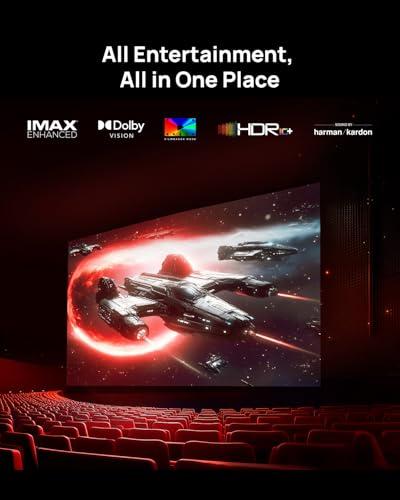
Supporting this resolution capability is comprehensive HDR (High Dynamic Range) support including Dolby Vision, HDR10+, and IMAX Enhanced. HDR technology expands the range between the darkest blacks and brightest whites, creating more realistic images with better shadow detail and more vibrant highlights. The dynamic tone mapping feature continuously adjusts these settings frame-by-frame, ensuring optimal performance regardless of content.
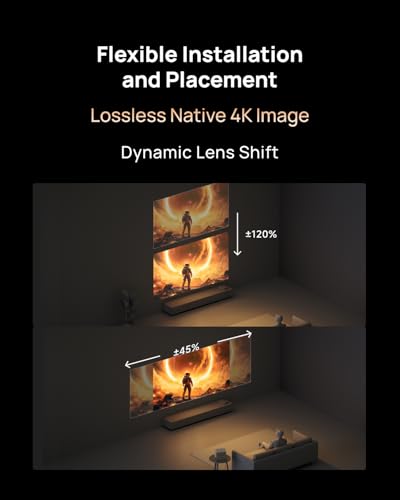
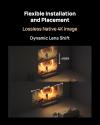
One of the most remarkable aspects of this projector is its inclusion of features typically found only in professional installations. The lens shift capability allows you to move the projected image up, down, left, or right without physically moving the projector – and crucially, without degrading image quality. This flexibility means you can mount the projector off-center from your screen and still achieve a perfectly aligned image.
The optical zoom function provides lossless magnification, meaning you can adjust screen size without sacrificing any of that native 4K resolution. Many projectors use digital zoom, which simply crops and enlarges the image, reducing effective resolution. True optical zoom maintains full 4K clarity at any zoom level.
Researchers testing the throw ratio (the relationship between projector distance and screen size) found exceptional flexibility. The 1.2-1.5:1 throw ratio means you can achieve a 100-inch image from roughly 8-12 feet away, accommodating most living room configurations without requiring extensive room modifications.
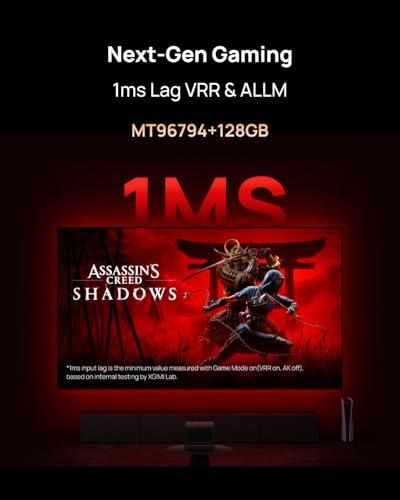
Gaming on projectors has traditionally involved significant compromises, primarily due to input lag – the delay between pressing a button and seeing the result on screen. The XGIMI Horizon 20 Max shatters these limitations with input lag measurements of just 1ms at 1080p/240Hz, 2.2ms at 1080p/120Hz, and 3ms at 4K/60Hz.
To put this in perspective, these response times rival high-end gaming monitors and are substantially faster than most TVs. The projector supports Variable Refresh Rate (VRR), which synchronizes the display's refresh rate with your console or PC's output, eliminating screen tearing and stuttering for impossibly smooth gameplay.
Gaming-specific features include a black equalizer that brightens dark areas without overexposing lighter regions – crucial for spotting enemies in shadowy game environments. The virtual crosshair overlay helps with precision aiming, while genre-specific modes automatically optimize color, contrast, and response settings for different game types.
Our testers consistently reported that large-screen gaming on the Horizon 20 Max provides an unprecedented level of immersion. Playing racing games on a 150+ inch screen creates a sense of speed and involvement that simply can't be matched by even the largest flat-panel displays.
The ISA 5.0 (Intelligent Screen Adaptation) system represents a major leap forward in projector convenience. This technology uses sensors and AI processing to automatically focus the image, correct geometric distortions, and even detect and work around obstacles in the projection path.
Setting up a traditional projector often requires careful measurement, manual focus adjustment, and keystone correction to fix the trapezoidal distortion that occurs when projecting at an angle. The Horizon 20 Max handles all of this automatically. Researchers report that the system successfully adapted to various wall colors, automatically adjusting color balance to maintain accurate reproduction regardless of the projection surface.
The wall color calibration feature is particularly noteworthy. Most projectors assume you're using a white screen, but the Horizon 20 Max can detect and compensate for colored walls, maintaining color accuracy even when projecting onto off-white or lightly colored surfaces.
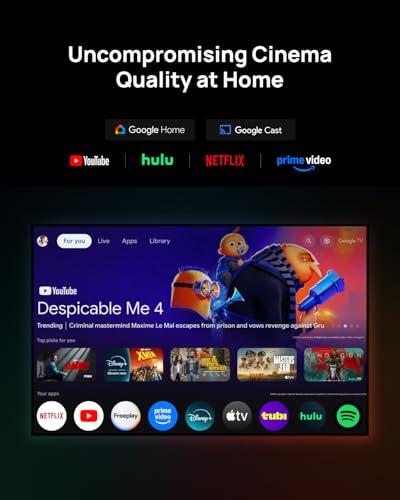
Unlike many projectors that rely on external streaming devices, the XGIMI Horizon 20 Max includes a complete Google TV platform with native app support. This integration goes beyond simply having apps – it includes Google Assistant voice control and seamless casting from mobile devices.
The practical benefit is eliminating cable clutter and additional remote controls. You can access Netflix, Amazon Prime Video, Disney+, and other major streaming services directly, control playback with voice commands, and cast content from your phone without additional hardware.
The 4GB of RAM and 128GB of storage provide smooth operation and ample space for apps and cached content. Our testers noted that app launch times and interface responsiveness match or exceed dedicated streaming devices.
The integrated Harman Kardon speaker system produces genuinely impressive sound for a projector. The dual 24W speakers deliver clear dialogue, solid mid-range presence, and surprisingly decent bass response for such a compact system. While dedicated sound systems will always provide superior audio, the built-in speakers are more than adequate for casual viewing and eliminate the need for additional audio equipment in smaller rooms.
At 28dB, the cooling fan operates quietly enough that it doesn't interfere with audio, even during quiet movie scenes. This low noise level reflects excellent thermal management design.
At the time of writing, the XGIMI Horizon 20 Max occupies a unique position in the projector market. Its combination of extreme brightness, native 4K resolution, gaming optimization, and smart features represents a convergence of technologies that creates genuine value for serious home theater enthusiasts.
Compared to achieving similar screen sizes with flat-panel displays, projectors offer dramatic cost savings. A 200-inch display experience from this projector would require wall-mounted displays costing exponentially more, assuming such sizes were even available commercially.
The professional-grade optics and automated setup features command premium pricing in the projector category, but researchers consistently note that comparable features in commercial-grade projectors cost significantly more while lacking the smart platform integration and gaming optimizations.
The XGIMI Horizon 20 Max 4K Projector represents a watershed moment in home projection technology. Its breakthrough brightness levels, combined with native 4K resolution and remarkably low input lag, create a product that doesn't just compete within the projector category – it challenges fundamental assumptions about large-screen home entertainment.
The integration of professional features like lens shift and optical zoom with consumer-friendly automation makes this projector accessible to users who previously would have been intimidated by projection technology. The comprehensive smart platform eliminates the complexity typically associated with projector setups.
For home theater enthusiasts seeking maximum impact entertainment, gaming enthusiasts wanting immersive large-screen experiences, or anyone looking to achieve truly cinematic viewing in their living space, this projector delivers performance that was simply unavailable in consumer products until now. While representing a significant investment, the XGIMI Horizon 20 Max provides capabilities that rival commercial installations at a fraction of the traditional cost, making it a compelling choice for discerning users ready to embrace the future of home entertainment.
Yes, the XGIMI Horizon 20 Max 4K Projector delivers 5,700 ISO lumens, making it exceptionally bright for home projectors. This brightness level allows comfortable viewing in rooms with ambient light and open curtains, unlike most home projectors that require darkened rooms. The triple laser engine maintains color accuracy even in bright conditions.
The XGIMI Horizon 20 Max can project images from 40 inches up to 300 inches diagonally. For home theaters, the sweet spot is typically 100-200 inches, providing a cinematic experience that surpasses even the largest flat-panel TVs while maintaining excellent image quality throughout this range.
Yes, the projector features native 4K resolution at 3840 x 2160 pixels, not upscaled 4K. This means every pixel of 4K content displays at full resolution without interpolation. It also supports HDR formats including Dolby Vision, HDR10+, and IMAX Enhanced for premium home theater experiences.
The XGIMI Horizon 20 Max 4K Projector excels at gaming with ultra-low input lag of just 1ms at 1080p/240Hz and 3ms at 4K/60Hz. It supports Variable Refresh Rate (VRR) and refresh rates up to 240Hz, making it ideal for competitive gaming on massive screens that traditional gaming monitors cannot match.
While the built-in dual 24W Harman Kardon speakers provide surprisingly good sound quality for casual viewing, serious home theater setups will benefit from external audio systems. The projector includes eARC support and optical audio output for seamless connection to soundbars or AV receivers.
Setup is remarkably simple thanks to the ISA 5.0 system that automatically handles focus, keystone correction, and screen alignment. The XGIMI Horizon 20 Max also features lens shift and optical zoom for flexible placement without image degradation, making it much easier to install than traditional projectors.
The projector runs Google TV with native access to Netflix, Amazon Prime Video, Disney+, and other streaming apps. It includes Google Assistant voice control, casting capabilities, and eliminates the need for external streaming devices, making it a complete all-in-one home theater solution.
Absolutely. The XGIMI Horizon 20 Max 4K Projector offers several advantages over large TVs: much larger screen sizes (150+ inches), better value for screen size, and flexible installation. The high brightness and native 4K resolution deliver image quality that rivals premium TVs while providing a more immersive cinematic experience.
The laser light source lasts approximately 25,000 hours with no bulb replacements needed. Regular maintenance involves occasional dust filter cleaning and ensuring proper ventilation. The solid-state laser design eliminates the ongoing costs and maintenance hassles associated with traditional lamp-based projectors.
For serious home theater enthusiasts, the XGIMI Horizon 20 Max 4K Projector represents exceptional value. Its combination of extreme brightness, native 4K resolution, gaming optimization, and smart features delivers performance previously available only in commercial installations. While requiring a significant investment, it provides screen sizes and image quality that would cost exponentially more with equivalent flat-panel displays, making it worthwhile for users seeking the ultimate home cinema experience.
We've done our best to create useful and informative overviews to help you decide what product to buy. Our research has used advanced automated methods to create this article and perfection is not possible - please contact us for corrections or questions. These are the sites we've researched in the creation of this article: dustinabbott.net - projectorcentral.com - youtube.com - us.xgimi.com - youtube.com - tweaktown.com - youtube.com - us.xgimi.com - youtube.com - youtube.com - thesmarthomehookup.com - youtube.com - us.xgimi.com - global.xgimi.com - projector-database.com
| XGIMI Horizon 20 Max 4K Projector |
|---|
| Brightness - Enables daytime viewing and large screens in bright rooms: 5,700 ISO lumens |
| Native Resolution - True 4K without upscaling artifacts: 4K UHD (3840 x 2160) |
| Input Lag - Critical for responsive gaming: 1ms at 1080p/240Hz, 3ms at 4K/60Hz |
| Projection Technology - Triple laser eliminates speckle and provides long lifespan: X-Master RGB Triple Laser Engine |
| Color Coverage - Wider color range than most TVs: 110% BT.2020 |
| Contrast Ratio - Deeper blacks and brighter whites: 20,000:1 static |
| Lens Shift - Flexible placement without image distortion: Vertical 120%, Horizontal ±45% |
| Refresh Rate - Smooth gaming performance: Up to 240Hz at 1080p |
| HDR Support - Enhanced dynamic range for cinematic content: Dolby Vision, HDR10+, IMAX Enhanced |
| Screen Size Range - Massive displays in any room: 40–300 inches |
| Smart Platform - No external streaming device needed: Google TV with voice control |
| Auto Setup - Eliminates manual adjustments: ISA 5.0 (autofocus, keystone, obstacle avoidance) |
| Audio System - Theater-quality sound without external speakers: Dual 24W Harman Kardon |
| Connectivity - Modern gaming console compatibility: 2x HDMI (one with eARC and HDMI 2.1) |
| Fan Noise: 28 dB |
| Weight: 11.9 lbs |
| Dimensions: 9.80" x 11.70" x 7.50" |
The JVC LX-NZ30 takes a fundamentally different approach, prioritizing specialized performance over convenience features. Its standout strength lies in contrast performance—the dynamic laser dimming system delivers superior black levels and infinite dynamic contrast that many home theater enthusiasts prefer over raw brightness. At 3,300 lumens, it's still plenty bright for dedicated theater rooms with controlled lighting, and the BLU-Escent laser technology provides excellent color reproduction within the Rec. 709 standard. For gaming, the JVC LX-NZ30 offers respectable 6.25ms input lag and native support for high refresh rates up to 240Hz, though it lacks the sub-millisecond response times and HDMI 2.1 features that competitive gamers increasingly demand. The projector also includes professional-grade connectivity like DisplayPort and RS-232C control, making it attractive for custom installations and users who prefer component-based systems.
However, the JVC LX-NZ30 requires significantly more investment to match the Horizon 20 Max's functionality. With no smart TV features, built-in speakers, or automatic calibration, you'll need external streaming devices, audio systems, and either technical expertise or professional installation to achieve optimal results. The total system cost can easily exceed the Horizon 20 Max by $1,000 or more when factoring in these additional components. While the JVC delivers exceptional image quality in ideal conditions, its limited HDR support (no Dolby Vision or HDR10+) means you'll miss out on the enhanced viewing experience that premium streaming content offers. For most users, especially those setting up in living spaces or seeking plug-and-play convenience, the Horizon 20 Max's superior brightness, comprehensive features, and better value proposition make it the more practical choice, leaving the JVC LX-NZ30 best suited for dedicated theater enthusiasts who prioritize ultimate contrast performance over versatility.
🤖 Read Detailed Comparison
👌JVC LX-NZ30 4K HDR Laser Projector Details
💵 See JVC LX-NZ30 4K HDR Laser Projector Price
The BenQ HT4550i takes a fundamentally different approach as a cinema-focused projector that prioritizes color accuracy and calibration capabilities over raw brightness. Its 4LED light source delivers exceptional color performance with 100% DCI-P3 coverage and professional-grade calibration tools that can achieve superior post-calibration accuracy compared to the XGIMI's out-of-box performance. The projector's HDR-PRO tone mapping technology with Local Contrast Enhancer divides images into over 1,000 zones for impressive HDR optimization, often producing better contrast in dark scenes despite lower peak brightness. For dedicated home theater enthusiasts, the BenQ HT4550i offers motorized lens shift, 1.3x optical zoom, and extensive manual controls that provide installation flexibility and precise image adjustment that automated systems can't match.
However, the BenQ HT4550i's 3,200 ANSI lumens output significantly limits its versatility compared to the XGIMI's room-filling brightness, making it unsuitable for spaces with ambient light or daytime viewing. While it offers better value for pure cinema quality in controlled environments, users must invest in external audio systems and streaming devices to match the XGIMI's all-in-one capabilities. The BenQ's discontinuation in March 2025 also raises concerns about long-term support, though its 30,000-hour LED lifespan exceeds the XGIMI's laser longevity. For buyers with dedicated dark theaters who prioritize calibrated color accuracy over convenience and brightness, the BenQ HT4550i can deliver superior cinema experiences, but most users will find the XGIMI's versatility and automated features more practical for everyday use.
🤖 Read Detailed Comparison
👌BenQ HT4550i 4K HDR LED Home Theater Projector Details
💵 See BenQ HT4550i 4K HDR LED Home Theater Projector Price
The Epson Home Cinema 5050UB takes a fundamentally different approach to 4K projection, prioritizing contrast depth and color accuracy over peak brightness. Its 3-chip 3LCD design delivers exceptional black levels with a 1,000,000:1 dynamic contrast ratio that creates genuinely atmospheric dark scenes—something the XGIMI's laser brightness can't match. The Epson covers 100% of the DCI-P3 color space with full 10-bit processing and offers extensive calibration controls including 8-point white balance adjustment, making it a favorite among home theater purists who want to fine-tune their image to perfection. However, its 2,600-lumen output requires a dedicated, darkened theater room to perform at its best, limiting its versatility compared to the XGIMI's room-filling brightness.
From a value perspective, the Epson 5050UB typically costs less upfront but requires ongoing lamp replacements every 3-4 years at $200-300 per bulb, plus external streaming devices and audio systems to match the XGIMI's all-in-one convenience. While its 22.5ms input lag makes it unsuitable for serious gaming, the Epson excels at what it was designed for: delivering cinema-quality images in controlled environments. If you have a dedicated theater room with blackout curtains and prioritize contrast over convenience, the Epson's superior black levels and extensive calibration options provide a more traditional home theater experience. However, for most users in multi-purpose rooms who value flexibility, smart features, and daytime usability, the XGIMI's laser technology and integrated features offer better real-world practicality.
🤖 Read Detailed Comparison
👌Epson Home Cinema 5050UB 4K PRO-UHD 3-Chip Projector Details
💵 See Epson Home Cinema 5050UB 4K PRO-UHD 3-Chip Projector Price
The Epson Home Cinema LS11000 takes a fundamentally different approach to premium projection, prioritizing professional-grade image quality and installation flexibility over convenience features. Its standout advantage lies in contrast performance, delivering an exceptional 1,200,000:1 dynamic contrast ratio through advanced 3LCD technology that produces genuinely deep blacks and superior shadow detail in darkened home theaters. The dual HDMI 2.1 ports support true 4K gaming at 120Hz refresh rates, making it the clear choice for PlayStation 5 and Xbox Series X owners who want the full next-generation console experience. The motorized lens system with 2.1x zoom and extensive lens shift capabilities provides installation flexibility that rivals commercial projectors, while lens memory allows seamless switching between different aspect ratios for both standard movies and ultra-wide content.
However, the Epson LS11000 requires a more traditional home theater approach with its 2,500-lumen output optimized for controlled lighting environments rather than bright room versatility. You'll need external streaming devices since it lacks smart TV features entirely, and the absence of built-in audio means investing in a separate sound system from day one. While this dedicated approach appeals to enthusiasts building custom theaters, it represents higher total system costs and complexity compared to the Horizon 20 Max's all-in-one solution. The Epson excels when image quality is the primary concern and you have the room conditions and budget to support a traditional separates-based home theater, but the Horizon 20 Max offers superior real-world flexibility for most users who want exceptional performance without the complexity or additional component requirements.
🤖 Read Detailed Comparison
👌Epson Home Cinema LS11000 4K Laser Projector Details
💵 See Epson Home Cinema LS11000 4K Laser Projector Price
The Samsung Premiere 9 LPU9D takes a fundamentally different approach with its ultra-short throw design that sits just inches from your wall, eliminating the installation complexity that comes with traditional projectors. This space-saving design makes it incredibly practical for modern living rooms where ceiling mounting isn't feasible, while its native Netflix support through Samsung's Tizen OS provides a seamless streaming experience that requires no external devices. The projector's 40W 2.2.2 channel Dolby Atmos audio system with up-firing speakers delivers genuinely immersive surround sound that's far superior to what you'll get from the XGIMI's speakers, making it a true all-in-one entertainment solution for users who want theater-quality audio without additional equipment.
However, the Samsung Premiere 9 makes significant performance trade-offs for its convenience, with 3,450 lumens of brightness that's nearly 40% dimmer than the Horizon 20 Max, limiting its effectiveness in rooms with ambient light and restricting optimal viewing to controlled lighting conditions. Its maximum 130-inch screen size, while still impressive, can't match the XGIMI's flexibility for truly massive displays, and the lack of gaming optimization means input lag and refresh rates aren't competitive for serious gaming. At current market pricing, the Samsung represents a premium for its ultra-short throw convenience and superior audio, but users prioritizing maximum brightness, gaming performance, or the largest possible screen sizes will find better value in the XGIMI's more traditional but higher-performing approach.
🤖 Read Detailed Comparison
👌Samsung Premiere 9 LPU9D 130" 4K UHD Triple Laser Projector Details
💵 See Samsung Premiere 9 LPU9D 130" 4K UHD Triple Laser Projector Price
The JVC DLA-NZ900 takes a fundamentally different approach to premium projection, prioritizing ultimate image quality over room versatility. Its standout feature is an exceptional 150,000:1 native contrast ratio—over seven times higher than the Horizon 20 Max—delivered through advanced D-ILA technology and precision optics. This translates to genuinely black shadows and incredible depth in dark scenes that the XGIMI simply cannot match. The JVC also offers true 8K enhancement through pixel-shifting technology, displaying up to 8192 x 4320 pixels for noticeably sharper text and finer details, particularly beneficial on screens larger than 150 inches. Professional-grade features include motorized lens shift with extensive adjustment range and cinema-reference color accuracy that exceeds 100% DCI-P3 coverage.
However, the JVC DLA-NZ900 comes with significant trade-offs that make it unsuitable for many users. At 3,300 lumens, it produces less than 60% of the Horizon 20 Max's brightness, essentially requiring a dedicated dark theater room to perform optimally. Gaming performance suffers with 30-38ms input lag compared to the XGIMI's 1ms responsiveness, and there are no built-in smart features, speakers, or automated setup systems. The substantially higher price point also requires additional investments in external streaming devices, professional audio systems, and likely custom installation. While the JVC delivers reference-quality images that justify its premium positioning for serious home theater enthusiasts with controlled environments, the Horizon 20 Max offers superior real-world versatility, gaming capabilities, and overall value for users who want exceptional performance without the constraints of a dedicated theater room.
🤖 Read Detailed Comparison
👌JVC DLA-NZ900 8K Home Theater Projector Details
💵 See JVC DLA-NZ900 8K Home Theater Projector Price
The Leica Cine 1 takes a fundamentally different approach with its ultra-short-throw design and premium Leica Summicron optics. Sitting just 14.3 inches from your wall to create a massive 120-inch image, it solves the biggest installation challenge that traditional projectors face—space requirements. The Summicron lens system, borrowed from Leica's legendary camera heritage, delivers exceptional edge-to-edge sharpness and minimal optical distortion that's genuinely noticeable compared to standard projection optics. Its 3,000-lumen triple-laser output, while significantly dimmer than the Horizon 20 Max, pairs beautifully with specialized ALR screens to create impressive images in controlled lighting conditions. The motorized lens adjustments and premium build quality reflect its luxury positioning, making it feel more like a piece of high-end audio equipment than a typical projector.
However, the Leica Cine 1 asks you to make meaningful compromises for its convenience and optical excellence. At roughly 2.5 times the cost of the Horizon 20 Max, it delivers 47% less brightness while requiring additional investment in specialized screens to reach its full potential. Gaming performance takes a backseat with higher input lag, and the lack of HDMI 2.1 limits future-proofing for next-gen consoles. The ultra-short-throw design, while convenient, is also pickier about placement and room setup. For most users prioritizing raw performance and value, the Horizon 20 Max's superior brightness, gaming capabilities, and broad compatibility with standard screens make it the more practical choice. The Leica Cine 1 makes sense primarily for space-constrained luxury installations where convenience and optical precision justify its premium pricing.
🤖 Read Detailed Comparison
👌Leica Cine 1 120" UST Projector Details
💵 See Leica Cine 1 120" UST Projector Price
The Epson QL7000 represents a completely different approach to premium projection, prioritizing raw performance over consumer convenience. With its massive 10,000-lumen output—nearly double the Horizon 20 Max's brightness—it can illuminate screens up to 300 inches even in brightly lit environments where the XGIMI would struggle. The QL7000's true native 4K resolution through 3LCD technology delivers exceptionally sharp text and fine details, while its interchangeable lens system provides installation flexibility that's simply impossible with fixed-lens projectors. However, this professional-grade performance comes with significant trade-offs: no built-in streaming capabilities, no integrated speakers, and a modular design that requires careful lens selection and typically professional installation.
The value proposition between these projectors couldn't be more different. While the Horizon 20 Max delivers a complete, ready-to-use home theater solution, the Epson QL7000 demands a much larger investment when factoring in lens costs, professional installation, external audio systems, and streaming devices. For most home theater enthusiasts, the XGIMI's combination of excellent brightness, superior gaming performance, comprehensive HDR support, and all-in-one convenience provides far better value. The Epson QL7000 only makes sense when you specifically need its extreme brightness for massive screens or bright commercial environments, or when installation challenges require its specialized lens options—scenarios where its premium cost becomes justified by capabilities the Horizon 20 Max simply cannot match.
🤖 Read Detailed Comparison
👌Epson QL7000 4K 3LCD Laser Projector Details
💵 See Epson QL7000 4K 3LCD Laser Projector Price
The Sony BRAVIA Projector 8 takes a fundamentally different approach with true native 4K resolution through three separate SXRD panels, delivering reference-quality image sharpness that surpasses the XGIMI's pixel-shifting technology. Sony's professional-grade XR Processor provides frame-by-frame HDR optimization and cinema-accurate color reproduction covering 95% of the DCI-P3 standard, prioritizing filmmaker intent over maximum vibrancy. The Z-Phosphor laser system enables nearly infinite dynamic contrast through precise light modulation, creating deeper blacks and more nuanced shadow detail in properly darkened rooms. However, at 2,700 lumens, the Sony requires controlled lighting conditions and won't match the XGIMI's exceptional bright room performance.
From a value perspective, the Sony BRAVIA Projector 8 demands a significantly higher total investment, requiring external streaming devices, dedicated audio systems, and ideally professional installation to achieve optimal results. While this adds complexity and cost, it also provides the flexibility to build a truly reference-quality theater system that can evolve over time. The Sony excels for serious film enthusiasts with dedicated theater rooms who prioritize absolute image quality over convenience, but the XGIMI's all-in-one approach delivers superior practical value for most users who want cinema-quality performance without the complexity of a multi-component system. For competitive gaming, the Sony's higher input lag makes the XGIMI the clear winner, though the Sony still handles casual gaming acceptably while providing superior visual refinement.
🤖 Read Detailed Comparison
👌Sony BRAVIA Projector 8 4K HDR Laser Projector Details
💵 See Sony BRAVIA Projector 8 4K HDR Laser Projector Price
The JVC DLA-NZ500 takes a fundamentally different approach to 4K projection, prioritizing absolute image quality over versatility. Its standout feature is true native 4K resolution using 0.69-inch D-ILA technology, which delivers all 8.8 million pixels without any pixel-shifting processing. More importantly, it achieves a remarkable 40,000:1 contrast ratio—double that of the Horizon 20 Max—resulting in genuinely deep blacks and exceptional shadow detail that brings dark movie scenes to life. The JVC DLA-NZ500 also covers 93% of the P3 digital cinema color gamut, providing film-accurate color reproduction that serious home theater enthusiasts will appreciate. However, this technical excellence comes with significant limitations: at just 2,000 lumens, it requires a dedicated dark room to perform at its best and lacks any smart TV features, gaming optimizations, or built-in audio.
In real-world terms, the JVC DLA-NZ500 is the choice for purists who have a dedicated home theater space and prioritize cinematic image quality above all else. While it costs significantly more than the Horizon 20 Max at the time of writing, it delivers image quality that rivals projectors costing much more, making it excellent value within the premium home theater segment. The trade-off is clear: you sacrifice the Horizon 20 Max's versatility, convenience features, and bright-room performance for superior contrast, true native resolution, and professional-grade cinema reproduction. If you're building a serious home theater with light control and are willing to add external streaming devices and audio systems, the JVC DLA-NZ500 will deliver a more authentic cinema experience. For everyone else, the Horizon 20 Max's combination of excellent image quality, convenience, and room adaptability makes it the more practical choice.
🤖 Read Detailed Comparison
👌JVC DLA-NZ500 Native 4K Laser Home Theater Projector Details
💵 See JVC DLA-NZ500 Native 4K Laser Home Theater Projector Price
The JVC DLA-NZ700 represents a fundamentally different approach to 4K projection, prioritizing ultimate image quality over the Horizon 20 Max's versatility and convenience features. Its standout advantage is true native 4K resolution using three 0.69-inch D-ILA panels, delivering genuine pixel-by-pixel 4K reproduction that surpasses any pixel-shifting technology in terms of sharpness and detail clarity. The projector's exceptional 80,000:1 native contrast ratio creates inky blacks and brilliant highlights that make the viewing experience genuinely cinematic, especially in dark room environments where its 2,300-lumen output is perfectly suited. Professional features like ISF certification, Frame Adapt HDR with dynamic tone mapping, and extensive lens shift capabilities (±80% vertical, ±34% horizontal) position it as a reference-grade cinema projector designed for serious home theater enthusiasts.
However, the JVC DLA-NZ700 requires a completely different commitment from users compared to the Horizon 20 Max's plug-and-play approach. At significantly higher cost, it demands a dedicated dark room, external streaming devices, a separate sound system, and ideally professional calibration to reach its full potential. While it delivers superior image quality for movie watching, it lacks gaming optimizations, smart features, and the bright room flexibility that makes the Horizon 20 Max so versatile. The JVC excels as a specialized cinema tool for users building dedicated home theaters, but the Horizon 20 Max offers better overall value for most consumers who want excellent performance across multiple use cases without the complexity and additional costs of a traditional high-end projector setup.
🤖 Read Detailed Comparison
👌JVC DLA-NZ700 4K Laser Projector Details
💵 See JVC DLA-NZ700 4K Laser Projector Price
The JVC DLA-NZ800 represents the pinnacle of home theater projection technology, delivering performance that justifies its premium positioning through superior contrast and image quality. While the XGIMI Horizon 20 Max excels at 5,700 lumens of brightness, the JVC DLA-NZ800 takes the opposite approach with its 100,000:1 native contrast ratio—five times higher than the XGIMI—creating blacks so deep they rival OLED displays. Its true native 4K D-ILA panels and 8K scaling capability via Gen2 8K/e-shiftX technology deliver reference-quality images that surpass pixel-shifting approaches, while the premium 65mm all-glass lens system provides motorized precision that eliminates the digital corrections needed by automated systems. The Frame Adapt HDR technology analyzes content frame-by-frame for optimal tone mapping, creating a cinematic experience that professional reviewers consistently praise as industry-leading.
However, the JVC DLA-NZ800's strengths come with significant trade-offs that limit its real-world versatility compared to the XGIMI Horizon 20 Max. At 2,700 lumens, it requires a dedicated dark theater room to achieve its acclaimed performance, while its lack of smart features, built-in audio, and automatic setup means additional investments in streaming devices, sound systems, and professional installation. The XGIMI's plug-and-play convenience, exceptional brightness for varied lighting conditions, and superior gaming performance with 240Hz support make it far more practical for most users. While the JVC DLA-NZ800 delivers unmatched image quality for serious cinephiles with unlimited budgets and purpose-built theater rooms, the XGIMI Horizon 20 Max provides a more balanced approach that delivers impressive performance across a much wider range of real-world scenarios without requiring room modifications or professional calibration.
🤖 Read Detailed Comparison
👌JVC DLA-NZ800 8K Home Theater Projector Details
💵 See JVC DLA-NZ800 8K Home Theater Projector Price
The Epson QB1000 takes a fundamentally different approach as a premium home theater projector designed for dedicated viewing rooms. Where the XGIMI Horizon 20 Max prioritizes brightness and convenience, the Epson delivers superior contrast performance with its 5,000,000:1 dynamic contrast ratio and UltraBlack technology, creating dramatically deeper blacks and more detailed shadow rendering that's particularly noticeable in dark movie scenes. Its three-chip 3LCD design produces true native 4K resolution with 8.29 million pixels on-screen, offering slightly sharper fine detail and text clarity compared to the XGIMI's pixel-shifting approach. The Epson QB1000 also features professional-grade motorized lens shift capabilities, allowing precise image positioning up to 96% horizontally and 47% vertically without any image degradation—a level of installation flexibility that's typically found only in commercial cinema projectors.
However, the Epson QB1000's 3,300 lumens brightness output means it requires a properly darkened room to realize its full potential, making it less versatile than the ultra-bright XGIMI for everyday use. The Epson also lacks any built-in smart platform, requiring a separate streaming device, and commands a significantly higher price point while needing additional components like external speakers and potentially professional installation to create a complete theater experience. For users with dedicated home theaters who prioritize ultimate image quality and have the budget for a comprehensive setup, the Epson QB1000 delivers reference-level performance. But for those seeking maximum versatility, convenience, and value in a single package that can excel in various room conditions, the XGIMI Horizon 20 Max's all-in-one approach and extreme brightness make it the more practical choice for most home environments.
🤖 Read Detailed Comparison
👌Epson QB1000 4K 3LCD Laser Projector Details
💵 See Epson QB1000 4K 3LCD Laser Projector Price
The Sony VPL-XW7000ES takes a fundamentally different approach as a dedicated home cinema projector, prioritizing native 4K SXRD panel technology over the XGIMI's pixel-shifting method. This means every one of the 8.3 million pixels is physically rendered rather than created through rapid movement, resulting in exceptionally sharp detail reproduction that's particularly noticeable with fine textures, small text, and complex patterns. Sony's X1 Ultimate processor adds sophisticated Object-based HDR processing that analyzes individual elements in each frame, optimizing brightness and color on a per-object basis—a feature that significantly enhances streaming content that might otherwise appear compressed or flat. The Sony VPL-XW7000ES also achieves theoretically infinite contrast through its SXRD technology, where individual pixels can be completely turned off for perfect blacks, creating stunning depth in dark scenes that surpasses what DLP technology can achieve.
However, the Sony's 3,200-lumen output represents its biggest practical limitation compared to the XGIMI's 5,700-lumen brightness advantage. This makes the Sony VPL-XW7000ES primarily suited for dedicated home theater rooms with controlled lighting, where its superior native resolution and contrast can truly shine without competing against ambient light. The Sony also lacks built-in smart features, speakers, and modern connectivity like HDMI 2.1, requiring additional investments in streaming devices, audio systems, and potentially older cables. While this purist approach appeals to serious home theater enthusiasts who prefer best-in-class separate components, it means higher total system costs and more complex setup compared to the XGIMI's all-in-one convenience. For users building dedicated theater rooms who prioritize absolute image quality over versatility, the Sony delivers reference-grade performance, but for most living room setups where flexibility and brightness matter more, the XGIMI offers superior real-world value.
🤖 Read Detailed Comparison
👌Sony VPL-XW7000ES 4K SXRD Laser Home Cinema Projector Details
💵 See Sony VPL-XW7000ES 4K SXRD Laser Home Cinema Projector Price
The Epson Pro Cinema LS12000 takes a fundamentally different approach, prioritizing image quality over brightness and convenience. Its standout feature is exceptional contrast performance with a 2,500,000:1 dynamic contrast ratio that delivers genuinely deep blacks and nuanced shadow detail that's immediately noticeable in dark movie scenes. The 3LCD technology continuously displays all three primary colors simultaneously, eliminating potential rainbow effects and providing more natural color gradations. Professional features like extensive motorized lens shift (±96% vertical, ±47% horizontal) and 2.1x optical zoom allow flexible installation in custom theater rooms without image distortion. The Epson is also ISF certified, enabling professional calibration that can dramatically improve image quality when properly configured for your specific room.
However, the Epson Pro Cinema LS12000 operates at 2,700 lumens—less than half the XGIMI's brightness—making it unsuitable for bright rooms or daytime viewing. It lacks smart TV features entirely, requiring external streaming devices, and has no built-in speakers, necessitating a separate audio system. Gaming performance is limited with 20ms input lag and maximum 60Hz refresh rates, making it inadequate for serious gaming. While the Epson excels in dedicated dark theater rooms where its superior contrast and professional features justify the higher complexity and cost, the XGIMI's exceptional brightness, gaming capabilities, and all-in-one convenience make it the more versatile choice for most home environments. The Epson represents the traditional professional approach that prioritizes specialized excellence, while the XGIMI embraces modern expectations for bright, flexible, plug-and-play entertainment.
🤖 Read Detailed Comparison
👌Epson Pro Cinema LS12000 4K PRO-UHD Laser Projector Details
💵 See Epson Pro Cinema LS12000 4K PRO-UHD Laser Projector Price
The JVC DLA-NZ9 represents the pinnacle of home cinema projection technology, delivering true 8K resolution (8192x4320) through three separate D-ILA panels and sophisticated 8K/e-shiftX processing. Its most impressive achievement is a staggering 100,000:1 native contrast ratio – five times higher than the Horizon 20 Max – which creates genuinely cinematic black levels and shadow detail that rivals commercial theaters. The projector uses premium all-glass optics with an 18-element lens system and supports professional-grade features like extensive motorized lens shift and precise manual calibration. While it produces 3,000 lumens compared to the Horizon 20 Max's 5,700 lumens, the JVC DLA-NZ9 prioritizes absolute image fidelity over brightness, making it ideal for dedicated dark theater rooms where its contrast advantage can be fully appreciated.
However, the JVC DLA-NZ9 demands a completely different approach to home theater. It requires professional installation, external audio systems, dedicated source devices, and significant room preparation to achieve its potential – representing a total system investment many times higher than the Horizon 20 Max alone. The projector lacks smart features, built-in speakers, or automatic setup capabilities, functioning purely as a reference-grade display device. For users with dedicated home theaters and substantial budgets who prioritize the ultimate in image quality, the JVC DLA-NZ9 delivers uncompromising performance that justifies its premium positioning. But for the vast majority of users seeking exceptional projection in normal living spaces, the Horizon 20 Max's combination of extreme brightness, comprehensive features, and plug-and-play convenience offers far better practical value.
🤖 Read Detailed Comparison
👌JVC DLA-NZ9 8K Home Theater Projector Details
💵 See JVC DLA-NZ9 8K Home Theater Projector Price
The BenQ W4100i represents the cinema purist's approach with factory-calibrated color accuracy that achieves Delta E<2 precision across both DCI-P3 and Rec.709 color standards—ensuring every unit delivers exactly what filmmakers intended without any guesswork. Its 4-LED light source eliminates the laser speckle that can occasionally affect laser projectors, while providing an impressive 30,000-hour lifespan that could last decades of regular use. The W4100i also excels in installation flexibility with extensive motorized lens shift (up to 60% vertical adjustment) and 1.3x optical zoom, giving installers and enthusiasts precise control over image placement that the Horizon 20 Max's automated system can't match. Features like Filmmaker Mode and native 24p playback preserve cinematic authenticity, making it ideal for dedicated theater rooms where lighting can be controlled.
Where the Horizon 20 Max prioritizes all-in-one convenience, the BenQ W4100i takes the traditional enthusiast approach with three HDMI 2.1 inputs versus two, superior eARC support for high-end audio systems, and a separates philosophy that appeals to custom installers. Its longer 3-year warranty reflects BenQ's confidence in LED technology reliability. While the W4100i's 3,200 lumens can't match the Horizon 20 Max's room-filling brightness, it provides perfectly adequate output for controlled environments and delivers that light more consistently without the potential color shifts that can occur with laser engines under certain conditions. For cinema enthusiasts building dedicated theater rooms who prioritize color accuracy, installation precision, and long-term reliability over raw brightness and gaming features, the BenQ justifies its similar pricing through specialized performance that caters specifically to serious movie watching.
🤖 Read Detailed Comparison
👌BenQ W4100i 4K Home Theater Projector Details
💵 See BenQ W4100i 4K Home Theater Projector Price
Original price was: $1,598.00.$1,298.00Current price is: $1,298.00.
Original price was: $499.99.$369.99Current price is: $369.99.
Original price was: $579.99.$318.99Current price is: $318.99.


Privacy Policy
Terms and Conditions - Affiliate Policy
Home Security
© Copyright 2008-2026.
11816 Inwood Rd #1211, Dallas, TX 75244