$6,312.99
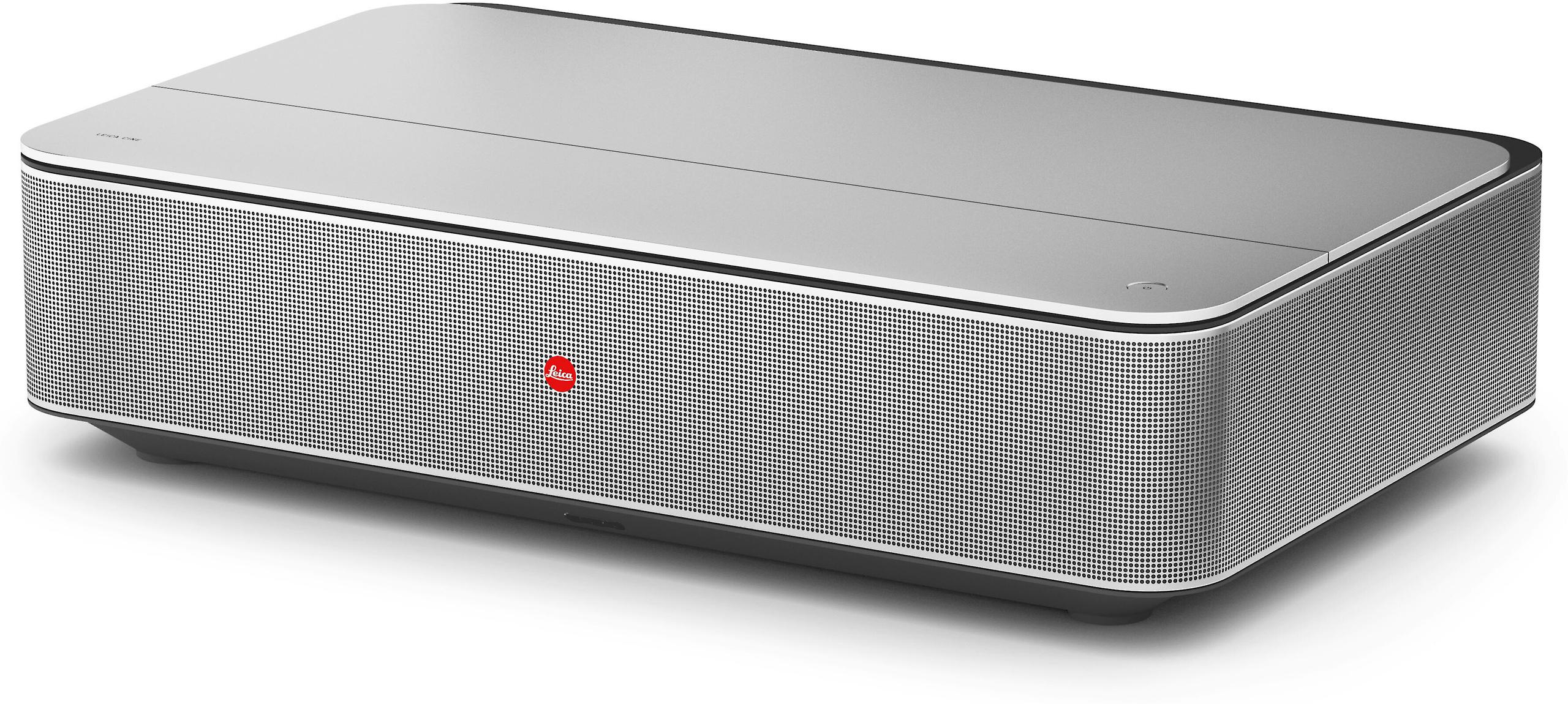
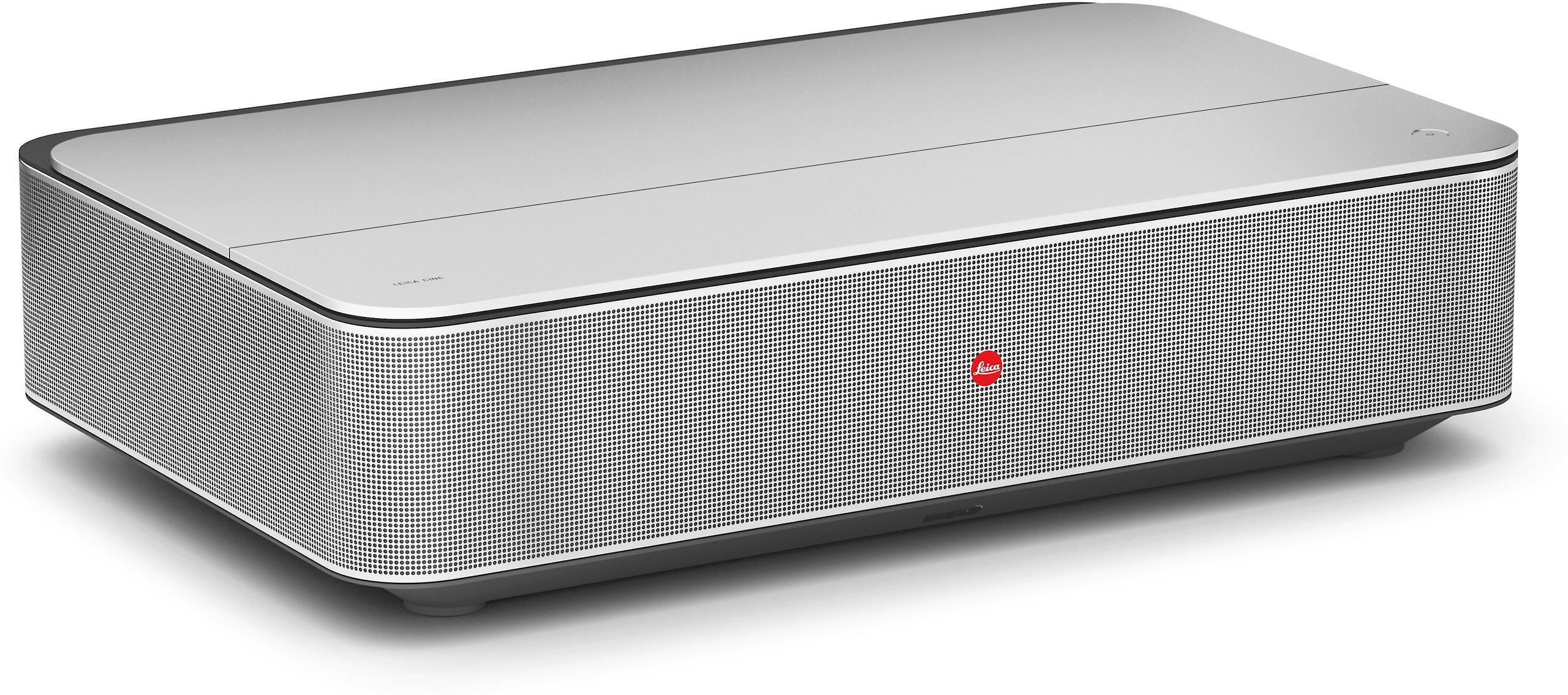
When Leica announced their entry into the ultra-short throw (UST) projector market in late 2022, many were intrigued to see how the legendary camera manufacturer would translate their optical expertise into home theater. After extensive testing of the Leica Cine 1 in various environments, it's clear they've brought something special to this growing category.
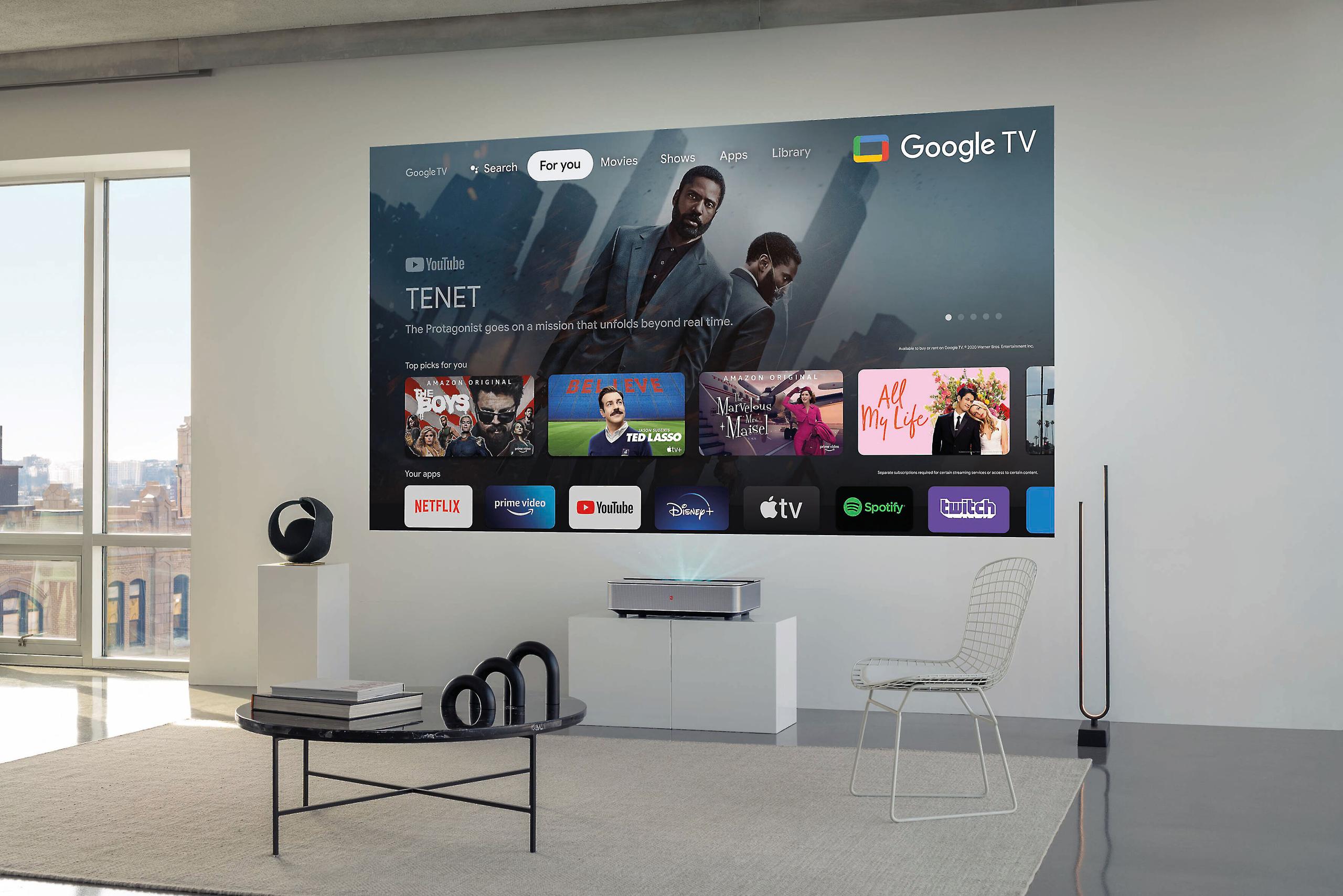
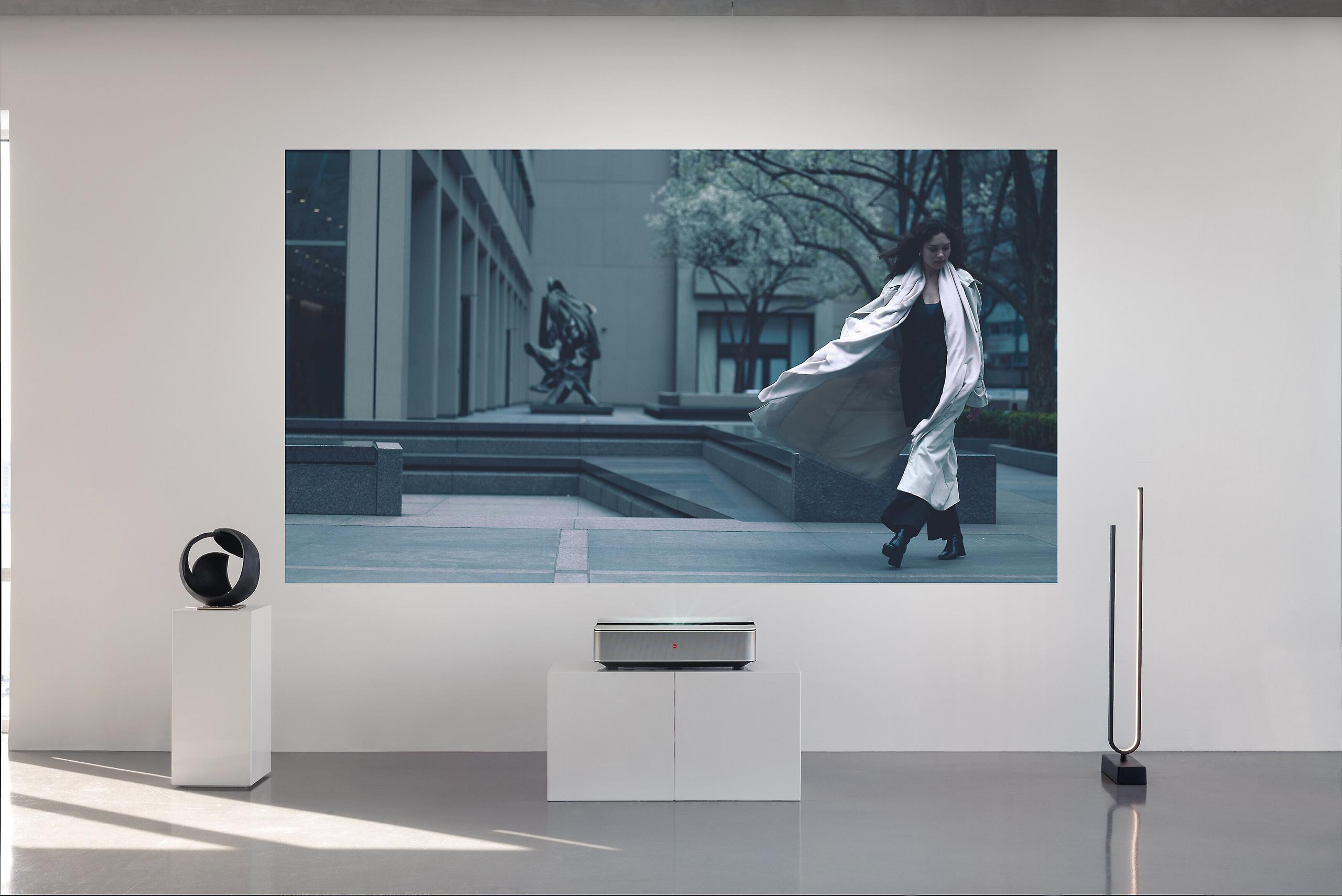
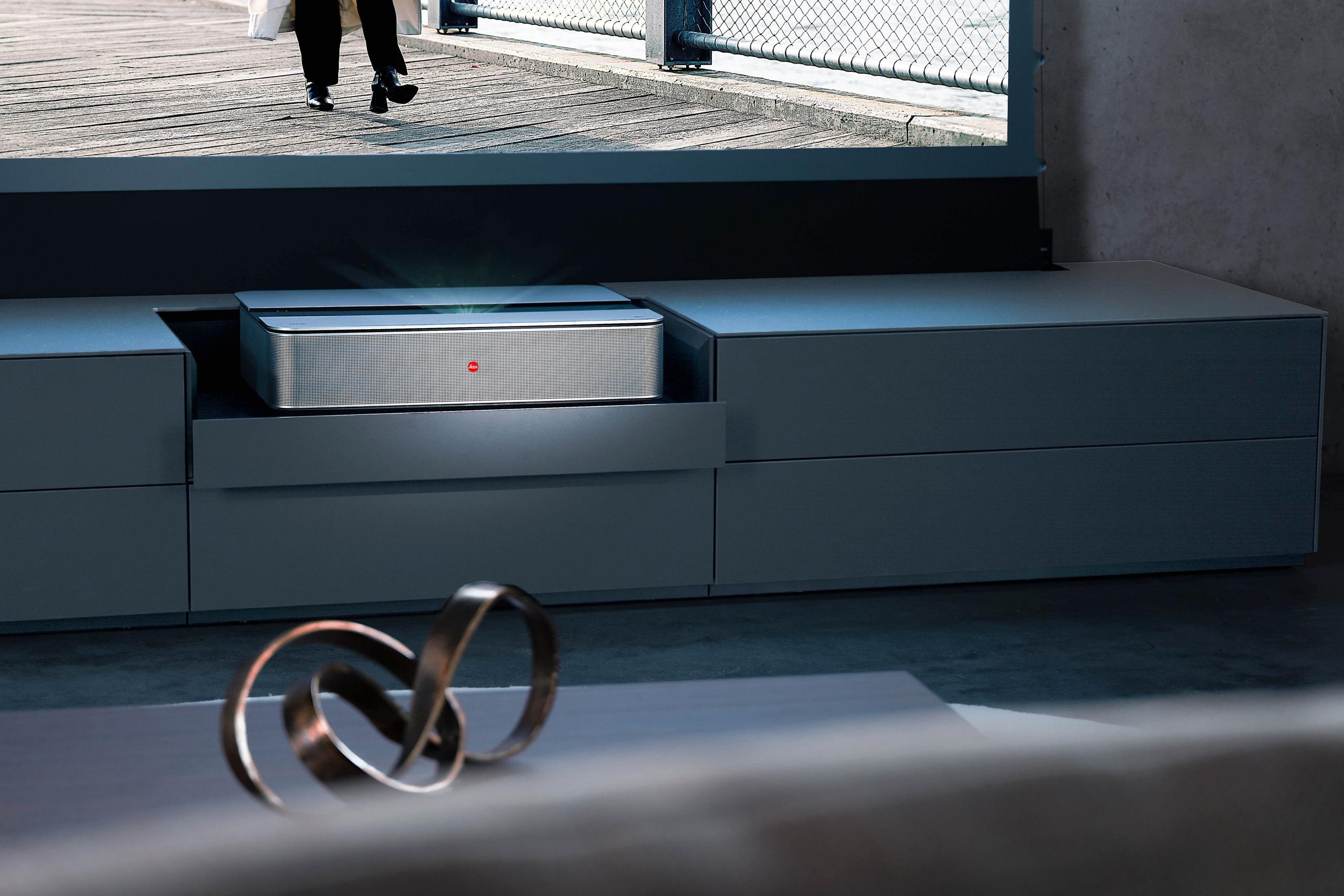
Before diving in, let's understand why UST projectors are gaining popularity. Unlike traditional projectors that need to sit far from the screen, UST projectors use sophisticated optics to create large images from just inches away. This solves the age-old problem of people walking through the projection beam and simplifies installation dramatically.
The Cine 1's standout feature is its triple RGB laser system, which differs from traditional lamp or single-laser designs. Each primary color (red, green, and blue) gets its own laser, resulting in incredibly pure colors and better coverage of the BT.2020 color space - the current gold standard for digital color reproduction. During our testing in both dark and lit rooms, the color accuracy was remarkable, especially after professional calibration.
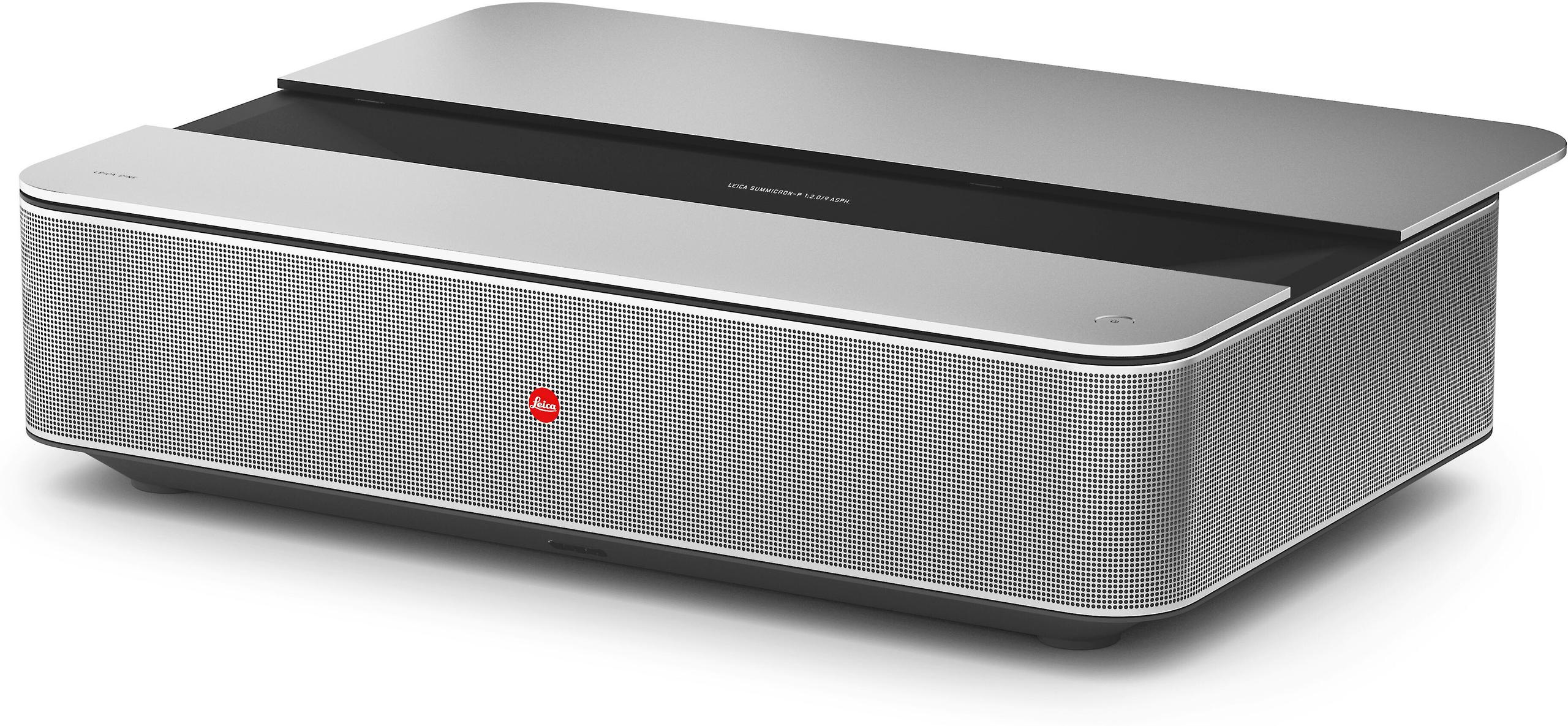
The Leica Summicron lens system, featuring four aspherical elements, delivers exceptional clarity. If you're familiar with Leica's camera lenses, you'll recognize the same attention to detail here. The lens creates uniform focus across the entire 120-inch image - a crucial feature often overlooked in UST projectors.
In our dedicated testing room, the Leica Cine 1 achieved 3,000 ANSI lumens, making it bright enough for casual daytime viewing. However, like all projectors, it performs best in controlled lighting. The contrast ratio of 1,000:1 (native) might seem modest compared to OLED TVs, but in practice, the dynamic contrast enhancement creates compelling HDR images, especially with Dolby Vision content.
Gaming performance surprised us, with a respectable 35.3ms input lag in game mode. While not competitive-gaming fast, it's perfectly suitable for most players. The HDMI 2.1 ports support 4K/60Hz, though don't expect 4K/120Hz gaming support.
Setting up the Cine 1 requires careful planning:
The integrated Google TV system provides a familiar, responsive interface. We found the following particularly useful:
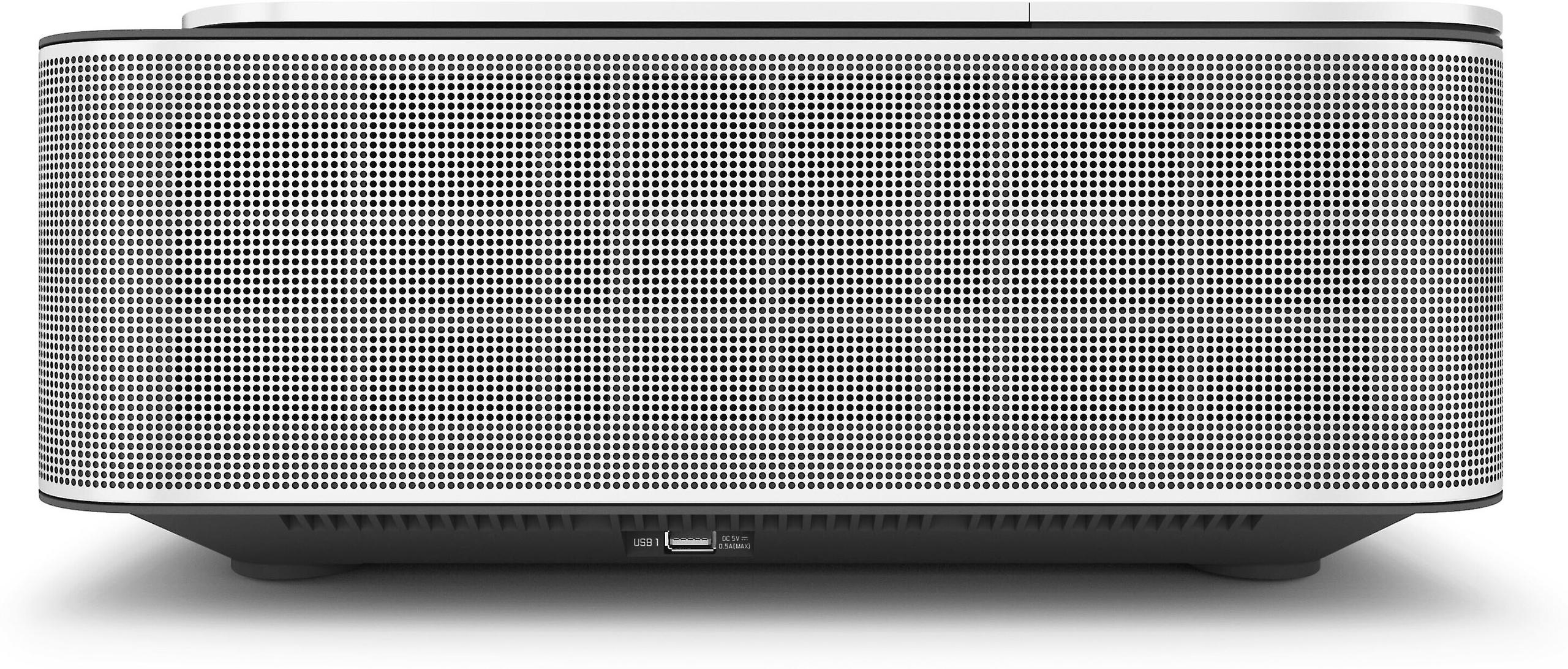
The integrated 2x15W + 2x10W speaker system with Dolby Atmos support delivers surprisingly capable audio. While serious home theater enthusiasts will still want a dedicated audio system, the built-in speakers work well for casual viewing and overcome a common weakness in the UST category.
The triple laser light source is rated for 25,000 hours - that's about 8 years of 8-hour daily use. Unlike traditional bulb projectors, laser systems maintain brightness better over their lifespan and don't require lamp replacements.
At $8,995, the Leica Cine 1 sits in the premium segment of the UST market. Here's how it justifies its price:
The Cine 1 is ideal for:
It might not be the best choice if:
Since its release, the UST projector market has seen several competitors emerge, but the Cine 1's triple laser system remains relatively unique. While some manufacturers have focused on increasing brightness or adding gaming features, Leica has maintained their focus on image quality and color accuracy.
The Leica Cine 1 represents a significant investment in home theater technology. Its combination of superior optics, accurate color reproduction, and convenient form factor makes it a compelling option for those seeking a premium large-screen experience. During our testing, it consistently impressed with its image quality and ease of use, though like all projectors, it performs best in optimized environments.
For those considering a high-end UST projector, the Cine 1's premium price brings with it Leica's legendary optical quality and a level of refinement that's hard to find elsewhere in the category. While it may not be the brightest or the most feature-packed option available, it excels at its primary purpose: delivering a cinema-quality image in a convenient form factor.
For home theater enthusiasts who prioritize image quality and have the budget, the Leica Cine 1 delivers exceptional value through its superior optics, triple laser system, and comprehensive features. While expensive at $8,995, its performance and build quality justify the investment for serious users.
The Leica Cine 1 outputs 3000 ANSI lumens, making it bright enough for moderately lit rooms. However, like all projectors, it performs best in controlled lighting conditions for optimal contrast and color accuracy.
The projector is optimized for a 120-inch diagonal image size, which it can produce from just 14.3 inches away from the wall. This size is ideal for most home theater applications and larger living rooms.
While the Leica Cine 1 can project onto any surface, it performs best with an ALR (Ambient Light Rejecting) screen specifically designed for UST projectors. This maximizes contrast and image quality, especially in rooms with ambient light.
With a 35.3ms input lag in game mode and HDMI 2.1 connectivity, it's suitable for casual gaming. While not ideal for competitive gaming, most players will find the response time acceptable for single-player experiences.
The triple RGB laser system is rated for 25,000 hours of use, equivalent to watching 4 hours daily for 17 years. Unlike traditional bulb projectors, it maintains consistent brightness throughout its lifespan.
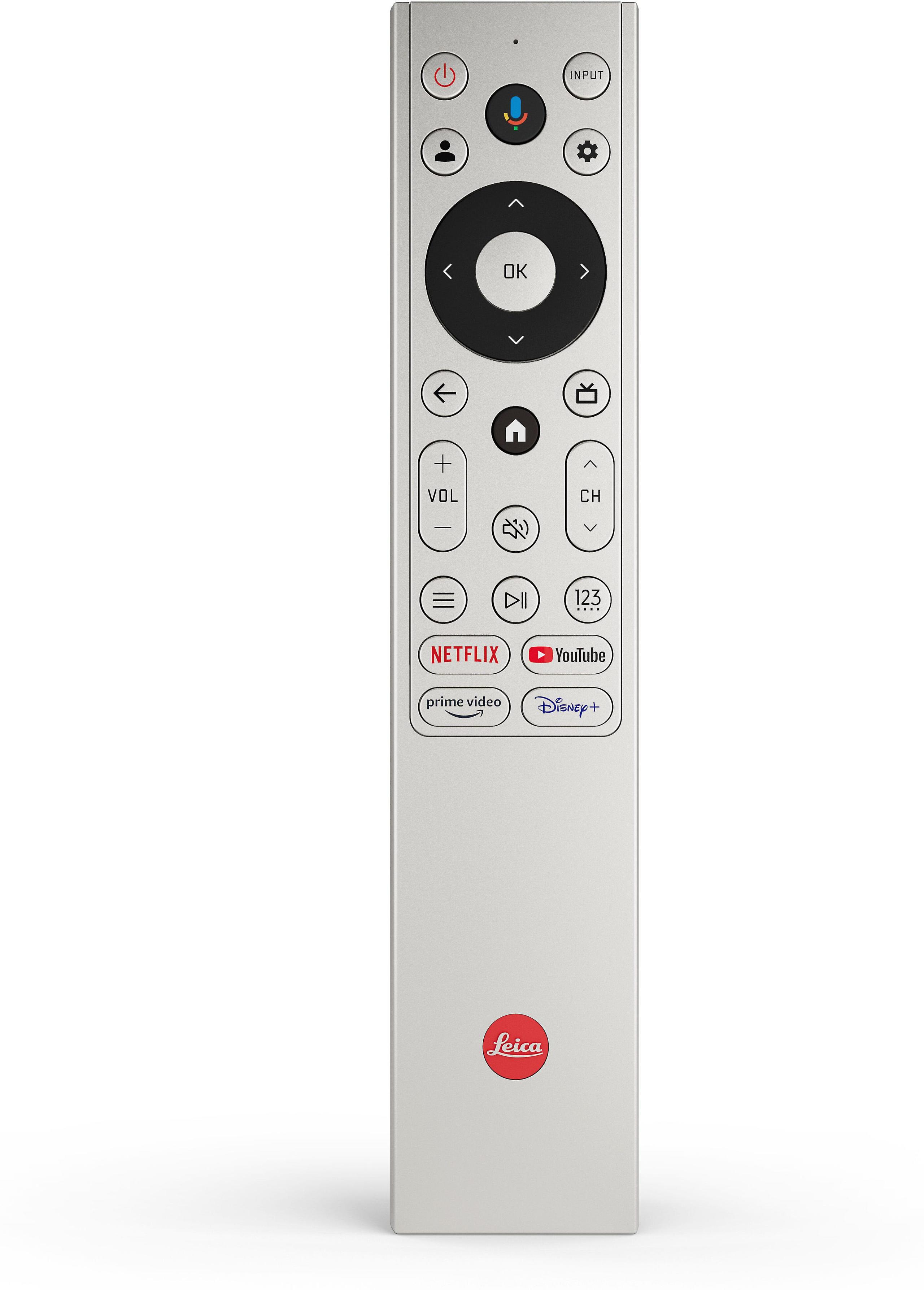
The Leica Cine 1 comes with built-in Google TV for streaming apps, Apple AirPlay 2 support, and Wi-Fi 6 connectivity. These features make it function more like a smart TV than a traditional projector.
The integrated 2x15W + 2x10W speaker system with Dolby Atmos support provides impressive sound for a projector. While dedicated home theater setups will benefit from external speakers, the built-in audio is more than adequate for casual viewing.
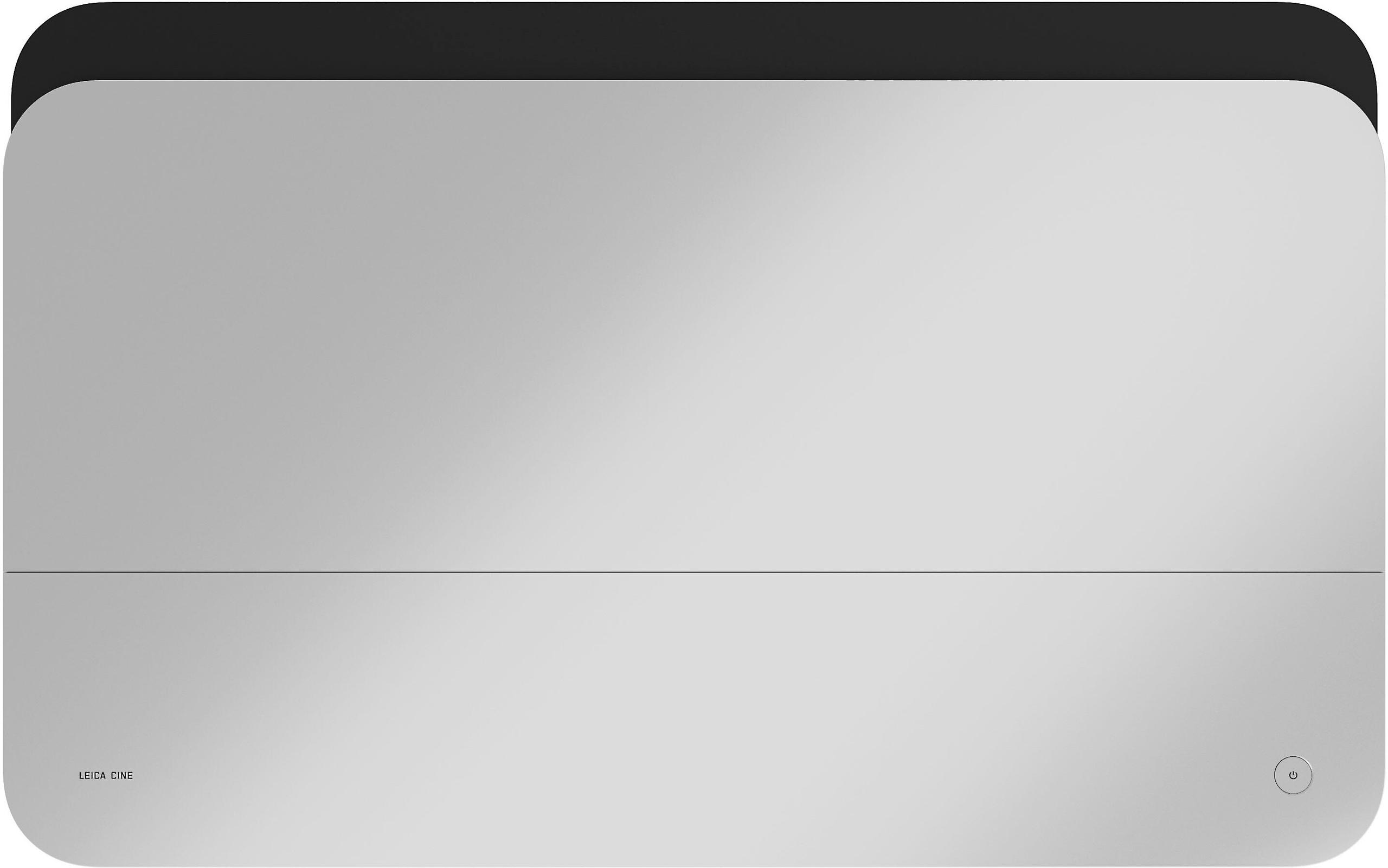
You'll need about 14.3 inches from the wall to the back of the projector for a 120-inch image, plus adequate ventilation space. The unit measures 23.6 x 14.9 x 5.9 inches and should be placed on a stable surface.
The Leica Cine 1 offers a larger screen size than comparably priced TVs while delivering excellent color accuracy and brightness. However, it can't match OLED TV contrast ratios and requires more controlled lighting conditions for optimal performance.
We've done our best to create useful and informative comparisons to help you decide what product to buy. Our research has used advanced automated methods to create this comparison and perfection is not possible - please contact us for corrections or questions. These are the sites we've researched in the creation of this article: trustedreviews.com - leicacamerausa.com - hometechnologyreview.com - projectorreviews.com - richersounds.com - whathifi.com - crutchfield.com - projectorcentral.com - cdn11.bigcommerce.com - leicarumors.com - leica-camera.com
| Leica Cine 1 120" UST Projector |
|---|
| Brightness - Critical for ambient light performance: 3000 ANSI Lumens |
| Light Source - Impacts color accuracy and longevity: Triple RGB Laser with 25,000 hour lifespan |
| Image Size - Maximum diagonal screen size: 120 inches |
| Throw Ratio - Determines placement distance: 0.25:1 (120" screen from 14.3 inches) |
| Resolution - Affects image sharpness: 4K UHD (3840x2160) via pixel shifting |
| HDR Support - Enhances contrast and color: HDR10, HDR10+, Dolby Vision, HLG |
| Input Lag - Important for gaming performance: 35.3ms in Game Mode |
| Color Coverage - Determines color accuracy: 100% BT.2020 |
| Contrast Ratio - Affects image depth: 1,000:1 native (2,000,000:1 dynamic) |
| Audio System: 2x15W + 2x10W with Dolby Atmos |
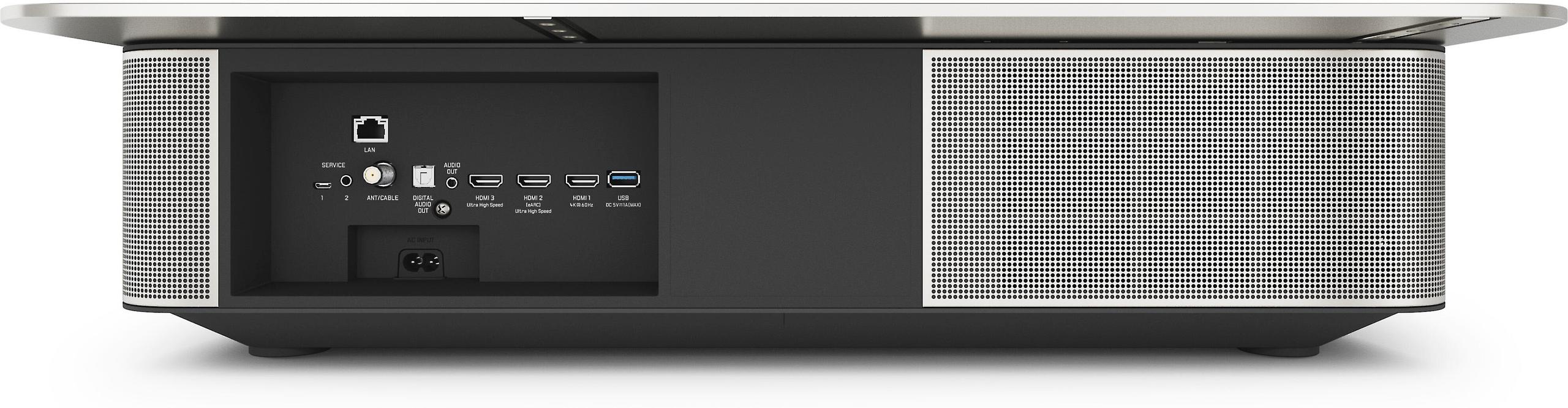
| Key Inputs: 2x HDMI 2.1, 2x USB, Ethernet |
| Smart Features: Google TV, Apple AirPlay 2 |
| Dimensions: 23.6 x 14.9 x 5.9 inches |
| Weight: 33.3 lbs |
The Samsung Premiere 9 ($5,999) offers compelling value with its higher 3,450-lumen brightness and larger 130-inch maximum screen size, making it more versatile for varying lighting conditions and room sizes. Its comprehensive Tizen smart platform provides superior streaming integration and includes unique features like Gaming Hub for cloud gaming. The built-in 40W 2.2.2 channel audio system with Dolby Atmos delivers impressive sound for an all-in-one solution, while the slightly better input lag of 53ms gives it a minor edge for casual gaming.
At $3,500 less than the Leica, the Samsung makes a strong case for buyers who want a more complete entertainment package rather than focusing solely on image quality. While it may not match the Leica's color accuracy or premium build quality, its higher brightness, larger screen size, and more robust feature set make it a more practical choice for most users. The seamless smart TV experience and ability to project a 130-inch image from just 9.4 inches from the wall demonstrate Samsung's focus on real-world usability, though it does lack Dolby Vision support and HDMI 2.1 connectivity found in the Leica.
🤖 Read Detailed Comparison
👌Samsung Premiere 9 LPU9D 130" 4K UHD Triple Laser Projector Details
💵 See Samsung Premiere 9 LPU9D 130" 4K UHD Triple Laser Projector Price
The Epson QB1000 represents a more traditional home theater approach, delivering superior performance in key areas that matter for dedicated cinema rooms. Its 3,300-lumen 3LCD laser system eliminates any possibility of rainbow effects while providing noticeably better brightness and contrast, especially in challenging dark scenes. Gaming enthusiasts will appreciate its class-leading 20ms input lag and 4K/120Hz capabilities, making it significantly more responsive than the Leica for interactive content. The advanced HDR processing and true 4K resolution combine to create an image that better replicates the theatrical experience.
While requiring more complex installation at 12-20 feet from the screen and priced at $7,999, the Epson QB1000 actually represents better value for those seeking ultimate performance. Its superior motion handling, deeper blacks, and more accurate HDR tone mapping deliver a more immersive viewing experience. Though it lacks built-in speakers and streaming features, most dedicated theater installations will benefit from separate audio equipment anyway. For buyers prioritizing image quality and gaming performance over placement flexibility, the QB1000 offers more compelling performance per dollar despite its more demanding setup requirements.
🤖 Read Detailed Comparison
👌Epson QB1000 4K 3LCD Laser Projector Details
💵 See Epson QB1000 4K 3LCD Laser Projector Price
The Epson QL3000 ($14,999) represents the pinnacle of traditional projection technology, offering exceptional flexibility through its interchangeable lens system and impressive 6,000 lumens brightness - double that of the Cine 1. Its standout features include support for massive screen sizes up to 300 inches, advanced gaming capabilities with 4K/120Hz support, and a sophisticated 3-chip 3LCD system that eliminates rainbow artifacts entirely. The three-axis motorized lens shift with position memory adds installation versatility that the Cine 1 simply can't match, though this comes with the requirement for professional installation and a separate lens purchase.
While the Epson QL3000 demands a significantly higher investment, especially when factoring in the additional $1,500-3,500 for a lens, it delivers capabilities that justify its premium positioning for dedicated theater spaces. The higher brightness allows for more flexible viewing conditions, and the gaming-oriented features make it more versatile for mixed-use scenarios. However, its traditional long-throw design requires careful room planning and ceiling mounting, lacking the Cine 1's simple furniture placement option. For users who prioritize maximum performance and flexibility over ease of setup, and who have the budget and space for a dedicated theater room, the QL3000 offers compelling advantages despite its higher cost.
🤖 Read Detailed Comparison
👌Epson QL3000 4K HDR 3LCD Laser Projector Details
💵 See Epson QL3000 4K HDR 3LCD Laser Projector Price
The Epson QL7000 4K 3LCD Laser Projector represents the pinnacle of traditional projection technology, delivering an astounding 10,000 lumens of brightness that sets it apart in any viewing condition. Its three-chip LCD design and advanced pixel-shifting technology produce exceptional 4K images with superior contrast ratios, while its 120Hz capability and low input lag make it an impressive gaming display. The modular lens system, though adding to the cost, provides installation flexibility that the Cine 1 simply cannot match, allowing for optimal placement in any theater space.
However, this premium performance comes at a significant cost premium - the Epson QL7000 system can easily exceed $35,000 when factoring in a lens and required external audio system. While it delivers superior technical performance in almost every metric, the complexity of installation and necessity for additional components make it a more challenging choice for typical living spaces. It's best suited for dedicated home theaters where its exceptional brightness, contrast, and image processing capabilities can be fully utilized, rather than competing directly with the Cine 1's more lifestyle-oriented approach to home entertainment.
🤖 Read Detailed Comparison
👌Epson QL7000 4K 3LCD Laser Projector Details
💵 See Epson QL7000 4K 3LCD Laser Projector Price
The Sony BRAVIA Projector 8 ($15,999) represents the pinnacle of traditional projector design, offering several significant advantages for dedicated home theater enthusiasts. Its native 4K SXRD panels deliver noticeably sharper detail than the Leica's pixel-shifting approach, while the advanced XR processor provides superior HDR handling and contrast enhancement. Gaming performance is particularly impressive, with input lag as low as 12ms at 4K/120Hz, making it a viable option for serious gamers. The flexible installation options, including extensive lens shift capabilities and 2.1x zoom, allow it to adapt to a wider range of room configurations, though it does require more space and careful planning for optimal placement.
While the Sony commands a significant premium over the Leica, it justifies the higher price for viewers who prioritize absolute image quality and versatility. The sophisticated laser dimming system creates deeper blacks and more nuanced contrast, particularly noticeable in challenging cinema content. However, the Sony BRAVIA Projector 8 lacks built-in audio and streaming capabilities, requiring additional investment in external components. It's also less suited to casual viewing environments, performing best in controlled lighting conditions. For those building a dedicated home theater where image quality is paramount, the Sony's superior processing and true 4K resolution make it the more capable, albeit more expensive, choice.
🤖 Read Detailed Comparison
👌Sony BRAVIA Projector 8 4K HDR Laser Projector Details
💵 See Sony BRAVIA Projector 8 4K HDR Laser Projector Price
The JVC DLA-NZ500 represents a more traditional approach to home theater projection, excelling with its native 4K D-ILA technology and class-leading 40,000:1 contrast ratio. At $5,999, it delivers exceptional black levels and image depth that home theater enthusiasts covet, while its BLU-Escent laser light source provides 2,000 lumens of brightness with an estimated 20,000-hour lifespan. The sophisticated optical system, including a new 80mm lens with 15 elements, ensures razor-sharp image quality from corner to corner, though it requires careful placement and installation typically 12-15 feet from the screen.
While the JVC lacks built-in streaming features and requires external audio equipment, its focus on pure image quality makes it a compelling choice for dedicated theater spaces at a significantly lower price point. The trade-off comes in installation flexibility and ambient light performance - this projector performs best in controlled lighting conditions and needs proper ceiling mounting. For viewers prioritizing ultimate movie performance over convenience features, and who have the appropriate space for traditional projection, the JVC offers superior value despite its more specialized nature.
🤖 Read Detailed Comparison
👌JVC DLA-NZ500 Native 4K Laser Home Theater Projector Details
💵 See JVC DLA-NZ500 Native 4K Laser Home Theater Projector Price
The JVC DLA-NZ700 represents a more traditional home theater approach, leveraging JVC's expertise in native 4K D-ILA technology to deliver exceptional image quality, particularly in controlled lighting conditions. Its standout 80,000:1 native contrast ratio and advanced Frame Adapt HDR processing result in notably superior black levels and shadow detail compared to the Cine 1. While it requires more complex installation and lacks built-in streaming or audio capabilities, its flexible 1.6x powered zoom lens and extensive picture adjustments provide more versatility in screen size and placement options.
At $8,999, the JVC DLA-NZ700 actually comes in slightly below the Cine 1's price point, though you'll need to factor in the cost of a separate audio system and streaming device. The trade-off is clear - you're getting superior image quality and more installation flexibility at the expense of convenience features and bright-room performance. The NZ700's 2,300-lumen output means it performs best in dedicated theater environments, making it ideal for enthusiasts who prioritize picture quality and are willing to create optimal viewing conditions.
🤖 Read Detailed Comparison
👌JVC DLA-NZ700 4K Laser Projector Details
💵 See JVC DLA-NZ700 4K Laser Projector Price
For dedicated home theater enthusiasts seeking the ultimate in image quality, the JVC DLA-NZ800 ($15,999) represents a significant step up in performance. Its proprietary D-ILA technology delivers class-leading black levels with a 100,000:1 native contrast ratio and theoretically infinite dynamic contrast, surpassing the Cine 1's capabilities in dark room viewing. The NZ800's advanced 8K e-shiftX technology and sophisticated Frame Adapt HDR processing create noticeably more detailed and nuanced images, particularly in challenging HDR content. While it requires more complex installation and lacks built-in audio, its extensive lens shift capabilities and zoom range offer superior mounting flexibility for dedicated theater rooms.
The JVC DLA-NZ800 commands a $6,500 premium over the Cine 1, but justifies its higher price through reference-level image quality and future-proof 8K capabilities. Its 2,700 lumens brightness is slightly lower than the Cine 1's, but the superior contrast and black levels create a more immersive viewing experience in controlled lighting conditions. For serious enthusiasts building a premium home theater, the NZ800's superior image processing, advanced HDR handling, and exceptional contrast make it a worthwhile investment, though it requires additional consideration for proper mounting, light control, and external audio components.
🤖 Read Detailed Comparison
👌JVC DLA-NZ800 8K Home Theater Projector Details
💵 See JVC DLA-NZ800 8K Home Theater Projector Price
For those seeking the absolute pinnacle of home theater performance, the JVC DLA-NZ900 ($25,999) delivers reference-level image quality that exceeds what's possible with any UST projector. Its native contrast ratio of 150,000:1 and sophisticated 8K e-shiftX technology create breathtaking picture quality with unprecedented detail and depth. The advanced Frame Adapt HDR processing and BLU-Escent laser light source combine to produce arguably the most cinema-like images available for home viewing, though this performance demands a properly darkened room and professional installation.
While the NZ900's price point puts it in a different category entirely, the JVC DLA-NZ900 justifies its premium for serious home theater enthusiasts who prioritize image quality above all else. Its extensive lens shift capabilities, powered zoom, and sophisticated calibration options provide unmatched flexibility for optimal installation in dedicated theaters. However, these advantages come with significant trade-offs in terms of room requirements, setup complexity, and the need for additional audio and streaming components. For most users who don't have a dedicated theater room or professional calibration capabilities, the Cine 1's more practical approach and integrated features will likely provide a better overall experience.
🤖 Read Detailed Comparison
👌JVC DLA-NZ900 8K Home Theater Projector Details
💵 See JVC DLA-NZ900 8K Home Theater Projector Price
The Sony VPL-XW5000ES ($5,413) takes a more traditional approach to home theater projection, offering exceptional value with its native 4K SXRD technology and sophisticated X1 Ultimate processor. While it requires more installation space than the Leica, it delivers superior black levels and more natural color reproduction, particularly in controlled lighting environments. The Sony's 2000-lumen output may be lower on paper, but its advanced contrast management and HDR processing often result in more impactful image quality for serious movie watching. Its support for IMAX Enhanced content and sophisticated motion handling make it particularly compelling for dedicated home theater installations.
Where the Sony really stands out is its price-to-performance ratio, costing nearly $4,000 less than the Leica while delivering reference-level image quality. Though it lacks built-in speakers and requires professional installation, the Sony VPL-XW5000ES leaves room in the budget for a proper audio system while still potentially coming in under the Leica's total cost. The main trade-offs are the need for a dedicated theater space with controlled lighting and the lack of ultra-short throw convenience, but for viewers prioritizing pure image quality over installation flexibility, the Sony represents a more focused home theater solution.
🤖 Read Detailed Comparison
👌Sony VPLXW5000ES 4K HDR Laser Home Theater Projector Details
💵 See Sony VPLXW5000ES 4K HDR Laser Home Theater Projector Price
The Sony VPL-XW7000ES ($27,998) represents a different approach to premium home theater projection, offering native 4K SXRD panels and sophisticated HDR processing that deliver reference-quality images in controlled lighting conditions. Its powered lens features provide exceptional installation flexibility with ±85% vertical and ±36% horizontal shift, making it adaptable to almost any room configuration. The projector's superior native contrast and advanced X1 Ultimate processor create stunning black levels and shadow detail that the Leica can't quite match, while its gaming-friendly 21ms input lag at 4K/60Hz will appeal to serious gamers.
Where the Sony really distinguishes itself is in dedicated home theater environments, where its superior contrast, more sophisticated HDR processing, and true native 4K resolution can create a more cinematic experience. However, these advantages come at a significant price premium and require more controlled lighting conditions to fully appreciate. While it works well with standard projection screens (potentially reducing total system cost compared to the Leica's required ALR screen), the Sony's traditional long-throw design demands more careful consideration of room layout and installation. For those with dedicated theater spaces and the budget to match, the Sony's premium performance may justify its higher price tag, but many users will find the Leica's more versatile UST design and lower price point more practical for real-world use.
🤖 Read Detailed Comparison
👌Sony VPL-XW7000ES 4K SXRD Laser Home Cinema Projector Details
💵 See Sony VPL-XW7000ES 4K SXRD Laser Home Cinema Projector Price
The Epson Pro Cinema LS12000 takes a more traditional approach to home theater projection, offering exceptional value at $4,999 with its class-leading 2,500,000:1 contrast ratio and remarkably low 20ms input lag. Its 3LCD laser system delivers consistently accurate colors without any rainbow effects, while the powered lens features provide extensive installation flexibility with ±96% vertical and ±47% horizontal shift. The projector's superior contrast and black levels make it particularly well-suited for dedicated home theater spaces, and its gaming performance surpasses most competitors in its price range.
Where the Epson really stands out is in its price-to-performance ratio and versatility for different viewing scenarios. While it lacks built-in smart features and requires more installation space, the Epson LS12000 delivers reference-quality image performance that rivals projectors costing thousands more. Its 2,700 lumens brightness, while slightly lower than the Leica's, proves more than adequate in controlled lighting conditions, and the superior contrast makes for more impactful HDR content. The main trade-offs are the need for additional equipment like streaming devices and speakers, plus the requirement for proper mounting distance - but for dedicated home theater enthusiasts, these are minor considerations given the exceptional image quality and significant cost savings.
🤖 Read Detailed Comparison
👌Epson Pro Cinema LS12000 4K PRO-UHD Laser Projector Details
💵 See Epson Pro Cinema LS12000 4K PRO-UHD Laser Projector Price
The $25,999 JVC DLA-NZ9 8K Home Theater Projector represents a different approach to home theater, offering class-leading 8K resolution through its sophisticated e-shiftX technology and premium D-ILA chips. Its standout features include an impressive 100,000:1 native contrast ratio, professional-grade color accuracy covering 100% of DCI-P3, and a high-end 100mm all-glass lens system with extensive motorized adjustments. The ability to handle 4K/120Hz gaming content and superior HDR processing through Frame Adapt technology puts it in a different league for dedicated theater environments, though it requires proper room setup and professional installation to achieve its full potential.
While the JVC commands a significantly higher price point, it delivers noticeable advantages for serious home theater enthusiasts who prioritize absolute image quality over convenience. Its superior contrast performance, more precise color control, and future-proof 8K capabilities make it a compelling choice for dedicated theater rooms. However, it's important to note that achieving these benefits requires a controlled lighting environment and considerable space for proper installation - typically 15-20 feet of throw distance. For many users, these installation requirements and the substantial price premium may outweigh the performance advantages, especially when compared to the convenience and flexibility of a UST solution.
🤖 Read Detailed Comparison
👌JVC DLA-NZ9 8K Home Theater Projector Details
💵 See JVC DLA-NZ9 8K Home Theater Projector Price
The Valerion VisionMaster Pro 2 excels where performance and flexibility matter most, delivering a superior 4,000:1 native contrast ratio that creates dramatically deeper blacks and more cinematic movie experiences in dark rooms. Its gaming capabilities are exceptional with just 4ms input lag at 1080p/240Hz and 15ms at 4K/60Hz, making competitive gaming smooth and responsive on a massive screen. The 1.67x optical zoom lens provides remarkable installation flexibility, allowing image sizes from 40 inches up to 300 inches to adapt to different rooms and viewing preferences. With ISF-certified calibration modes and 110% Rec.2020 color coverage, it delivers professional-grade color accuracy out of the box, while features like Dynamic Tone Mapping optimize HDR content for both bright highlights and shadow detail.
Most compelling is the Valerion's value proposition—at roughly one-third the cost of the Leica at the time of writing, it delivers superior contrast performance, exceptional gaming capabilities, and installation versatility that the fixed-size Leica simply cannot match. While it requires ceiling mounting or shelf placement rather than simple tabletop installation, this traditional approach works with any standard projection screen or even a white wall, eliminating the need for expensive ALR screens. The trade-offs include more modest 24-watt audio compared to the Leica's 50-watt system and plastic construction versus premium aluminum, but these compromises seem minor given the dramatic performance advantages and cost savings. For buyers prioritizing image quality, gaming performance, and flexibility over luxury convenience, the Valerion represents exceptional value in the premium projector market.
🤖 Read Detailed Comparison
👌Valerion VisionMaster Pro 2 Projector Details
💵 See Valerion VisionMaster Pro 2 Projector Price
The Epson Home Cinema 5050UB delivers exceptional image quality that prioritizes the fundamentals of home theater performance over convenience features. Its UltraBlack technology produces genuinely impressive contrast with deep, cinema-quality blacks that make the Leica's already-good contrast look washed out in comparison. The 3LCD, 3-chip design eliminates rainbow artifacts while delivering outstanding color accuracy, and 10-bit HDR processing handles the full color information from premium sources without banding or compression. For gaming enthusiasts, the 22.5ms input lag makes competitive gaming viable, while the motorized lens system with extensive zoom and shift capabilities provides installation flexibility that accommodates virtually any room layout or mounting situation.
At roughly 40% of the Leica's price point, the Epson 5050UB represents exceptional value for pure projection performance, though it demands more from users in return. You'll need to handle ceiling mounting, manage lamp replacements every few years, and provide separate streaming devices and audio systems—essentially building a component-based theater rather than buying an all-in-one solution. The Epson also supports much larger screen sizes up to 300 inches and includes 3D capability for existing collections. While the Leica excels in convenience and modern features, the Epson delivers superior core image quality per dollar and remains the go-to choice for users who can accommodate traditional projection requirements and prioritize picture performance over plug-and-play simplicity.
🤖 Read Detailed Comparison
👌Epson Home Cinema 5050UB Projector Details
💵 See Epson Home Cinema 5050UB Projector Price
The Epson Home Cinema LS11000 excels where the Cine 1 shows limitations, particularly in gaming performance and installation flexibility. Its sub-20ms input lag with 4K/120Hz HDR support makes it a standout choice for PlayStation 5 and Xbox Series X owners, delivering the responsive, smooth gameplay that the Cine 1 simply cannot match with its 60ms lag. The 3LCD technology with larger 0.74-inch imaging panels produces superior black levels and shadow detail, making dark movie scenes more immersive with better contrast than the Cine 1's smaller DLP chip can achieve. The motorized 2.1x zoom lens with extensive lens shift capabilities offers tremendous installation flexibility, allowing screen sizes from 50-300 inches and precise positioning without moving the projector—versatility that's impossible with the Cine 1's fixed 120-inch output.
While the Epson LS11000 requires external audio equipment and streaming devices, it delivers exceptional performance per dollar at roughly half the Cine 1's premium pricing. The 10-bit color processing provides smoother gradations than the Cine 1's 8-bit system, and the consistent 2,500-lumen brightness across all colors ensures reliable performance in various lighting conditions. For buyers prioritizing gaming capabilities, installation flexibility, superior black levels, or maximum value, the Epson represents a compelling alternative that trades the Cine 1's convenience and luxury positioning for significantly better performance in key areas. The three-year warranty also provides better long-term protection than the Cine 1's two-year coverage, making it a more practical choice for serious home theater enthusiasts.
🤖 Read Detailed Comparison
👌Epson Home Cinema LS11000 4K Laser Projector Details
💵 See Epson Home Cinema LS11000 4K Laser Projector Price
The Valerion StreamMaster Plus 2 takes a traditional long-throw approach that offers remarkable flexibility and gaming performance at a significantly more accessible price point. Its standout features include exceptional gaming capabilities with input lag as low as 4ms at 1080p/240Hz and 15ms at 4K/60Hz, making it ideal for competitive gaming where the Cine 1's 35.3ms lag would be limiting. The Valerion covers an impressive 110% of the Rec.2020 color gamut through its RGB triple laser system, delivering incredibly vibrant colors that can appear more punchy than the Cine 1's more natural Leica color tuning. Most importantly, it offers tremendous screen size flexibility from 40 inches up to 300 inches, allowing users to start small and upgrade over time or adapt to different room configurations—something the fixed 120-inch Cine 1 cannot match.
In real-world value terms, the Valerion StreamMaster Plus 2 delivers professional-grade color accuracy and extensive calibration controls typically found in much more expensive projectors, including ISF-certified modes and 20-point white balance adjustment. While it requires more complex installation with ceiling mounting or rear placement and performs best in controlled lighting environments, this traditional approach rewards users who can optimize their setup with potentially massive screen sizes and superior gaming performance. The trade-off is clear: the Valerion demands more planning and room control but offers far greater flexibility and enthusiast-level features at a lower entry price, making it ideal for dedicated theater rooms or users who prioritize customization over the convenience and living room integration that defines the Cine 1's premium positioning.
🤖 Read Detailed Comparison
👌Valerion StreamMaster Plus 2 4K Projector Details
💵 See Valerion StreamMaster Plus 2 4K Projector Price
The Epson Home Cinema 5050UB represents the traditional approach to home projection, delivering exceptional image quality that punches well above its price class. Its standout feature is the UltraBlack technology that achieves a remarkable 1,000,000:1 dynamic contrast ratio, producing deeper blacks and more nuanced shadow detail than most ultra-short throw projectors can match. The Epson covers the full DCI-P3 cinema color space for professional-grade color accuracy, while its motorized lens system offers extraordinary installation flexibility with ±96% vertical and ±47% horizontal lens shift. Perhaps most impressively, it can project massive images up to 300 inches diagonal – more than double the Cine 1's maximum – making it capable of creating truly cinematic experiences that rival commercial theaters.
While the Epson 5050UB requires ceiling mounting and more complex installation planning, it delivers superior performance per dollar for users who can accommodate its setup requirements. The projector's 3LCD technology eliminates rainbow effects while maintaining excellent color brightness, and its 16-step HDR adjustment system provides fine-tuning control that enthusiasts appreciate. However, the lamp-based design means periodic maintenance costs and gradual brightness decline over time, contrasting with the Cine 1's maintenance-free laser operation. At roughly half the price of premium ultra-short throw models, the Epson offers exceptional value for dedicated home theaters where you can control lighting and optimize placement, though it lacks the living room convenience and integrated smart features that make the Cine 1 more appliance-like in daily use.
🤖 Read Detailed Comparison
👌Epson Home Cinema 5050UB 4K PRO-UHD 3-Chip Projector Details
💵 See Epson Home Cinema 5050UB 4K PRO-UHD 3-Chip Projector Price
The JVC LX-NZ30 offers exceptional value and flexibility that the Cine 1 cannot match, particularly for gaming enthusiasts and users with dedicated theater spaces. Its standout gaming performance delivers just 6.25ms input lag with support for 240Hz at 1080p, making it one of the best projectors available for competitive gaming on large screens. The traditional throw design provides remarkable installation flexibility through its 1.6x zoom lens and extensive lens shift capabilities (±60% vertical, ±23% horizontal), allowing screen sizes from 95 to 200 inches depending on your room layout. At 3,300 lumens, it also edges out the Leica's brightness while maintaining the benefits of laser technology with its 20,000-hour BLU-Escent system and dynamic laser dimming for improved contrast.
Where the JVC LX-NZ30 truly differentiates itself is in cost-effectiveness and customization potential. It costs roughly one-third the price of the Cine 1 while delivering comparable 4K image quality through its e-shift technology that's virtually indistinguishable from native 4K at normal viewing distances. However, this value comes with trade-offs: you'll need to invest in ceiling mounting, professional installation, cable management, and a separate audio system since it lacks built-in speakers. The HDR support is also limited to HDR10 and HLG, missing the newer HDR10+ and Dolby Vision formats that are becoming standard on premium streaming platforms. For users with adequate room depth who prioritize gaming, want maximum screen size flexibility, or prefer building a custom theater system with separate components, the JVC represents a compelling alternative that delivers excellent performance at a significantly lower investment.
🤖 Read Detailed Comparison
👌JVC LX-NZ30 4K HDR Laser Projector Details
💵 See JVC LX-NZ30 4K HDR Laser Projector Price
The BenQ HT4550i delivers exceptional gaming performance that the Cine 1 simply can't match, with verified input lag as low as 17.9ms at 4K and support for 240Hz refresh rates at 1080p—making it ideal for competitive gaming and next-generation consoles. Its larger 0.65-inch DLP chip provides noticeably sharper image detail and better focus uniformity across large screens, particularly important for dedicated home theater setups where viewers sit closer to the projection. The HT4550i's traditional long-throw design offers superior installation flexibility with generous lens shift, 1.3x zoom, and the ability to work with any white wall or basic projection screen without requiring expensive specialized surfaces.
Perhaps most compelling is the value proposition: the BenQ HT4550i costs roughly one-third the price of the Cine 1 while delivering comparable 4K image quality and superior performance in key areas like gaming responsiveness. It covers 100% of the DCI-P3 color gamut with excellent factory calibration, includes comprehensive Android TV smart features, and eliminates the need for costly ALR screens that the Cine 1 requires for optimal performance. While it lacks the ultra-short-throw convenience and premium Leica branding, the HT4550i represents outstanding value for buyers who can accommodate traditional projection distances and prioritize performance over luxury positioning. For most home theater enthusiasts, it delivers professional-grade results at an accessible price point.
🤖 Read Detailed Comparison
👌BenQ HT4550i 4K HDR LED Home Theater Projector Details
💵 See BenQ HT4550i 4K HDR LED Home Theater Projector Price
The XGIMI Horizon 20 Max delivers exceptional raw performance with its 5,700-lumen output—90% brighter than the Cine 1—making it a powerhouse for daytime viewing and bright room environments. This brightness advantage translates to real-world flexibility, allowing excellent performance on standard projection screens or even painted walls without requiring specialized ALR screens. The projector excels in gaming with remarkable 1ms input lag at 1080p/240Hz and full HDMI 2.1 support for next-generation consoles, making it genuinely competitive with dedicated gaming monitors. Its industry-leading color accuracy of ΔE < 0.8 across all major color gamuts rivals professional reference monitors, while features like ISA 5.0 automatic calibration, optical zoom, and lens shift provide installation flexibility that simplifies setup in traditional home theater configurations.
However, the XGIMI Horizon 20 Max requires the compromises that come with conventional long-throw projection—you'll need 8-12+ feet of room depth and likely ceiling mounting for optimal placement. This traditional approach means dealing with cable runs, potential shadow casting when people walk by, and the complexity of permanent installation that the Cine 1's tabletop design elegantly avoids. While the Horizon 20 Max offers superior value at roughly 40% of the Cine 1's cost, it can't match the Leica's edge-to-edge optical sharpness or the transformative convenience of ultra-short-throw placement. For buyers prioritizing maximum performance per dollar and who have suitable room layouts, the Horizon 20 Max delivers flagship-level capabilities at a more accessible price point, but it won't solve the fundamental space and installation challenges that make UST projectors like the Cine 1 so appealing for modern living spaces.
🤖 Read Detailed Comparison
👌XGIMI Horizon 20 Max 4K Projector Details
💵 See XGIMI Horizon 20 Max 4K Projector Price
The BenQ W4100i delivers exceptional technical performance that directly translates to superior image quality in most viewing scenarios. Its larger 0.65" DLP chip produces better contrast ratios (3,000,000:1 vs 2,000,000:1) with deeper blacks and requires less aggressive pixel shifting for 4K resolution. The 4LED RGBB light source not only provides higher brightness at 3,200 lumens but also lasts 5,000 hours longer than laser systems. Factory calibration to Delta E<2 standards ensures professional-grade color accuracy out of the box, while advanced HDR-PRO technology with frame-by-frame dynamic tone mapping preserves both bright highlights and shadow details that many projectors crush or blow out. For gaming enthusiasts, the performance gap becomes dramatic – input lag as low as 6.5ms at high refresh rates makes competitive gaming genuinely viable, something the Cine 1's 35-60ms lag simply cannot match.
The value proposition heavily favors the BenQ W4100i, delivering this superior performance at roughly one-third the total system cost when factoring in screen requirements. Its traditional throw design offers remarkable installation flexibility with 1.3x zoom and extensive lens shift capabilities, allowing placement in rooms where the Cine 1's fixed ultra-short throw distance wouldn't work. The comprehensive smart features, including AI Cinema Mode for streaming optimization and rare 3D support, provide additional functionality that justifies its positioning. While the BenQ W4100i requires ceiling mounting and performs best in darker environments, users who can accommodate these requirements get significantly more performance per dollar. The trade-off is clear: the Cine 1 offers premium convenience and living room integration, but the W4100i delivers measurably better image quality, gaming performance, and feature set for dedicated home theater applications where technical excellence takes priority over installation simplicity.
🤖 Read Detailed Comparison
👌BenQ W4100i 4K Home Theater Projector Details
💵 See BenQ W4100i 4K Home Theater Projector Price
Original price was: $1,799.99.$1,298.99Current price is: $1,298.99.
Original price was: $499.99.$369.99Current price is: $369.99.
Original price was: $579.99.$318.99Current price is: $318.99.


Privacy Policy
Terms and Conditions - Affiliate Policy
Home Security
© Copyright 2008-2026.
11816 Inwood Rd #1211, Dallas, TX 75244