

When you're building a stereo system, the integrated amplifier sits at the heart of everything. It takes the signal from your music sources and amplifies it to drive your speakers. Think of it as the conductor of your audio orchestra – it needs to handle multiple inputs while delivering clean, powerful sound to make your music come alive.
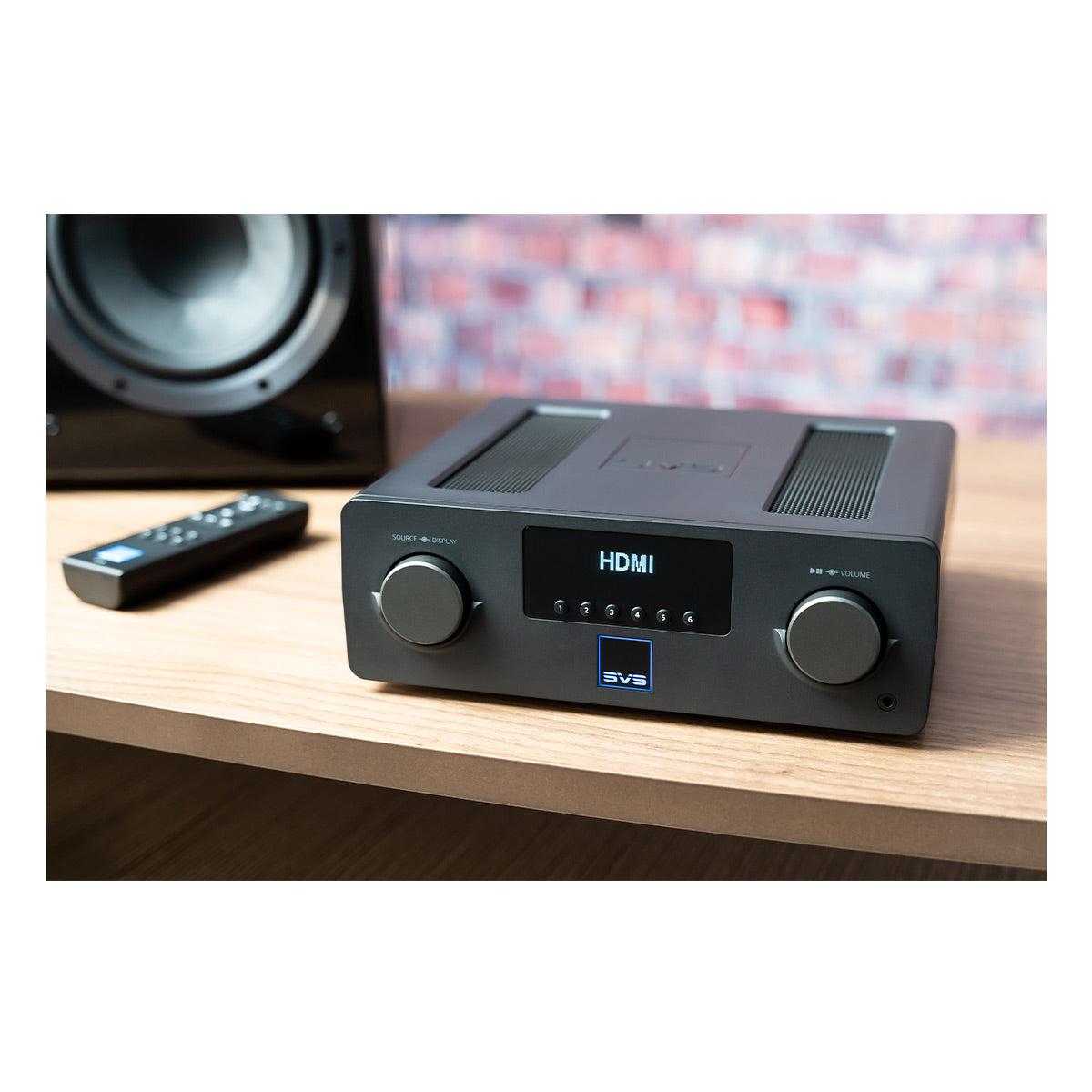
The world of integrated amplifiers has evolved dramatically over the past decade. We're seeing a clear split between two philosophies: traditional hi-fi amplifiers that focus purely on sound quality, and modern streaming-enabled units that prioritize convenience and connectivity. This divide is perfectly illustrated when comparing the SVS Prime Wireless Pro SoundBase and the Cambridge Audio CXA61.
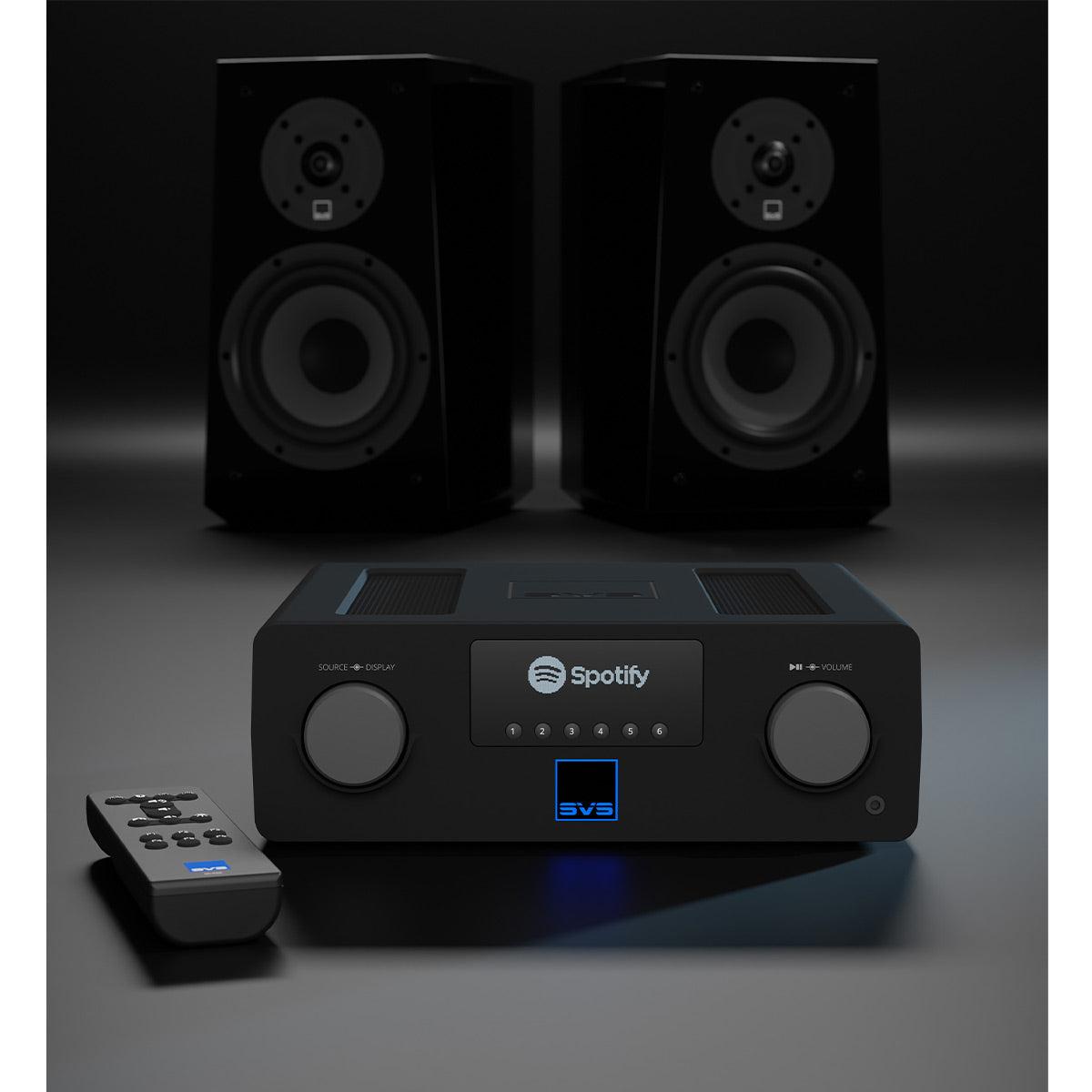
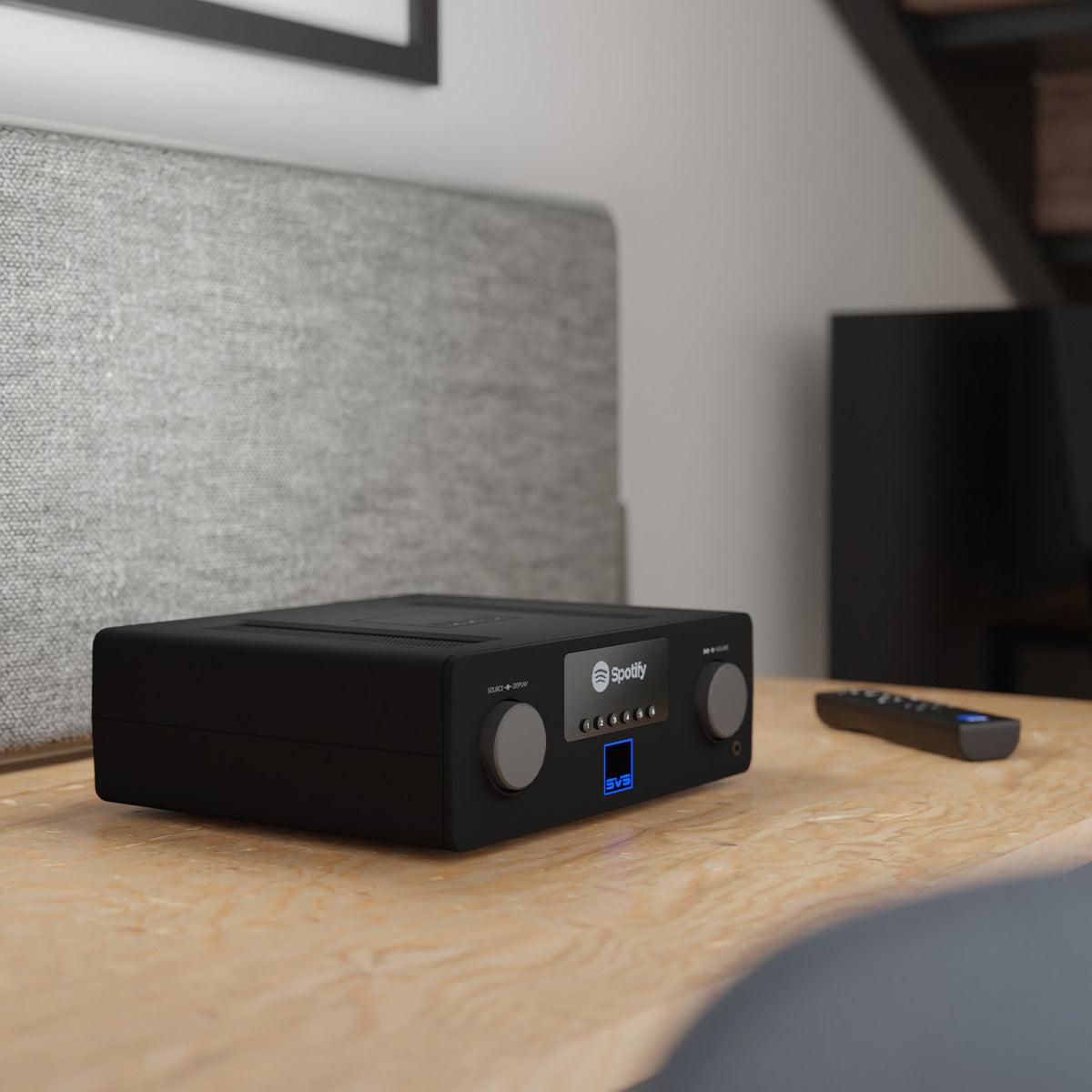
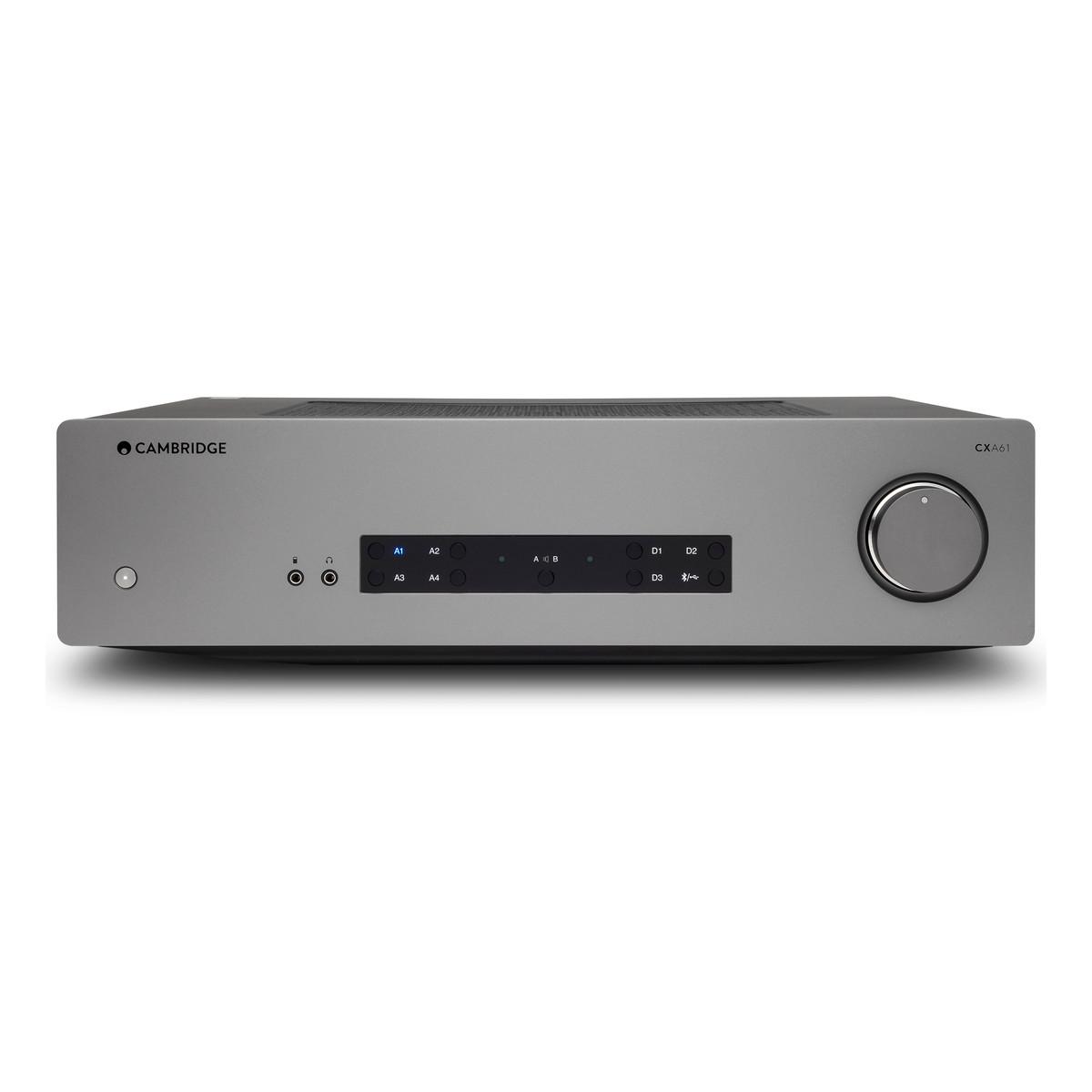
Released in 2022, the SVS Prime Wireless Pro SoundBase represents the new generation of streaming-first amplifiers. It's essentially a computer, amplifier, and wireless receiver rolled into one compact package. Cambridge Audio's CXA61, launched in 2019 as an evolution of their popular CXA60, takes a more traditional approach – it's primarily focused on amplifying your music with exceptional quality while adding select modern features.
The fundamental difference lies in their priorities. The SVS unit asks: "How can we make accessing and playing music as convenient as possible while still sounding great?" The Cambridge Audio amplifier asks: "How can we make your music sound as good as possible while adding some modern conveniences?"
When evaluating amplifiers, power output often gets the most attention, but understanding what those numbers actually mean is crucial. The SVS Prime Wireless Pro SoundBase delivers 300 watts total (150 watts per channel) using Class-D amplification technology. Class-D amplifiers work by rapidly switching the audio signal on and off thousands of times per second, making them incredibly efficient and allowing for more power in smaller packages.
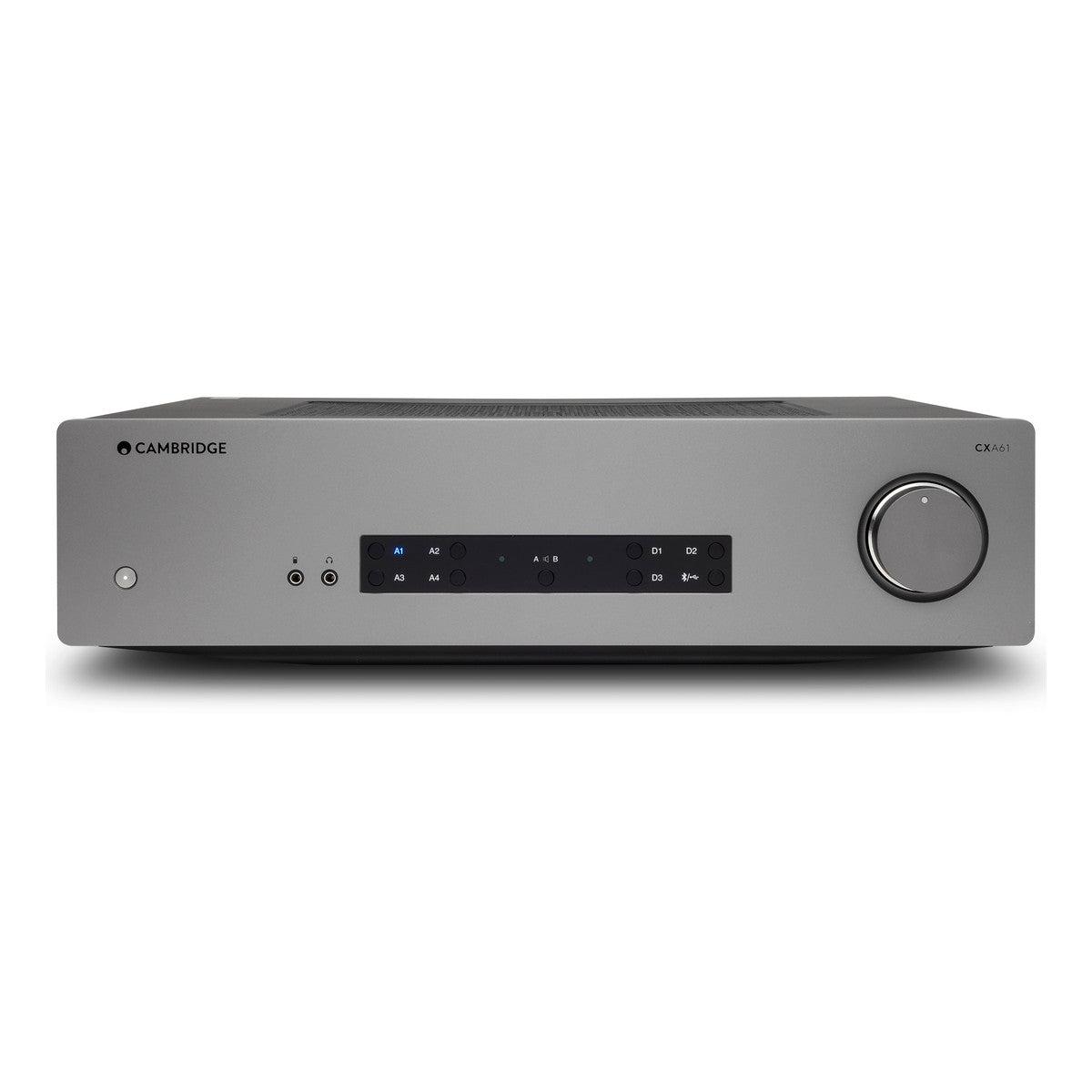
The Cambridge Audio CXA61 produces 120 watts total (60 watts per channel, or 90 watts into 4-ohm speakers) using Class AB amplification. This traditional approach keeps the amplifying transistors partially "on" all the time, which generates more heat but often provides what many consider more natural sound reproduction.
Here's what this means in practice: both amplifiers have enough power to drive most bookshelf and floorstanding speakers to satisfying levels. The SVS has a significant power advantage, especially useful if you have inefficient speakers (those rated below 87 dB sensitivity) or a large room. However, the Cambridge Audio unit compensates with superior current delivery thanks to its oversized toroidal transformer – a heavy, doughnut-shaped component that provides steady power even during demanding musical passages.
In our research of user experiences, owners of both amplifiers report being able to drive speakers to satisfying volumes without strain. The power difference becomes most noticeable with very demanding speakers or at high volumes, where the SVS maintains composure while some users noted the Cambridge Audio beginning to sound slightly compressed.
Sound quality assessment requires looking beyond marketing claims to technical specifications and user consensus. The Cambridge Audio CXA61 consistently receives praise for what reviewers describe as "energetic, precise sound with strong control." Its symmetrical circuit design – where left and right channels are physically separated and identically laid out – minimizes crosstalk (where one channel interferes with the other), resulting in excellent stereo imaging.
The amplifier's damping factor of over 110 at 1kHz is particularly impressive. Damping factor measures how well an amplifier can control speaker movement after the musical signal stops. Higher numbers mean better control, which translates to tighter bass and more defined transients – those sharp attacks when a drummer hits a snare or a pianist strikes a key.
The SVS Prime Wireless Pro SoundBase takes a different but equally valid approach. Users consistently report neutral, balanced sound with what many describe as "audiophile-grade" performance. Its 100dB signal-to-noise ratio means the music emerges from a very quiet background, allowing subtle details to shine through. The Class-D amplification, once criticized for harsh sound, has evolved significantly by 2022, and the SVS implementation delivers what users describe as warm, engaging sound.
Both amplifiers handle dynamic range well – the difference between the softest and loudest parts of music – but they do it differently. The Cambridge Audio excels at maintaining composure during complex passages, keeping instruments clearly separated even when the music gets busy. The SVS impresses with its ability to deliver powerful, unstrained sound even at high volumes, thanks to its substantial power reserves.
This is where the philosophical differences become most apparent. The Cambridge Audio CXA61 provides what traditional hi-fi enthusiasts expect: four analog RCA inputs for sources like CD players, plus digital inputs (two optical, one coaxial, and USB) for modern sources. Its built-in ESS Sabre DAC (digital-to-analog converter) handles digital sources up to 32-bit/384kHz – far beyond CD quality.
The Bluetooth implementation supports aptX HD, which can stream at 24-bit/48kHz quality – better than CD's 16-bit/44.1kHz. However, in our research, users consistently report that wired connections still provide noticeably better sound quality than Bluetooth, even with the high-quality aptX HD codec.
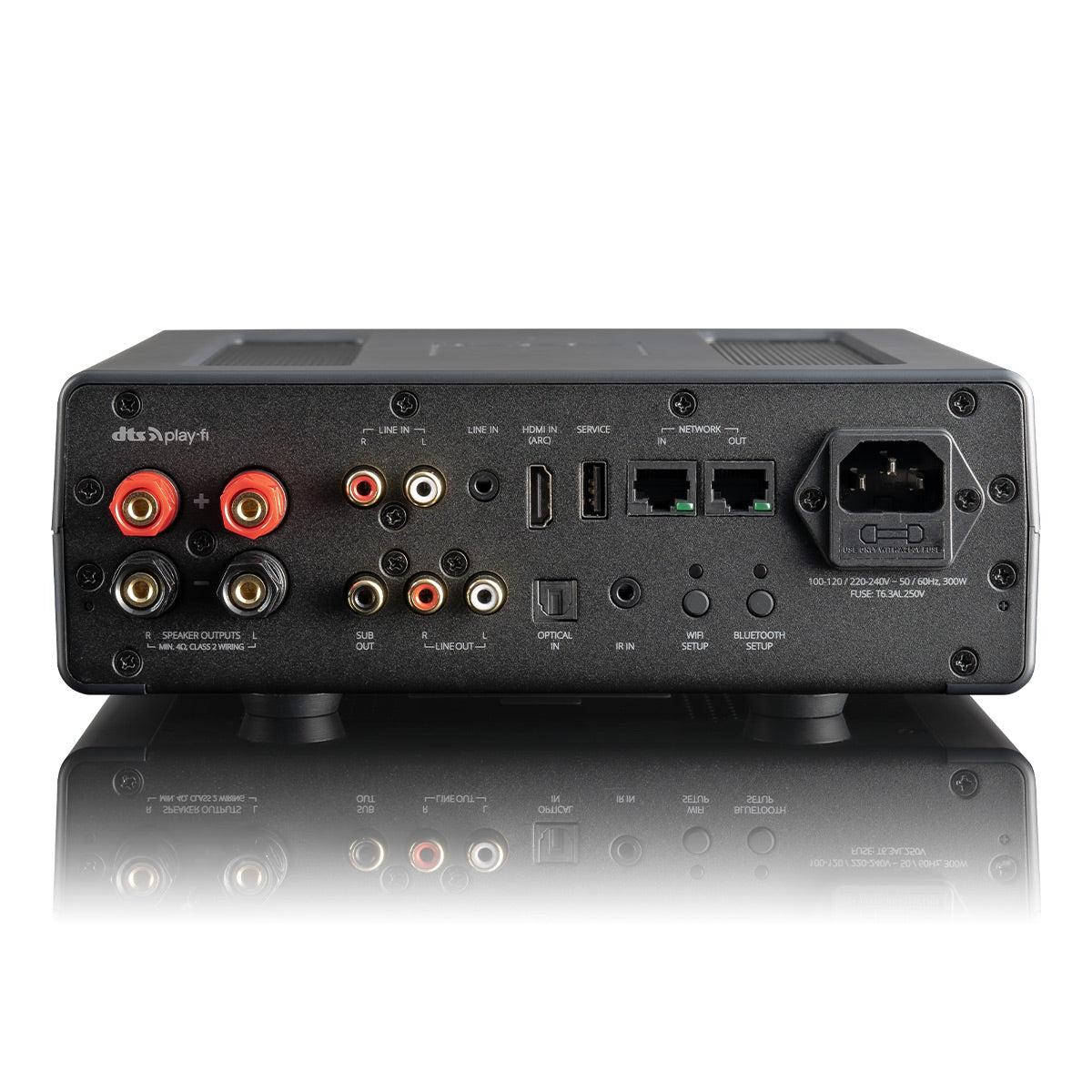
The SVS Prime Wireless Pro SoundBase approaches connectivity completely differently. It's designed for the streaming age, supporting multiple wireless protocols simultaneously. Wi-Fi streaming through DTS Play-Fi can handle 24-bit/192kHz audio – true high-resolution quality that exceeds what Bluetooth can deliver. Apple AirPlay 2 provides seamless integration with iOS devices, while Chromecast handles Android devices effortlessly.
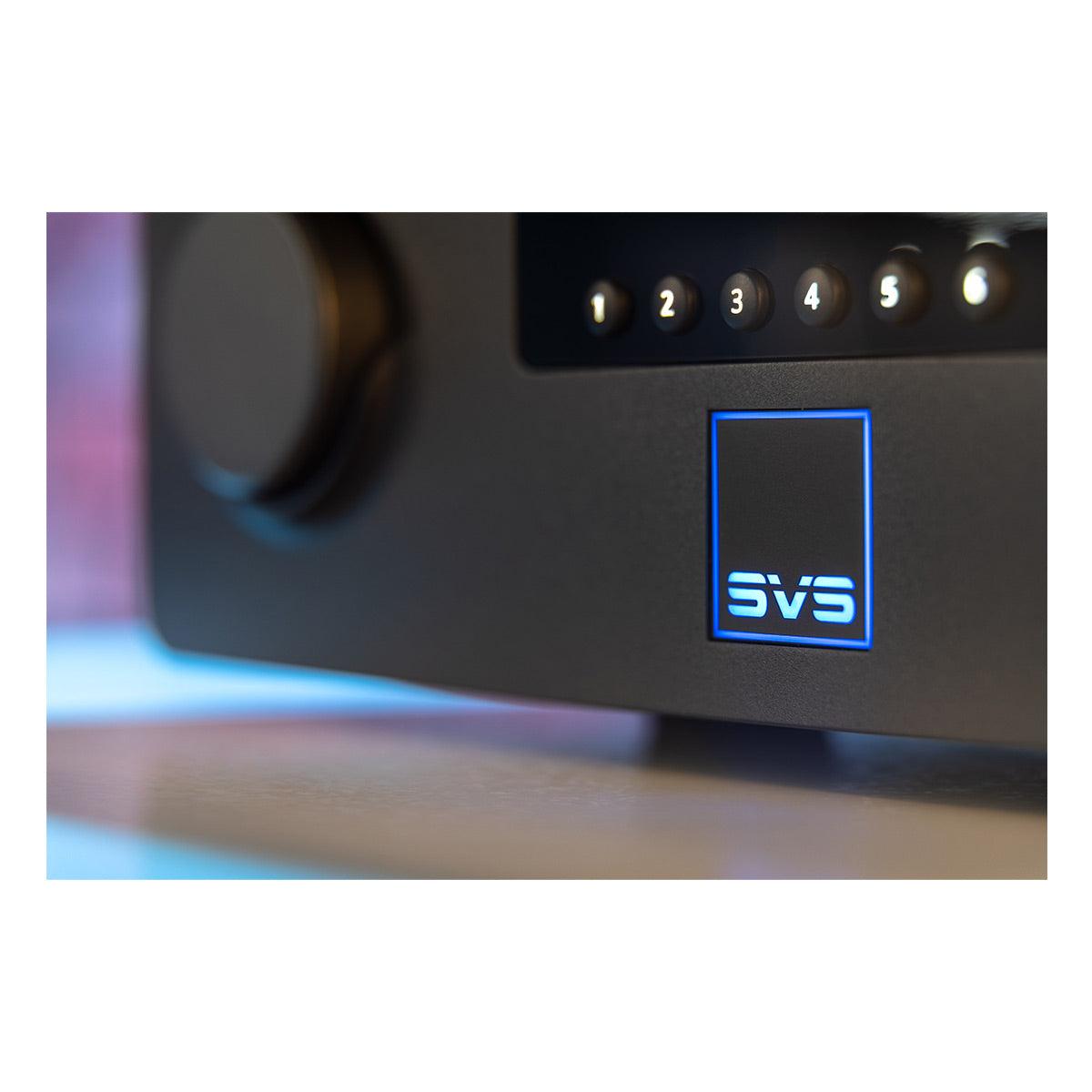
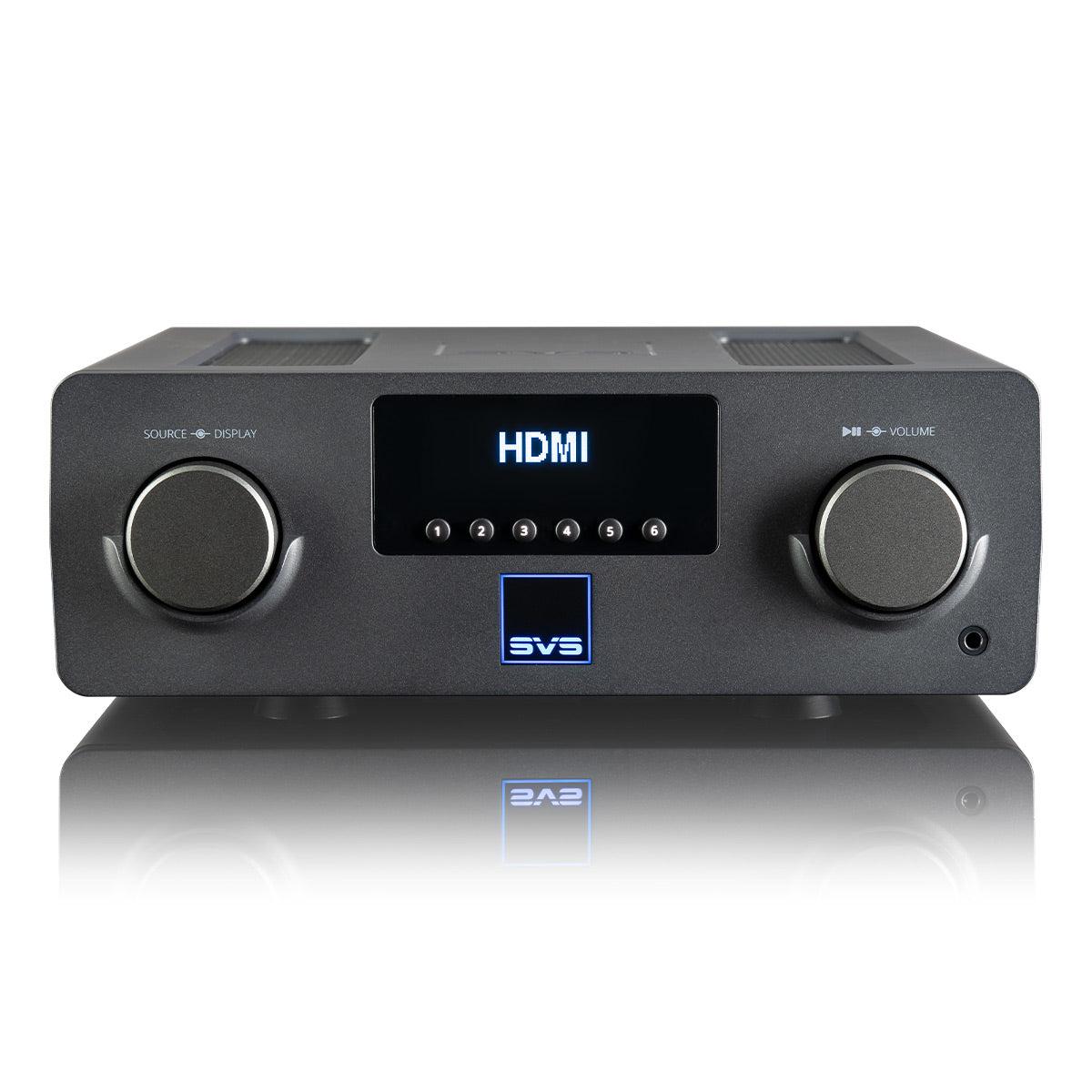
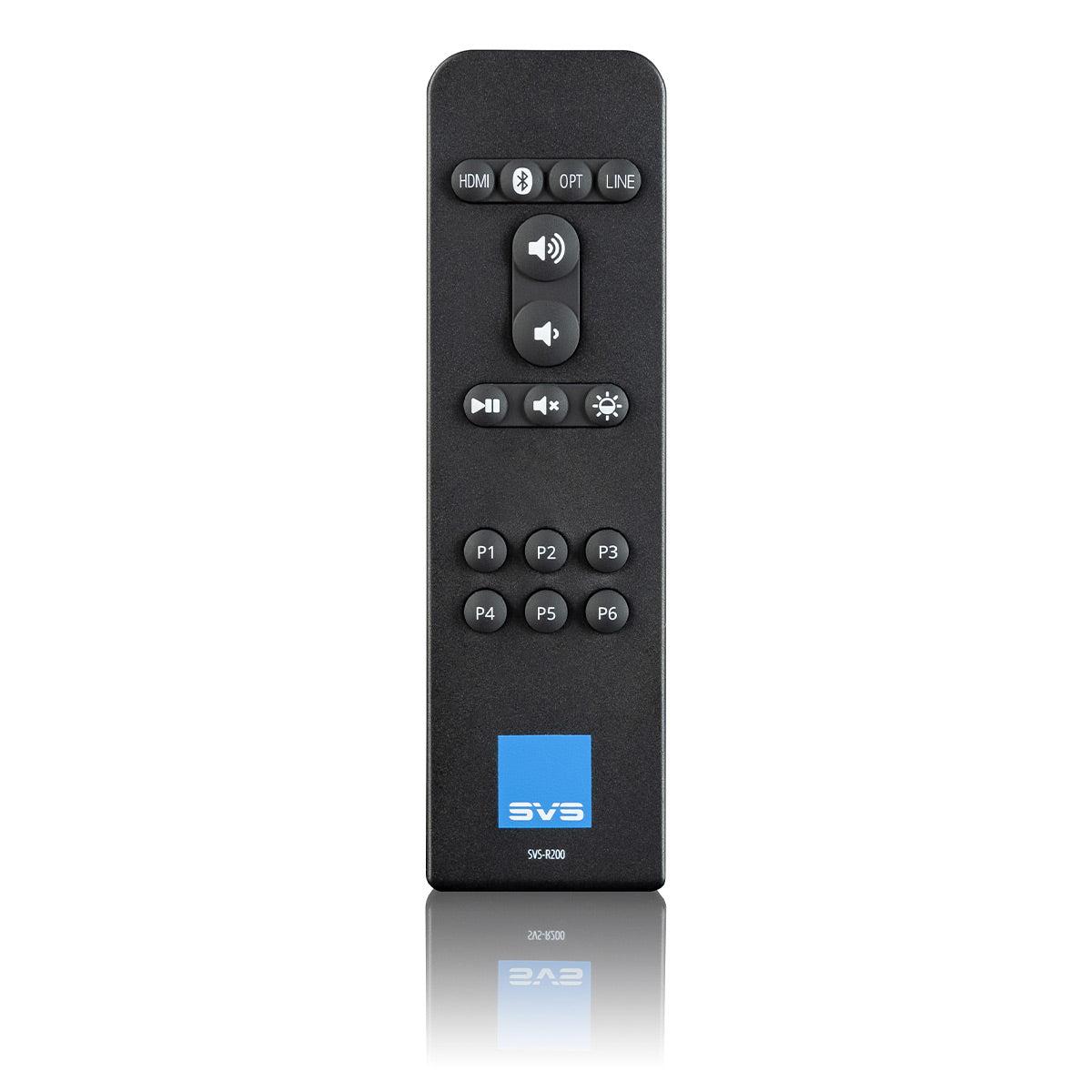
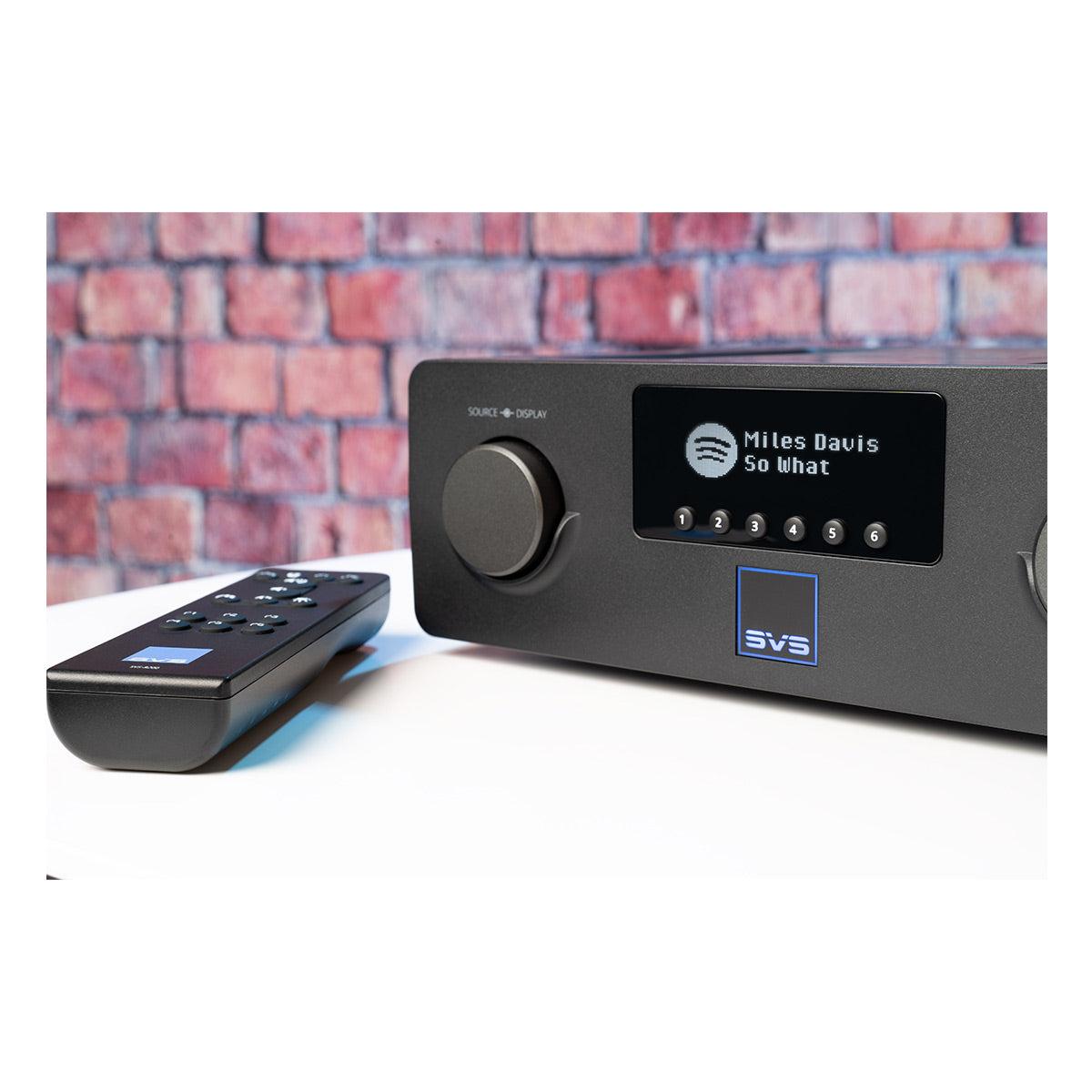
Perhaps most importantly for modern users, the SVS has direct integration with streaming services. You can access Spotify, Tidal, Qobuz, and others directly through the amplifier, without needing a separate device. The six front-panel preset buttons let you instantly jump to favorite playlists or radio stations – a feature that seems simple but proves incredibly convenient in daily use.
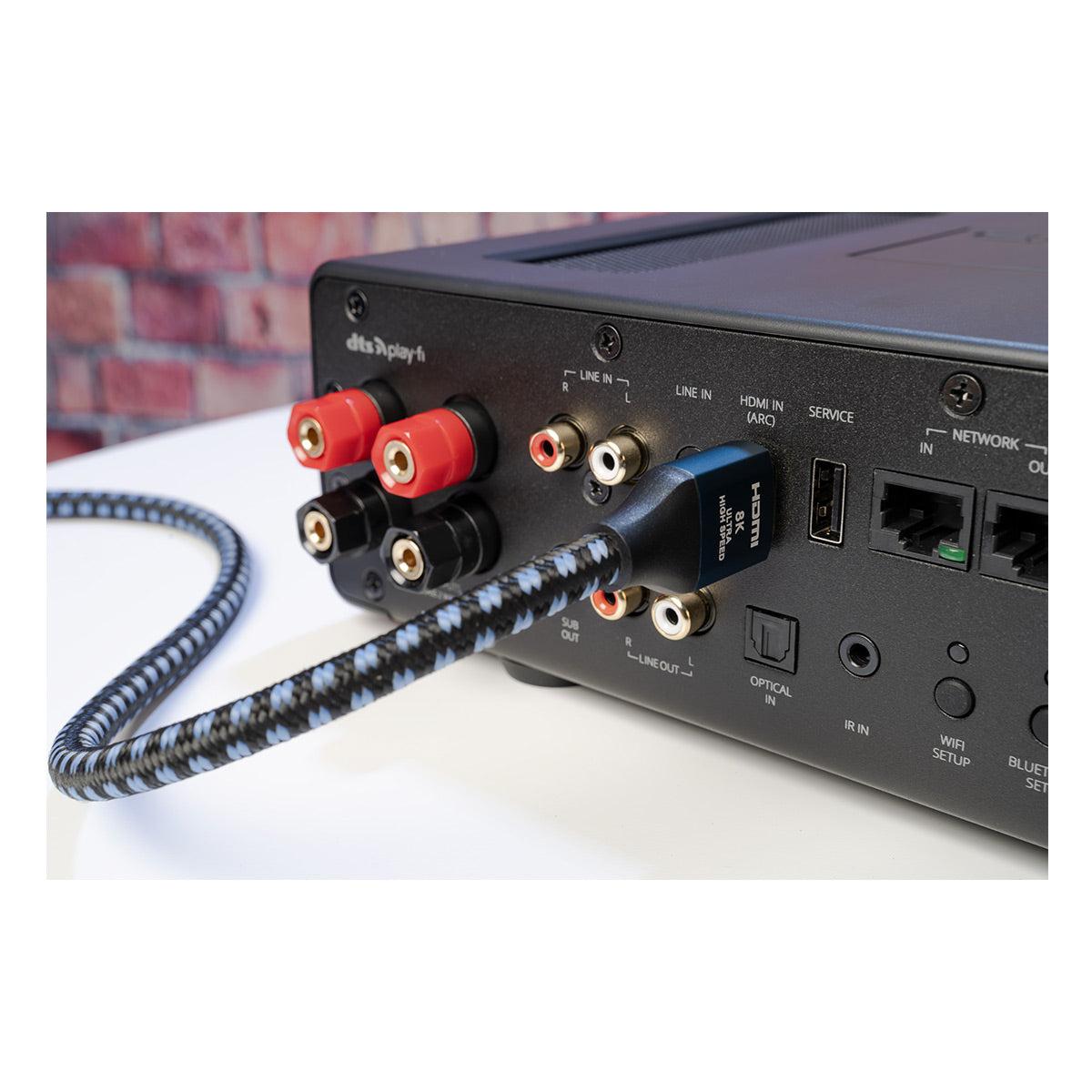
The HDMI ARC/eARC input on the SVS deserves special mention for home theater integration. This single cable connection to your TV handles both audio from the TV and allows the TV remote to control volume – creating a much cleaner, more integrated entertainment system setup.
Daily usability often determines whether you'll actually enjoy your audio system. The Cambridge Audio CXA61 takes the traditional approach with a clean front panel, simple controls, and an included remote. It's straightforward but requires separate devices for streaming music. Users appreciate the solid, tactile feel of the controls and the clear, logical layout.
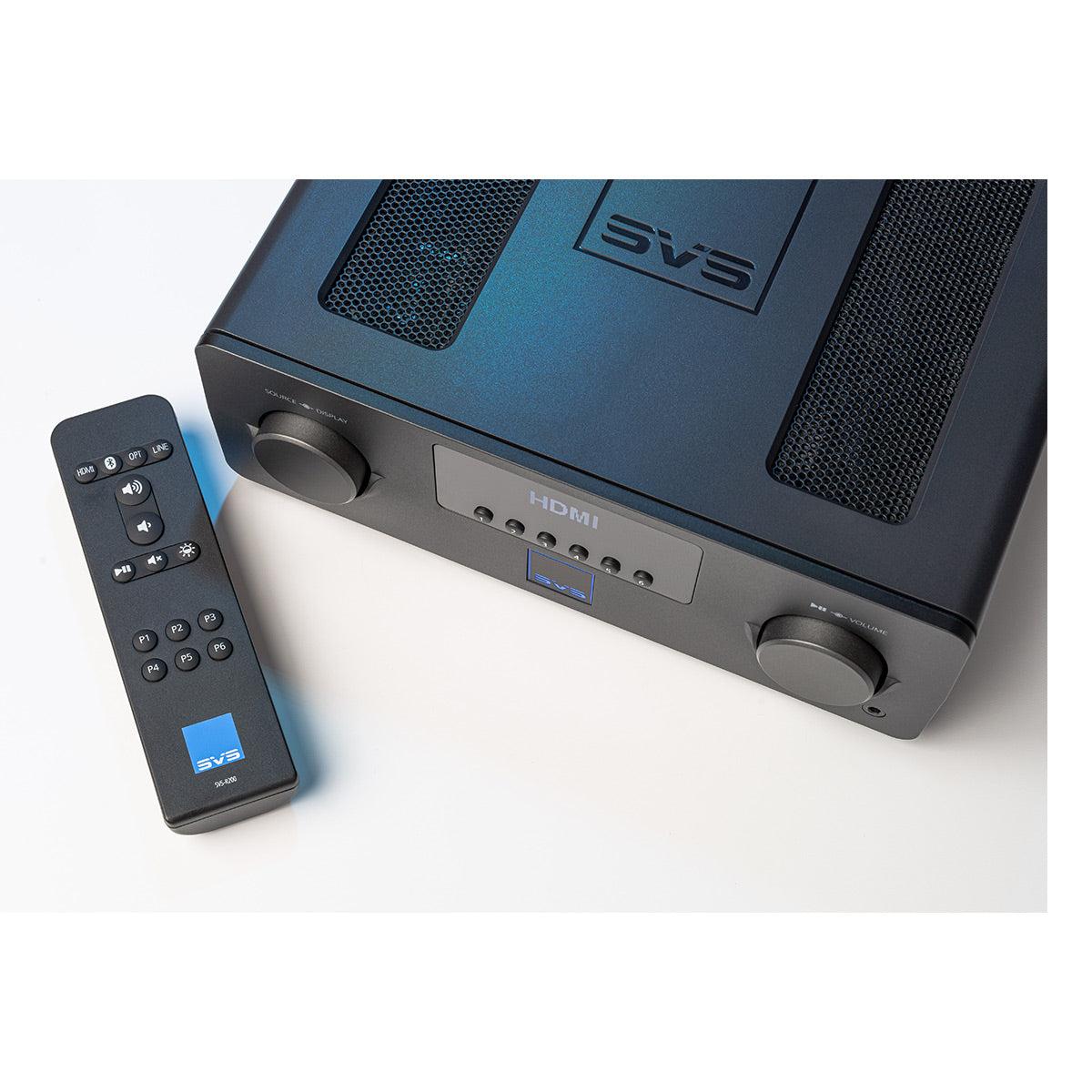
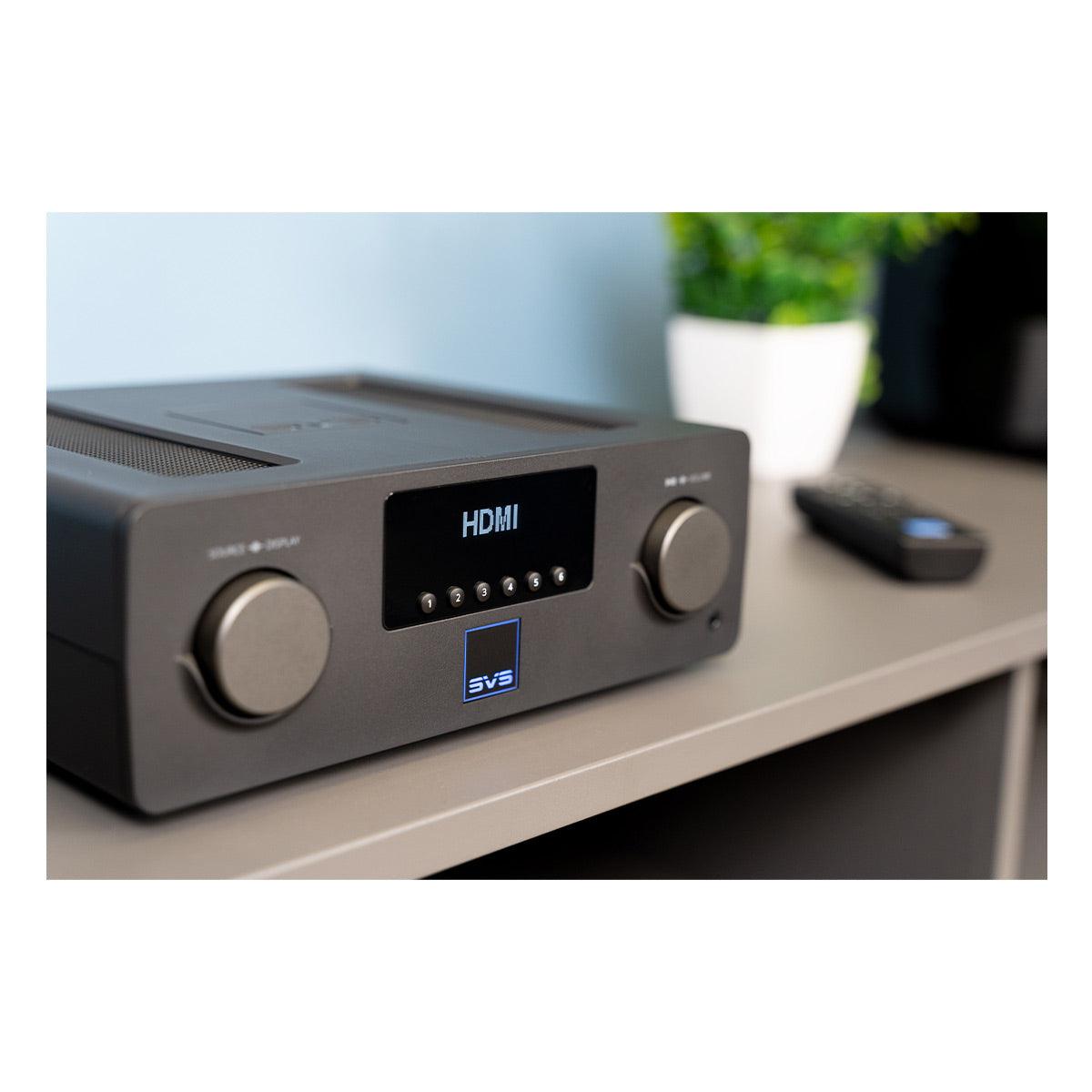
The SVS Prime Wireless Pro SoundBase attempts to solve the streaming convenience puzzle with its OLED display and six preset buttons. However, our research reveals mixed user experiences with the DTS Play-Fi app that controls advanced functions. Many users describe it as "clunky" compared to more polished apps from companies like Sonos or Bluesound.
This app experience matters more than it might initially seem. If the control app is frustrating, you're less likely to explore music discovery features or adjust settings, ultimately diminishing your enjoyment of the system.
Physical construction reveals each company's priorities. The Cambridge Audio CXA61 weighs 18.3 pounds and measures 16.9 × 13.4 × 4.5 inches – substantial dimensions that reflect traditional hi-fi values. The weight comes from that oversized transformer and robust chassis construction designed to minimize vibration and electromagnetic interference.
The SVS Prime Wireless Pro SoundBase takes the opposite approach at just 3.23 × 9.10 × 8.81 inches. This compact design reflects modern priorities: fitting into entertainment centers, minimizing visual impact, and appealing to users who want powerful audio without the traditional hi-fi footprint.
Both approaches have merit. The Cambridge Audio's substantial construction provides excellent electrical isolation and heat dissipation, potentially contributing to its long-term reliability and sound quality. The SVS's compact design makes it practical for modern living spaces and easier to integrate into existing setups.
For users building dual-purpose music and home theater systems, these amplifiers serve very different roles. The SVS Prime Wireless Pro SoundBase excels here with its HDMI ARC/eARC input, making it simple to connect to any TV for improved audio quality. The subwoofer output (though lacking bass management) allows easy integration of a powered subwoofer for movie watching.
The Cambridge Audio CXA61 can work in home theater setups but requires more complex integration. You'd typically connect it to a TV's analog or digital outputs, losing some convenience features like volume control through the TV remote.
For someone wanting one device to handle both serious music listening and significantly improved TV audio, the SVS provides a more elegant solution. However, if music listening is the priority with only occasional TV use, the Cambridge Audio's superior sound quality might be worth the integration compromises.
At the time of writing, these amplifiers are priced within about $100 of each other, making the value comparison particularly interesting. The SVS Prime Wireless Pro SoundBase commands a slight premium, justified by its extensive streaming features, higher power output, and modern connectivity options.
The Cambridge Audio CXA61 offers traditional hi-fi value: exceptional sound quality, robust construction, and proven reliability at a slightly lower price point. For users who don't need extensive streaming features, it represents excellent value for pure audio performance.
The value equation becomes more complex when considering long-term usage. The SVS may prove more future-proof as streaming becomes increasingly dominant, while the Cambridge Audio offers timeless audio quality that won't become obsolete as technology evolves.
Based on our research and analysis, the decision ultimately depends on your priorities and listening habits.
Choose the SVS Prime Wireless Pro SoundBase if you:
The SVS makes most sense for users embracing modern music consumption habits. It excels at making high-quality audio accessible and convenient, even if it doesn't quite match the ultimate sound quality of traditional alternatives.
Choose the Cambridge Audio CXA61 if you:
The Cambridge Audio serves audio purists who view convenience features as potential compromises to sound quality. It delivers exceptional musical performance with selective modern additions.
Both amplifiers succeed in their intended roles, representing different but valid approaches to modern audio. The SVS Prime Wireless Pro SoundBase prioritizes the user experience, making high-quality audio more accessible and convenient. The Cambridge Audio CXA61 focuses on pure sound quality while adding carefully selected modern features.
Your choice should align with how you actually listen to music. If you find yourself primarily streaming and wanting simple, high-quality audio throughout your home, the SVS will likely provide more daily satisfaction. If you're passionate about audio quality and enjoy the ritual of traditional hi-fi listening, the Cambridge Audio offers superior sonic performance.
Neither choice is wrong – they simply serve different priorities in today's diverse audio landscape. The key is honestly assessing your actual usage patterns and choosing the amplifier that best matches how you want to experience music in your home.
| SVS Prime Wireless Pro SoundBase | Cambridge Audio CXA61 |
|---|---|
| Power Output - Determines how loud you can play music and speaker compatibility | |
| 300W total (150W × 2 channels) Class-D amplification | 120W total (60W × 2 channels, 90W into 4 ohms) Class AB |
| Physical Size - Impact on placement options and room aesthetics | |
| Ultra-compact: 3.23" × 9.10" × 8.81" (fits anywhere) | Traditional hi-fi: 16.9" × 13.4" × 4.5", 18.3 lbs (requires shelf space) |
| Wireless Streaming - Modern convenience for accessing music services | |
| Extensive: WiFi (24-bit/192kHz), AirPlay 2, Chromecast, Bluetooth 5.0 with aptX | Basic: Bluetooth 4.2 with aptX HD only |
| Built-in Streaming Services - Direct access without additional devices | |
| Yes: Spotify Connect, Tidal, Qobuz, Amazon Music HD, Pandora, SiriusXM | No: Requires separate streaming device or phone/computer |
| TV Integration - Simplified home theater setup | |
| HDMI ARC/eARC input (single cable to TV with remote control) | No HDMI (requires optical or analog TV connection) |
| High-Resolution Digital Audio Support - Future-proofing for audiophile formats | |
| 24-bit/192kHz via WiFi streaming | 32-bit/384kHz PCM, DSD256 via USB input with ESS Sabre DAC |
| Analog Inputs - Connecting traditional sources like CD players | |
| Basic: RCA line input, 3.5mm aux input | Comprehensive: 4× RCA line inputs, better for multiple sources |
| Sound Quality Focus - Amplification approach and audio priorities | |
| Balanced, powerful Class-D with streaming convenience | Audiophile-focused Class AB with superior technical measurements |
| User Interface - Daily operation and control options | |
| OLED display, 6 preset buttons, smartphone app, IR remote | Traditional controls, IR remote, simple front panel |
| Price Positioning - Value for different user priorities | |
| Premium pricing for streaming features and compact design | Lower cost for traditional hi-fi performance and build quality |
The SVS Prime Wireless Pro SoundBase is significantly better for streaming music services. It has built-in support for Spotify Connect, Tidal, Qobuz, Amazon Music HD, and other popular services, plus WiFi streaming at 24-bit/192kHz quality. The Cambridge Audio CXA61 only offers basic Bluetooth connectivity and requires a separate streaming device or phone to access music services.
The SVS Prime Wireless Pro SoundBase delivers 300 watts total (150W per channel) compared to the Cambridge Audio CXA61 at 120 watts total (60W per channel). The SVS has significantly more power, making it better for driving difficult speakers or filling large rooms with sound.
The SVS Prime Wireless Pro SoundBase is much more compact at 3.23" × 9.10" × 8.81", making it ideal for small spaces or modern entertainment centers. The Cambridge Audio CXA61 is a traditional-sized amplifier at 16.9" × 13.4" × 4.5" and weighs 18.3 pounds, requiring dedicated shelf space.
Yes, but with different approaches. The SVS Prime Wireless Pro SoundBase has an HDMI ARC/eARC input that connects directly to your TV with a single cable and allows TV remote volume control. The Cambridge Audio CXA61 requires optical or analog connections and doesn't offer the same seamless TV integration.
The Cambridge Audio CXA61 is generally considered superior for pure music listening, with reviewers praising its "energetic, precise sound" and excellent stereo imaging. The SVS Prime Wireless Pro SoundBase delivers very good sound quality but prioritizes convenience features over absolute audio performance.
No separate device needed with the SVS Prime Wireless Pro SoundBase - it has built-in streaming services and WiFi connectivity. The Cambridge Audio CXA61 requires a separate streaming device, computer, or phone to access music services beyond basic Bluetooth.
The SVS Prime Wireless Pro SoundBase is much better for home theater use thanks to its HDMI ARC/eARC input, compact size that fits in entertainment centers, and subwoofer output. The Cambridge Audio CXA61 can work in home theater setups but requires more complex connections and doesn't integrate as seamlessly with TVs.
Yes, both support high-resolution audio but differently. The SVS Prime Wireless Pro SoundBase streams up to 24-bit/192kHz over WiFi, while the Cambridge Audio CXA61 supports even higher resolution files (32-bit/384kHz, DSD256) through its USB input and built-in ESS Sabre DAC.
This depends on your priorities. The Cambridge Audio CXA61 offers better value for pure audio quality at a lower price point. The SVS Prime Wireless Pro SoundBase provides better value if you want modern streaming features, more power, and TV integration in one compact package.
The Cambridge Audio CXA61 offers more traditional connectivity with 4 analog RCA inputs plus digital inputs (optical, coaxial, USB). The SVS Prime Wireless Pro SoundBase has fewer physical inputs but unlimited wireless connections through WiFi, AirPlay, Chromecast, and Bluetooth.
The SVS Prime Wireless Pro SoundBase is much easier for daily use with its 6 preset buttons for instant access to music, OLED display, and smartphone app control. The Cambridge Audio CXA61 uses traditional controls and requires separate devices for streaming, making it less convenient for everyday music listening.
Yes, both have subwoofer outputs. The SVS Prime Wireless Pro SoundBase has a dedicated subwoofer output that's ideal for home theater setups. The Cambridge Audio CXA61 also includes a subwoofer output, making both amplifiers suitable for 2.1 speaker systems with added bass extension.
We've done our best to create useful and informative comparisons to help you decide what product to buy. Our research uses advanced automated methods to create this comparison and perfection is not possible - please contact us for corrections or questions. These are the sites we've researched in the creation of this article: soundandvision.com - crutchfield.com - futureaudiophile.com - dreamediaav.com - crutchfield.com - svsound.com - soundstageaccess.com - skybygramophone.com - hometheaterhifi.com - av-connection.com - crutchfield.com - soundstagenetwork.com - svsound.com - themasterswitch.com - theaudiophileman.com - youtube.com - forums.whathifi.com - crutchfield.com - youtube.com - youtube.com - hifihaven.org - crutchfield.com - audioguru.com - listenup.com - forums.whathifi.com - manuals.cambridgeaudio.com - alpha-audio.net - hifichoice.com - cambridgeaudio.com - the-ear.net - speakerdecision.com

Privacy Policy
Terms and Conditions - Affiliate Policy
Home Security
© Copyright 2008-2026.
11816 Inwood Rd #1211, Dallas, TX 75244