



The world of wireless audio has exploded in the past decade, and choosing between different approaches can feel overwhelming. Two products that perfectly illustrate the fundamental choice you'll face are the SVS Prime Wireless Pro SoundBase and the Denon HEOS Link HS2. These represent completely different philosophies for bringing wireless streaming to your home audio system, and understanding their approaches will help you make the right choice for your needs.
When wireless streaming first became mainstream around 2010, most solutions required multiple boxes, complex setup procedures, and significant technical knowledge. Today's market has evolved into two distinct camps: integrated amplifiers that do everything in one box, and pre-amplifiers (also called streamers) that add wireless capabilities to your existing equipment.
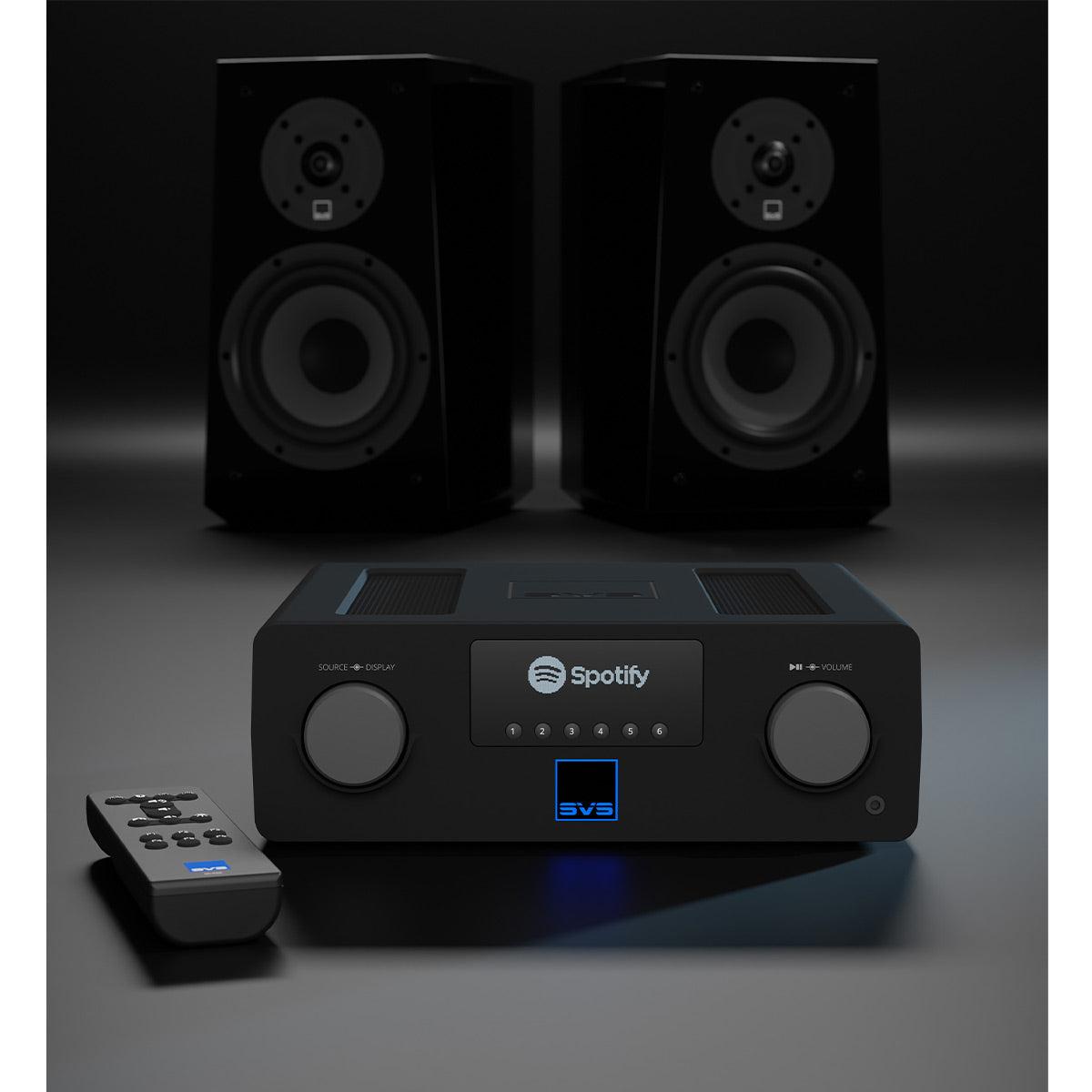
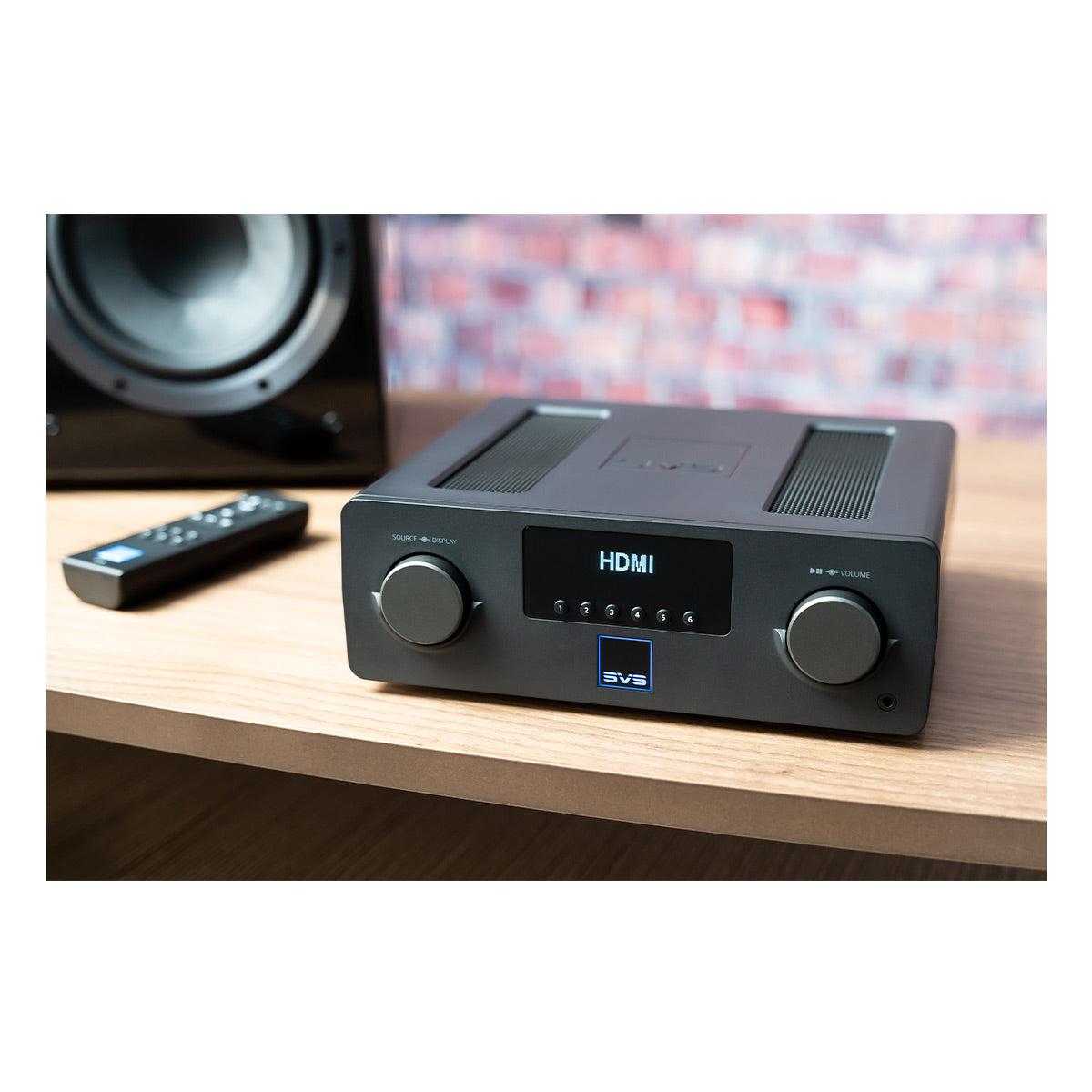
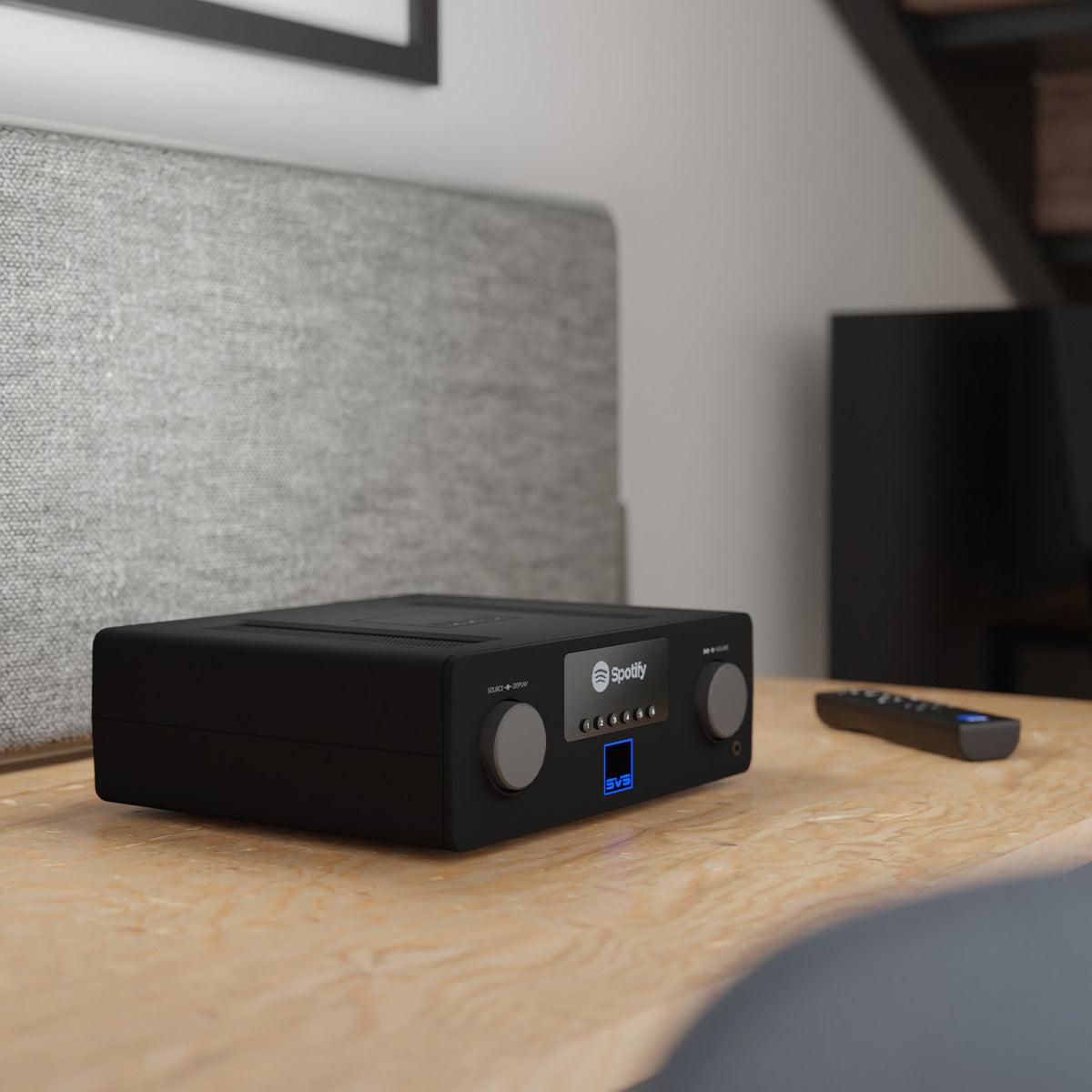
The SVS Prime Wireless Pro SoundBase, released in 2022, represents the "just add speakers" philosophy. It's a complete integrated amplifier with built-in wireless streaming, DAC (digital-to-analog converter - the component that converts digital music files into analog signals your speakers can use), and 300 watts of amplification power. Think of it as a modern stereo receiver that happens to be wireless-first rather than an afterthought.
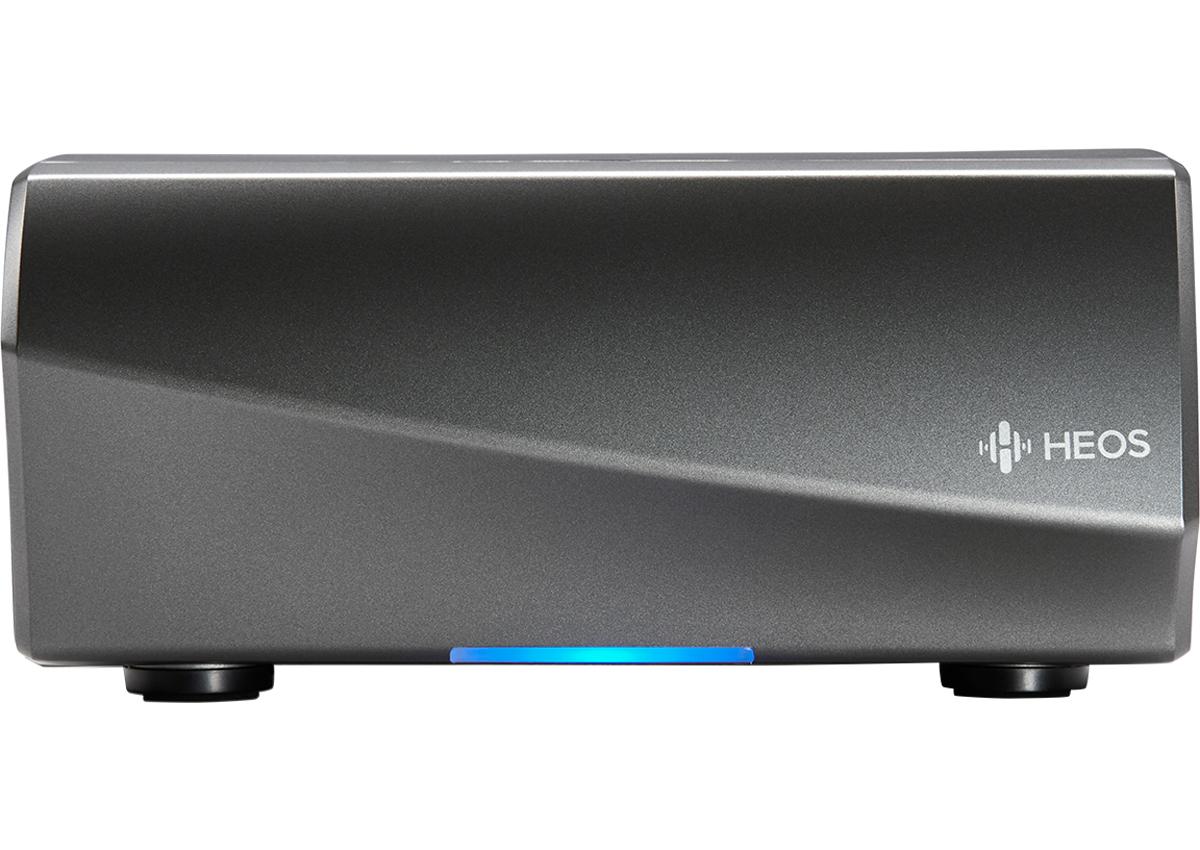
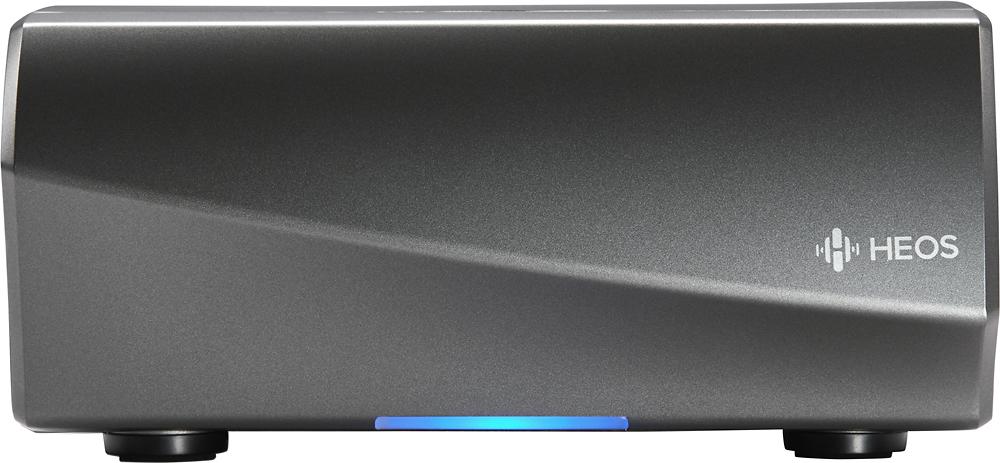
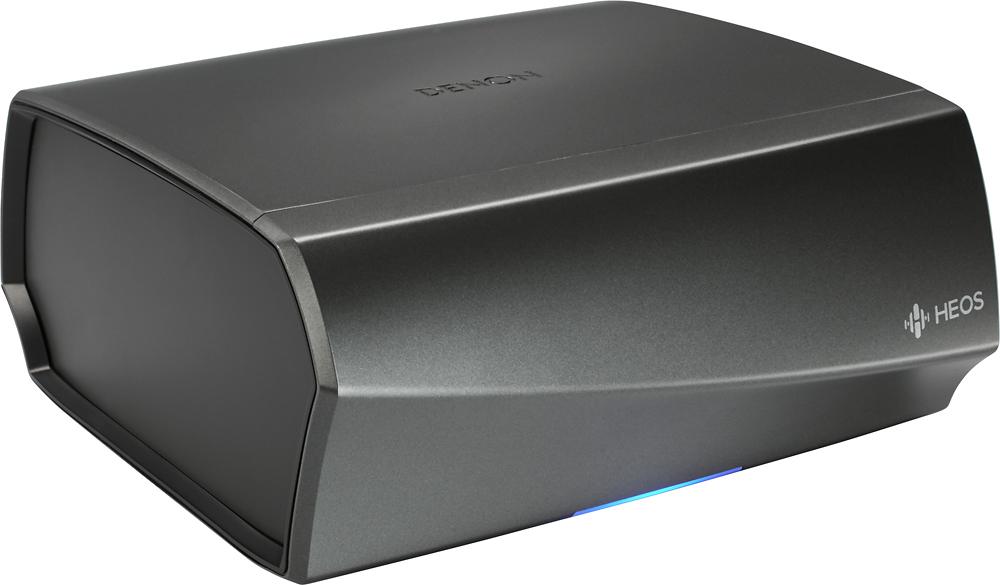
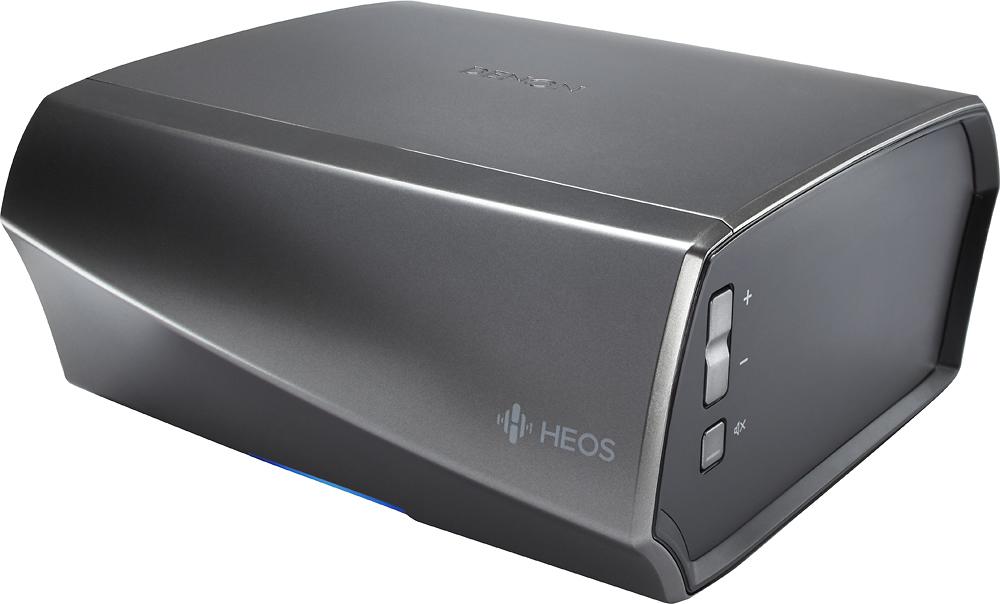
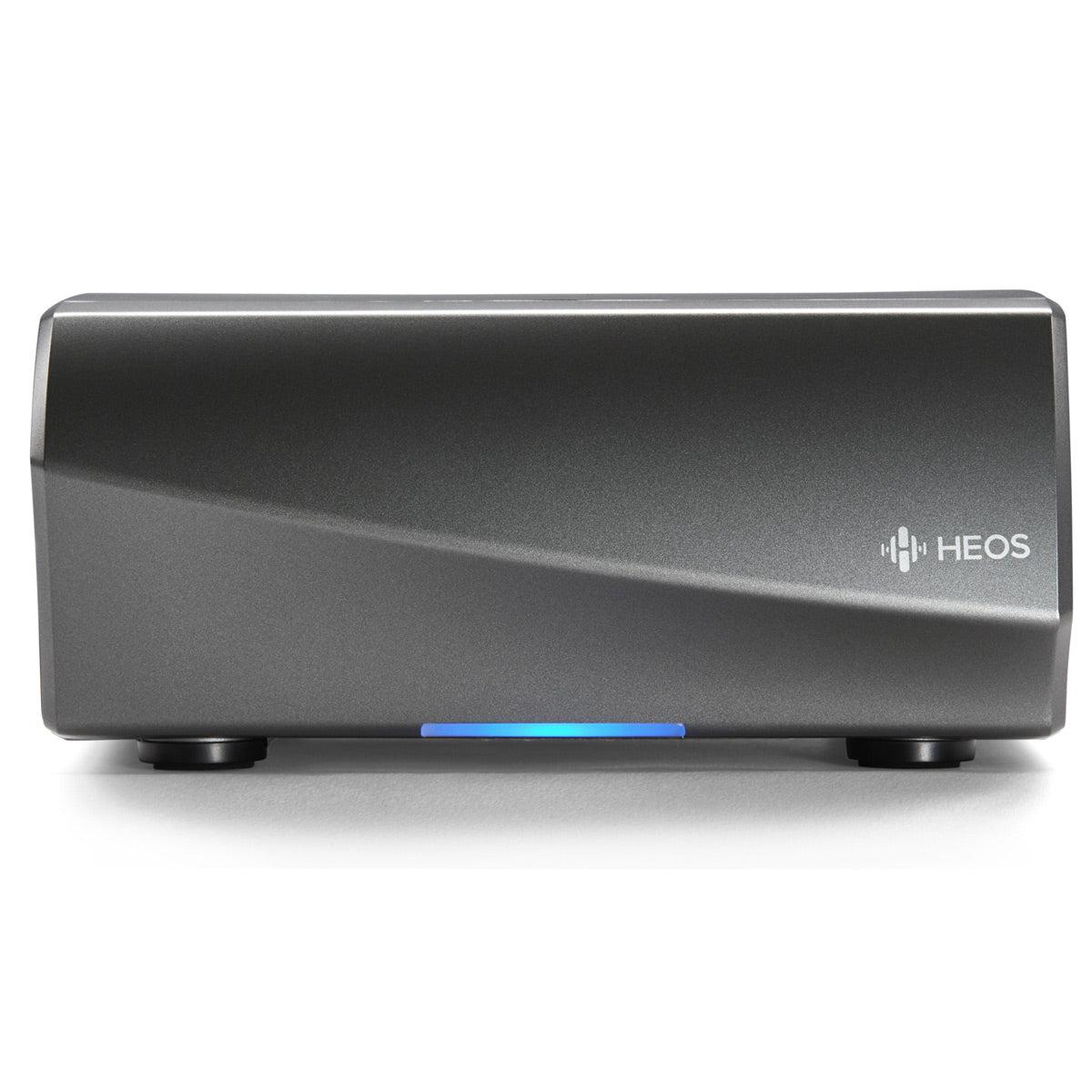
The Denon HEOS Link HS2, which has been available since 2016, takes the opposite approach. It's a pure streaming pre-amplifier that connects to your existing amplifier or powered speakers. This modular approach gives you more flexibility but requires additional components to create a complete system.
The most fundamental difference between these products is amplification. The SVS Prime Wireless Pro SoundBase packs serious power - 150 watts per channel using Class-D amplification technology. Class-D amplifiers are incredibly efficient, generating less heat while delivering clean power. This isn't just marketing fluff; 300 total watts is enough to drive even demanding floor-standing speakers to satisfying volumes without the sound becoming thin or distorted.
What makes this power output particularly impressive is its ability to handle 4-ohm speakers. Speaker impedance (measured in ohms) indicates how much electrical resistance the speaker presents to the amplifier. Lower impedance speakers like 4-ohm models are harder to drive and require more current from the amplifier. Many budget amplifiers struggle with these loads, but the SVS Prime Wireless Pro SoundBase handles them confidently.
The Denon HEOS Link HS2 has zero built-in amplification - it's purely a streaming source and DAC. This means you'll need to pair it with an amplifier that could cost anywhere from a few hundred to several thousand dollars, depending on your performance expectations. However, this gives you complete freedom to choose the exact amplifier characteristics you want, whether that's a warm tube amp or a powerful solid-state design.
Digital-to-analog conversion is where these products show their true character. Both devices support high-resolution audio up to 24-bit/192kHz, which is significantly higher quality than CD audio (16-bit/44.1kHz). Think of bit depth as dynamic range - how quiet the quiet parts can be and how loud the loud parts can be without distortion. Sample rate determines how accurately the system captures rapid changes in the music.
The SVS Prime Wireless Pro SoundBase has earned praise for its internal DAC performance. Technical measurements show excellent signal-to-noise ratio (the difference between the music signal and background noise) of 100dB, which translates to a completely black background during quiet passages. Its frequency response stays within ±1dB from 10Hz to 20kHz, meaning it reproduces music accurately across the entire audible spectrum without emphasizing or reducing any particular frequencies.
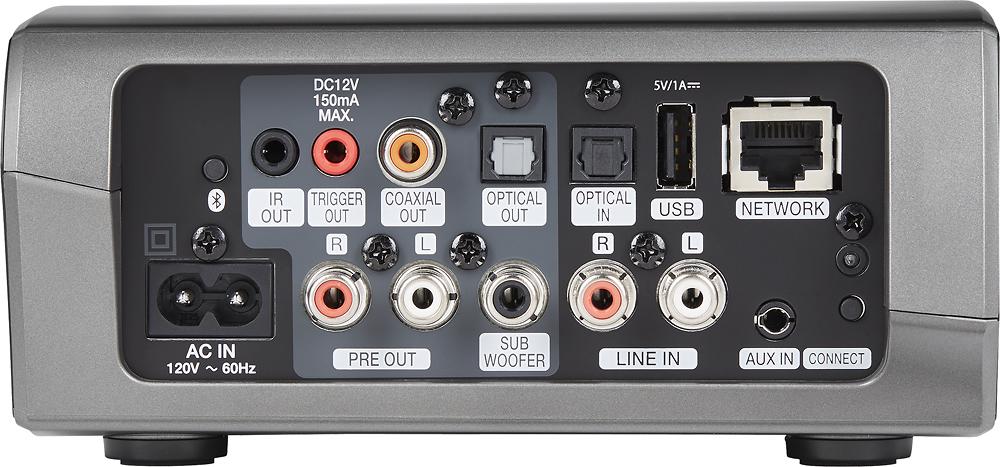
The Denon HEOS Link HS2 presents an interesting situation. While it supports the same high-resolution formats, technical measurements reveal that its internal DAC performance isn't exceptional. However, it offers both digital and analog outputs, and its digital outputs are bit-perfect - meaning they pass the digital signal without any degradation. This makes it an excellent choice if you plan to use an external DAC, which could significantly outperform either device's internal conversion.
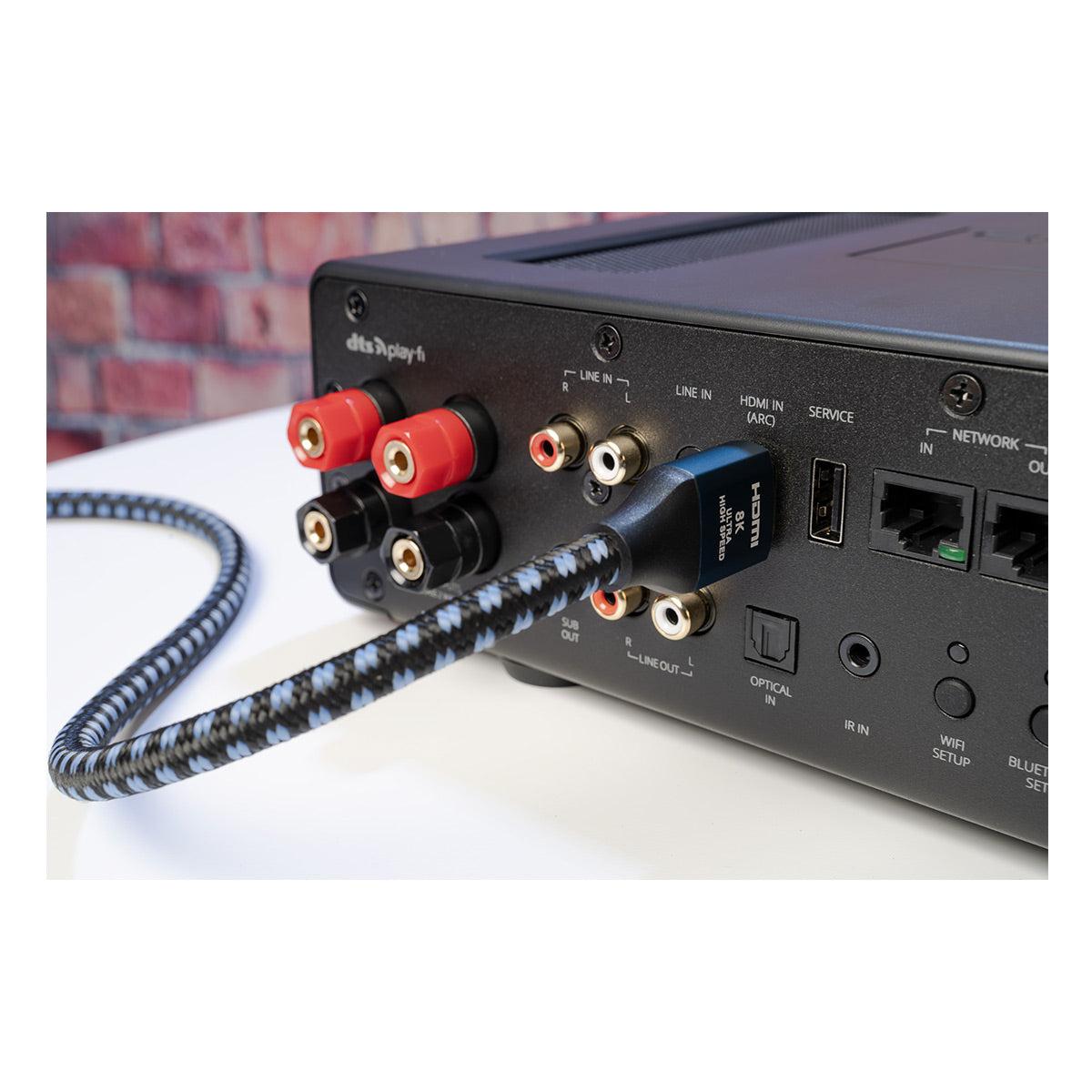
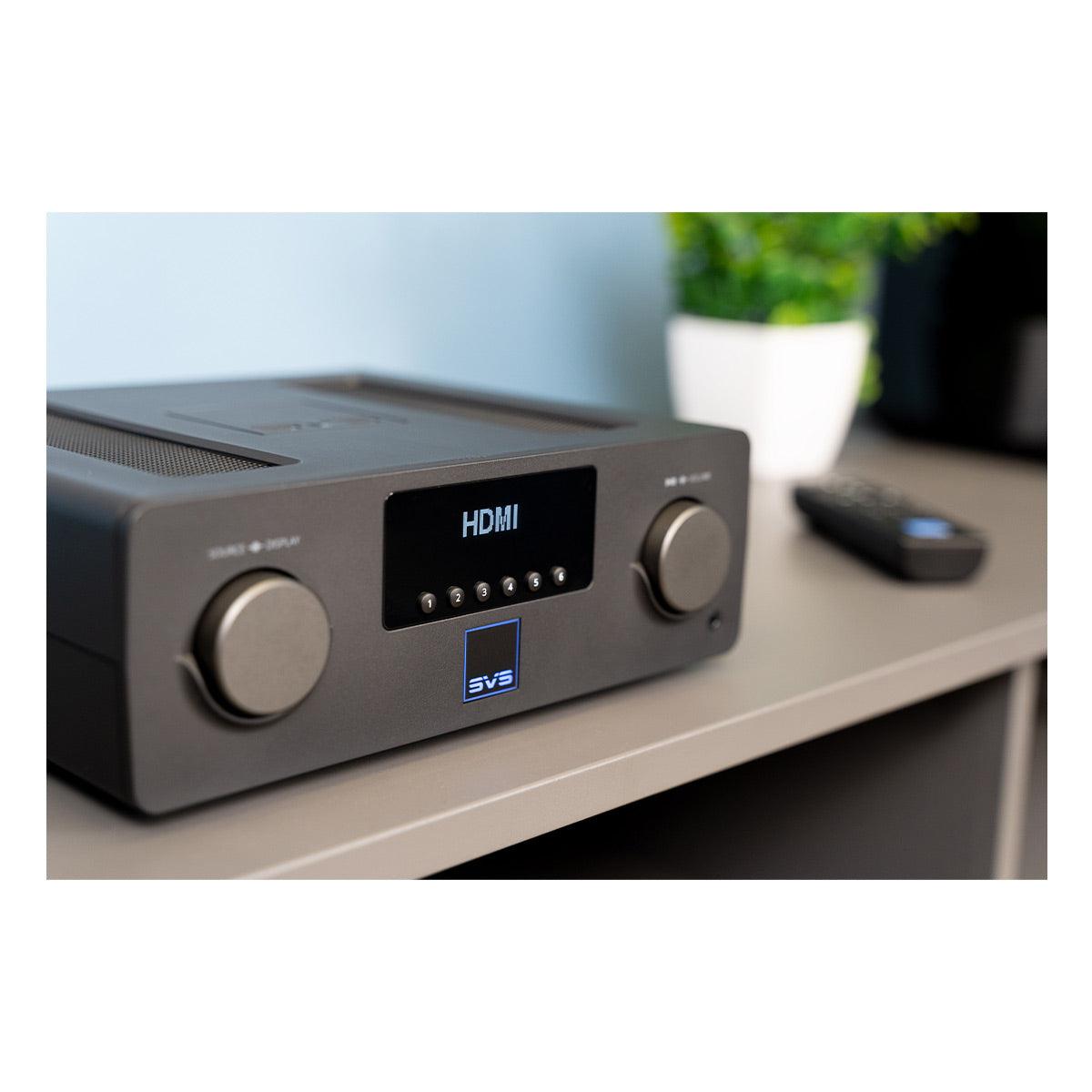
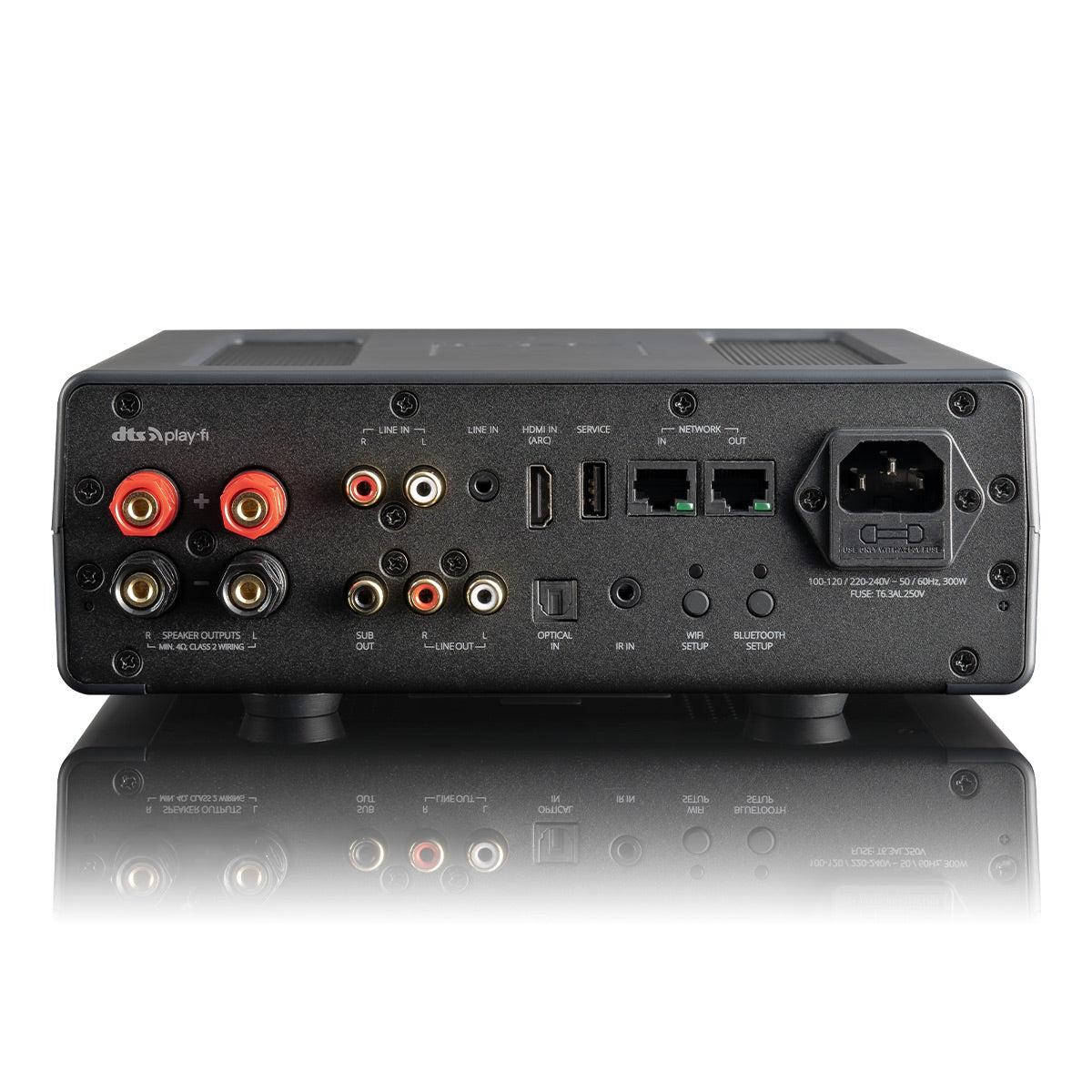
Modern wireless streaming requires support for multiple protocols and services. The SVS Prime Wireless Pro SoundBase covers most bases with Wi-Fi, Bluetooth with aptX and AAC codecs (which provide better quality than basic Bluetooth), Apple AirPlay 2, and Google Chromecast. The inclusion of HDMI ARC/eARC is particularly valuable for home theater integration - you can connect it directly to your TV and control everything with one remote.
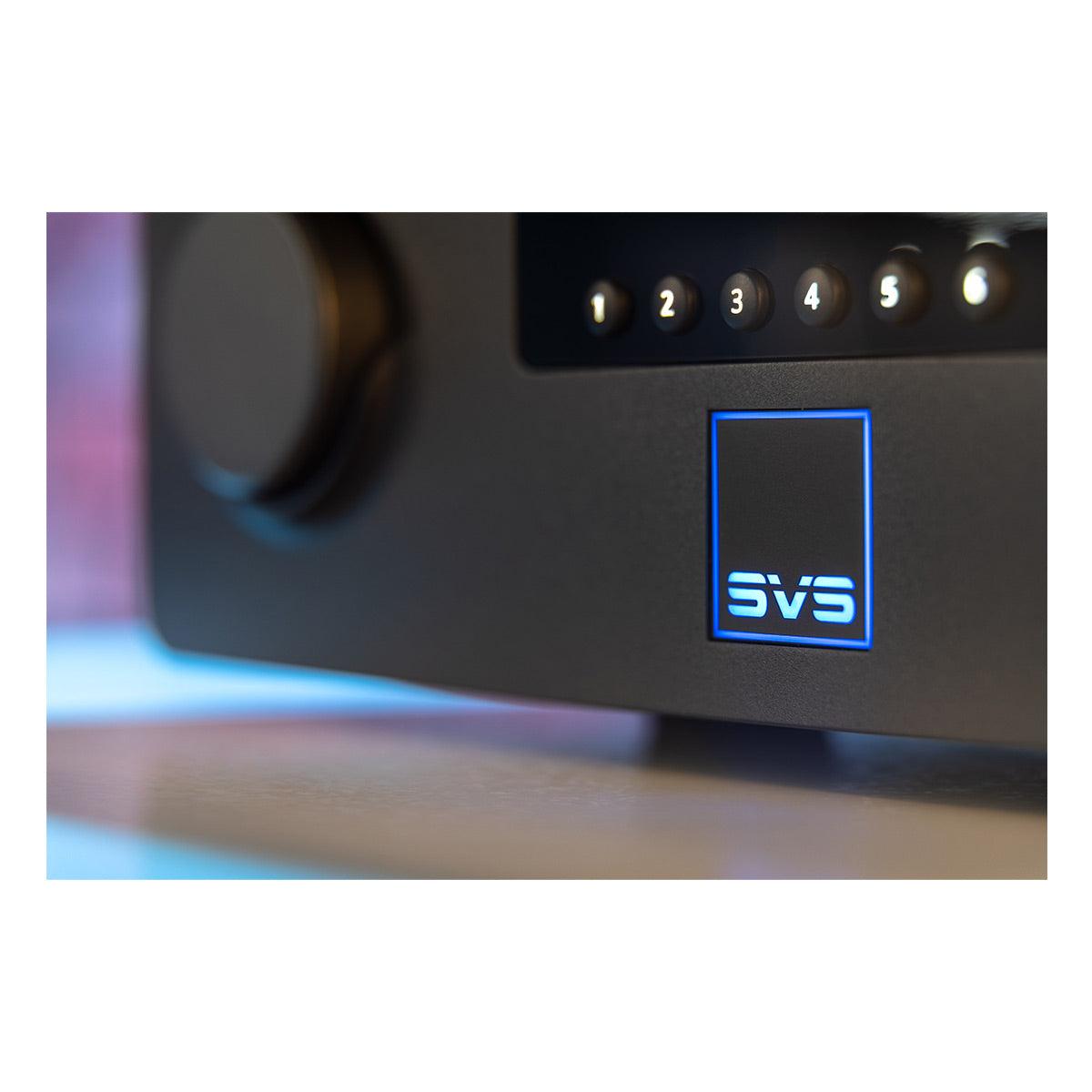
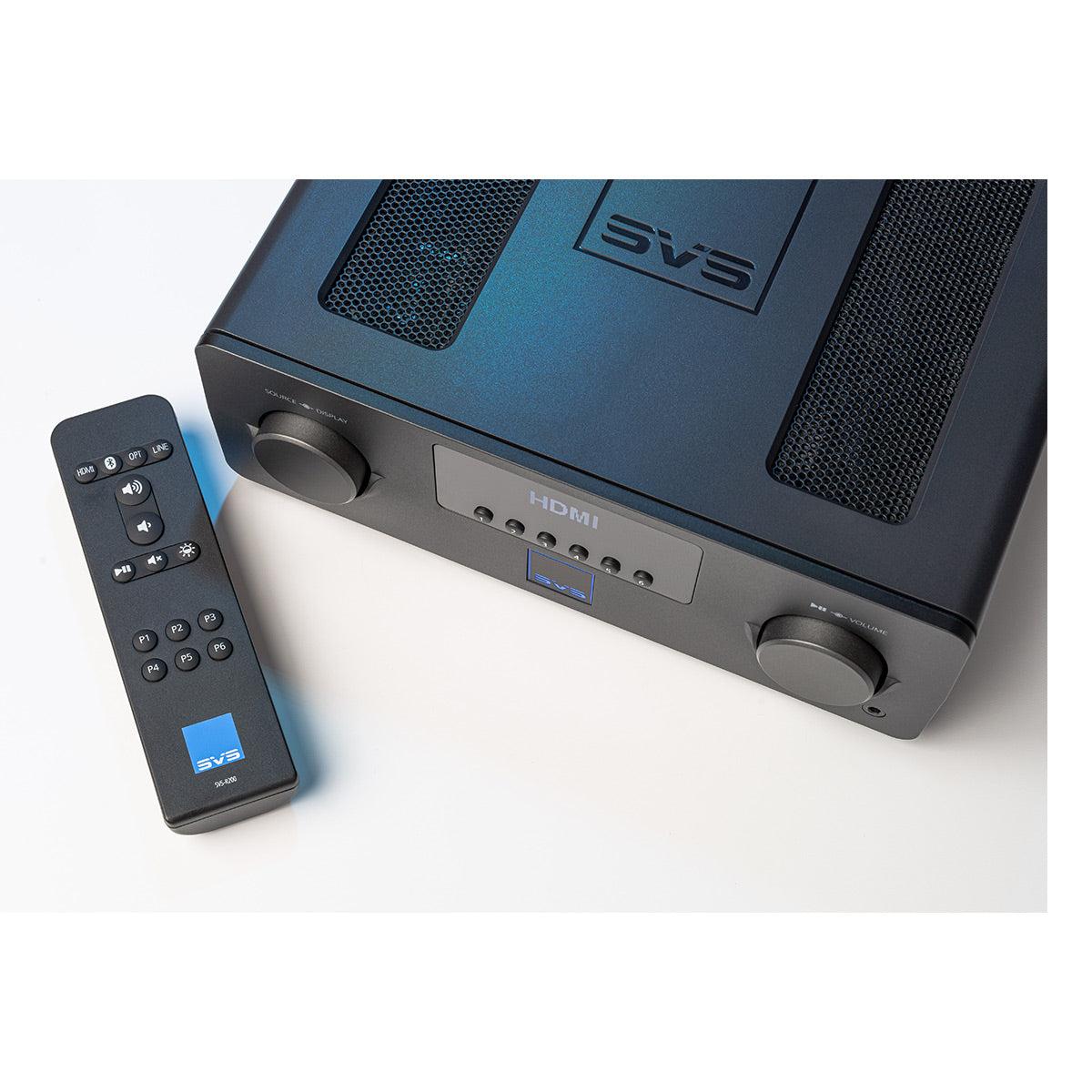
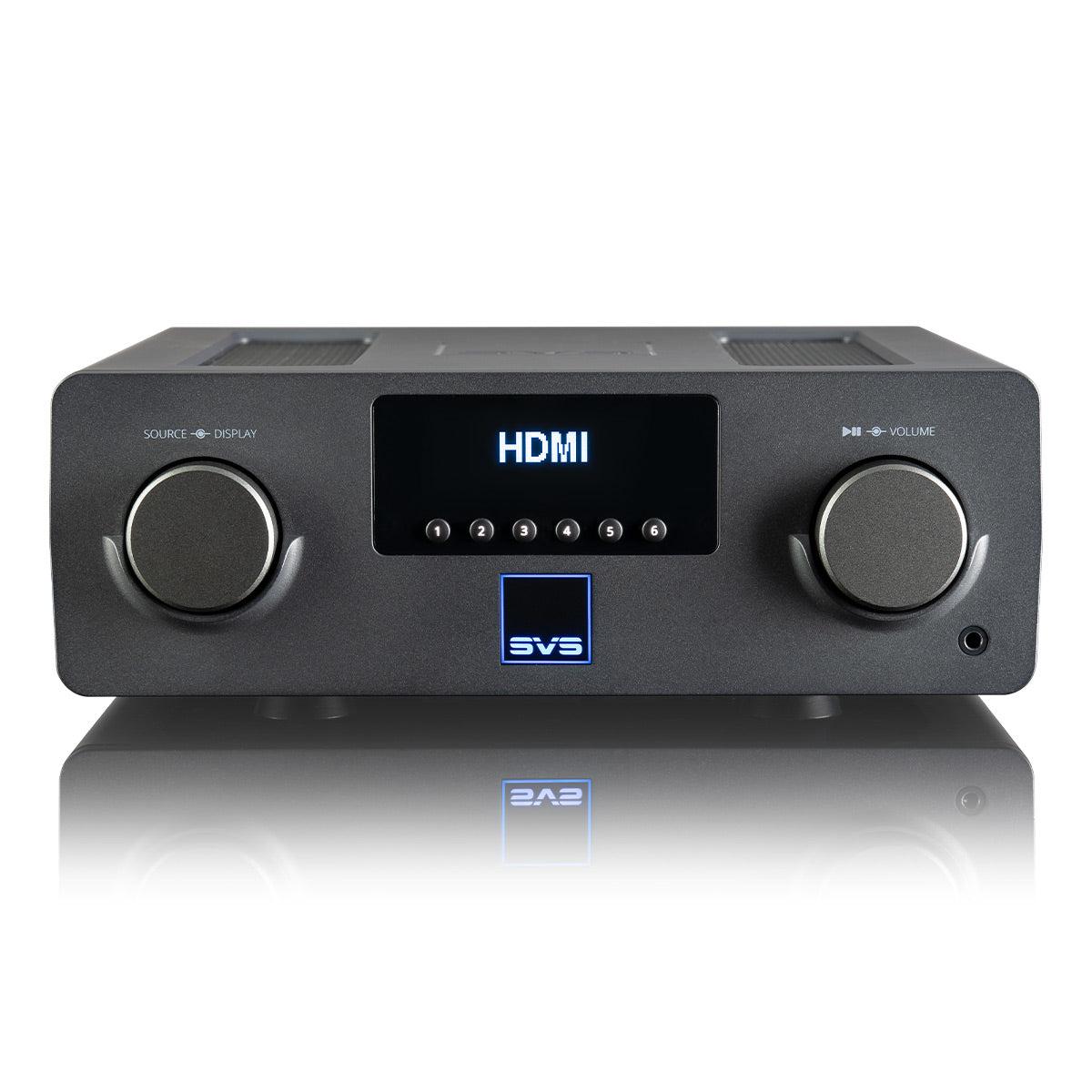
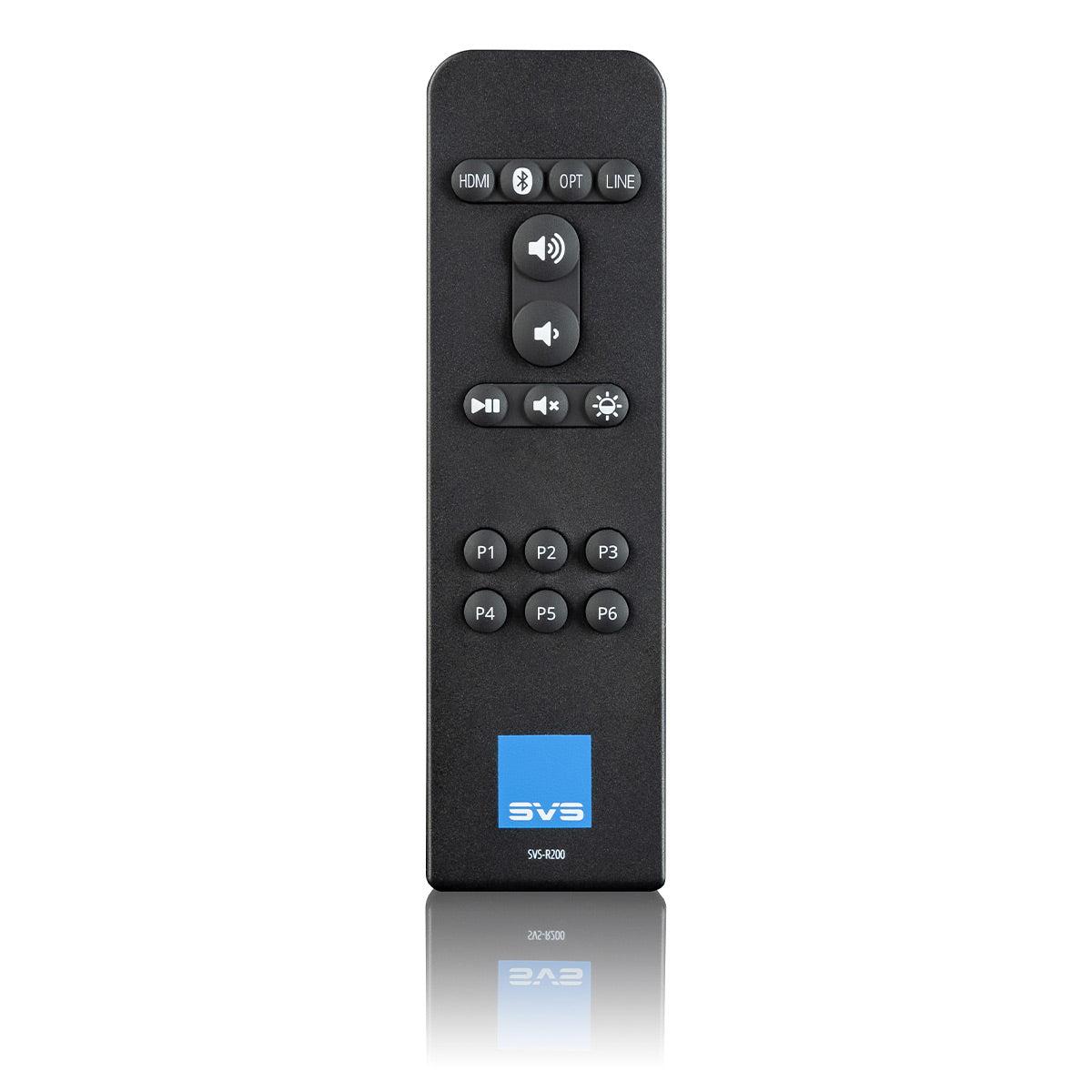
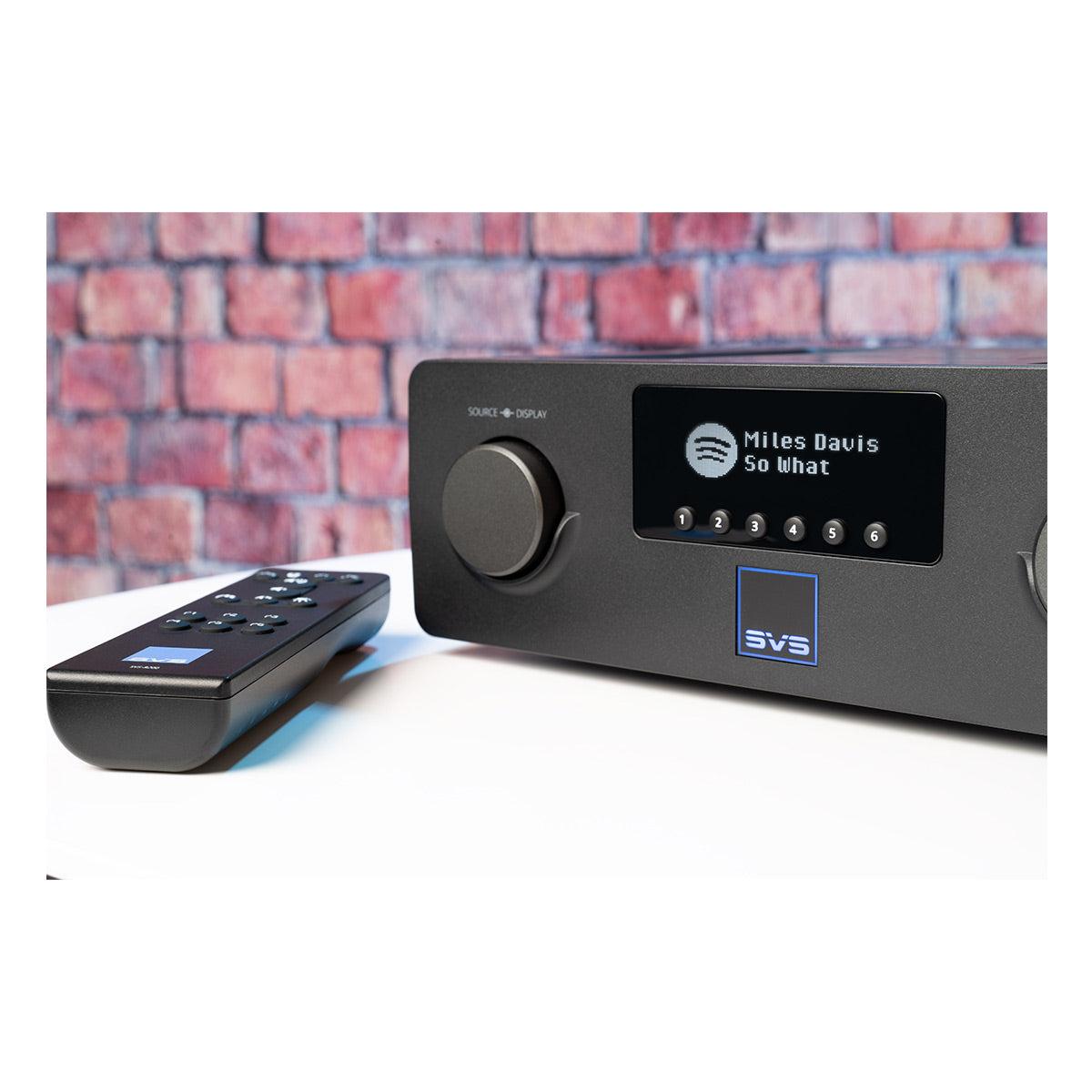
One standout feature is the six preset buttons on the front panel. These aren't just radio stations; you can program them for specific playlists, streaming services, or even particular albums. Combined with the clear OLED display, this makes daily operation remarkably simple.
The Denon HEOS Link HS2 takes a different approach to connectivity. While it supports Wi-Fi and Bluetooth, it lacks some newer protocols like AirPlay 2. However, it includes features that appeal to custom installers and home automation enthusiasts: 12V triggers (which can automatically turn other components on/off) and IR outputs for controlling other Denon equipment. The USB port supports local media playback, something missing from many streaming devices.
Both products tie into specific multi-room ecosystems, but with different strengths. The SVS Prime Wireless Pro SoundBase uses DTS Play-Fi, which supports a wide variety of streaming services and works with products from multiple manufacturers. However, user feedback consistently points to the Play-Fi app as clunky and less polished than competitors.
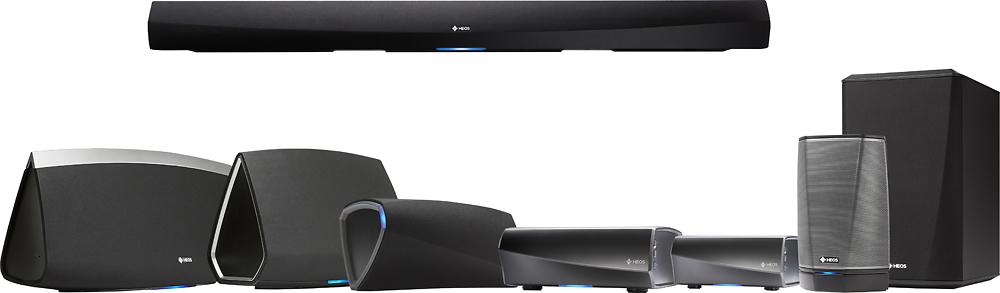
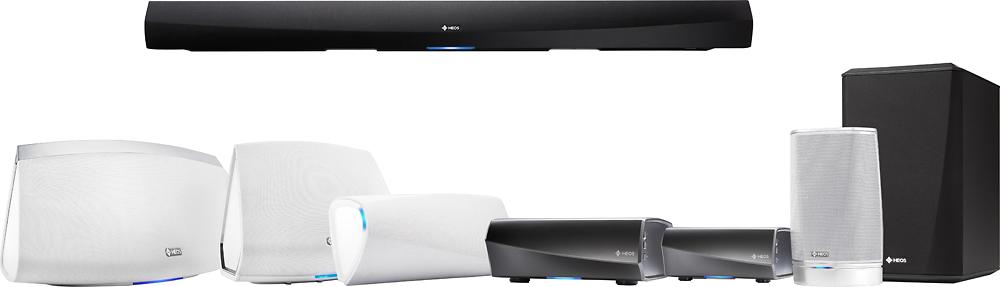
The Denon HEOS Link HS2 anchors Denon's HEOS multi-room system, which can connect up to 32 zones for whole-home audio. The HEOS app has also received criticism for being unintuitive, but the system's integration with Alexa voice control and other Denon products creates a cohesive ecosystem for users already invested in the brand.
Neither device supports Roon, which is disappointing for serious audiophiles who prefer that platform's superior library management and sound quality optimizations.
For home theater integration, the SVS Prime Wireless Pro SoundBase has a clear advantage. Its HDMI eARC connection means you can use it as a stereo amplifier for your TV, handling all audio from streaming apps, game consoles, and other sources. The eARC (enhanced Audio Return Channel) standard supports high-resolution audio formats that regular ARC cannot handle.
This makes it an excellent choice for people who want to improve their TV's audio quality while gaining wireless streaming capabilities. You could connect it to high-quality bookshelf speakers and add a powered subwoofer for a significant upgrade over soundbars or TV speakers.
The Denon HEOS Link HS2 requires more complex routing for home theater use since it lacks HDMI connectivity. You'd need to connect it to a receiver or amplifier that handles the TV switching, adding complexity but also flexibility for larger, more sophisticated systems.
At the time of writing, the SVS Prime Wireless Pro SoundBase costs roughly twice as much as the Denon HEOS Link HS2. However, direct price comparison misses the bigger picture. The SVS includes a 300-watt amplifier that would cost several hundred dollars as a separate component. When you factor in the need for external amplification with the Denon, the total system costs become much closer.
The real value question is whether you prefer the convenience and guaranteed compatibility of an integrated solution versus the flexibility of separates. The SVS approach eliminates potential matching issues between components and provides everything you need in one warranty-covered package.
Signal-to-noise ratio is perhaps the most important specification for streaming devices. Both products claim excellent numbers, but the SVS Prime Wireless Pro SoundBase delivers on this promise in practice. During quiet musical passages, you hear only the music - no hiss, hum, or digital artifacts that can destroy the listening experience.
Total harmonic distortion (THD) measurements tell us how cleanly the device reproduces the original signal. The Denon HEOS Link HS2 specifies 0.01% THD, which looks impressive on paper. However, real-world measurements suggest this applies only under specific conditions, and overall performance doesn't match modern audiophile standards without external DAC assistance.
Frequency response consistency across the entire audio spectrum matters enormously for natural sound reproduction. The SVS Prime Wireless Pro SoundBase maintains tight tolerances, while the Denon's performance varies more significantly, particularly at the frequency extremes.
Choose the SVS Prime Wireless Pro SoundBase if you want simplicity without compromising performance. Its integrated approach means fewer cables, less complexity, and guaranteed component matching. The powerful amplification handles almost any speaker you'll realistically pair with it, and the HDMI connectivity makes TV integration effortless. This is particularly compelling for people upgrading from older stereo systems or those building their first serious audio setup.
The Denon HEOS Link HS2 makes more sense if you already own quality amplification or prefer the flexibility to upgrade components independently. Its lower entry price is attractive, but remember that you'll need additional amplification. The home automation features appeal to custom installers and tech enthusiasts who want to integrate audio into broader smart home systems.
For home theater use, the SVS wins decisively unless you're building a complex multi-zone system where the Denon's automation features become valuable. The single HDMI connection simplifies everything and provides much better audio quality than most TV speakers or basic soundbars.
Consider your long-term plans carefully. The modular approach of the Denon HEOS Link HS2 allows future upgrades - you might start with a modest amplifier and upgrade later, or add an external DAC for improved sound quality. The SVS Prime Wireless Pro SoundBase is essentially fixed in its capabilities, though its performance level means you're unlikely to outgrow it quickly.
These products represent fundamentally different approaches to wireless audio, both with legitimate merits. The SVS Prime Wireless Pro SoundBase delivers audiophile-quality performance in a foolproof package that just works. The Denon HEOS Link HS2 offers flexibility and future upgradeability at a lower entry price, but requires more knowledge and additional components.
For most people building a wireless streaming system, the SVS approach offers better long-term satisfaction despite the higher initial cost. Its combination of power, connectivity, and sound quality eliminates most potential frustrations while delivering genuinely excellent audio performance. However, if you have specific integration needs or prefer the flexibility of separates, the Denon remains a solid foundation for a modular system.
The wireless audio market continues evolving rapidly, with new formats and features appearing regularly. Whichever approach you choose, both products represent mature, well-executed solutions that should provide years of listening enjoyment.
| SVS Prime Wireless Pro SoundBase | Denon HEOS Link HS2 |
|---|---|
| Product Type - Determines what additional equipment you need | |
| Complete integrated amplifier with streaming (just add speakers) | Pre-amplifier only (requires external amplifier or powered speakers) |
| Power Output - Critical for driving speakers to proper volumes | |
| 300W total (150W per channel) - handles demanding speakers easily | No built-in amplification - depends on your chosen external amplifier |
| Audio Quality (DAC Performance) - Affects how good your music sounds | |
| Excellent internal DAC with 100dB SNR and ±1dB frequency response | Mediocre internal DAC but bit-perfect digital outputs for external DACs |
| HDMI Connectivity - Essential for TV integration and home theater | |
| HDMI eARC for direct TV connection and high-res audio | No HDMI - requires separate routing for TV audio |
| Wireless Streaming Protocols - Determines device compatibility | |
| Wi-Fi, AirPlay 2, Chromecast, Bluetooth aptX/AAC | Wi-Fi, Bluetooth (no AirPlay 2 or Chromecast) |
| Front Panel Interface - Affects daily usability | |
| OLED display with 6 programmable preset buttons | No display, basic volume/mute controls only |
| Multi-room Audio Ecosystem - Important for whole-home audio plans | |
| DTS Play-Fi (works with multiple brands but app criticized) | HEOS system (up to 32 zones but requires all HEOS devices) |
| Home Automation Integration - Matters for smart home setups | |
| Basic IR input only | 12V trigger and IR outputs for custom installation |
| Digital Outputs - Useful for connecting external DACs | |
| None (integrated solution) | Optical and coaxial digital outputs available |
| Release Year - Shows how current the technology is | |
| 2022 (latest wireless and HDMI standards) | 2016 (older wireless protocols, no recent updates) |
| Best For - Who should choose this product | |
| Users wanting a complete, powerful solution with TV integration | Existing amplifier owners needing streaming or custom installers |
The SVS Prime Wireless Pro SoundBase is a complete integrated amplifier with 300 watts of built-in power that only needs speakers to create a full system. The Denon HEOS Link HS2 is a streaming pre-amplifier that requires an external amplifier or powered speakers to work. The SVS is a "just add speakers" solution, while the Denon adds streaming to existing audio equipment.
The SVS Prime Wireless Pro SoundBase is much better for beginners because it includes everything you need except speakers. You don't need to research amplifier compatibility or worry about matching components. The Denon HEOS Link HS2 requires knowledge about amplifiers and additional purchases to create a complete system.
Yes, the SVS Prime Wireless Pro SoundBase connects directly to your TV via HDMI eARC, making it excellent for improving TV sound quality. The Denon HEOS Link HS2 has no HDMI input, so you'd need to route TV audio through a receiver or use optical/analog connections if available.
The SVS Prime Wireless Pro SoundBase delivers better sound quality out of the box with its high-performance internal DAC and amplifier. The Denon HEOS Link HS2 has a mediocre internal DAC but offers digital outputs that can connect to a high-end external DAC for potentially superior sound quality.
Yes, both the SVS Prime Wireless Pro SoundBase and Denon HEOS Link HS2 support high-resolution audio up to 24-bit/192kHz. However, the SVS processes this internally with better results, while the Denon is best used with digital outputs to an external DAC for optimal hi-res performance.
The SVS Prime Wireless Pro SoundBase offers more modern wireless options including AirPlay 2, Chromecast, and Bluetooth with aptX/AAC codecs. The Denon HEOS Link HS2 has basic Wi-Fi and Bluetooth but lacks AirPlay 2 and Chromecast support, limiting compatibility with some devices.
Both devices support multi-room audio but through different ecosystems. The SVS Prime Wireless Pro SoundBase uses DTS Play-Fi which works with various brands, while the Denon HEOS Link HS2 uses the HEOS system that can connect up to 32 zones but requires all HEOS-compatible devices.
The Denon HEOS Link HS2 has a lower upfront cost but requires an additional amplifier purchase. When you factor in amplifier costs, the total system price often approaches or exceeds the SVS Prime Wireless Pro SoundBase, which includes high-quality amplification and delivers better overall value for most users.
The Denon HEOS Link HS2 has better voice control integration with built-in Alexa compatibility. The SVS Prime Wireless Pro SoundBase supports voice control through connected devices using AirPlay 2 or Chromecast but doesn't have native voice assistant integration.
The SVS Prime Wireless Pro SoundBase is significantly better for home theater applications due to its HDMI eARC connection and powerful built-in amplification. It can serve as a stereo amplifier for your TV while providing wireless streaming. The Denon HEOS Link HS2 requires additional components and connections for TV integration.
The Denon HEOS Link HS2 offers more upgrade flexibility since you can change amplifiers or add external DACs independently. The SVS Prime Wireless Pro SoundBase is a fixed integrated solution, but its high performance level means most users won't need upgrades for many years.
If you already have a quality amplifier, the Denon HEOS Link HS2 makes more sense as it adds streaming capabilities without duplicating amplification. However, if your current amplifier is basic or aging, the SVS Prime Wireless Pro SoundBase might provide a significant overall improvement despite the redundancy.
We've done our best to create useful and informative comparisons to help you decide what product to buy. Our research uses advanced automated methods to create this comparison and perfection is not possible - please contact us for corrections or questions. These are the sites we've researched in the creation of this article: soundandvision.com - crutchfield.com - futureaudiophile.com - dreamediaav.com - crutchfield.com - svsound.com - soundstageaccess.com - skybygramophone.com - hometheaterhifi.com - av-connection.com - crutchfield.com - soundstagenetwork.com - svsound.com - crutchfield.com - snapav.com - pocket-lint.com - audiosciencereview.com - skybygramophone.com - consumerreports.org - crutchfield.com - accessories4less.com - versus.com - bestbuy.com - richersounds.com - westcoasthifi.com.au - bestbuy.com - safeandsoundhq.com - lenwallisaudio.com - audiotrends.com.au - linqcdn.avbportal.com

Privacy Policy
Terms and Conditions - Affiliate Policy
Home Security
© Copyright 2008-2026.
11816 Inwood Rd #1211, Dallas, TX 75244