

Integrated amplifiers are having something of a renaissance. These all-in-one units combine the volume control and source switching of a preamp with the muscle of a power amplifier, giving you everything needed to drive speakers from a single box. But the category has split into two distinct camps: traditional audiophile designs that prioritize pure sound quality, and modern streaming-enabled models that emphasize convenience and connectivity.
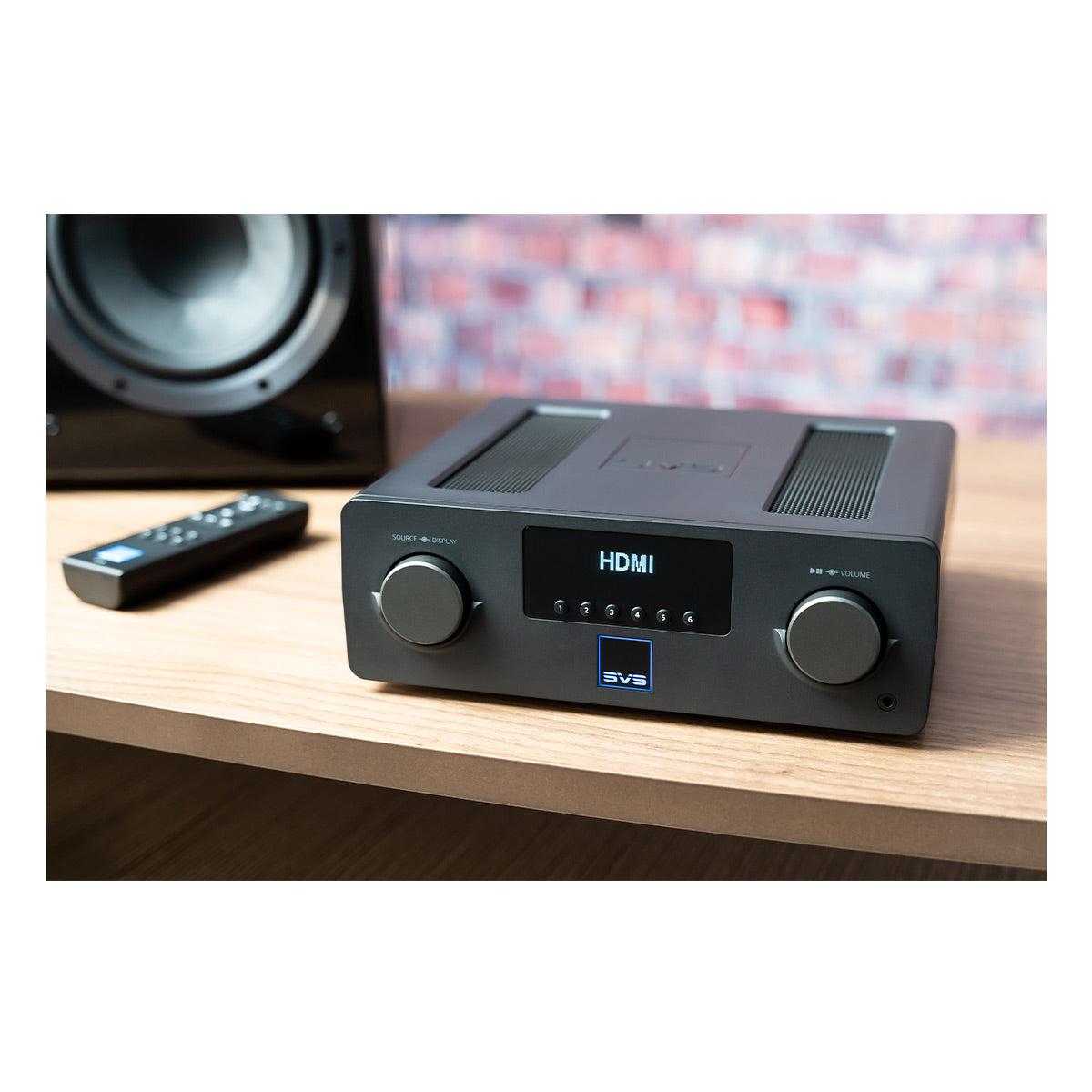
The SVS Prime Wireless Pro SoundBase and Yamaha A-S701 perfectly represent this divide. At the time of writing, both amplifiers fall into the premium entry-level category with similar pricing, but they couldn't be more different in their approach to audio reproduction and user experience.
Before diving into specifics, it's worth understanding what makes integrated amplifiers appealing. Unlike separate components, they eliminate the need for interconnect cables between preamp and power amp, reducing both cost and complexity. They also save considerable space—crucial in today's smaller living spaces.
The key considerations when choosing an integrated amplifier haven't changed much: power output, sound quality, source connectivity, and build quality. What has changed dramatically is how these priorities are weighted by different manufacturers and users.
Power output determines whether an amplifier can drive your speakers to satisfying volume levels without distortion. This isn't just about maximum watts—it's about how cleanly those watts are delivered across different speaker impedances (resistance levels).
Sound quality involves factors like noise floor (how quiet the amplifier is when no music is playing), distortion characteristics, and frequency response (how evenly it reproduces different musical frequencies).
Source connectivity has become increasingly important as music consumption has shifted toward streaming services and digital files, while traditional sources like CD players and turntables remain relevant for many listeners.
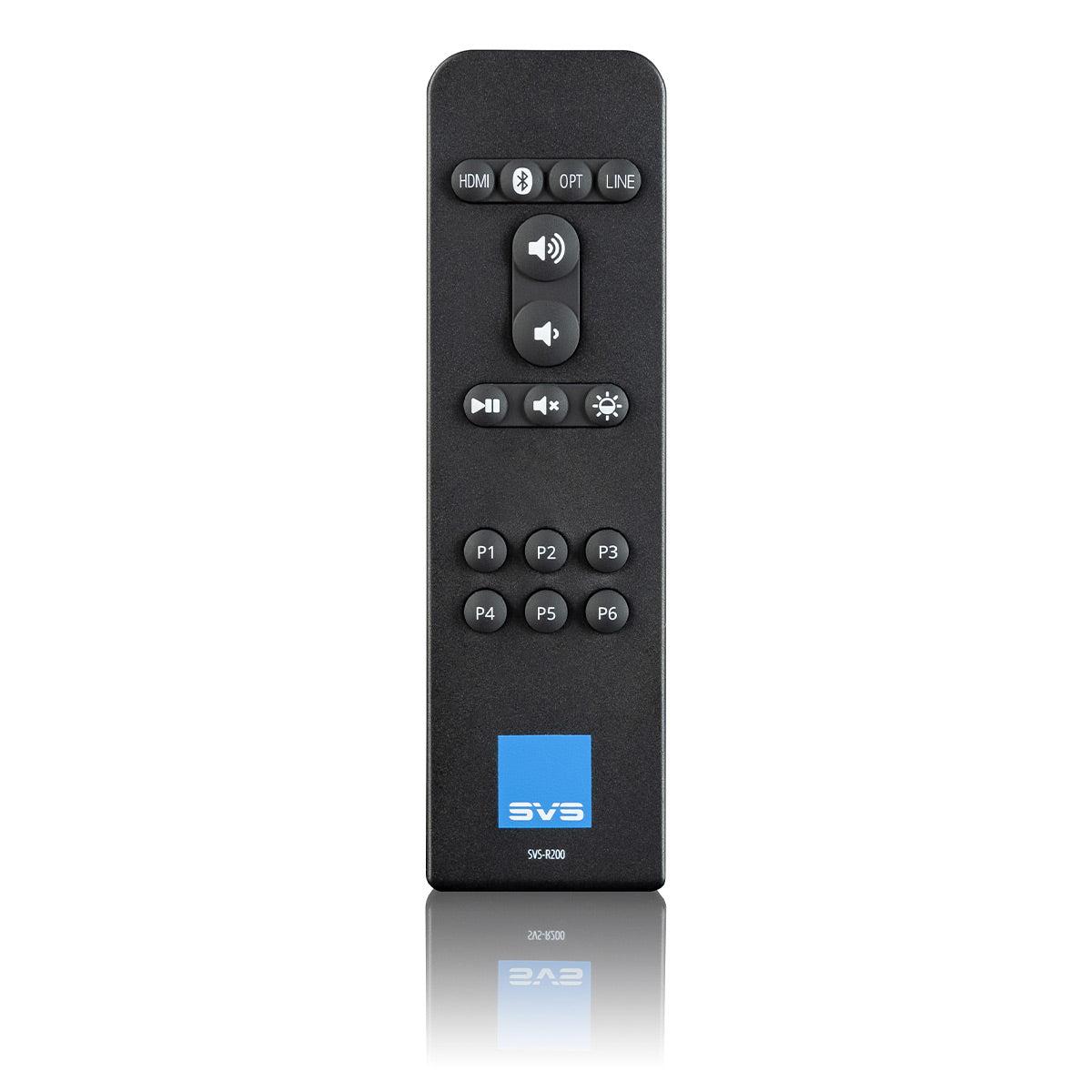
The SVS Prime Wireless Pro SoundBase launched in 2022 as an evolution of SVS's original wireless streaming amplifier. SVS, primarily known for subwoofers, entered the integrated amplifier market with a clear mission: make high-quality audio accessible to the streaming generation. The "Pro" designation came with significant improvements over the original model, addressing user complaints about remote control and preset functionality.
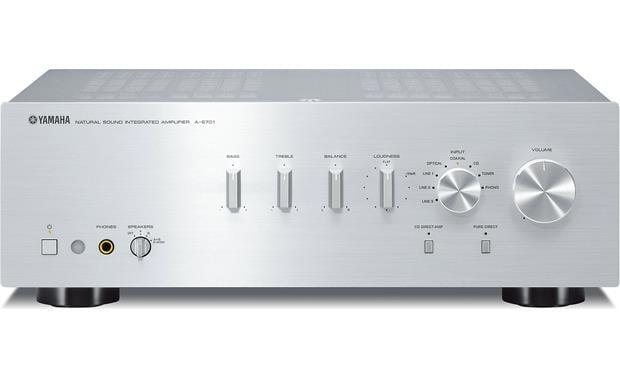
The Yamaha A-S701 represents Yamaha's traditional approach to integrated amplifier design. Part of their long-running A-S series, it embodies decades of amplifier engineering experience with modern touches like built-in digital-to-analog conversion (DAC). Yamaha's "Natural Sound" philosophy emphasizes faithful reproduction of the original recording without editorial coloration.
These amplifiers couldn't be more different in their fundamental approach, making them excellent representatives of the two main schools of integrated amplifier design.
Understanding amplifier power specifications can be confusing because manufacturers don't always present them consistently. The SVS Prime Wireless Pro claims 150 watts per channel into 4-ohm loads, while the Yamaha A-S701 specifies 100 watts per channel into 8 ohms. But these numbers don't tell the whole story.
The SVS uses Class D amplification—a switching technology that's highly efficient and generates minimal heat. This allows the amplifier to be remarkably compact (roughly the size of a paperback book) while still delivering substantial power. Class D amplifiers work by rapidly switching the power supply on and off thousands of times per second, with the average power delivered to the speakers determining volume level. Modern Class D designs have overcome early sound quality concerns and now compete directly with traditional amplification methods.
The Yamaha employs Class AB amplification, the traditional approach that's dominated high-end audio for decades. Class AB amplifiers use separate transistors for the positive and negative portions of the audio waveform, with some overlap to eliminate switching distortion. This requires larger power supplies and generates more heat, but provides the linear power delivery that audiophiles prize.
Real-world power delivery tells a more nuanced story. The SVS consistently drives demanding speakers to high volume levels without audible strain or distortion. Users report successfully pairing it with large floorstanding speakers that would challenge much larger amplifiers. The Yamaha A-S701 demonstrates impressive dynamic headroom—the ability to deliver short bursts of power well beyond its continuous rating. This translates to better handling of musical peaks and transients.
The Yamaha's damping factor of 240 deserves special attention. This specification measures how well an amplifier can control speaker driver movement after the musical signal stops. A higher damping factor generally means tighter bass response and better overall speaker control, particularly important with larger woofers.
For most users, both amplifiers provide more than adequate power for typical home listening scenarios. The choice between them comes down to amplification philosophy rather than raw capability.
This is where the philosophical differences become most apparent. The SVS Prime Wireless Pro was designed from the ground up for digital audio sources, while the Yamaha A-S701 treats digital connectivity as a secondary consideration.
The SVS features a high-quality 24-bit/192kHz DAC optimized specifically for streaming applications. This means it can handle high-resolution audio files with sample rates up to 192,000 times per second and bit depths of 24 bits (compared to CD's 16-bit/44.1kHz specification). More importantly, the wireless streaming implementation maintains this high resolution through Wi-Fi connections, something many wireless audio systems compromise on.
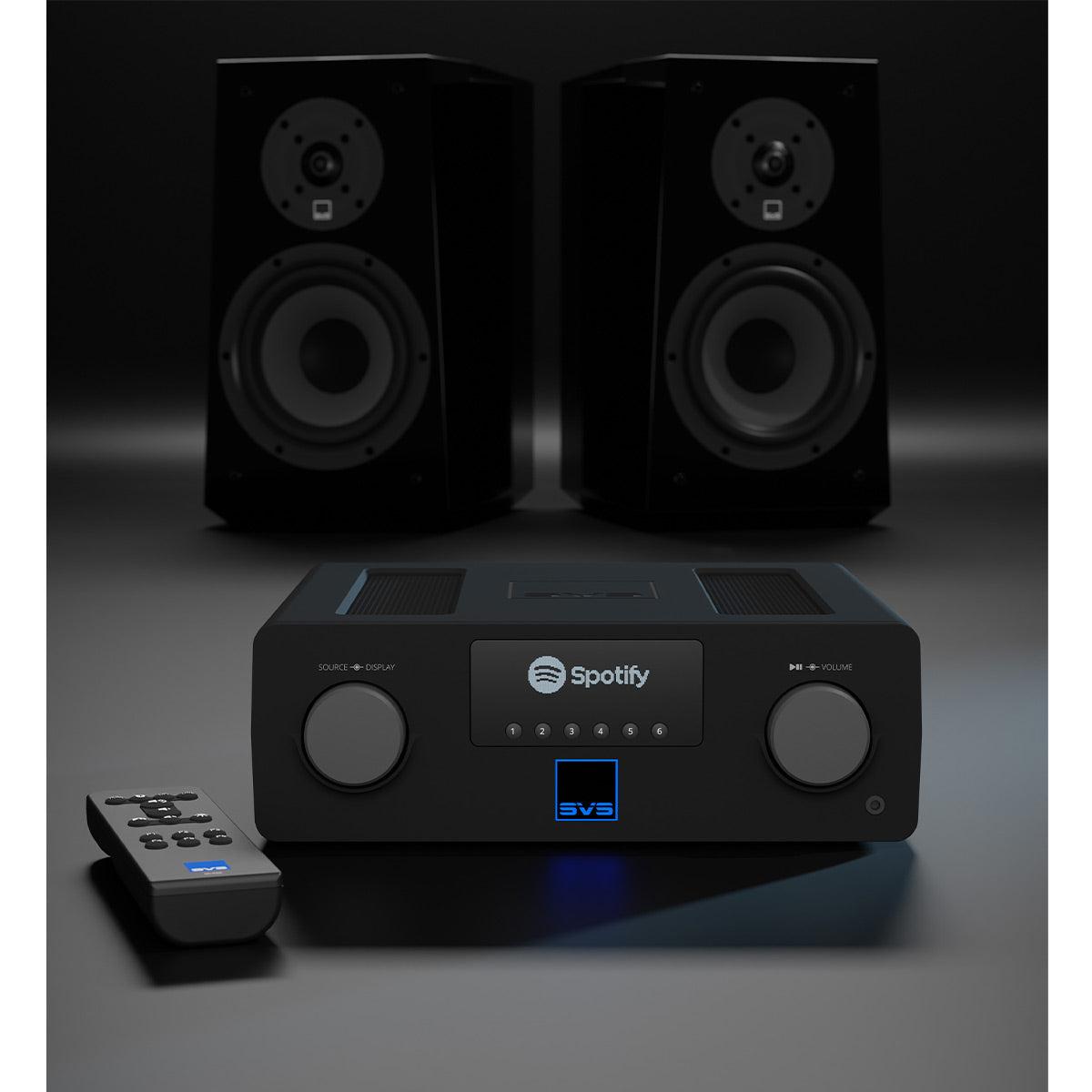
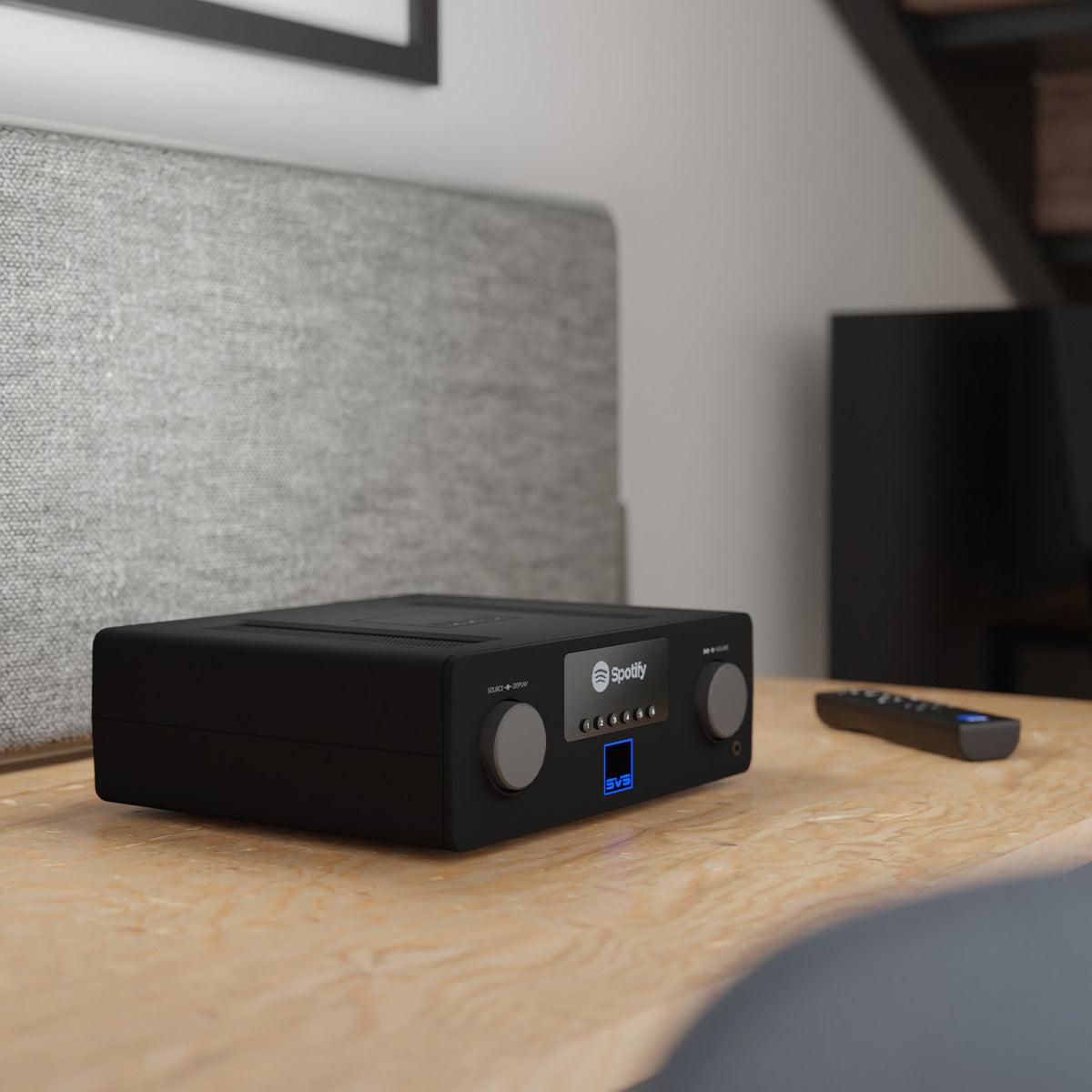
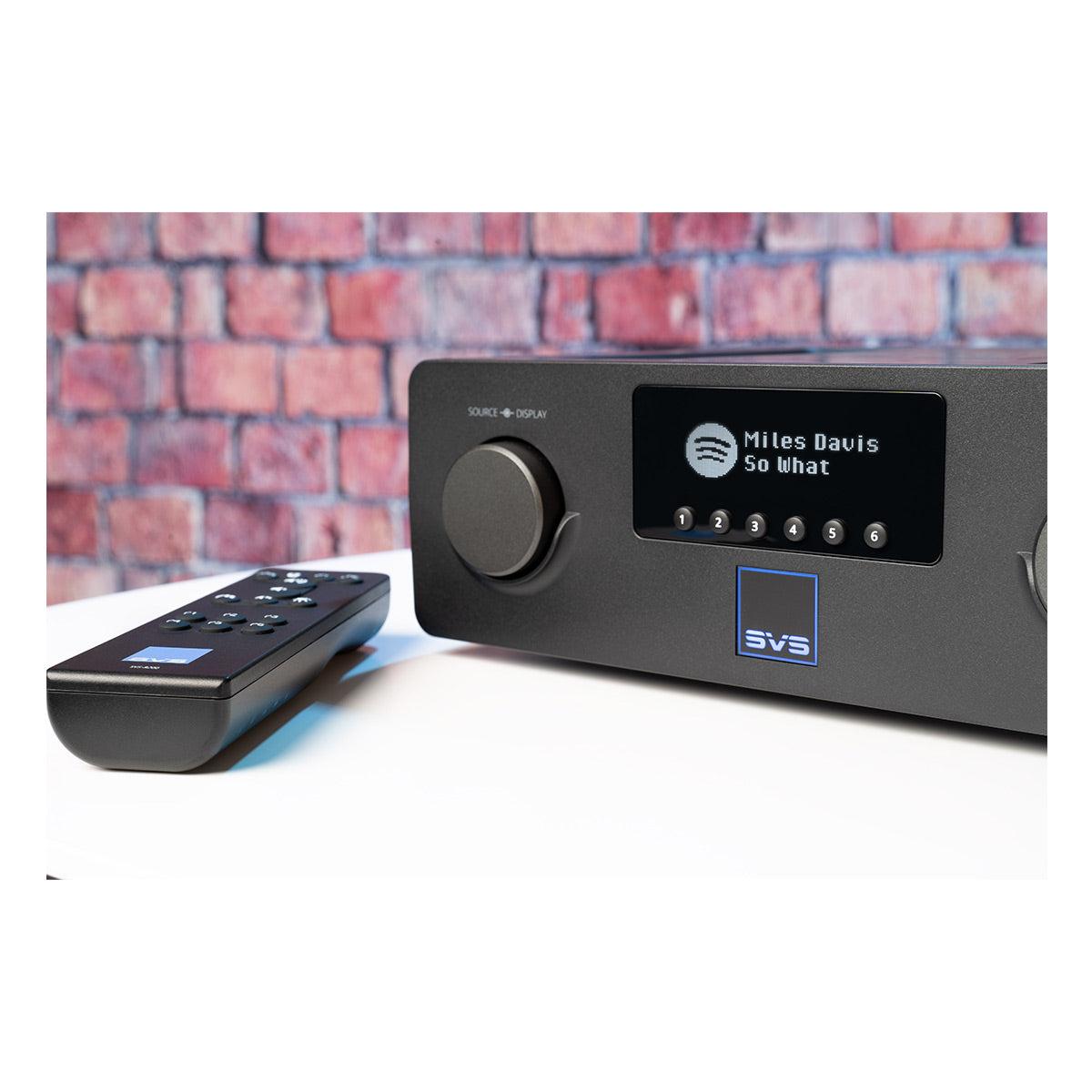
The built-in streaming capabilities of the SVS support virtually every major music service: Spotify Connect, Amazon Music HD, Tidal, Qobuz, and others. The DTS Play-Fi platform enables high-resolution wireless streaming that can theoretically match wired connections in sound quality. Apple users get AirPlay 2 support for seamless iOS integration, while Android users benefit from Chromecast built-in.
The Yamaha A-S701 includes optical and coaxial digital inputs with its own built-in DAC, but reviews consistently note that the DAC performance is merely adequate rather than exceptional. This reflects Yamaha's priority on the analog amplification stage rather than digital processing. For users with high-quality external DACs or CD players, this isn't necessarily a limitation.
The SVS approach eliminates the need for separate streaming devices, reducing both cost and complexity. However, it also means you're dependent on the built-in streaming platform for future updates and service compatibility.
Modern music consumption habits have dramatically shifted toward streaming, but many listeners still value traditional sources like vinyl records and CD players. The two amplifiers take notably different approaches to source connectivity.
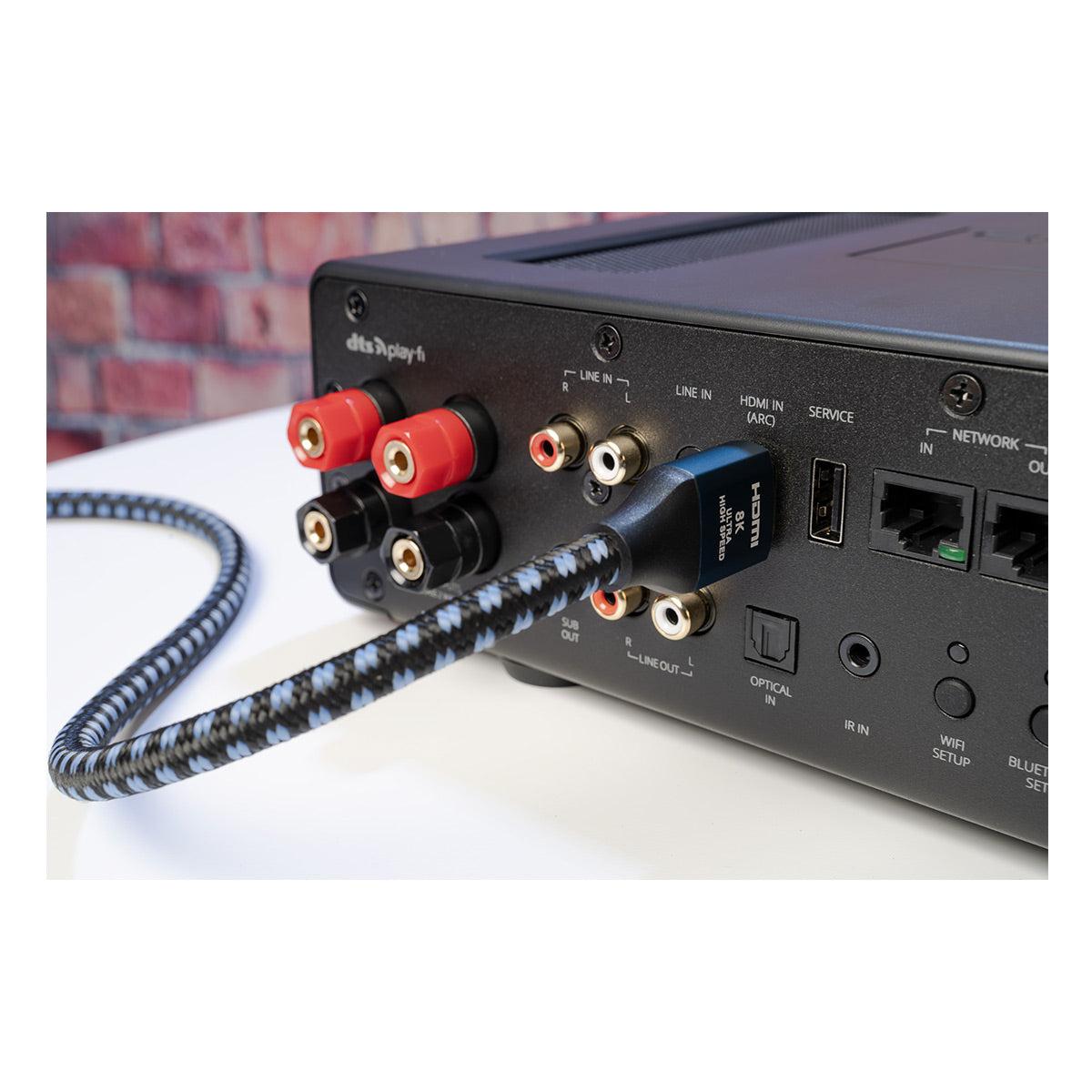
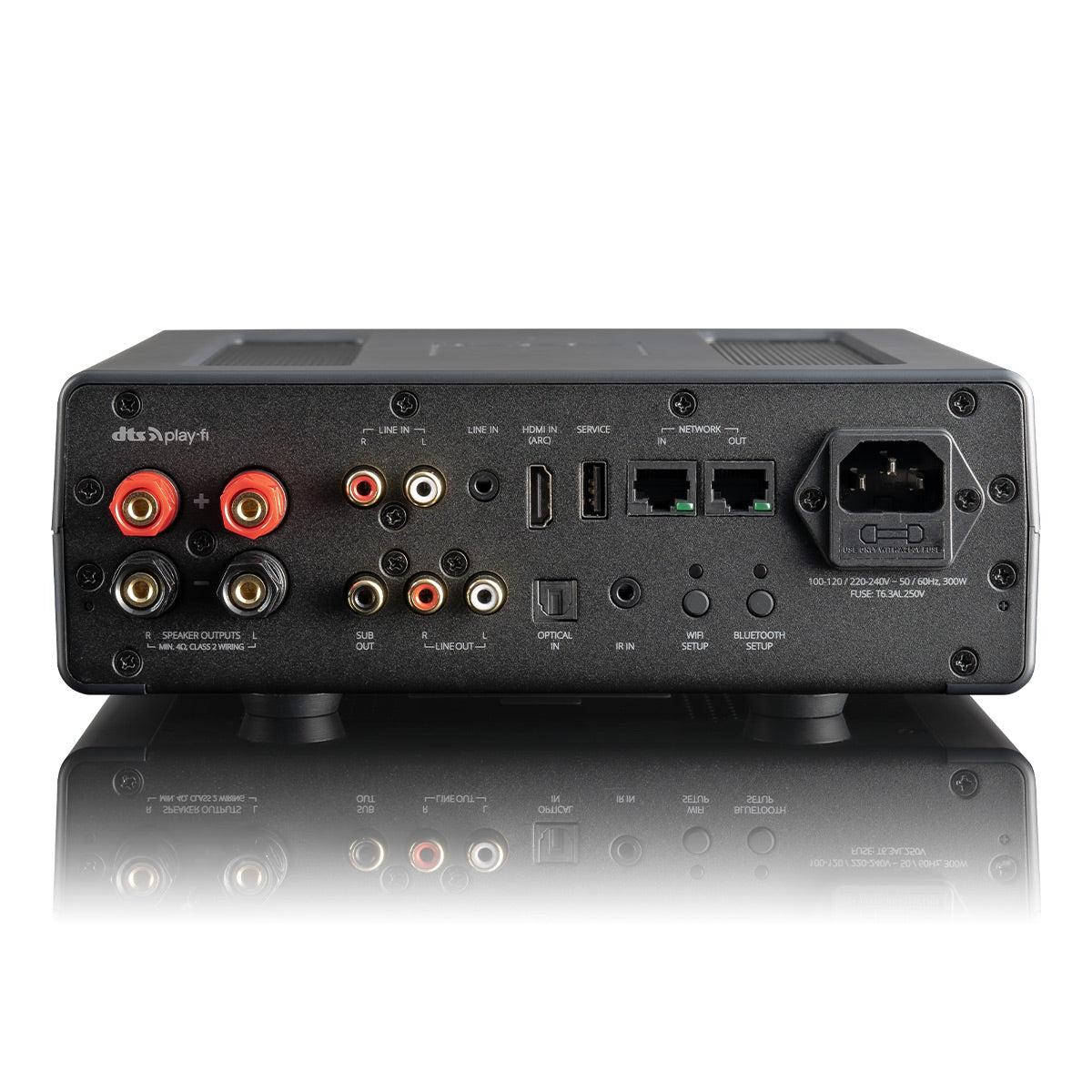
The SVS Prime Wireless Pro excels in wireless and modern digital connectivity. Beyond the streaming capabilities mentioned above, it includes HDMI eARC (enhanced Audio Return Channel) connectivity. This single cable connection to your TV provides audio return from the television while supporting high-resolution formats and advanced audio codecs. For many users, this eliminates the need for a separate AV receiver in simple stereo setups.
The lack of a phono input on the SVS means vinyl enthusiasts need an external phono preamp or a turntable with built-in preamp circuitry. This isn't necessarily a deal-breaker, as many modern turntables include preamps, but it does add another component to the system.
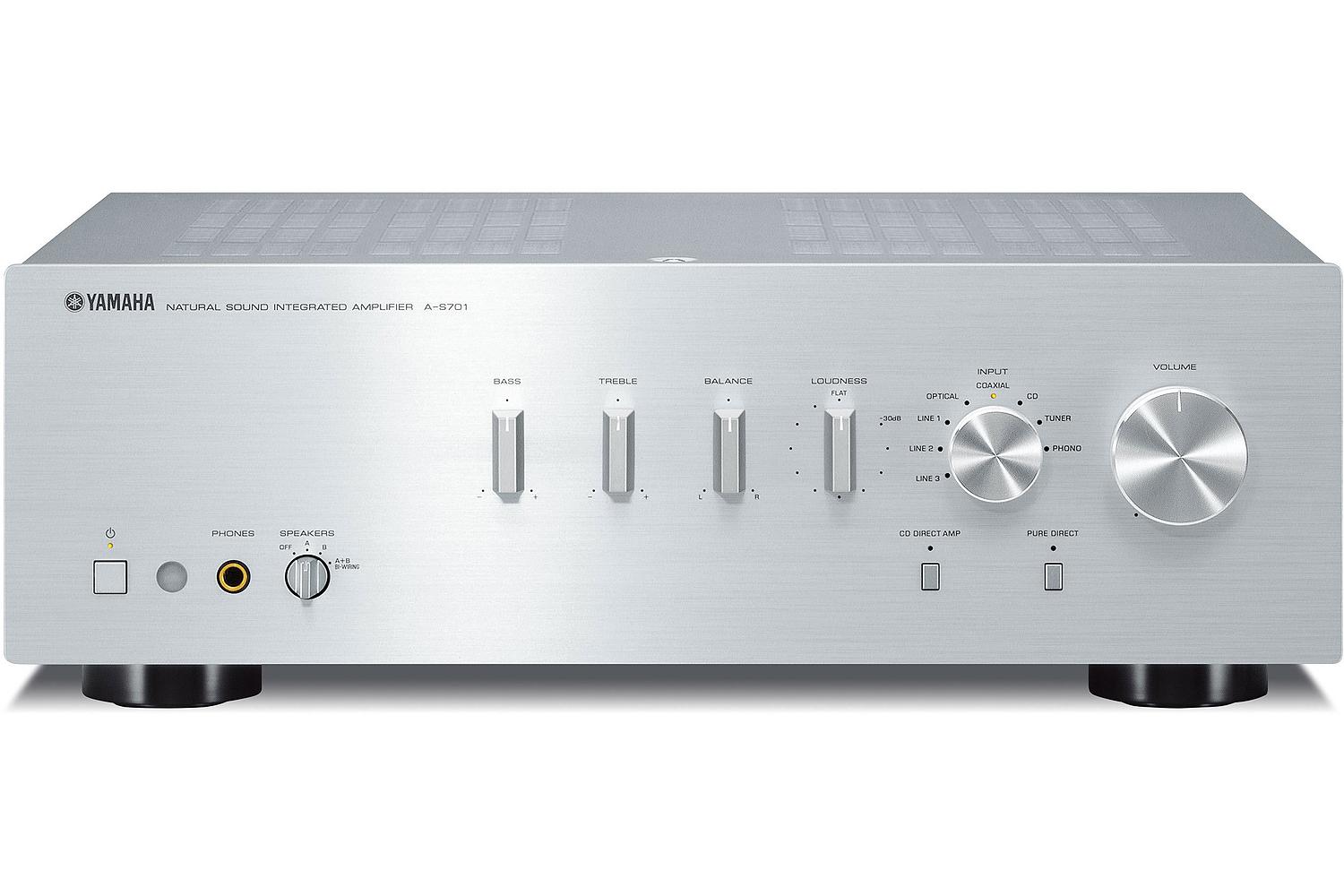
The Yamaha A-S701 provides six analog inputs including a moving magnet (MM) phono stage for direct turntable connection. The phono stage amplifies the tiny electrical signals from a turntable cartridge to line level, applying the necessary RIAA equalization curve that corrects for the frequency adjustments made during the record cutting process.
The Yamaha also includes A/B speaker switching, allowing connection of two pairs of speakers for easy comparison or different room zones. This flexibility appeals to traditional hi-fi enthusiasts who may want to compare different speakers or drive speakers in adjacent rooms.
Neither amplifier includes bass management for the subwoofer output, meaning connected subwoofers receive the full-range signal rather than just low frequencies. This requires subwoofers with their own internal crossover controls to blend properly with the main speakers.
Sound quality assessment involves both measurable performance characteristics and subjective listening impressions. Both amplifiers achieve excellent results but with different strengths.
The SVS Prime Wireless Pro delivers what most listeners would describe as clean, neutral sound with excellent dynamic range. The Class D amplification provides precise control over speakers with minimal audible distortion, even at high volume levels. The sound signature tends toward accuracy rather than warmth, making it well-suited to a wide variety of musical genres and speaker types.
The wireless streaming quality deserves special mention. High-resolution wireless streaming through Wi-Fi connections can theoretically match wired digital connections, and the SVS implementation appears to realize this potential. Users consistently report no audible difference between wireless and wired sources when using quality internet connections.
The Yamaha A-S701 benefits from decades of amplifier design refinement. The ToP-ART (Total Purity Audio Reproduction Technology) circuit design minimizes signal path length and electrical interference through symmetrical layout and careful component selection. The result is exceptionally low noise and distortion figures that translate to clean, transparent sound reproduction.
The Pure Direct mode on the Yamaha bypasses all tone controls and processing circuits, allowing the music signal to take the shortest possible path through the amplifier. This feature appeals to purist listeners who want minimal electronic intervention between source and speakers.
CD Direct Amplification mode specifically optimizes the signal path when using the CD input, providing the lowest possible noise floor for CD playback. While CD quality is often dismissed in the streaming era, properly reproduced CD audio still offers excellent sound quality that many listeners prefer to compressed streaming formats.
The sound character differences between Class D and Class AB amplification have largely disappeared in quality implementations, but subtle differences remain. The Yamaha tends toward slightly warmer sound reproduction, while the SVS maintains strict neutrality. Neither approach is inherently superior—it's largely a matter of personal preference and system matching.
Daily usability often determines long-term satisfaction more than pure audio performance. The two amplifiers take dramatically different approaches to user interaction.
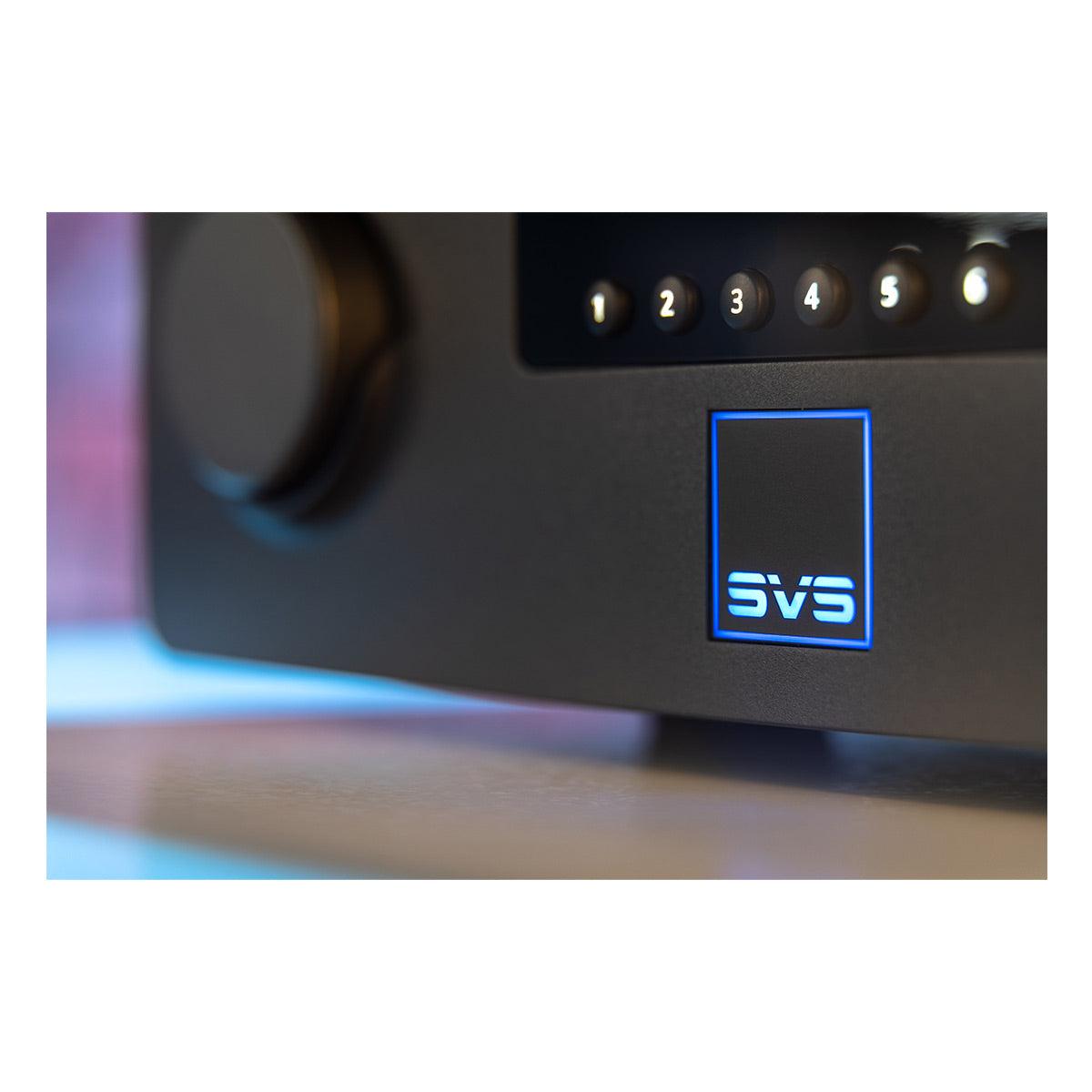
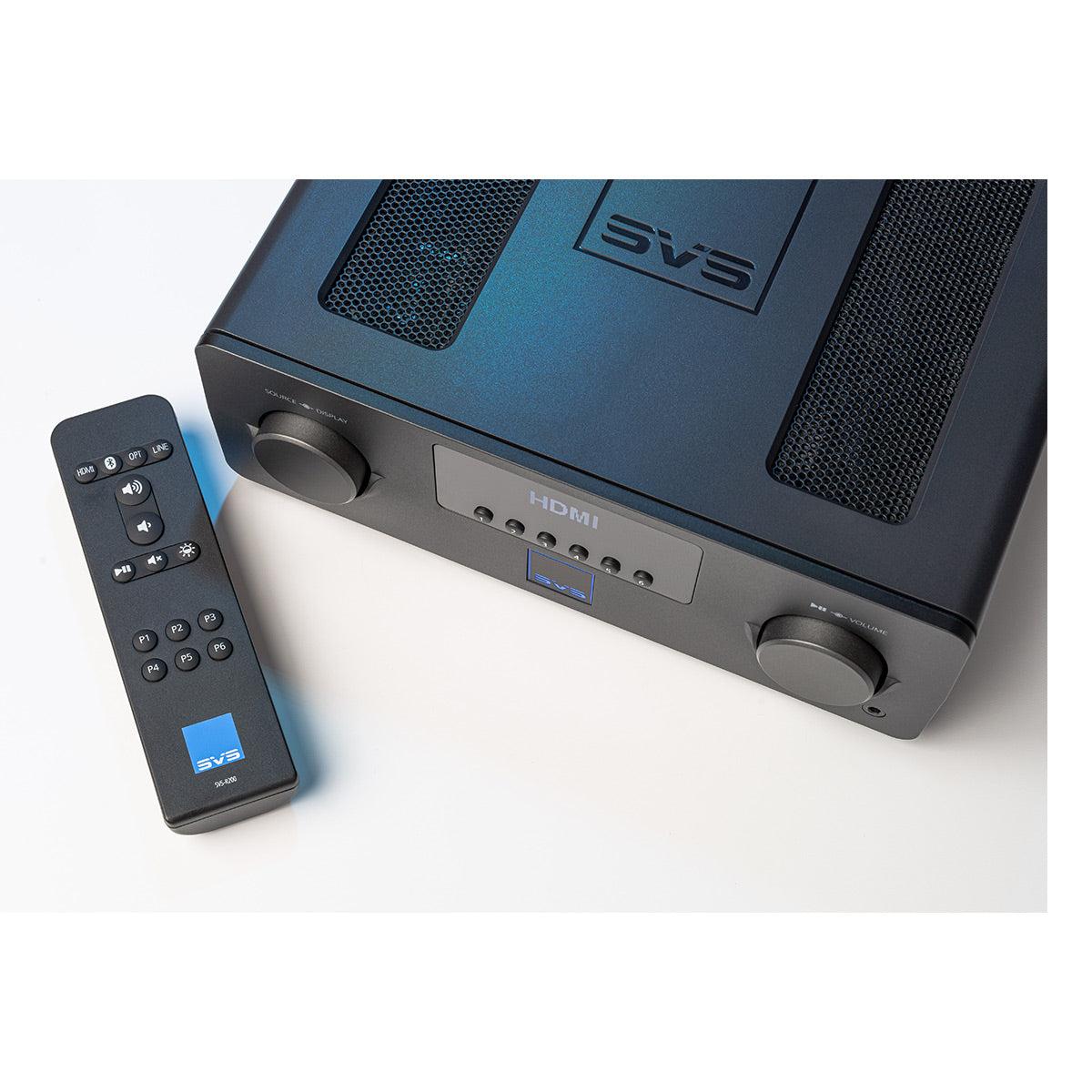
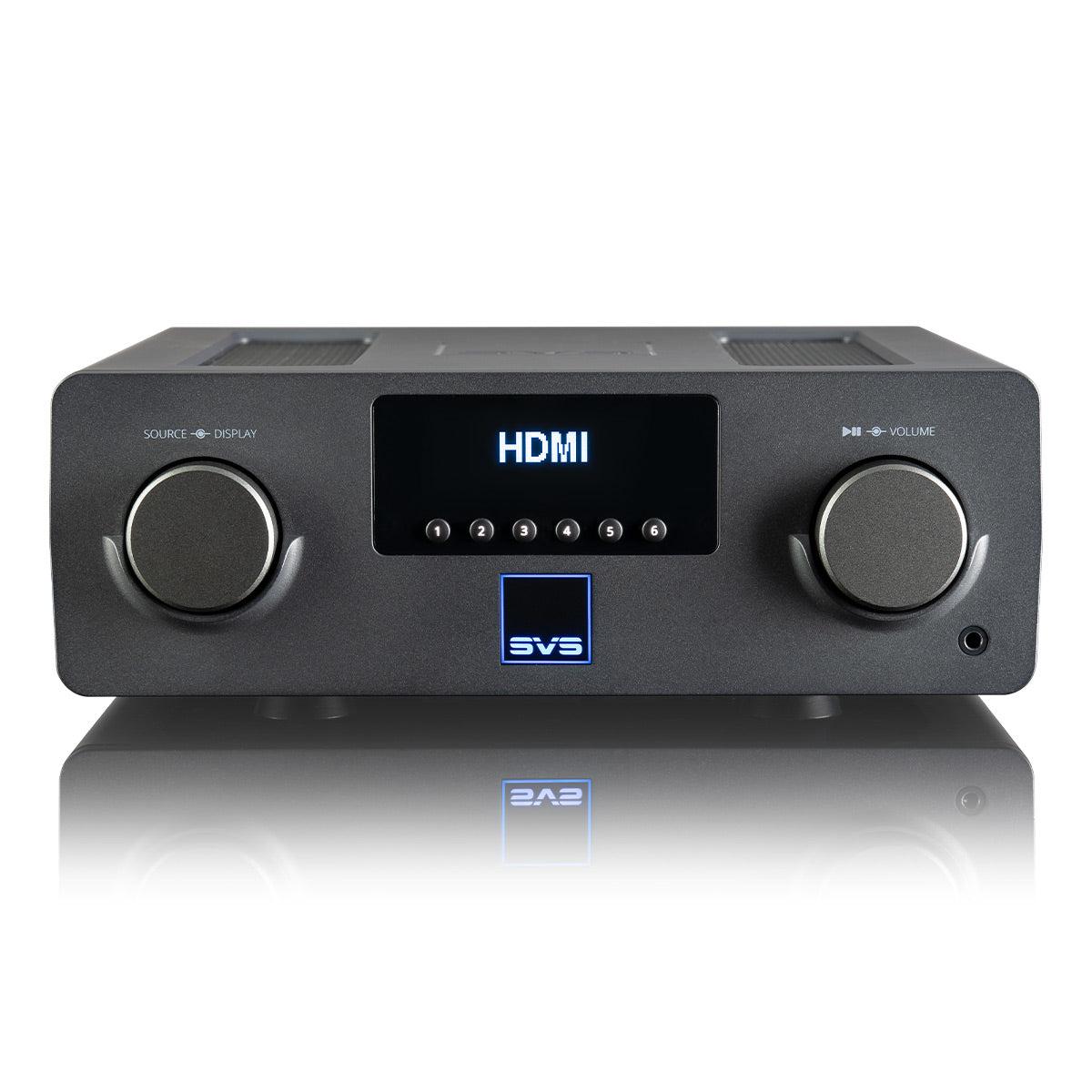
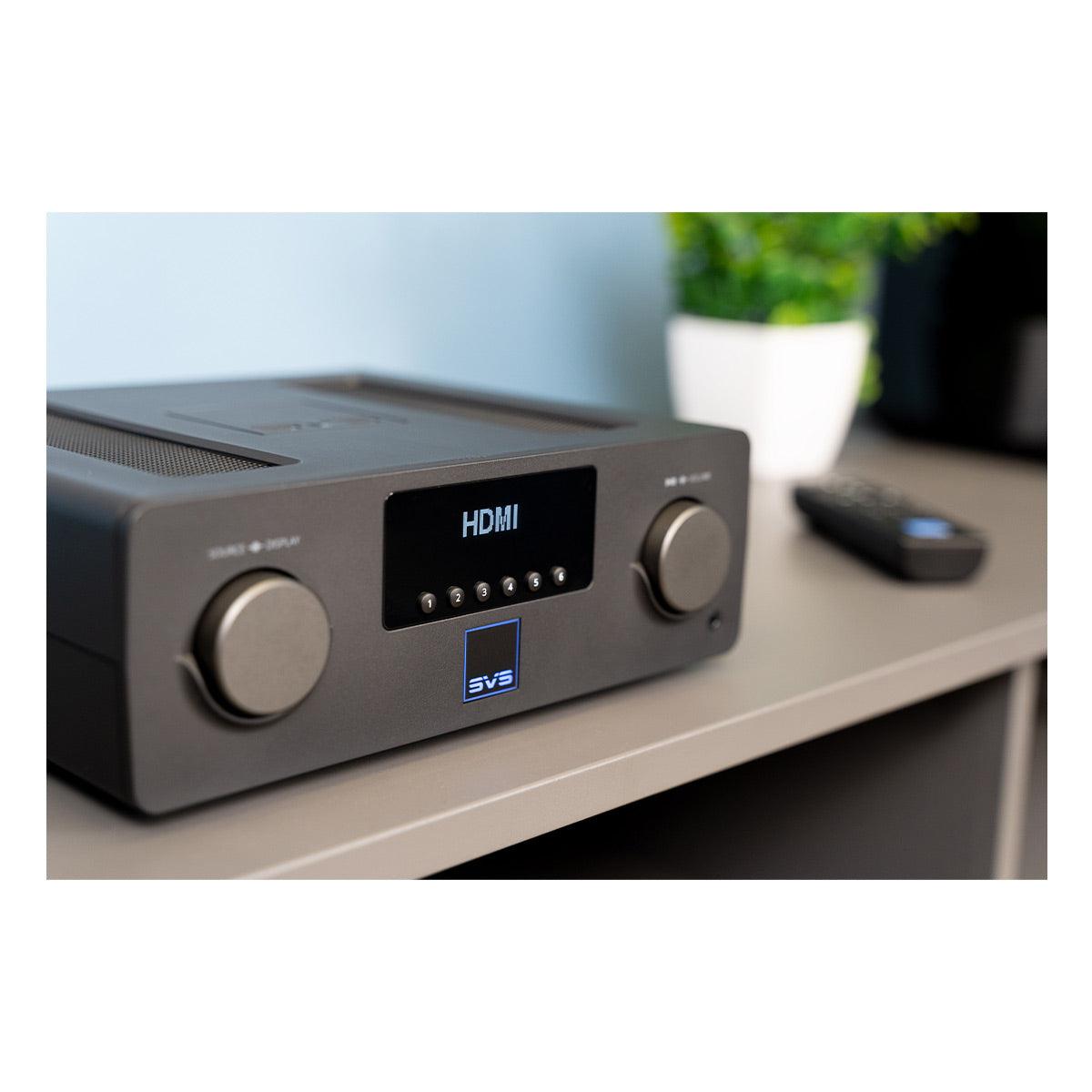
The SVS Prime Wireless Pro prioritizes modern convenience. Six front-panel preset buttons provide direct access to favorite streaming services, playlists, or internet radio stations without navigating through smartphone apps. The bright OLED display shows track information, input selection, and system status clearly from across the room.
App control through DTS Play-Fi provides comprehensive functionality, though users and reviewers consistently note that the app experience lags behind competitors like Sonos or Bluesound in terms of reliability and user interface design. This represents one of the SVS's main weaknesses—dependence on third-party software that doesn't always match the hardware quality.
Voice control compatibility with Amazon Alexa and Google Assistant appeals to users building smart home ecosystems, though this requires additional setup and compatible smart speakers.
The Yamaha A-S701 takes a decidedly traditional approach with physical controls for all functions. The substantial aluminum front panel and knobs provide satisfying tactile feedback that many users prefer to touchscreen interfaces. The included remote control handles basic functions and can also control compatible Yamaha CD players.
Size considerations matter significantly for many users. The SVS measures roughly 3.2 × 9.1 × 8.8 inches and weighs under 5 pounds, making it suitable for desktop use or small entertainment centers. The Yamaha requires traditional component rack space at 17.1 × 6 × 15.2 inches and weighs nearly 25 pounds.
Both amplifiers can serve in simple home theater applications, though with different strengths and limitations.
The SVS Prime Wireless Pro includes HDMI eARC connectivity that simplifies TV audio significantly. A single HDMI cable connection provides audio return from the TV while supporting advanced audio formats. This makes it an excellent choice for users who primarily watch streaming content or broadcast television but want significantly better audio quality than built-in TV speakers can provide.
The compact size of the SVS makes it particularly suitable for bedroom or kitchen TV setups where space is limited. However, the lack of multiple HDMI inputs means users with multiple video sources still need to connect everything through the TV's HDMI switching.
The Yamaha A-S701 can accept audio from TV optical outputs or external video processors, but lacks the direct HDMI connectivity that simplifies modern TV integration. For users with traditional home theater source components (Blu-ray players, cable boxes, game consoles), this may actually be preferable as it allows independent audio and video signal routing.
Neither amplifier provides surround sound processing—they're strictly stereo devices. Users wanting surround sound would need separate processors or receivers, though high-quality stereo reproduction often provides more satisfying results than budget surround sound systems.
Build quality affects both reliability and resale value, important considerations for components expected to last many years.
The SVS Prime Wireless Pro uses a compact metal chassis with adequate build quality for its size and price point, at the time of writing. The switching power supply and Class D amplification generate minimal heat, potentially improving long-term reliability compared to traditional designs. However, the dependence on streaming software and wireless connectivity introduces potential obsolescence concerns as platforms evolve.
The Yamaha A-S701 employs traditional heavy-duty construction with custom power transformer, substantial heat sinks, and quality internal components. The build quality feels substantial and suggests decades of reliable service with proper care. Yamaha's reputation for reliability in professional audio applications supports this expectation.
The upgrade path considerations differ significantly. The SVS represents an integrated approach where upgrading typically means replacing the entire unit. The Yamaha fits better into modular hi-fi systems where individual components can be upgraded over time.
After extensive research into user experiences and professional reviews, both amplifiers excel in their intended roles, but serve distinctly different user priorities.
Choose the SVS Prime Wireless Pro SoundBase if you prioritize modern convenience and streaming integration. It's ideal for users whose music consumption is primarily streaming-based, who value compact size and wireless flexibility, or who want simple TV audio integration through HDMI eARC. The sound quality rivals traditional amplifiers while providing features that dramatically simplify daily use. It represents excellent value for users building modern, minimalist audio systems.
Choose the Yamaha A-S701 if you prioritize pure sound quality and traditional hi-fi values. It's better suited for users with vinyl collections, CD libraries, or other analog sources who want the flexibility of traditional component systems. The superior analog amplifier section and robust build quality provide long-term satisfaction for dedicated listening sessions. It offers better value for users planning to build systems incrementally over time.
For most modern users, the SVS Prime Wireless Pro provides better day-to-day satisfaction through superior convenience and connectivity. The sound quality easily satisfies all but the most critical listeners while eliminating the complexity that deters many people from pursuing better audio.
For dedicated audiophiles and traditional hi-fi enthusiasts, the Yamaha A-S701 delivers superior analog performance and the satisfaction of owning a "proper" integrated amplifier. The build quality and analog sound reproduction justify the slightly higher cost and larger footprint, at the time of writing.
Both represent excellent value in their respective categories, but your choice should align with your music consumption habits, space constraints, and philosophical approach to audio reproduction. The future of integrated amplifiers likely belongs to streaming-enabled models like the SVS, but traditional designs like the Yamaha will continue serving listeners who prioritize pure audio performance above convenience features.
| SVS Prime Wireless Pro SoundBase | Yamaha A-S701 |
|---|---|
| Power Output - Determines how loud and cleanly your speakers will play | |
| 150W x 2 @ 4Ω (Class D, compact switching design) | 100W x 2 @ 8Ω (Class AB, traditional linear design with high dynamic headroom) |
| Size & Weight - Critical for desktop setups and small spaces | |
| Ultra-compact: 3.2" x 9.1" x 8.8", 5 lbs | Traditional size: 17.1" x 6" x 15.2", 25 lbs |
| Wireless Streaming - Essential for modern music consumption | |
| Comprehensive: Wi-Fi, AirPlay 2, Chromecast, Spotify Connect, 24-bit/192kHz wireless | None built-in (requires optional Bluetooth adapter) |
| TV Integration - Simplifies home theater audio setup | |
| HDMI eARC for single-cable TV connection | Optical/coaxial digital inputs only |
| Analog Inputs - Important for vinyl, CD players, and traditional sources | |
| Limited: RCA line inputs, 3.5mm aux (no phono preamp) | Extensive: 6 RCA inputs including MM phono stage for turntables |
| Built-in DAC Quality - Affects digital source sound quality | |
| Excellent 24-bit/192kHz DAC optimized for streaming | Adequate DAC with optical/coaxial inputs |
| User Interface - Daily usability and convenience | |
| Modern: 6 preset buttons, OLED display, app control, voice assistant ready | Traditional: Physical knobs and buttons, IR remote |
| Sound Character - How the amplifier colors your music | |
| Clean, neutral, precise (optimized for accuracy) | Slightly warm, musical (Pure Direct mode for purist listening) |
| Connectivity Ecosystem - Future-proofing and integration | |
| DTS Play-Fi platform with major streaming services | Traditional hi-fi component approach |
| Build Philosophy - Long-term reliability and serviceability | |
| Integrated streaming solution (upgrade by replacing unit) | Modular hi-fi approach (upgrade individual components over time) |
The SVS Prime Wireless Pro SoundBase is significantly better for wireless streaming, offering comprehensive connectivity including Wi-Fi, AirPlay 2, Chromecast, and Spotify Connect with high-resolution 24-bit/192kHz wireless capability. The Yamaha A-S701 has no built-in wireless streaming and requires an optional Bluetooth adapter for basic wireless functionality.
The SVS Prime Wireless Pro SoundBase excels for TV integration with HDMI eARC connectivity, allowing a single cable connection to your TV for simplified setup. The Yamaha A-S701 can connect to TVs through optical or coaxial digital inputs but lacks the convenience of HDMI connectivity.
Both amplifiers provide excellent power output but measure differently. The SVS Prime Wireless Pro SoundBase delivers 150 watts per channel into 4-ohm loads using efficient Class D amplification, while the Yamaha A-S701 provides 100 watts per channel into 8 ohms with traditional Class AB design and exceptional dynamic headroom for musical peaks.
The Yamaha A-S701 includes a built-in moving magnet phono stage, allowing direct connection of most turntables without additional equipment. The SVS Prime Wireless Pro SoundBase lacks a phono input, so vinyl enthusiasts need either a turntable with built-in preamp or a separate phono preamp.
The SVS Prime Wireless Pro SoundBase is dramatically more compact at roughly 3.2" x 9.1" x 8.8" and weighing just 5 pounds, making it suitable for desktop use or small spaces. The Yamaha A-S701 requires traditional component space at 17.1" x 6" x 15.2" and weighs 25 pounds.
The Yamaha A-S701 offers A/B speaker switching for connecting two pairs of speakers with front-panel selection. The SVS Prime Wireless Pro SoundBase connects to one pair of speakers only but includes a subwoofer output for adding bass extension.
Both deliver excellent sound quality with different strengths. The Yamaha A-S701 offers Pure Direct mode that bypasses all processing for the cleanest signal path, appealing to audiophiles seeking traditional hi-fi sound. The SVS Prime Wireless Pro SoundBase provides clean, neutral sound optimized for modern digital sources.
The SVS Prime Wireless Pro SoundBase offers modern convenience with smartphone app control, voice assistant compatibility, six preset buttons, and an OLED display. The Yamaha A-S701 uses traditional physical controls with substantial knobs and buttons plus an included IR remote control.
Value depends on your priorities. The SVS Prime Wireless Pro SoundBase provides exceptional value for streaming-focused users by combining amplifier, DAC, and wireless streaming in one compact unit. The Yamaha A-S701 offers better long-term value for traditional hi-fi enthusiasts with superior build quality and modular upgrade potential.
Both amplifiers successfully drive large speakers but through different approaches. The SVS Prime Wireless Pro SoundBase uses efficient Class D amplification to deliver substantial power from a compact package. The Yamaha A-S701 provides excellent current delivery and speaker control through traditional Class AB design with a damping factor of 240.
The SVS Prime Wireless Pro SoundBase includes everything needed for digital sources with built-in streaming services, high-quality DAC, and wireless connectivity. The Yamaha A-S701 includes optical and coaxial digital inputs with built-in DAC but lacks wireless streaming capability without additional devices.
The Yamaha A-S701 likely offers better long-term durability with traditional heavy-duty construction and Yamaha's reputation for reliability, but may require additional components as streaming technology evolves. The SVS Prime Wireless Pro SoundBase includes current streaming technology but depends on software updates and platform compatibility for future functionality.
We've done our best to create useful and informative comparisons to help you decide what product to buy. Our research uses advanced automated methods to create this comparison and perfection is not possible - please contact us for corrections or questions. These are the sites we've researched in the creation of this article: soundandvision.com - crutchfield.com - futureaudiophile.com - dreamediaav.com - crutchfield.com - svsound.com - soundstageaccess.com - skybygramophone.com - hometheaterhifi.com - av-connection.com - crutchfield.com - soundstagenetwork.com - svsound.com - crutchfield.com - usa.yamaha.com - selby.com.au - crutchfield.com - listenup.com - audiotrends.com.au - europe.yamaha.com - audiosciencereview.com - hifiheaven.net - youtube.com - listeningpost.co.nz - musicdirect.com - skybygramophone.com - youtube.com

Privacy Policy
Terms and Conditions - Affiliate Policy
Home Security
© Copyright 2008-2026.
11816 Inwood Rd #1211, Dallas, TX 75244