


Choosing an integrated amplifier can feel overwhelming, especially when you're comparing products that take completely different approaches to audio reproduction. The SVS Prime Wireless Pro SoundBase and Yamaha A-S301 represent two distinct philosophies in modern amplifier design, and understanding their differences will help you make the right choice for your listening habits and budget.
An integrated amplifier combines a preamplifier (which controls volume and switches between sources) with a power amplifier (which boosts the signal to drive your speakers) in a single box. Think of it as the command center for your stereo system – it takes weak signals from your music sources and makes them powerful enough to move speaker drivers and create sound you can hear.
The key considerations when shopping for an integrated amplifier haven't changed much over the decades: you need enough power to drive your speakers effectively, the right inputs for your sources, and sound quality that matches your expectations. What has changed dramatically is how we consume music. Streaming services now dominate music listening, smartphones have replaced dedicated CD players for many people, and home theater integration has become increasingly important.
This evolution explains why we see such different approaches in modern integrated amplifiers. Some manufacturers focus on preserving traditional hi-fi values while adding essential modern features, while others completely reimagine what an amplifier should be in the streaming age.
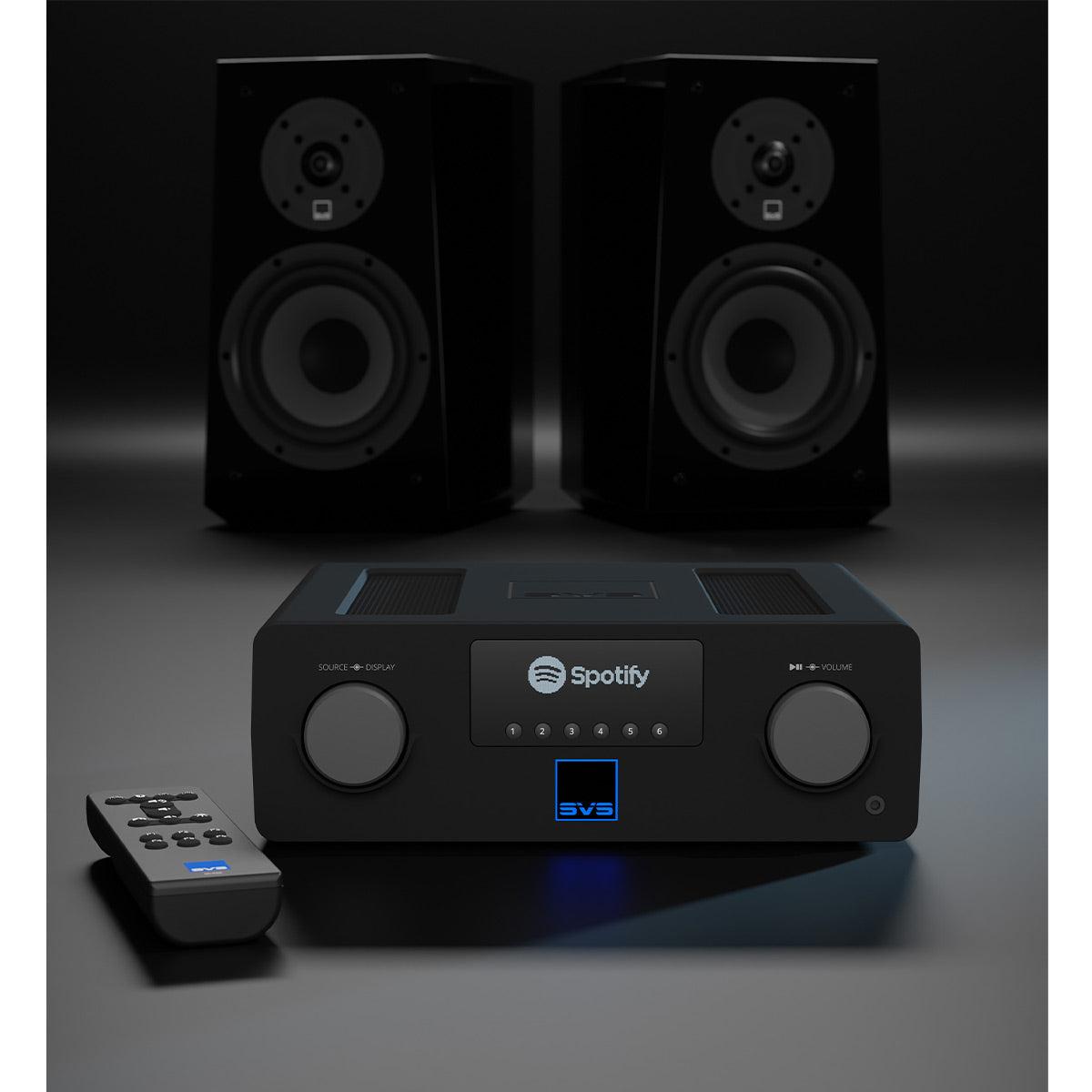
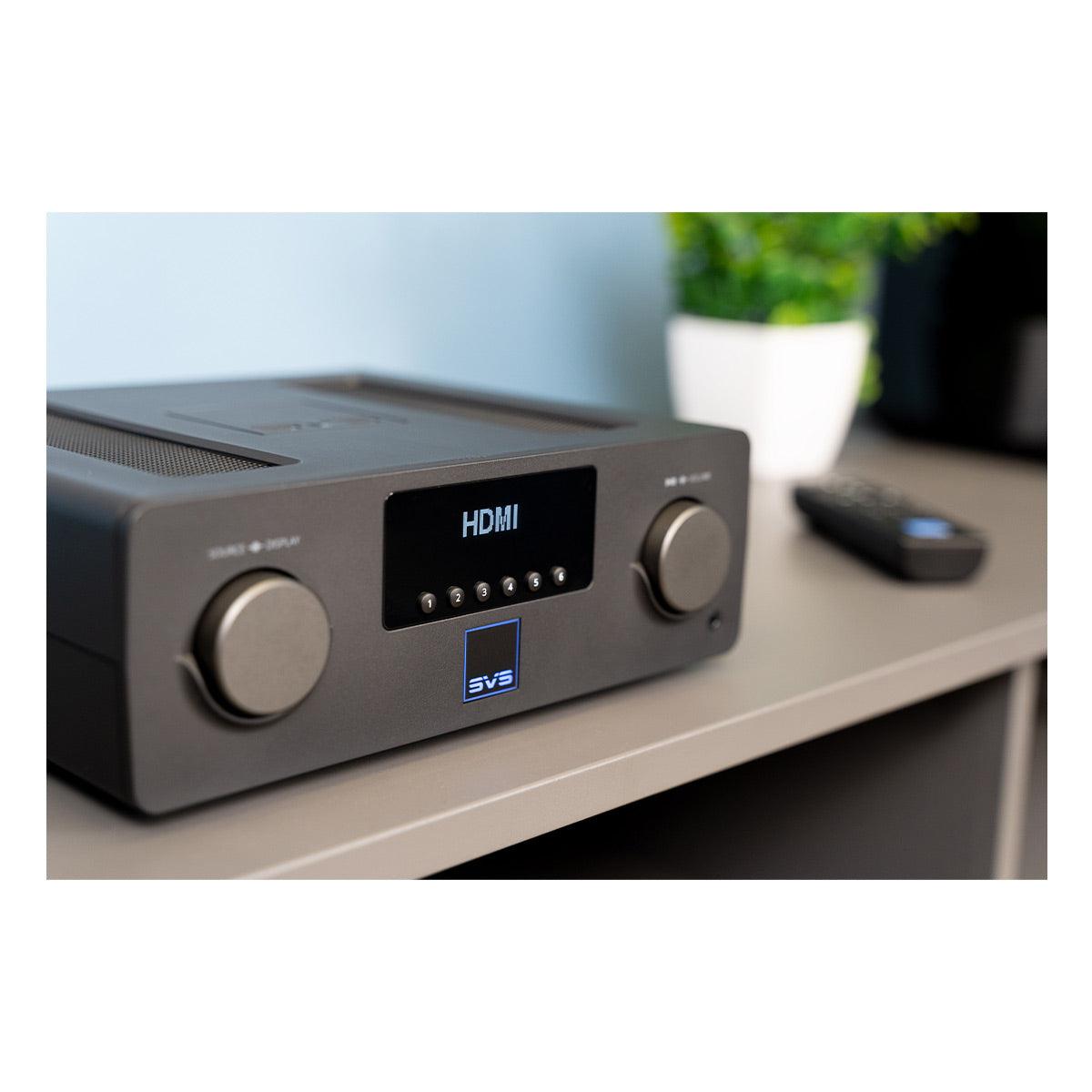
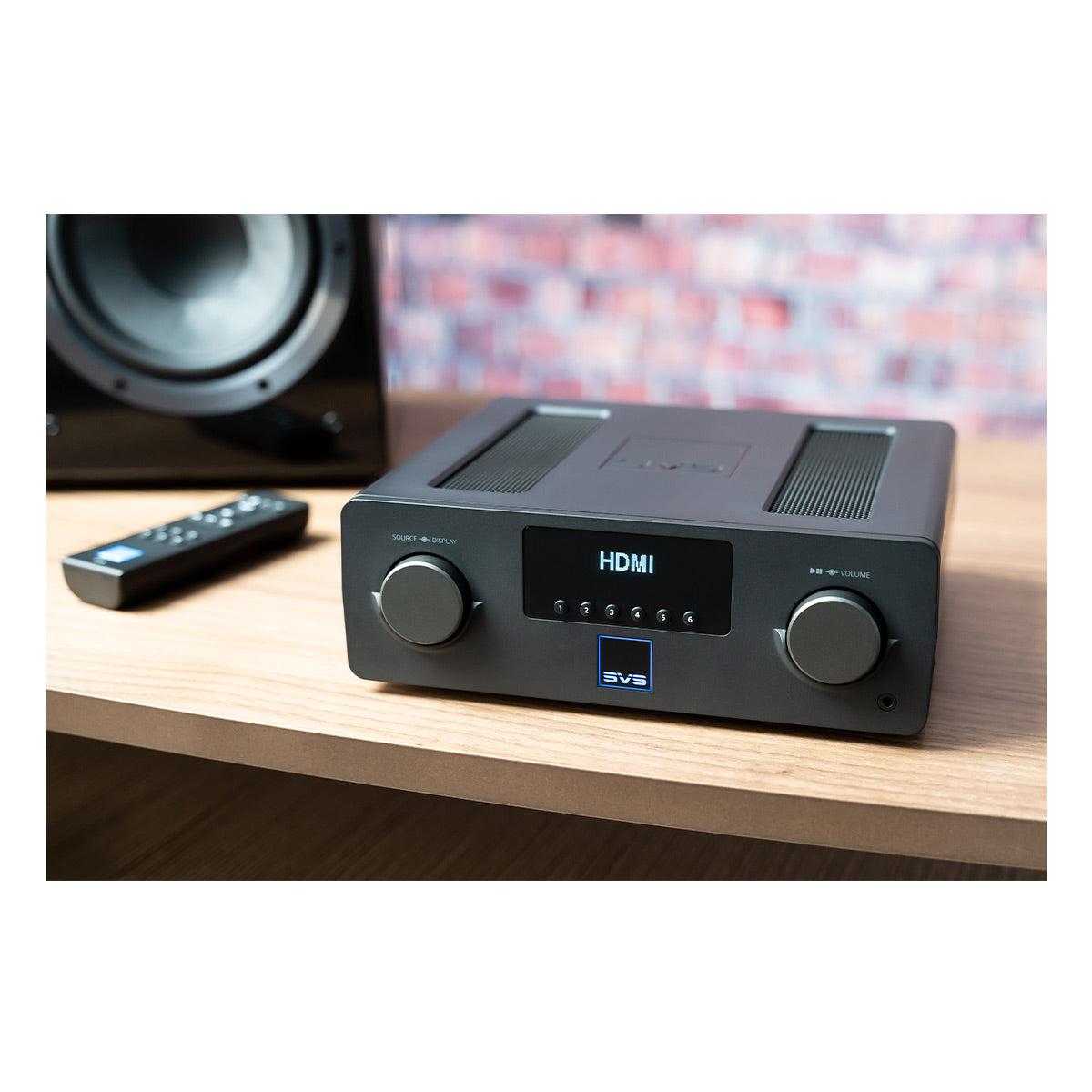
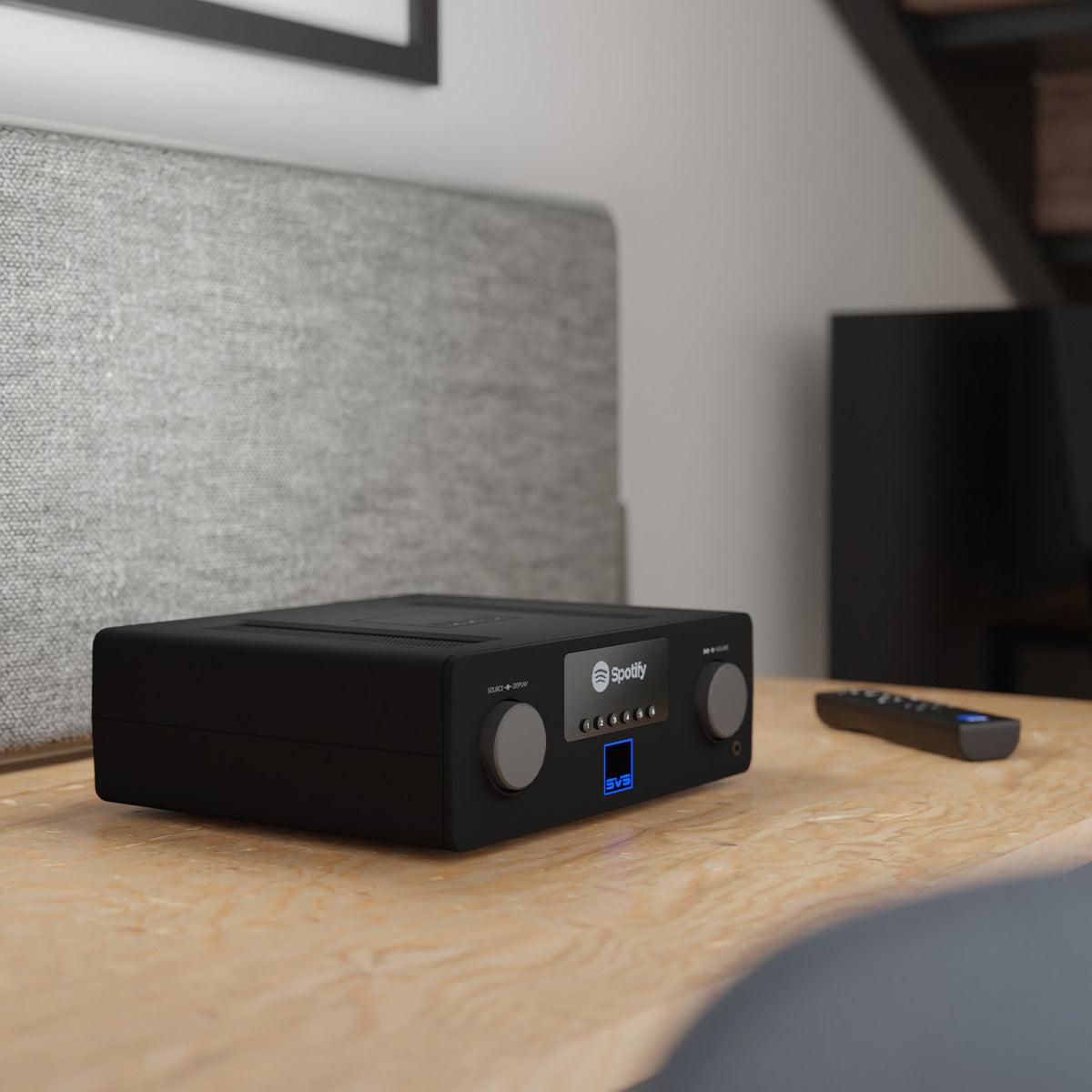
The SVS Prime Wireless Pro SoundBase, released in 2022, represents the "smart amplifier" approach. SVS designed this unit to transform any pair of passive speakers into a complete wireless streaming system, cramming extensive connectivity and a powerful Class D amplifier into a chassis about the size of a thick textbook. At roughly double the price of traditional competitors, it targets users who want everything integrated into one compact, modern package.
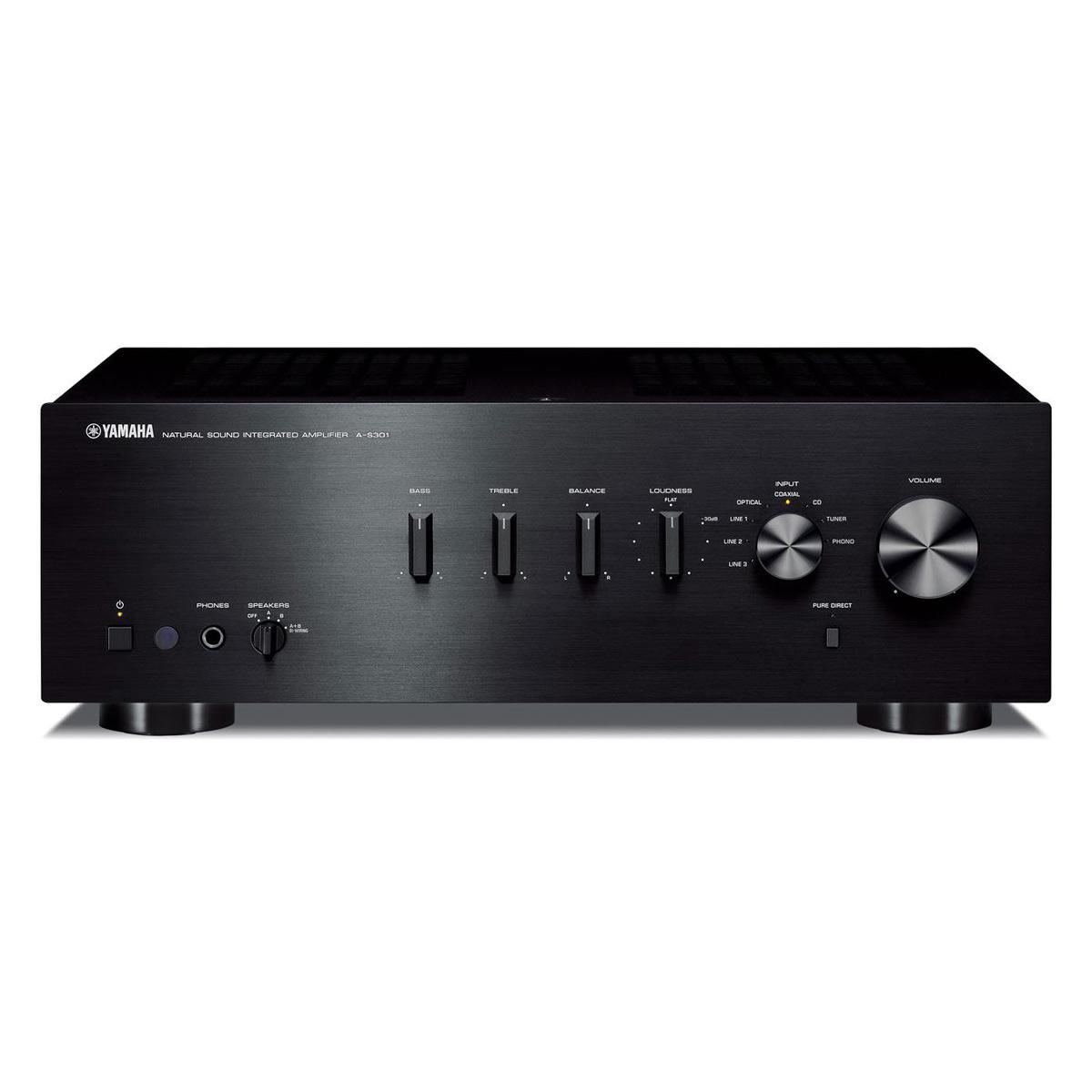
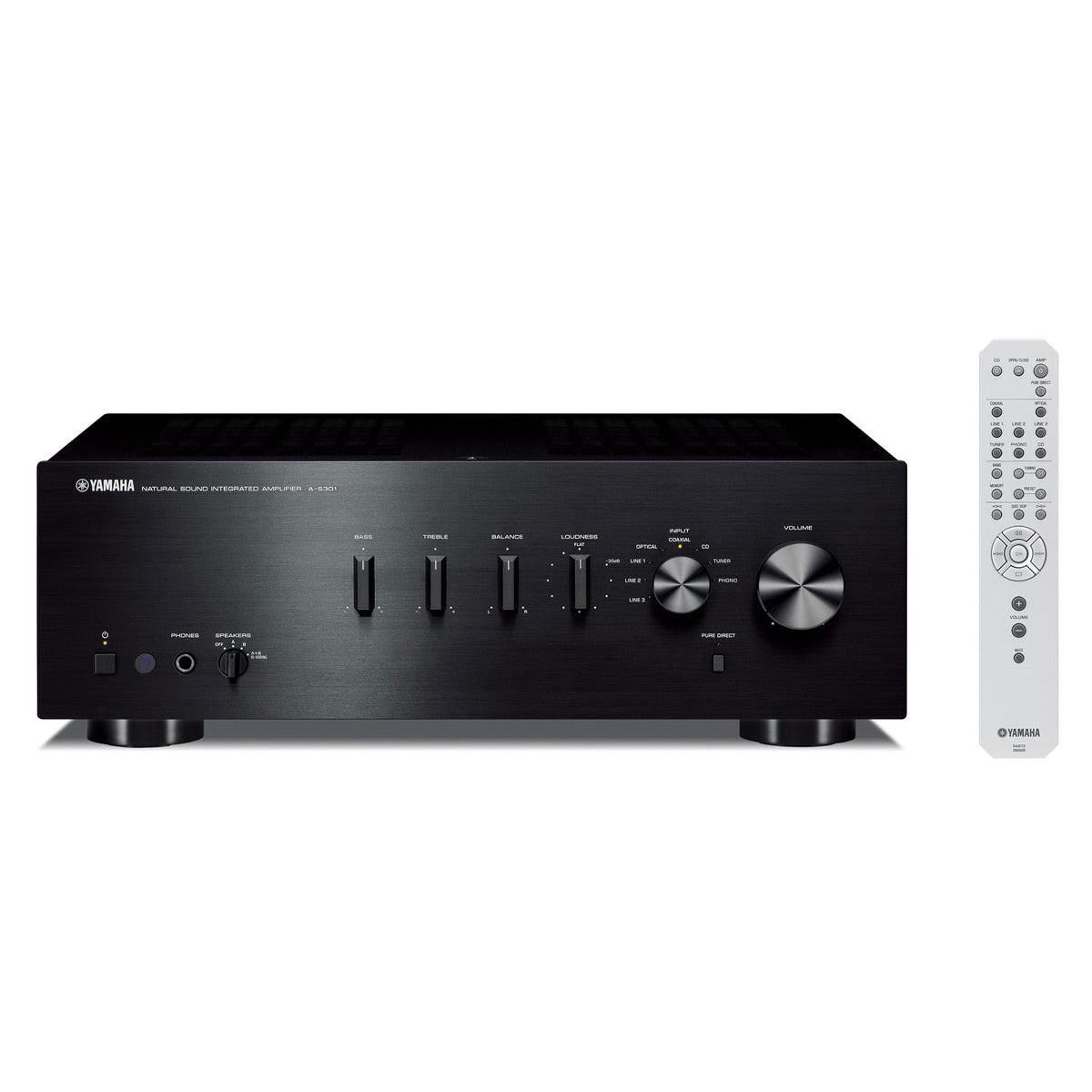
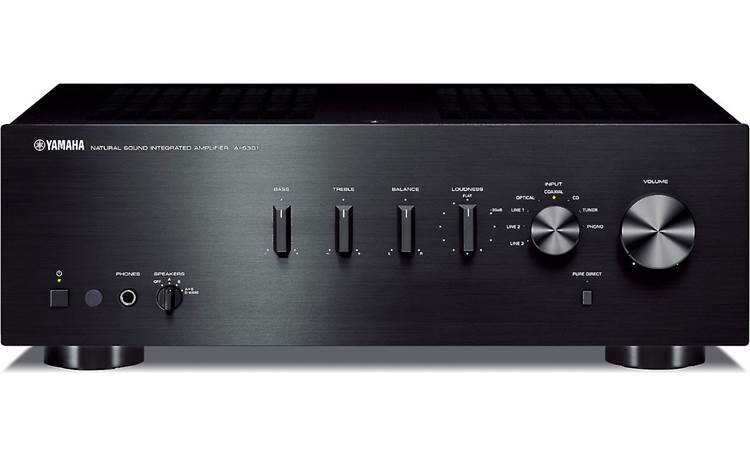
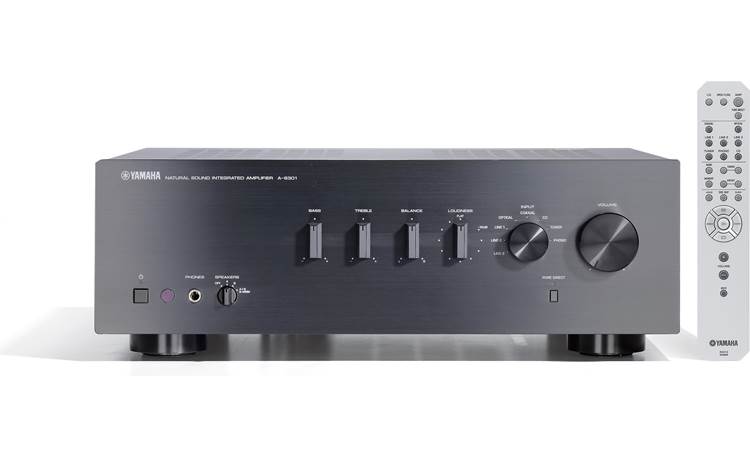
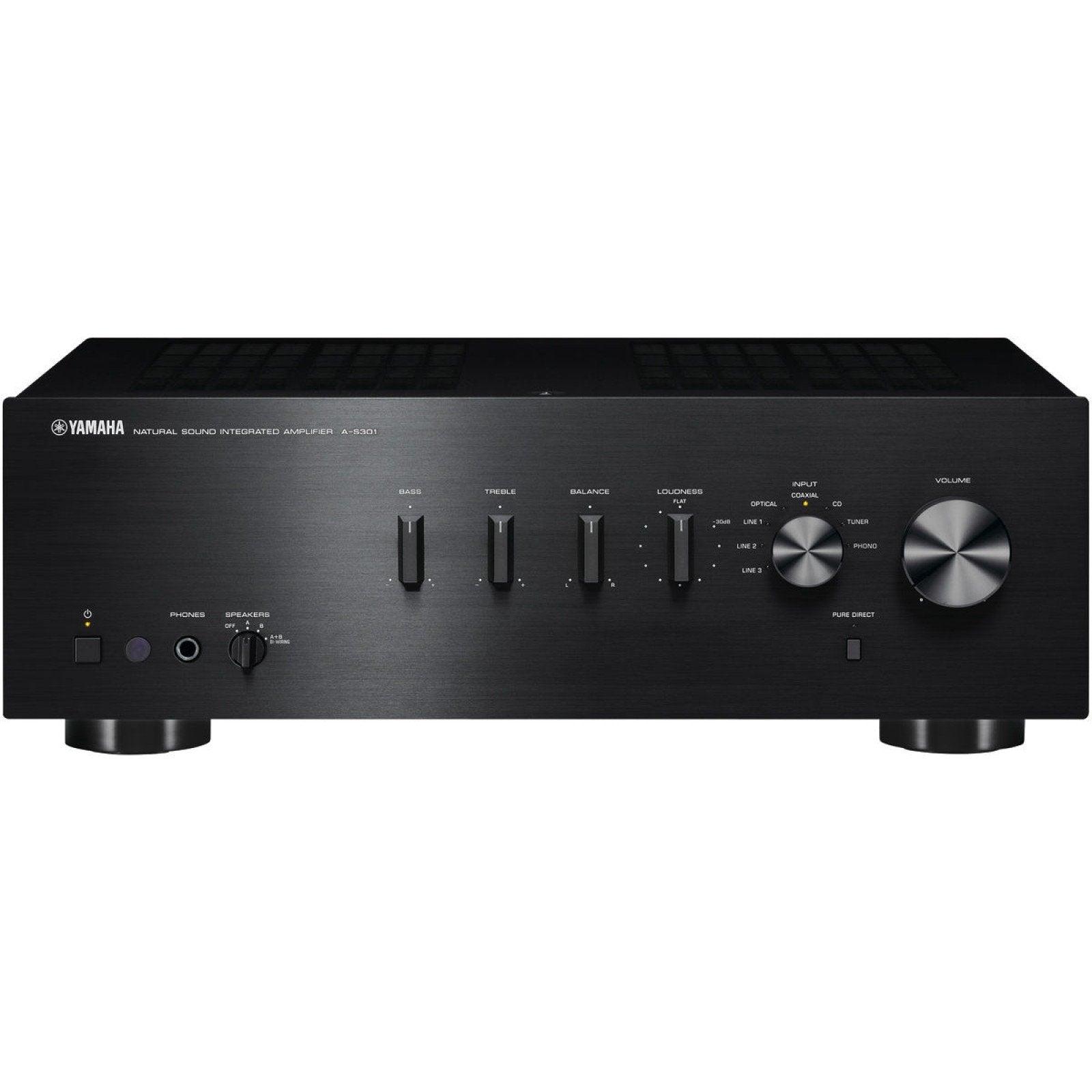
The Yamaha A-S301, part of Yamaha's established A-S series that has been refined over many years, takes the traditional route. It focuses on proven analog amplification techniques with selective digital integration, offering a moving magnet phono input for turntables alongside basic digital inputs. Yamaha prices this model significantly lower than streaming-focused competitors, appealing to both budget-conscious buyers and traditionalists who prefer separate components for different functions.
When comparing amplifier power, the specifications tell only part of the story. The SVS Prime Wireless Pro SoundBase delivers 150 watts per channel into 4-ohm speakers, using Class D amplification technology. Class D amplifiers use switching circuits that turn the power transistors fully on or off very rapidly, which makes them extremely efficient and generates less heat than traditional designs. This efficiency allows SVS to pack serious power into their compact chassis without needing large heat sinks or cooling fans.
The Yamaha A-S301 produces 60 watts per channel into 8-ohm speakers using Class A/B amplification. Class A/B amplifiers keep their output transistors partially on at all times, which typically produces smoother sound character but requires more robust power supplies and cooling. However, Yamaha's dynamic power ratings reveal the amplifier can actually deliver much more when music demands it – up to 150 watts per channel into 2-ohm loads during musical peaks.
This power difference matters most when driving difficult speaker loads. The SVS unit can comfortably drive large tower speakers or inefficient bookshelf models to high volumes without strain. Based on our research of user experiences, it maintains composure even with demanding speakers like large Paradigm towers that can stress lesser amplifiers. The Yamaha A-S301 works best with moderately efficient speakers in small to medium rooms, where its 60-watt continuous rating provides adequate headroom for most listening.
For home theater use, the power advantage of the SVS Prime Wireless Pro SoundBase becomes more apparent. Movie soundtracks often contain sudden dynamic swings that benefit from higher power reserves, and the HDMI ARC connection allows seamless integration with your TV's audio output.
Sound quality represents the most subjective aspect of amplifier comparison, but certain characteristics emerge consistently from professional reviews and user feedback. The SVS Prime Wireless Pro SoundBase delivers what reviewers describe as neutral, balanced sound with excellent clarity and a wide soundstage. The built-in 24-bit/192kHz DAC (digital-to-analog converter) handles high-resolution music files with precision, and the signal-to-noise ratio of 100dB ensures a black background even at high volumes.
The Class D amplification in the SVS doesn't exhibit the slight harshness that affected early switching amplifiers. Instead, users report clean, powerful output that remains composed even when driving speakers to high sound pressure levels. This neutrality makes it an excellent match for a wide variety of speaker types, from bright metal tweeters to warm fabric domes.
The Yamaha A-S301 offers a different sound character that many find more traditionally musical. Reviews consistently describe it as having a warm, full-bodied presentation with particular strength in midrange reproduction. Vocals sound natural and present, with the kind of ease that makes long listening sessions comfortable rather than fatiguing.
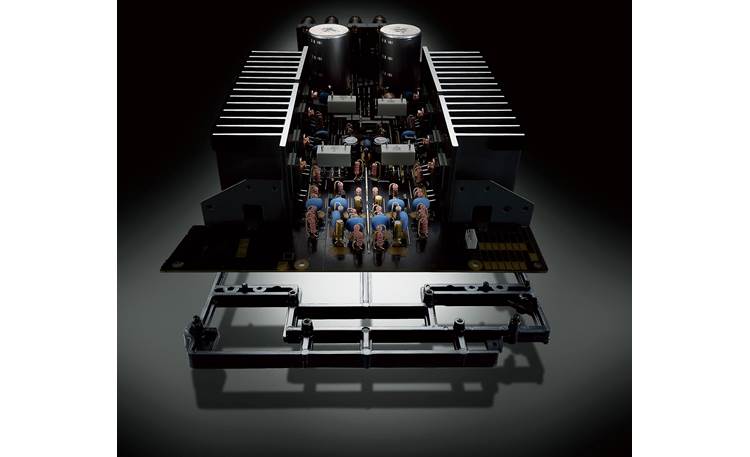
Yamaha's ToP-ART (Total Purity Audio Reproduction Technology) deserves explanation here. This design philosophy focuses on creating symmetrical circuit layouts for left and right channels while minimizing the signal path length. The physical construction includes an anti-resonance base that reduces vibrations that could affect delicate audio circuits. These might sound like marketing terms, but they represent real engineering solutions to common amplifier problems.
The Pure Direct mode on the Yamaha A-S301 bypasses tone controls and other circuitry to provide the shortest possible signal path. When engaged, this mode can reveal additional detail and transparency that appeals to critical listeners. The SVS unit doesn't offer tone controls at all, which some view as maintaining signal purity by default.
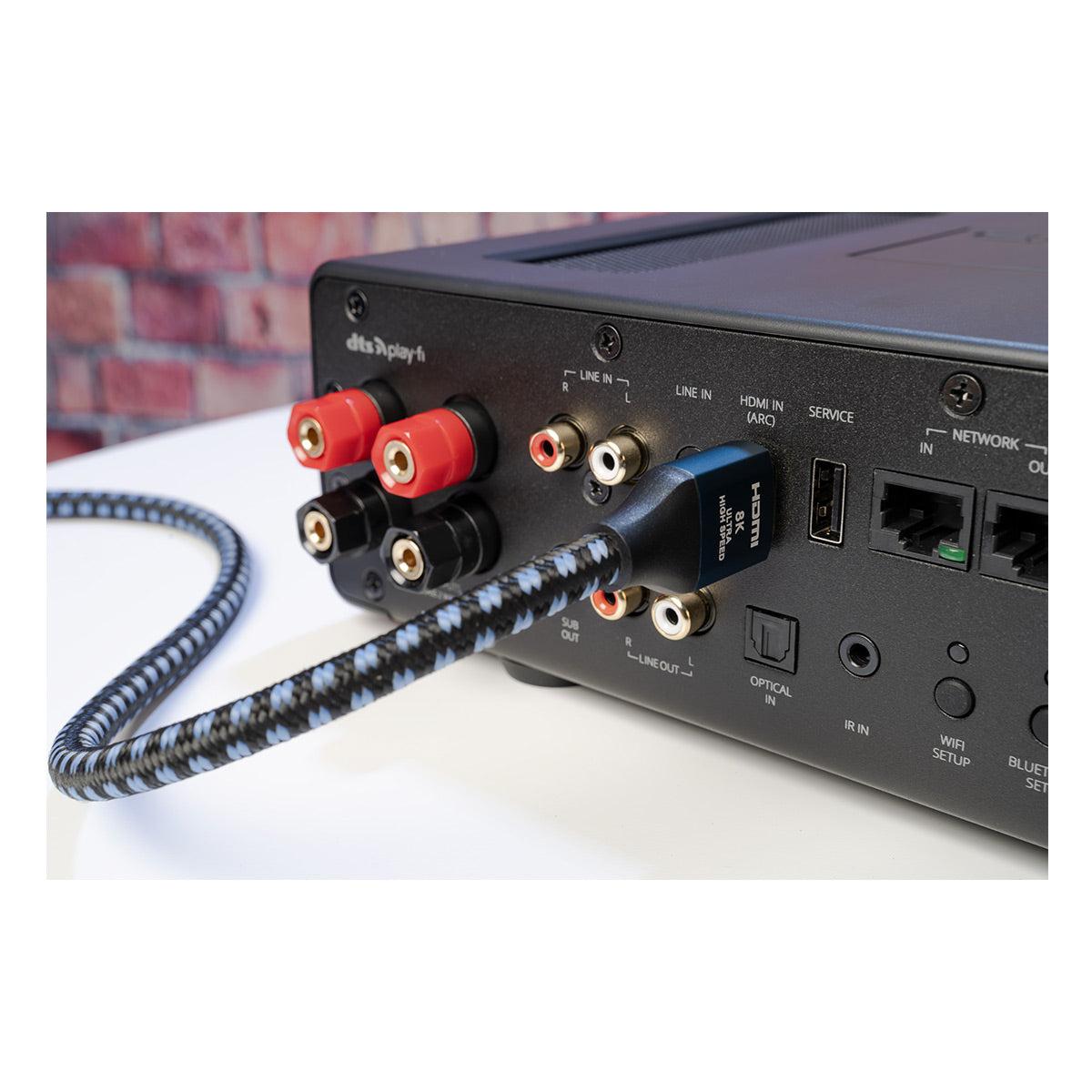
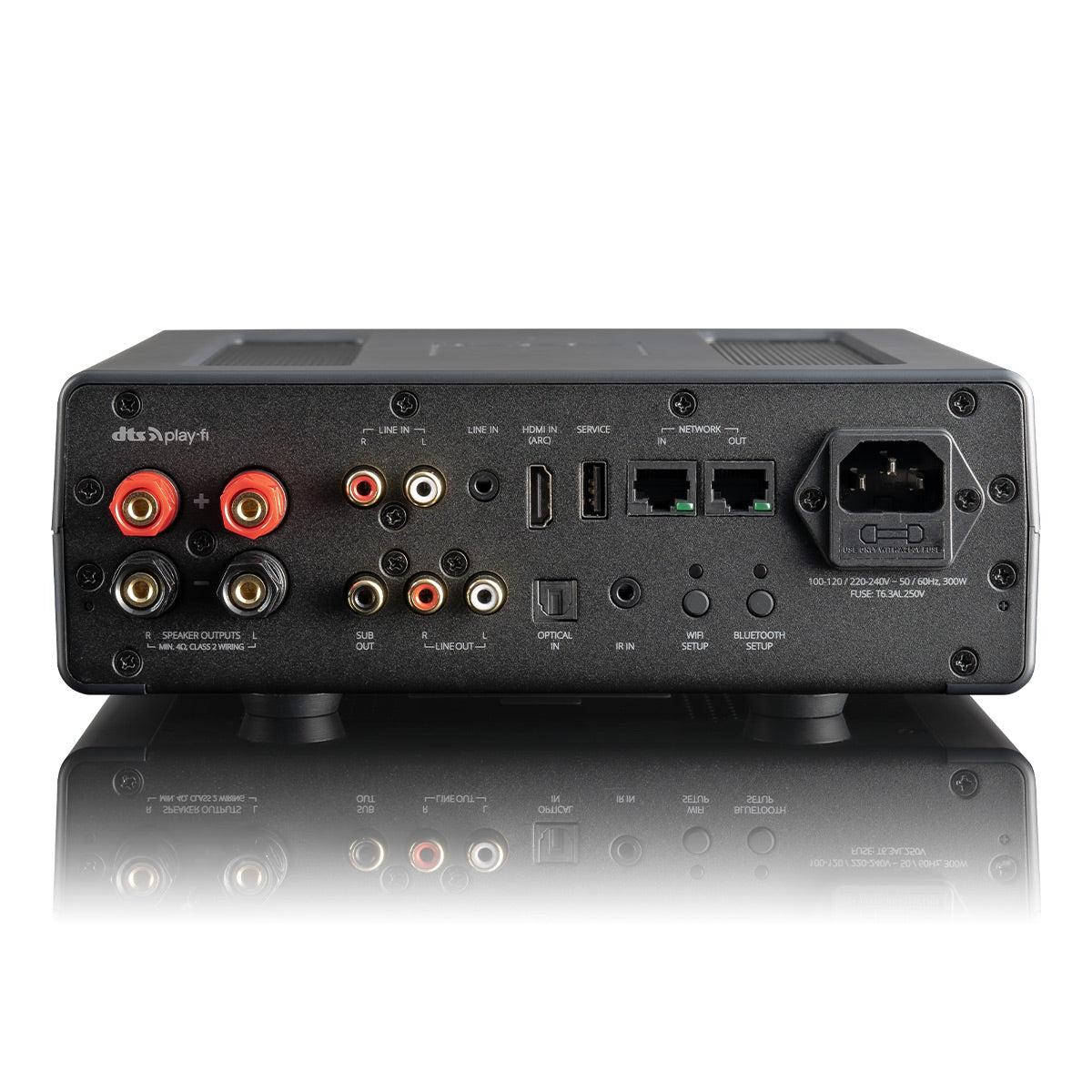
The connectivity comparison reveals the fundamental philosophical divide between these amplifiers. The SVS Prime Wireless Pro SoundBase offers comprehensive wireless streaming that rivals dedicated streaming devices. Wi-Fi connectivity supports high-resolution audio up to 192kHz/24-bit through the DTS Play-Fi platform, which maintains full quality unlike some wireless protocols that compress audio data.
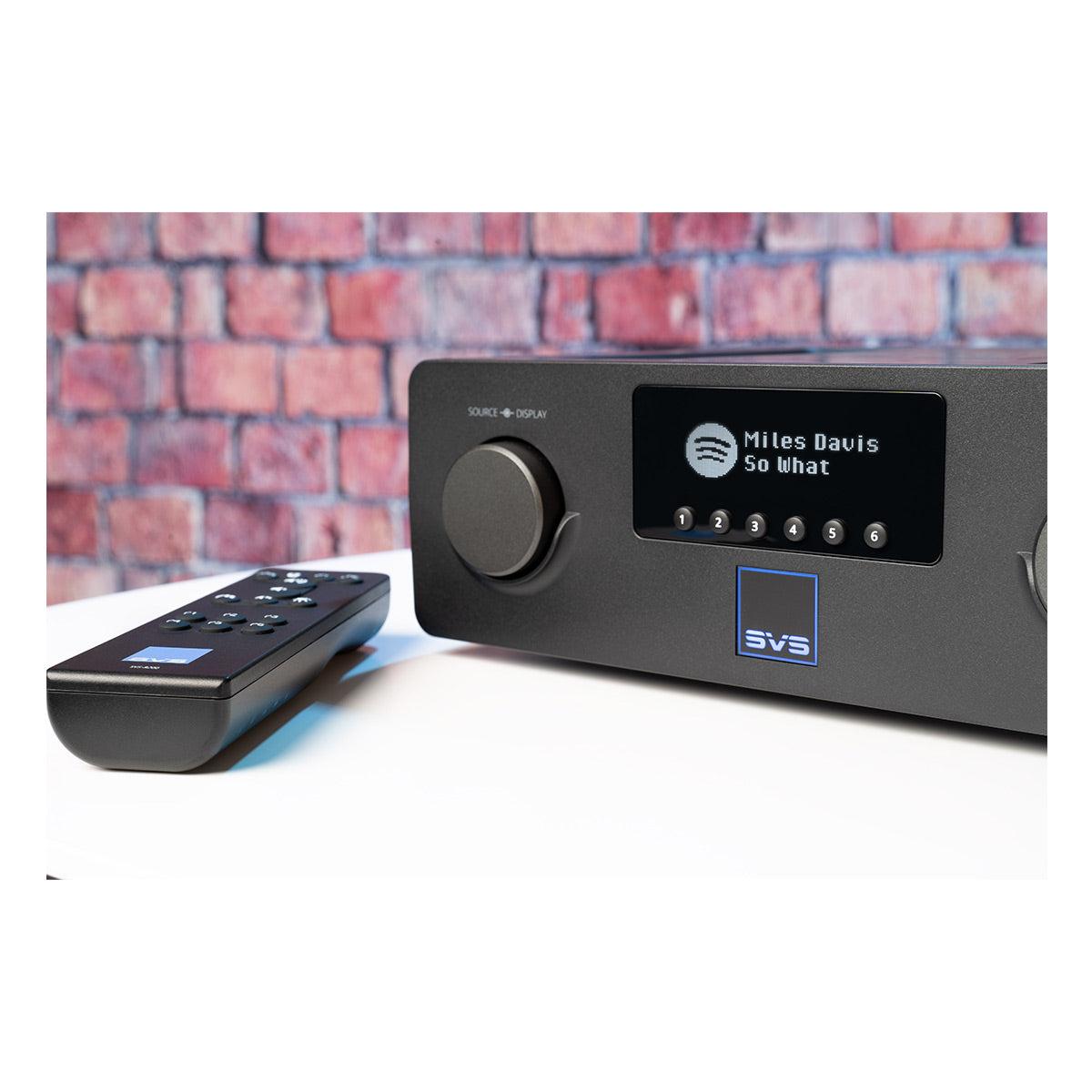
Apple AirPlay 2 integration means iPhone and iPad users can stream directly with excellent quality, while Chromecast built-in serves Android users. Spotify Connect allows direct streaming from the Spotify app without going through your phone's Bluetooth, maintaining higher quality and freeing your device for other tasks. The Bluetooth 5.0 implementation supports aptX and AAC codecs, which provide better quality than standard Bluetooth audio.
For home theater integration, the HDMI ARC (Audio Return Channel) input on the SVS Prime Wireless Pro SoundBase represents a significant advantage. This single connection handles audio from your TV, whether it's streaming apps, cable boxes, or connected gaming consoles. The newer eARC (enhanced Audio Return Channel) specification supports higher bandwidth for advanced audio formats, though most users won't notice the difference with stereo content.
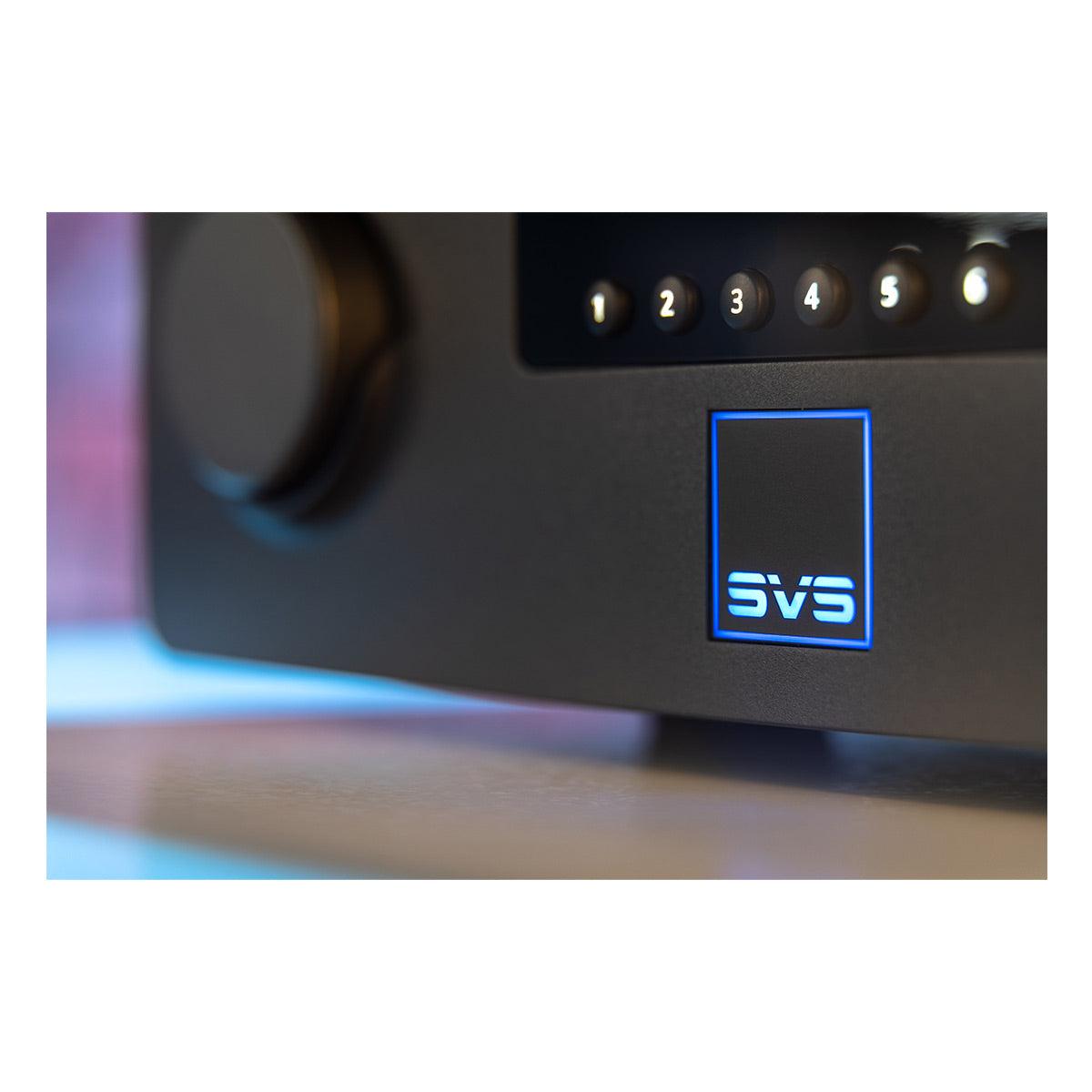
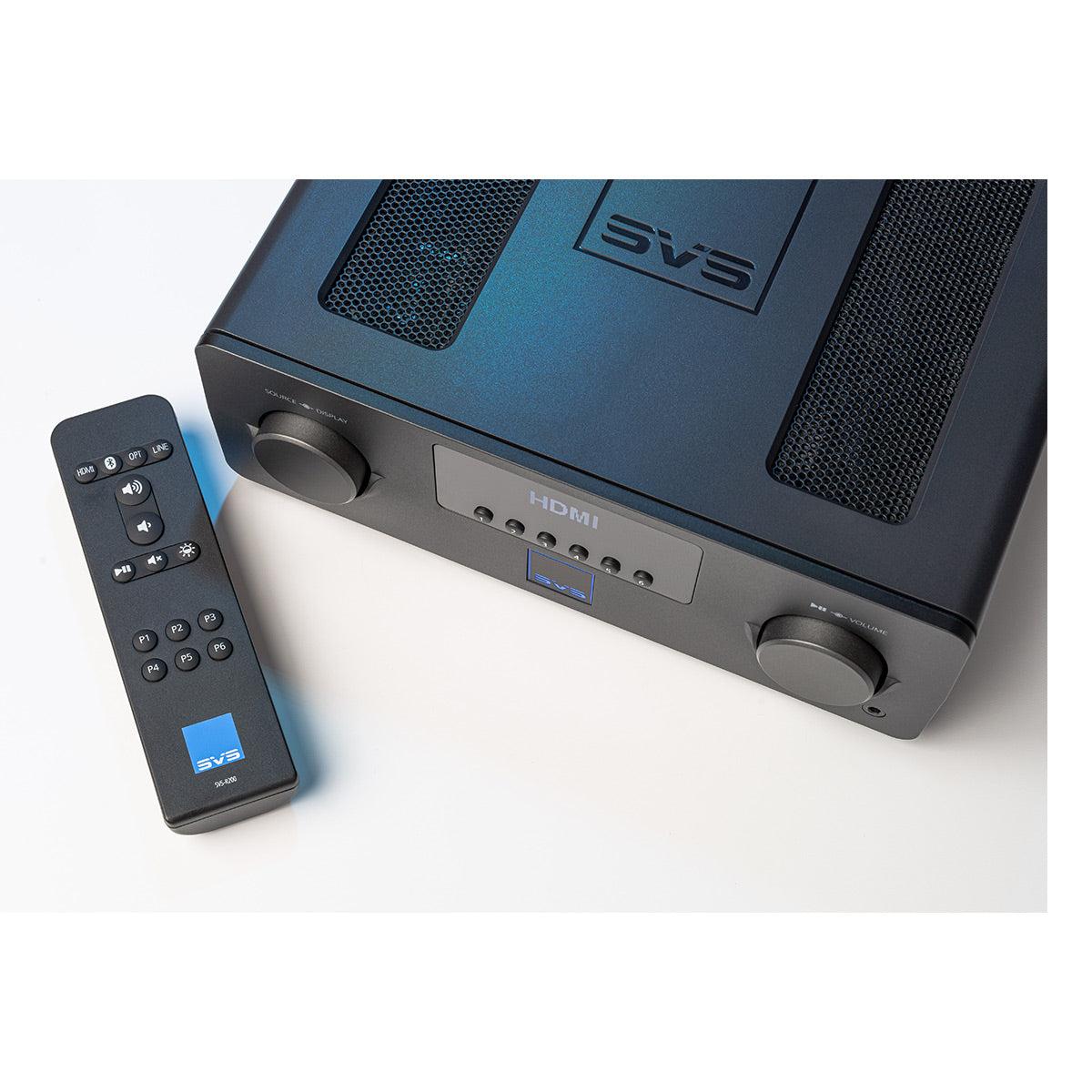
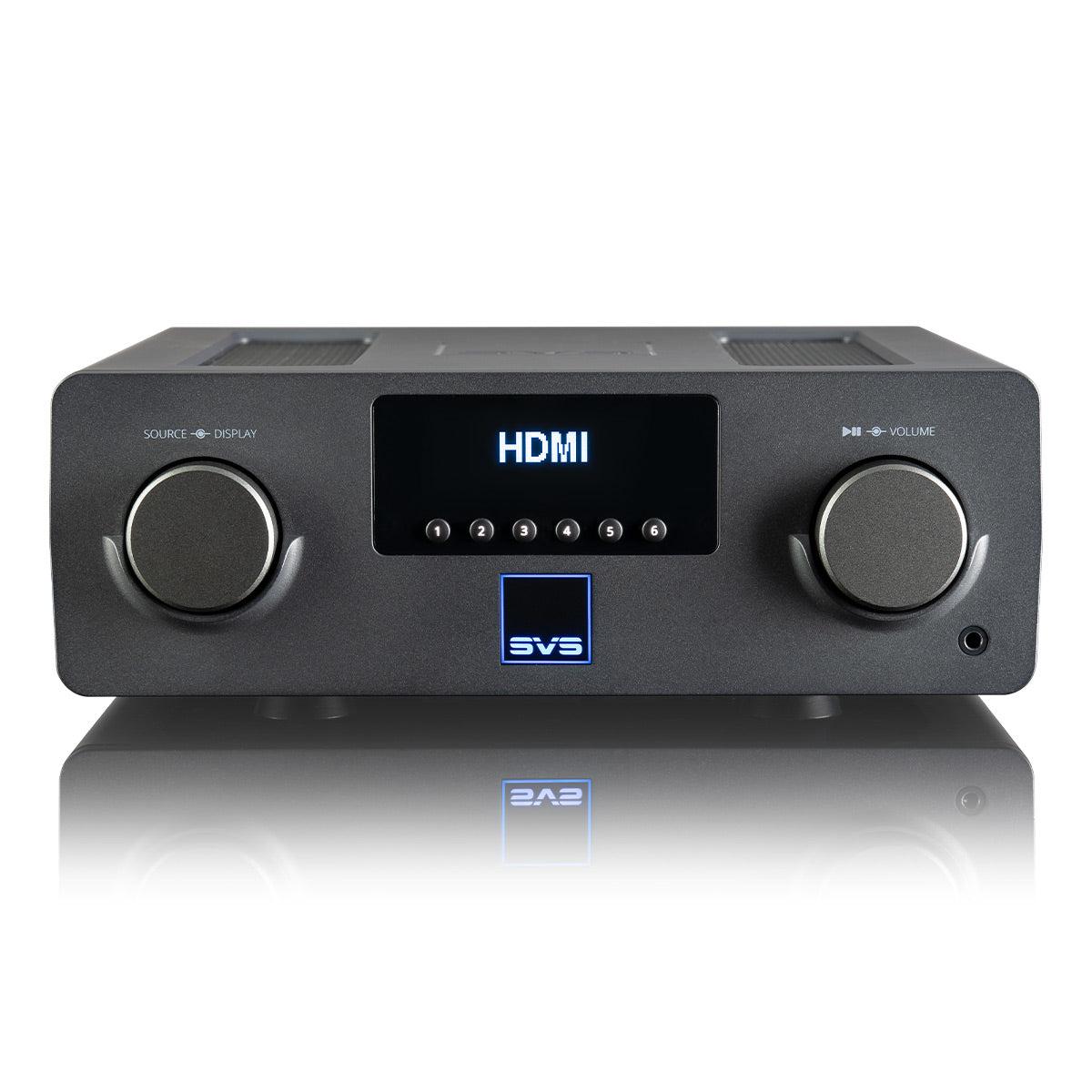
The six assignable preset buttons on the front panel deserve special mention. These allow instant access to specific playlists, internet radio stations, or streaming services without reaching for your phone. Based on user feedback, this feature proves more valuable in daily use than it initially appears, especially for family members who aren't comfortable with app-based controls.
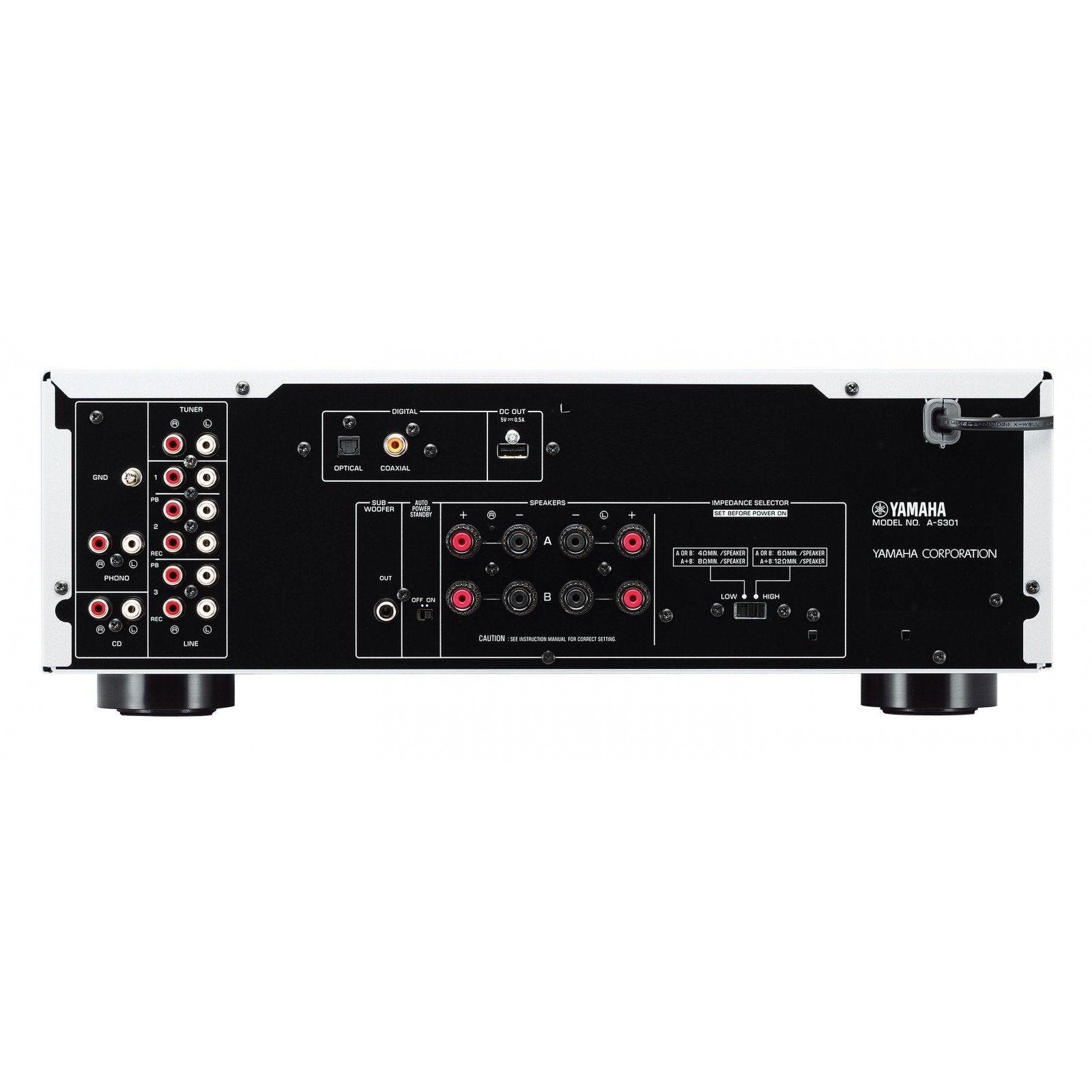
The Yamaha A-S301 focuses on traditional connectivity done well. The moving magnet phono input includes proper RIAA equalization for turntables, which saves the cost of a separate phono preamp. Multiple analog inputs accommodate CD players, tape decks, or other line-level sources. The inclusion of both optical and coaxial digital inputs with a built-in DAC allows connection to digital sources, though the DAC specifications aren't as advanced as the SVS unit.
The dual speaker terminals with A/B switching on the Yamaha let you connect two pairs of speakers and switch between them, or even run them simultaneously. This proves useful for comparing speakers or setting up audio in multiple rooms.
Living with these amplifiers reveals practical differences that specifications don't capture. The SVS Prime Wireless Pro SoundBase excels at disappearing into modern lifestyles. The compact form factor fits easily into entertainment centers or on bookshelves, and the wireless capabilities mean fewer cables cluttering your space.
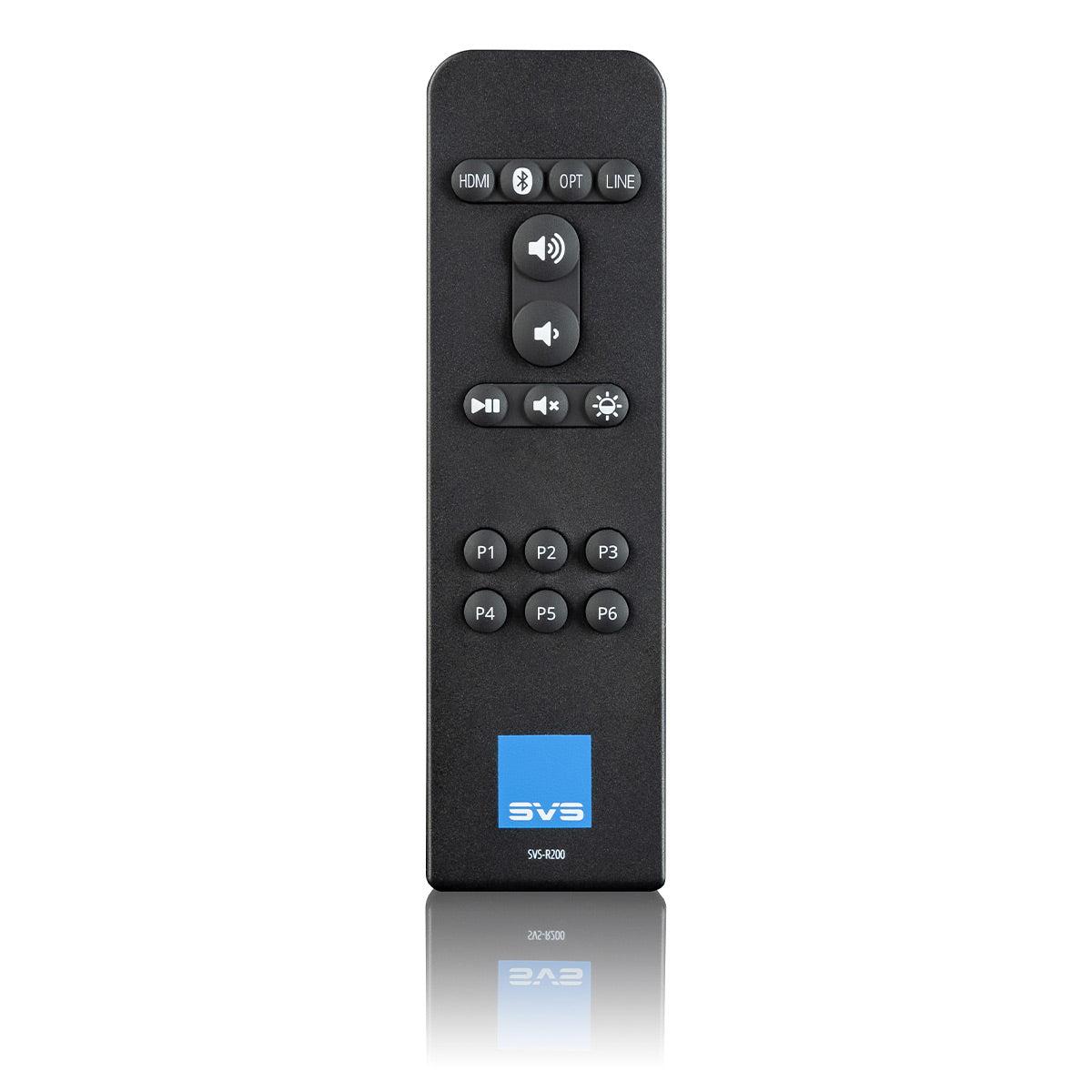
The smartphone app control, while occasionally criticized for interface quirks, provides the convenience that modern users expect. Voice control through Alexa or Google Assistant adds another layer of accessibility, particularly useful when your hands are full or you're across the room.
However, app dependency can be a double-edged sword. When your Wi-Fi network has issues or the app crashes, you might temporarily lose some functionality. The included IR remote provides basic control as backup, but accessing streaming services requires the app or voice commands.
The Yamaha A-S301 offers the reliability of traditional controls. Physical knobs and buttons work regardless of network conditions or software glitches. The continuously variable loudness control deserves special explanation – this feature compensates for how human hearing works at different volumes. At low listening levels, our ears become less sensitive to bass and treble frequencies, so this circuit subtly boosts those ranges to maintain tonal balance. Unlike simple "loudness" buttons that apply fixed equalization, Yamaha's implementation adjusts continuously based on the volume setting.
For users who prefer tactile controls and want to avoid smartphone dependency, the Yamaha approach offers appealing simplicity. You can operate it completely through front panel controls and the included remote, making it accessible to users who aren't comfortable with app-based systems.
At the time of writing, the SVS Prime Wireless Pro SoundBase commands roughly double the price of the Yamaha A-S301, which places these products in different value categories despite their functional overlap. The SVS unit's higher cost reflects its comprehensive feature set, advanced DAC implementation, and higher power output, but also its more specialized target market.
The value proposition of the SVS becomes clearer when you consider what separate components would cost to achieve similar functionality. A quality integrated amplifier, wireless streaming device, and HDMI audio extractor would likely total more than the SoundBase price while occupying more space and requiring additional connections.
The Yamaha A-S301 represents exceptional value for users who don't need extensive wireless features. The build quality, power output, and sound quality match or exceed expectations for its price point. The inclusion of both analog and digital inputs provides flexibility for various source components without requiring additional purchases.
For long-term ownership, both approaches have merits. The SVS unit receives firmware updates that can add features or improve performance over time, much like smartphone updates. The wireless protocols it supports should remain relevant for years, though technology evolution could eventually make some features obsolete.
The Yamaha A-S301 represents a more timeless approach. Analog inputs don't become obsolete, and the traditional amplifier topology should provide reliable service for decades. However, streaming technology will continue evolving, and users might eventually want to add a separate streaming device to access new services or improved audio quality.
For users considering these amplifiers in home theater systems, the differences become particularly pronounced. The SVS Prime Wireless Pro SoundBase can serve as a complete stereo enhancement for TV audio, replacing soundbars with proper stereo speakers while maintaining simple setup through the HDMI ARC connection.
The wireless streaming capabilities also prove valuable in home theater environments. You can easily switch from TV audio to music streaming for background listening during parties or casual TV viewing. The ability to create preset buttons for specific playlists or radio stations makes family-friendly operation simpler than fumbling with TV remote controls and streaming app interfaces.
The Yamaha A-S301 can integrate into home theater systems through its optical digital input, which most TVs provide. However, this connection requires a separate remote control and doesn't provide the seamless switching between TV and music sources that HDMI ARC enables.
Choose the SVS Prime Wireless Pro SoundBase if you prioritize modern convenience and comprehensive streaming capabilities. It's ideal for users who primarily consume music through streaming services, want simple TV integration, need higher power output for demanding speakers, or value space-efficient design. The higher price point makes sense if you'll regularly use the wireless features and appreciate the convenience of unified control.
This amplifier particularly suits apartment dwellers or anyone setting up audio in smaller spaces where traditional component stacking isn't practical. The ability to transform any pair of passive speakers into a complete streaming system provides flexibility that separate components can't match.
Choose the Yamaha A-S301 if you prefer traditional amplifier operation, have budget constraints, or already own separate streaming components. It's excellent for users with turntables, CD collections, or other analog sources who don't need comprehensive wireless capabilities. The lower price point allows budget for higher-quality speakers or other system components.
Traditional hi-fi enthusiasts who enjoy the ritual of physical controls and prefer to choose streaming components separately will find the Yamaha approach more appealing. The reliable operation and proven sound quality make it an excellent foundation for a system that can grow over time.
The decision ultimately depends on how you listen to music and what you value in daily use. The SVS Prime Wireless Pro SoundBase represents the future of integrated amplifiers – powerful, connected, and convenient. The Yamaha A-S301 preserves the best aspects of traditional hi-fi while adding essential modern inputs. Both approaches have merit, and both can form the heart of satisfying audio systems when matched with appropriate speakers and sources.
Consider your listening habits, space constraints, and comfort level with app-based controls when making your choice. Either amplifier can provide years of musical enjoyment when properly matched to your needs and preferences.
| SVS Prime Wireless Pro SoundBase | Yamaha A-S301 |
|---|---|
| Power Output - Critical for driving speakers and room-filling volume | |
| 150W per channel (4Ω) - Drives large towers and inefficient speakers | 60W per channel (8Ω) - Best for moderate speakers in smaller rooms |
| Amplifier Technology - Affects size, efficiency, and sound character | |
| Class D - Compact, efficient, clean power delivery | Class A/B - Traditional topology with warm, musical sound |
| Wireless Streaming - Essential for modern music consumption | |
| Wi-Fi, AirPlay 2, Chromecast, Spotify Connect, Bluetooth aptX - Complete ecosystem | None - Requires separate streaming device |
| Digital Audio Quality - Determines high-res music playback capability | |
| 192kHz/24-bit DAC with 100dB S/N ratio - Audiophile-grade streaming | Basic DAC with optical/coaxial inputs - Entry-level digital support |
| TV Integration - Simplifies home theater setup | |
| HDMI ARC/eARC - Single cable connection to TV with seamless switching | Optical input only - Requires separate remote and manual switching |
| Analog Inputs - Important for turntables and traditional sources | |
| Line inputs only - No phono preamp included | MM phono input plus multiple line inputs - Ready for turntables |
| Physical Controls - Affects daily usability and family access | |
| 6 preset buttons + smartphone app control - Modern but app-dependent | Traditional rotary controls + remote - Works without apps or Wi-Fi |
| Size and Placement - Impacts room integration | |
| Ultra-compact (5 lbs) - Fits anywhere, perfect for small spaces | Traditional size (20 lbs) - Requires dedicated shelf space |
| Subwoofer Integration - Important for full-range systems | |
| Full-range output only - Requires powered sub with crossover | Variable output with bass management options |
| Unique Features - Value-added capabilities | |
| Voice control, multiroom audio, firmware updates | Pure Direct mode, continuous loudness control, dual speaker switching |
The Yamaha A-S301 is more beginner-friendly due to its straightforward controls and lower price point. It offers traditional knobs and buttons that work without apps or Wi-Fi setup. The SVS Prime Wireless Pro SoundBase requires smartphone apps and network configuration, which can overwhelm new users despite its superior streaming capabilities.
The SVS Prime Wireless Pro SoundBase excels at driving large speakers with its 150 watts per channel, easily handling demanding tower speakers and inefficient models. The Yamaha A-S301 works best with moderate-sized bookshelf speakers or efficient towers, as its 60-watt output may struggle with power-hungry speakers in larger rooms.
The SVS Prime Wireless Pro SoundBase offers superior TV integration through HDMI ARC/eARC connectivity, allowing single-cable connection and seamless switching between TV audio and music streaming. The Yamaha A-S301 requires optical cable connection and separate remote control, making it less convenient for home theater use.
With the SVS Prime Wireless Pro SoundBase, you don't need additional streaming devices as it includes Wi-Fi, AirPlay 2, Chromecast, and Spotify Connect built-in. The Yamaha A-S301 requires a separate streaming device like a Chromecast or dedicated network player for wireless music access.
The Yamaha A-S301 includes a built-in moving magnet phono preamp, making it ready for turntables without additional equipment. The SVS Prime Wireless Pro SoundBase lacks phono input, requiring a separate phono preamp to connect turntables, adding cost and complexity for vinyl enthusiasts.
The SVS Prime Wireless Pro SoundBase delivers neutral, detailed sound with excellent clarity and wide soundstage, ideal for accurate music reproduction. The Yamaha A-S301 offers warmer, more musical sound with emphasized midrange frequencies, providing a more traditionally pleasing presentation that many find less fatiguing.
The SVS Prime Wireless Pro SoundBase is extremely compact at just 5 pounds, fitting easily into small entertainment centers or bookshelves. The Yamaha A-S301 follows traditional amplifier sizing at 20 pounds, requiring dedicated shelf space and proper ventilation for its larger chassis.
The SVS Prime Wireless Pro SoundBase offers comprehensive smartphone control through dedicated apps, with additional voice control via Alexa or Google Assistant. The Yamaha A-S301 relies on traditional remote control and front panel operation, with no smartphone app connectivity available.
Value depends on your needs: the Yamaha A-S301 provides excellent price-to-performance ratio for traditional hi-fi setups with turntables and CD players. The SVS Prime Wireless Pro SoundBase offers better value if you prioritize modern streaming features, as separate components would cost more than this integrated solution.
Both amplifiers include subwoofer outputs, but the Yamaha A-S301 offers better bass management options with variable output controls. The SVS Prime Wireless Pro SoundBase provides full-range subwoofer output, requiring powered subwoofers with built-in crossover controls for optimal bass integration.
The Yamaha A-S301 uses proven analog circuitry with fewer complex components, potentially offering greater long-term reliability and easier service. The SVS Prime Wireless Pro SoundBase includes more sophisticated digital components and wireless modules that may require firmware updates but could face obsolescence as streaming standards evolve.
The Yamaha A-S301 operates completely independently of internet connectivity, working perfectly with analog and digital sources through its physical inputs. The SVS Prime Wireless Pro SoundBase can function with wired inputs when offline, but loses its primary streaming capabilities and smartphone control features without network access.
We've done our best to create useful and informative comparisons to help you decide what product to buy. Our research uses advanced automated methods to create this comparison and perfection is not possible - please contact us for corrections or questions. These are the sites we've researched in the creation of this article: soundandvision.com - crutchfield.com - futureaudiophile.com - dreamediaav.com - crutchfield.com - svsound.com - soundstageaccess.com - skybygramophone.com - hometheaterhifi.com - av-connection.com - crutchfield.com - soundstagenetwork.com - svsound.com - crutchfield.com - usa.yamaha.com - crutchfield.com - europe.yamaha.com - whathifi.com - hifiheaven.net - hometheaterhifi.com - safeandsoundhq.com - youtube.com - accessories4less.com - audiosciencereview.com - musicdirect.com - sweetwater.com - audiosciencereview.com

Privacy Policy
Terms and Conditions - Affiliate Policy
Home Security
© Copyright 2008-2026.
11816 Inwood Rd #1211, Dallas, TX 75244