

The world of integrated amplifiers has split into two distinct camps over the past few years. On one side, you have traditional manufacturers like NAD continuing to perfect the art of clean amplification with modern efficiency improvements. On the other, newer companies like SVS are reimagining what an integrated amplifier should be in the streaming age. This divide creates an interesting choice for audio enthusiasts: do you want cutting-edge streaming convenience or time-tested audiophile performance?
An integrated amplifier combines two essential components - a preamplifier (which handles input switching and volume control) and a power amplifier (which drives your speakers) - into a single box. Think of it as the heart of your audio system, taking signals from various sources and making them loud enough to fill your room with music.
The key considerations when shopping for an integrated amplifier haven't changed much over decades: you need sufficient power for your speakers, the right inputs for your sources, and clean sound reproduction. What has changed dramatically is how we consume music. Streaming services now dominate music listening, which means modern integrated amplifiers need to balance traditional audio excellence with digital connectivity.
Power output remains crucial - measured in watts per channel, this determines how loud your system can play and how well it controls your speakers. Input flexibility matters too, whether you're connecting a turntable, CD player, or streaming device. Sound quality encompasses everything from noise levels (measured in signal-to-noise ratio) to distortion characteristics (total harmonic distortion or THD). Finally, build quality affects long-term reliability and daily usability.
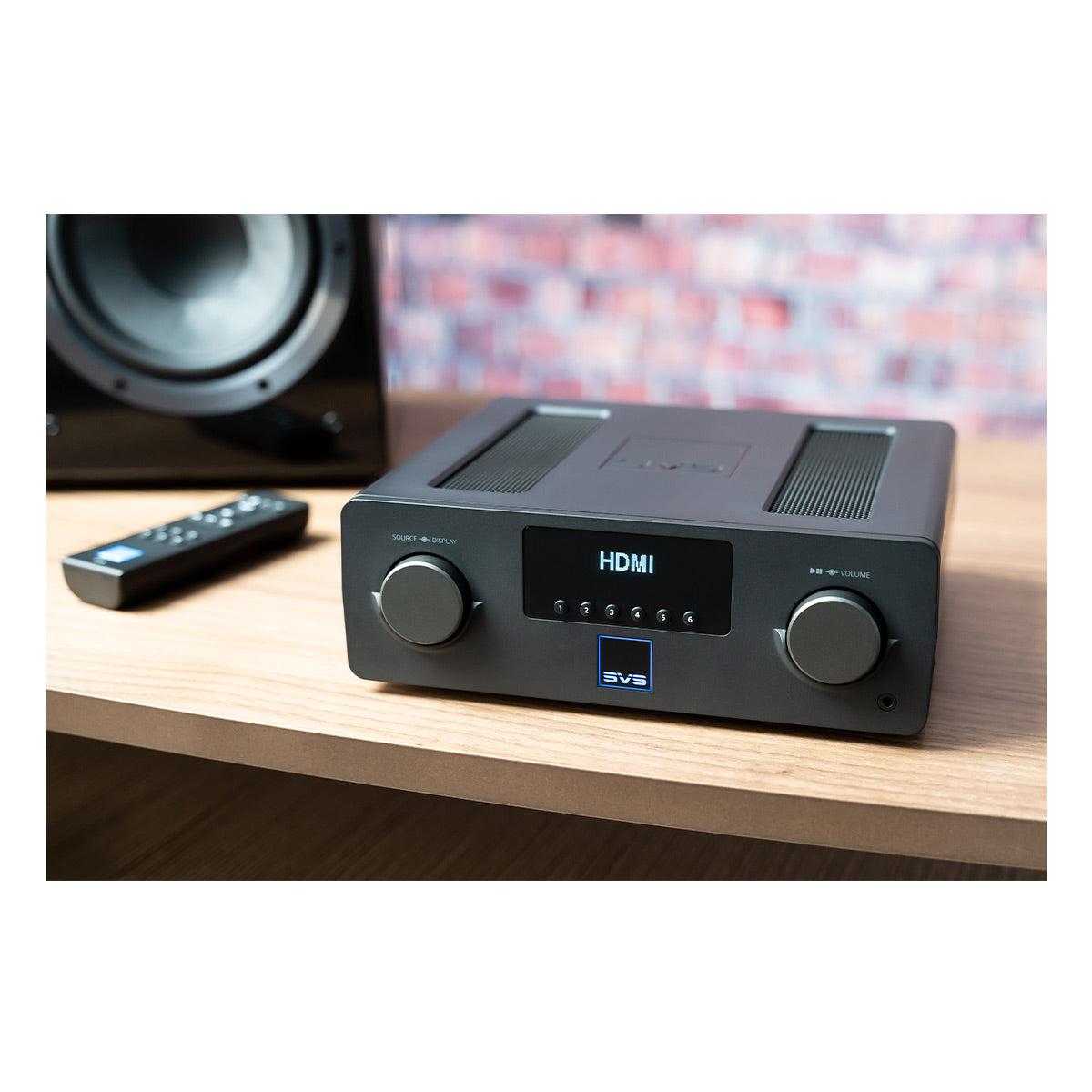
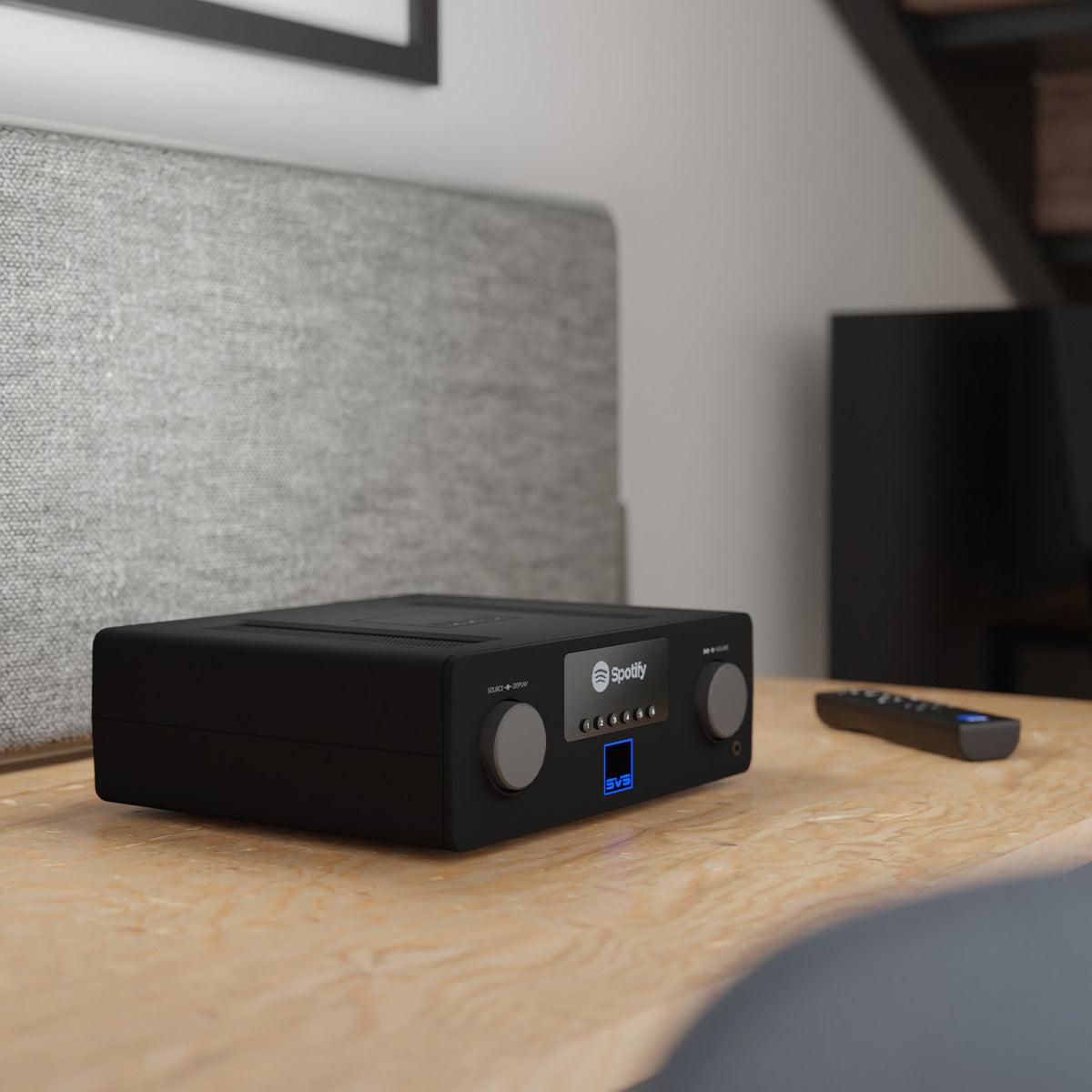
The SVS Prime Wireless Pro SoundBase launched in late 2022 as SVS's answer to the streaming revolution. SVS built their reputation on subwoofers and speakers, but this marked their serious entry into electronics. The timing was perfect - the pandemic had accelerated streaming adoption, and people were building home entertainment systems around convenience rather than traditional separates.
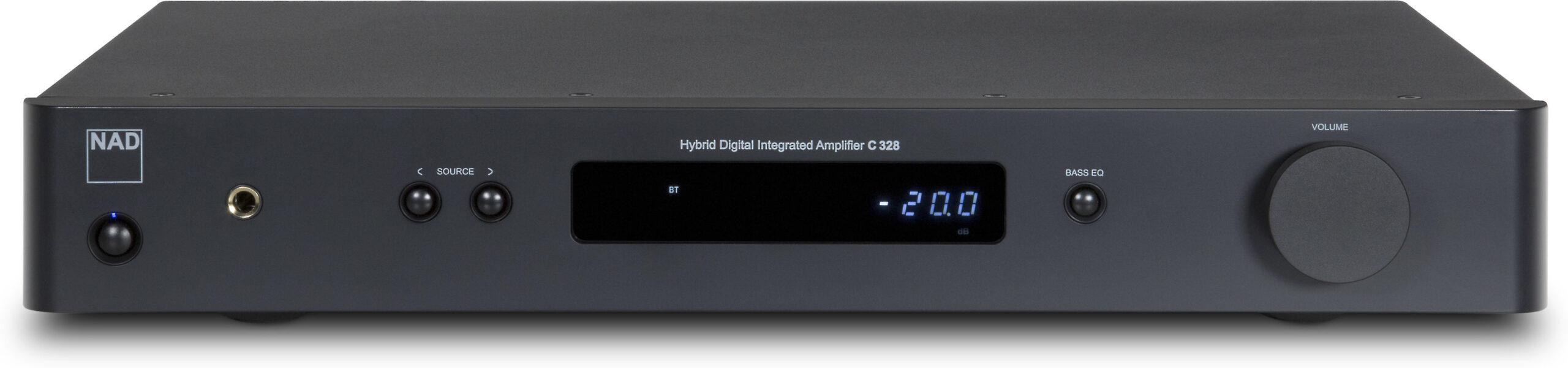
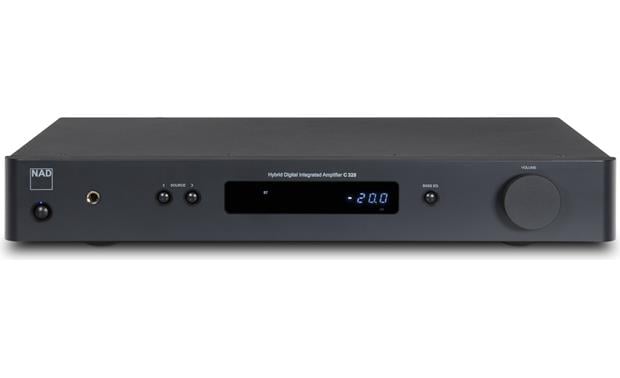
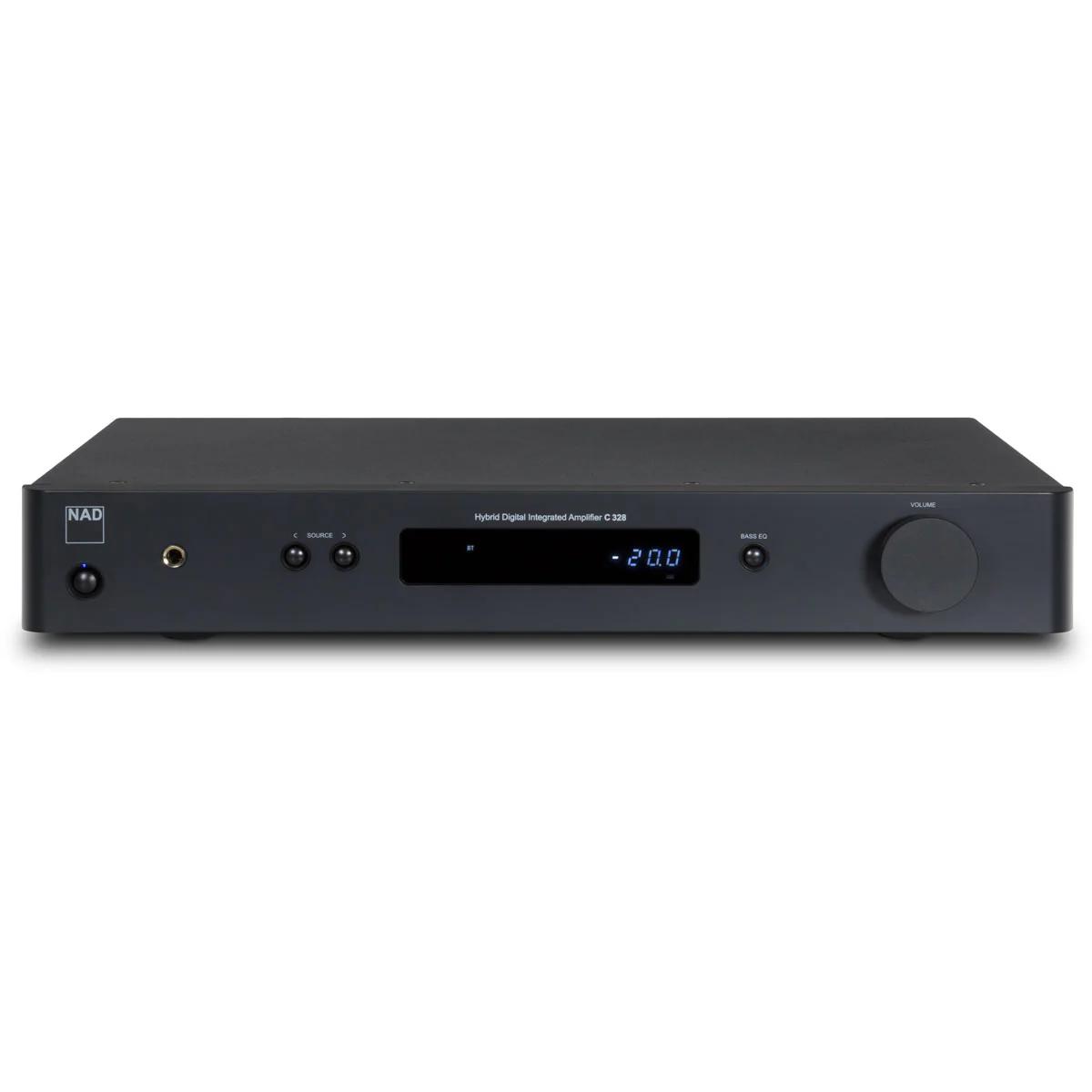
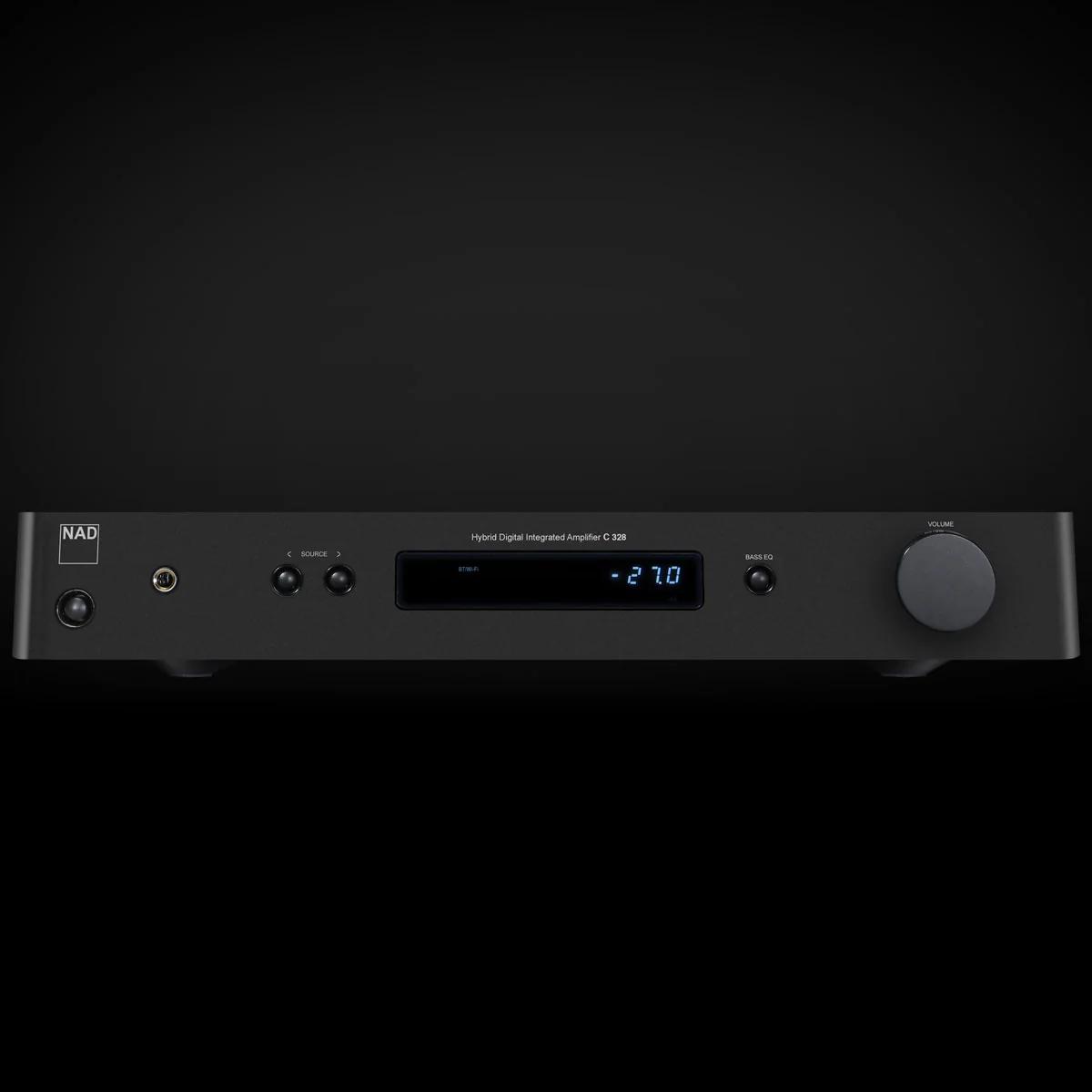
The NAD C 328, released several years earlier, represents NAD's evolution of their classic integrated amplifier formula. NAD has been refining integrated amplifiers since the legendary 3020 from the 1970s, and the C 328 incorporates decades of learning about what makes amplifiers sound good while adding just enough modern features to stay relevant.
These represent fundamentally different approaches to the same problem: how do you build the ideal centerpiece for a modern audio system?
The power difference between these amplifiers tells an important story. The SVS Prime Wireless Pro SoundBase delivers 300 watts total (150 watts per channel into 4-ohm speakers) using Class-D amplification. Class-D amplifiers work by rapidly switching the power on and off - think of it like a super-fast light switch - which makes them incredibly efficient and cool-running while delivering substantial power.
The NAD C 328 provides 50 watts per channel using NAD's hybrid digital design based on a Hypex UcD output stage. This might seem like less power, but NAD's PowerDrive technology can deliver dynamic peaks up to 210 watts into difficult speaker loads. The Hypex UcD technology is highly regarded among audio engineers for its linearity and low distortion - essentially, it reproduces music without adding its own sonic signature.
In practical terms, the SVS has a significant advantage driving power-hungry speakers or filling larger rooms. Our research into user experiences shows the SVS comfortably drives large floor-standing speakers to high volumes without strain, while the NAD works best with moderately efficient bookshelf speakers or in smaller listening spaces.
However, raw power numbers don't tell the complete story. The NAD's amplifier design focuses on stability with difficult speaker loads - some speakers present challenging electrical characteristics that can make amplifiers struggle. NAD's decades of experience shows in how well the C 328 handles these situations, maintaining clean sound even when speakers demand complex current delivery patterns.
Modern integrated amplifiers live or die by their digital audio capabilities. Both amplifiers include DACs (digital-to-analog converters) that handle the critical job of turning digital music files into analog signals your speakers can reproduce. The quality of this conversion directly affects how your music sounds.
The SVS Prime Wireless Pro SoundBase includes a 24-bit/192kHz DAC that supports high-resolution audio streaming through multiple wireless protocols. This means you can play studio-quality recordings from services like Tidal or Qobuz without any quality loss from wireless transmission. The DTS Play-Fi platform includes a "Critical Listening Mode" that prioritizes audio quality over convenience features like multi-room synchronization.
The NAD C 328 features a Cirrus Logic CS42528 DAC in dual-differential configuration - a fancy way of saying NAD uses two DAC chips working together to cancel out distortion. The measured performance is excellent, with total harmonic distortion below 0.03% and a signal-to-noise ratio exceeding 95dB. In simpler terms, the background is extremely quiet and the music reproduction is essentially perfect from a technical standpoint.
Based on professional measurements and user feedback we've analyzed, both DACs perform at a high level, but they serve different purposes. The SVS prioritizes convenience and streaming integration, while the NAD focuses on pure audio performance with traditional digital sources like CD players.
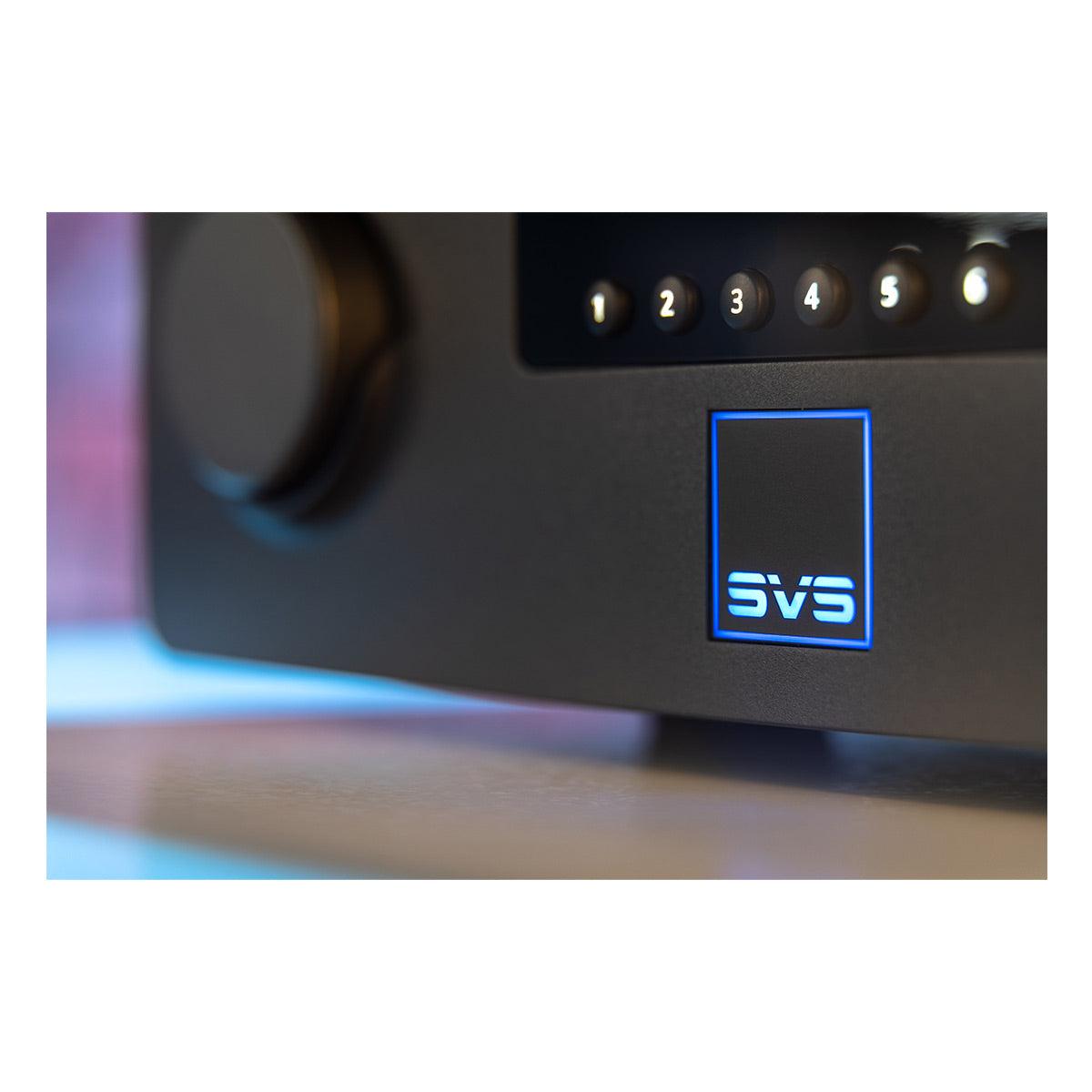
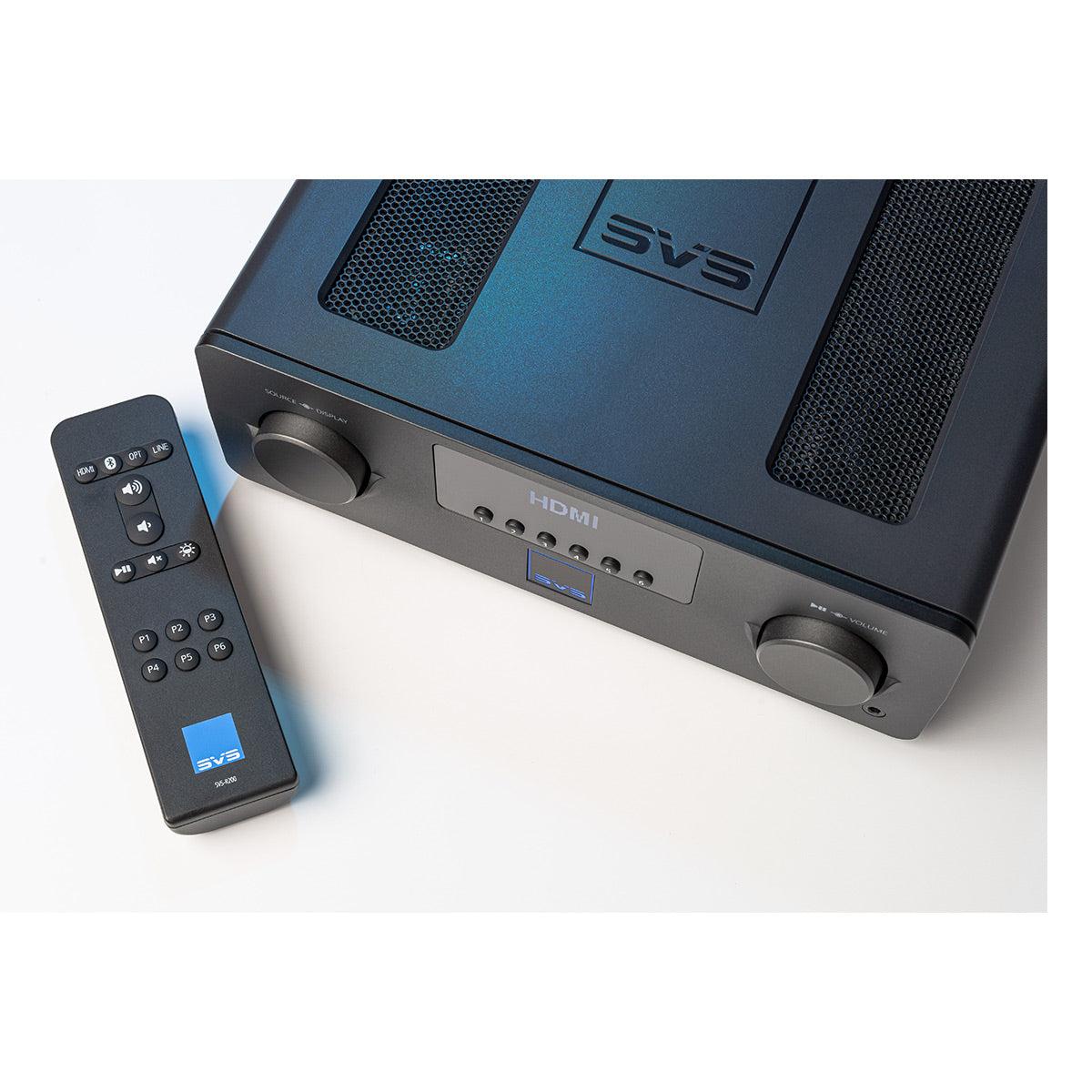
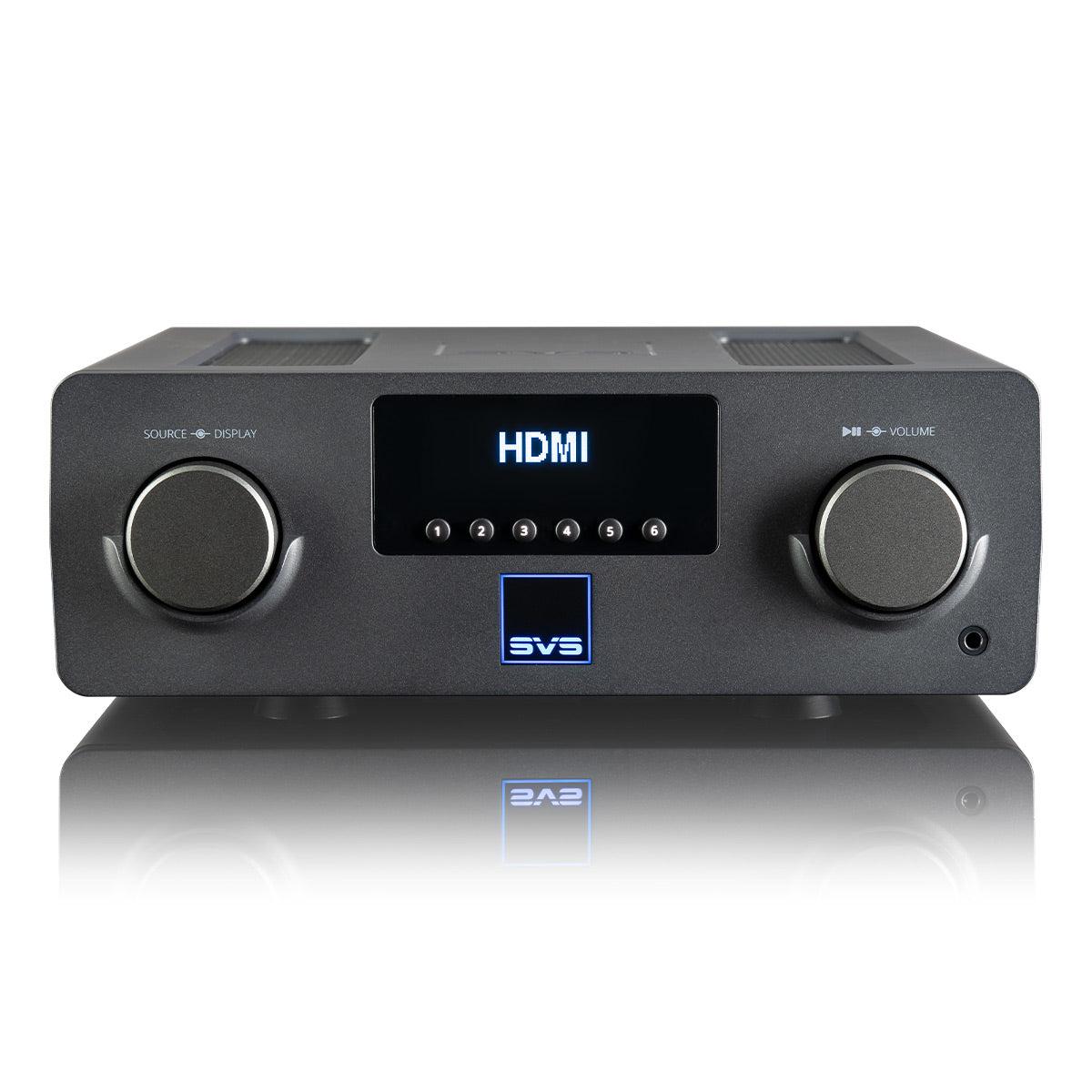
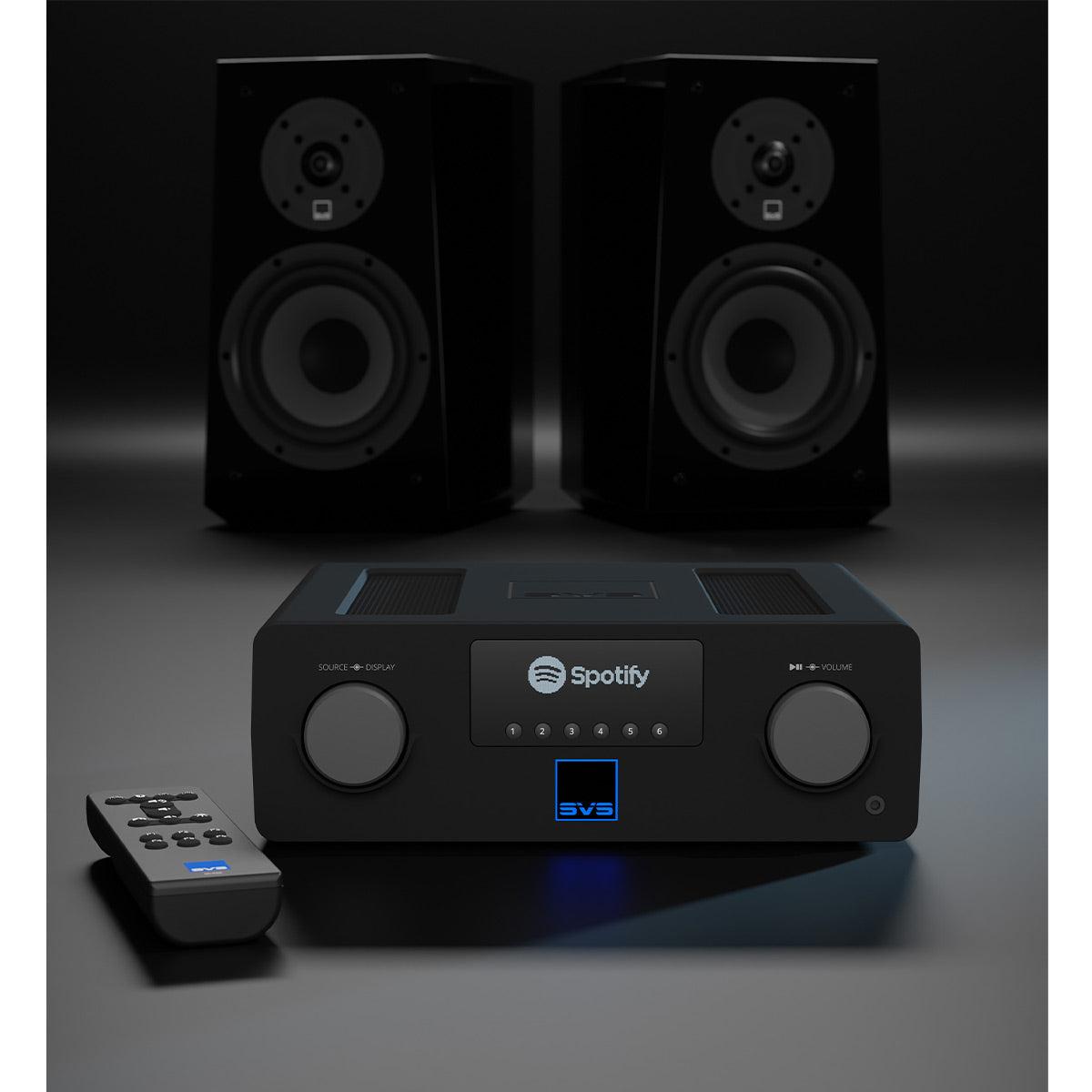
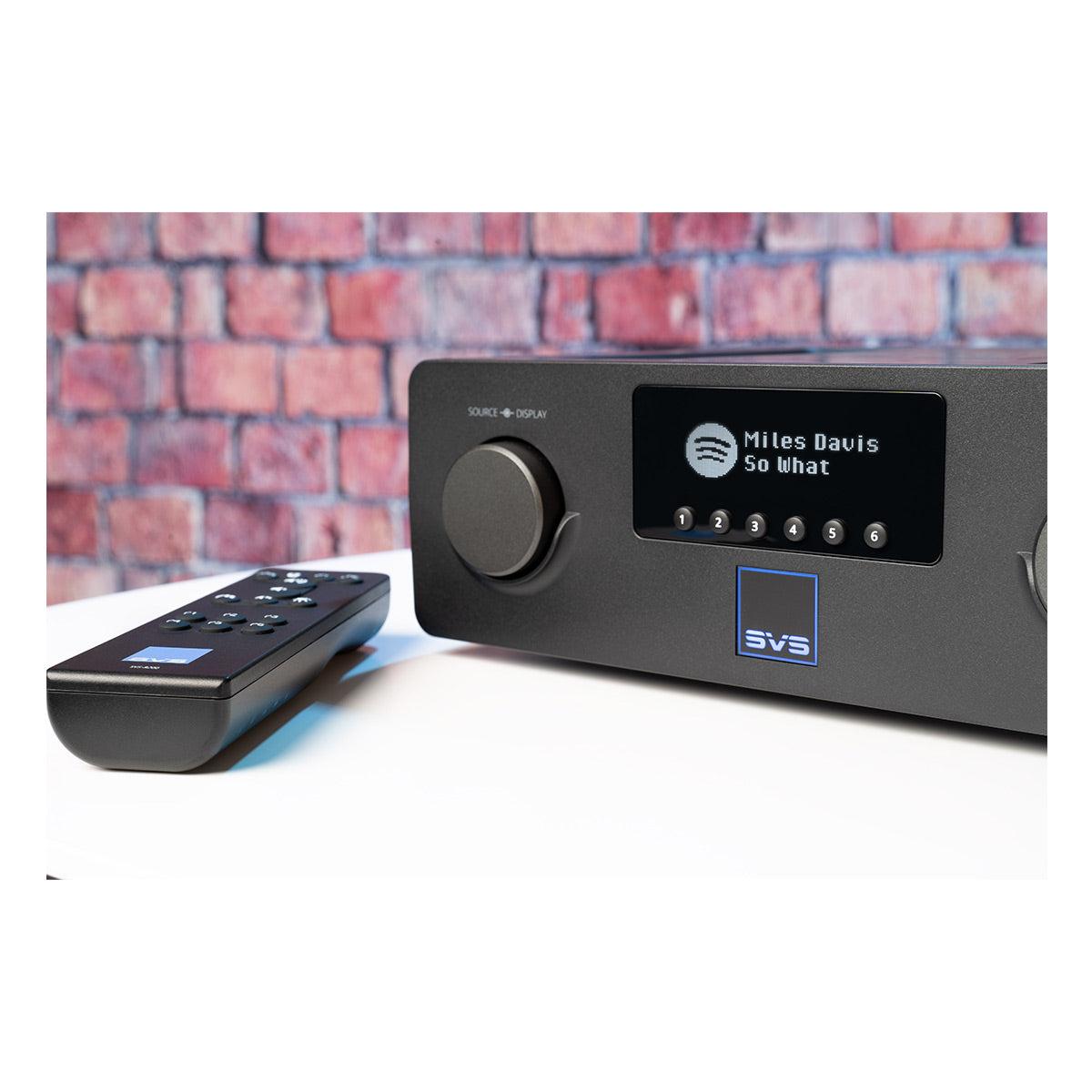
This is where the philosophical differences become most apparent. The SVS Prime Wireless Pro SoundBase is designed around streaming-first usage. It supports virtually every major streaming service directly - Spotify Connect, Amazon Music HD, Tidal, Qobuz, and others. You can control everything through smartphone apps, and the six front-panel preset buttons provide one-touch access to your favorite playlists or radio stations.
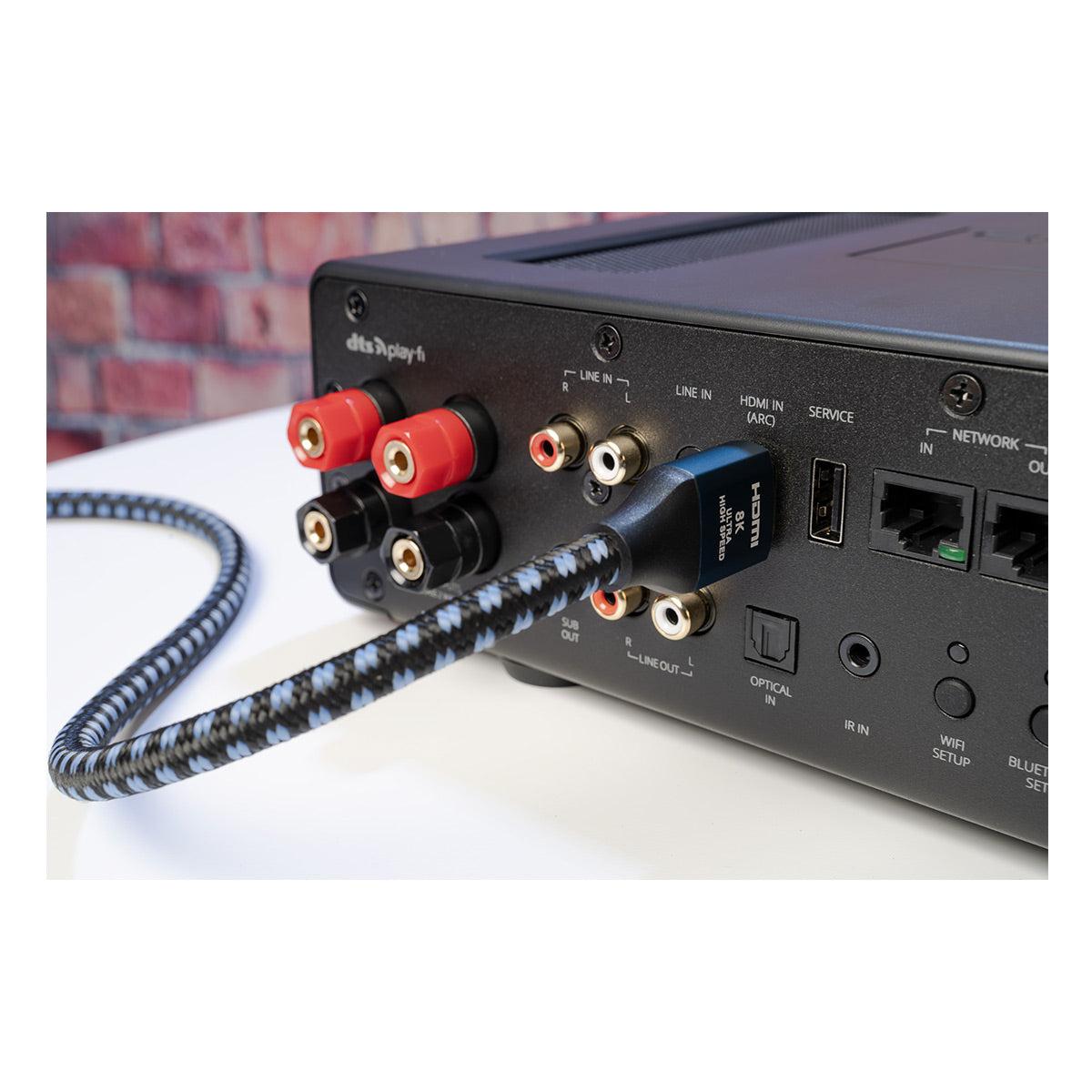
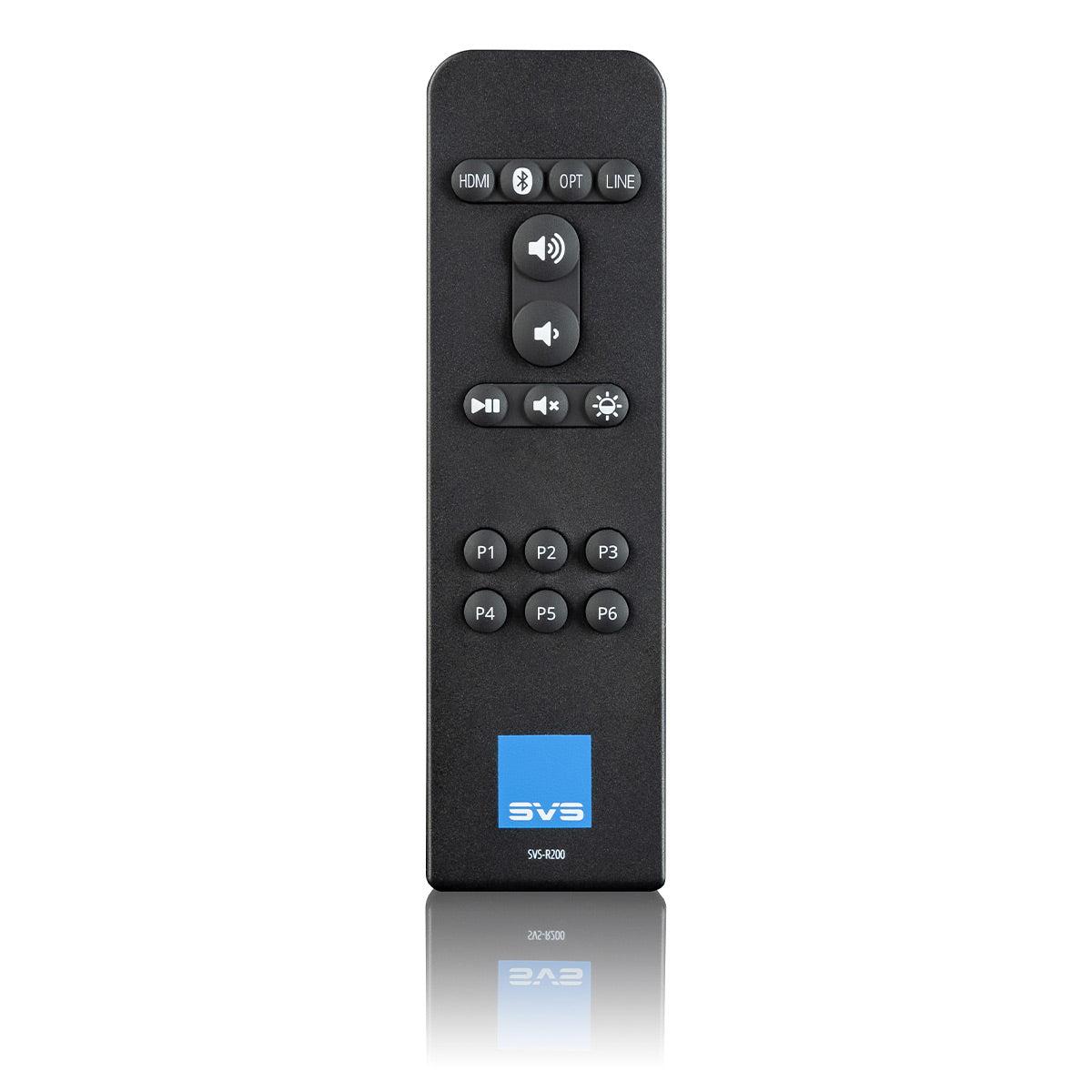
The wireless connectivity options are comprehensive: Apple AirPlay 2 for iOS devices, Chromecast for Android, and standard Bluetooth with high-quality aptX and AAC codecs. The HDMI input with ARC (Audio Return Channel) support means you can connect it directly to your TV and control volume with your TV remote - a feature that makes it an excellent choice for home theater integration.
The NAD C 328 takes a more traditional approach. It includes basic Bluetooth connectivity for smartphone streaming, but relies on external devices for streaming services. You might connect a dedicated streamer, use your TV's built-in apps, or rely on devices like Apple TV or Chromecast dongles.
For home theater use, the SVS has a clear advantage. The HDMI ARC connection means audio from your TV flows directly to the amplifier, and you can often control volume through your TV remote. This creates a seamless experience for both music and movie watching. The NAD would require additional connections and potentially more remote controls.
Analog performance reveals where the NAD C 328 flexes its traditional hi-fi muscles. The built-in MM (Moving Magnet) phono stage is a standout feature - it includes accurate RIAA equalization (the standard curve used to record and play back vinyl records) and NAD's innovative infrasonic noise suppression circuit. This eliminates low-frequency rumble from turntables without affecting the bass response of your music.
The SVS Prime Wireless Pro SoundBase completely lacks a phono input, requiring an external phono preamp if you want to play records. This reflects SVS's focus on modern digital sources, but it's a significant limitation for vinyl enthusiasts.
The NAD also includes a dedicated headphone amplifier with low output impedance and high voltage capability. This means it can drive demanding headphones that many integrated amplifiers struggle with. Based on user reports we've analyzed, it handles everything from sensitive in-ear monitors to high-impedance studio headphones effectively.
Physical construction reveals different priorities. The SVS Prime Wireless Pro SoundBase uses a primarily plastic chassis with metal components for heat dissipation and structural support. While this keeps costs down and weight low (important for a device many users will shelf-mount), it doesn't feel as substantial as traditional hi-fi components.
The NAD C 328 features NAD's typical robust metal construction with their signature precision-machined volume knob. The build quality feels more substantial, though some users note the display is small and difficult to read from across a room.
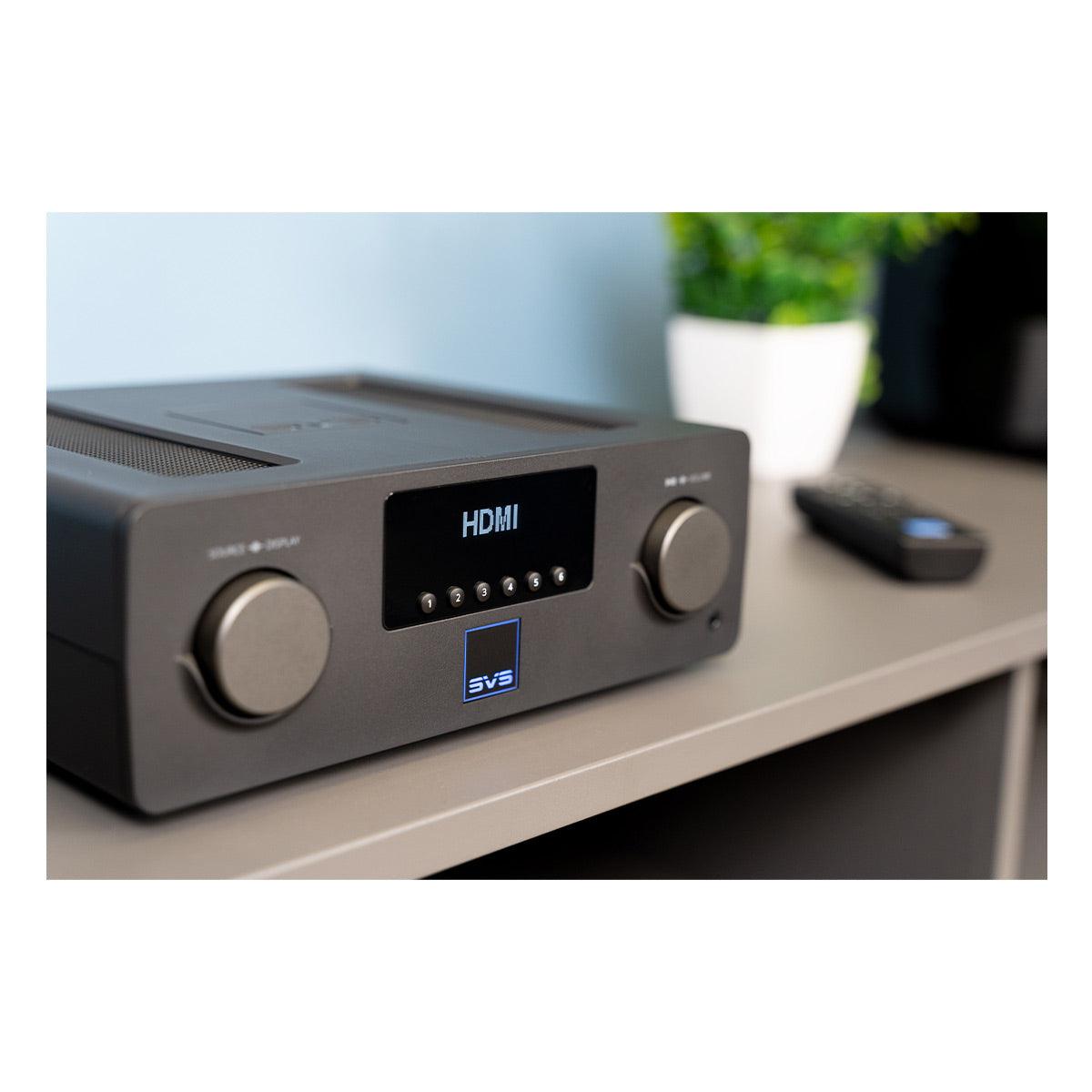
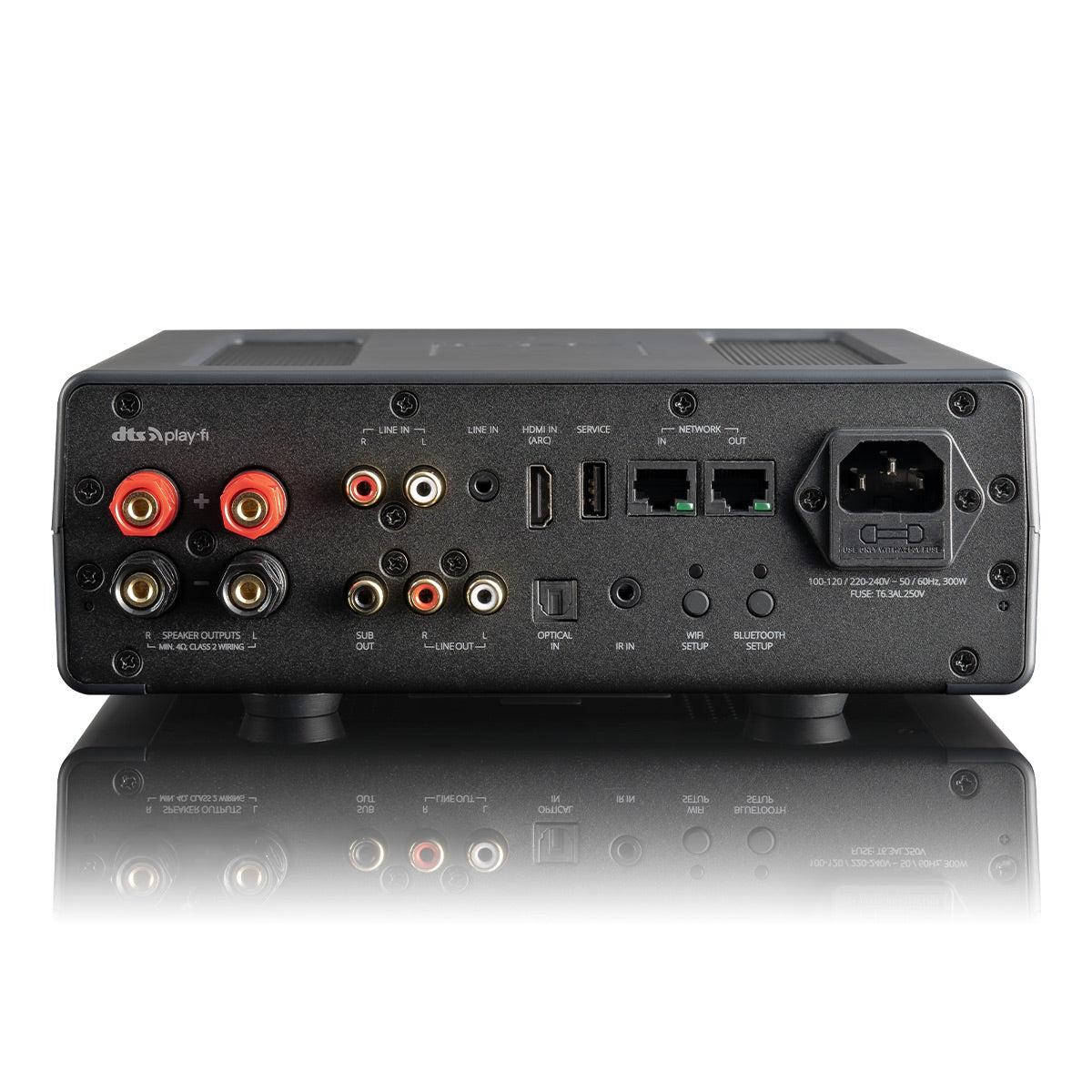
The SVS includes a 3.15-inch OLED display that clearly shows track information and settings. The six preset buttons on the front panel are genuinely useful - you can program them for specific streaming services, playlists, or radio stations. However, the volume control operates in somewhat coarse 3dB steps, and the Wi-Fi setup buttons are inconveniently located on the rear panel.
User experience with the SVS revolves around the DTS Play-Fi app, which has received mixed reviews for stability and interface design. Many users prefer controlling music through native streaming service apps when possible. The NAD's experience is more traditional - physical controls and a simple remote, with streaming control handled by whatever external device you choose.
When evaluating these amplifiers, certain specifications tell you more than others. Signal-to-noise ratio indicates how quiet the background is - anything above 90dB is excellent, and both amplifiers exceed this. Total harmonic distortion shows how much the amplifier colors the sound - below 0.1% is generally considered inaudible, and both achieve much better performance.
Power output specifications can be misleading without context. The SVS's 150 watts per channel represents continuous power into 4-ohm loads, while the NAD's 50 watts is measured into 8-ohm loads. In real-world use, the SVS has significantly more power available, but the NAD's sophisticated power supply can deliver strong dynamic peaks when music demands it.
Frequency response - how evenly an amplifier reproduces different frequencies - is excellent for both. The NAD's ±0.3dB specification from 20Hz to 20kHz is particularly impressive, indicating very even reproduction across the audio spectrum.
At the time of writing, these amplifiers are priced competitively within their respective market segments, with the NAD typically available for somewhat less than the SVS. However, comparing their value requires looking beyond the initial purchase price.
The SVS Prime Wireless Pro SoundBase represents a complete streaming solution. You're not just buying an amplifier - you're getting a DAC, wireless streaming platform, and HDMI switch in one box. If you were to build equivalent functionality with separate components, the cost would likely exceed the SVS by a significant margin.
The NAD C 328 offers traditional hi-fi value with modern efficiency. The included phono stage eliminates the need for a separate phono preamp (which could cost $200-500 for equivalent quality), and the headphone amplifier replaces a dedicated headphone amp. The build quality suggests long-term reliability that could justify the investment over many years.
For home theater use, the SVS Prime Wireless Pro SoundBase has decisive advantages. The HDMI ARC connection provides seamless TV integration, and the compact form factor fits easily into entertainment centers. The ability to stream music when not watching TV makes it an excellent dual-purpose solution.
Many users report using the SVS as a significant upgrade from TV speakers while maintaining the convenience of single-remote operation. The power output is more than adequate for most living rooms, and the subwoofer output allows easy integration of a powered subwoofer for movie watching.
The NAD C 328 can work in home theater systems, but requires more complex connections and typically needs a separate TV audio connection via optical or analog outputs.
The SVS Prime Wireless Pro SoundBase makes sense if you primarily stream music, want TV integration, or value convenience features. It's ideal for apartment dwellers who need powerful sound in a compact package, or anyone building a modern system around streaming services. The lack of analog inputs isn't a limitation if you don't own a turntable or other analog sources.
The NAD C 328 appeals to traditional audiophiles who already own quality sources like CD players or turntables. It's perfect if you want the flexibility to upgrade components over time, prefer physical controls, or prioritize pure audio performance over convenience features. The excellent headphone amplifier makes it attractive for users who do significant headphone listening.
These amplifiers represent two valid but different approaches to modern audio. The SVS Prime Wireless Pro SoundBase embraces the streaming future with comprehensive connectivity and user-friendly features, while the NAD C 328 maintains traditional hi-fi values with modern efficiency improvements.
Neither approach is inherently superior - your choice should depend on how you actually listen to music. If you're building a system around convenience and modern sources, the SVS delivers excellent value and performance. If you prefer traditional separates flexibility and already have quality sources, the NAD provides time-tested audio engineering at a reasonable price.
The streaming revolution has fundamentally changed what we expect from integrated amplifiers, but it hasn't eliminated the appeal of traditional hi-fi values. Both of these amplifiers succeed at their intended purposes, making this choice more about personal preferences than objective superiority.
| SVS Prime Wireless Pro SoundBase | NAD C 328 |
|---|---|
| Power Output - Determines how loud you can play and speaker compatibility | |
| 150W × 2 into 4Ω (300W total) - Excellent for large speakers and rooms | 50W × 2 into 8Ω/4Ω - Best for efficient speakers in smaller spaces |
| Amplifier Technology - Affects efficiency and sound character | |
| Class-D with clean, low-distortion output - Very efficient, runs cool | Hybrid Digital with Hypex UcD stage - Renowned for linearity and stability |
| Streaming Capabilities - Essential for modern music consumption | |
| Comprehensive: DTS Play-Fi, AirPlay 2, Chromecast, Spotify Connect | Basic Bluetooth only - Requires external streaming devices |
| Built-in DAC Quality - Converts digital music to analog signal | |
| 24-bit/192kHz with wireless high-res streaming support | Cirrus Logic dual-differential, superior measured performance (<0.03% THD) |
| Analog Inputs - Important for turntables and traditional sources | |
| No phono input, basic RCA/3.5mm only | MM phono stage with RIAA equalization plus multiple line inputs |
| Digital Inputs - For CD players and other digital sources | |
| Optical, plus extensive wireless options | 2 optical + 2 coaxial inputs for flexible digital connectivity |
| TV Integration - Simplifies home theater setup | |
| HDMI ARC/eARC for seamless TV connection and control | No HDMI - requires separate TV audio connection |
| User Interface - Daily operation convenience | |
| OLED display with 6 programmable preset buttons | Simple display with traditional controls and remote |
| Headphone Output - Quality for personal listening | |
| Basic 3.5mm output | Dedicated high-output amplifier for demanding headphones |
| Build Quality - Affects longevity and feel | |
| Plastic chassis with metal reinforcement - Lightweight but less premium | Robust metal construction with precision-machined volume knob |
| Subwoofer Output - For adding bass extension | |
| Yes, unfiltered full-range output | Yes, low-impedance line output |
| Best For | |
| Streaming-first users, TV integration, apartment living, high power needs | Traditional hi-fi, vinyl enthusiasts, headphone listeners, separates flexibility |
The SVS Prime Wireless Pro SoundBase delivers significantly more power at 150 watts per channel (300 watts total) compared to the NAD C 328 at 50 watts per channel. This makes the SVS better suited for power-hungry speakers and larger rooms, while the NAD works well with efficient bookshelf speakers in smaller spaces.
The SVS Prime Wireless Pro SoundBase offers extensive streaming options including Apple AirPlay 2, Chromecast, Spotify Connect, and Bluetooth with high-quality codecs. The NAD C 328 only includes basic Bluetooth connectivity, requiring external streaming devices for services like Spotify or Tidal.
The SVS Prime Wireless Pro SoundBase is clearly better for home theater use with its HDMI ARC/eARC input that connects directly to your TV and allows single-remote control. The NAD C 328 lacks HDMI and requires separate audio connections from your TV via optical or analog outputs.
With the NAD C 328, you don't need a separate phono preamp as it includes a high-quality MM phono stage with proper RIAA equalization. The SVS Prime Wireless Pro SoundBase has no phono input, so you'll need an external phono preamp to connect a turntable.
Both amplifiers deliver excellent sound quality but with different strengths. The NAD C 328 focuses on pure audio performance with measured THD below 0.03% and superior analog circuitry. The SVS Prime Wireless Pro SoundBase emphasizes convenience and streaming quality while still providing clean, powerful amplification.
The NAD C 328 includes a dedicated high-output headphone amplifier that can drive demanding studio headphones with low output impedance. The SVS Prime Wireless Pro SoundBase has only a basic 3.5mm headphone output suitable for standard headphones but not high-impedance models.
Value depends on your needs. The SVS Prime Wireless Pro SoundBase provides more features in one box including streaming, DAC, and high power output. The NAD C 328 typically costs less and offers traditional hi-fi flexibility with excellent build quality and the included phono stage.
Both amplifiers include subwoofer outputs. The SVS Prime Wireless Pro SoundBase provides an unfiltered full-range output, while the NAD C 328 offers a low-impedance line output. Both require powered subwoofers with their own crossover controls since neither amplifier includes bass management.
The SVS Prime Wireless Pro SoundBase is more user-friendly with its OLED display, six programmable preset buttons, and smartphone app control. The NAD C 328 uses traditional physical controls and requires more manual input switching, appealing to users who prefer tactile operation.
The NAD C 328 offers more traditional digital inputs with 2 optical and 2 coaxial connections for devices like CD players and streaming DACs. The SVS Prime Wireless Pro SoundBase focuses on wireless connectivity but includes optical input plus extensive streaming protocol support.
Both amplifiers use efficient Class-D or hybrid digital designs that run much cooler than traditional Class A/B amplifiers. The SVS Prime Wireless Pro SoundBase uses pure Class-D technology for maximum efficiency, while the NAD C 328 employs a switch-mode power supply for global voltage compatibility and efficiency.
For streaming-focused systems, the SVS Prime Wireless Pro SoundBase is the clear winner with built-in support for all major streaming services, wireless protocols, and TV integration. Choose the NAD C 328 if you prefer traditional separates flexibility, own analog sources like turntables, or prioritize pure audio performance over convenience features.
We've done our best to create useful and informative comparisons to help you decide what product to buy. Our research uses advanced automated methods to create this comparison and perfection is not possible - please contact us for corrections or questions. These are the sites we've researched in the creation of this article: soundandvision.com - crutchfield.com - futureaudiophile.com - dreamediaav.com - crutchfield.com - svsound.com - soundstageaccess.com - skybygramophone.com - hometheaterhifi.com - av-connection.com - crutchfield.com - soundstagenetwork.com - svsound.com - theaudiotailor.com.au - datamart.avu.ca - audioadvisor.com - crutchfield.com - crutchfield.com - projectorscreen.com - hometheaterhifi.com - musicdirect.com - stereophile.com - nadelectronics.com - audioconnect.com - soundstageaccess.com - theabsolutesound.com - stereophile.com - turntablelab.com

Privacy Policy
Terms and Conditions - Affiliate Policy
Home Security
© Copyright 2008-2026.
11816 Inwood Rd #1211, Dallas, TX 75244