

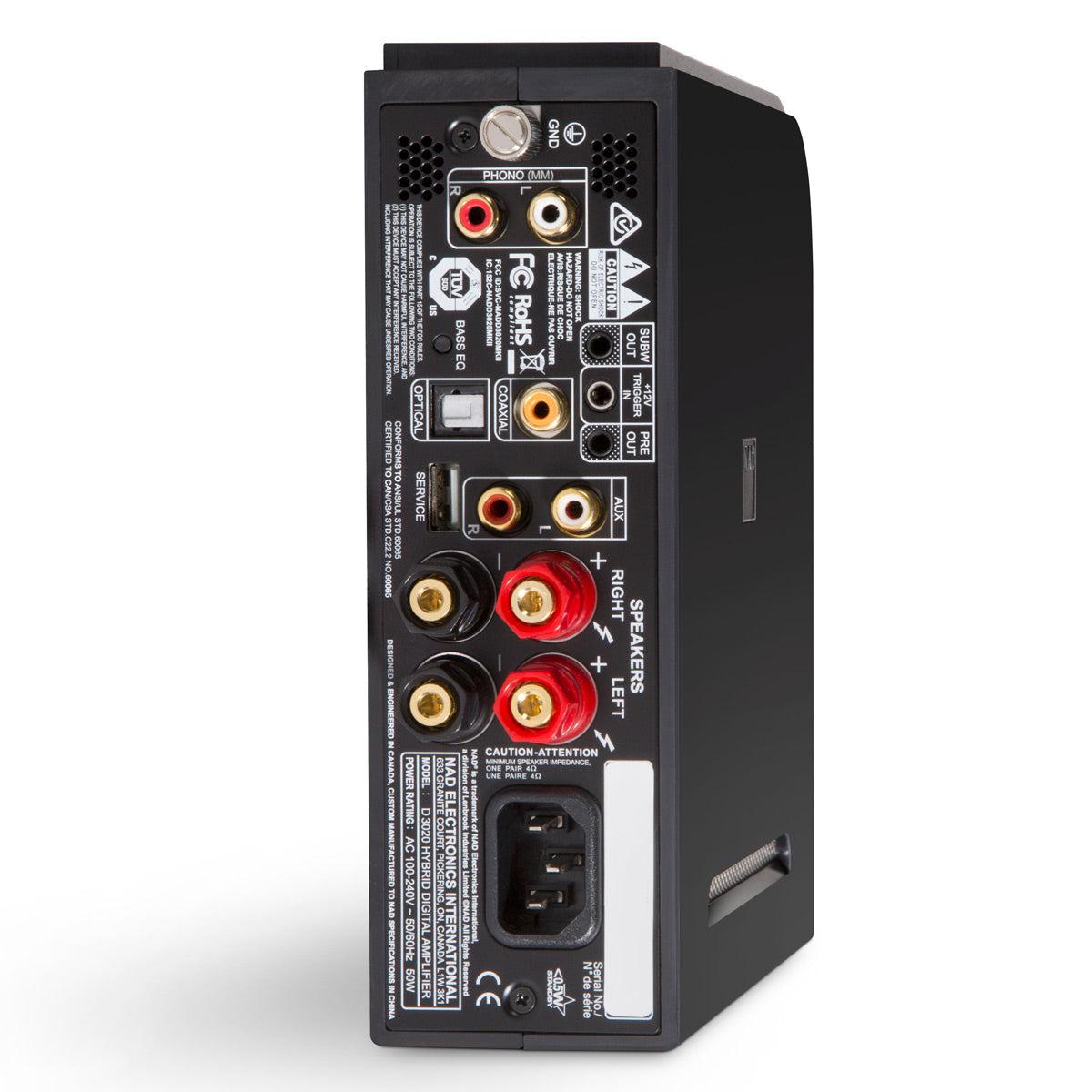
When you're building a stereo system, the integrated amplifier serves as the heart that brings everything together. It takes the weak signals from your sources—whether that's a turntable, CD player, or streaming device—and amplifies them to drive your speakers. The choice between different amplifiers can dramatically shape how your music sounds, and today we're comparing two fascinating approaches that couldn't be more different.
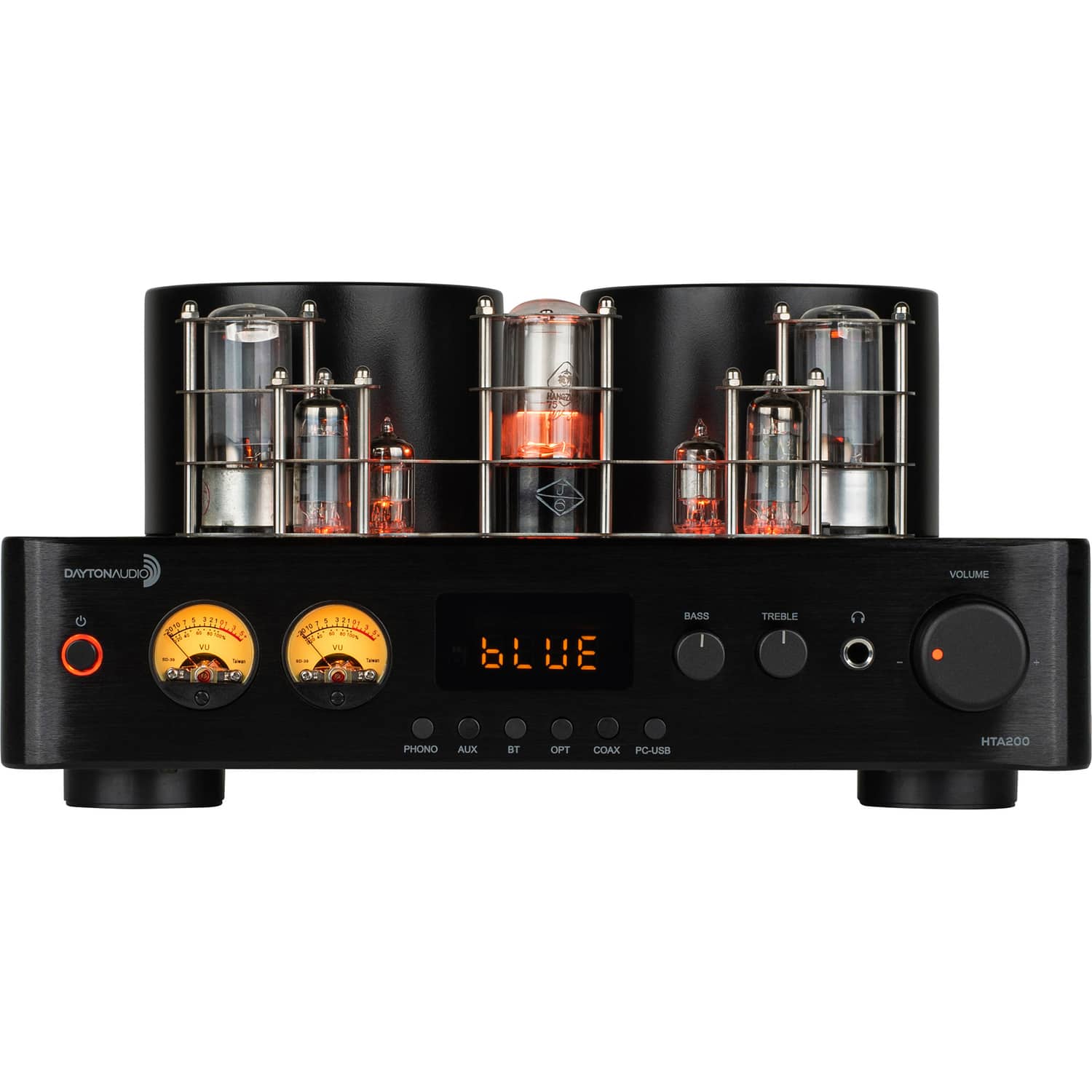
The Dayton Audio HTA200 represents the hybrid philosophy: combining the warm, musical character of vacuum tubes with the reliability and power of solid-state technology. Meanwhile, the NAD D 3020 V2 embraces modern digital amplification, prioritizing efficiency, accuracy, and compact design. Both launched around 2018-2019, though they've evolved through different technological paths that reflect broader trends in audio equipment.
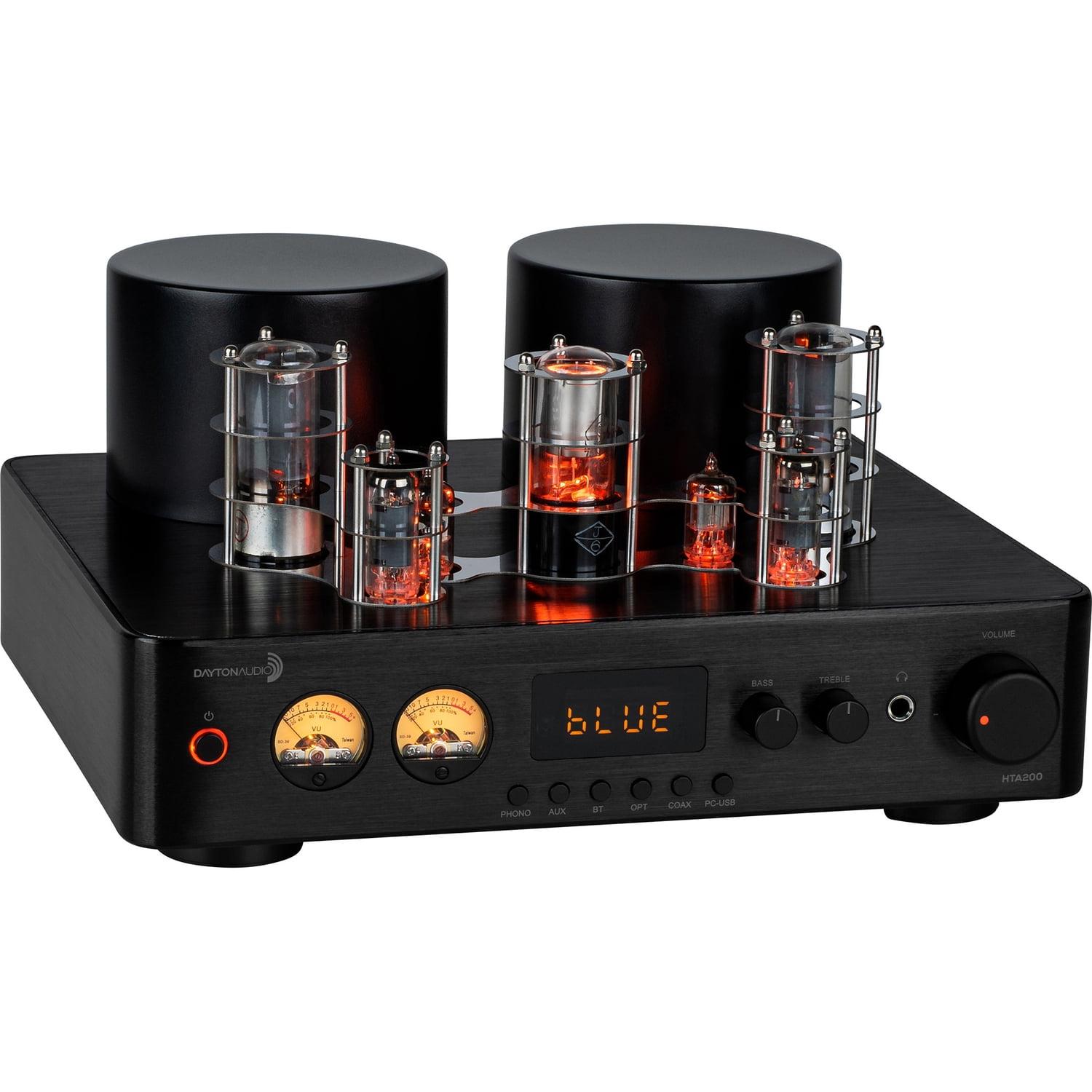
At the most fundamental level, these amplifiers use completely different technologies to achieve the same goal. The HTA200 uses what's called a hybrid design—the preamplifier stage (which handles input selection and volume control) uses vacuum tubes, while the power amplifier section (which actually drives the speakers) uses traditional solid-state transistors in a Class A/B configuration. This means the first part of your audio signal gets that classic tube warmth and harmonic richness, while the heavy lifting of powering speakers gets handled by efficient, reliable solid-state circuitry.
The D 3020 V2, on the other hand, uses Class D amplification throughout. Class D amplifiers work by rapidly switching the output transistors on and off thousands of times per second, creating a digital-like pulse width modulated signal that gets filtered back into analog audio. This approach is incredibly efficient—typically 85-90% compared to maybe 50-60% for traditional Class A/B designs—which means less heat, smaller size, and lower electricity bills.
These different approaches immediately tell you something about what each amplifier prioritizes. The HTA200 is chasing that classic "tube sound" that many audiophiles love, while the D 3020 V2 pursues accuracy and practicality.
Here's where things get interesting. On paper, the HTA200 appears to dominate with 100 watts per channel into 4-ohm speakers and 50 watts into 8-ohm speakers. The D 3020 V2 seems modest at just 30 watts continuous power. But power ratings can be misleading.
The reality is that 30 watts is actually plenty for most listening situations, especially if you're using reasonably efficient bookshelf speakers in a small to medium-sized room. The relationship between power and volume isn't linear—to double the perceived loudness, you need roughly 10 times the power. So the difference between 30 watts and 50 watts is much smaller than you might think.
Where the D 3020 V2 gets clever is with NAD's PowerDrive technology. This allows the amplifier to deliver much higher dynamic power for brief musical peaks—up to 150 watts into 2-ohm loads. This means that while it might not have the sustained power for really loud listening with inefficient speakers, it can handle the sudden drum hits and orchestral crescendos that make music exciting.
The HTA200, with its higher continuous power rating, is better suited for larger rooms, less efficient speakers, or if you simply like to listen loud. It can sustain higher power levels without strain, which matters if you're driving floor-standing speakers or hosting parties.
For home theater use, the power difference becomes more significant. Movie soundtracks often have sustained loud passages, and the HTA200 would be my choice for a stereo setup that needs to fill a living room with explosive action sequences.
This is where these amplifiers really diverge, and it's probably the most important consideration for most buyers.
The HTA200 deliberately colors the sound in a way that many people find more engaging and musical. Those vacuum tubes in the preamp section add what's called harmonic distortion—but it's the "good" kind that makes music sound richer and more three-dimensional. Based on measurements from various reviews, the HTA200 has a slight emphasis in the bass region (about 1.5dB boost between 20-500Hz), which gives it a fuller, warmer character that's immediately noticeable in blind listening tests.
This tube influence creates what audiophiles often describe as a more "analog" sound. Vocals tend to sound more intimate, acoustic instruments have more natural warmth, and there's generally a sense that the music flows more organically. If you find digital audio can sometimes sound harsh or fatiguing, the HTA200 might be exactly what you're looking for.
The D 3020 V2 takes the opposite approach. It aims for accuracy above all else, with a frequency response that's ruler-flat within 0.3dB from 20Hz to 20kHz. This means it reproduces music exactly as it was recorded, without adding its own sonic signature. The result is often described as detailed, punchy, and controlled—you hear exactly what's on the recording, for better or worse.
Neither approach is inherently superior; it's about what you prefer and what suits your music. If you listen to a lot of jazz, acoustic music, or classic rock, you might love the HTA200's warmth and musicality. If you're into electronic music, modern pop, or want to hear every detail in high-resolution recordings, the D 3020 V2's accuracy might be more appealing.
Both amplifiers include digital-to-analog converters (DACs) to handle digital sources, but their approaches differ significantly. The D 3020 V2 uses a sophisticated Cirrus Logic CS42528 DAC chip configured in what NAD calls a "dual differential" setup. This uses eight DAC channels mixed down to two, which typically results in lower noise and better linearity—essentially cleaner sound from digital sources.
More importantly, the D 3020 V2 can handle high-resolution audio files up to 24-bit/192kHz through its digital inputs. This matters if you're streaming high-quality files from services like Qobuz or Tidal, or if you have a collection of high-resolution downloads. The HTA200, while it includes digital inputs, is limited to 16-bit/48kHz—perfectly fine for CD quality but not taking advantage of higher resolution sources.
For Bluetooth streaming, both offer wireless connectivity, but the D 3020 V2 supports the aptX codec, which provides better sound quality than standard Bluetooth. The HTA200 uses more recent Bluetooth 5.0 with SBC and AAC codecs, which is solid but not quite as high-fidelity as aptX.
However, user reports suggest the D 3020 V2's Bluetooth implementation can be problematic, with some users experiencing frequent disconnections and pairing issues. This is disappointing given how important wireless streaming has become.
Both amplifiers include built-in phono preamps for turntables, but their implementations differ. The HTA200 provides a straightforward moving-magnet phono input with proper RIAA equalization (the standard curve used for vinyl records) and a ground terminal for your turntable.
The D 3020 V2's phono stage is more sophisticated on paper, with additional filtering and higher-quality components. However, user feedback suggests it might be underpowered for some cartridges, requiring the main volume to be turned up quite high, which can introduce noise. Some users report that while it sounds good, it lacks the gain needed for lower-output cartridges.
For vinyl enthusiasts, the HTA200 might be the safer choice. Its phono stage seems more universally compatible, and you've got those tone controls to fine-tune the sound to your liking.
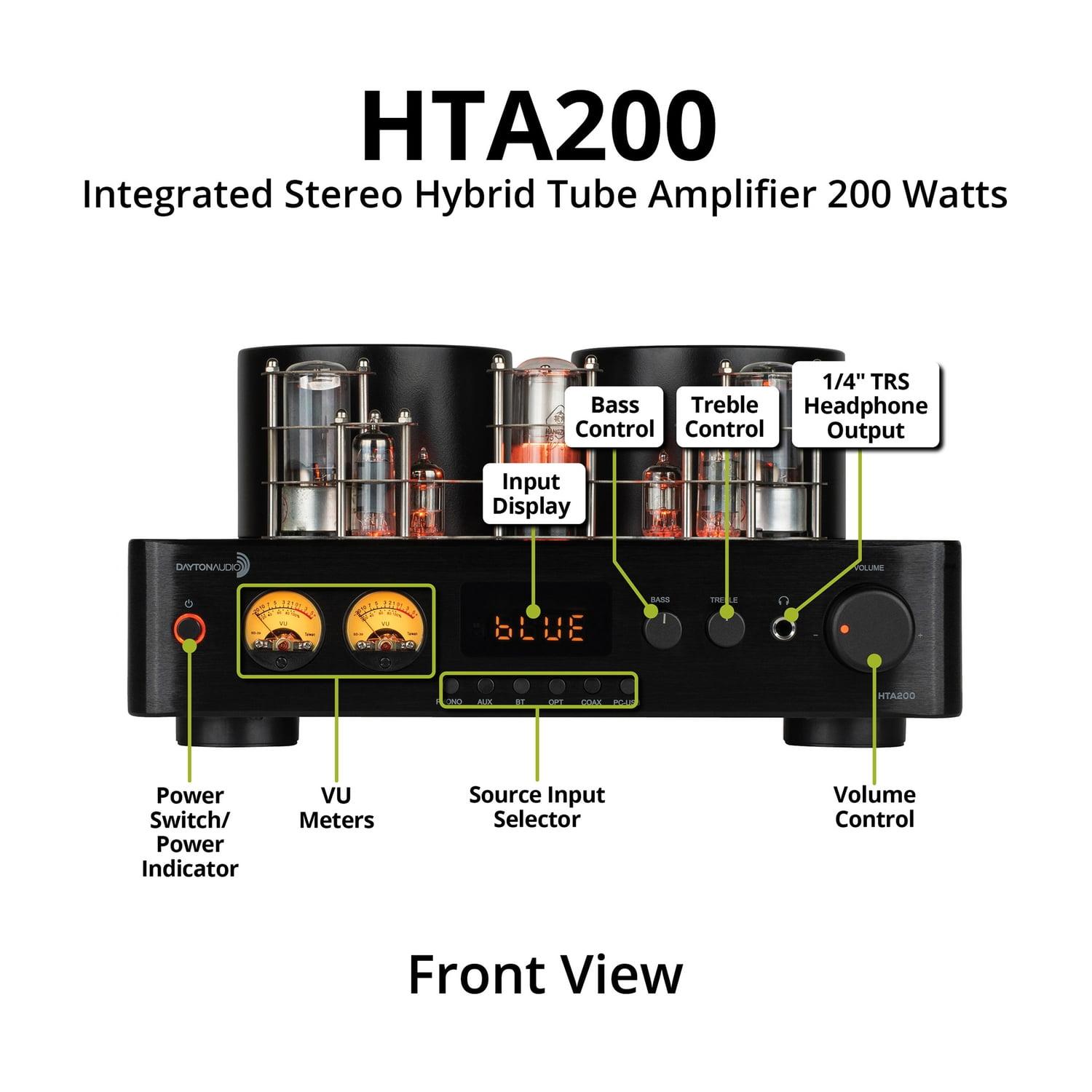
The HTA200 clearly wins on connectivity options. It offers USB input (supporting up to 16-bit/48kHz), both optical and coaxial digital inputs, Bluetooth, phono, line input, and even a subwoofer output. There's also bass and treble tone controls—something purists might scoff at, but many users genuinely appreciate for tailoring the sound to their room or preferences.
The D 3020 V2 is more limited but focuses on essential inputs: optical and coaxial digital, Bluetooth, one analog line input, and the phono stage. Notably, NAD removed the USB input that was present in the original D 3020, replacing it with the phono stage in the V2. This makes sense given the vinyl revival, but it means you can't connect a computer directly.
For home theater applications, both amplifiers can work as stereo components in a larger system, but the HTA200's subwoofer output makes integration easier. You could use it to drive your main left and right speakers while sending bass to a powered subwoofer.
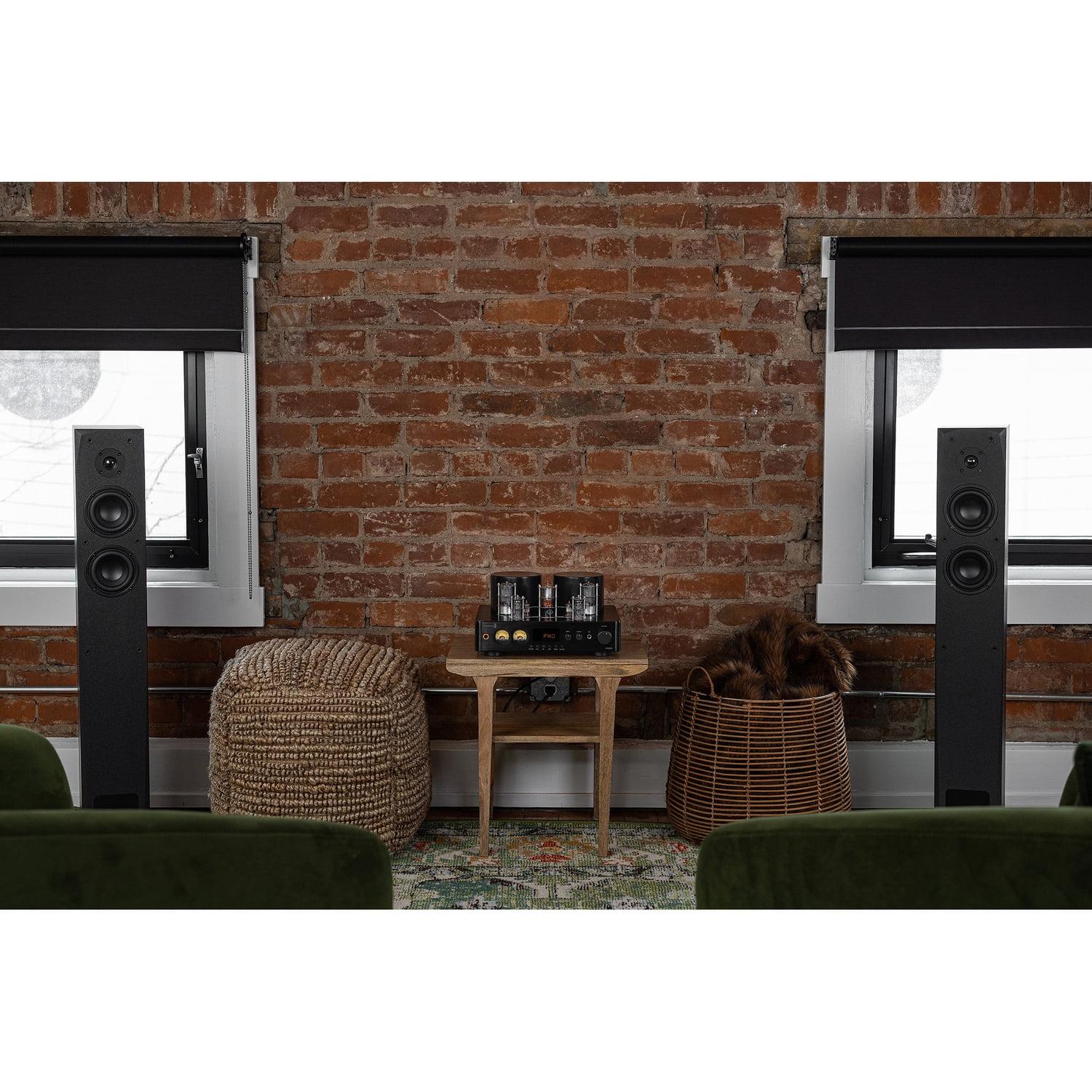
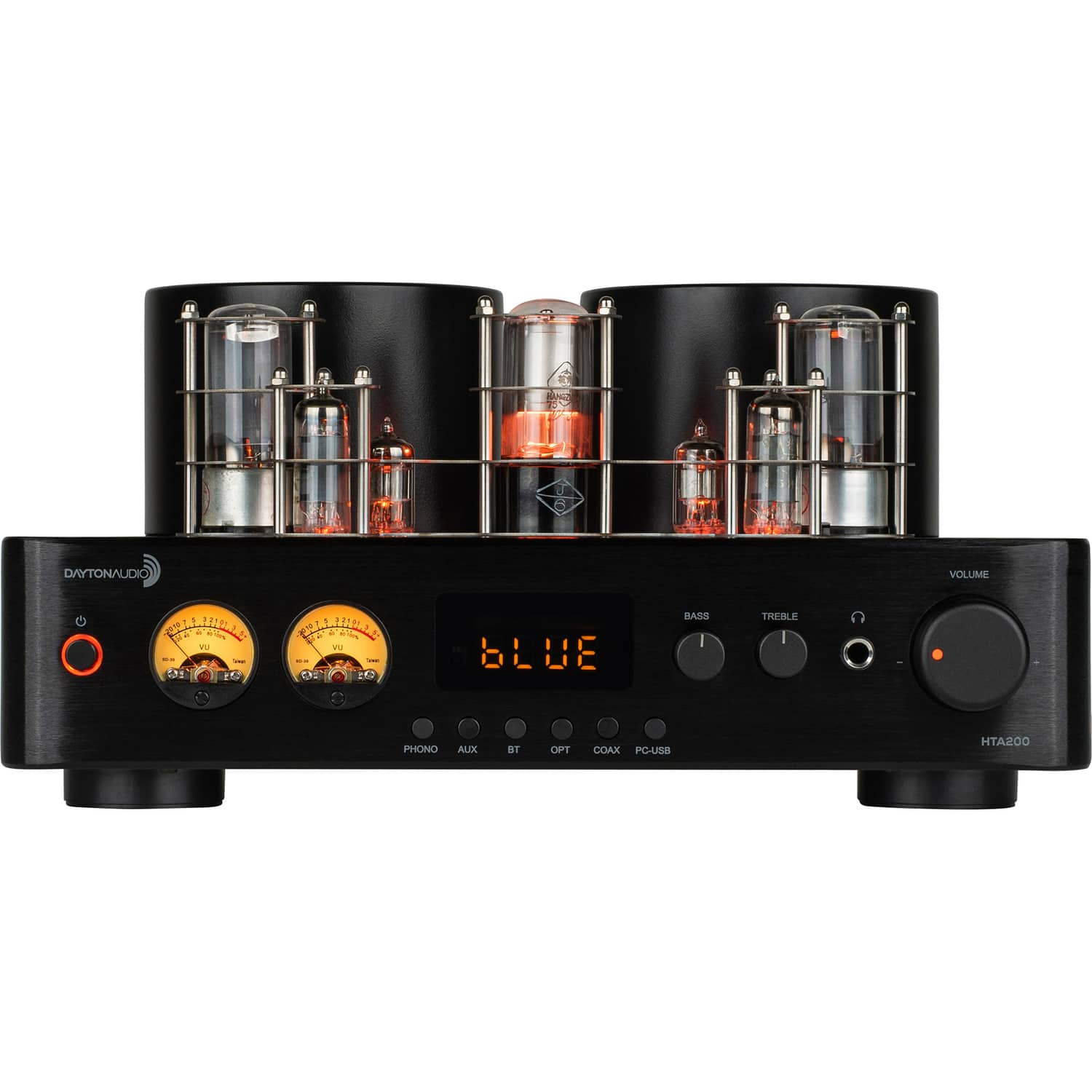
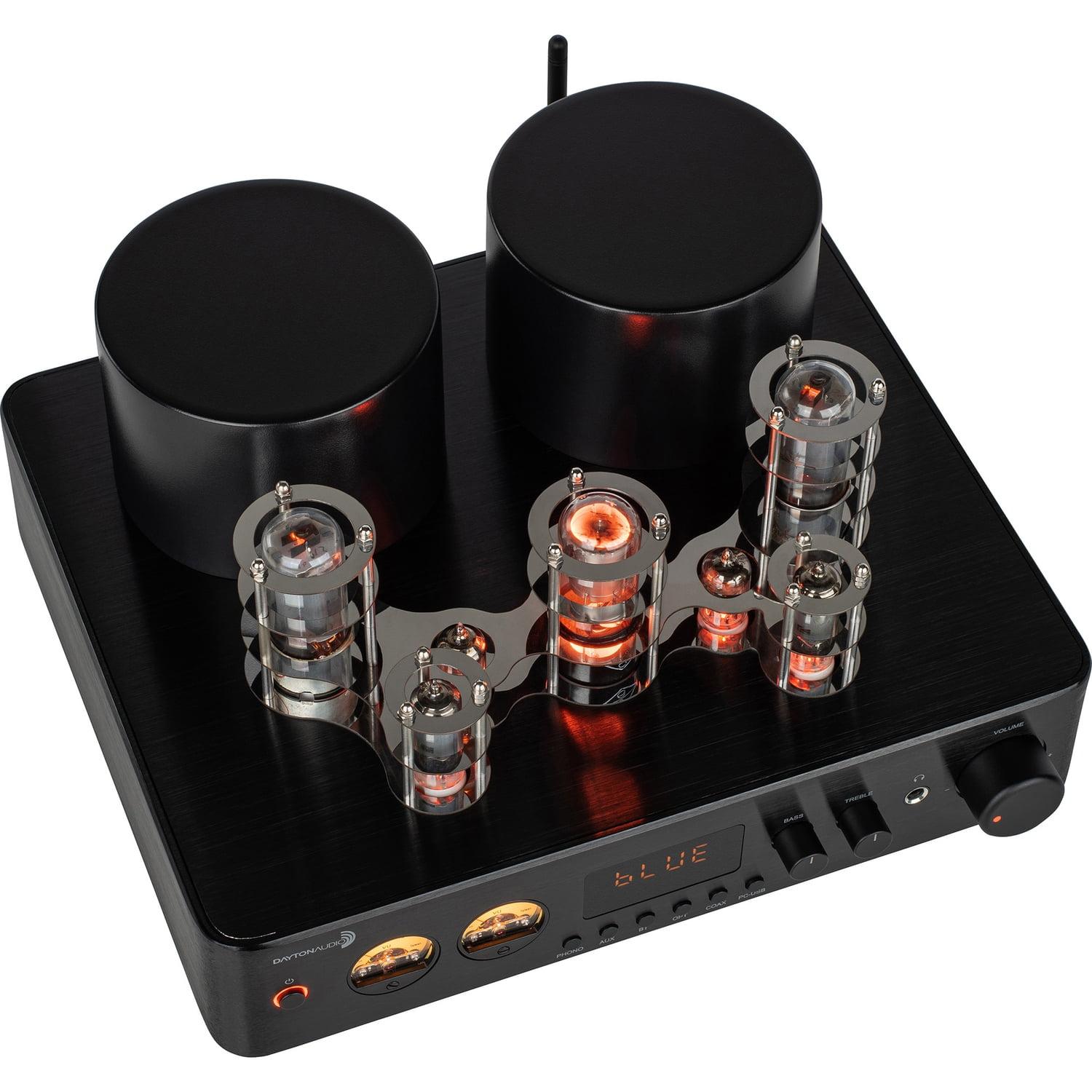
The physical design of these amplifiers reflects their different philosophies perfectly. The HTA200 embraces its retro heritage with exposed glowing tubes, backlit VU meters that dance with the music, and a brushed aluminum chassis that wouldn't look out of place in a 1970s hi-fi setup. It's clearly designed to be seen and appreciated as much as heard.
At 13.1" wide by 12.5" deep, it has a significant footprint and needs proper ventilation for those tubes. The motorized volume control is a nice touch that adds to the premium feel, and the remote control makes it practical for everyday use.
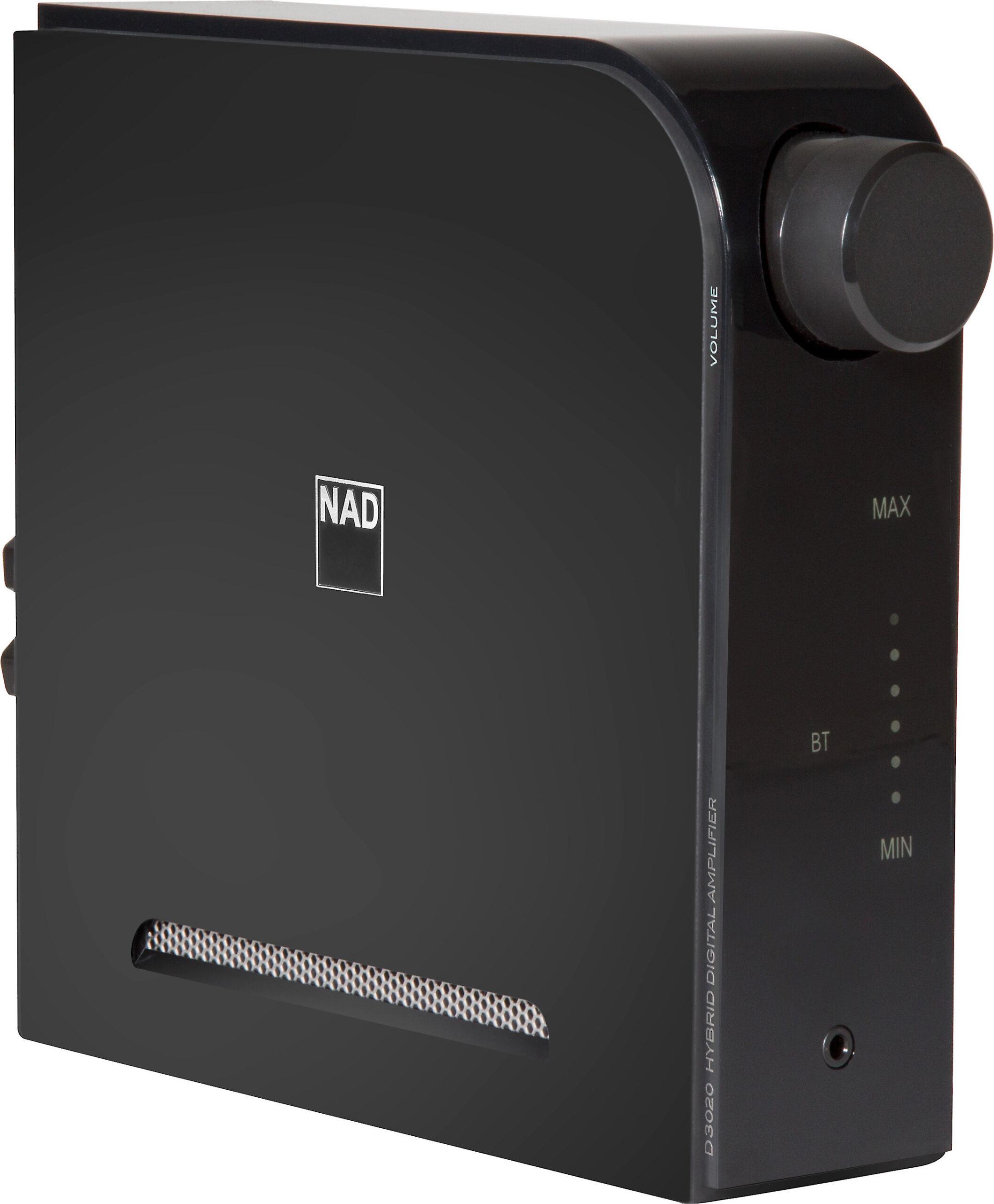
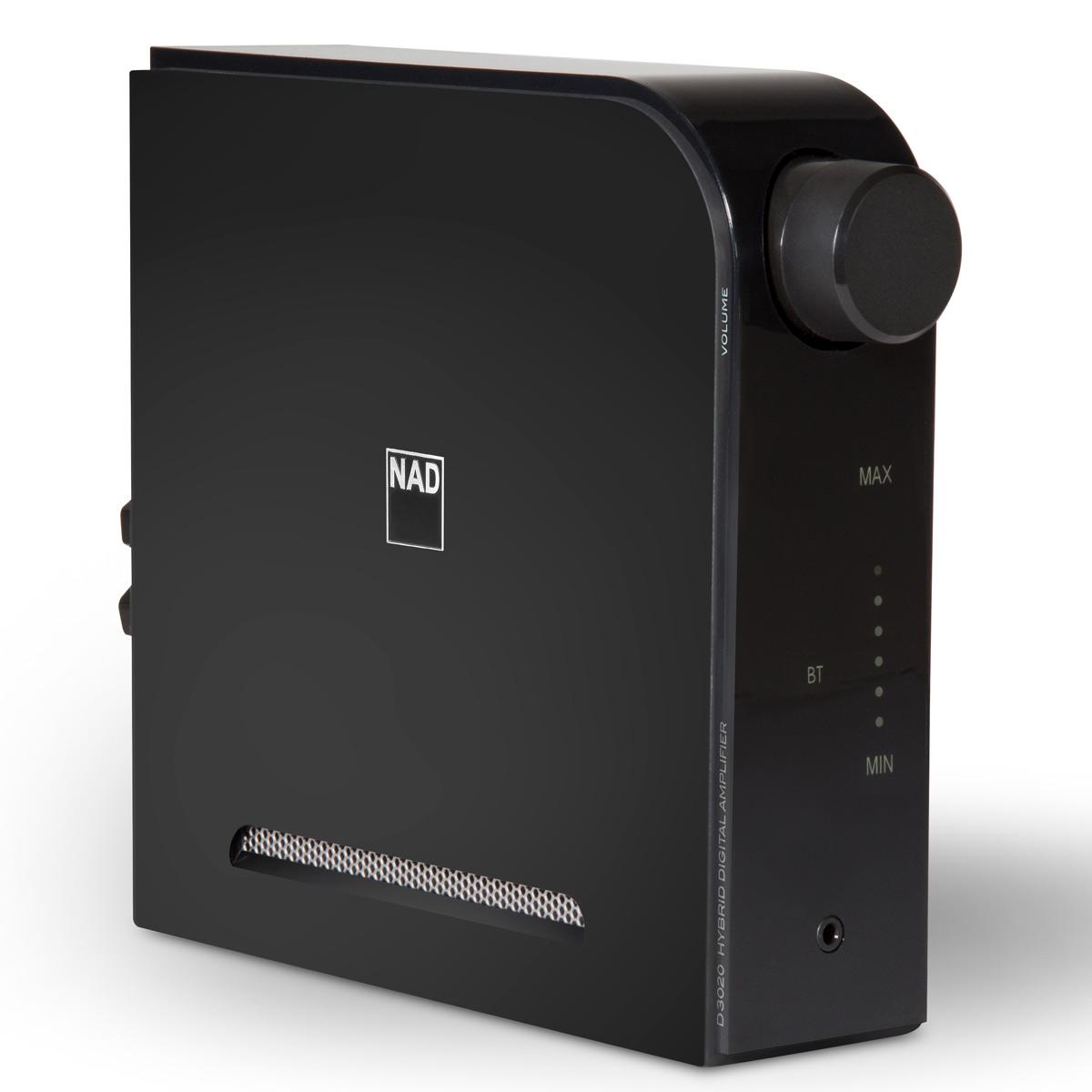
The D 3020 V2 is the complete opposite—a sleek, minimalist black box that's just 8.6" wide and can be positioned vertically to save space. At only 3.1 pounds, it's incredibly portable and runs completely cool thanks to its efficient Class D design. This is an amplifier designed to disappear into your setup, not dominate it.
The trade-off is in the user interface. While the HTA200 has traditional knobs and clear displays, the D 3020 V2 uses touch controls that multiple users describe as finicky and unresponsive. The remote is also quite small, which some find frustrating.
Owning these amplifiers involves different long-term considerations. The HTA200's tubes will eventually need replacement—probably after several years of regular use. While this isn't expensive or difficult, it's an ongoing cost and maintenance requirement to consider.
The amplifier also consumes about 45 watts even when idle due to keeping those tubes warmed up. Over a year, this could add $30-50 to your electricity bill depending on local rates. The D 3020 V2, by contrast, uses less than 0.5 watts in standby mode—essentially nothing.
From a reliability standpoint, both have their considerations. The HTA200's tube design is inherently more complex, though Dayton Audio backs it with a five-year warranty. The D 3020 V2 should be very reliable from an electronic standpoint, but user reports of Bluetooth issues and finicky controls suggest some quality control challenges.
Both amplifiers compete in the same price bracket—roughly $400-500 at the time of writing—but offer very different value propositions. The HTA200 provides more power, more features, and a distinctive sound character at this price point. You're getting a lot of amplifier for the money, especially considering the included tubes, multiple digital inputs, and phono stage.
The D 3020 V2 offers exceptional space efficiency, lower operating costs, and high-quality digital conversion that you'd typically find in more expensive units. If you value compactness and accuracy over power and features, it delivers impressive performance per dollar.
For most people, the decision comes down to matching the amplifier to your specific needs and preferences.
Choose the HTA200 if you want higher power output for larger speakers or rooms, appreciate warm and musical sound character, value comprehensive connectivity including tone controls, like the vintage aesthetic with tube glow and VU meters, plan to use multiple sources, and don't mind the larger footprint and higher power consumption.
The D 3020 V2 makes more sense if you prioritize space efficiency and compact design, prefer neutral and accurate sound reproduction, have efficient bookshelf speakers in small to medium rooms, value energy efficiency and cool operation, want superior digital audio performance, appreciate minimalist design, and are working within a tight budget while still wanting quality amplification.
For home theater applications, I'd lean toward the HTA200 for its higher power output and subwoofer integration, unless space constraints make the D 3020 V2 the only practical choice.
Both amplifiers represent excellent value in their respective approaches. The HTA200 offers a unique combination of tube warmth and solid-state power that's hard to find at this price point, while the D 3020 V2 proves that great sound doesn't require great size or complexity. Your choice should align with your room, speakers, source preferences, and most importantly, what kind of sound makes you want to keep listening to music.
The key is being honest about your actual needs rather than what you think you might want. Most people will be perfectly happy with either amplifier—they just offer different paths to musical enjoyment.
| Dayton Audio HTA200 | NAD D 3020 V2 |
|---|---|
| Power Output - Critical for driving speakers and room-filling volume | |
| 100W RMS @ 4Ω, 50W RMS @ 8Ω (excellent for larger speakers) | 30W continuous @ 8Ω, up to 150W dynamic @ 2Ω (adequate for efficient bookshelf speakers) |
| Amplifier Technology - Determines sound character and efficiency | |
| Hybrid tube preamp + Class A/B solid-state power (warm, musical sound) | Class D digital amplification (accurate, efficient, runs cool) |
| Total Harmonic Distortion - Lower is cleaner sound | |
| <1% @ rated output (good for price point) | <0.01% @ 1W (exceptionally clean) |
| Digital Audio Support - Important for modern streaming and files | |
| Up to 16-bit/48kHz via USB/optical/coaxial (CD quality) | Up to 24-bit/192kHz via optical/coaxial, no USB (hi-res capable) |
| Bluetooth Streaming - Essential for wireless convenience | |
| Bluetooth 5.0 with SBC and AAC codecs (solid quality) | Bluetooth with aptX codec (higher quality, but reliability issues reported) |
| Analog Inputs - Flexibility for various sources | |
| MM phono + line input + tone controls (versatile setup) | MM phono + single line input, no tone controls (minimalist approach) |
| Physical Size - Important for placement and aesthetics | |
| 13.1" × 6.6" × 12.5", vintage tube aesthetic with VU meters | 8.6" × 7.4" × 2.3", 3.1 lbs, ultra-compact desktop design |
| Power Consumption - Ongoing operating costs | |
| 45W idle (tubes stay warm), higher electricity bills | <0.5W standby, exceptionally energy efficient |
| Connectivity Options - Determines source compatibility | |
| USB, optical, coaxial, Bluetooth, phono, line, subwoofer out | Optical, coaxial, Bluetooth, phono, line, preamp out |
| Frequency Response - Accuracy of sound reproduction | |
| 15Hz-20kHz ±1dB with slight bass emphasis (warm character) | 20Hz-20kHz ±0.3dB (ruler-flat accuracy) |
| Build Quality & Warranty - Long-term reliability expectations | |
| Solid construction, 5-year warranty, tube replacement needed | Compact build, some plasticky feel, touch control issues reported |
The NAD D 3020 V2 is generally better for beginners due to its simpler operation, compact size, and neutral sound that works well with most music genres. The Dayton Audio HTA200 requires more understanding of tube maintenance and has more controls to manage, though it offers more flexibility once you learn the system.
The Dayton Audio HTA200 produces a warm, musical sound with tube-enhanced harmonics that many find more engaging for long listening sessions. The NAD D 3020 V2 delivers accurate, neutral sound reproduction that reveals exactly what's in your recordings without coloration.
The Dayton Audio HTA200 offers significantly more continuous power at 50W per channel into 8 ohms compared to the NAD D 3020 V2's 30W. However, the NAD can deliver up to 150W of dynamic power for brief musical peaks, making both suitable for most bookshelf speakers.
Both amplifiers can serve as stereo components in home theater systems. The HTA200 is better suited for this role due to its higher power output and dedicated subwoofer output for easier integration with surround sound processors.
Both include moving magnet phono stages, but the Dayton Audio HTA200 generally receives better feedback for vinyl playback. It offers more gain for various cartridge types and includes tone controls that many vinyl enthusiasts appreciate for fine-tuning their setup.
The NAD D 3020 V2 supports high-resolution audio up to 24-bit/192kHz through its digital inputs, making it better for hi-res streaming services. The Dayton Audio HTA200 is limited to 16-bit/48kHz but includes USB input that the NAD lacks.
The NAD D 3020 V2 is much more compact at just 8.6" wide and 3.1 pounds, designed for desktop use. The HTA200 requires significantly more space due to its tubes and traditional amplifier layout, measuring 13.1" wide by 12.5" deep.
The NAD D 3020 V2 supports higher-quality aptX Bluetooth codec for better wireless sound, while the Dayton Audio HTA200 uses Bluetooth 5.0 with standard codecs. However, users report more reliable Bluetooth connections with the HTA200 compared to the NAD.
The NAD D 3020 V2 is much more energy efficient, using less than 0.5W in standby mode. The Dayton Audio HTA200 consumes about 45W even when idle to keep its tubes warm, resulting in higher electricity bills over time.
The Dayton Audio HTA200 can drive a wider range of speakers including less efficient models and larger floor-standing speakers. The NAD D 3020 V2 works best with efficient bookshelf speakers in small to medium rooms.
The NAD D 3020 V2 requires virtually no maintenance as a solid-state design. The Dayton Audio HTA200 will need tube replacement every few years depending on usage, though this is straightforward and not expensive.
Both offer excellent value in different ways. The Dayton Audio HTA200 provides more power, features, and unique tube sound character. The NAD D 3020 V2 delivers superior digital performance, space efficiency, and long-term operating savings in a smaller package.
We've done our best to create useful and informative comparisons to help you decide what product to buy. Our research uses advanced automated methods to create this comparison and perfection is not possible - please contact us for corrections or questions. These are the sites we've researched in the creation of this article: daytonaudio.com - audiosciencereview.com - daytonaudio.com - audioholics.com - soundstageaccess.com - youtube.com - avsforum.com - solen.ca - daytonaudio.com - soundstagenetwork.com - parts-express.com - homedepot.com - device.report - soundstagenetwork.com - petra.com - manualslib.com - audiophonics.fr - manualshelf.com - hifinews.com - youtube.com - forum.psaudio.com - crutchfield.com - forum.audiogon.com - crutchfield.com - iiwireviews.com - crutchfield.ca - audiosciencereview.com - soundstagesimplifi.com - nadelectronics.com - hifiheaven.net - crutchfield.com - projectorscreen.com - upscaleaudio.com - dedicatedaudio.com - twitteringmachines.com - nadelectronics.com

Privacy Policy
Terms and Conditions - Affiliate Policy
Home Security
© Copyright 2008-2026.
11816 Inwood Rd #1211, Dallas, TX 75244