

When I first started helping people build audio systems, the choice was simple: find a good amplifier, connect your CD player or turntable, and enjoy the music. Today's landscape is completely different. We're choosing between fundamentally different philosophies of how an amplifier should work in your home.
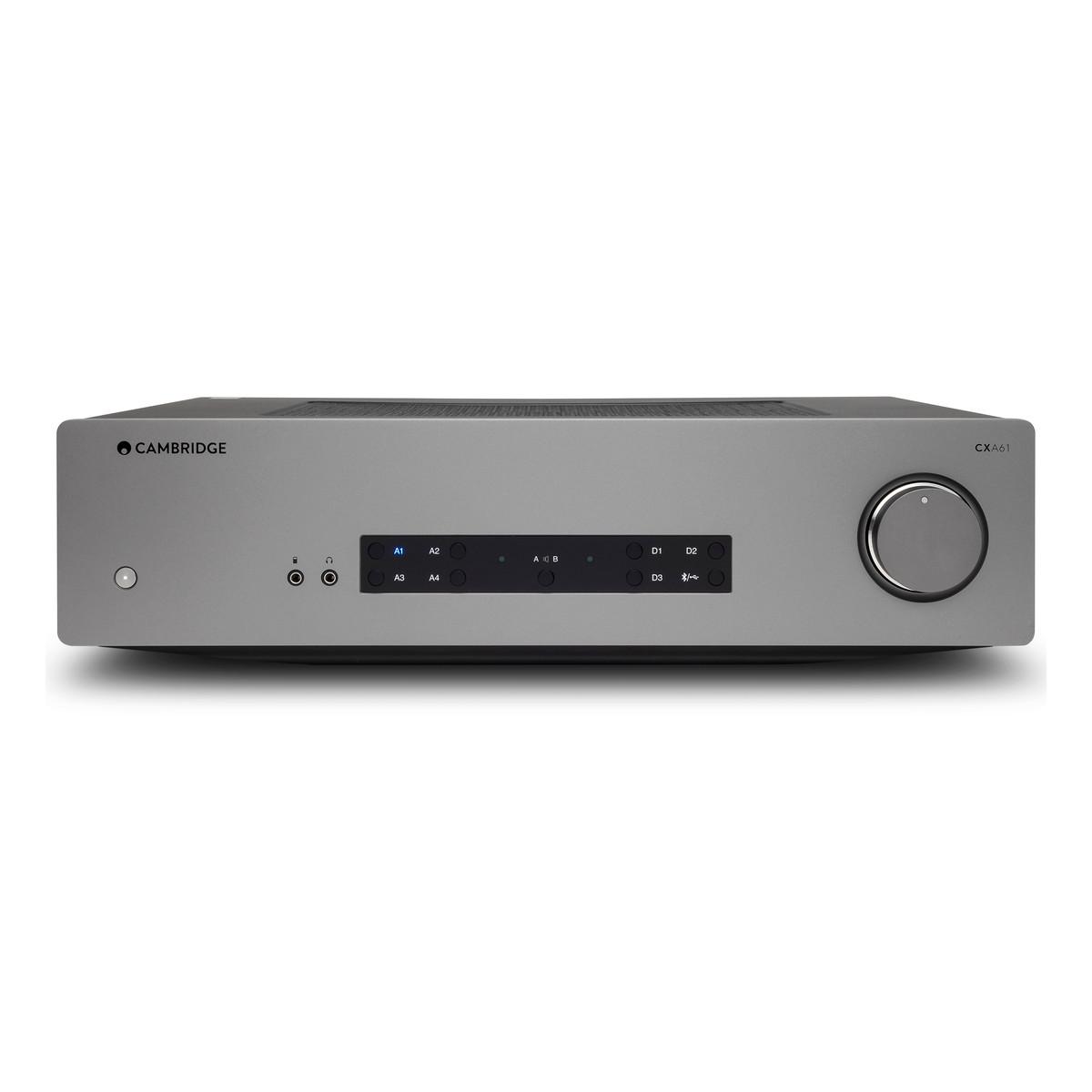
The WiiM Amp Streaming Amplifier and Cambridge Audio CXA61 Integrated Stereo Amplifier represent these two approaches perfectly. Released in 2024 and 2019 respectively, they show how the audio world has evolved – and where it might be heading.
Both products are integrated stereo amplifiers, meaning they combine a preamplifier (which handles source selection and volume control) with a power amplifier (which actually drives your speakers) in one box. But that's where the similarities end.
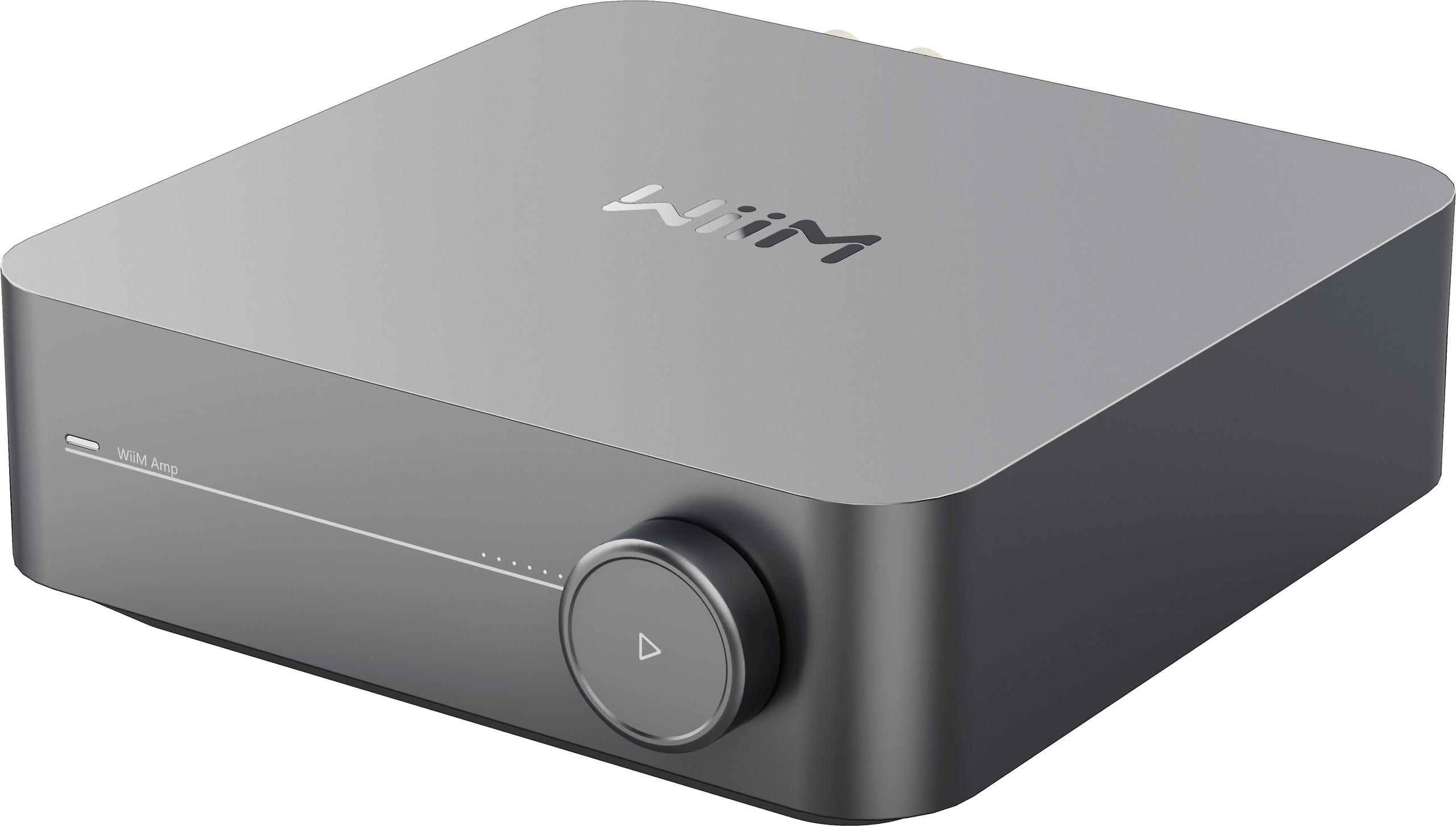
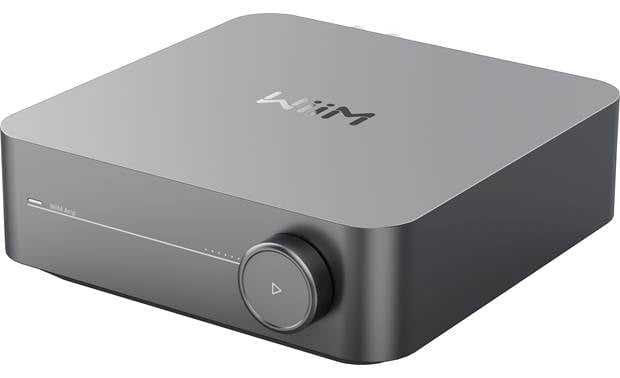
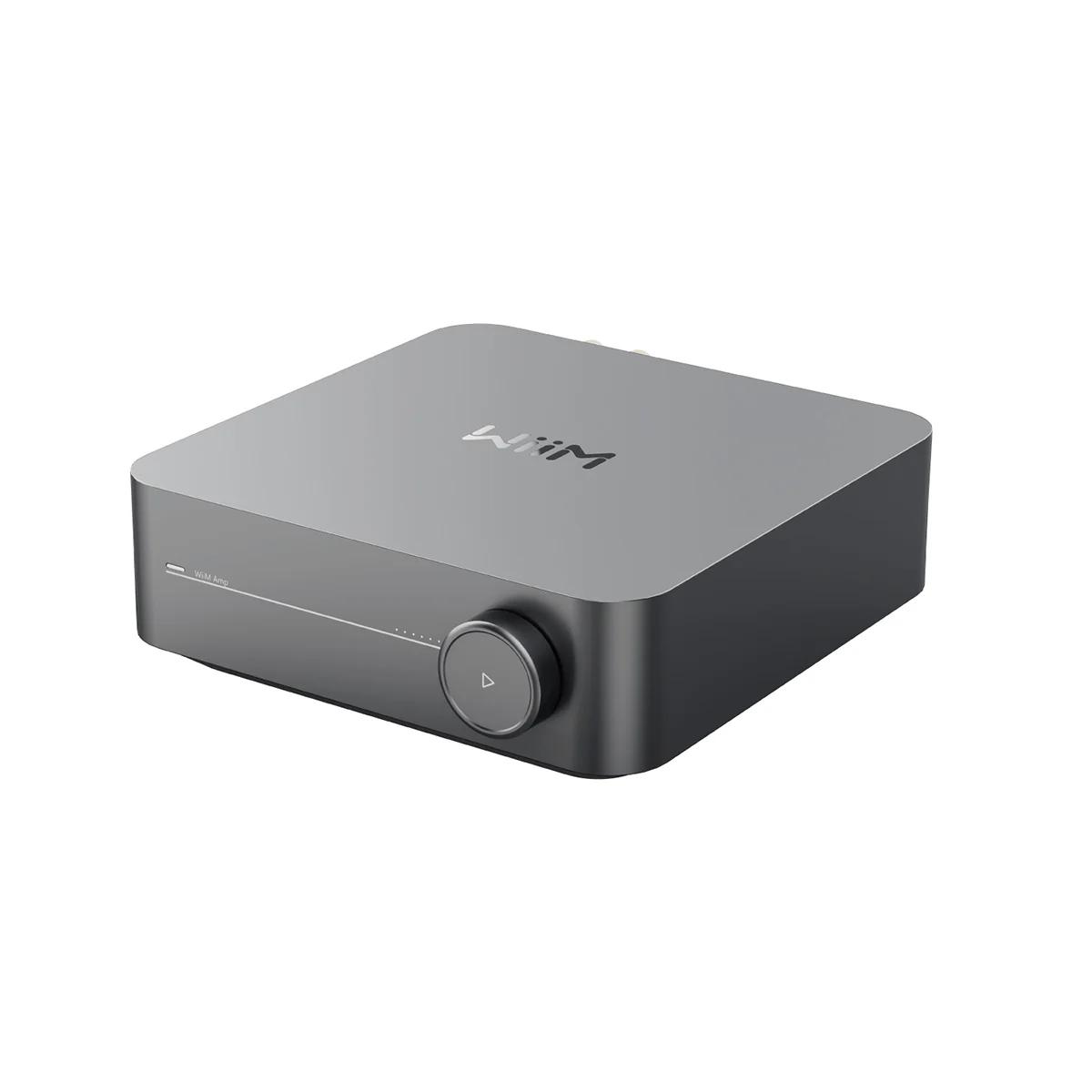
The WiiM Amp is what we call a streaming amplifier – it's designed around the assumption that most of your music comes from Spotify, Apple Music, Tidal, or other streaming services. Everything about its design prioritizes this use case, from its compact size to its extensive wireless connectivity.
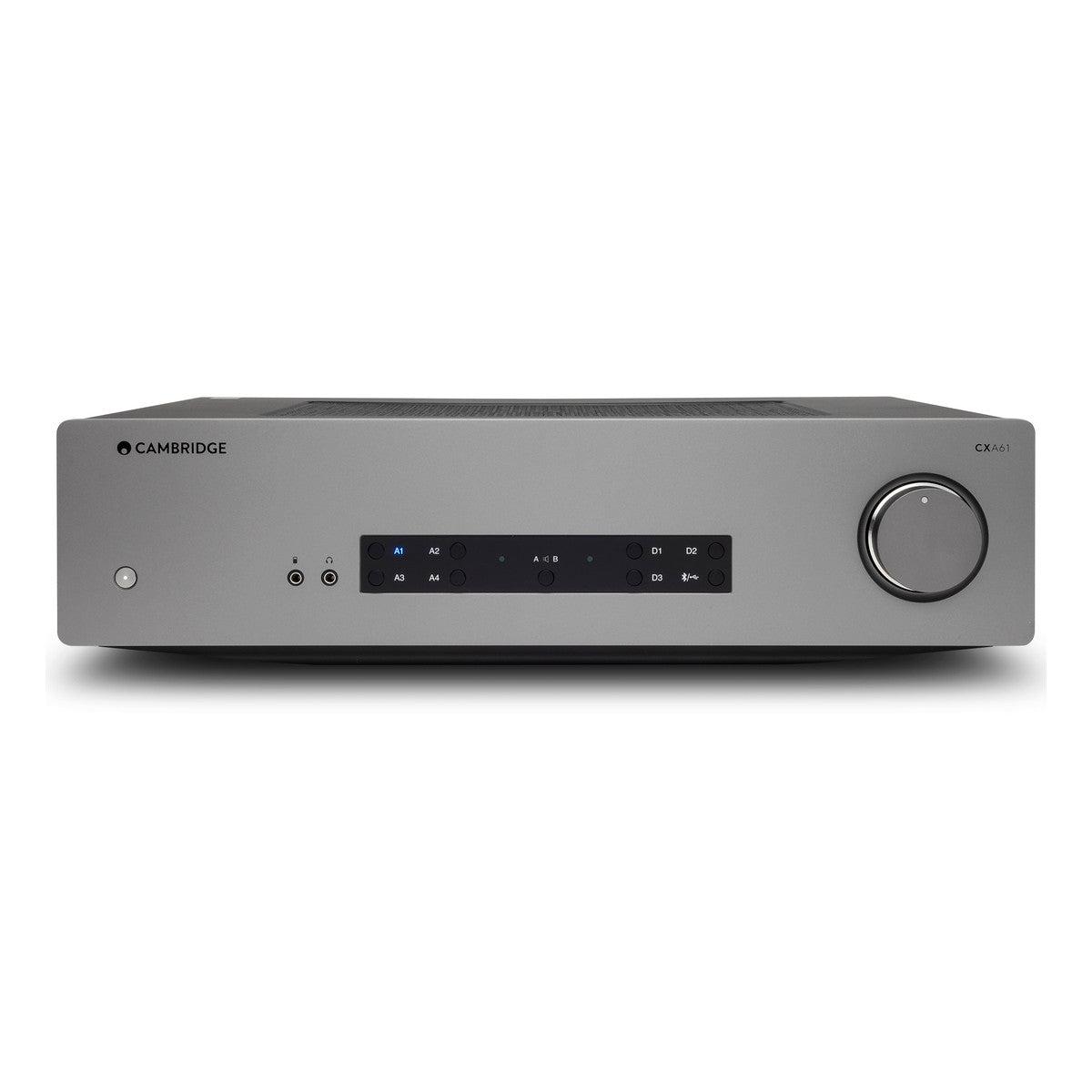
The Cambridge Audio CXA61, on the other hand, is a traditional integrated amplifier that happens to have some modern features. It's built around the classic hi-fi principle that the amplifier should be a neutral, high-quality foundation that can work with whatever sources you connect to it.
This fundamental difference shapes everything about how these amplifiers work, sound, and fit into your life.
When the WiiM Amp launched in 2024, it represented the latest thinking in consumer audio. The company recognized that most people now discover and listen to music through streaming services, and they built an amplifier specifically for that reality. Its tiny footprint – roughly the size of a thick book – packs in support for AirPlay 2, Chromecast, Spotify Connect, Tidal Connect, and virtually every other streaming protocol you've heard of.
The Cambridge Audio CXA61, released in 2019, comes from a 50-year tradition of British hi-fi engineering. Cambridge Audio's approach has always been about creating amplifiers that get out of the way of your music, regardless of its source. They've added modern touches like Bluetooth and a high-quality DAC (digital-to-analog converter), but the core philosophy remains unchanged: build the best possible amplifier and let users choose their sources.
Here's where things get technically interesting, and the differences really matter for how these amplifiers sound and perform.
The WiiM Amp uses what's called a Class D amplifier design. Think of Class D like a very efficient light switch that turns on and off thousands of times per second to recreate your music's waveform. This design is incredibly efficient – it barely gets warm even when playing loudly – and allows for very compact packaging. The WiiM uses a Texas Instruments TPA3255 chip, which is highly regarded in the Class D world for its low distortion and good sound quality.
The Cambridge Audio CXA61 uses Class AB amplification, which is more like a traditional analog approach. Instead of switching on and off, it smoothly varies the power going to your speakers. This requires much more robust components – notice how the Cambridge weighs 18 pounds compared to the WiiM's 4 pounds – but many audiophiles prefer the more natural, warm sound character this provides.
Both approaches have merit. The WiiM delivers 60 watts per channel into 8-ohm speakers (120 watts into 4-ohm speakers), while the Cambridge provides 60 watts into 8 ohms (90 watts into 4 ohms). The power specifications are similar, but the way they deliver that power feels different.
In our research of user and expert reviews, the consensus is clear: the Cambridge Audio CXA61 sounds more dynamic and musical, especially with acoustic instruments and vocals. The WiiM Amp impresses with its clarity and precision, particularly with electronic music and modern recordings, but some listeners find it slightly clinical compared to the Cambridge's warmer character.
Both amplifiers include sophisticated DACs – the chips that convert digital music files into analog signals your speakers can reproduce. But their approaches differ significantly.
The WiiM Amp uses an ESS Sabre ES9018K2M DAC, which supports high-resolution audio up to 24-bit/192kHz. This covers virtually all music you'll encounter, from CD-quality (16-bit/44.1kHz) up to the highest-resolution downloads and streaming. The DAC is optimized for the streaming services the amp connects to, ensuring excellent performance with Spotify, Tidal, and other platforms.
The Cambridge Audio CXA61 features an ESS Sabre ES9010K2M DAC that supports even higher resolutions – up to 32-bit/384kHz PCM and DSD256. If you're someone who collects high-resolution audio files or uses streaming services that offer the highest quality tiers, the Cambridge can take full advantage of these formats.
Here's what this means practically: both will make your music sound excellent, but the Cambridge has more headroom for the most demanding audiophile sources. However, our research suggests that for most listeners using typical streaming services, the difference is subtle rather than dramatic.
This is where the philosophical differences become most apparent.
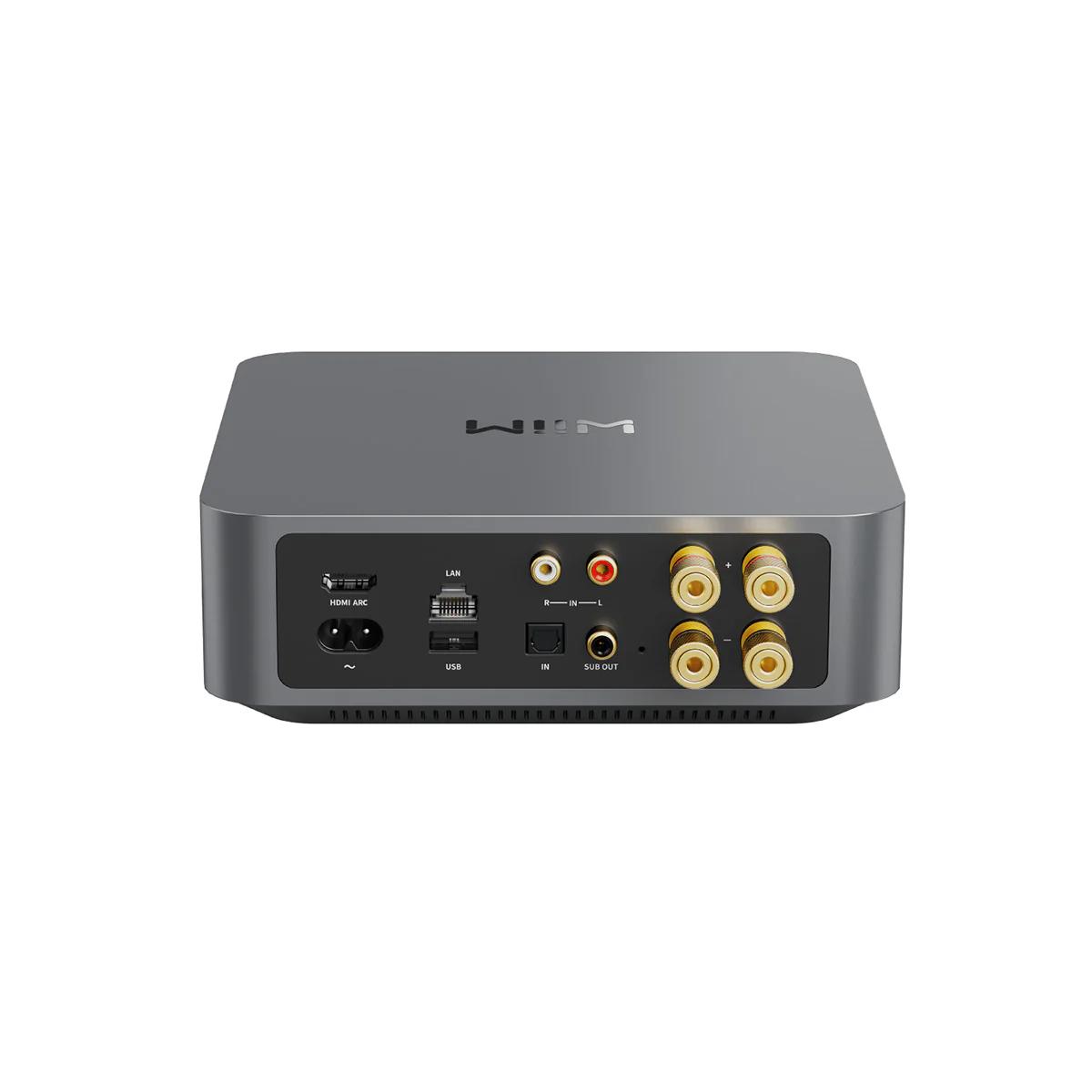
The WiiM Amp is connectivity king for modern use. It connects directly to your Wi-Fi network and appears as a speaker in Spotify, Apple Music, Tidal, and dozens of other apps. Want to play music? Just tap the cast button in your streaming app. It also includes HDMI ARC, which means you can connect it to your TV and have it automatically switch inputs and control volume when you watch movies or shows.
For smart home users, the WiiM integrates with Alexa, Google Assistant, and Siri. You can literally say "Hey Google, play jazz in the living room" and it works. The included app provides room correction (which adjusts the sound for your room's acoustics) and a 10-band equalizer for fine-tuning.
The Cambridge Audio CXA61 takes the opposite approach. It provides four analog RCA inputs, two optical digital inputs, one coaxial digital input, and a USB input for connecting a computer. There's also aptX HD Bluetooth for wireless connections, though it lacks the native streaming service integration of the WiiM.
This difference matters enormously for how you'll use each amplifier. With the WiiM Amp, your phone becomes your remote control for everything. With the Cambridge Audio CXA61, you'll likely need additional components – perhaps a dedicated network streamer or a streaming device – to access your digital music conveniently.
Pick up both amplifiers and the differences are immediately obvious. The WiiM Amp feels solid for its size and price point, with a clean aluminum case and efficient thermal design. It's clearly optimized for performance-per-dollar and space efficiency.
The Cambridge Audio CXA61 feels like a piece of traditional hi-fi equipment. Its thick aluminum front panel, damped metal chassis, and substantial internal components reflect decades of audio engineering refinement. The oversized toroidal transformer (a special type of power supply transformer that reduces electromagnetic interference) alone weighs more than some entire amplifiers.
This isn't just about aesthetics or luxury – these construction differences affect sound quality. The Cambridge's robust build eliminates vibrations that can blur detail, while its powerful transformer ensures clean, stable power delivery even during demanding musical passages.
If you're planning to use either amplifier as part of a home theater system, the WiiM Amp has significant advantages. Its HDMI ARC connection means you can connect it directly to your TV and have it automatically handle audio from all your TV sources – streaming boxes, game consoles, Blu-ray players, whatever you connect to your TV.
However, there's an important limitation: the WiiM Amp only processes stereo PCM audio from your TV. If you have Blu-rays with Dolby Digital or DTS soundtracks, your TV will need to convert these to stereo before sending them to the amplifier. Most modern TVs handle this automatically, but you won't get true surround sound – just a stereo mix.
The Cambridge Audio CXA61 lacks HDMI entirely, so TV integration requires connecting through optical or coaxial digital inputs. This works fine but requires more setup and doesn't offer the automatic switching convenience of HDMI ARC.
For dedicated two-channel music listening, both work excellently. For casual home theater use, the WiiM Amp is more convenient. For serious home theater, you'd probably want a dedicated AV receiver instead of either of these stereo amplifiers.
When evaluating amplifiers, several technical specifications help predict real-world performance:
Signal-to-Noise Ratio (SNR) measures how quiet the amplifier is when it's not playing music. The Cambridge Audio CXA61 achieves 105 dB SNR compared to the WiiM Amp's 98 dB. While both are excellent, the Cambridge's superior number means you're less likely to hear any background hiss, especially with sensitive speakers.
Total Harmonic Distortion (THD) indicates how much the amplifier alters your music's waveform. The WiiM Amp achieves an impressive 0.002% THD, while the Cambridge Audio CXA61 measures 0.02% – still excellent, but technically higher. In practice, both are far below audible thresholds.
Damping Factor shows how well an amplifier controls speaker movement. The Cambridge Audio CXA61's damping factor of over 110 is significantly better than typical Class D designs, which partly explains its superior bass control and overall speaker authority.
Based on our analysis of expert reviews, these measurements align with subjective impressions: the Cambridge Audio CXA61 provides superior dynamics, bass control, and overall musical engagement, while the WiiM Amp offers remarkable precision and clarity for its price and size class.
At the time of writing, the WiiM Amp represents exceptional value in the budget-to-midrange category, while the Cambridge Audio CXA61 competes in the higher midrange segment.
The WiiM Amp includes functionality that would traditionally require multiple separate components: a network streamer, DAC, amplifier, and room correction processor. Buying these separately from quality manufacturers could easily cost three to four times as much. For users whose primary need is streaming music with good sound quality and modern convenience, it's difficult to find better value.
The Cambridge Audio CXA61 costs roughly double but delivers genuinely superior audio performance and build quality. However, to match the WiiM's streaming convenience, you'd need to add a dedicated network streamer, bringing the total system cost significantly higher.
Choose the WiiM Amp Streaming Amplifier if streaming services provide 90% of your music, you want plug-and-play convenience, space is limited, you need TV integration, or you're building your first serious stereo system on a reasonable budget. It's also ideal for secondary systems – perhaps in a bedroom, office, or kitchen – where convenience matters more than ultimate performance.
The WiiM Amp excels with small to medium bookshelf speakers and works well in rooms up to about 200 square feet. Its room correction helps optimize performance in challenging acoustic environments.
Choose the Cambridge Audio CXA61 Integrated Stereo Amplifier if sound quality is your primary concern, you have or plan to acquire high-quality speakers that can reveal its superior performance, you use multiple sources including CD players or turntables, or you enjoy the component-based hi-fi approach.
The Cambridge Audio CXA61 has the power and authority to drive larger, more demanding speakers and really shines in dedicated listening environments. If you're the type of person who notices subtle differences in sound quality and appreciates the craftsmanship of traditional hi-fi equipment, the Cambridge justifies its higher cost.
Both amplifiers succeed brilliantly at what they're designed to do. The WiiM Amp makes high-quality audio accessible and convenient in ways that seemed impossible just a few years ago. The Cambridge Audio CXA61 upholds the finest traditions of British hi-fi while incorporating essential modern features.
Your choice ultimately depends on whether you prioritize convenience and modern functionality or sound quality and traditional hi-fi values. Neither approach is inherently better – they're optimized for different users and use cases.
For most people building their first serious stereo system today, the WiiM Amp provides an excellent entry point with room to grow. For dedicated music lovers who want to build a system around pure audio performance, the Cambridge Audio CXA61 offers a foundation that will satisfy for years to come.
The beauty of today's audio market is that both approaches can coexist – and both can provide years of musical enjoyment when matched to the right user and system.
| WiiM Amp Streaming Amplifier | Cambridge Audio CXA61 Integrated Stereo Amplifier |
|---|---|
| Power Output - Determines how loud and dynamic your music can sound | |
| 60W @ 8Ω, 120W @ 4Ω (sufficient for most bookshelf speakers) | 60W @ 8Ω, 90W @ 4Ω (better current delivery for demanding speakers) |
| Amplifier Type - Affects sound character and efficiency | |
| Class D (highly efficient, compact, slightly clinical sound) | Class AB (warmer sound, more natural dynamics, less efficient) |
| Streaming Integration - How easily you can access your music | |
| Native support for all major services (Spotify, Apple Music, Tidal, etc.) | Bluetooth only - requires separate streaming device |
| Smart Home Integration - Voice control and automation capabilities | |
| Works with Alexa, Google Assistant, Siri, multiroom grouping | None (traditional hi-fi approach) |
| HDMI Connectivity - Essential for modern TV integration | |
| HDMI ARC input (automatic TV audio switching) | No HDMI (requires optical/coaxial for TV connection) |
| Analog Inputs - Flexibility for traditional sources | |
| 1 RCA line input plus 3.5mm front jack | 4 RCA line inputs (better for multiple analog sources) |
| Digital Audio Resolution - Maximum quality for high-res files | |
| Up to 24-bit/192kHz (covers all streaming and most downloads) | Up to 32-bit/384kHz + DSD256 (audiophile-grade capability) |
| Build Quality - Affects longevity and sound isolation | |
| Compact aluminum case, lightweight (4.1 lbs) | Substantial construction with toroidal transformer (18.3 lbs) |
| Room Correction - Optimizes sound for your specific space | |
| Built-in room correction and 10-band EQ | No room correction (relies on pure signal path) |
| Preamp Outputs - System expansion capabilities | |
| None (all-in-one design) | Yes (allows adding external power amps or subwoofers) |
| Signal-to-Noise Ratio - Background noise performance | |
| 98 dB (very good for the price range) | 105 dB (excellent, quieter background) |
| Physical Footprint - Space requirements | |
| 7.5" x 7.5" x 2.5" (fits anywhere) | 16.9" x 13.4" x 4.5" (requires dedicated shelf space) |
| Best For - Target user and use cases | |
| Modern streaming users wanting convenience and value | Audiophiles prioritizing sound quality and system flexibility |
The WiiM Amp Streaming Amplifier is specifically designed for streaming with native support for Spotify, Apple Music, Tidal, and other major services. You can control it directly from your phone apps. The Cambridge Audio CXA61 only offers Bluetooth streaming and requires a separate streaming device for full network audio capabilities.
The Cambridge Audio CXA61 delivers superior sound quality with its Class AB amplification, offering warmer, more musical sound with better dynamics. The WiiM Amp provides excellent clarity and precision for its price range but uses Class D amplification which some find slightly more clinical sounding.
The WiiM Amp Streaming Amplifier is ideal for small spaces at just 7.5" x 7.5" x 2.5" and weighing only 4 pounds. The Cambridge Audio CXA61 is much larger at 16.9" x 13.4" x 4.5" and weighs 18 pounds, requiring dedicated shelf space.
The WiiM Amp offers HDMI ARC connectivity for seamless TV integration with automatic switching and volume control. The Cambridge Audio CXA61 lacks HDMI but can connect to TVs through optical or coaxial digital inputs, requiring more manual setup.
The WiiM Amp Streaming Amplifier offers exceptional value by combining streaming, amplification, DAC, and room correction in one affordable package. The Cambridge Audio CXA61 costs significantly more but delivers superior build quality and audio performance for serious listeners.
Both amplifiers deliver 60 watts per channel into 8-ohm speakers. The WiiM Amp provides 120 watts into 4-ohm speakers, while the Cambridge Audio CXA61 delivers 90 watts into 4-ohm loads but with better current delivery and speaker control.
The WiiM Amp is more beginner-friendly with its plug-and-play setup, built-in streaming, and user-friendly app control. The Cambridge Audio CXA61 requires more audio knowledge and additional components for streaming but offers a traditional hi-fi experience.
The WiiM Amp Streaming Amplifier works with Alexa, Google Assistant, and Siri for voice control and smart home integration. The Cambridge Audio CXA61 has no voice assistant support, focusing on traditional manual control methods.
The Cambridge Audio CXA61 supports higher resolution audio up to 32-bit/384kHz and DSD256 for audiophile files. The WiiM Amp supports up to 24-bit/192kHz, which covers all streaming services and most high-resolution downloads.
Both amplifiers include subwoofer outputs. The WiiM Amp has an auto-detecting subwoofer output with adjustable crossover from 30-200Hz. The Cambridge Audio CXA61 offers a subwoofer output filtered at 3kHz for integration with powered subwoofers.
The Cambridge Audio CXA61 excels with four analog RCA inputs, two optical inputs, one coaxial input, and USB connectivity for multiple sources. The WiiM Amp Streaming Amplifier has limited physical inputs but excels at wireless streaming from multiple devices.
Choose the WiiM Amp if you prioritize streaming convenience, smart features, compact size, and value. Choose the Cambridge Audio CXA61 if you want superior sound quality, multiple analog inputs, traditional hi-fi build quality, and plan to use external streaming devices.
We've done our best to create useful and informative comparisons to help you decide what product to buy. Our research uses advanced automated methods to create this comparison and perfection is not possible - please contact us for corrections or questions. These are the sites we've researched in the creation of this article: audiosciencereview.com - faq.wiimhome.com - av-export.com - sound-advice.online - av.com - whathifi.com - youtube.com - forum.wiimhome.com - erinsaudiocorner.com - audacityaustralia.com.au - stereophile.com - audiosciencereview.com - audioadvice.com - smarthomesounds.co.uk - themasterswitch.com - theaudiophileman.com - youtube.com - forums.whathifi.com - crutchfield.com - youtube.com - youtube.com - hifihaven.org - crutchfield.com - audioguru.com - listenup.com - forums.whathifi.com - manuals.cambridgeaudio.com - alpha-audio.net - hifichoice.com - cambridgeaudio.com - the-ear.net - speakerdecision.com

Privacy Policy
Terms and Conditions - Affiliate Policy
Home Security
© Copyright 2008-2026.
11816 Inwood Rd #1211, Dallas, TX 75244