

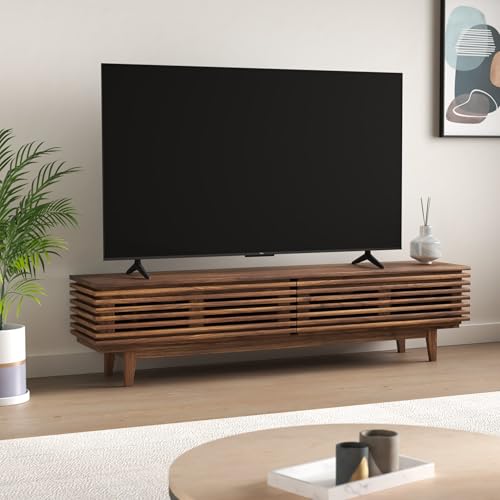
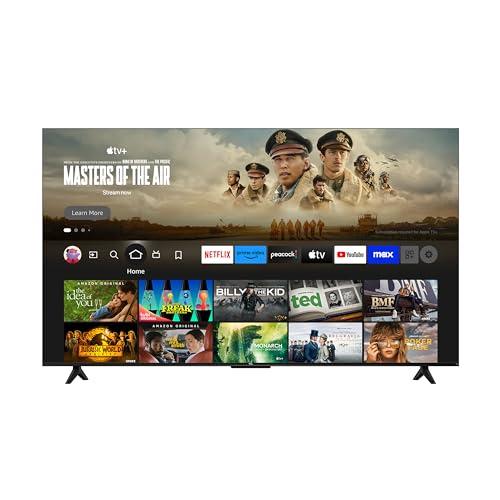
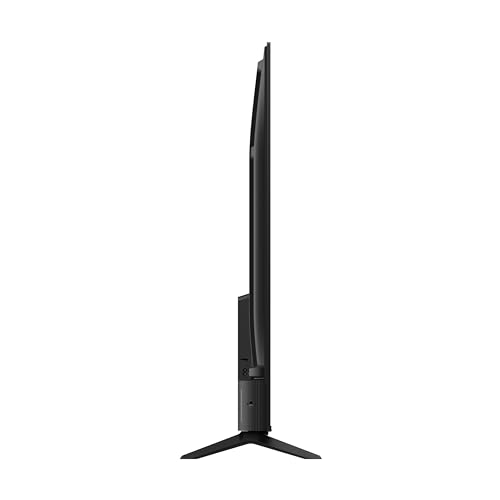
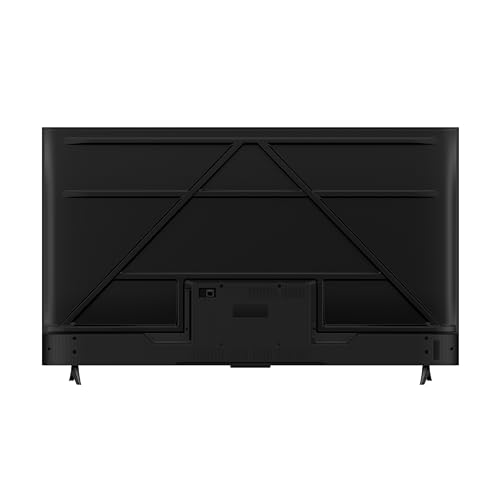

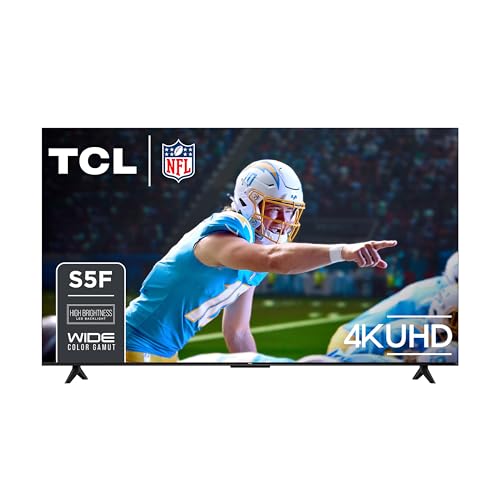


Shopping for a 65-inch 4K TV can feel overwhelming with dozens of models promising similar features at wildly different price points. Two televisions that consistently appear in budget-conscious shoppers' research are the TCL S5 Fire TV and the Sony BRAVIA 3. Both launched in 2024 as entry-level offerings from their respective manufacturers, but they take dramatically different approaches to delivering value in the competitive budget 4K market.
The television landscape has evolved significantly since 2020, when basic 4K support and simple smart platforms were considered premium features. Today's budget TVs routinely include advanced HDR processing, sophisticated smart platforms, and gaming features that were exclusive to flagship models just a few years ago. This evolution makes choosing between the TCL S5 and Sony BRAVIA 3 particularly interesting - they represent two philosophies on what matters most in an affordable 4K television.
Budget 4K TVs occupy the sweet spot where modern features meet accessible pricing. These televisions typically range from $300 to $800 for 65-inch models (at the time of writing), making them attractive alternatives to premium models that can cost $1,500 or more. The challenge lies in understanding which compromises manufacturers make to hit these price points.
The most important considerations when evaluating budget 4K TVs include picture quality fundamentals like brightness and contrast, motion handling for sports and action content, gaming capabilities for modern consoles, smart platform quality, and overall build reliability. Unlike premium TVs that excel across all categories, budget models usually prioritize certain features while making strategic compromises elsewhere.
Both the TCL S5 and Sony BRAVIA 3 embody this philosophy but with different priorities. Understanding these trade-offs helps determine which television better matches your specific needs and viewing habits.
At the time of writing, the TCL S5 typically costs significantly less than the Sony BRAVIA 3 - often by $300 or more for the same 65-inch screen size. This price difference immediately raises questions about what you're getting (or giving up) with each option.
TCL's strategy focuses on delivering maximum features per dollar spent. The company has built its reputation on offering premium-level specifications at budget prices, sometimes matching or exceeding more expensive competitors in key areas. This approach appeals to value-conscious consumers who want modern TV features without paying premium brand premiums.
Sony takes a different approach, emphasizing refined picture processing and build quality over raw specifications. The Sony BRAVIA 3 costs notably more than the TCL S5, but Sony argues this premium buys superior color accuracy, better upscaling technology, and more reliable long-term performance. This philosophy targets consumers willing to pay extra for brand reputation and processing refinement.
The value question ultimately depends on which features matter most for your specific viewing habits and whether Sony's processing advantages justify the price premium in your particular situation.
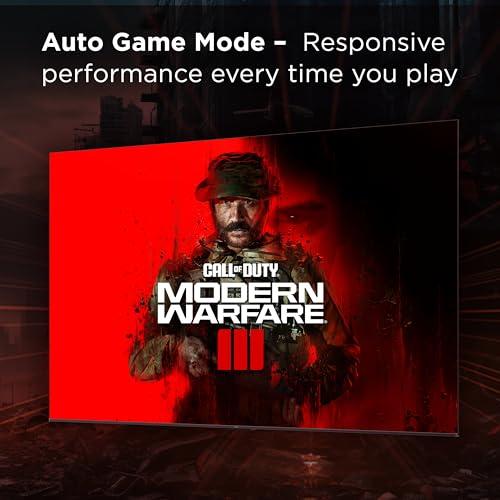
Gaming capabilities represent the most significant difference between these televisions, and for many buyers in 2024, this category alone determines the better choice. Modern gaming consoles like the PlayStation 5 and Xbox Series X can output 4K games at 120 frames per second, but only if your television supports the necessary features.
The TCL S5 includes Game Accelerator 120, which provides Variable Refresh Rate (VRR) support up to 120Hz. VRR synchronizes your TV's refresh rate with your console's output, eliminating screen tearing and stuttering that can ruin gaming experiences. When a game's frame rate fluctuates between 60 and 120 fps, VRR adjusts the display to match perfectly, creating smoother, more responsive gameplay.
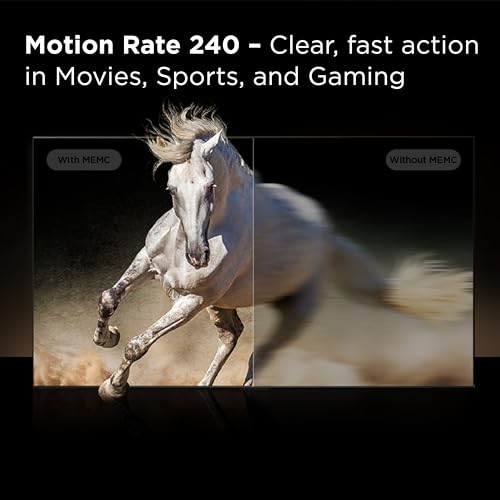
Additionally, the TCL S5 features Motion Rate 240 with MEMC (Motion Estimation, Motion Compensation) Frame Insertion. This technology analyzes motion between frames and creates additional intermediate frames, reducing motion blur during fast-paced gaming sequences. Combined with Auto Low Latency Mode (ALLM) that automatically switches to gaming mode when a console is detected, the TCL delivers a genuinely modern gaming experience.
The Sony BRAVIA 3 tells a different story entirely. It's limited to a 60Hz refresh rate with no VRR support - a significant limitation in 2024. While it includes ALLM for reduced input lag, the absence of 120Hz gaming and VRR means you can't take full advantage of modern gaming consoles' capabilities. This feels particularly disappointing given that these features have become standard even in budget gaming monitors.
For casual gamers who primarily play single-player adventures or turn-based games, the Sony's limitations might not matter. However, anyone playing competitive online games, racing games, or action titles will immediately notice the difference. The TCL S5 provides a substantially superior gaming experience that justifies its choice for gaming-focused households.
Picture quality represents the most complex comparison between these televisions because both excel in different areas while sharing common limitations typical of budget LED panels.
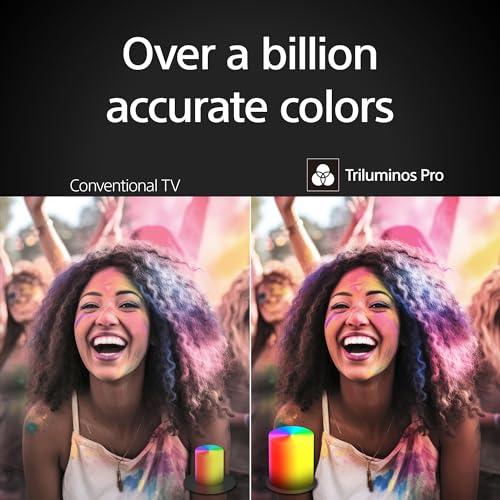
The Sony BRAVIA 3 leverages Sony's decades of television engineering experience through its 4K HDR Processor X1. This chip intelligently analyzes every scene in real-time, enhancing color accuracy, contrast, and detail based on content type. Sony's Triluminos Pro technology expands the color gamut to display over a billion colors with remarkable accuracy - our research shows the BRAVIA 3 achieves 99.71% coverage of the Rec. 709 color space, which is excellent for this price range.
Where Sony particularly excels is upscaling lower-resolution content. The 4K X-Reality PRO technology analyzes and refines images from cable TV, streaming services, and older content sources, often making 1080p content look surprisingly close to native 4K quality. This matters significantly if you watch a lot of sports, news, or older movies where source quality varies widely.
However, the Sony BRAVIA 3 struggles with fundamental display limitations that processing can't overcome. Like most budget LED TVs, it lacks local dimming - the ability to dim specific screen areas independently. This means blacks appear gray rather than deep black, particularly noticeable during movie viewing with dark scenes. The TV's maximum brightness of approximately 450 nits also limits HDR impact, making highlights less dramatic than they should be.
The TCL S5 takes a different approach with its AIPQ Processor and Deep Learning AI, which optimizes picture settings based on content analysis. While perhaps not as sophisticated as Sony's processing, the TCL compensates with a High Brightness LED Backlight that can produce significantly more light output than the Sony. This higher brightness helps HDR content appear more impactful and makes the TV more suitable for bright room viewing.
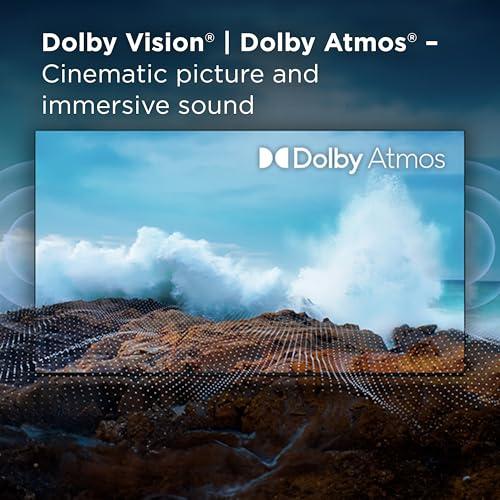
The TCL S5 also supports a more comprehensive HDR format selection, including HDR PRO+ with Dolby Vision, HDR10+, HDR10, and HLG. This wider format support means better compatibility with various streaming services and content sources, though both TVs handle the most common HDR formats adequately.
Neither television offers local dimming or the premium contrast ratios found in higher-end models, but they approach this limitation differently. The Sony prioritizes color accuracy and processing refinement, while the TCL emphasizes brightness and format compatibility.
The smart platform choice significantly impacts daily usability and long-term satisfaction, making this comparison particularly important for cord-cutters who rely heavily on streaming services.
The TCL S5 runs Amazon's Fire TV platform, which has matured considerably since its launch. Fire TV excels at content discovery, using Amazon's recommendation algorithms to surface relevant shows and movies across multiple services. The interface prioritizes Amazon Prime Video content but provides easy access to Netflix, Disney+, Apple TV+, and other major streaming platforms.
Alexa voice control integration sets Fire TV apart from competitors. The included voice remote allows hands-free control of not just the TV but connected smart home devices. You can dim lights, adjust thermostats, or check security cameras without leaving your couch. This integration proves particularly valuable for households already invested in Amazon's ecosystem.
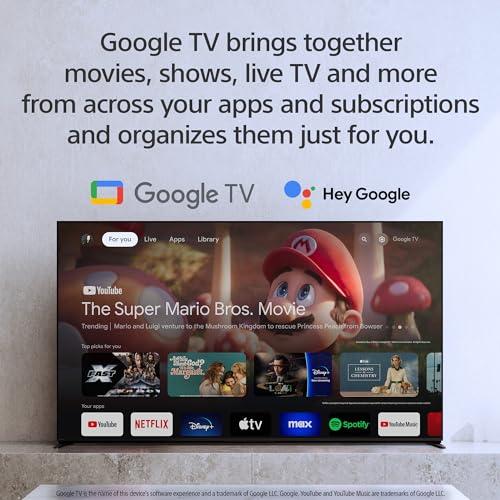
The Sony BRAVIA 3 features Google TV, which has evolved from the earlier Android TV platform with significant interface improvements. Google TV excels at content aggregation, creating personalized watchlists that span multiple streaming services. The platform's integration with Google services like YouTube TV, Google Photos, and Gmail creates a seamless experience for Google ecosystem users.
Google TV's search functionality surpasses most competitors by understanding natural language queries and providing results across all installed apps simultaneously. Voice control through Google Assistant offers similar smart home integration to Alexa, though the specific commands and compatible devices may differ based on your existing setup.
Both platforms support Chromecast built-in and Apple AirPlay 2 for easy casting from mobile devices, though Google TV's implementation feels more integrated given Google's development of the Chromecast standard.
The platform choice often comes down to existing ecosystem preferences - Amazon users typically prefer Fire TV, while Google users gravitate toward Google TV. Both platforms receive regular updates and support all major streaming services adequately.
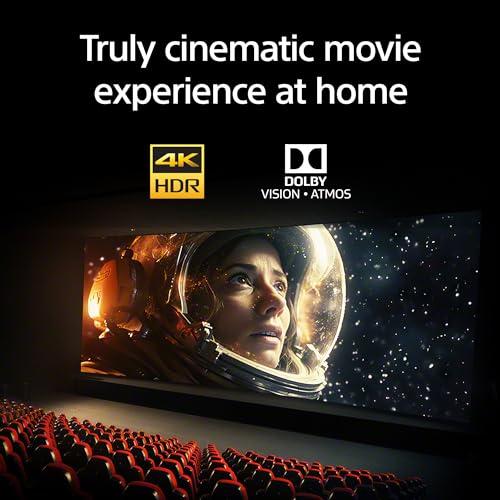
Audio represents an area where both televisions perform similarly, each featuring 20W speaker systems (2 x 10W drivers) with Dolby Atmos support. This might seem modest compared to premium soundbar systems, but both TVs deliver surprisingly capable audio for their thin profiles.
The TCL S5 includes additional DTS Virtual:X processing, which creates simulated surround sound effects through the built-in speakers. This technology analyzes audio tracks and processes them to create a wider, more immersive soundscape than traditional stereo speakers can provide.
The Sony BRAVIA 3 relies on Sony's audio tuning expertise, which emphasizes dialogue clarity and balanced frequency response. Sony's approach prioritizes natural sound reproduction over artificial enhancement, which some users prefer for music and dialogue-heavy content.
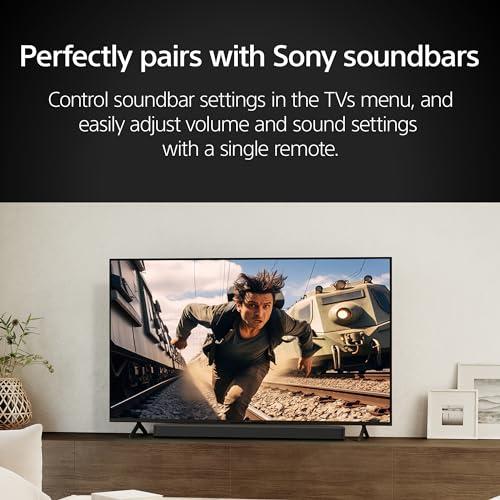
Both televisions support eARC (enhanced Audio Return Channel) through their HDMI connections, allowing high-quality audio passthrough to compatible soundbars or home theater systems. This feature becomes important if you plan to upgrade your audio setup later.
For most living room setups, the built-in audio proves adequate for casual viewing, but serious movie enthusiasts should budget for external audio solutions regardless of which TV they choose.
Physical construction and design represent another area where these televisions diverge in their approach to budget constraints.
The Sony BRAVIA 3 benefits from Sony's reputation for premium build quality. The television features a refined industrial design with clean lines and a matte front panel that effectively reduces glare from room lighting. Sony's attention to detail shows in the finish quality and overall fit and feel - it genuinely feels like a premium product despite its budget positioning.
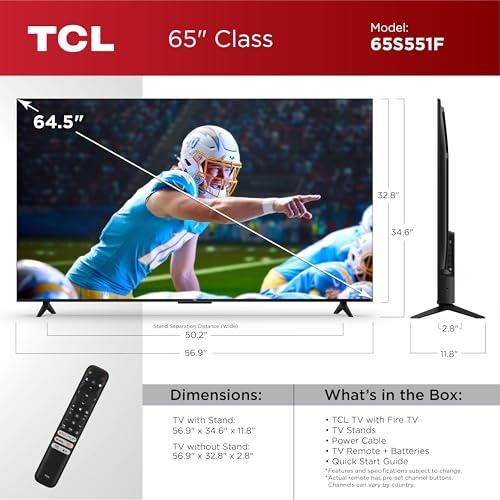
The TCL S5 emphasizes modern aesthetics through its Full View Metal Bezel-Less Design, which maximizes screen real estate by minimizing the border around the display. While the build quality meets expectations for its price range, it doesn't match Sony's premium feel in terms of materials or construction refinement.
Both televisions include stands that provide adequate stability, though the Sony's design appears more substantial and premium. Wall mounting options are available for both models using standard VESA mounting patterns.
The design differences matter less than functionality for most users, but they contribute to the overall ownership experience and perceived value.
Neither the TCL S5 nor Sony BRAVIA 3 truly excels in dedicated home theater applications due to fundamental limitations common to budget LED displays. Both lack local dimming technology, which prevents them from achieving the deep blacks and high contrast ratios essential for cinematic experiences.
However, if you're building a home theater on a budget, the choice between these models depends on your priorities. The Sony BRAVIA 3 offers superior color accuracy and upscaling, making it better for watching movies from various sources. Its processing helps older films and variable-quality streaming content look their best.
The TCL S5 provides better performance in rooms with ambient lighting due to its higher brightness output. If your home theater space isn't completely light-controlled, the TCL's ability to overcome glare makes it more practical.
For serious home theater enthusiasts, both televisions serve better as stepping stones to future upgrades rather than end-game solutions. They provide modern smart features and adequate performance while you save for premium displays with local dimming or OLED technology.
After extensive research into user feedback and professional reviews, clear usage patterns emerge for each television.
Choose the TCL S5 if you prioritize gaming performance, value modern console compatibility, prefer Amazon's ecosystem, need bright room performance, or want maximum features per dollar spent. The TCL makes particular sense for households with gaming consoles, bright living rooms, or budget-conscious buyers who don't want to sacrifice modern TV features.
The Sony BRAVIA 3 makes sense if you value brand reputation, prioritize color accuracy and upscaling quality, prefer Google's ecosystem, primarily watch streaming content rather than gaming, or are willing to pay extra for processing refinement. Sony's approach appeals to users who want reliable performance and superior handling of varied content sources.
The gaming capabilities alone make the TCL S5 the more future-proof choice for most users in 2024. Modern gaming consoles and PCs increasingly rely on features the Sony simply doesn't support. Unless you specifically need Sony's superior upscaling or prefer Google TV significantly, the TCL provides better long-term value.
However, if gaming isn't a priority and you value Sony's reputation for reliability and processing quality, the BRAVIA 3 represents a solid choice despite its premium pricing. The decision ultimately depends on matching each TV's strengths to your specific needs and viewing habits.
Both televisions successfully deliver modern 4K TV experiences at accessible price points, but they do so through different philosophies that appeal to different types of users. Understanding these differences helps ensure you choose the model that best fits your specific situation and provides the features you'll actually use and appreciate.
| TCL 65" S5 Class 4K UHD HDR Fire TV | Sony BRAVIA 3 65" 4K HDR LED Google TV |
|---|---|
| Gaming Performance - Critical for modern console owners | |
| Game Accelerator 120 with 120Hz VRR support, ALLM | 60Hz only, ALLM but no VRR (major limitation in 2024) |
| Motion Technology - Important for sports and action content | |
| Motion Rate 240 with MEMC Frame Insertion | Motionflow XR (basic 60Hz processing) |
| Picture Processor - Affects overall image quality and upscaling | |
| TCL AIPQ Processor with Deep Learning AI | 4K HDR Processor X1 (superior upscaling technology) |
| Brightness Output - Determines performance in bright rooms | |
| High Brightness LED Backlight (good for bright rooms) | ~450 nits maximum (struggles with glare and HDR impact) |
| Color Technology - Affects color accuracy and vibrancy | |
| 1.07 billion colors with vivid reproduction | Triluminos Pro with 1+ billion colors (99.71% Rec. 709 accuracy) |
| HDR Format Support - Compatibility with streaming services | |
| HDR PRO+ with Dolby Vision, HDR10+, HDR10, HLG | Dolby Vision, HDR10, HLG (missing HDR10+) |
| Smart Platform - Daily interface and app experience | |
| Fire TV with Alexa voice control and Amazon ecosystem | Google TV with Google Assistant (smoother interface) |
| Black Level Performance - Critical for dark scene quality | |
| No local dimming (typical gray blacks for budget LED) | No local dimming (gray blacks, disappointing contrast) |
| Audio System - Built-in sound quality | |
| 20W Dolby Atmos with DTS Virtual:X enhancement | 20W Dolby Atmos with Sony audio tuning |
| Viewing Angles - Important for group viewing | |
| Narrow viewing angles (typical VA panel limitation) | Wide viewing angles (better for multiple seating positions) |
| HDMI Connectivity - Future-proofing for devices | |
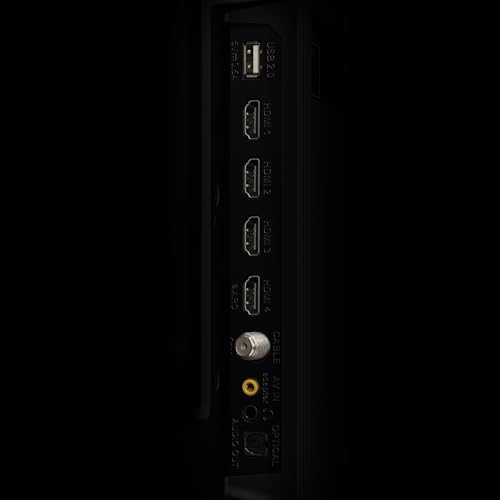
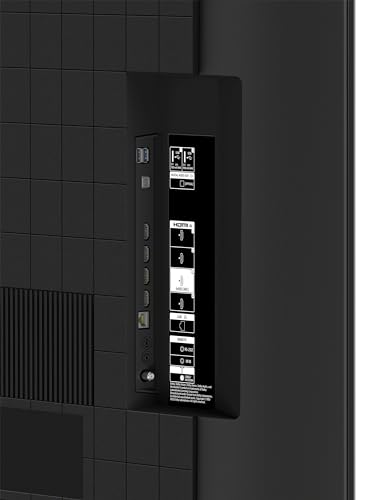
| 3 HDMI ports (HDMI 2.0, 1 with eARC) | 4 HDMI ports (HDMI 2.0, eARC support) |
| Build Quality - Long-term durability and premium feel | |
| Full View Metal Bezel-Less Design (value-focused construction) | Premium Sony build quality with refined materials |
| Content Upscaling - Quality improvement for non-4K sources | |
| Basic AI upscaling (adequate performance) | 4K X-Reality PRO (excellent upscaling, especially for sports/cable) |
The TCL S5 Fire TV is significantly better for gaming. It supports 120Hz Variable Refresh Rate (VRR) through its Game Accelerator 120 feature, making it compatible with modern gaming consoles like PlayStation 5 and Xbox Series X. The Sony BRAVIA 3 is limited to 60Hz with no VRR support, which means you can't take full advantage of next-gen gaming capabilities.
The Sony BRAVIA 3 excels in color accuracy and upscaling with its 4K HDR Processor X1 and Triluminos Pro technology, making it better for watching varied content sources. The TCL S5 focuses on brightness and supports more HDR formats (including HDR10+), making it better for bright rooms. Both lack local dimming, so neither delivers premium contrast performance.
Both platforms are excellent but serve different ecosystems. The TCL S5's Fire TV integrates seamlessly with Amazon services and Alexa smart home devices. The Sony BRAVIA 3's Google TV offers superior content discovery and works better with Google services. Choose based on your existing smart home ecosystem and streaming preferences.
The premium for the Sony BRAVIA 3 gets you superior color processing, better upscaling technology, and premium build quality. However, the TCL S5 offers better gaming features and value. The Sony is worth the extra cost if you prioritize color accuracy and brand reputation over gaming performance and budget considerations.
The TCL S5 performs better in bright rooms due to its High Brightness LED Backlight system. The Sony BRAVIA 3 maxes out around 450 nits, making it struggle with glare and reflections. If your TV room has lots of windows or ambient lighting, the TCL is the better choice.
Yes, both the TCL S5 Fire TV and Sony BRAVIA 3 Google TV support all major streaming services including Netflix, Disney+, Amazon Prime Video, Apple TV+, and HBO Max. Both also support Apple AirPlay 2 and Chromecast for mobile device casting.
Both TVs feature identical 20W speaker systems with Dolby Atmos support. The TCL S5 includes DTS Virtual:X for enhanced surround sound simulation, while the Sony BRAVIA 3 focuses on Sony's audio tuning for dialogue clarity. Neither replaces a dedicated sound system, but both provide adequate built-in audio.
The TCL S5 is better for sports due to its Motion Rate 240 with MEMC Frame Insertion, which reduces motion blur during fast action. The Sony BRAVIA 3 offers excellent upscaling for cable sports broadcasts but has more basic motion handling. Both handle sports adequately, but the TCL provides smoother motion.
The Sony BRAVIA 3 benefits from Sony's reputation for long-term reliability and premium build quality. While the TCL S5 offers solid construction for its price range, Sony traditionally provides better long-term support and durability. However, both come with standard manufacturer warranties.
Both the TCL S5 and Sony BRAVIA 3 serve as good entry-level home theater displays but have limitations. Neither offers local dimming for deep blacks essential for cinematic experiences. The Sony provides better color accuracy for movies, while the TCL works better in rooms that aren't completely dark due to its higher brightness output.
The TCL S5 offers exceptional value with modern gaming features, comprehensive HDR support, and bright room performance at a budget price. The Sony BRAVIA 3 provides premium processing and build quality but costs significantly more. For most buyers, the TCL delivers better features per dollar spent.
Brand reputation matters for long-term satisfaction and support. Sony has decades of television engineering experience and typically provides reliable performance and updates. TCL has rapidly improved its reputation by offering premium features at budget prices. Choose the Sony BRAVIA 3 if brand heritage matters most, or the TCL S5 if you prioritize features and value over brand prestige.
We've done our best to create useful and informative comparisons to help you decide what product to buy. Our research uses advanced automated methods to create this comparison and perfection is not possible - please contact us for corrections or questions. These are the sites we've researched in the creation of this article: rtings.com - bestbuy.com - youtube.com - youtube.com - businessinsider.com - pcvarge.com - rtings.com - tcl.com - tcl.com - tcl.com - bestbuy.com - sears.com - samsclub.com - tvsbook.com - bestbuy.com - rtings.com - tomsguide.com - youtube.com - youtube.com - rtings.com - electronics.sony.com - youtube.com - manuals.plus - tvsbook.com - sargentappliance.com - bestbuy.com - avsforum.com - sony.com - costco.com - shopatsc.com - youtube.com

Privacy Policy
Terms and Conditions - Affiliate Policy
Home Security
© Copyright 2008-2026.
11816 Inwood Rd #1211, Dallas, TX 75244