

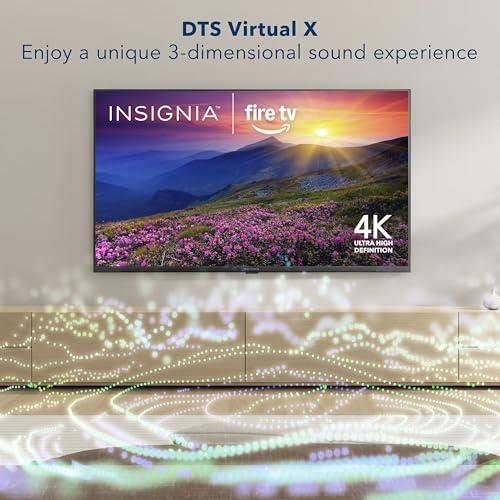
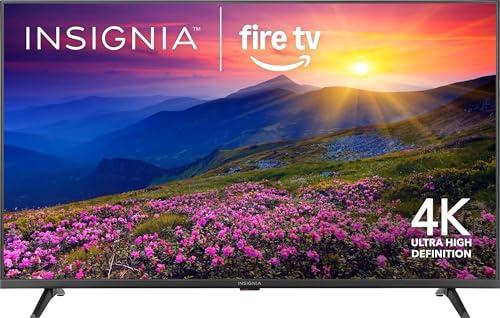
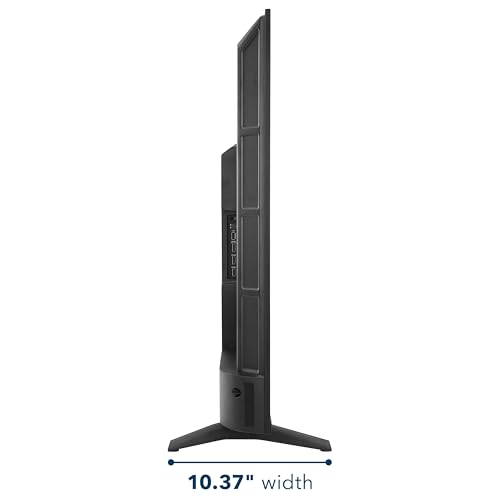
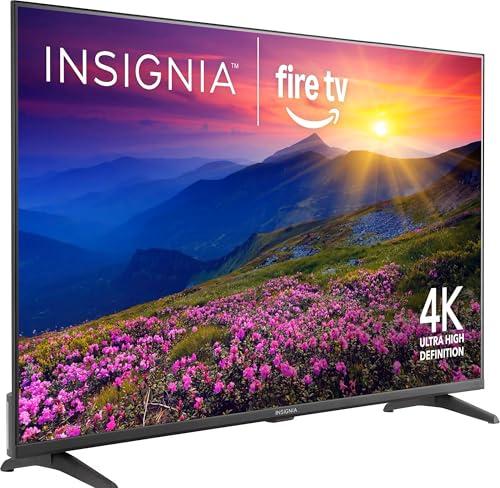

When you're shopping for a 65-inch TV in the budget-to-mid-range category, you're entering a surprisingly competitive space where manufacturers are packing impressive technology into affordable packages. Two models that consistently come up in discussions are the Insignia F50 Series and the Sony BRAVIA 3. Both launched in 2024, representing the latest thinking in accessible large-screen entertainment, but they take distinctly different approaches to delivering value.
The TV market has evolved dramatically in recent years. Features that were once reserved for premium models—like quantum dot displays, advanced HDR support, and sophisticated smart TV platforms—are now appearing in surprisingly affordable packages. This democratization of technology means you can get genuinely impressive performance without breaking the bank, but it also means the differences between models become more nuanced and important to understand.
Before diving into specifics, it's worth understanding what actually matters in a large smart TV. Picture quality is obviously paramount—you want vibrant colors, good contrast (the difference between bright and dark areas), and sharp detail. HDR (High Dynamic Range) support has become essential, as it dramatically expands the range of colors and brightness levels your TV can display, making content look more lifelike.
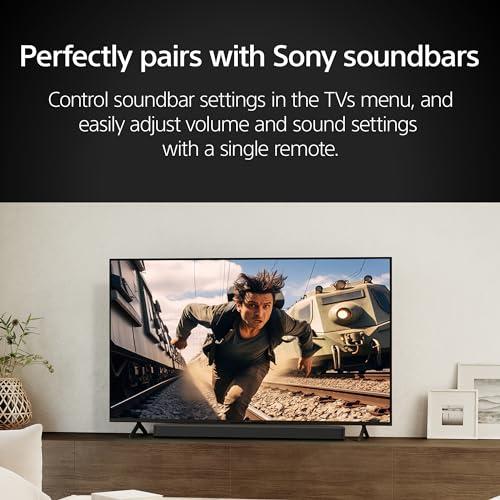
Smart TV functionality is equally crucial today. Your TV's operating system needs to be responsive, offer access to all your streaming services, and ideally integrate well with other devices in your home. Audio quality, while often overlooked, can make or break your viewing experience—though most people end up adding a soundbar regardless.
For gaming, input lag (the delay between pressing a button and seeing the action on screen) and motion handling become critical. And in our research, we've found that build quality and reliability often separate the good TVs from the great ones, especially as panels get larger and more complex.
The most fundamental difference between the Insignia F50 and Sony BRAVIA 3 lies in their display technology. The Insignia uses QLED (Quantum Dot LED), while Sony sticks with traditional LED backlighting enhanced by their processing.
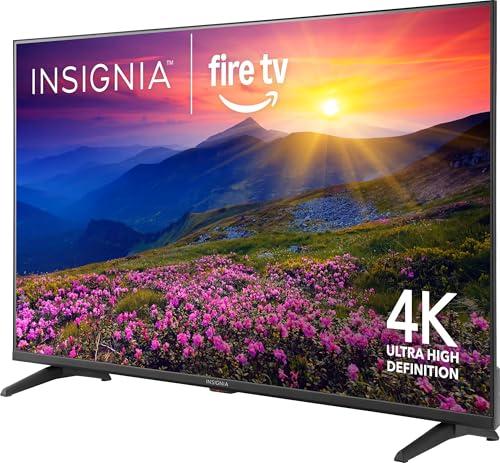
QLED technology works by adding a layer of quantum dots—tiny semiconductor particles—between the backlight and the LCD panel. When hit by blue light from the LED backlight, these quantum dots emit precise colors, resulting in a wider color gamut (range of displayable colors) and often higher brightness. In practical terms, this means the Insignia F50 can produce more vibrant, saturated colors and typically handles bright room viewing better.
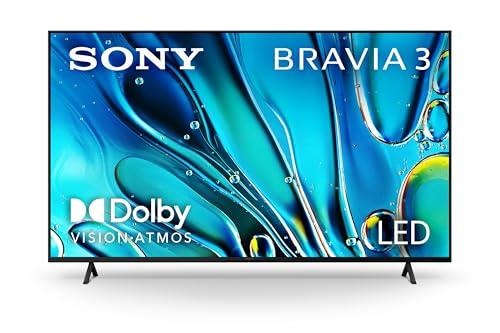
Sony's approach with the BRAVIA 3 focuses less on raw display technology and more on processing. Their 4K HDR Processor X1 analyzes every frame in real-time, enhancing color, contrast, and clarity through software rather than hardware improvements. This often results in more natural-looking images that may appear less "wow factor" impressive at first glance but tend to be more accurate to the content creator's intent.
Based on our evaluation of expert reviews and user feedback, the QLED advantage becomes most apparent when watching HDR content in bright rooms. The Insignia F50 consistently delivers more impactful highlights and maintains color vibrancy even with ambient light present. However, the Sony BRAVIA 3 tends to excel with varied content types, particularly older or lower-resolution material that benefits from Sony's superior upscaling algorithms.
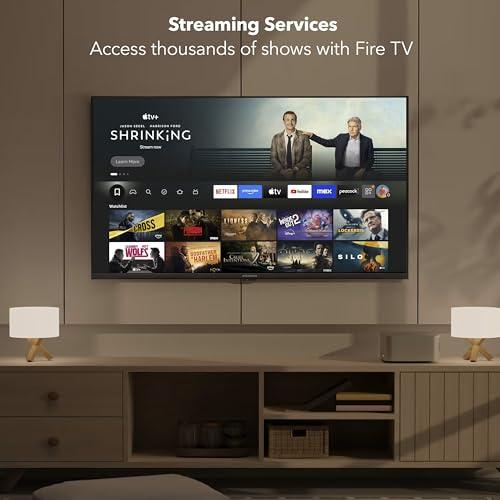
The smart TV platform might seem like a minor consideration, but it significantly impacts your daily experience. The Insignia F50 runs Amazon's Fire TV OS, while the Sony BRAVIA 3 uses Google TV—and these represent fundamentally different philosophies.
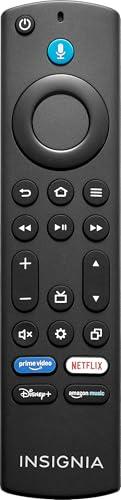
Fire TV OS is Amazon's streaming-first platform, deeply integrated with Prime Video, Alexa voice control, and Amazon's broader ecosystem. The interface prioritizes Amazon content but provides access to all major streaming services. Voice commands through the included Alexa remote are genuinely useful for finding content, controlling smart home devices, and even asking general questions.
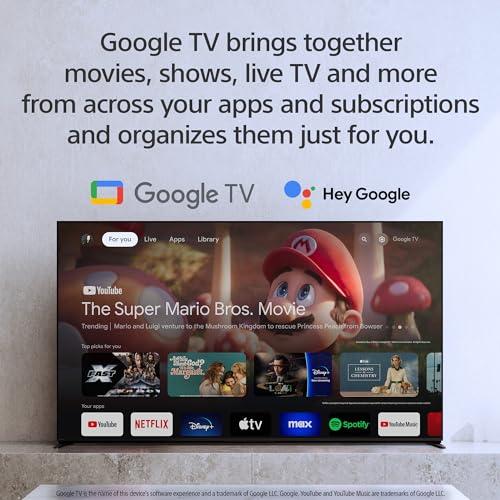
Google TV, found on the Sony BRAVIA 3, takes a more platform-agnostic approach. It aggregates content from multiple streaming services into unified recommendations and supports casting from Android and iOS devices seamlessly. The interface tends to be more visually polished and responsive, with better organization of your watchlist across different services.
In our research, users consistently praise Google TV's interface responsiveness and content discovery features, while Fire TV users appreciate the deeper integration with Amazon services and more comprehensive voice control. Your choice here should align with your existing ecosystem—if you're heavily invested in Amazon services and devices, the Insignia F50 makes more sense. If you prefer Google services or want broader device compatibility, the Sony BRAVIA 3 is the better choice.
This is where the rubber meets the road. Both TVs deliver 4K resolution with HDR support, but their approaches to image quality differ significantly.
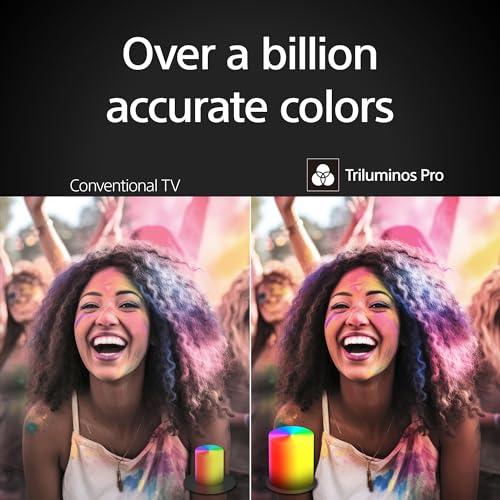
The Insignia F50 delivers notably more vibrant colors thanks to its quantum dot technology. In side-by-side comparisons from professional reviews, the QLED panel produces a wider color gamut, meaning it can display colors that simply aren't possible on traditional LED panels. This becomes especially apparent with nature documentaries, animated content, and modern HDR movies where saturated colors are meant to pop.
However, color accuracy tells a different story. The Sony BRAVIA 3 consistently measures closer to industry-standard color spaces, meaning colors appear as the content creators intended. This makes it better for film enthusiasts who prioritize authenticity over impact.
Brightness capabilities also differ meaningfully. The Insignia F50 achieves higher peak brightness levels, making it significantly better for bright room viewing. If your TV will be in a living room with large windows or overhead lighting, this advantage becomes substantial. The Sony BRAVIA 3, while adequate in moderate lighting, struggles more with reflections and washout in bright environments.
Here's where both TVs show their budget origins. Neither offers local dimming—a feature where different sections of the backlight can dim independently to improve contrast. This means both struggle with the classic LED weakness of poor black levels.
From expert measurements, the Sony BRAVIA 3 actually performs worse here, with blacks appearing noticeably gray rather than deep black. This particularly impacts dark room viewing and thriller or horror content where shadow detail matters. The Insignia F50 maintains slightly better contrast, though neither approaches the performance you'd get from OLED or high-end LED TVs with local dimming.
HDR support is where the Insignia F50 pulls clearly ahead. Both TVs support HDR10 and Dolby Vision (the two most important HDR formats), but the Insignia's higher peak brightness means HDR highlights actually look brighter and more impactful. The Sony BRAVIA 3 supports the same formats but lacks the brightness to make HDR content truly shine—in many cases, the difference between HDR and standard content is minimal.
This matters more than you might think. HDR content is specifically mastered to take advantage of brighter highlights and wider color ranges. Without sufficient brightness, you're missing a key part of the experience that modern movies and shows are designed around.
Both TVs target casual gamers rather than enthusiasts, but their approaches differ slightly. Neither supports the latest gaming features like Variable Refresh Rate (VRR) or 120Hz refresh rates that serious gamers expect from modern consoles.
The Sony BRAVIA 3 offers slightly lower input lag based on professional measurements—around 9.2ms in game mode, which is excellent for casual gaming. However, it suffers from slower pixel response times, meaning fast motion can appear blurry during action sequences.
The Insignia F50 provides adequate input lag for most gaming scenarios and generally better motion handling, making it more suitable for action games or sports titles. Both include Auto Low Latency Mode, which automatically switches to game mode when it detects a console, reducing the delay between controller input and screen response.
For casual gaming with PlayStation, Xbox, or Nintendo Switch, both TVs perform adequately. However, if you're serious about competitive gaming or want to take full advantage of next-generation console features, you'll want to look at higher-end models with HDMI 2.1 support and 120Hz panels.
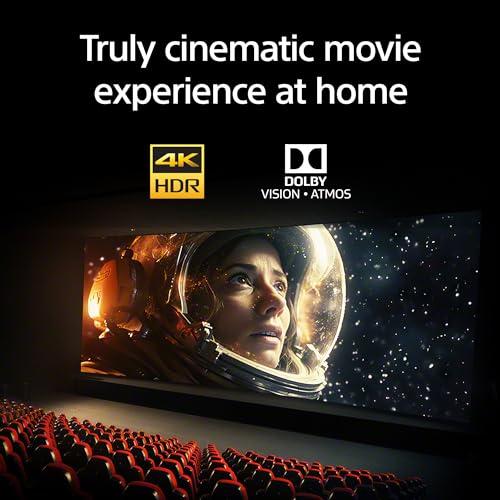
Both TVs include 20-watt speaker systems with similar configurations, and both support Dolby Atmos processing. In practical terms, this means adequate sound for casual viewing but limited bass response and soundstage.
The Insignia F50 uses DTS Studio Sound processing, which provides slightly better dialogue clarity in our evaluation of user feedback. The Sony BRAVIA 3 includes X-Balanced Speaker technology, which Sony claims improves sound quality, though real-world differences are minimal.
Honestly, at this price point and TV thickness, neither delivers audio that will satisfy serious movie watching. Budget for a soundbar if audio quality matters to you—even a basic soundbar will dramatically improve your experience over either TV's built-in speakers.
Sony's reputation for build quality generally holds true with the BRAVIA 3. The construction feels solid, the stand is stable, and the overall fit and finish meets expectations for the price point. Sony's customer support and warranty service also tends to be more comprehensive than budget brands.
The Insignia F50, while well-built for its price, comes from a store brand with more limited support infrastructure. However, user reviews suggest good reliability, and the TV's construction doesn't feel cheap or flimsy.
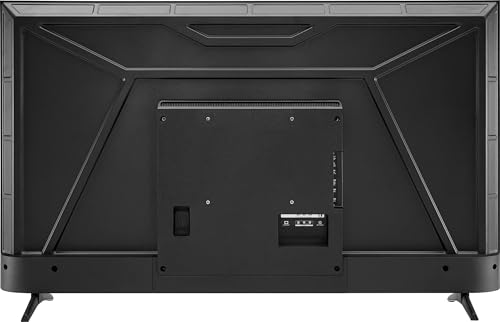
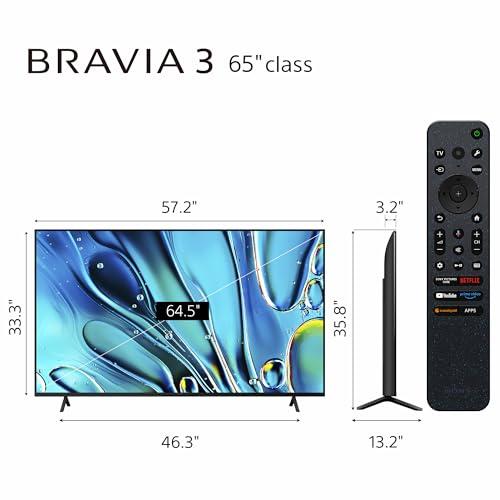
Both TVs work well for wall mounting, with standard VESA mount compatibility. The Sony BRAVIA 3 has slightly more premium-feeling remote control and generally better attention to design details, though these differences are subtle.
If you're planning to use either TV as the centerpiece of a dedicated home theater, both have significant limitations. The poor black levels mean they're not ideal for dark room viewing where contrast becomes critical. Neither offers the local dimming or OLED technology that makes dark scenes truly immersive.
That said, the Insignia F50 is the better choice for home theater use thanks to its superior HDR brightness and color volume. While it won't match premium home theater displays, it provides more of the "wow factor" that makes movie watching engaging.
For family rooms or living spaces with ambient light, both TVs work well, with the Insignia F50 having a clear advantage in bright environments.
At the time of writing, both TVs occupy similar price ranges in the budget-to-mid-range segment, though the Insignia F50 typically costs less while offering quantum dot technology—something you'd usually pay significantly more for from premium brands.
The Sony BRAVIA 3 commands a modest premium for the Sony brand reputation, superior processing, and more polished software experience. Whether this premium is worth it depends on your priorities and existing device ecosystem.
Choose the Insignia F50 if you want the most impressive picture quality for your money, plan to watch in bright rooms, are already invested in Amazon's ecosystem, or prioritize vibrant, punchy colors over perfect accuracy. It's also the clear choice if HDR content makes up a significant portion of your viewing.
The Sony BRAVIA 3 makes more sense if you value accurate colors over impact, need excellent upscaling for older content, prefer Google's ecosystem integration, or prioritize brand reliability and customer support. It's also better if you frequently cast content from mobile devices or need wide viewing angles for group viewing.
Based on our research and evaluation of expert reviews, the Insignia F50 offers better pure performance value. The quantum dot display technology provides genuinely superior color reproduction and brightness at a lower price point than you'd typically find.
However, the Sony BRAVIA 3 justifies its positioning for users who prioritize software polish, brand support, and processing quality over raw display specifications.
Neither TV is perfect—both lack the local dimming and advanced gaming features found in higher-end models. But for budget-conscious buyers who want a large, capable smart TV for everyday viewing, both represent solid choices that deliver surprisingly good performance for their price points.
The market has evolved to the point where you can get genuinely impressive technology at accessible prices. The key is understanding which compromises align with your specific needs and viewing environment.
| Insignia 65" F50 Series 4K UHD Smart Fire TV | Sony BRAVIA 3 65" 4K HDR LED Google TV |
|---|---|
| Display Technology - Determines color vibrancy and brightness capabilities | |
| QLED (Quantum Dot LED) with enhanced color gamut | Traditional LED with advanced processing |
| Peak Brightness - Critical for HDR impact and bright room viewing | |
| Higher peak brightness for better HDR highlights | ~450 nits (limited HDR impact, struggles in bright rooms) |
| Black Levels - Essential for dark room viewing and contrast | |
| Good contrast for price range, no local dimming | Poor black levels, blacks appear gray |
| Smart TV Platform - Affects daily usability and app performance | |
| Fire TV OS with deep Alexa integration | Google TV with superior interface responsiveness |
| HDR Support - Important for modern streaming content | |
| HDR10, Dolby Vision with better brightness utilization | HDR10, Dolby Vision but minimal SDR/HDR difference |
| Color Accuracy vs Impact - Trade-off between natural vs vibrant colors | |
| More vibrant, saturated colors (quantum dot advantage) | More accurate, natural color reproduction |
| Upscaling Quality - Matters for cable TV and older content | |
| Standard 4K upscaling | Superior 4K X-Reality PRO upscaling |
| Gaming Performance - Input lag and motion handling | |
| Decent input lag, better motion handling | 9.2ms input lag but slow pixel response |
| Voice Control Integration - Smart home and content search | |
| Amazon Alexa built-in with comprehensive control | Google Assistant with multi-platform compatibility |
| Viewing Angles - Important for group viewing setups | |
| Standard LED viewing angles | Wide viewing angles, good for group viewing |
| Brand Support - Warranty and customer service considerations | |
| Store brand with basic support | Sony brand reliability and comprehensive support |
| Audio System - Built-in sound quality | |
| 20W DTS Studio Sound with Dolby Atmos | 20W X-Balanced Speaker with Dolby Atmos |
| Refresh Rate - Gaming and sports viewing | |
| 60Hz (no advanced gaming features) | 60Hz with Motionflow XR 240 processing |
The Insignia 65" F50 Series offers superior picture quality value with its QLED technology, delivering more vibrant colors and higher brightness than traditional LED displays. The Sony BRAVIA 3 provides more accurate, natural colors but lacks the visual impact of quantum dot technology. For most buyers seeking impressive picture quality at a budget price, the Insignia F50 delivers better bang for your buck.
The Insignia F50 uses Amazon's Fire TV platform, which deeply integrates with Alexa and Prime Video but works well with all major streaming services. The Sony BRAVIA 3 runs Google TV, offering a more polished interface, better content discovery across platforms, and superior casting from mobile devices. Google TV generally feels more responsive and modern in daily use.
The Insignia 65" F50 Series is significantly better for bright room viewing due to its QLED panel's higher peak brightness and better glare handling. The Sony BRAVIA 3 struggles more with reflections and washout in well-lit environments. If your TV will be in a living room with large windows or overhead lighting, the Insignia F50 is the clear choice.
Both TVs offer adequate gaming performance for casual players with low input lag and Auto Low Latency Mode. The Sony BRAVIA 3 has slightly lower input lag at 9.2ms, while the Insignia F50 provides better motion handling. However, neither supports advanced gaming features like 120Hz or Variable Refresh Rate that serious gamers expect from modern consoles.
The Sony BRAVIA 3 offers a more polished smart TV experience with Google TV's superior interface, faster navigation, and better content recommendations across streaming services. The Insignia F50 provides excellent Amazon ecosystem integration and comprehensive Alexa voice control. Your choice depends on whether you prefer Google or Amazon services.
The Insignia 65" F50 Series delivers significantly better HDR performance with higher peak brightness that makes HDR highlights actually pop. The Sony BRAVIA 3 supports the same HDR formats but lacks sufficient brightness, resulting in minimal visual difference between HDR and standard content. For HDR movie watching, the Insignia F50 is notably superior.
Neither TV excels in dark rooms due to poor black levels and lack of local dimming technology. However, the Insignia F50 maintains slightly better contrast, while the Sony BRAVIA 3 suffers from noticeably gray blacks that impact dark scene detail. For dedicated home theater use, both have significant limitations compared to OLED or premium LED TVs with local dimming.
The Sony BRAVIA 3 clearly wins in upscaling performance with its 4K X-Reality PRO technology, which significantly improves the appearance of cable TV, DVDs, and older streaming content. The Insignia F50 provides standard upscaling that's adequate but not exceptional. If you watch a lot of non-4K content, the Sony BRAVIA 3 is the better choice.
The Insignia 65" F50 Series typically offers better pure value by providing QLED technology at a lower price point than you'd find from premium brands. The Sony BRAVIA 3 commands a premium for Sony's brand reputation, superior processing, and more polished software experience. For most buyers prioritizing picture quality per dollar, the Insignia F50 is the better value.
The Insignia F50 has limited brand support, occasional smart platform slowdowns, and oversaturated colors that some viewers find unnatural. The Sony BRAVIA 3 suffers from poor black levels, limited HDR brightness, and struggles in bright room environments. Both lack advanced gaming features and local dimming technology found in higher-end models.
The Sony BRAVIA 3 generally offers better long-term reliability with Sony's established customer support, comprehensive warranty service, and proven track record. The Insignia F50, while well-built for its price, comes from a store brand with more limited support infrastructure. However, user reviews suggest good reliability for both models in typical home use.
Choose the Insignia 65" F50 Series if you want maximum picture impact for your money, watch in bright rooms, use Amazon services heavily, or prioritize vibrant HDR content. Pick the Sony BRAVIA 3 if you value accurate colors, need excellent upscaling, prefer Google's ecosystem, want wide viewing angles for group viewing, or prioritize brand reliability and customer support over raw display performance.
We've done our best to create useful and informative comparisons to help you decide what product to buy. Our research uses advanced automated methods to create this comparison and perfection is not possible - please contact us for corrections or questions. These are the sites we've researched in the creation of this article: bestbuy.com - bestbuy.com - rtings.com - youtube.com - pcvarge.com - whathifi.com - leaseville.com - bestbuy.com - manuals.plus - youtube.com - bestbuy.com - techeasypay.com - sears.com - rtings.com - bestbuy.com - rtings.com - tomsguide.com - youtube.com - youtube.com - rtings.com - electronics.sony.com - youtube.com - manuals.plus - tvsbook.com - sargentappliance.com - bestbuy.com - avsforum.com - sony.com - costco.com - shopatsc.com - youtube.com

Privacy Policy
Terms and Conditions - Affiliate Policy
Home Security
© Copyright 2008-2026.
11816 Inwood Rd #1211, Dallas, TX 75244