


Shopping for a mid-range 65-inch TV in 2024 means navigating a sea of acronyms, competing technologies, and marketing claims. Two standout options that consistently appear in our research are the Sony BRAVIA 3 and the Roku Plus Series, both offering compelling features at competitive price points. After diving deep into user reviews, expert analysis, and technical specifications, we've found these TVs represent fundamentally different approaches to delivering quality entertainment—and understanding these differences will help you make the right choice for your home.
Before we dive into the specifics, let's establish what actually matters when you're spending your hard-earned money on a TV in this price range. The mid-range TV market, roughly spanning $600-$1000 for 65-inch models at the time of writing, targets mainstream consumers who want modern features without premium pricing. This sweet spot demands careful balancing of picture quality, smart features, build quality, and value.
The most critical performance factors are picture quality (how good content actually looks), smart platform reliability (how smoothly apps run and update), gaming capabilities (input lag and refresh rates), and audio performance. Unlike budget TVs that often sacrifice key features, or premium models that include everything but cost significantly more, mid-range TVs force manufacturers to make strategic choices about where to invest their engineering efforts.
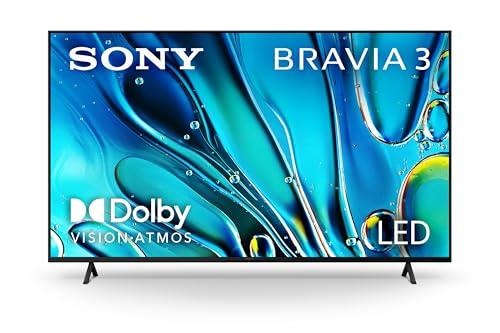
The Sony BRAVIA 3, released as part of Sony's 2024 lineup, represents the company's entry-level offering with an emphasis on reliable performance and time-tested technologies. Sony's approach prioritizes color accuracy, wide viewing angles, and their renowned image processing—essentially delivering a "safe" choice that emphasizes proven performance over cutting-edge features.
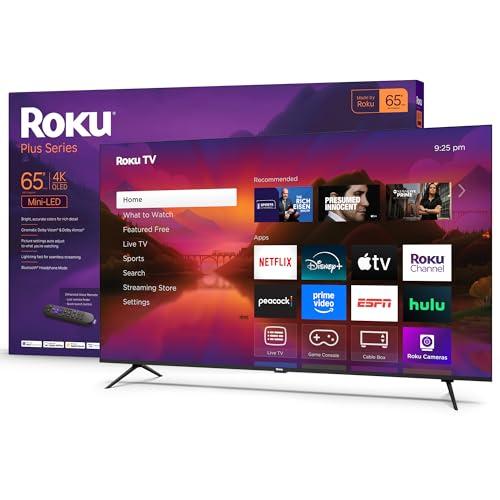
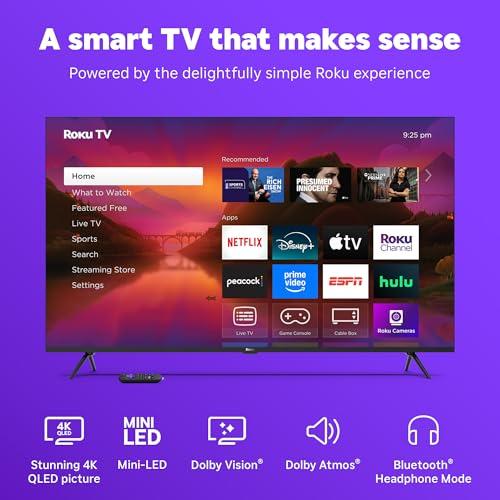
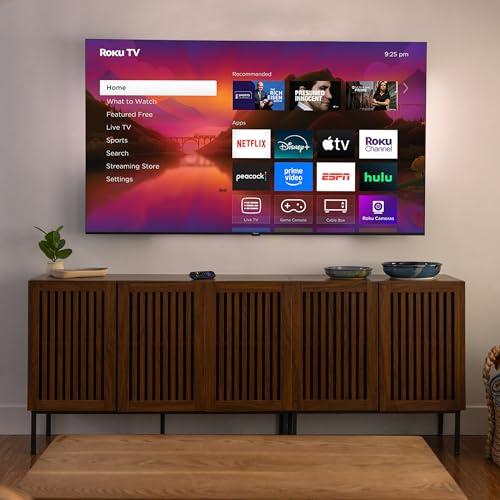
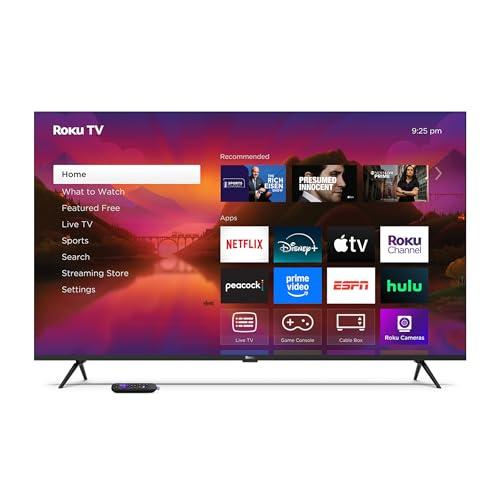
The Roku Plus Series, also launched in 2024, takes a more aggressive approach by incorporating advanced display technologies like Mini-LED backlighting and QLED color enhancement typically found in higher-priced models. Roku's strategy focuses on delivering premium visual experiences through hardware innovation while keeping their famously simple smart TV interface.
The most significant difference between these TVs lies in their fundamental display architecture, and this is where your viewing experience will diverge most dramatically.
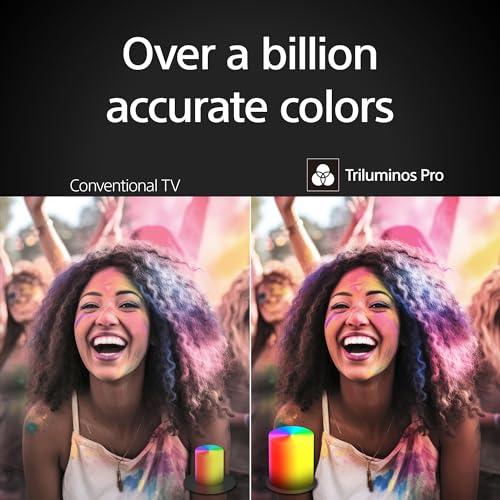
The Sony BRAVIA 3 uses a conventional LED backlight system—essentially a grid of white LEDs behind the LCD panel that illuminate the entire screen uniformly. This approach, combined with Sony's VA panel (except the 75-inch model which uses IPS), delivers excellent viewing angles and consistent brightness across the screen. Sony enhances this with their Triluminos Pro technology, which expands the color spectrum to reproduce over a billion different colors.
What this means in practice is remarkably natural-looking content. During our research into user experiences, the consistent feedback about the Sony BRAVIA 3 centers on its "realistic" and "accurate" color reproduction. When watching nature documentaries or sports, colors appear as they should—grass looks properly green, skin tones appear natural, and there's none of that oversaturated, artificial look that some TVs produce.
However, this traditional LED approach has a significant weakness: black levels. Without local dimming zones (areas where the backlight can independently turn off or dim), the entire backlight stays on even during dark scenes. This means blacks appear more gray than truly black, which becomes particularly noticeable when watching movies in darkened rooms or content with frequent dark scenes.
The Roku Plus Series employs a more sophisticated approach with Mini-LED backlighting paired with QLED (Quantum Dot Light Emitting Diode) technology. Mini-LED uses thousands of tiny LEDs arranged in zones that can independently brighten or dim, allowing for local dimming control. Combined with QLED's quantum dots—microscopic particles that emit precise colors when hit by light—this creates a more dynamic and contrasted picture.
The practical benefits are immediately apparent in darker viewing environments. User reviews consistently highlight the Roku Plus Series's ability to produce "deep blacks" and "bright highlights" simultaneously. When watching a movie where a character holds a candle in a dark room, the flame appears brilliantly bright while the surrounding darkness remains truly black, rather than the grayish appearance you'd see on traditional LED displays.
This advanced technology does come with trade-offs. The quantum dot layer and local dimming zones can create viewing angle limitations—colors and contrast degrade more noticeably when viewed from the side compared to the Sony BRAVIA 3's consistent off-angle performance.
High Dynamic Range (HDR) represents one of the most significant advances in TV technology over the past decade, expanding both the brightness range and color spectrum beyond what standard content can display. Both TVs support multiple HDR formats, but their execution differs substantially.
The Sony BRAVIA 3 supports HDR10, Dolby Vision, and HLG formats, which covers virtually all HDR content you'll encounter. However, with a peak brightness measured around 450 nits in both SDR (Standard Dynamic Range) and HDR modes, the actual impact of HDR content feels limited. Expert reviews and user feedback consistently describe the HDR experience as "present but not dramatic." You'll notice some improvement in color vibrancy and shadow detail, but those stunning bright highlights that make HDR content pop simply aren't achievable at this brightness level.
The Roku Plus Series achieves similar peak brightness numbers (459 nits in HDR, 338 nits in SDR), but the Mini-LED local dimming technology creates a more impactful HDR experience. By darkening zones around bright objects, the TV creates the perception of greater brightness contrast even without dramatically higher peak luminance. User experiences frequently mention being "impressed by HDR movies" and noticing "better highlight detail" compared to traditional LED TVs.
For context, premium TVs often exceed 1000 nits, while OLED displays might peak around 800 nits but with perfect blacks. Both our TVs fall into the "adequate HDR" category—you'll get enhanced color and some dynamic range improvement, but neither will deliver the jaw-dropping HDR impact of more expensive models.
This is where personal preference plays a significant role, as both platforms excel in different ways.
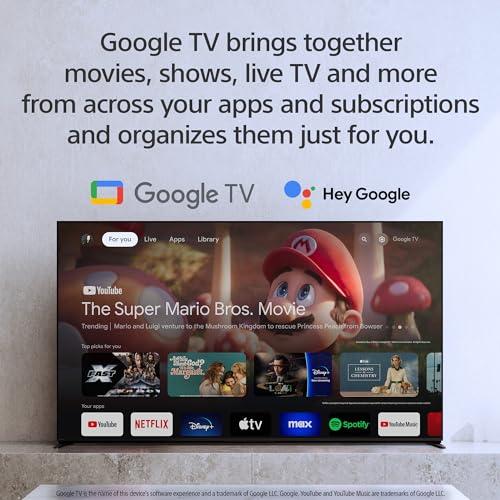
The Sony BRAVIA 3 runs Google TV, which is essentially Android 12 optimized for television use. This platform offers exceptional flexibility—you can install virtually any Android app, access Google Play Store, and enjoy deep integration with Google services. The interface aggregates content from multiple streaming services, creating a unified "what to watch" experience that learns from your viewing habits.
From our analysis of user feedback, Google TV consistently receives praise for its responsiveness and comprehensive app ecosystem. The voice search functionality works across all installed apps, and the platform receives regular updates that add new features and maintain security. For households already embedded in the Google ecosystem (using Gmail, Google Photos, Chromecast devices), the integration feels seamless.
The potential downside is complexity. Some users report feeling overwhelmed by the numerous options and settings, and the interface can occasionally feel cluttered compared to simpler alternatives.
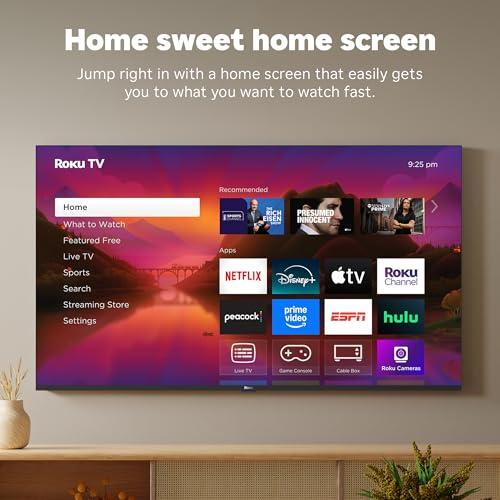
The Roku Plus Series runs Roku's proprietary TV OS, which has earned a reputation as one of the most user-friendly smart TV platforms available. The interface prioritizes simplicity—apps are arranged in a straightforward grid, navigation is intuitive, and the platform rarely experiences the slowdowns or crashes that plague some smart TV systems.
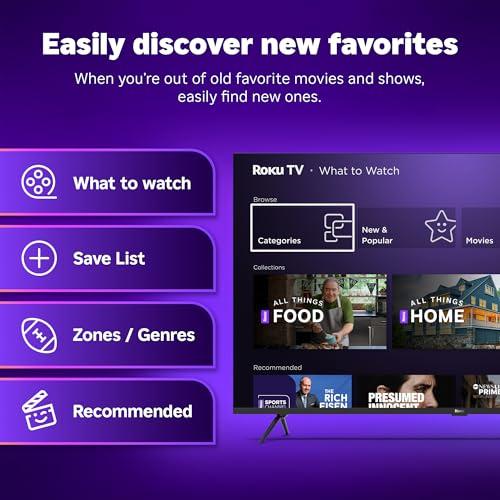
Roku's content approach differs from Google TV's aggregation strategy. Instead of pulling content from multiple services into one interface, Roku provides easy access to over 500 free channels alongside traditional paid streaming apps. This includes Roku Originals and a surprising amount of quality free content that many users discover and appreciate.
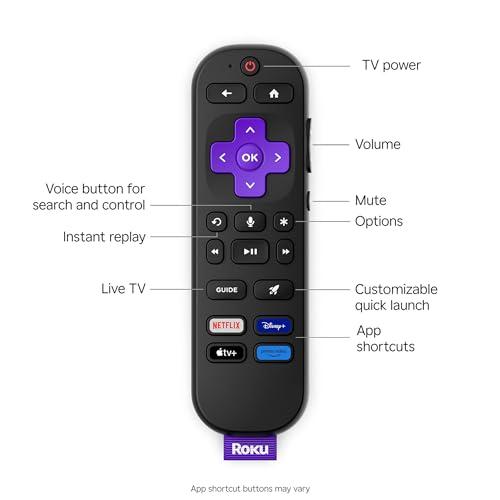
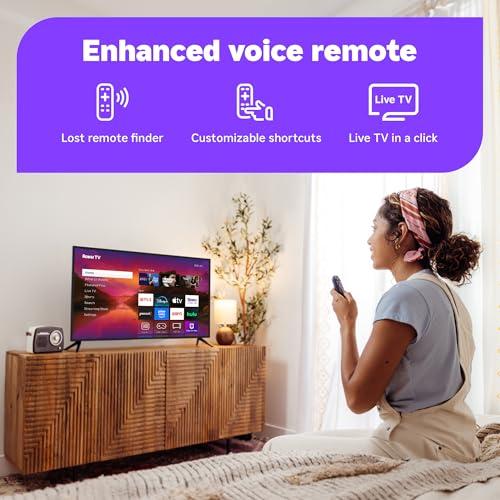
The Enhanced Voice Remote Pro included with the Roku Plus Series deserves special mention. It features hands-free voice control, customizable shortcut buttons, and even a lost remote finder—practical touches that improve daily usability. User reviews consistently praise this remote's reliability and functionality compared to basic remotes included with many competitors.
Neither TV positions itself as a gaming powerhouse, but both handle casual and moderate gaming reasonably well, with some important limitations to understand.
The Sony BRAVIA 3 achieves a 9.2ms input lag in Game Mode, which is excellent for responsive gameplay. However, it's limited to 60Hz refresh rate and lacks Variable Refresh Rate (VRR) support. This means you won't benefit from 120fps gaming capabilities available on PlayStation 5 and Xbox Series X, and you might experience screen tearing during fast-motion sequences.
The Roku Plus Series measures slightly higher input lag at 11.5ms, which is still very good for gaming, but also shares the 60Hz limitation and lack of advanced gaming features. However, its superior motion handling due to the Mini-LED technology might provide smoother-looking gameplay during fast action sequences.
For context, serious gaming TVs typically offer 120Hz refresh rates, VRR support, and HDMI 2.1 connectivity. Both our TVs use HDMI 2.0, which limits bandwidth and prevents access to next-generation gaming features. If gaming is a priority, especially with current-generation consoles, you might want to consider spending more for gaming-specific features.
Built-in TV speakers have historically been an afterthought, but both models show meaningful improvement over budget alternatives, though with different strengths.
The Sony BRAVIA 3 features a 20W 2.0 channel system with X-Balanced Speaker technology, which Sony claims reduces distortion. User reviews consistently mention clear dialogue and adequate volume for normal viewing, with Dolby Atmos support providing some spatial audio enhancement when available. However, bass response remains limited, as expected from thin TV speakers.
The Roku Plus Series takes audio more seriously with support for 4.1 surround sound expandability and wireless audio connectivity. The system handles Dolby Atmos content well, and user feedback often mentions being "surprised by the sound quality" for a TV in this price range. The ability to expand to 4.1 channels and connect wireless speakers provides upgrade paths that the Sony doesn't match.
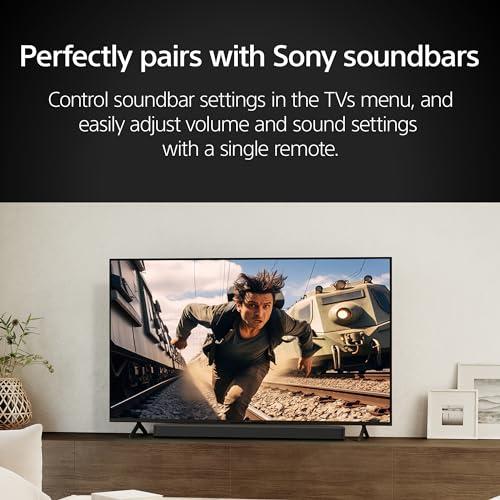
For serious home theater use, both TVs will benefit from external audio solutions—either a soundbar or dedicated speakers. However, the Roku Plus Series's expandability options make it more future-proof for audio upgrades.
Your viewing environment significantly influences which TV will perform better in your specific situation.
For dedicated home theater setups in controlled lighting environments, the Roku Plus Series's superior contrast and black levels create a more cinematic experience. The Mini-LED local dimming really shines (pun intended) when watching movies in darkened rooms, where you can appreciate the deep blacks and enhanced shadow detail. The narrow viewing angles become less problematic when viewers are positioned directly in front of the screen, as typically happens in dedicated theater setups.
However, if your TV serves as the family entertainment center in a bright living room with multiple seating positions, the Sony BRAVIA 3's wide viewing angles and consistent performance become more valuable. The TV maintains color accuracy and brightness when viewed from the side, making it better suited for group watching scenarios where not everyone can sit directly in front of the screen.
Both manufacturers invest heavily in image processing, but their approaches reflect their different philosophies.
Sony's 4K HDR Processor X1 focuses on real-time scene analysis and enhancement. This processor excels at upscaling lower-resolution content—taking 1080p cable TV or streaming content and intelligently adding detail to approach 4K quality. User reviews consistently praise the Sony BRAVIA 3's ability to make "old content look better than it should." This proves particularly valuable for sports viewing, where broadcast quality varies, and for streaming services that compress content to manage bandwidth.
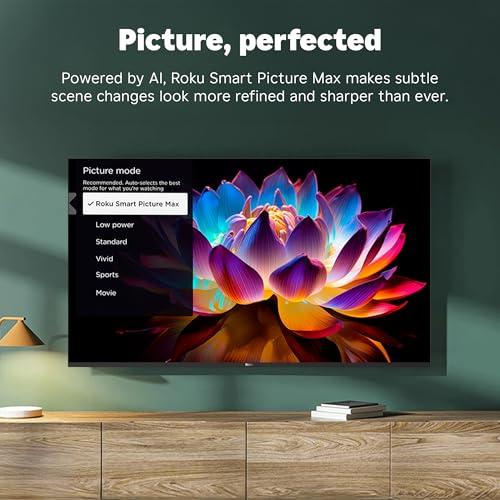
The Roku Plus Series incorporates Roku Smart Picture Max, an AI-powered system that automatically optimizes picture settings based on content type and viewing environment. This system continuously adjusts color, sharpness, and contrast without user intervention. While this sounds appealing, some user reviews suggest it can be overly aggressive, occasionally creating an artificial or over-processed look with certain content types.
Both TVs prioritize functionality over flashy design, which makes sense at this price point.
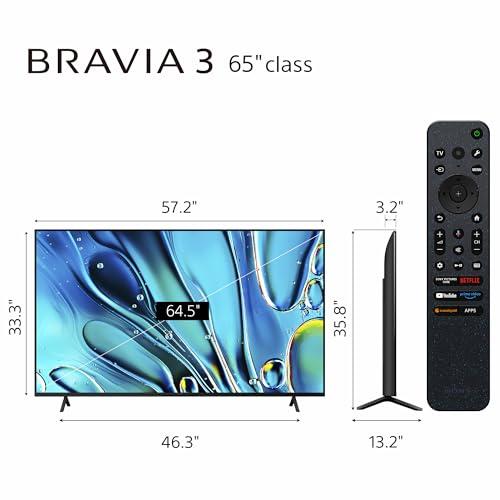
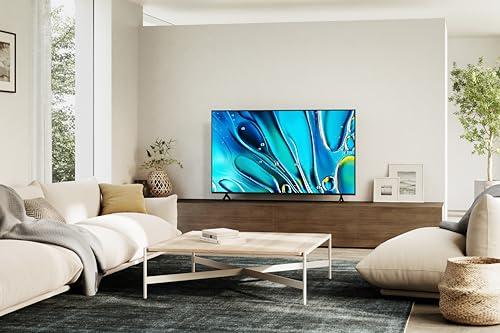
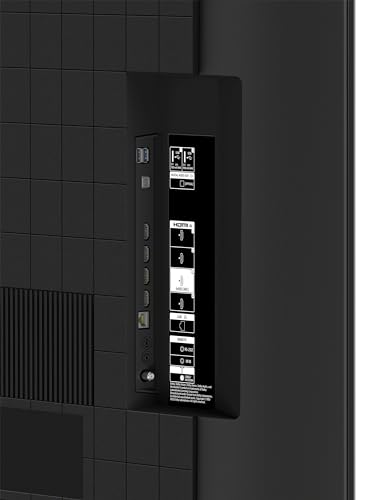
The Sony BRAVIA 3 features a clean, minimalist design with narrow bezels and stable metal feet. The build quality feels solid, and cable management solutions help maintain a tidy appearance. The included voice remote is functional but lacks the premium features found on higher-end Sony models—no backlight, for example.
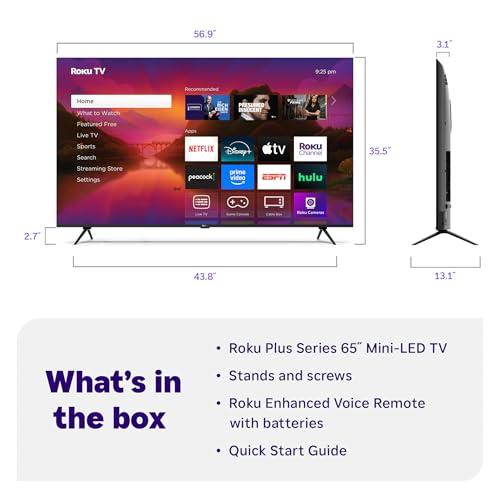
The Roku Plus Series also emphasizes practical design with its frameless approach maximizing screen real estate. The included Enhanced Voice Remote Pro represents a significant upgrade over basic TV remotes, with rechargeable battery, hands-free voice control, and customizable buttons that enhance daily usability.
At the time of writing, both TVs occupy similar price ranges in the competitive mid-range segment, making the choice more about matching features to your specific needs than finding the clear "better deal."
The Sony BRAVIA 3 delivers excellent value for households prioritizing reliability, wide viewing angles, and comprehensive smart TV functionality. Sony's reputation for longevity and continued software support adds long-term value that's difficult to quantify but important to consider. The Google TV platform's extensive app ecosystem and regular updates suggest this TV will remain current longer than platforms with less development support.
The Roku Plus Series provides compelling value for viewers seeking premium display technology at mainstream pricing. The Mini-LED and QLED combination typically costs significantly more in other brands' lineups, making this an opportunity to access advanced display features without premium pricing. The enhanced audio capabilities and superior contrast performance add value that becomes more apparent over time.
After extensive research and analysis, here's our recommendation framework:
Choose the Sony BRAVIA 3 if:
Choose the Roku Plus Series if:
Consider spending more if:
Both TVs represent solid choices in the competitive mid-range market, with the decision ultimately coming down to your specific viewing environment and preferences. The Sony BRAVIA 3 excels as a versatile family TV that performs consistently across various conditions, while the Roku Plus Series pushes closer to premium TV performance in the right environment.
Neither choice will leave you disappointed, but understanding these key differences ensures you'll maximize satisfaction with your investment for years to come.
| Sony BRAVIA 3 65" 4K HDR LED Google TV | Roku Plus Series 65" 4K QLED Mini-LED Smart TV 2025 |
|---|---|
| Display Technology - Determines contrast and black level performance | |
| Traditional LED backlight with VA panel (no local dimming) | Mini-LED backlight with QLED panel and local dimming zones |
| Peak Brightness - Critical for HDR impact and bright room viewing | |
| 450 nits (both SDR and HDR) | 459 nits HDR / 338 nits SDR |
| Black Levels - Essential for home theater and movie watching | |
| Poor - blacks appear gray due to no local dimming | Excellent - true blacks thanks to Mini-LED local dimming |
| Color Performance - Affects vibrancy and accuracy | |
| Triluminos Pro with 99.7% Rec.709 coverage (highly accurate) | QLED quantum dots with wide color gamut (more vibrant) |
| Viewing Angles - Important for family rooms with multiple seating positions | |
| Wide viewing angles maintain color and brightness off-center | Narrow viewing angles - best viewed straight-on |
| Smart TV Platform - Determines app selection and interface experience | |
| Google TV (Android 12) with full Google Play Store access | Roku TV OS with 500+ channels and streamlined interface |
| Voice Remote - Daily usability factor | |
| Basic voice remote (no advanced features) | Enhanced Voice Remote Pro (rechargeable, hands-free, lost remote finder) |
| Gaming Performance - Input lag matters more than refresh rate for most | |
| 9.2ms input lag, 60Hz, HDMI 2.0 only | 11.5ms input lag, 60Hz, HDMI 2.0 only |
| HDR Support - Format compatibility for streaming services | |
| HDR10, Dolby Vision, HLG (limited brightness impact) | HDR10, HDR10+, Dolby Vision, HLG (better contrast impact) |
| Audio System - Built-in speaker quality | |
| 20W 2.0 channels with X-Balanced Speakers | Enhanced system with 4.1 surround expandability and wireless connectivity |
| Image Processing - Upscaling quality for lower-res content | |
| 4K HDR Processor X1 (excellent upscaling and motion handling) | Roku Smart Picture Max AI (automatic optimization, can be aggressive) |
| Best Use Case - Where each TV excels | |
| Bright family rooms, wide seating arrangements, Google ecosystem users | Dark home theaters, cinematic viewing, users wanting simple interface |
The Roku Plus Series delivers superior picture quality for movies thanks to its Mini-LED backlighting and QLED technology. It produces deeper blacks and better contrast, which is essential for cinematic viewing in dark rooms. The Sony BRAVIA 3 offers more accurate colors but struggles with black levels, making dark movie scenes appear grayish rather than truly black.
The Sony BRAVIA 3 uses traditional LED backlighting that illuminates the entire screen uniformly, while the Roku Plus Series uses Mini-LED technology with thousands of tiny LEDs arranged in zones. This allows the Roku Plus Series to dim specific areas independently, creating better contrast and deeper blacks. Mini-LED is a more advanced technology that typically costs more.
Both platforms excel in different ways. The Sony BRAVIA 3 runs Google TV, which offers comprehensive app selection and integrates well with Google services but can feel complex. The Roku Plus Series uses Roku OS, known for its simple, intuitive interface and reliable performance. Roku is generally considered easier for less tech-savvy users.
Both TVs offer decent gaming performance for casual players. The Sony BRAVIA 3 has slightly lower input lag at 9.2ms compared to the Roku Plus Series at 11.5ms. However, both are limited to 60Hz refresh rates and lack advanced gaming features like VRR or 120Hz support that serious gamers might want.
The Sony BRAVIA 3 performs better in bright rooms due to its wide viewing angles and consistent brightness across different viewing positions. While both TVs have similar peak brightness levels, the Roku Plus Series suffers from narrow viewing angles and may struggle with reflections in brightly lit environments.
The Sony BRAVIA 3 supports HDR10, Dolby Vision, and HLG formats. The Roku Plus Series supports these same formats plus HDR10+. However, the Roku Plus Series delivers more impactful HDR performance due to its local dimming capability, even though both TVs have similar peak brightness levels.
The Roku Plus Series has better built-in audio with support for 4.1 surround sound expandability and wireless connectivity options. The Sony BRAVIA 3 features a 20W 2.0 channel system that's adequate for casual viewing. Both support Dolby Atmos, but for serious home theater use, external speakers or soundbars are recommended for either TV.
The Sony BRAVIA 3 significantly outperforms the Roku Plus Series in viewing angles. Sony's VA panel maintains color accuracy and brightness when viewed from the side, making it ideal for family rooms where people sit in different positions. The Roku Plus Series works best when viewed straight-on.
The Sony BRAVIA 3 excels at upscaling with its 4K HDR Processor X1, which is particularly effective at improving cable TV, older movies, and compressed streaming content. The Roku Plus Series uses AI-powered optimization that can sometimes be overly aggressive. For mixed content viewing, the Sony BRAVIA 3 generally handles upscaling more naturally.
The Roku Plus Series is superior for dedicated home theater setups due to its excellent contrast ratio, deep blacks, and better HDR impact. The Mini-LED local dimming creates a more cinematic experience in dark rooms. The narrow viewing angles become less problematic in theater setups where viewers sit directly in front of the screen.
The Roku Plus Series includes an Enhanced Voice Remote Pro with hands-free voice control, rechargeable battery, customizable shortcut buttons, and a lost remote finder feature. The Sony BRAVIA 3 comes with a basic voice remote that lacks advanced features like backlighting or hands-free operation. The Roku remote offers significantly better daily usability.
Both TVs offer solid long-term value but in different ways. The Sony BRAVIA 3 provides reliable performance, excellent upscaling, and Google TV's comprehensive platform with regular updates. The Roku Plus Series offers more advanced display technology typically found in higher-priced TVs, plus superior audio expandability options. Your choice depends on whether you prioritize proven reliability or cutting-edge display features.
We've done our best to create useful and informative comparisons to help you decide what product to buy. Our research uses advanced automated methods to create this comparison and perfection is not possible - please contact us for corrections or questions. These are the sites we've researched in the creation of this article: bestbuy.com - rtings.com - tomsguide.com - youtube.com - youtube.com - rtings.com - electronics.sony.com - youtube.com - manuals.plus - tvsbook.com - sargentappliance.com - bestbuy.com - avsforum.com - sony.com - costco.com - shopatsc.com - youtube.com - bestbuy.com - tomsguide.com - rtings.com - youtube.com - rtings.com - youtube.com - roku.com - walmart.com - youtube.com - bestbuy.com - roku.com - tvsbook.com

Privacy Policy
Terms and Conditions - Affiliate Policy
Home Security
© Copyright 2008-2026.
11816 Inwood Rd #1211, Dallas, TX 75244