

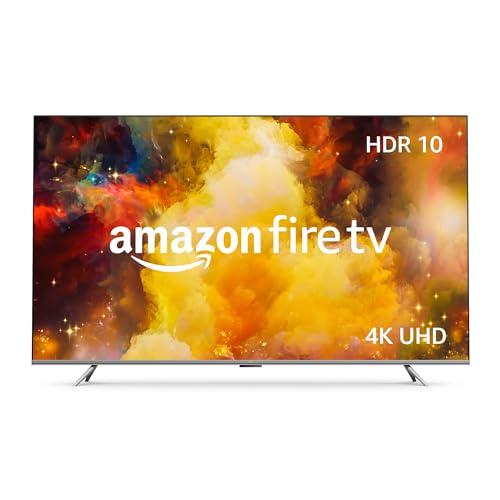
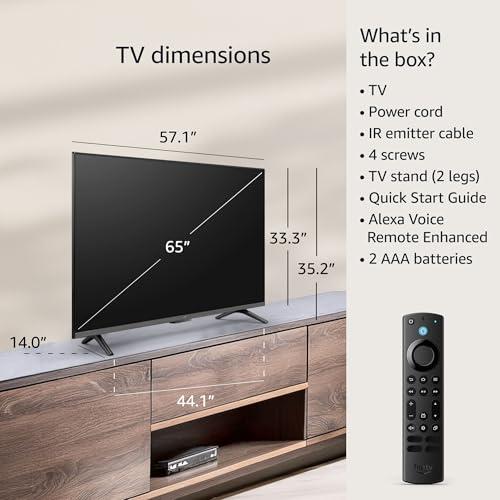
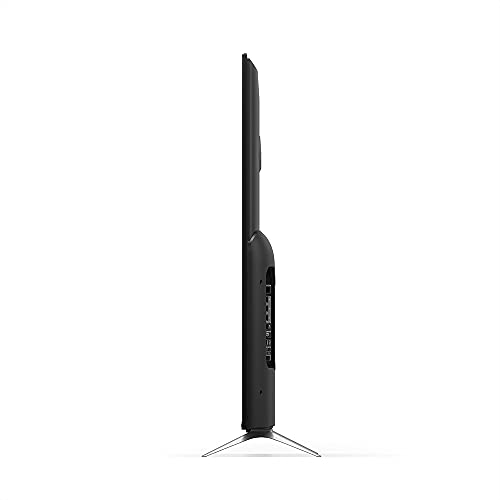
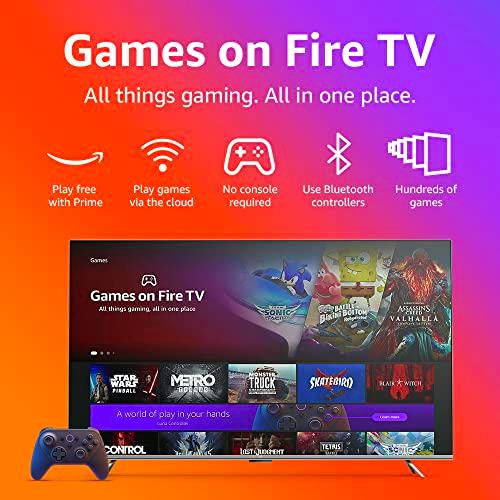

Shopping for a 65-inch 4K TV under $1,000 means navigating a crowded field where every manufacturer promises the best picture quality and smartest features. Two standout options from 2024 showcase very different philosophies: the Amazon Fire TV Omni Series 65" leans heavily into voice control and smart home integration, while the Sony BRAVIA 3 65" emphasizes picture processing and color accuracy. At the time of writing, these TVs are priced roughly $150-200 apart, making the decision more about priorities than budget constraints.
Both represent significant improvements over their predecessors from just a few years ago. The smart TV landscape has evolved rapidly since 2020, with manufacturers finally delivering genuinely responsive interfaces, comprehensive app ecosystems, and meaningful voice control. What's particularly interesting about these 2024 models is how they've taken distinctly different approaches to the same core challenge: delivering premium features at accessible prices.
The $600-900 price segment has become the sweet spot for mainstream TV buyers who want modern conveniences without the premium pricing of flagship models. These TVs need to balance multiple priorities: decent picture quality for streaming content, responsive smart platforms, adequate gaming capabilities, and enough brightness to handle typical living room lighting.
The key compromises in this category typically involve advanced display technologies. You won't find the local dimming zones that help expensive TVs achieve deep blacks, nor the peak brightness levels that make HDR content truly pop. Instead, manufacturers focus on color accuracy, smart features, and processing capabilities that enhance everyday viewing experiences.
What matters most in this segment is how well a TV handles the content you actually watch. If you're streaming Netflix in 4K, how sharp and colorful does it look? When you're watching older shows or DVDs, how well does the TV clean up and enhance that lower-resolution content? These practical performance metrics often matter more than impressive spec sheets.
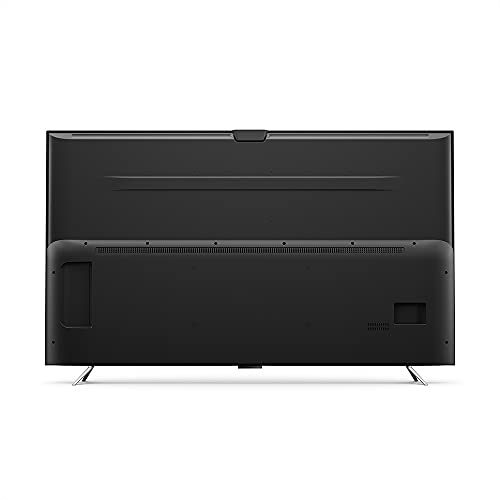
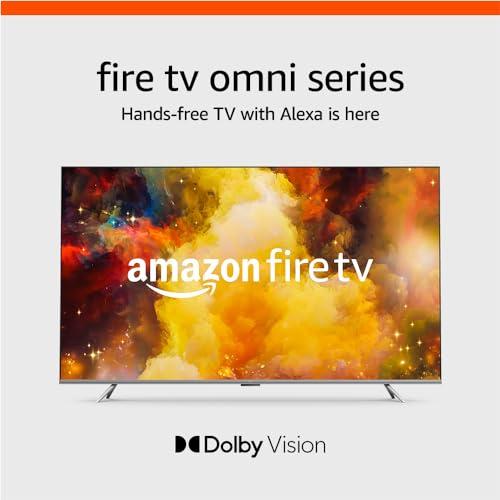
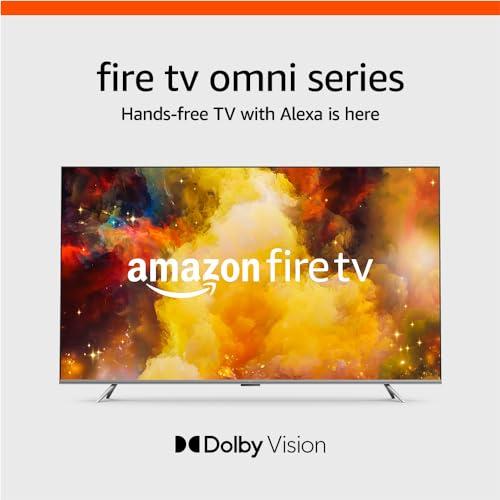
The Amazon Fire TV Omni Series represents Amazon's ambitious push beyond streaming devices into TV hardware itself. Released in 2024, this model builds on lessons learned from earlier Fire TV editions with a focus on seamless voice integration and smart home functionality.
The standout feature is hands-free Alexa control through built-in far-field microphones. This isn't just a marketing gimmick – it fundamentally changes how you interact with your TV. You can adjust volume, switch channels, search for content, control lights, or check the weather without touching a remote. The privacy-conscious design includes a physical switch to electronically disconnect the microphones when desired.
Under the hood, the Fire TV Omni Series uses quantum dot technology (QLED) to enhance color reproduction. Quantum dots are tiny semiconductor particles that can emit very pure colors when hit with light. This allows the TV to display a wider range of colors than standard LED displays, covering up to 93% of the DCI-P3 color space – the standard used for digital cinema.
The display uses a direct LED backlight system without local dimming zones. This means LED lights are positioned directly behind the screen rather than along the edges, providing more even illumination. However, without the ability to dim specific zones independently, dark scenes will show some light bleeding, making blacks appear more gray than truly deep.
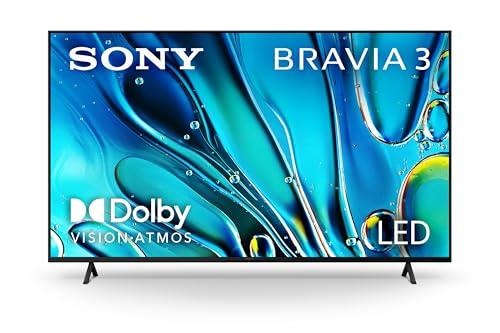
Sony's approach with the BRAVIA 3 prioritizes what the company has always done best: making content look as good as possible through advanced processing. The 4K HDR Processor X1 analyzes every frame in real-time, adjusting color, contrast, and sharpness based on the specific content being displayed.
This processing advantage becomes most apparent with lower-resolution sources. When you're watching DVDs, cable TV, or older streaming content, the Sony BRAVIA 3 uses its 4K X-Reality PRO upscaling to add detail and reduce artifacts. It's the difference between content looking merely "acceptable" versus genuinely improved.
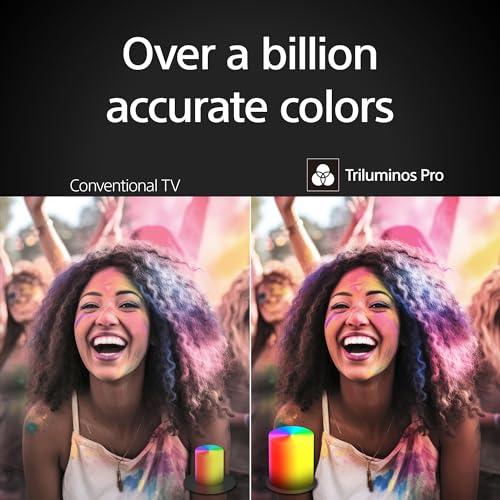
The Triluminos Pro color technology deserves special mention. While not as advanced as quantum dots, it uses a sophisticated backlight system to display over a billion colors with excellent accuracy. In testing scenarios, the BRAVIA 3 achieves 99.71% coverage of the Rec. 709 color space – the standard for HDTV – which translates to more natural-looking skin tones and realistic colors across all content.
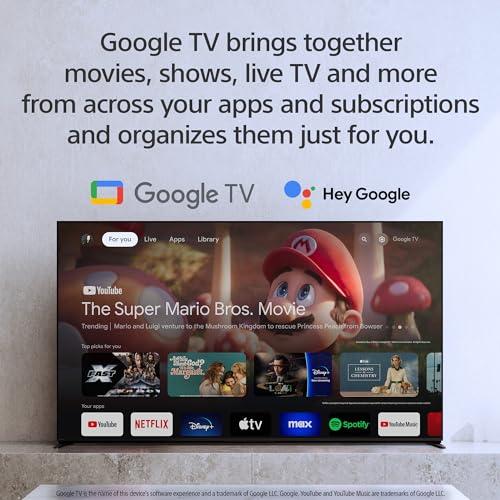
Sony has also integrated Google TV more thoughtfully than many competitors. The interface feels responsive and well-designed, with content recommendations that actually seem useful rather than purely promotional.
This is where choosing between these TVs gets interesting. The Amazon Fire TV Omni Series uses quantum dot technology to achieve impressive color volume – basically, how many colors it can display and how saturated they can be. This makes streaming content, particularly HDR movies and shows, appear vibrant and punchy.
The Sony BRAVIA 3 takes a different approach, focusing on color accuracy over sheer volume. Sony's decades of experience in professional displays shows here – colors look natural rather than artificially enhanced. If you've ever noticed that some TVs make people's skin look orange or grass look unnaturally green, you'll appreciate Sony's more measured approach.
For most content, both approaches work well, but they appeal to different viewing preferences. The Fire TV Omni Series creates a more "wow factor" experience that's particularly effective with animated content and vibrant HDR movies. The BRAVIA 3 excels with realistic content like dramas, documentaries, and sports where natural color reproduction matters more than visual impact.
High Dynamic Range (HDR) content contains a wider range of brightness levels than standard content, from deep shadows to brilliant highlights. However, both of these budget TVs face the same fundamental limitation: they simply can't get bright enough to fully realize HDR's potential.
The Fire TV Omni Series reaches peak brightness levels around 400-500 nits in HDR mode, while the Sony BRAVIA 3 achieves similar numbers. For context, premium TVs often exceed 1,000 nits, and the sun on a clear day measures about 100,000 nits. This means HDR content will look better than standard content on both TVs, but don't expect the dramatic difference you'd see on more expensive displays.
Where these TVs do succeed is in HDR processing and tone mapping – how they translate the wide brightness range of HDR content to their more limited display capabilities. Sony's processing tends to preserve more detail in both shadows and highlights, while Amazon's approach emphasizes the vibrant colors that quantum dots enable.
Here's where both TVs show their budget constraints most clearly. Neither includes local dimming technology, which allows expensive TVs to make specific areas of the screen darker while keeping other areas bright. Instead, both use basic direct LED backlighting.
In practical terms, this means dark movie scenes will look washed out compared to premium TVs. Black levels appear gray rather than truly black, and you'll notice some light bleeding around bright objects on dark backgrounds. This limitation affects both TVs roughly equally, though the Sony BRAVIA 3 handles the transition between dark and light areas slightly more gracefully.
For typical viewing in well-lit rooms, this limitation matters less. It becomes more noticeable in darkened home theater environments where contrast becomes crucial for the cinematic experience.
Fast-moving content like sports and action movies reveals another important difference between these TVs. The Sony BRAVIA 3 includes MotionFlow XR 200 processing, which creates intermediate frames between the original ones to smooth out motion. This reduces the blur and judder that can make fast action look choppy.
The Amazon Fire TV Omni Series handles motion adequately but without the sophisticated processing that Sony brings to the table. If you watch a lot of sports or action movies, this difference becomes quite noticeable. Soccer balls maintain their shape better during fast passes, and car chases look more fluid on the BRAVIA 3.
Both TVs support a 60Hz refresh rate, meaning they display 60 frames per second maximum. This is perfectly adequate for all current streaming content and broadcast TV, though serious gamers might prefer 120Hz displays for competitive gaming.
The smart TV platform is what you interact with every day, so its performance significantly impacts your viewing experience. Both the Fire TV Omni Series and Sony BRAVIA 3 represent major improvements over smart TV platforms from just a few years ago, but they take different approaches.
Fire TV OS prioritizes Amazon's ecosystem integration. The interface loads quickly, and navigation feels smooth during normal use. Content recommendations lean heavily toward Amazon Prime Video content, but you can access all major streaming apps without issues. The hands-free Alexa integration works remarkably well – you can genuinely control most TV functions just by speaking naturally from across the room.
Google TV on the Sony BRAVIA 3 offers a more platform-agnostic experience. Content recommendations pull from multiple streaming services, and the universal search function works across most apps. The interface tends to feel slightly more responsive during heavy use, likely due to more processing power dedicated to the smart platform.
This is where the Amazon Fire TV Omni Series shines brightest. The built-in microphones create a truly hands-free experience that changes how you use your TV. You can turn it on from across the room, adjust volume while your hands are full, or search for content while cooking dinner. It sounds like a small convenience until you experience it daily.
The Sony BRAVIA 3 requires using the remote for voice commands, which works well but lacks the seamless integration of always-listening microphones. You do get broader voice assistant support – Google Assistant, Alexa, and Siri all work through different methods.
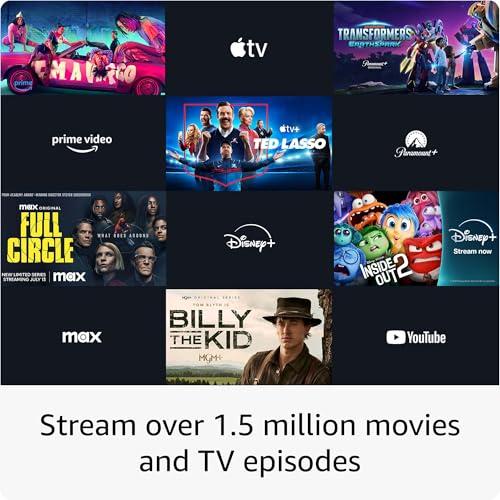
Both platforms provide access to all major streaming services: Netflix, Disney+, Prime Video, Apple TV+, HBO Max, and dozens of others. Loading times are comparable, and both handle 4K streaming without issues on decent internet connections.
The Fire TV Omni Series sometimes pushes Amazon content more aggressively in recommendations and search results. If you're not a Prime subscriber, this can feel intrusive. The Sony BRAVIA 3 maintains more neutrality in content discovery, which many users prefer.
Modern gaming consoles have pushed TV requirements significantly over the past few years. While neither of these budget TVs includes cutting-edge gaming features like 120Hz refresh rates or Variable Refresh Rate (VRR) support, both handle current-generation gaming adequately.
Input lag – the delay between pressing a button and seeing the action on screen – measures around 15 milliseconds on both TVs in game mode. This is perfectly acceptable for most gaming, though competitive players might prefer displays with sub-10ms lag.
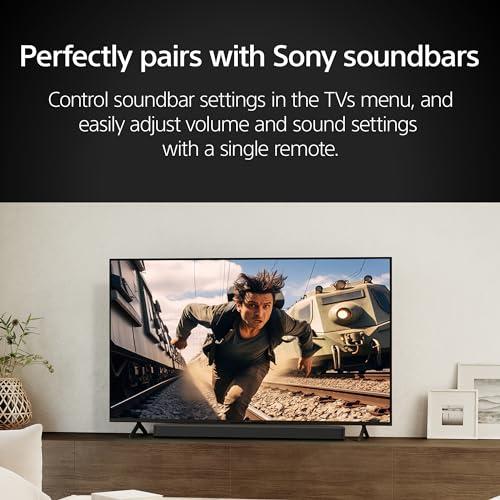
Both TVs include Auto Low Latency Mode (ALLM), which automatically switches to game mode when it detects a console. They also support enhanced Audio Return Channel (eARC) for high-quality audio passthrough to soundbars or receivers.
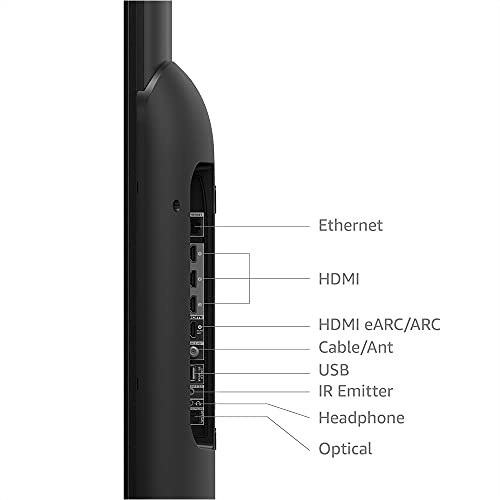
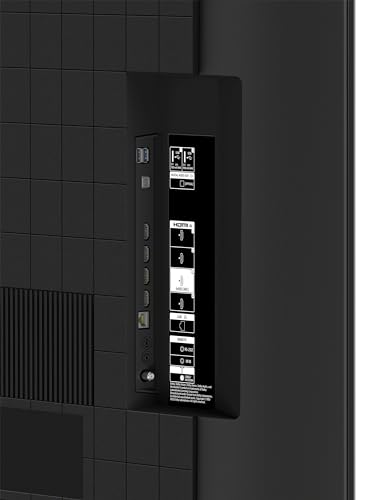
The Amazon Fire TV Omni Series includes one HDMI 2.1 port, primarily for eARC functionality rather than high-bandwidth gaming features. The Sony BRAVIA 3 uses HDMI 2.0 ports throughout, which handle all current gaming requirements but might limit future compatibility with next-generation features.
Neither TV will replace a dedicated sound system, but both provide adequate audio for casual viewing. The Sony BRAVIA 3 has a slight advantage with its 20-watt speaker system compared to the Fire TV Omni Series's 16-watt setup.
More importantly, Sony's audio processing includes features like dialogue enhancement and automatic room optimization. These subtle improvements make voices clearer and help balance audio levels between quiet dialogue and loud action sequences.
Both TVs support Dolby Atmos passthrough via eARC, so you can connect a compatible soundbar or receiver to experience advanced surround sound formats. This is likely the route most serious home theater enthusiasts will take regardless of the TV's built-in audio quality.
The Amazon Fire TV Omni Series doubles as a smart home hub, effectively replacing an Amazon Echo device in your living room. You can control smart lights, thermostats, security cameras, and other connected devices through voice commands. The TV can even display feeds from compatible doorbell cameras when someone rings.
This integration extends to shopping and information requests. You can add items to your Amazon cart, check the weather, set timers, or ask general questions – all while watching TV. For households already invested in Amazon's ecosystem, this creates genuine convenience.
The Sony BRAVIA 3 offers more limited smart home functionality through Google Assistant, primarily focused on Chromecast integration and basic smart device control. It's functional but not as comprehensive as Amazon's approach.
At the time of writing, the price difference between these TVs typically ranges from $150-200, with the Sony BRAVIA 3 commanding the premium. This price gap has remained relatively stable, making it a meaningful consideration for budget-conscious buyers.
The Amazon Fire TV Omni Series delivers impressive value through its combination of quantum dot color enhancement, comprehensive voice control, and smart home integration. If you calculate the cost of adding an Echo device and consider the premium display technology, the value proposition becomes quite strong.
The Sony BRAVIA 3 justifies its higher price through superior picture processing, more accurate colors, and better motion handling. For viewers who notice these differences – particularly those who watch varied content sources – the premium proves worthwhile.
Neither TV is ideal for dedicated home theater setups where picture quality takes precedence over convenience features. The lack of local dimming and limited peak brightness means both struggle with the contrast performance that makes movies truly cinematic in dark rooms.
If you're building a home theater, you'd be better served saving for TVs with local dimming zones or considering OLED alternatives. These budget options work best in typical living room environments with moderate ambient lighting.
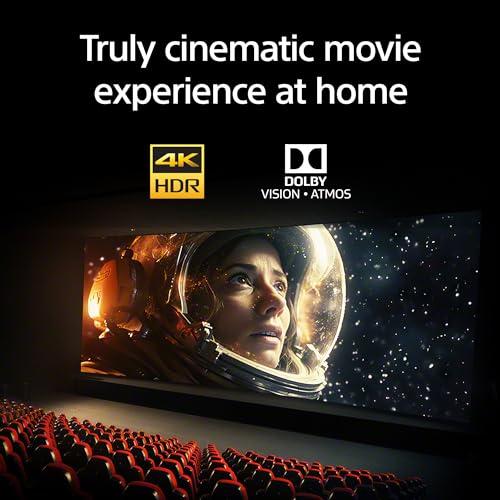
That said, both TVs handle upscaling well enough to make DVD collections watchable, and their HDR support provides some improvement over purely SDR displays. For casual movie watching, they're perfectly adequate.
Choose the Amazon Fire TV Omni Series if you want maximum convenience and smart home integration. The hands-free voice control genuinely improves daily usability, and the quantum dot enhancement provides satisfying color performance for streaming content. This TV makes the most sense for Amazon ecosystem users who prioritize features over absolute picture quality.
The Sony BRAVIA 3 better serves viewers who care about picture processing and color accuracy. If you watch a lot of older content, notice differences in motion handling, or prefer a more neutral approach to color reproduction, Sony's expertise justifies the price premium.
Both TVs represent solid values in the budget 4K segment, but they appeal to different priorities. Your choice ultimately depends on whether you value convenience features or picture quality refinements more highly. Either way, you'll get a capable 4K TV that handles modern streaming content well and provides a significant upgrade over older displays.
The budget TV market has become remarkably competitive, and both the Fire TV Omni Series and Sony BRAVIA 3 demonstrate how much quality you can get without spending premium prices. Your decision should align with your viewing habits, ecosystem preferences, and whether you're willing to pay extra for Sony's picture processing expertise.
| Amazon Fire TV Omni Series 65" | Sony BRAVIA 3 65" |
|---|---|
| Display Technology - Affects color vibrancy and viewing experience | |
| QLED with Quantum Dots (wider color gamut, more vibrant colors) | Standard LED with Triluminos Pro (more natural, accurate colors) |
| Picture Processing - Critical for upscaling older content and overall image quality | |
| Basic processing (adequate for streaming content) | 4K HDR Processor X1 with 4K X-Reality PRO (superior upscaling and enhancement) |
| Smart Platform - Your daily interface experience | |
| Fire TV OS (Amazon-centric, extensive app library) | Google TV (platform-neutral, excellent content discovery) |
| Voice Control - Convenience factor for daily use | |
| Hands-free Alexa with built-in microphones (true hands-free experience) | Google Assistant via remote only (requires button press) |
| HDR Support - Enhanced contrast and color in compatible content | |
| Dolby Vision, HDR10, HLG | Dolby Vision, HDR10, HLG |
| Peak Brightness - Important for HDR impact and bright room viewing | |
| ~400-500 nits (adequate for most rooms) | ~450 nits (similar performance, slightly better processing) |
| Motion Handling - Key for sports and action content | |
| Standard 60Hz processing (adequate motion clarity) | MotionFlow XR 200 (superior motion smoothing and blur reduction) |
| Gaming Features - Console compatibility and performance | |
| 60Hz, ALLM, eARC, ~15ms input lag, one HDMI 2.1 port | 60Hz, ALLM, eARC, ~15ms input lag, HDMI 2.0 ports only |
| Audio System - Built-in sound quality | |
| 16W total (2 x 8W speakers), Dolby Atmos passthrough | 20W X-Balanced speakers, Dolby Atmos, ambient optimization |
| Smart Home Integration - Connected device control capabilities | |
| Full Amazon Echo functionality, extensive smart home control | Basic Google Assistant integration, limited smart home features |
| Color Accuracy - Important for natural-looking content | |
| Enhanced saturation with quantum dots (more "pop" but less natural) | 99.71% Rec. 709 coverage (highly accurate, natural reproduction) |
| Content Upscaling - How well it improves lower-resolution sources | |
| Standard upscaling (decent with 4K sources) | Excellent upscaling with X-Reality PRO (significantly better with DVDs, cable TV) |
The Sony BRAVIA 3 65" delivers superior picture quality thanks to its 4K HDR Processor X1 and advanced upscaling technology. While the Amazon Fire TV Omni Series 65" offers vibrant colors through quantum dot technology, Sony's processing provides more natural colors and significantly better performance with lower-resolution content like DVDs and cable TV.
The Amazon Fire TV Omni Series runs Fire TV OS with deep Amazon ecosystem integration, while the Sony BRAVIA 3 uses Google TV for a more platform-neutral experience. Fire TV emphasizes Amazon Prime content, whereas Google TV provides better universal search across multiple streaming services and more balanced content recommendations.
The Amazon Fire TV Omni Series 65" excels in voice control with built-in far-field microphones that enable true hands-free Alexa commands. You can control the TV, search content, and manage smart home devices without touching the remote. The Sony BRAVIA 3 requires using the remote for Google Assistant commands, making it less convenient for voice control.
Both TVs offer similar gaming performance with 60Hz refresh rates, Auto Low Latency Mode, and approximately 15ms input lag. The Amazon Fire TV Omni Series includes one HDMI 2.1 port for eARC, while the Sony BRAVIA 3 65" uses HDMI 2.0 throughout. Neither supports advanced gaming features like 120Hz or Variable Refresh Rate, making them suitable for casual gaming only.
The Sony BRAVIA 3 provides superior motion handling with its MotionFlow XR 200 technology, which reduces blur and judder during fast-paced content. This makes sports, action movies, and fast motion appear smoother and clearer compared to the Amazon Fire TV Omni Series, which uses standard motion processing.
The Amazon Fire TV Omni Series 65" uses quantum dot (QLED) technology for more vibrant, saturated colors that create impressive visual impact. The Sony BRAVIA 3 65" focuses on color accuracy with Triluminos Pro technology, achieving 99.71% Rec. 709 coverage for more natural, realistic color reproduction that's better for varied content types.
The Amazon Fire TV Omni Series doubles as a full Amazon Echo device, offering comprehensive smart home control, doorbell camera viewing, and shopping capabilities through voice commands. The Sony BRAVIA 3 provides basic smart home functionality through Google Assistant but lacks the extensive integration that Amazon offers.
The Sony BRAVIA 3 65" features a more powerful 20W X-Balanced speaker system with ambient optimization and better dialogue enhancement. The Amazon Fire TV Omni Series includes a 16W speaker system that's adequate for casual viewing. Both support Dolby Atmos passthrough for external sound systems.
Value depends on your priorities. The Amazon Fire TV Omni Series 65" typically costs less while offering quantum dot technology, hands-free voice control, and smart home integration. The Sony BRAVIA 3 commands a premium for superior picture processing, better motion handling, and more accurate colors, making it worthwhile for picture quality enthusiasts.
Neither TV is ideal for dedicated home theater setups due to limited peak brightness and lack of local dimming zones, which affects contrast in dark rooms. Both work better in typical living rooms with moderate lighting. For serious home theater use, you'd want TVs with local dimming or OLED technology for better black levels and contrast performance.
Both TVs handle 4K streaming well, but they excel in different areas. The Amazon Fire TV Omni Series provides vibrant, eye-catching colors that enhance streaming content, while the Sony BRAVIA 3 65" offers more accurate colors and better processing. Both support major HDR formats and work seamlessly with popular streaming apps.
The Sony BRAVIA 3 significantly outperforms the Amazon Fire TV Omni Series in upscaling older content. Sony's 4K X-Reality PRO technology excels at enhancing DVDs, cable TV, and standard definition sources, making them look cleaner and more detailed. This makes the Sony a better choice if you watch varied content sources beyond just 4K streaming.
We've done our best to create useful and informative comparisons to help you decide what product to buy. Our research uses advanced automated methods to create this comparison and perfection is not possible - please contact us for corrections or questions. These are the sites we've researched in the creation of this article: bestbuy.com - rtings.com - techradar.com - youtube.com - youtube.com - businessinsider.com - amazonforum.com - pcvarge.com - tvpartstoday.com - kitele.com - manuals.plus - bestbuy.com - youtube.com - diverse-marketplace.com - bestbuy.com - rtings.com - tomsguide.com - youtube.com - youtube.com - rtings.com - electronics.sony.com - youtube.com - manuals.plus - tvsbook.com - sargentappliance.com - bestbuy.com - avsforum.com - sony.com - costco.com - shopatsc.com - youtube.com

Privacy Policy
Terms and Conditions - Affiliate Policy
Home Security
© Copyright 2008-2026.
11816 Inwood Rd #1211, Dallas, TX 75244