

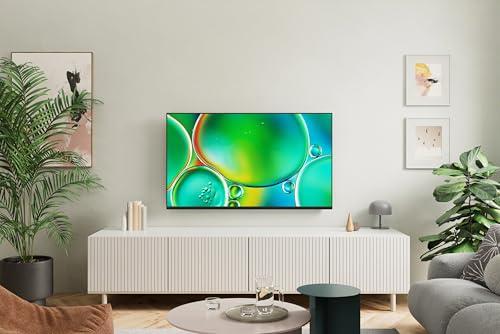
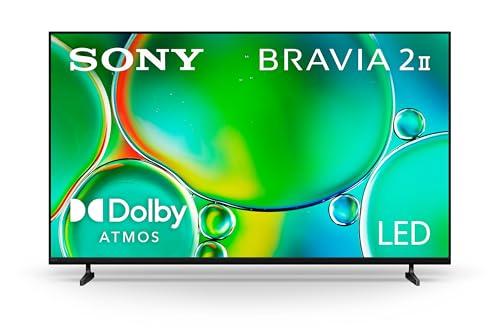
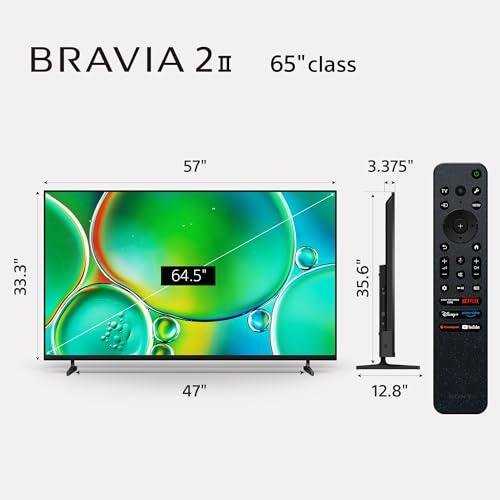

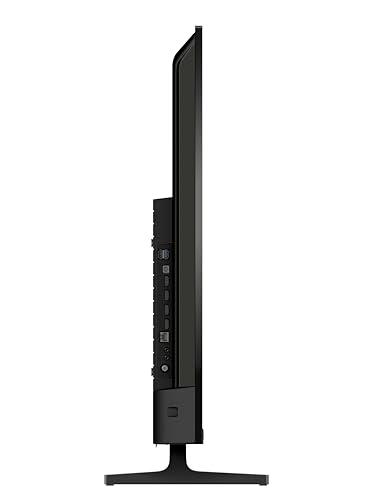




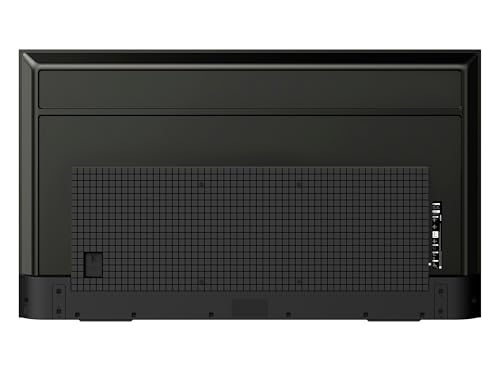
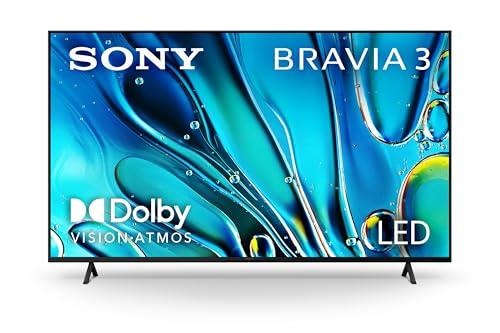
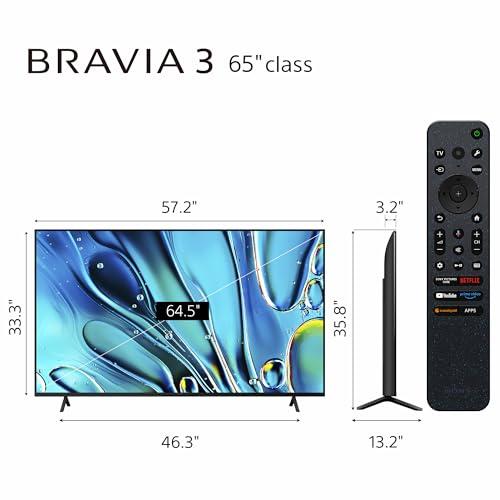

Shopping for an entry-level 4K TV can feel overwhelming, especially when you're trying to balance features with affordability. Sony's latest offerings in this space—the BRAVIA 2 II 65" (2025) and BRAVIA 3 65" (2024)—present an interesting dilemma for budget-conscious buyers. Despite the newer model year, the BRAVIA 2 II actually sits as Sony's most affordable option, while the BRAVIA 3 offers enhanced picture quality at a modest premium.
Both TVs target the same audience: families and casual viewers who want reliable 4K performance without breaking the bank. But understanding which one delivers better value requires diving into the technical details that actually matter for your viewing experience.
Entry-level 4K TVs have evolved significantly since the early 2020s. Where once you'd find basic panels with minimal smart features, today's budget models pack sophisticated processors, comprehensive HDR support, and robust streaming platforms. The challenge isn't finding a TV that works—it's finding one that excels in the areas you care about most.
The most critical considerations for any entry-level TV include picture quality fundamentals like brightness and color accuracy, smart TV performance, gaming compatibility, and overall value proposition. Unlike premium models with features like local dimming (where different sections of the backlight can dim independently for better contrast) or 120Hz refresh rates, entry-level TVs focus on delivering solid basics rather than cutting-edge performance.
Both the BRAVIA 2 II and BRAVIA 3 represent Sony's approach to this market: reliable performance with the brand's reputation for quality, but without the premium features that drive up costs significantly.
The BRAVIA 3 launched in 2024 as Sony's primary entry-level offering, establishing the baseline for affordable 4K performance in their lineup. Sony then introduced the BRAVIA 2 II in 2025, positioning it counterintuitively as a more budget-friendly option despite being newer. This strategy reflects Sony's focus on market coverage—offering both a value leader and a step-up option within the entry-level segment.
The year gap between releases brings some interesting technical developments. The BRAVIA 2 II benefits from updated image processing algorithms and enhanced motion handling, while the BRAVIA 3 maintains advantages in color technology and HDR support that haven't been replicated in the newer, more affordable model.
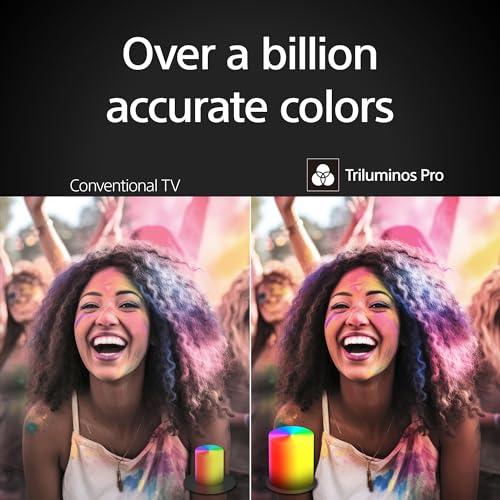
This category reveals the most significant performance gap between these models. The BRAVIA 3 employs Triluminos Pro technology, Sony's advanced color system that can display over one billion different colors. In practical terms, this translates to more accurate skin tones, richer blues and greens in nature documentaries, and better overall color fidelity across all content types.
Our research into professional reviews and user feedback consistently shows the BRAVIA 3 achieving exceptional color coverage—99.71% of the Rec. 709 color space (the standard for HD content) and 95.88% of the UHDA-P3 color space (used for premium 4K content). These numbers matter because they indicate how closely the TV can reproduce the colors content creators intended.
The BRAVIA 2 II, by contrast, uses Live Color technology, which enhances the color palette but doesn't reach the same level of accuracy or breadth. While still producing pleasing, vibrant images, it can't match the natural color reproduction of its more expensive sibling. For most casual viewing, this difference might not be immediately obvious, but it becomes apparent when watching high-quality nature documentaries or well-mastered movies.
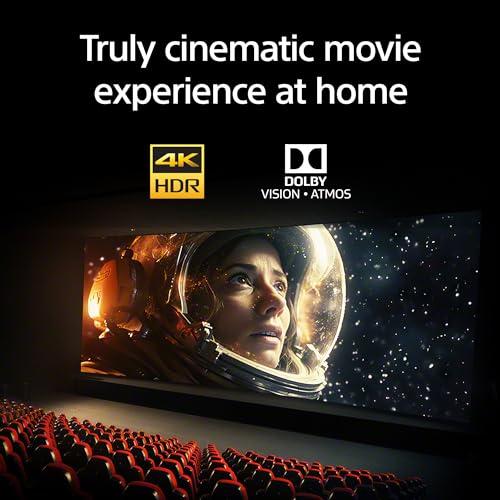
High Dynamic Range (HDR) represents one of the most important advances in TV technology over the past decade, allowing displays to show brighter highlights and darker shadows simultaneously for more realistic images. Here, the BRAVIA 3 holds a clear advantage with support for Dolby Vision, the premium HDR format that optimizes each scene individually.
The BRAVIA 2 II supports HDR10 and HLG (Hybrid Log Gamma), which covers most HDR content but lacks the scene-by-scene optimization that Dolby Vision provides. In practice, this means the BRAVIA 3 can better handle the bright explosions in action movies while maintaining detail in dark shadows, or showcase the full range from bright sky to dark forest in nature content.
However, both models face similar limitations in peak brightness, reaching approximately 450 nits maximum. This is adequate for normal viewing conditions but falls short of the 700+ nits needed for truly impactful HDR in bright rooms. Neither TV will deliver the dramatic HDR experience you'd get from premium models, but the BRAVIA 3 makes better use of its available brightness range.
Both TVs use standard LED backlighting without local dimming, which creates their most significant shared weakness: poor black level performance. Instead of deep, inky blacks, both models produce grayish blacks that become particularly noticeable when watching movies in dark rooms.
This limitation is inherent to their price point and technology choice. True black levels require either OLED technology (where individual pixels can turn completely off) or LED TVs with sophisticated local dimming zones—both expensive technologies absent from entry-level models.
For home theater enthusiasts who prioritize dark room movie watching, this represents a significant compromise. The grayish blacks can make dark scenes look washed out and reduce the overall contrast that makes images pop. However, for bright room viewing—watching during the day with windows open—this limitation becomes much less noticeable.
The BRAVIA 2 II gains an edge in motion processing with its Motionflow XR 200 system, which creates intermediate frames to smooth out fast motion. This technology proves particularly beneficial for sports viewing, where camera pans across the field or fast player movements can appear stuttery on basic TVs.
Both models maintain native 60Hz refresh rates, meaning they can display 60 different images per second—adequate for all current broadcast content and most streaming services. The BRAVIA 2 II's enhanced motion processing makes better use of this refresh rate, reducing the blur and judder that can make fast action appear less crisp.
For sports fans or action movie enthusiasts, this represents a meaningful advantage for the BRAVIA 2 II, even though the underlying display technology remains similar between models.
Neither TV targets serious gamers, but both offer competent casual gaming performance. Input lag—the delay between controller input and screen response—measures around 9-10 milliseconds on both models when using their Game modes. This low latency ensures responsive gameplay for console gaming.
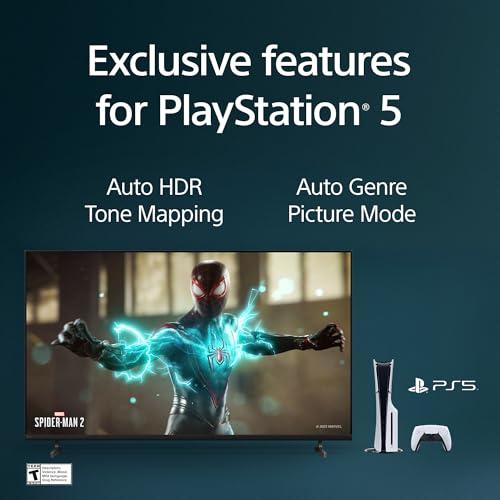
However, both models lack modern gaming features increasingly important for PlayStation 5 and Xbox Series X owners. Neither supports 120Hz gaming, Variable Refresh Rate (VRR) technology that matches the display refresh to the game's frame rate, or the full HDMI 2.1 bandwidth needed for next-generation gaming features.
Auto Low Latency Mode (ALLM) automatically switches both TVs to their fastest response settings when detecting game console signals, which provides a smoother experience without manual adjustment. For casual gaming—family game nights, single-player adventures, or retro gaming—both TVs perform adequately.
Serious or competitive gamers should consider TVs specifically designed for gaming performance, but for households where gaming represents just one of many use cases, these limitations won't significantly impact enjoyment.
The BRAVIA 2 II demonstrates a surprising strength in audio performance, featuring a 40W Open Baffle Speaker system compared to the BRAVIA 3's 20W standard speakers. This power difference translates to noticeably better volume capabilities and cleaner sound at higher levels.
More importantly, the BRAVIA 2 II includes Clear Phase audio technology, which calibrates the sound to ensure proper alignment between different frequency ranges. This technical enhancement results in more balanced audio with better dialogue clarity and more natural sound reproduction.
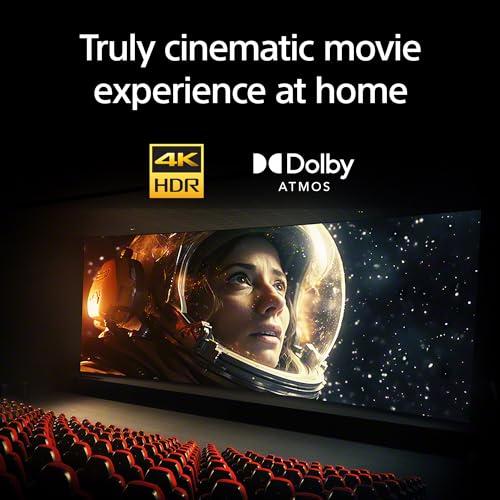
Both TVs support Dolby Atmos, the three-dimensional audio format that creates more immersive soundscapes by bouncing audio off ceiling and walls. However, the small speakers in any flat-panel TV limit how effectively they can reproduce true Atmos effects.
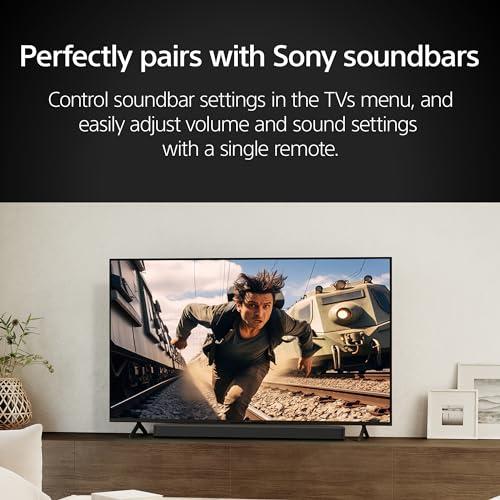
For most users, the BRAVIA 2 II's superior audio system provides better out-of-the-box sound quality. However, anyone planning to use external speakers or a soundbar—increasingly common for serious TV watching—will find this advantage less relevant.
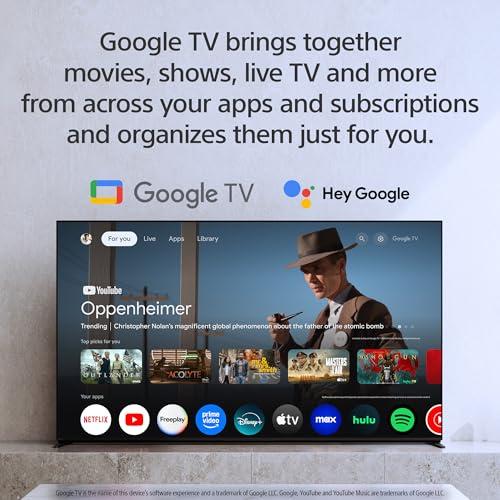
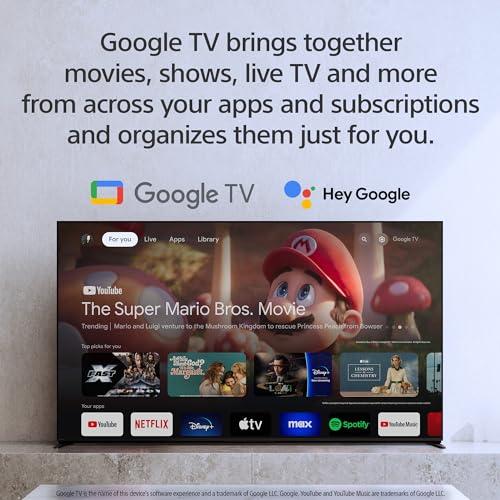
Both models run Google TV, Sony's chosen smart platform that provides access to virtually all major streaming services. The interface organizes content from multiple apps into unified recommendations, making it easier to find something to watch across Netflix, Disney+, Prime Video, and other services.
Google Assistant integration allows voice control for searching content, adjusting volume, or controlling smart home devices. Both TVs also support Amazon Alexa and Apple Siri through connected devices, plus features like Chromecast built-in and Apple AirPlay 2 for seamless smartphone casting.
The smart TV experience proves essentially identical between models—both offer smooth, responsive navigation and comprehensive app support. This represents one area where choosing the less expensive model doesn't require any compromise in functionality.
At the time of writing, the BRAVIA 2 II typically retails for about $100 less than the BRAVIA 3, though specific pricing varies by retailer and promotion periods. This price difference creates an interesting value proposition that depends heavily on your viewing priorities.
The BRAVIA 3's premium buys you measurably better color reproduction and Dolby Vision HDR support—improvements that enhance every piece of content you watch. For movie enthusiasts or anyone who values picture quality above other considerations, this premium often justifies itself through improved daily viewing experiences.
Conversely, the BRAVIA 2 II offers superior audio performance and enhanced motion processing while maintaining excellent overall picture quality. For families prioritizing value or users who plan to add external audio equipment, the cost savings combined with these specific advantages can represent better overall value.
For dedicated home theater setups, both TVs present limitations that serious enthusiasts should consider carefully. The poor black level performance makes dark movie scenes appear less dramatic, while the moderate peak brightness limits HDR impact.
However, the BRAVIA 3's superior color accuracy and Dolby Vision support provide meaningful advantages for movie watching. The more accurate colors ensure films appear as directors intended, while Dolby Vision's scene-by-scene optimization makes better use of the available dynamic range.
Neither TV excels in dark room performance, but both work well for casual movie watching in normal lighting conditions. Pairing either model with a quality soundbar significantly improves the cinematic experience beyond what the built-in speakers can provide.
The BRAVIA 2 II makes the most sense for budget-conscious buyers who want the newest technology at the lowest price point. Its enhanced motion processing benefits sports fans, while the superior audio system provides better out-of-the-box sound quality. Families who primarily watch streaming content and don't prioritize absolute picture quality will find excellent value here.
The BRAVIA 3 better serves users who prioritize picture quality and don't mind paying a modest premium for meaningful improvements. The superior color reproduction and Dolby Vision support create a noticeably better viewing experience for movies, nature documentaries, and premium streaming content. Users who plan to add external audio equipment won't miss the BRAVIA 2 II's better speakers.
Neither TV suits serious gamers who need 120Hz support and advanced gaming features, nor home theater enthusiasts who require exceptional black levels and high peak brightness. For these use cases, stepping up to higher-tier models with local dimming or different display technologies makes more sense.
Both the BRAVIA 2 II and BRAVIA 3 deliver solid performance for their intended market, but they excel in different areas. The BRAVIA 3's superior picture quality makes it the better choice for movie lovers and quality-conscious viewers willing to pay a bit more. The BRAVIA 2 II's combination of value pricing, enhanced audio, and improved motion handling creates compelling appeal for budget-focused families.
Your decision should ultimately reflect your viewing priorities and budget constraints. If picture quality improvements are worth the extra cost, the BRAVIA 3 delivers meaningful advantages. If maximizing value while getting solid overall performance matters most, the BRAVIA 2 II provides excellent bang for your buck.
Both TVs represent Sony's commitment to bringing reliable performance to the entry-level market, ensuring that either choice will serve most households well for years of casual viewing, streaming, and family entertainment.
| Sony BRAVIA 2 II 65" 4K LED Smart TV 2025 | Sony BRAVIA 3 65" 4K HDR LED Google TV |
|---|---|
| Display Processor - Determines picture quality and upscaling performance | |
| 4K Processor X1 (2025 model with enhanced processing) | 4K HDR Processor X1™ (optimized for HDR content) |
| HDR Support - Critical for modern streaming content and movies | |
| HDR10, HLG (covers most content but lacks premium optimization) | HDR10, HLG, Dolby Vision (scene-by-scene optimization for best quality) |
| Color Technology - Affects how natural and vibrant colors appear | |
| Live Color (enhanced palette but basic accuracy) | Triluminos Pro (over 1 billion colors, professional-grade accuracy) |
| Motion Processing - Important for sports and action content | |
| Motionflow XR 200 (advanced motion smoothing) | Standard 60Hz processing (adequate but less refined) |
| Audio System - Matters if you won't use external speakers | |
| 40W Open Baffle Speaker with Clear Phase calibration | 20W X-Balanced Speaker system |
| Peak Brightness - Affects HDR impact and bright room viewing | |
| ~450 nits (adequate for normal rooms) | ~450 nits (similar performance, both struggle in very bright rooms) |
| Black Levels - Critical for dark room movie watching | |
| Poor (graying blacks typical of entry-level LED) | Poor (same limitation - not ideal for home theaters) |
| Gaming Features - Relevant for console owners | |
| 60Hz, ALLM, low input lag (~9ms) | 60Hz, ALLM, low input lag (~10ms) |
| Smart TV Platform - User experience and app selection | |
| Google TV with full app support | Google TV with identical features and performance |
| Release Year - Affects future software support | |
| 2025 (newest model with longer support lifespan) | 2024 (established model, still current generation) |
| Best For - Target buyer profile | |
| Budget-focused families wanting newest tech and better audio | Quality-conscious viewers prioritizing superior picture performance |
The Sony BRAVIA 2 II 65" offers better value for budget-conscious buyers, providing newer 2025 processing technology and superior audio at a lower cost. The Sony BRAVIA 3 65" delivers better picture quality with Triluminos Pro color technology and Dolby Vision HDR support for a modest premium. Choose the BRAVIA 2 II for maximum value or the BRAVIA 3 for superior color accuracy.
The key differences are color technology and HDR support. The Sony BRAVIA 3 features advanced Triluminos Pro color reproduction and Dolby Vision HDR, while the Sony BRAVIA 2 II uses basic Live Color technology but includes enhanced motion processing and better audio with a 40W speaker system versus the BRAVIA 3's 20W speakers.
The Sony BRAVIA 3 has superior picture quality due to its Triluminos Pro technology that displays over one billion colors with 99.7% Rec. 709 coverage and Dolby Vision HDR support. The Sony BRAVIA 2 II still delivers good picture quality but with less accurate colors and no Dolby Vision optimization.
Yes, both the Sony BRAVIA 2 II and Sony BRAVIA 3 support 4K resolution and HDR content. However, the BRAVIA 3 supports Dolby Vision HDR in addition to HDR10 and HLG, while the BRAVIA 2 II only supports HDR10 and HLG formats.
Both TVs offer similar gaming performance with 60Hz refresh rates, Auto Low Latency Mode, and input lag around 9-10ms. Neither the Sony BRAVIA 2 II nor Sony BRAVIA 3 supports advanced gaming features like 120Hz or Variable Refresh Rate, making them suitable for casual gaming but not competitive gaming.
Both the Sony BRAVIA 2 II and Sony BRAVIA 3 run Google TV with identical smart features including Google Assistant, Chromecast built-in, Apple AirPlay 2, and access to all major streaming apps like Netflix, Disney+, and Prime Video.
The Sony BRAVIA 2 II has superior audio with a 40W Open Baffle Speaker system and Clear Phase audio calibration technology. The Sony BRAVIA 3 features a standard 20W speaker system. Both support Dolby Atmos, but the BRAVIA 2 II delivers louder, clearer sound without external speakers.
The Sony BRAVIA 3 is better for movie watching due to its superior color accuracy and Dolby Vision HDR support, which optimizes each scene individually. Both the BRAVIA 2 II and BRAVIA 3 have poor black levels typical of entry-level LED TVs, making them less ideal for dark room home theater setups.
The Sony BRAVIA 2 II is the newer model from 2025, while the Sony BRAVIA 3 was released in 2024. The newer BRAVIA 2 II will likely receive software updates for a longer period, though both models run current Google TV software.
Both the Sony BRAVIA 2 II and Sony BRAVIA 3 reach similar peak brightness of around 450 nits, which is adequate for normal room viewing but may struggle with glare in very bright rooms with direct sunlight. Neither TV is optimized for extremely bright viewing environments.
The Sony BRAVIA 2 II is better for sports viewing due to its enhanced Motionflow XR 200 motion processing, which reduces blur during fast camera pans and player movements. The Sony BRAVIA 3 has standard motion processing that's adequate but less refined for sports content.
Choose the Sony BRAVIA 2 II if you want the best value with newer technology, better audio, and enhanced motion processing. Choose the Sony BRAVIA 3 if picture quality is your priority and you're willing to pay more for superior color accuracy and Dolby Vision HDR support.
We've done our best to create useful and informative comparisons to help you decide what product to buy. Our research uses advanced automated methods to create this comparison and perfection is not possible - please contact us for corrections or questions. These are the sites we've researched in the creation of this article: bestbuy.com - hometechnologyreview.com - hometechnologyreview.com - electronics.sony.com - youtube.com - rtings.com - costco.com - youtube.com - displayspecifications.com - flanners.com - beachcamera.com - displayspecifications.com - bestbuy.com - stereoeast.com - youtube.com - sony.com.my - bestbuy.com - rtings.com - tomsguide.com - youtube.com - youtube.com - electronics.sony.com - youtube.com - manuals.plus - tvsbook.com - sargentappliance.com - bestbuy.com - avsforum.com - sony.com - costco.com - shopatsc.com - youtube.com

Privacy Policy
Terms and Conditions - Affiliate Policy
Home Security
© Copyright 2008-2026.
11816 Inwood Rd #1211, Dallas, TX 75244