

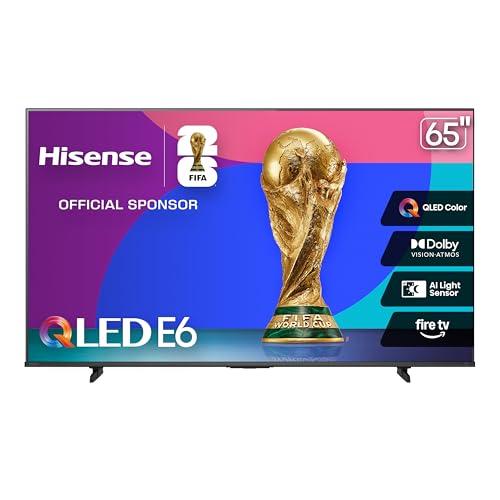
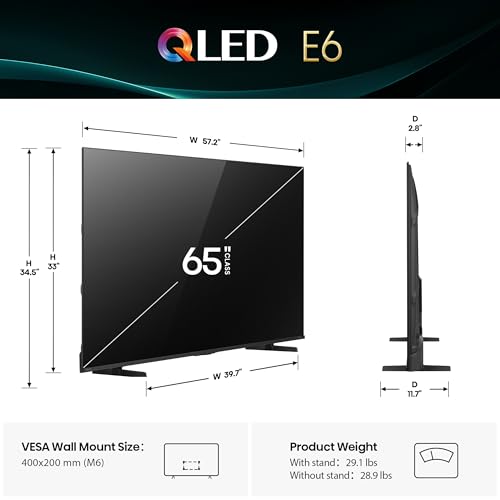
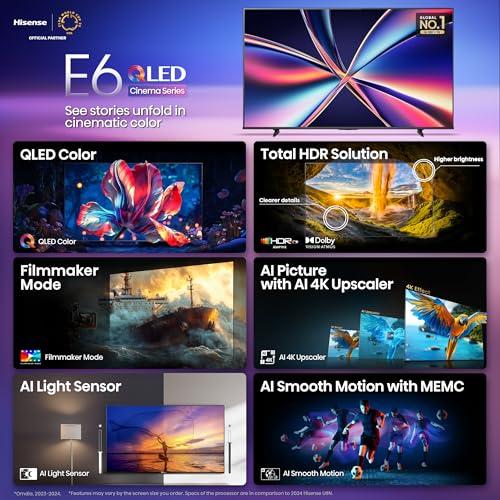

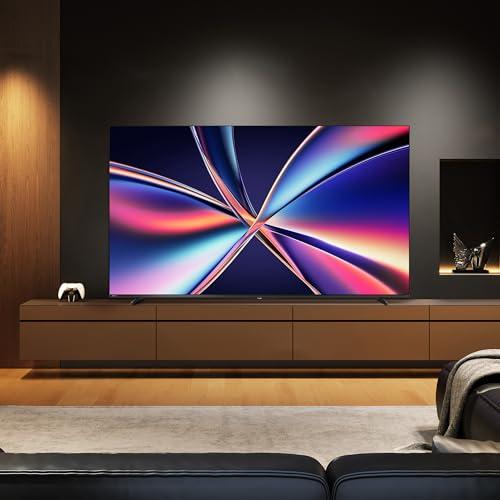
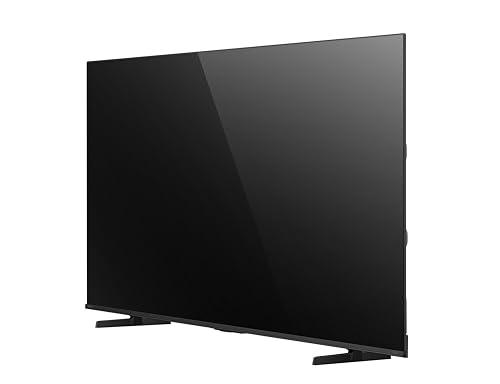
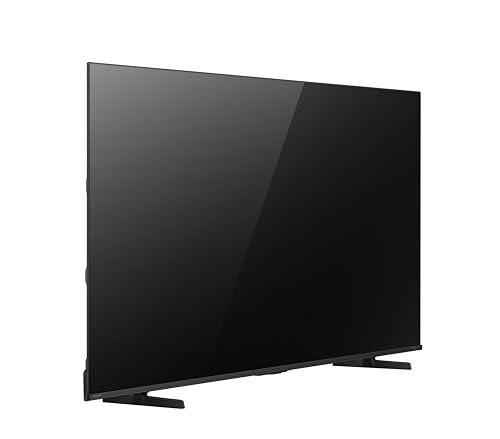
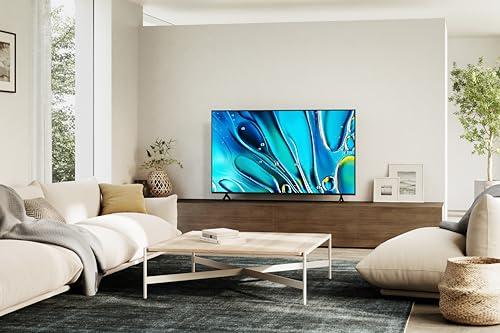
The 65-inch TV market has become incredibly competitive, with manufacturers pushing features and cutting prices to win over buyers. Two models that frequently appear on shopping lists are the Hisense 65" E6 Cinema Series QLED 4K Fire TV and the Sony BRAVIA 3 65" 4K HDR LED Google TV. Both hit that sweet spot for living room viewing, but they take very different approaches to picture quality and smart features.
Understanding what separates these TVs requires looking beyond the marketing buzzwords. The fundamental difference lies in display technology—QLED versus traditional LED—and how each manufacturer prioritizes different aspects of the viewing experience. The Hisense E6 leans heavily into color vibrancy and gaming features, while the Sony BRAVIA 3 focuses on natural picture processing and reliability.
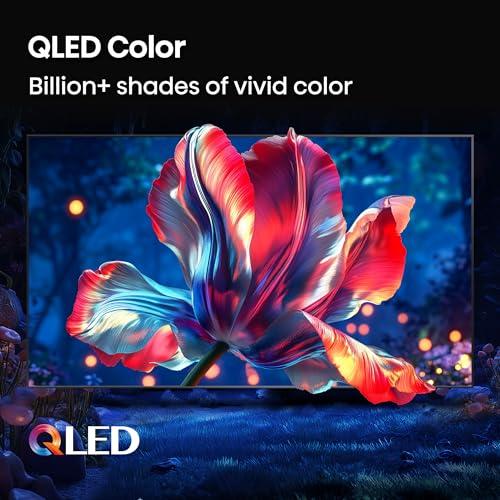
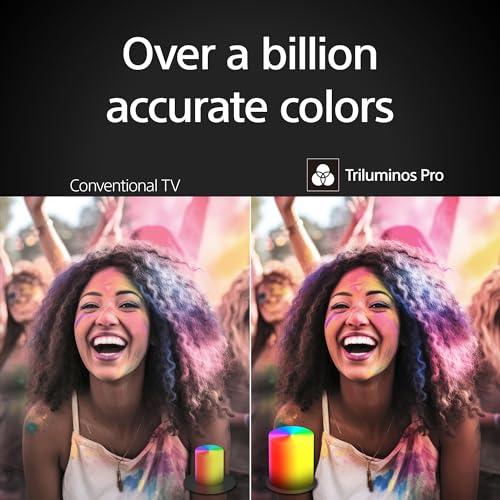
The biggest technical difference between these TVs starts with how they create colors. The Hisense E6 uses QLED (Quantum Dot LED) technology, which places a layer of quantum dots—microscopic particles that emit specific colors when hit by light—between the backlight and LCD panel. This quantum dot layer can produce over a billion different color combinations, creating more saturated and vibrant images than traditional displays.
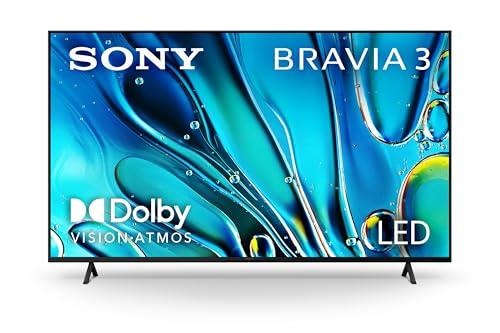
The Sony BRAVIA 3, on the other hand, uses conventional LED backlighting with an LCD panel. Instead of relying on quantum dots for color enhancement, Sony focuses on processing power and color accuracy through their TRILUMINOS PRO technology, which fine-tunes the color output to achieve natural, lifelike images.
In practical terms, this means the Hisense E6 will likely make your Netflix shows pop with more vivid colors, especially in bright, colorful scenes. The quantum dot technology excels at producing those eye-catching blues and greens you see in nature documentaries. However, the Sony BRAVIA 3 aims for colors that look exactly as they should in real life—less "wow factor" perhaps, but more accurate to what directors intended.
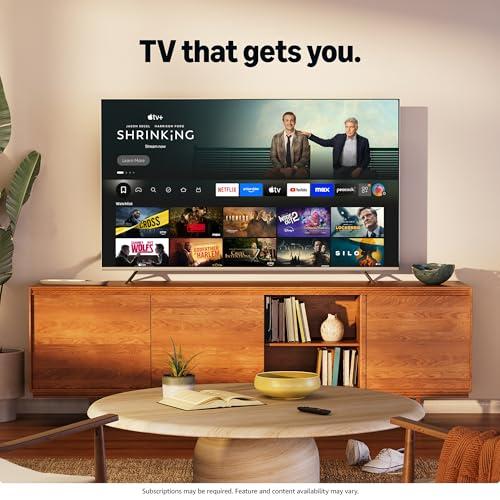
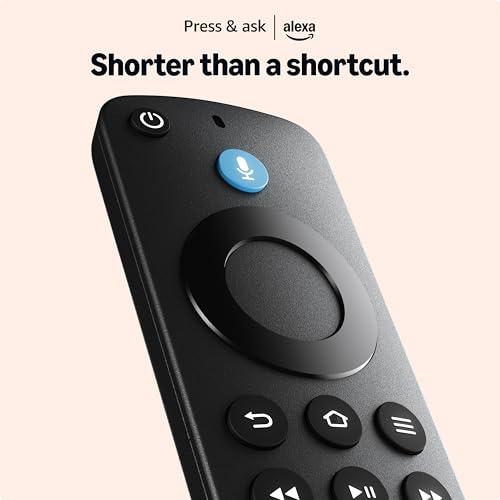
Both TVs released in 2024, but they represent different philosophies in smart TV interfaces. The Hisense E6 runs Amazon's Fire TV platform, which has evolved significantly since its early days. Fire TV now offers a more customizable home screen and better integration with Alexa voice commands. The included Alexa Voice Remote supports hands-free control, meaning you can change channels or search for content without even picking up the remote.
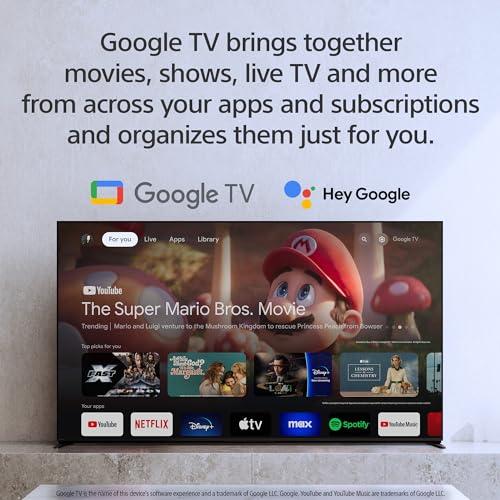
The Sony BRAVIA 3 uses Google TV, which is Google's latest evolution of Android TV. Google TV excels at content discovery, pulling recommendations from across your streaming services and organizing them by genre rather than by app. It also supports multiple voice assistants—Google Assistant, Amazon Alexa, and Apple Siri—making it more universally compatible regardless of your smart home ecosystem.
From our research into user experiences, Google TV tends to feel more polished and responsive in daily use. The interface is cleaner, searches work better across platforms, and the overall experience feels more premium. Fire TV has improved dramatically but can still feel cluttered with Amazon's promotional content.
The Hisense E6's quantum dot technology produces colors that immediately grab your attention. In bright, colorful content like animated movies or nature documentaries, the difference is striking. Quantum dots allow the TV to display a wider color gamut—essentially a broader range of colors—which translates to more vibrant greens in landscapes and richer blues in ocean scenes.
However, the Sony BRAVIA 3 takes a different approach with its TRILUMINOS PRO technology. Sony's processing achieves 99.71% coverage of the Rec. 709 color space, which is the standard for most TV content. This means colors look exactly as they're supposed to, without artificial enhancement. For movie enthusiasts who want to see films as directors intended, this accuracy matters more than pure vibrancy.
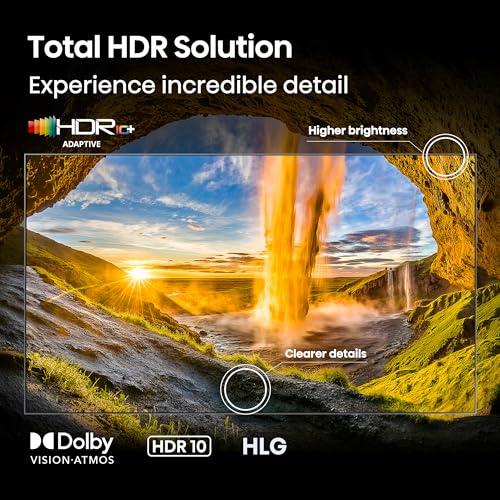
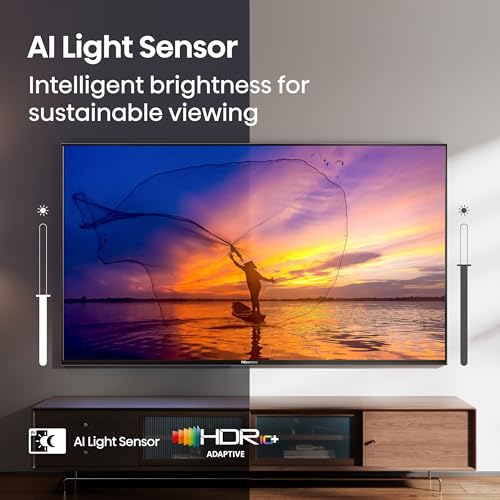
High Dynamic Range (HDR) is supposed to deliver brighter highlights and deeper shadows, but both TVs have limitations here. The Hisense E6, with its QLED technology, typically achieves higher peak brightness levels than conventional LED displays. This advantage becomes crucial when watching HDR content in bright rooms, where you need that extra brightness to overcome ambient light and reflections.
The Sony BRAVIA 3 maxes out at around 450 nits of brightness, which is quite modest by current standards. For context, premium TVs often exceed 1,000 nits, and even mid-range competitors like the Hisense U7N reach over 1,300 nits. This brightness limitation means HDR content won't have the same impact on the Sony, particularly in bright viewing environments.
Both TVs struggle with deep blacks, but the Sony BRAVIA 3 has a particularly noticeable issue here. Without local dimming technology—which selectively dims parts of the backlight—both displays show grays instead of true blacks in dark scenes. This becomes especially apparent when watching movies in a darkened room, where you'll notice a grayish glow in what should be completely black areas of the screen.
The Hisense E6 may handle this slightly better due to QLED's inherent characteristics, but neither TV is ideal for serious home theater use where deep blacks matter most. If you're planning a dedicated movie-watching setup, you might want to consider stepping up to models with local dimming or OLED technology.
Gaming capabilities reveal the biggest generational gap between these TVs. The Hisense E6 includes Game Mode Plus with Variable Refresh Rate (VRR) and Auto Low Latency Mode (ALLM). VRR synchronizes the TV's refresh rate with your gaming console's output, eliminating screen tearing and stuttering during gameplay. ALLM automatically switches the TV to its fastest processing mode when it detects a game console, reducing input lag—the delay between pressing a button and seeing the action on screen.
The Sony BRAVIA 3 only supports basic ALLM without VRR, and it's limited to 60Hz refresh rates. While its 9.2ms input lag is acceptable for casual gaming, serious gamers will notice the difference. Modern consoles like the PlayStation 5 and Xbox Series X can output 120Hz in certain games, but the Sony can't take advantage of this capability.
For competitive gaming or if you own next-generation consoles, the Hisense E6 is clearly the better choice. The difference isn't just theoretical—you'll experience smoother gameplay and more responsive controls with the additional gaming features.
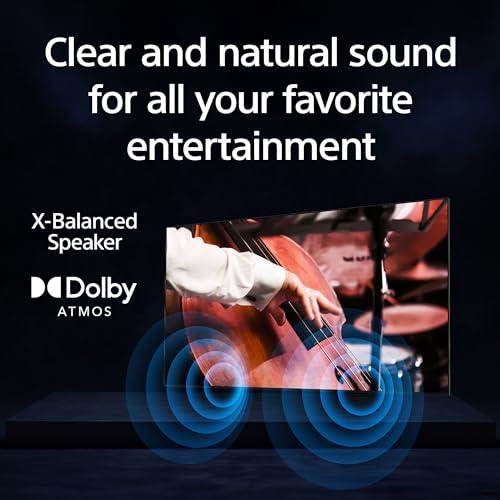
Neither TV will replace a dedicated sound system, but their audio approaches differ. The Sony BRAVIA 3 includes a 20W X-Balanced Speaker system with Bass Reflex technology, designed to produce clearer dialogue and more balanced sound from the thin TV cabinet. Sony's Ambient Optimization feature automatically adjusts audio based on room acoustics, which can help optimize sound for your specific space.
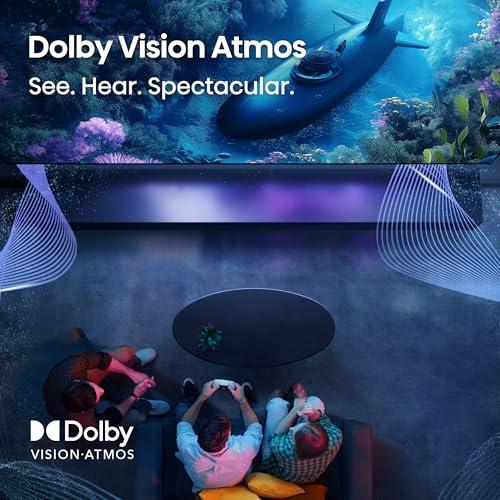
The Hisense E6 also supports Dolby Atmos, the surround sound format that creates a three-dimensional audio experience. However, built-in TV speakers can only do so much with Atmos content—you'll need a proper soundbar or surround system to fully experience the format's benefits.
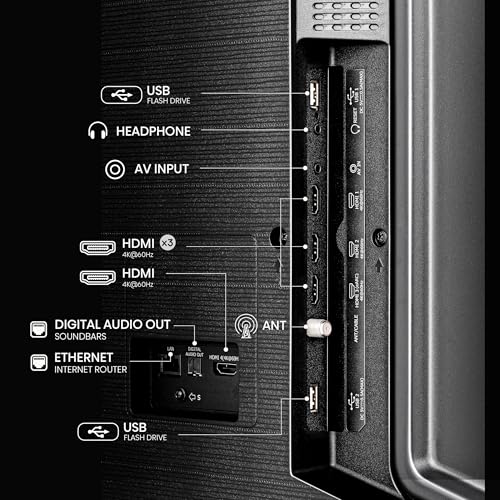
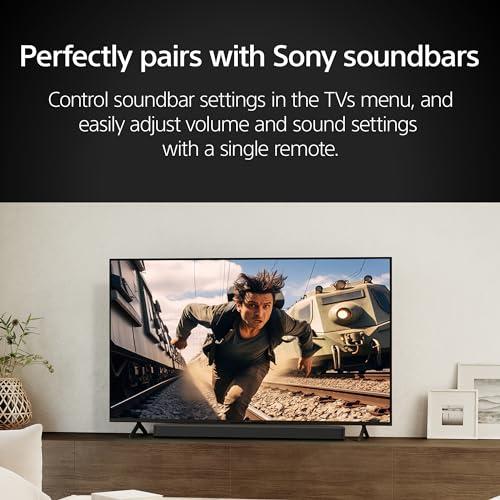
Both TVs support eARC (Enhanced Audio Return Channel) through HDMI, allowing them to pass high-quality audio to compatible soundbars without compression. This feature becomes important if you plan to upgrade your audio setup later.
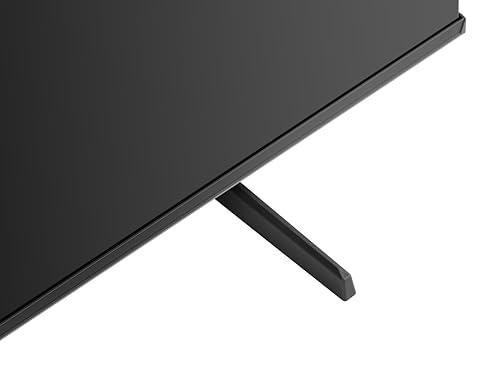
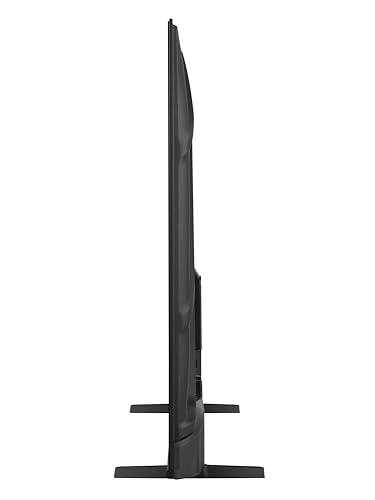
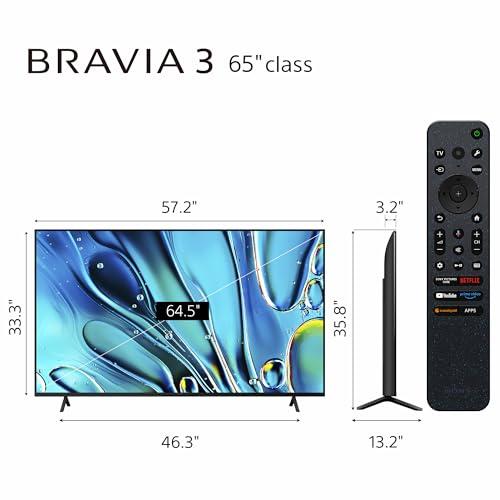
Sony has built its reputation on reliable, long-lasting electronics, and the BRAVIA 3 continues this tradition with solid construction and a clean, minimalist design. The TV's wide-set metal feet provide stability, and the narrow bezels keep the focus on the screen rather than the frame.
The Hisense E6 represents the newer generation of Hisense products, which have improved significantly in build quality over recent years. While Hisense doesn't have Sony's decades-long track record, user reports suggest their current TVs are generally reliable with good quality control.
Both TVs include standard remotes, though Sony's feels slightly more premium in hand. Neither includes the backlit remotes found on higher-end models, but both remotes are functional and include voice control capabilities.
At the time of writing, both TVs compete in the same general price range, making the value comparison particularly interesting. The Hisense E6 typically offers more cutting-edge features—QLED technology, advanced gaming capabilities, and potentially higher brightness—for a competitive price. This makes it appealing for buyers who want the latest technology without paying premium prices.
The Sony BRAVIA 3 commands a slight premium for the Sony brand name, superior image processing, and the reliability factor. You're paying for Sony's reputation, their excellent upscaling technology, and a more refined overall experience.
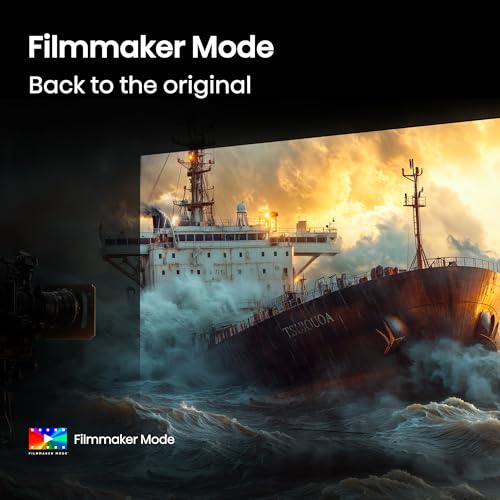
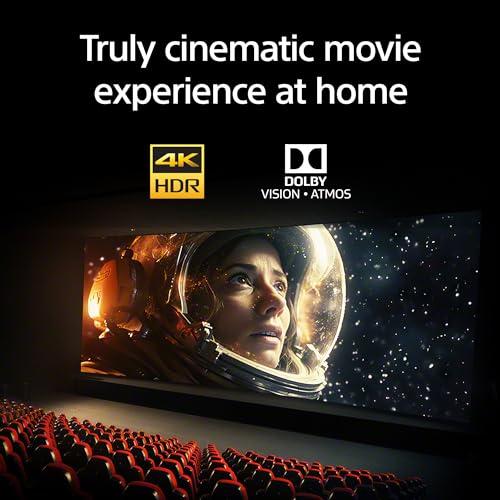
For dedicated home theater use, both TVs have significant limitations. The poor black levels mean neither will deliver the cinematic experience you'd get from OLED or high-end QLED displays with local dimming. However, if you must choose between them for movie watching, the Sony BRAVIA 3 edges ahead with its color accuracy and Filmmaker Mode, which preserves the director's original color and motion settings.
The Hisense E6 might actually be better for mixed-use scenarios where you watch movies but also play games and view HDR content in brighter rooms. Its higher brightness capability and gaming features make it more versatile, even if it's not the purist's choice for movies.
Choose the Hisense E6 if you want the most features for your money, especially if gaming is important to you. Its QLED technology, modern gaming capabilities, and typically brighter display make it the better choice for tech-forward households. It's particularly good if you use Amazon services regularly and prefer Alexa integration.
The Sony BRAVIA 3 makes sense if you prioritize reliability, color accuracy, and a premium smart TV experience. It's the safer choice for families who want consistent performance and don't need cutting-edge gaming features. The superior upscaling also makes it better for watching cable TV or older content.
Neither TV is perfect, and both make compromises typical of their price ranges. The Hisense E6 offers more exciting technology but from a less established TV brand, while the Sony BRAVIA 3 provides solid, reliable performance with room-for-improvement brightness and gaming capabilities.
For most buyers, the decision comes down to priorities: cutting-edge features and gaming performance point toward Hisense, while proven reliability and natural picture quality favor Sony. Both will deliver enjoyable viewing experiences, just with different strengths and weaknesses.
| Hisense 65" E6 Cinema Series QLED 4K Fire TV | Sony BRAVIA 3 65" 4K HDR LED Google TV |
|---|---|
| Display Technology - Core difference affecting color vibrancy and brightness | |
| QLED with Quantum Dot (over 1 billion colors, more vibrant) | Traditional LED/LCD with TRILUMINOS PRO (accurate, natural colors) |
| Peak Brightness - Critical for HDR impact and bright room viewing | |
| Higher brightness typical of QLED panels (better for daylight viewing) | ~450 nits maximum (modest, struggles in bright rooms) |
| Gaming Features - Essential for console gamers | |
| Game Mode Plus with VRR, ALLM, 4K@60Hz + 1440p@120Hz support | Basic ALLM only, 4K@60Hz maximum, no VRR or 120Hz |
| Smart Platform - Daily user interface experience | |
| Fire TV with Alexa Voice Remote (Amazon ecosystem integration) | Google TV with multi-assistant support (universal compatibility) |
| HDR Support - Enhanced contrast and color range | |
| Dolby Vision, HDR10+, HDR10, HLG (full HDR suite) | Dolby Vision, HDR10, HLG (standard HDR support) |
| Audio Technology - Built-in sound quality | |
| Dolby Atmos support with standard built-in speakers | 20W X-Balanced Speakers with Dolby Atmos and ambient optimization |
| Image Processing - How well it handles non-4K content | |
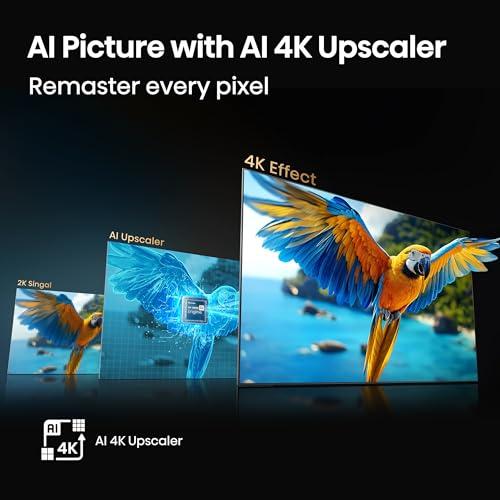
| AI 4K Upscaler with motion enhancement | 4K HDR Processor X1 with 4K X-Reality PRO (Sony's premium upscaling) |
| Black Level Performance - Critical for movie watching in dark rooms | |
| QLED limitations with deep blacks (grays instead of true black) | Poor black performance, significant issue in dark scenes |
| Connectivity & Ports - Future-proofing and device compatibility | |
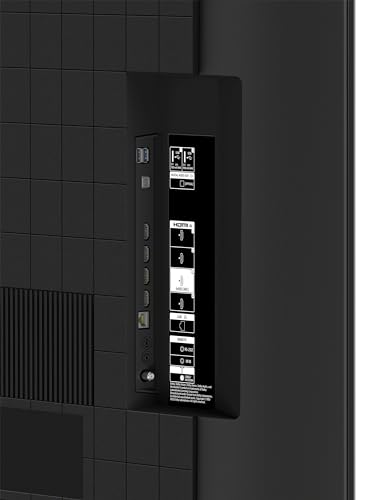
| WiFi 6, multiple HDMI ports, standard connectivity | 4 HDMI 2.0 ports, 2 USB, WiFi, Bluetooth 5.0 |
| Color Accuracy - Important for movie enthusiasts | |
| Quantum dot enhanced colors (more saturated, less natural) | 99.71% Rec. 709 coverage (cinema-accurate, natural colors) |
| Brand Reliability - Long-term ownership confidence | |
| Newer brand with aggressive features, improving reputation | Established Sony reliability with proven customer support |
| Release Year - Technology generation and feature currency | |
| 2025 model with latest Fire TV features | 2024 model representing Sony's mid-range offering |
The Sony BRAVIA 3 offers more accurate colors with its TRILUMINOS PRO technology, achieving 99.71% Rec. 709 color coverage for cinema-accurate viewing. However, the Hisense E6 provides more vibrant colors through QLED quantum dot technology. For movie purists who want natural, director-intended colors, the Sony is better. For viewers who prefer more vivid, eye-catching colors, the Hisense wins.
The Hisense E6 is significantly better for gaming, offering Game Mode Plus with Variable Refresh Rate (VRR), Auto Low Latency Mode (ALLM), and support for 1440p at 120Hz. The Sony BRAVIA 3 only supports basic ALLM and is limited to 60Hz refresh rates. Serious gamers with PS5 or Xbox Series X should choose the Hisense.
The Sony BRAVIA 3 uses Google TV, which offers a cleaner, more intuitive interface with better content discovery across streaming apps. The Hisense E6 runs Fire TV with Alexa integration, which works well but can feel cluttered with Amazon promotional content. Google TV generally provides a more premium smart TV experience.
The Hisense E6 performs better in bright rooms due to QLED technology typically achieving higher peak brightness levels. The Sony BRAVIA 3 maxes out at around 450 nits, which struggles with reflections and ambient light. For living rooms with lots of windows, the Hisense is the better choice.
Neither TV is ideal for dedicated home theater use due to poor black levels in both models. However, the Sony BRAVIA 3 edges ahead with its Filmmaker Mode and more accurate color reproduction for cinematic viewing. The Hisense E6 might be better for mixed-use scenarios where you also game and watch HDR content.
The Hisense E6 uses QLED technology with quantum dots that produce over a billion colors for more vibrant, saturated images. The Sony BRAVIA 3 uses traditional LED backlighting focused on color accuracy rather than vibrancy. QLED typically offers brighter, more colorful pictures, while LED prioritizes natural color reproduction.
The Sony BRAVIA 3 has a slight edge with its 20W X-Balanced Speaker system and ambient optimization that adjusts sound based on room acoustics. Both TVs support Dolby Atmos, but the Hisense E6 has standard built-in speakers. Neither replaces a dedicated sound system, but Sony's audio processing is more sophisticated.
Sony has decades of proven reliability and excellent customer support, making the BRAVIA 3 the safer choice for long-term ownership. The Hisense E6 represents the newer generation of Hisense products with improved quality control, but the brand doesn't have Sony's established track record. Sony offers more confidence for worry-free ownership.
The Hisense E6 typically offers more cutting-edge features like QLED technology and advanced gaming capabilities at competitive pricing. The Sony BRAVIA 3 commands a premium for brand reliability and superior image processing. Value depends on priorities: the Hisense offers more features per dollar, while Sony provides proven quality.
Both TVs support major HDR formats, but performance varies. The Hisense E6 supports Dolby Vision, HDR10+, HDR10, and HLG with typically higher brightness for better HDR impact. The Sony BRAVIA 3 supports Dolby Vision, HDR10, and HLG but is limited by its 450-nit peak brightness, making HDR less impressive than competitors.
The Sony BRAVIA 3 is more family-friendly with robust parental controls, kids profiles, and wide viewing angles for group watching. The Google TV interface is also more universally compatible with different devices and services. The Hisense E6 works well for families too, especially those already using Amazon services and Alexa smart home devices.
Both TVs excel at streaming with their respective smart platforms. The Sony BRAVIA 3 offers superior content discovery and a more polished interface through Google TV. The Hisense E6 provides excellent integration with Amazon Prime Video and Alexa voice control. Choose based on your preferred ecosystem: Google services favor Sony, Amazon services favor Hisense.
We've done our best to create useful and informative comparisons to help you decide what product to buy. Our research uses advanced automated methods to create this comparison and perfection is not possible - please contact us for corrections or questions. These are the sites we've researched in the creation of this article: bestbuy.com - bestbuy.com - rtings.com - pcvarge.com - youtube.com - youtube.com - youtube.com - rtings.com - shopabunda.com - hisense-usa.com - camelcamelcamel.com - manuals.plus - hisense-usa.com - hisense-usa.com - hisense-usa.com - slickdeals.net - bestbuy.com - rtings.com - tomsguide.com - youtube.com - youtube.com - rtings.com - electronics.sony.com - youtube.com - manuals.plus - tvsbook.com - sargentappliance.com - bestbuy.com - avsforum.com - sony.com - costco.com - shopatsc.com - youtube.com

Privacy Policy
Terms and Conditions - Affiliate Policy
Home Security
© Copyright 2008-2026.
11816 Inwood Rd #1211, Dallas, TX 75244