

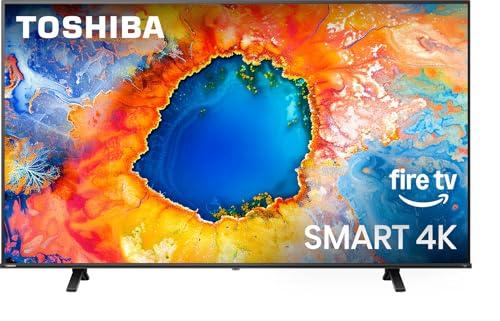
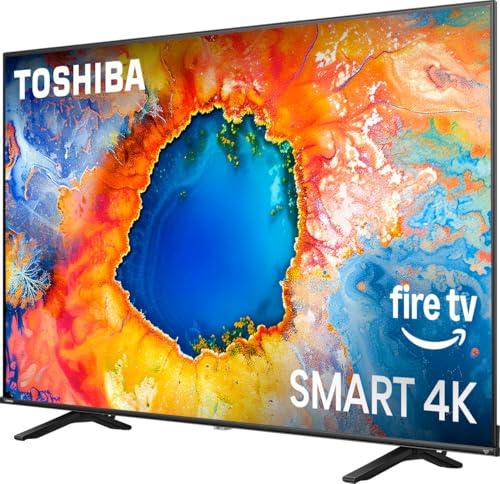
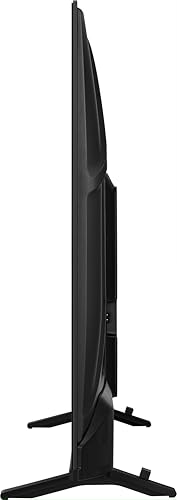

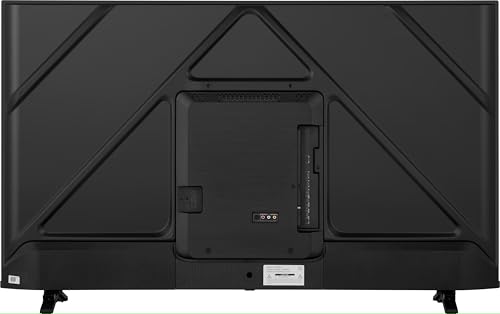
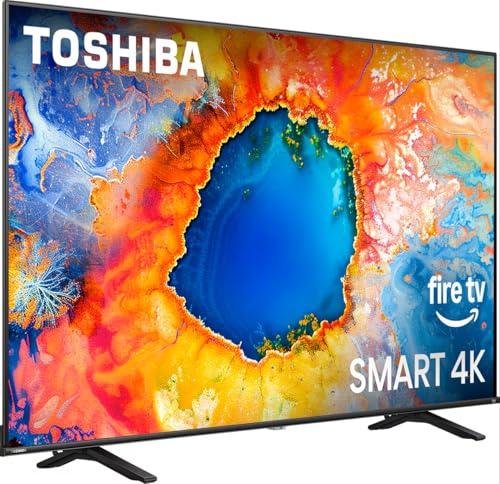
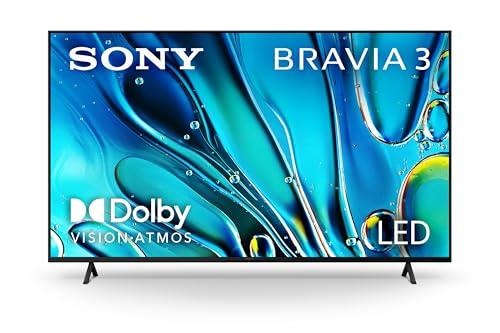
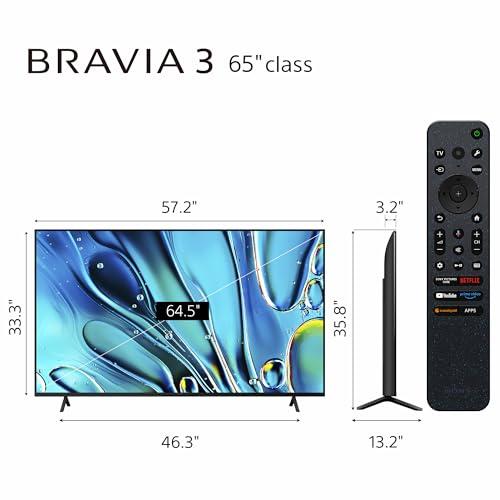

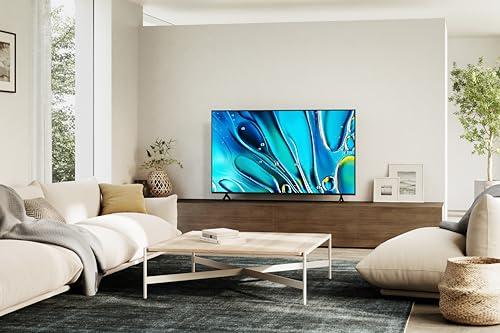
When shopping for a large 65-inch TV without breaking the bank, two models consistently pop up in conversations: the Toshiba 65" C350 Series 4K UHD Smart Fire TV and the Sony BRAVIA 3 65" 4K HDR LED Google TV. Both released in 2023-2024, these TVs represent different philosophies in the budget large-screen market. But which one deserves a spot in your living room?
After researching extensive user feedback and professional reviews, we've found that choosing between these two comes down to whether you prioritize rock-bottom pricing or are willing to spend more for genuinely better picture quality and smart features. Let's dive into what makes each tick and help you figure out which approach works best for your needs.
The budget 65-inch TV category has become incredibly competitive over the past few years. These televisions aim to deliver that coveted "big screen experience" without the premium technologies that drive costs through the roof on flagship models. Think of them as the sweet spot between tiny screens and mortgage-worthy home theater setups.
The key challenge for manufacturers is balancing cost with performance. To keep prices reasonable, these TVs typically skip expensive features like local dimming (technology that darkens specific screen areas for better contrast), advanced gaming capabilities like 120Hz refresh rates, or premium display panels. Instead, they focus on delivering solid 4K resolution, decent color reproduction, and robust smart TV platforms.
What matters most in this category isn't cutting-edge performance—it's getting the fundamentals right while offering genuine value. That means crisp 4K upscaling (making lower-resolution content look sharper), user-friendly smart interfaces, and build quality that won't disappoint after a few months of use.
The Toshiba C350 and Sony BRAVIA 3 represent fundamentally different strategies for tackling the budget TV market, and understanding this distinction is crucial for making the right choice.
Perhaps the most immediately noticeable difference between these TVs is their smart platforms. The Toshiba C350 runs Amazon's Fire TV OS, while the Sony BRAVIA 3 uses Google TV. This isn't just about different interfaces—it's about entire ecosystems that will shape your daily viewing experience.
Fire TV on the Toshiba feels like living inside Amazon's world. The interface prominently features Amazon Prime Video content, with recommendations heavily weighted toward Amazon's offerings. The included Alexa voice remote integrates seamlessly with Amazon's ecosystem, letting you control smart home devices, check weather, or order products without switching devices. If you're already invested in Amazon's ecosystem—Prime membership, Echo devices, Prime Video—this integration feels natural and convenient.
However, Fire TV's interface can feel cluttered and advertisement-heavy. The home screen constantly promotes content to purchase or rent, and navigating to your preferred apps sometimes feels like swimming upstream against Amazon's commercial current.
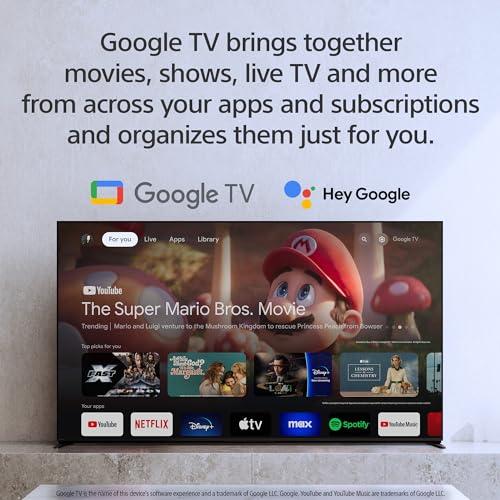
Google TV on the Sony BRAVIA 3 takes a more content-agnostic approach. Released as Google's evolution beyond Android TV, Google TV organizes content from across all your streaming services into unified recommendations. Instead of pushing specific services, it learns your viewing habits and suggests content regardless of which app it lives in. The interface feels cleaner and more premium, with less obvious advertising.
The voice control experience also differs significantly. While both support multiple voice assistants, Google Assistant on the Sony tends to be more accurate for general queries and smart home control, while Alexa on the Toshiba excels for shopping and Amazon-specific functions.
This is where the price difference between these TVs becomes most apparent. The Sony BRAVIA 3 includes Sony's 4K HDR Processor X1™, a dedicated chip that analyzes and enhances every frame in real-time. This isn't marketing fluff—it's technology that trickles down from Sony's premium TV lineup.
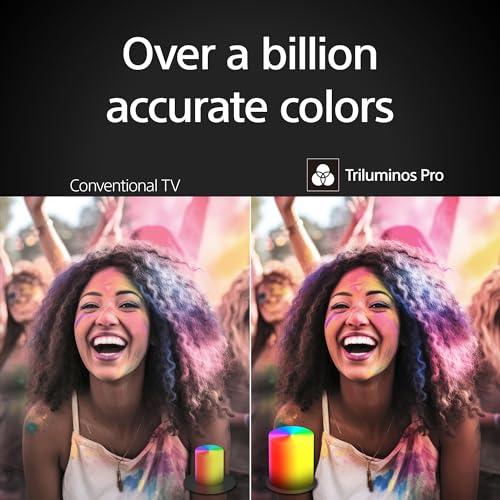
TRILUMINOS PRO™ technology in the Sony expands the color palette to over one billion colors, resulting in more natural skin tones and vibrant landscapes. When watching nature documentaries or movies with rich cinematography, the difference is genuinely noticeable. Colors look more saturated yet natural, without the oversaturated "pop" that cheaper TVs often use to mask their limitations.
The Toshiba C350, by contrast, uses more basic image processing. It handles 4K upscaling adequately and supports the same HDR formats (Dolby Vision, HDR10, HLG), but lacks the sophisticated real-time analysis that makes the Sony more refined. For everyday cable TV and streaming, this difference might not matter much. But when watching high-quality content, the Sony's superior processing becomes apparent.
4K X-Reality PRO upscaling on the Sony deserves special mention. This technology analyzes lower-resolution content and intelligently adds detail, making 1080p Blu-rays and streaming content look noticeably sharper. The Toshiba offers basic upscaling, but it's not in the same league.
Based on our research of professional measurements and user feedback, the picture quality differences between these TVs are more significant than their budget positioning might suggest.
Color performance represents the biggest gap between these models. Professional reviews consistently show the Sony BRAVIA 3 achieving excellent color accuracy in Rec. 709 (the standard for HDTV color) at 99.71% coverage. This means colors appear very close to how content creators intended them to look.
The Toshiba C350 delivers decent color reproduction for its price range, but without advanced color processing, you'll notice less accurate skin tones and occasionally oversaturated or undersaturated colors. For sports and news, this difference is minimal. For movies and nature content, the Sony provides a more natural, film-like experience.
Color volume—how well a TV maintains color accuracy at different brightness levels—also favors the Sony. The Toshiba tends to lose color richness in very bright or very dark scenes, while the Sony's processing maintains more consistent colors across different brightness levels.
Here's where both TVs face the same fundamental limitation: neither offers local dimming. This technology selectively darkens portions of the screen to create deeper blacks and better contrast. Without it, both the Toshiba C350 and Sony BRAVIA 3 struggle with dark scene performance.
In practical terms, this means blacks appear grayish rather than truly black, especially in dark rooms. Movie scenes set at night or in dark environments lose some of their dramatic impact. Both TVs exhibit this limitation, though the Sony's superior processing helps manage it slightly better through software optimization.
For home theater enthusiasts who prioritize deep blacks for movie watching, neither TV delivers the experience you'd get from higher-end models with local dimming or OLED technology. However, for well-lit family room viewing, this limitation becomes much less noticeable.
HDR (High Dynamic Range) promises brighter highlights and deeper shadows for more dramatic, lifelike images. Both TVs support the major HDR formats, but their actual HDR performance tells a more nuanced story.
The Sony BRAVIA 3 reaches approximately 450 nits peak brightness—decent for HDR content but not spectacular. The Toshiba C350 achieves lower peak brightness, making HDR highlights less impactful. In bright rooms or with direct sunlight, both TVs struggle to maintain image quality, though the Sony handles challenging lighting conditions slightly better.
Neither TV delivers the punchy, dramatic HDR experience you'd get from brighter premium models. HDR content looks better than standard content on both, but don't expect the jaw-dropping improvements that HDR can provide on higher-end displays.
Motion handling—how well a TV displays fast-moving content without blur or judder—differs noticeably between these models. The Sony BRAVIA 3 includes Motionflow XR 200 technology, which creates intermediate frames to smooth fast motion. For sports and action movies, this reduces blur and creates more fluid motion.
The Toshiba C350 offers basic motion processing but lacks sophisticated motion interpolation. Fast-paced sports, especially hockey or soccer, show more motion blur on the Toshiba. However, some viewers prefer this more natural motion handling, as advanced motion processing can occasionally create the "soap opera effect" that makes movies look like video.
Both TVs support Auto Low Latency Mode for gaming, automatically switching to faster processing when gaming consoles are detected. Neither offers advanced gaming features like 120Hz refresh rates or Variable Refresh Rate (VRR), limiting their appeal for serious gamers.
The smart TV experience shapes your daily interaction with these televisions more than any other factor. Based on extensive user feedback, the differences are substantial and meaningful.
The Sony BRAVIA 3 consistently receives praise for its smooth, responsive interface. App launches happen quickly, navigation feels snappy, and the overall experience rarely frustrates users. Google TV's maturity shows in its polish and reliability.
Fire TV on the Toshiba C350 receives mixed reviews for performance. While functional, users report occasional slowdowns, app crashes, and interface freezes that require restarts. The experience isn't terrible, but it's noticeably less refined than the Sony's implementation.
This reliability difference becomes more important over time. A TV you'll use for several years needs a smart platform that remains responsive and stable. The Sony's better long-term software support gives it an advantage here.
Google TV's content aggregation on the Sony BRAVIA 3 genuinely improves the viewing experience. Instead of jumping between apps to find something to watch, the interface presents unified recommendations from your subscriptions. If you're browsing for a comedy, you'll see options from Netflix, Hulu, HBO Max, and other services all in one place.
The Toshiba's Fire TV interface prioritizes Amazon content heavily, which can be helpful if you're a Prime Video subscriber but limiting if your viewing habits span multiple services. The recommendation system works but feels more commercially motivated than genuinely helpful.
Both TVs offer capable voice control, but with different strengths. The Sony's Google Assistant excels at general queries, weather updates, and smart home control. It understands natural language well and provides helpful responses.
The Toshiba's Alexa integration shines for Amazon ecosystem users. If you use Alexa for shopping, controlling smart home devices, or accessing Amazon services, the integration feels seamless and natural.
Audio quality often gets overshadowed by picture quality discussions, but it significantly impacts your viewing experience. Both TVs include decent audio systems for their price range, but with notable differences.
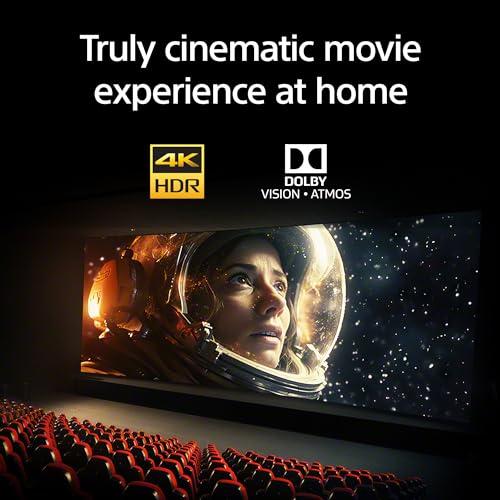
The Sony BRAVIA 3 features a 20W 2.0 channel system with Dolby Atmos support. While it won't replace a dedicated sound system, the audio feels balanced and clear, with decent dialogue reproduction and acceptable volume levels for most rooms.
The Toshiba C350 includes a 10W x 2 system with DTS Virtual:X processing. The lower power output is noticeable, especially in larger rooms or when watching action content. Dialogue remains clear, but you'll miss some of the audio detail and dynamic range that the Sony provides.
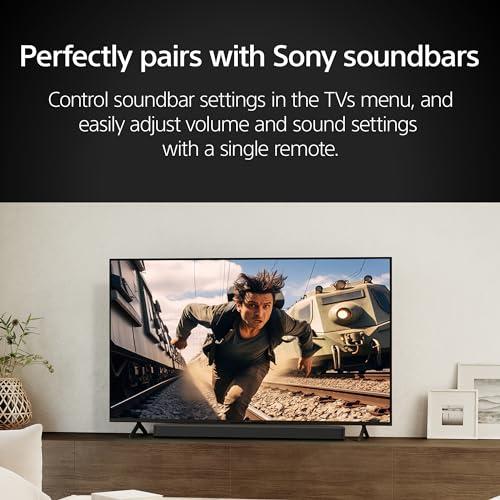
For both TVs, external audio systems or soundbars will dramatically improve the experience. However, if you plan to use the built-in speakers initially, the Sony offers a better starting point.
Neither the Toshiba C350 nor Sony BRAVIA 3 targets serious gamers, but both handle casual gaming adequately. Both support Auto Low Latency Mode, reducing input lag to around 9-10 milliseconds when gaming consoles are detected—perfectly acceptable for most gaming scenarios.
However, both TVs are limited to 60Hz refresh rates and lack advanced gaming features like HDMI 2.1 bandwidth, 120Hz support, or Variable Refresh Rate. If you're a competitive gamer or want the latest gaming features, these aren't the TVs for you.
The Sony BRAVIA 3 has a slight edge in motion clarity during gaming, thanks to better motion processing. Fast-moving games show less blur, though the difference isn't dramatic enough to influence purchasing decisions unless you're particularly sensitive to motion blur.
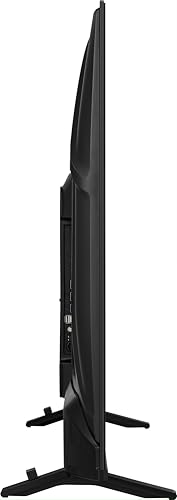
Physical build quality often correlates with long-term reliability and user satisfaction. The Sony BRAVIA 3 feels more premium, with better materials, more stable feet, and superior cable management. The overall construction suggests it will age better over several years of use.
The Toshiba C350 offers functional build quality that's appropriate for its price range. The construction feels solid enough for normal use, though materials and finishing touches don't match the Sony's quality level.
For wall mounting, both TVs support standard VESA mounting patterns, though the Sony's better build quality becomes less relevant once mounted on a wall.
At the time of writing, the Toshiba C350 typically costs significantly less than the Sony BRAVIA 3—often 40-50% less during sales periods. This substantial price difference raises important questions about value and what you're getting for the extra money.
The Toshiba maximizes screen size per dollar spent. If your primary goal is getting the largest possible screen for the least money, and you're satisfied with basic 4K picture quality and Fire TV functionality, it delivers exceptional value. For casual viewing, sports, and everyday streaming, the Toshiba provides a perfectly adequate experience.
The Sony BRAVIA 3 commands a price premium but delivers tangible improvements across multiple areas. Better picture processing, superior smart TV experience, more accurate colors, and higher build quality justify the additional cost for users who prioritize overall quality over pure value.
The question becomes whether these improvements matter for your specific use case and whether you're willing to pay extra for them.
For dedicated home theater use, both TVs face significant limitations. The lack of local dimming means neither excels in dark room movie watching—a core requirement for serious home theater setups. Black levels appear gray rather than deep black, reducing the dramatic impact of cinematic content.
If home theater performance is your priority, consider saving money with the Toshiba C350 and investing the savings in a high-quality sound system, or stretching your budget for a TV with local dimming technology.
For family rooms with ambient lighting, both TVs perform adequately for movie nights and casual viewing. The Sony BRAVIA 3's better processing and color accuracy provide a more refined experience, but the Toshiba C350 delivers satisfactory performance at a lower cost.
The choice between the Toshiba 65" C350 Series 4K UHD Smart Fire TV and Sony BRAVIA 3 65" 4K HDR LED Google TV ultimately depends on your priorities and budget tolerance.
The Toshiba C350 succeeds as a value champion, delivering 65 inches of 4K entertainment at an aggressive price point. It's a smart choice for budget-conscious families who want a large screen for everyday viewing and aren't bothered by some compromises in picture processing and interface refinement.
The Sony BRAVIA 3 justifies its price premium with genuinely better picture quality, superior smart TV experience, and higher build quality. For users who can stretch their budget and appreciate these improvements, it provides a more satisfying long-term ownership experience.
Both TVs represent solid choices within their respective market positions. Your decision should align with whether you prioritize maximum value or are willing to pay more for meaningful quality improvements. Either way, you'll end up with a capable 65-inch 4K TV that delivers big-screen entertainment for years to come.
| Toshiba 65" C350 Series 4K UHD Smart Fire TV | Sony BRAVIA 3 65" 4K HDR LED Google TV |
|---|---|
| Smart TV Platform - Your daily interface experience | |
| Fire TV with Alexa (ad-heavy but good Amazon integration) | Google TV with Google Assistant (cleaner, more premium) |
| Picture Processing - Real-world image quality differences | |
| Basic 4K upscaling and color processing | 4K HDR Processor X1™ with TRILUMINOS PRO™ |
| Color Accuracy - How natural content looks | |
| Decent colors for the price, some oversaturation | 99.71% Rec. 709 coverage, over 1 billion colors |
| Peak Brightness - Performance in bright rooms | |
| Lower peak brightness, struggles with HDR highlights | ~450 nits, better HDR processing but still limited |
| Audio System - Built-in speaker quality | |
| 10W x 2 with DTS Virtual:X (adequate but weak bass) | 20W 2.0 with Dolby Atmos support (noticeably better) |
| Motion Processing - Sports and action clarity | |
| Basic motion handling with some blur in fast scenes | Motionflow XR 200 for smoother sports and action |
| Gaming Features - Console compatibility | |
| Auto Low Latency Mode, 60Hz max, ~9ms input lag | Auto Low Latency Mode, 60Hz max, similar input lag |
| Black Levels - Dark room movie performance | |
| No local dimming, grayish blacks in dark scenes | No local dimming, slightly better processing but same limitation |
| Build Quality - Long-term durability and design | |
| Functional construction, adequate for price point | Premium materials, better cable management, more stable |
| Content Integration - Streaming service access | |
| Heavy Amazon Prime Video focus, Fire TV app store | Sony Pictures Core included, unified content discovery |
| Voice Control - Smart home and TV control | |
| Excellent Alexa integration for Amazon ecosystem users | Superior Google Assistant for general queries and smart home |
| Value Proposition - What you get for the money | |
| Maximum screen size per dollar, basic but functional | Premium experience worth the price increase for quality-focused buyers |
The Sony BRAVIA 3 65" 4K HDR LED Google TV delivers noticeably better picture quality thanks to its 4K HDR Processor X1™ and TRILUMINOS PRO™ technology. It produces more accurate colors with 99.71% Rec. 709 coverage and superior upscaling of lower-resolution content. The Toshiba 65" C350 Series 4K UHD Smart Fire TV offers decent picture quality for its price range but lacks the advanced processing that makes the Sony stand out.
The Toshiba C350 runs Fire TV, which integrates heavily with Amazon's ecosystem and includes extensive Alexa functionality, but features a more ad-heavy interface. The Sony BRAVIA 3 uses Google TV, offering a cleaner interface with unified content discovery across streaming services and superior Google Assistant integration for smart home control.
Both the Toshiba C350 and Sony BRAVIA 3 offer similar gaming performance with Auto Low Latency Mode and approximately 9ms input lag. Neither supports advanced gaming features like 120Hz or Variable Refresh Rate. The Sony has a slight edge in motion clarity during fast-paced games, but serious gamers should consider higher-end models with HDMI 2.1 features.
The Sony BRAVIA 3 features a superior 20W 2.0 channel system with Dolby Atmos support, delivering clearer dialogue and better overall balance. The Toshiba C350 includes a 10W x 2 system with DTS Virtual:X that's adequate for basic viewing but noticeably weaker in larger rooms. Both benefit from external soundbars or speakers.
The Sony BRAVIA 3 handles bright room viewing slightly better with superior peak brightness (around 450 nits) and better anti-glare properties. The Toshiba C350 struggles more with direct sunlight and reflections due to lower peak brightness. Neither TV excels in very bright environments compared to premium models.
Neither the Toshiba C350 nor Sony BRAVIA 3 is ideal for dedicated home theater setups due to their lack of local dimming, which results in grayish rather than true black levels. For dark room movie watching, both TVs have limitations. The Sony offers better processing and color accuracy, making it the better choice if you must pick between them for home theater use.
The Toshiba C350 provides exceptional value for buyers prioritizing screen size per dollar, offering adequate 4K performance at a budget-friendly price. The Sony BRAVIA 3 costs more but justifies the premium with superior picture processing, build quality, and smart TV experience. Your choice depends on whether you prioritize lowest cost or quality improvements.
The Sony BRAVIA 3 generally receives better reviews for long-term reliability and software support, with fewer reported issues like interface freezes or app crashes. The Toshiba C350 offers functional reliability appropriate for its price point, though some users report occasional software hiccups. Sony's track record for ongoing software updates gives it an advantage.
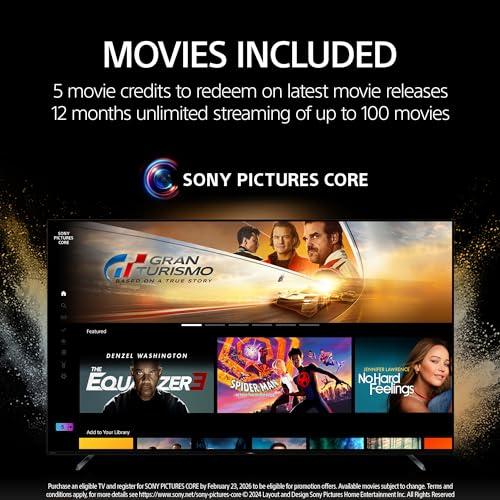
The Sony BRAVIA 3 provides a more premium smart TV experience with faster performance, cleaner interface, and unified content discovery across streaming services. It also includes Sony Pictures Core with movie credits. The Toshiba C350 offers solid Fire TV functionality with excellent Amazon integration but a more commercial, ad-heavy interface.
Both the Toshiba C350 and Sony BRAVIA 3 support major HDR formats (Dolby Vision, HDR10, HLG) but neither delivers impressive HDR performance due to limited peak brightness. The Sony processes HDR content more effectively, but don't expect dramatic HDR improvements on either model compared to brighter premium TVs.
The Sony BRAVIA 3 handles sports better thanks to its Motionflow XR 200 technology, which reduces motion blur during fast action like hockey or soccer. The Toshiba C350 shows more motion blur in fast-paced sports but still provides acceptable performance for casual sports viewing. Both offer wide viewing angles suitable for group watching.
Choose the Toshiba C350 if budget is your primary concern and you want maximum screen size for minimum cost, especially if you're invested in Amazon's ecosystem. Choose the Sony BRAVIA 3 if you can stretch your budget and value better picture quality, superior smart features, and more reliable long-term performance. The Sony justifies its higher cost with meaningful quality improvements across multiple areas.
We've done our best to create useful and informative comparisons to help you decide what product to buy. Our research uses advanced automated methods to create this comparison and perfection is not possible - please contact us for corrections or questions. These are the sites we've researched in the creation of this article: bestbuy.com - bestbuy.com - youtube.com - rtings.com - cnet.com - youtube.com - consumerreports.org - toshibatv-canada.com - bestbuy.com - bestbuy.com - dolby.com - displayspecifications.com - toshibatv-usa.com - aarons.com - bestbuy.com - rtings.com - tomsguide.com - youtube.com - youtube.com - rtings.com - electronics.sony.com - youtube.com - manuals.plus - tvsbook.com - sargentappliance.com - bestbuy.com - avsforum.com - sony.com - costco.com - shopatsc.com - youtube.com

Privacy Policy
Terms and Conditions - Affiliate Policy
Home Security
© Copyright 2008-2026.
11816 Inwood Rd #1211, Dallas, TX 75244