

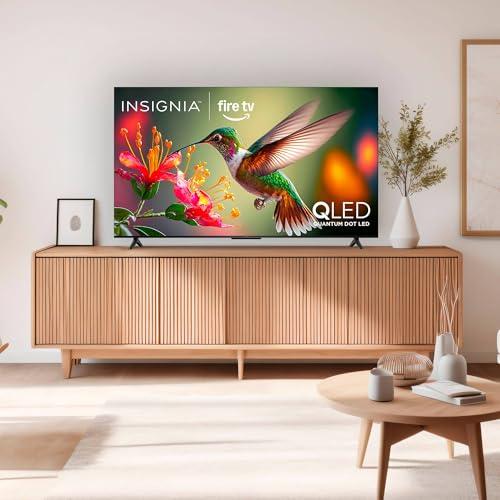
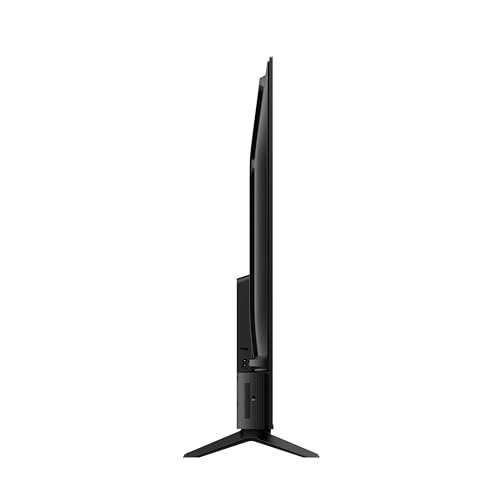
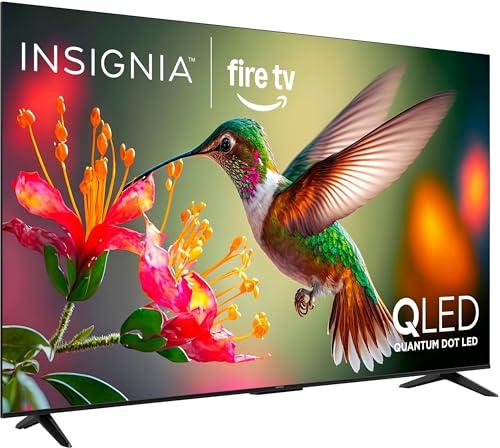
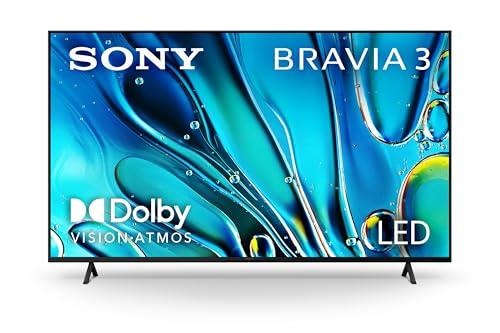
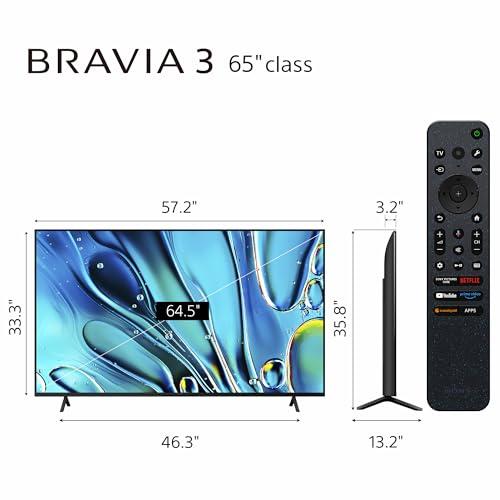
When you're shopping for a 65-inch 4K TV, the sheer number of options can feel overwhelming. Two models that consistently come up in discussions represent opposite ends of the value spectrum: the budget-friendly Insignia 65" QF Series QLED and the premium-positioned Sony BRAVIA 3. Both released in 2024, these TVs showcase how different manufacturers approach the same screen size with vastly different philosophies.
The 65-inch TV market has evolved dramatically over the past few years. What once required a $2,000+ investment now offers compelling options starting under $400. This shift has created interesting dynamics where budget brands like Insignia can offer advanced display technologies like QLED (Quantum Dot Light Emitting Diode) at prices that would have been unimaginable just three years ago.
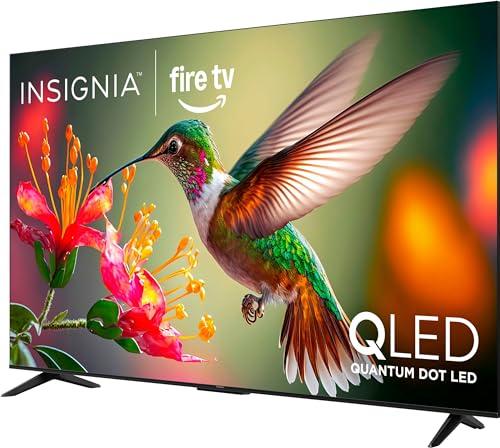
The fundamental difference between these TVs lies in their display technology. The Insignia QF Series uses QLED technology, which adds a layer of quantum dots—microscopic particles that emit pure colors when hit by light—between the LED backlight and the LCD panel. This creates more vibrant, saturated colors and typically better brightness than standard LED displays.
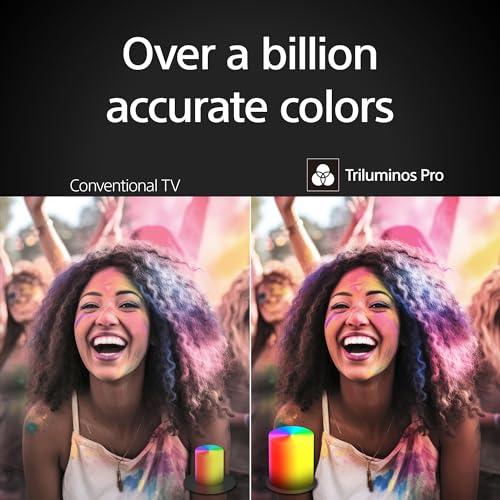
The Sony BRAVIA 3, despite its premium positioning, uses traditional LED backlighting with Sony's Triluminos Pro color enhancement. While this doesn't offer the same inherent color advantages as quantum dots, Sony compensates with sophisticated processing algorithms that aim for natural, accurate color reproduction rather than the punchy, vibrant look of QLED.
Think of it this way: QLED is like having a really good photo filter that makes colors pop, while Sony's approach is like having a skilled photo editor who carefully adjusts each image for maximum realism.
The Insignia QF Series delivers the kind of vibrant, eye-catching colors that make you stop scrolling when you see it in a store display. The quantum dot technology excels with bright, colorful content—animated movies look stunning, sports broadcasts have that "larger than life" quality, and nature documentaries practically jump off the screen.
However, our research into professional reviews reveals that this vibrancy sometimes comes at the cost of accuracy. Skin tones might look slightly oversaturated, and subtle color gradations can get lost in favor of bold, punchy hues.
The Sony BRAVIA 3 takes the opposite approach with its Triluminos Pro technology, which displays over one billion colors with impressive accuracy. Professional reviewers consistently praise its natural color reproduction, particularly noting how well it handles difficult tones like skin colors and neutral grays. This makes it excellent for films and documentaries where color accuracy matters more than visual impact.
For home theater enthusiasts, this difference is crucial. If you're setting up a dedicated movie-watching space with controlled lighting, the Sony's accurate colors will serve you better in the long run. But if your TV lives in a bright family room where visual impact matters more than subtle accuracy, the Insignia's vibrant QLED display might be more satisfying.
Here's where things get interesting, and frankly, a bit disappointing with the Sony BRAVIA 3. Despite its premium positioning, our research shows it only reaches about 450 nits of peak brightness—barely brighter than many budget options. For context, modern HDR content is mastered expecting TVs to hit 1,000+ nits for true HDR impact.
The Insignia QF Series, while not spectacular in absolute terms, actually provides better HDR performance relative to its price point. The quantum dot technology helps it achieve respectable peak brightness, and more importantly, the difference between standard and HDR content is actually noticeable.
Both TVs support Dolby Vision, which is a dynamic HDR format that adjusts brightness and color on a scene-by-scene basis. However, without sufficient peak brightness, even Dolby Vision can't work miracles. This is one area where spending more on the Sony doesn't translate to better performance.
One significant issue that affects both TVs, but particularly the Sony BRAVIA 3, is black level performance. Neither TV has local dimming—a technology that selectively dims parts of the screen for deeper blacks. This means dark scenes in movies will show gray rather than true black.
Professional reviews consistently note that the Sony's blacks appear noticeably raised, which is particularly problematic for a TV positioned as a premium option. The Insignia QF Series handles this slightly better, though neither excels in this area.
For home theater use, this is genuinely important. If you plan to watch a lot of movies in a dark room, both TVs will disappoint compared to options with local dimming or OLED technology, regardless of price.
The smart TV platform might seem like a secondary consideration, but it dramatically affects daily use. The Insignia QF Series runs Amazon's Fire TV OS, which has evolved significantly since its early days. It's fast, responsive, and integrates seamlessly with Amazon's ecosystem.
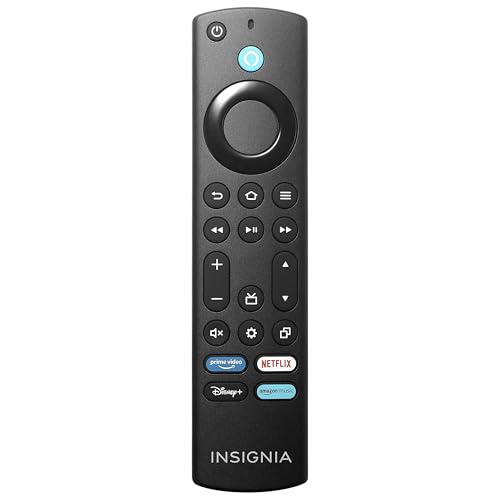
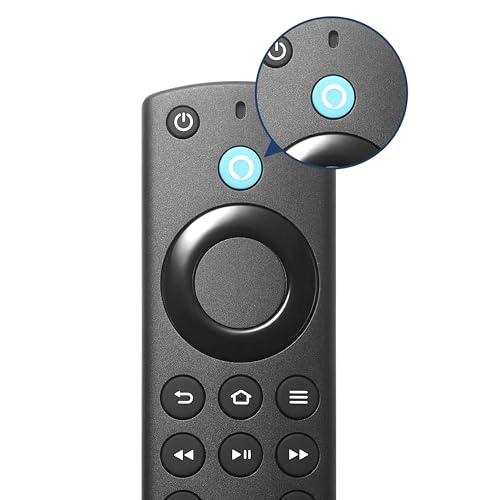
If you're already using Alexa smart home devices, the integration is genuinely useful. You can control lights, check the weather, or start playing music without switching inputs or grabbing different remotes. The interface prioritizes Amazon Prime Video content, which some see as bias, but it also makes discovering new shows effortless if you're a Prime subscriber.
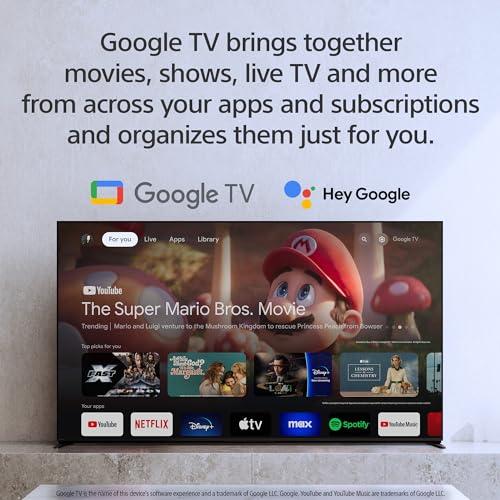
The Sony BRAVIA 3 uses Google TV, which represents Google's latest evolution of Android TV. It offers broader app compatibility and arguably better content discovery across multiple streaming services. The interface feels more neutral—it's not pushing any particular streaming service.
Both platforms handle all major streaming apps well, but there are subtle differences. Fire TV sometimes gets new apps slightly later than Google TV, while Google TV occasionally has compatibility hiccups with lesser-known streaming services.
Both TVs target casual gamers rather than serious gaming enthusiasts. They're limited to 60Hz refresh rates and lack modern gaming features like Variable Refresh Rate (VRR) or HDMI 2.1 bandwidth that enables 4K gaming at 120fps.
The Sony BRAVIA 3 does include Auto Low Latency Mode (ALLM), which automatically switches to game mode when it detects a console. This reduces input lag—the delay between pressing a button and seeing the action on screen—to about 9.2 milliseconds, which is respectable for casual gaming.
However, professional reviews note that both TVs struggle with fast motion due to slow pixel response times. This creates motion blur during fast-paced games, making competitive gaming less enjoyable.
If gaming is important to you, both TVs will work fine for story-driven games or casual multiplayer sessions, but serious gamers should look elsewhere regardless of budget.
TV speakers have improved dramatically over the years, but physics still limits what's possible in thin displays. The Insignia QF Series includes Dolby Atmos support, which creates a more immersive surround sound experience, but the built-in speakers remain average.
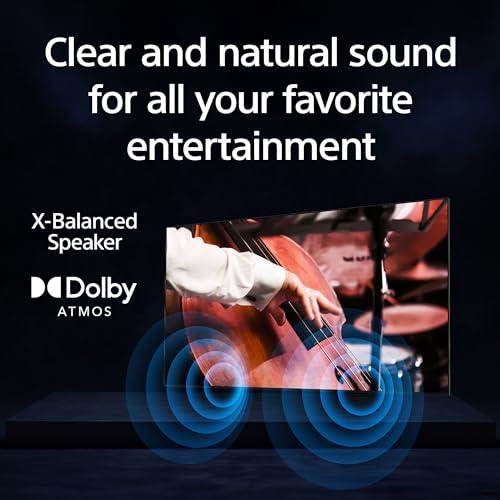
The Sony BRAVIA 3 features X-Balanced Speaker technology, which Sony claims provides clearer dialogue and more balanced sound. Professional reviews generally agree that it sounds better than typical TV speakers, with cleaner dialogue and less distortion at higher volumes.
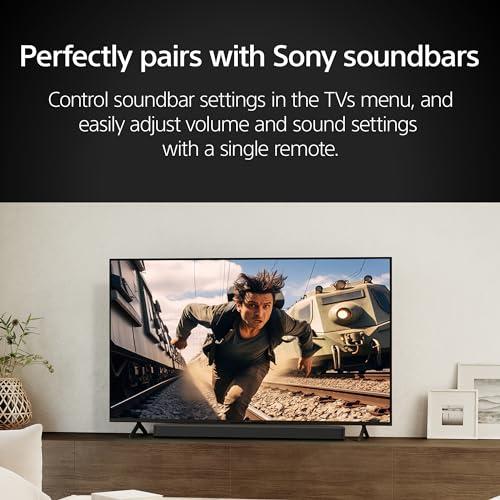
However, for true home theater use, both TVs benefit significantly from external audio. A mid-range soundbar will transform the viewing experience far more than the difference between these TV's built-in speakers.
At the time of writing, the price difference between these TVs is substantial—the Sony BRAVIA 3 costs more than double the Insignia QF Series. This raises an important question: where does that extra money go?
With the Sony, you're paying for brand reputation, better build quality, more sophisticated picture processing, and arguably better long-term support. Sony TVs typically receive software updates for longer periods and have more comprehensive warranty support.
However, our analysis suggests that the Insignia QF Series delivers roughly 85% of the viewing experience at less than half the cost. For most users, that's exceptional value. The quantum dot technology provides genuinely better color performance than standard LED displays, and the Fire TV platform is mature and reliable.
The Sony's premium mainly makes sense if you specifically value natural color accuracy over vibrant presentation, or if brand reliability is worth the substantial price difference to you.
You're budget-conscious but don't want to compromise on screen size or modern features. The Insignia QF Series excels for families who primarily stream content, watch sports, or enjoy colorful entertainment. It's particularly appealing if you're already invested in Amazon's ecosystem with Alexa devices or Prime Video.
The vibrant QLED colors make animated movies and nature documentaries genuinely impressive, and the large 65-inch screen provides that cinematic feel that smaller TVs can't match. For casual gaming with kids or friends, it performs adequately without breaking the bank.
Picture quality enthusiasts who prioritize accuracy over impact. If you're setting up a dedicated home theater space and plan to watch a lot of films, the Sony BRAVIA 3's natural color reproduction and superior processing will serve you better long-term.
The Google TV platform offers slightly better content discovery if you use multiple streaming services equally, and Sony's brand reputation provides peace of mind for those who keep TVs for many years.
However, it's worth noting that the Sony's limitations—particularly its poor black levels and limited HDR performance—mean you're not getting true premium performance despite the premium price.
For dedicated home theater use, both TVs have significant limitations. The lack of local dimming means dark movie scenes will appear washed out, and neither achieves the peak brightness needed for impactful HDR.
If you're serious about home theater, consider that the price difference between these TVs could fund a significant portion of a proper projector setup or get you closer to an OLED display with superior contrast performance.
The Insignia QF Series represents exceptional value for most buyers. Its quantum dot technology provides genuinely better color performance than standard LED TVs, the Fire TV platform is mature and fast, and the price point allows budget for accessories like a soundbar.
The Sony BRAVIA 3 only makes sense for specific buyers who value natural color accuracy and brand reliability enough to pay more than double for incremental improvements.
For most families looking to upgrade to a large 4K TV, the Insignia delivers the modern viewing experience they're seeking without the premium price. The money saved could fund a quality soundbar, better streaming subscriptions, or simply stay in your pocket—all of which might improve your overall entertainment experience more than the Sony's processing advantages.
The TV market continues evolving rapidly, with new technologies and better value propositions appearing regularly. But at the time of writing, the Insignia QF Series stands out as proof that exceptional entertainment value doesn't require premium pricing.
| Insignia 65" QF Series QLED | Sony BRAVIA 3 65" 4K HDR LED Google TV |
|---|---|
| Display Technology - Core difference affecting color vibrancy and brightness | |
| QLED with Quantum Dot (vibrant, punchy colors) | Standard LED with Triluminos Pro (natural, accurate colors) |
| Peak Brightness - Critical for HDR impact and bright room viewing | |
| Good brightness for price point, noticeable HDR difference | Limited to ~450 nits, minimal HDR impact versus SDR |
| Black Levels - Important for dark scene detail and contrast | |
| Adequate blacks, no local dimming | Poor blacks appear gray, no local dimming |
| Color Performance - Affects how movies and shows look | |
| Wide color gamut, vibrant and saturated presentation | Over 1 billion colors, natural and accurate reproduction |
| Smart TV Platform - Daily interface and app experience | |
| Amazon Fire TV (fast, Alexa integration) | Google TV (comprehensive, neutral content discovery) |
| Picture Processor - Handles upscaling and image enhancement | |
| Standard processing, basic upscaling | 4K HDR Processor X1 with advanced real-time enhancement |
| Gaming Features - Matters for console users | |
| 60Hz, low input lag, basic gaming support | 60Hz, Auto Low Latency Mode, 9.2ms input lag |
| Audio Quality - Built-in speaker performance | |
| Average speakers with Dolby Atmos support | X-Balanced Speakers, clearer dialogue, still needs soundbar |
| Build Quality and Design - Durability and aesthetics | |
| Solid construction for price, metal bezel-less design | Premium build quality, slim wedged stand design |
| Voice Control Integration - Smart home compatibility | |
| Alexa Voice Remote, seamless Amazon ecosystem | Google Assistant built-in, hands-free voice commands |
| HDR Support - Enhanced contrast and color range | |
| HDR10, Dolby Vision with visible improvement | HDR10, HLG, Dolby Vision but limited by brightness |
| Connectivity Options - Ports and wireless features | |
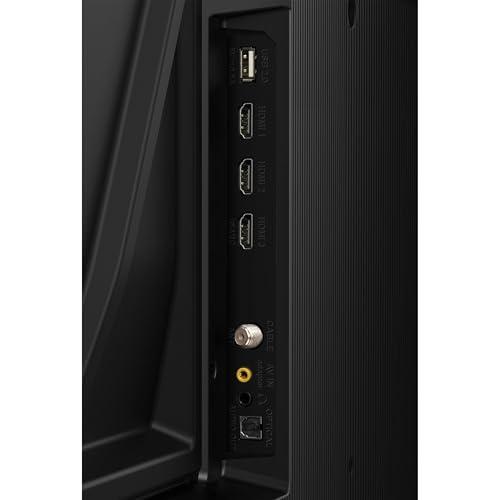
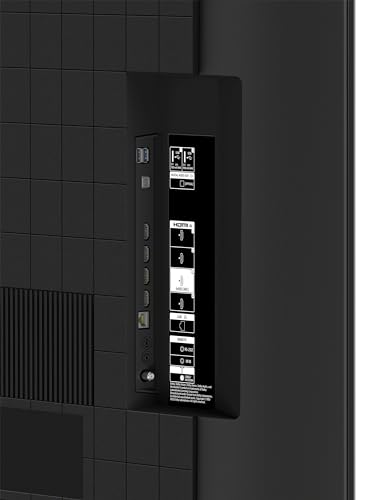
| Multiple HDMI, Bluetooth, Wi-Fi 5, Apple AirPlay | 4 HDMI ports, Bluetooth 5.0, Wi-Fi, Chromecast built-in |
| Value Proposition - Performance per dollar spent | |
| Exceptional value, 85% of premium experience at budget price | Premium pricing for entry-level features, brand reliability |
The Insignia 65" QF Series QLED delivers exceptional picture quality for its budget price point, featuring quantum dot technology that produces vibrant, punchy colors ideal for streaming and sports. The Sony BRAVIA 3 offers more natural, accurate colors with superior processing, but costs significantly more. For most viewers, the Insignia QLED provides better value with 85% of premium performance at a fraction of the cost.
The Insignia QF Series uses QLED (Quantum Dot) technology, which adds a layer of microscopic particles that enhance color vibrancy and brightness compared to standard LED displays. The Sony BRAVIA 3 uses traditional LED backlighting with Triluminos Pro processing for color enhancement. QLED typically produces more saturated, eye-catching colors, while Sony's LED approach focuses on natural color accuracy.
The Insignia QLED TV runs Amazon Fire TV, which offers fast performance and seamless Alexa integration, making it ideal for Amazon ecosystem users. The Sony BRAVIA 3 features Google TV with broader app compatibility and neutral content discovery across streaming services. Both platforms handle major apps well, but Fire TV favors Amazon services while Google TV provides more balanced recommendations.
Both the Insignia QF Series and Sony BRAVIA 3 are limited to 60Hz refresh rates without modern gaming features like VRR or HDMI 2.1. The Sony TV includes Auto Low Latency Mode for slightly better gaming performance, but both are best suited for casual gaming rather than competitive play. Serious gamers should consider TVs with 120Hz support and gaming-specific features.
The Insignia QLED generally handles bright rooms better due to its quantum dot technology providing good brightness levels for the price. The Sony BRAVIA 3 is limited to around 450 nits peak brightness, which can struggle with glare and reflections in very bright environments. Neither excels in extremely bright rooms, but the Insignia offers better brightness performance relative to cost.
The Insignia QF Series provides noticeable HDR improvement over standard content with support for HDR10 and Dolby Vision. The Sony BRAVIA 3 supports the same HDR formats but delivers minimal visual difference due to brightness limitations. Despite its premium positioning, the Sony doesn't achieve the peak brightness needed for impactful HDR performance.
The Sony BRAVIA 3 features X-Balanced Speaker technology with clearer dialogue and more balanced sound compared to the Insignia QLED. However, both TVs have average built-in audio that benefits significantly from external speakers or soundbars. The audio difference isn't substantial enough to justify the price premium of the Sony alone.
Both the Insignia QF Series and Sony BRAVIA 3 have limitations for dedicated home theater use, particularly poor black levels due to lack of local dimming technology. The Sony offers more accurate colors for film viewing, while the Insignia provides vibrant visuals at a budget price. Serious home theater enthusiasts should consider OLED or TVs with local dimming regardless of brand.
The Insignia QLED TV provides exceptional immediate value with modern features at a budget price, though it may have shorter software support lifecycles. The Sony BRAVIA 3 offers brand reliability and longer update support but at a significant price premium. For most buyers, the Insignia delivers better cost-to-performance ratio over the typical 5-7 year TV lifespan.
The Insignia QF Series offers multiple HDMI inputs, Bluetooth, Wi-Fi, and Apple AirPlay support with strong Amazon ecosystem integration. The Sony BRAVIA 3 provides 4 HDMI ports, Bluetooth 5.0, built-in Chromecast, and broader smart home compatibility. Both offer adequate connectivity, with the main difference being ecosystem preference rather than technical capabilities.
For casual streaming, the Insignia QLED excels with vibrant colors that make content pop and fast Fire TV performance. The Sony BRAVIA 3 provides more accurate color reproduction and superior upscaling of lower-quality content. Both handle 4K streaming well, but the Insignia offers better entertainment value for most streaming-focused users.
The Insignia QF Series QLED is excellent for sports with its vibrant colors making games visually engaging and good motion handling for the price. The Sony BRAVIA 3 offers natural color reproduction and slightly better motion processing but at a much higher cost. For sports viewing, the Insignia provides superior value with colors and brightness that enhance the viewing experience.
We've done our best to create useful and informative comparisons to help you decide what product to buy. Our research uses advanced automated methods to create this comparison and perfection is not possible - please contact us for corrections or questions. These are the sites we've researched in the creation of this article: bestbuy.com - bestbuy.com - bestbuy.com - youtube.com - rtings.com - youtube.com - youtube.com - manuals.plus - youtube.com - bestbuy.com - leaseville.com - financemycart.com - financemycart.com - bestbuy.com - klarna.com - bestbuy.com - slickdeals.net - bestbuy.com - rtings.com - tomsguide.com - youtube.com - youtube.com - rtings.com - electronics.sony.com - youtube.com - manuals.plus - tvsbook.com - sargentappliance.com - bestbuy.com - avsforum.com - sony.com - costco.com - shopatsc.com - youtube.com

Privacy Policy
Terms and Conditions - Affiliate Policy
Home Security
© Copyright 2008-2026.
11816 Inwood Rd #1211, Dallas, TX 75244