

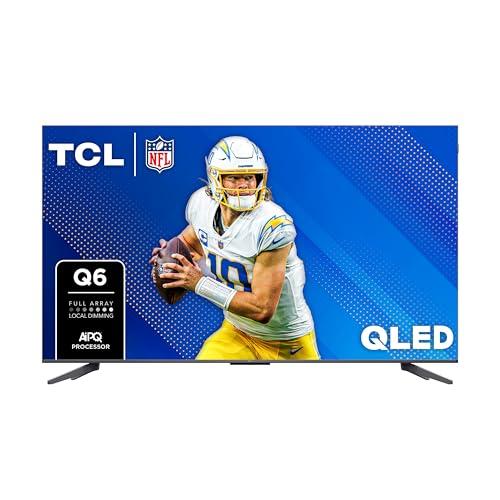

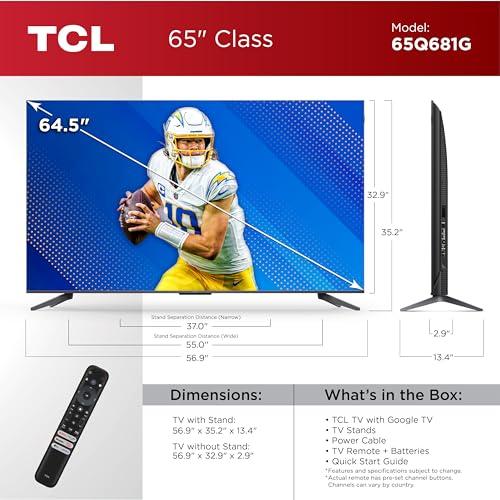
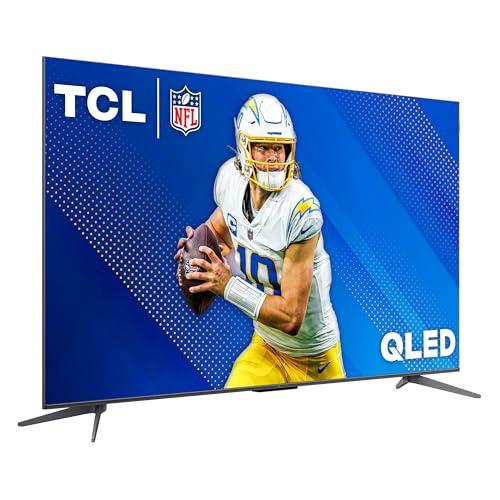
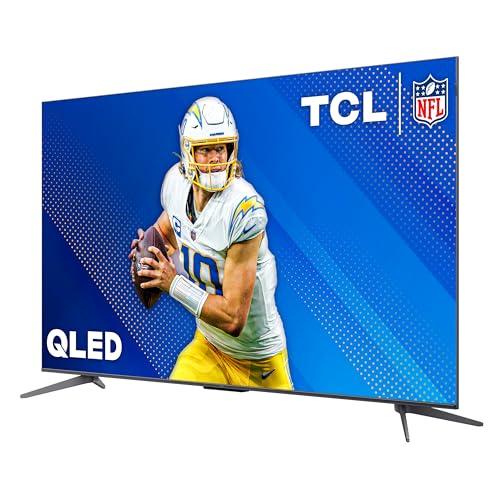
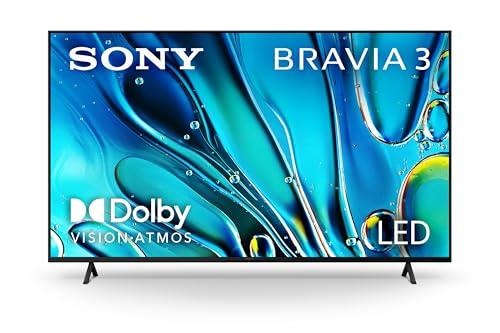
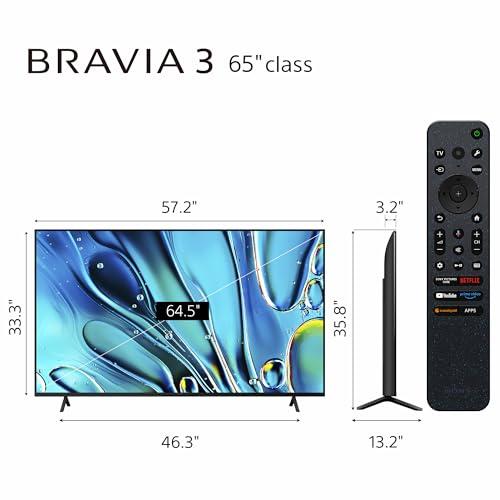
Shopping for a 65-inch smart TV in 2024 means navigating a crowded field of options, but two models consistently surface in conversations about mid-range value: the TCL Q68 QLED and the Sony BRAVIA 3. Both released in 2024, these TVs represent fundamentally different philosophies about what matters most in a living room display.
The mid-range 65-inch TV segment has evolved dramatically over the past few years. Where budget TVs once meant accepting washed-out colors and sluggish performance, today's options pack technologies that were flagship features just a generation ago. Quantum dot displays, local dimming, and 120Hz gaming support have trickled down to more affordable price points, making the choice between models less about basic functionality and more about which strengths align with your priorities.
The most fundamental difference between the TCL Q68 and Sony BRAVIA 3 lies in their display technology. The TCL uses QLED (Quantum Dot Light Emitting Diode) technology, which places a layer of quantum dots—microscopic semiconductor particles—between the LED backlight and the LCD panel. These quantum dots convert blue light from LEDs into pure red and green light, enabling the display to reproduce a much wider range of colors than traditional LED TVs.
Think of quantum dots as highly efficient color filters. While a regular LED TV might struggle to display the vibrant red of a sunset or the deep green of a forest, the TCL Q68's quantum dot layer can hit nearly 100% of the DCI-P3 color space—the standard used in movie theaters. This translates to more lifelike images where skin tones look natural and colorful scenes pop with intensity.
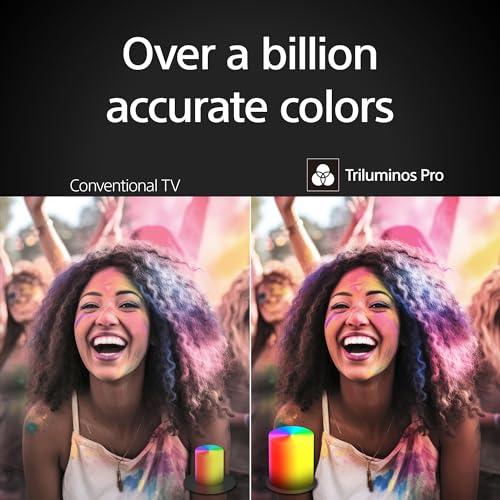
The Sony BRAVIA 3, by contrast, uses traditional LED technology enhanced by Sony's Triluminos Pro processing. Instead of relying on quantum dots for color enhancement, Sony uses advanced algorithms to analyze and optimize each scene in real-time. Their 4K HDR Processor X1 essentially acts as the TV's brain, making millions of calculations per second to enhance color, contrast, and clarity.
One of the TCL Q68's most significant advantages is Full Array Local Dimming (FALD). This feature divides the TV's LED backlight into dozens of independently controllable zones. When you're watching a movie with a dark scene, the TV can dim or completely turn off LEDs behind the dark parts of the image while keeping bright areas illuminated.
The practical impact is dramatic. Without local dimming, LCD TVs struggle with contrast—dark scenes look gray rather than black because the backlight illuminates the entire screen uniformly. With FALD, the TCL Q68 can display deep blacks alongside bright highlights in the same scene, creating the high contrast that makes HDR content truly impressive.
Unfortunately, the Sony BRAVIA 3 lacks local dimming entirely. This is its most significant weakness and the primary reason it struggles with dark room viewing. In a dim environment, what should be black appears more like dark gray, reducing the cinematic impact of movies and making the TV less suitable for dedicated home theater setups.
HDR (High Dynamic Range) represents the biggest advancement in TV picture quality since the jump to high definition. Traditional video is mastered at around 100 nits of brightness (a nit is a measure of luminance), but HDR content can be mastered at 1,000 nits or higher, much closer to what our eyes see in real life.
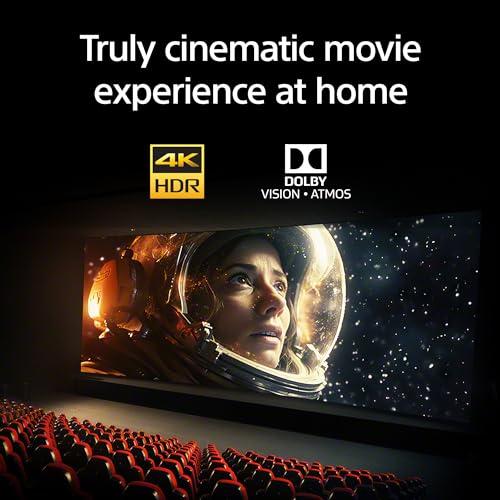
The TCL Q68 can reach approximately 600 nits of peak brightness, which—combined with its local dimming—creates genuinely impactful HDR. When watching a movie with explosions or bright sunlight, those highlights actually pop off the screen rather than looking flat. The TV supports all major HDR formats: Dolby Vision, HDR10+, HDR10, and HLG, ensuring compatibility with content from Netflix, Disney+, Ultra HD Blu-rays, and broadcast sources.
The Sony BRAVIA 3 maxes out around 450 nits—significantly dimmer than its TCL competitor. More problematically, without local dimming, the difference between SDR (Standard Dynamic Range) and HDR content is minimal. HDR is supposed to deliver brighter brights and darker darks simultaneously, but when the entire screen stays relatively dim, that contrast disappears.
For HDR enthusiasts or anyone planning to watch a lot of movies, this brightness difference matters enormously. The TCL Q68 delivers the "wow factor" that makes HDR content worth seeking out, while the Sony BRAVIA 3 makes HDR feel more like a marketing checkbox than a meaningful upgrade.
Here's where Sony fights back. While the TCL Q68 can display more vivid colors thanks to its quantum dot technology, the Sony BRAVIA 3 often displays more accurate colors. Sony's decades of experience in professional video equipment shows in their color tuning—skin tones look natural, and the overall image has a film-like quality that many viewers prefer.
Sony's 4K X-Reality PRO upscaling technology also shines when watching lower-resolution content. Cable TV, streaming services that compress their video, and older movies all benefit from Sony's intelligent processing. The TV analyzes each frame and reconstructs detail that compression or low resolution has lost, making 1080p content look surprisingly close to native 4K.
The TCL Q68 handles upscaling adequately but can't match Sony's processing prowess. If you watch a lot of cable TV, older movies, or heavily compressed streaming content, Sony's advantage here becomes meaningful.
Both TVs tackle motion differently. The TCL Q68 uses Motion Rate 240 with MEMC (Motion Estimation, Motion Compensation) frame insertion. This technology analyzes consecutive frames and creates intermediate frames to smooth out motion, reducing the blur that occurs when objects move quickly across the screen.
The Sony BRAVIA 3 employs MotionFlow XR, which combines multiple motion enhancement techniques. Sony's approach tends to be more conservative, avoiding the soap opera effect (that unnaturally smooth look) that aggressive motion processing can create.
For sports viewing, both TVs perform well, though the TCL Q68's higher refresh rate capabilities give it a slight edge during particularly fast-paced action.
Gaming has become a crucial consideration for TV buyers, especially with PlayStation 5 and Xbox Series X/S pushing higher frame rates and advanced features. The performance gap between these TVs is stark in gaming scenarios.
The TCL Q68 supports Variable Refresh Rate (VRR) up to 120Hz at 1080p and 1440p resolutions. VRR synchronizes the TV's refresh rate with the console's frame rate, eliminating screen tearing and stuttering that occurs when these frequencies don't match. The difference is immediately noticeable in competitive games where smooth, consistent motion provides a competitive advantage.
Auto Low Latency Mode (ALLM) automatically switches the TV to its gaming mode when it detects a console, minimizing input lag—the delay between pressing a button and seeing the action on screen. Combined with its VRR support, the TCL Q68 offers a genuinely modern gaming experience.
The Sony BRAVIA 3 is limited to 60Hz gaming with no VRR support. While it includes ALLM and achieves low input lag in game mode, it can't take advantage of the higher frame rates that modern consoles offer. For casual gaming, this limitation might not matter, but enthusiasts will find the experience noticeably less smooth.
Both TVs include gaming-specific features, though the TCL Q68 goes further. Its Game Accelerator interface provides easy access to gaming settings, while the Sony BRAVIA 3 offers a Game Menu with features like Black Equalizer (which brightens dark areas to spot enemies) and Crosshair overlay.
For serious gamers, especially those with current-generation consoles, the TCL Q68 is the clear choice. The Sony BRAVIA 3 works fine for casual gaming but misses out on the enhanced experience that modern gaming features provide.
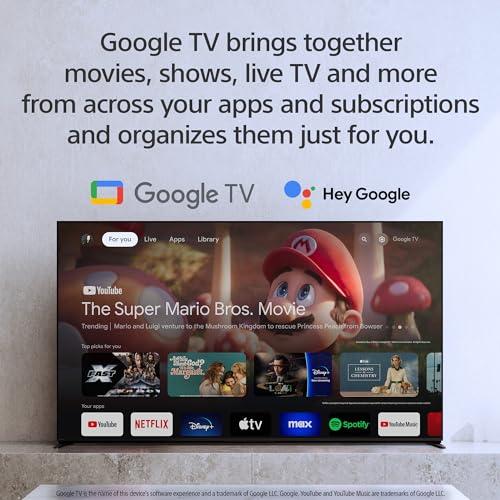
Both TVs run Google TV, but their implementations differ significantly. The Sony BRAVIA 3 benefits from Sony's closer relationship with Google, resulting in a more polished, reliable interface. Navigation feels snappier, and the integration between different content sources works more seamlessly.
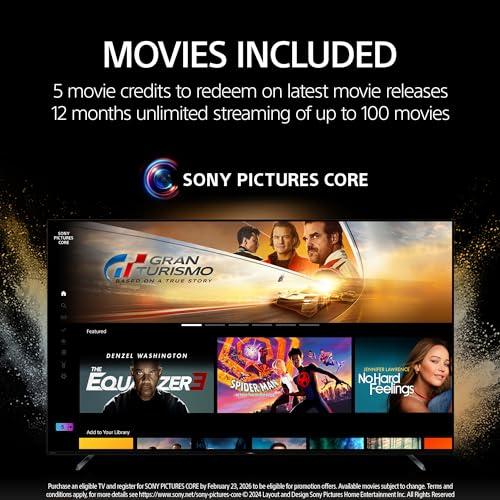
Sony includes access to Sony Pictures Core, their premium streaming service that offers high-quality versions of Sony movies. They've also implemented better parental controls and Kids Profiles, making the TV more family-friendly.
The TCL Q68 offers the same core Google TV experience but with occasional software hiccups. Some users report periodic lag or glitches, though these issues aren't universal and often improve with firmware updates.
Both TVs support major streaming services, voice control, and screen mirroring from phones and tablets. The difference lies in refinement rather than functionality.
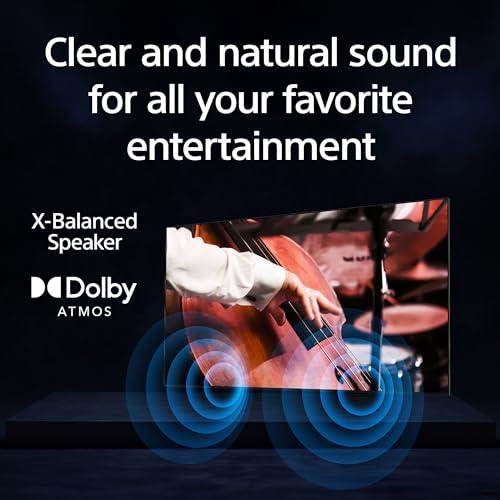
Neither TV excels in audio, which is typical for thin modern displays. The TCL Q68 includes 30 watts of total power with Dolby Atmos support, while the Sony BRAVIA 3 features X-Balanced Speakers with similar capabilities.
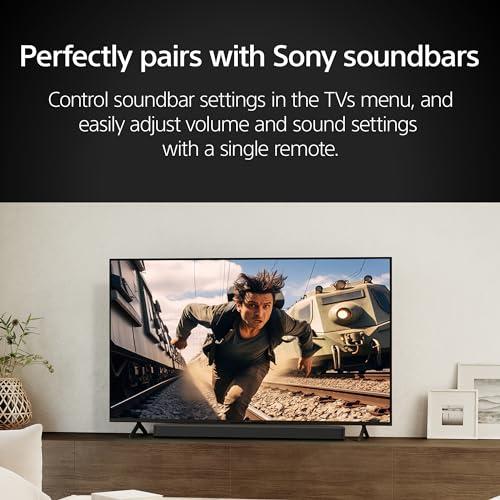
Both deliver clear dialogue and adequate volume for casual viewing, but neither produces the bass response or dynamic range that movies and music deserve. If audio quality matters to you, plan to add a soundbar or home theater system regardless of which TV you choose.
The Sony BRAVIA 3 feels more premium in construction, with better attention to detail in its stand design and overall fit and finish. Sony's brand reputation for reliability also provides peace of mind for buyers concerned about long-term durability.
The TCL Q68 is well-built but doesn't match Sony's premium feel. However, its performance advantages arguably matter more than minor build quality differences for most users.
At the time of writing, the TCL Q68 typically costs several hundred dollars less than the Sony BRAVIA 3, making the value comparison even more stark. You're getting superior display technology, better HDR performance, modern gaming features, and higher brightness for significantly less money.
The Sony BRAVIA 3's higher price is justified primarily by brand reputation, superior processing for lower-quality content, and a more refined user experience. These advantages are real but narrow compared to the TCL Q68's hardware superiority.
For dedicated home theater setups, the TCL Q68 is the better choice. Its local dimming and higher brightness create the contrast that makes dark room movie watching engaging. The Sony BRAVIA 3's poor black levels make it unsuitable for serious home theater use.
However, if your TV doubles as a family room display with lots of ambient light, both TVs struggle with reflections. Neither includes advanced anti-reflective coatings, so consider your room's lighting carefully.
The TCL Q68 represents exceptional value in today's TV market. Its combination of quantum dot color technology, local dimming, high brightness, and modern gaming features typically costs significantly more from premium brands. While it may lack the processing refinement and brand cachet of Sony, its superior display hardware delivers better day-to-day performance for most viewing scenarios.
The Sony BRAVIA 3 serves a more specific audience—buyers who prioritize brand trust, superior upscaling, and software polish over raw display performance. Its poor black levels and limited HDR impact make it unsuitable for dark room viewing or HDR enthusiasts, but it excels in bright rooms with varied content sources.
For most buyers seeking the best bang for their buck, the TCL Q68 offers a compelling package that punches well above its price class. The Sony BRAVIA 3 justifies its premium only in specific use cases where its particular strengths outweigh its significant display technology disadvantages.
In a market where TV technology advances rapidly and prices drop quickly, the TCL Q68 positions itself as a smart purchase that won't feel outdated in a few years. Its modern feature set and superior display technology make it the better choice for most households looking to upgrade their viewing experience without breaking the bank.
| TCL 65" Q68 QLED | Sony BRAVIA 3 65" |
|---|---|
| Display Technology - Foundation of picture quality and color performance | |
| QLED with Quantum Dot technology for wider color gamut | Traditional LED with Triluminos Pro color enhancement |
| Local Dimming - Critical for deep blacks and contrast in dark scenes | |
| Full Array Local Dimming with multiple zones | No local dimming (major limitation for dark room viewing) |
| Peak Brightness - Essential for HDR impact and bright room performance | |
| Up to 600 nits (excellent HDR highlights) | ~450 nits (limited HDR impact) |
| Gaming Features - Modern console compatibility and performance | |
| 120Hz VRR, ALLM, Game Accelerator (future-proof gaming) | 60Hz only, ALLM, basic gaming features (casual gaming adequate) |
| HDR Format Support - Compatibility with premium streaming content | |
| HDR PRO+ (Dolby Vision, HDR10+, HDR10, HLG) | Standard HDR formats (HDR10, HLG, Dolby Vision) |
| Picture Processing - Upscaling quality for lower-resolution content | |
| AIPQ Processor with AI enhancement (good performance) | 4K HDR Processor X1 with X-Reality PRO (superior upscaling) |
| Smart Platform - User experience and app performance | |
| Google TV with occasional software hiccups | Google TV with more polished, reliable implementation |
| Audio System - Built-in sound quality | |
| 30W total, Dolby Atmos, DTS Virtual:X | X-Balanced Speakers, Dolby Atmos support |
| Motion Handling - Sports and action movie performance | |
| Motion Rate 240 with MEMC frame insertion | MotionFlow XR (more conservative, natural motion) |
| Viewing Angles - Performance when viewed off-center | |
| Standard VA panel viewing angles | Wide viewing angles (better for group viewing) |
| Value Proposition - Performance per dollar at time of writing | |
| Exceptional value with premium display tech at lower cost | Premium pricing justified mainly by brand and processing |
The TCL Q68 QLED delivers superior picture quality for movies thanks to its QLED quantum dot technology, Full Array Local Dimming, and 600-nit peak brightness. These features create deeper blacks, more vibrant colors, and impactful HDR highlights that make movies look more cinematic. The Sony BRAVIA 3 offers excellent color accuracy and upscaling but lacks local dimming, resulting in gray blacks that reduce contrast in dark scenes.
The TCL Q68 QLED is significantly better for modern gaming, supporting 120Hz Variable Refresh Rate (VRR) and Auto Low Latency Mode for smooth, responsive gameplay. The Sony BRAVIA 3 is limited to 60Hz gaming without VRR support, making it adequate for casual gaming but unable to take full advantage of current-generation consoles' capabilities.
Both TVs support HDR formats, but the TCL Q68 QLED provides much better HDR performance. With 600 nits of peak brightness and local dimming, HDR content displays bright highlights and deep blacks simultaneously. The Sony BRAVIA 3 supports HDR but only reaches 450 nits without local dimming, resulting in minimal difference between HDR and standard content.
Both the TCL Q68 QLED and Sony BRAVIA 3 run Google TV with access to all major streaming apps. The Sony BRAVIA 3 offers a more polished, reliable smart TV experience with better parental controls and Sony Pictures Core access. The TCL Q68 QLED provides the same core functionality but may experience occasional software hiccups.
The TCL Q68 QLED offers exceptional value, delivering premium display technology including quantum dots, local dimming, and modern gaming features at a lower price point than the Sony BRAVIA 3. Sony's TV costs more primarily for brand reputation and superior processing rather than display hardware advantages.
The TCL Q68 QLED performs better in bright rooms with its 600-nit peak brightness compared to the Sony BRAVIA 3's 450 nits. However, both TVs struggle with reflections and glare in very bright environments. Neither includes advanced anti-reflective coatings, so room lighting should be considered for both models.
Both the TCL Q68 QLED and Sony BRAVIA 3 offer similar built-in audio quality with Dolby Atmos support. The TCL Q68 provides 30W total power while the Sony BRAVIA 3 uses X-Balanced Speakers. Both deliver adequate sound for casual viewing, but a soundbar is recommended for either TV for optimal audio experience.
The TCL Q68 QLED is much better suited for home theater use thanks to its Full Array Local Dimming and higher brightness creating proper contrast for dark room viewing. The Sony BRAVIA 3 is not recommended for dedicated home theater setups due to poor black levels that appear gray rather than true black in dim environments.
Both TVs handle sports viewing well, with the TCL Q68 QLED using Motion Rate 240 with MEMC frame insertion and the Sony BRAVIA 3 employing MotionFlow XR technology. The Sony BRAVIA 3 tends to produce more natural motion without the soap opera effect, while the TCL Q68 offers slightly better performance during very fast action sequences.
The Sony BRAVIA 3 excels at upscaling with its 4K X-Reality PRO technology, making cable TV, compressed streaming, and older movies look significantly better. Sony's decades of professional video experience shows in their superior processing. The TCL Q68 QLED handles upscaling adequately but can't match Sony's processing capabilities.
The Sony BRAVIA 3 offers better viewing angles, maintaining color and brightness consistency when viewed from the side, making it more suitable for wide seating arrangements. The TCL Q68 QLED has more typical VA panel viewing angles where picture quality degrades when viewed off-center, though this is less noticeable for direct viewing positions.
Sony has a stronger reputation for long-term reliability and customer support, with the Sony BRAVIA 3 benefiting from Sony's established service network and brand heritage. TCL has improved significantly in recent years, and the TCL Q68 QLED represents solid build quality, though Sony maintains an advantage in brand trust and support infrastructure.
We've done our best to create useful and informative comparisons to help you decide what product to buy. Our research uses advanced automated methods to create this comparison and perfection is not possible - please contact us for corrections or questions. These are the sites we've researched in the creation of this article: tvsbook.com - youtube.com - rtings.com - tcl.com - bestbuy.com - rtings.com - youtube.com - rcwilley.com - youtube.com - tvsbook.com - tcl.com - sellout.woot.com - tcl.com - tcl.com - bestbuy.com - rtings.com - tomsguide.com - youtube.com - youtube.com - rtings.com - electronics.sony.com - youtube.com - manuals.plus - tvsbook.com - sargentappliance.com - bestbuy.com - avsforum.com - sony.com - costco.com - shopatsc.com - youtube.com

Privacy Policy
Terms and Conditions - Affiliate Policy
Home Security
© Copyright 2008-2026.
11816 Inwood Rd #1211, Dallas, TX 75244