

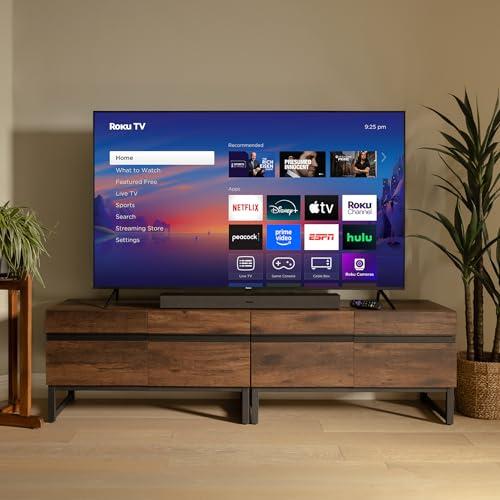
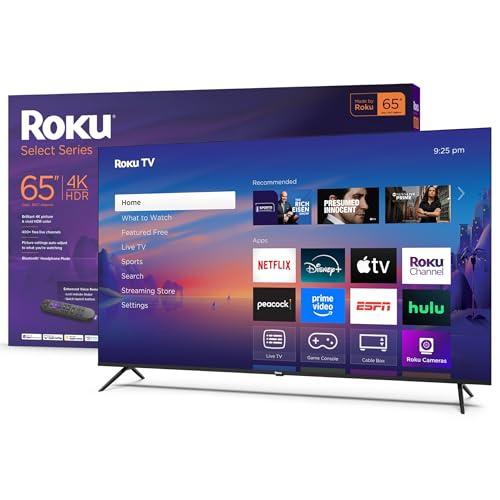
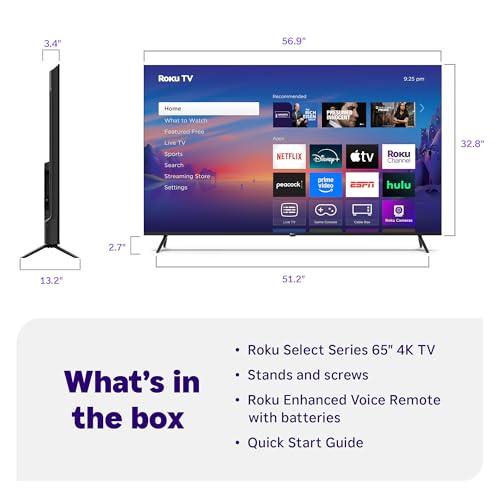


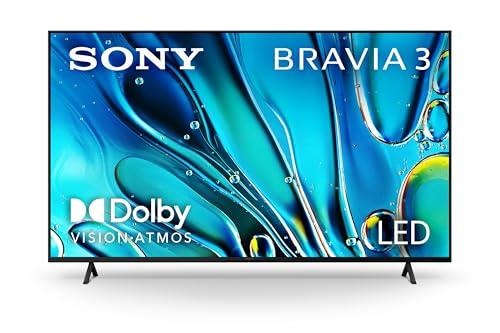

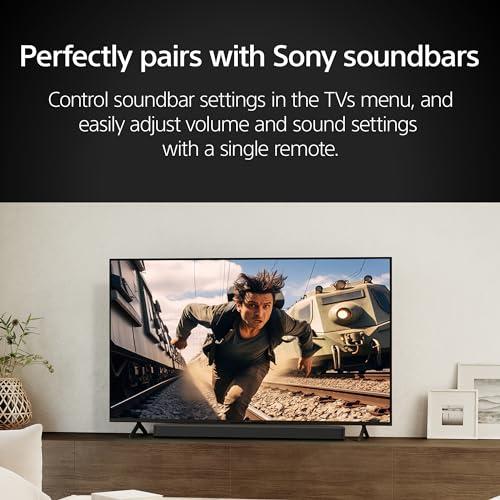
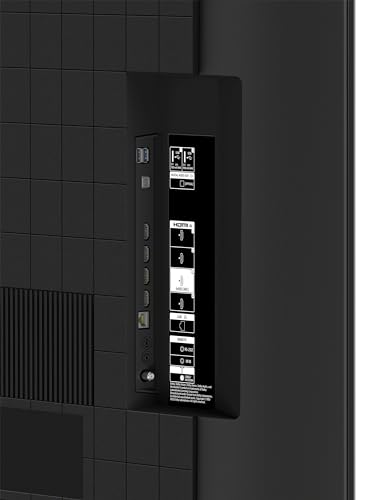
When you're shopping for a new 65-inch smart TV, you'll quickly discover that the market splits into distinct camps. On one side, you have budget-friendly options that prioritize affordability and smart features. On the other, premium models that focus on picture quality and advanced processing. Two TVs that perfectly represent this divide are the Roku Select Series 65" 4K HDR Smart TV and the Sony BRAVIA 3 65" 4K HDR LED Google TV.
The Roku Select Series launched in 2025 as Roku's first self-manufactured television, marking the streaming company's bold move from software into hardware. Meanwhile, the Sony BRAVIA 3 represents Sony's 2024 entry into the mid-range TV market, bringing decades of display expertise to a more accessible price point. Understanding how these approaches differ will help you make the right choice for your home.
Before diving into specifics, let's establish what actually matters when choosing a smart TV. Picture quality sits at the top—this includes how vibrant colors appear, how bright the screen gets, and how well it handles both dark and light scenes. The smart platform determines how easy it is to find and watch content, while audio quality affects whether you'll need external speakers immediately.
Gaming performance has become increasingly important, especially with modern consoles capable of 4K at 120 frames per second. Build quality influences both aesthetics and longevity, while value proposition determines whether you're getting enough performance for your money.
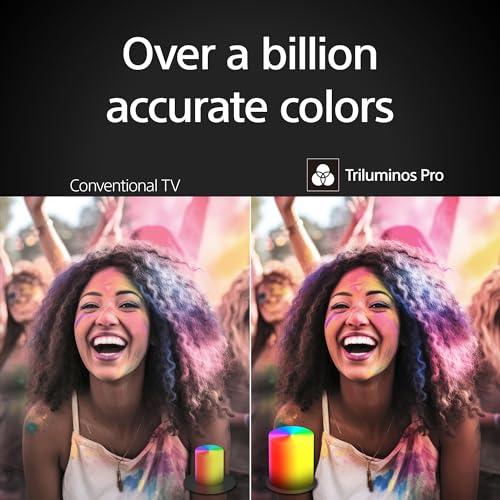
The most significant difference between these TVs lies in how they process and display images. The Sony BRAVIA 3 employs Triluminos Pro technology, which can display over one billion different colors compared to standard displays that manage around 16 million. This translates to more nuanced skin tones, richer landscapes, and overall more lifelike images.
Sony's 4K HDR Processor X1 works continuously to analyze incoming content, adjusting color, contrast, and clarity in real-time. Think of it as an automatic photo editor that never stops working. When you're watching a sunset scene, it enhances the orange and pink hues while maintaining natural-looking skin tones in the foreground.
The Roku Select Series, by contrast, uses more basic image processing. It displays decent colors and sharp details, but lacks the sophisticated enhancement that makes premium content truly pop. For casual viewing in well-lit rooms, this difference might not be immediately obvious, but side-by-side comparisons reveal the Sony's superior processing capabilities.
High Dynamic Range (HDR) technology expands the range between the darkest and brightest parts of an image, creating more realistic contrast. However, not all HDR implementations are equal.
The Roku Select Series supports HDR10+, which adjusts brightness scene by scene rather than applying one setting to entire movies. While this sounds advanced, the TV's limited peak brightness means HDR content often looks only marginally different from standard content.
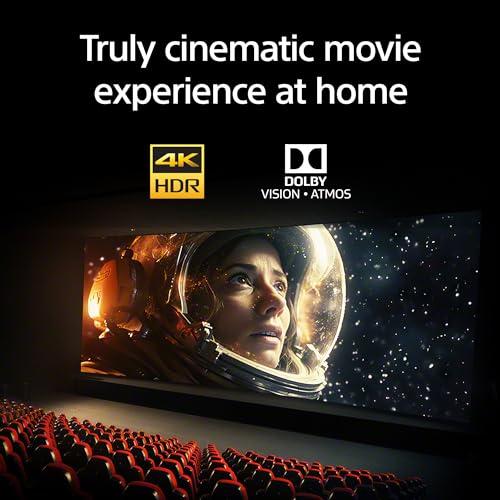
Sony's approach is more comprehensive. The BRAVIA 3 supports Dolby Vision, HDR10, and HLG—essentially every major HDR format you'll encounter. Dolby Vision, in particular, provides frame-by-frame optimization rather than scene-by-scene, resulting in more precise contrast adjustments. Though the Sony also has brightness limitations, its superior processing makes HDR content noticeably more impactful.
Here's where technical expertise really shows. Most content you watch isn't native 4K—it's older movies, cable TV, or compressed streaming video. How well a TV converts this lower-quality content to fill your 4K screen makes a huge difference in daily viewing experience.
The Sony BRAVIA 3 excels here with its 4K X-Reality PRO technology. This system analyzes each pixel and intelligently fills in detail, reducing the blockiness and softness common in upscaled content. DVD movies look surprisingly good, and even heavily compressed streaming content appears cleaner and sharper.
The Roku Select Series struggles significantly with upscaling. Low-resolution content often appears blocky or soft, and compression artifacts from streaming services become more noticeable. If you frequently watch older movies or use streaming services with variable quality, this becomes a daily annoyance.
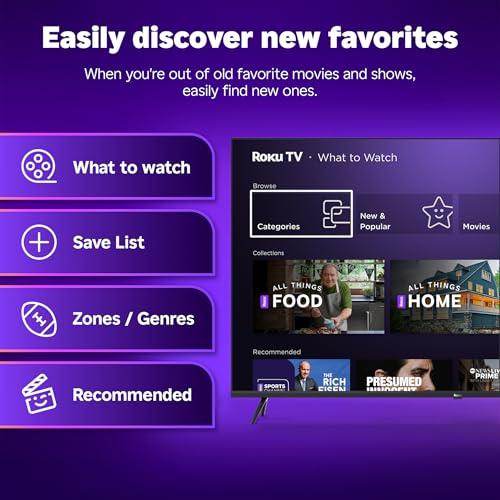
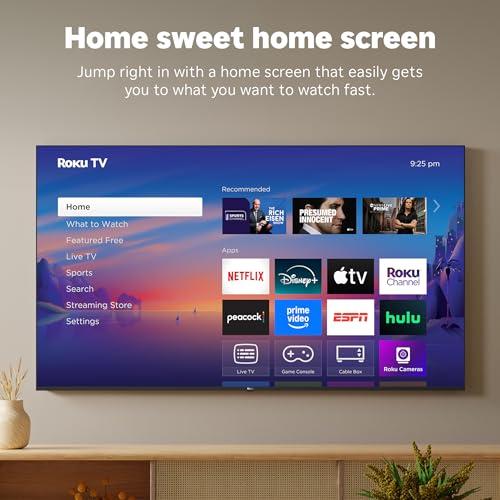
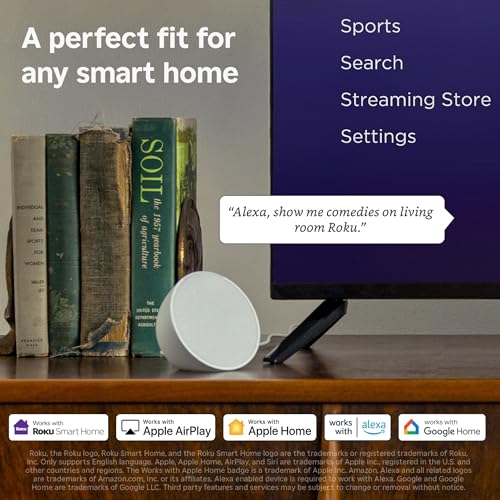
The Roku Select Series ships with Roku TV, widely considered the gold standard for streaming platforms. Its strength lies in simplicity and content discovery. The home screen organizes all your streaming apps alongside free channels, making it easy to find something to watch without jumping between different services.
Roku's search function works across all installed apps, so searching for "Marvel movies" shows results from Netflix, Disney+, Amazon Prime, and other services simultaneously. The platform also includes hundreds of free channels with live TV, movies, and Roku's original content.
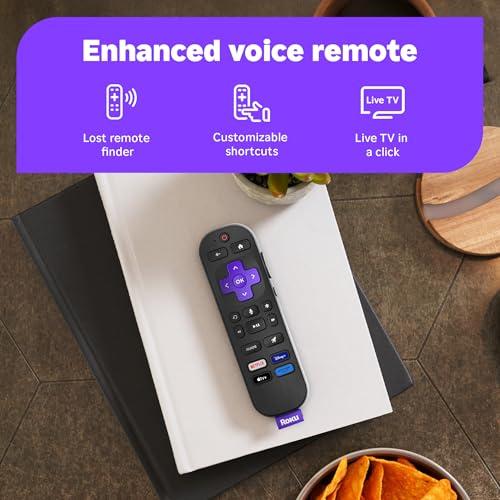
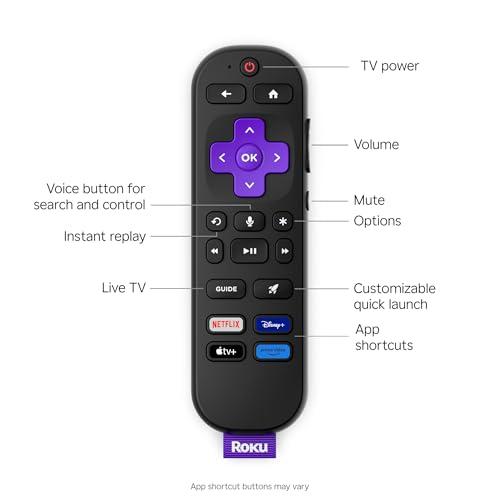
Voice control works seamlessly with the included remote, and setup takes just minutes. For users who primarily stream content, Roku TV remains unmatched in user experience.
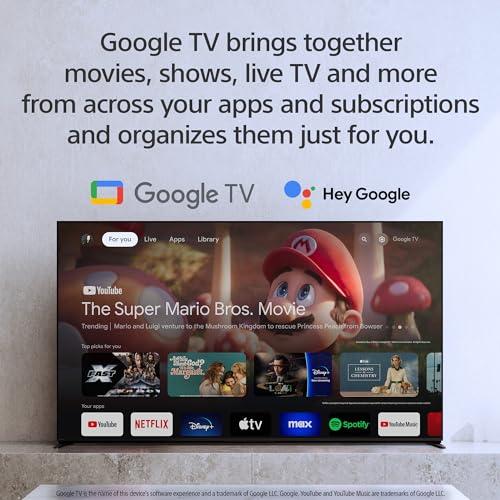
The Sony BRAVIA 3 runs Google TV, which takes a more personalized approach. Rather than just organizing apps, it learns your viewing habits and suggests content you might enjoy. The "For You" section aggregates recommendations from all your streaming services, potentially helping you discover shows you'd otherwise miss.
Google TV integrates deeply with other Google services. If you use Gmail, Google Photos, or other Google products, the experience feels more connected. Voice commands through Google Assistant are more conversational and capable than Roku's implementation.
However, Google TV can feel overwhelming initially, with more menus and options than Roku's straightforward approach. Some users prefer Roku's simplicity, while others appreciate Google's intelligence and integration.
This might be the most significant difference between these TVs, and it's one manufacturers often downplay. The Roku Select Series has genuinely poor built-in audio. Reviews consistently note virtually no bass response, limited maximum volume, and overall thin sound quality. You'll likely need external speakers or a soundbar almost immediately.
The Sony BRAVIA 3 features a more robust 20-watt stereo system with Dolby Atmos support. While it won't replace a dedicated sound system, it's actually usable for daily viewing. The audio is clear, dialogue remains intelligible, and there's enough bass for casual watching. This could delay your need for a soundbar purchase by months or years.
For many buyers, this audio difference alone might justify the Sony's higher price. External audio systems add significant cost and complexity, especially if you want something that matches the TV's picture quality.
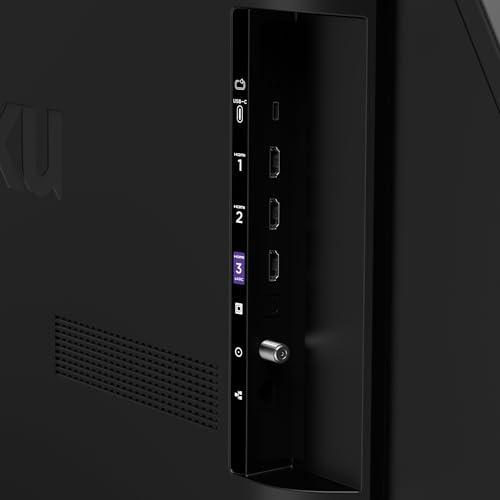
Neither TV excels at gaming by modern standards, but both handle casual gaming adequately. Both are limited to 60Hz refresh rates and lack advanced gaming features like Variable Refresh Rate (VRR) or HDMI 2.1 support that modern consoles can utilize.
The Roku Select Series has low input lag, which is good, but suffers from slow pixel response times that create motion blur during fast-paced games. The Sony BRAVIA 3 includes Auto Low Latency Mode, which automatically switches to game mode when it detects a console, and generally handles motion slightly better.
Serious gamers should look elsewhere, but for casual gaming sessions or older consoles, both TVs function acceptably.
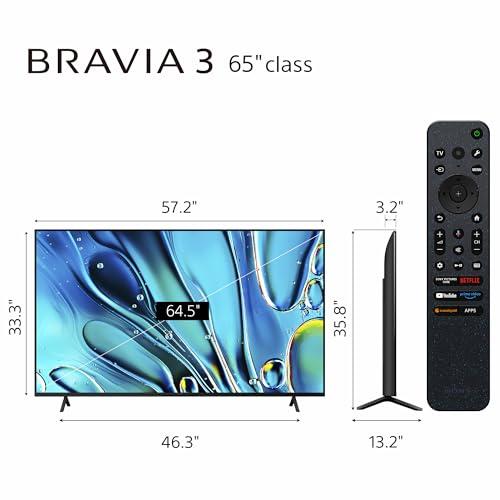
The construction difference reflects their market positions. The Roku Select Series uses basic materials and wide-set feet that require a large TV stand. It's functional but unremarkable.
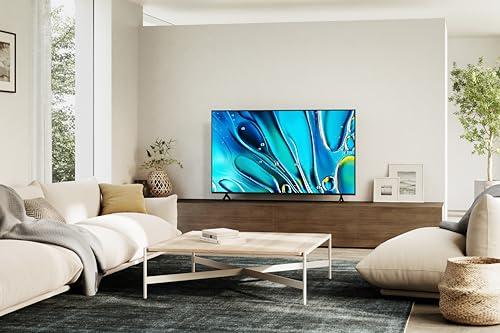
The Sony BRAVIA 3 feels more premium with better materials and a sleeker design. The metal feet are narrower and more attractive, and the overall aesthetic integrates better into modern living spaces. Small details like the remote quality and on-screen menus feel more polished.
At the time of writing, the Roku Select Series costs roughly half as much as the Sony BRAVIA 3. This creates an interesting value equation that depends entirely on your priorities and budget.
For many buyers, the Roku offers exceptional value. You get a large 4K screen, comprehensive smart features, and adequate picture quality for significantly less money. If you primarily watch Netflix in a bright living room and plan to add external speakers anyway, the price difference might be hard to justify.
However, the Sony's improvements aren't subtle. The picture processing, color accuracy, upscaling, and built-in audio represent meaningful upgrades that enhance daily viewing. For movie enthusiasts or anyone who watches varied content sources, these improvements justify the higher cost.
If you're building a dedicated home theater, both TVs have limitations. Neither offers the deep blacks necessary for optimal dark-room viewing, as both lack local dimming technology that can darken specific screen areas independently.
The Sony BRAVIA 3 is the better choice for home theater use, primarily due to its superior processing and upscaling. Movies look more natural, and the better built-in audio provides a foundation until you can add a proper sound system.
However, serious home theater enthusiasts should consider TVs with local dimming, higher peak brightness, or OLED technology for truly cinematic experiences. Both of these TVs are better suited for living room viewing than dedicated theater spaces.
Your budget is firm and you need maximum screen size for minimum cost. You primarily stream content in well-lit rooms and either have external speakers or plan to buy them soon. Simple, reliable smart TV functionality matters more than ultimate picture quality, and you appreciate Roku's intuitive interface.
The Roku Select Series makes sense for college students, first apartments, secondary TVs, or anyone who wants 4K streaming without premium pricing.
Picture quality and overall viewing experience justify higher spending. You watch movies, sports, and mixed content sources that benefit from superior processing. Better built-in audio that delays soundbar purchases appeals to you, and you appreciate premium design and build quality.
The Sony BRAVIA 3 suits movie enthusiasts, families who watch varied content, or anyone building their primary entertainment system who wants to avoid immediate accessory purchases.
Both TVs succeed at their intended goals. The Roku Select Series delivers impressive value for budget-conscious buyers who understand its limitations. The Sony BRAVIA 3 provides meaningful picture quality improvements and better overall experience for those willing to invest more.
The choice ultimately depends on whether Sony's superior processing, color accuracy, upscaling, and audio justify approximately double the cost. For pure streaming in bright rooms, the Roku's value is compelling. For varied content consumption and better overall experience, the Sony's improvements become worthwhile investments.
Consider your viewing habits, room environment, and budget constraints. Both TVs will serve you well within their intended use cases—the key is matching your choice to your specific needs and expectations.
| Roku Select Series 65" 4K HDR Smart TV 2025 | Sony BRAVIA 3 65" 4K HDR LED Google TV |
|---|---|
| Display Technology - Affects overall picture quality and viewing experience | |
| Basic LED with direct backlighting | LED with 4K HDR Processor X1 and advanced processing |
| HDR Support - Determines quality of high-contrast content like movies | |
| HDR10+ only (scene-by-scene optimization) | Dolby Vision, HDR10, HLG (comprehensive format support) |
| Color Technology - Impact on color accuracy and vibrancy | |
| Standard color gamut | Triluminos Pro (over 1 billion colors) |
| Content Upscaling - Critical for non-4K sources like cable TV and DVDs | |
| Poor upscaling with visible artifacts | Excellent 4K X-Reality PRO technology |
| Built-in Audio - Determines if you need external speakers immediately | |
| Very poor - virtually no bass, requires soundbar | 20W stereo with Dolby Atmos - usable without upgrades |
| Smart Platform - Your daily interface for finding and watching content | |
| Roku TV (exceptional for streaming simplicity) | Google TV (AI recommendations and Google integration) |
| Gaming Performance - Input lag and motion handling for console gaming | |
| Low input lag but slow response causes motion blur | Auto Low Latency Mode with slightly better motion handling |
| Voice Control - Hands-free operation and smart home integration | |
| Roku Voice with basic commands | Google Assistant with conversational AI and smart home control |
| Build Quality - Affects aesthetics and long-term durability | |
| Basic construction with wide-set feet | Premium materials and sleeker design |
| Audio Passthrough - Important for external sound system connectivity | |
| Limited DTS support over eARC | Full eARC support for uncompressed audio |
| Peak Brightness - Affects HDR impact and bright room viewing | |
| Adequate for well-lit rooms | Similar brightness but better processing makes HDR more effective |
| Motion Handling - Important for sports and action content | |
| Noticeable blur during fast motion | Better processing reduces motion artifacts |
Both the Roku Select Series 65" 4K HDR Smart TV 2025 and Sony BRAVIA 3 65" 4K HDR LED Google TV excel at streaming, but in different ways. The Roku Select Series offers the most user-friendly streaming experience with its intuitive Roku TV platform and extensive free content library. The Sony BRAVIA 3 provides better picture quality for your streaming content thanks to its superior processing and upscaling technology, making even compressed streaming video look sharper and more colorful.
The Sony BRAVIA 3 delivers significantly better picture quality with its 4K HDR Processor X1 and Triluminos Pro technology that displays over a billion colors. It also excels at upscaling lower-resolution content. The Roku Select Series provides adequate picture quality for the price but lacks the advanced processing that makes movies and shows look more lifelike and detailed.
Yes for the Roku Select Series - its built-in audio is poor with virtually no bass and limited volume. The Sony BRAVIA 3 has much better built-in speakers with 20W output and Dolby Atmos support that's actually usable for daily viewing, though a soundbar will still improve the experience for serious movie watching.
Neither TV is ideal for serious gaming as both lack modern features like 120Hz refresh rates and VRR support. However, the Sony BRAVIA 3 has a slight edge with Auto Low Latency Mode and better motion handling. The Roku Select Series has low input lag but suffers from motion blur during fast-paced games. Casual gamers will find both acceptable.
Both TVs work adequately in bright rooms, though neither is exceptionally bright. The Roku Select Series is designed primarily for well-lit living room viewing. The Sony BRAVIA 3 offers similar brightness but better processing that can help maintain picture quality in brighter environments.
The Roku Select Series wins for simplicity with its straightforward Roku TV interface that's perfect for users who just want to find and watch content quickly. The Sony BRAVIA 3 uses Google TV, which offers more advanced features like personalized recommendations but can feel more complex for users who prefer simple navigation.
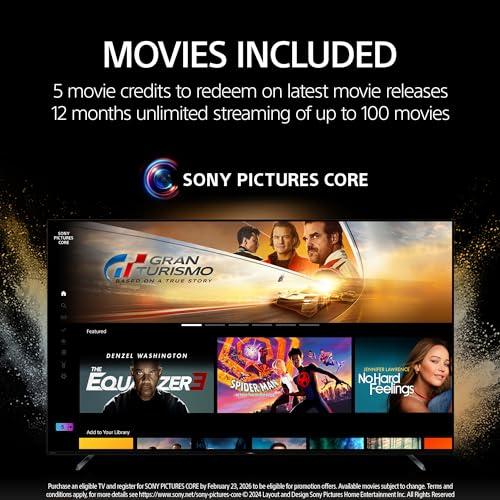
The Sony BRAVIA 3 is significantly better for movies thanks to its comprehensive HDR support (including Dolby Vision), superior color processing, and excellent upscaling of older films. The Roku Select Series handles movies adequately but lacks the processing power to make them look truly cinematic, especially older or lower-quality sources.
This depends on your priorities. The Roku Select Series offers exceptional value if you want a large 4K screen with great streaming features at a budget price. The Sony BRAVIA 3 provides better overall value if you want superior picture quality, better audio, and advanced processing that improves everything you watch.
Both TVs have limitations for dedicated home theaters due to poor black levels and lack of local dimming. The Sony BRAVIA 3 is the better choice with superior processing and color accuracy, plus better built-in audio. However, serious home theater enthusiasts should consider TVs with local dimming or OLED technology for optimal dark room performance.
The Roku Select Series supports HDR10+ for scene-by-scene optimization. The Sony BRAVIA 3 supports a wider range including Dolby Vision, HDR10, and HLG, providing better compatibility with different streaming services and content sources.
The Sony BRAVIA 3 offers superior build quality with premium materials, better design aesthetics, and a more refined remote control. The Roku Select Series uses basic construction with wide-set feet that require a large TV stand, though it's still solidly built for its price range.
The Sony BRAVIA 3 handles motion better thanks to its advanced processing, though both TVs are limited by their 60Hz refresh rates. The Roku Select Series suffers from noticeable motion blur during fast sports action, making the Sony the better choice for sports enthusiasts despite both TVs having similar refresh rate limitations.
We've done our best to create useful and informative comparisons to help you decide what product to buy. Our research uses advanced automated methods to create this comparison and perfection is not possible - please contact us for corrections or questions. These are the sites we've researched in the creation of this article: bestbuy.com - rtings.com - roku.com - rtings.com - youtube.com - cnet.com - manuals.plus - target.com - walmart.com - nice-pay.com - bestbuy.com - roku.com - roku.com - electronicexpress.com - bestbuy.com - rtings.com - tomsguide.com - youtube.com - youtube.com - rtings.com - electronics.sony.com - youtube.com - manuals.plus - tvsbook.com - sargentappliance.com - bestbuy.com - avsforum.com - sony.com - costco.com - shopatsc.com - youtube.com

Privacy Policy
Terms and Conditions - Affiliate Policy
Home Security
© Copyright 2008-2026.
11816 Inwood Rd #1211, Dallas, TX 75244