

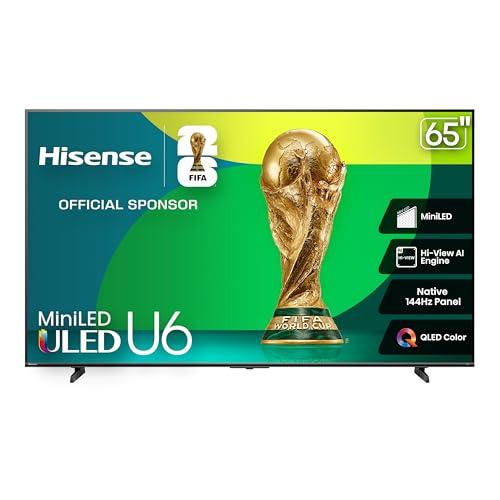
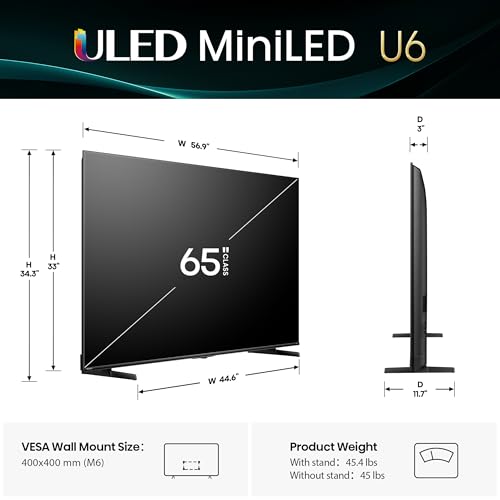
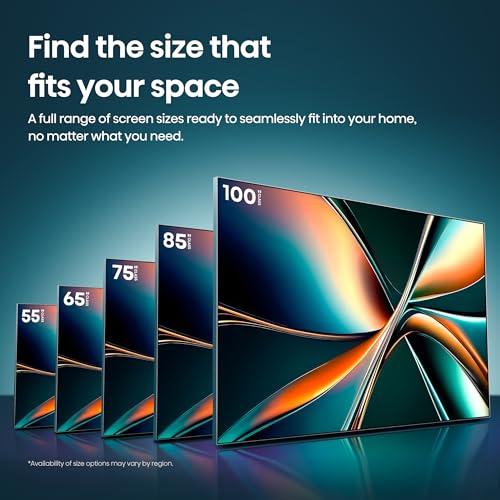
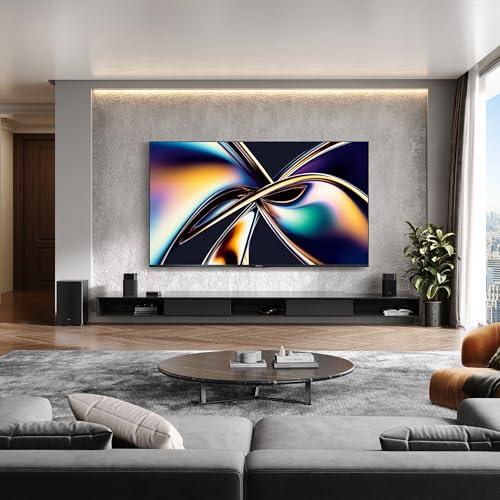
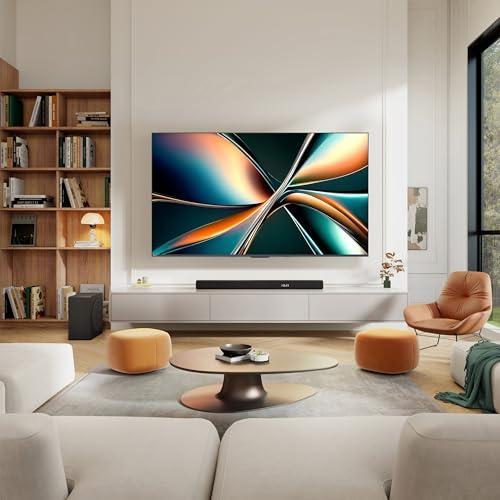
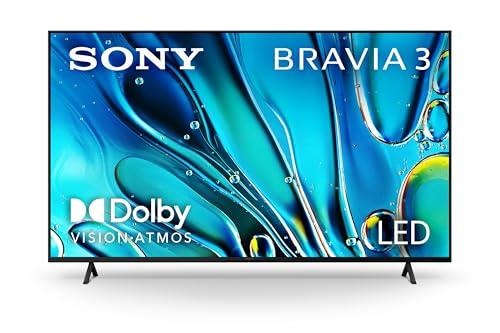
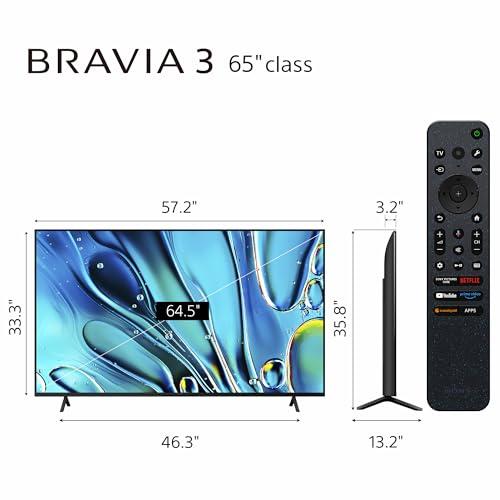
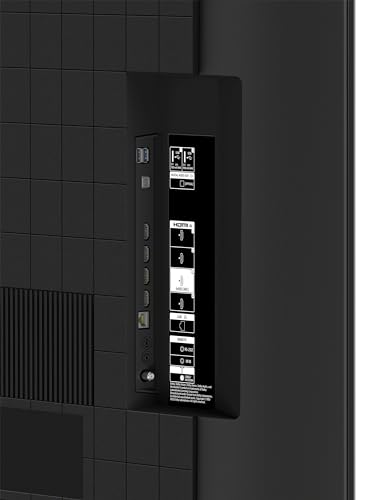
When shopping for a 65-inch 4K TV, you're entering one of the most competitive segments in consumer electronics. Two models that consistently appear on shopping lists are the Hisense U6 Series Mini-LED QLED 4K Fire TV and the Sony BRAVIA 3 4K HDR LED Google TV. Both released in 2024, these TVs represent fundamentally different approaches to delivering entertainment value—and understanding their differences will help you make the right choice for your home.
The TV market has evolved dramatically over the past few years. We've seen the mainstream adoption of Mini-LED backlighting (thousands of tiny LEDs behind the screen for better contrast), quantum dot technology (special crystals that enhance color), and high refresh rate gaming features that were once reserved for expensive models. The Hisense U6 embraces many of these cutting-edge technologies, while the Sony BRAVIA 3 focuses on proven fundamentals at a more accessible price point.
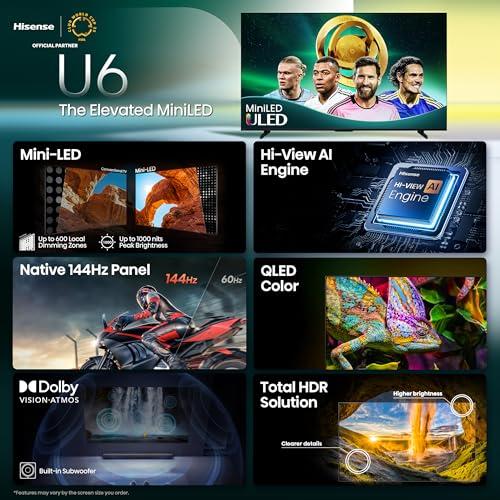
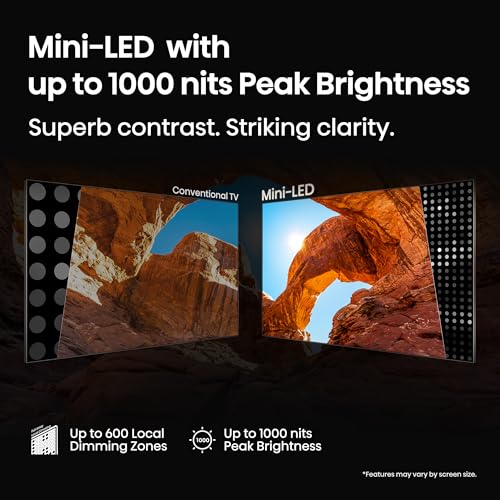
At first glance, both are 65-inch 4K smart TVs, but their underlying technologies tell very different stories. The Hisense U6 represents what happens when a manufacturer decides to pack premium features into a mid-range price bracket. It uses Mini-LED backlighting—imagine thousands of tiny LEDs arranged behind the screen that can dim independently in up to 600 zones. This creates dramatically better contrast because dark parts of the image can be truly dark while bright sections remain brilliant.
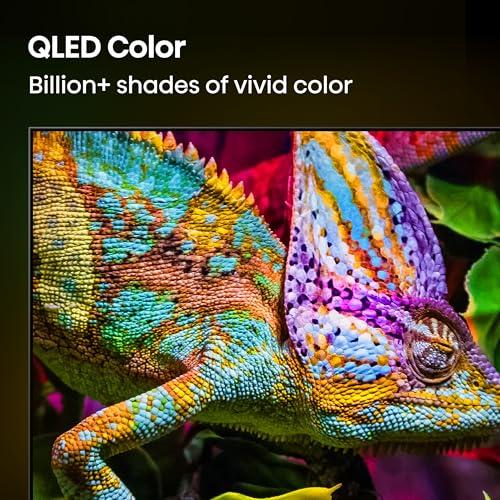
The quantum dot layer (the "Q" in QLED) acts like a color filter that can produce over a billion different color shades. Think of it as having a much larger paint palette to work with when creating the image you see.
The Sony BRAVIA 3, meanwhile, uses traditional LED backlighting without local dimming zones. This means the entire backlight operates as one unit, making it impossible to have truly deep blacks alongside bright highlights in the same scene. However, Sony compensates with their renowned image processing—the computer brain that decides how to display each pixel based on decades of experience in professional video equipment.
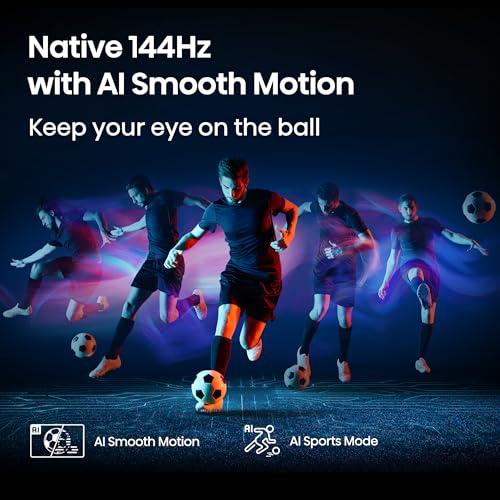
For anyone who owns a PlayStation 5, Xbox Series X, or gaming PC, the differences become stark. The Hisense U6 features a native 144Hz panel, meaning it can actually display 144 different images per second. This isn't marketing fluff—it's genuine 144Hz capability that rivals expensive gaming monitors.
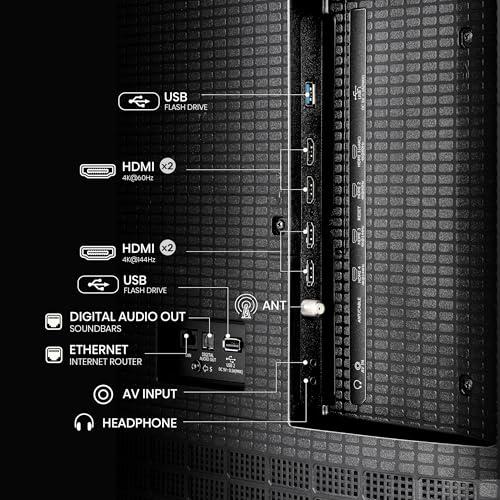
More importantly, it includes two full-bandwidth HDMI 2.1 ports. HDMI 2.1 is like having a wider highway for data—it can carry 4K resolution at 144 frames per second, something the older HDMI 2.0 standard simply cannot handle. The Hisense also supports Variable Refresh Rate (VRR), which synchronizes the TV's refresh rate with your gaming console's frame rate, eliminating screen tearing—those annoying horizontal lines that appear during fast motion.
The Sony BRAVIA 3 maxes out at 60Hz with HDMI 2.0 ports. While it includes Auto Low Latency Mode (which automatically reduces input delay when it detects a gaming console), it cannot take advantage of the high frame rates that modern consoles can deliver. For casual gaming, the 9.2ms input lag is perfectly adequate, but serious gamers will feel limited by the 60fps ceiling.
Our research into user experiences consistently shows that gamers who've upgraded from 60Hz to 120Hz+ gaming describe it as transformative, particularly in competitive titles where smooth motion provides a tangible advantage.
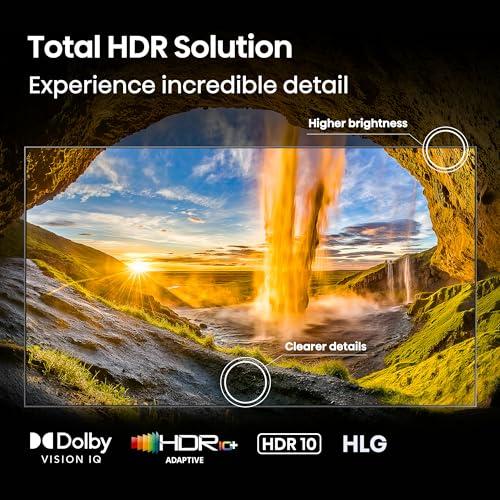
The most significant performance gap lies in contrast ratio—the difference between the brightest whites and darkest blacks a TV can display. The Hisense U6 can reach up to 1000 nits of peak brightness while maintaining deep blacks in other parts of the image, thanks to its Mini-LED local dimming zones. When watching a movie with a campfire scene at night, you'll see the bright flames alongside genuinely dark shadows, creating a more immersive, realistic image.
The Sony BRAVIA 3 tops out around 450 nits and cannot independently control different areas of the backlight. This means blacks appear gray rather than truly black—a limitation that becomes especially noticeable in dark room viewing. However, Sony's strength lies in color accuracy and processing. The company's decades of experience in professional video equipment translate to more natural-looking skin tones and better handling of motion artifacts.
Based on professional measurements and user feedback, the Hisense delivers significantly more impactful HDR (High Dynamic Range) content. HDR is designed to show brighter brights and darker darks, mimicking what your eyes see in real life. Without sufficient brightness and local dimming, HDR content on the Sony appears only marginally different from standard content.
For upscaling—making lower-resolution content look better—Sony maintains its traditional advantage. Cable TV, DVDs, and even some streaming content that isn't true 4K will generally look cleaner and more refined on the Sony BRAVIA 3 thanks to superior processing algorithms.
In a dedicated home theater with controlled lighting, the Hisense U6 becomes the obvious choice. The superior contrast ratio creates that immersive "theater-like" experience that many buyers seek. Movie content with dramatic lighting—from superhero films to atmospheric thrillers—benefits enormously from the ability to display deep blacks alongside bright highlights.
However, the Sony BRAVIA 3 has better off-axis viewing, meaning the picture quality remains more consistent when viewed from the side. In family rooms where people sit at various angles, this becomes relevant for group viewing experiences.
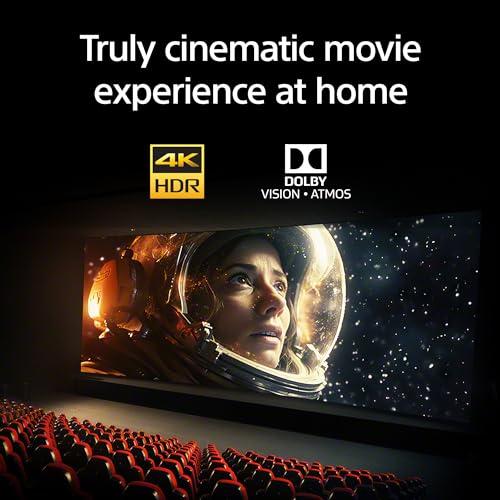
The Hisense also includes Filmmaker Mode, which automatically adjusts settings to display movies as directors intended, and supports the full range of HDR formats including Dolby Vision IQ, which adjusts the picture based on ambient room lighting.
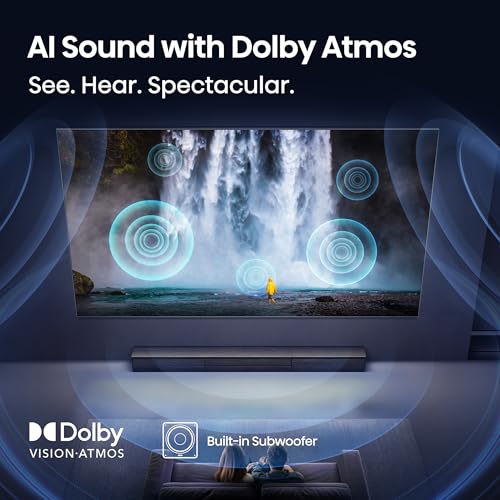
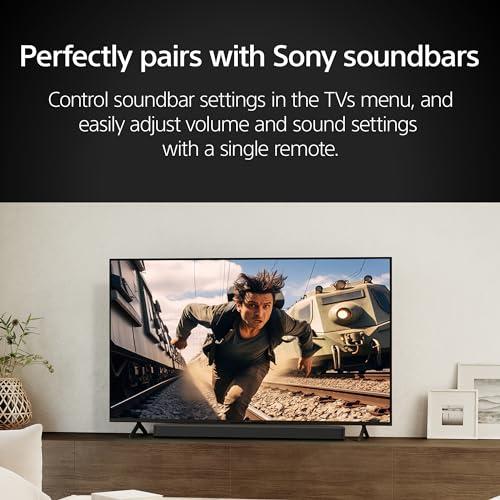
For sound, the Hisense includes a more robust 40W speaker system with a built-in subwoofer, while the Sony features a more modest 20W setup. Based on user reports, the Hisense delivers noticeably better bass response and overall audio impact, potentially delaying the need for a separate soundbar.
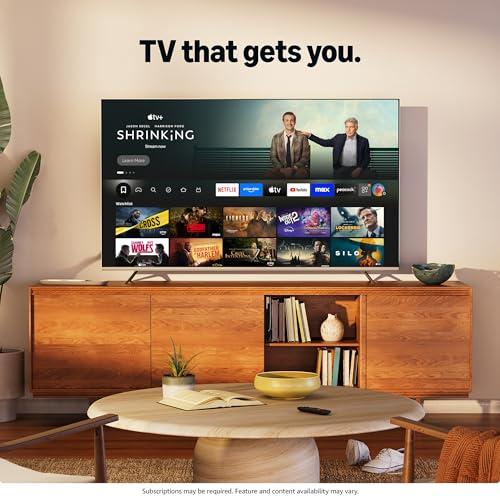
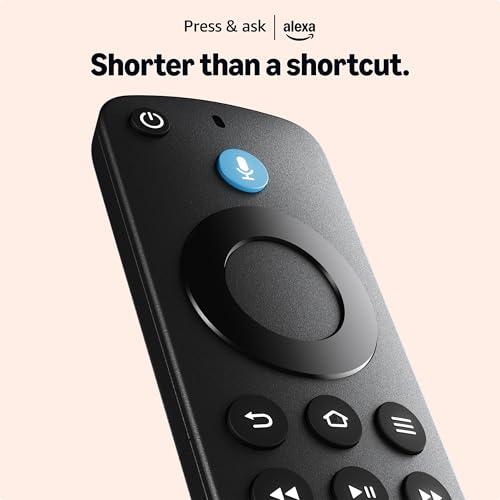
The choice between Fire TV and Google TV represents two different approaches to content organization. Fire TV on the Hisense provides extensive app support and deep integration with Amazon services, but includes persistent advertising on the home screen that cannot be removed. For Amazon Prime subscribers and Alexa users, the integration feels seamless, but others may find the commercial content intrusive.
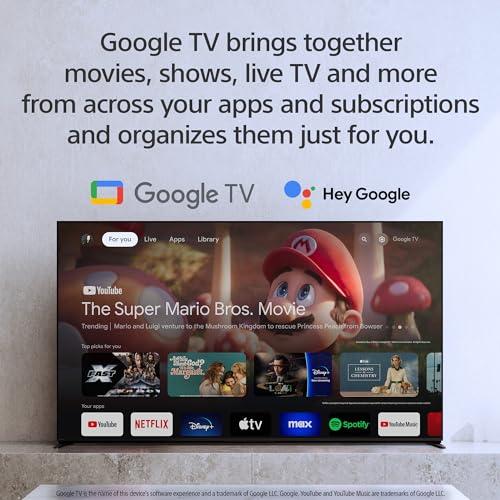
Google TV on the Sony BRAVIA 3 offers a cleaner, more organized interface that aggregates content from multiple services into unified recommendations. The voice search capabilities are more sophisticated, and the overall experience feels less commercialized. However, it lacks some of the deep customization options that Fire TV power users appreciate.
Both platforms support all major streaming services, though Fire TV occasionally gets new apps slightly earlier due to Amazon's relationships with content providers.
The Hisense U6 handles motion more naturally due to its higher refresh rate. Sports content, action movies, and any fast-moving content benefits from the 144Hz panel, which can display more frames per second for smoother motion. The motion interpolation feature (which creates artificial frames between real ones) works better when starting from a higher base refresh rate.
The Sony BRAVIA 3 relies more heavily on motion processing to smooth fast action. While Sony's algorithms are sophisticated, they can occasionally introduce artifacts—unnatural-looking elements in the image—particularly around moving objects.
For sports viewing, user experiences consistently favor the Hisense for its smoother motion and brighter image that performs better in rooms with ambient light during daytime viewing.
Sony has built a reputation for reliability and build quality over decades, and the BRAVIA 3 continues this tradition with solid construction and a track record of longevity. The company's customer support and warranty service are generally regarded as above-average in the industry.
Hisense has improved significantly in recent years but still carries some perception risk regarding long-term reliability. However, at the time of writing, warranty terms are comparable, and user satisfaction ratings have improved markedly for recent Hisense models like the U6 Series.
At the time of writing, the Hisense U6 typically commands a premium over the Sony BRAVIA 3, but the feature gap justifies this difference for many users. You're essentially paying extra for Mini-LED backlighting, quantum dot color, high refresh rate gaming, and superior HDR performance—technologies that would cost significantly more from premium brands.
The Sony BRAVIA 3 represents better value for users who prioritize reliable performance over cutting-edge features. You're paying for Sony's brand reputation, superior processing, and a more polished smart TV experience, but accepting limitations in contrast and gaming capabilities.
Choose the Hisense U6 if you:
Choose the Sony BRAVIA 3 if you:
Based on our research into professional reviews and user experiences, the Hisense U6 offers superior performance for most use cases, particularly for anyone interested in gaming or home theater viewing. The Mini-LED technology and high refresh rate capabilities represent genuine advantages that affect daily viewing experience.
However, the Sony BRAVIA 3 remains the safer choice for users who value simplicity and brand reputation over cutting-edge features. Its reliable performance and superior smart platform may outweigh the technical limitations for many families.
The decision ultimately depends on your priorities: do you want the most impressive picture quality and gaming performance available at this price point, or do you prefer the peace of mind that comes with Sony's established reputation and more conservative feature set? Both approaches have merit, but understanding these differences will help you choose the TV that best matches your expectations and usage patterns.
| Hisense 65" U6 Series Mini-LED QLED 4K Fire TV | Sony BRAVIA 3 65" 4K HDR LED Google TV |
|---|---|
| Display Technology - Core difference affecting picture quality | |
| Mini-LED with up to 600 local dimming zones + QLED quantum dot | Standard LED backlighting without local dimming |
| Peak Brightness - Critical for HDR impact and bright room viewing | |
| Up to 1,000 nits (excellent HDR highlights) | ~450 nits (limited HDR performance) |
| Gaming Refresh Rate - Essential for modern console gaming | |
| Native 144Hz panel with HDMI 2.1 support | 60Hz panel with HDMI 2.0 only |
| Variable Refresh Rate (VRR) - Eliminates screen tearing in games | |
| Yes, supports 48Hz-144Hz range + FreeSync Premium | No VRR support |
| Smart Platform - Daily user experience and interface quality | |
| Fire TV (extensive apps, but persistent ads) | Google TV (cleaner interface, better content discovery) |
| Audio System - Built-in sound quality | |
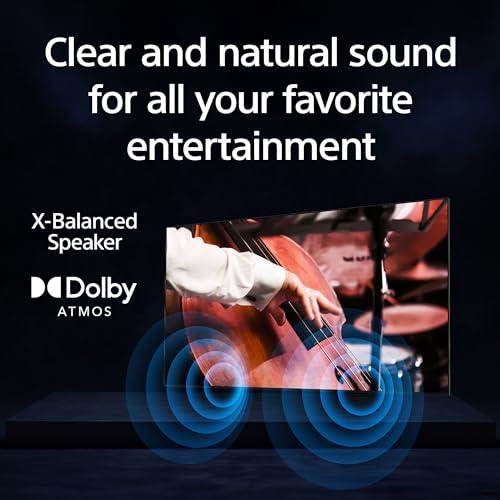
| 40W with built-in subwoofer + Dolby Atmos | 20W 2.0 channel system + Dolby Atmos |
| Color Technology - Color accuracy and vibrancy | |
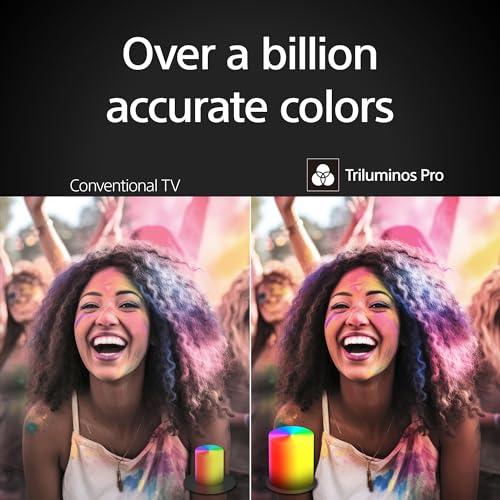
| QLED quantum dots (over 1 billion colors) | TRILUMINOS PRO (excellent color processing) |
| Black Level Performance - Crucial for dark room viewing | |
| Deep blacks thanks to local dimming zones | Elevated blacks (greyish in dark scenes) |
| Motion Handling - Important for sports and action content | |
| Excellent due to 144Hz + motion processing | Good with 60Hz + Sony's motion algorithms |
| Content Upscaling - Makes lower-quality sources look better | |
| Good AI upscaling with some artifacts | Excellent 4K X-Reality PRO processing |
| Build Quality & Brand Reputation - Long-term reliability | |
| Improving but newer to premium market | Established Sony reliability and support |
| Best Use Case - Who should choose this TV | |
| Gamers, home theater enthusiasts, tech-forward buyers | Families prioritizing reliability, bright room viewing |
The Hisense U6 Series Mini-LED QLED 4K Fire TV is significantly better for gaming. It features a native 144Hz refresh rate, HDMI 2.1 ports, and Variable Refresh Rate (VRR) support, making it compatible with modern gaming consoles like PS5 and Xbox Series X at higher frame rates. The Sony BRAVIA 3 is limited to 60Hz and lacks VRR, making it suitable only for casual gaming.
The biggest difference is contrast performance. The Hisense U6 uses Mini-LED backlighting with up to 600 local dimming zones, allowing for deep blacks and bright highlights simultaneously. The Sony BRAVIA 3 uses standard LED backlighting without local dimming, resulting in elevated blacks that appear grayish. However, Sony excels in color accuracy and upscaling lower-quality content.
The Hisense U6 Series is much brighter, reaching up to 1,000 nits peak brightness compared to the Sony BRAVIA 3's 450 nits. This makes the Hisense better for bright rooms and more impactful HDR content, while the Sony may struggle with glare and washed-out images in well-lit spaces.
Both have advantages. Fire TV on the Hisense U6 offers extensive app support and Amazon integration but includes persistent advertising. Google TV on the Sony BRAVIA 3 provides a cleaner, more organized interface with better content discovery and voice search. Choose based on whether you prioritize features (Fire TV) or user experience (Google TV).
The Hisense U6 Series Mini-LED is better suited for home theater use due to its superior contrast ratio, higher brightness, and comprehensive HDR support including Dolby Vision IQ. The Mini-LED technology creates that cinematic experience with deep blacks and bright highlights that make movies more immersive in dark viewing environments.
The Hisense U6 handles sports better thanks to its 144Hz refresh rate, which provides smoother motion during fast-paced action. Its higher brightness also performs better during daytime sports viewing. The Sony BRAVIA 3 offers wider viewing angles for group viewing but may show more motion blur during rapid movements.
The Hisense U6 Series has superior built-in audio with a 40W system including a built-in subwoofer, providing better bass response and overall volume. The Sony BRAVIA 3 features a more modest 20W 2.0 channel system. Both support Dolby Atmos, but the Hisense delivers more impactful sound without external speakers.
The main concerns with the Hisense U6 include Fire TV's persistent advertising, potential quality control inconsistencies compared to established brands, and some reported motion blur at higher refresh rates. The brand is newer to the premium TV market, so long-term reliability is less proven than Sony's track record.
Value depends on your needs. The Hisense U6 Series offers premium features like Mini-LED and high refresh rate gaming at a competitive price point. The Sony BRAVIA 3 provides reliable performance and brand reputation at a lower cost but with fewer advanced features. Gamers and home theater enthusiasts get better value from the Hisense.
The Sony BRAVIA 3 has better viewing angles, maintaining more consistent color and brightness when viewed from the side, making it better for wide seating arrangements. The Hisense U6 shows more color shifting and brightness loss at wider angles, but this is less noticeable in typical home theater setups with centered seating.
Sony has a stronger reputation for long-term reliability and customer support, making the Sony BRAVIA 3 the safer choice for buyers prioritizing dependability. The Hisense U6 has improved significantly in recent years and offers comparable warranty terms, but lacks Sony's decades-long track record in the premium TV market.
Choose the Hisense U6 Series Mini-LED if you game regularly, want impressive HDR performance, or plan to use it in a dark home theater environment. Choose the Sony BRAVIA 3 if you prioritize brand reliability, prefer a cleaner smart TV interface, or primarily watch content in bright rooms with wide seating arrangements.
We've done our best to create useful and informative comparisons to help you decide what product to buy. Our research uses advanced automated methods to create this comparison and perfection is not possible - please contact us for corrections or questions. These are the sites we've researched in the creation of this article: youtube.com - bestbuy.com - rtings.com - youtube.com - tomsguide.com - rtings.com - static.pcrichard.com - hisense-usa.com - pcguide.com - hisense-usa.com - manuals.plus - costco.com - pcrichard.com - beverlycenter.com - hisense-usa.com - rtings.com - device.report - bestbuy.com - rtings.com - tomsguide.com - youtube.com - youtube.com - rtings.com - electronics.sony.com - youtube.com - manuals.plus - tvsbook.com - sargentappliance.com - bestbuy.com - avsforum.com - sony.com - costco.com - shopatsc.com - youtube.com

Privacy Policy
Terms and Conditions - Affiliate Policy
Home Security
© Copyright 2008-2026.
11816 Inwood Rd #1211, Dallas, TX 75244