

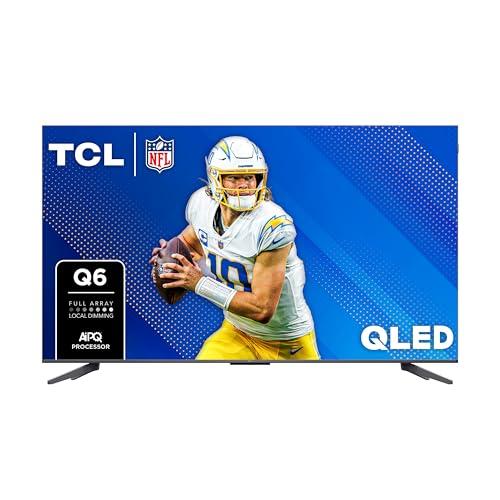

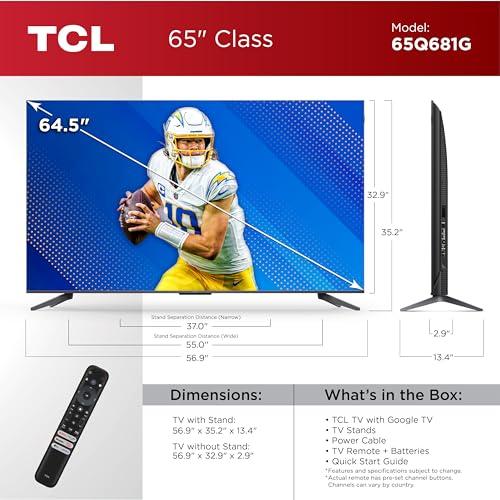

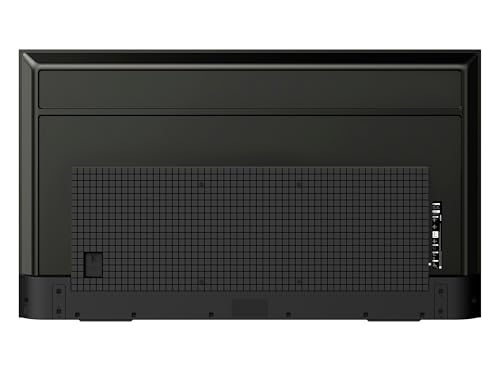
Shopping for a 65-inch TV can feel overwhelming with dozens of models promising the best picture quality at various price points. Two televisions that consistently appear in "best value" discussions are the TCL 65" Q68 QLED (2024) and the Sony BRAVIA 2 II 65" (2025). While both deliver 4K resolution at the popular 65-inch size, they represent fundamentally different approaches to achieving great picture quality—and their performance differences are more significant than you might expect.
Before diving into specifics, it's worth understanding what separates good TVs from great ones in 2024-2025. The biggest factor isn't just resolution anymore—virtually every TV at this size offers 4K—but rather how that picture is created and enhanced.
Display technology forms the foundation. Traditional LED TVs use white LED backlights behind an LCD panel, while QLED TVs add a layer of quantum dots (microscopic particles that emit precise colors when hit with light) to produce more vibrant, accurate colors. Think of quantum dots as tiny color filters that help create purer reds, greens, and blues than standard LEDs can manage.
Local dimming controls how the backlight behaves across different areas of the screen. Full-array local dimming divides the backlight into dozens or hundreds of zones that can brighten or dim independently, creating deeper blacks and better contrast. Edge-lit TVs, by comparison, only control brightness around the screen's perimeter.
Smart platforms have become increasingly important since most people stream content rather than watch cable. The interface responsiveness, app selection, and voice control capabilities can make or break the daily viewing experience.
The TCL Q68 QLED, released in 2024, represents TCL's push to bring premium display technology to mainstream prices. It's built around quantum dot enhancement and aggressive brightness levels—technologies that were exclusive to high-end TVs just a few years ago.
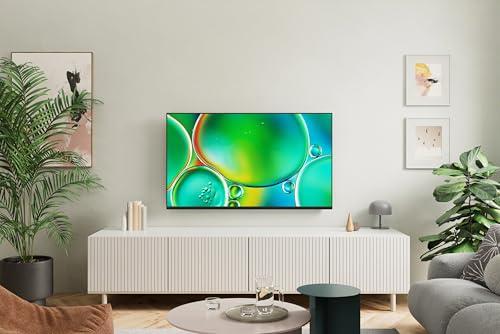
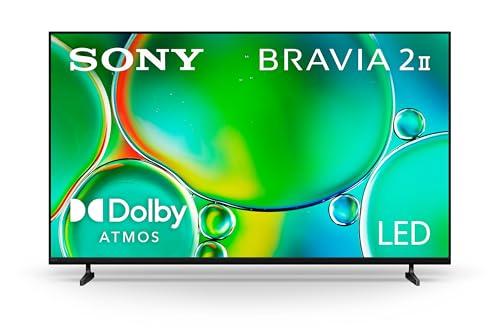
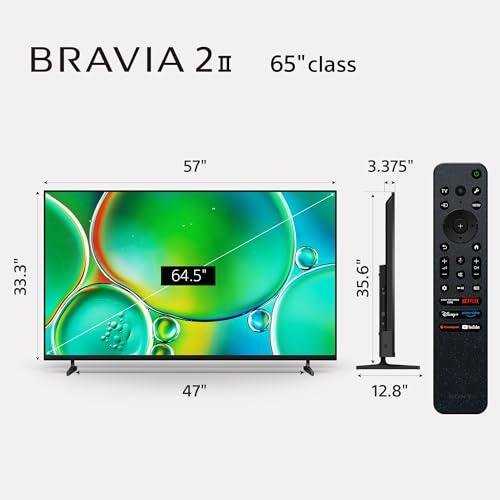
The Sony BRAVIA 2 II, launched in 2025, takes Sony's traditional approach of emphasizing image processing and brand reliability. Rather than competing on raw display specs, Sony focuses on refining the picture through sophisticated processing algorithms developed over decades of TV manufacturing.
At the time of writing, the TCL typically costs several hundred dollars less than the Sony, making the value comparison particularly interesting.
The most immediately noticeable difference between these TVs is brightness capability. The TCL Q68 achieves 600 nits peak brightness, while the Sony BRAVIA 2 II reaches approximately 400-500 nits. This might sound like technical minutiae, but it dramatically affects real-world viewing.
HDR (High Dynamic Range) content—which includes most Netflix originals, Disney+ shows, and 4K Blu-rays—relies on brightness peaks to create that "wow factor" you notice in movie theaters. When a TV can't get bright enough, HDR scenes look flat and unimpressive. The TCL's higher brightness means HDR sunsets actually look brilliant, and bright outdoor scenes maintain their impact even in well-lit living rooms.
Based on our research into user experiences and professional reviews, this brightness difference is immediately apparent when watching content like "Planet Earth" documentaries or Marvel movies. The TCL delivers those eye-catching HDR moments that make you appreciate the upgrade from older TVs, while the Sony provides a more subtle improvement over standard dynamic range.
The TCL's quantum dot technology covers approximately 95% of the DCI-P3 color space—the standard used by movie studios. This means it can reproduce nearly all the colors that content creators intended. The Sony, using traditional LED technology, covers a smaller portion of this color space.
In practical terms, this translates to more vivid, accurate colors on the TCL. Reds appear deeper and more saturated, ocean blues look more realistic, and skin tones have better accuracy. The difference is particularly noticeable in animated content like Pixar movies or nature documentaries where color vibrancy matters.
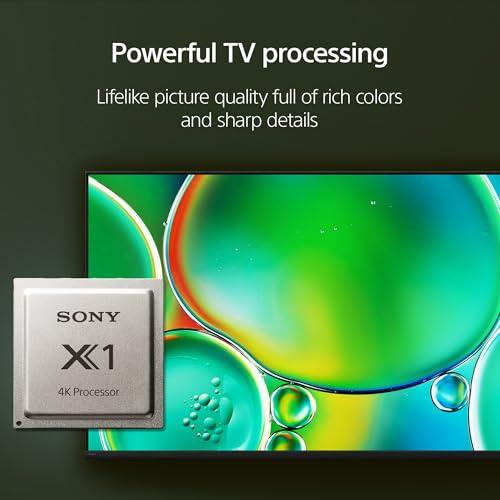
However, Sony compensates through superior color processing. The 4K Processor X1 analyzes each scene and applies color corrections based on Sony's extensive image database. While the Sony may not produce colors as wide as the TCL, they often appear more natural and film-like due to this processing refinement.
Here's where the TCL Q68 pulls significantly ahead. Its full-array local dimming system divides the backlight into multiple zones that can brighten or dim independently. When watching a movie scene with bright stars against a dark sky, the TCL can make those stars brilliant while keeping the surrounding sky deep black.
The Sony BRAVIA 2 II uses basic local dimming, which provides less precise control over contrast. Dark scenes may appear slightly gray rather than true black, and bright objects can cause "blooming" where light spills into surrounding dark areas.
Based on consensus from professional reviews, this contrast difference is most noticeable during movie watching, especially in dark rooms. The TCL provides a more cinematic experience with deeper blacks that rival more expensive TV technologies.
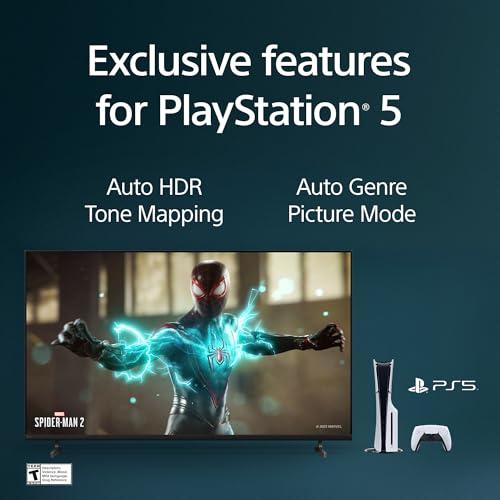
Modern gaming consoles like the PlayStation 5 and Xbox Series X can output games at 120 frames per second, but only if your TV can keep up. The TCL Q68 supports 120Hz Variable Refresh Rate (VRR), which eliminates screen tearing and provides smoother motion in supported games.
VRR works by synchronizing the TV's refresh rate with the console's output rate. If a game runs at 95 fps, the TV adjusts to 95Hz instead of forcing it into a 60Hz container that creates stuttering. This technology makes fast-paced games like racing titles or first-person shooters noticeably smoother.
The Sony BRAVIA 2 II is limited to 60Hz, which means you're missing out on the full potential of modern gaming hardware. While 60Hz is perfectly adequate for most content, serious gamers will notice the difference in supported titles.
Auto Low Latency Mode (ALLM) on both TVs automatically reduces input lag when gaming devices are connected. Both achieve respectably low input lag in game mode, but the TCL's VRR support makes it the clear choice for gaming enthusiasts.
The smart platform experience differs significantly between these models. The TCL Q68 runs Amazon's Fire TV, which provides straightforward access to major streaming services with deep Amazon Prime Video integration. The interface is clean and responsive, though it can feel Amazon-centric in its content recommendations.
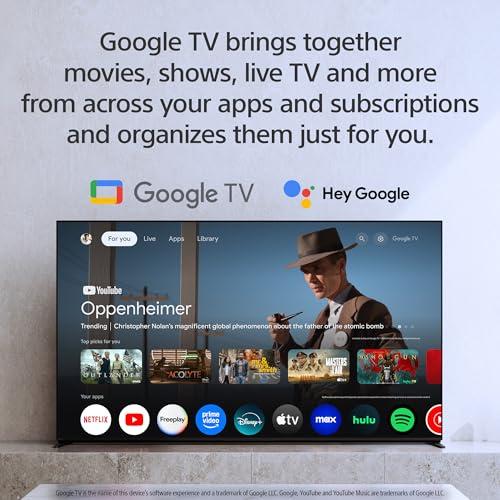
The Sony BRAVIA 2 II uses Google TV, which excels at content discovery across multiple streaming services. Instead of diving into individual apps, Google TV's universal search finds content across Netflix, Disney+, HBO Max, and other services simultaneously. The interface feels more sophisticated and less vendor-specific than Fire TV.
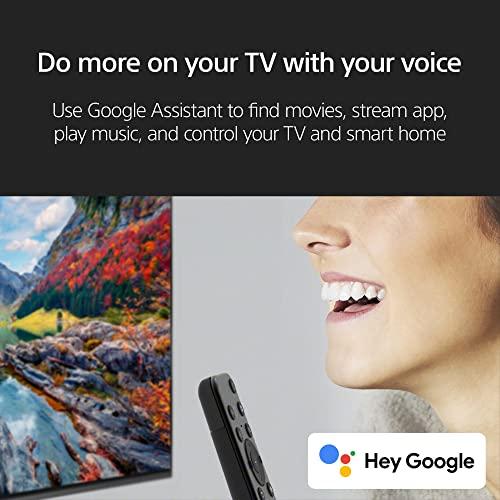
Google Assistant on the Sony also provides superior voice control compared to Alexa on the TCL. Google's search capabilities shine when you're looking for specific actors, genres, or similar content recommendations.
However, both platforms include all major streaming apps and provide smooth, responsive performance. The choice often comes down to your existing ecosystem—Amazon users may prefer Fire TV, while Google and Android users will appreciate Google TV's integration.
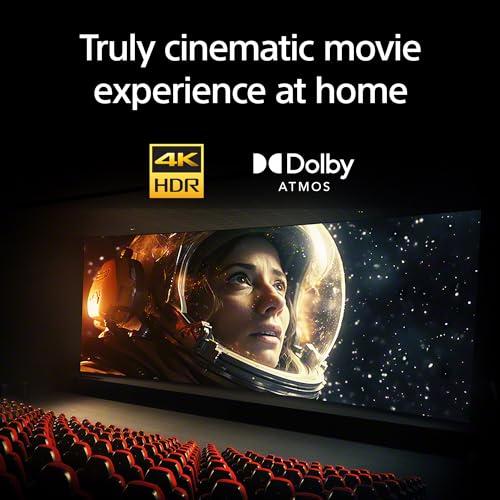
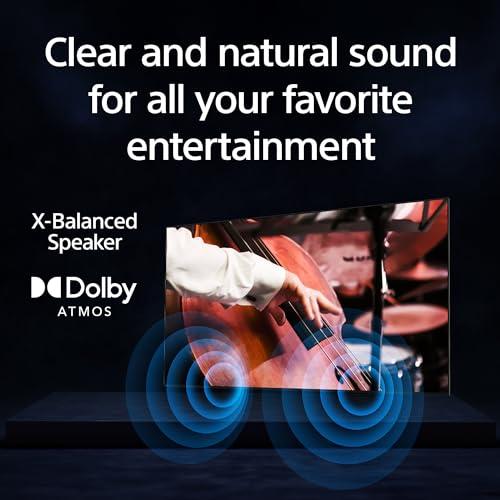
While most buyers focus on picture quality, built-in audio makes a significant difference in daily enjoyment. The Sony BRAVIA 2 II includes a 40W Open Baffle Speaker system with Sony's audio processing, while the TCL Q68 provides 30W speakers with Dolby Atmos support.
Based on user feedback analysis, the Sony's speakers deliver clearer dialogue and better overall balance. Sony's acoustic engineering experience shows in the speaker placement and tuning. The TCL supports Dolby Atmos for enhanced spatial audio, but the lower power output and speaker placement don't fully capitalize on this feature.
Neither TV replaces a dedicated sound system for serious movie watching, but the Sony provides a more satisfying experience for casual viewing without additional speakers.
For dedicated home theater setups, the TCL Q68 offers several advantages. Its higher brightness works well with ambient lighting from sconces or rope lighting that many home theaters employ. The superior contrast from full-array local dimming creates that cinematic black level that's crucial for movie watching.
The TCL's comprehensive HDR support, including Dolby Vision and HDR10+, ensures compatibility with the widest range of 4K Blu-rays and streaming content. Many home theater enthusiasts specifically seek Dolby Vision support for its scene-by-scene optimization.
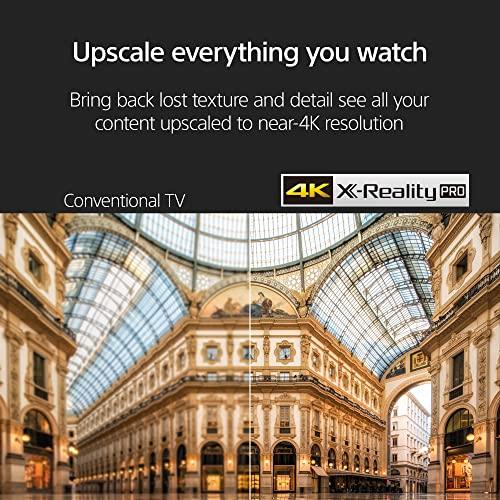
The Sony BRAVIA 2 II contributes excellent upscaling for older content that might still exist in a movie collection. Sony's processing algorithms excel at making DVD and Blu-ray content look as good as possible on a 4K screen.
Sony's reputation for reliability and customer service represents a tangible value that's difficult to quantify. The company has decades of TV manufacturing experience, and their customer support is generally rated higher than newer brands.
The TCL has significantly improved its build quality over the past few years, with professional reviews noting solid construction and premium-feeling materials. However, long-term reliability data is still developing compared to established brands like Sony.
Both TVs include comprehensive warranty coverage, but Sony's service network is more extensive, particularly in smaller markets where TCL service might be limited.
The decision between these TVs depends heavily on your priorities and viewing habits.
Choose the TCL Q68 QLED if you:
The TCL delivers objectively superior display hardware at a lower price point. Its quantum dot technology, higher brightness, and gaming capabilities provide meaningful daily benefits that you'll notice immediately.
Choose the Sony BRAVIA 2 II if you:
The Sony provides the refined experience and long-term reliability that the brand is known for, though at a price premium that's harder to justify purely on performance grounds.
At the time of writing, the TCL Q68 QLED represents one of the best values in the 65-inch TV category. Its quantum dot technology, full-array local dimming, and high brightness deliver premium picture quality at a mainstream price. The 120Hz gaming support makes it genuinely future-proof for the current console generation.
The Sony BRAVIA 2 II offers the brand reliability and processing refinements that Sony is known for, but it's harder to recommend unless those specific benefits matter to your situation. The price premium is significant for what amounts to incremental improvements in most real-world scenarios.
For most buyers looking to maximize picture quality per dollar, the TCL provides the better foundation. However, if brand reliability, superior smart platform experience, or better built-in audio are priorities, the Sony justifies its higher cost.
The TV market has become increasingly competitive, and both models represent solid choices in their respective approaches. The TCL pushes display technology boundaries at aggressive prices, while the Sony emphasizes the refined experience that comes with decades of manufacturing expertise.
| TCL 65" Q68 QLED 4K UHD Smart TV Display | Sony BRAVIA 2 II 65" 4K LED Smart TV 2025 Display |
|---|---|
| Display Technology - Determines color vibrancy and overall picture quality | |
| QLED with Quantum Dot technology for wider color gamut | Standard LED with Sony's Live Color enhancement |
| Peak Brightness - Critical for HDR content and bright room viewing | |
| 600 nits (excellent for HDR and bright rooms) | 400-500 nits (adequate for moderate lighting) |
| Local Dimming - Controls contrast and black levels for cinematic experience | |
| Full Array Local Dimming with multiple zones | Basic local dimming with limited zone control |
| Refresh Rate & Gaming - Important for modern console gaming and motion clarity | |
| 120Hz VRR support with Game Accelerator technology | 60Hz panel with basic gaming features |
| HDR Support - Affects quality of streaming and 4K Blu-ray content | |
| HDR10, HDR10+, Dolby Vision, HLG (comprehensive support) | HDR10, HLG (basic HDR support, no Dolby Vision) |
| Smart Platform - Daily interface experience and app performance | |
| Fire TV with Amazon Alexa integration | Google TV with Google Assistant and superior search |
| Audio System - Built-in sound quality before adding external speakers | |
| 30W speakers with Dolby Atmos support | 40W Open Baffle speakers with Sony audio processing |
| Connectivity - Number of devices you can connect simultaneously | |
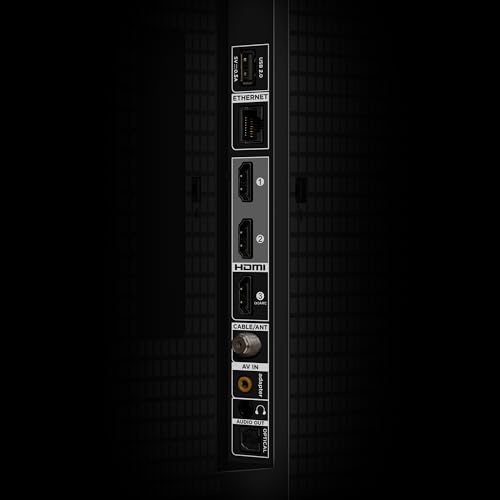
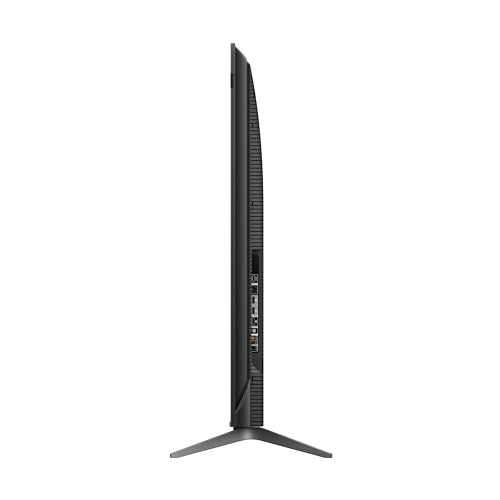
| 3 HDMI ports (1 with eARC), Wi-Fi 5, Bluetooth 5.0 | 4 HDMI ports, Wi-Fi 6, Bluetooth 5.3 |
| Image Processing - How well the TV enhances and upscales content | |
| TCL AIPQ Processor with Deep Learning AI | 4K Processor X1 with Sony's image database |
| Build Quality & Warranty - Long-term reliability and support | |
| Solid construction, 1-year warranty, newer brand | Premium materials, 1-year warranty, established brand reputation |
| Release Year & Value Positioning - Technology generation and price competitiveness | |
| 2024 model with aggressive pricing for premium features | 2025 model positioned as reliable entry-level option |
The TCL Q68 QLED delivers superior picture quality with its quantum dot technology, 600 nits peak brightness, and full-array local dimming. These features provide more vibrant colors, better HDR performance, and deeper blacks compared to the Sony BRAVIA 2 II. While Sony offers refined image processing, the TCL's display hardware advantages are more significant for overall picture quality.
The TCL Q68 QLED is significantly better for gaming with its 120Hz Variable Refresh Rate support and Game Accelerator technology. This makes it compatible with next-gen consoles like PS5 and Xbox Series X at their full potential. The Sony BRAVIA 2 II is limited to 60Hz, which restricts gaming performance for modern titles that support higher frame rates.
The TCL Q68 is much brighter with 600 nits peak brightness compared to the Sony BRAVIA 2 II's 400-500 nits. This makes the TCL better suited for bright living rooms with lots of natural light, where the Sony might appear washed out during daytime viewing.
The TCL Q68 runs Amazon Fire TV with Alexa integration, offering straightforward access to streaming services with Amazon ecosystem benefits. The Sony BRAVIA 2 II uses Google TV, which provides superior content discovery across multiple streaming platforms and better voice search capabilities through Google Assistant.
The Sony BRAVIA 2 II has better built-in audio with its 40W Open Baffle speaker system and Sony's acoustic engineering. While the TCL Q68 supports Dolby Atmos, its 30W speakers don't match Sony's audio clarity and dialogue performance for everyday viewing without external speakers.
The TCL Q68 QLED is better suited for dedicated home theaters due to its superior contrast from full-array local dimming, higher brightness for ambient lighting compatibility, and comprehensive HDR support including Dolby Vision. The Sony BRAVIA 2 II offers excellent upscaling for older content but lacks the contrast performance ideal for cinematic viewing.
Sony has a stronger reputation for long-term reliability and customer service, with decades of TV manufacturing experience. While the TCL Q68 has improved significantly in build quality, Sony's established service network and brand track record give the BRAVIA 2 II an advantage in reliability expectations.
Yes, both the TCL Q68 and Sony BRAVIA 2 II support all major streaming services including Netflix, Disney+, Prime Video, Hulu, and YouTube. The main difference is in the interface experience, with Sony's Google TV offering better cross-platform content discovery.
The TCL Q68 QLED offers significantly better value with premium display technology (quantum dots, local dimming, 120Hz gaming) typically found in much more expensive TVs. The Sony BRAVIA 2 II commands a price premium for brand reliability and processing refinements that may not justify the extra cost for most buyers.
The TCL Q68 has superior HDR performance with support for Dolby Vision, HDR10+, HDR10, and HLG formats, plus the brightness needed to make HDR content impactful. The Sony BRAVIA 2 II only supports HDR10 and HLG, and its lower peak brightness limits HDR effectiveness.
Both TVs handle sports well, but the TCL Q68 has advantages with its higher brightness for daytime games and full-array local dimming for better contrast. The Sony BRAVIA 2 II offers excellent motion processing through Motionflow XR technology, which can provide smoother motion in fast-paced sports content.
Choose the TCL Q68 QLED if you want the most advanced display technology and gaming features for your money. Choose the Sony BRAVIA 2 II if you prioritize brand reliability, superior smart platform experience, and don't mind paying extra for Sony's reputation and refinements over raw display performance.
We've done our best to create useful and informative comparisons to help you decide what product to buy. Our research uses advanced automated methods to create this comparison and perfection is not possible - please contact us for corrections or questions. These are the sites we've researched in the creation of this article: tvsbook.com - youtube.com - rtings.com - tcl.com - bestbuy.com - rtings.com - youtube.com - rcwilley.com - youtube.com - tvsbook.com - tcl.com - sellout.woot.com - tcl.com - tcl.com - bestbuy.com - hometechnologyreview.com - hometechnologyreview.com - electronics.sony.com - youtube.com - rtings.com - costco.com - youtube.com - displayspecifications.com - flanners.com - beachcamera.com - displayspecifications.com - bestbuy.com - stereoeast.com - youtube.com - sony.com.my

Privacy Policy
Terms and Conditions - Affiliate Policy
Home Security
© Copyright 2008-2026.
11816 Inwood Rd #1211, Dallas, TX 75244