

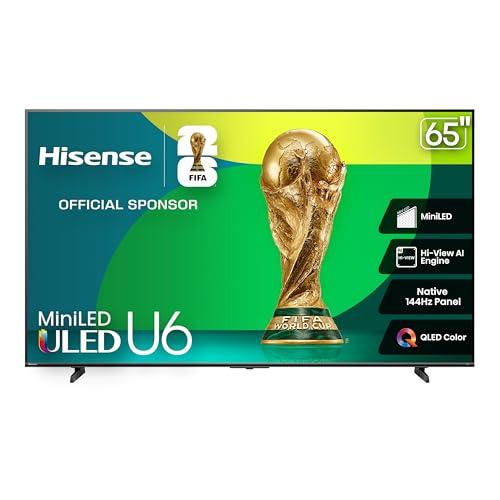
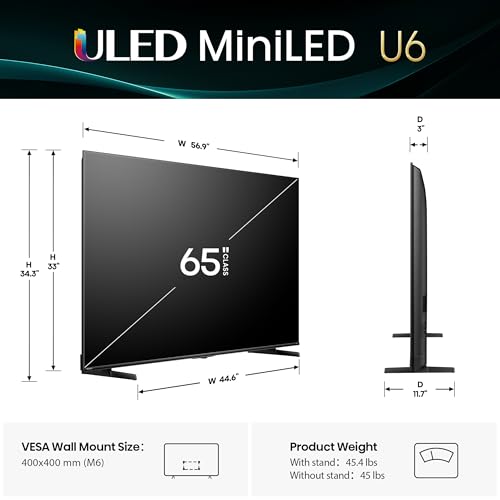
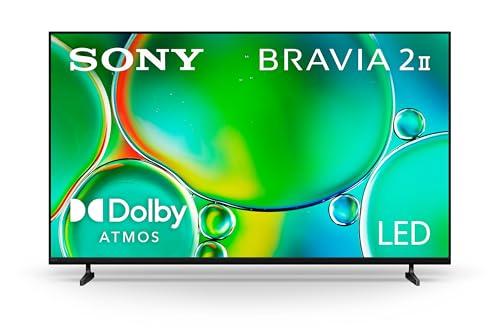
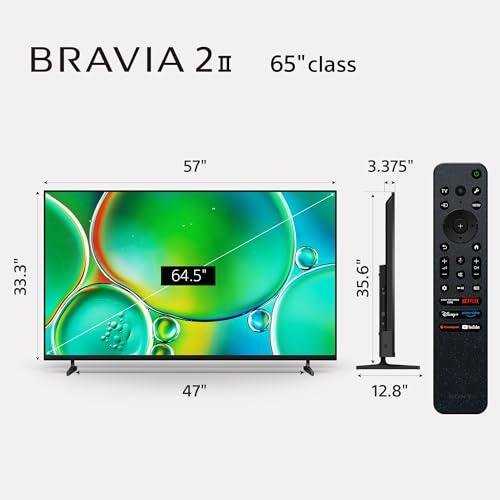
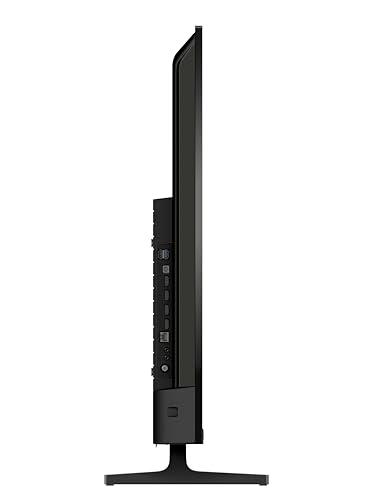


When shopping for a 65-inch 4K TV, you'll quickly discover that not all displays are created equal. The Hisense U6 Series Mini-LED QLED and Sony BRAVIA 2 II represent two distinctly different approaches to delivering quality entertainment at mid-range prices. While both launched in 2025, they showcase how far TV technology has evolved and how different manufacturers prioritize various features.
The TV market has seen remarkable changes in recent years. Mini-LED technology, which was once exclusive to premium models, has trickled down to more affordable options like the Hisense U6. Meanwhile, established brands like Sony continue refining their traditional LED approaches, focusing on color accuracy and smart platform integration in models like the BRAVIA 2 II.
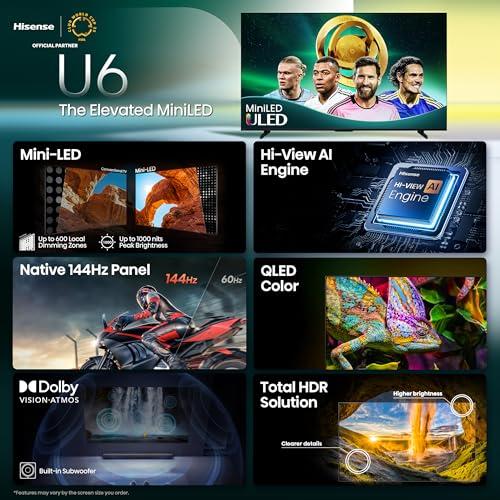
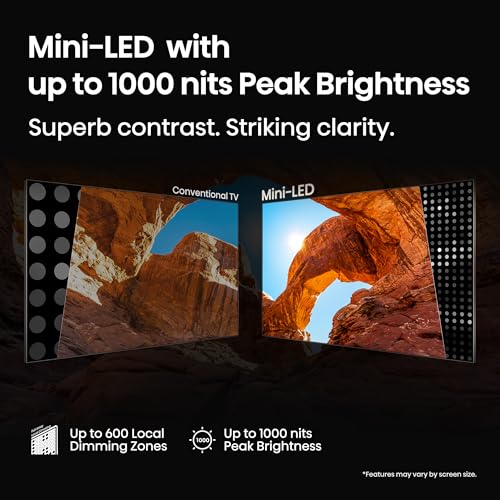
The most significant difference between these TVs lies in their fundamental display architecture. The Hisense U6 employs Mini-LED backlighting with over 600 local dimming zones, while the Sony BRAVIA 2 II uses conventional direct LED backlighting with basic frame dimming.
Mini-LED technology represents a major leap forward from traditional LED. Think of it this way: where a standard LED TV might have dozens of LED lights behind the screen, a Mini-LED display uses thousands of much smaller LEDs. These tiny lights can be controlled independently in groups called "dimming zones." When you're watching a movie with a starry night sky, the Hisense U6 can dim the zones showing the dark sky while keeping the stars bright, creating dramatically better contrast.
The Sony BRAVIA 2 II takes a more traditional approach with direct LED backlighting, where LEDs are spread evenly behind the entire screen. While this provides consistent illumination, it can't achieve the precise light control that Mini-LED offers. Sony compensates by focusing heavily on color processing and upscaling technology – areas where they've built a strong reputation over decades.
Peak brightness tells another important story. The Hisense U6 can reach up to 1000 nits, making it excellent for bright living rooms and enhancing HDR content. The Sony BRAVIA 2 II typically maxes out around 400-600 nits, which is adequate for most viewing but may struggle in rooms with lots of windows or ambient light.
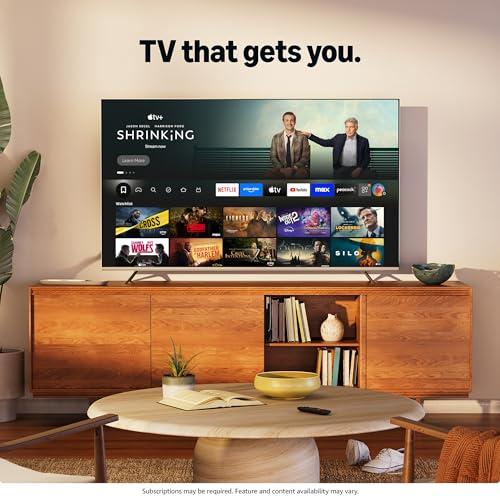
Both TVs run different smart platforms, and this choice significantly impacts your daily experience. The Hisense U6 uses Amazon's Fire TV platform, which puts Prime Video and Alexa integration front and center. Fire TV has matured considerably since its early days, now offering smooth navigation and extensive app support including Apple TV+, Netflix, and Disney+.
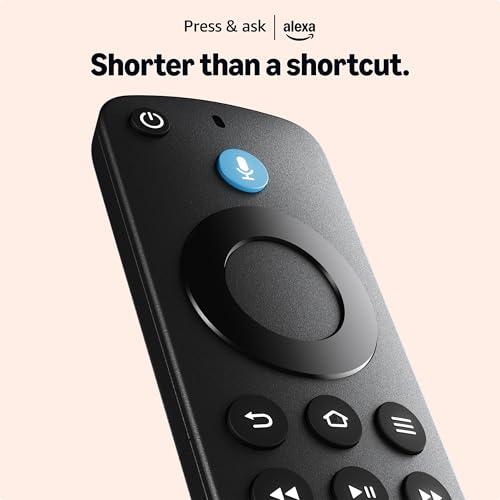
However, Fire TV comes with Amazon's advertising approach baked in. You'll see content recommendations and ads on the home screen, which some users find intrusive while others appreciate the content discovery aspect. The voice remote works well with Alexa, letting you control smart home devices and search for content naturally.
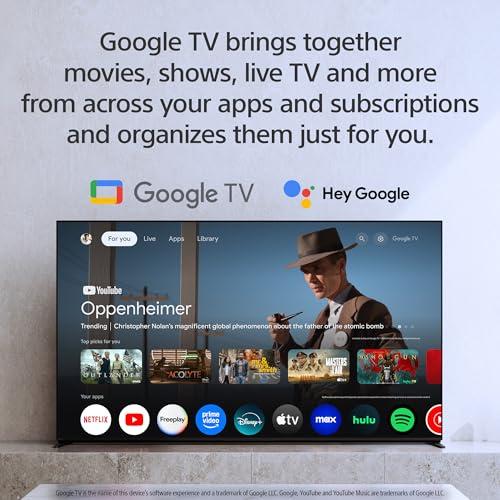
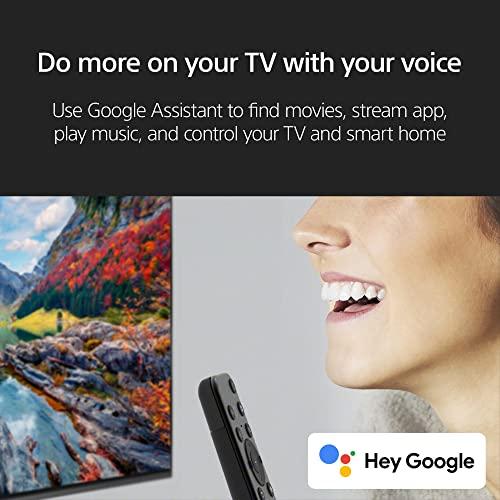
The Sony BRAVIA 2 II runs Google TV, which offers a cleaner, more personalized experience. Google TV excels at content aggregation, showing you what to watch next based on your viewing habits across different streaming services. It includes Chromecast functionality built-in, making it seamless to cast content from Android phones or use Google Assistant for voice control.
For Apple users, the Sony BRAVIA 2 II includes AirPlay 2 support, allowing easy screen mirroring from iPhones and iPads. The Hisense U6 also supports AirPlay, making both TVs compatible with Apple's ecosystem despite their different smart platforms.
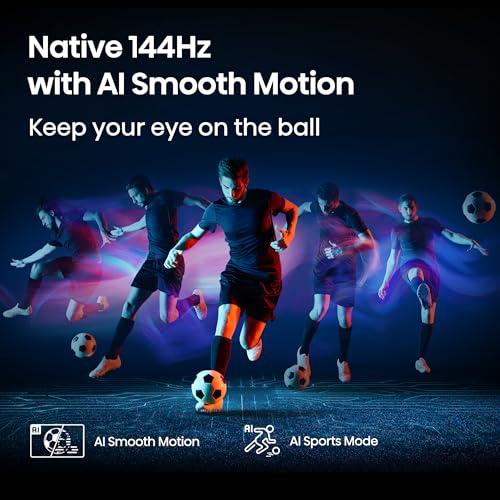
Gaming capabilities create the clearest performance gap between these models. The Hisense U6 supports a native 144Hz refresh rate, while the Sony BRAVIA 2 II is limited to 60Hz. This difference matters significantly for modern console gaming and PC connections.
Refresh rate refers to how many times per second the display updates its image. A 60Hz display shows 60 frames per second, while a 144Hz display can show up to 144 frames per second. For gaming, higher refresh rates mean smoother motion, reduced input lag, and better responsiveness – especially important for competitive gaming or fast-paced action games.
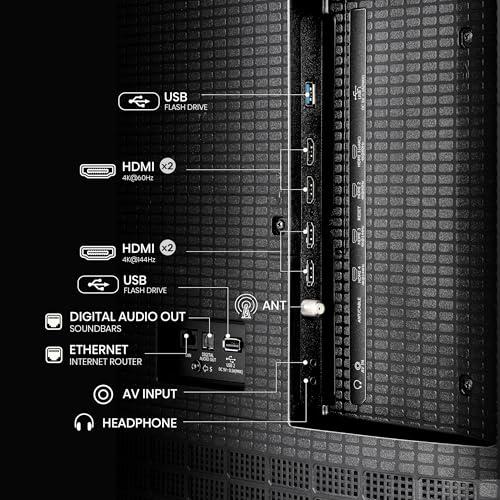
The Hisense U6 includes HDMI 2.1 ports with full 48Gbps bandwidth, supporting 4K resolution at 144Hz. It also features Variable Refresh Rate (VRR) and FreeSync Premium, technologies that synchronize the TV's refresh rate with your gaming console or PC to eliminate screen tearing and stuttering. These features were premium gaming TV exclusive just a few years ago.
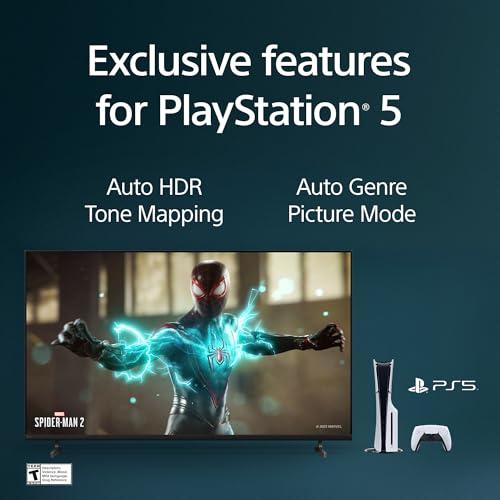
By contrast, the Sony BRAVIA 2 II focuses on PlayStation 5 integration with Auto HDR Tone Mapping and Auto Genre Picture Mode. While it includes Auto Low Latency Mode (ALLM) to reduce input lag when gaming, the 60Hz limitation makes it less suitable for serious gamers who want to take advantage of next-generation console capabilities.
For casual gaming – playing story-driven single-player games or watching streaming content – 60Hz remains perfectly adequate. However, if you're into competitive multiplayer games, racing simulators, or want to future-proof for upcoming console features, the Hisense U6 provides significant advantages.
Picture quality represents each TV's core strength, but they excel in different areas. The Hisense U6 dominates in brightness, contrast, and HDR performance thanks to its Mini-LED technology. When watching HDR movies, bright explosions pop against deep black backgrounds, creating an immersive viewing experience that rivals much more expensive TVs.
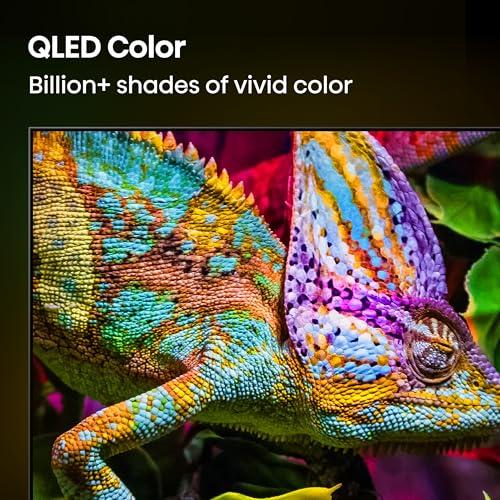
The QLED (Quantum Dot Light Emitting Diode) technology in the Hisense U6 enhances color volume significantly. Quantum dots are microscopic particles that convert blue LED light into precise red and green colors, expanding the color gamut to display over a billion color shades. This technology makes colors appear more vibrant and accurate, especially in bright scenes.
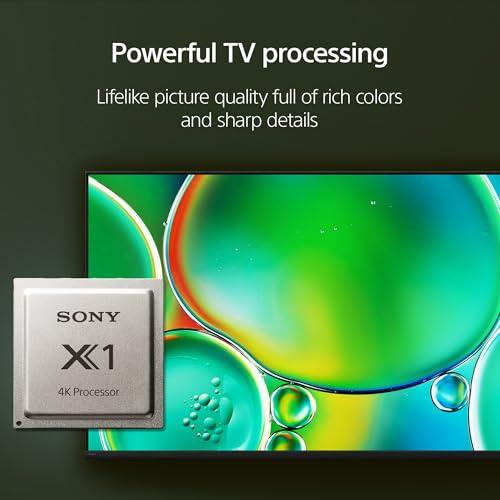
However, our research into user and expert reviews reveals that the Sony BRAVIA 2 II often delivers more natural, film-accurate colors despite its lower peak brightness. Sony's 4K Processor X1 and decades of color science expertise show in subtle gradations and skin tones that appear more realistic. The 4K X-Reality PRO upscaling effectively enhances lower-resolution content, making older movies and TV shows look surprisingly sharp.
For home theater enthusiasts, the choice depends on your room setup and preferences. In a dedicated, light-controlled theater room, the Sony BRAVIA 2 II's accurate colors and natural processing might provide a more cinematic experience. In a bright living room where the TV competes with windows and ambient lighting, the Hisense U6's superior brightness and contrast will deliver better visibility and impact.
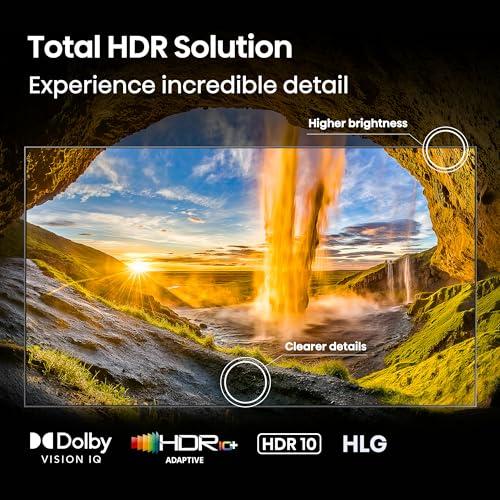
HDR (High Dynamic Range) support also differs meaningfully between these models. The Hisense U6 supports comprehensive HDR formats including Dolby Vision IQ, HDR10+, and HDR10+ Adaptive. These advanced formats adjust brightness and color dynamically based on your room lighting and the specific content. The Sony BRAVIA 2 II supports basic HDR10 and HLG formats but lacks the more advanced Dolby Vision support that's becoming standard on premium streaming content.
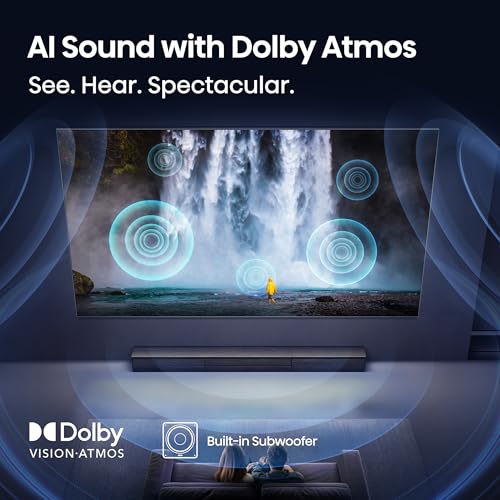
Audio performance creates another clear distinction. The Hisense U6 features a 40W, 2.1-channel system with a built-in subwoofer, delivering surprisingly robust sound for a TV. User reviews consistently praise its bass response and room-filling volume, with many noting it reduces the immediate need for a soundbar purchase.
The Dolby Atmos processing in the Hisense U6 creates a more immersive audio experience, though true Atmos effects require content mastered for the format. For most movies and shows, the enhanced audio processing noticeably improves dialog clarity and creates better spatial audio compared to standard TV speakers.
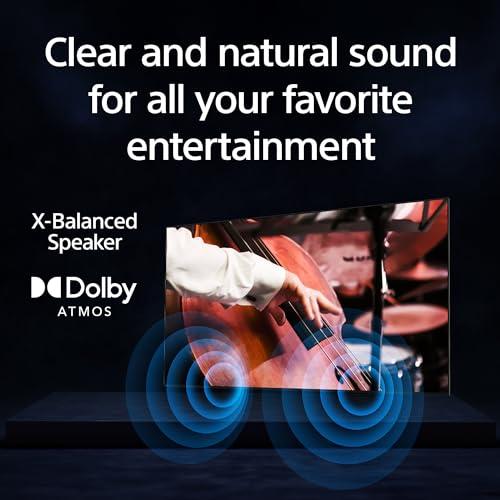
The Sony BRAVIA 2 II provides a more modest 20W audio system through its Open Baffle Speaker design. While it supports Dolby Atmos and DTS:X processing, the lower power output limits its effectiveness, especially for action content or larger rooms. Sony's Clear Phase technology helps optimize audio timing, but most users will benefit from adding external speakers for a complete entertainment experience.
From a value perspective, the Hisense U6's superior built-in audio system effectively reduces the total cost of your setup if you're not planning to invest in a dedicated sound system immediately.
At the time of writing, pricing typically favors the Hisense U6, which often costs less while delivering more advanced display technology and gaming features. This pricing strategy reflects Hisense's approach of offering premium features at competitive prices to gain market share.
The Sony BRAVIA 2 II commands a slight premium, reflecting Sony's brand reputation and color processing expertise. For some buyers, this premium represents worthwhile investment in reliability and customer support, areas where established brands often excel.
Value calculations become complex when considering total cost of ownership. The Hisense U6's superior built-in audio might eliminate immediate soundbar needs, while its advanced gaming features could extend the TV's useful life as console capabilities evolve. The brighter display also provides better performance in challenging lighting conditions, potentially improving satisfaction over years of use.
For sports viewing, the Hisense U6 excels with its high refresh rate reducing motion blur during fast-paced action. The bright display cuts through ambient light during daytime games, while the wide color gamut makes football fields and basketball courts appear more vivid.
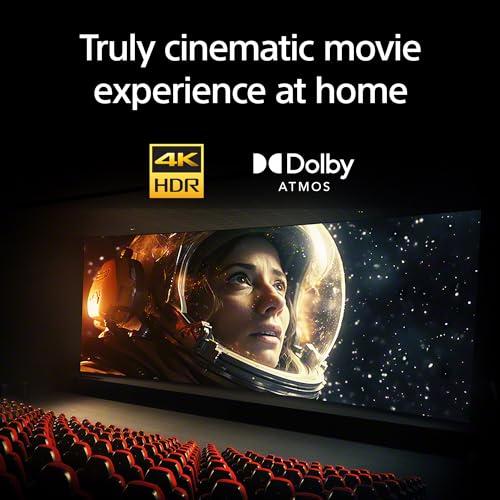
Movie enthusiasts might prefer different models depending on their setup. The Sony BRAVIA 2 II delivers more accurate colors for films, especially in darker viewing environments where its lower peak brightness isn't a limitation. However, the Hisense U6's superior contrast and HDR capabilities create more dramatic impact for action movies and visually spectacular content.
For families with mixed usage patterns – gaming, streaming, sports, and movies – the Hisense U6 provides more versatility. Its gaming capabilities satisfy serious players while delivering excellent general entertainment performance.
Choose the Hisense U6 Series Mini-LED QLED if you want maximum performance for your investment. Its Mini-LED technology, superior brightness, comprehensive gaming features, and built-in premium audio create exceptional value. It's ideal for bright rooms, serious gamers, sports fans, and anyone wanting flagship-level features without flagship pricing.
The Sony BRAVIA 2 II makes sense if you prioritize brand reliability, natural color accuracy, and Google ecosystem integration over raw performance metrics. It's better suited for PlayStation 5 owners wanting console optimization, Apple users needing AirPlay 2, and viewers who prefer Sony's refined color processing in controlled lighting environments.
Both represent solid choices within their target audiences, but the Hisense U6 delivers more advanced technology and features for less money, making it the better value for most buyers. The key is matching the TV's strengths to your specific viewing habits, room setup, and long-term entertainment needs.
| Hisense 65" U6 Series Mini-LED QLED 4K Fire TV | Sony BRAVIA 2 II 65" 4K LED Smart TV 2025 |
|---|---|
| Display Technology - Determines contrast quality and brightness capabilities | |
| Mini-LED with 600+ local dimming zones | Traditional Direct LED with frame dimming |
| Peak Brightness - Critical for bright rooms and HDR performance | |
| Up to 1000 nits (excellent for daytime viewing) | 400-600 nits (adequate for controlled lighting) |
| Refresh Rate - Essential for gaming and sports viewing | |
| Native 144Hz (smooth gaming, future-proof) | 60Hz (sufficient for casual use, limits gaming) |
| Color Technology - Affects color vibrancy and accuracy | |
| QLED Quantum Dot (over 1 billion colors) | Sony's color processing (natural, film-accurate) |
| HDR Support - Important for streaming content quality | |
| Dolby Vision IQ, HDR10+, HDR10+ Adaptive | HDR10, HLG (basic HDR support) |
| Gaming Features - Matters for console and PC gaming | |
| HDMI 2.1, VRR, FreeSync Premium, Game Mode Pro | ALLM, PlayStation 5 optimizations only |
| Smart Platform - Affects daily user experience | |
| Fire TV with Alexa (Amazon-centric, includes ads) | Google TV with Assistant (cleaner interface) |
| Audio System - Reduces need for external speakers | |
| 40W 2.1 channel with subwoofer, Dolby Atmos | 20W Open Baffle, basic Dolby processing |
| Processor - Handles upscaling and picture enhancement | |
| Hi-View AI Engine | Sony 4K Processor X1 (superior upscaling) |
| HDMI Connectivity - Important for multiple devices | |
| 4 ports (2x HDMI 2.1 at full bandwidth) | 4 ports (HDMI 2.0, limited to 60Hz) |
| Apple Integration - Matters for iPhone/iPad users | |
| AirPlay 2 support | AirPlay 2 plus HomeKit compatibility |
| Best Value For - Who should choose each model | |
| Gamers, bright rooms, performance seekers | PlayStation users, color accuracy prioritizers |
The Hisense 65" U6 Series Mini-LED QLED 4K Fire TV performs significantly better in bright rooms with its 1000-nit peak brightness and Mini-LED backlighting technology. The Sony BRAVIA 2 II 65" 4K LED Smart TV 2025 maxes out around 400-600 nits, making it better suited for dimmer, controlled lighting environments.
Mini-LED technology in the Hisense U6 Series uses thousands of tiny LEDs with over 600 local dimming zones for precise brightness control, delivering deeper blacks and better contrast. The Sony BRAVIA 2 II uses traditional direct LED backlighting with basic frame dimming, providing consistent but less dynamic lighting control.
The Hisense 65" U6 Series Mini-LED QLED 4K Fire TV offers superior gaming performance with native 144Hz refresh rate, HDMI 2.1 ports, VRR, and FreeSync Premium support. While the Sony BRAVIA 2 II includes PlayStation 5 optimizations, its 60Hz limitation restricts next-generation gaming capabilities.
The Hisense U6 Series runs Amazon Fire TV with Alexa integration and extensive app support, though it includes ads on the home screen. The Sony BRAVIA 2 II 65" 4K LED Smart TV 2025 uses Google TV with cleaner interface design, better content aggregation, and built-in Chromecast functionality.
The Hisense 65" U6 Series Mini-LED QLED 4K Fire TV features superior audio with 40W 2.1-channel speakers including a built-in subwoofer and Dolby Atmos support. The Sony BRAVIA 2 II provides 20W Open Baffle speakers that are adequate but typically require external audio enhancement for optimal performance.
The Hisense U6 Series offers comprehensive HDR support including Dolby Vision IQ, HDR10+, HDR10+ Adaptive, and standard HDR10. The Sony BRAVIA 2 II 65" 4K LED Smart TV 2025 supports basic HDR10 and HLG formats but lacks advanced Dolby Vision capabilities found in premium streaming content.
The Hisense 65" U6 Series Mini-LED QLED 4K Fire TV typically provides better value with advanced Mini-LED technology, superior gaming features, and premium audio at a competitive price point. The Sony BRAVIA 2 II costs slightly more but offers Sony's brand reliability and refined color processing expertise.
For dedicated home theater use, the Hisense U6 Series excels with superior contrast from Mini-LED technology and comprehensive HDR format support. The Sony BRAVIA 2 II 65" 4K LED Smart TV 2025 offers more natural, film-accurate colors preferred by some cinephiles, especially in light-controlled environments.
The Hisense 65" U6 Series Mini-LED QLED 4K Fire TV provides smoother sports viewing with its 144Hz refresh rate, reducing motion blur during fast-paced action. The Sony BRAVIA 2 II uses 60Hz with Motionflow XR technology, which is adequate for most sports but may show more motion artifacts.
Both TVs support major streaming apps, but the Hisense U6 Series with Fire TV provides seamless Amazon Prime Video integration and Alexa voice control. The Sony BRAVIA 2 II 65" 4K LED Smart TV 2025 offers better content discovery across services through Google TV's unified interface and superior upscaling for older content.
Both the Hisense 65" U6 Series Mini-LED QLED 4K Fire TV and Sony BRAVIA 2 II support Apple AirPlay 2 for screen mirroring from iPhones and iPads. The Sony model additionally includes HomeKit compatibility for enhanced smart home integration with Apple's ecosystem.
The Sony BRAVIA 2 II 65" 4K LED Smart TV 2025 typically offers longer-term reliability and customer support backed by Sony's established reputation. However, the Hisense U6 Series includes more future-proof features like HDMI 2.1 and high refresh rates that may extend its useful lifespan as content and gaming standards evolve.
We've done our best to create useful and informative comparisons to help you decide what product to buy. Our research uses advanced automated methods to create this comparison and perfection is not possible - please contact us for corrections or questions. These are the sites we've researched in the creation of this article: youtube.com - bestbuy.com - rtings.com - youtube.com - tomsguide.com - rtings.com - static.pcrichard.com - hisense-usa.com - pcguide.com - hisense-usa.com - manuals.plus - costco.com - pcrichard.com - beverlycenter.com - hisense-usa.com - rtings.com - device.report - bestbuy.com - hometechnologyreview.com - hometechnologyreview.com - electronics.sony.com - youtube.com - rtings.com - costco.com - youtube.com - displayspecifications.com - flanners.com - beachcamera.com - displayspecifications.com - bestbuy.com - stereoeast.com - youtube.com - sony.com.my

Privacy Policy
Terms and Conditions - Affiliate Policy
Home Security
© Copyright 2008-2026.
11816 Inwood Rd #1211, Dallas, TX 75244